 en
 简体中文
 Español
 Deutsch
 عربى
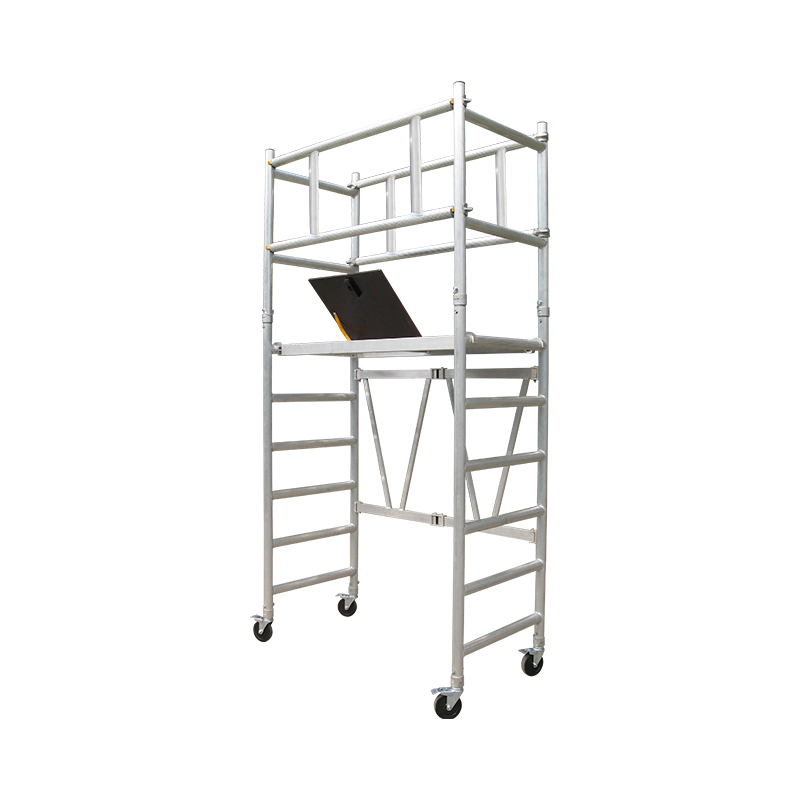
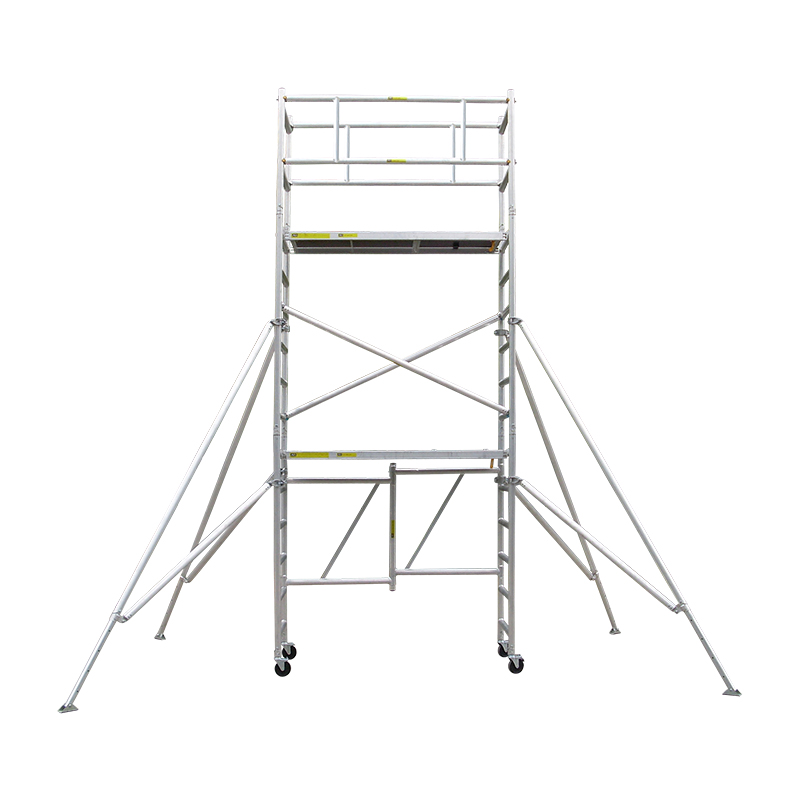
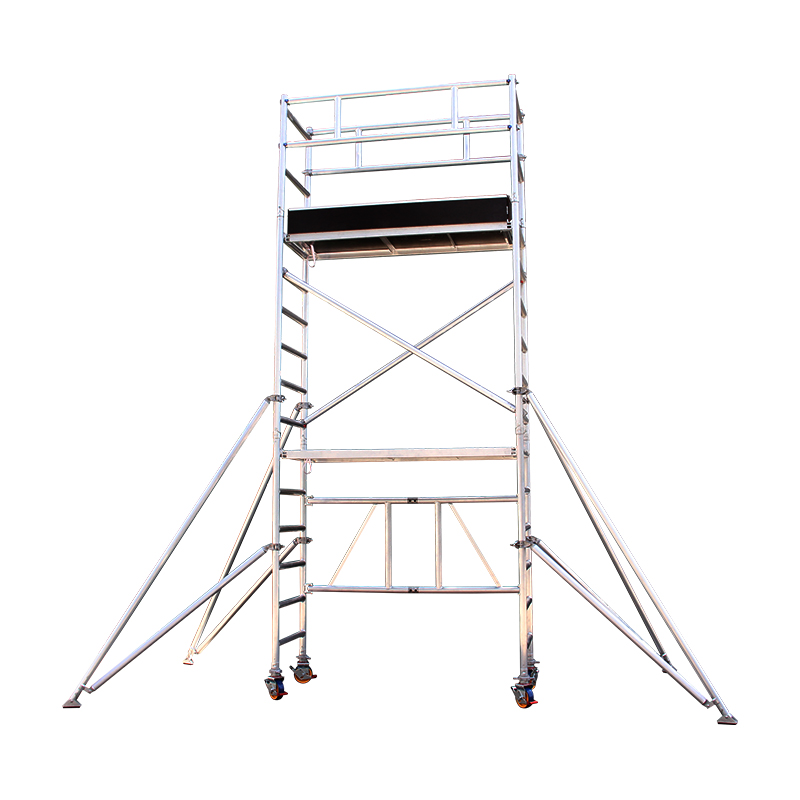
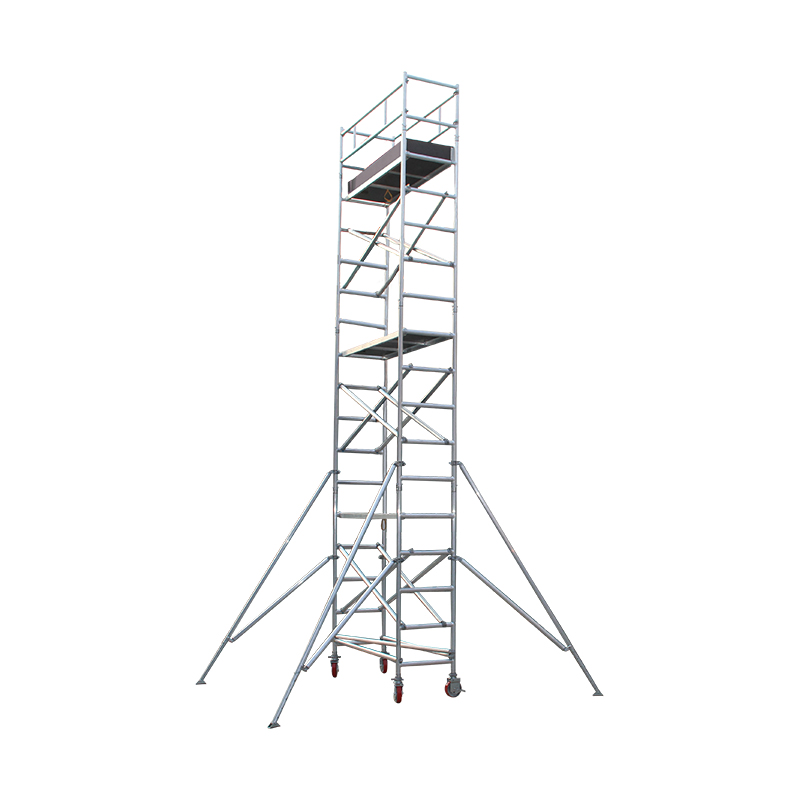
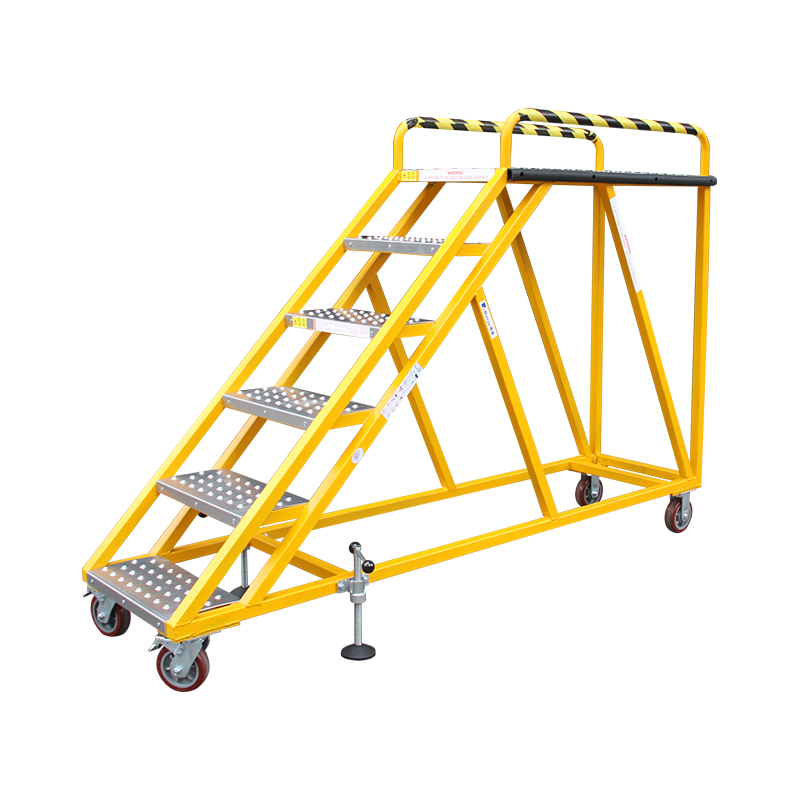
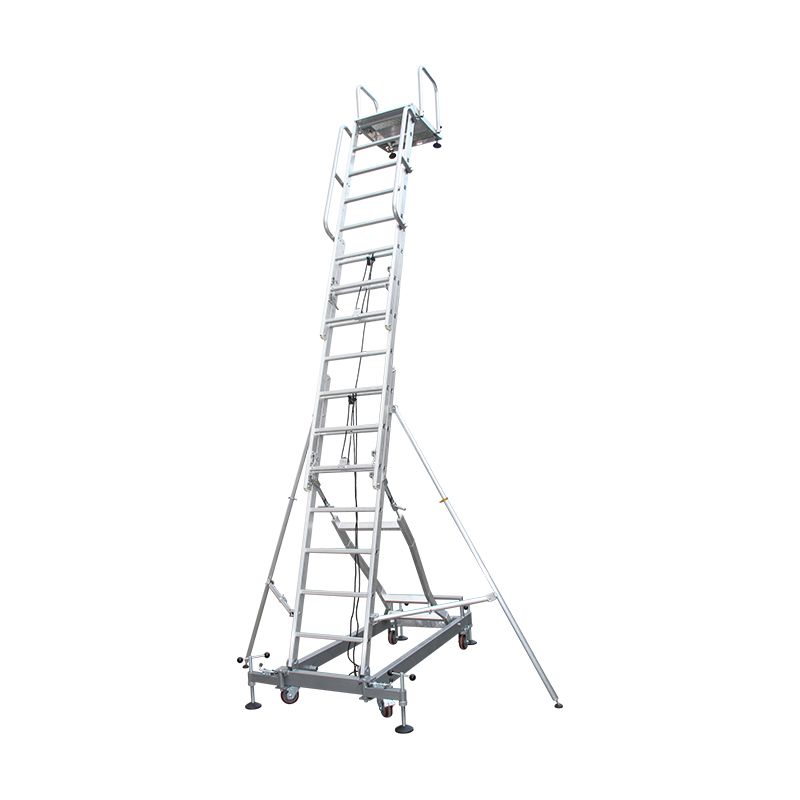

Heavy Duty Scaffolding: Load Ratings, Platform Access, and Safe Site Setup
Content
A site manager orders a “heavy duty” tower, it arrives, and the first problem is not the load rating. The stair access is too steep for the electrician carrying a tool bag, or the outriggers will not fit between the machine base and the wall. The label said heavy duty; the job still slows down. The practical definition is simpler: heavy duty scaffolding is a system that carries the intended people, tools, and materials safely while still allowing efficient access, movement, and inspection. Get those four elements right, and the duty rating becomes useful rather than decorative.
What heavy duty should mean on a spec sheet
In mobile access towers, “heavy duty” is not a single global number. Standards such as EN 1004 and AS/NZS 1576 set test and design requirements, while OSHA 1926 Subpart L sets US construction requirements. Manufacturers then publish safe working loads and duty classes. You will see platform load bands around 150, 200, and 300 kg/m²; the heavy end of that range is usually intended for workers plus tools and some stored materials. The number matters, but it is only valid when the tower is assembled with the specified platform width, bracing, castors, and stabilisers. Tube-and-fitting scaffolds follow the same principle: the duty class assumes the correct bay size, ties, and decking.
| Duty band | Typical platform load | Work it suits | What to check |
|---|---|---|---|
| Light | 150 kg/m² | Painting, ceiling inspection, one worker with hand tools | Platform width, safe ladder access, indoor wind exposure |
| General | 200 kg/m² | Electrical, HVAC, routine maintenance with two workers | Guardrail height, toe boards, castor condition, floor loading |
| Heavy | 300 kg/m² or the manufacturer’s top rating | Plastering, tiling, mechanical installation, stored materials | Bracing, outriggers, ground bearing, deck condition |
| Special | Project-specific | Rail, aviation, plant shutdown, bespoke access | Engineered design, anchor points, clearances, custom fabrication |
Load capacity is only one line in the decision
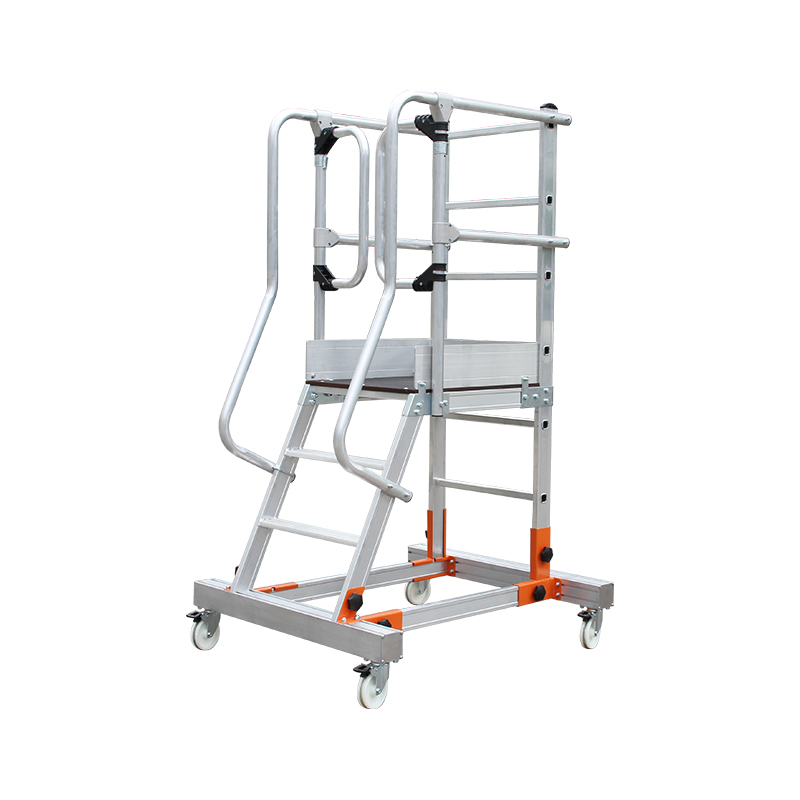
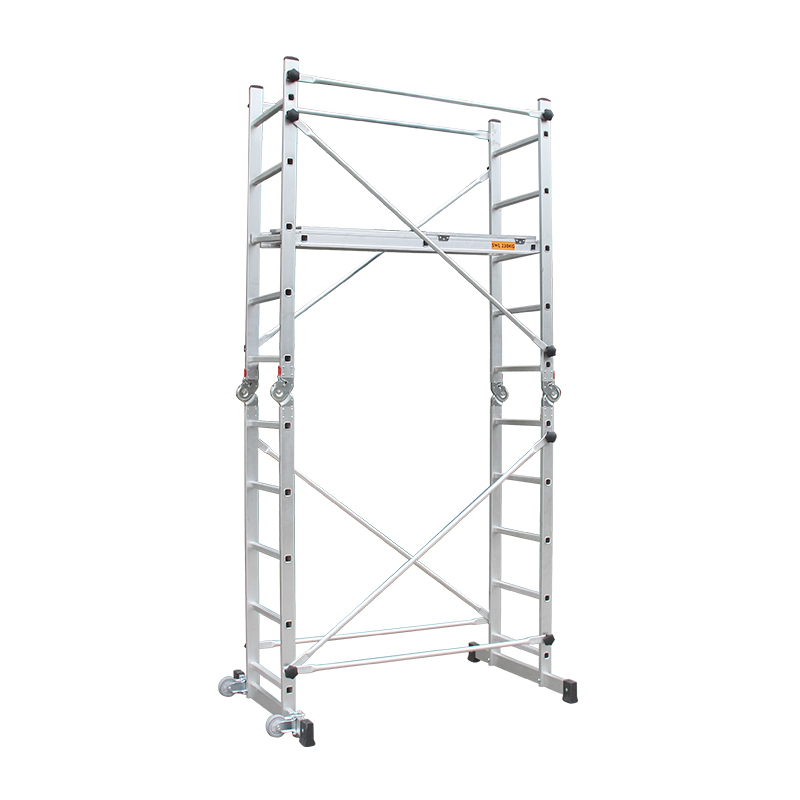
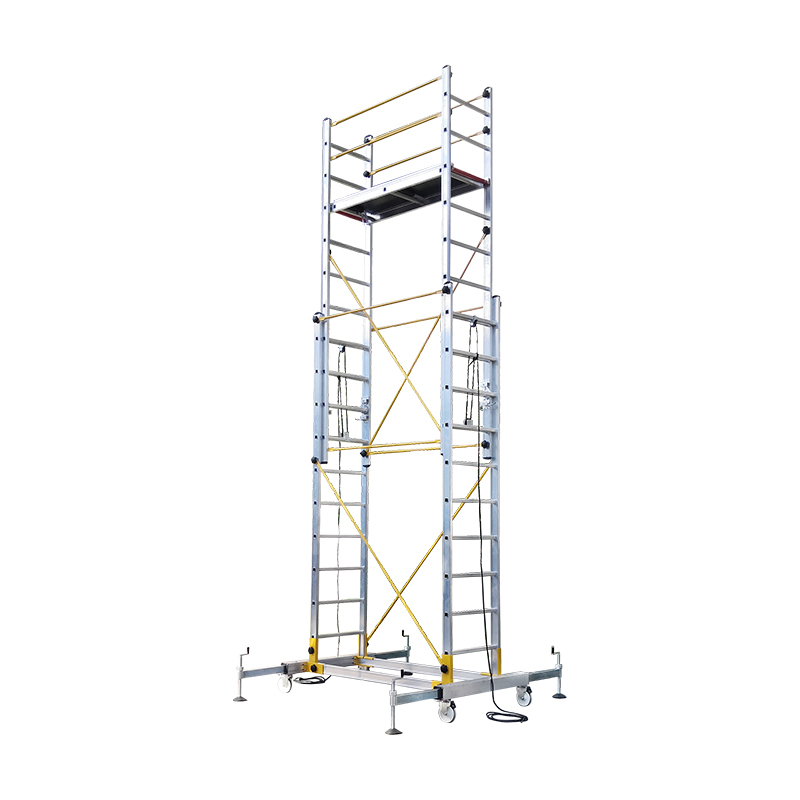
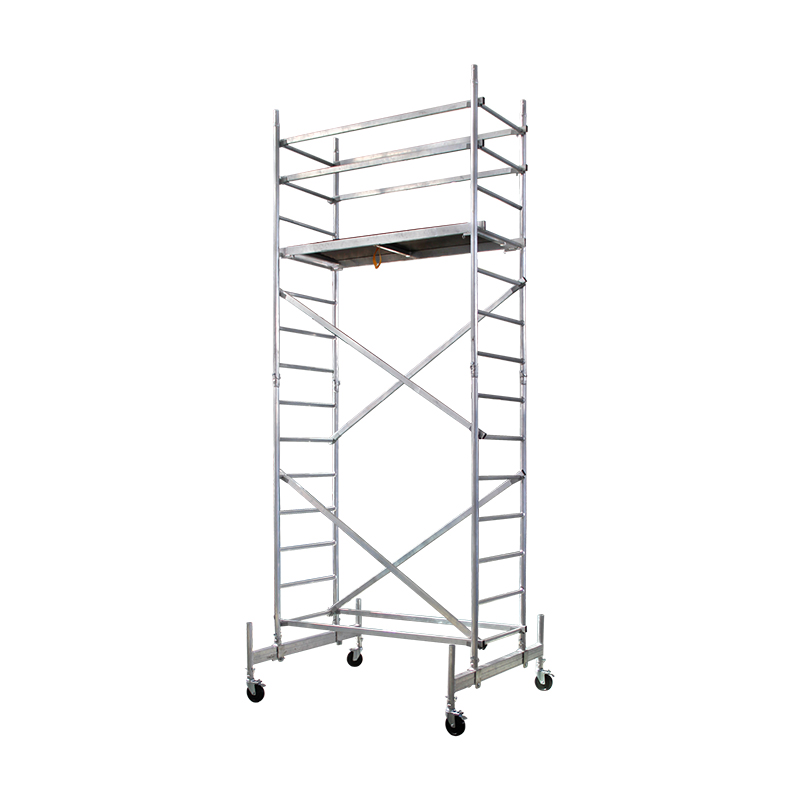
A 300 kg/m² deck does not fix a bad access route. If a worker has to climb through the frame or lift tools over a guardrail, the tower is not efficient, and efficiency affects safety. Platform width is often the more noticeable specification on site: a single-width tower can fit a narrow corridor, but a double-width deck gives room for a second person, a tool tray, and a material stack. The trade-off is footprint and weight, so check doorways, lifts, and floor loading before the tower arrives. The guide to aluminium mobile scaffolding types is a useful starting point for comparing those configurations.
Platform width and access change the real working load
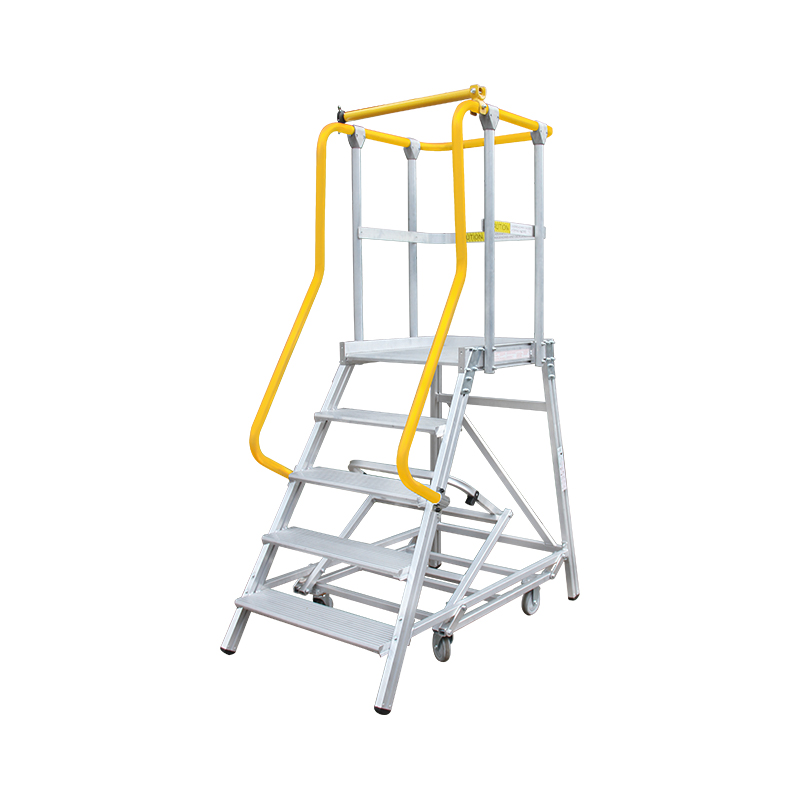
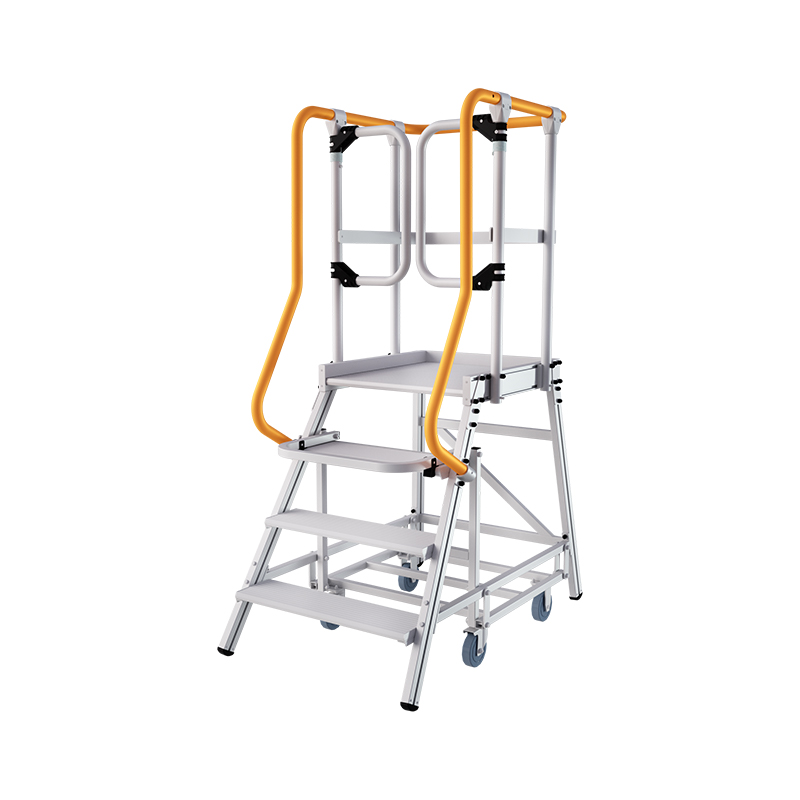
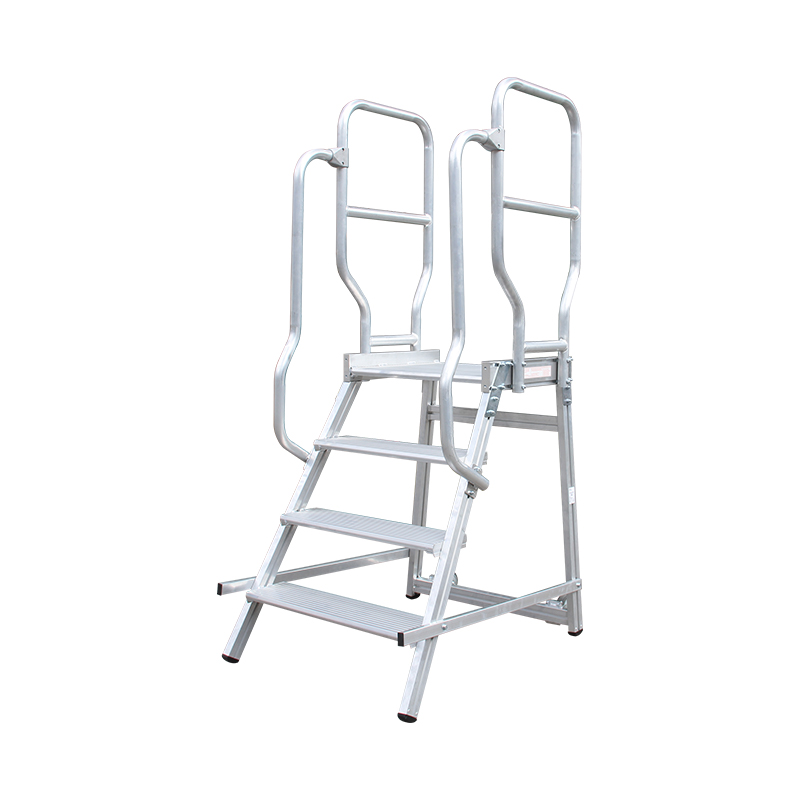
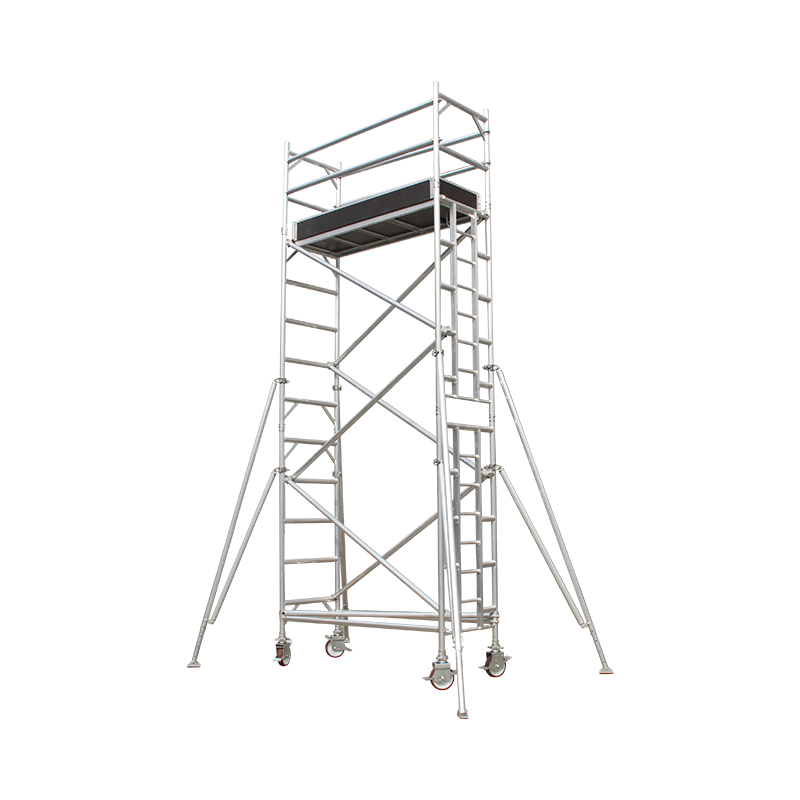
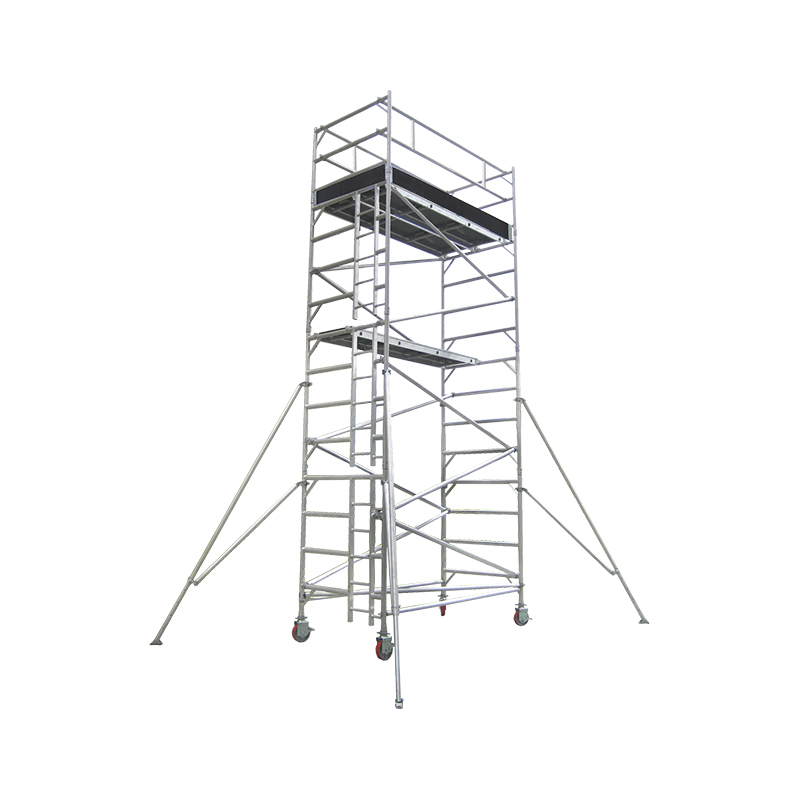
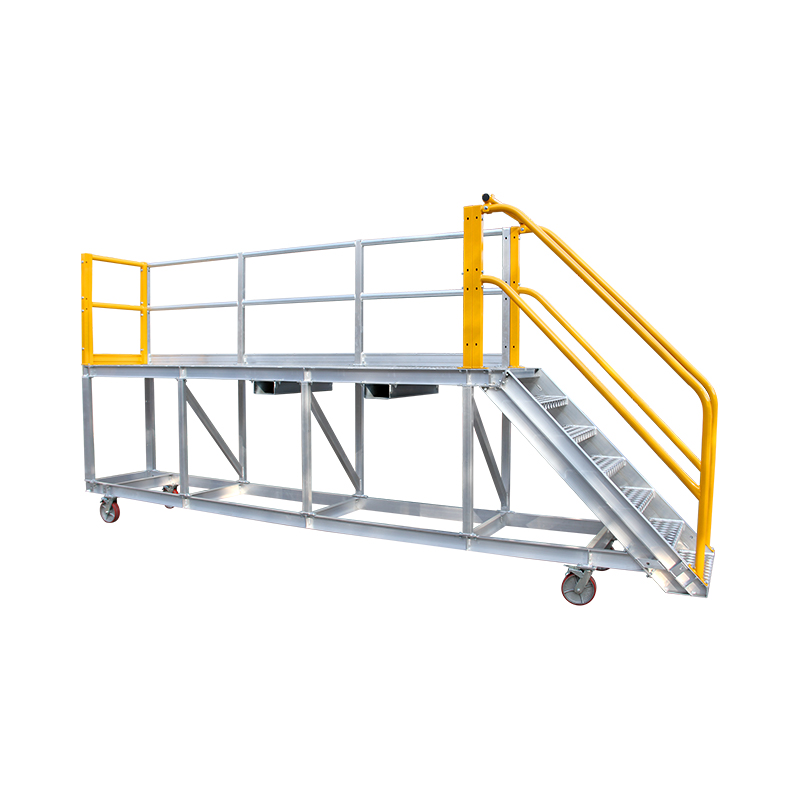
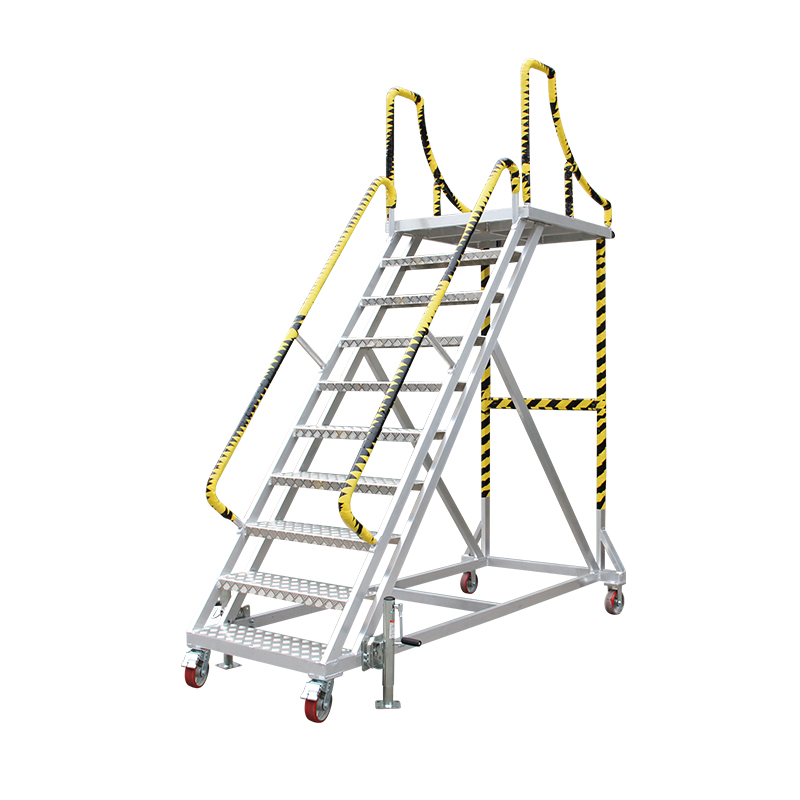
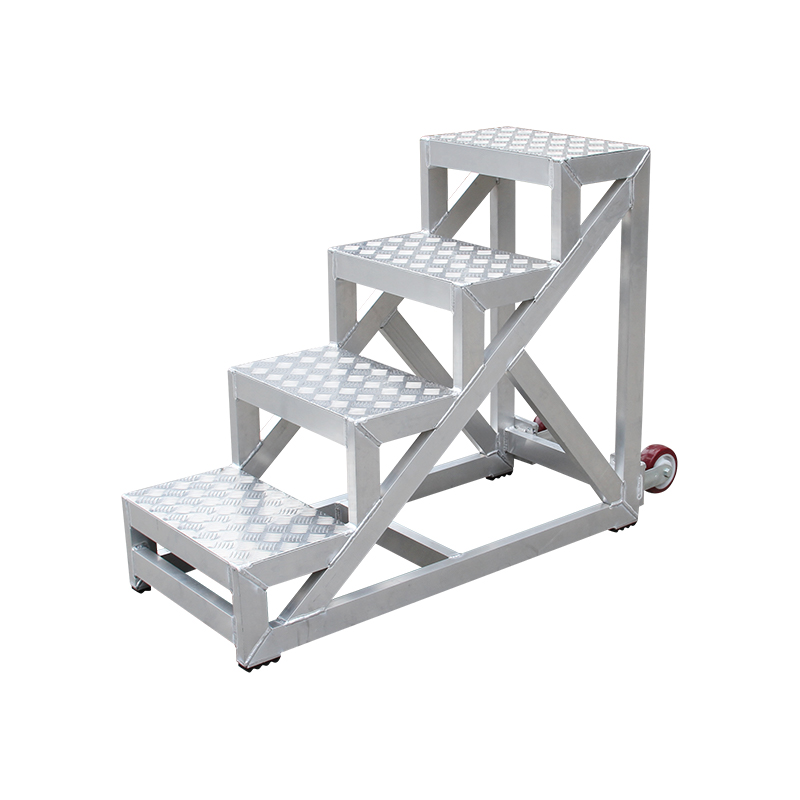
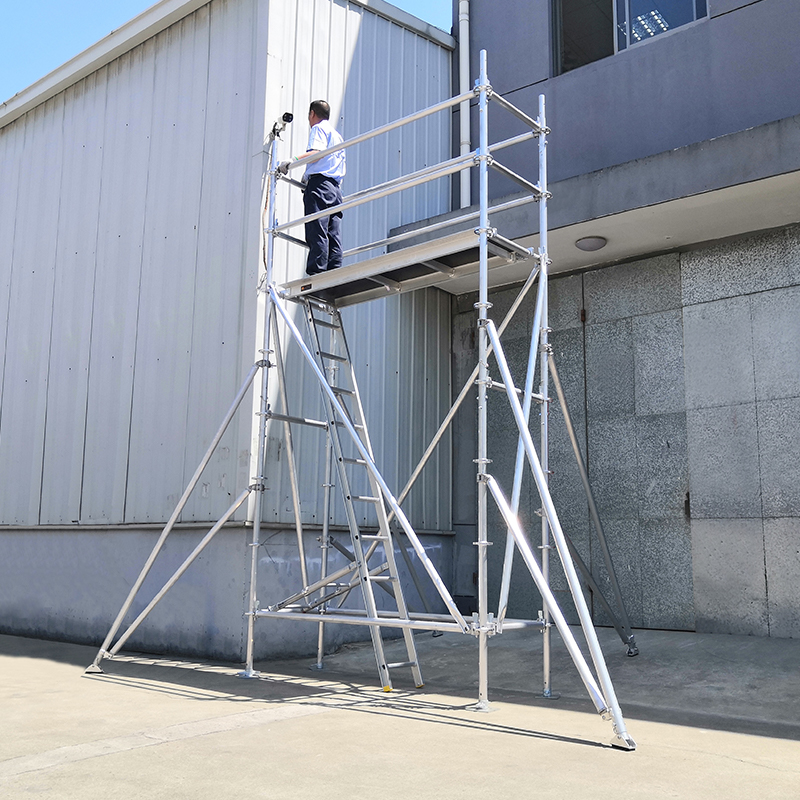
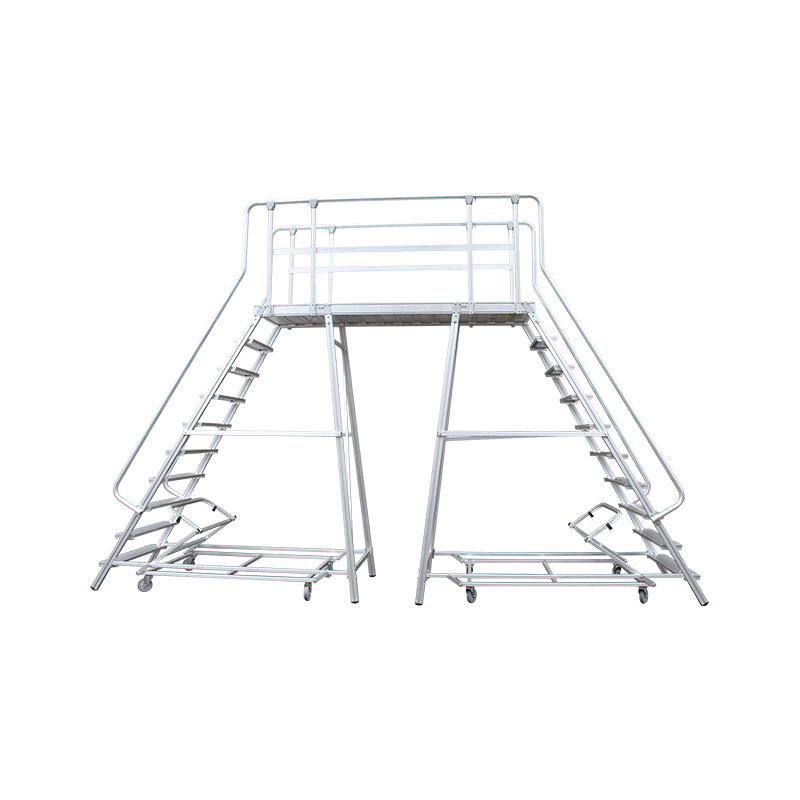
For repeated access at height, stairs or inclined ladders are faster and less tiring than vertical rungs. That matters on a full-day mechanical installation: tired legs lead to missed steps. A double-width tower with a staircase is often the better heavy-duty choice for maintenance crews who need to carry parts up and down, provided the site has the floor area and the tower is assembled with the correct stabilisers.
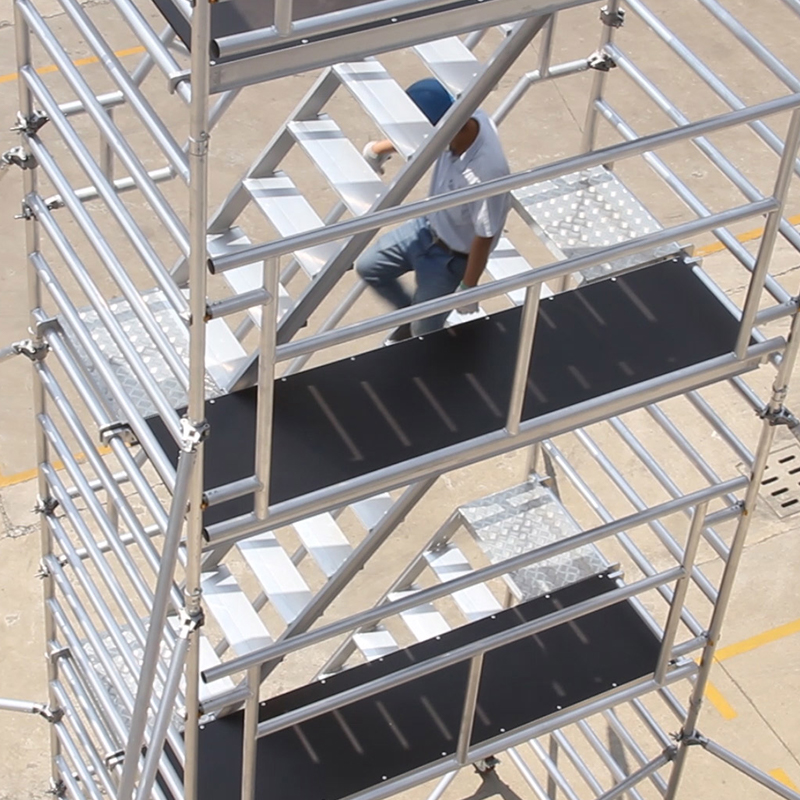 Double Width Aluminium Scaffold with StaircaseAluminium mobile tower with integrated staircase, 1.45 m frame width and up to 14.2 m working height for carrying tools between levels.View Product →
Stability starts at the castors and ground
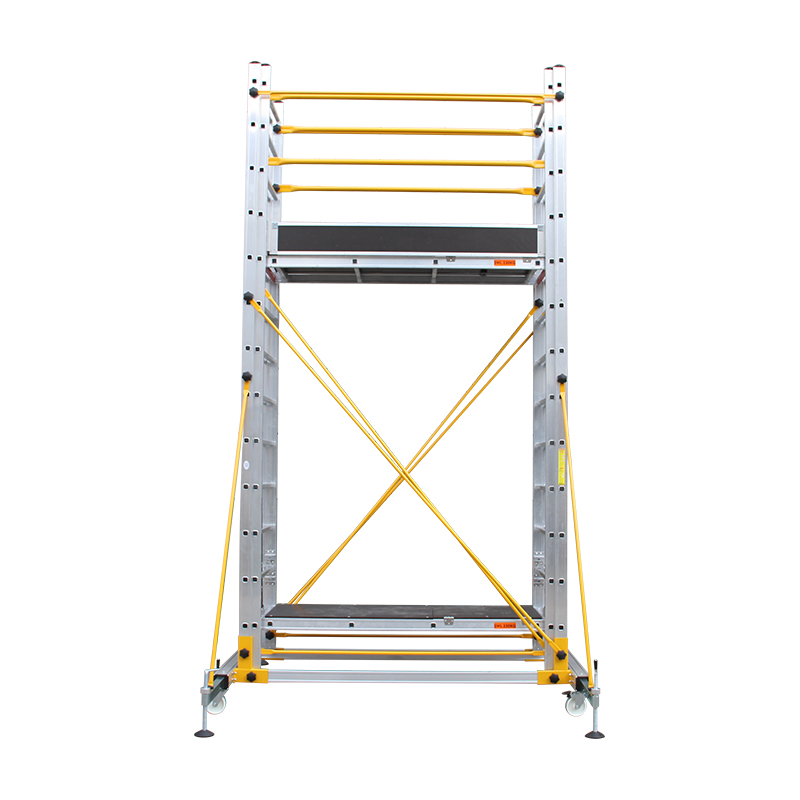
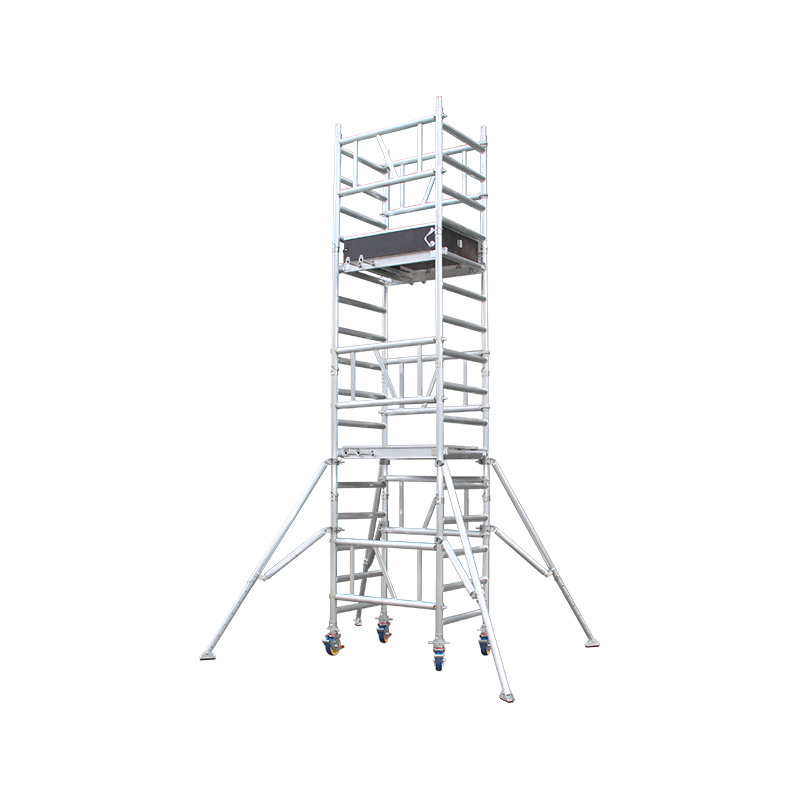
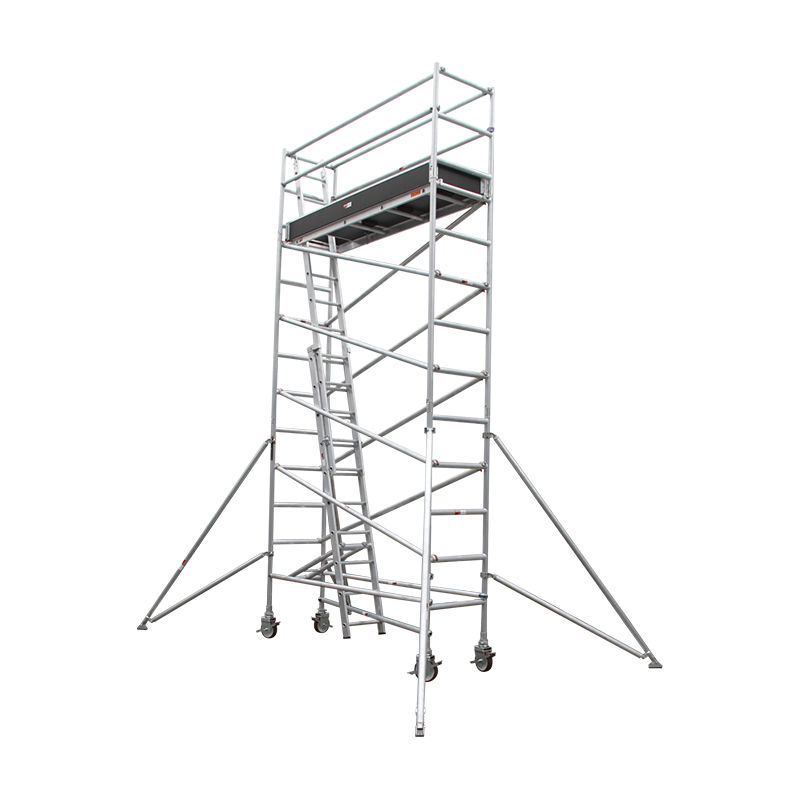
Heavy loads move upward through the legs, castors, and ground. Check the castor diameter and wheel type, the locking mechanism, and the ground bearing. On suspended slabs, a structural engineer may need to confirm the point loads. On uneven concrete, outriggers or screw jacks may be required; on soft ground, spreader plates are not optional decoration. Wind is the other variable: a tower with a large deck and sheeted side can become a sail, so follow the manufacturer’s wind limits and tie-in guidance.
 Scaffolding Accessories for Aluminium SystemsCasters, stabilizers, guardrails, platforms and connectors for aluminium scaffold systems, selected by structure, height, load, surface and operating method.View Product →
Matching heavy duty scaffolding to the job
The fastest way to specify is to work backward from the task. Ask what the worker will carry, how often they will climb, how long the tower will stand, and what the surrounding environment restricts.
Maintenance and installation work
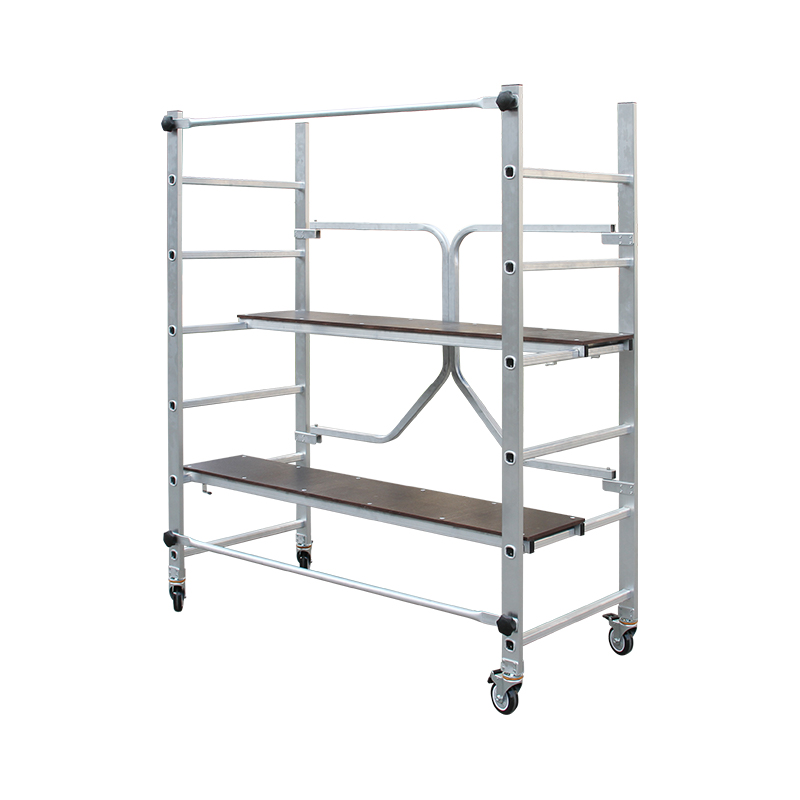
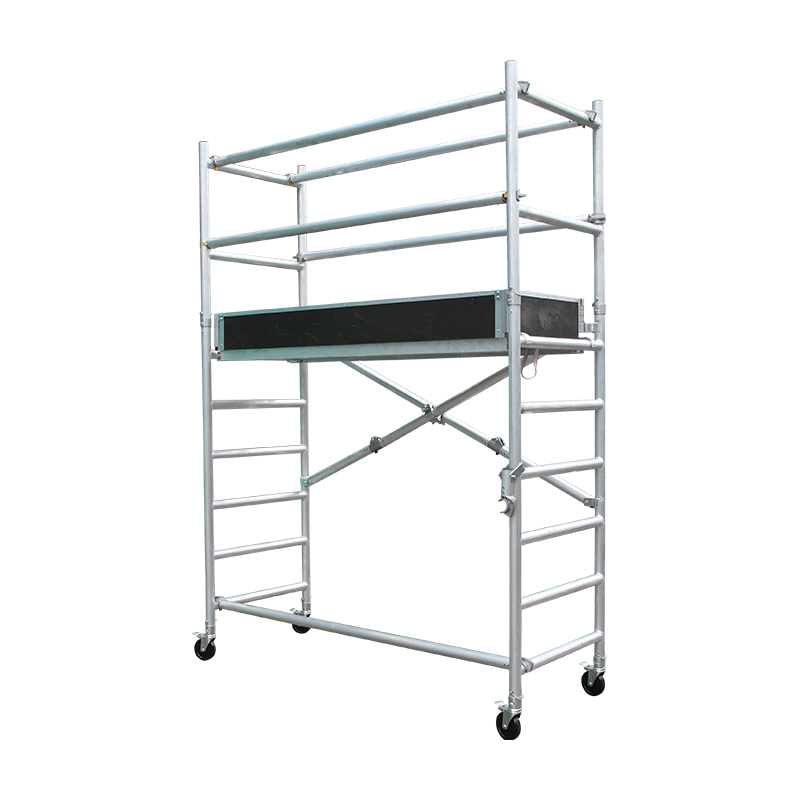
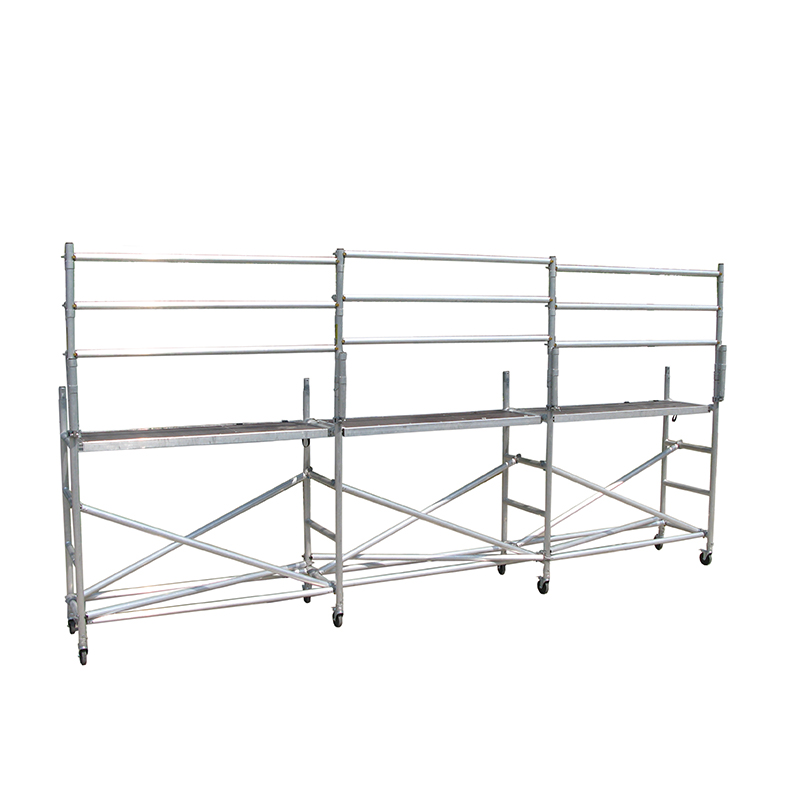
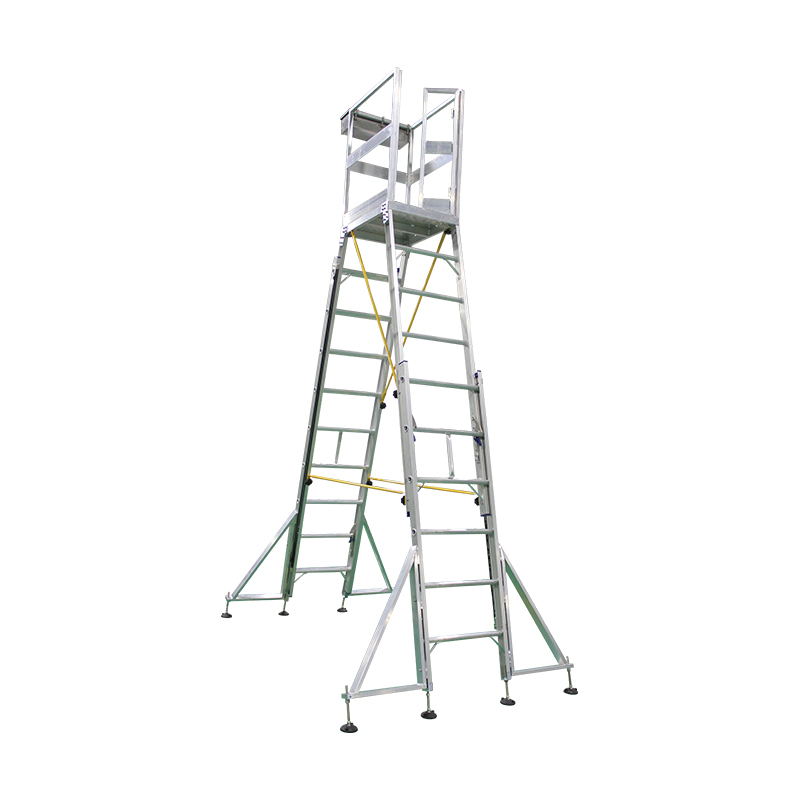
For HVAC, electrical, sprinkler, and general building maintenance, a mobile tower with a 1.35 m wide platform, guardrails, toe boards, and stair access covers most needs. If the work involves repeated repositioning, folding towers or mini towers can be quicker, but check the duty rating and the maximum platform height. Do not use a compact tower for a task that needs two workers plus material just because it fits through a doorway.
Rail, aviation, and plant environments
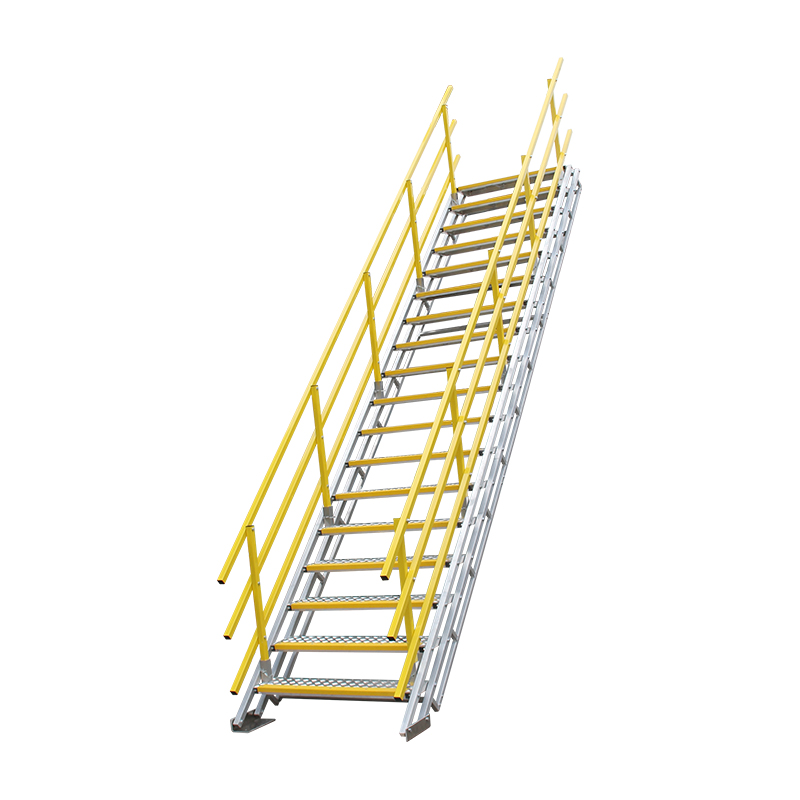
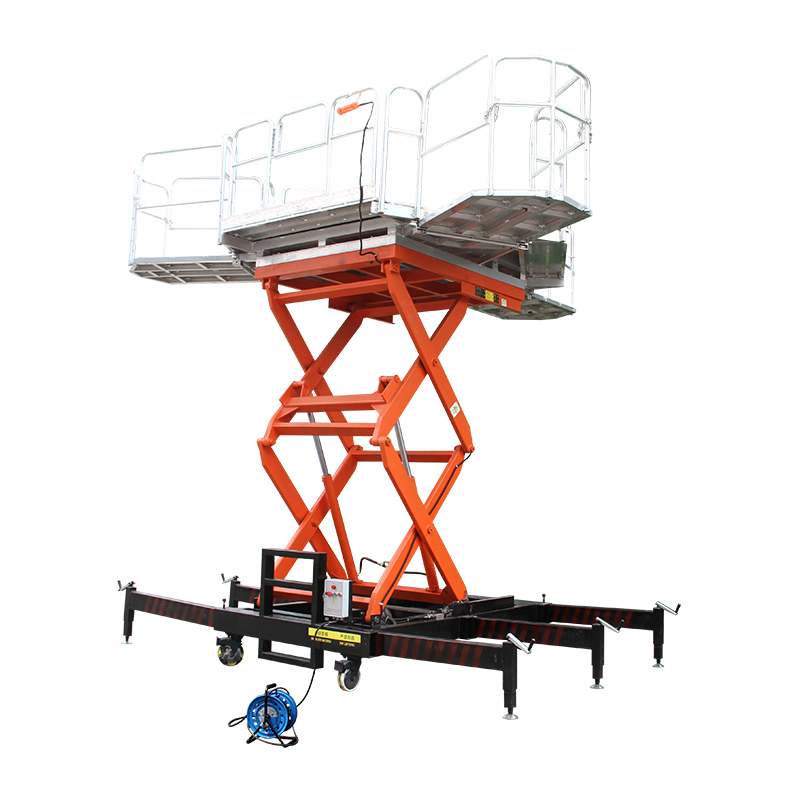
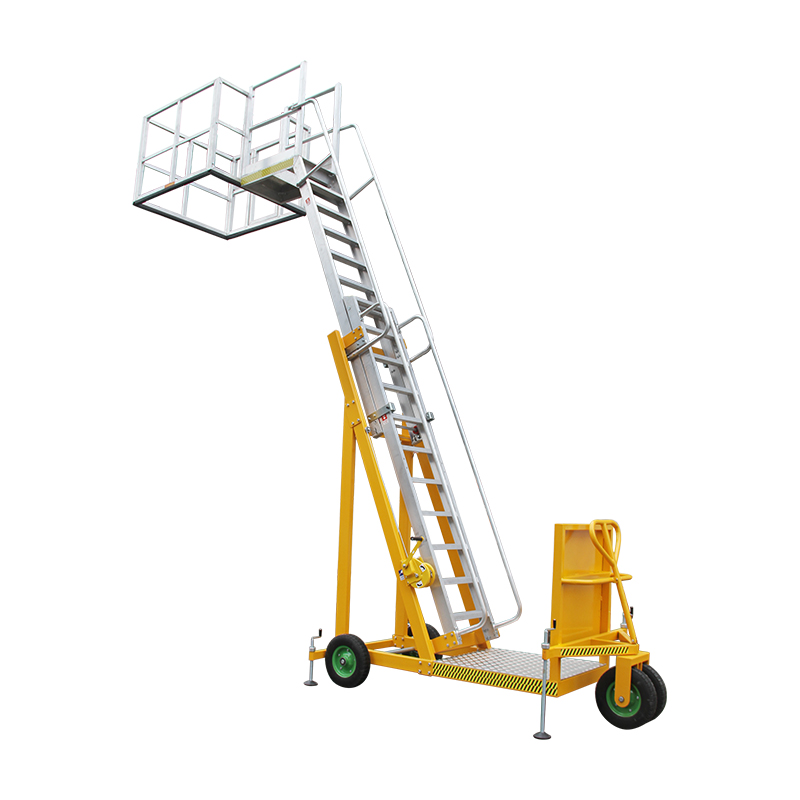
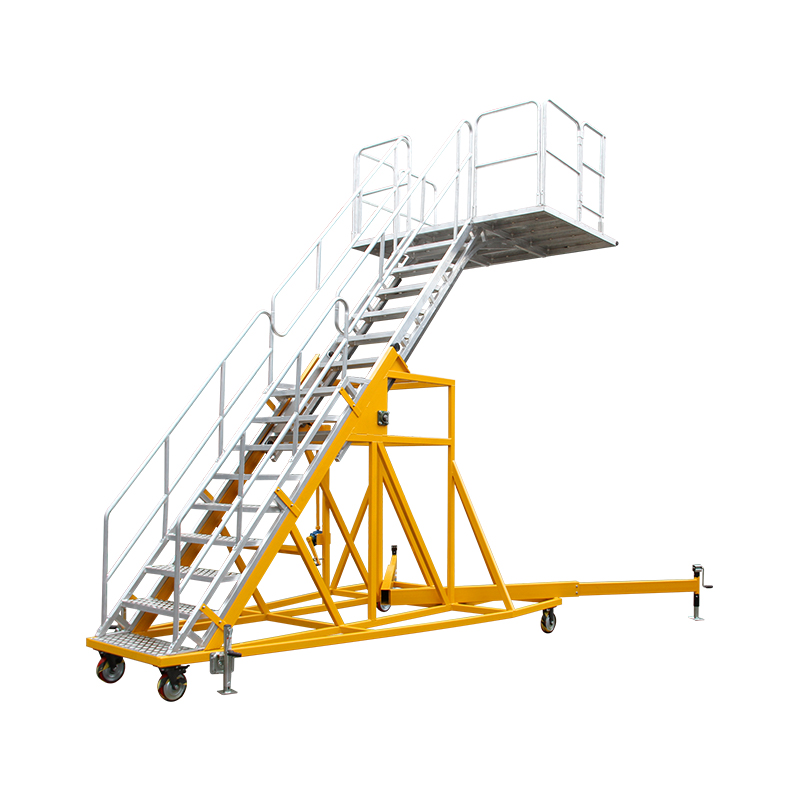
Rail depots, airports, and factories have constraints that a catalogue tower cannot solve: track clearance, aircraft clearance, pit access, or a fixed boarding height. In those cases, the specification should include the interface dimensions, the required standing height, the access method, and any custom fabrication. For track and depot work, the railway scaffolding range is a better starting point than a generic mobile tower, because the design has to respect the vehicle envelope and the maintenance procedure.
When mobile towers stop being enough
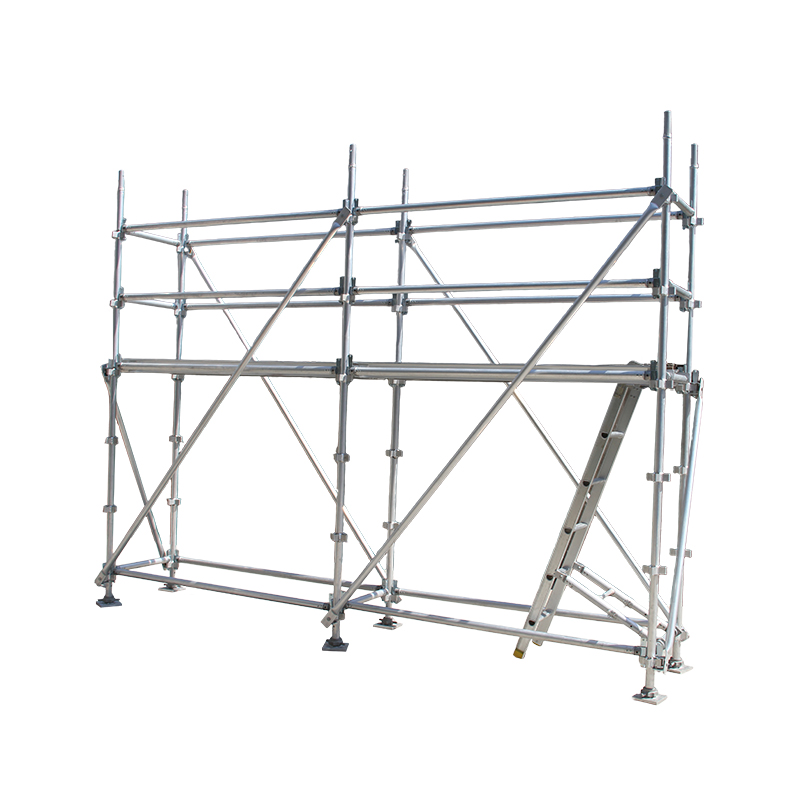
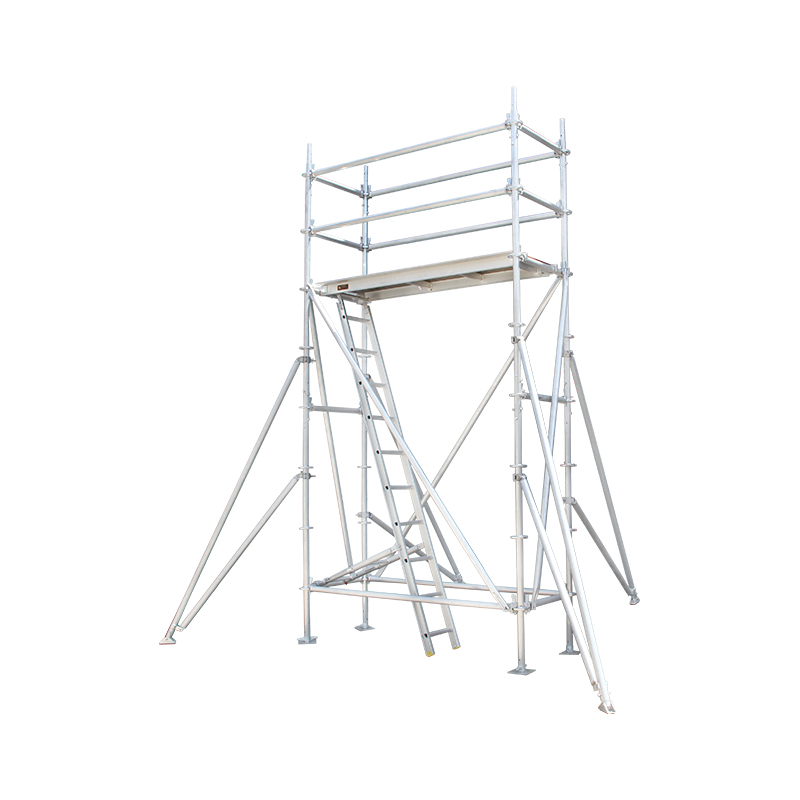
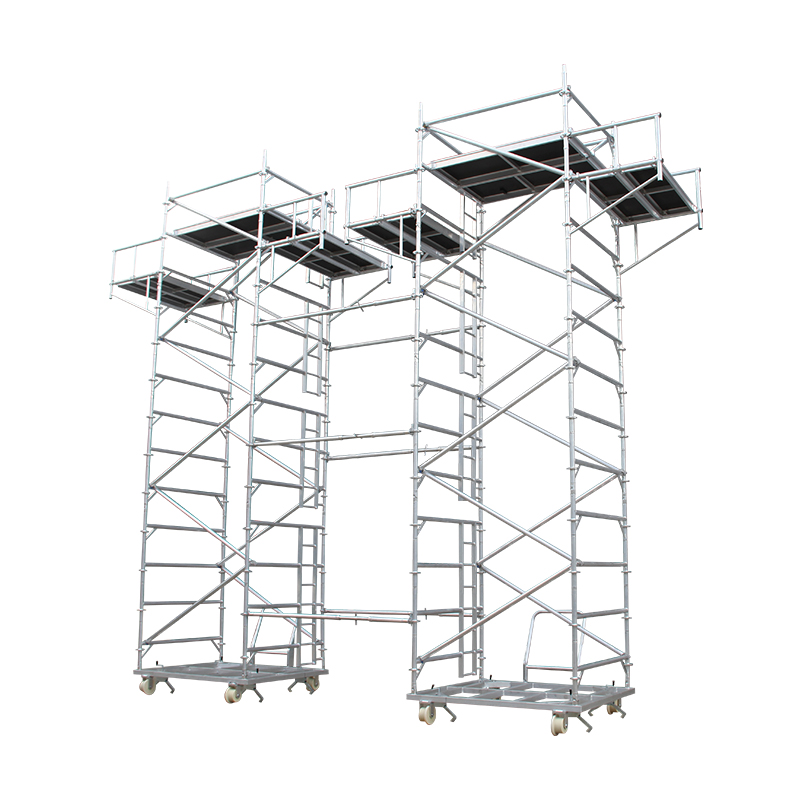
Long-duration work, high point loads, or a large deck with stored materials may point to a modular system rather than a mobile tower. Ringlock-style modular systems are built for repeated assembly and higher load demands, but they need design, competent erection, and a planned inspection regime. They are not a “set and forget” upgrade; the base, bracing, ties, and decking all have to be engineered for the actual layout.
 Aluminium Ringlock Modular Scaffold IMG0606Modular aluminium ringlock system with 8-hole rosettes, wedge self-locking joints, standards, ledgers and platforms for access and shoring layouts.View Product →
Material and inspection: where heavy duty claims are won or lost
Aluminium is popular for mobile towers because it is light enough to move and corrosion-resistant enough for outdoor use. The trade-off is that aluminium is softer than steel and can be damaged by impact; a dented tube or a bent brace should be taken out of service, not straightened and reused. Steel has a place in heavy-duty fixed systems and in components that need wear resistance, but weight and corrosion protection become part of the maintenance plan. The material is only half the story. Welds, castor forgings, platform locks, and guardrail connections are the details that decide whether a tower stays rigid under load.
A practical pre-use check should include the following:
- Confirm the load plate and duty rating match the task.
- Inspect tubes for dents, cracks, and corrosion.
- Check castors, brakes, and locking pins.
- Verify guardrails, toe boards, and access gates.
- Confirm outriggers or stabilisers are fitted as specified.
- Check the ground for slope, voids, and bearing capacity.
- Record the inspection and tag the tower.
A practical buying checklist
Before comparing prices, put the following on one page. It will narrow the field faster than a brochure.
- Task load: people, tools, and materials in kg, plus the platform area.
- Working height: platform height and reach, not just tower height.
- Access: stair, inclined ladder, or vertical ladder, and the number of climbs per shift.
- Footprint: width and length in the transport position and in the working position.
- Mobility: castor size, door width, lift capacity, and floor loading.
- Environment: indoor, outdoor, wind exposure, rail clearance, aviation clearance, or pit access.
- Standard and documentation: load plate, manual, test certificate, and spare parts.
- Inspection and training: who assembles, who checks, and how defects are recorded.
A supplier who can answer these points with dimensions and load data is more useful than one who simply repeats the phrase “heavy duty”. If the job is unusual, ask for a drawing and a load calculation, not a verbal assurance.
The bottom line is that heavy duty scaffolding should be selected by task, not by adjective. Start with the load and the access, confirm the ground and wind conditions, and check that the tower or system can be inspected and maintained. A 200 kg/m² tower that fits the job and is assembled correctly will outperform a 300 kg/m² tower that is cramped, unstable, or missing its stabilisers. That is the standard worth buying against.
- Aluminium Mobile Scaffolding: Types, Load Ratings, Safety, and Buyer's Guide View more
- Alum Plank Guide: Types, Load Ratings, and Safety Checks for Aluminum Scaffold Boards View more
- Cup Lock Scaffolding: Node Mechanics, Load Limits, and Installation Choices View more
- Cuplock Scaffolding Design in the USA: Load Classes, Ties and Bid Details View more
For project inquiries, fill in the form or contact us directly—our team responds promptly.

Copyright @ Shanghai Ruiju Metal Products Co.,Ltd. All rights reserved Aluminum Scaffolding Suppliers Aluminium Ladder Manufacturers
