en
en 简体中文
简体中文 Español
 Deutsch
 عربى
عربى
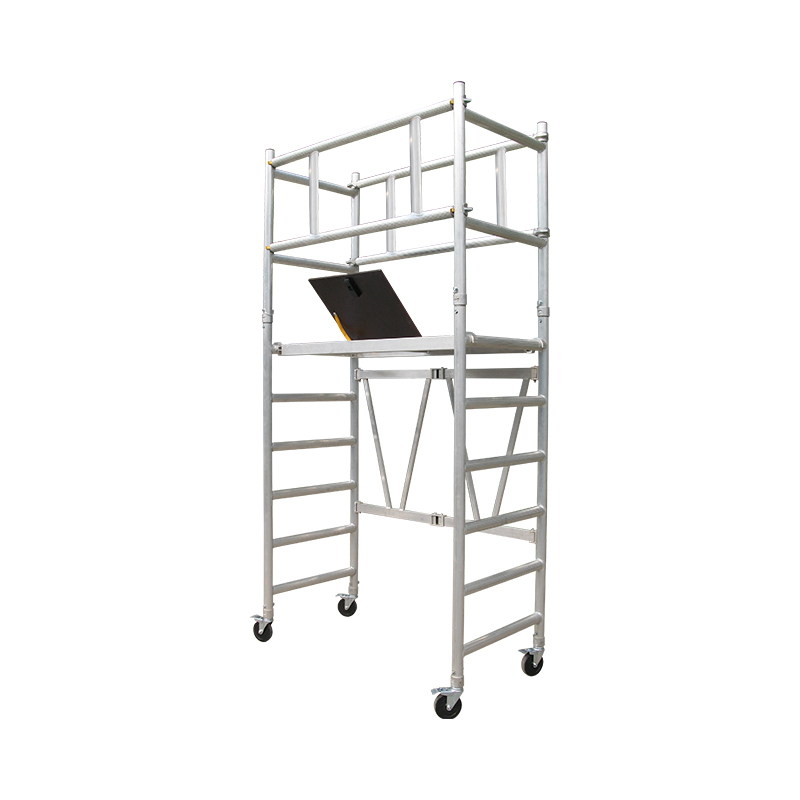
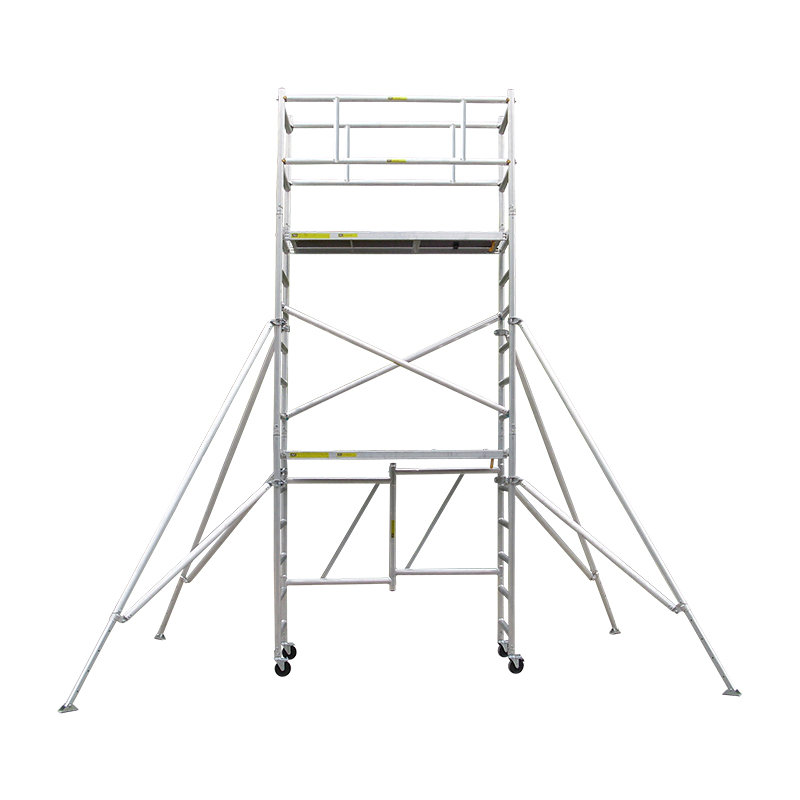
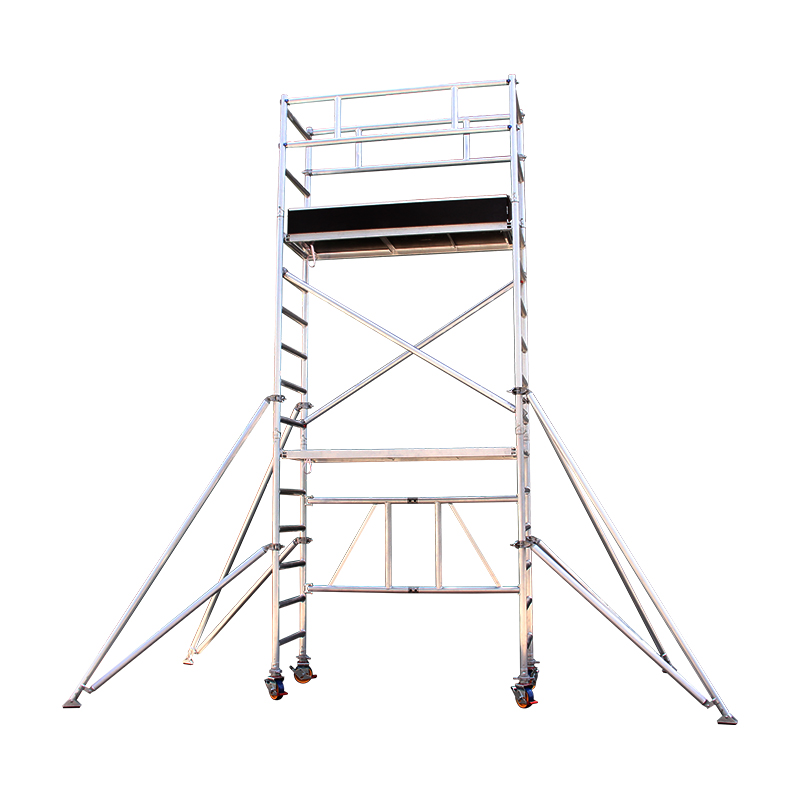
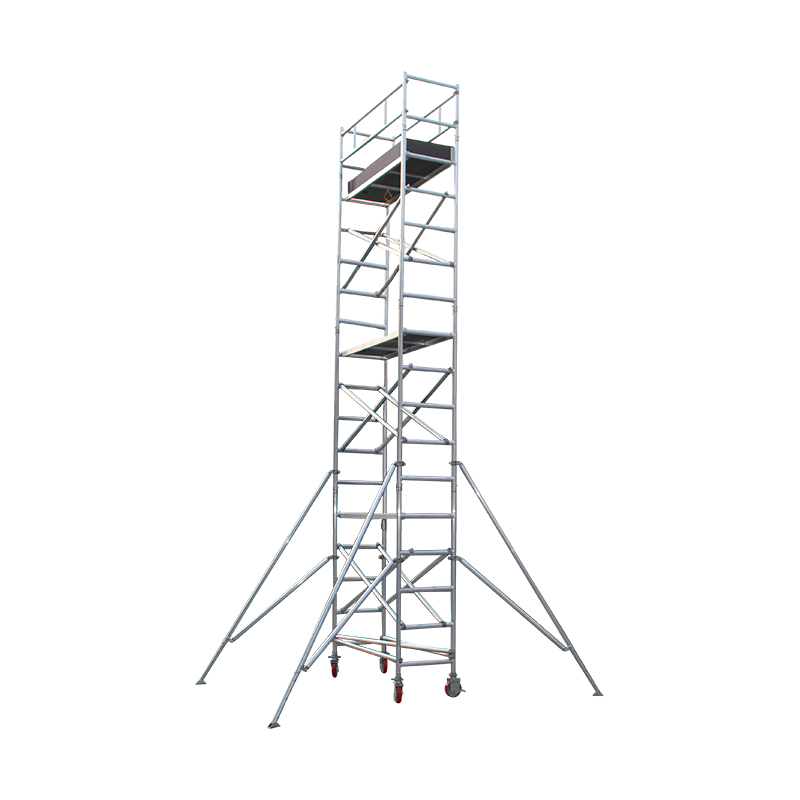













How Aviation Maintenance Platforms Are Engineered Around Aircraft Geometry
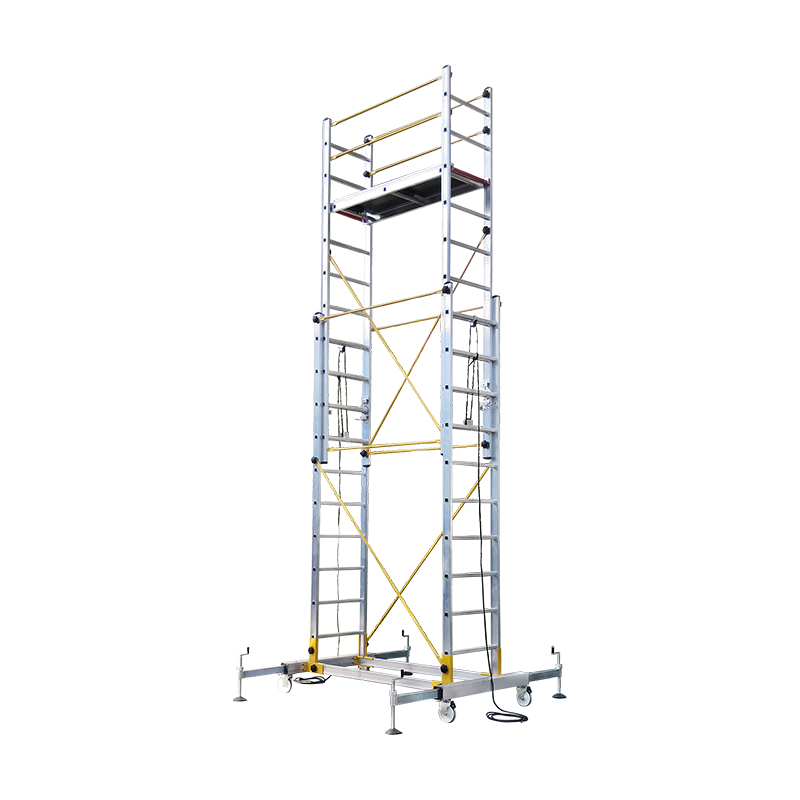
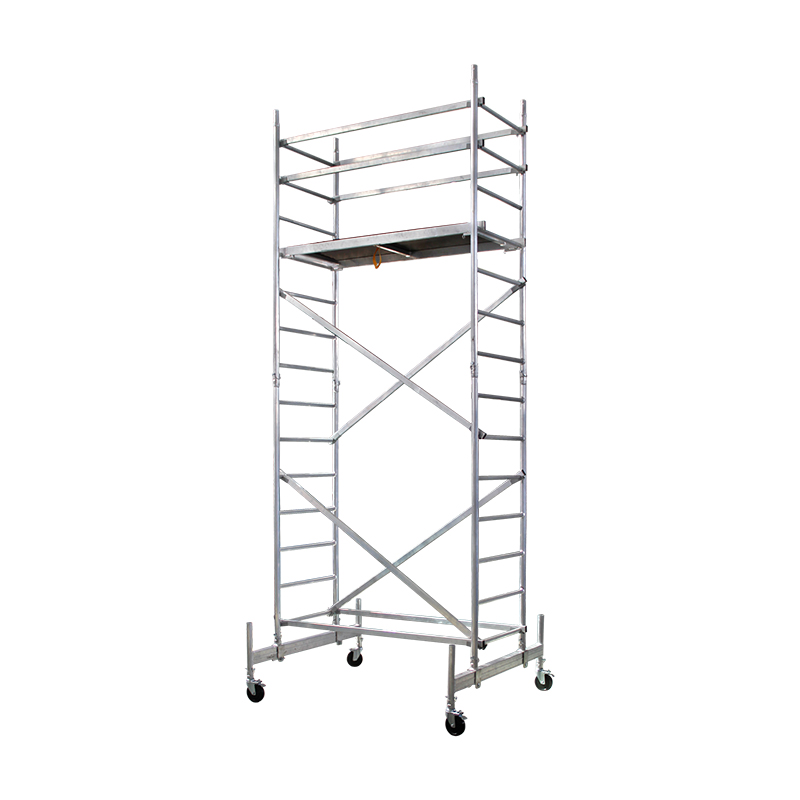
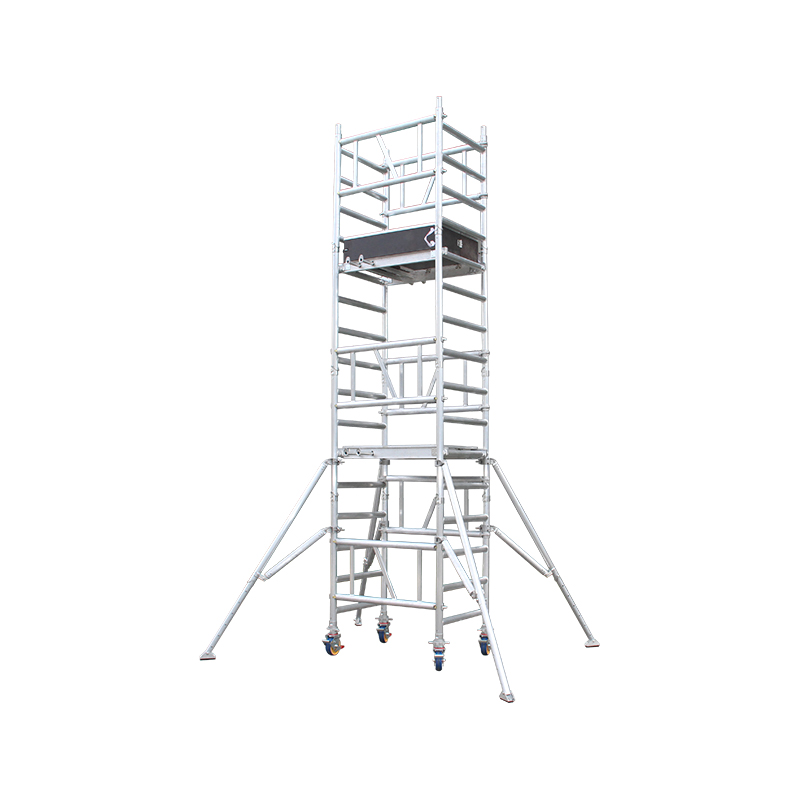
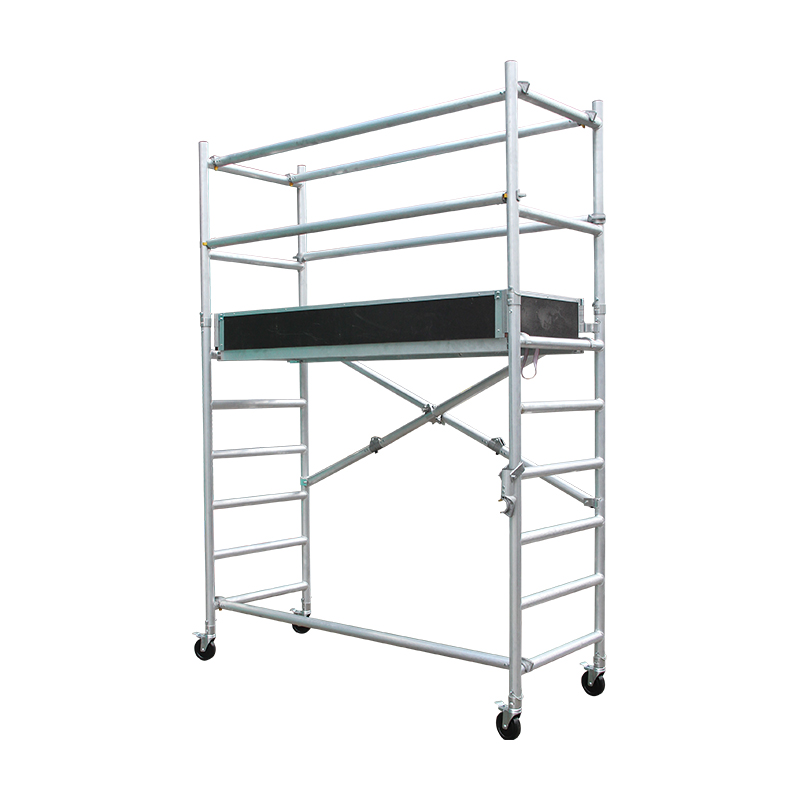
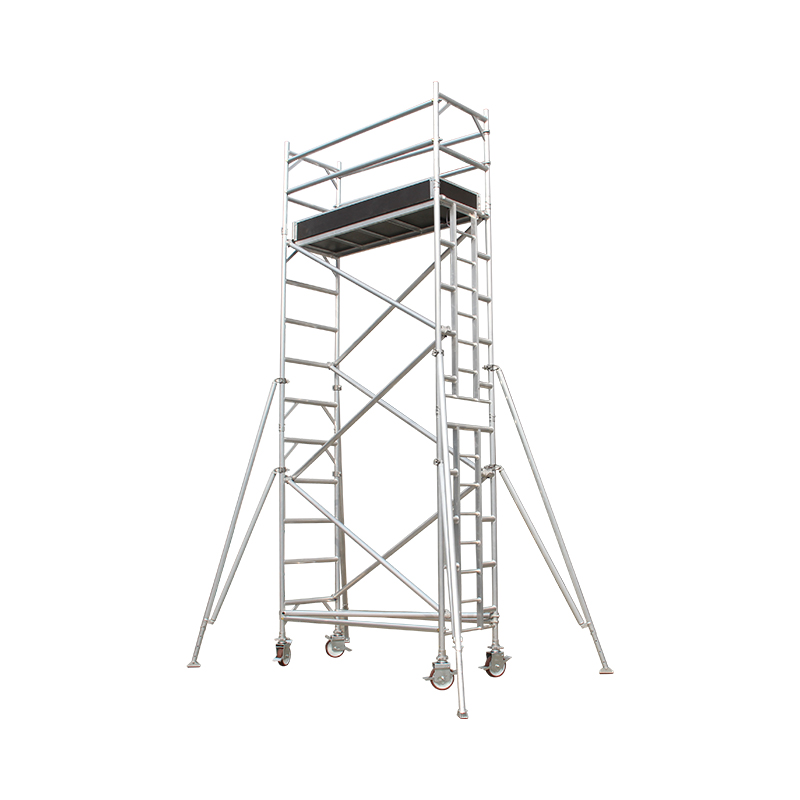
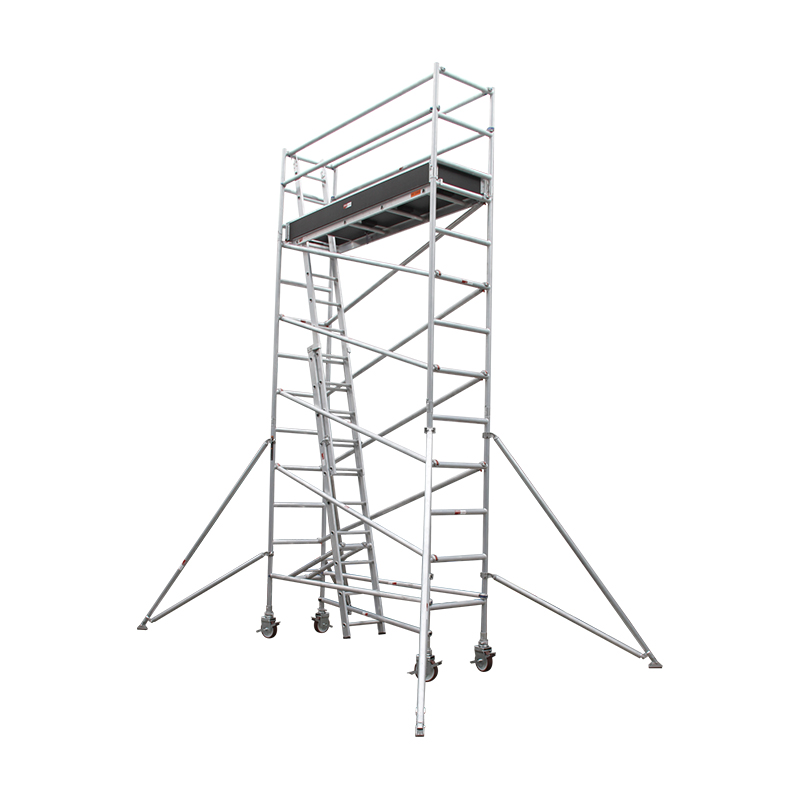
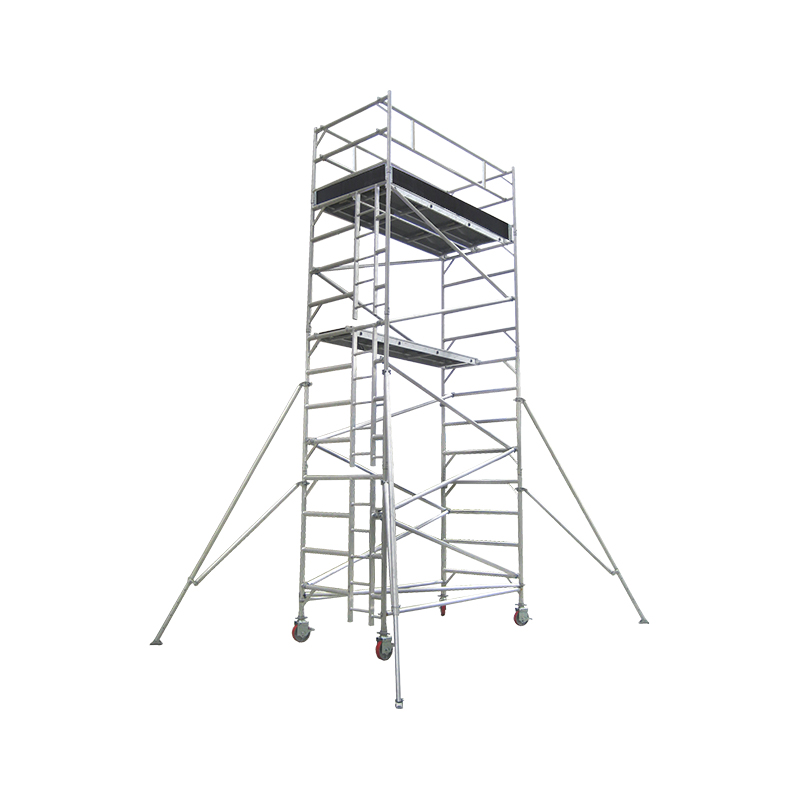
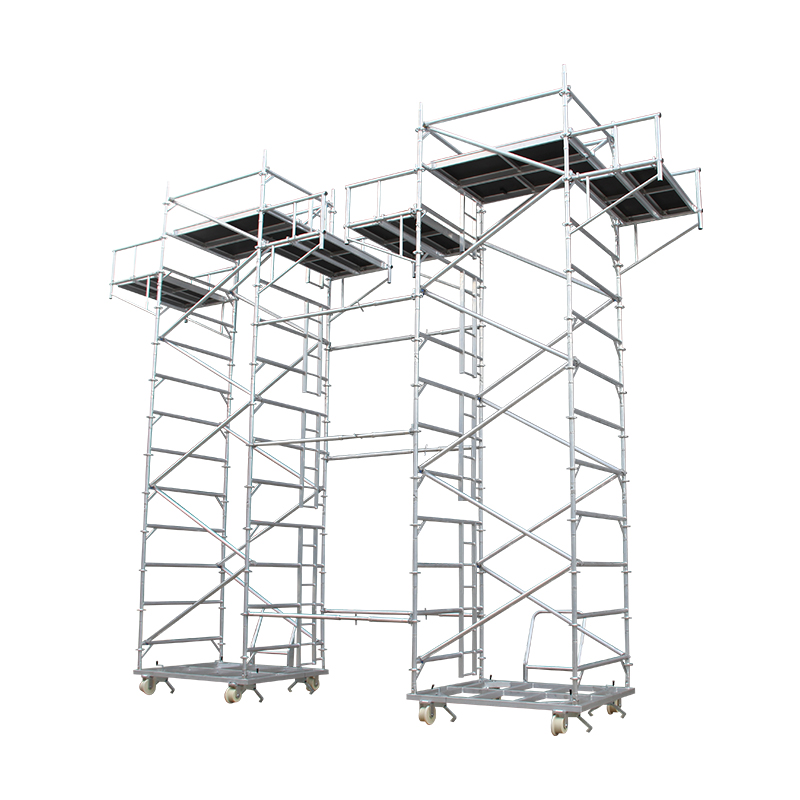
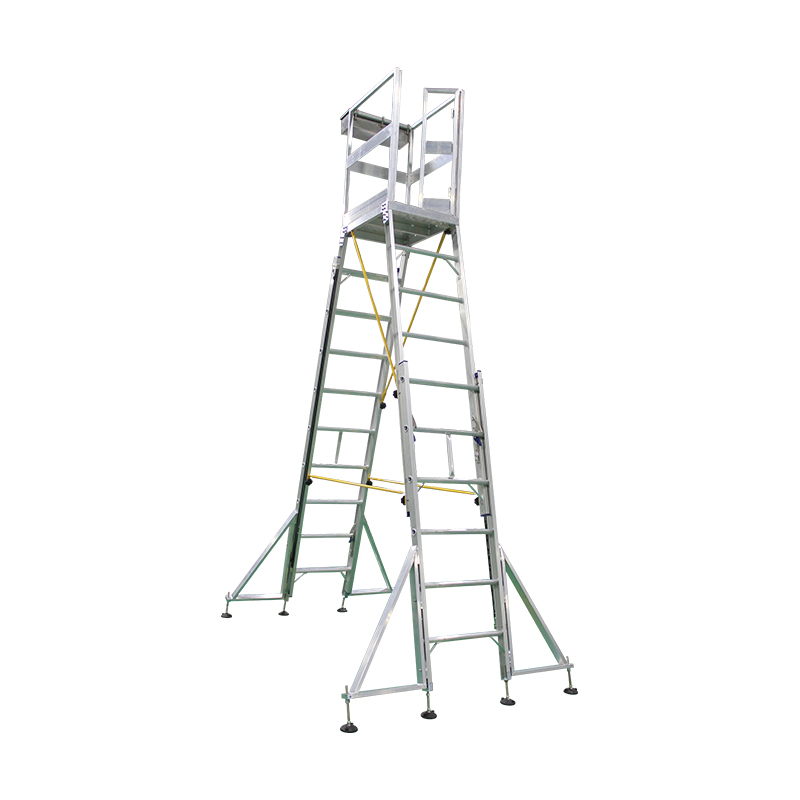
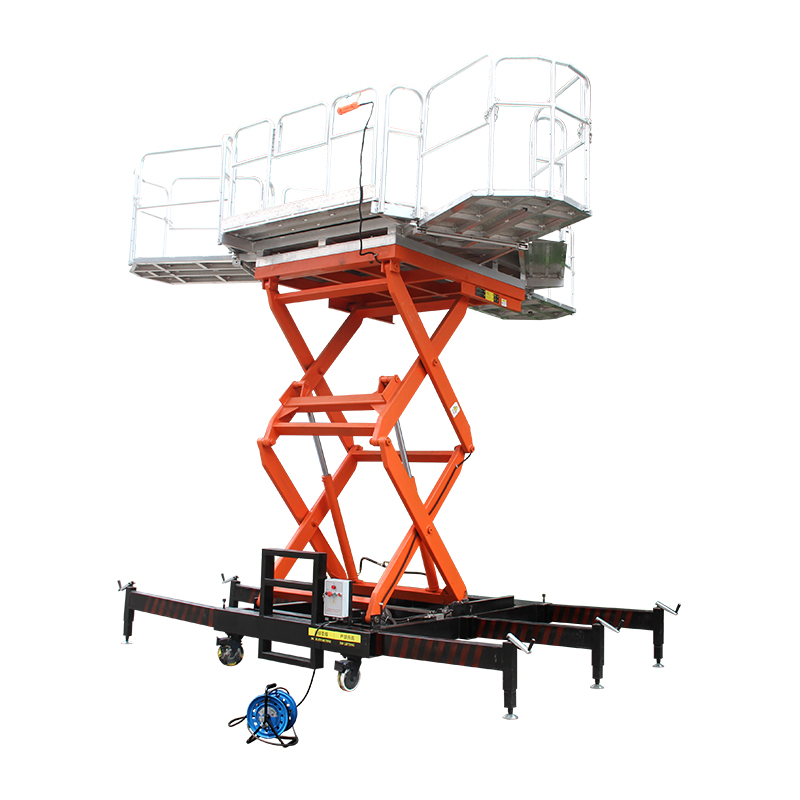
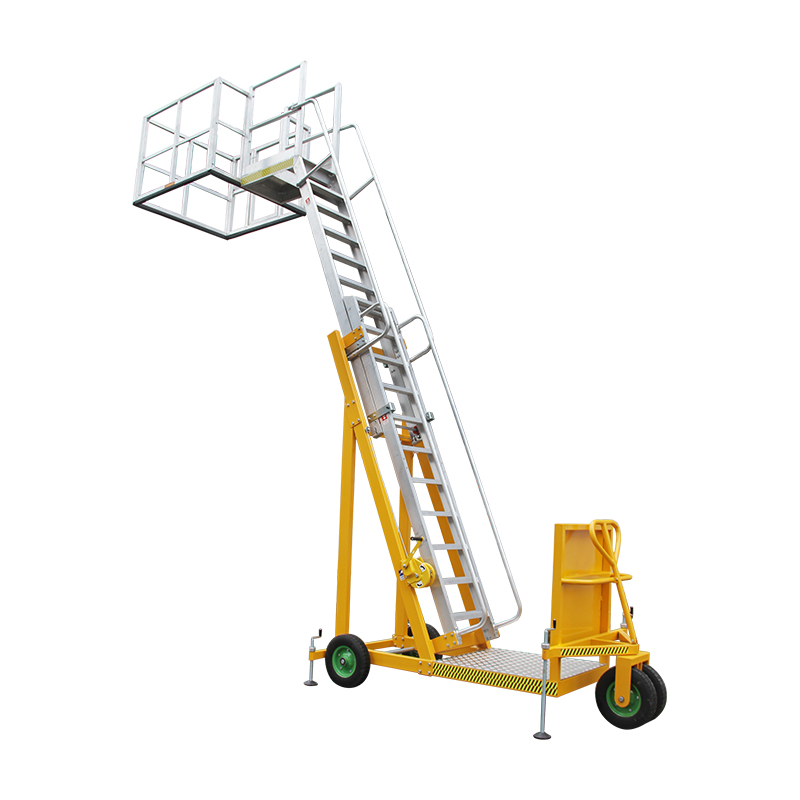
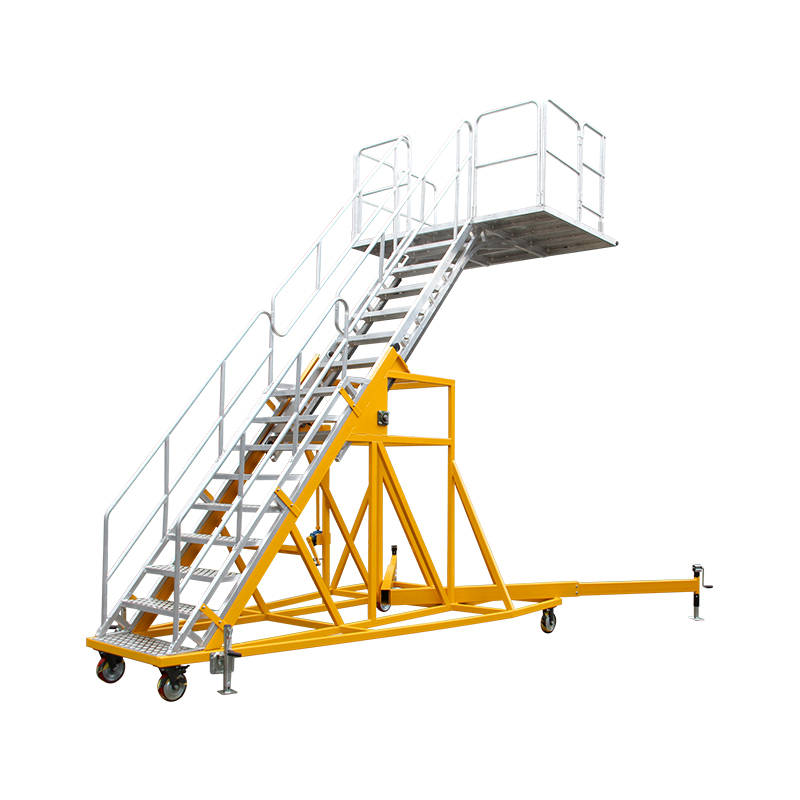
Aircraft maintenance requires access to surfaces and components located at very different heights, including fuselage panels, wings, engines, landing gear areas, doors, cargo compartments, and upper service zones. For this reason, an aviation maintenance platform is normally specified around the aircraft maintenance task rather than simply by overall platform height. Working height, deck dimensions, approach direction, aircraft clearance, mobility, and operator position all influence whether the equipment can integrate effectively into a maintenance workflow.
Shanghai Ruiju Metal Products Co., Ltd. has specialized in customized climbing and working-at-height solutions since 2001, covering ladders, aluminium scaffolding systems, work platforms, and related equipment. With a 12,000 m² self-owned production facility, Ruiju has established an integrated system covering R&D, product design, manufacturing, and marketing. Backed by more than 30 years of working-at-height expertise, the company is recognized as a National High-tech Enterprise and a National Specialized, Sophisticated, Unique & New "Little Giant" Enterprise and maintains a portfolio of technical patents.
Aircraft Clearance Is More Than a Simple Distance Measurement
Platform geometry should follow the work envelope
An aircraft access platform needs to provide useful working space without creating unnecessary interference with the aircraft. A platform positioned beside a fuselage may require a different deck profile from one intended for wing or engine maintenance. Engineers should consider the aircraft contour, access panels, doors, protruding components, maintenance openings, and the technician's normal working posture when defining the deck edge and guardrail position.
For facilities servicing multiple aircraft models, dimensional compatibility becomes particularly important. A platform designed around one aircraft profile may not provide the same clearance or access efficiency around another model. Practical specifications can therefore include adjustable sections, different working heights, interchangeable access components, or dedicated configurations for specific maintenance zones.
Useful engineering data before fabrication
- Aircraft model and applicable maintenance location.
- Required working height and preferred technician position.
- Fuselage, wing, engine, or other relevant aircraft dimensions.
- Required clearance between the platform structure and aircraft surfaces.
- Available floor area, movement routes, and storage space.
Why Aluminium Is Widely Considered for Aviation Access Structures
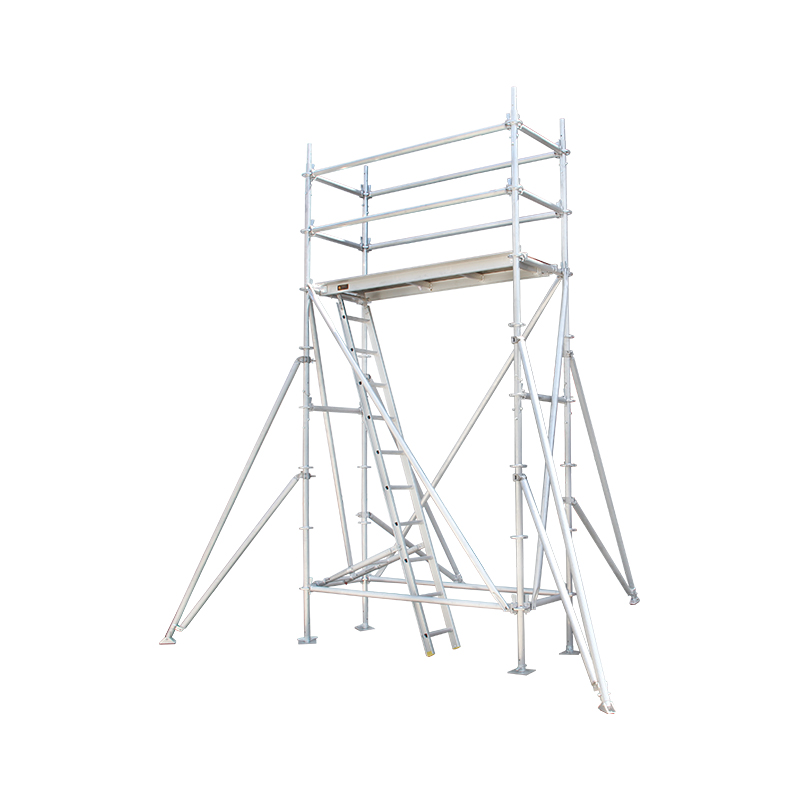
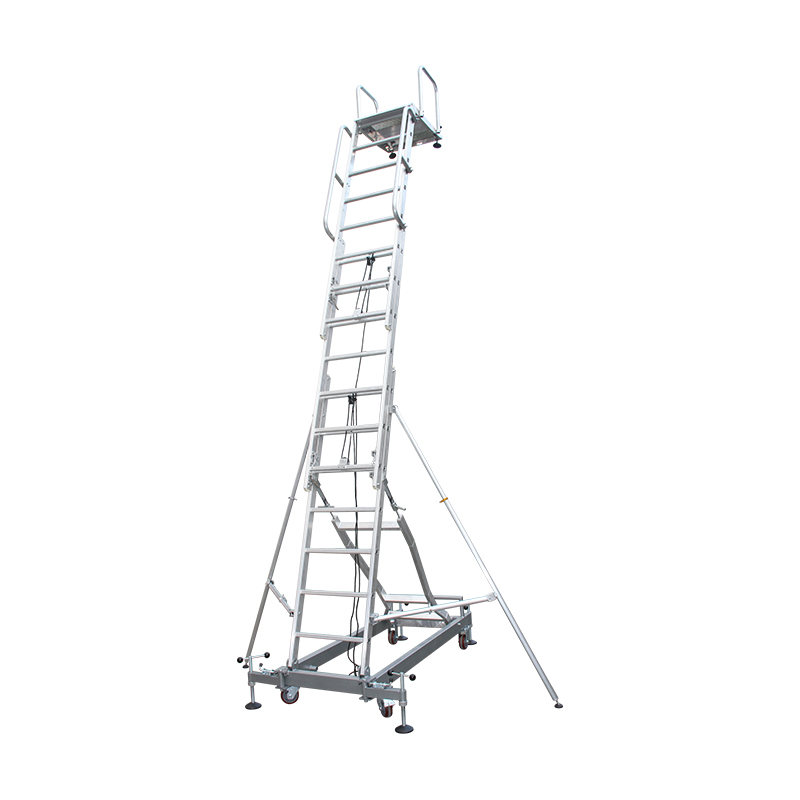
For mobile ground-support equipment, structural weight affects how easily the equipment can be positioned, stored, and handled. An aluminium aviation platform can provide a useful balance between structural performance and relatively low dead weight. Aluminium's corrosion resistance can also be valuable in maintenance environments where equipment may encounter humidity, cleaning operations, and routine exposure to workshop contaminants.
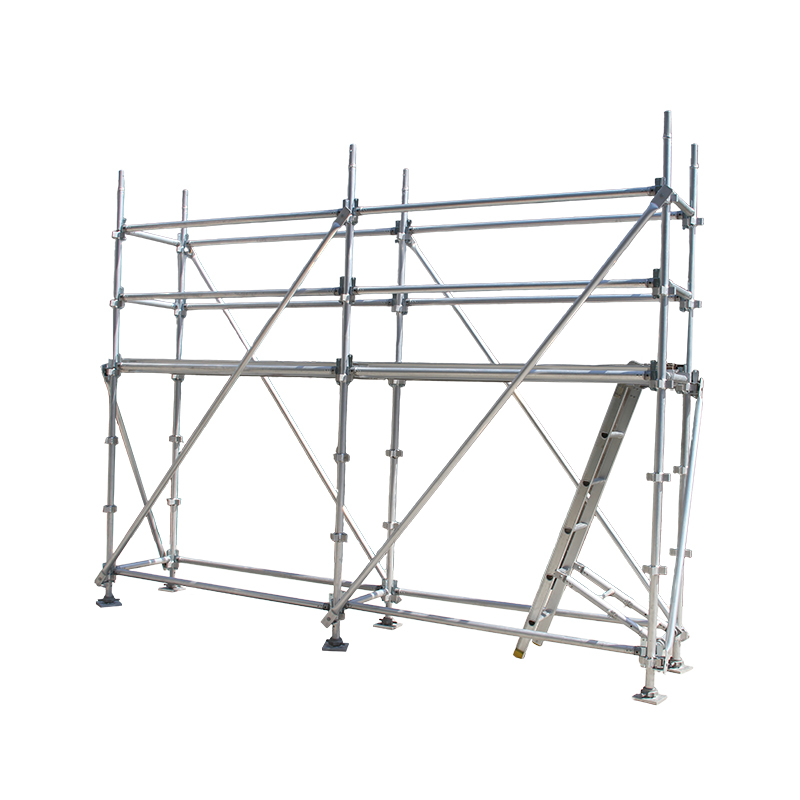
Material selection should not be evaluated independently from structural design. Profile dimensions, connection methods, deck construction, fasteners, caster assemblies, bracing, and guardrails all contribute to the performance of the finished platform. For a customized project, the intended working load and operating conditions should be established before the material and structural configuration are finalized.
| Design Parameter | Why It Matters | Typical Engineering Consideration |
|---|---|---|
| Working Height | Determines access to the maintenance zone | Aircraft-specific service height |
| Deck Size | Provides working and tool-handling space | Task duration and equipment requirements |
| Clearance | Helps prevent interference with aircraft structures | Aircraft contour and protruding components |
| Mobility | Supports efficient positioning in hangars | Casters, floor conditions, and maneuvering space |
| Working Load | Influences structural sizing | Personnel, tools, and maintenance materials |
Mobility and Positioning in Hangar Operations
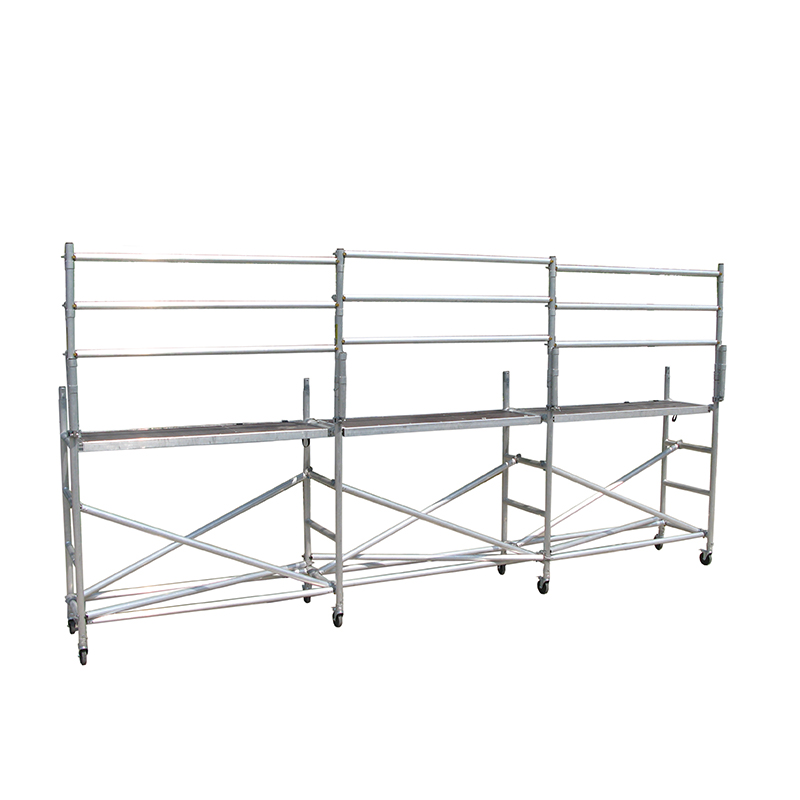
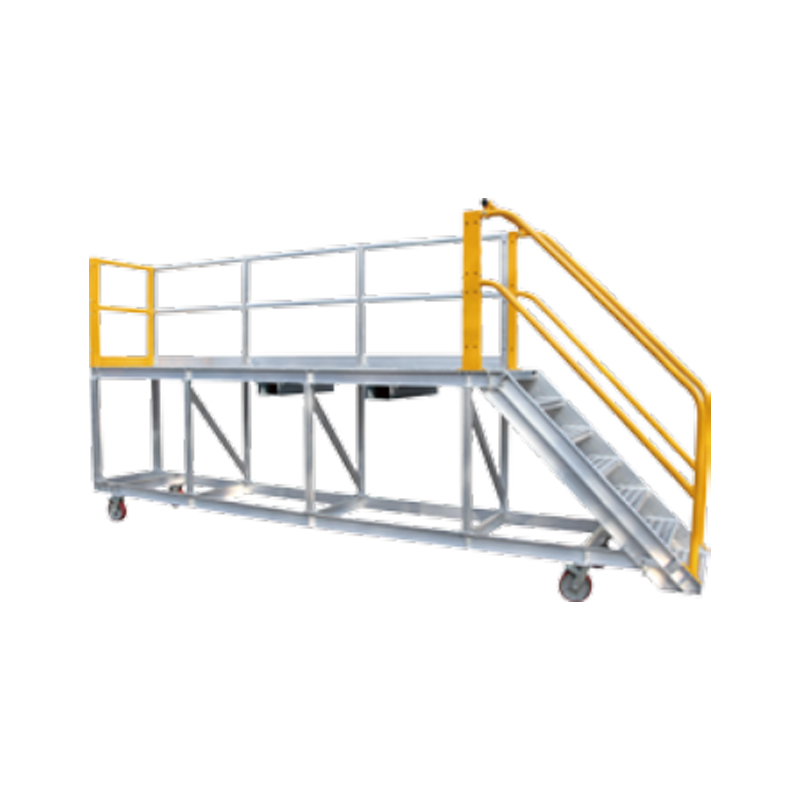
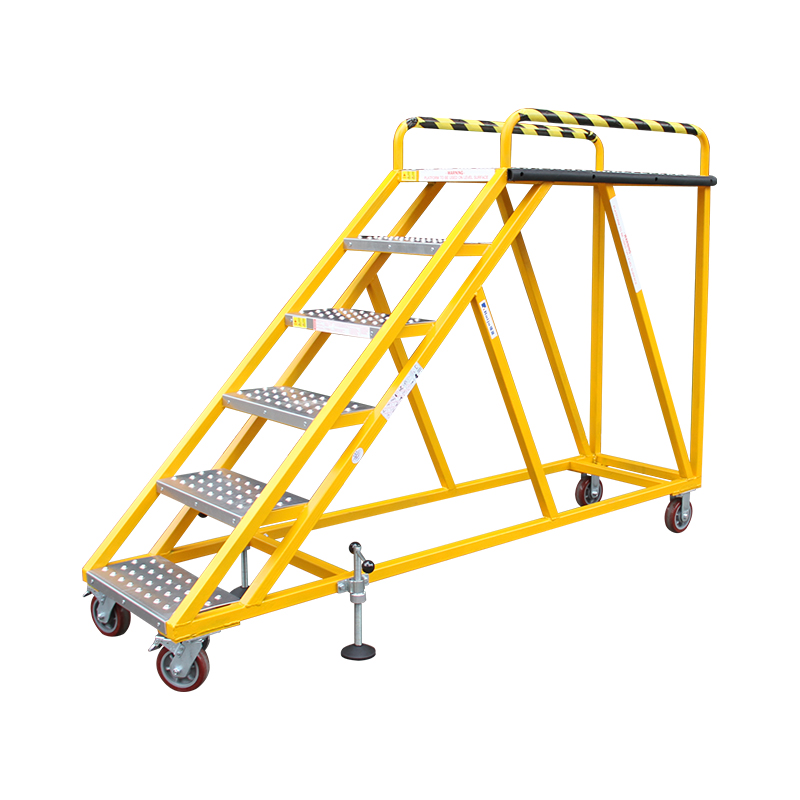
A ground support equipment platform may need to move between aircraft, maintenance bays, or different sections of the same aircraft. The mobility system therefore becomes part of the equipment's functional design. Caster diameter, wheel material, braking arrangements, frame geometry, and overall footprint should be selected according to the actual hangar floor and movement requirements.
Separate movement mode from working mode
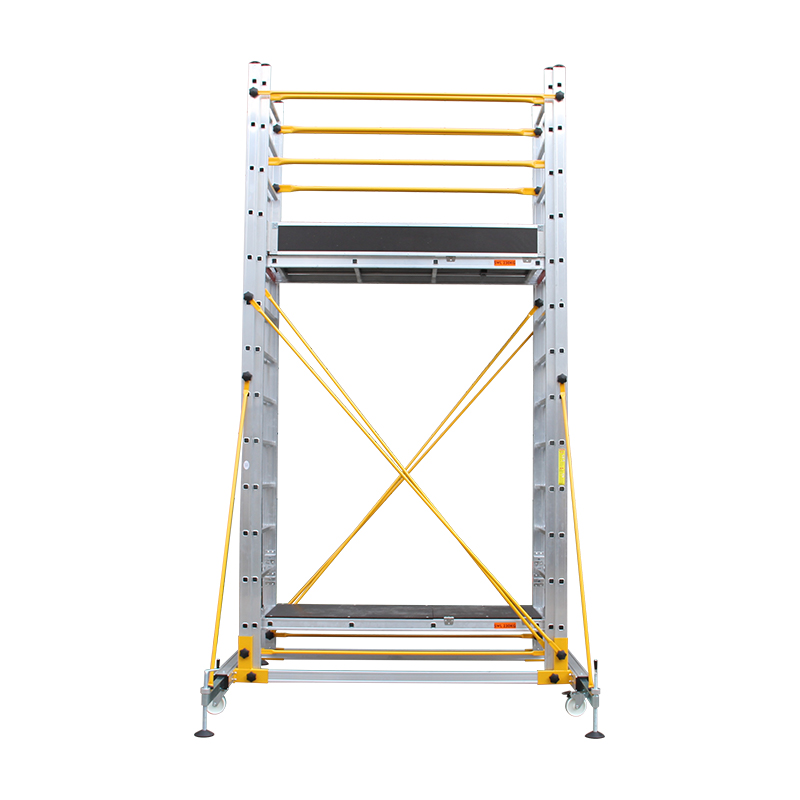
An effective mobile platform should allow controlled repositioning while providing a stable configuration during maintenance. Locking casters or dedicated stabilizing mechanisms can help establish the transition between these two operating modes. The locking system should be easy for operators to verify and should remain accessible when the platform is positioned close to an aircraft.
- Check wheel movement and locking mechanisms as part of routine equipment inspection.
- Consider hangar floor joints, thresholds, slopes, and other surface conditions when selecting casters.
- Ensure the platform footprint allows operators to approach the aircraft without unnecessary maneuvering.
- Keep stabilization components compatible with the platform's intended working load and height.
Access Configuration Can Improve Maintenance Workflow
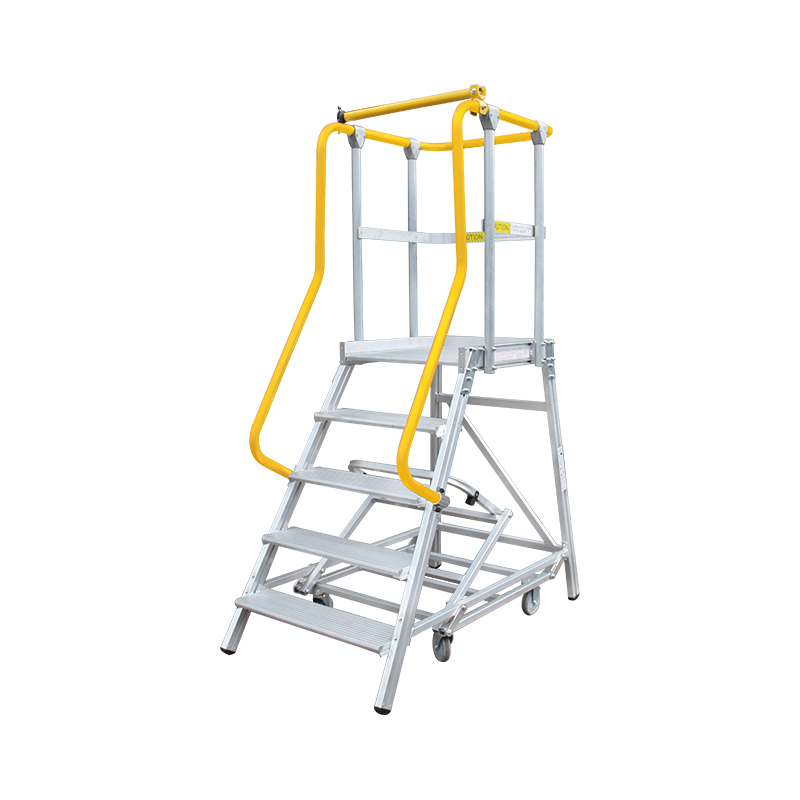
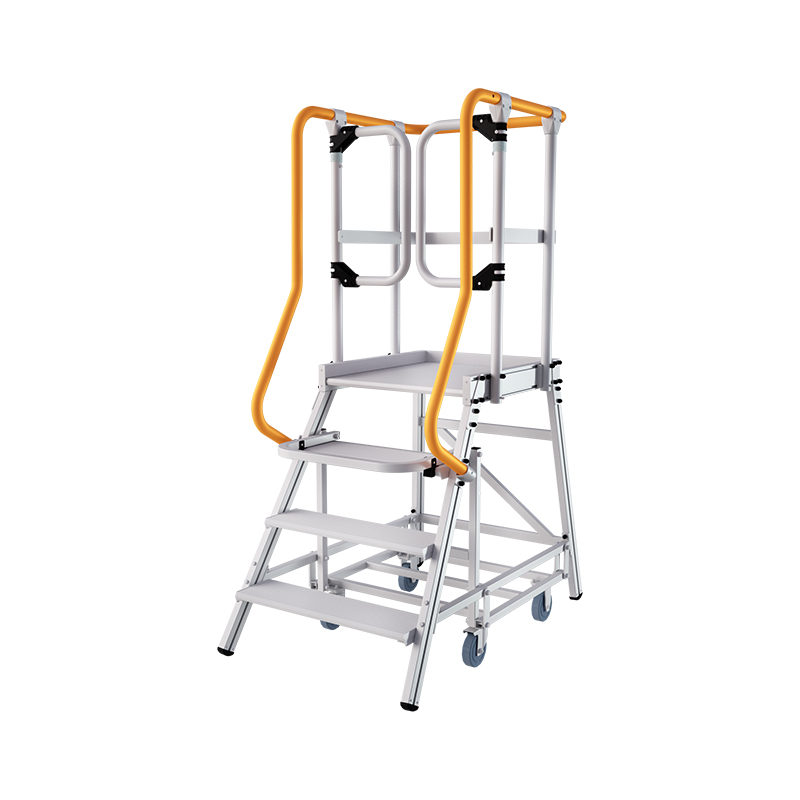
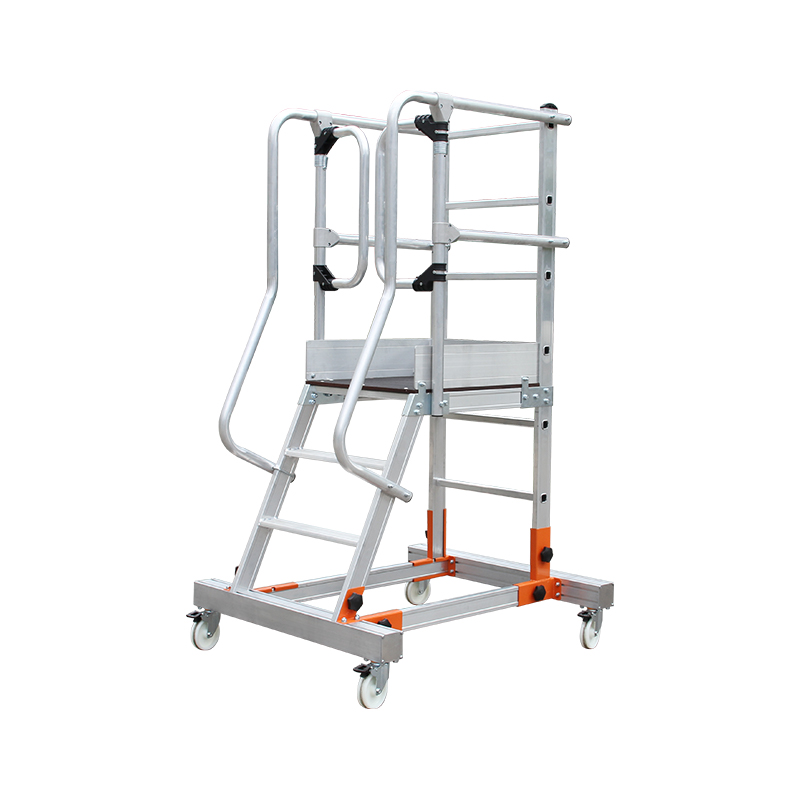
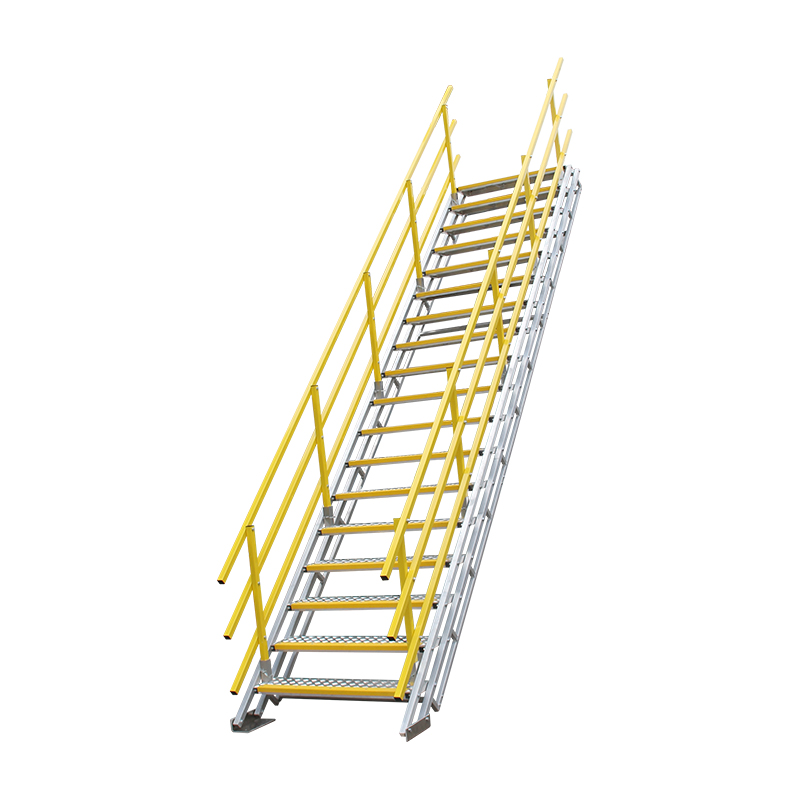
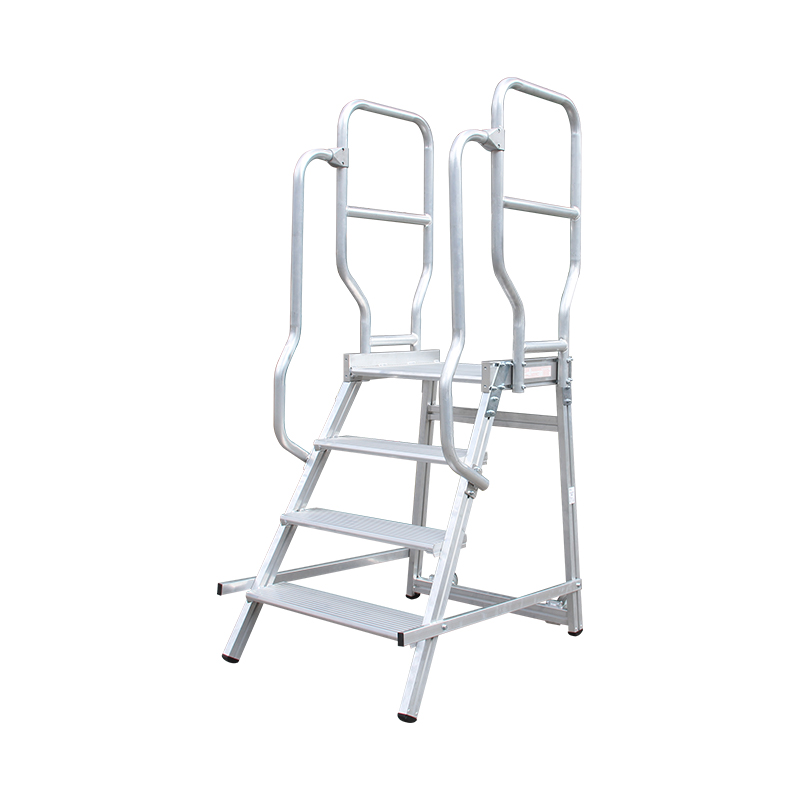
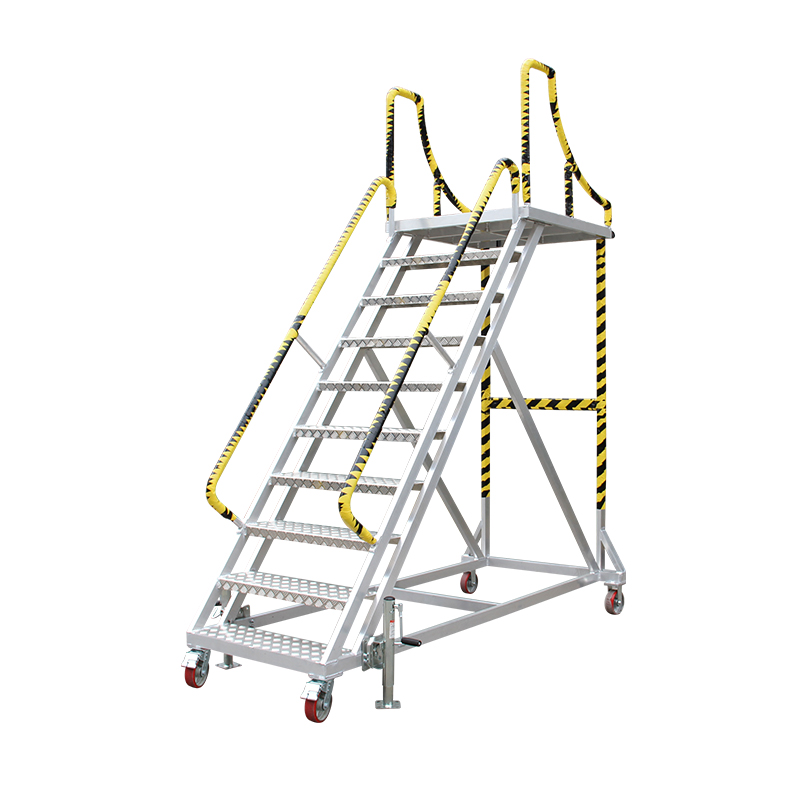
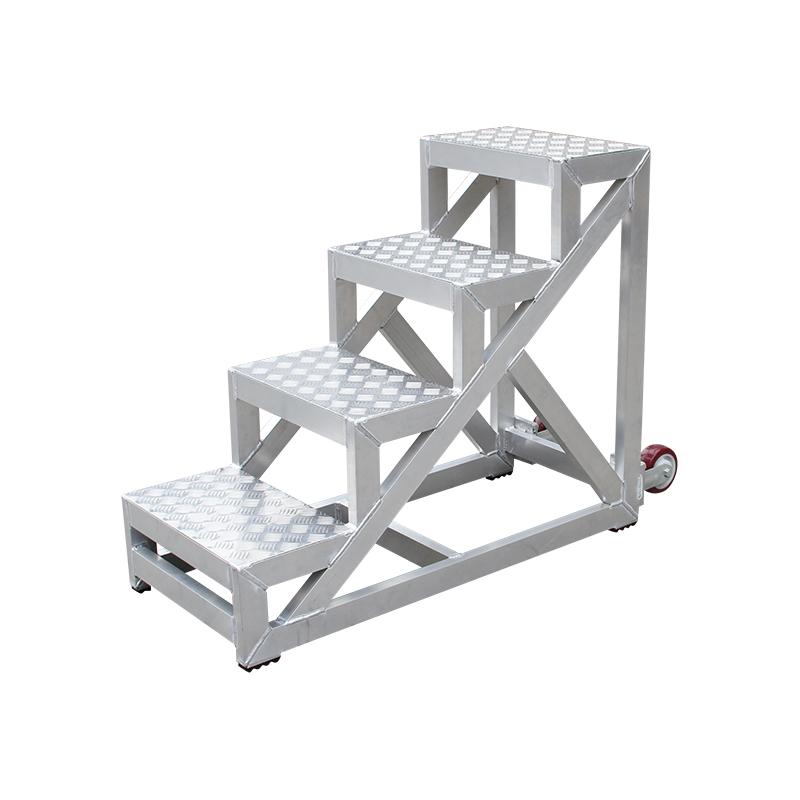
The access method is another important engineering variable. Depending on the platform height and working environment, technicians may use inclined stairs, fixed ladders, or other dedicated access arrangements. The selected configuration affects how personnel enter the work deck while carrying tools and how easily they can leave the platform when the task is complete.
Tool handling should be considered during layout
A platform intended for inspection is likely to have different space requirements from one used for component replacement or prolonged servicing. Tool trays, work shelves, side extensions, or designated equipment areas can reduce unnecessary movement between the platform and ground level. These features should be positioned so that they do not obstruct access routes or create interference with aircraft surfaces.
Quality Control Matters for Customized Aviation Platforms
Customized access equipment requires more than dimensional fabrication. Structural joints, weld quality, deck installation, guardrails, caster assemblies, fasteners, and moving components should all be subject to appropriate manufacturing controls. Clear drawings and documented specifications are especially useful when the same platform configuration must be reproduced for multiple maintenance facilities or aircraft programs.
Shanghai Ruiju Metal Products Co., Ltd. operates an ISO 9001-certified manufacturing system and has undergone BSCI auditing. Its standard products comply with China's GB12142 requirements, while export products are developed to meet applicable Australian, European, and American industry standards and are rigorously tested and certified by third-party inspection institutions such as SGS and TÜV. Through its Ruiju brand, the company combines working-at-height expertise, engineering development, manufacturing capability, and quality management for customized aviation access applications.
Specification Checklist for Aviation Maintenance Projects
Before requesting a quotation or starting detailed design, maintenance organizations can prepare a concise technical specification covering the aircraft, work location, access requirements, and operating environment. Providing these details early can reduce redesign work and make it easier to determine whether a standard configuration or customized structure is appropriate.
- Aircraft type, model, and applicable maintenance area.
- Required deck height and working reach.
- Required deck dimensions and aircraft-side clearance.
- Expected personnel and tool load.
- Required mobility, wheel-locking, and stabilization features.
- Access direction and preferred stair or ladder arrangement.
- Hangar floor conditions, storage space, and movement routes.
- Applicable market, project, and inspection requirements.