en
en 简体中文
简体中文 Español
 Deutsch
 عربى
عربى
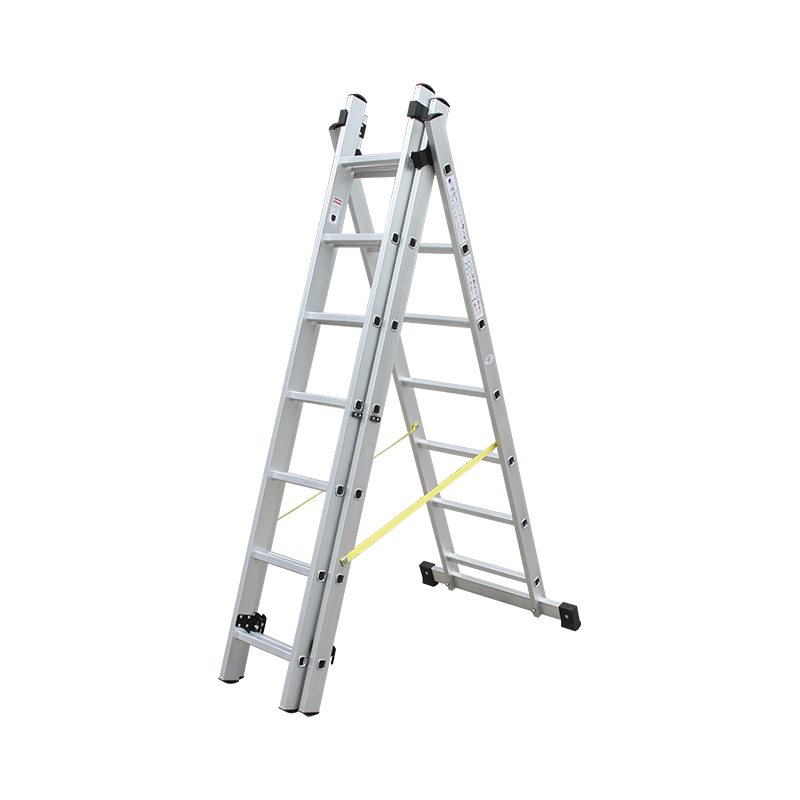
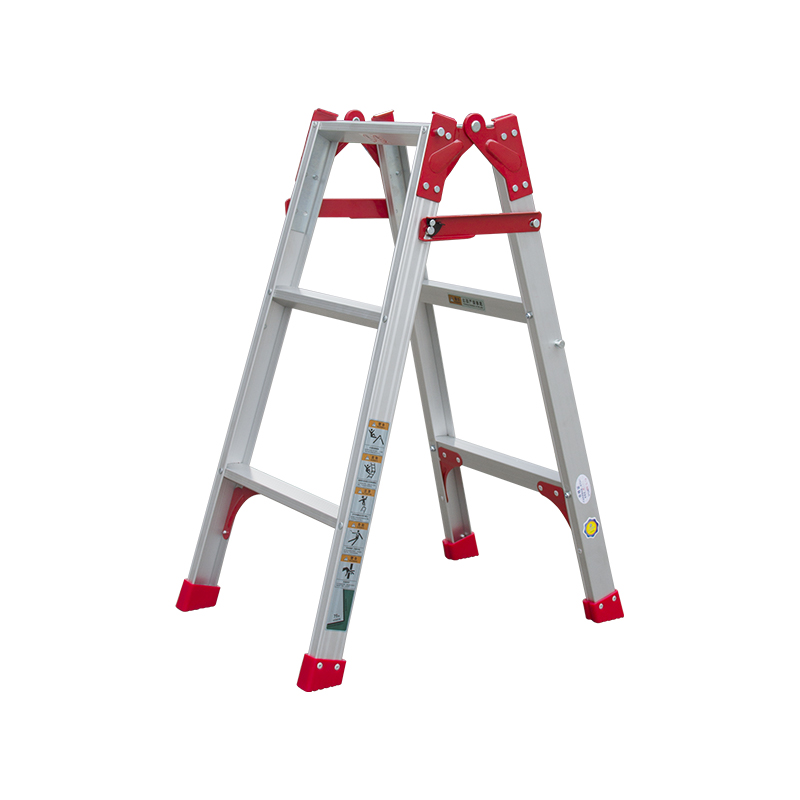
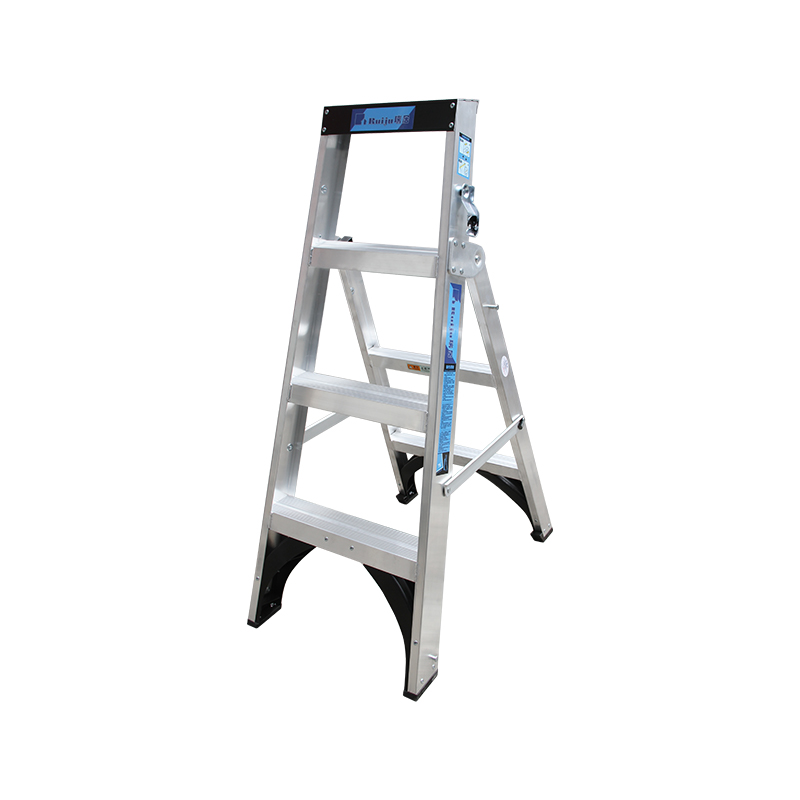
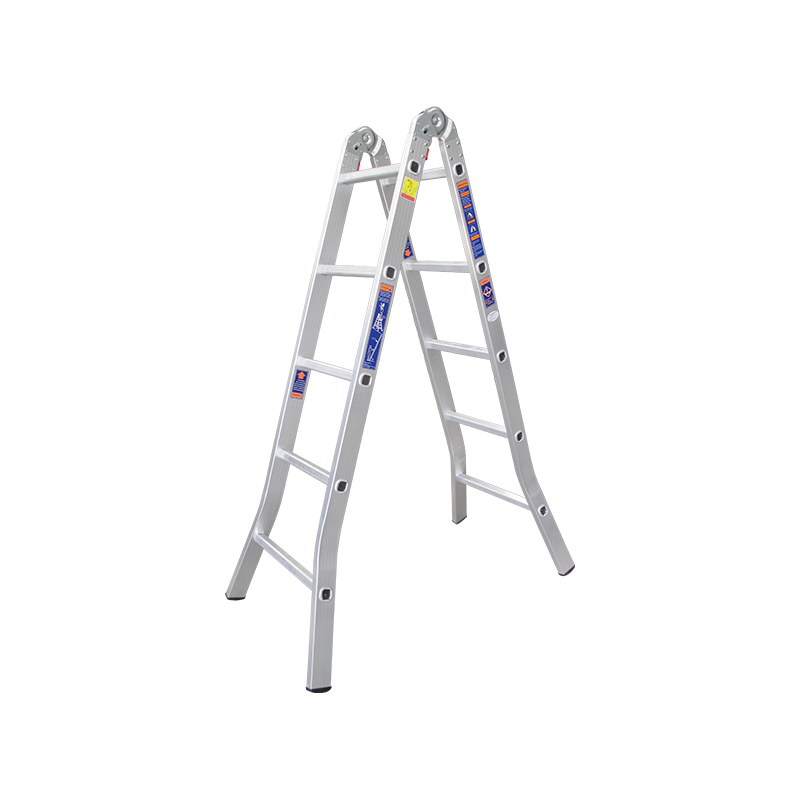
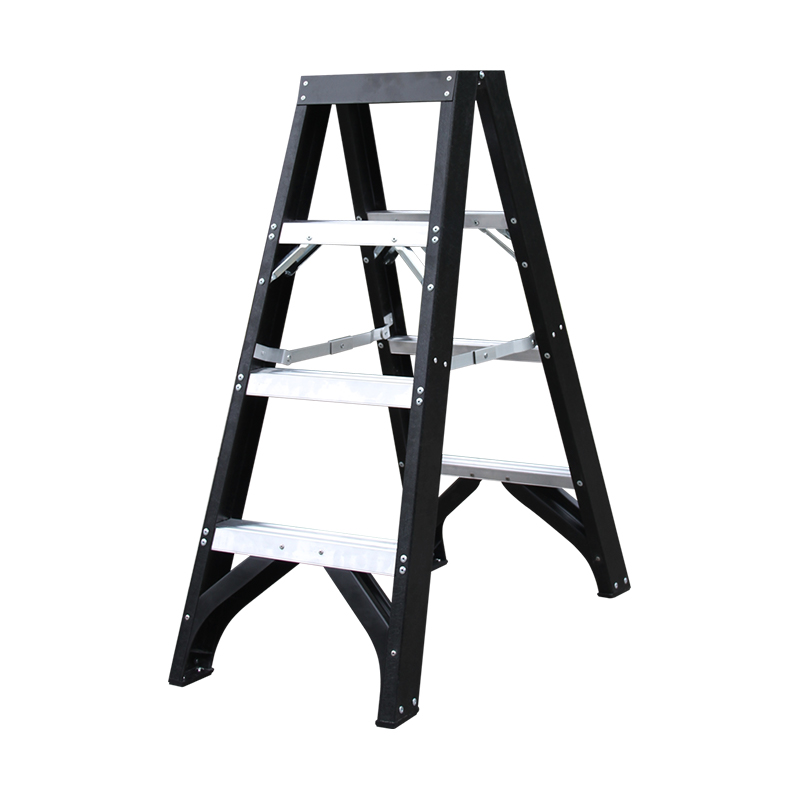
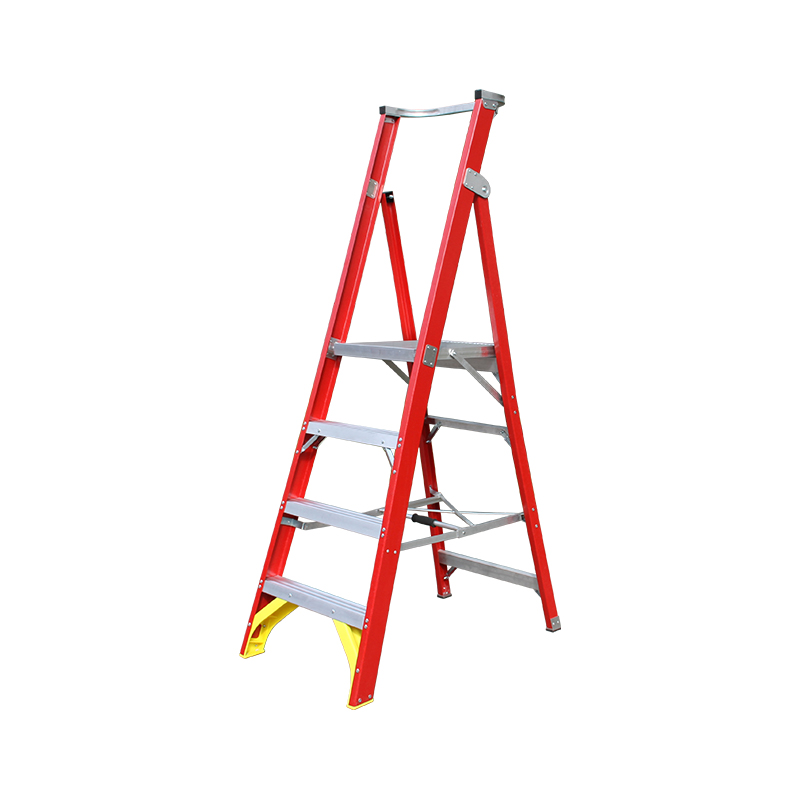
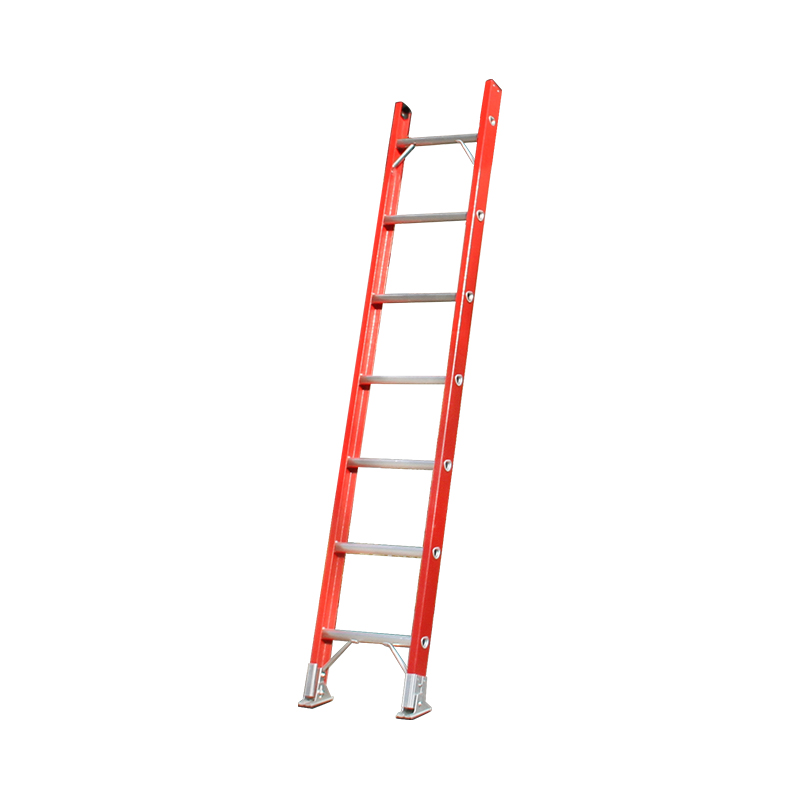
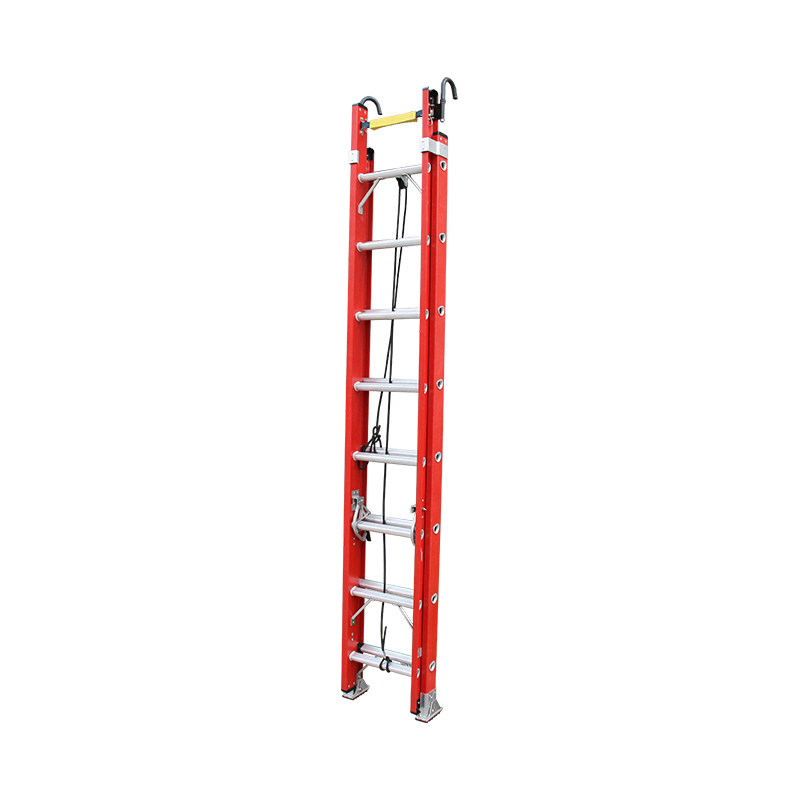
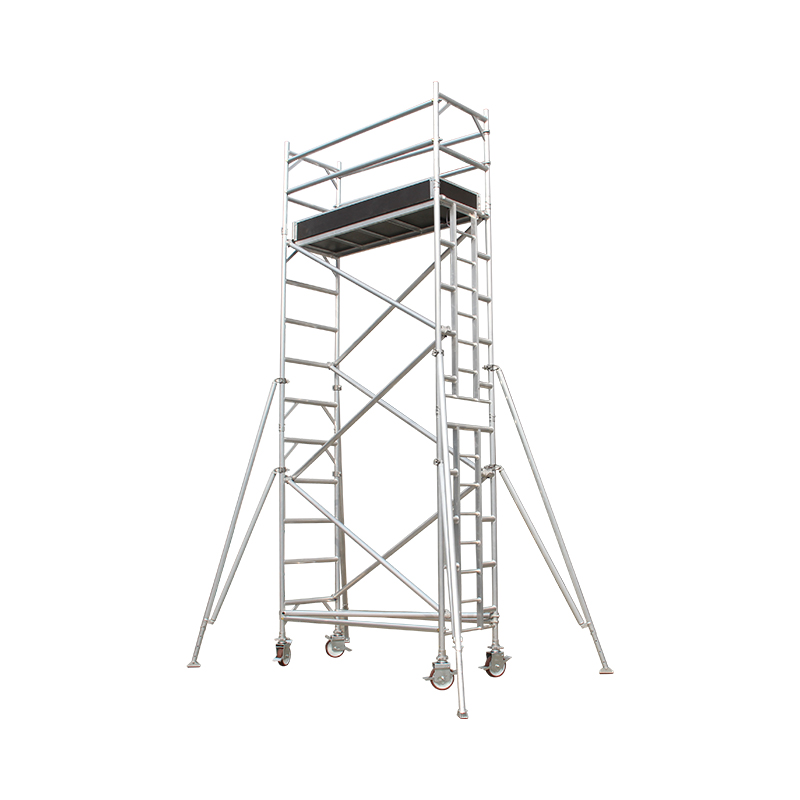
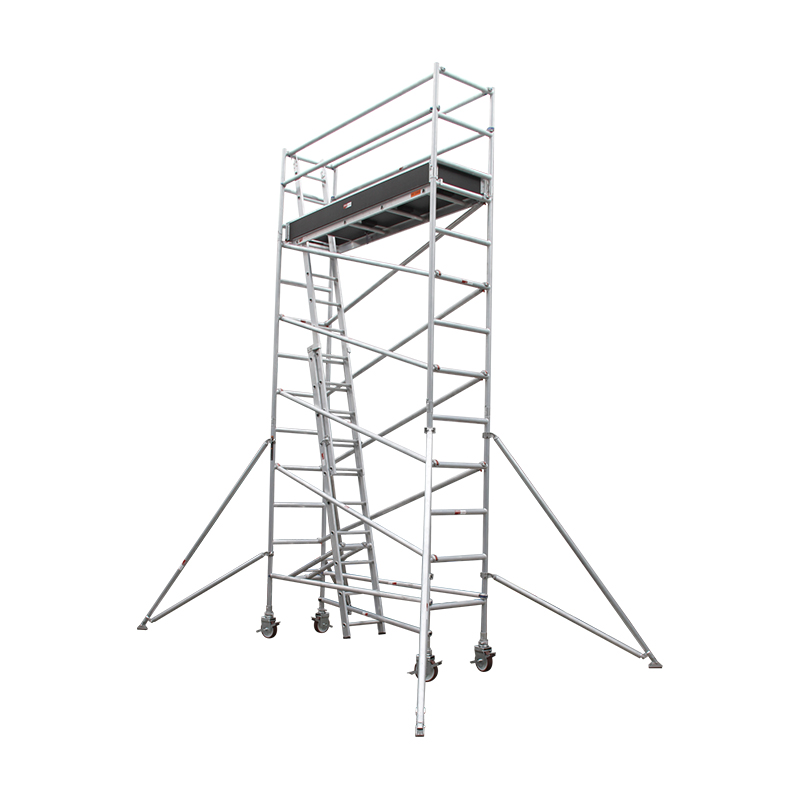
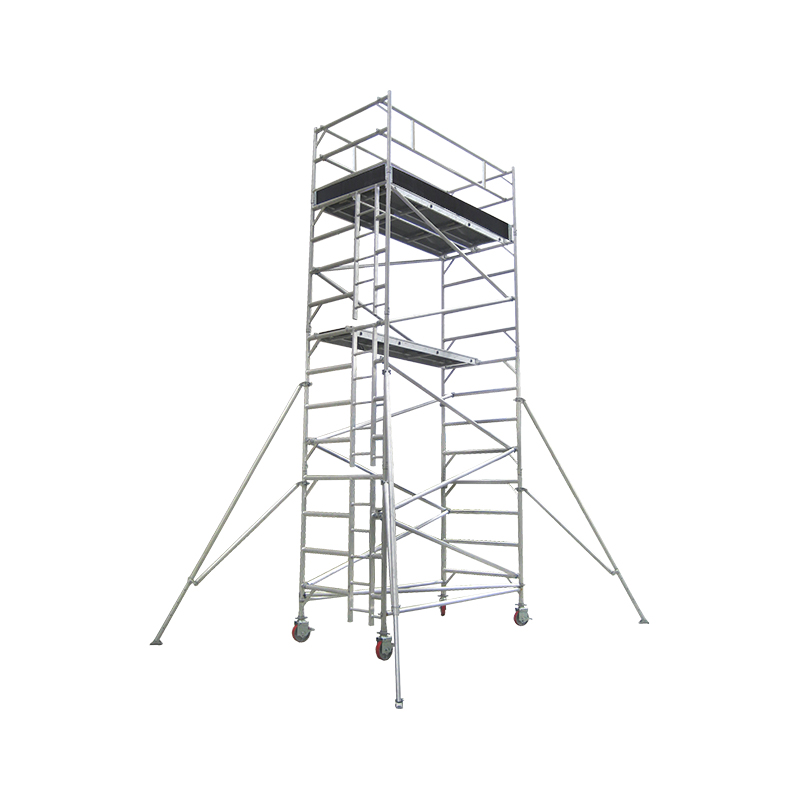
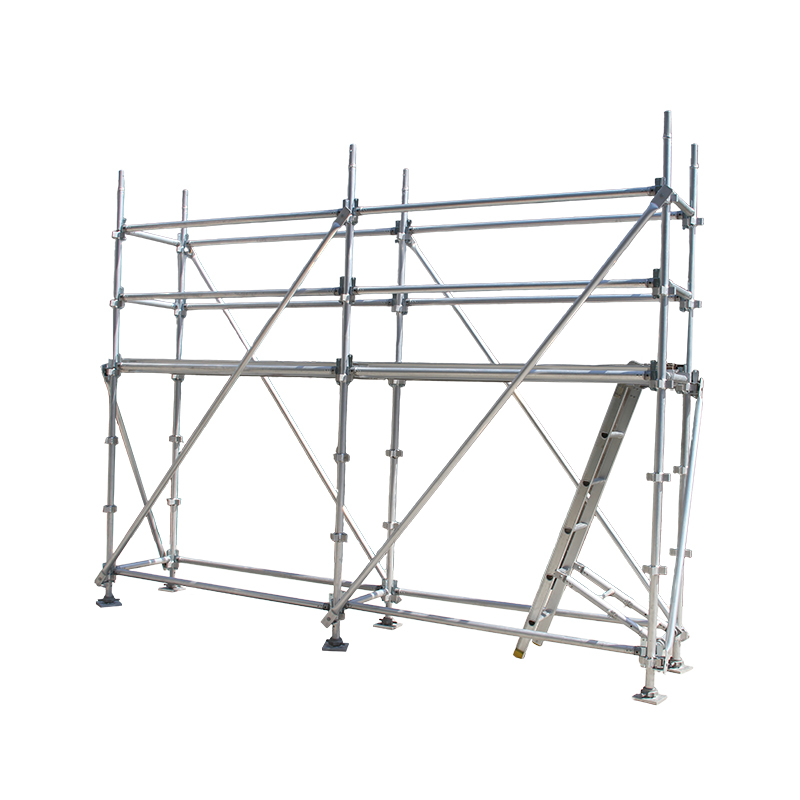
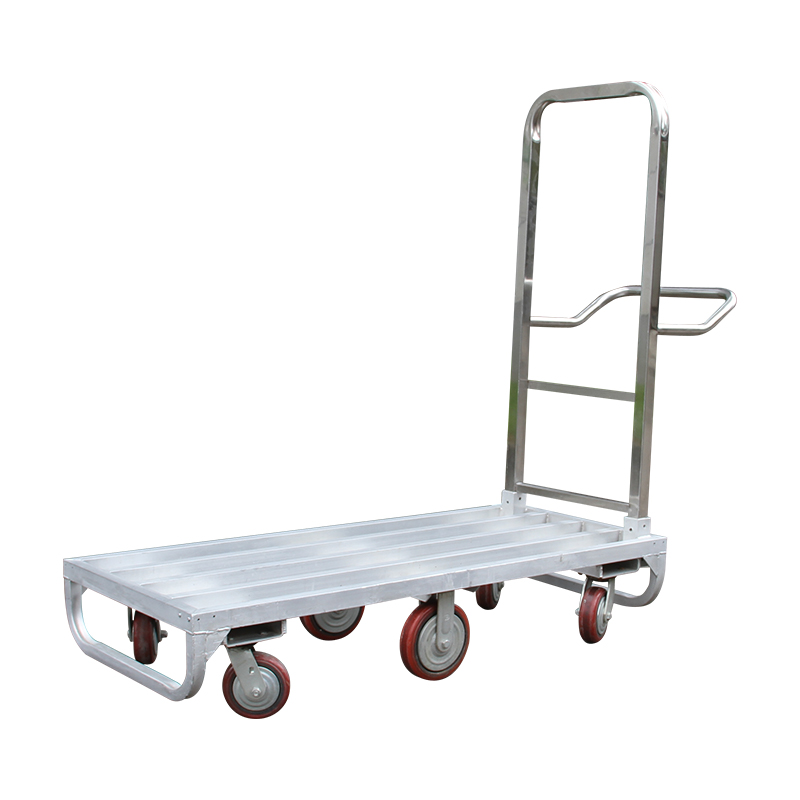
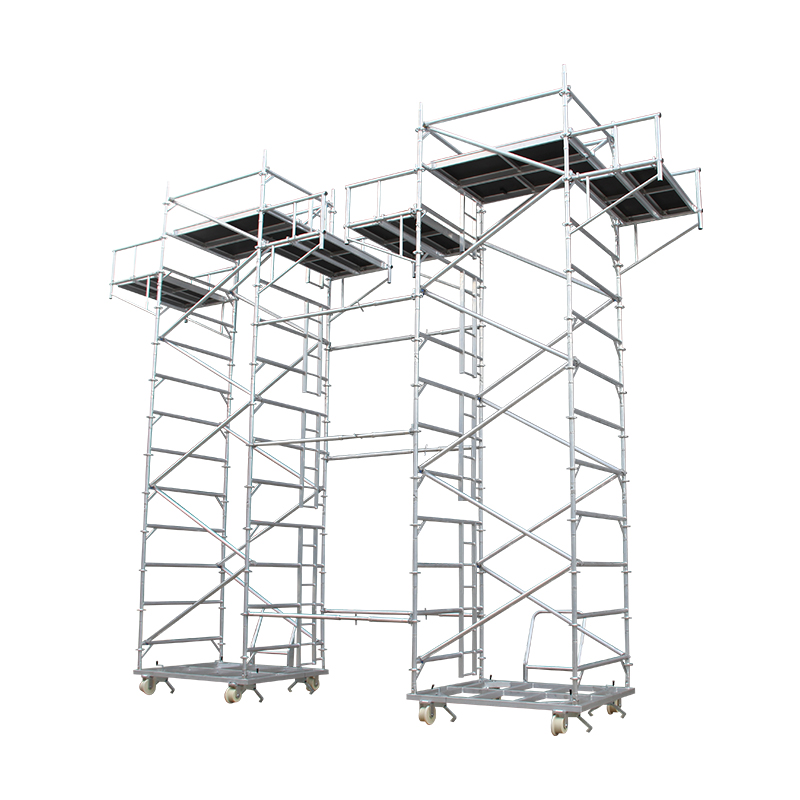
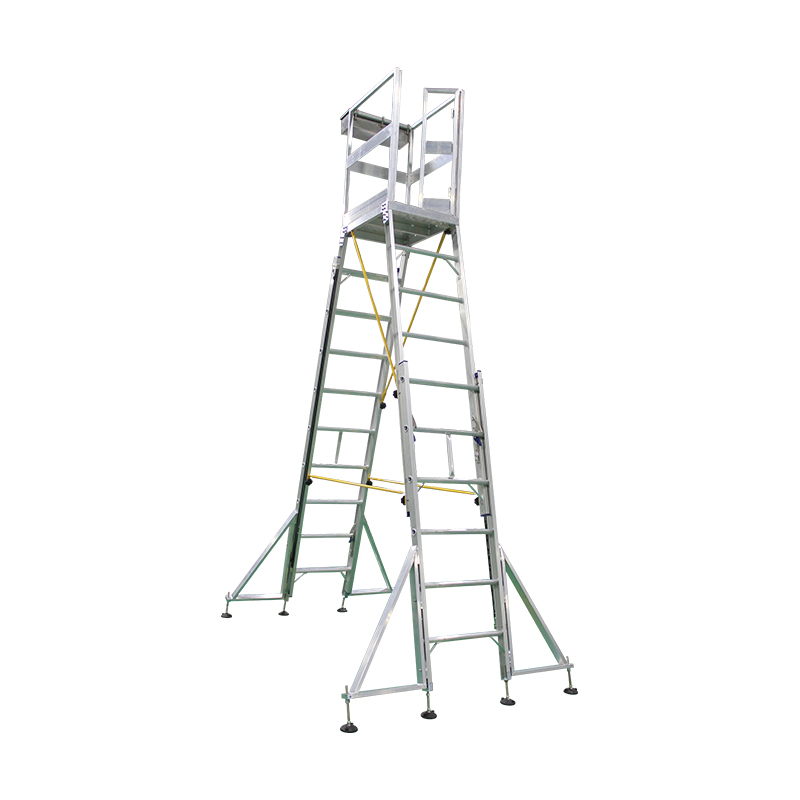
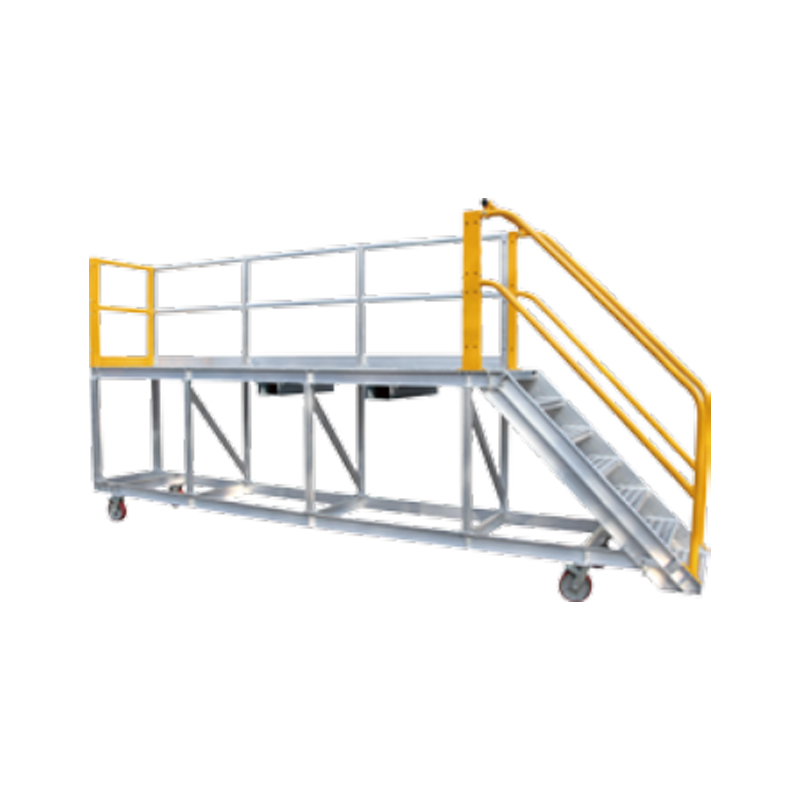
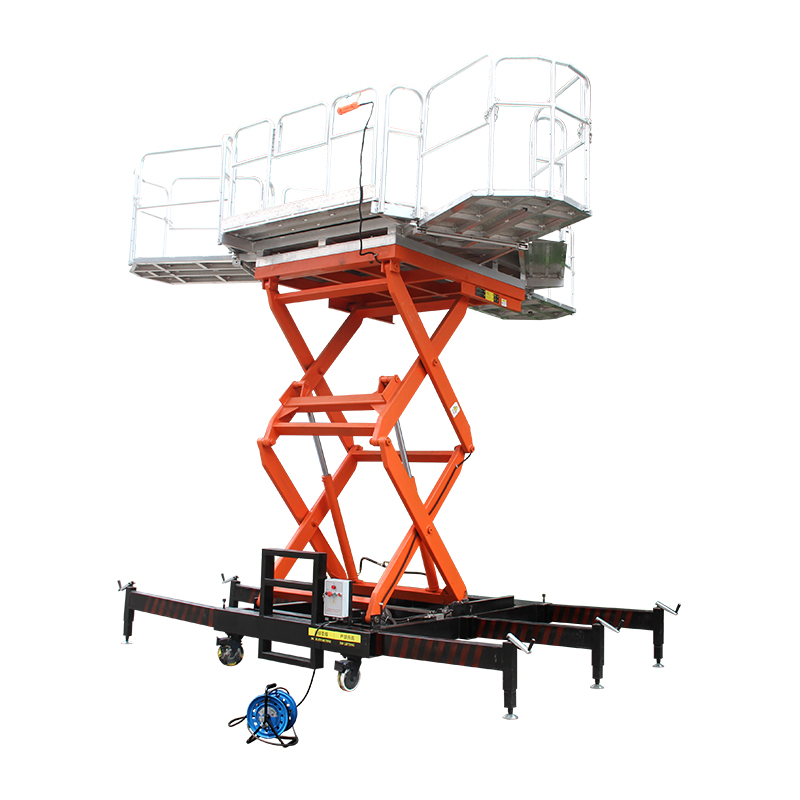
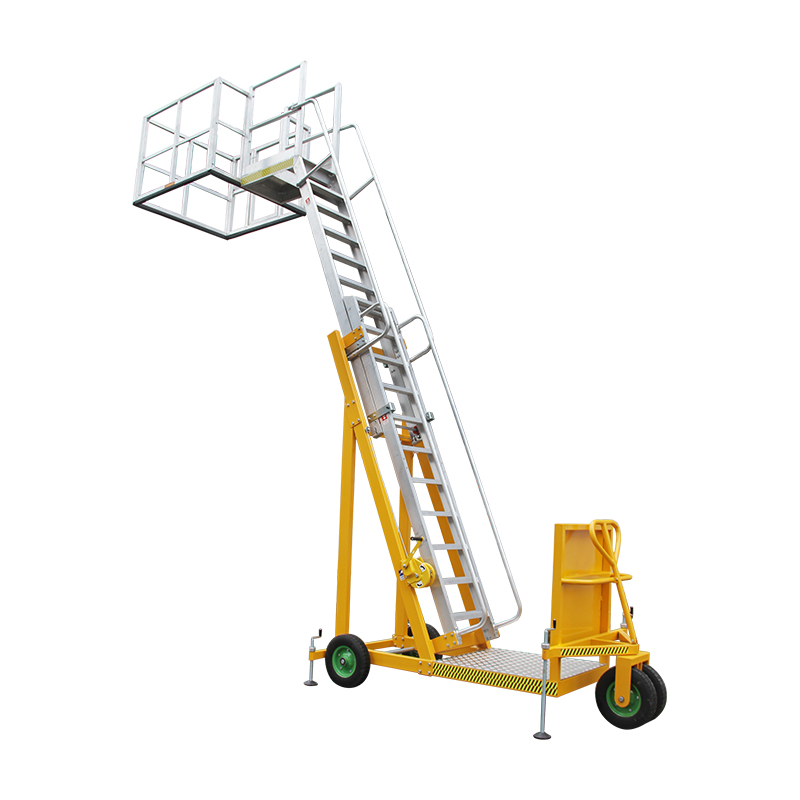
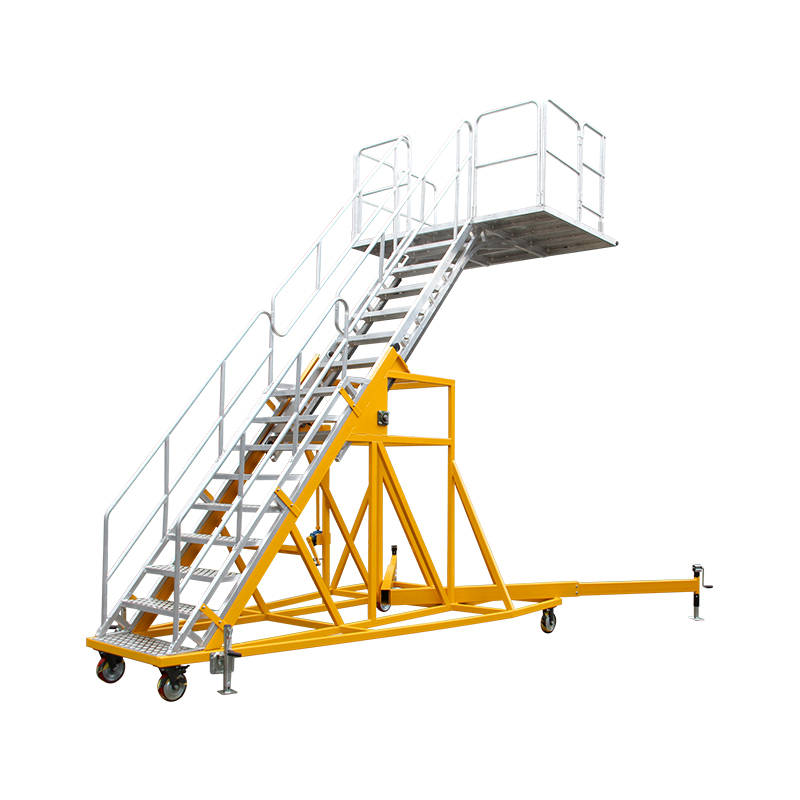
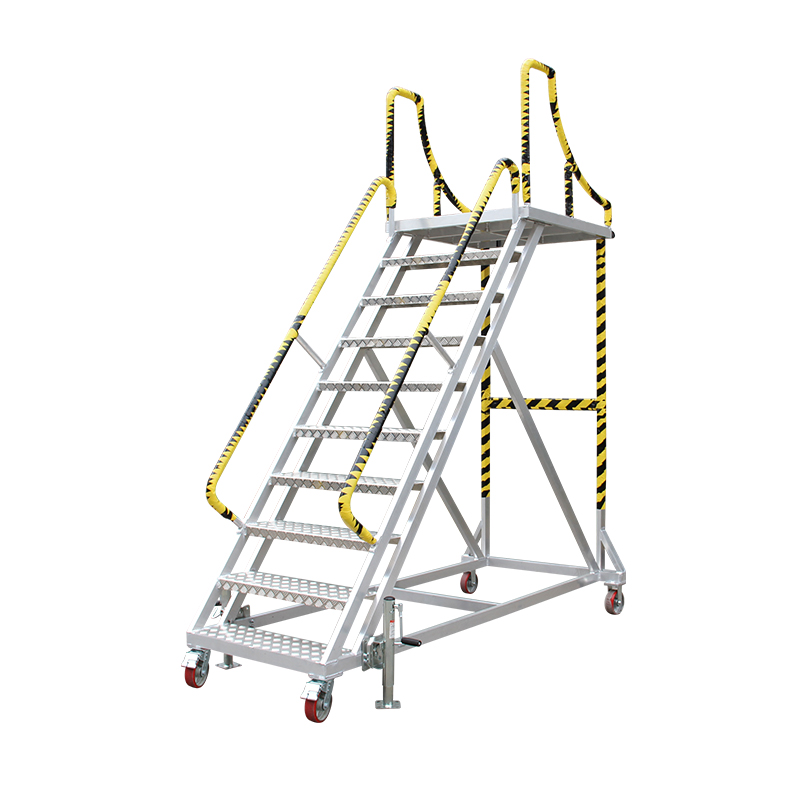
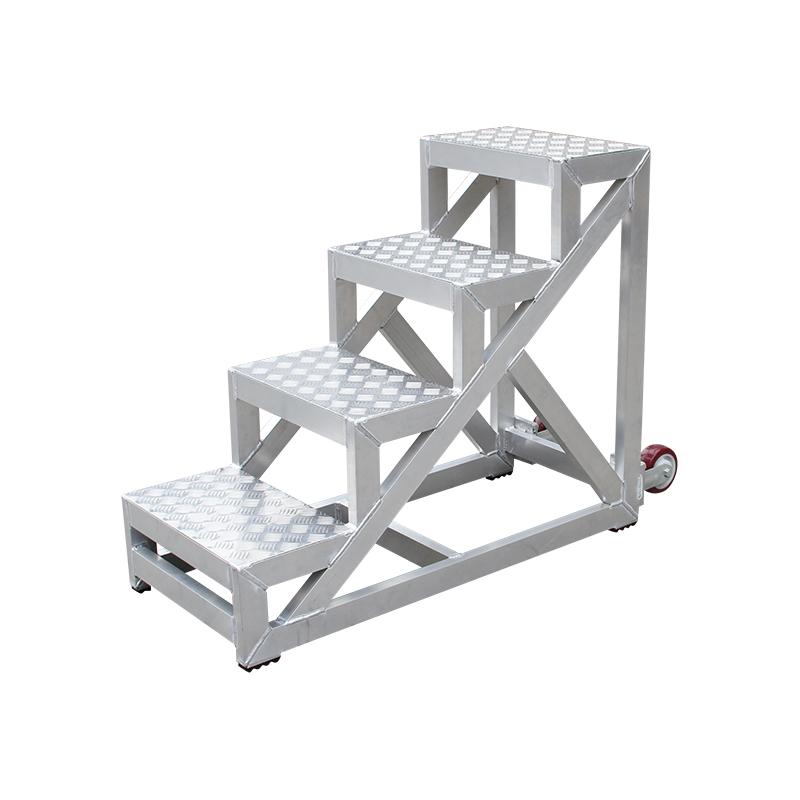
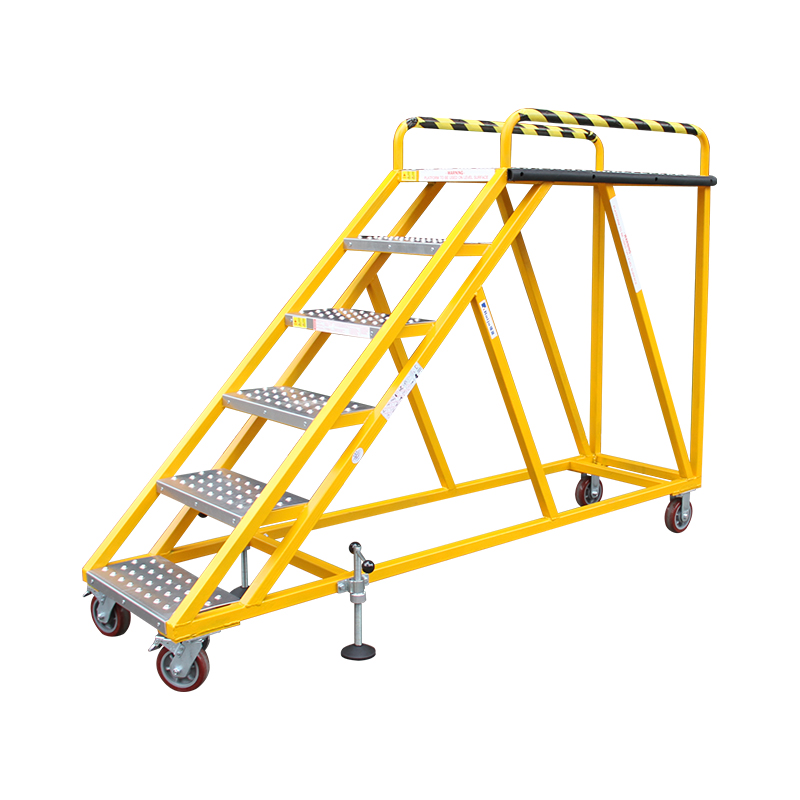
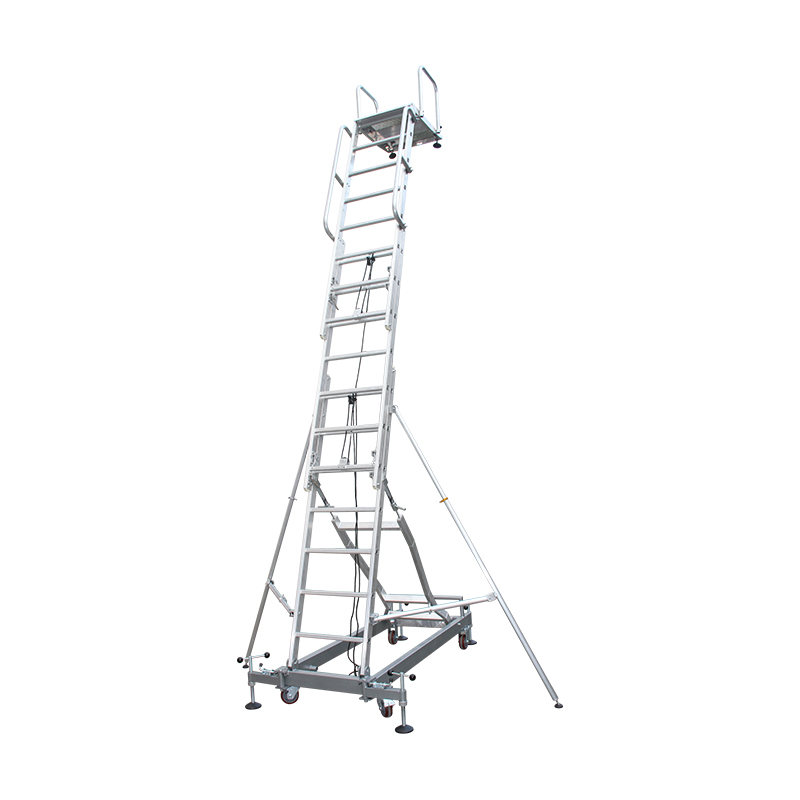
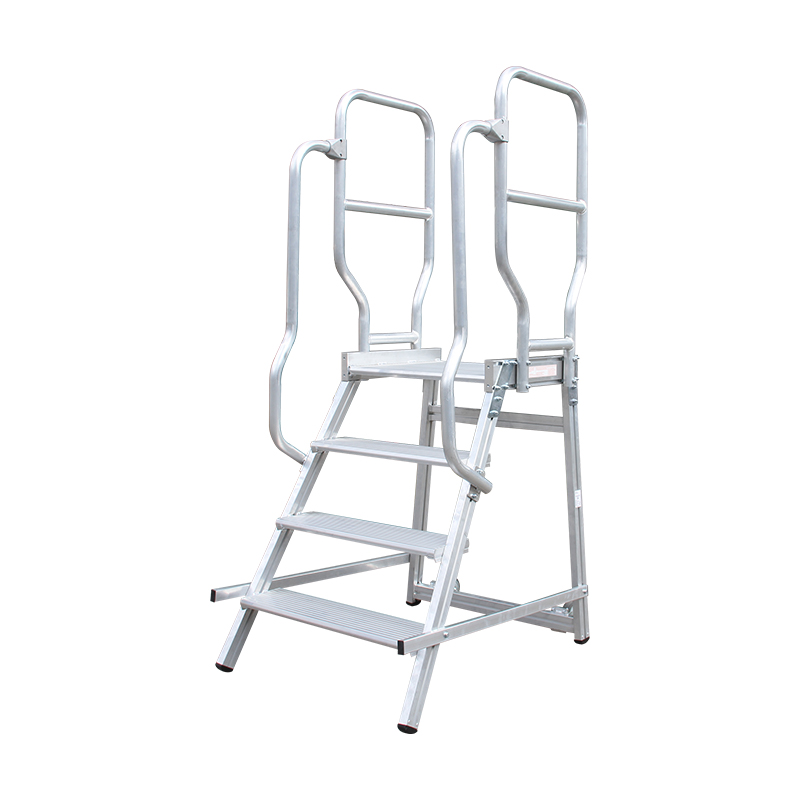
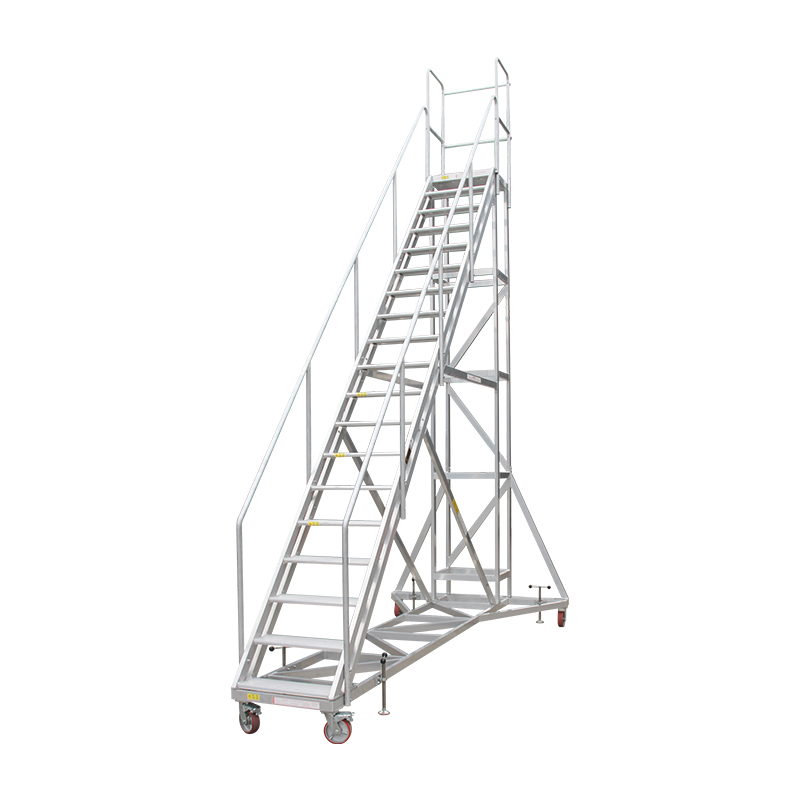
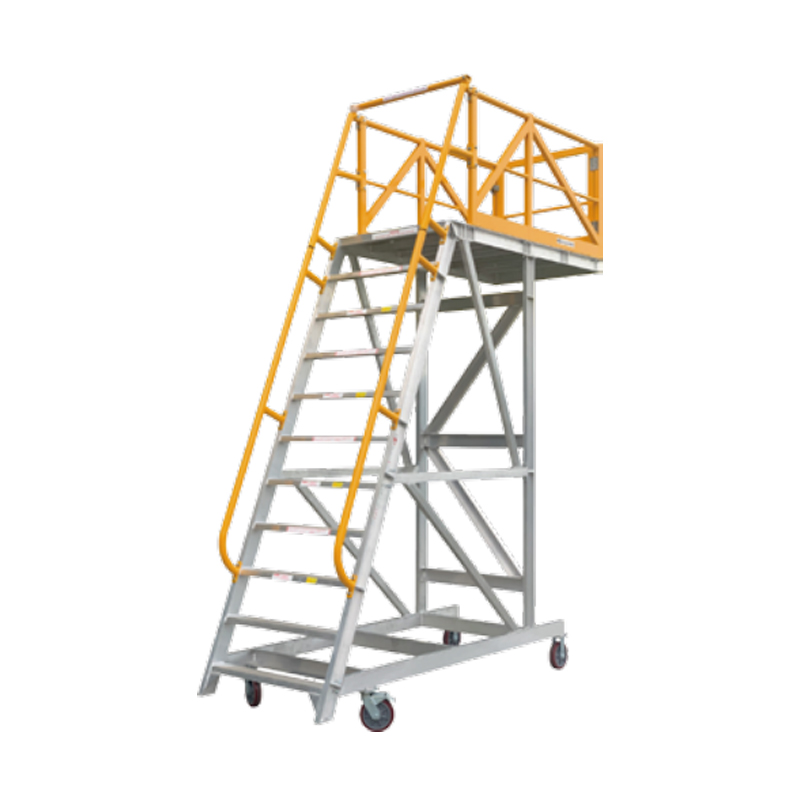
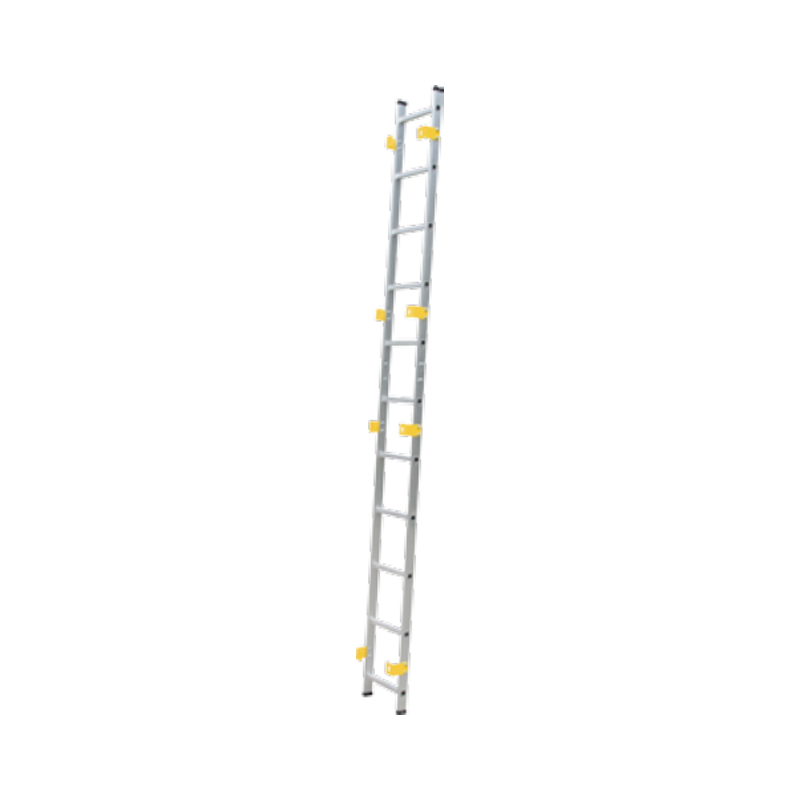











How Industrial Access Platforms Are Specified for Real Worksites
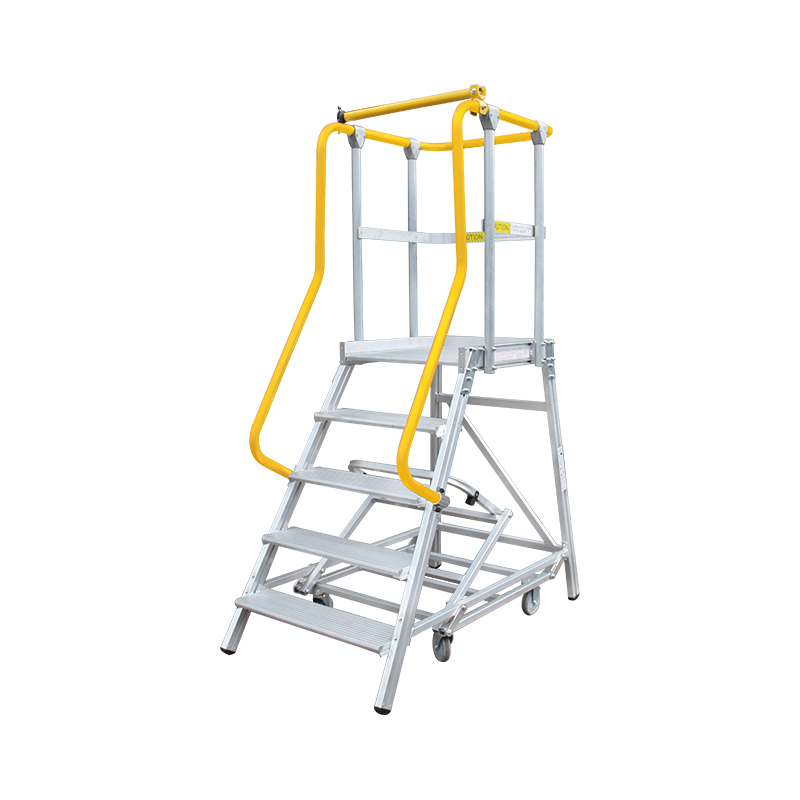
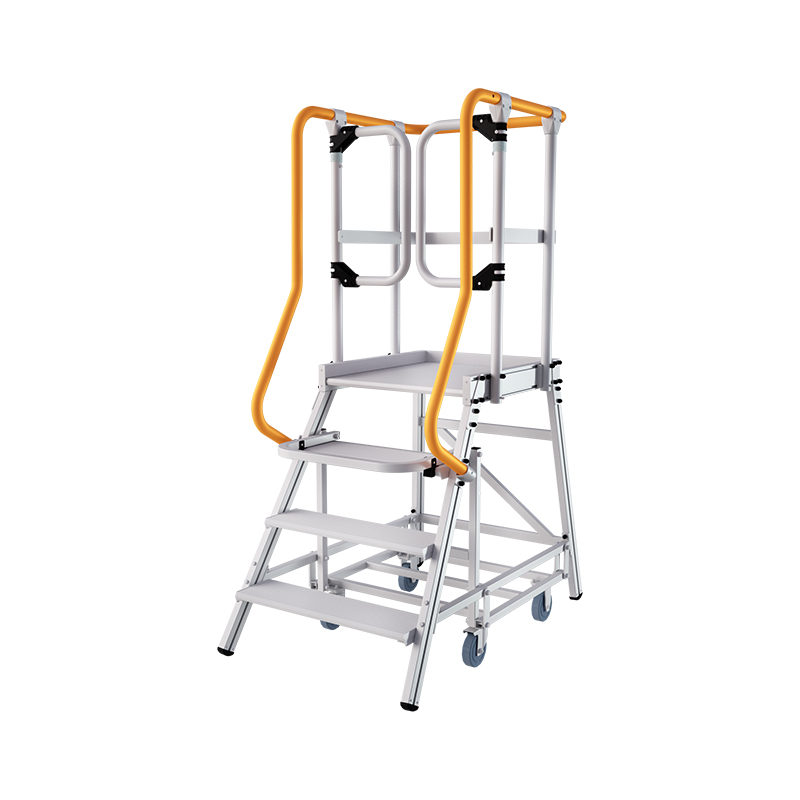
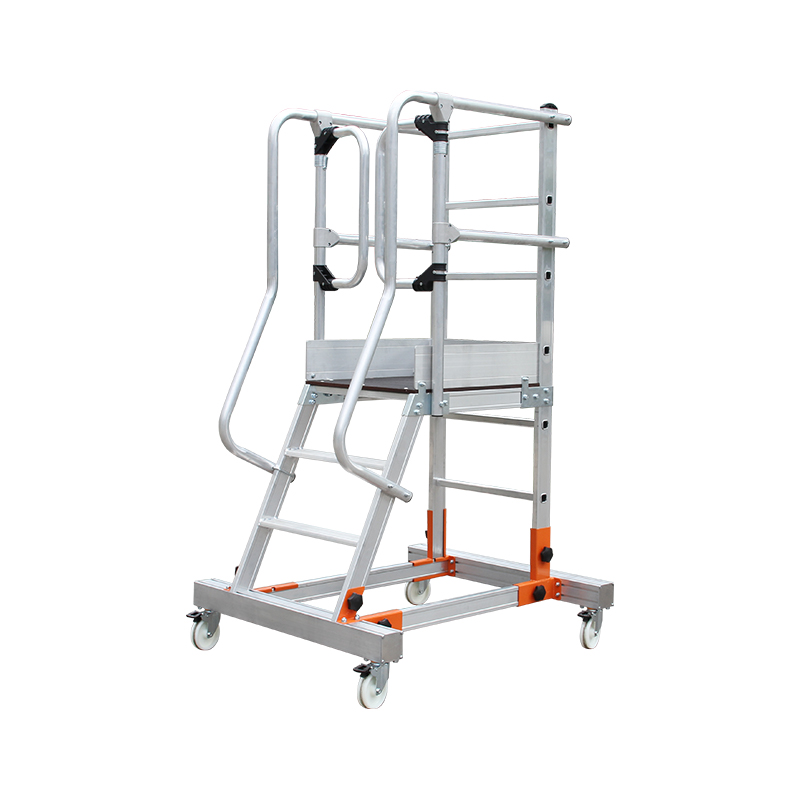
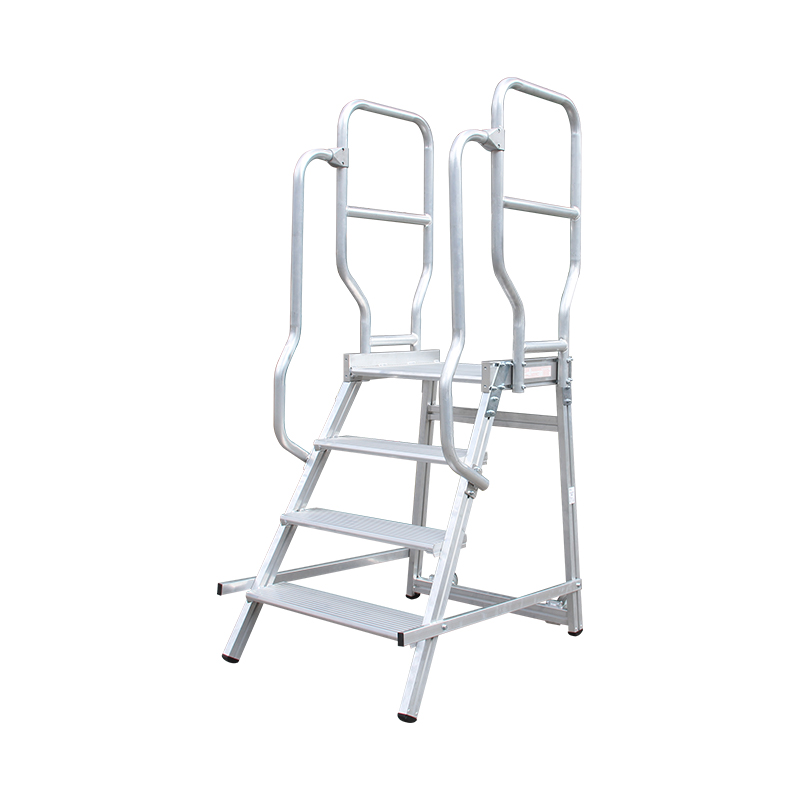
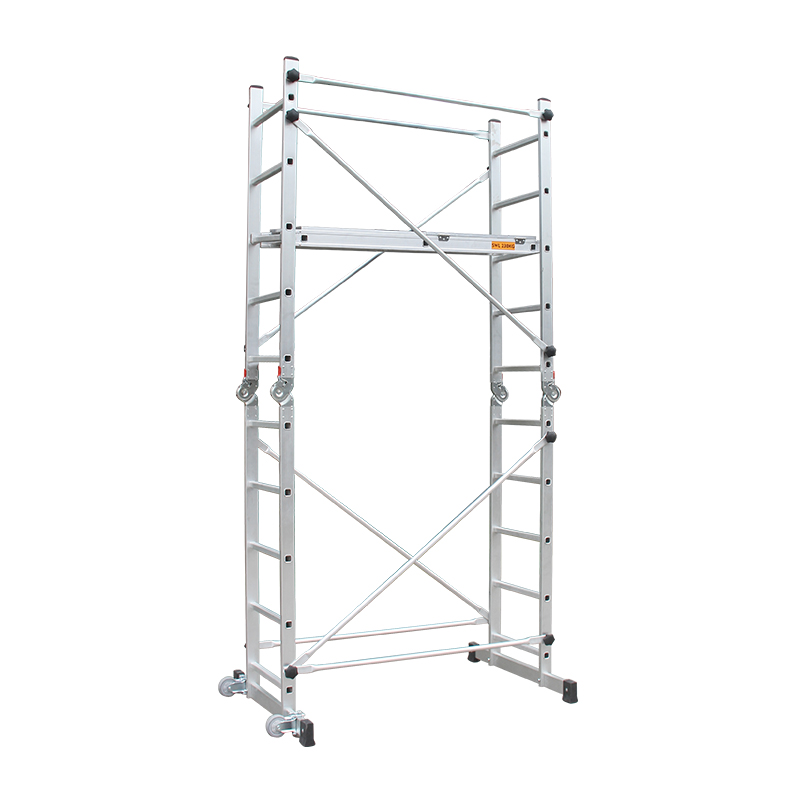
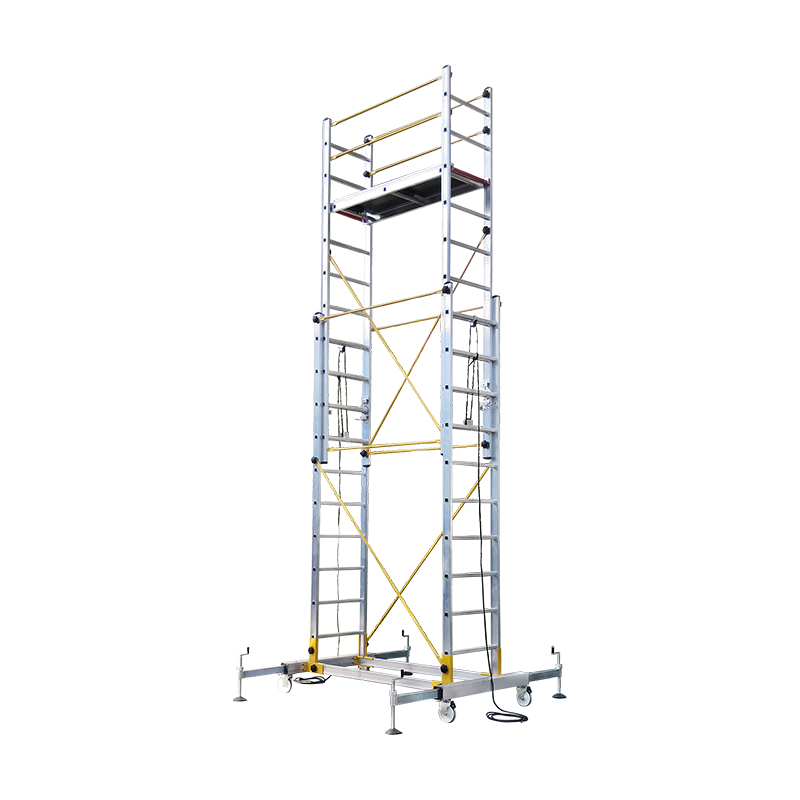
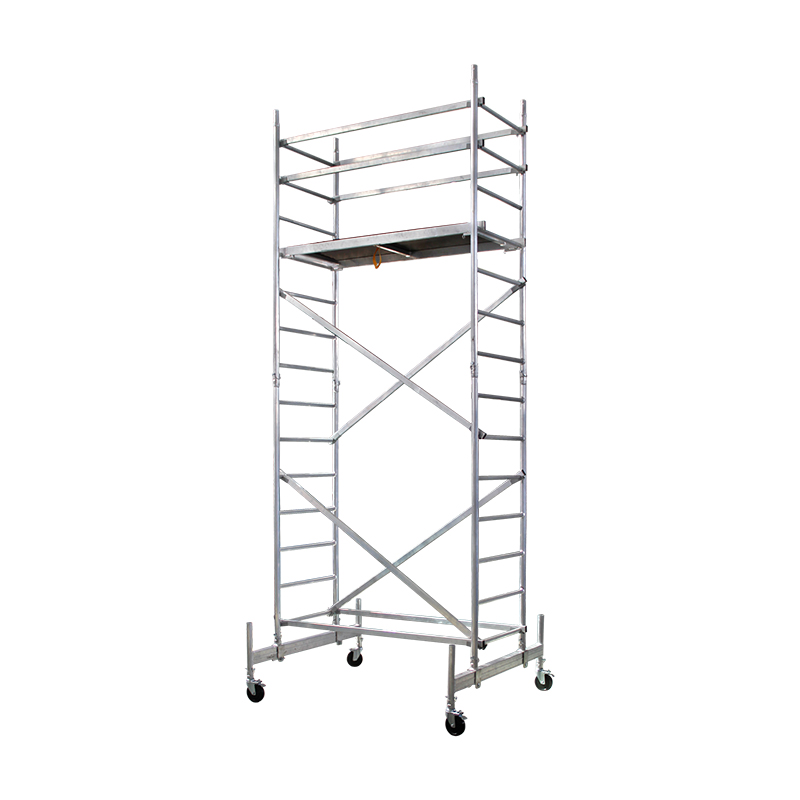
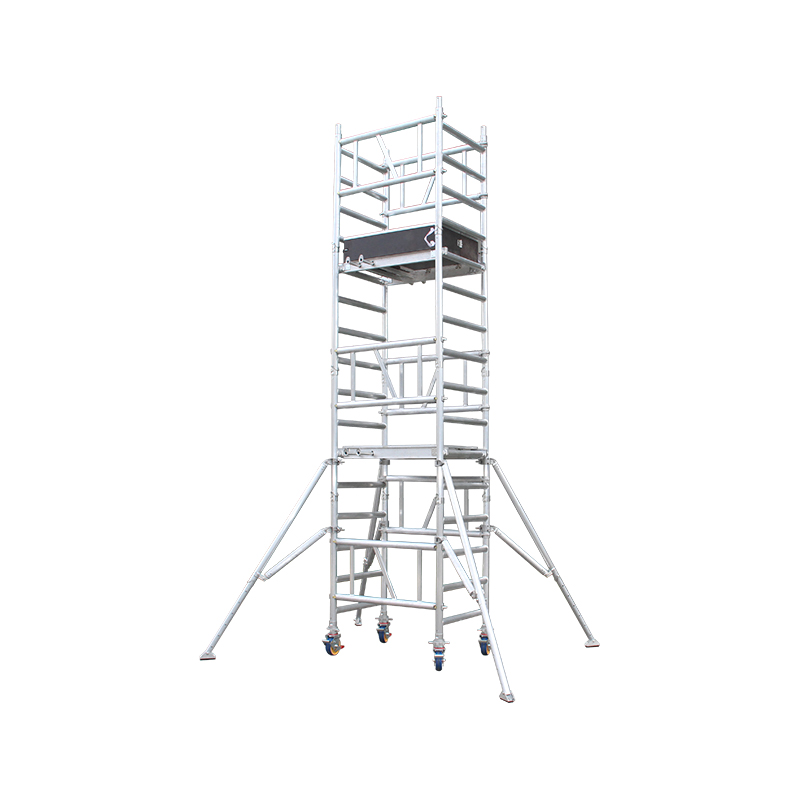
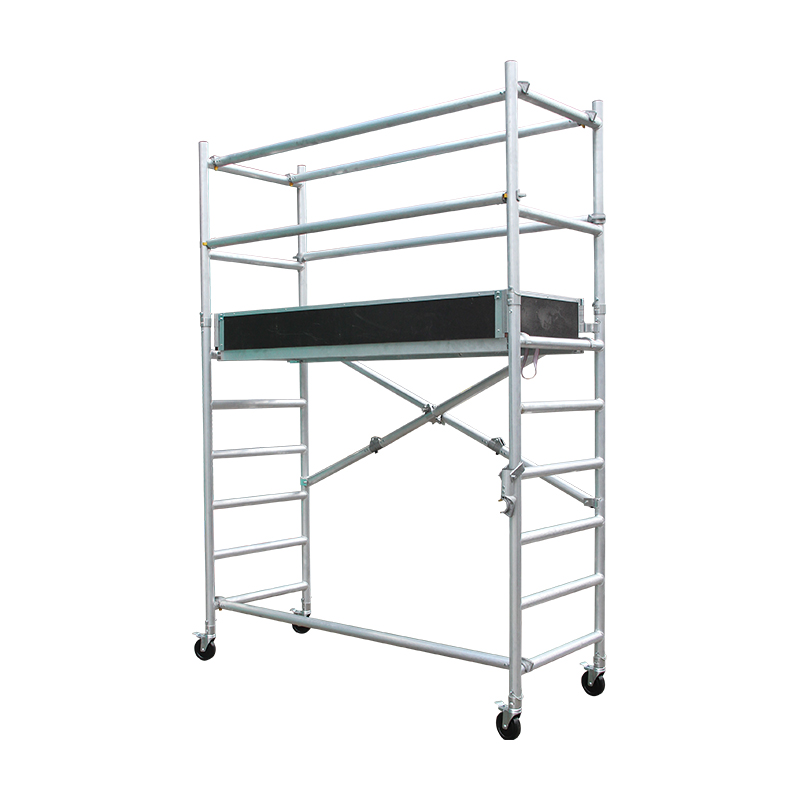
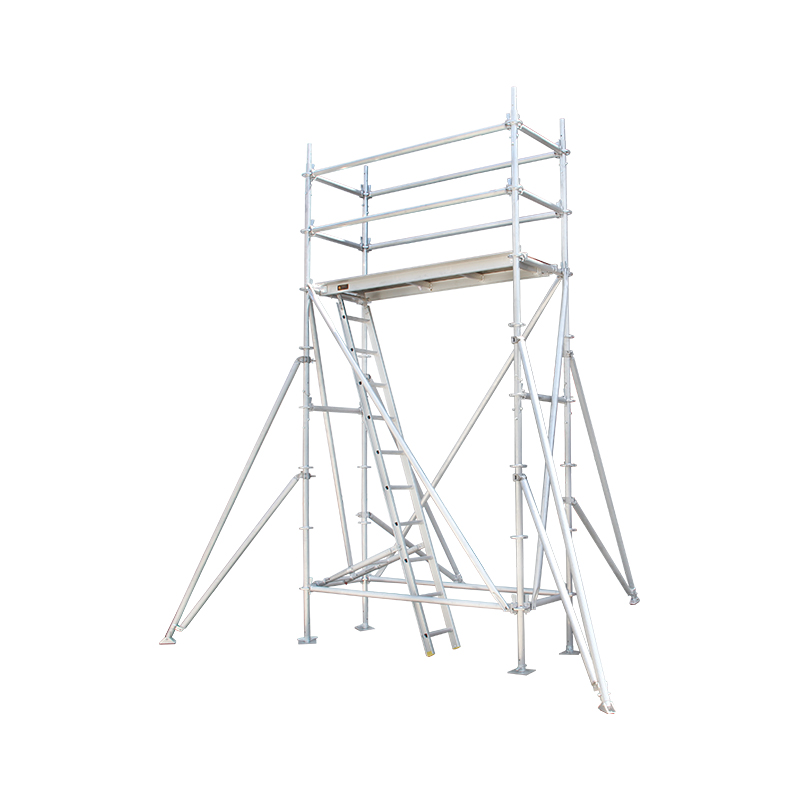
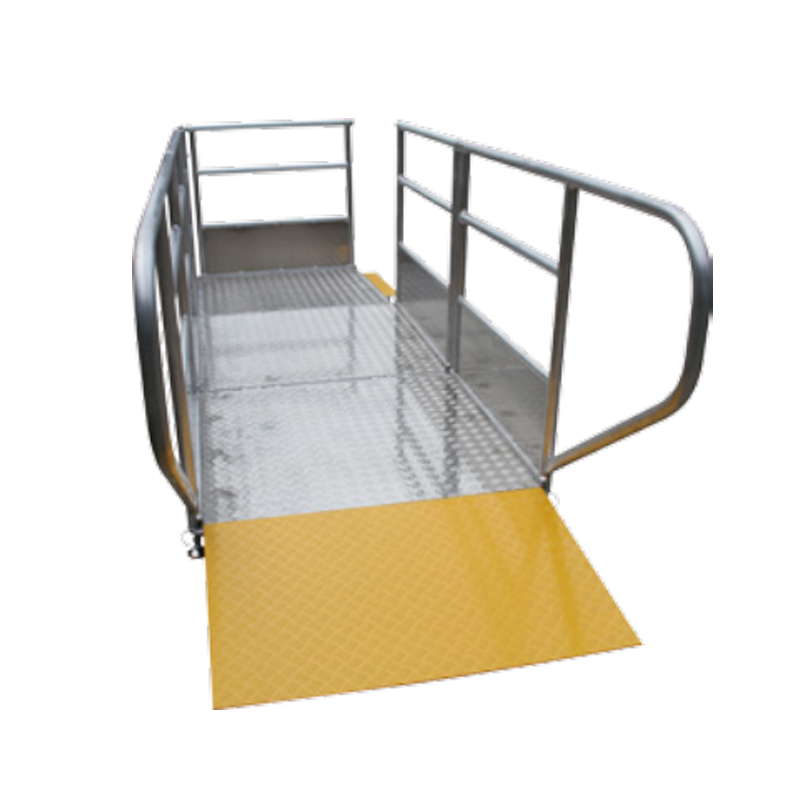
An industrial access platform should be specified according to the actual work process rather than height alone. In factories, warehouses, production lines, maintenance areas, and equipment service zones, workers may need to reach valves, motors, inspection points, elevated components, or machine surfaces while carrying tools and maintaining a stable working position. Platform height, deck dimensions, access direction, clearance, load requirements, mobility, and the surrounding equipment should therefore be considered together when defining a practical configuration.
Shanghai Ruiju Metal Products Co., Ltd. has specialized in customized climbing and working-at-height solutions since 2001, covering ladders, aluminium scaffolding systems, work platforms, and related equipment. Ruiju operates a 12,000 m² self-owned production facility and has developed an integrated industrial system covering R&D, product design, manufacturing, and marketing, supported by more than 30 years of working-at-height expertise.
Platform Height Should Be Determined by the Maintenance Point
Measure the Actual Working Position
When purchasing an industrial access platform, specifying only the overall platform height can result in an unsuitable working position. The more useful measurement is the distance between the floor and the component that workers need to reach, combined with the posture required to perform the task. Maintenance involving overhead panels, equipment tops, pipe connections, or inspection points may require different platform arrangements even when the nominal working height is similar.
Consider Clearance Around Equipment
Industrial machinery often creates restricted access zones. A platform that is structurally suitable but too wide to pass between machines can create unnecessary handling problems. Procurement specifications should include door widths, aisle dimensions, machine spacing, overhead obstructions, and the required distance from operating equipment. These measurements are particularly important when the platform will be moved between several production areas.
| Specification | What to Measure | Why It Matters |
|---|---|---|
| Platform height | Floor to required working level | Determines practical access position |
| Deck dimensions | Required standing and working area | Supports tools and task movement |
| Overall width | Narrowest access route | Affects transportation and positioning |
| Working load | Workers, tools, and task materials | Supports appropriate structural specification |
| Mobility | Frequency and route of relocation | Influences wheels and frame configuration |
Why Aluminium Is Used in Industrial Platform Construction
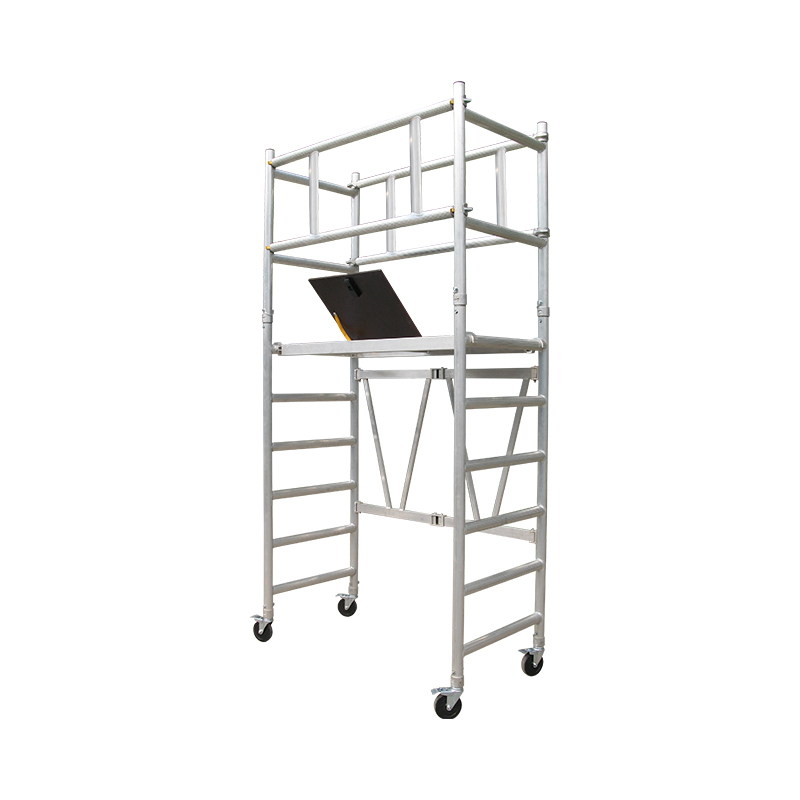
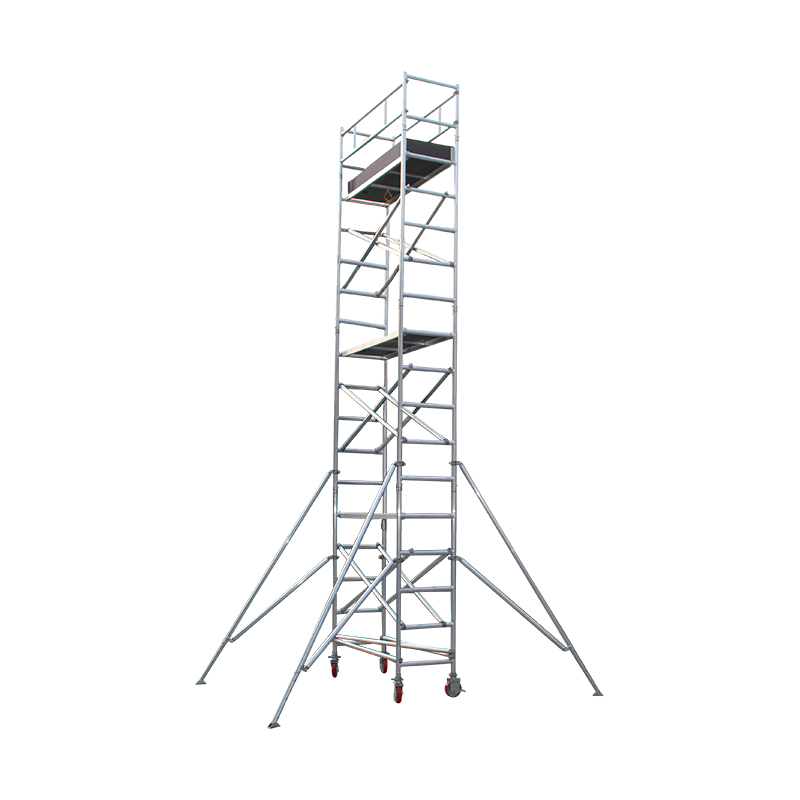
An aluminium industrial platform can be advantageous in applications where equipment is frequently repositioned, assembled, dismantled, or transported between work areas. Aluminium's relatively low density can reduce handling effort while still allowing engineers to develop rigid structural frames through appropriate profile selection, cross-bracing, joints, and platform support. The objective is not simply to minimize weight, but to achieve a useful balance between structural performance, maneuverability, durability, and maintenance requirements.
For industrial procurement, material selection should also account for the working environment. Indoor manufacturing areas, outdoor maintenance zones, humid facilities, and locations exposed to process chemicals can impose different requirements on surface treatment, component selection, and maintenance. Aluminium components should be integrated with compatible fasteners and connection methods appropriate to the intended environment.
Mobile or Fixed: Match the Platform to the Workflow
When Mobility Improves Productivity
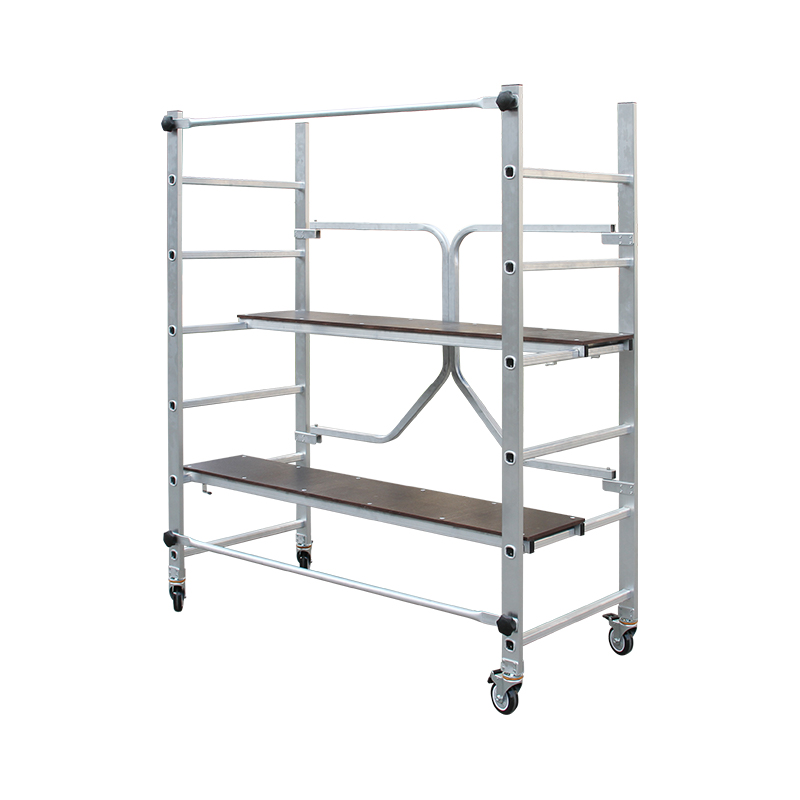
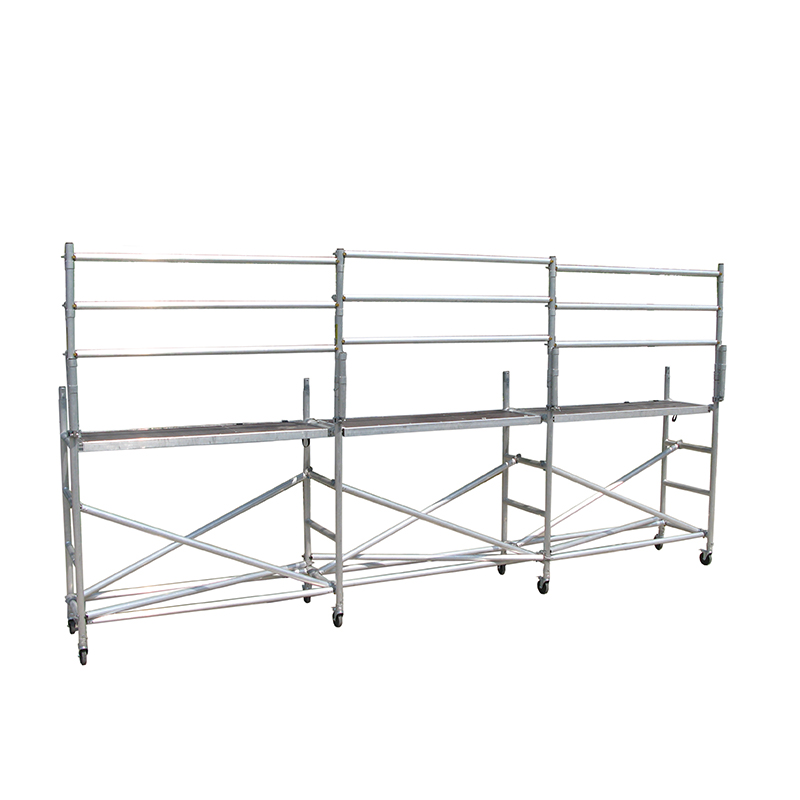
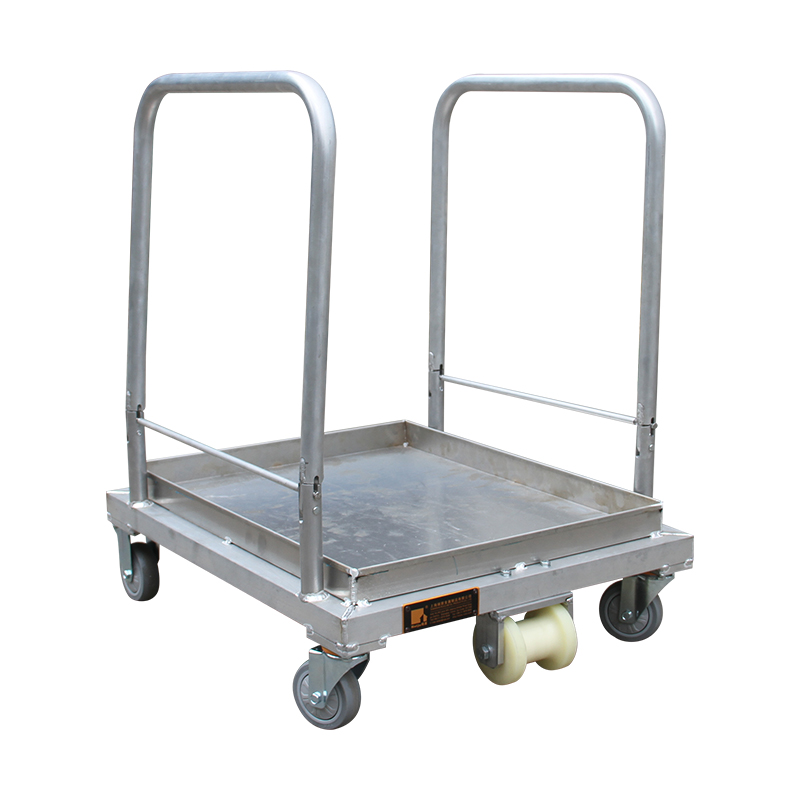
A mobile configuration can be useful when several machines or workstations require access at similar heights. Instead of installing separate access structures for every position, one platform can potentially serve multiple work areas when the floor layout permits safe relocation. In such applications, wheel size, caster mounting, locking mechanisms, frame geometry, and overall platform weight should be considered together.
When a Fixed Configuration Makes More Sense
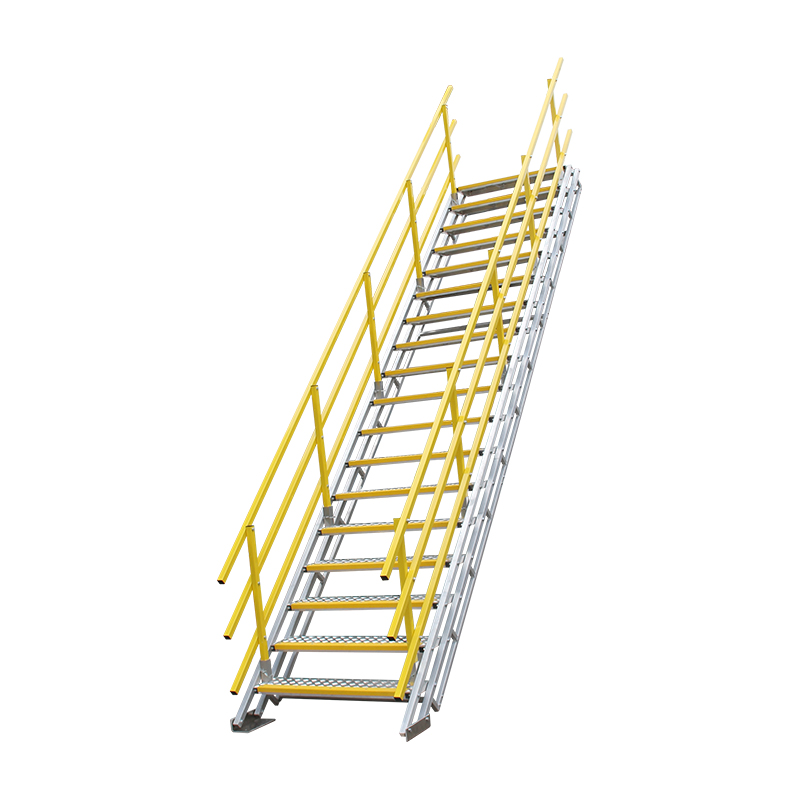
Where workers repeatedly perform the same task at a dedicated location, a fixed or stationary configuration may better correspond to the workflow. The specification can then focus on precise platform positioning, access arrangement, structural support, guardrail configuration, and integration with surrounding equipment. The decision should be based on actual operational requirements and the applicable site safety procedures.
Platform Deck Design Affects Daily Maintenance Work
The platform deck is the primary working interface between the equipment and the operator. Its dimensions should provide enough usable area for the task without unnecessarily increasing the footprint of the complete structure. Surface design is also important in industrial environments where dust, moisture, oil, or other contaminants may be present. Depending on the application, the deck may require a surface designed to provide suitable traction and facilitate routine cleaning.
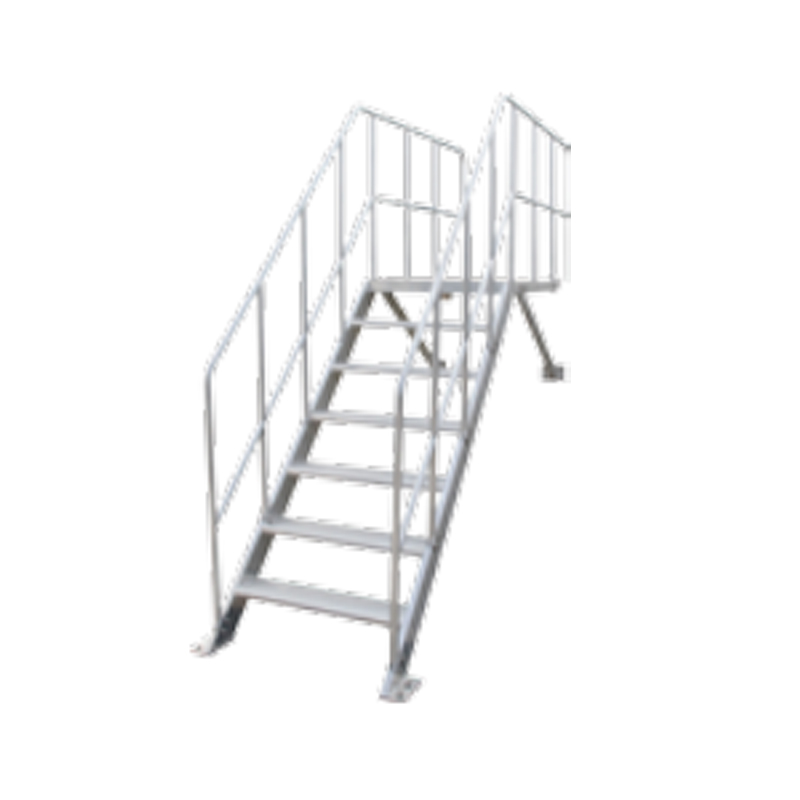
Access openings and ladder positions should also be considered early in the design process. A ladder placed directly in front of a frequently serviced component can interfere with workflow, while an inconvenient access direction can increase unnecessary movement. A well-defined platform layout places access components, guardrails, and working space in relation to the actual maintenance sequence.
Guardrails and Access Components Need System-Level Coordination
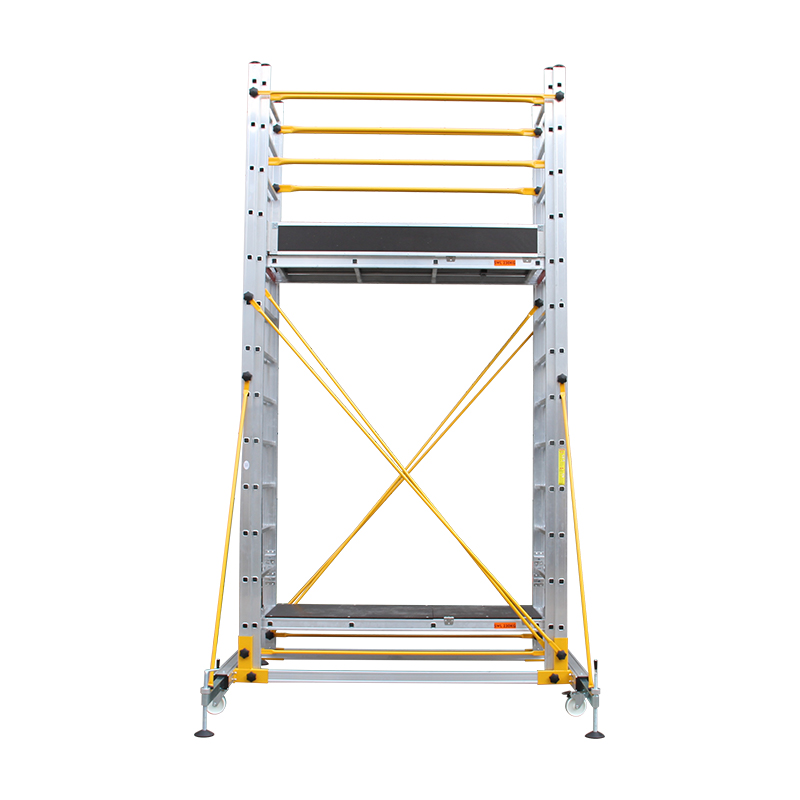
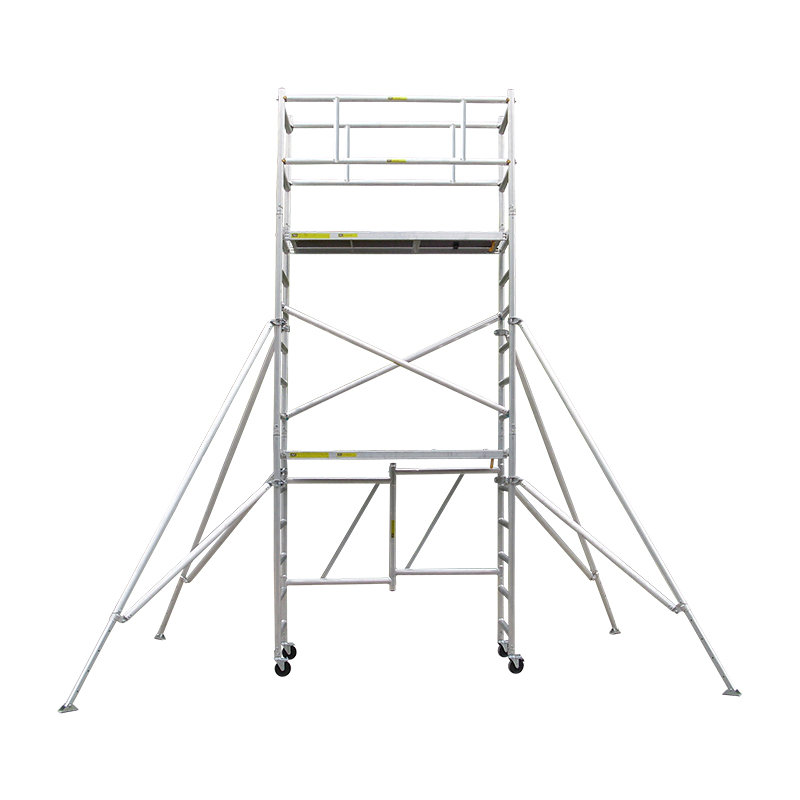
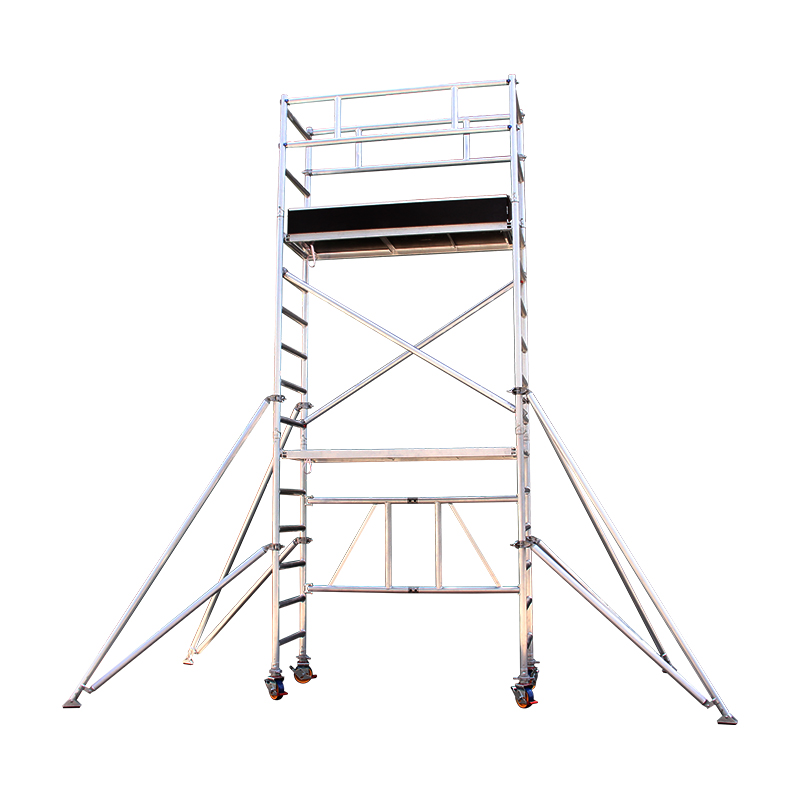
Guardrails, access ladders, braces, platforms, and frame members should function as one coordinated system. Adding an accessory after the main platform has already been designed can create dimensional conflicts or reduce usable working space. For customized projects, it is more practical to define the required access route and perimeter protection at the engineering stage so that connection positions and structural members can be developed accordingly.
- Define the required access direction before finalizing the platform frame.
- Coordinate guardrail positions with platform openings and working areas.
- Ensure braces and accessory connections are compatible with the main frame.
- Check that access components do not interfere with nearby machinery or maintenance routes.
- Specify replacement components according to the original system dimensions and connection requirements.
Custom Dimensions Can Solve Restricted-Space Problems
Standard platform dimensions may not fit production lines with unusually narrow aisles, irregular machine layouts, low ceilings, or restricted access points. Custom fabrication allows dimensions such as platform width, frame depth, access height, ladder position, stabilizer arrangement, and handrail configuration to be developed around measurable site conditions. This is especially useful when the platform must work around permanent machinery rather than occupy an open construction area.
For a customized industrial access platform, purchasers can provide equipment drawings, site measurements, photographs, required working height, available clearance, expected load, and movement requirements. These details give the manufacturer a clearer basis for developing a suitable configuration and reduce repeated adjustments during the specification process.
Manufacturing Controls for Industrial Access Equipment
For industrial users, manufacturing consistency is important because access equipment may be deployed repeatedly across multiple facilities or workstations. Shanghai Ruiju Metal Products Co., Ltd. operates an ISO 9001-certified manufacturing system and is BSCI audited. Its standard products comply with China's GB12142 national standard, while export products are developed to meet applicable Australian, European, and American industry requirements, with rigorous testing and certification by SGS and TÜV according to applicable requirements.
Ruiju's 12,000 m² self-owned production facility integrates R&D, product design, manufacturing, and marketing, supported by more than 30 years of experience in ladders, aluminium scaffolding systems, work platforms, and working-at-height technologies. This integrated capability supports discussions covering customized dimensions, structural configurations, manufacturing requirements, inspection documentation, and application-specific platform solutions.
What to Include in an Industrial Platform Specification
A detailed specification makes technical communication more efficient. Instead of requesting an industrial platform using only a general product name, project teams can provide measurable requirements that define the intended operating environment and workflow.
- Required platform and working height.
- Platform length, width, and usable working area.
- Overall footprint and maximum transportation dimensions.
- Expected working load, including workers, tools, and materials.
- Fixed or mobile operating requirements.
- Access direction and ladder configuration.
- Floor conditions, surrounding equipment, and available clearance.
- Applicable national, regional, or project-specific standards.
Ruiju's Role in Customized Industrial Access Solutions
With its proprietary Ruiju brand, Shanghai Ruiju Metal Products Co., Ltd. continues to develop customized working-at-height products for domestic and international markets. The company is recognized as a National High-tech Enterprise and a National Specialized, Sophisticated, Unique & New "Little Giant" Enterprise, with a portfolio of technical patents and a market-oriented approach to product development.
For customers specifying an aluminium industrial platform, the practical value of customization lies in matching the equipment to the real working environment. By coordinating dimensions, material selection, access, platform layout, mobility, structural components, and applicable quality requirements from the beginning, Ruiju can support industrial access solutions designed around specific operational conditions rather than relying solely on generic configurations.