en
en 简体中文
简体中文 Español
 Deutsch
 عربى
عربى
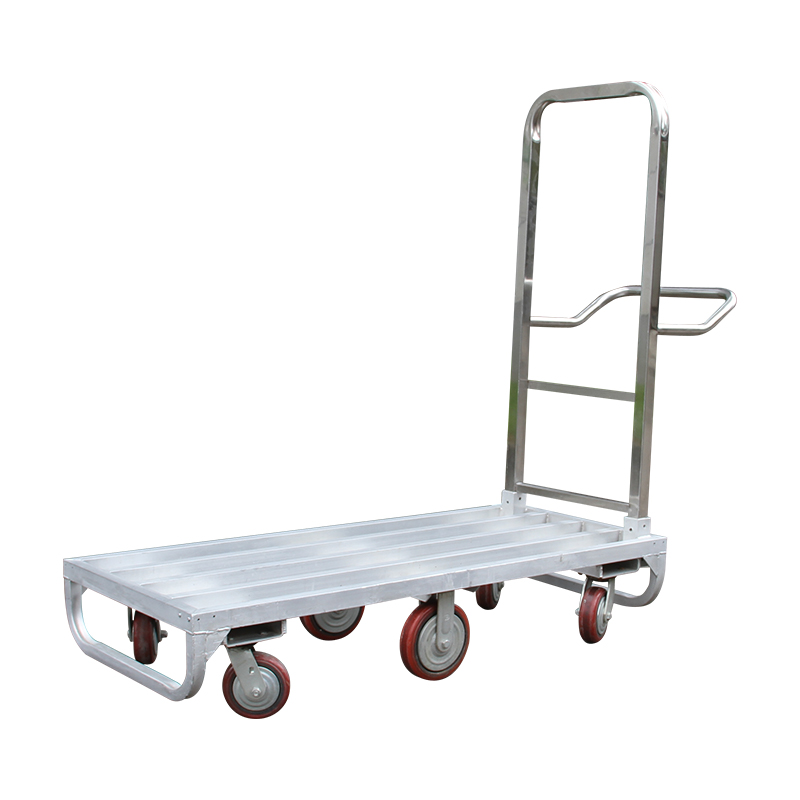












How Load Distribution Affects Aluminium Platform Trolley Performance
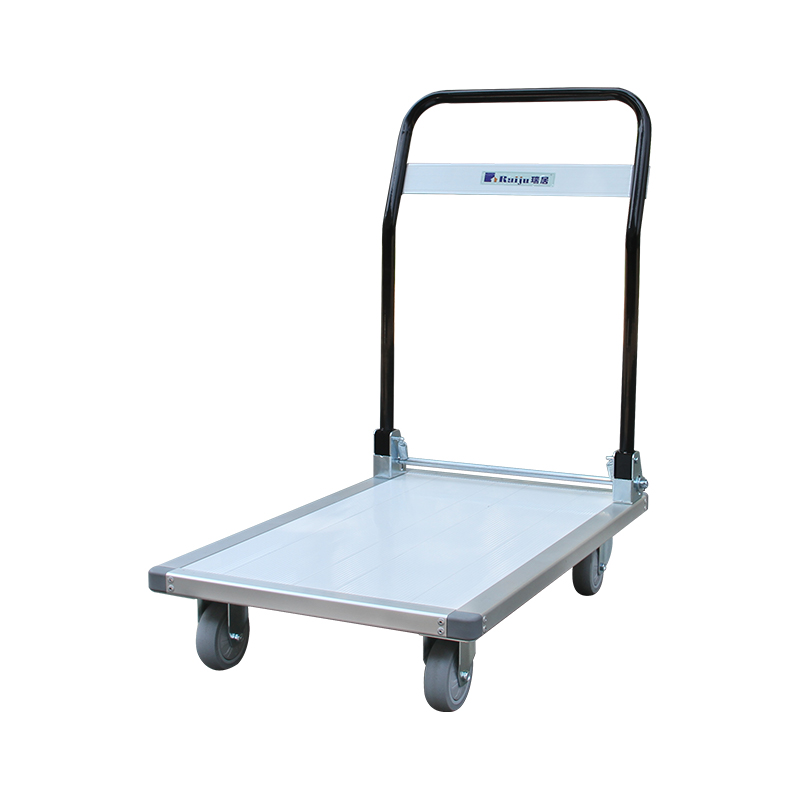
For an Aluminium Platform Trolley used in warehouses, workshops, logistics areas and maintenance facilities, rated capacity alone does not determine whether the equipment performs reliably. The way materials are positioned on the platform directly affects wheel loading, frame stress, steering stability and operator control. A concentrated load placed near one edge can create a very different mechanical condition from the same total weight distributed evenly across the deck. For procurement teams and equipment managers, checking both the allowable load and the recommended load distribution is therefore important when selecting material-handling equipment for repeated industrial use.
Shanghai Ruiju Metal Products Co., Ltd. has developed extensive experience in ladders, aluminium scaffolding systems, work platforms and related working-at-height equipment since its establishment in 2001. With a 12,000 m² self-owned production facility, Ruiju operates an integrated system covering R&D, product design, manufacturing and marketing, supported by more than 30 years of expertise in working-at-height products and technologies. This manufacturing background is also relevant to the development of practical aluminium material-handling equipment, where structural design, fabrication consistency and usability need to work together.
Practical Load-Distribution Considerations
- Keep heavy items as close to the centre of the platform as practical to reduce excessive loading on individual wheels.
- Avoid stacking materials so high that the centre of gravity moves significantly above the wheelbase.
- Use the full platform area for long or irregular loads rather than creating a heavily concentrated loading point.
- Consider both static loading and the additional forces generated when the trolley starts, stops or changes direction.
Wheel Selection Can Change Hand Truck Dolly Handling Characteristics
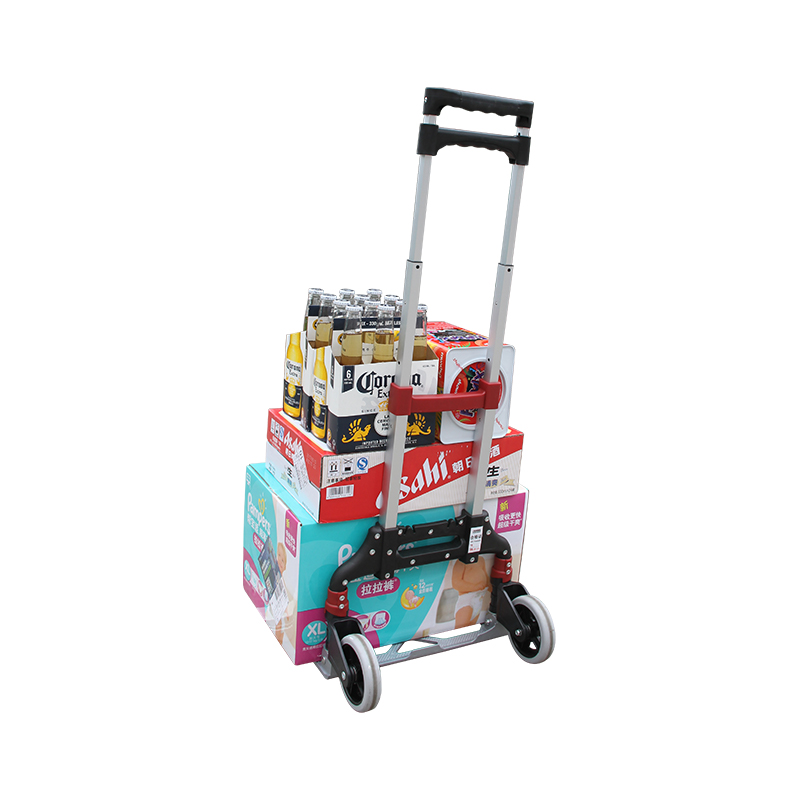
The wheels are one of the most important working components of a Hand Truck Dolly or platform trolley because they transfer the load directly to the floor. Wheel diameter, tread material, bearing configuration and floor compatibility can affect rolling resistance, vibration and manoeuvrability. Larger wheels generally help equipment pass over small thresholds and uneven surfaces more smoothly, while the appropriate tread compound depends on whether the trolley is primarily used on concrete, coated floors, tiled surfaces or other industrial flooring.
| Working Condition | Wheel Consideration | Operational Focus |
|---|---|---|
| Smooth warehouse floor | Low rolling resistance | Easy movement over long distances |
| Uneven industrial floor | Appropriate larger-diameter wheels | Reduced vibration and improved obstacle clearance |
| Narrow working area | Manoeuvrability-oriented configuration | Controlled turning and positioning |
| Frequent material transfer | Durable wheels and reliable bearings | Consistent performance over repeated cycles |
Why Aluminium Construction Matters
Aluminium is particularly useful when equipment needs to balance structural performance with manageable self-weight. A lighter trolley can be easier for operators to position, load and store, while a properly engineered frame can provide the rigidity required for routine industrial handling. However, aluminium construction should not be evaluated simply by material weight. Profile geometry, joint design, weld quality, platform structure and load-path continuity all contribute to the actual performance of an aluminium trolley.
When a Hand Truck and Platform Trolley Serve Different Handling Tasks
A Hand Truck is often associated with moving upright or boxed loads through relatively narrow routes, while a platform-style trolley provides a horizontal loading surface for cartons, components, tools and irregularly shaped materials. The choice should be based on the handling process rather than simply the nominal capacity. Facilities moving stacked cartons between storage zones may need a different configuration from maintenance teams transporting tools and components around production equipment.
Selection Factors for Industrial Purchasing
- Determine the typical load rather than selecting equipment only according to the maximum occasional load.
- Measure doorways, aisles, lifts and turning areas before confirming trolley dimensions.
- Check platform dimensions against the actual packaging and material sizes used at the facility.
- Consider wheel replacement, fastener access and other maintenance requirements when evaluating long-term operating costs.
- For export projects, confirm that the selected configuration meets the applicable destination-market requirements and testing expectations.
Quality Control Factors That Matter in Repeated Industrial Use
For equipment used repeatedly, manufacturing consistency is as important as the basic design. Dimensional accuracy, weld integrity, surface treatment, wheel installation and assembly tolerances can influence service life and operator experience. A trolley that appears suitable during a short inspection may perform differently under thousands of loading and movement cycles, making production-process control an important consideration for purchasing departments.
Shanghai Ruiju Metal Products Co., Ltd. maintains an ISO 9001-certified manufacturing system and has undergone BSCI auditing. Its standard products comply with China's GB12142 requirements, while export products are designed to meet applicable Australian, European and American industry standards, with products rigorously tested and certified by SGS and TÜV. The company also operates under the proprietary Ruiju brand and maintains a portfolio of technical patents, supporting its continued market-oriented development of ladders, scaffolding, work platforms and related equipment.
Useful Inspection Points Before Regular Operation
- Inspect the platform, frame and welded areas for visible deformation or damage.
- Check wheels and casters for free rotation, abnormal wear and secure attachment.
- Confirm that handles, joints, fasteners and other connection points remain secure.
- Remove damaged equipment from service until the relevant component has been inspected and, where necessary, replaced.
Design Details That Improve Workflow Efficiency
In industrial environments, a useful Hand Truck Dolly is not judged only by whether it can carry a specified load. Handle height, platform accessibility, wheel placement, storage footprint and ease of positioning can influence how quickly operators complete repetitive tasks. Small design decisions can become significant when the same equipment is used dozens or hundreds of times during a working shift.
For example, a platform that allows materials to be placed and removed from multiple sides can reduce unnecessary repositioning. A handle with an appropriate working height can provide better control during movement, while a compact overall footprint can make the trolley easier to store when not in use. For facilities with standardized material flows, these details can be evaluated alongside capacity and dimensions during equipment selection.