en
en 简体中文
简体中文 Español
 Deutsch
 عربى
عربى
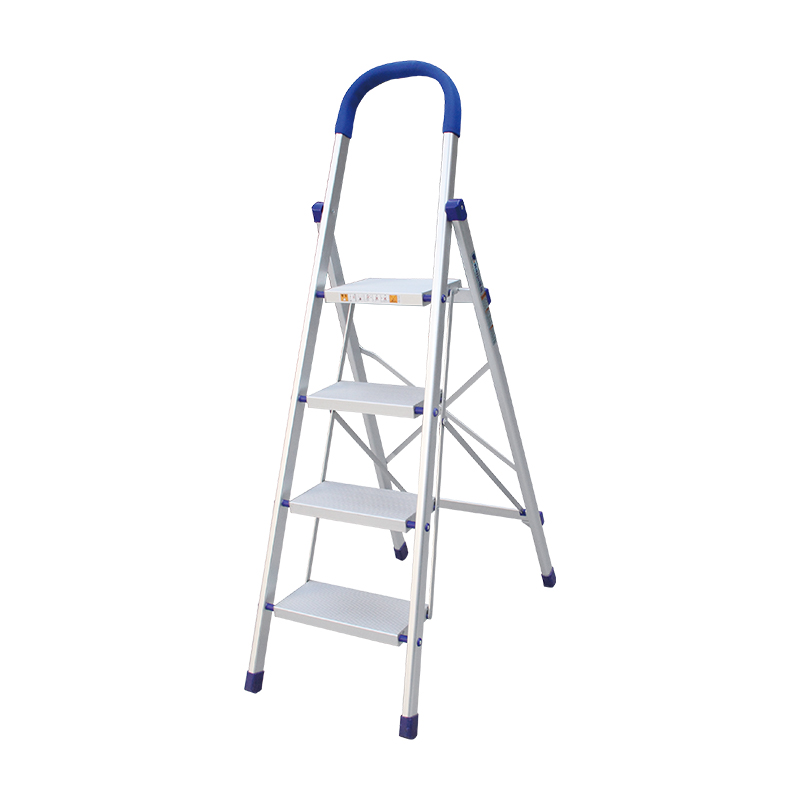
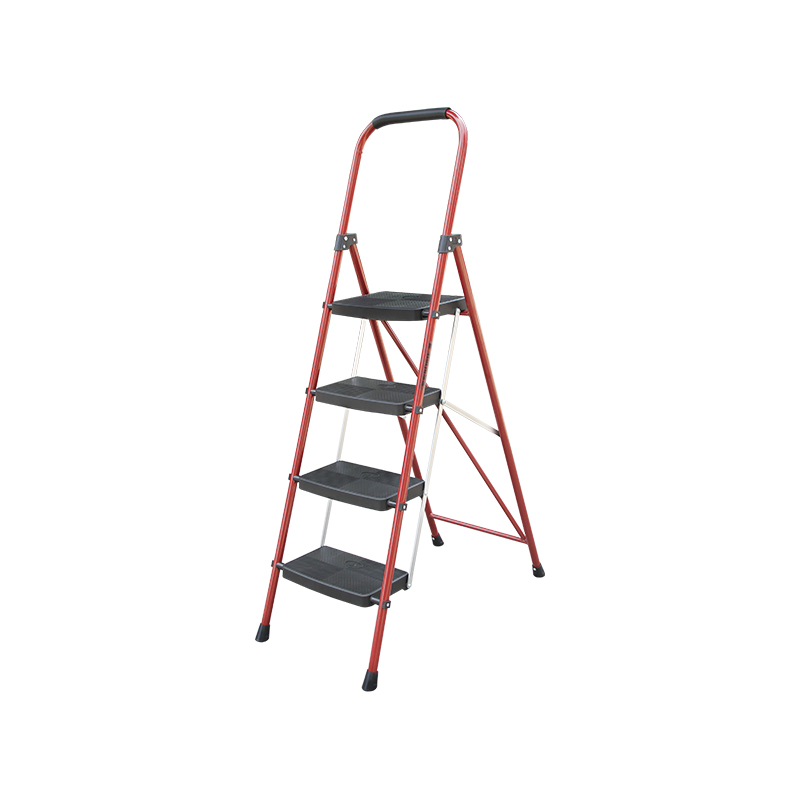
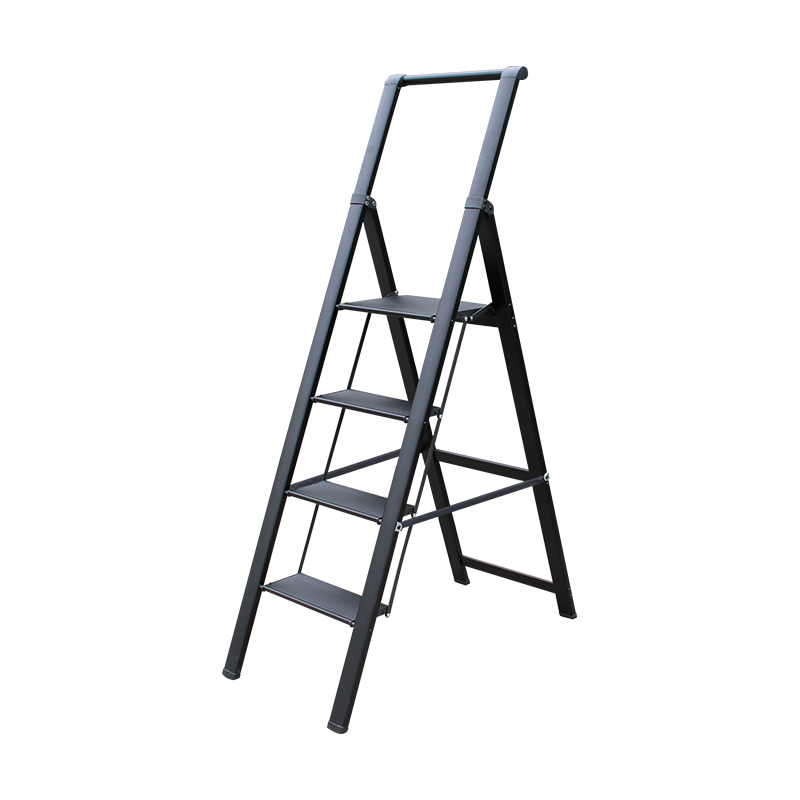
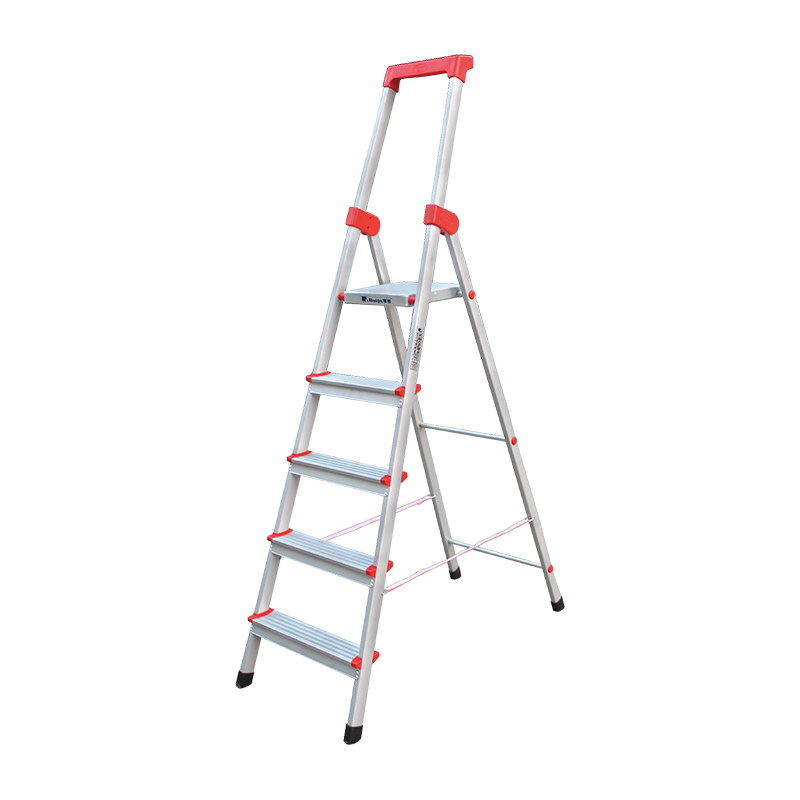
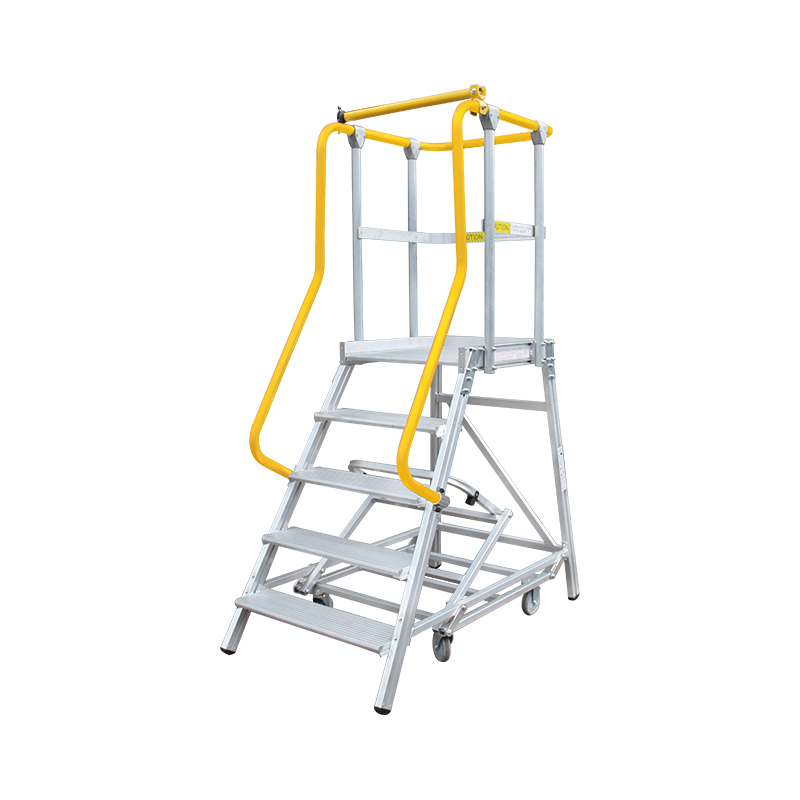
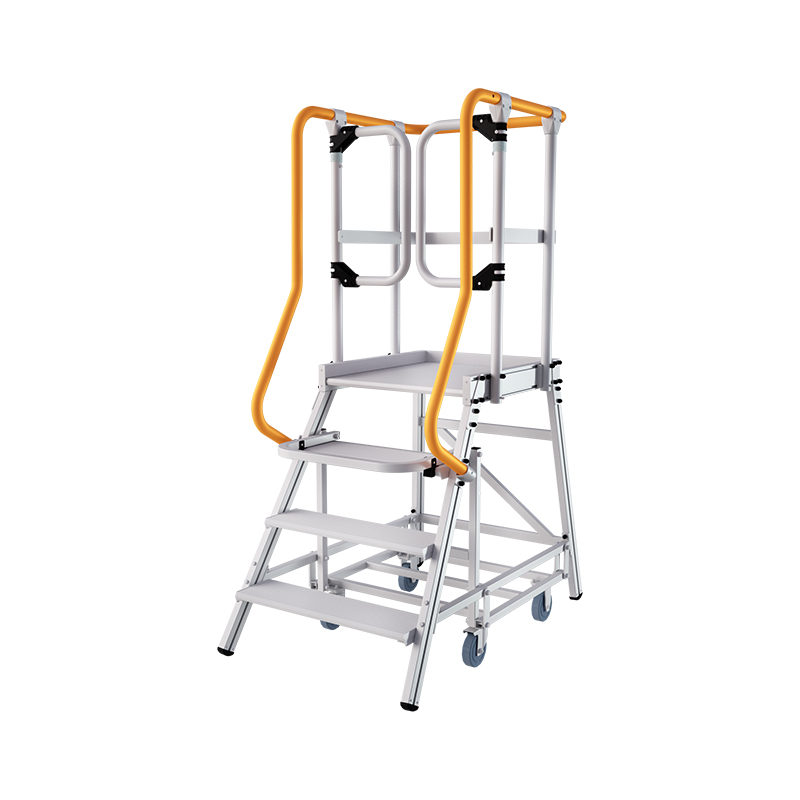
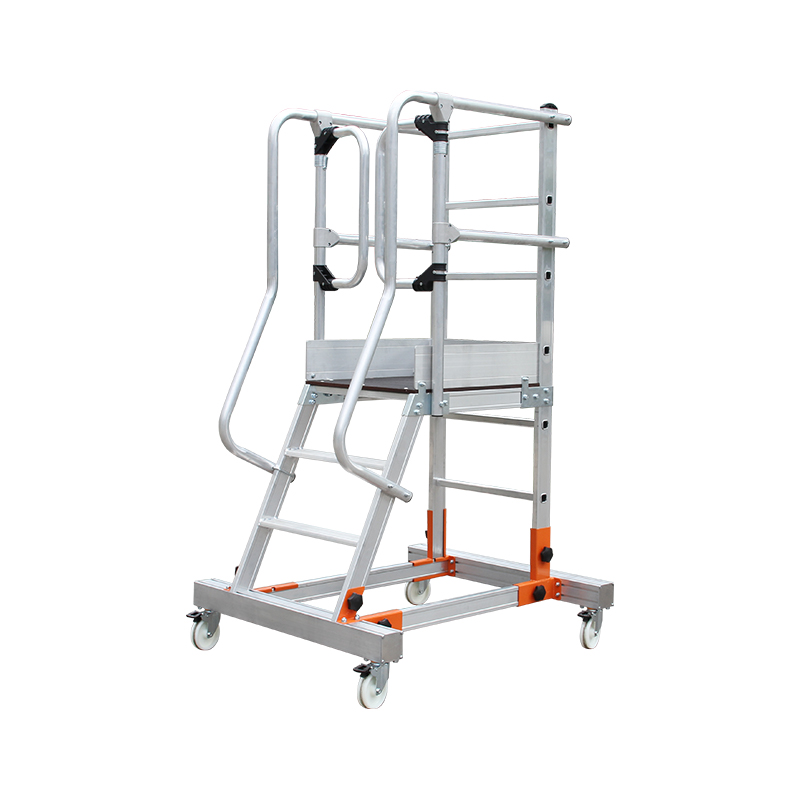
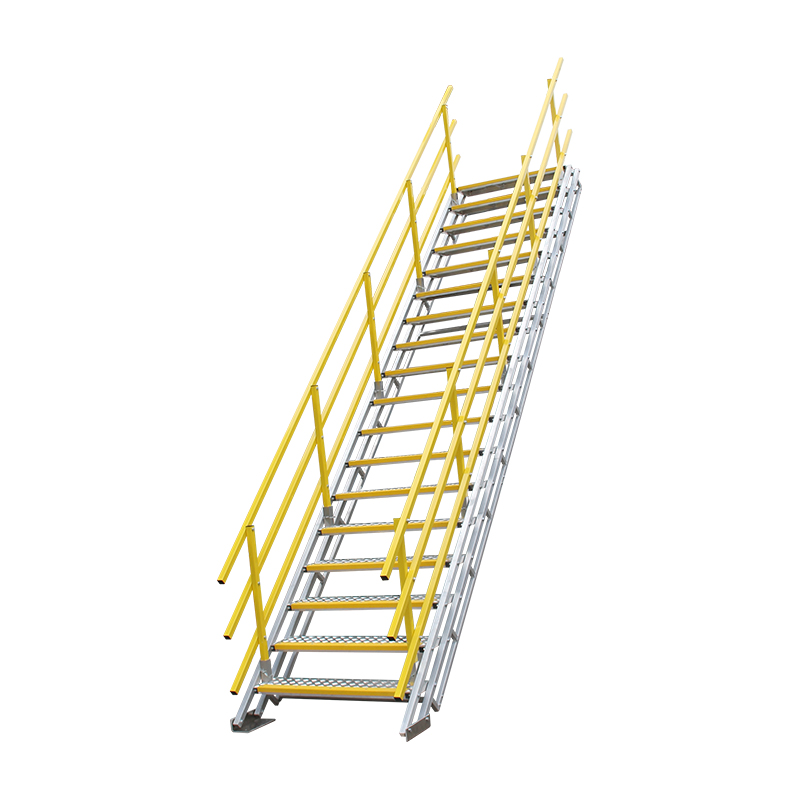
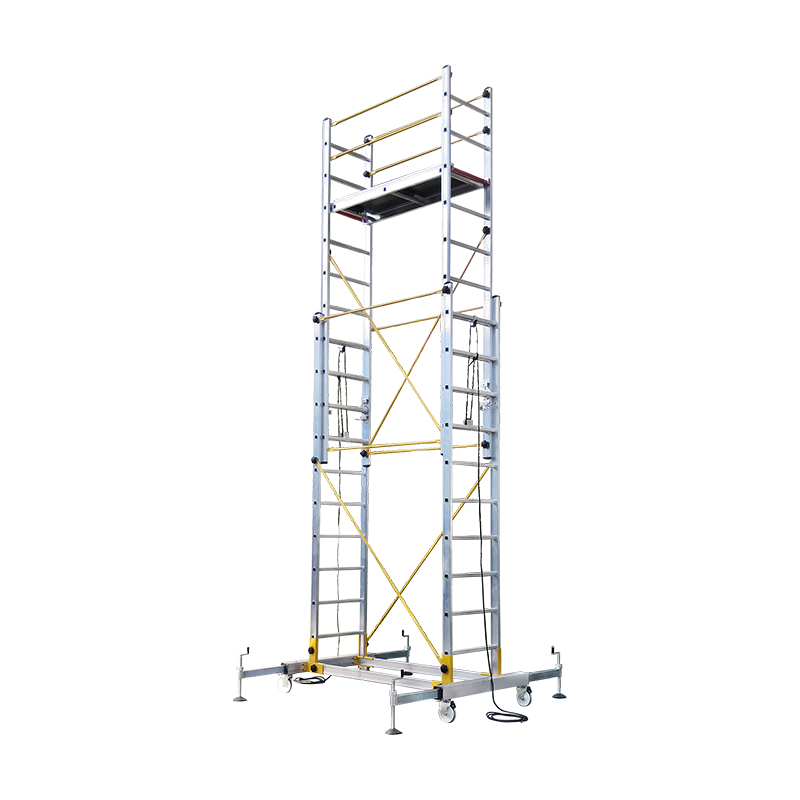
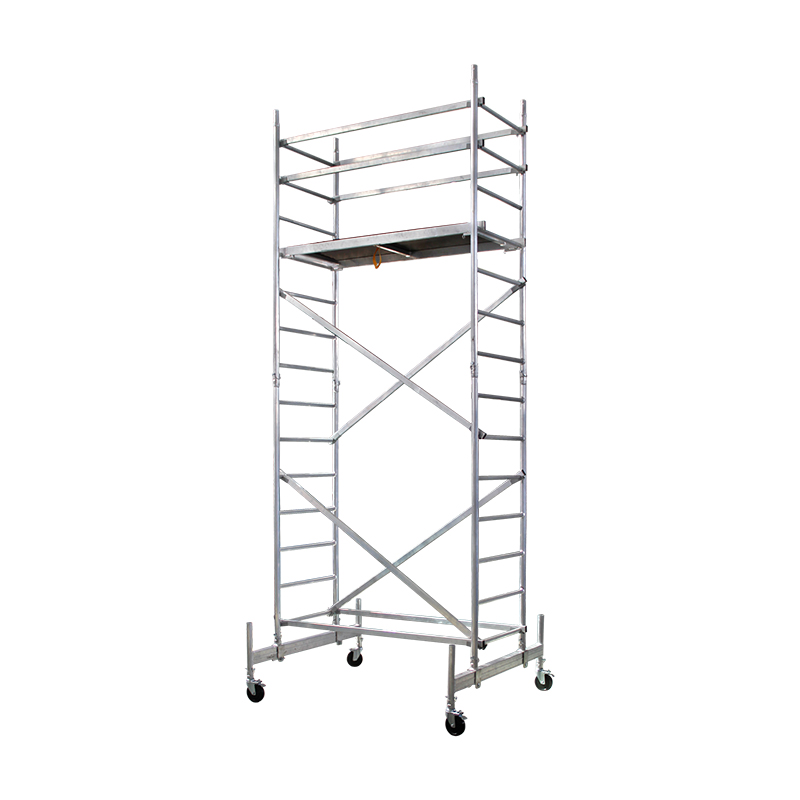
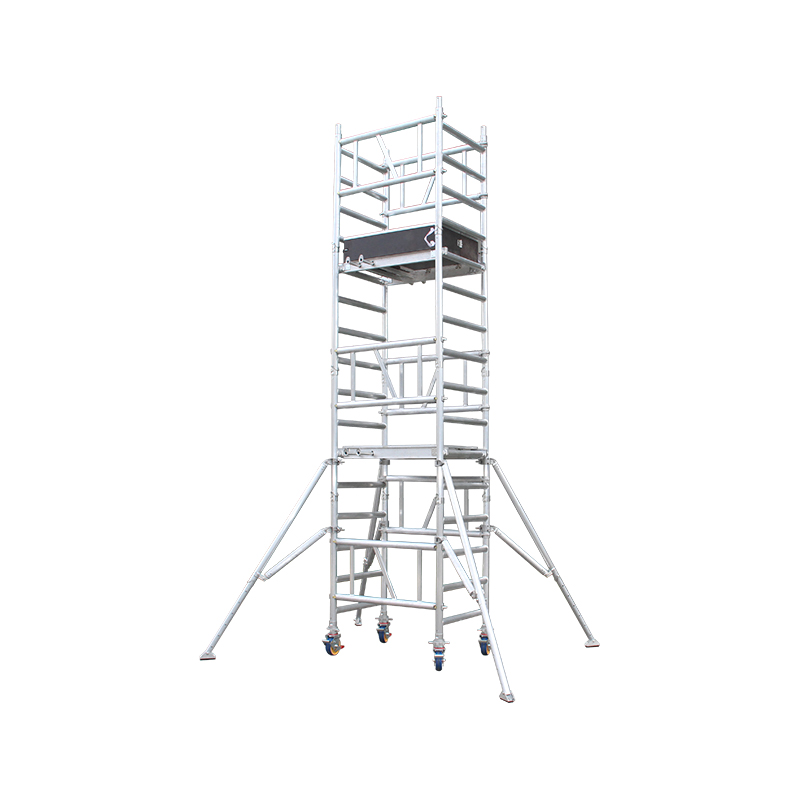
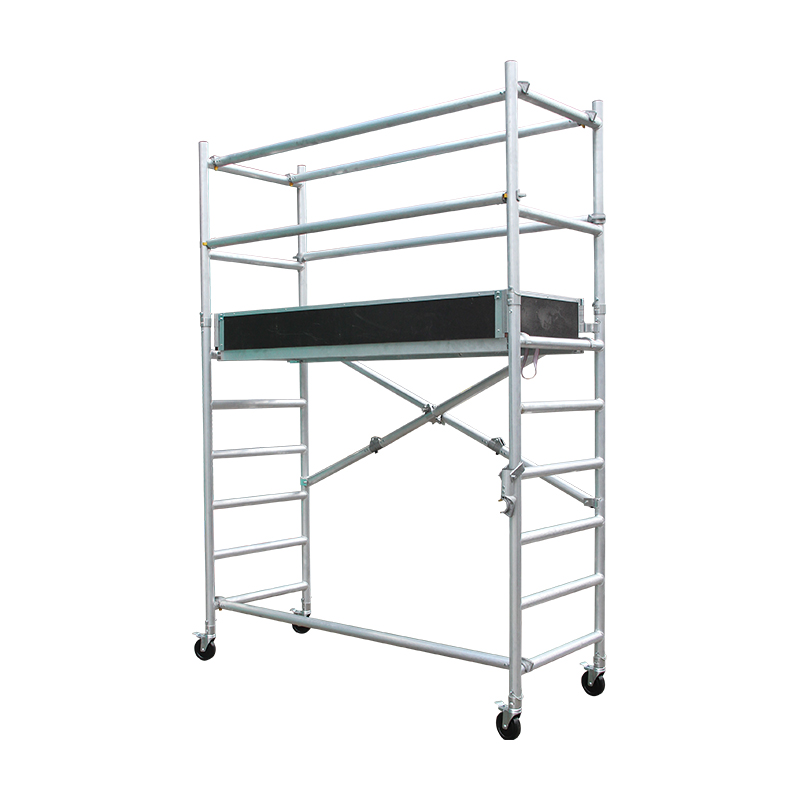
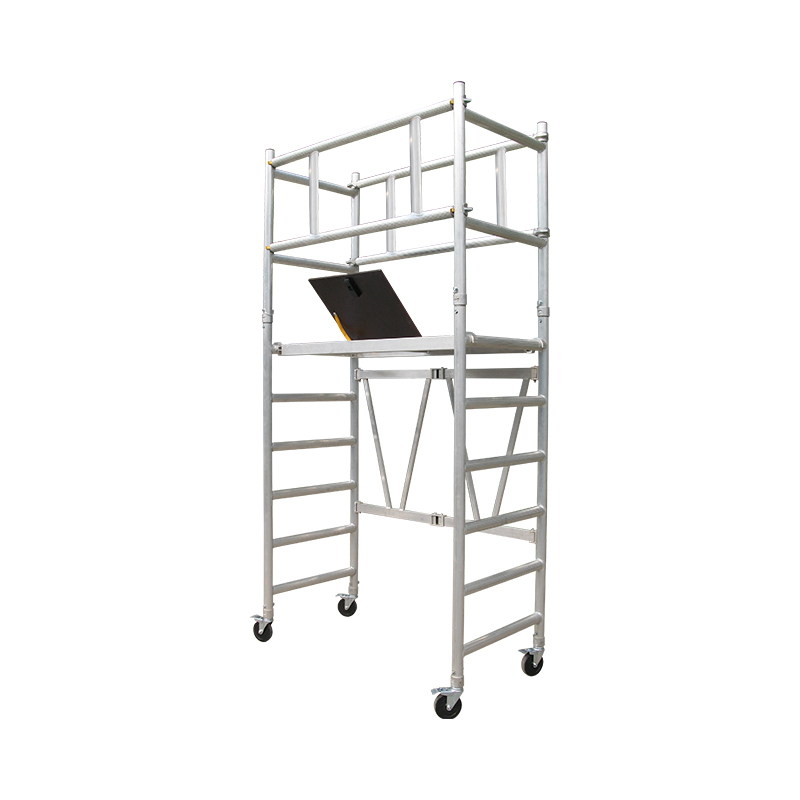
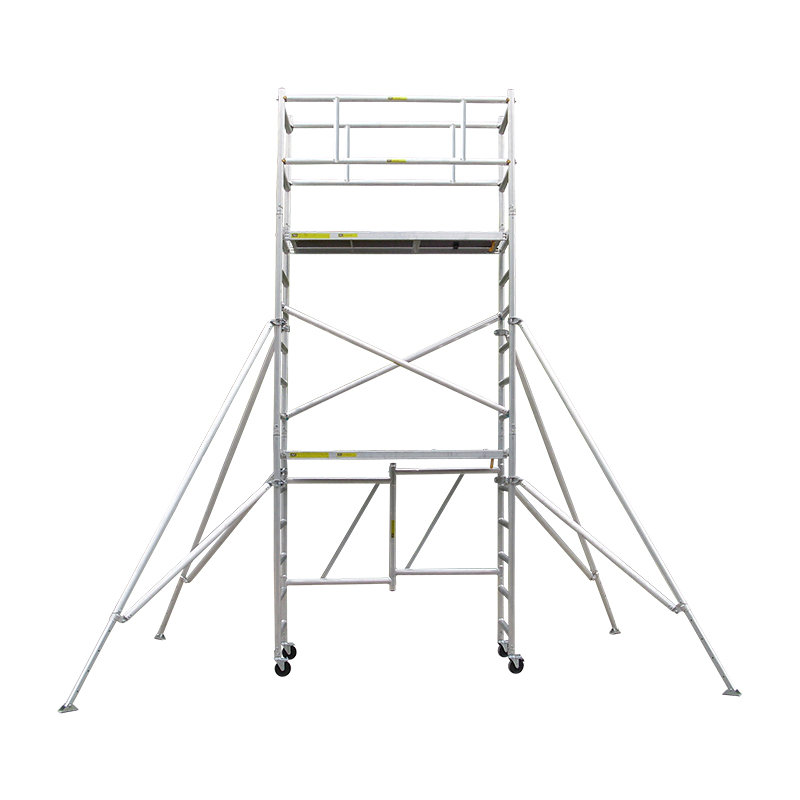
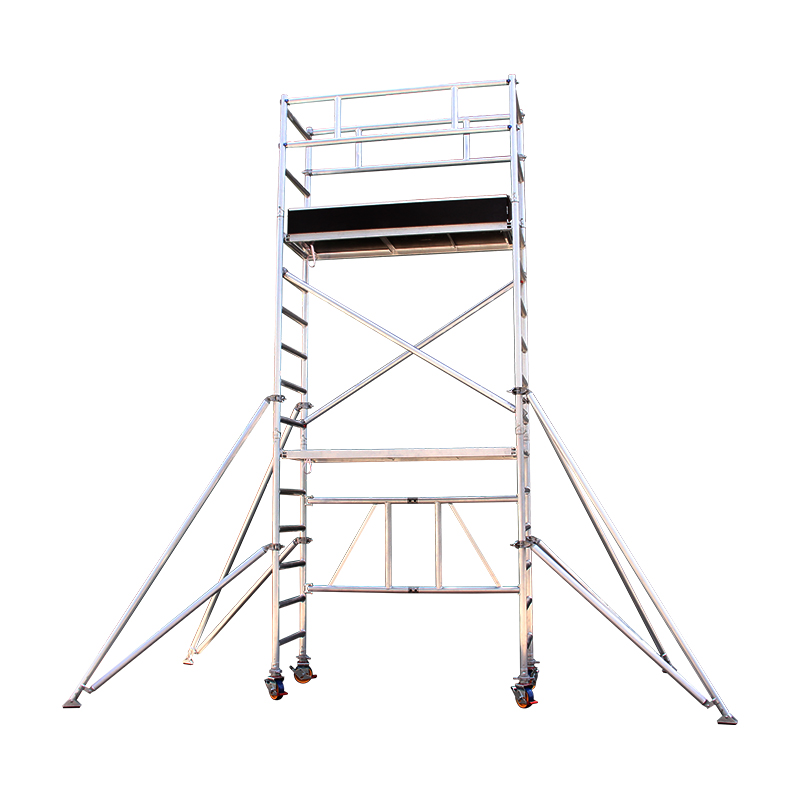
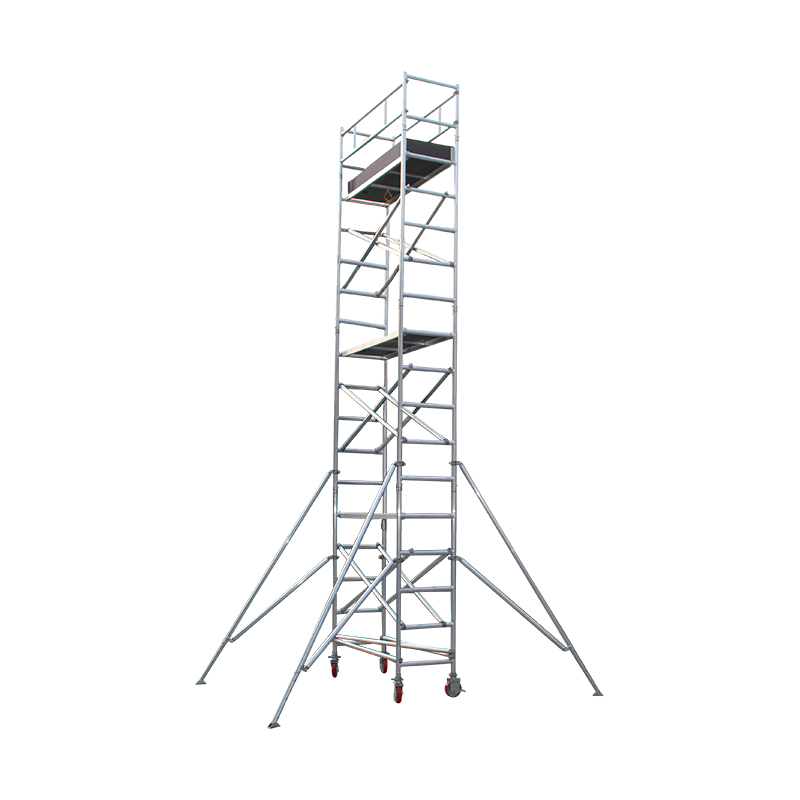
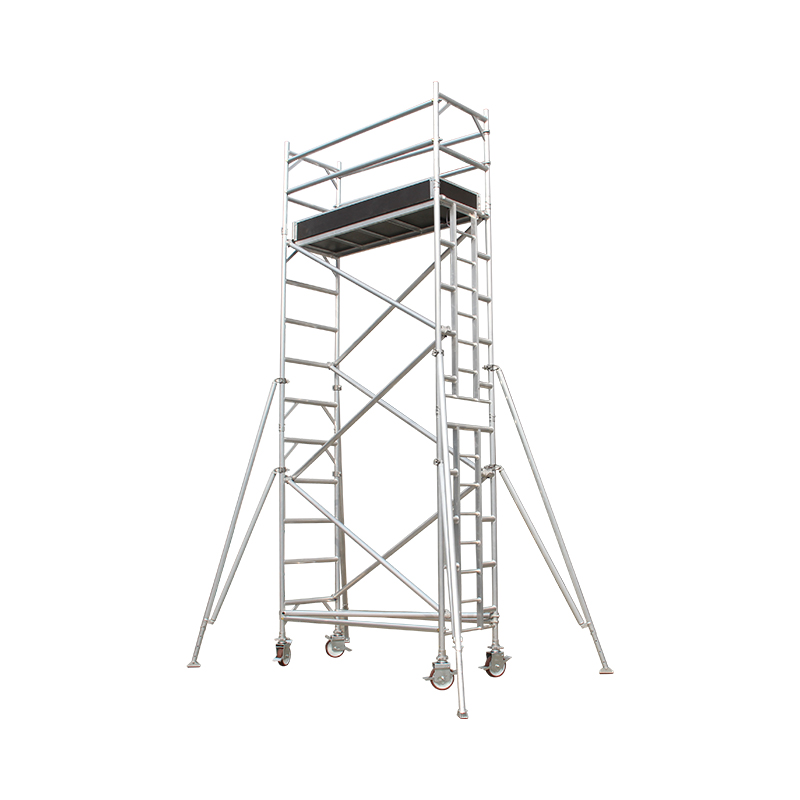
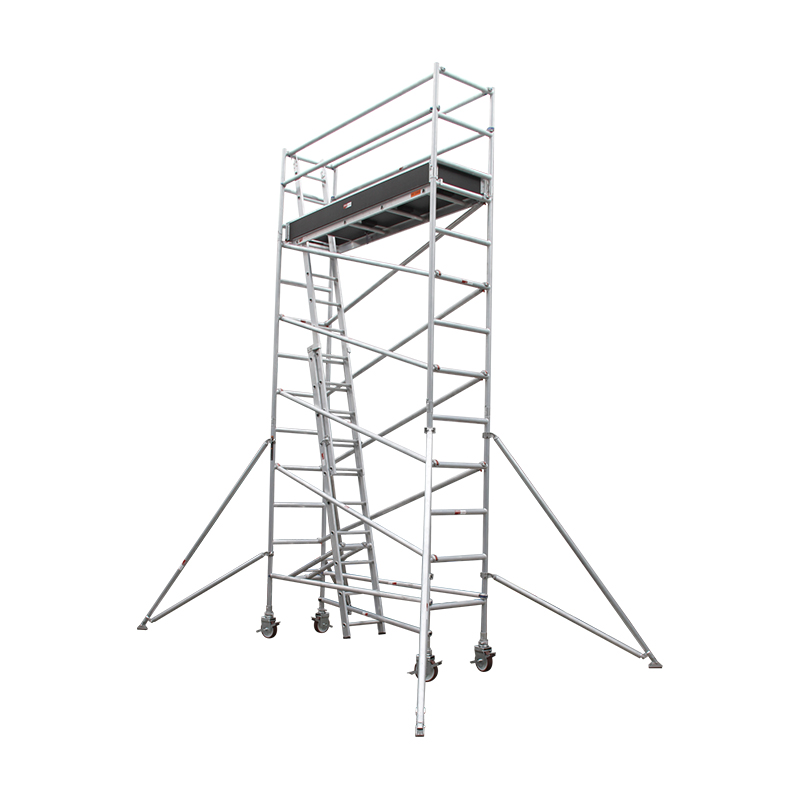
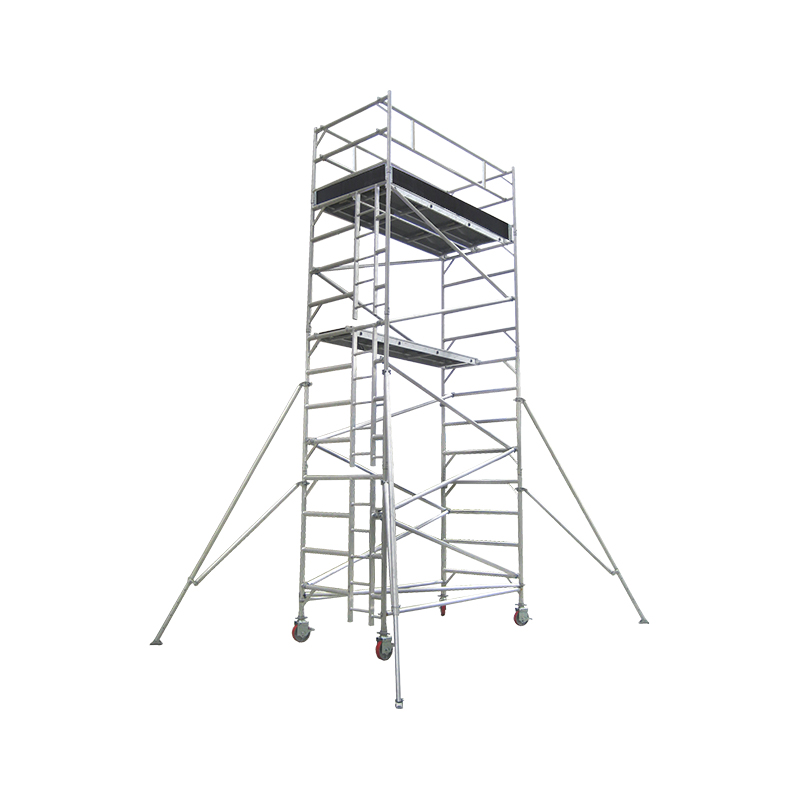
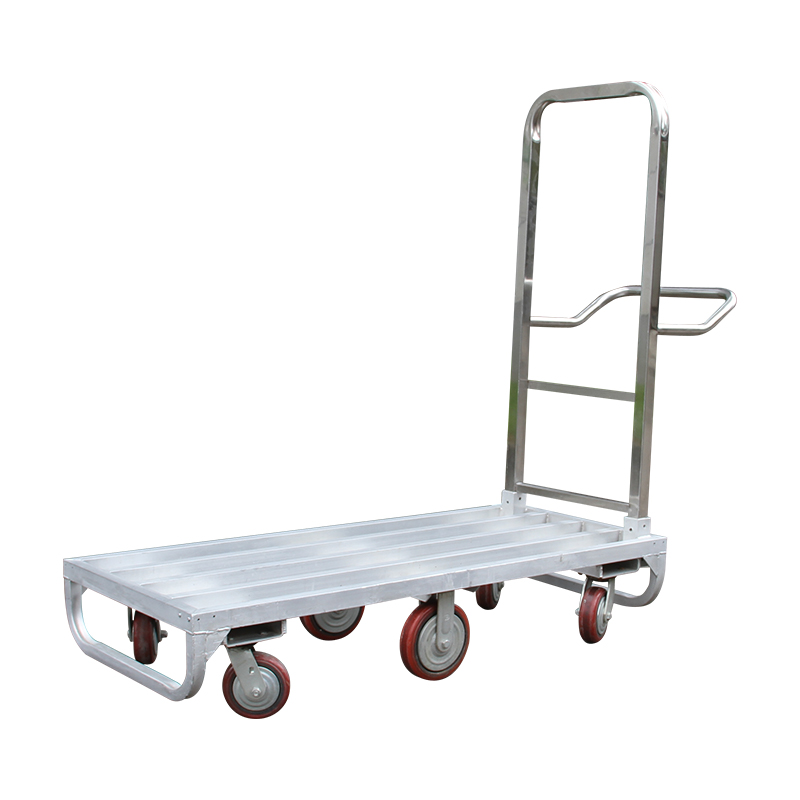
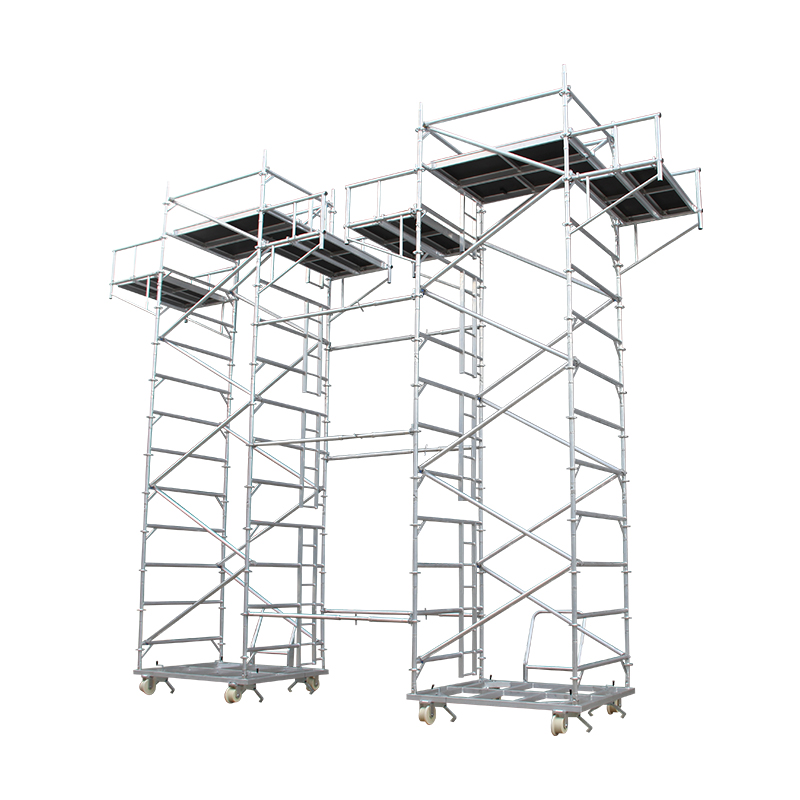
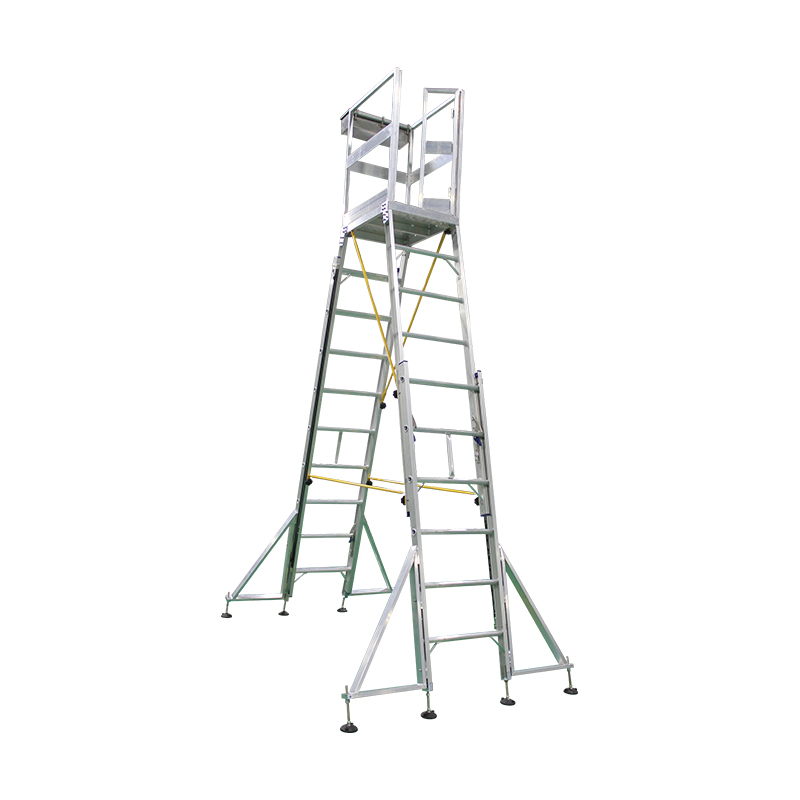
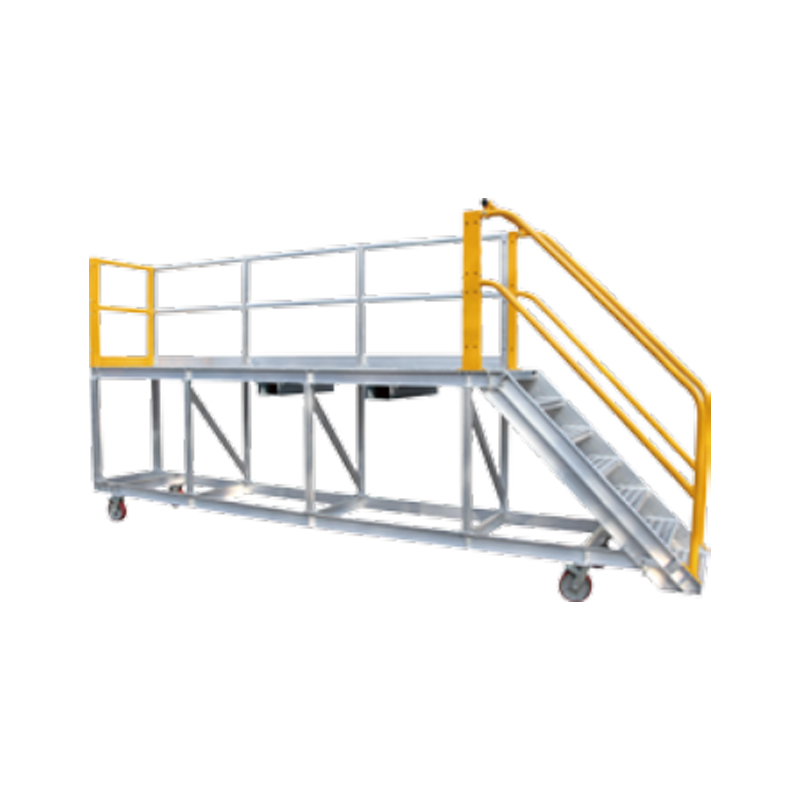
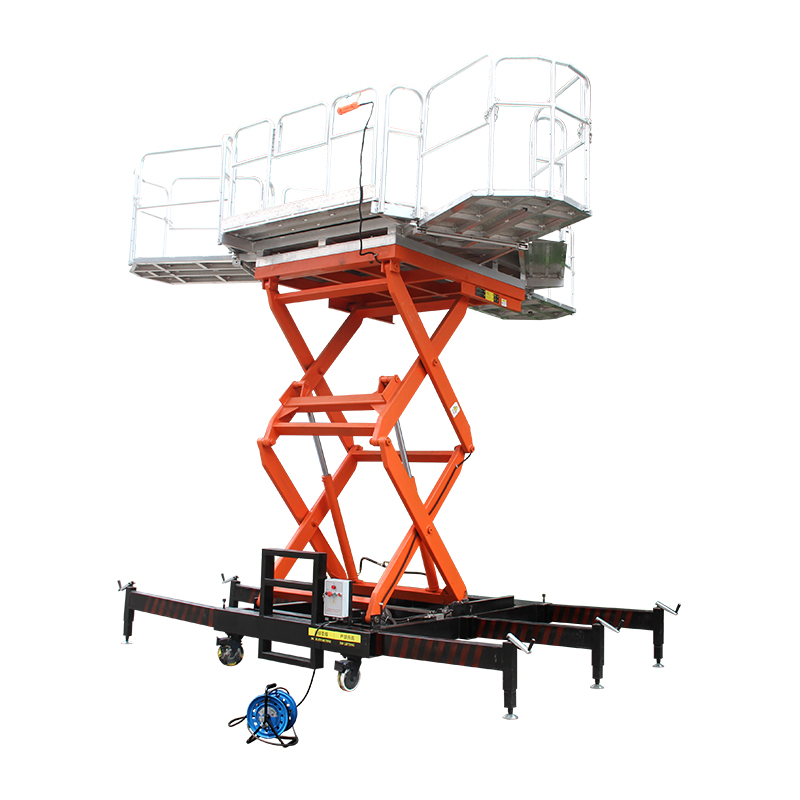
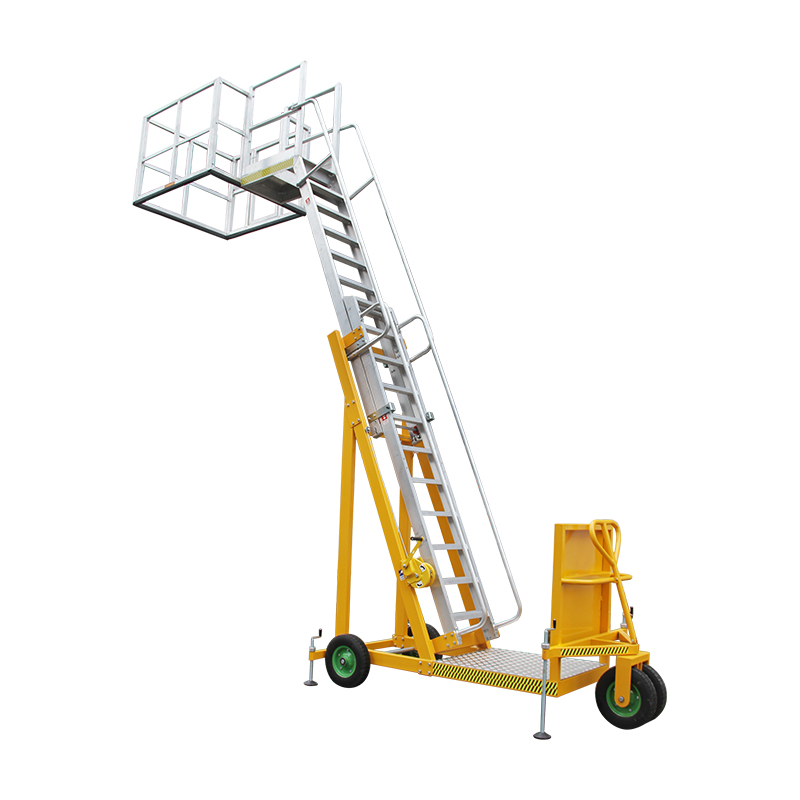
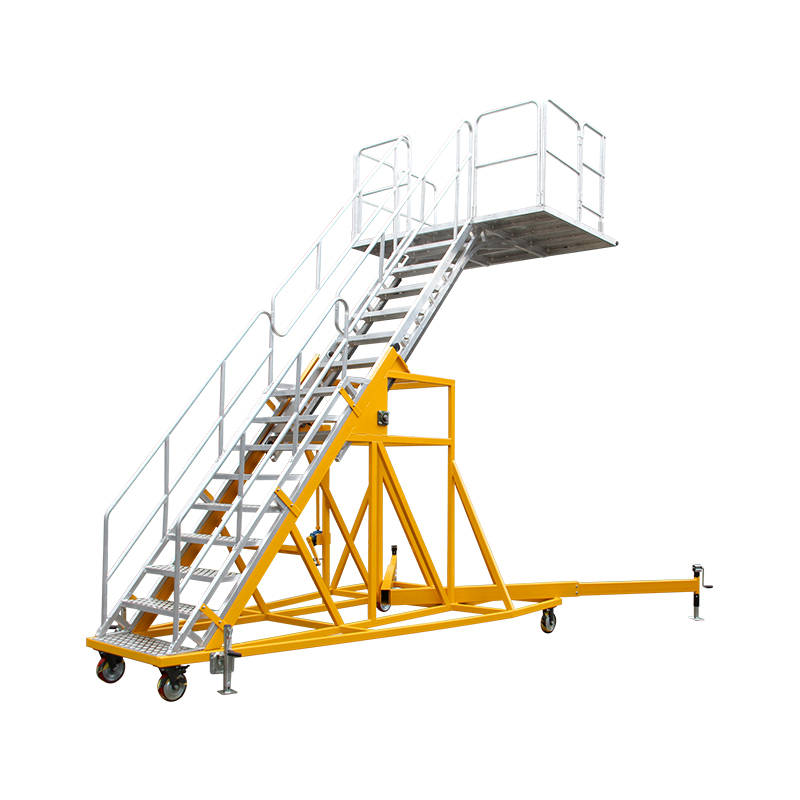
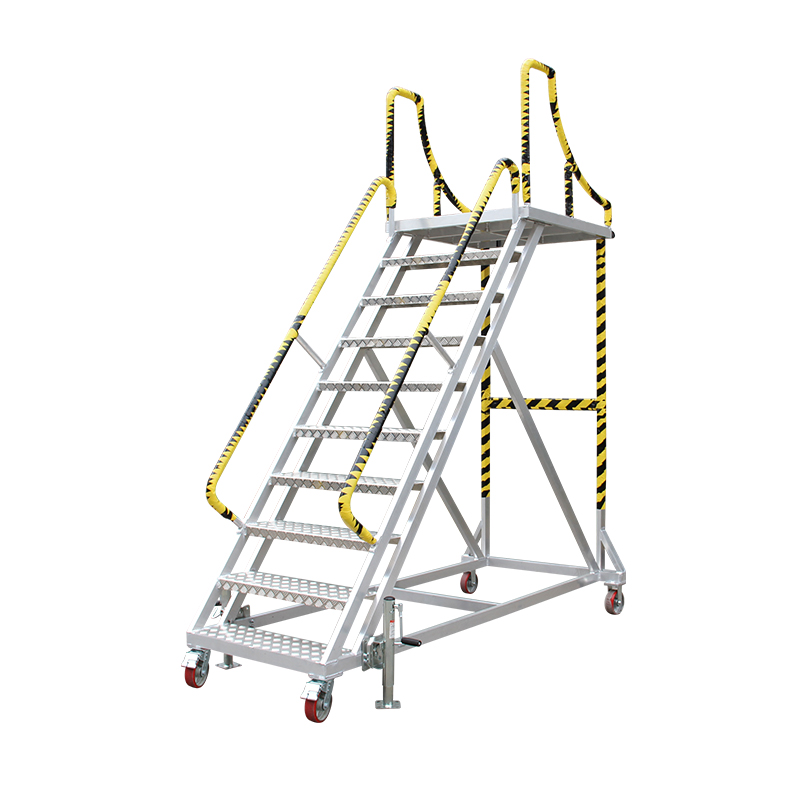
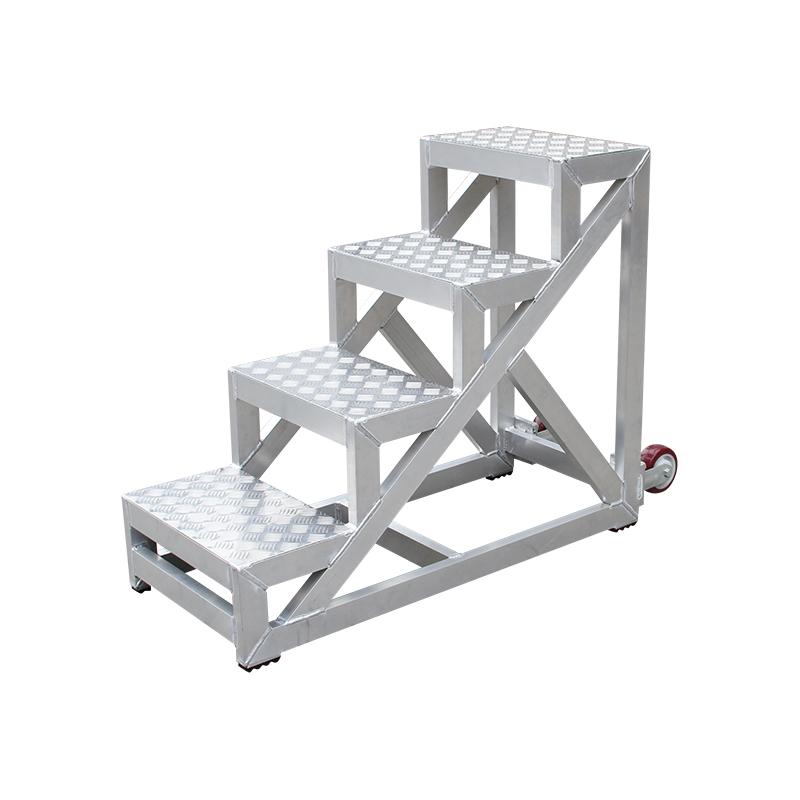
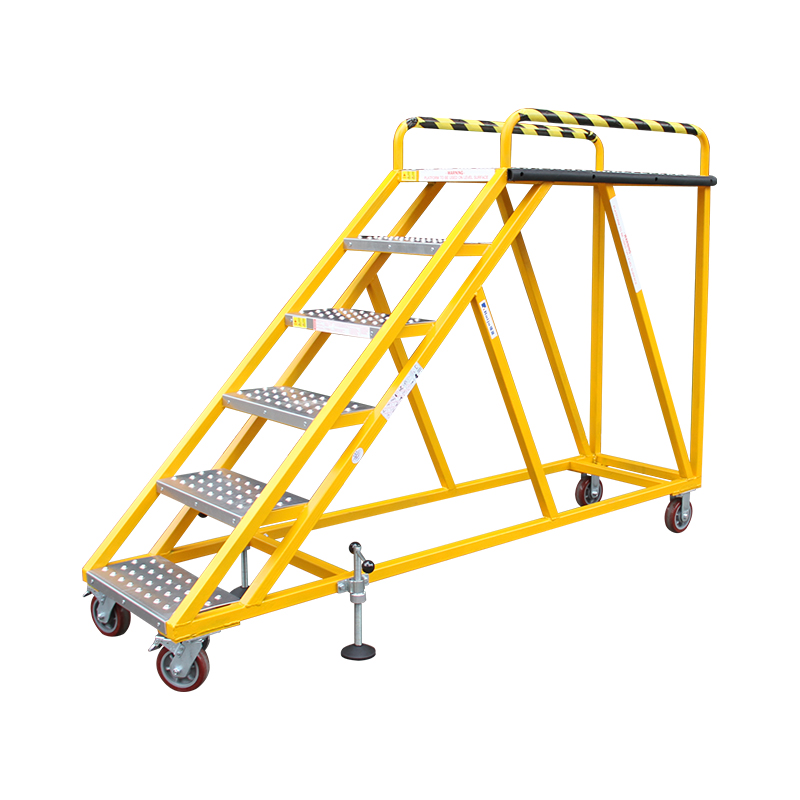
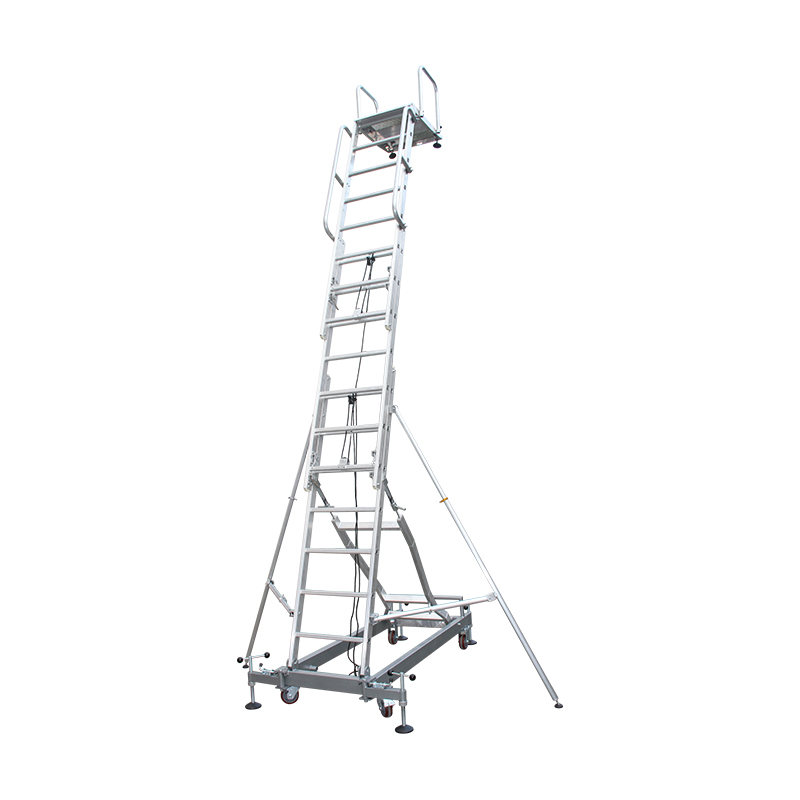












Wheel Configuration and Load Distribution in a Mobile Ladder Platform
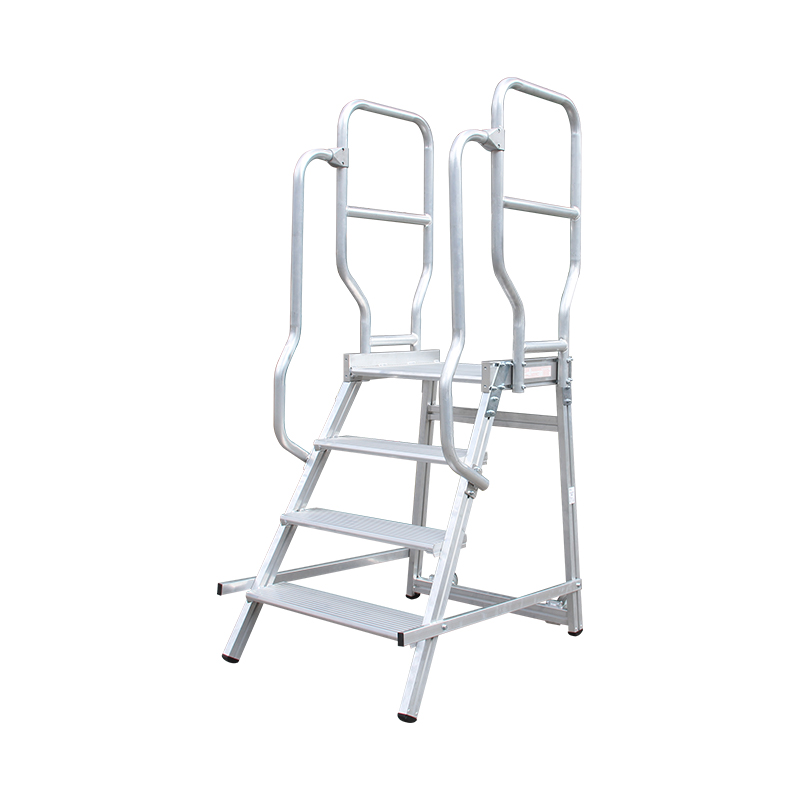
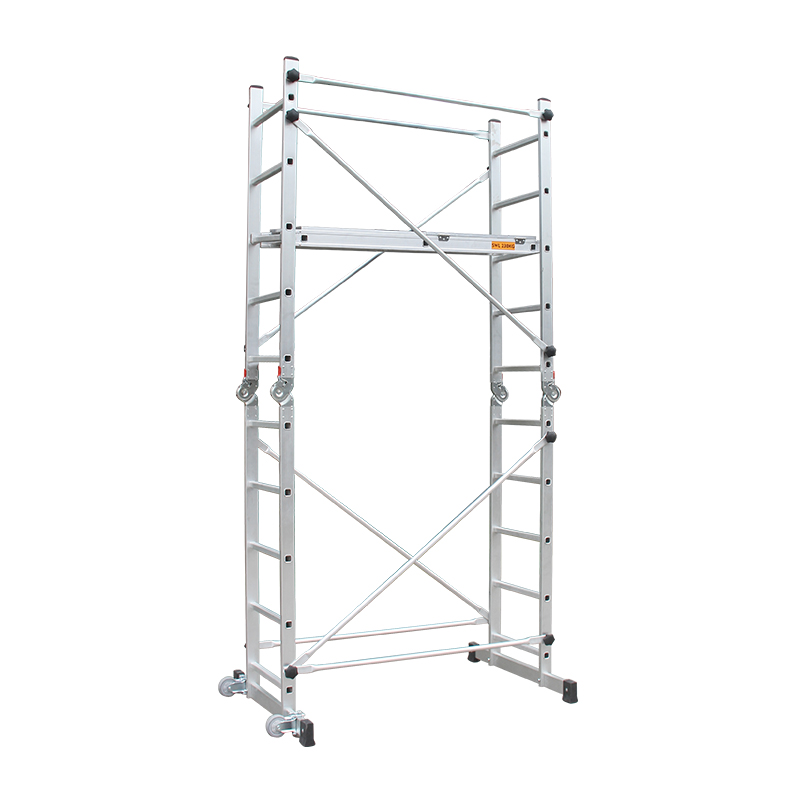
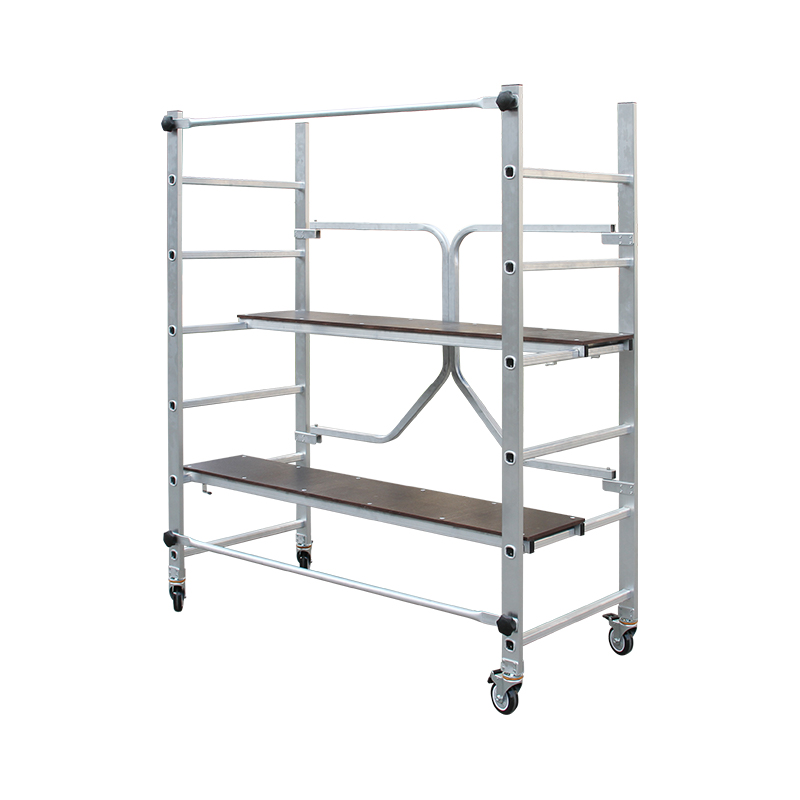
For a Mobile Ladder Platform, mobility is not determined by the wheels alone. Wheel diameter, wheel material, caster arrangement, frame geometry and load distribution all affect how the equipment behaves when moved across an industrial floor. A platform that is frequently relocated between workstations should be engineered around its actual operating environment, including floor flatness, surface hardness, thresholds and available maneuvering space.
Shanghai Ruiju Metal Products Co., Ltd. has specialized in customized climbing and working-at-height solutions since 2001, covering ladders, aluminium scaffolding systems, work platforms and related equipment. With a 12,000 m² self-owned production facility, Ruiju integrates R&D, product design, manufacturing and marketing under the Ruiju brand. The company has more than 30 years of expertise in working-at-height products and technologies and serves both domestic and international markets.
Floor Conditions That Affect Mobility
- Smooth concrete and resin-coated industrial floors generally require different wheel characteristics from rough outdoor surfaces.
- Door thresholds, expansion joints and small floor irregularities should be considered when selecting wheel diameter.
- Wheel load capacity should account for the equipment weight together with the intended working load.
- The turning radius should correspond with aisle width and the layout of the working area.
Locking Systems Are Critical After Positioning
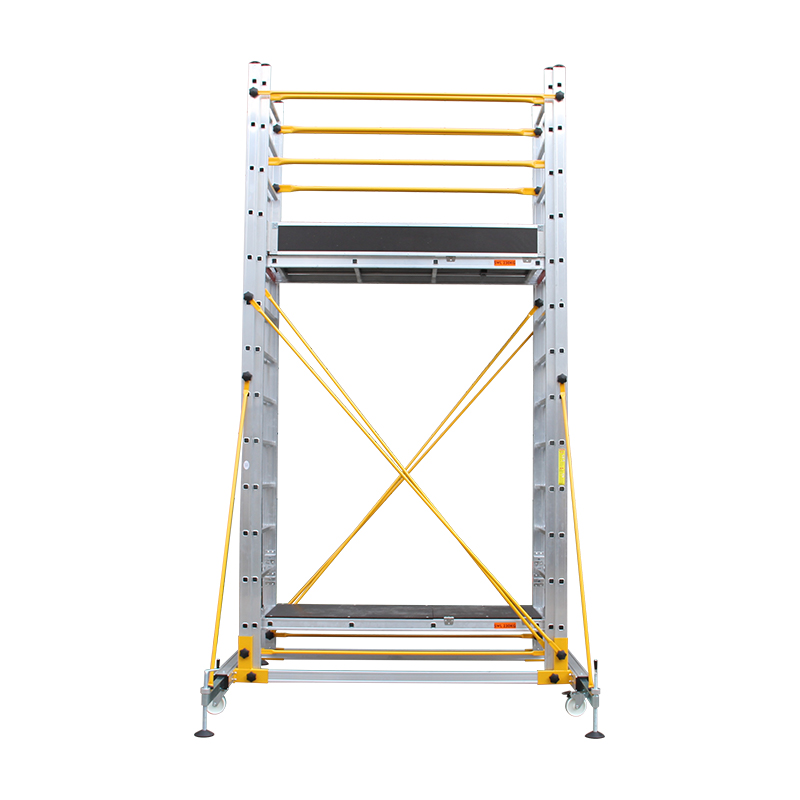
The primary purpose of a mobile access system is to allow equipment to be repositioned efficiently while providing a controlled working configuration after positioning. A Mobile Ladder Platform therefore needs a clearly defined transition between the mobile and stationary states. Depending on the design, this may involve caster brakes, retractable wheels, stabilizing mechanisms or other engineered locking arrangements.
For industrial procurement, the locking mechanism should be evaluated as part of the complete platform rather than as an isolated accessory. The frame, wheel assemblies and stabilizing components must work together under the intended operating conditions. Documentation should also clearly identify the required procedure for positioning and securing the unit before use.
| Component | Engineering Consideration | Operational Relevance |
|---|---|---|
| Caster | Load rating and wheel construction | Movement across the working floor |
| Brake or lock | Secure engagement in the stationary state | Position retention during work |
| Base frame | Stiffness and load transfer | Overall structural behavior |
| Stabilizer | Contact area and deployment geometry | Support on the intended surface |
| Handle or frame | Ergonomic positioning and rigidity | Manual repositioning |
Platform Height Should Match the Maintenance Task
Selecting a Mobile Ladder Platform solely by its maximum height can lead to an inefficient specification. The useful parameter is the relationship between platform height and the actual maintenance point. A suitable working height should allow personnel to access the target area without requiring excessive reaching or awkward positioning.
Industrial facilities often have several working levels, such as machinery access points, warehouse shelving, production lines and service panels. Where one mobile platform is expected to serve several areas, procurement teams can document the range of working heights and task types before selecting the configuration. This provides a more practical basis for determining platform dimensions and access geometry.
Useful Height-Planning Data
- Height of the lowest and highest routine maintenance points.
- Horizontal reach required from the platform.
- Available clearance above the platform.
- Required platform working area for tools and components.
- Access limitations caused by surrounding machinery or structures.
Aluminium Frame Design for Repeated Relocation
A Mobile Ladder Platform intended for frequent relocation benefits from careful control of overall equipment weight without compromising the required structural performance. Aluminium is widely used in working-at-height equipment because its relatively low density can facilitate handling and transportation. However, the frame should be evaluated as a complete load-bearing system, including rails, braces, platform supports, steps, wheels and connection points.
Repeated movement can also place additional demands on wheel brackets and lower frame connections. For equipment that is transported between production zones throughout the day, the manufacturer should understand the expected movement frequency and floor conditions. These operating details can influence the selection and arrangement of structural and mobility components.
Platform Size and Tool Handling in Professional Work Areas
The platform area of a Mobile Ladder Platform should be determined according to the work being performed rather than simply maximizing standing space. Maintenance personnel may need to carry hand tools, inspection instruments, replacement parts or small components. The working surface should therefore provide enough usable area while maintaining practical access to the surrounding equipment.
For customized projects, the required platform dimensions can be established from the dimensions of the equipment being serviced. For example, a platform positioned beside a production machine may require a narrower footprint to preserve aisle clearance, while a maintenance station with longer service intervals may require additional space for tools and components. Such application-specific information is valuable during product design.
Parameters Worth Defining Before Customization
- Platform length, width and working height.
- Expected personnel and working loads.
- Available aisle width and turning space.
- Required access direction and entry configuration.
- Storage location and maximum acceptable folded or overall dimensions.
Inspection Points for Mobile Access Equipment
A Mobile Ladder Platform used in an industrial environment should be incorporated into a routine inspection program. Inspection should cover the frame, steps, platform, guardrails, wheels, wheel brackets, locking mechanisms, fasteners and other structural connections. The frequency of inspection can be determined according to equipment usage, operating conditions and the manufacturer's maintenance requirements.
Particular attention should be given to components exposed to repeated movement. Wheels should be checked for abnormal wear or damage, while brakes and locking devices should be examined for proper operation. Any visible deformation, loose connection or structural damage should be documented and addressed according to the applicable maintenance procedure before continued use.
Practical Inspection Records
- Equipment model and identification information.
- Condition of wheels and wheel mounting points.
- Condition and function of brakes or locking mechanisms.
- Frame, platform, steps and guardrail condition.
- Inspection findings and completed maintenance actions.
Ruiju Manufacturing and Compliance Capabilities
Shanghai Ruiju Metal Products Co., Ltd. operates an ISO 9001-certified manufacturing system and is BSCI audited. Its standard products comply with China's national standard GB12142, while export products meet the strictest Australian, European and American industry standards. Relevant products are rigorously tested and certified by SGS and TÜV, supporting third-party verification for applicable requirements.
Under the Ruiju brand, the company maintains a 12,000 m² self-owned production facility and an integrated industrial system covering R&D, product design, manufacturing and marketing. Backed by more than 30 years of experience in working-at-height products and technologies and a portfolio of technical patents, Ruiju continues to develop ladders, aluminium scaffolding systems, work platforms and related equipment for professional applications.
For a customized Mobile Ladder Platform, useful project information includes working height, platform dimensions, expected load, floor type, mobility frequency, wheel requirements, aisle width, storage conditions and destination-market standards. Shanghai Ruiju Metal Products Co., Ltd. can use these parameters as inputs for product design and manufacturing, helping customers develop mobile access equipment suited to production lines, warehouses, maintenance areas and other demanding work environments.