en
en 简体中文
简体中文 Español
 Deutsch
 عربى
عربى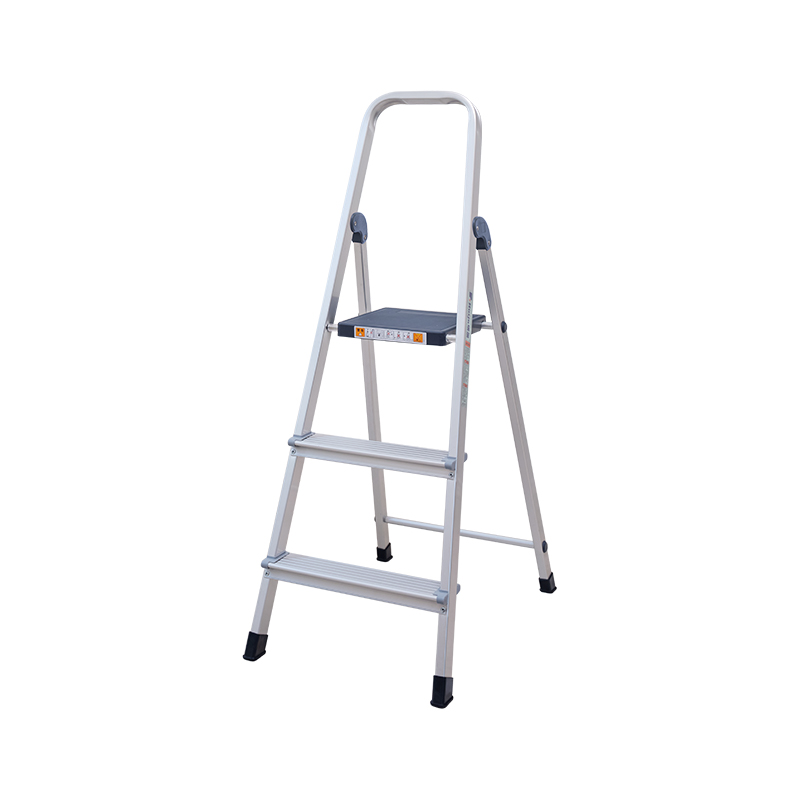
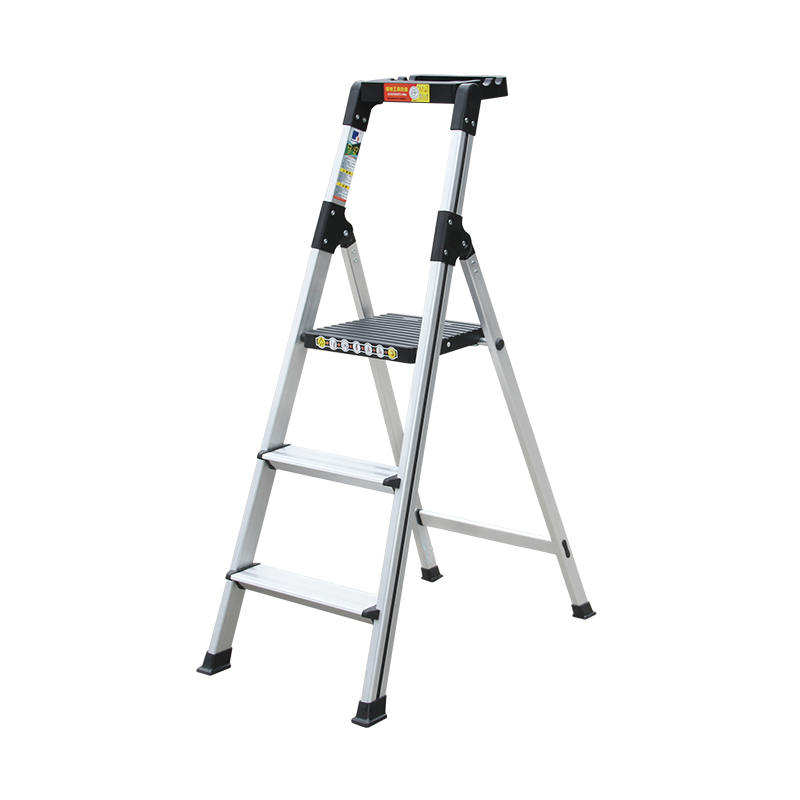
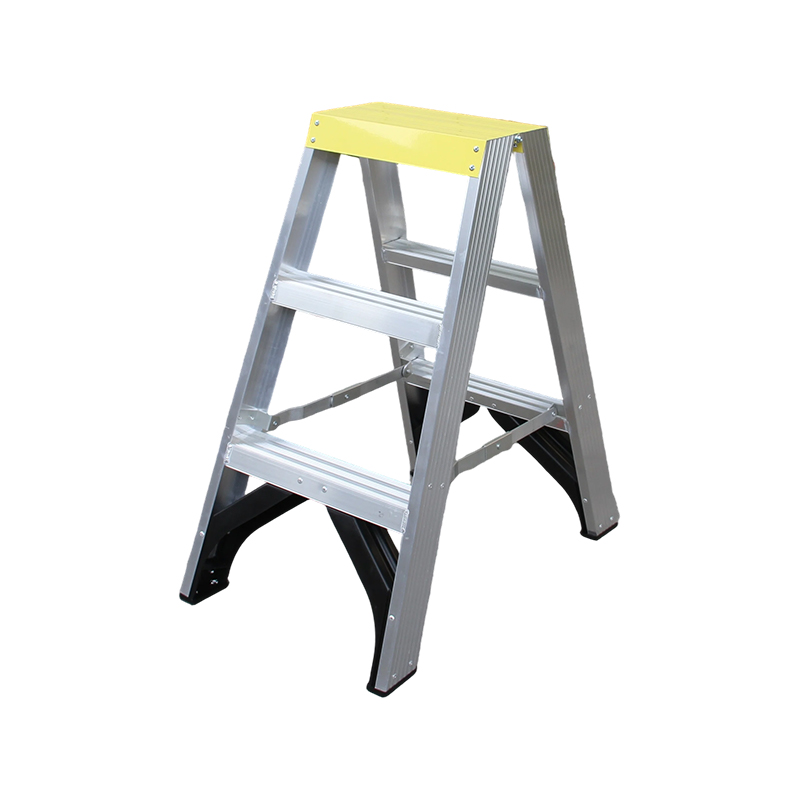
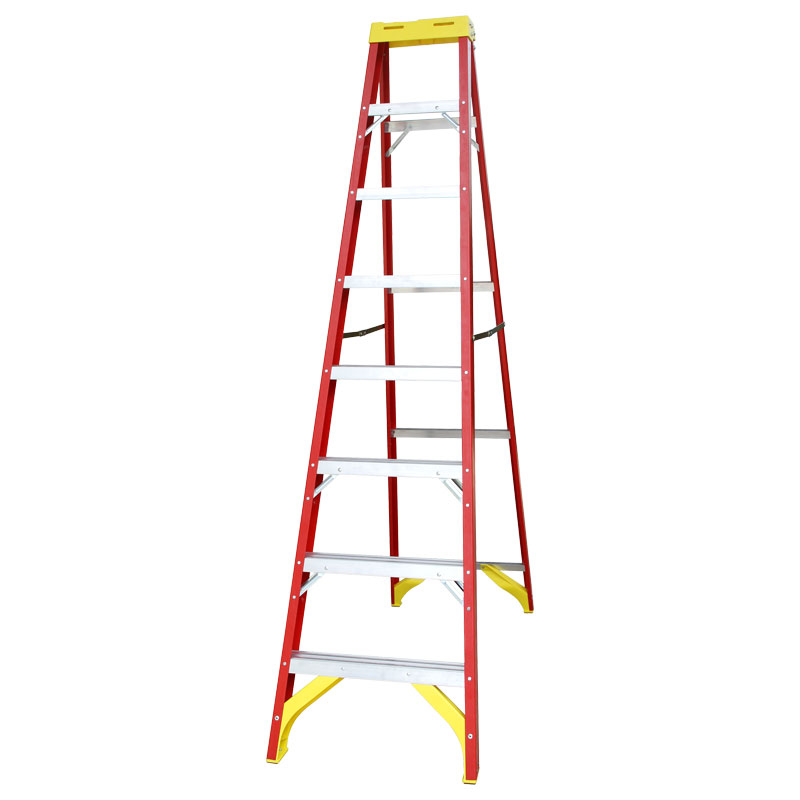
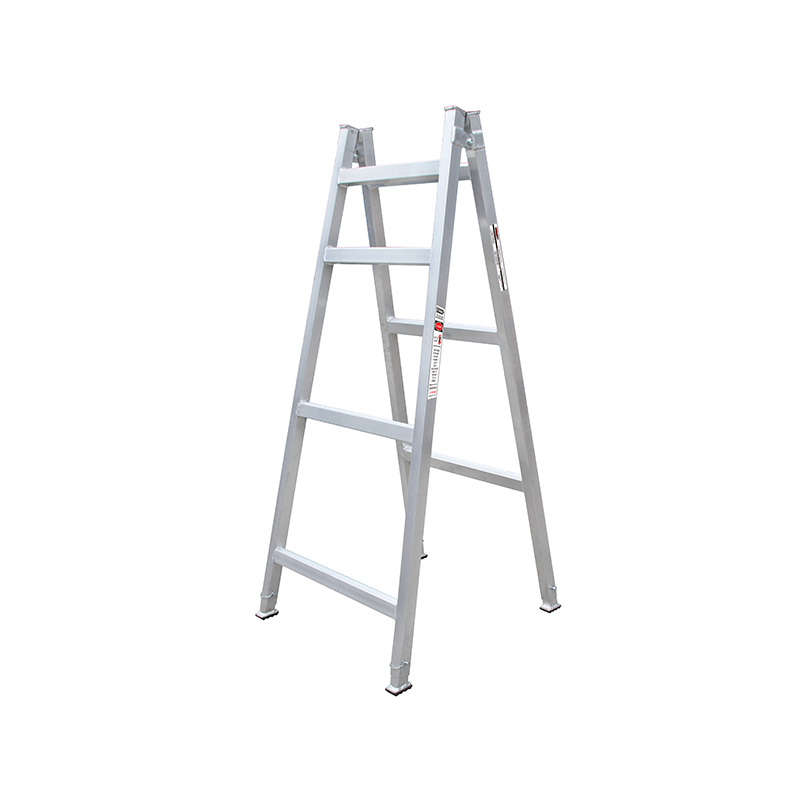
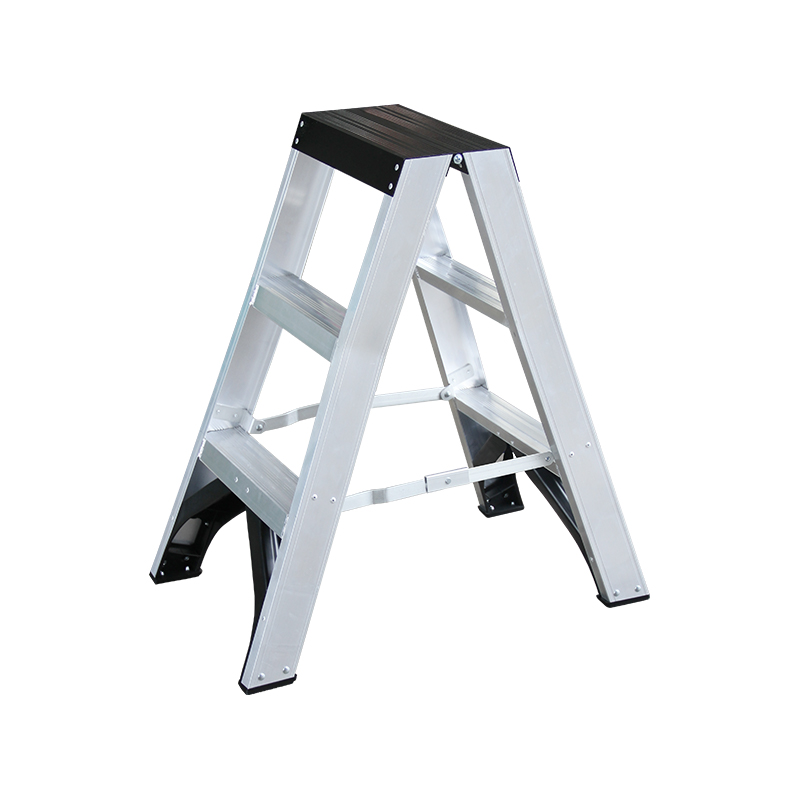
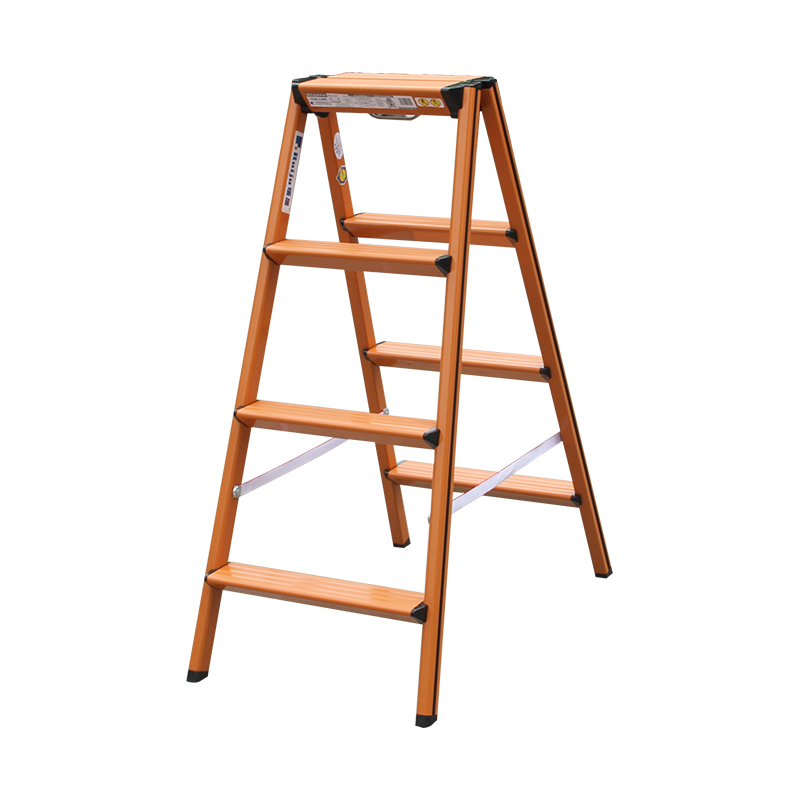
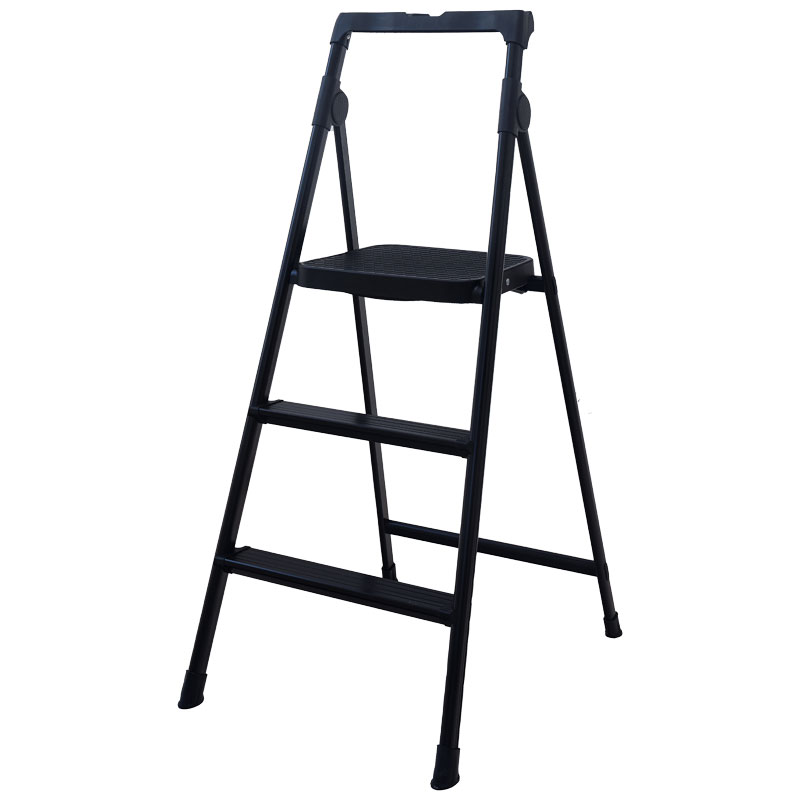
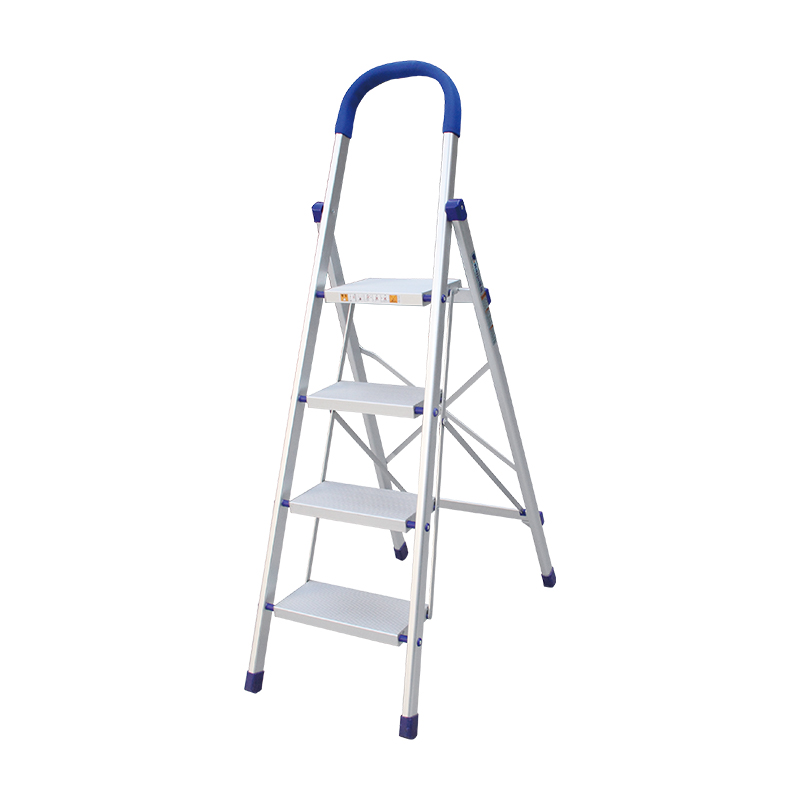
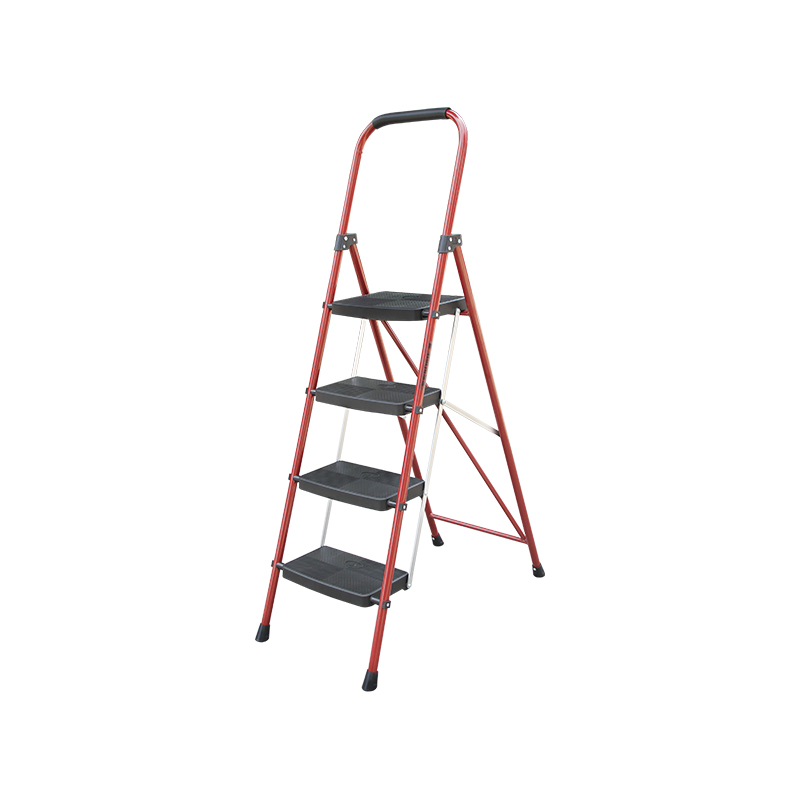
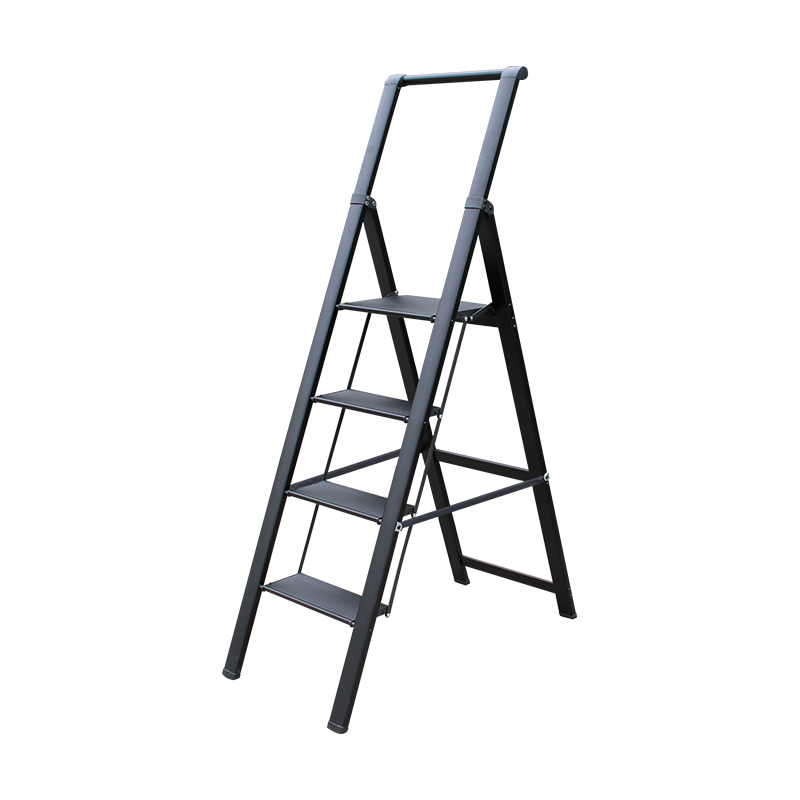
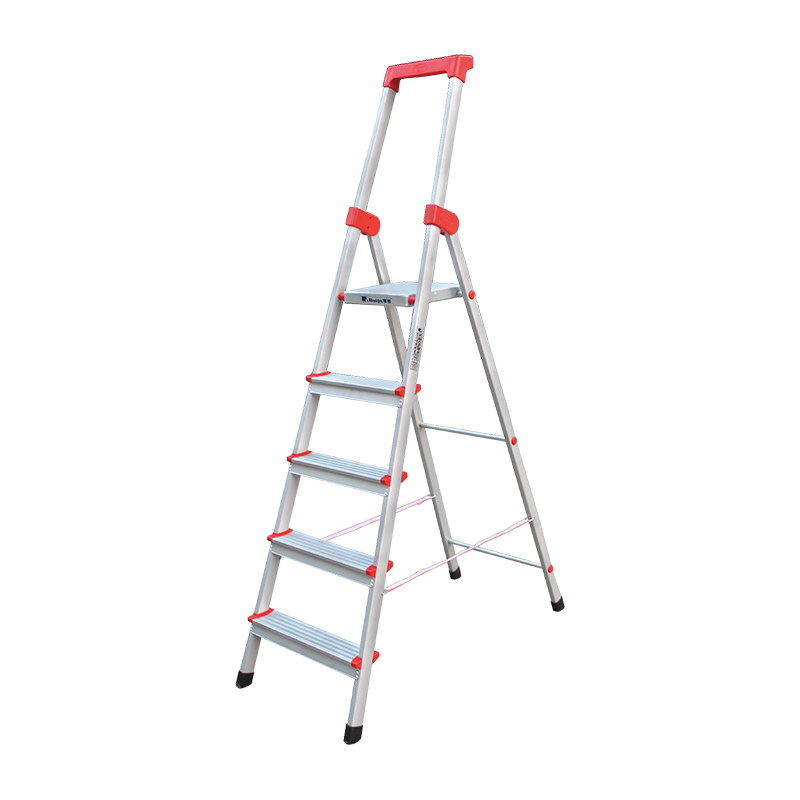
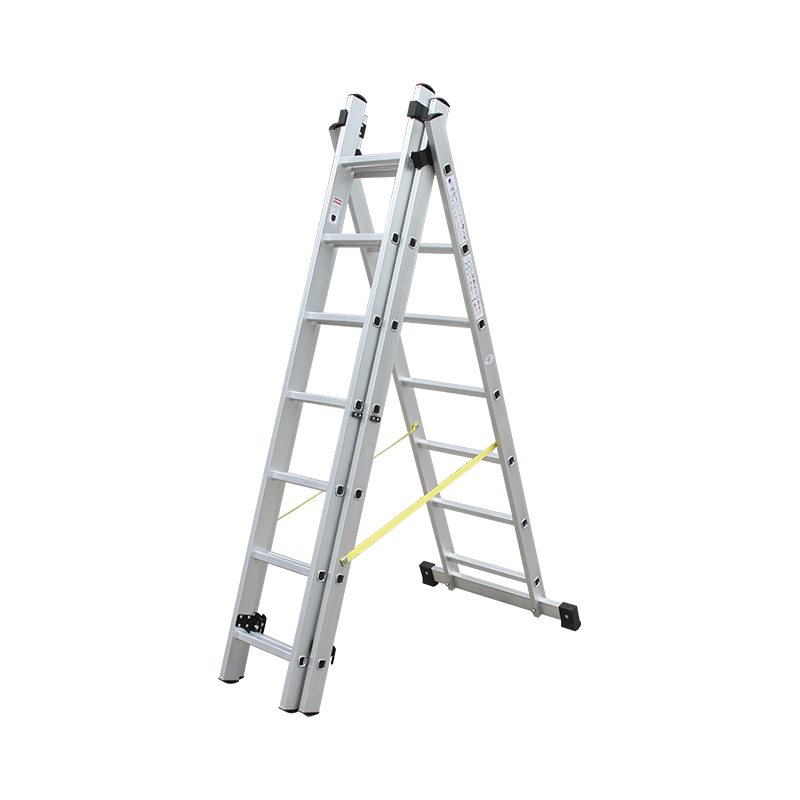
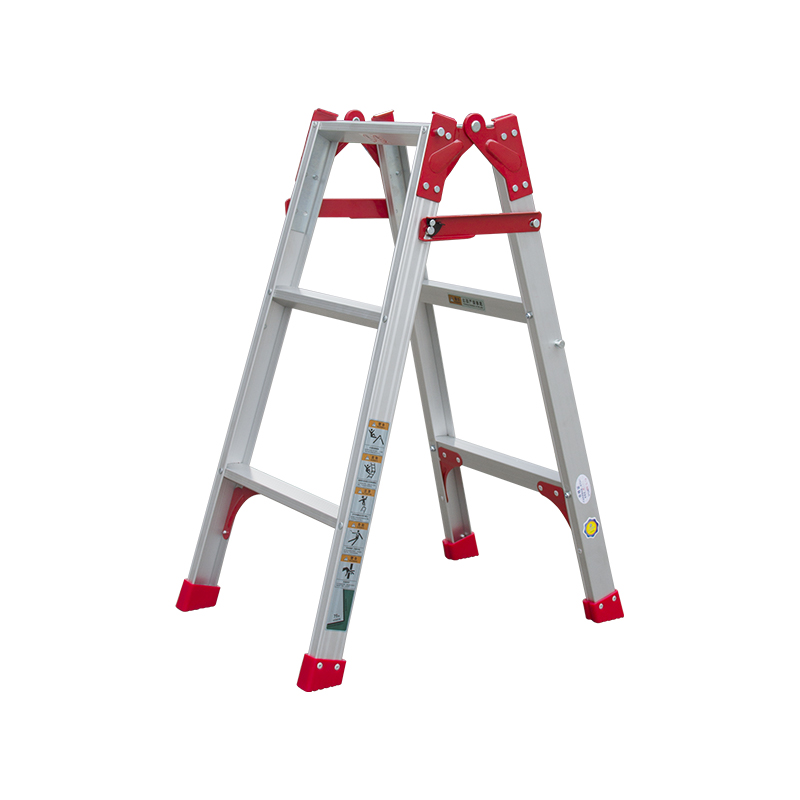
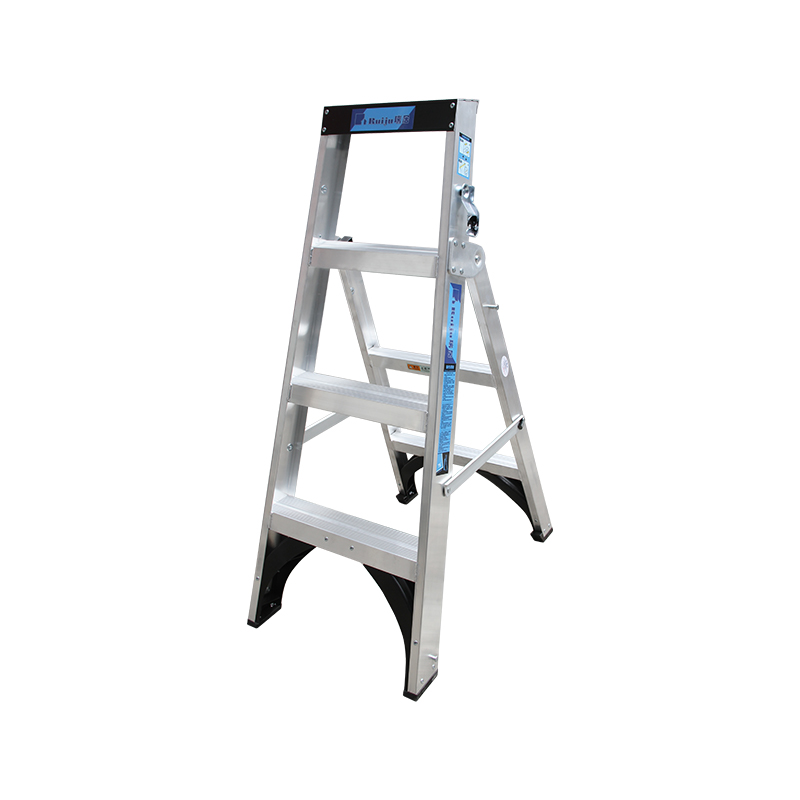
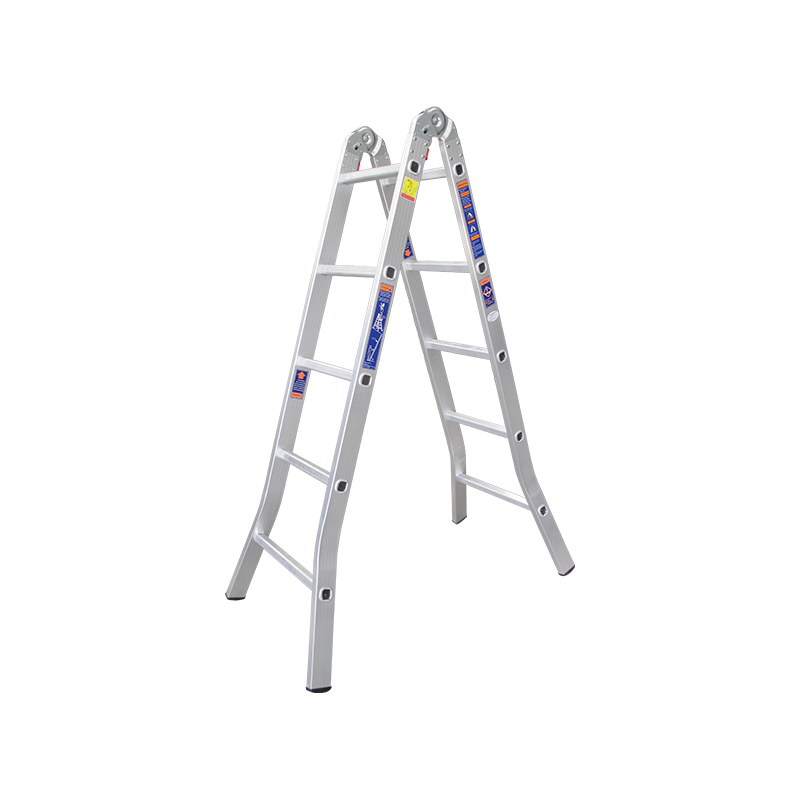
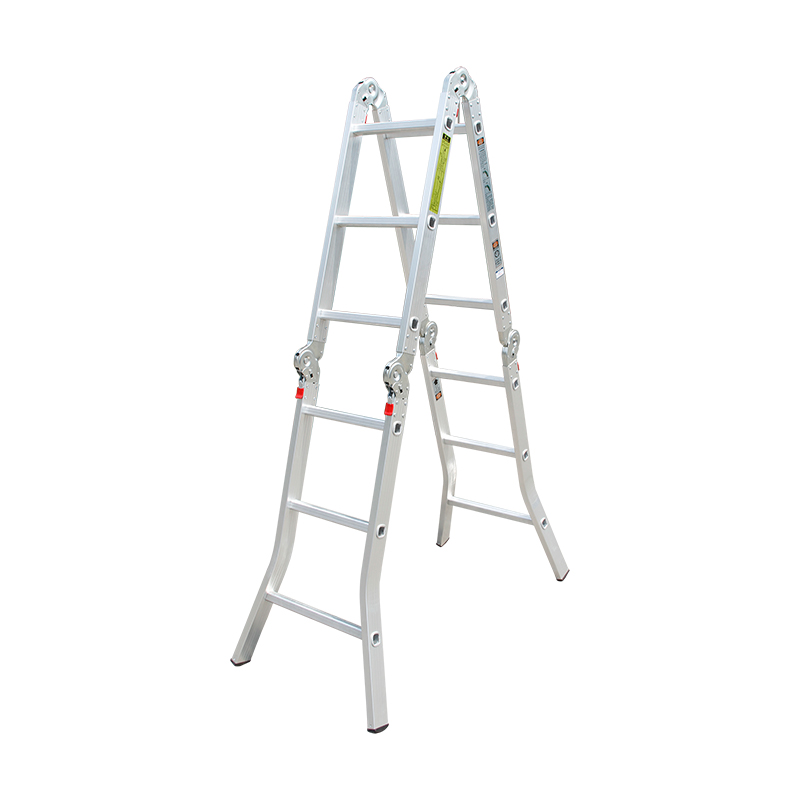
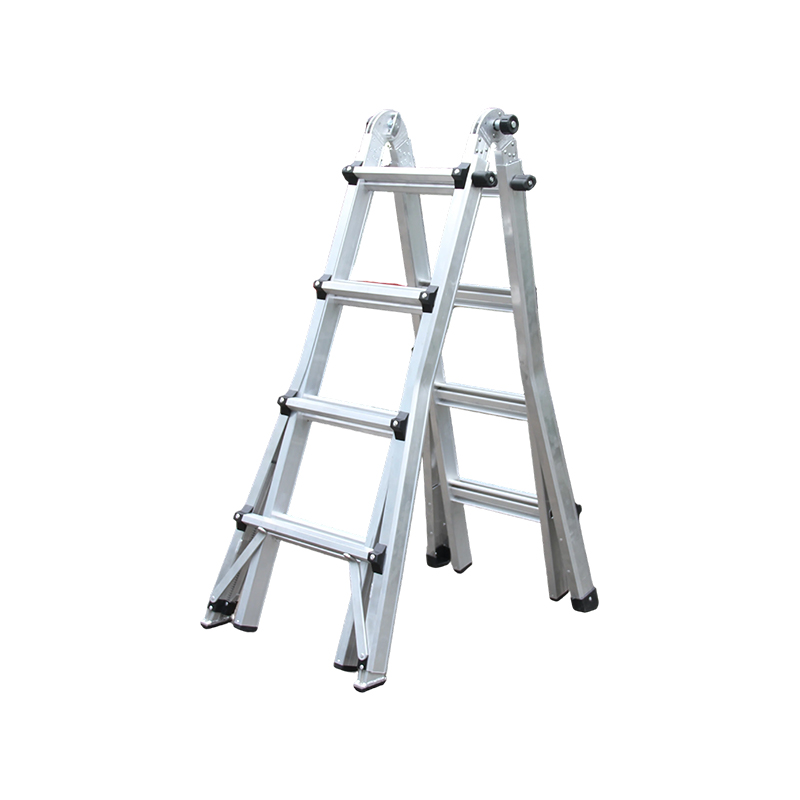
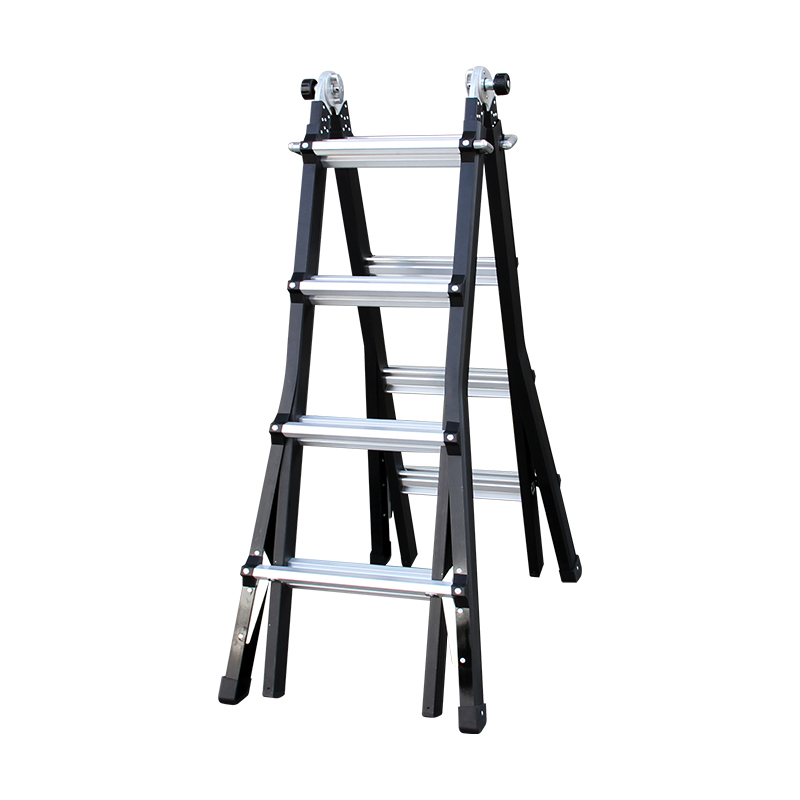
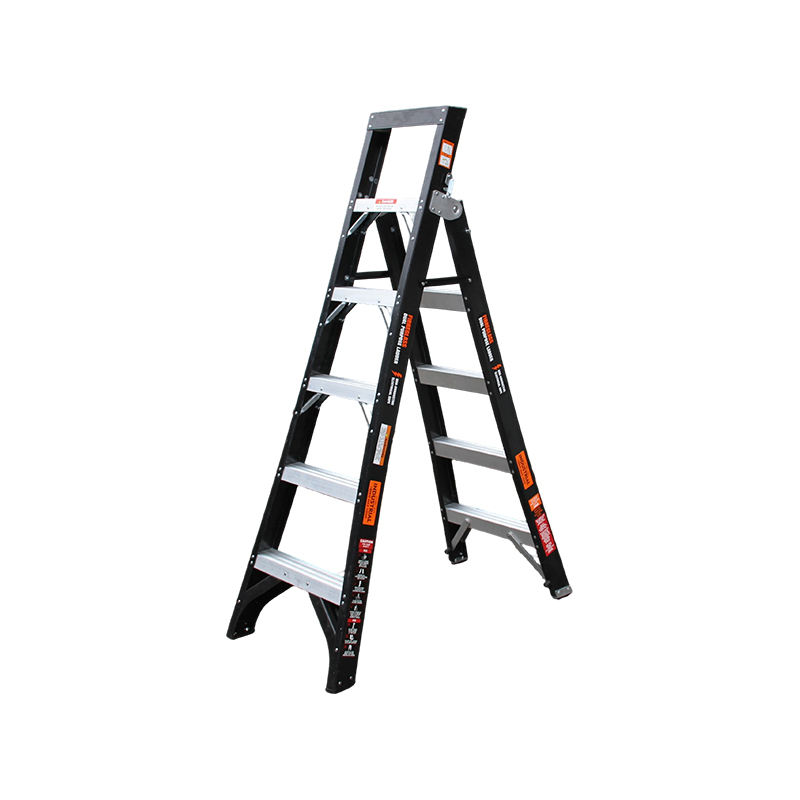
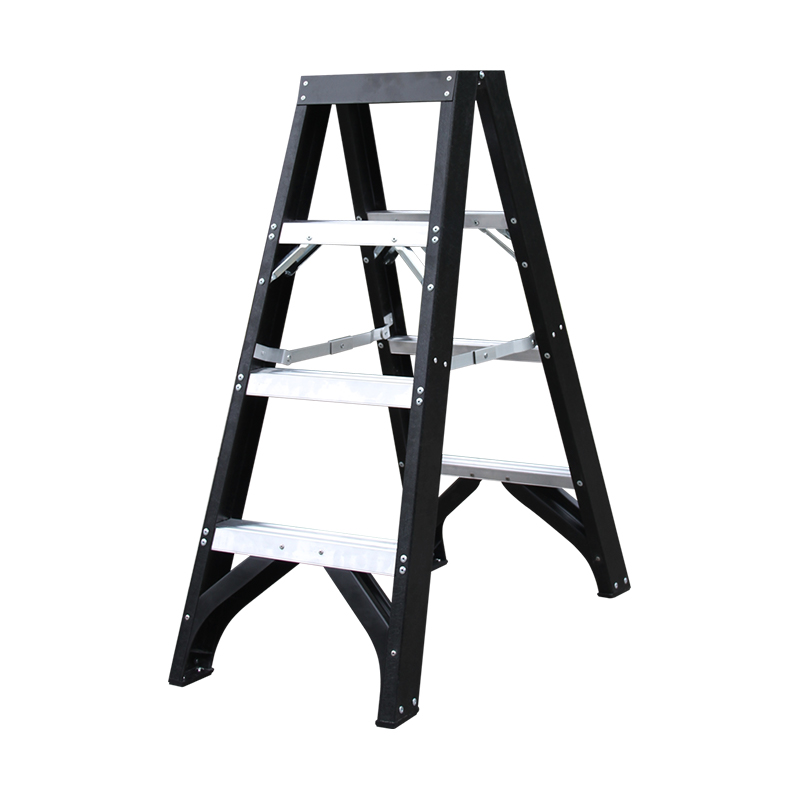
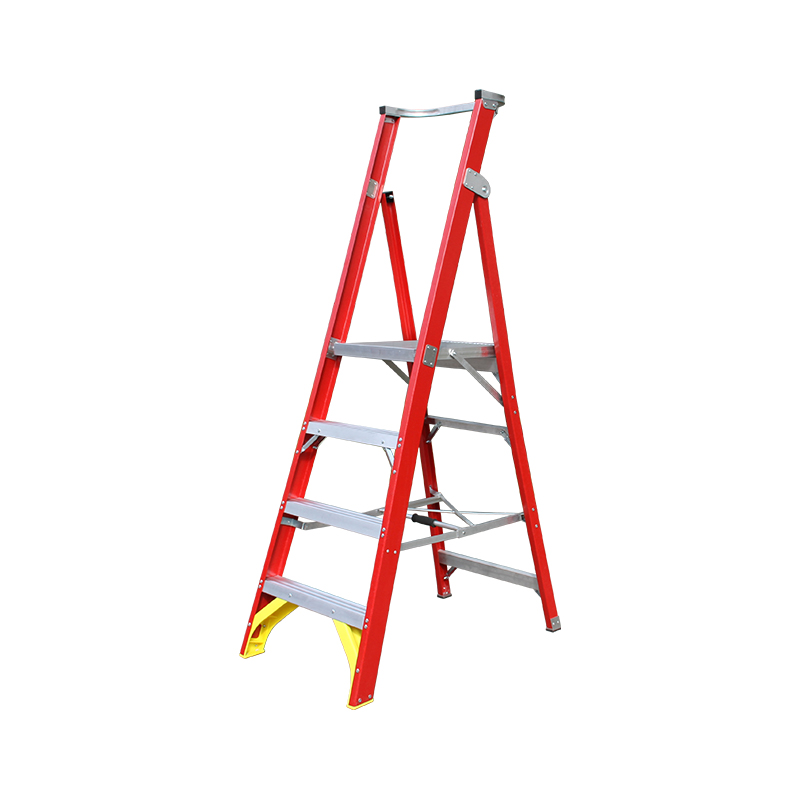
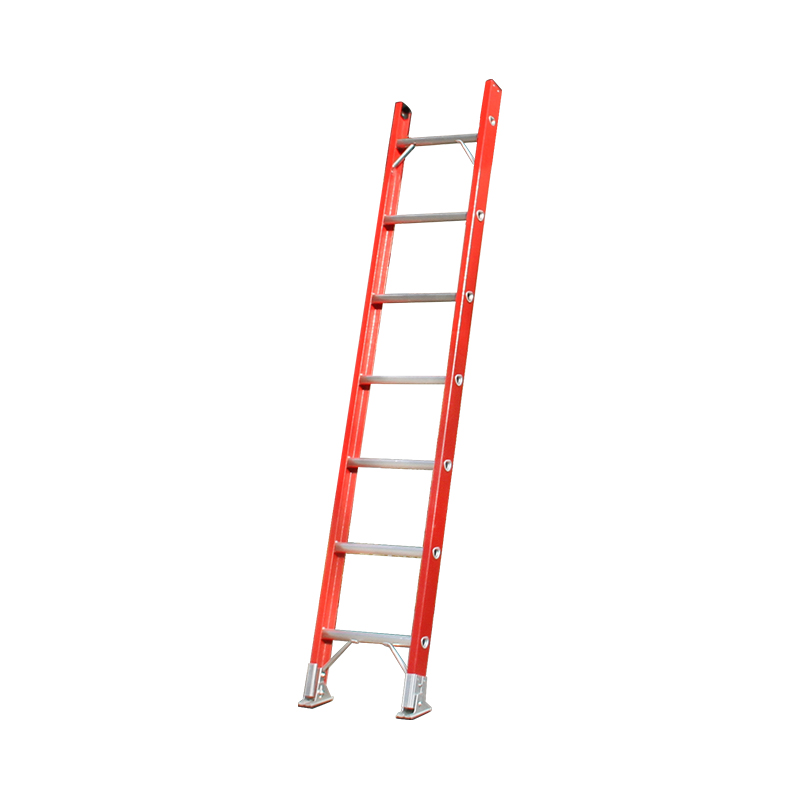
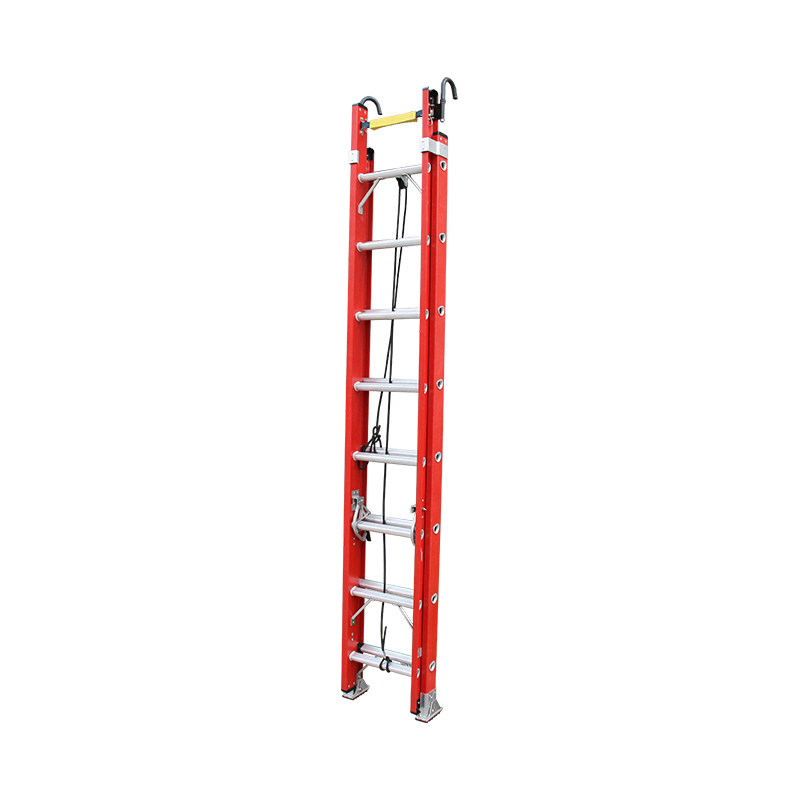
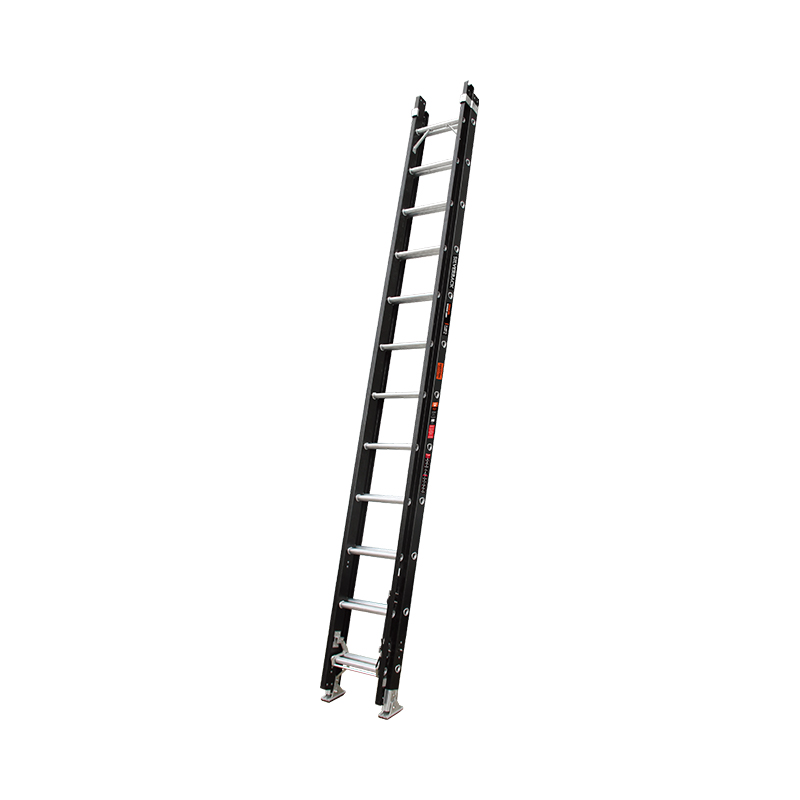
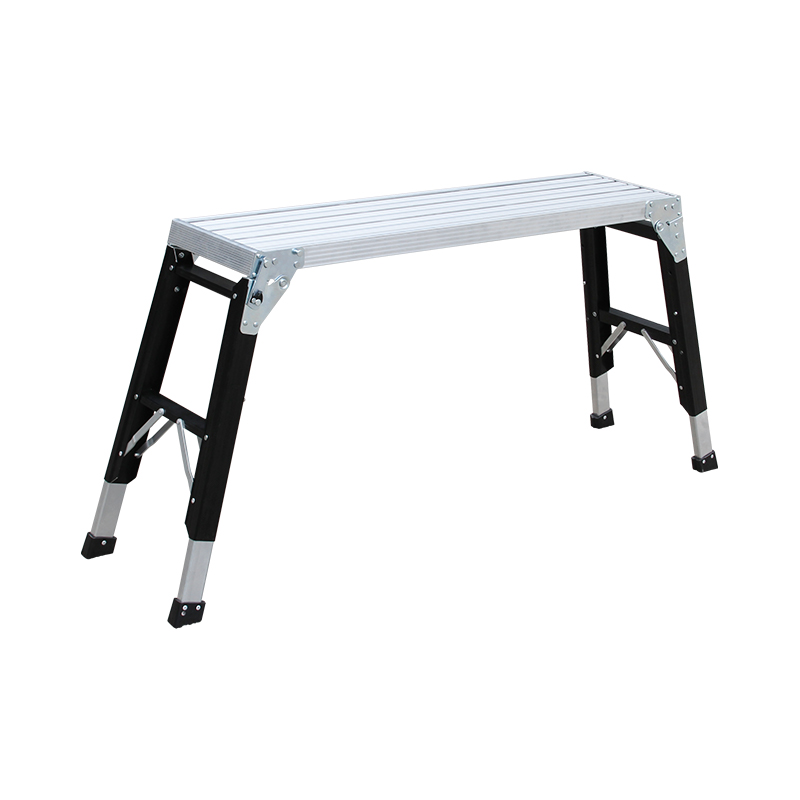
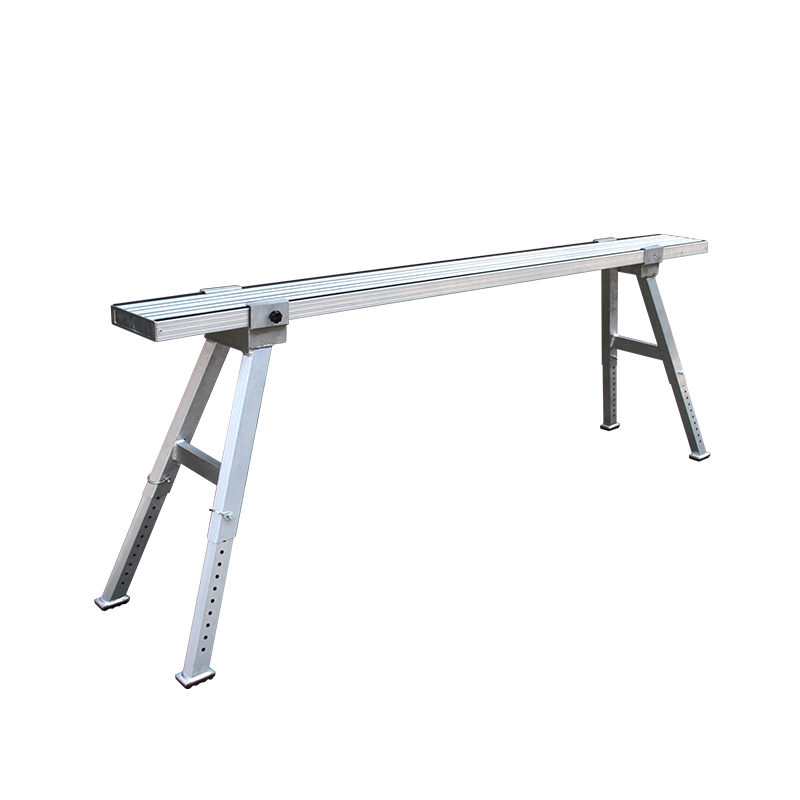
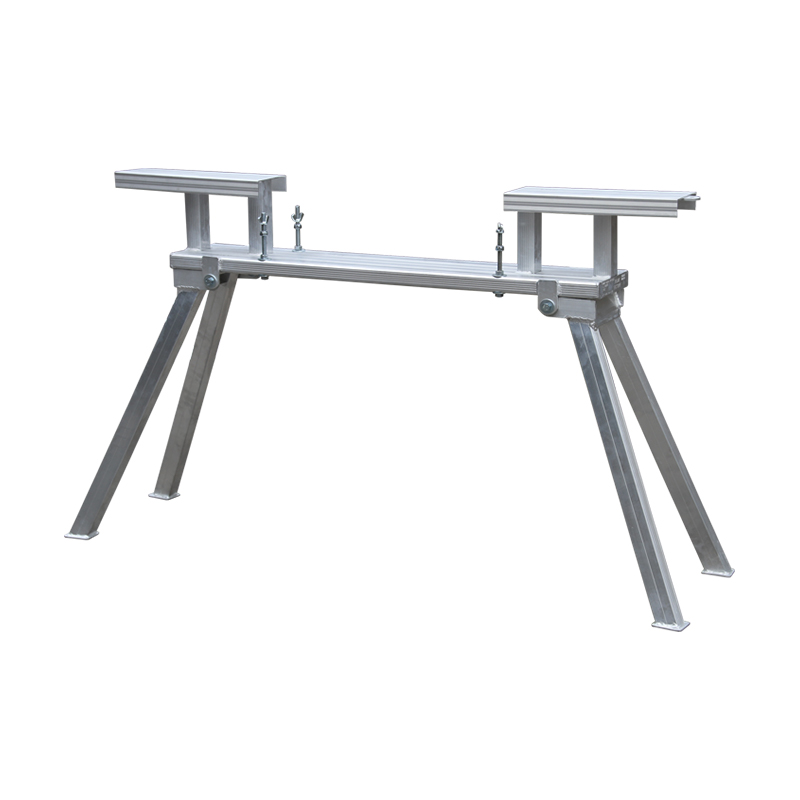
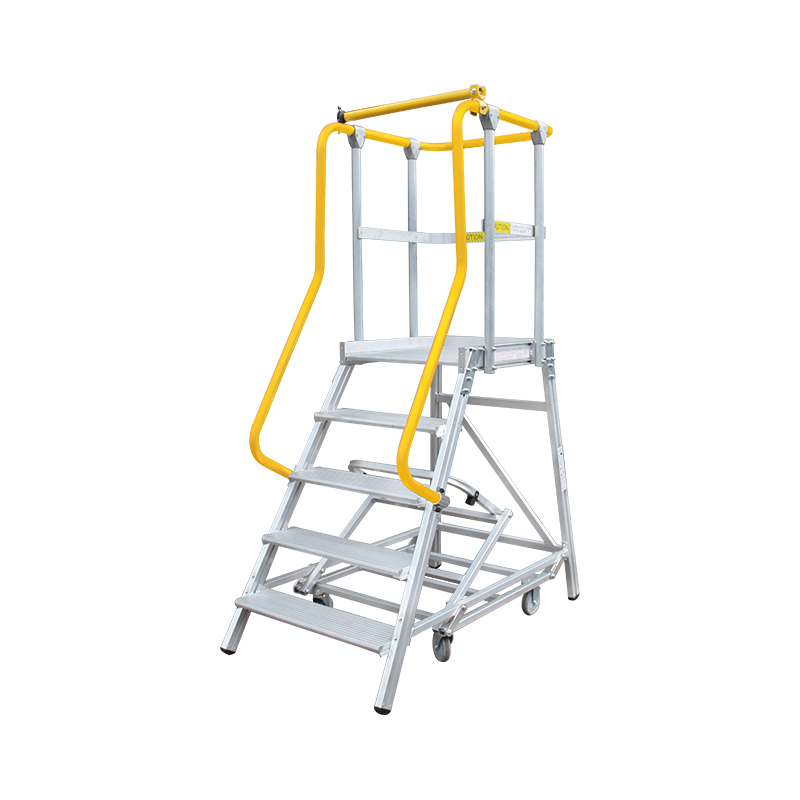
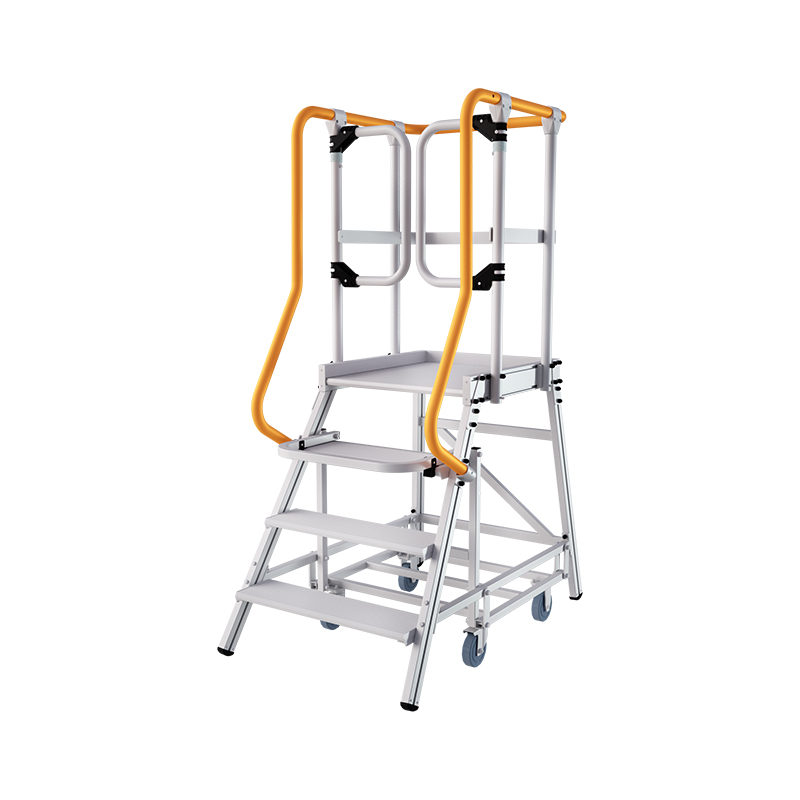
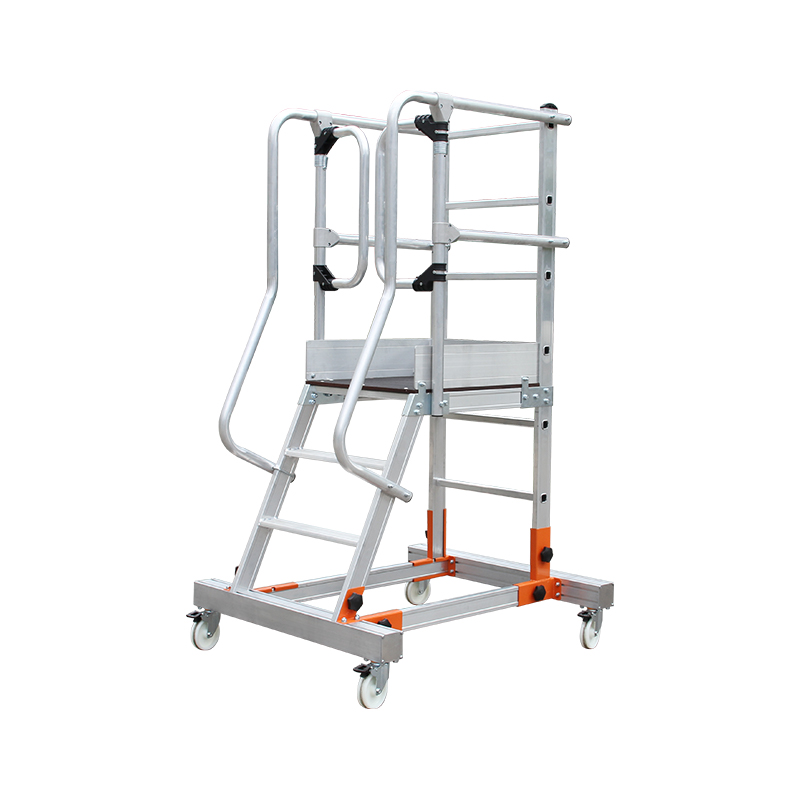
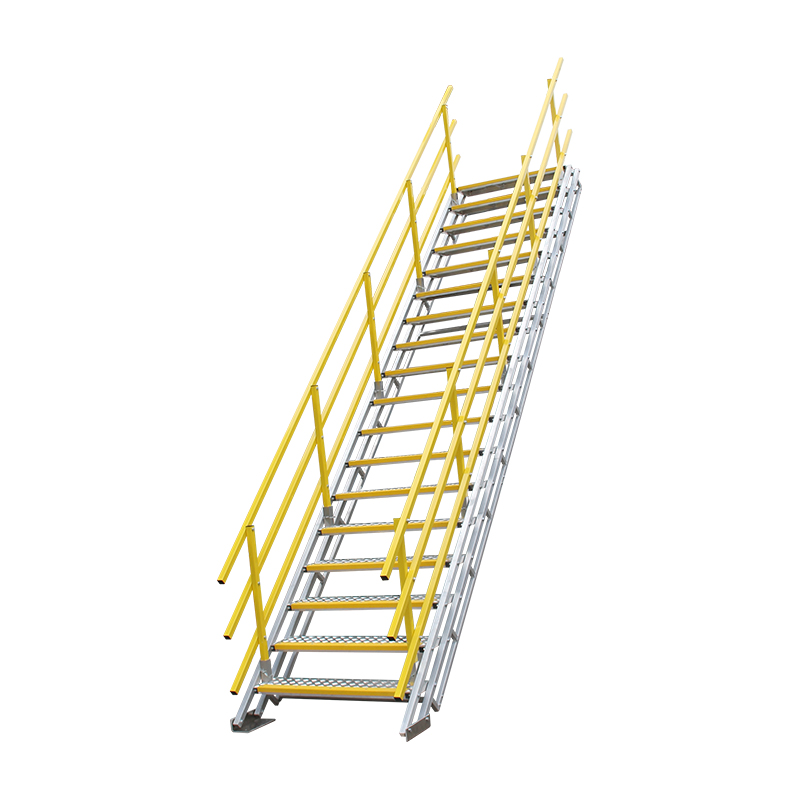
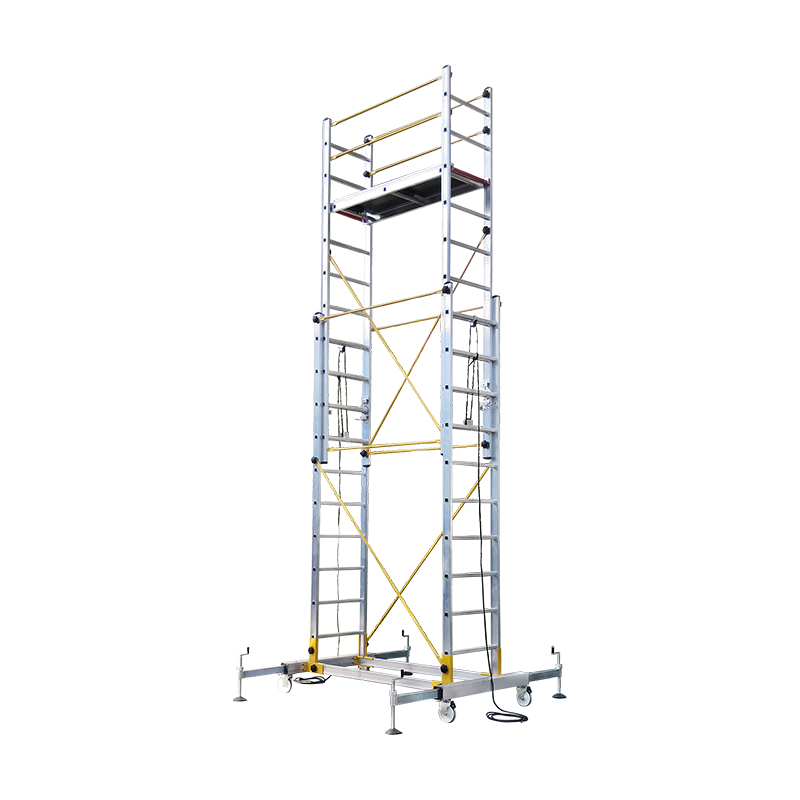
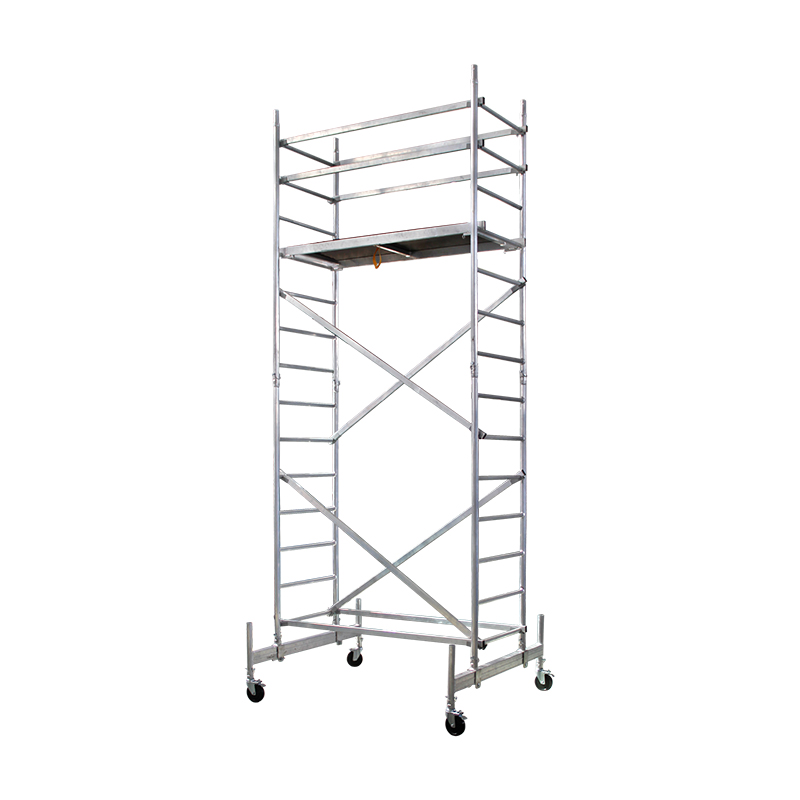
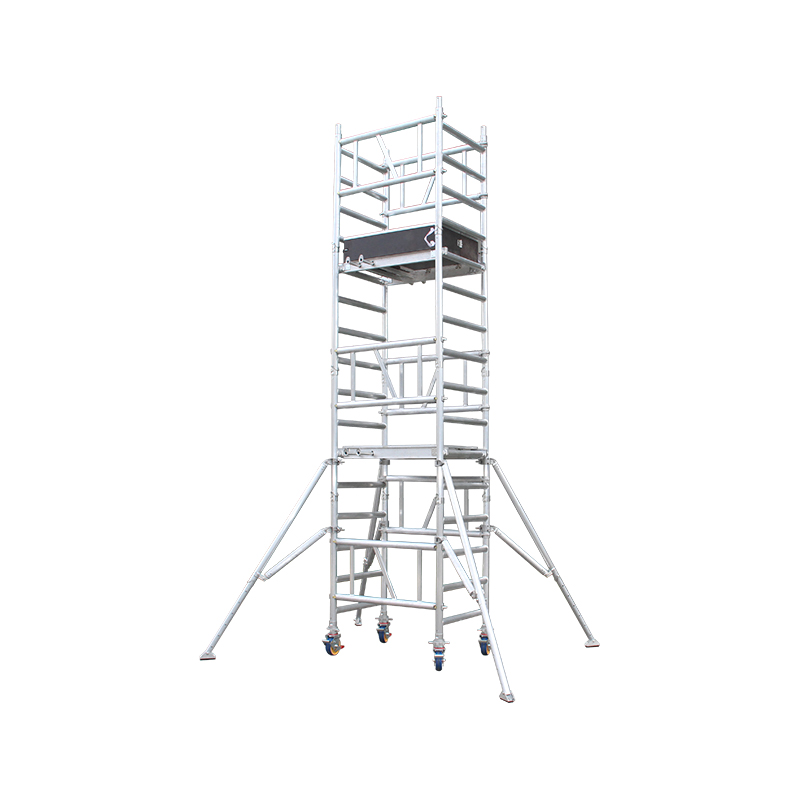
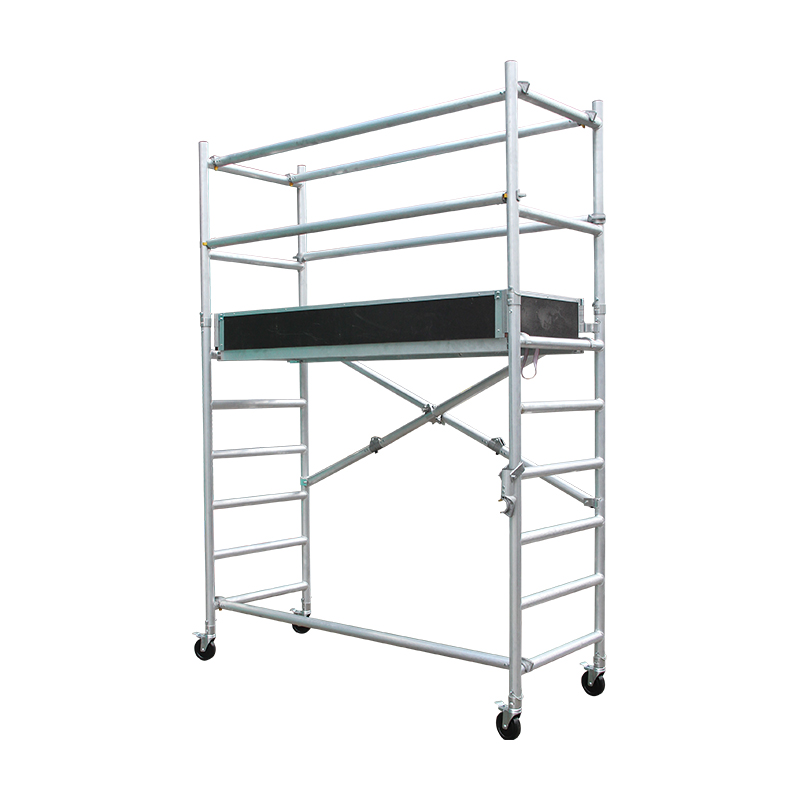
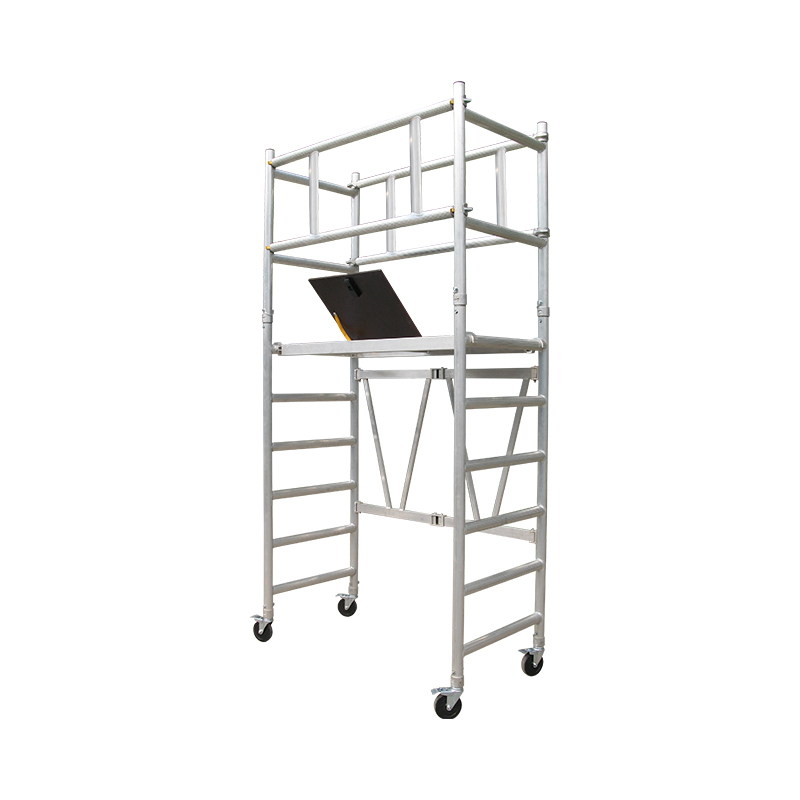
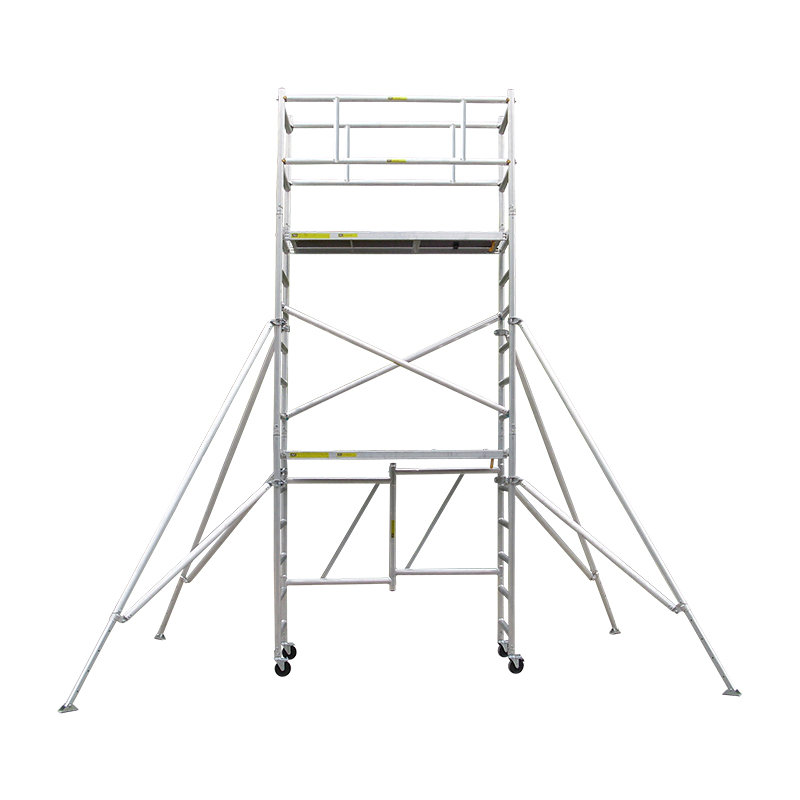
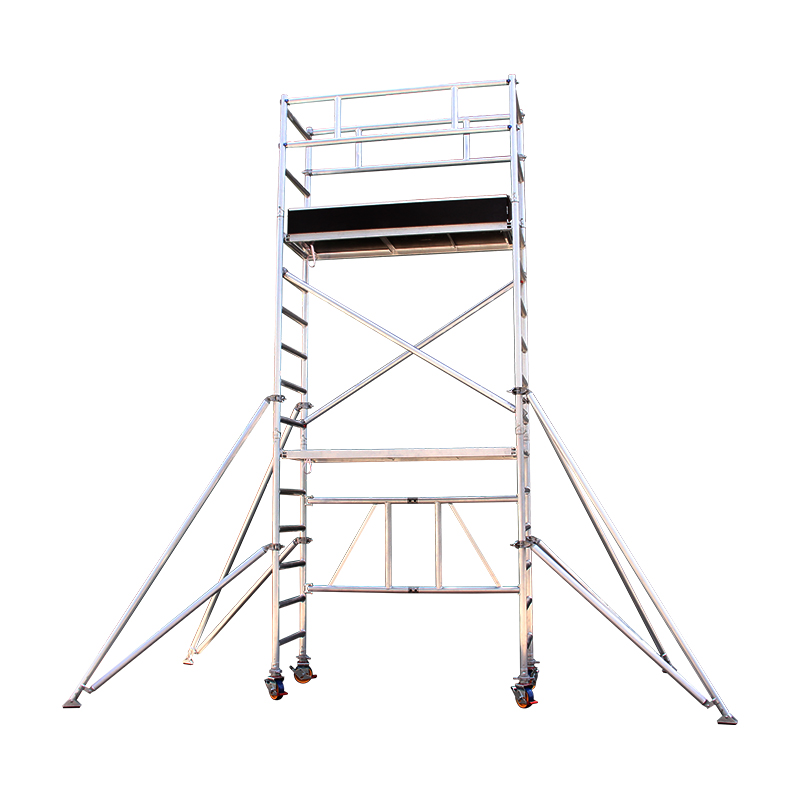
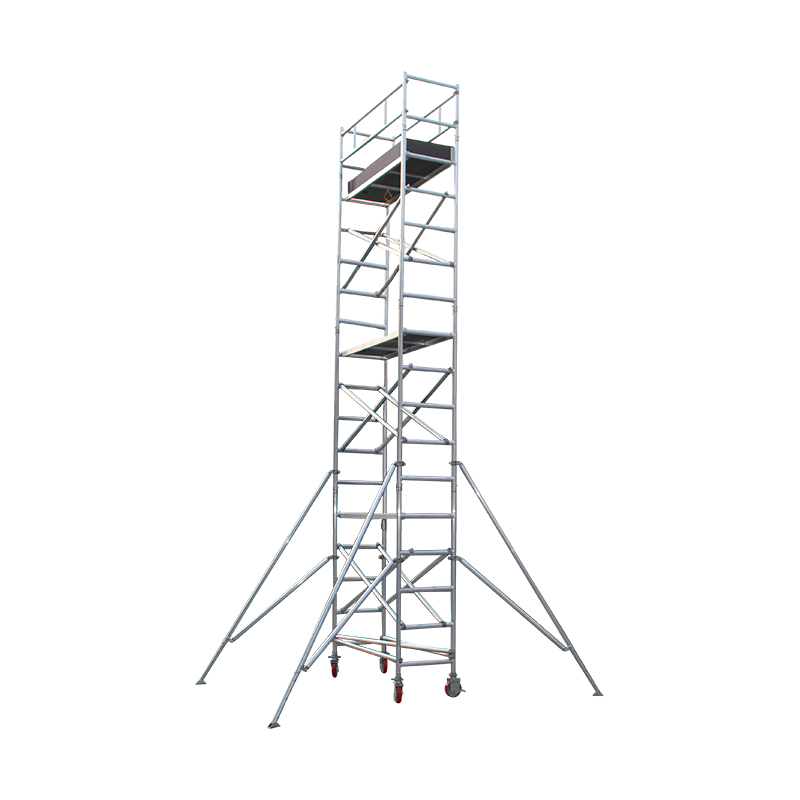
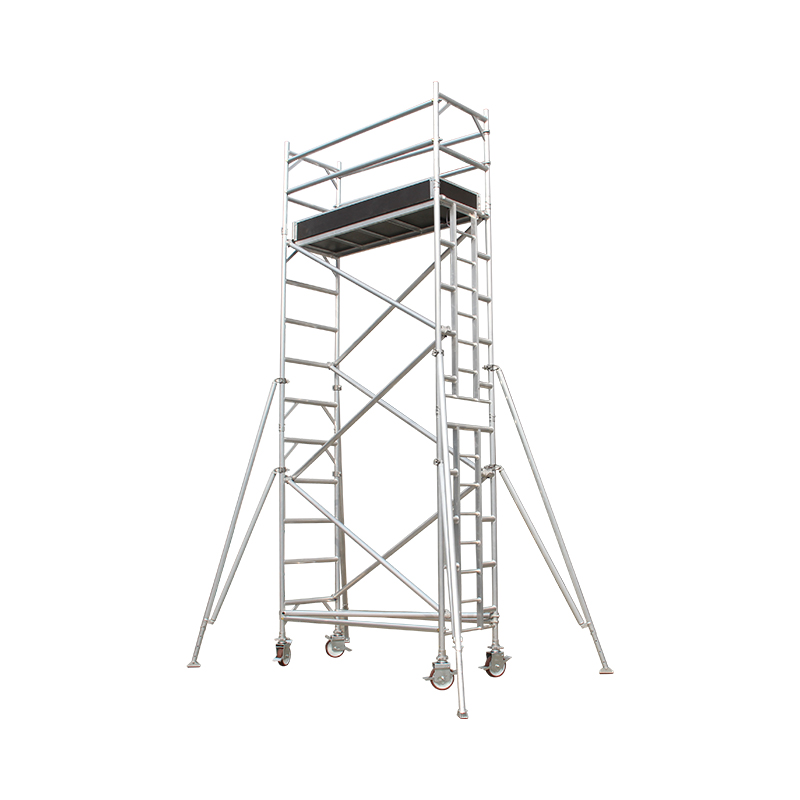
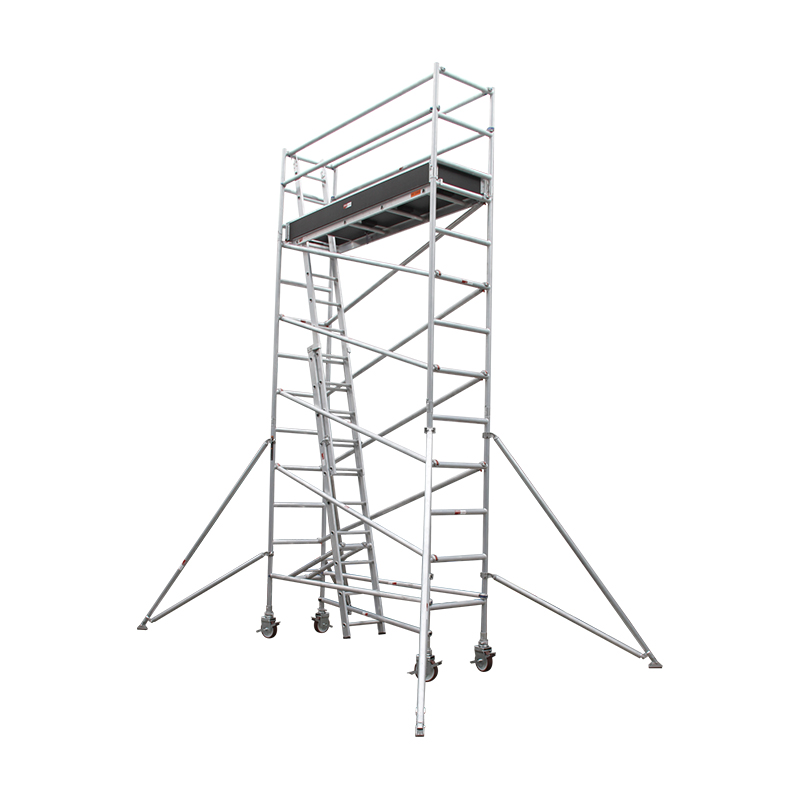
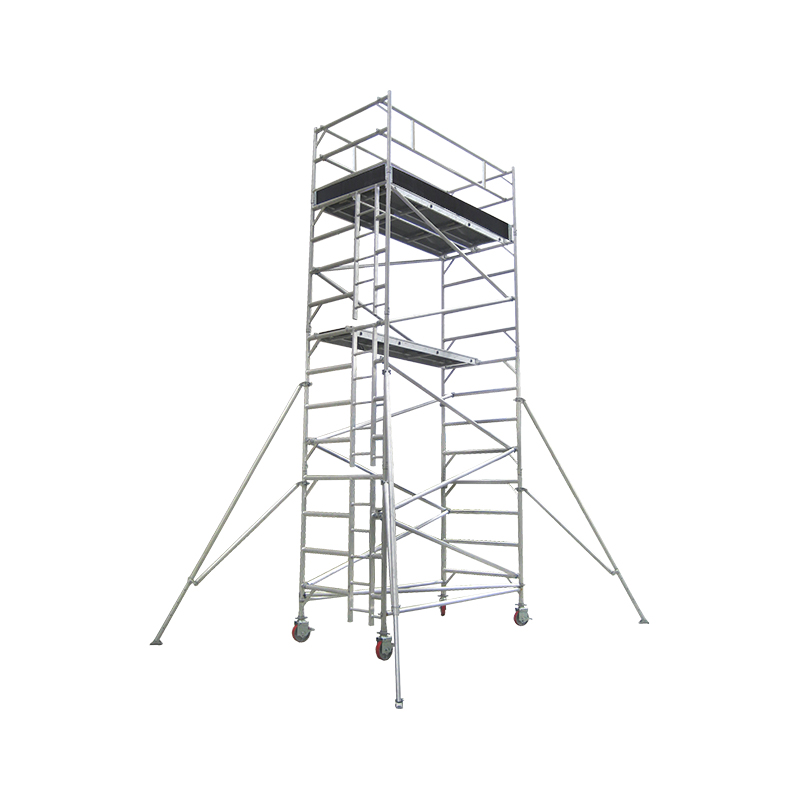
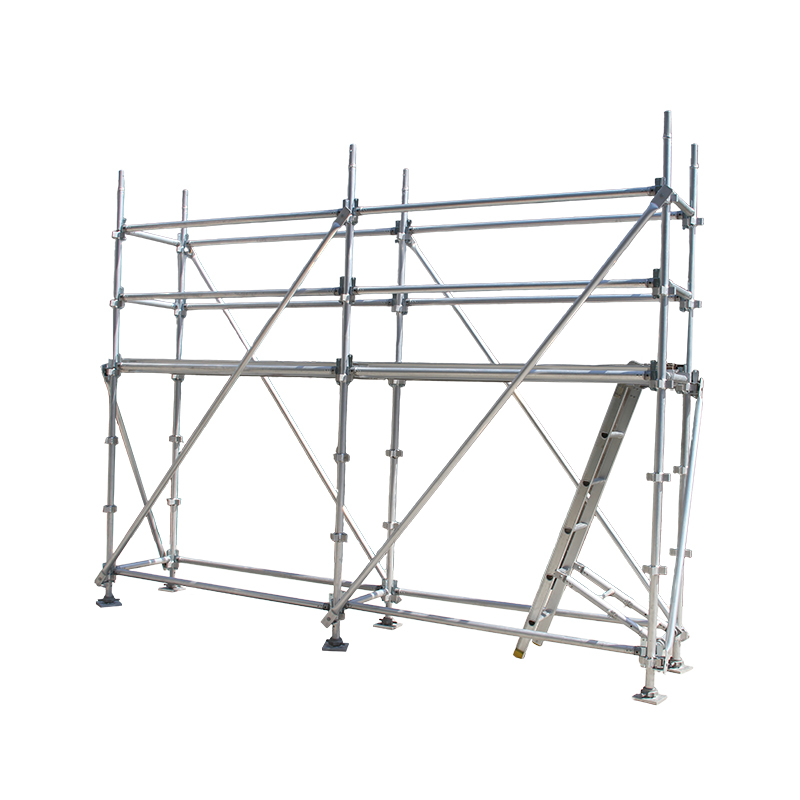
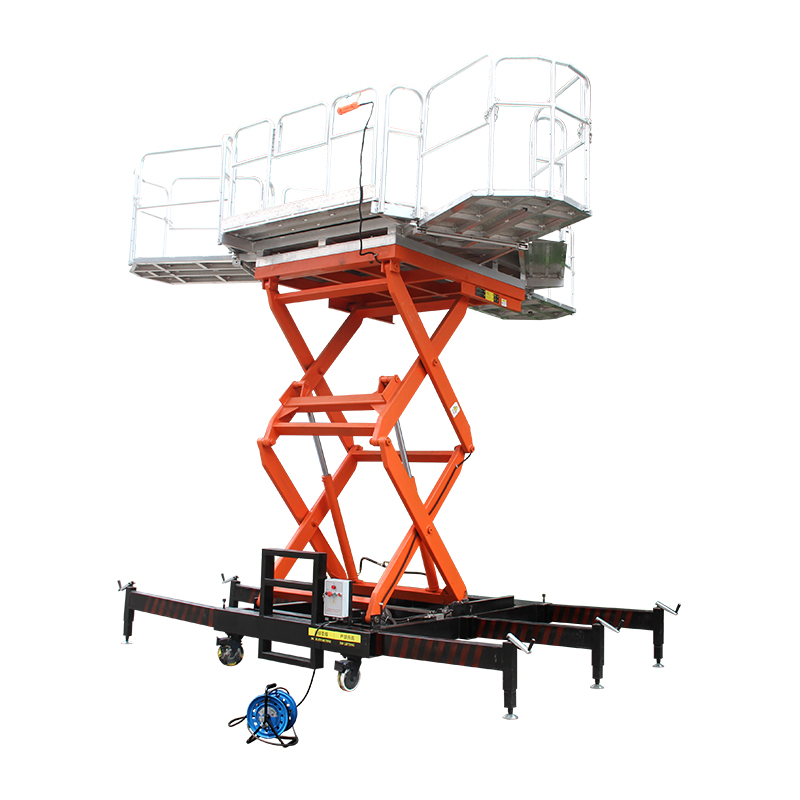
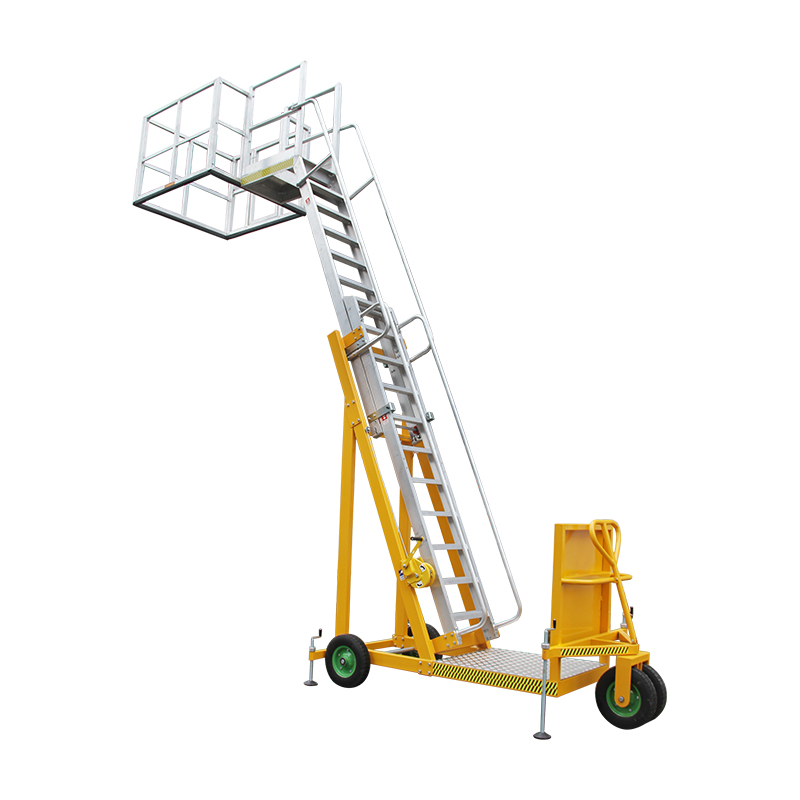
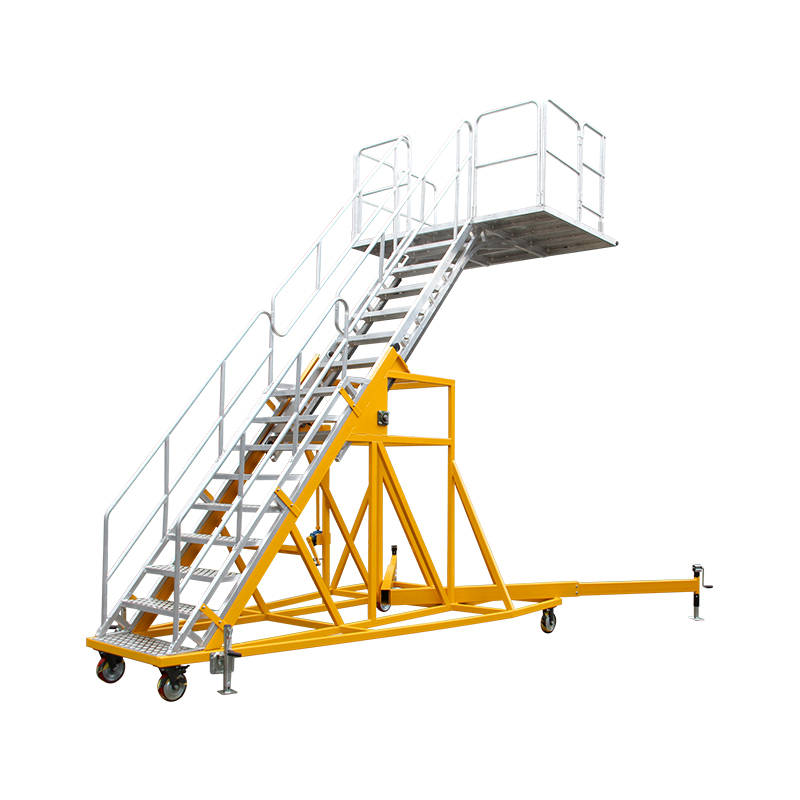
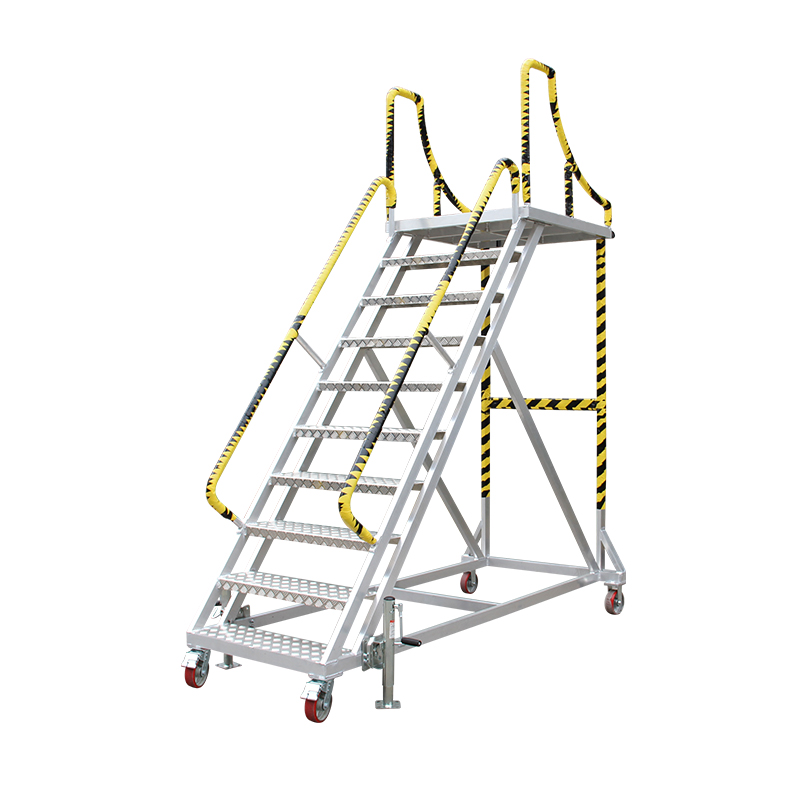
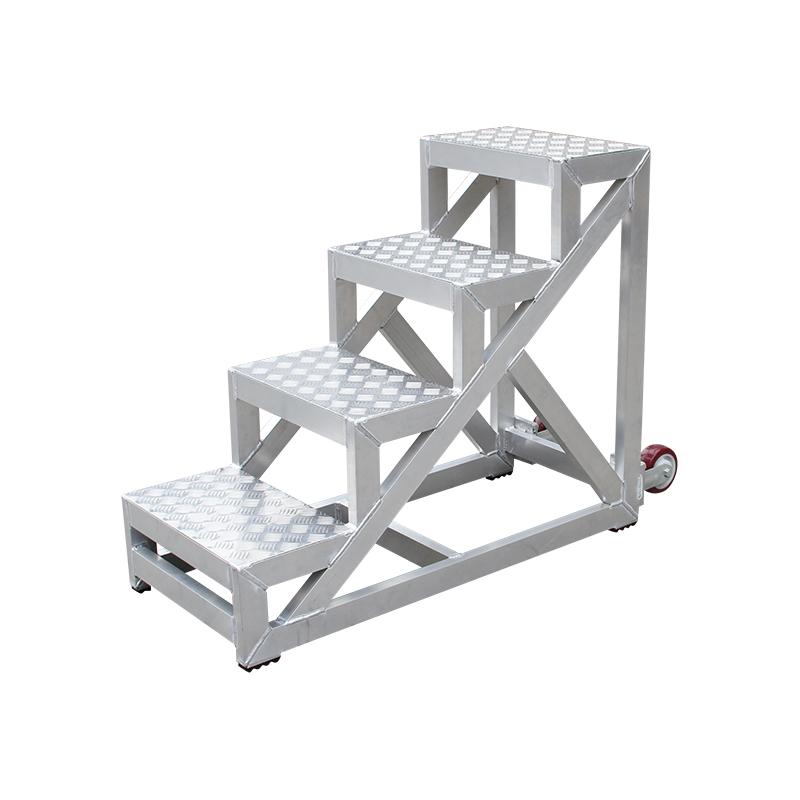
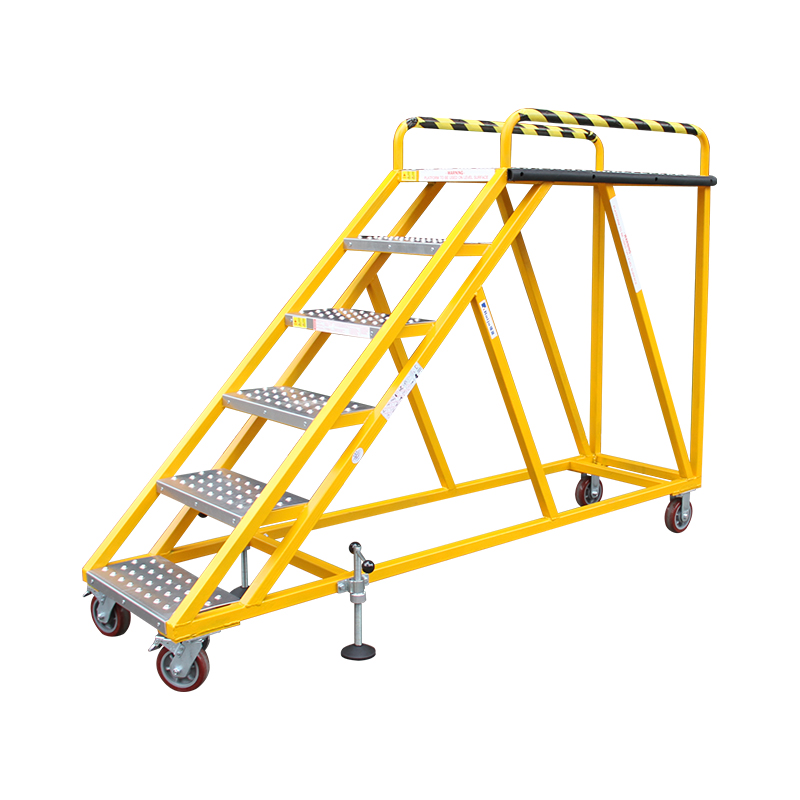
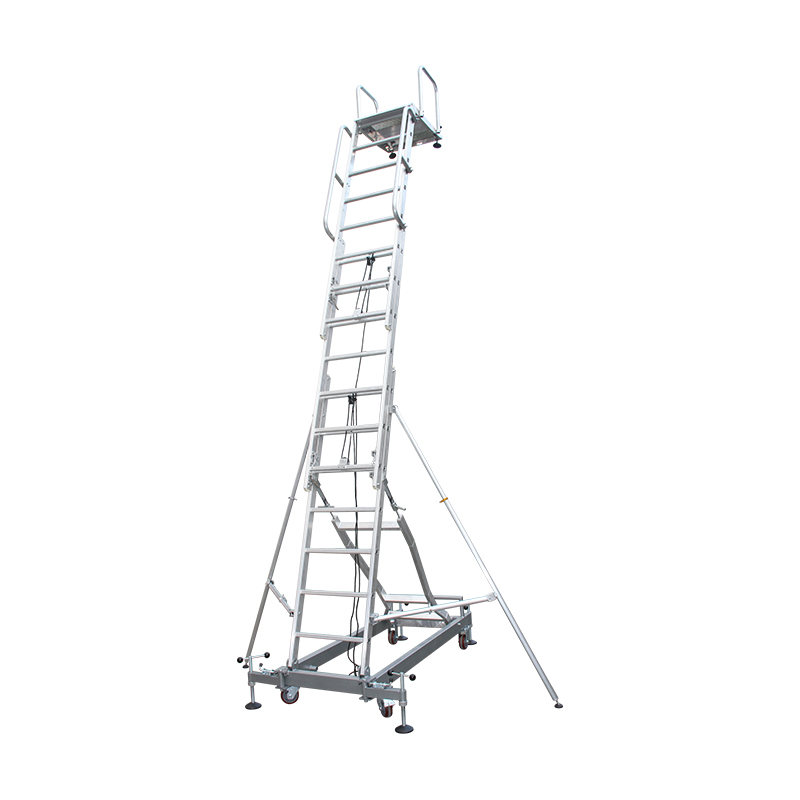











Trestle Ladder Geometry and Load Distribution
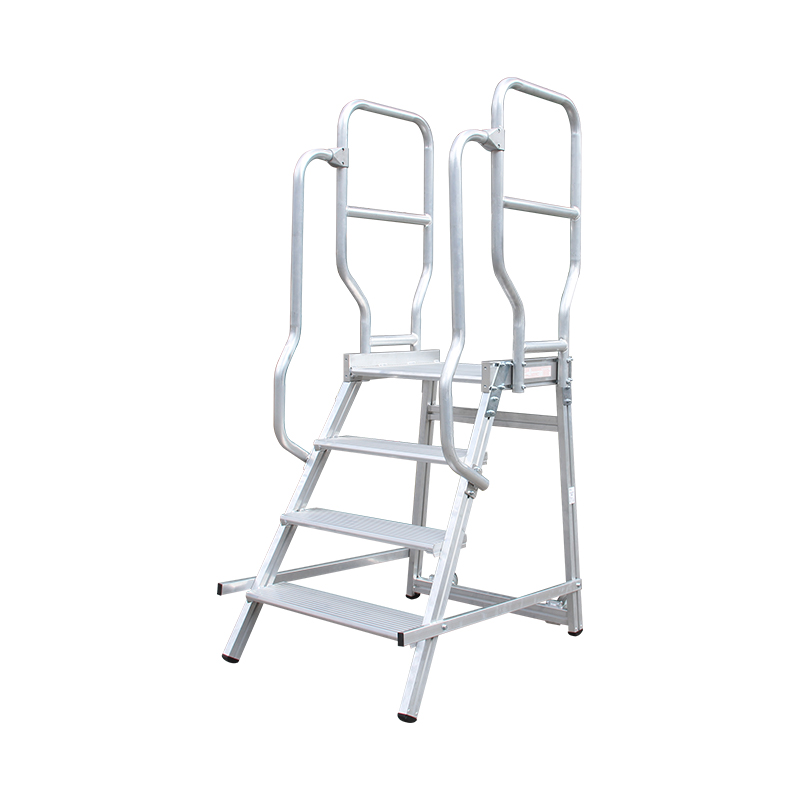
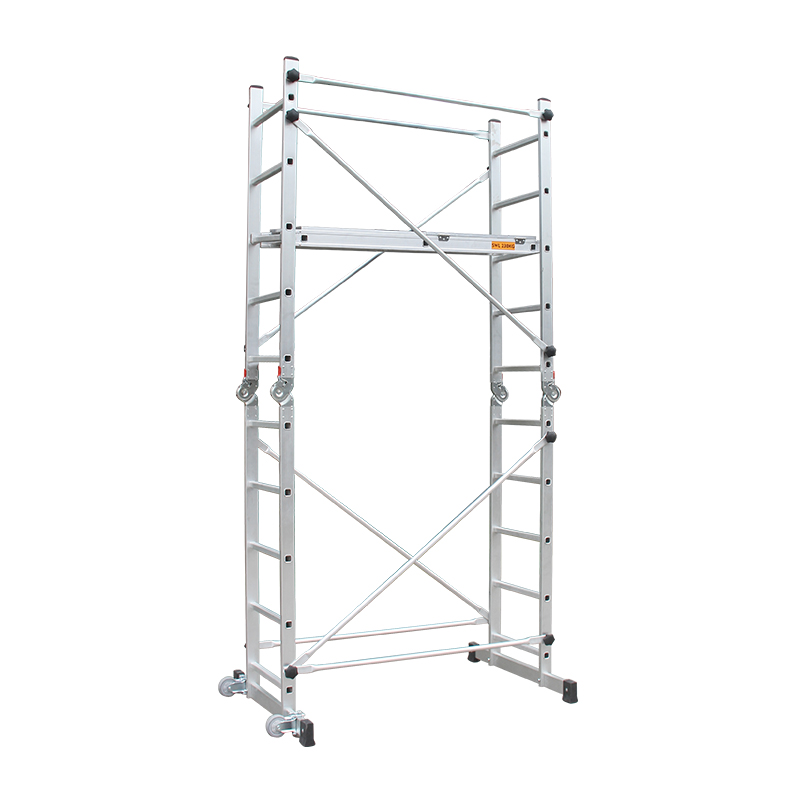
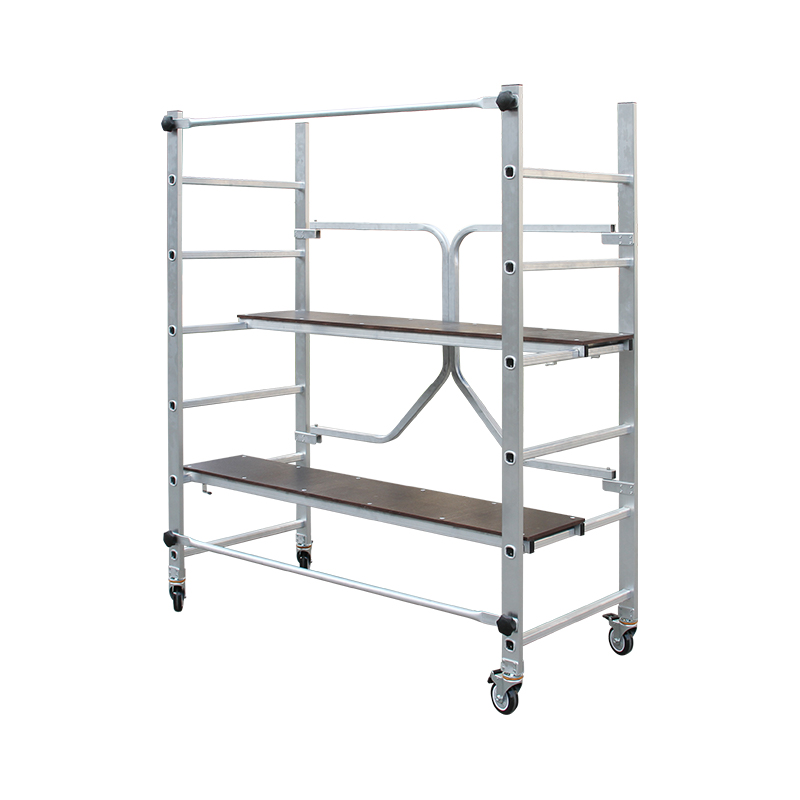
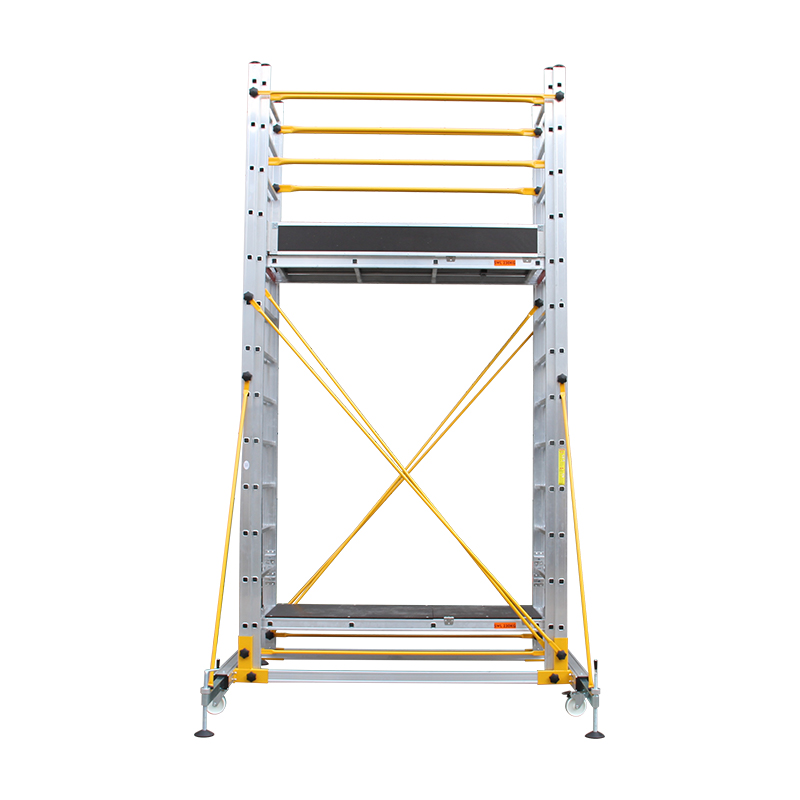
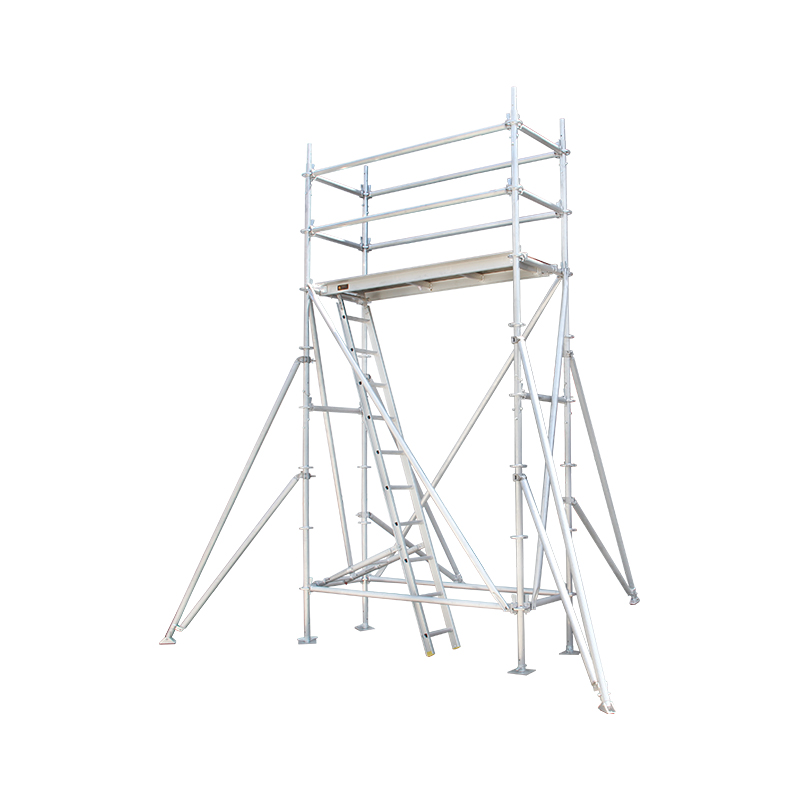
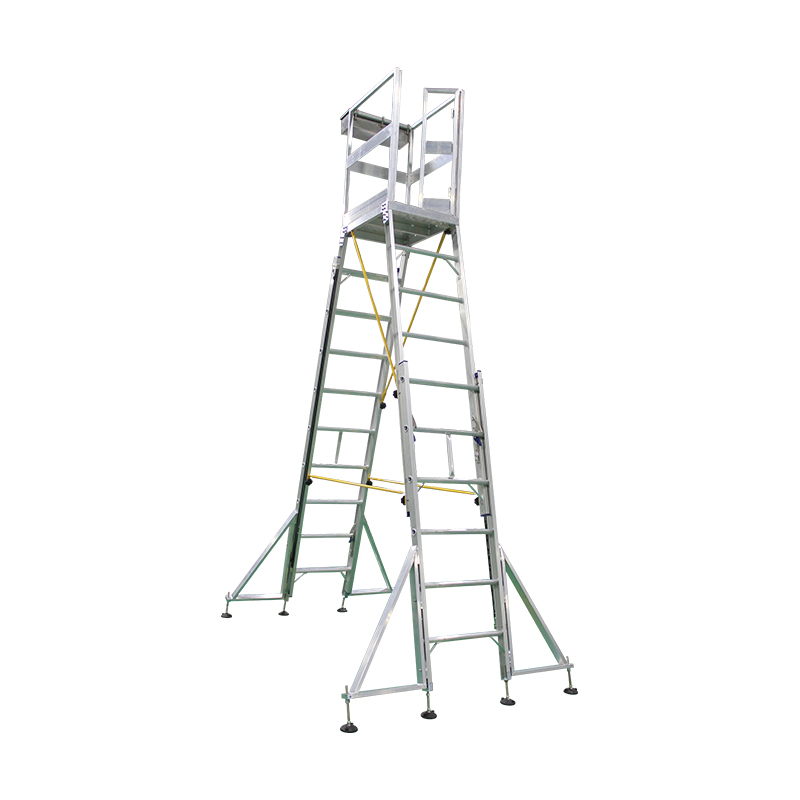
In professional work environments, the geometry of a Trestle Ladder has a direct effect on how loads are transferred through the frame. Leg angle, spread width, rung position, cross-bracing and the location of the working load all influence the forces acting on the structure. For procurement and engineering teams, overall height alone is therefore not sufficient when defining a ladder specification. The intended working position, available floor area and expected operating conditions should also be established before production.
Shanghai Ruiju Metal Products Co., Ltd. has specialized in customized climbing and working-at-height solutions since 2001. With a 12,000 m² self-owned production facility, the company integrates R&D, product design, manufacturing and marketing and supplies ladders, aluminium scaffolding systems, work platforms and related equipment to domestic and international markets. Ruiju has more than 30 years of expertise in working-at-height products and technologies, supporting product development for different professional applications.
Structural Parameters Worth Defining
- Overall ladder height and working height requirements.
- Leg spread and the resulting floor footprint.
- Rung spacing and rung attachment method.
- Brace configuration and connection locations.
- Maximum intended working load and applicable configuration.
Why Leg Spread Matters in a Trestle Ladder
The leg spread of a Trestle Ladder determines both its floor footprint and the geometry of the supporting frame. A wider footprint may require more floor space but can change the relationship between the ladder structure and the ground. In industrial facilities, this dimension should be checked against aisle widths, equipment clearances, machine locations and designated work zones before a ladder is selected.
For customized projects, manufacturers can work from specific installation dimensions rather than relying on a generic ladder size. Providing the required working height together with the available floor area helps engineers establish a more suitable frame geometry. This is particularly useful where ladders need to be positioned beside production equipment or within defined maintenance areas.
| Parameter | Operational Effect | Specification Consideration |
|---|---|---|
| Leg spread | Defines the base footprint | Available floor area and access clearance |
| Frame height | Influences access and working reach | Required work height and workplace conditions |
| Brace position | Contributes to frame rigidity | Connection location and structural design |
| Rung spacing | Affects climbing movement | Consistent dimensions and secure attachment |
| Foot components | Transfer loads to the floor | Material, wear resistance and connection |
Rung and Step Design for Repeated Industrial Use
When a Trestle Ladder is used repeatedly throughout a work shift, rung geometry becomes an important productivity consideration. Consistent spacing allows operators to establish a predictable climbing rhythm, while sufficient rung width and an appropriate surface design can support the intended working environment. Manufacturing accuracy is especially important across larger production batches because dimensional variation can affect consistency between individual units.
The connection between each rung and the side rails should also be considered during product engineering. Rungs are subjected to repeated loading, and their attachment method needs to correspond with the material, rail profile and expected operating conditions. For industrial procurement, it is useful to specify not only rung dimensions but also the connection method and material requirements.
Rung Specification Information
- Rung width and depth.
- Vertical spacing between adjacent rungs.
- Surface characteristics required for the operating environment.
- Rung material and attachment method.
- Applicable dimensional and load-related requirements.
Choosing Materials According to the Working Environment
Material selection for a Trestle Ladder should reflect the application rather than focusing solely on product weight. Aluminium can provide a useful balance between structural performance and handling efficiency, making it suitable for many professional working-at-height applications. However, the frame, rungs, braces, fasteners and foot components must be considered as a complete assembly.
Environmental conditions can also influence material and surface requirements. Indoor manufacturing areas, outdoor maintenance locations, humid facilities and environments with dust or process contaminants may place different demands on ladder components. Providing this information during specification allows the manufacturer to evaluate suitable materials, finishes and component combinations.
Application Conditions to Communicate
- Indoor or outdoor operation.
- Expected exposure to moisture, dust or industrial substances.
- Frequency of repositioning and transportation.
- Storage conditions between operating periods.
- Special material or surface-treatment requirements.
Custom Dimensions Can Improve Equipment Integration
Standard ladder dimensions may not always correspond with the physical layout of industrial work areas. A customized Trestle Ladder can be engineered around specified platform or access heights, floor restrictions, equipment clearances and storage requirements. The objective is not simply to make the ladder larger or smaller, but to establish dimensions that correspond with the actual workflow.
Before requesting a customized configuration, facility teams can collect measurements from the intended operating location. Useful information includes floor-to-work-surface height, available width, nearby obstacles, required access direction and storage dimensions. Accurate site information gives engineers a clearer basis for determining frame geometry and component placement.
Inspection Considerations for Trestle Ladder Fleet Management
For facilities operating several units, inspection procedures should cover structural members as well as connection components. Maintenance teams can check rails, rungs, braces, fasteners, hinges where applicable and floor-contact components for visible damage, looseness or abnormal wear. Inspection records should identify the individual equipment unit so that repeated issues can be traced to specific products or operating environments.
Particular attention should be given to ladders that have experienced impacts, unusual loading or visible deformation. If a structural component has been damaged, the ladder should be evaluated according to the manufacturer's maintenance requirements before being returned to service. Replacement components should match the specified product configuration rather than being selected solely by appearance or approximate dimensions.
Practical Inspection Records
- Equipment model and identification information.
- Condition of rails, rungs and braces.
- Condition of fasteners and structural connection points.
- Wear and attachment condition of feet and floor-contact components.
- Inspection date, findings and maintenance actions.
Ruiju's Manufacturing Background for Professional Ladder Applications
Shanghai Ruiju Metal Products Co., Ltd. maintains an ISO 9001-certified manufacturing system and is BSCI audited. Its standard products comply with China's national standard GB12142, while export products meet the applicable Australian, European and American industry standards. Products are rigorously tested and certified by SGS and TÜV, providing independent third-party verification for relevant product requirements.
Operating under the Ruiju brand, the company has built a complete industrial system covering R&D, product design, manufacturing and marketing within its 12,000 m² self-owned production facility. Ruiju has more than 30 years of expertise in working-at-height products and technologies and maintains a portfolio of technical patents. This integrated capability supports the development of ladders, aluminium scaffolding systems, work platforms and related equipment for changing professional applications.
For customers specifying a Trestle Ladder, useful technical information should include required working height, frame dimensions, base footprint, rung configuration, expected load, operating environment, storage conditions and destination-market standards. Shanghai Ruiju Metal Products Co., Ltd. can coordinate these requirements during product design and manufacturing, helping establish a ladder configuration aligned with the physical and operational conditions of the intended workplace.