en
en 简体中文
简体中文 Español
 Deutsch
 عربى
عربى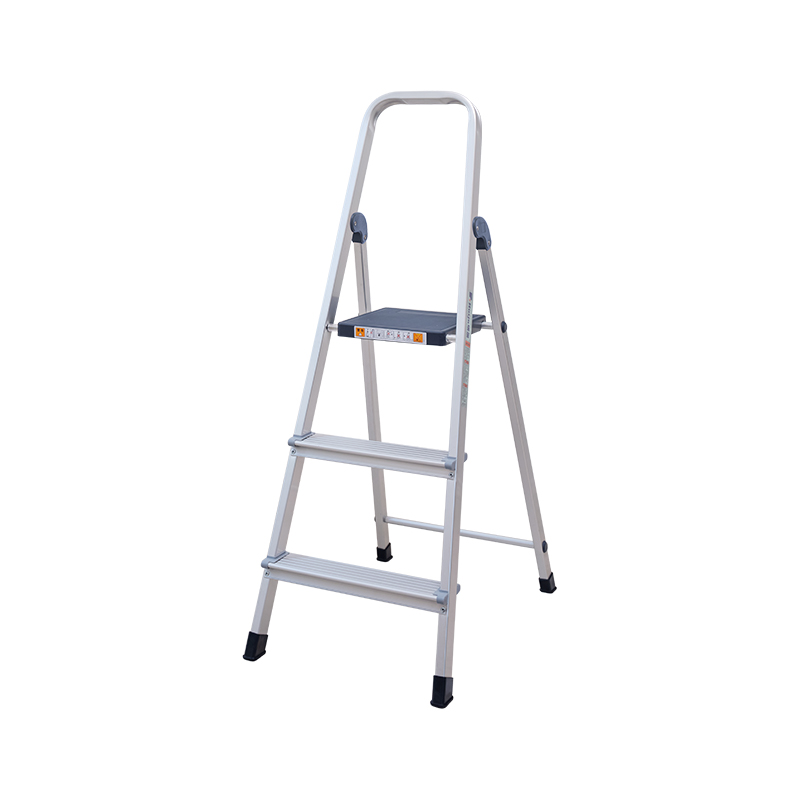
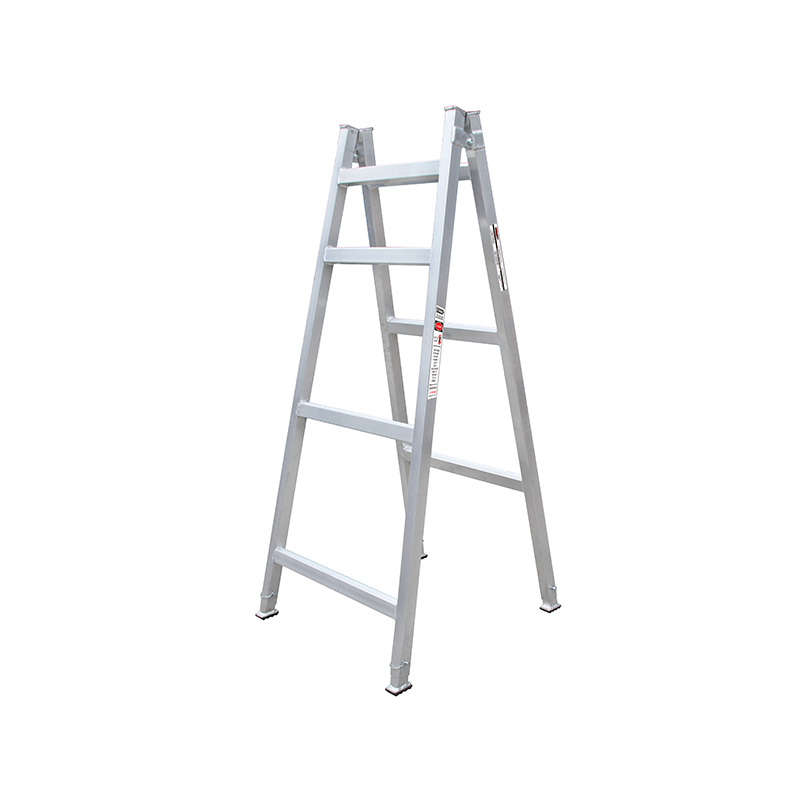
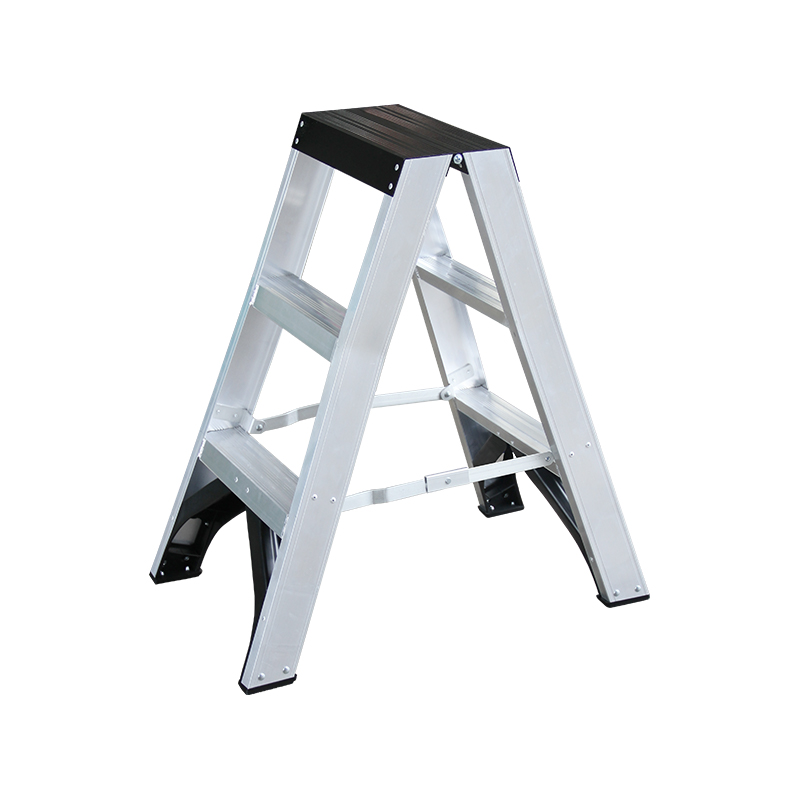
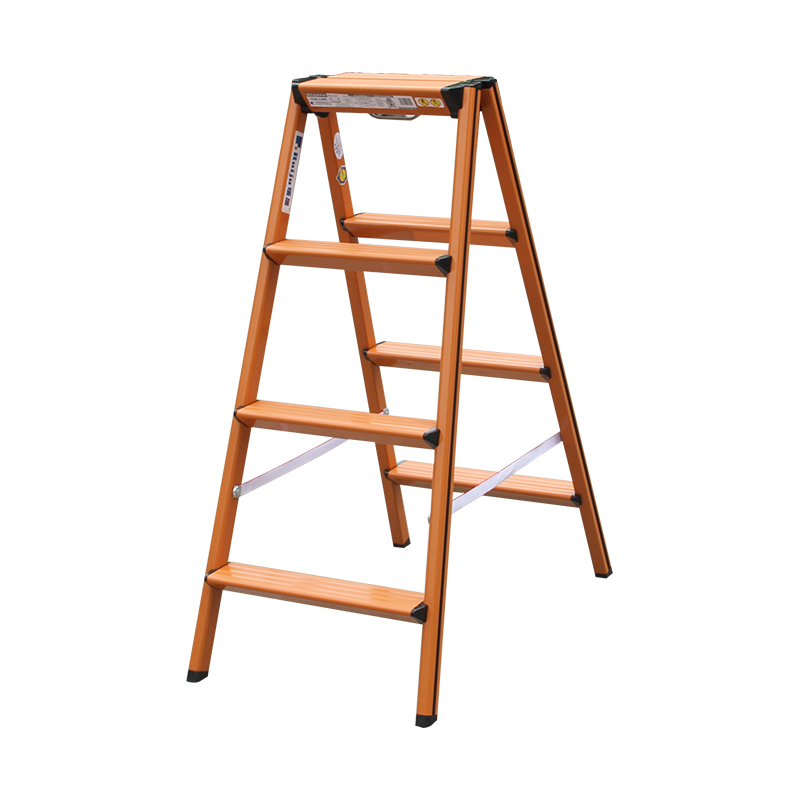
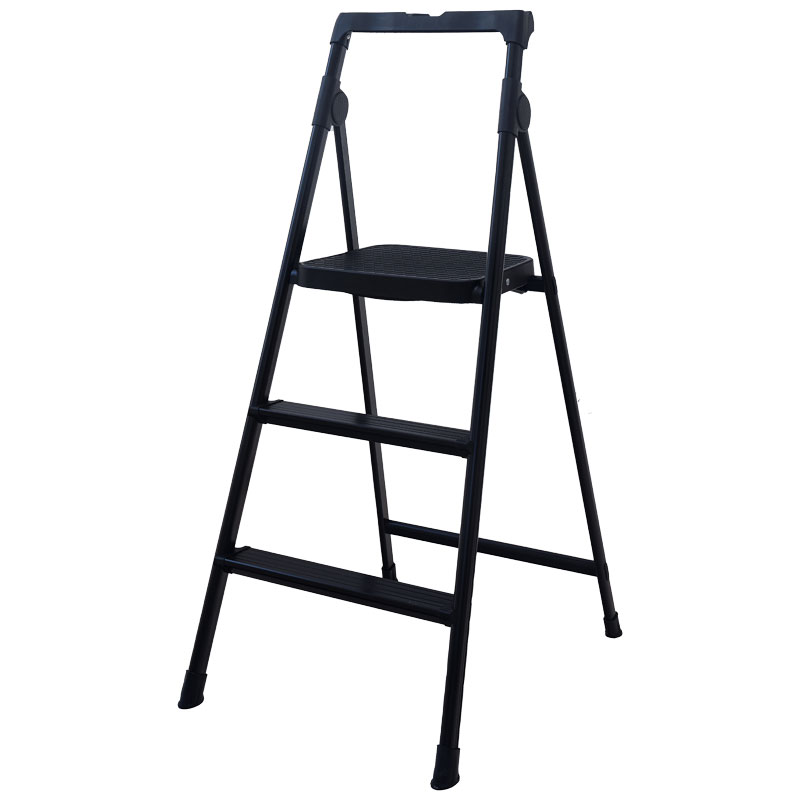
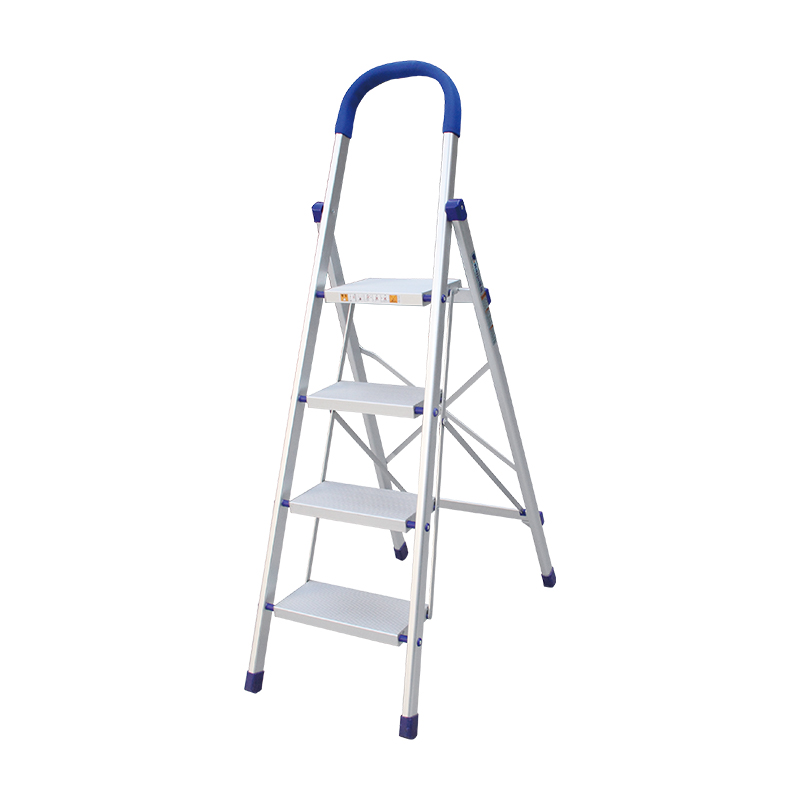
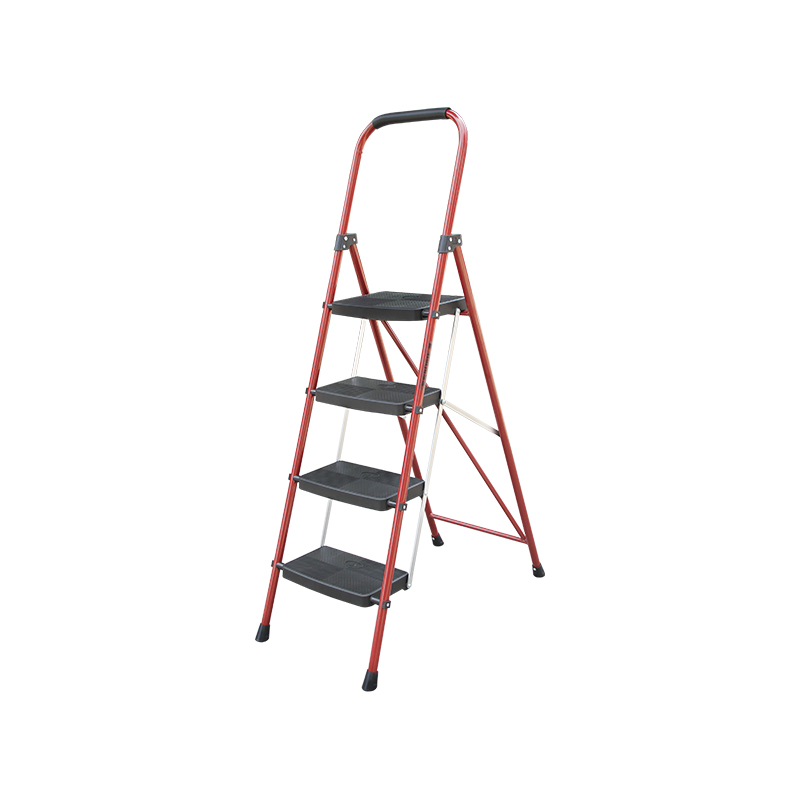
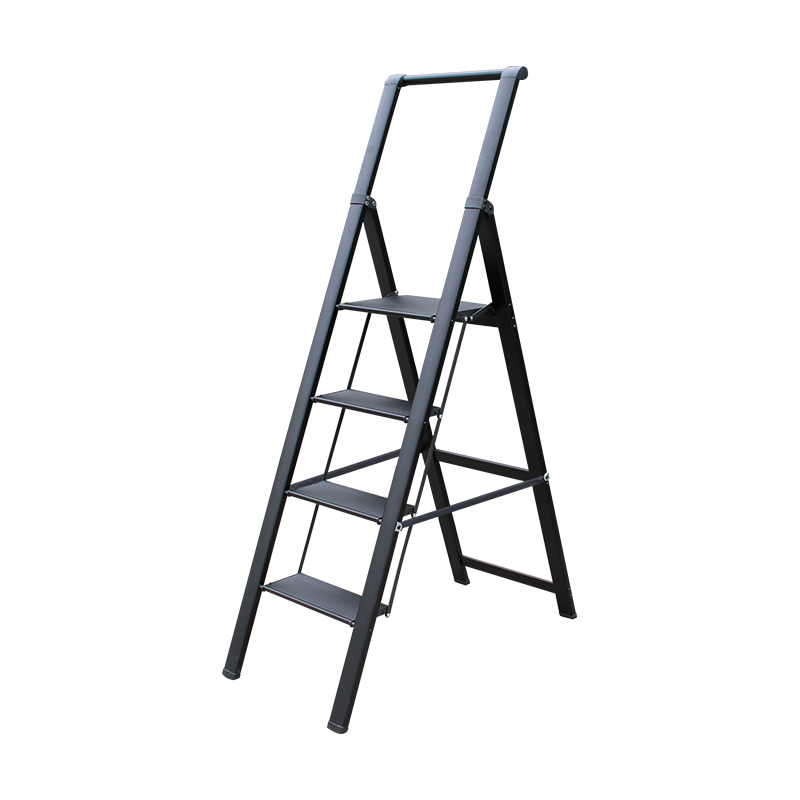
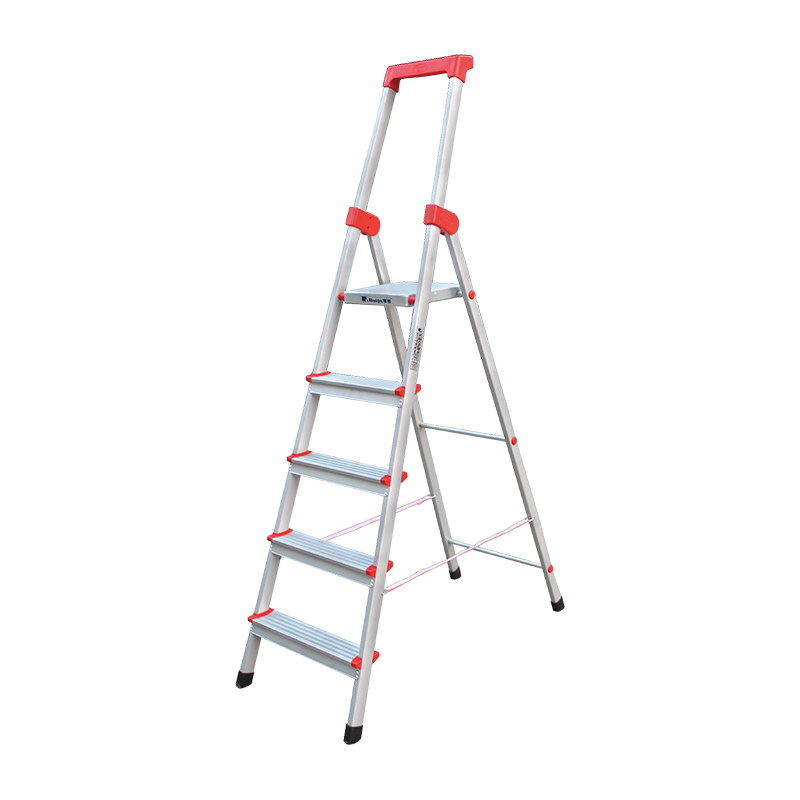
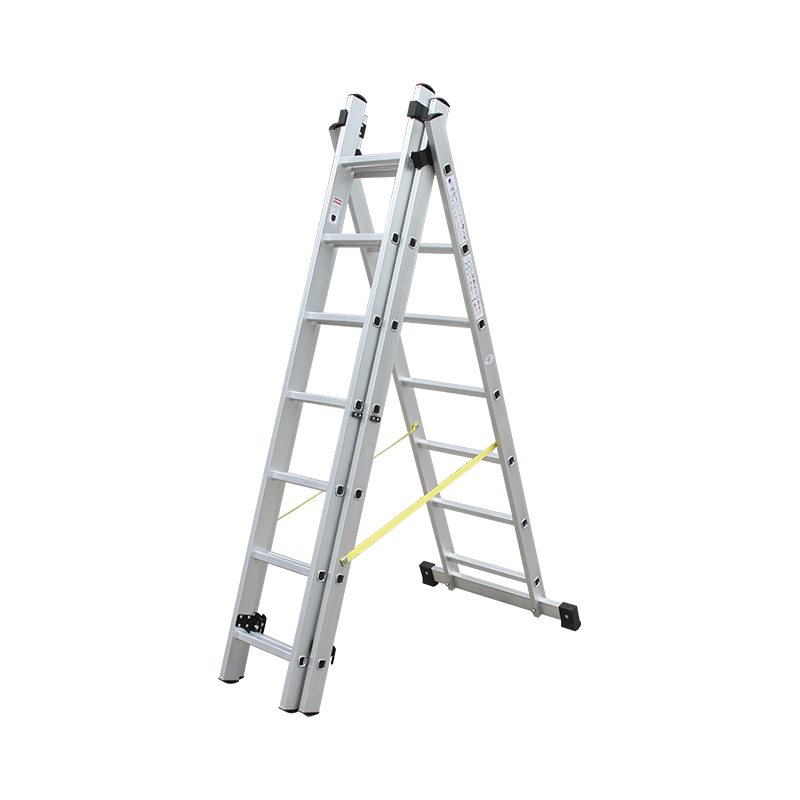
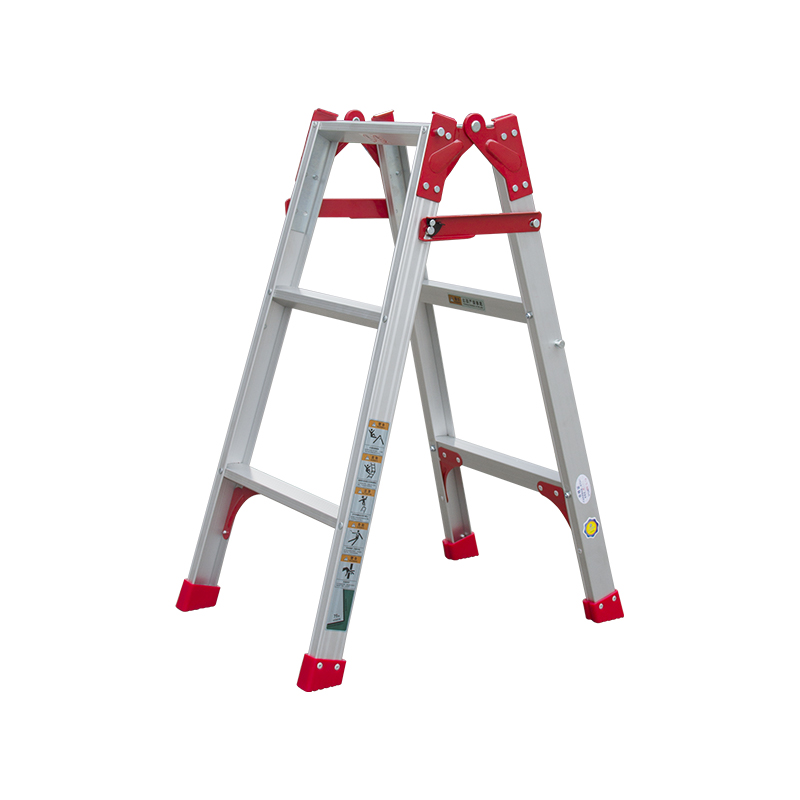
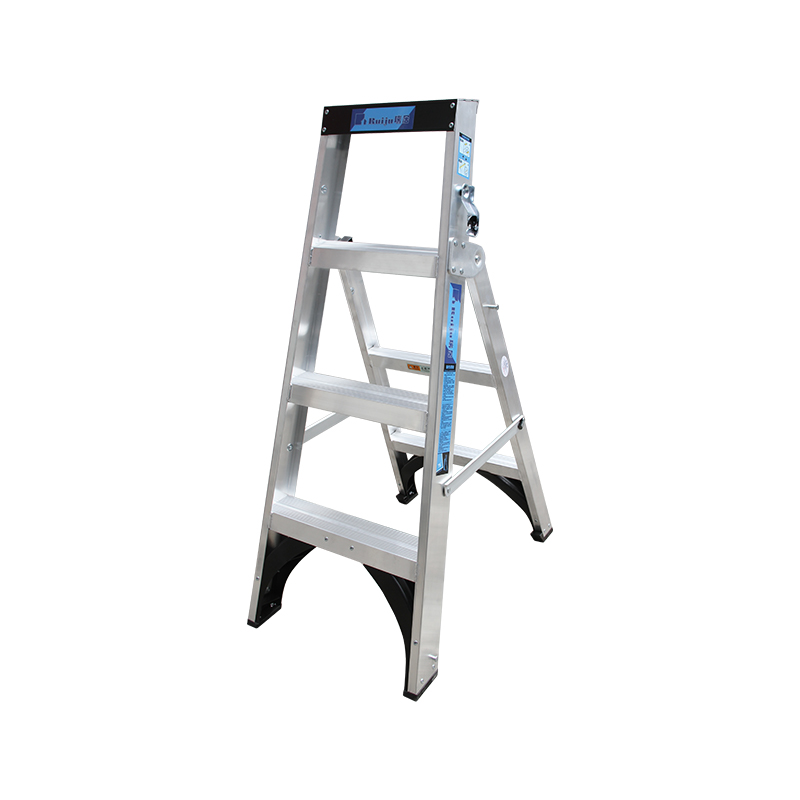
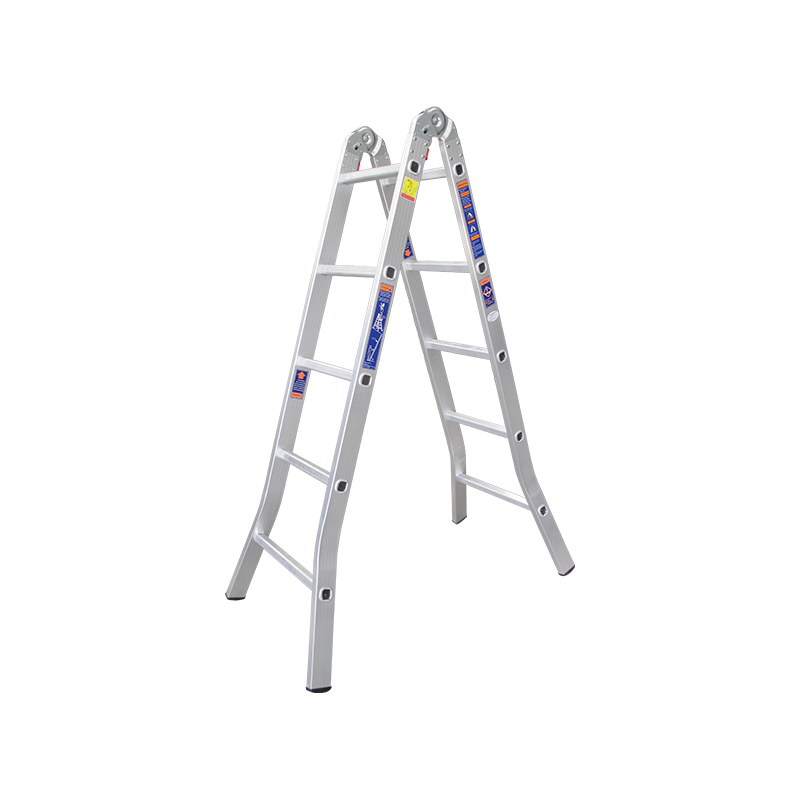
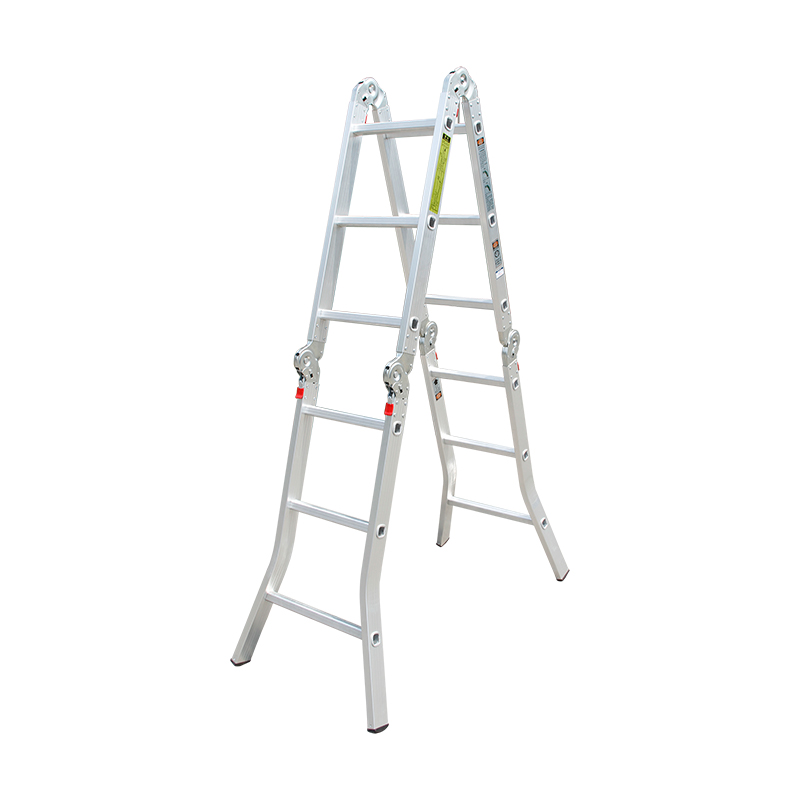
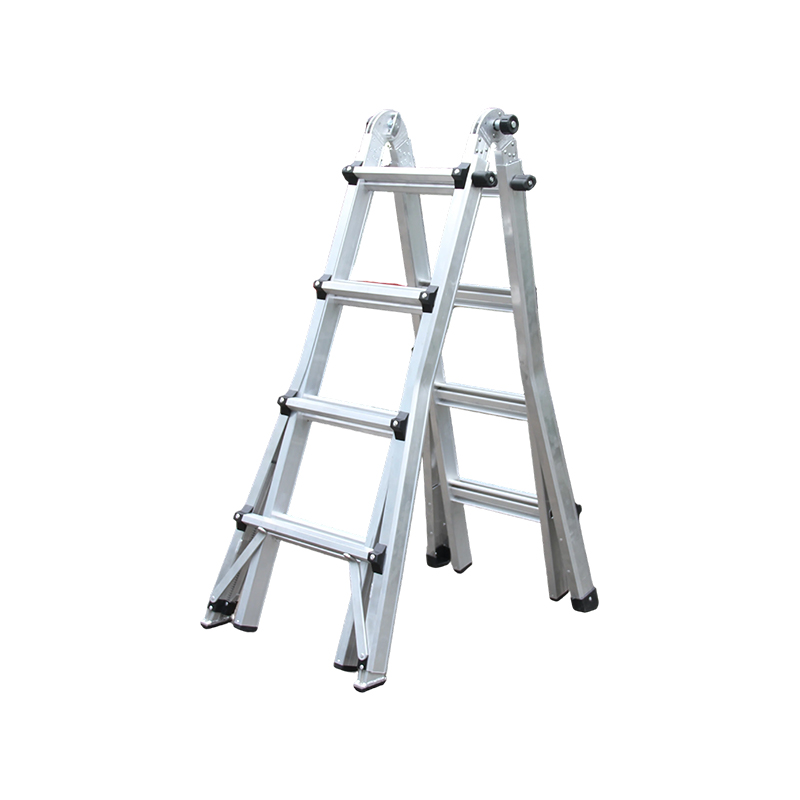
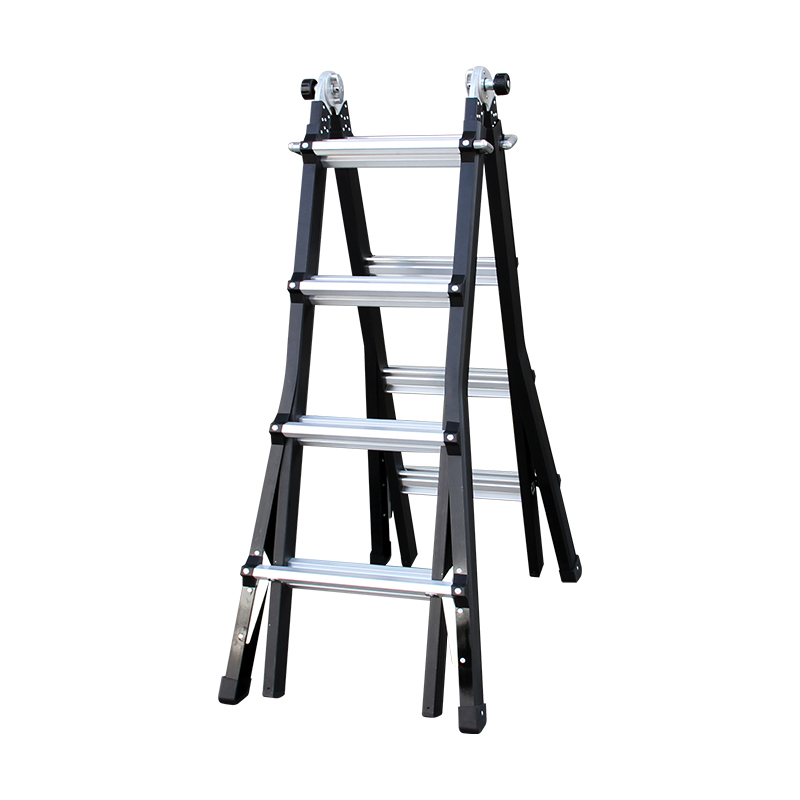
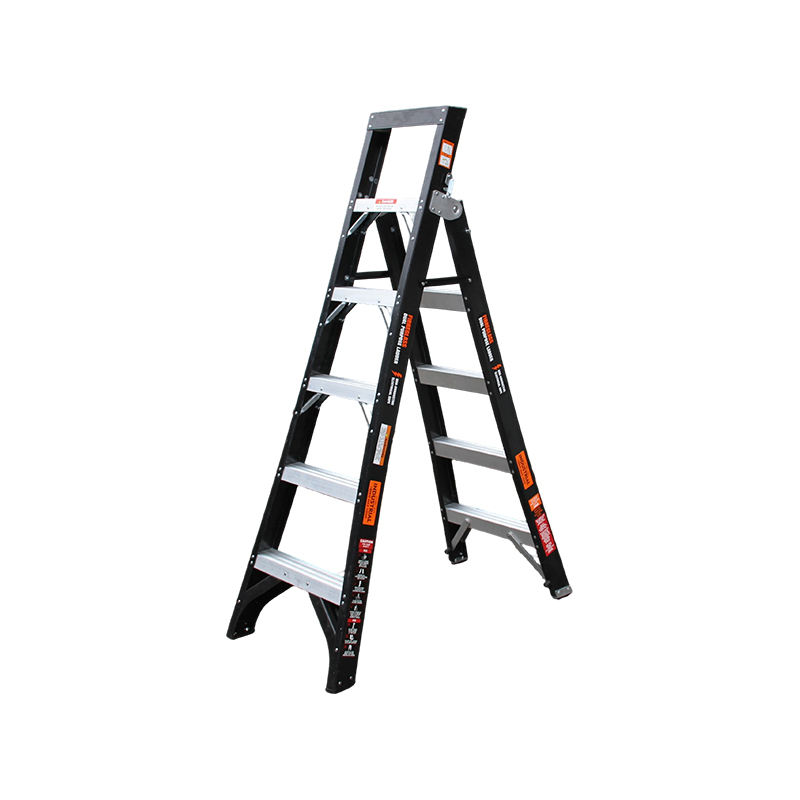
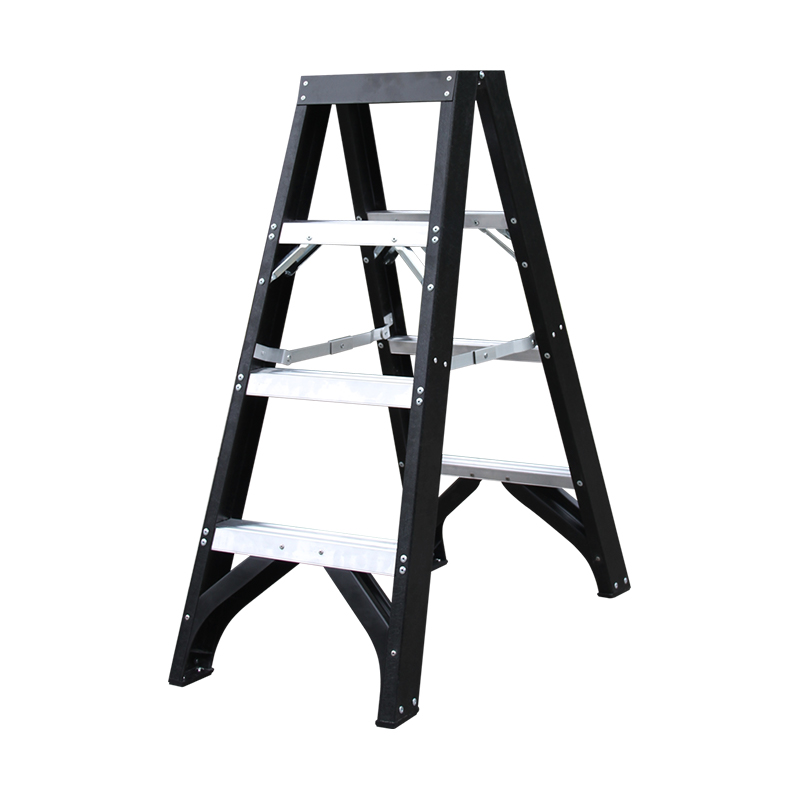
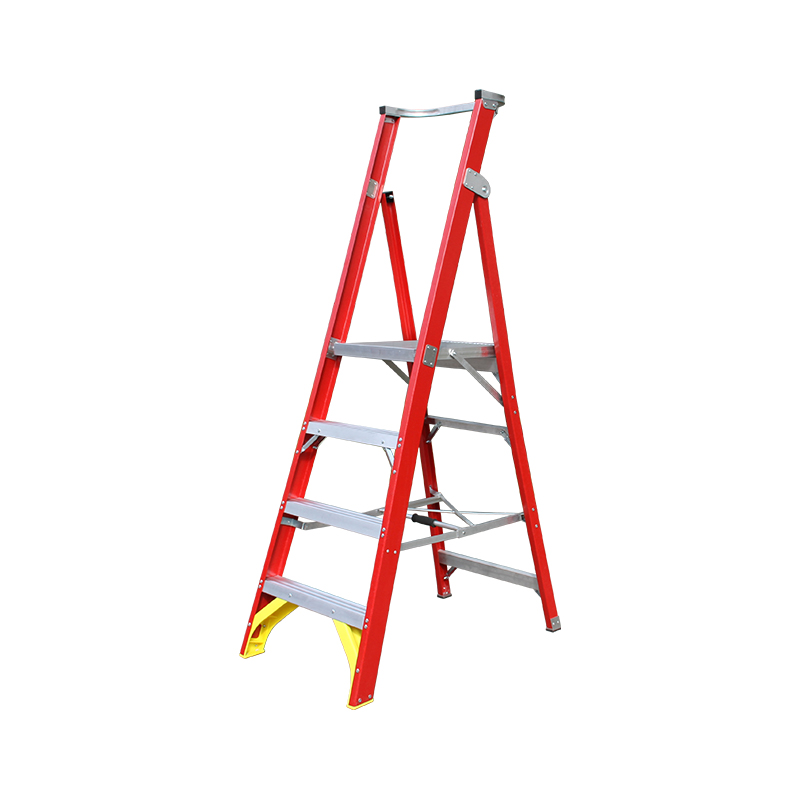
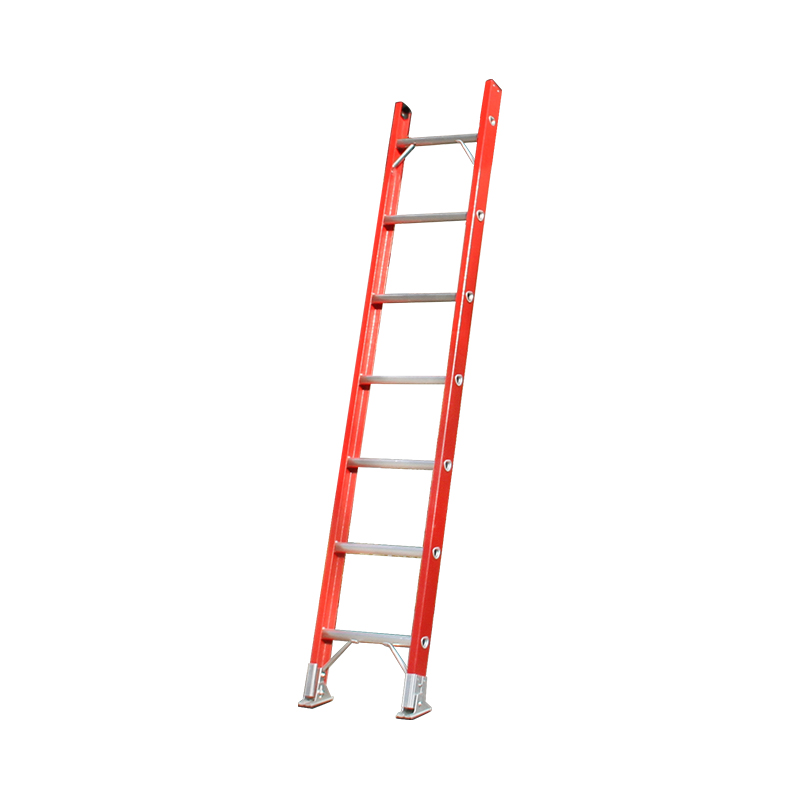
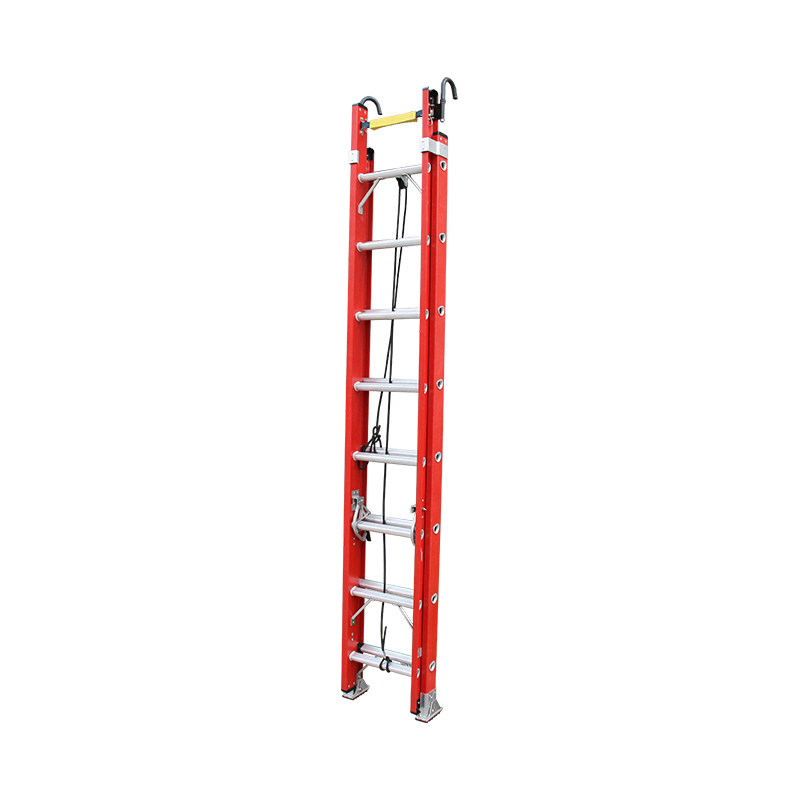
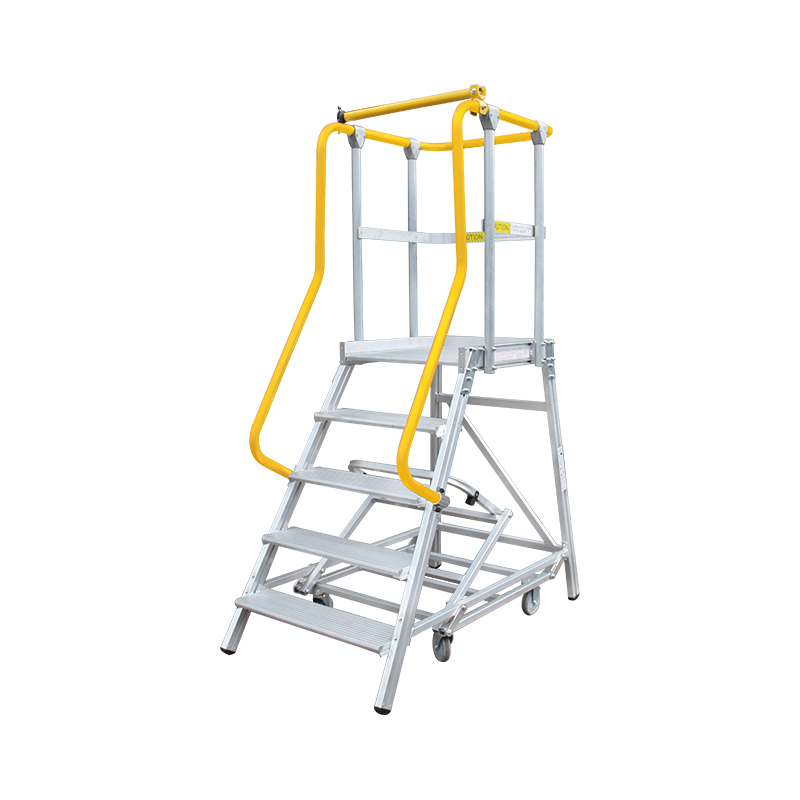
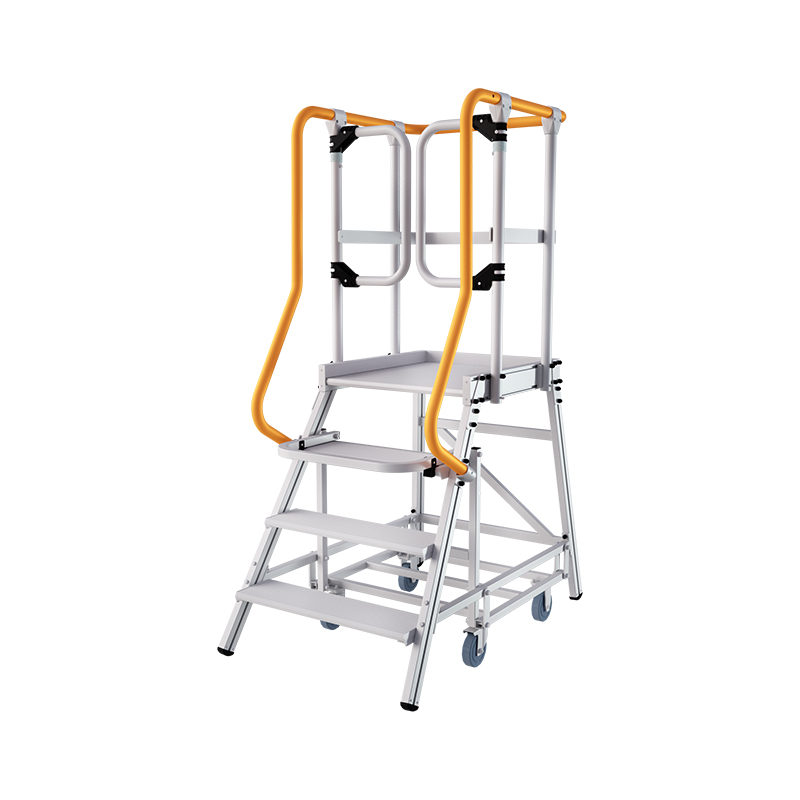
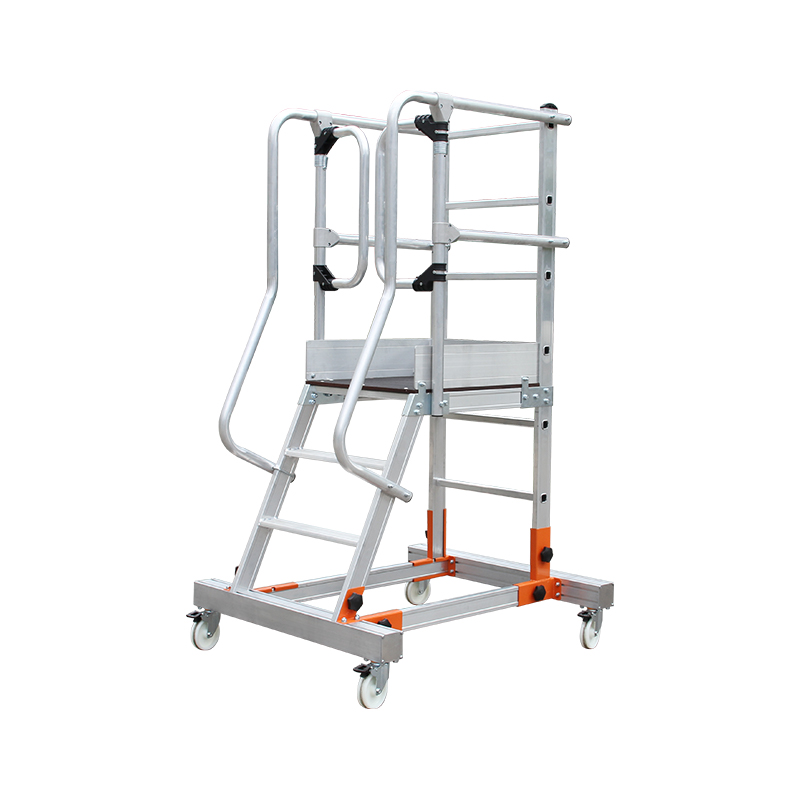
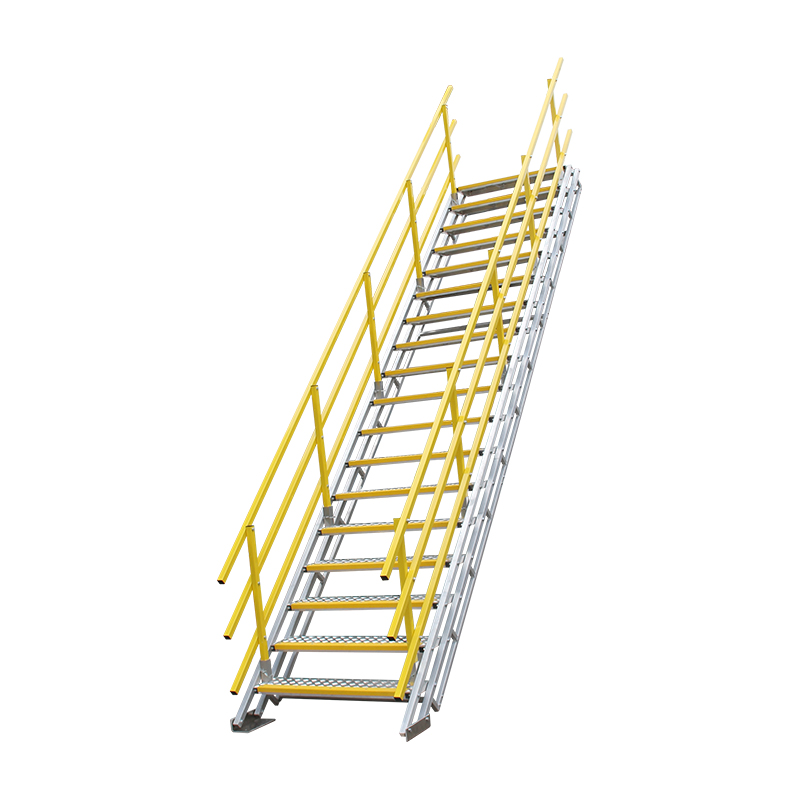
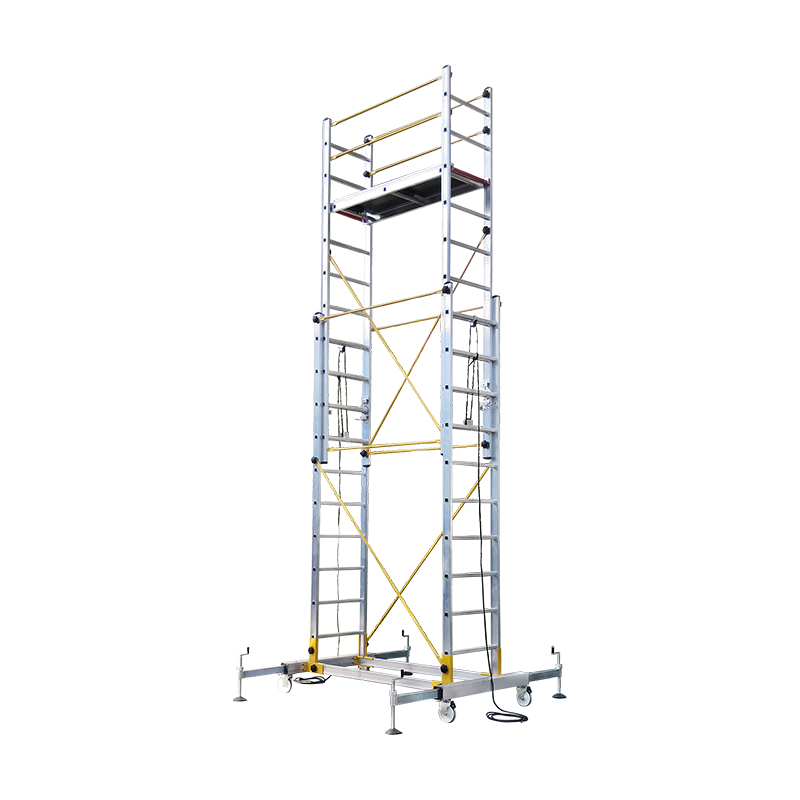
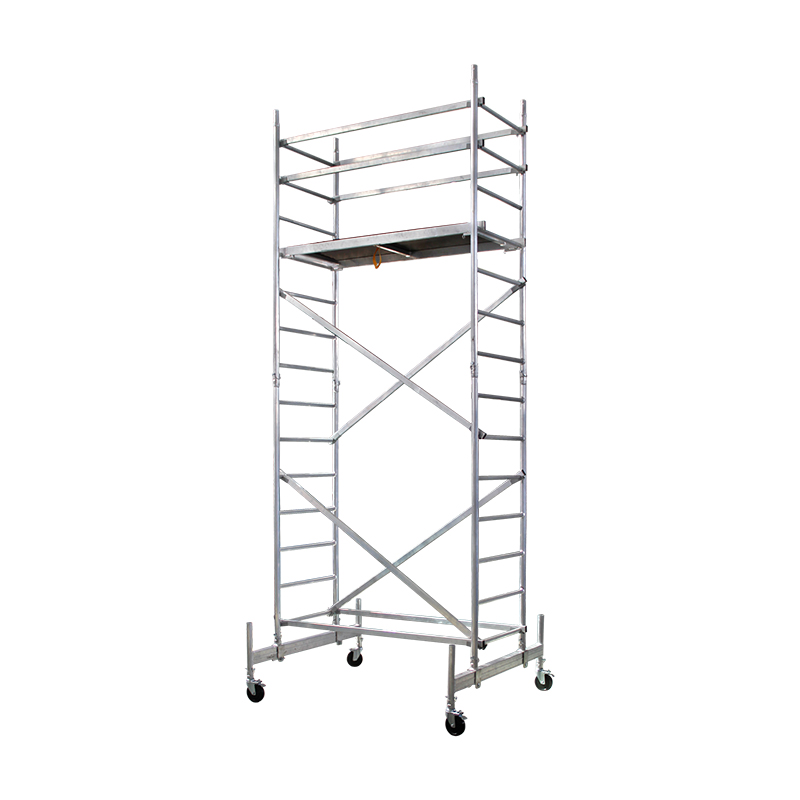
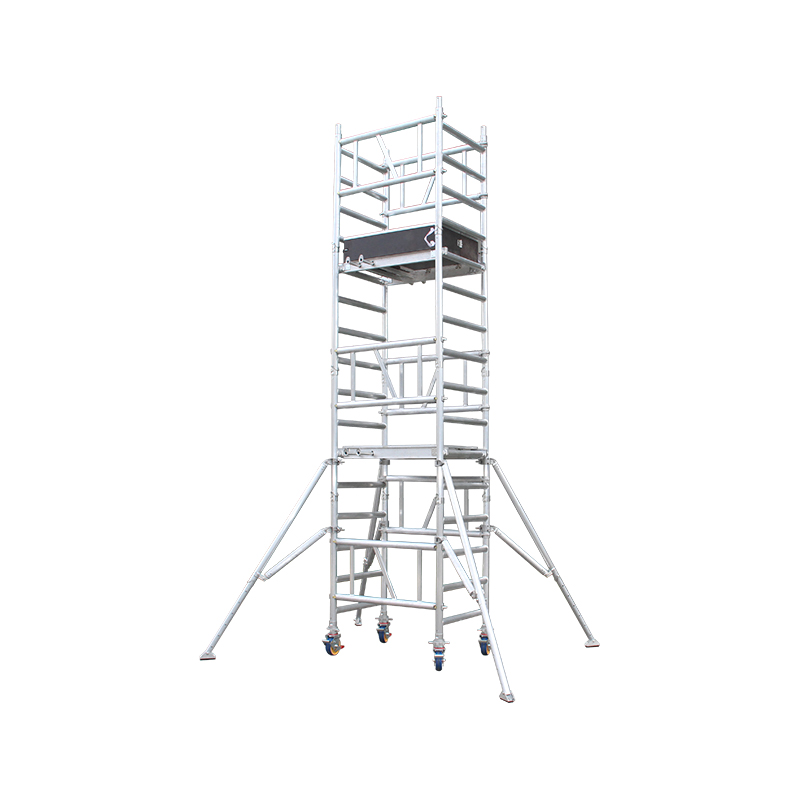
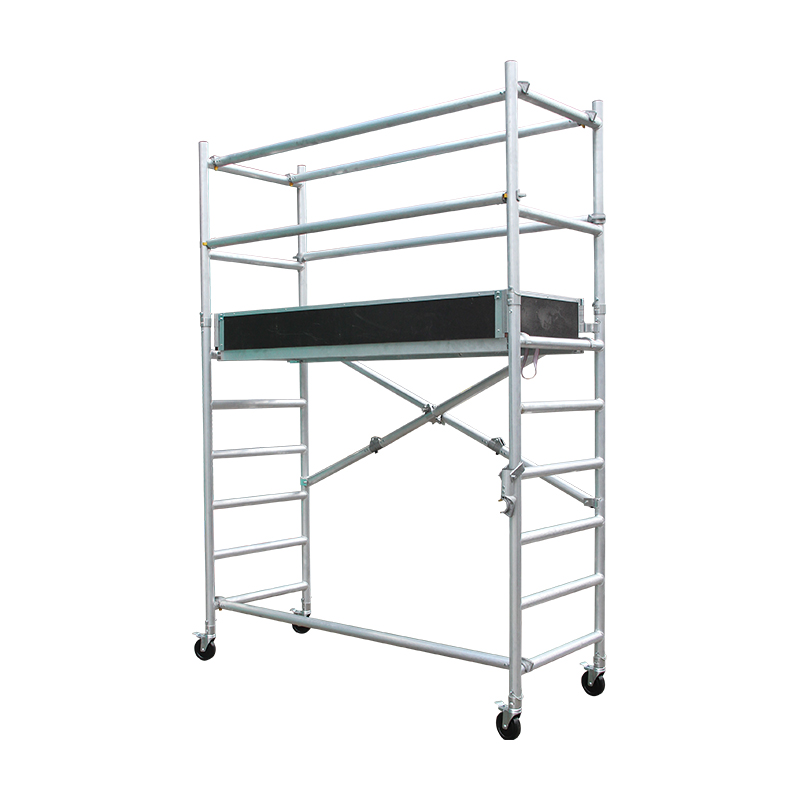
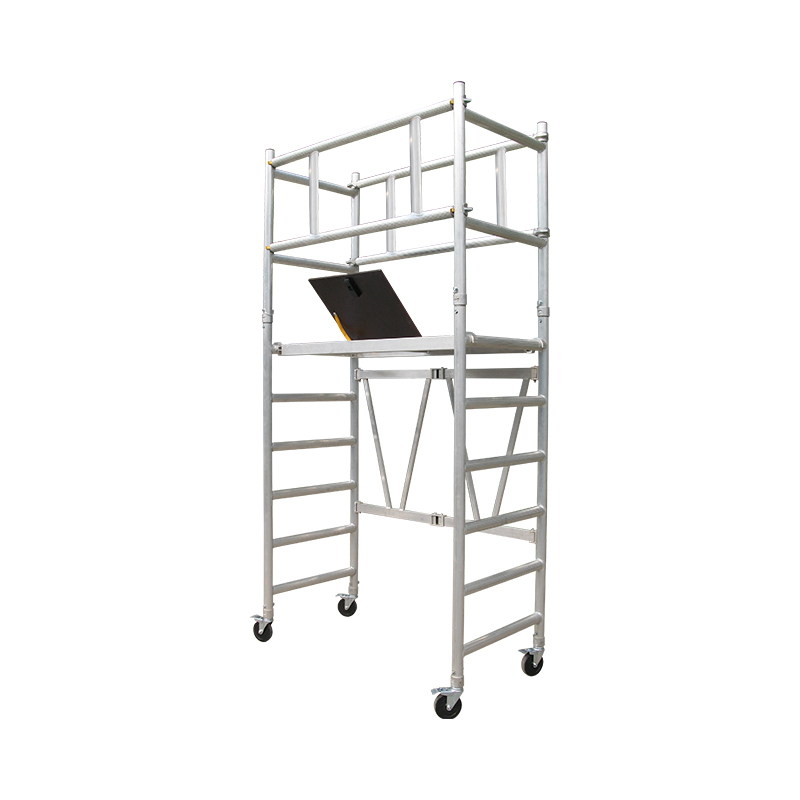
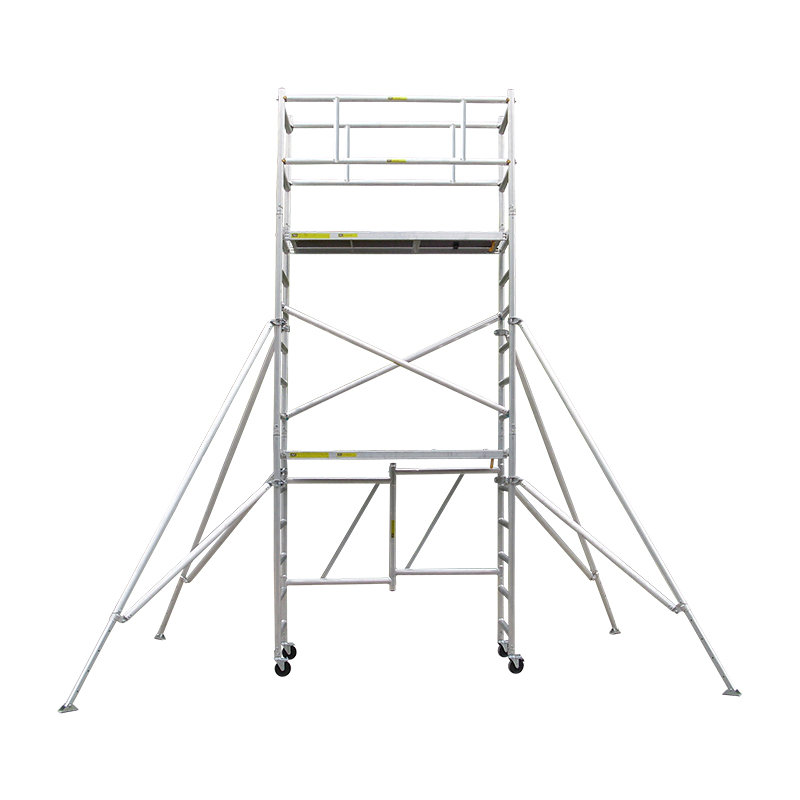
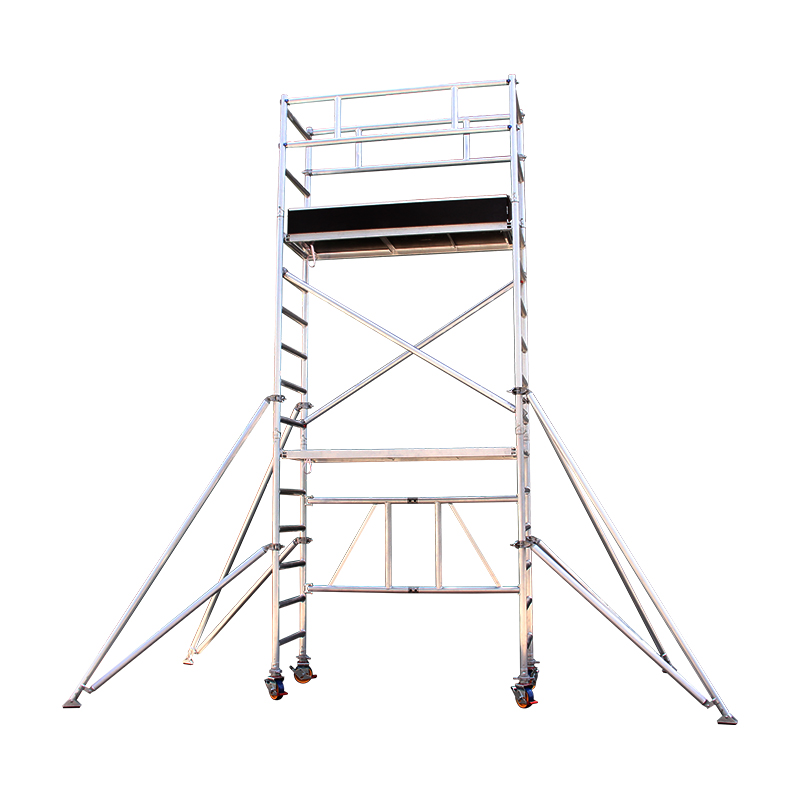
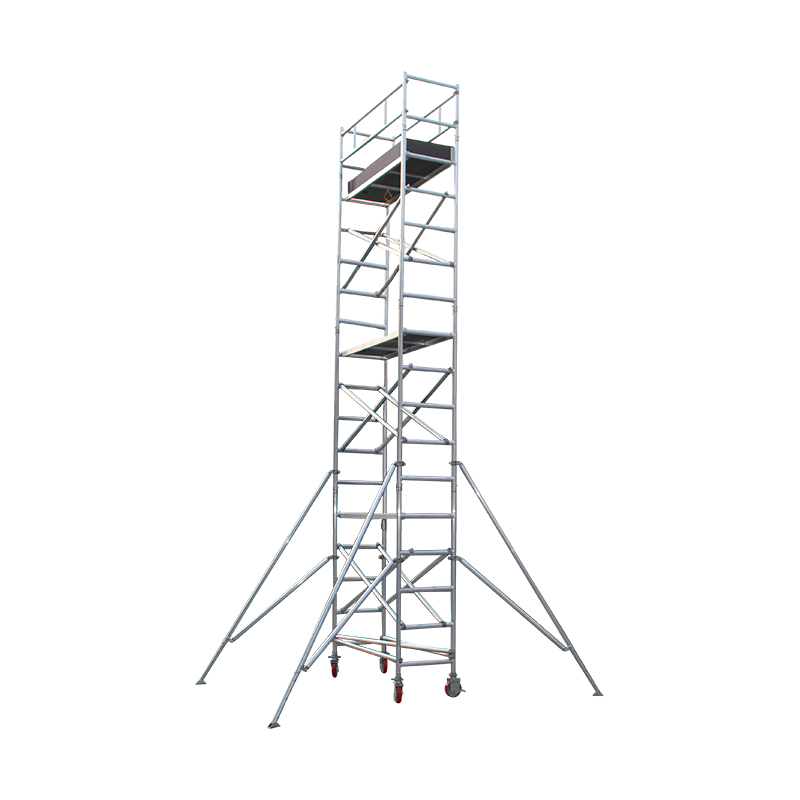
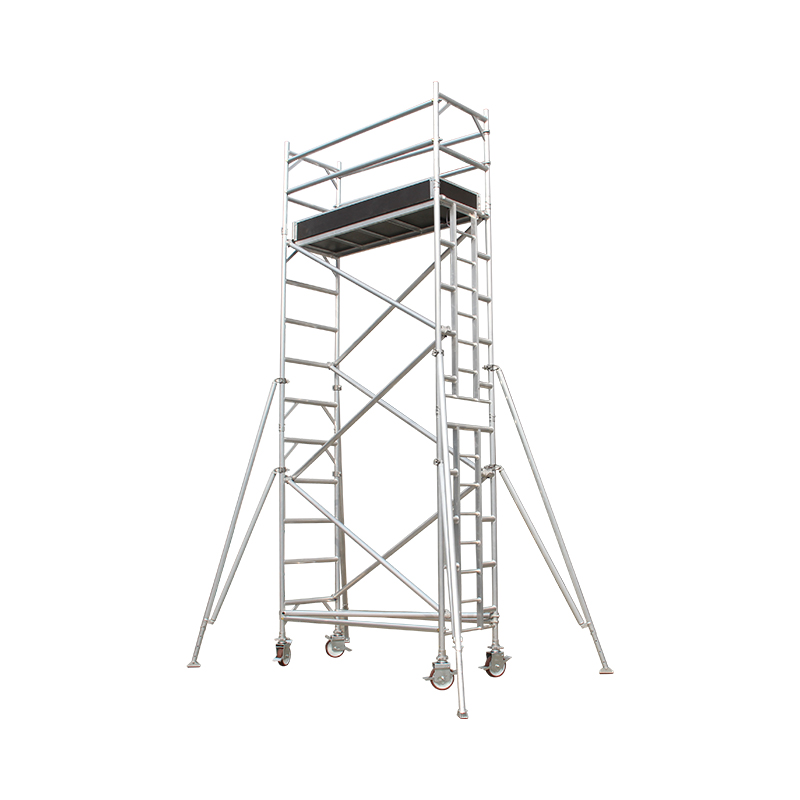
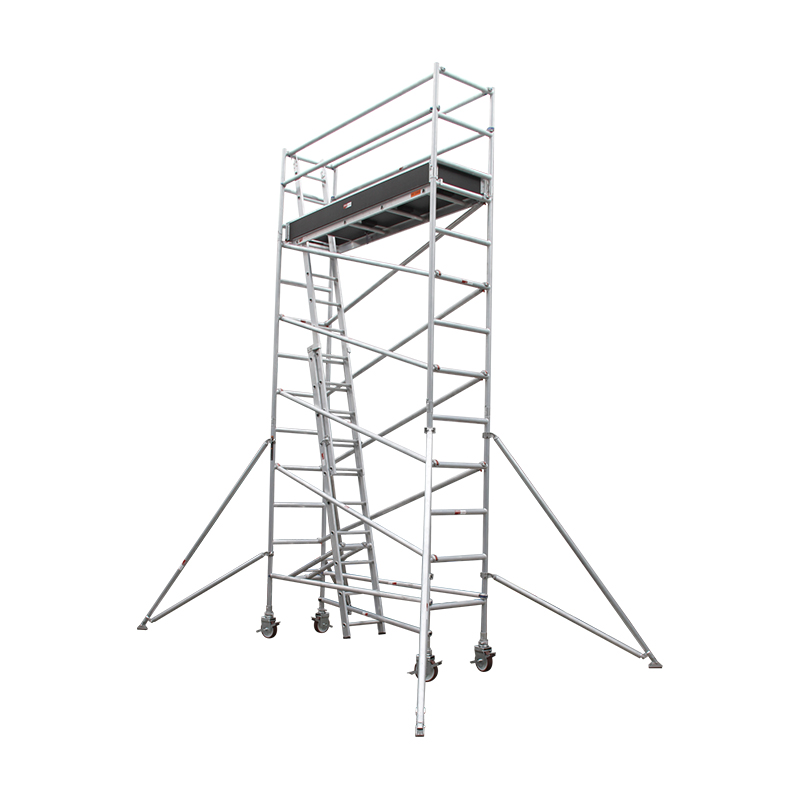
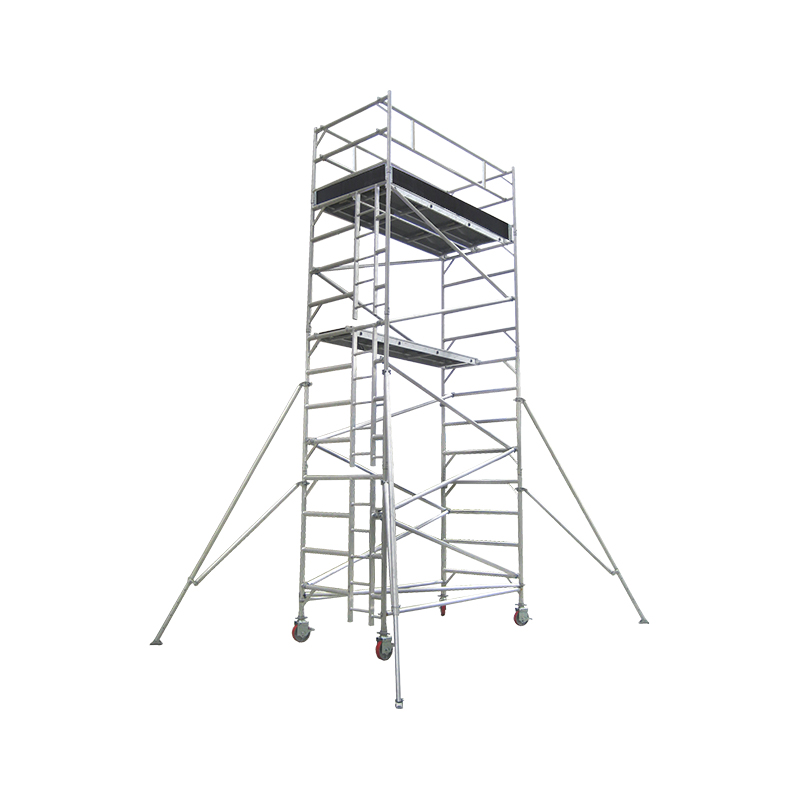
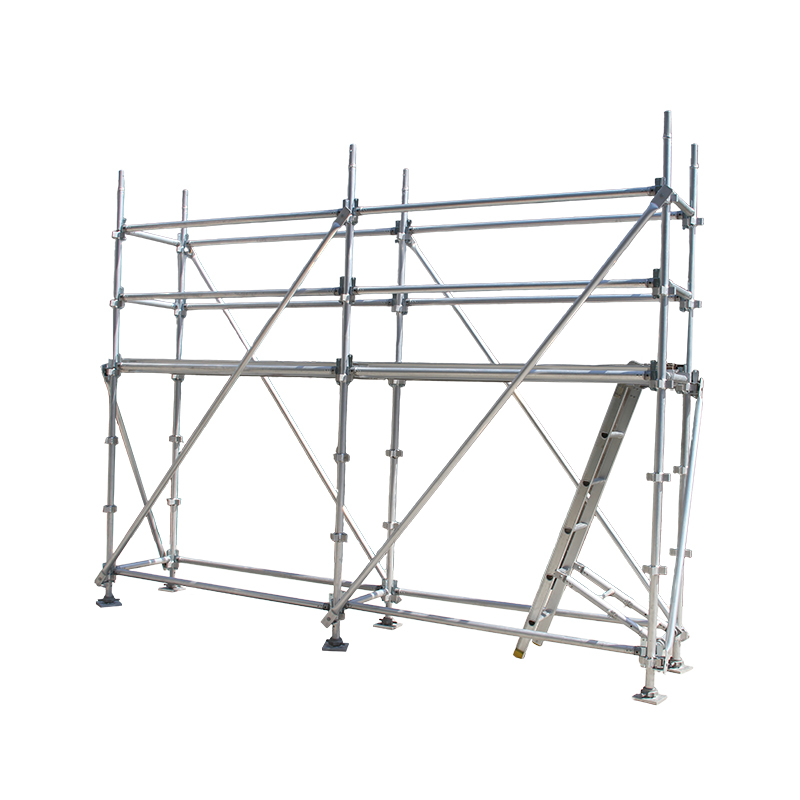
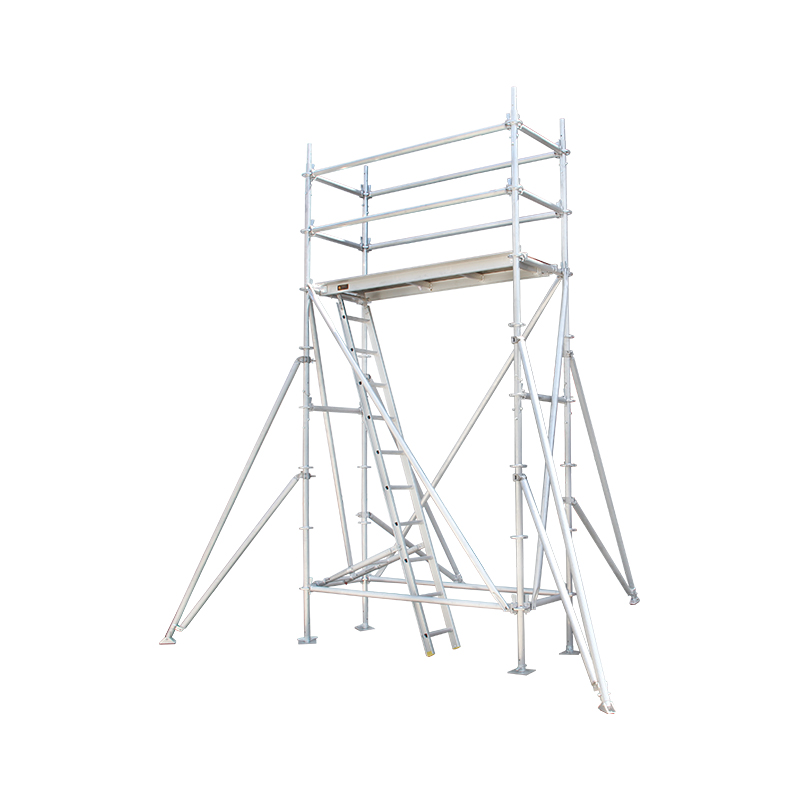
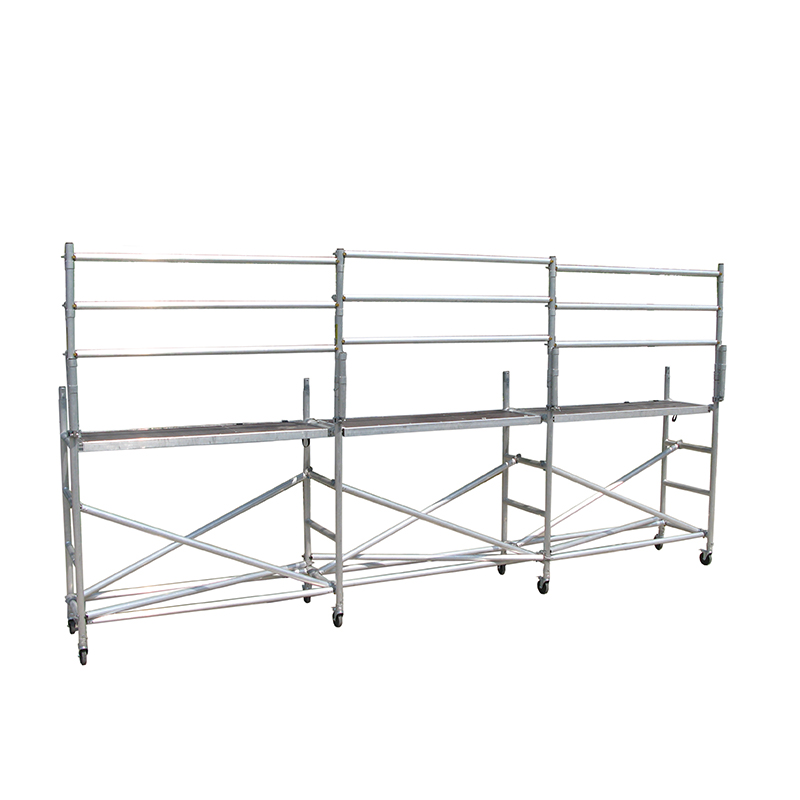
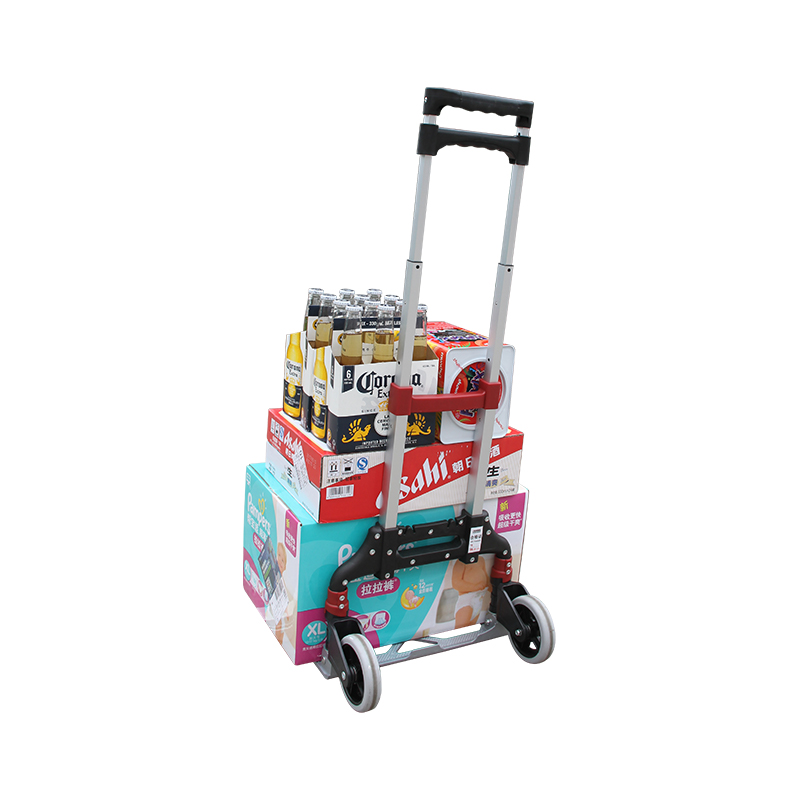
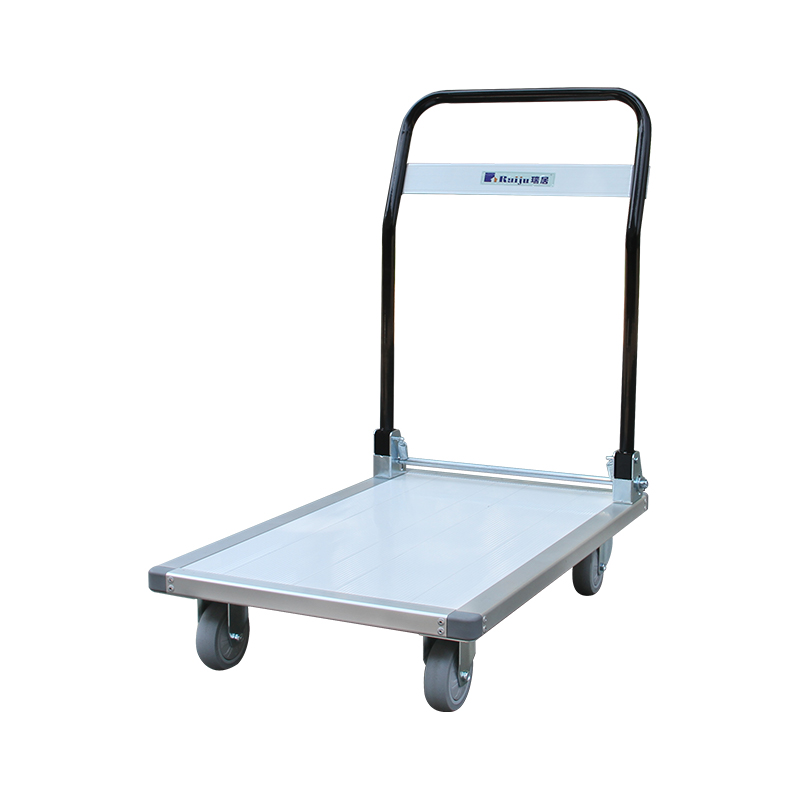
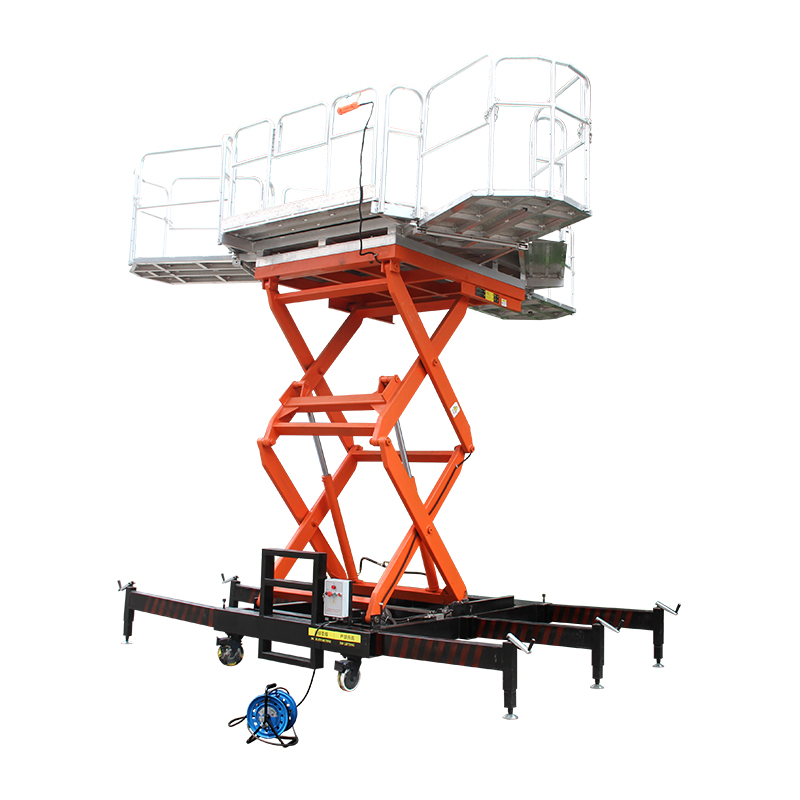
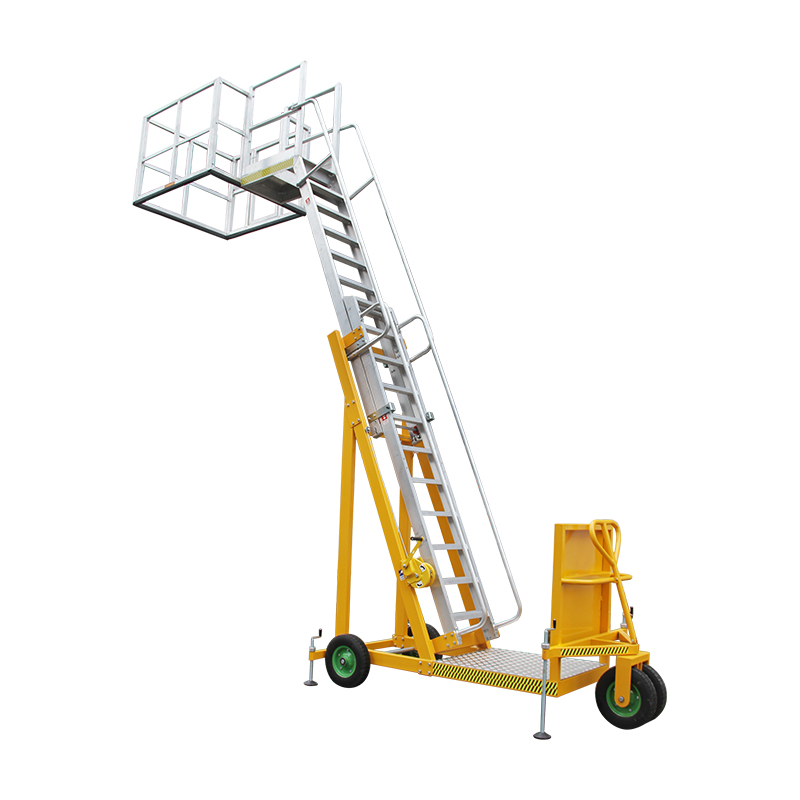
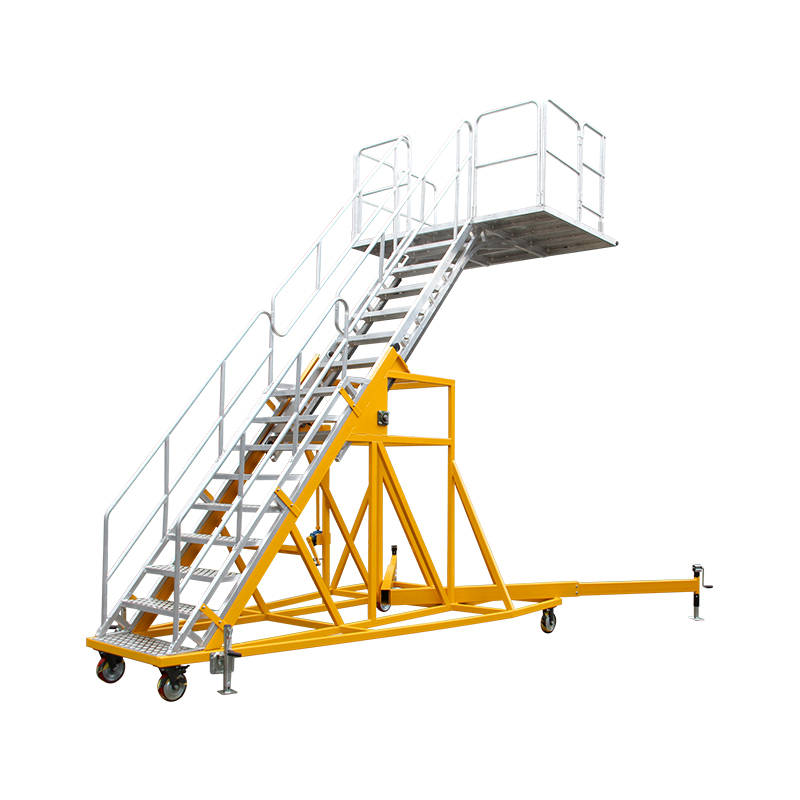
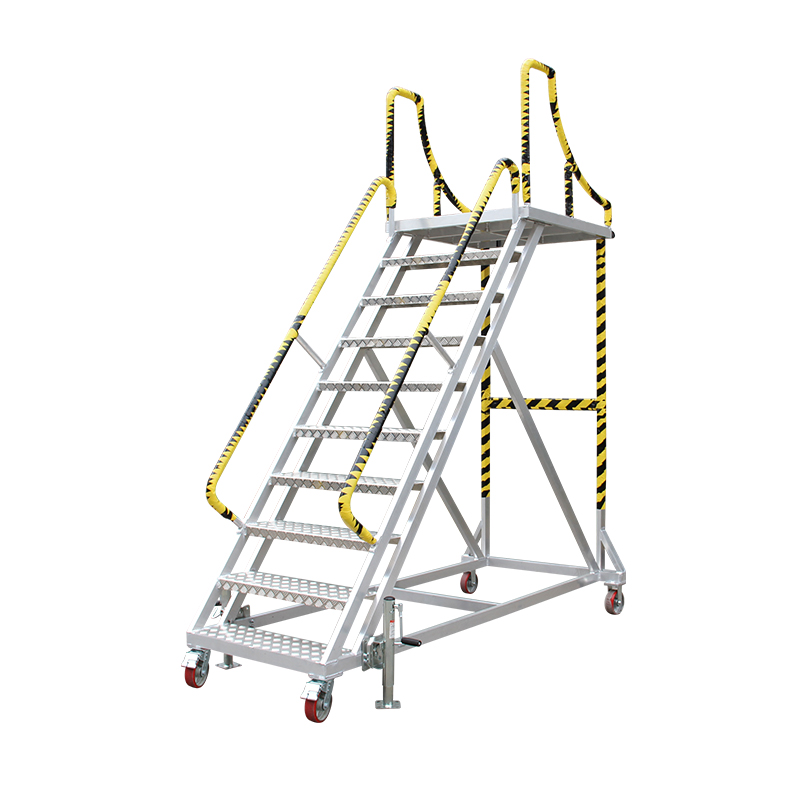
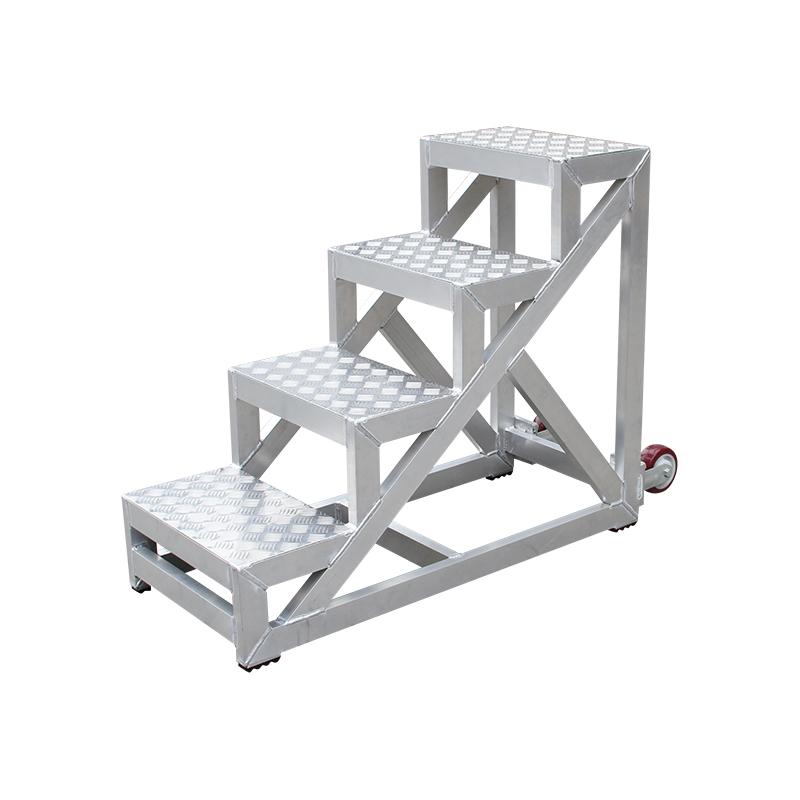
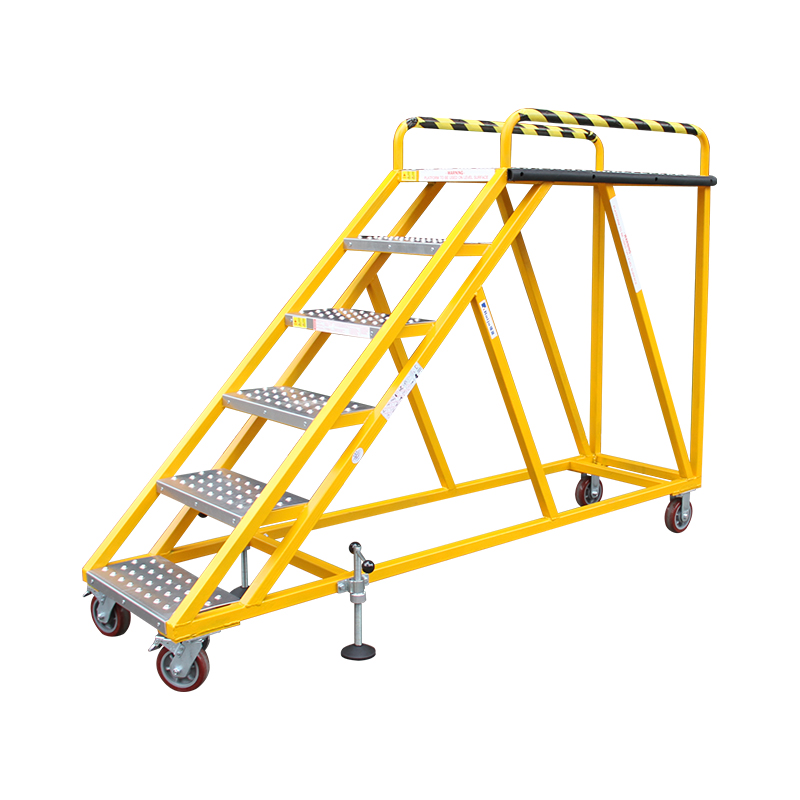
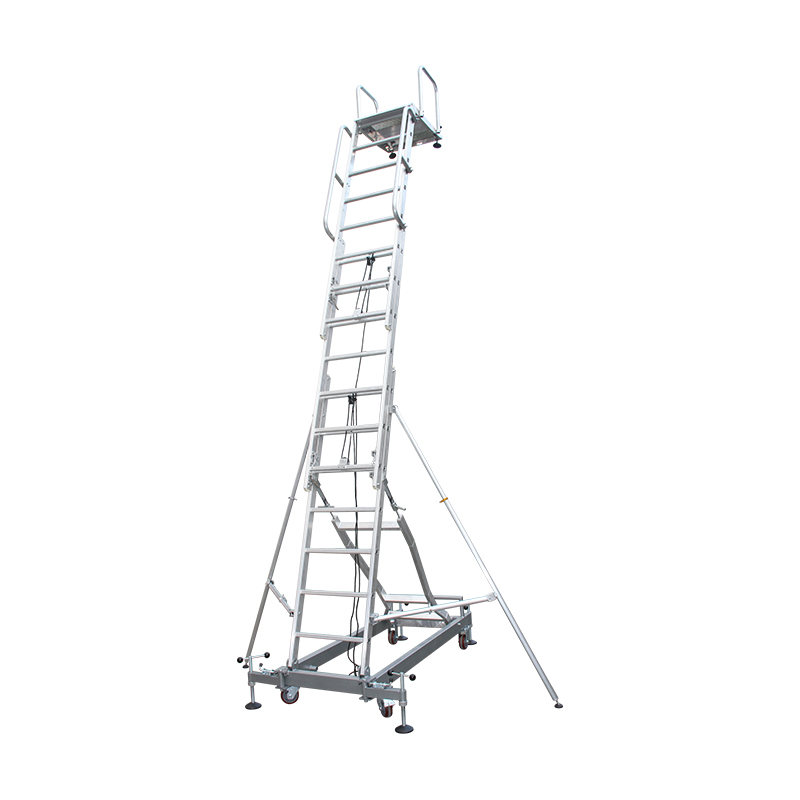
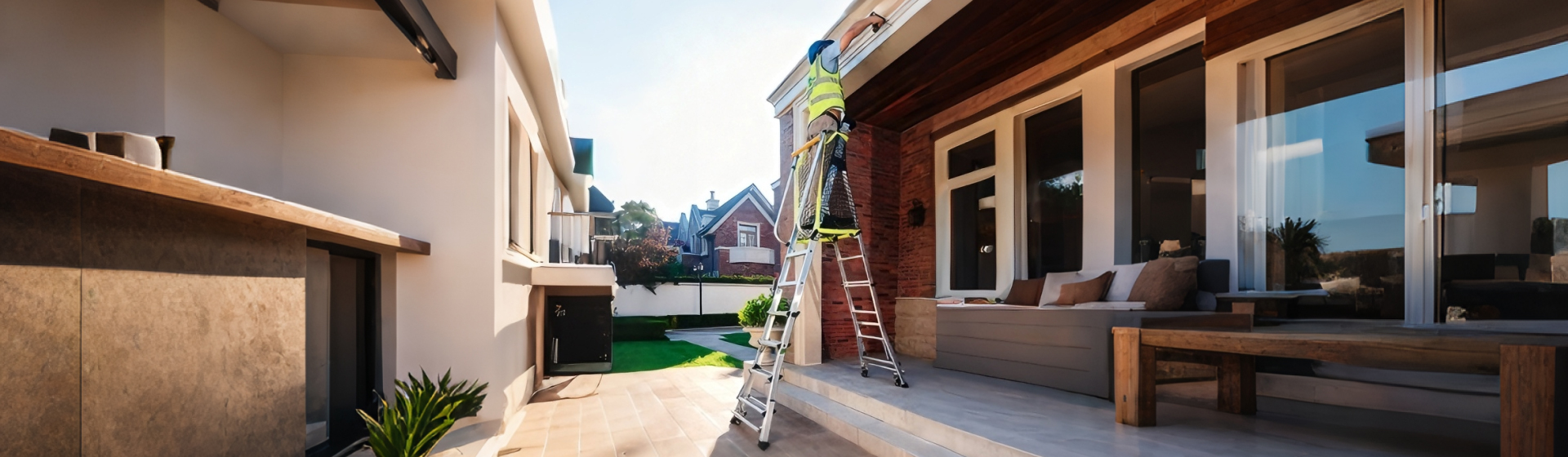











Folding Mechanisms and Structural Stability in a Foldable Work Platform
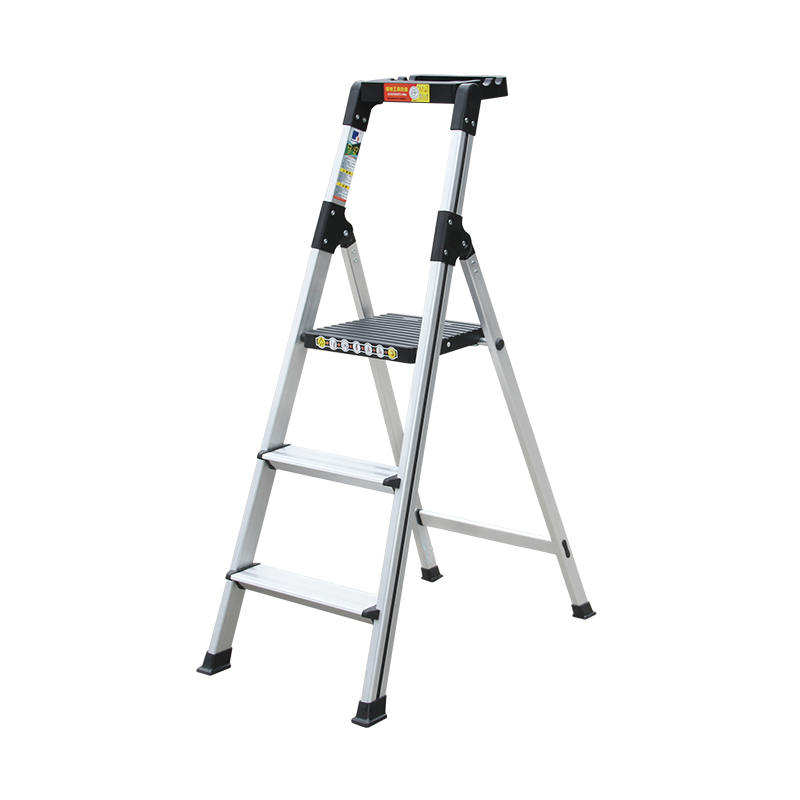
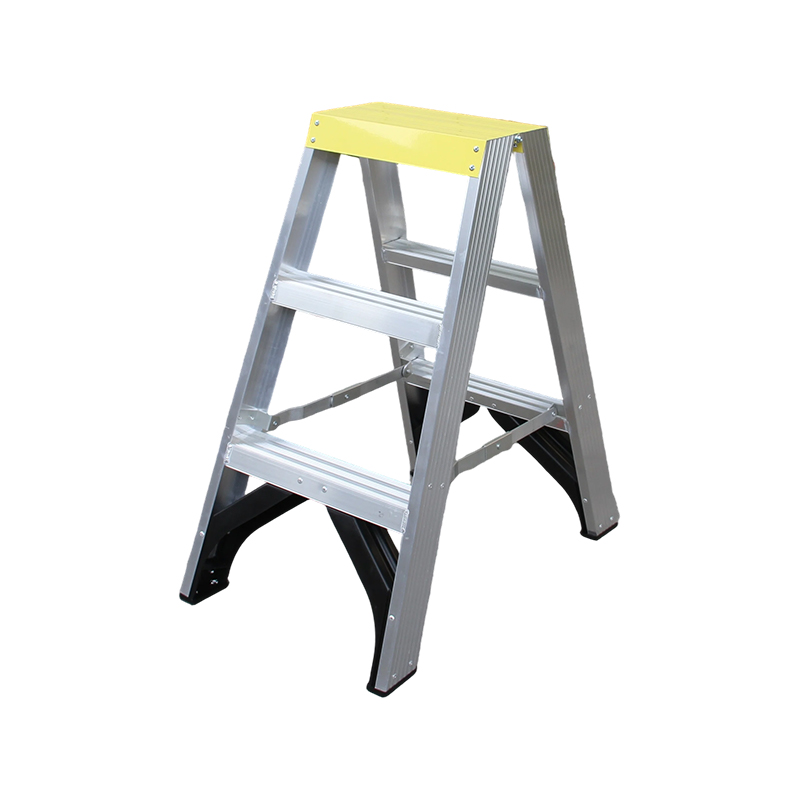
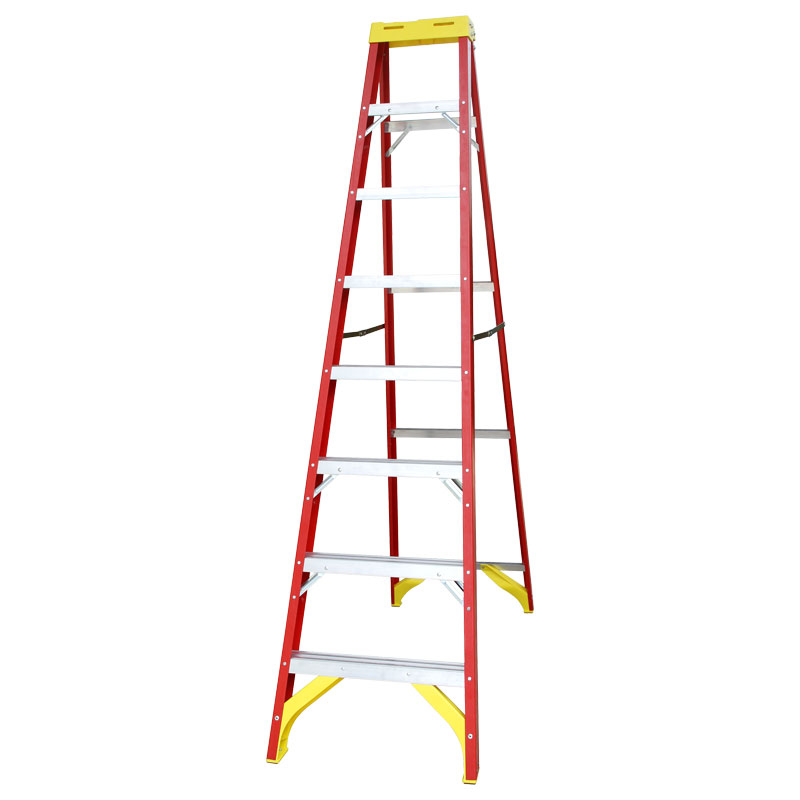
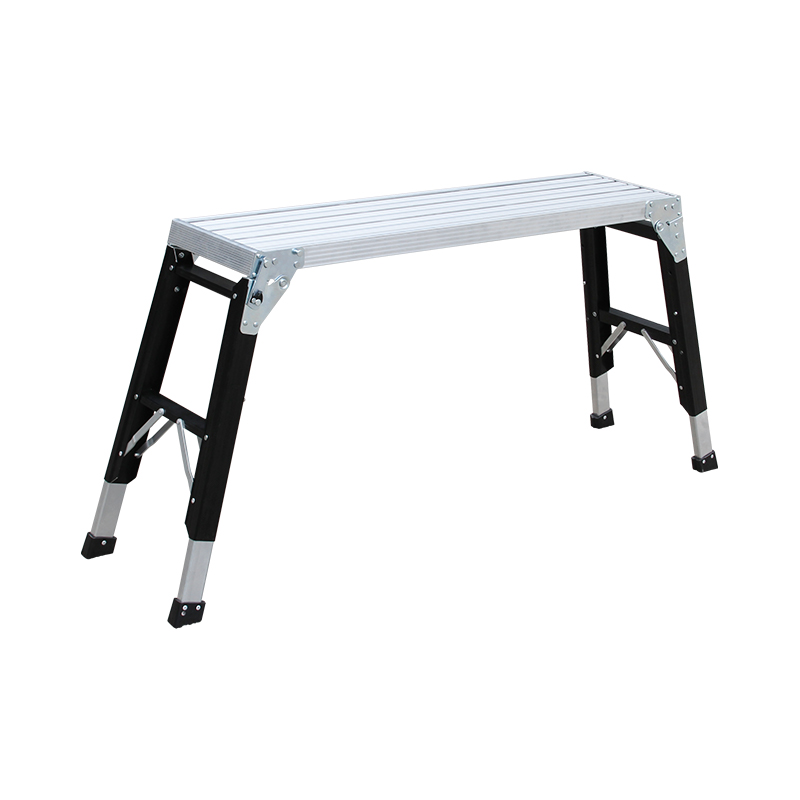
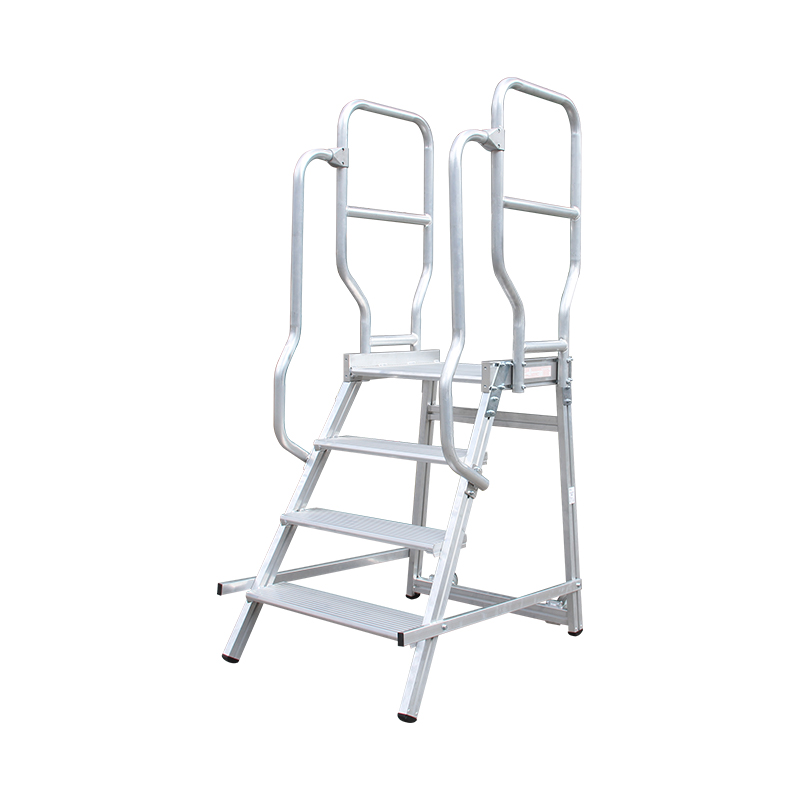
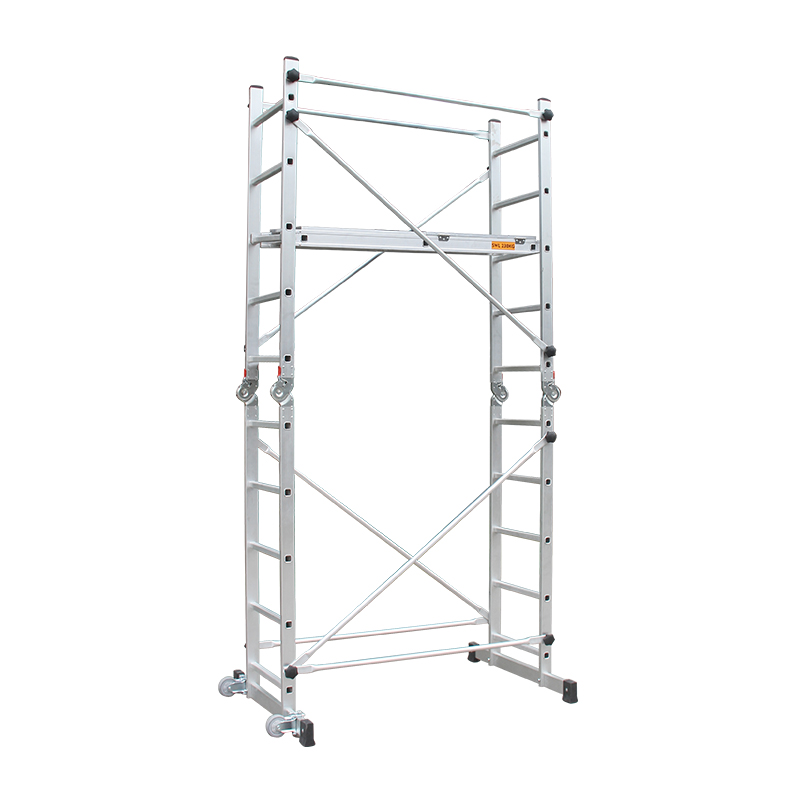
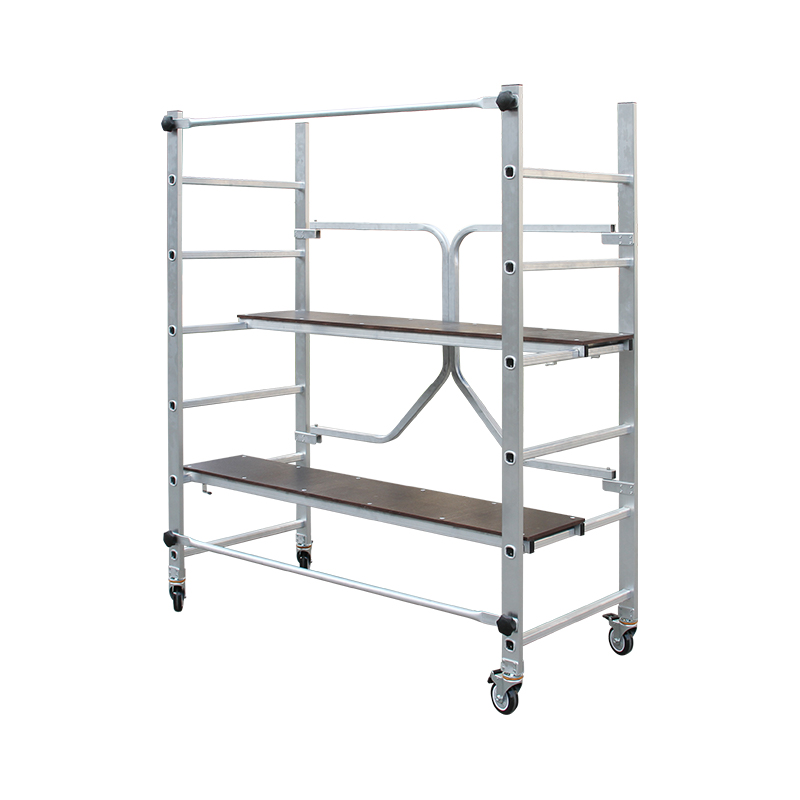
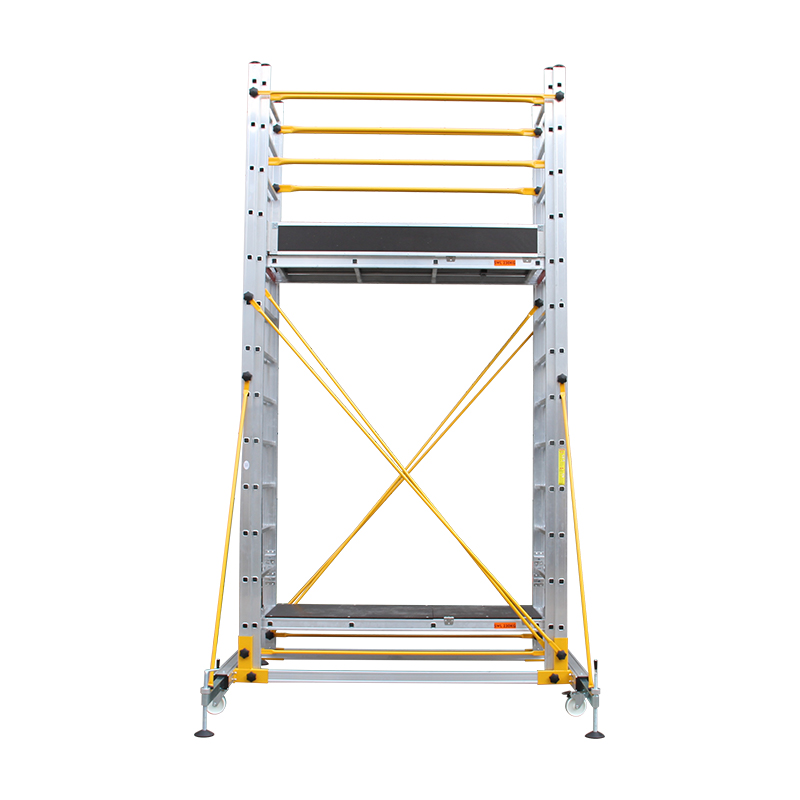
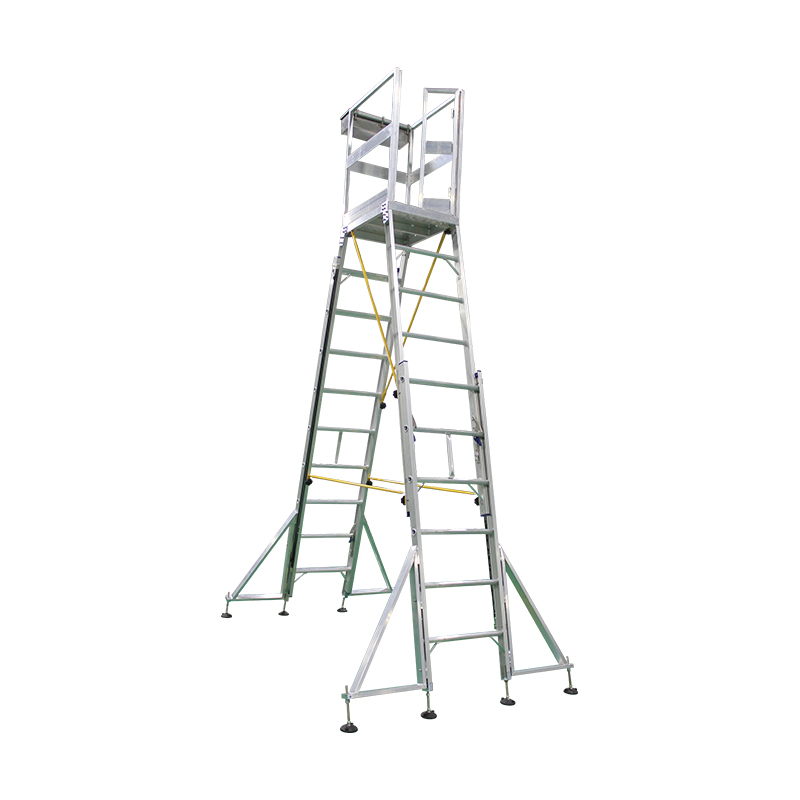
The folding mechanism is one of the most important engineering elements in a Foldable Work Platform. A platform intended for frequent deployment should be designed so that folding and opening can be performed consistently without placing unnecessary stress on structural joints. Hinge locations, locking components, frame geometry and load-transfer paths all need to work together. For industrial procurement, it is useful to evaluate not only the open working configuration but also how the mechanism behaves throughout repeated operating cycles.
Shanghai Ruiju Metal Products Co., Ltd. has specialized in customized climbing and working-at-height solutions since 2001. Operating from a 12,000 m² self-owned production facility, the company integrates R&D, product design, manufacturing and marketing, with products covering ladders, aluminium scaffolding systems, work platforms and related equipment. With more than 30 years of expertise in working-at-height products and technologies, Ruiju develops equipment for both domestic and international markets under the Ruiju brand.
Components That Require Engineering Attention
- Hinge position and load-bearing connection points.
- Locking or securing mechanisms used in the deployed configuration.
- Frame members supporting the working platform.
- Platform surface and its connection to the supporting frame.
- Floor-contact components and their attachment points.
Folded Dimensions Can Influence Warehouse Efficiency
For facilities with limited storage space, the folded dimensions of a Foldable Work Platform can be an important procurement parameter. Overall folded height, width and depth determine how efficiently units can be placed in maintenance rooms, equipment storage areas or transport vehicles. These dimensions should be specified together with the deployed footprint because a compact folded configuration should still provide an appropriate working area when opened.
When multiple units are purchased, storage planning can be based on the actual folded envelope of the equipment rather than its nominal working dimensions. Procurement teams can request folded and unfolded dimensional drawings from the manufacturer to evaluate palletization, rack storage, transportation and access through doors or corridors.
| Dimension | Folded Configuration | Working Configuration |
|---|---|---|
| Height | Storage and transportation clearance | Required working level |
| Width | Door and vehicle access | Working area and lateral stability |
| Depth | Storage footprint | Base footprint and access space |
| Platform area | Compactness after folding | Usable standing and working space |
Platform Surface Design for Maintenance Operations
The working surface of a Foldable Work Platform should correspond with the environment and tasks for which the equipment is intended. Surface dimensions influence how operators position themselves and where tools can be placed during maintenance work. Surface texture can also be relevant in locations where dust, moisture or other contaminants may be present.
For professional applications, the platform should be specified according to the expected working load and the type of activities performed on it. If personnel routinely carry tools or small components onto the platform, those loads should be considered in the overall operating requirements. This information gives manufacturers a more accurate basis for structural design and testing.
Useful Platform Specification Details
- Platform length and width.
- Required working load and intended use.
- Surface material and texture requirements.
- Drainage or cleaning requirements where applicable.
- Connection method between the platform and supporting frame.
Aluminium Frame Selection for Portable Folding Equipment
Aluminium is frequently used in portable work-at-height equipment because its relatively low density can help reduce handling effort. In a Foldable Work Platform, however, material selection should consider the complete structural assembly rather than the frame alone. Rails, braces, hinges, fasteners, platform components and floor-contact parts must be compatible with the intended operating conditions.
The choice of material and component configuration should also account for the expected frequency of folding. Equipment used occasionally for maintenance may experience a different mechanical duty cycle from platforms that are opened and stored repeatedly throughout every working shift. Communicating the expected operating frequency helps manufacturers evaluate the appropriate component arrangement.
Operating Conditions to Communicate
- Expected number of deployment and folding cycles.
- Indoor, outdoor or semi-outdoor use.
- Exposure to moisture, dust or industrial contaminants.
- Frequency of transportation between work areas.
- Storage temperature and environmental conditions.
Foldable Platform Design for Repeated Deployment
Repeated folding places particular importance on the interaction between moving components. A Foldable Work Platform used as part of a maintenance fleet should have a deployment process that is consistent and easy to verify. Locking components should engage correctly in the intended working configuration, while hinges and frame joints should remain properly aligned during normal operation.
For high-use facilities, maintenance teams can track the condition of moving components as part of routine inspection. Recording unusual resistance during folding, looseness at joints or changes in frame alignment can help identify maintenance requirements before the equipment is returned to intensive service.
Fleet Management Records
- Equipment identification and model information.
- Deployment and folding frequency where tracking is required.
- Condition of hinges and locking components.
- Condition of platform, frame and floor-contact components.
- Inspection findings, maintenance activities and replacement history.
Inspection of Folding Joints and Locking Components
Inspection of a Foldable Work Platform should include the components responsible for changing between folded and working configurations. Hinges, pins, locking devices, braces and frame connections should be checked for visible deformation, excessive wear, looseness or other abnormal conditions. The platform surface and floor-contact components should also be examined because they form part of the working assembly.
Where a unit has suffered impact, unusual loading or visible structural damage, it should be evaluated according to the manufacturer's inspection and maintenance requirements before being returned to service. Replacement components should correspond to the specified equipment model and configuration rather than being substituted solely because they appear dimensionally similar.
Ruiju's Manufacturing Background for Folding Work Platforms
Shanghai Ruiju Metal Products Co., Ltd. operates an ISO 9001-certified manufacturing system and is BSCI audited. Its standard products comply with China's national standard GB12142, while export products meet the applicable Australian, European and American industry standards. Products are rigorously tested and certified by SGS and TÜV, supporting independent third-party verification for relevant product requirements.
Under the Ruiju brand, the company operates a 12,000 m² self-owned production facility with an integrated industrial system covering R&D, product design, manufacturing and marketing. Backed by more than 30 years of expertise in working-at-height products and technologies, Ruiju maintains a portfolio of technical patents and continues to develop ladders, aluminium scaffolding systems, work platforms and related equipment for professional applications.
For customers specifying a Foldable Work Platform, useful technical information includes deployed and folded dimensions, platform height, platform size, working load, folding frequency, locking arrangement, floor conditions, storage limitations and destination-market requirements. Shanghai Ruiju Metal Products Co., Ltd. can incorporate these parameters into product design and manufacturing, helping create folding work platforms suited to maintenance facilities, warehouses, production environments and other professional workplaces.