en
en 简体中文
简体中文 Español
 Deutsch
 عربى
عربى
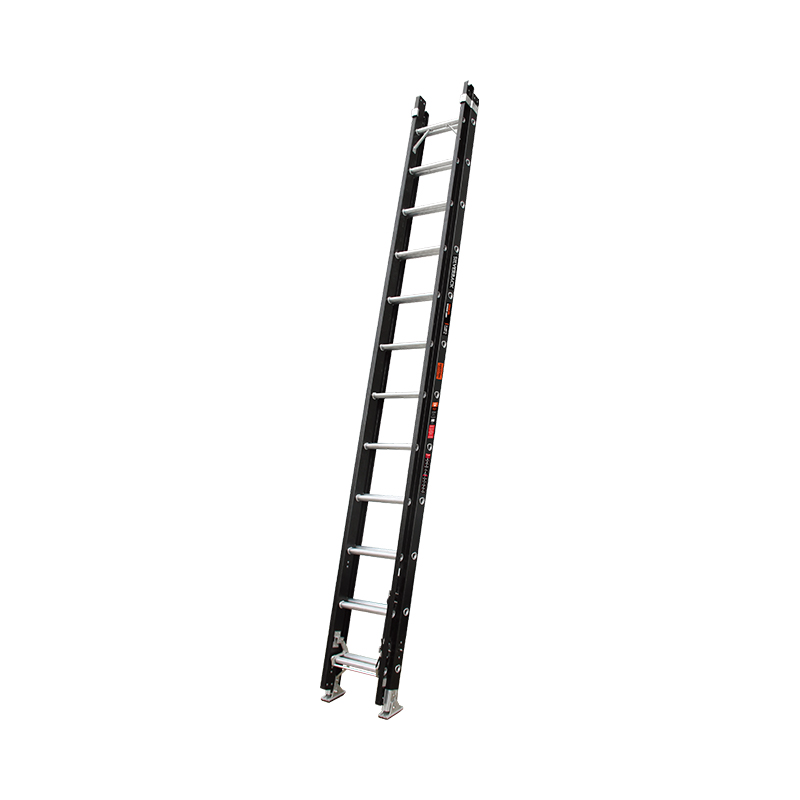
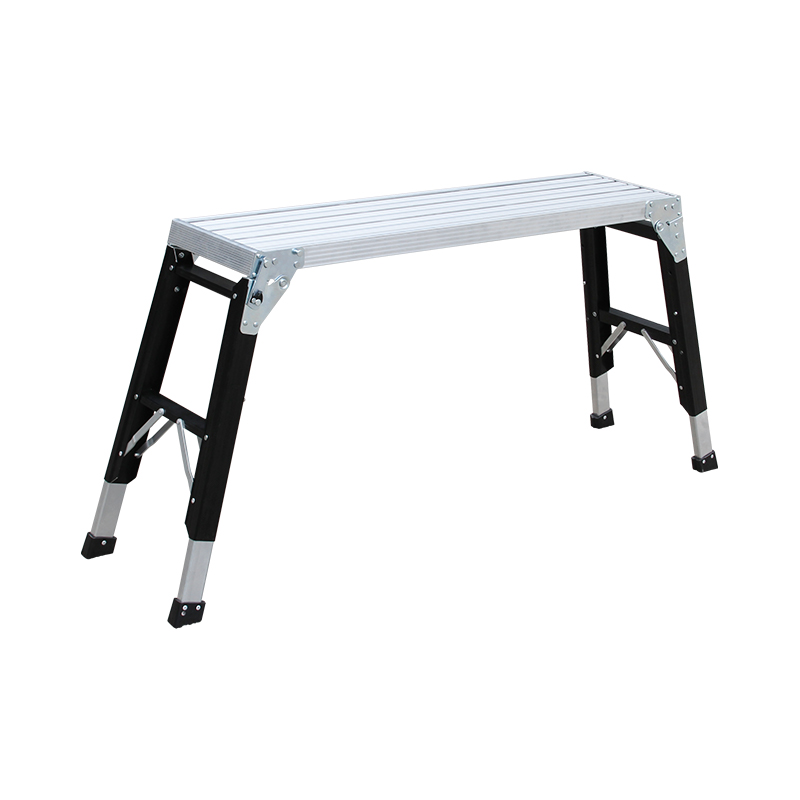
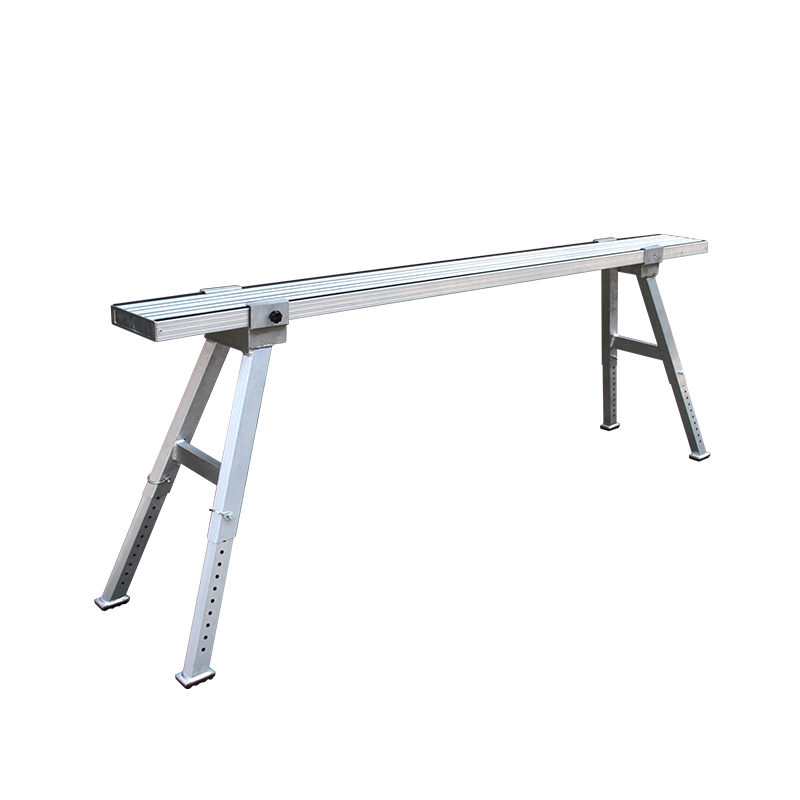
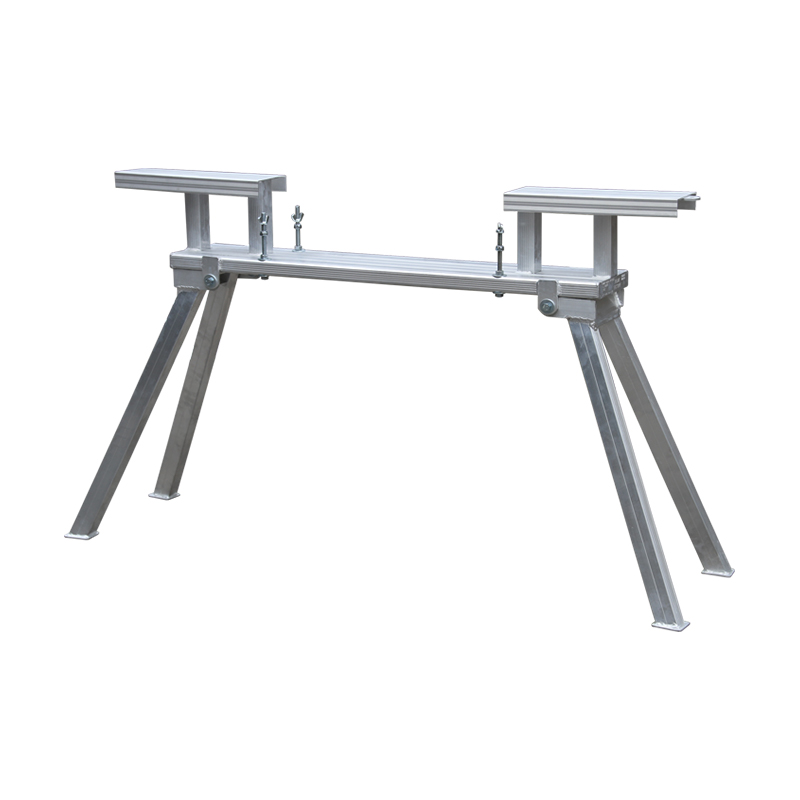
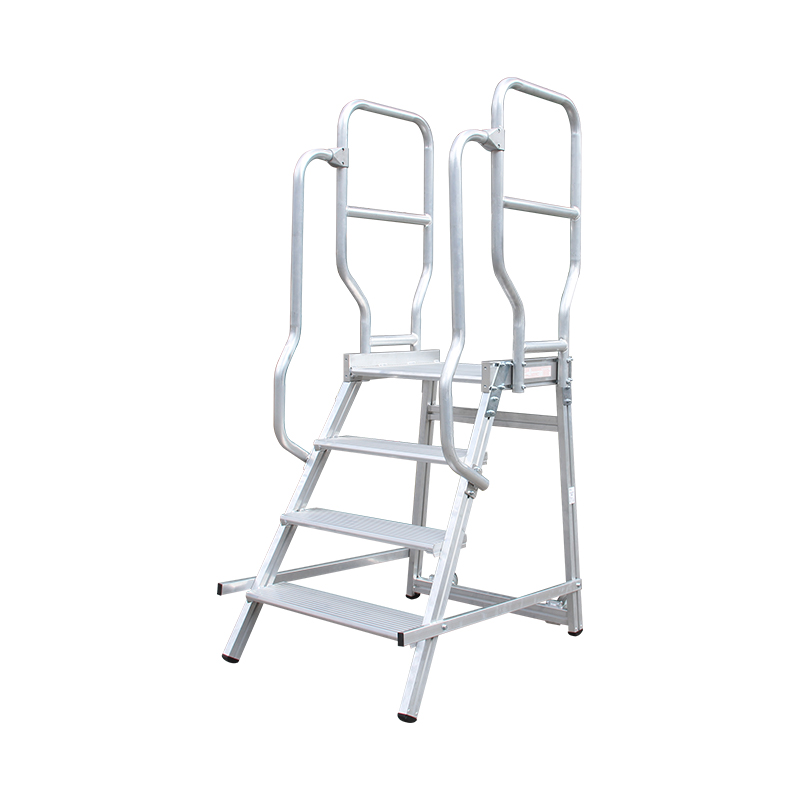
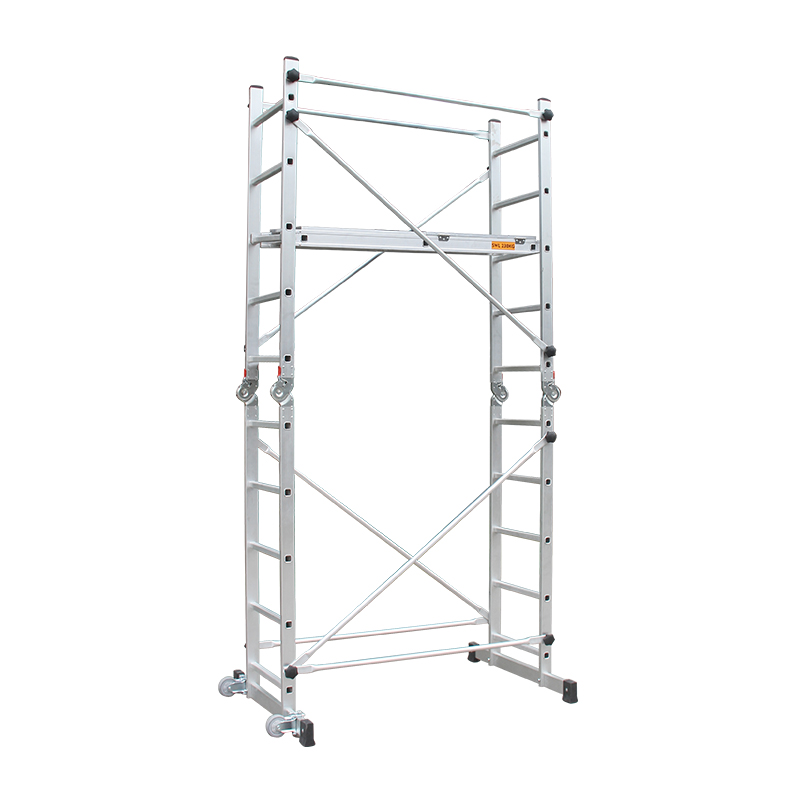
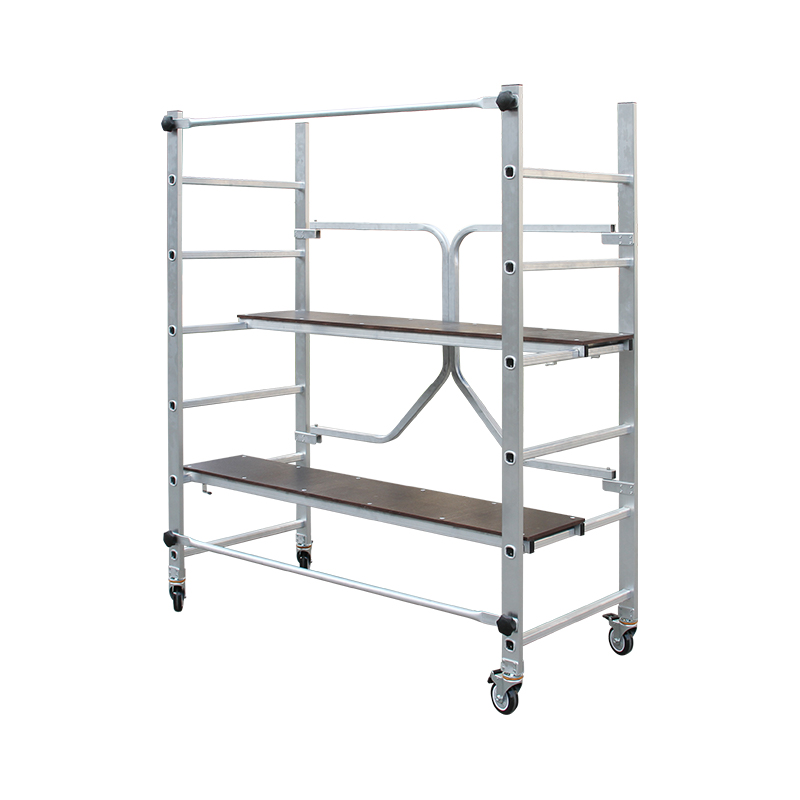
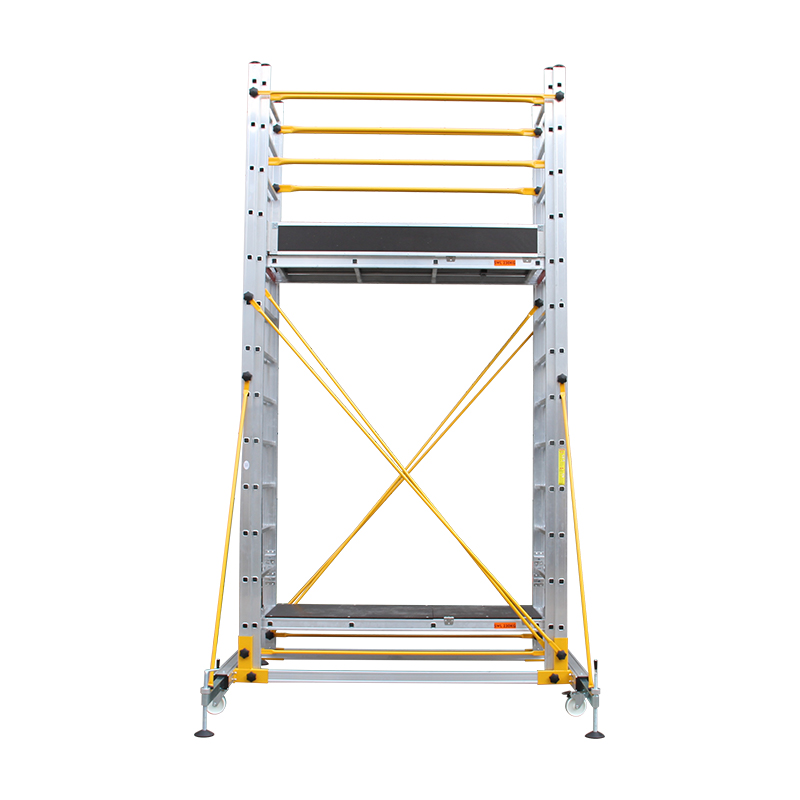
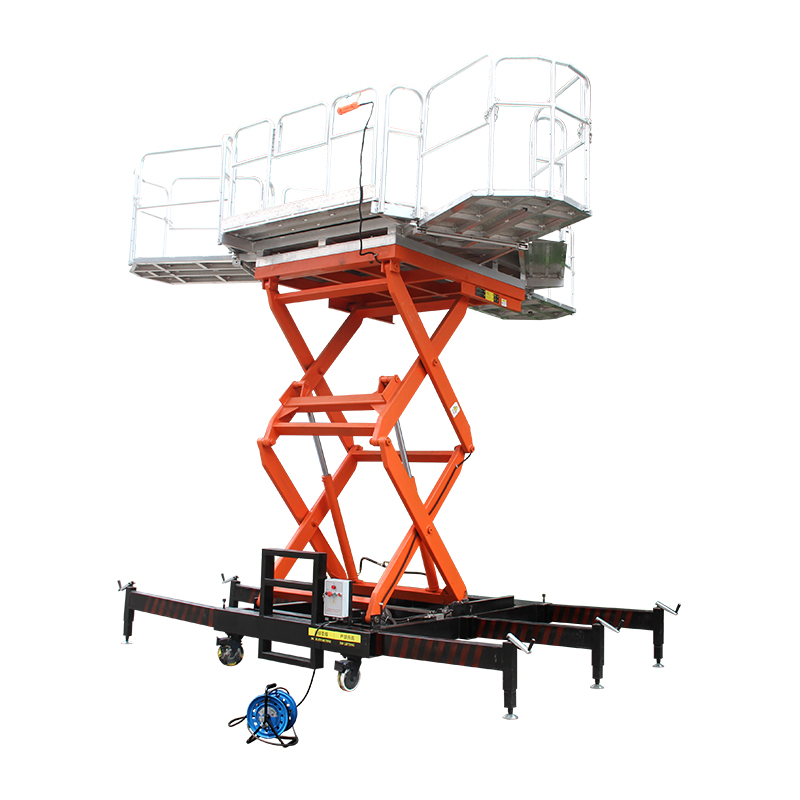
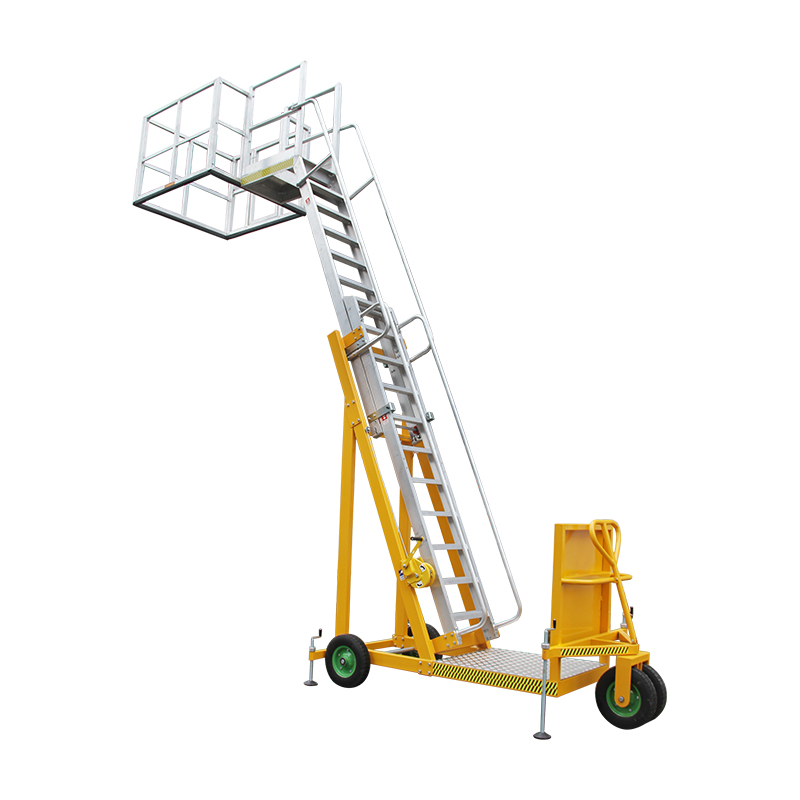
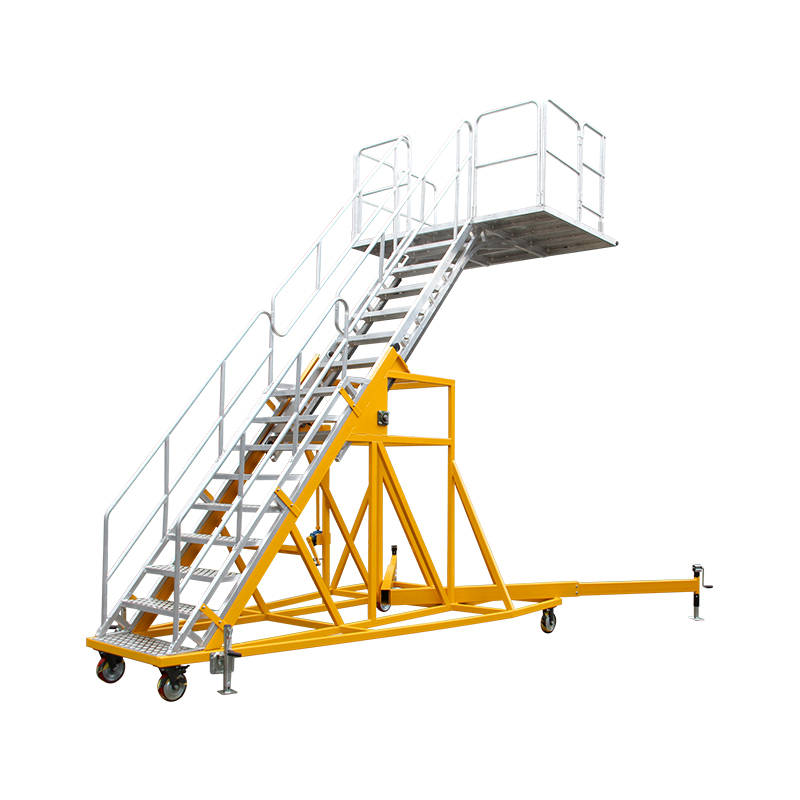
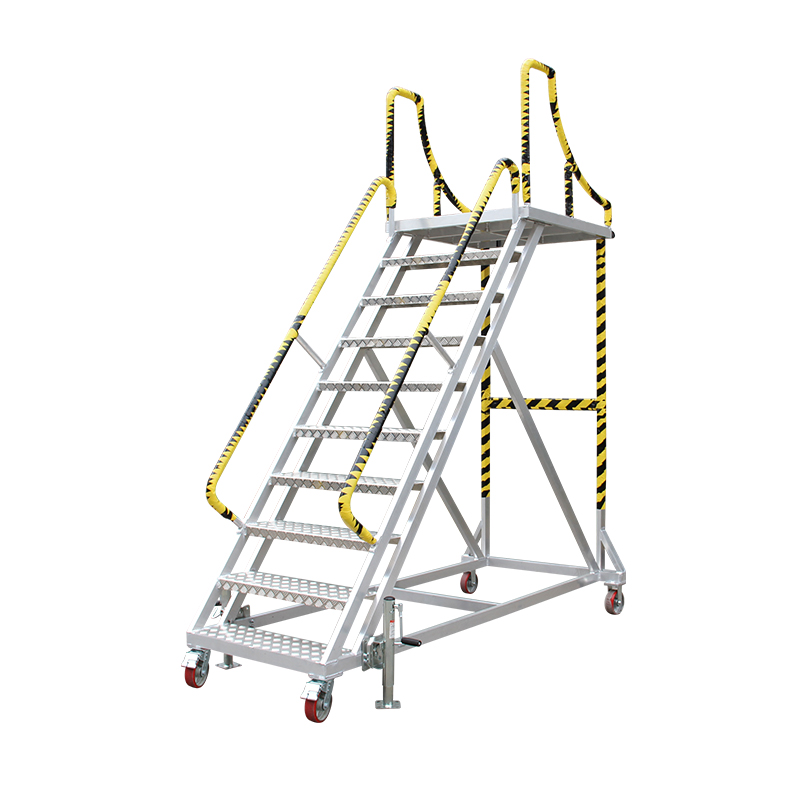












How Configuration Selection Affects Multi-Position Ladder Performance
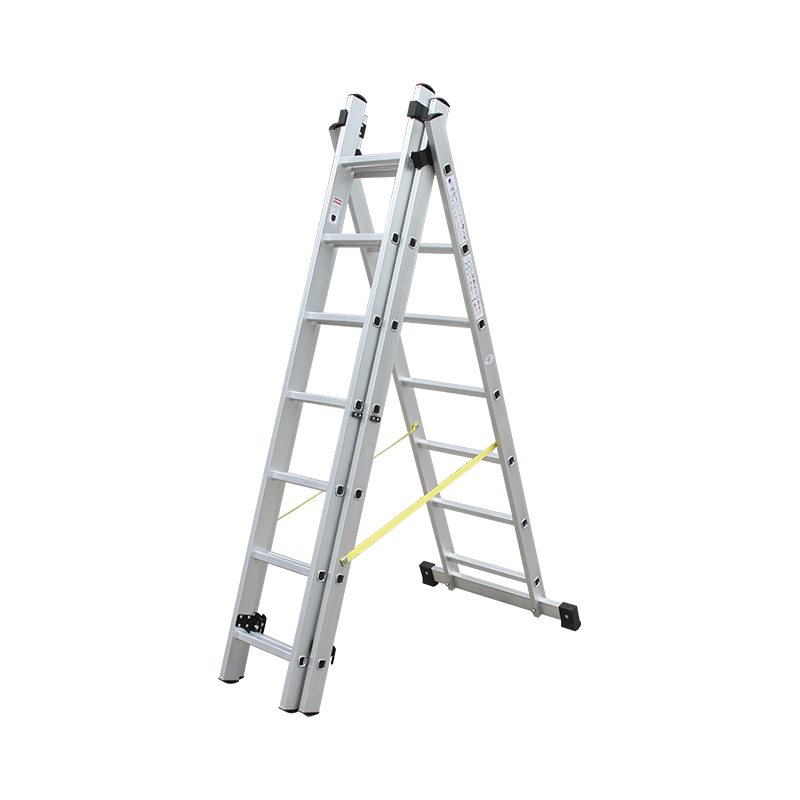
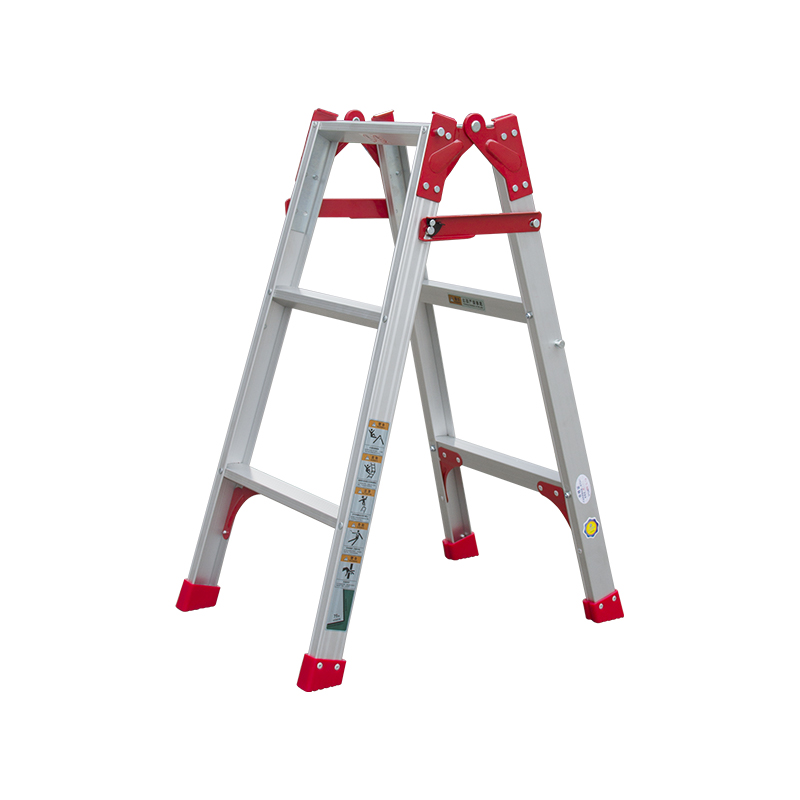
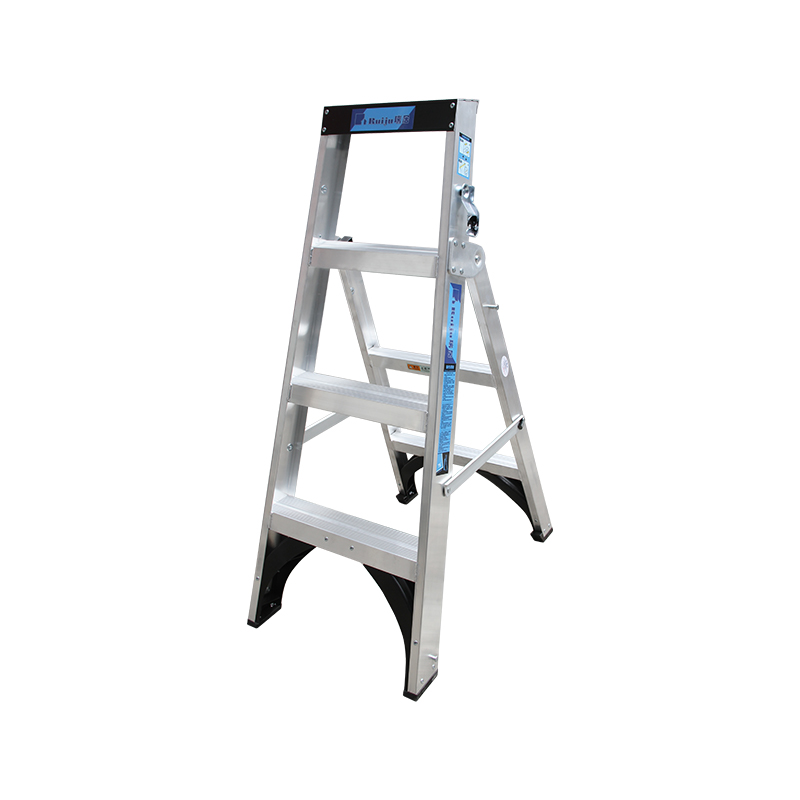
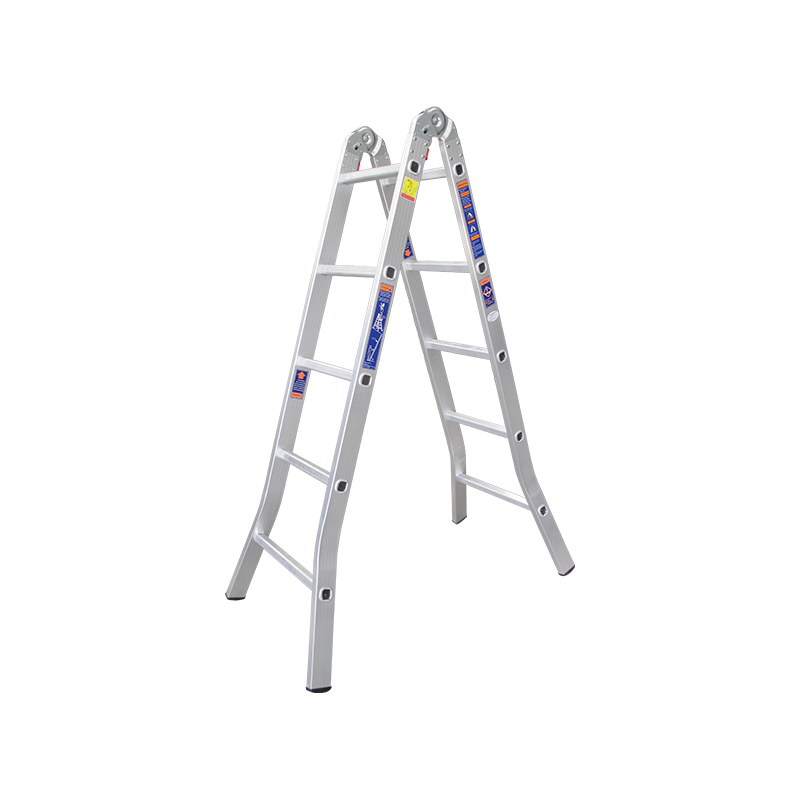
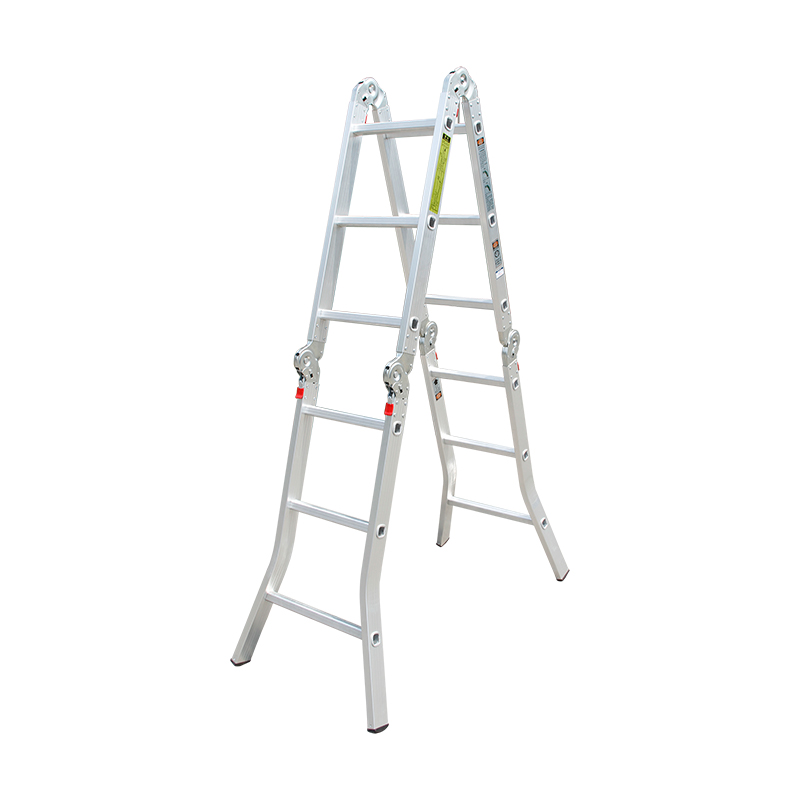
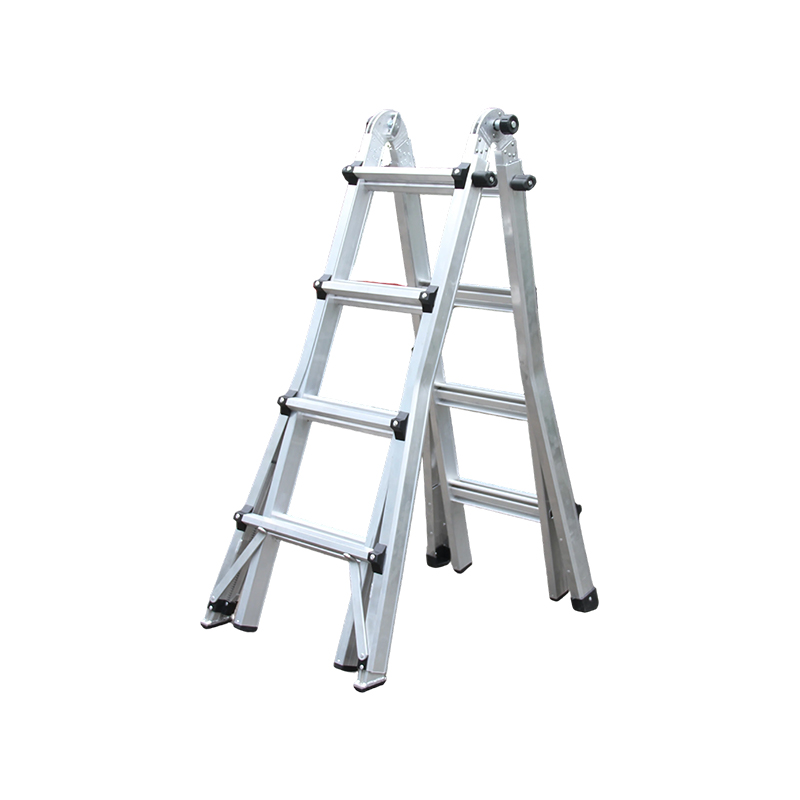
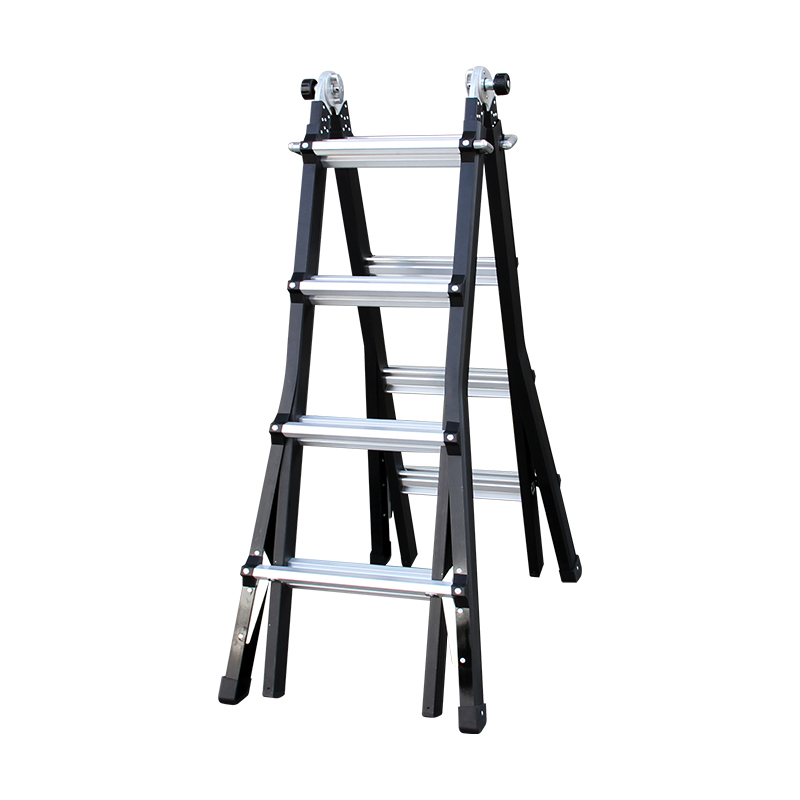
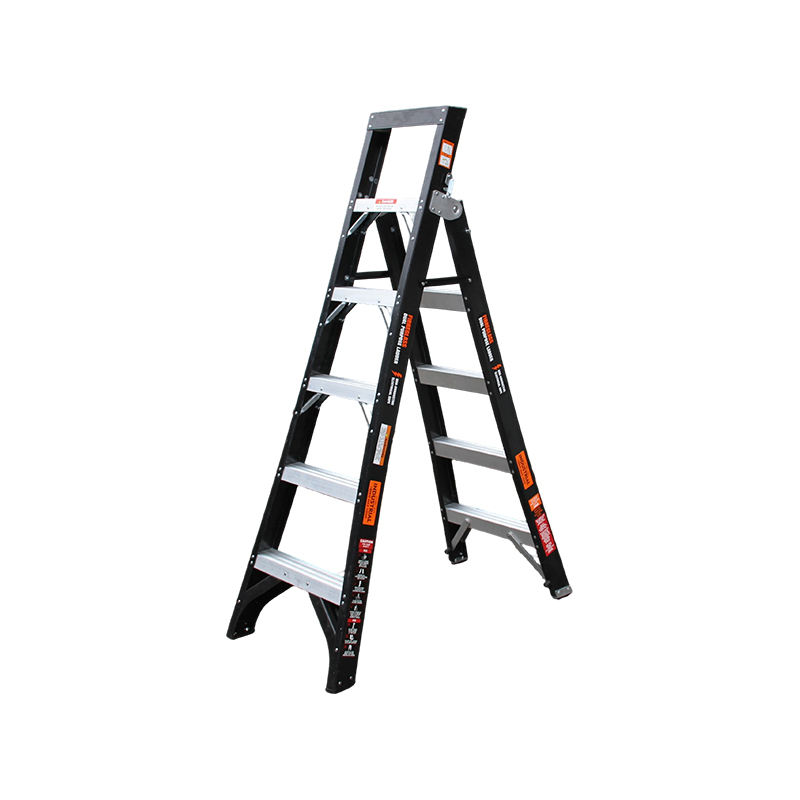
For Multipurpose Ladders, the engineering challenge is not simply adding multiple operating configurations to one frame. Each position changes the load path, centre of gravity, support footprint and forces acting on hinges or locking mechanisms. A configuration that works well in one environment may not be appropriate for another if the available clearance, floor condition or working height changes. Industrial users should therefore evaluate every intended configuration independently rather than assuming that one general specification covers all operating conditions.
Shanghai Ruiju Metal Products Co., Ltd. has specialized in customized climbing and working-at-height solutions since 2001. The company operates a 12,000 m² self-owned production facility and has established an integrated industrial system covering R&D, product design, manufacturing and marketing. With more than 30 years of expertise in working-at-height products and technologies, Ruiju develops ladders, aluminium scaffolding systems, work platforms and related equipment for domestic and international markets.
Configuration Factors to Verify
- Working height and available overhead clearance for each configuration.
- Base width and support footprint after changing the ladder position.
- Locking mechanism engagement and structural support at every intended position.
- Maximum permitted working load for each configuration rather than only one nominal load value.
- Storage dimensions and transportation requirements between work areas.
Why Hinge and Lock Design Is Critical in Multi-Position Ladders
In Multi-Position Ladders, hinges and locking assemblies are repeatedly subjected to movement and loading. These components must maintain the intended geometry after the ladder is adjusted, while also preventing unintended movement during use. Engineering attention should be given to contact surfaces, locking engagement, fastener installation, material selection and resistance to repeated operating cycles. A robust design is based on the complete load path rather than treating the hinge as an isolated component.
For facilities using adjustable ladders frequently, the operating mechanism can also influence productivity. A configuration system that is easy to inspect and understand helps maintenance personnel identify whether all required locking points are properly engaged before use. For fleet applications, clear operating instructions and standardized adjustment procedures are particularly useful when several ladder models are deployed across different work areas.
| Component | Engineering Role | Inspection Focus |
|---|---|---|
| Hinge assembly | Allows controlled configuration changes | Wear, deformation and secure attachment |
| Locking mechanism | Maintains the selected configuration | Complete engagement and damage |
| Support brace | Contributes to frame rigidity | Alignment and connection condition |
| Feet | Transfers loads to the floor | Wear, displacement and attachment |
Matching Ladder Configuration to the Work Environment
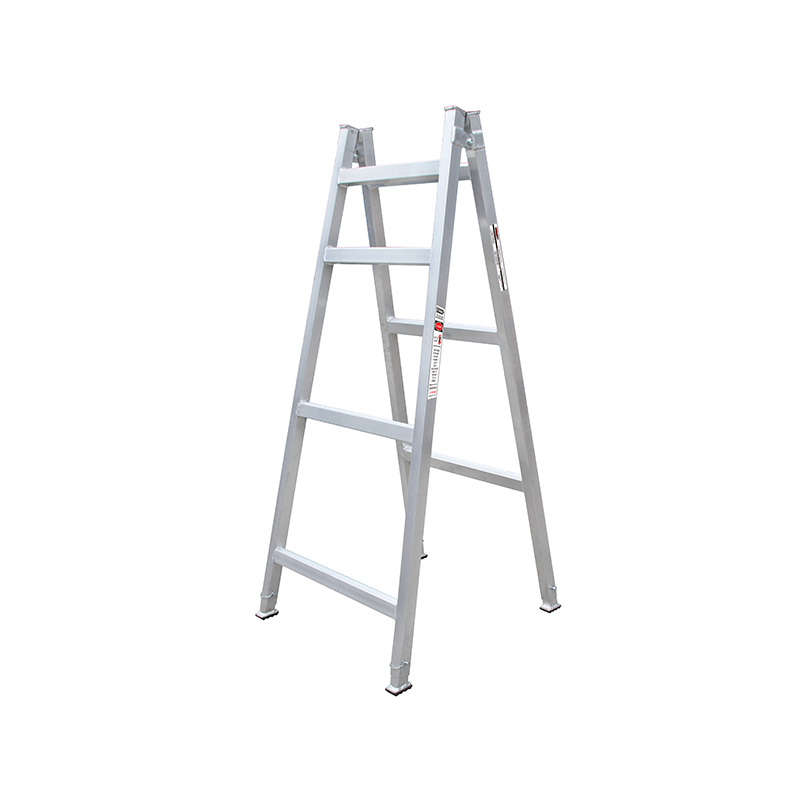
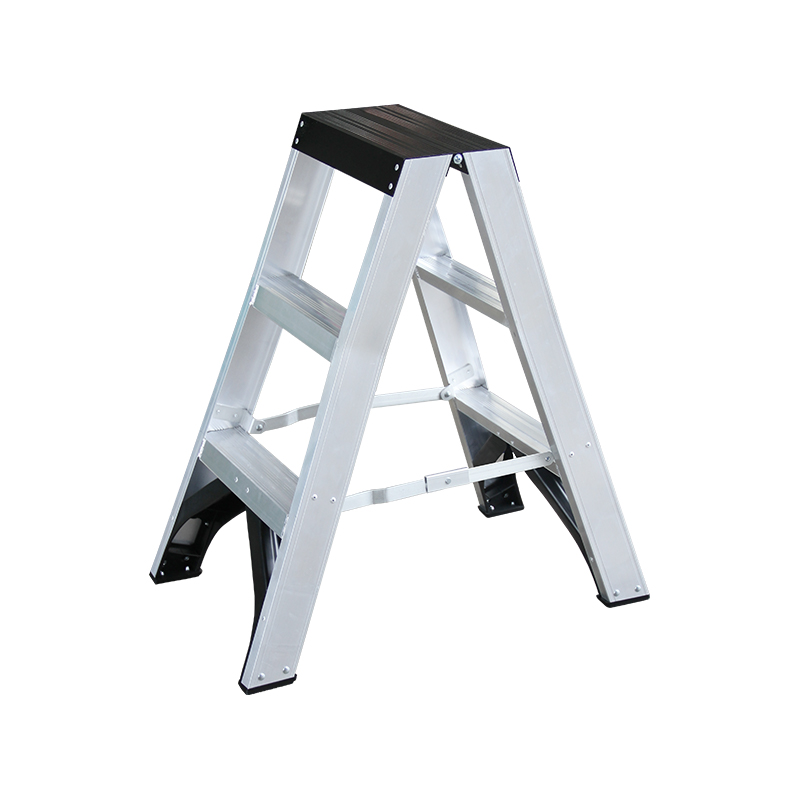
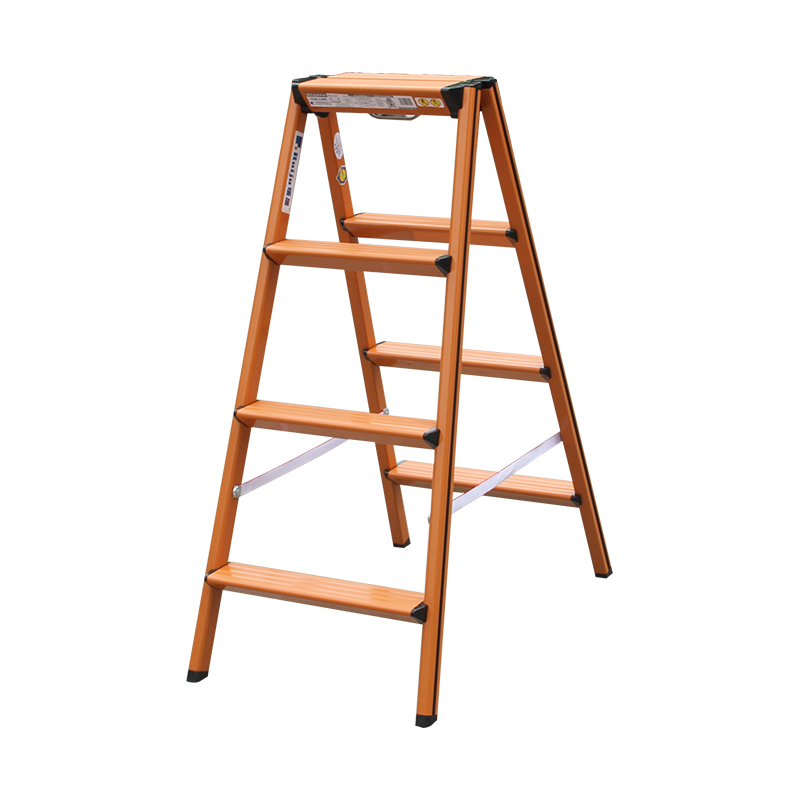
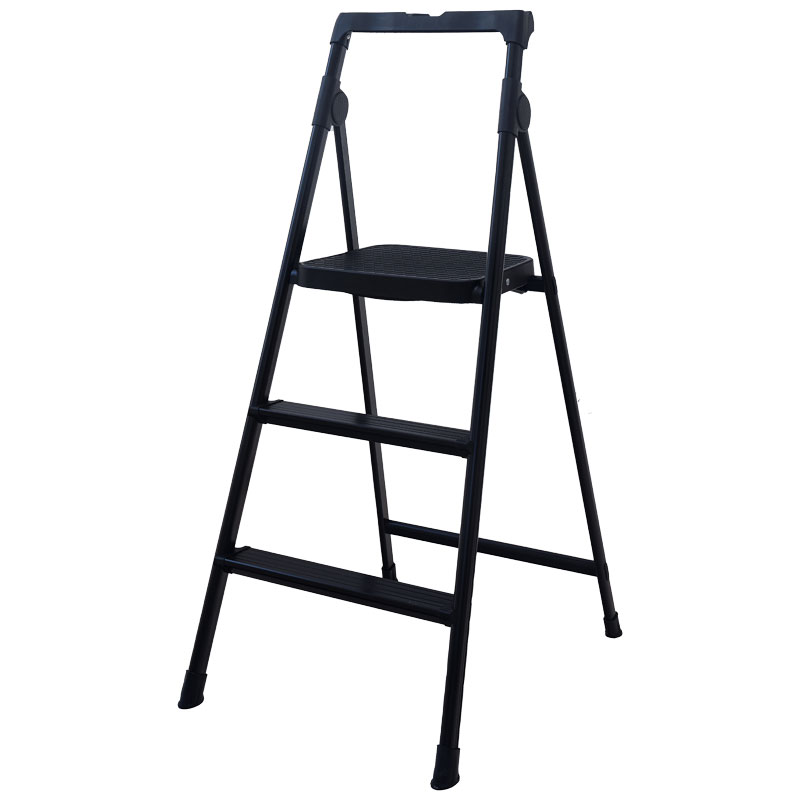
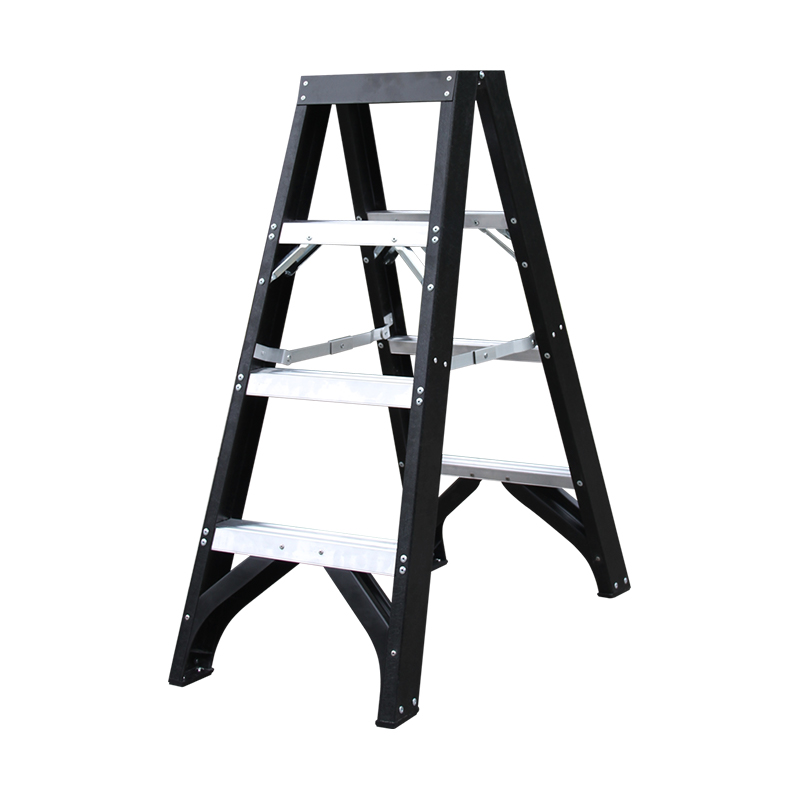
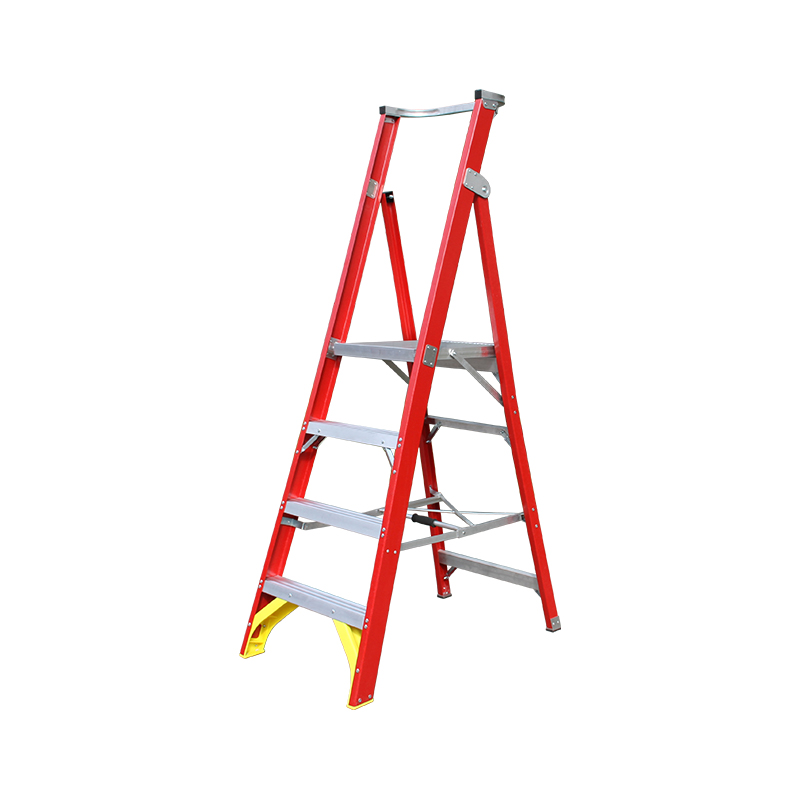
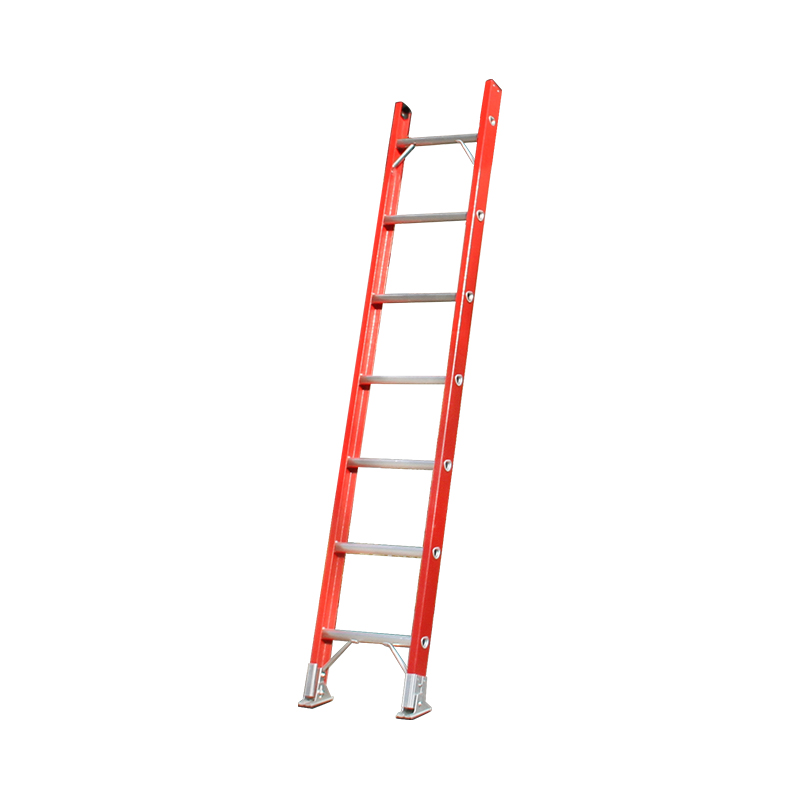
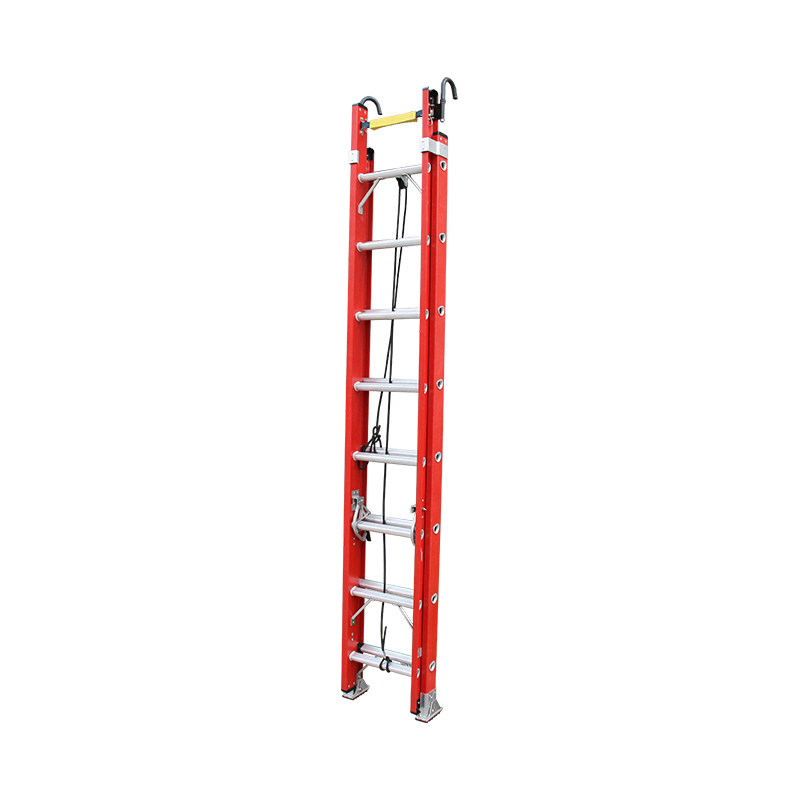
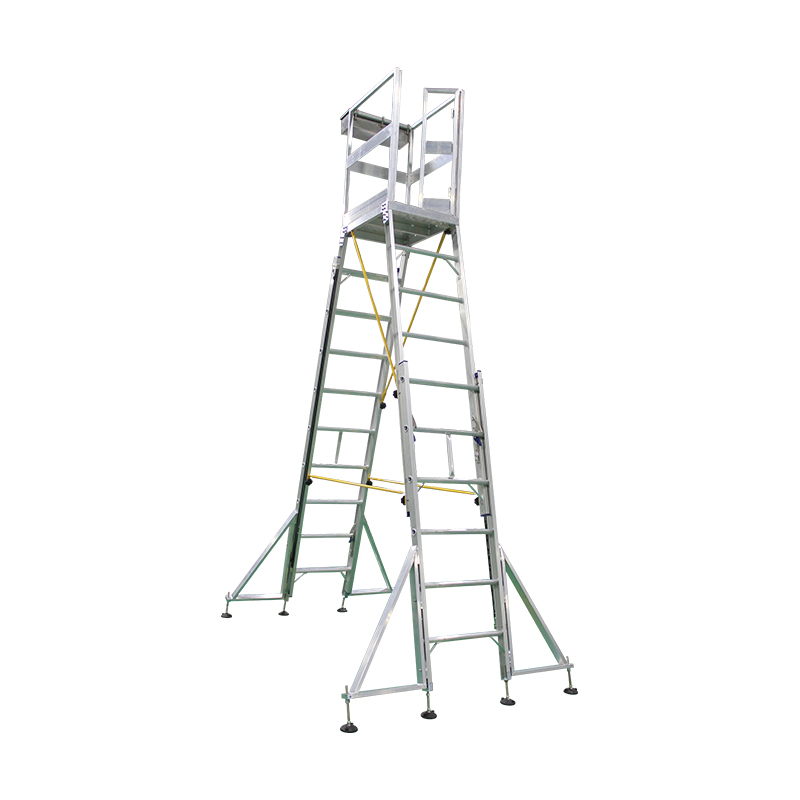
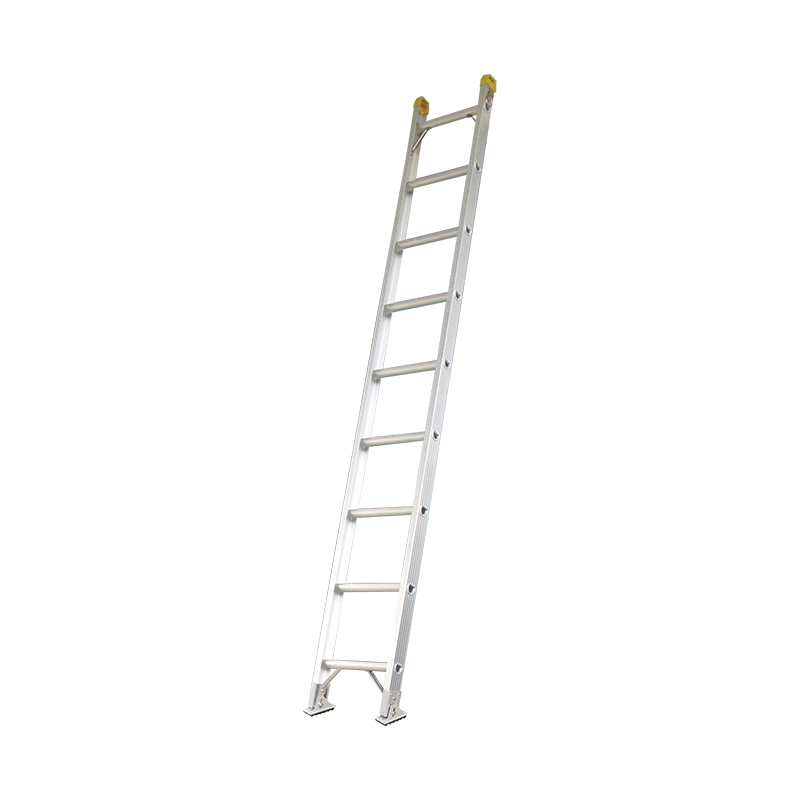
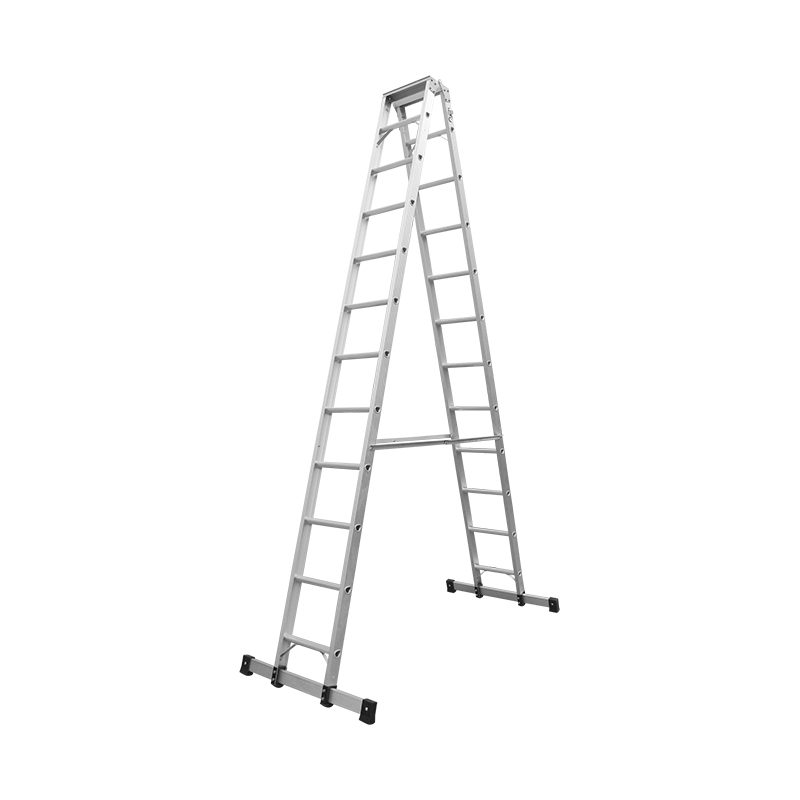
The value of Multipurpose Ladders becomes more practical when each configuration is matched to a specific workflow. A straight configuration may be useful where a stable access angle and extended reach are required, while an A-frame configuration can provide a freestanding arrangement where leaning support is unavailable. Other adjustable positions may be useful for work around machinery, shelving or changes in floor elevation. The surrounding environment should always be considered before selecting the operating position.
Industrial procurement teams can document common work scenarios and identify the configurations required for each one. This prevents the theoretical number of positions from becoming the main purchasing criterion. Instead, the focus remains on whether the available configurations correspond with actual maintenance, installation, inspection or warehouse activities.
Workplace Information Worth Recording
- Typical working height and reach requirement.
- Available floor area and whether the ladder can be positioned against a suitable support.
- Presence of machinery, shelving, pipes or other obstacles around the working zone.
- Frequency of configuration changes during normal operations.
- Storage and transportation limitations within the facility.
Load Distribution Changes When the Ladder Is Reconfigured
Changing the geometry of Multi-Position Ladders also changes how working forces travel through the frame. The same operator weight can produce different reactions at the feet, hinges and support points depending on the selected position. Side-reaching, carrying tools or working near the end of a platform can further alter the load distribution. For this reason, technical documentation should clearly define the permitted working conditions associated with each configuration.
When a ladder is supplied for professional use, the rated load should not be interpreted as permission to combine every possible configuration with the maximum load. Procurement specifications should identify the applicable load limits, configuration restrictions and testing requirements. This approach creates a clearer connection between engineering design and actual workplace procedures.
Useful Parameters for Technical Documentation
- Maximum working load for each approved configuration.
- Maximum and minimum operating dimensions where adjustment is possible.
- Required locking positions and adjustment procedure.
- Applicable floor and support conditions.
- Relevant product standards and testing requirements for the target market.
Maintenance Planning for Adjustable Ladder Mechanisms
Because Multi-Position Ladders contain more moving interfaces than fixed-configuration products, maintenance planning should include the adjustment mechanism as a dedicated inspection category. Hinges, locking pins, brackets, braces, fasteners and associated contact surfaces can experience wear through repeated adjustment. Keeping these components clean and checking for abnormal looseness or deformation can help maintenance teams identify problems before equipment is returned to regular operation.
For large equipment fleets, a simple inspection record can connect each ladder to its maintenance history. This is useful when ladders are transferred between production lines or facilities because the receiving team can verify the condition of the adjustment mechanism and other critical components before deployment.
Maintenance Records Can Include
- Equipment identification and product configuration.
- Inspection date and operating location.
- Condition of hinges, locks and braces.
- Condition of feet, steps and structural members.
- Replacement parts and corrective maintenance performed.
Ruiju Manufacturing Experience in Working-at-Height Equipment
Shanghai Ruiju Metal Products Co., Ltd. maintains an ISO 9001-certified manufacturing system and is BSCI audited. Its standard products comply with China's national standard GB12142, while export products meet applicable Australian, European and American industry standards. Products are rigorously tested and certified by SGS and TÜV, supporting independent verification for relevant product and market requirements.
Operating under the Ruiju brand, the company has developed an integrated system covering R&D, product design, manufacturing and marketing within its 12,000 m² self-owned production facility. Ruiju has more than 30 years of expertise in working-at-height products and technologies and maintains a portfolio of technical patents. This experience supports the development of ladders and related equipment where structural design, configuration flexibility, manufacturing consistency and application requirements need to be coordinated.
For customers specifying Multipurpose Ladders or Multi-Position Ladders, the most useful technical approach is to define the actual operating configurations, load conditions, dimensions, environmental requirements and destination-market standards before production. Treating each configuration as an engineered working condition helps create clearer specifications and supports more consistent inspection and equipment management after delivery.