en
en 简体中文
简体中文 Español
 Deutsch
 عربى
عربى













Railway Scaffolding: How Load Distribution Affects Worksite Stability
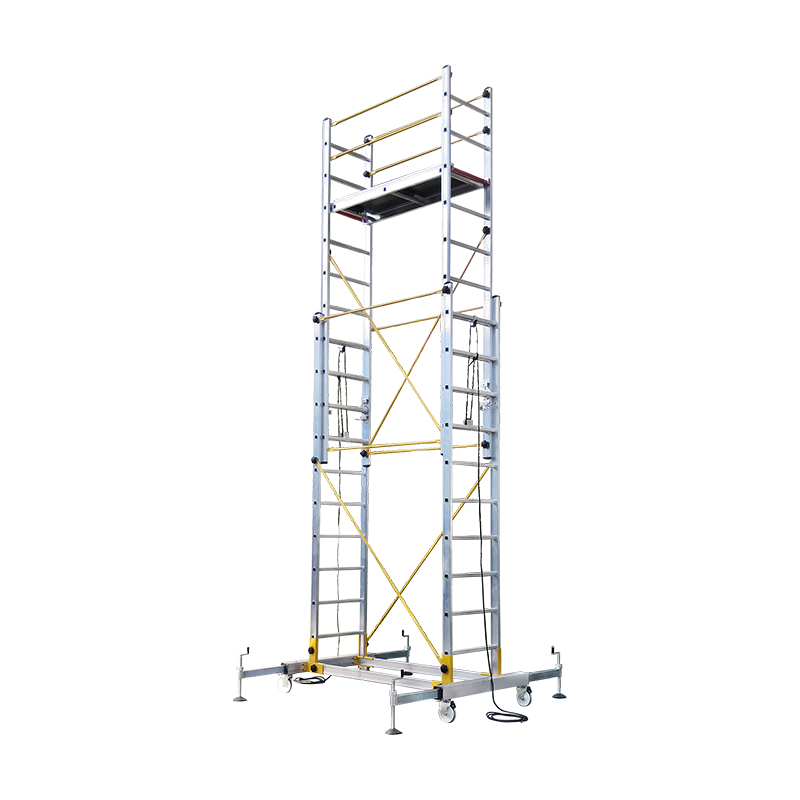
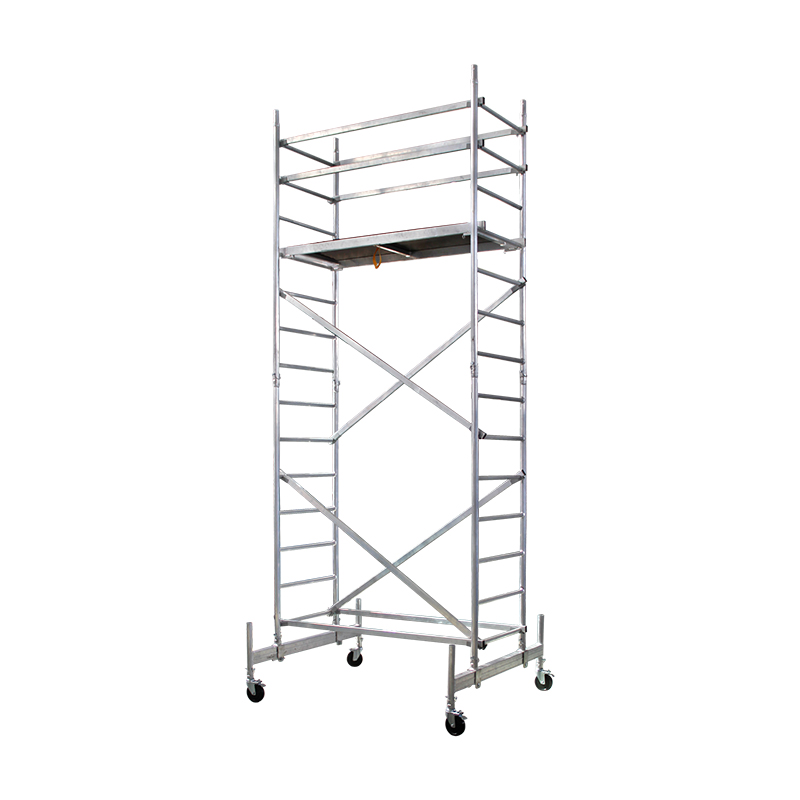
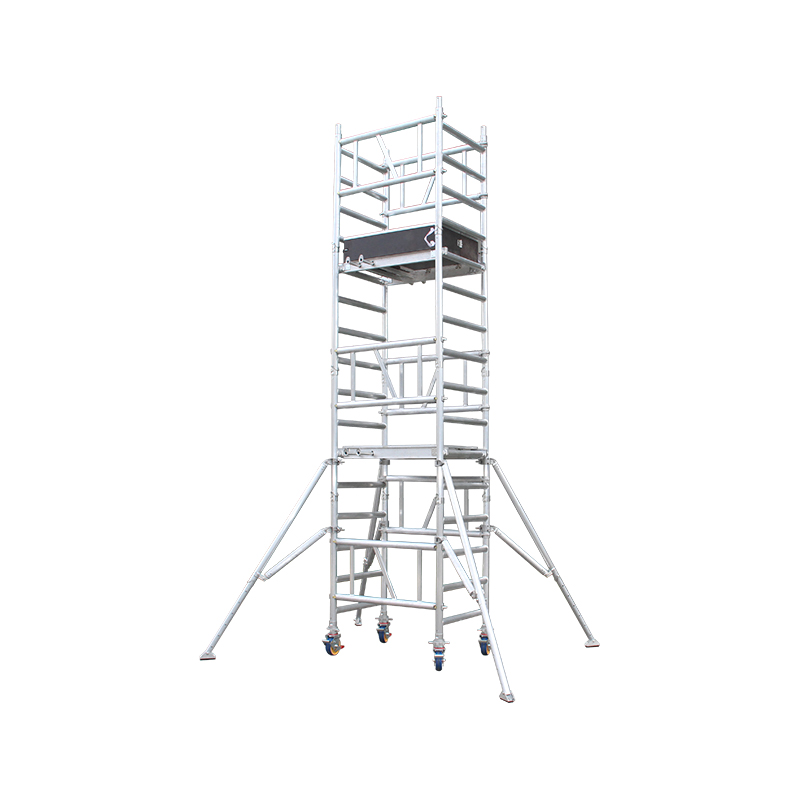
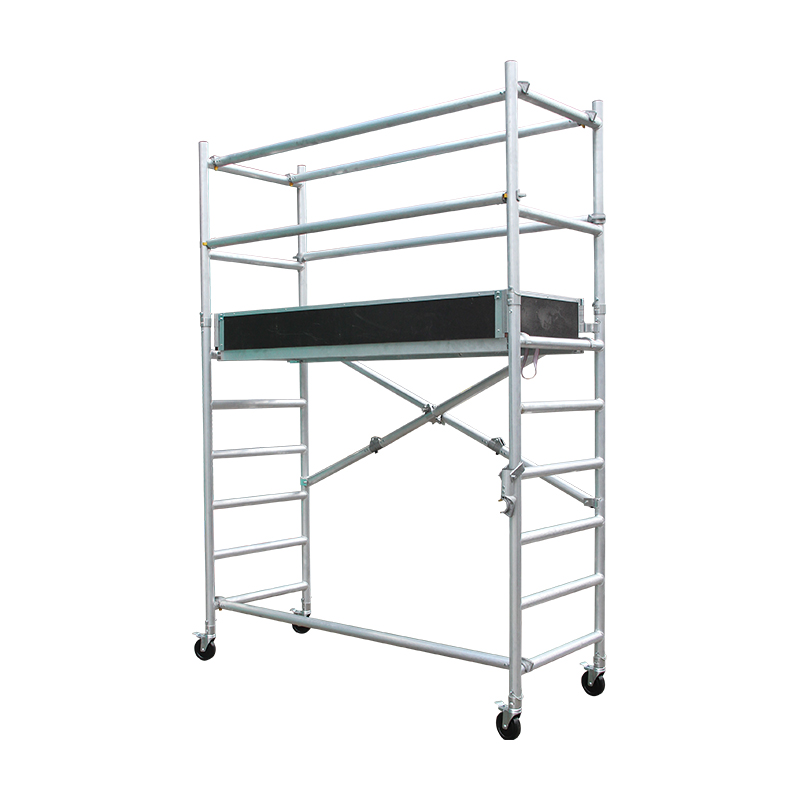
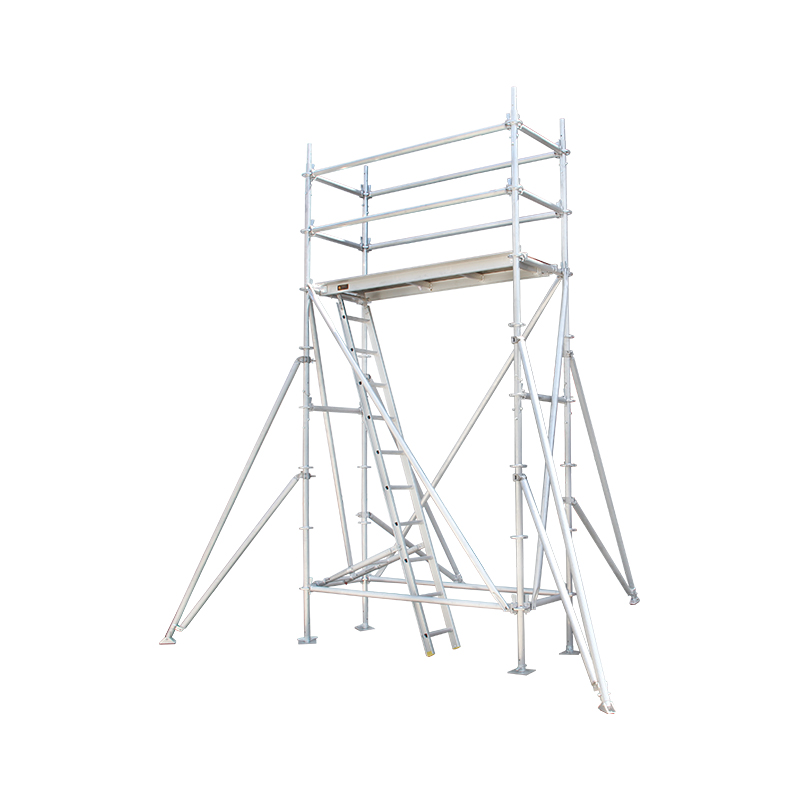
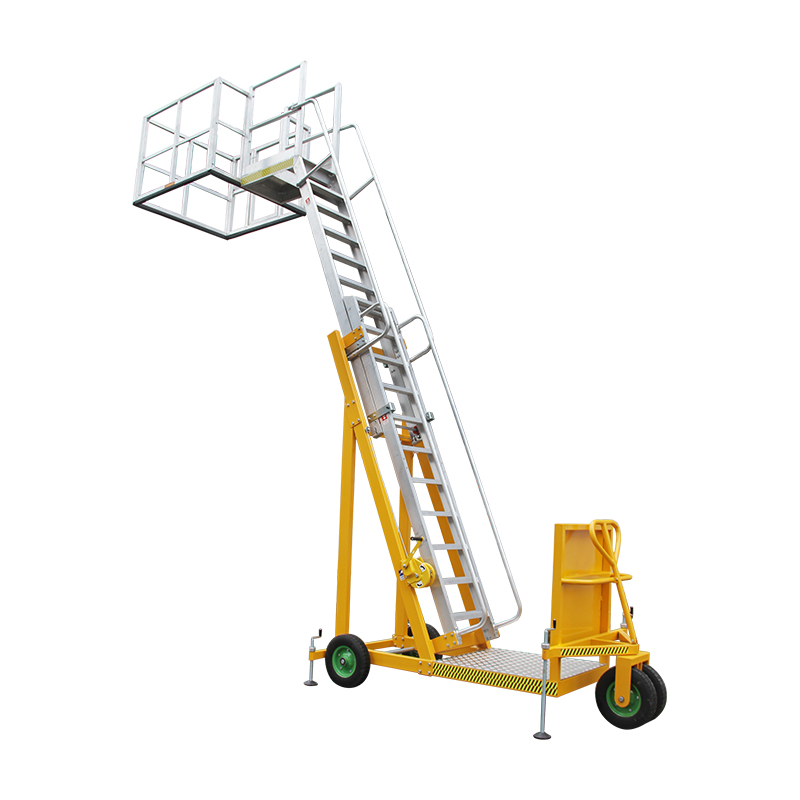
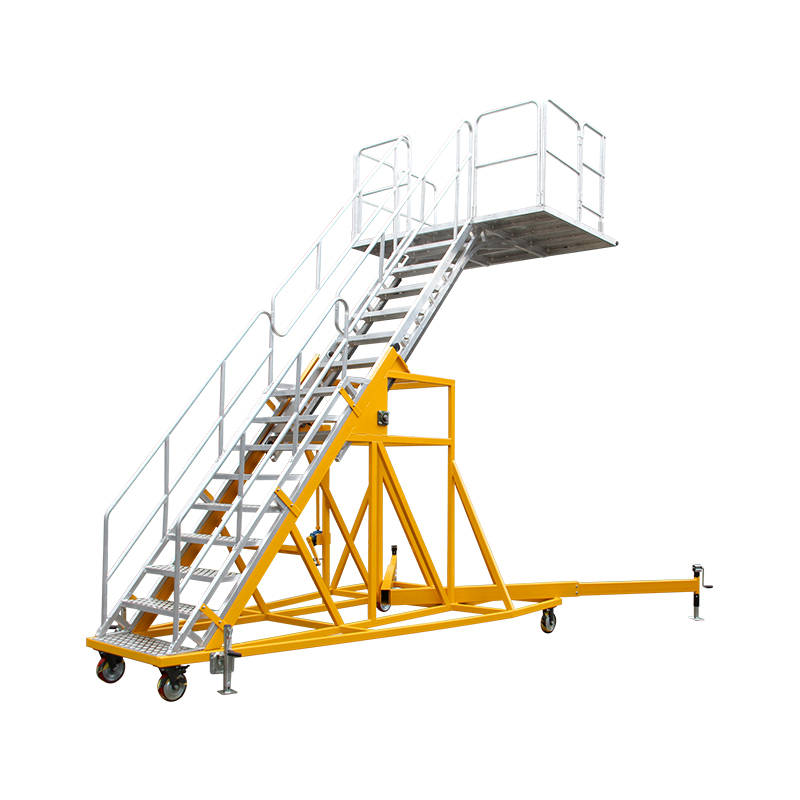
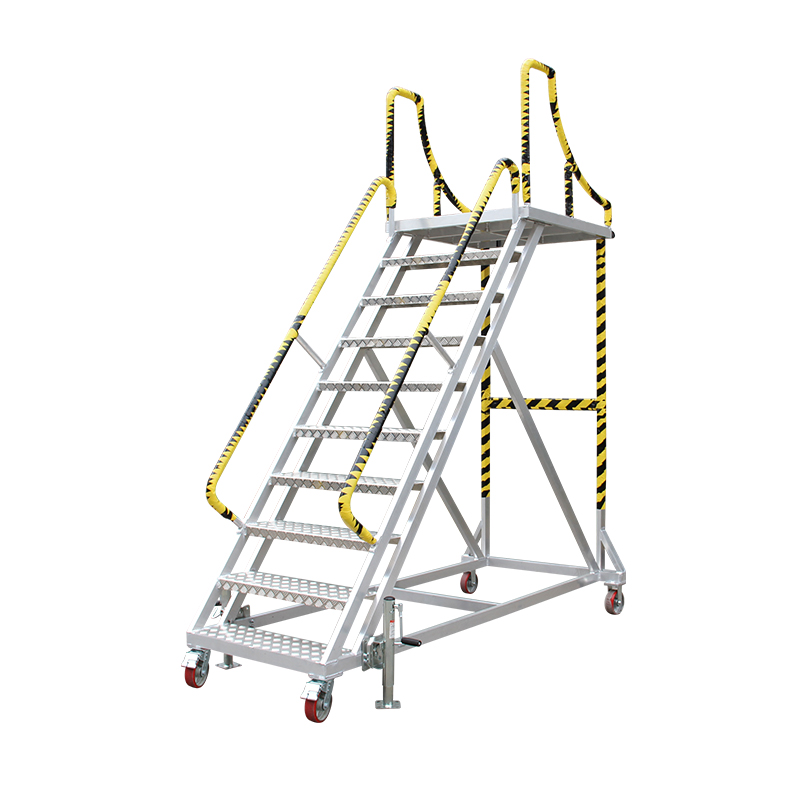
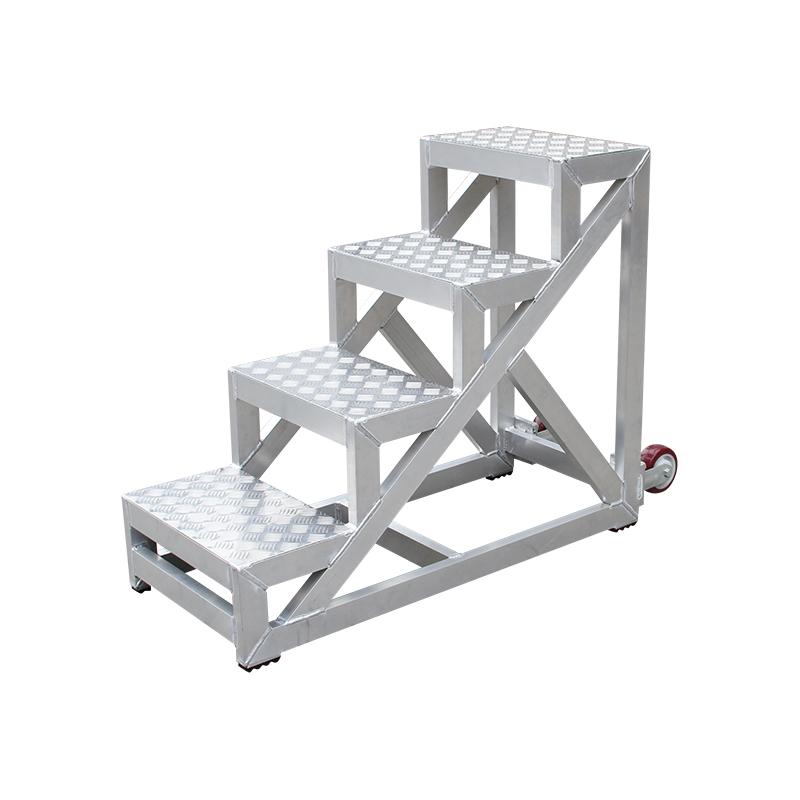
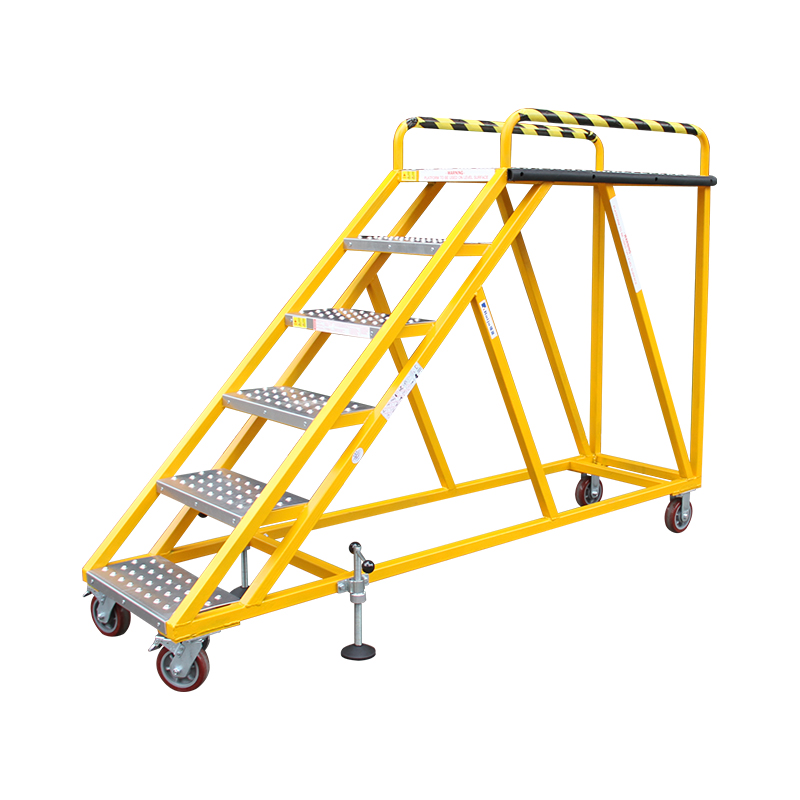
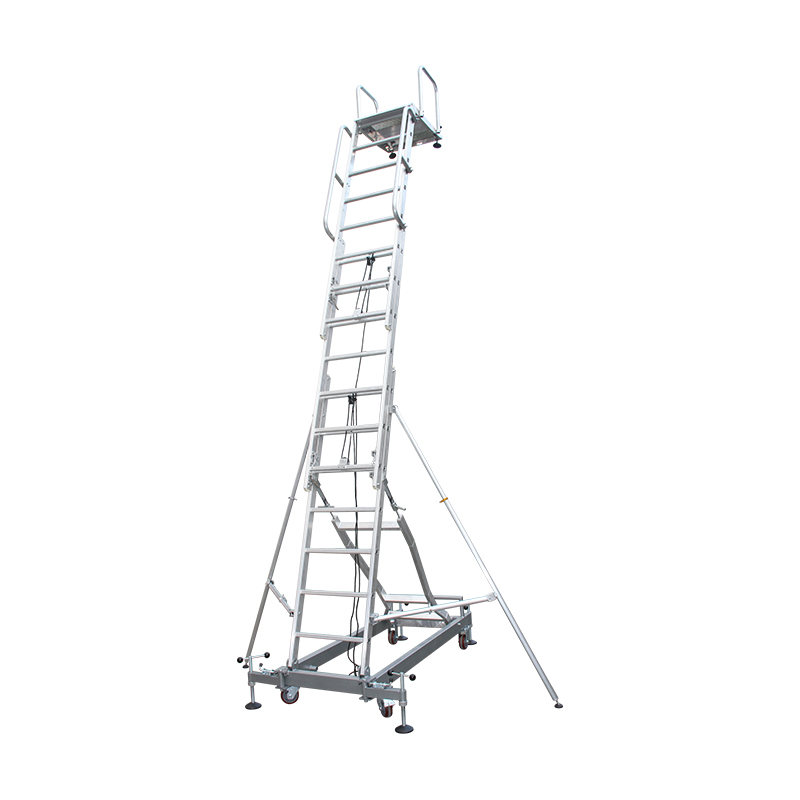
Railway maintenance environments create unusual demands for temporary access equipment because working areas may be narrow, elevated, uneven, or positioned close to tracks and other fixed infrastructure. A properly engineered Railway Scaffolding system therefore needs more than sufficient working height. Load distribution, platform geometry, wheel configuration, bracing, and connection strength all influence how the structure behaves when workers, tools, replacement components, and maintenance materials are present at the same time.
Shanghai Ruiju Metal Products Co., Ltd. has specialized in ladders, aluminium scaffolding systems, work platforms, and related working-at-height equipment since 2001. With a 12,000 m² self-owned production facility and an integrated system covering R&D, design, manufacturing, and marketing, Ruiju develops equipment for domestic and international applications. Its more than 30 years of working-at-height expertise, technical patents, ISO 9001-certified manufacturing system, and BSCI-audited operations support a production approach focused on practical engineering requirements.
Why Railway Projects Require More Than Standard Scaffolding Dimensions
Working Geometry Matters
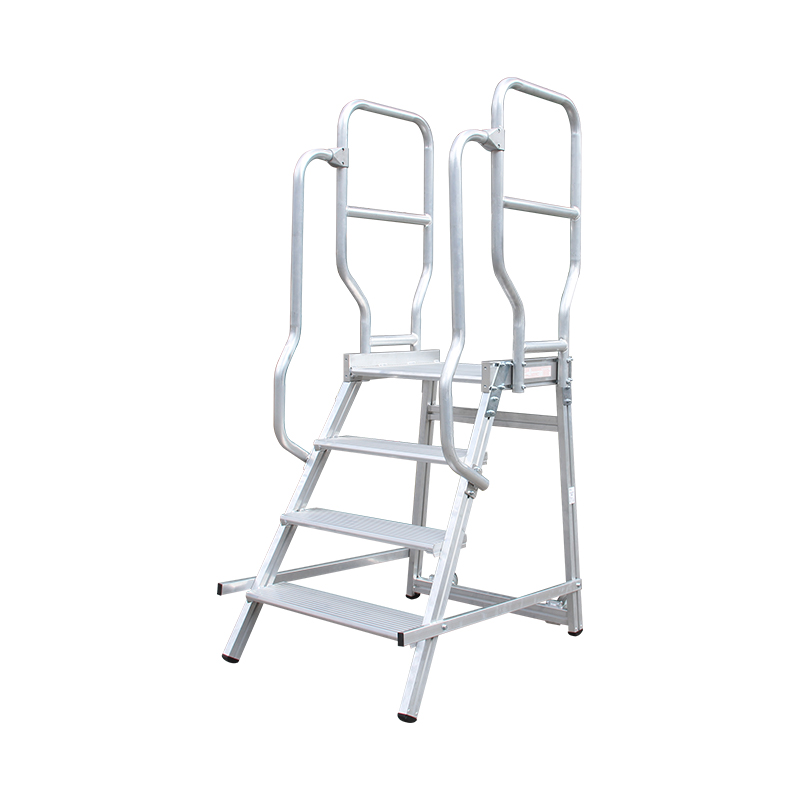
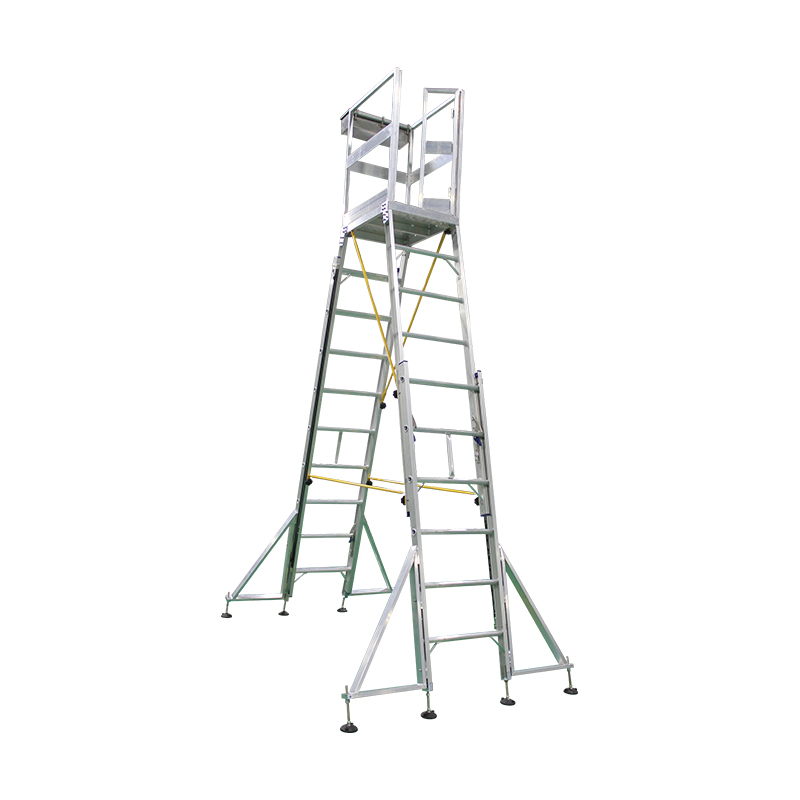
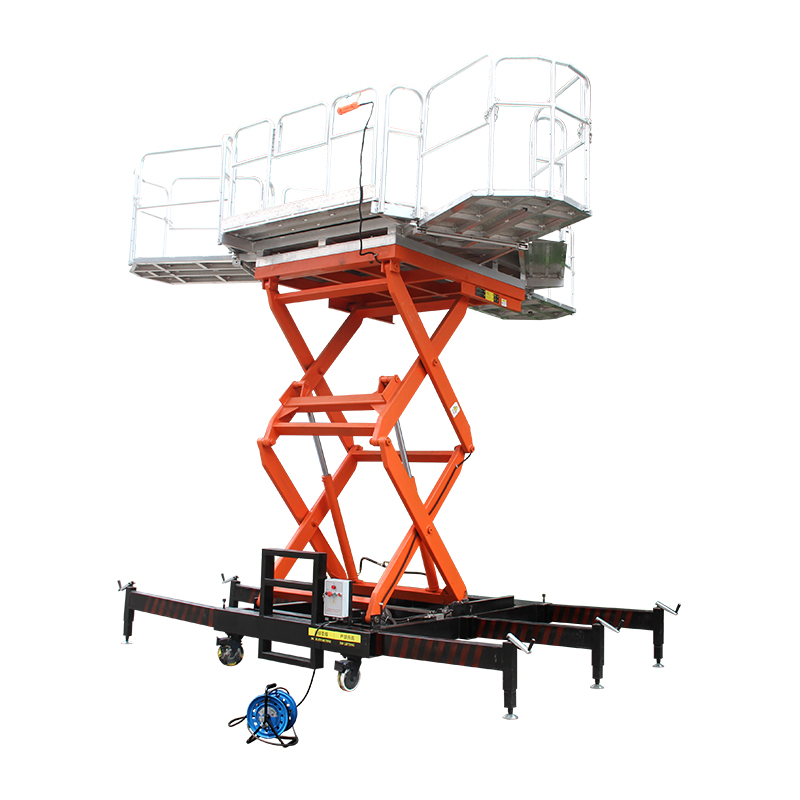
Railway maintenance tasks frequently involve overhead components, carriage bodies, signaling equipment, station structures, tunnels, bridges, and platform-side installations. The required working position may be determined by the exact location of the component rather than by a standard scaffold height. For equipment selection, purchasers should consider platform height, overall width, working clearance, access direction, and the amount of space needed for workers to move tools without interfering with surrounding infrastructure.
The Working Platform Should Match the Task
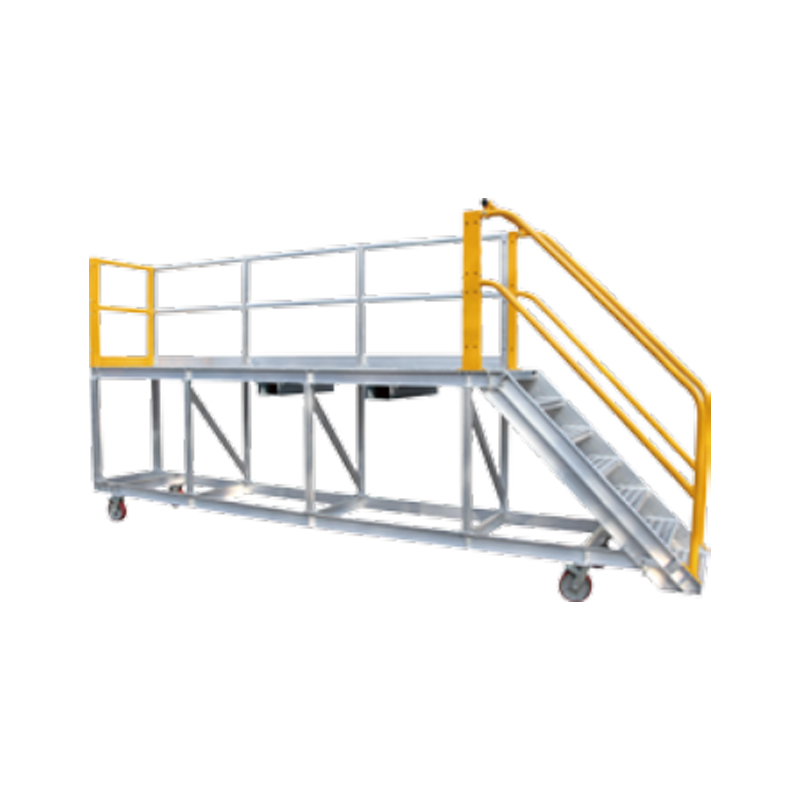
A wider platform can improve working comfort and provide additional room for tools, but excessive width can reduce maneuverability in restricted railway environments. Conversely, an undersized platform may force workers to operate from awkward positions. For project-specific procurement, platform dimensions should therefore be determined from the actual maintenance procedure, equipment clearance, and access route instead of selecting a size solely according to maximum height.
| Design Factor | Practical Consideration | Procurement Focus |
|---|---|---|
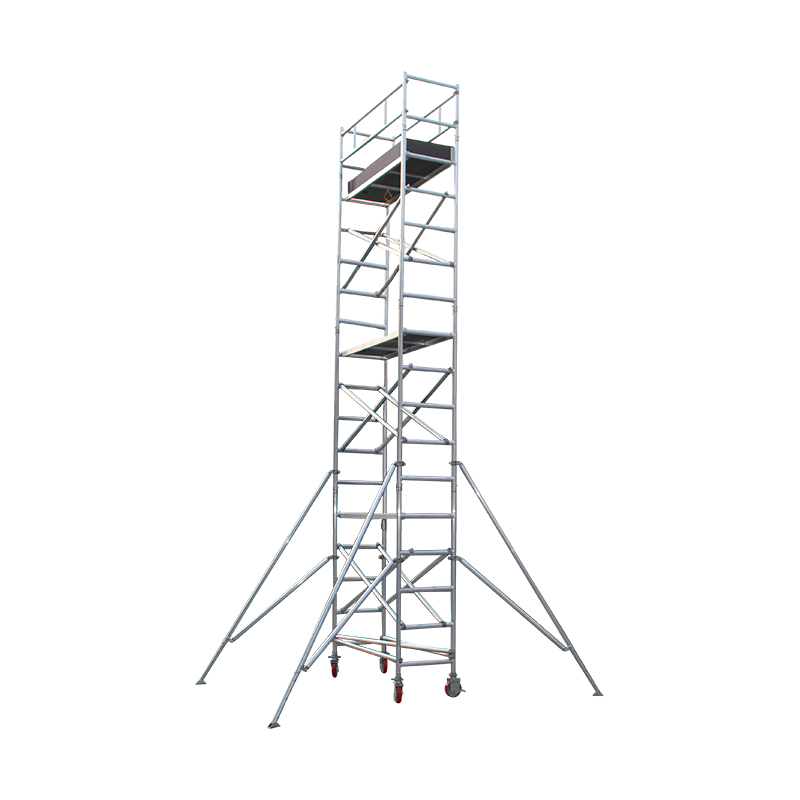
| Platform height | Reach required for the maintenance point | Working height and adjustment range |
| Platform width | Balance between workspace and clearance | Actual railway access dimensions |
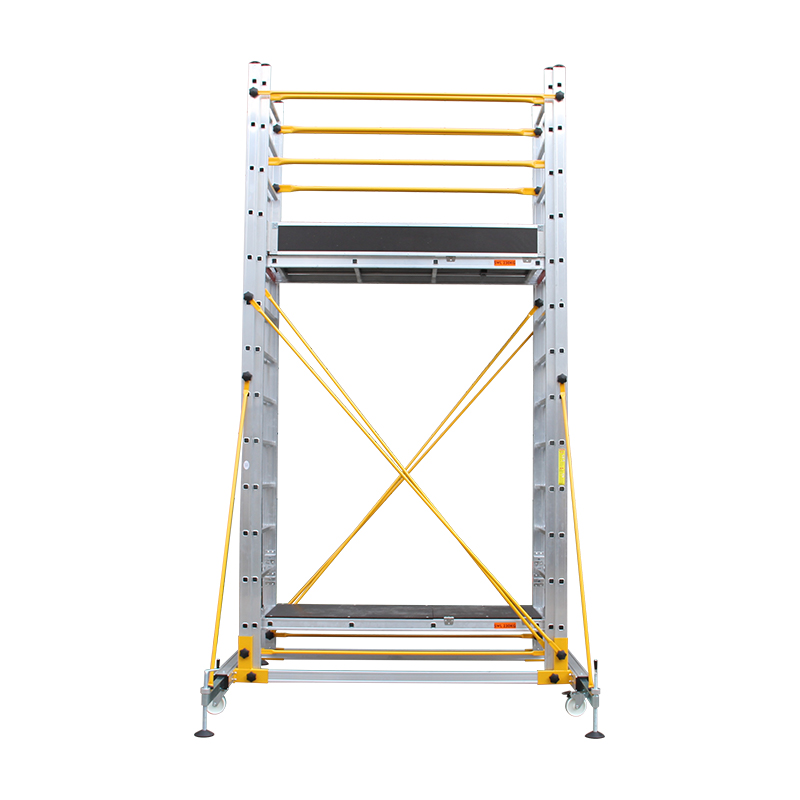
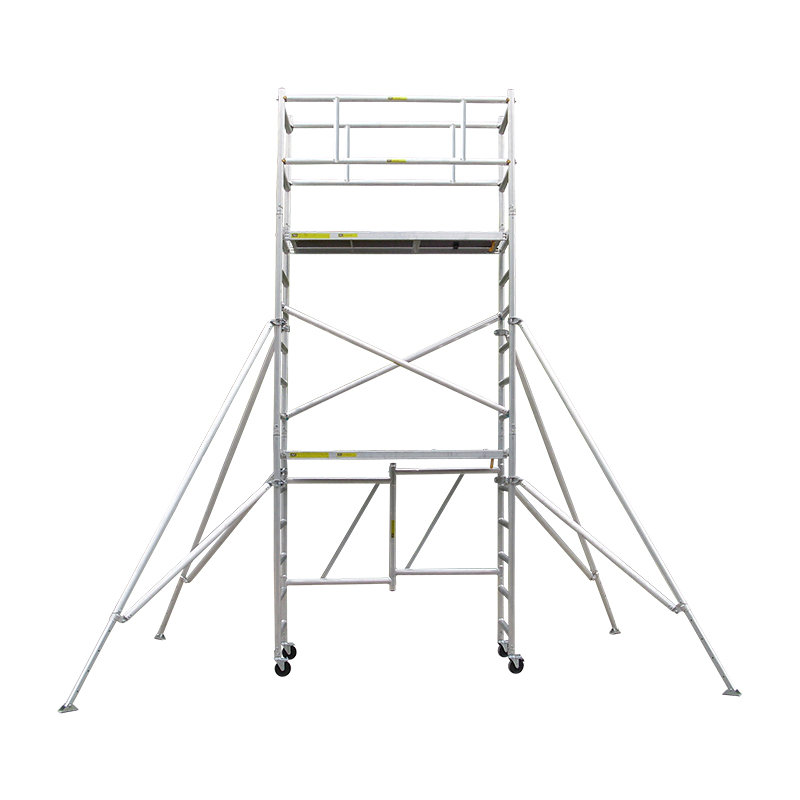
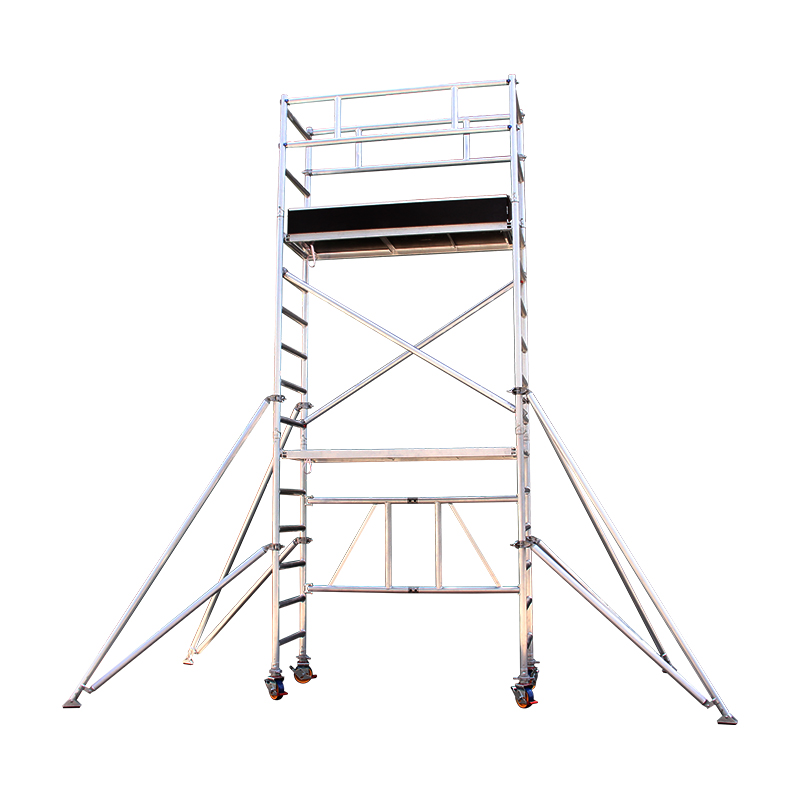
| Base configuration | Stability under operational loading | Caster, support, and bracing arrangement |
| Access arrangement | Worker movement and material handling | Ladder position, platform entry, and clearance |
Aluminium Selection for Railway Maintenance Equipment
Aluminium is frequently considered for temporary railway access structures because its relatively low density can make large assemblies easier to transport, reposition, and install. This characteristic becomes particularly useful when maintenance teams need to move equipment between work areas or store multiple units in limited spaces. However, low weight should never be treated as a substitute for structural engineering. The final configuration still needs adequate bracing, connection strength, platform support, and resistance to operational loads.
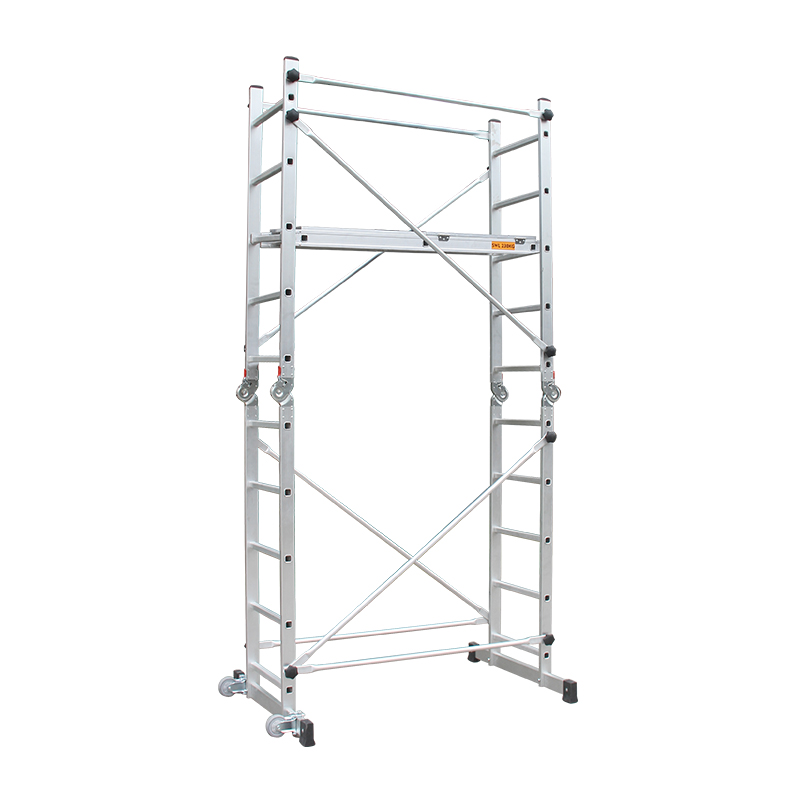
For manufacturers, aluminium profile selection is closely connected to span length, structural geometry, joint design, and expected loading. A profile that performs effectively in one configuration may not provide the same structural behavior when the platform is widened or the height is increased. This is why a professional Railway Scaffolding solution should be evaluated as a complete structural system rather than as a collection of individual aluminium components.
Mobility Design: When a Rolling System Is Useful
Caster Selection Is Part of Structural Design
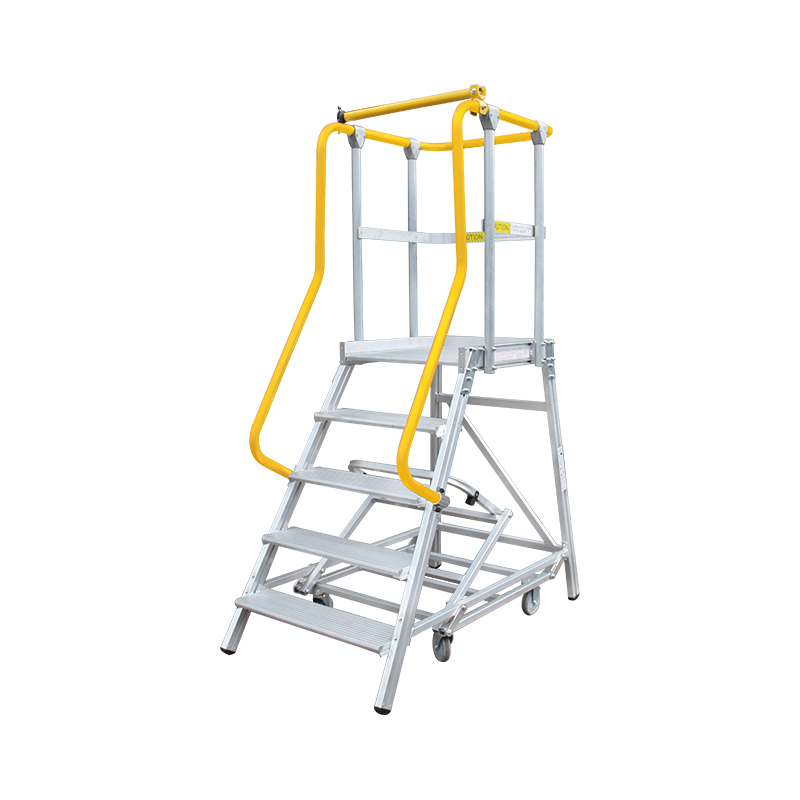
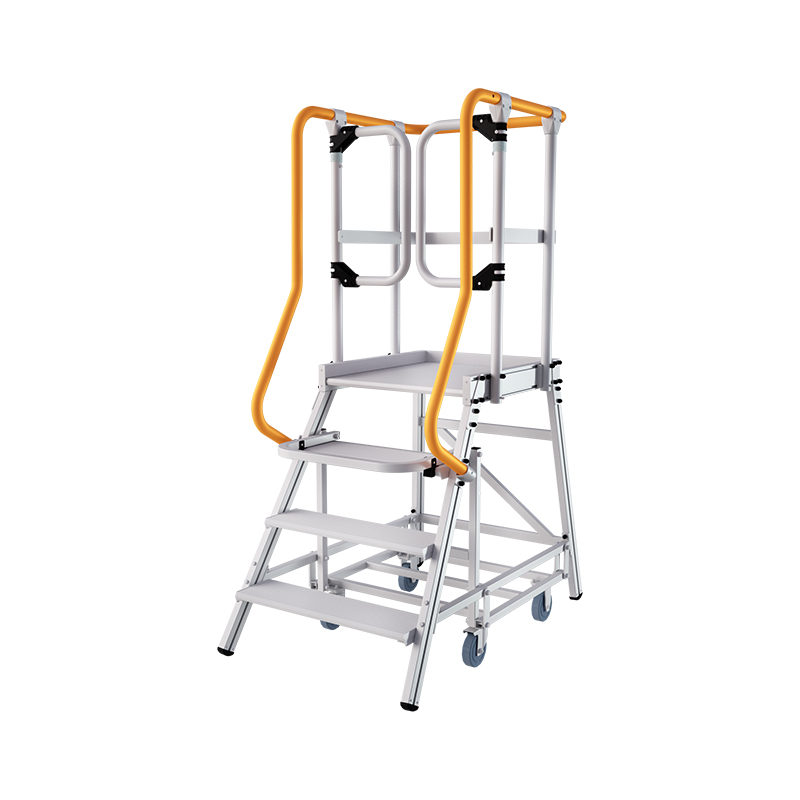
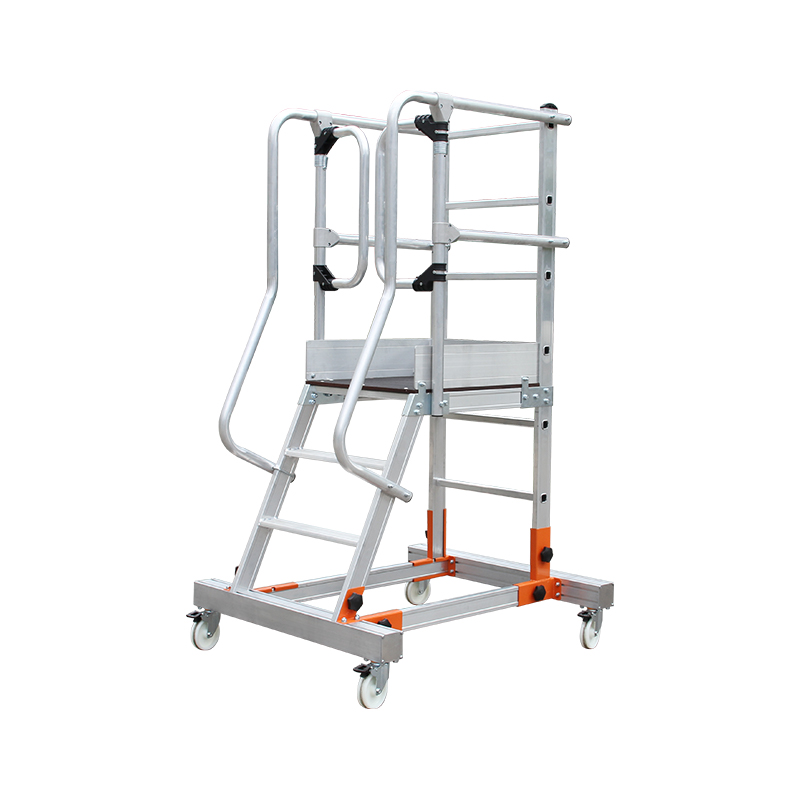
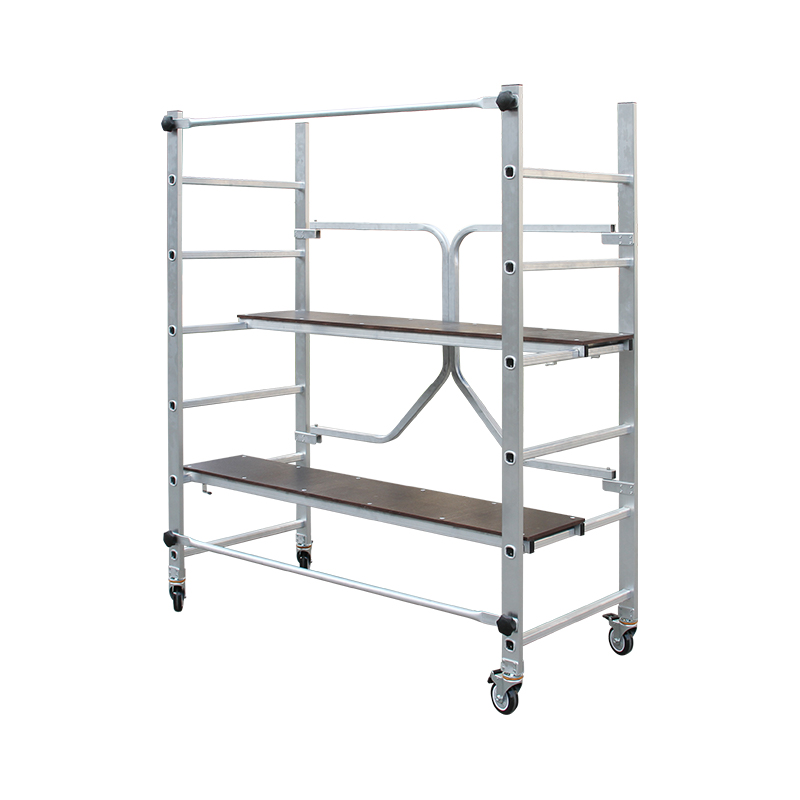
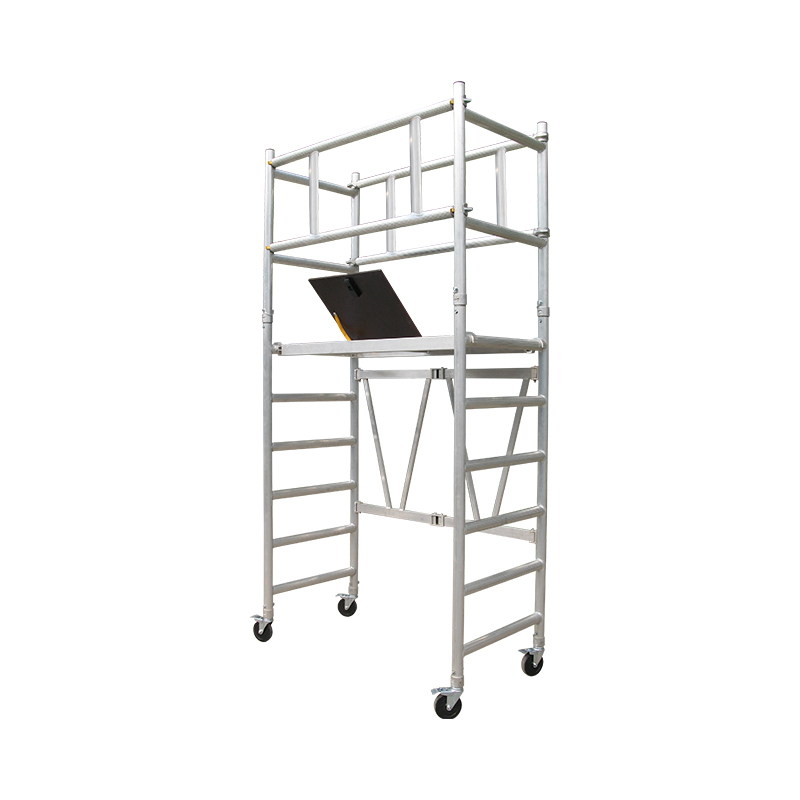
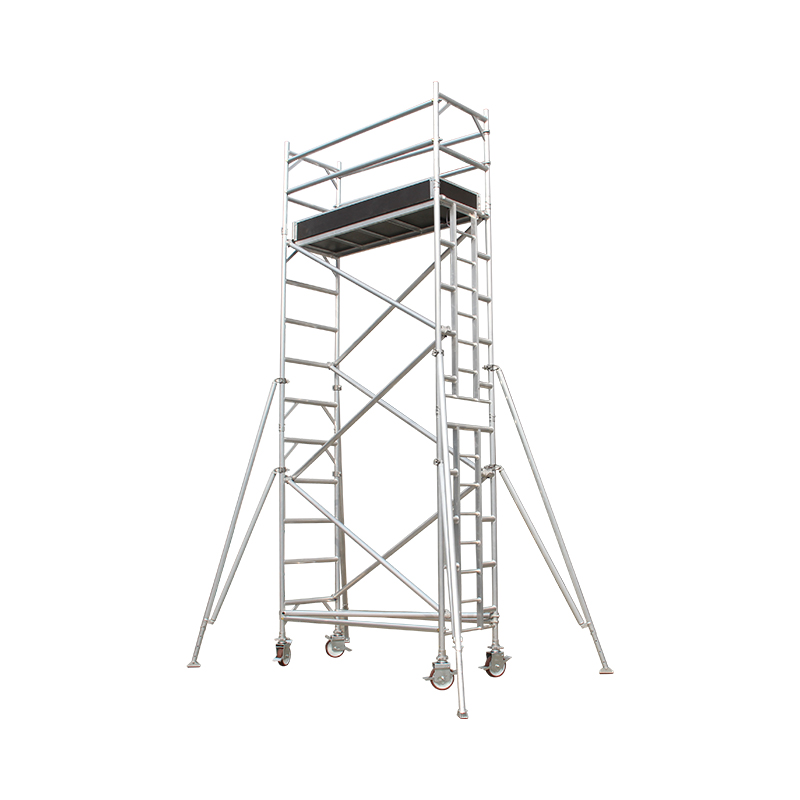
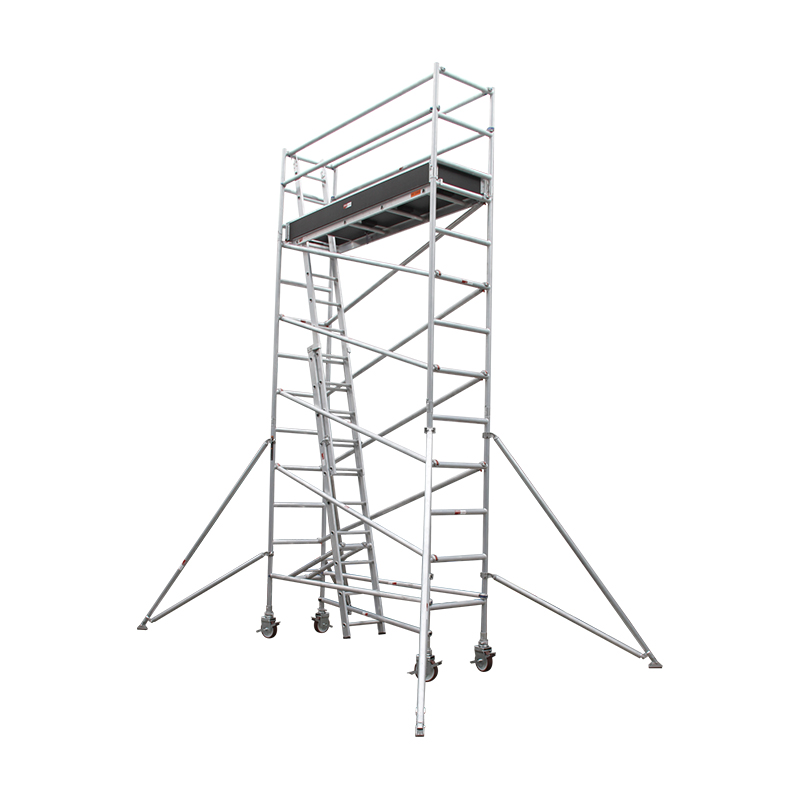
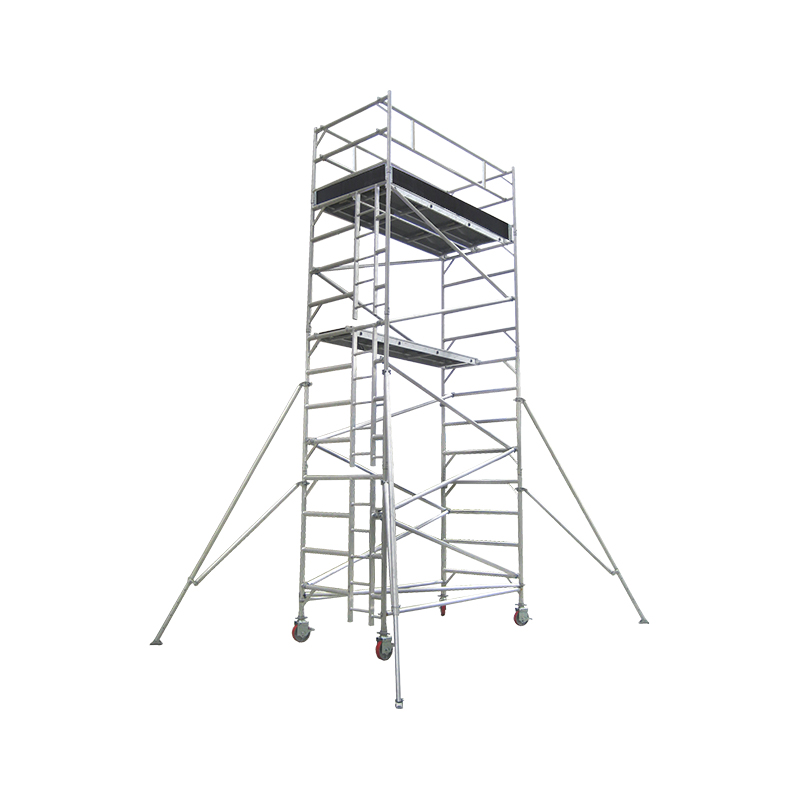
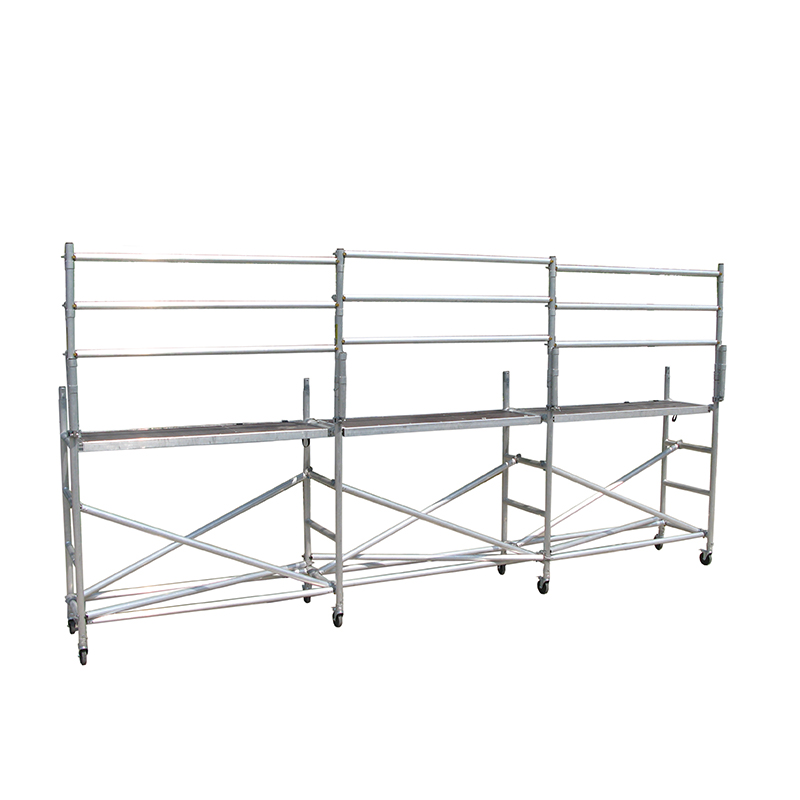
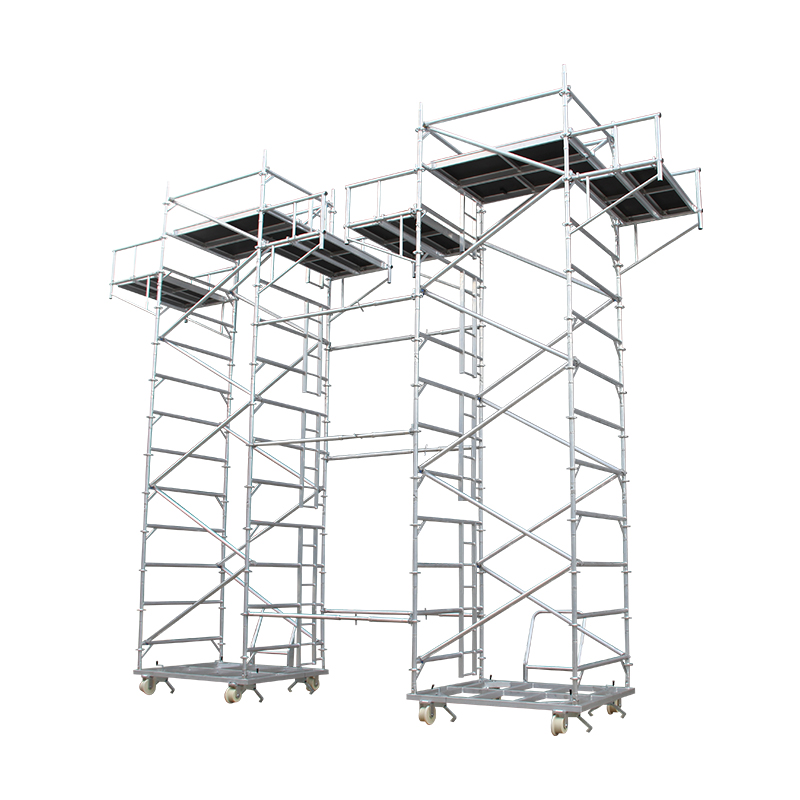
Mobile railway scaffolding requires careful coordination between the frame and its caster system. Caster diameter, wheel material, mounting structure, locking mechanism, and load capacity can influence how easily the unit is moved and how reliably it remains stationary during work. For procurement teams, caster specifications should be reviewed together with the fully assembled equipment weight and intended working load rather than evaluated separately.
Movement and Working States Should Be Distinguished
A mobile scaffold has two fundamentally different operating states: movement and stationary work. A suitable design should make the transition between these states clear and controlled. Once positioned, the structure should be secured according to its intended operating procedure. Purchasers should also consider whether the equipment must be frequently relocated, transported through doors, stored vertically, or assembled and dismantled between shifts, because these requirements directly affect the preferred frame dimensions and accessory configuration.
Customization Points for Railway Scaffolding Projects
Railway facilities rarely have identical access conditions, so customization can be valuable when standard dimensions do not match the working environment. Engineering discussions should focus on measurable requirements rather than general descriptions. Useful information includes the required platform height, available floor area, maximum passage width, working load, access direction, desired platform size, storage limitations, and whether the structure must be mobile or fixed during operation.
- Required working and platform height for the specific maintenance point.
- Maximum overall width and length permitted by the working area.
- Platform dimensions needed for workers, tools, and task-specific equipment.
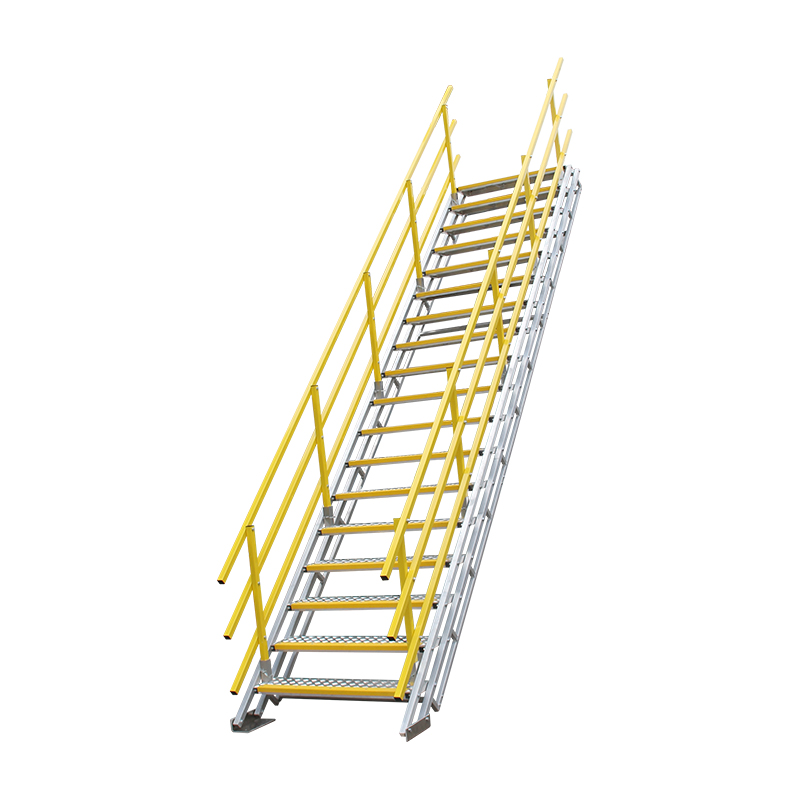
- Preferred access configuration, including internal or external ladder arrangements.
- Caster, stabilizer, handrail, guardrail, and platform accessory requirements.
- Applicable regional standards and documentation required for project approval.
Inspection Considerations Before Railway Deployment
A railway access structure should be inspected before each deployment, particularly when it is repeatedly assembled, transported, or exposed to demanding site conditions. Attention should be given to frame members, welds, fasteners, platform surfaces, braces, guardrails, caster assemblies, locking devices, and signs of deformation or damage. Components that affect structural integrity should not be treated as cosmetic parts; visible distortion, loosened connections, or damaged support components can indicate a need for further technical evaluation.
- Check that structural members are free from obvious deformation, cracks, or severe surface damage.
- Verify that fasteners and connection points remain properly secured.
- Inspect platforms and access components for damage or excessive wear.
- Confirm that caster and locking components operate correctly where a mobile configuration is used.
- Keep inspection and maintenance records when equipment is deployed repeatedly across multiple projects.
Manufacturing Quality and Export Requirements
For railway contractors, equipment distributors, and project procurement teams, manufacturing controls can be as important as the physical design. Shanghai Ruiju Metal Products Co., Ltd. operates an ISO 9001-certified manufacturing system and has undergone BSCI audits. Its standard products comply with China's GB12142 national standard, while export products are developed to meet applicable Australian, European, and American industry requirements, with testing and certification carried out by SGS and TÜV where applicable.
Ruiju combines R&D, product design, manufacturing, and marketing within its integrated industrial system and operates from a 12,000 m² self-owned production facility. For customers specifying Railway Scaffolding, this integrated manufacturing background can support discussions around dimensional customization, production consistency, technical documentation, inspection requirements, and project-specific configurations.
Planning a Railway Scaffolding Specification
A useful specification should describe the working task and site restrictions together. Instead of requesting only a height and platform size, project teams can define the complete operating envelope: where the scaffold will be used, how it will be transported, what workers need to access, how often it will be repositioned, what load will be placed on the platform, and which regulatory requirements apply. This approach gives manufacturers clearer engineering inputs and reduces the risk of receiving a configuration that fits one dimension but fails to accommodate the actual workflow.
With more than 30 years of experience in working-at-height products and technologies, Ruiju continues to develop customized ladders, aluminium scaffolding systems, work platforms, and related equipment for international markets. For railway applications, the most useful outcome is a system whose dimensions, structural arrangement, mobility, accessories, and manufacturing controls are considered together rather than selected independently.