en
en 简体中文
简体中文 Español
 Deutsch
 عربى
عربى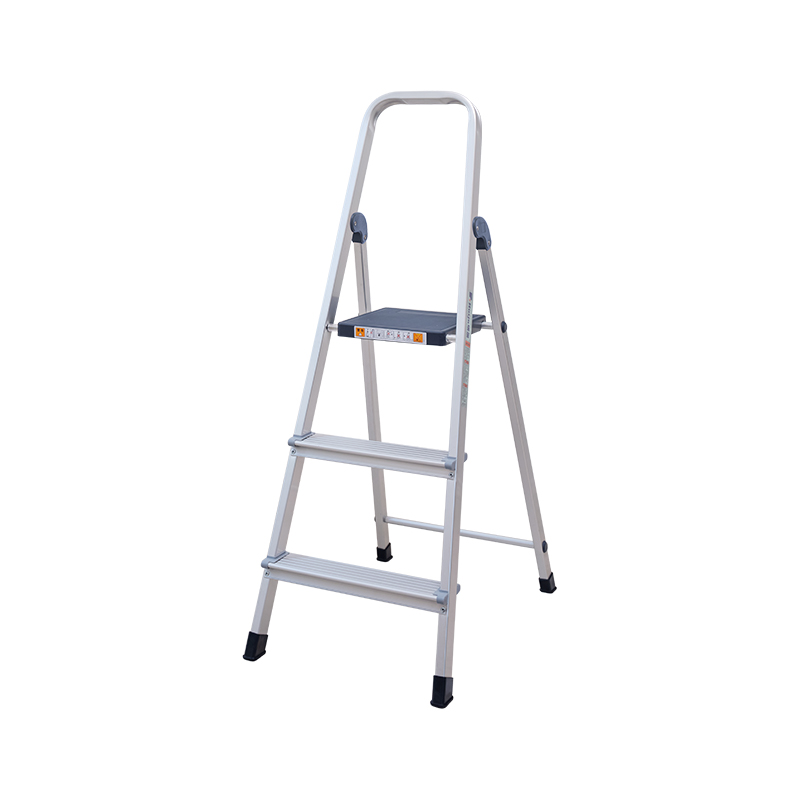
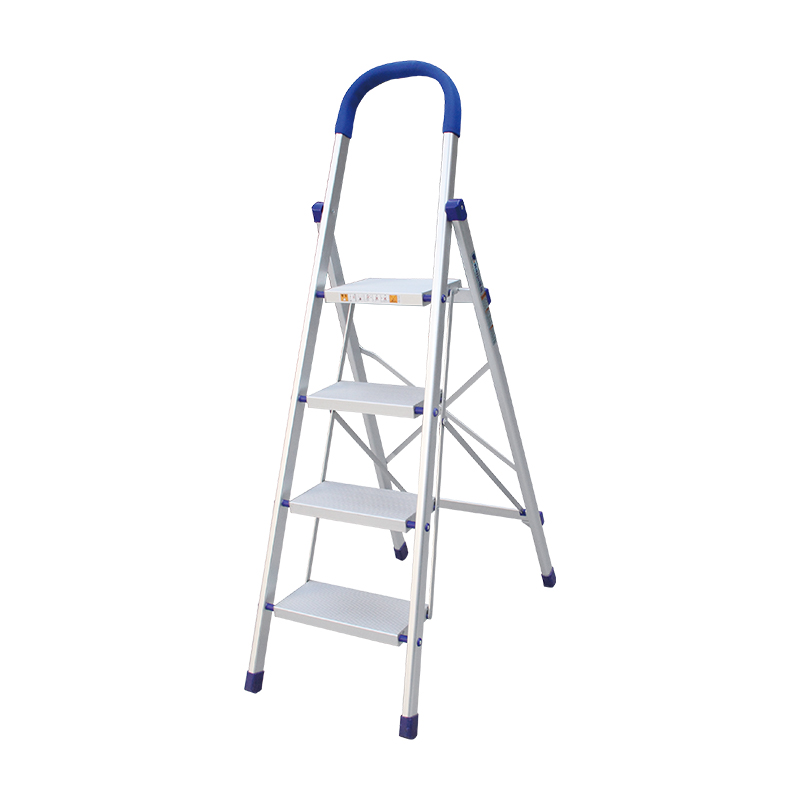
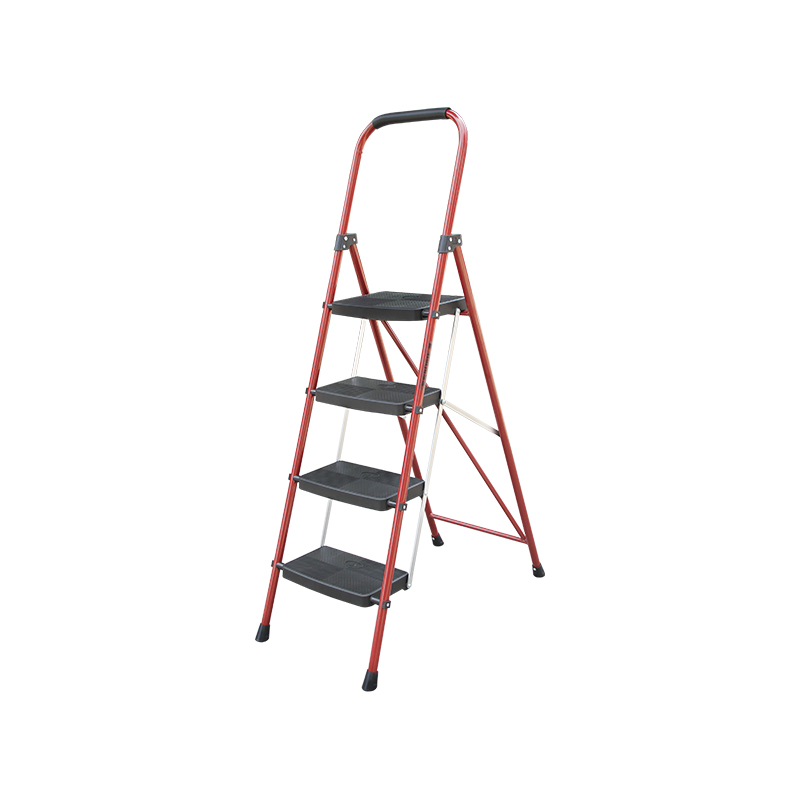
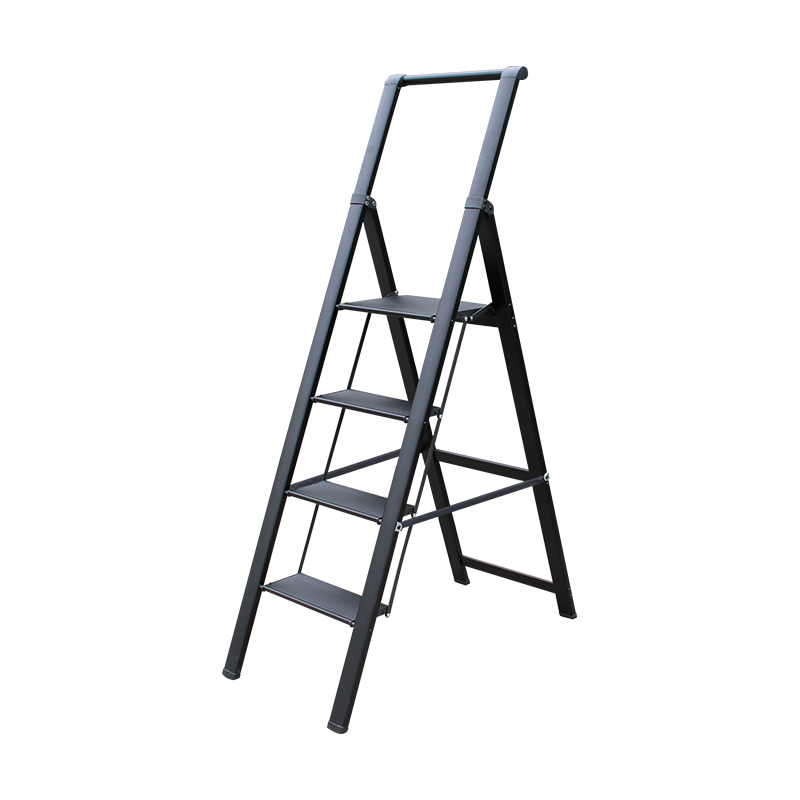
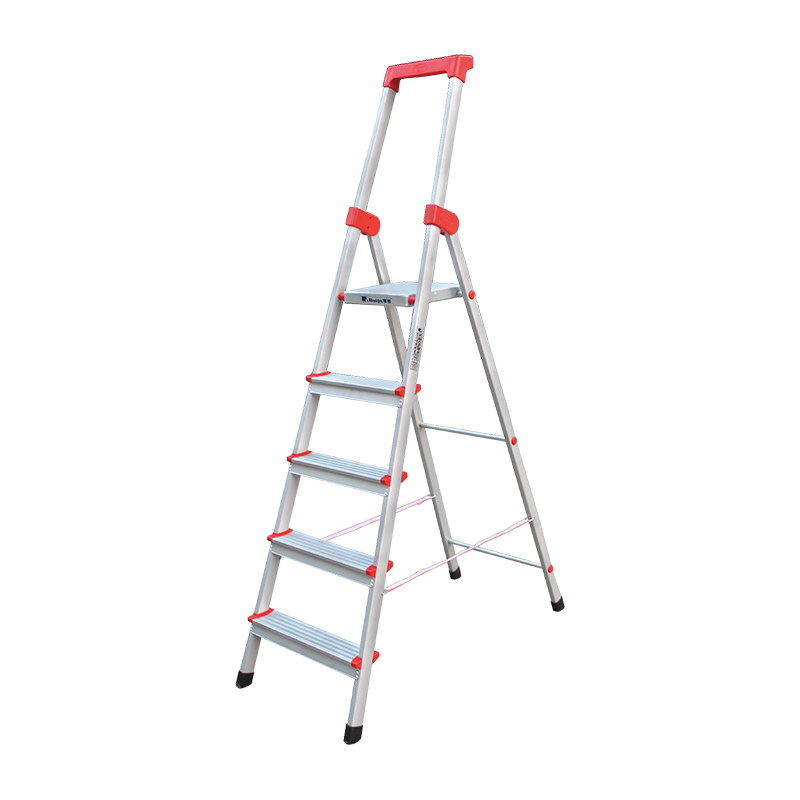
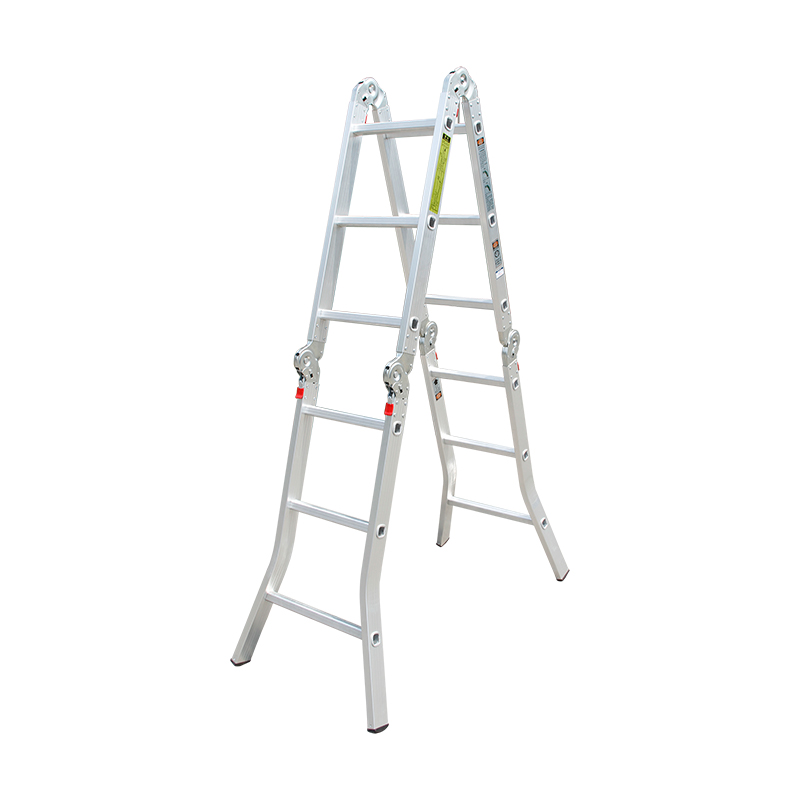
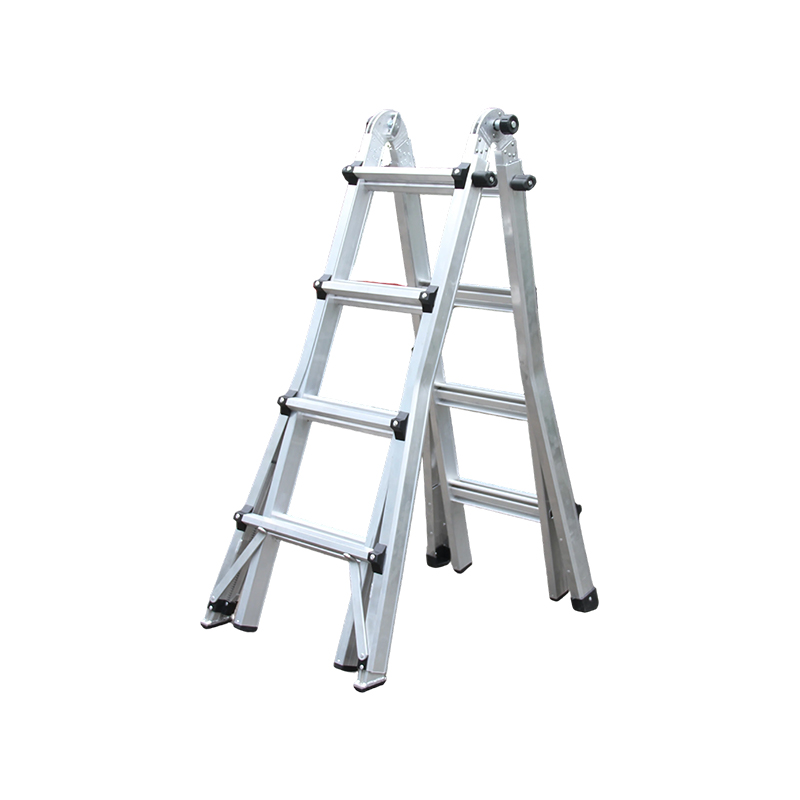
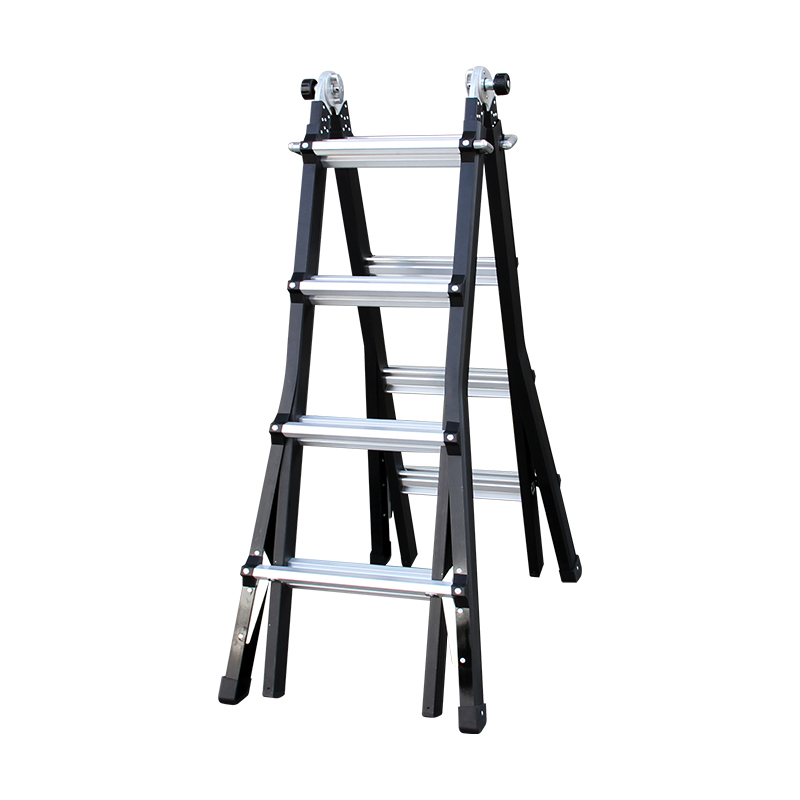
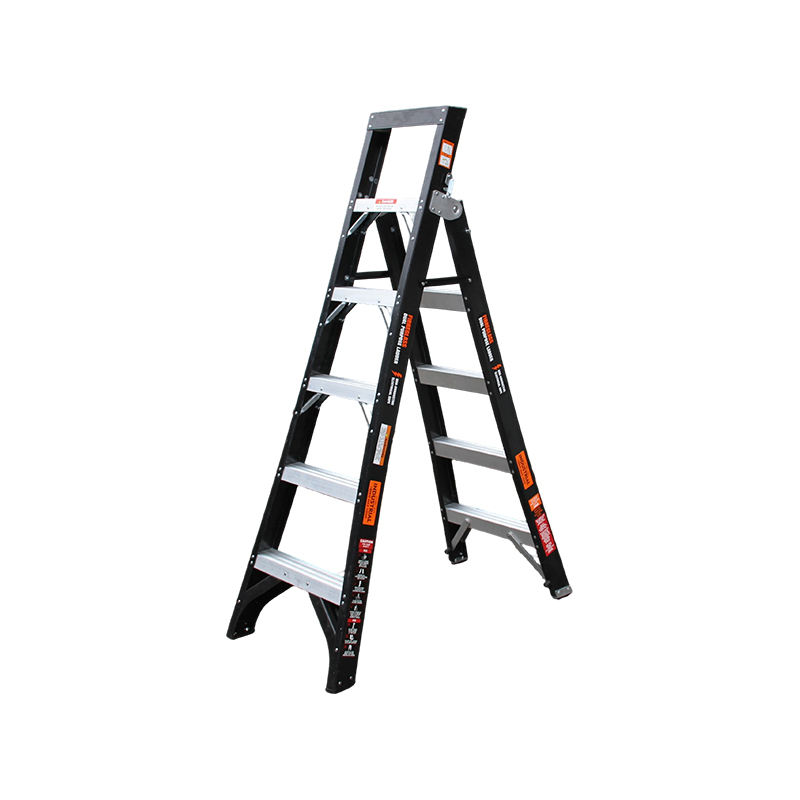
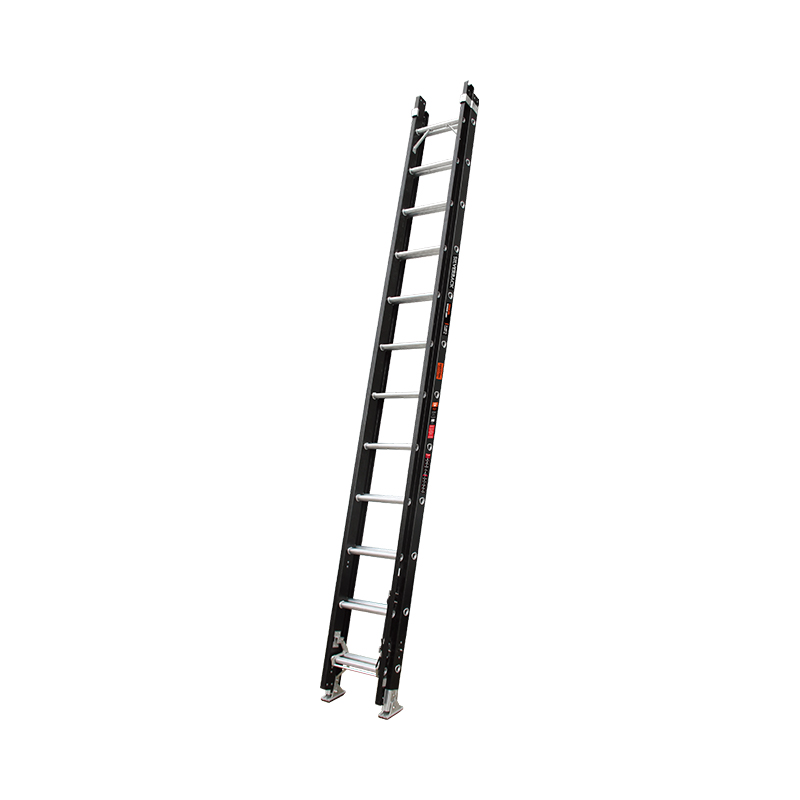
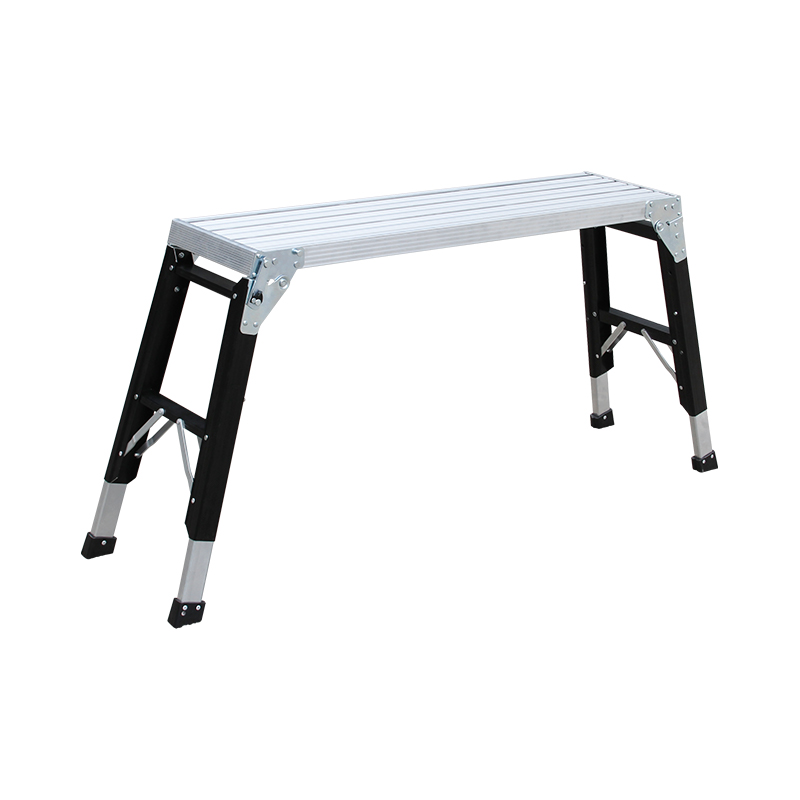
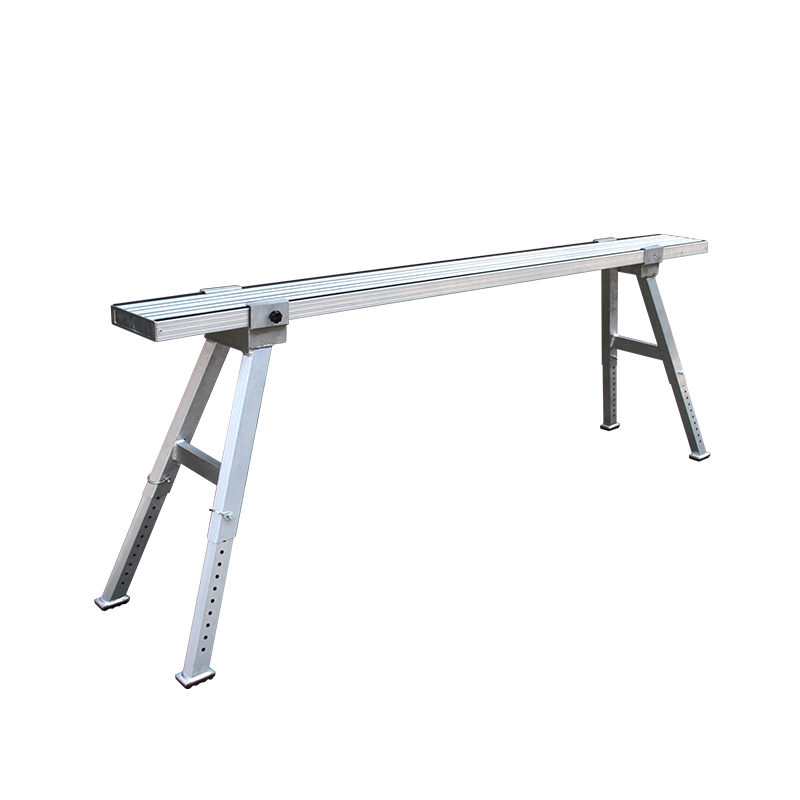
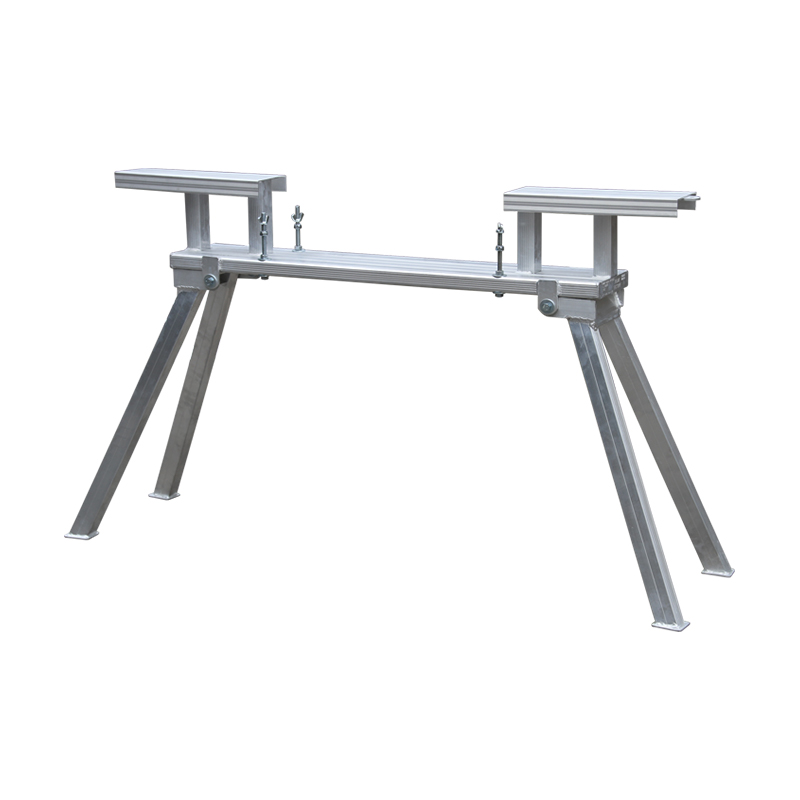
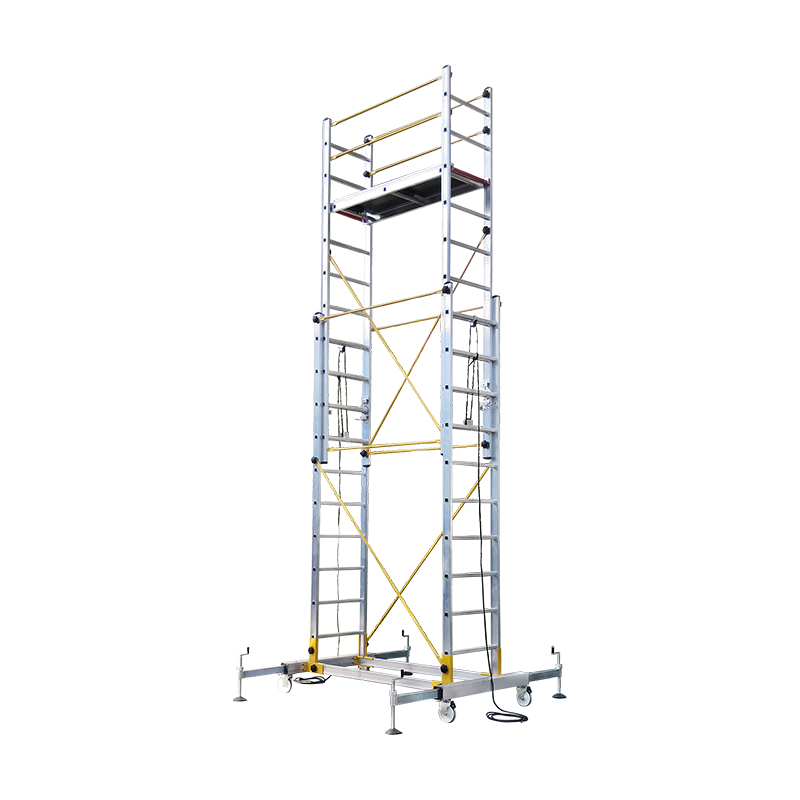
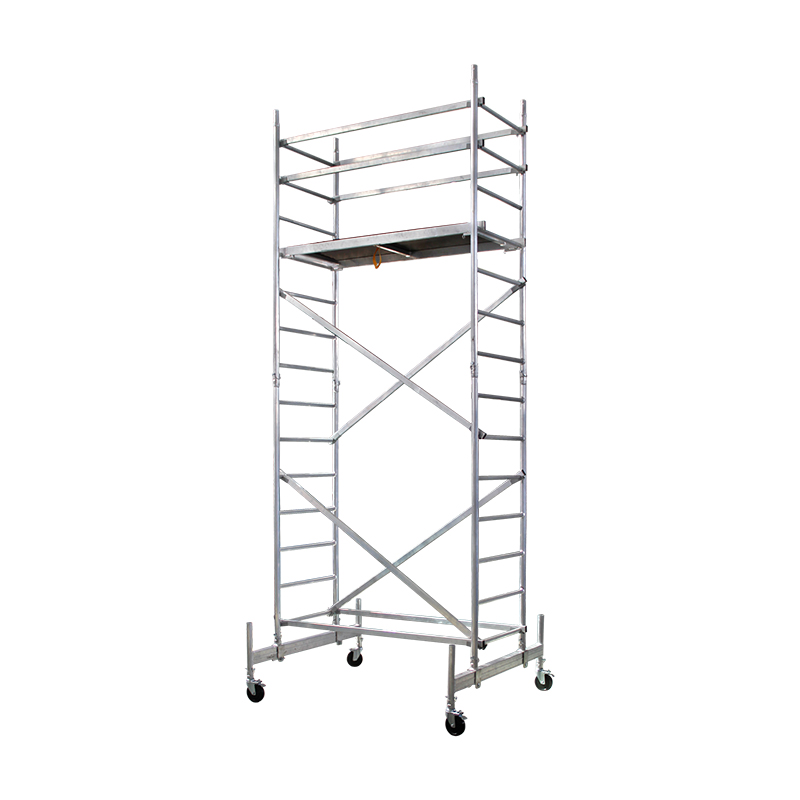
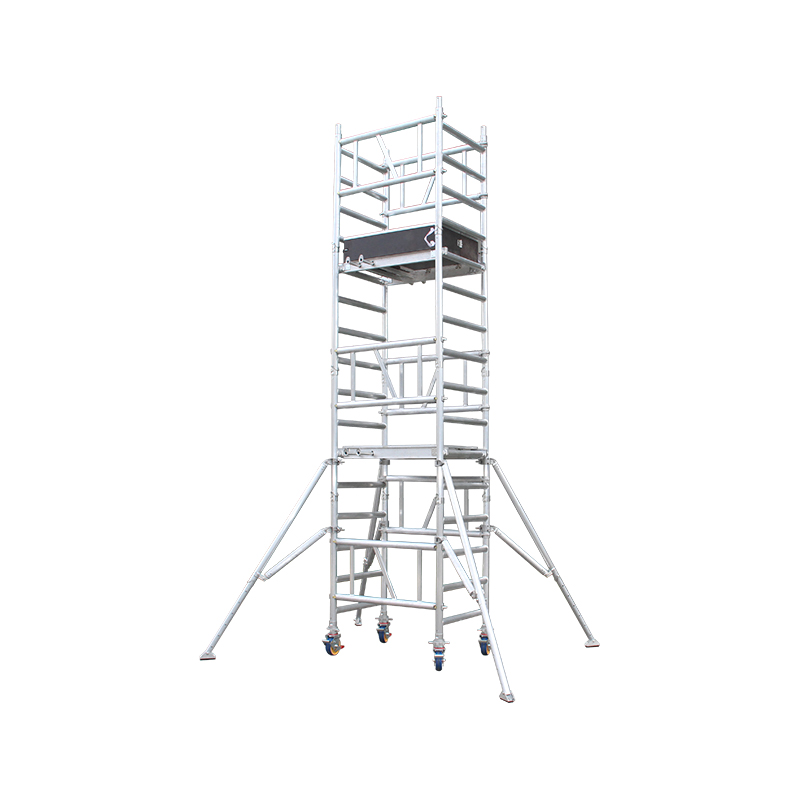
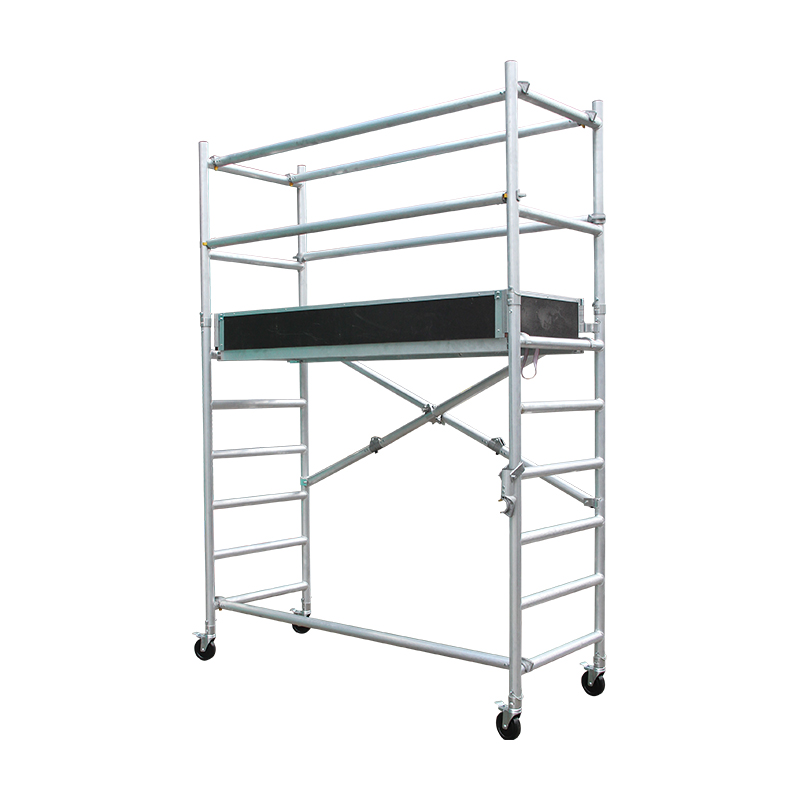
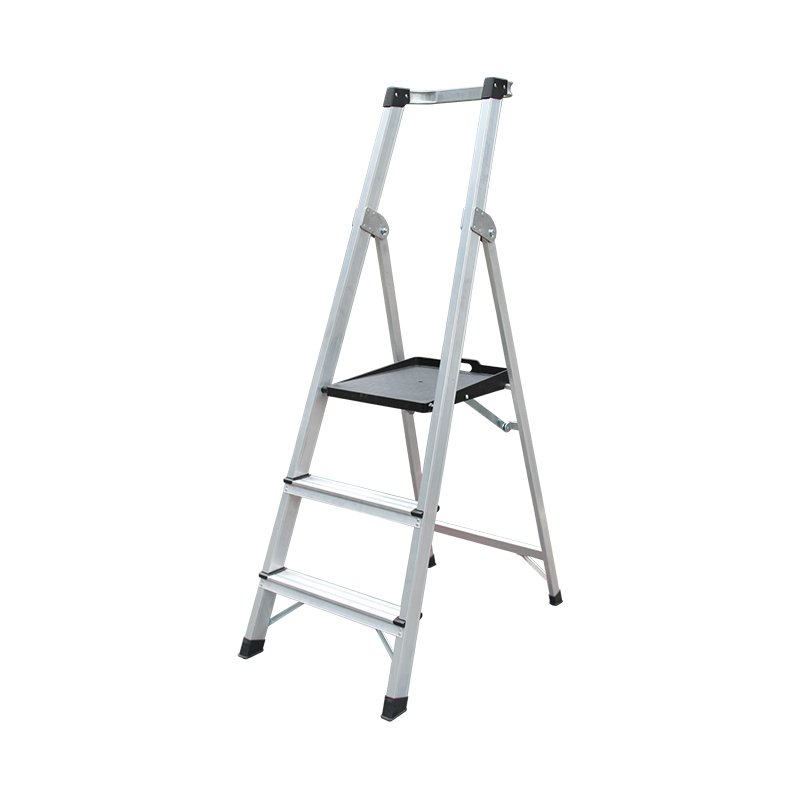
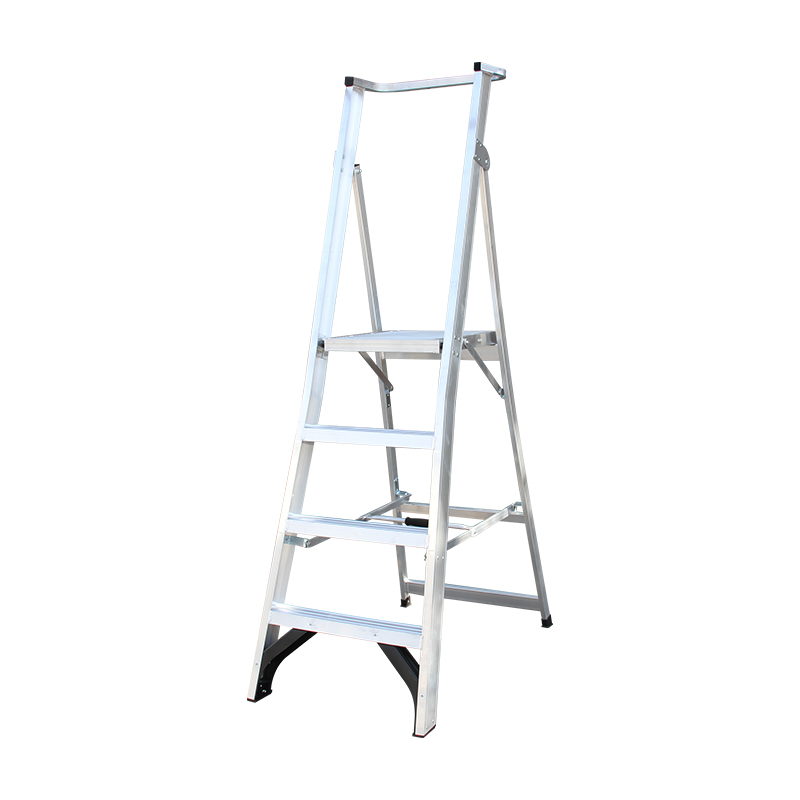
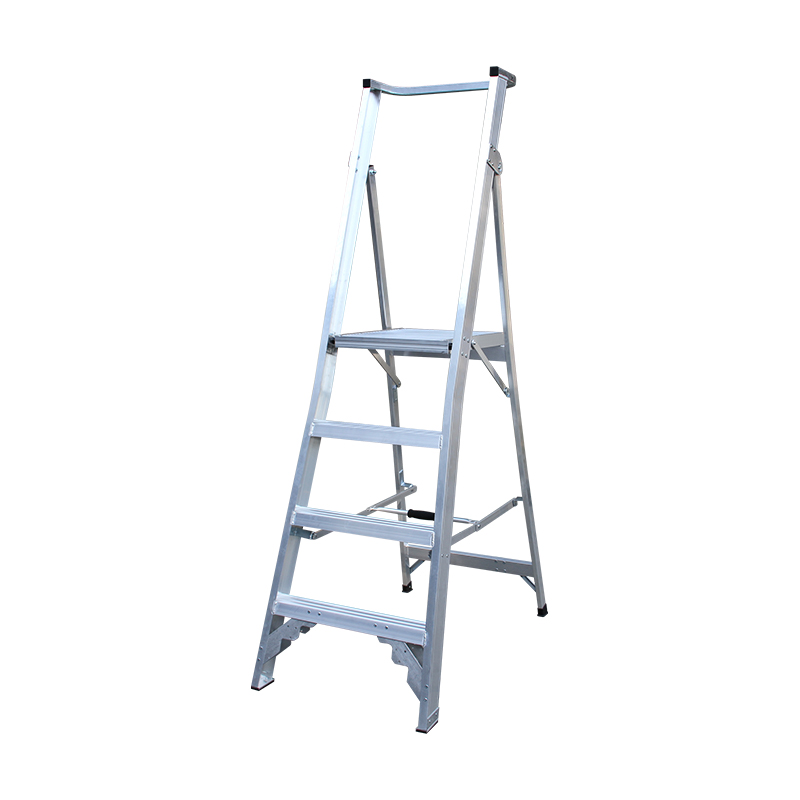
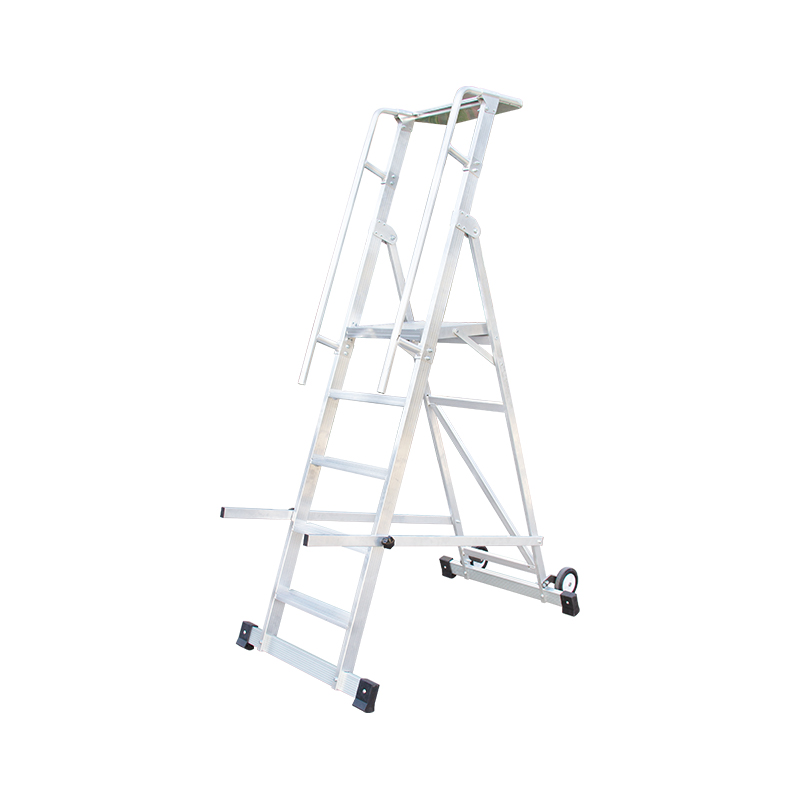
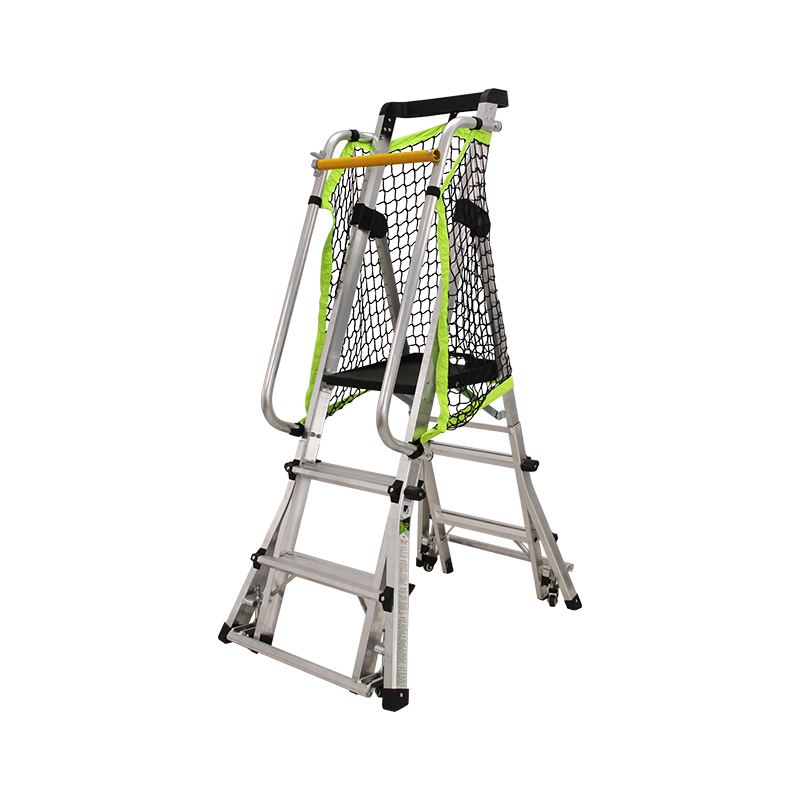
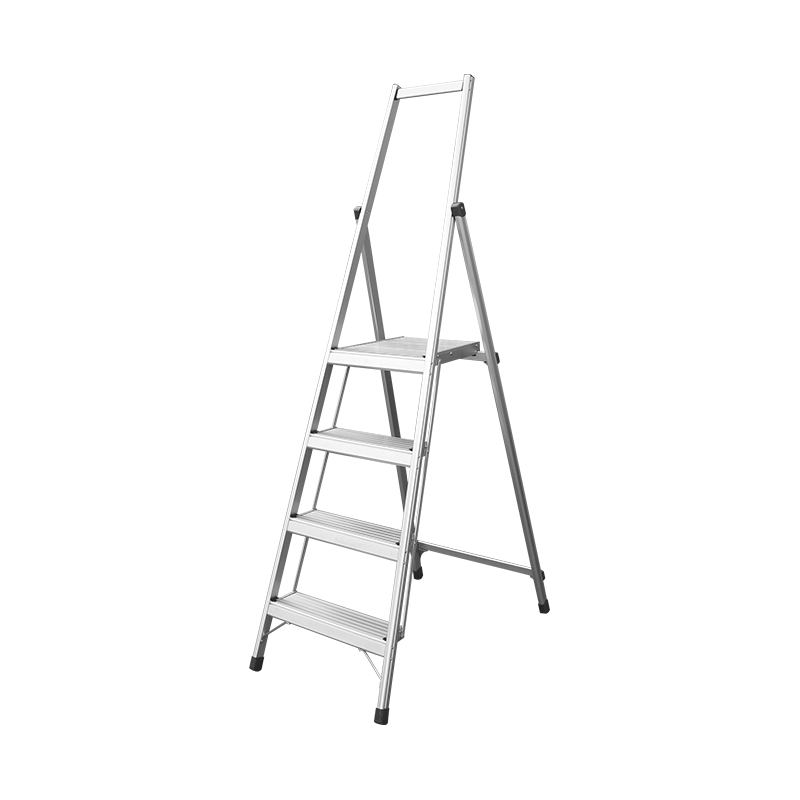











Platform Geometry and Work Efficiency in Aluminium Platform Ladders
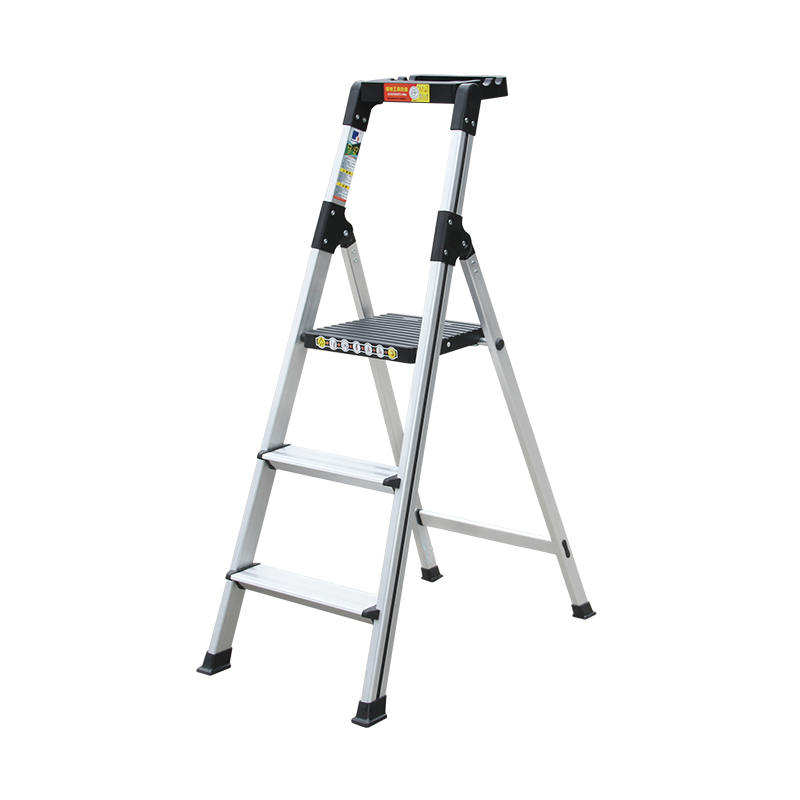
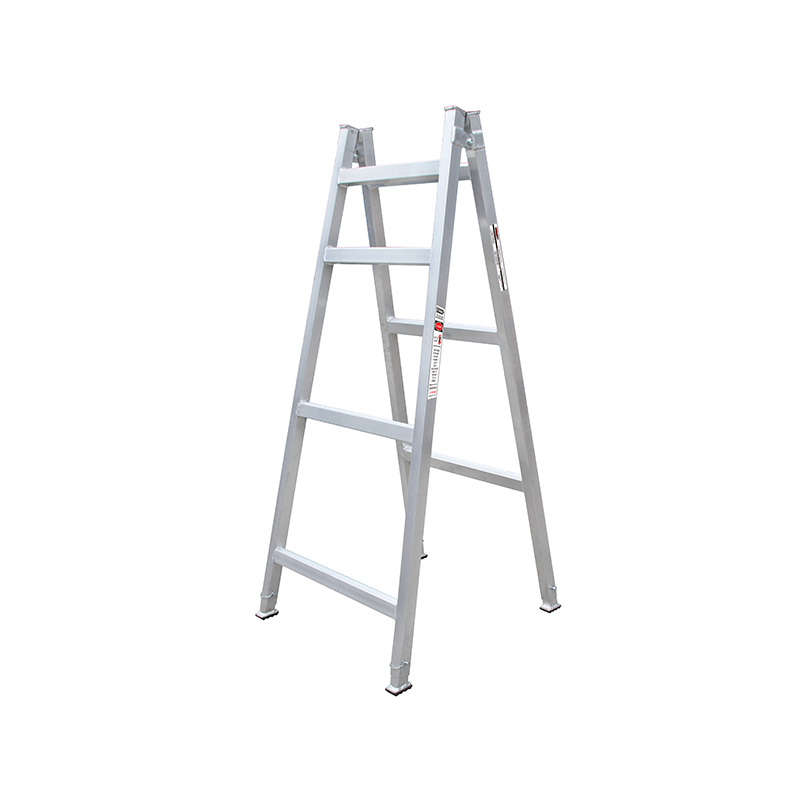
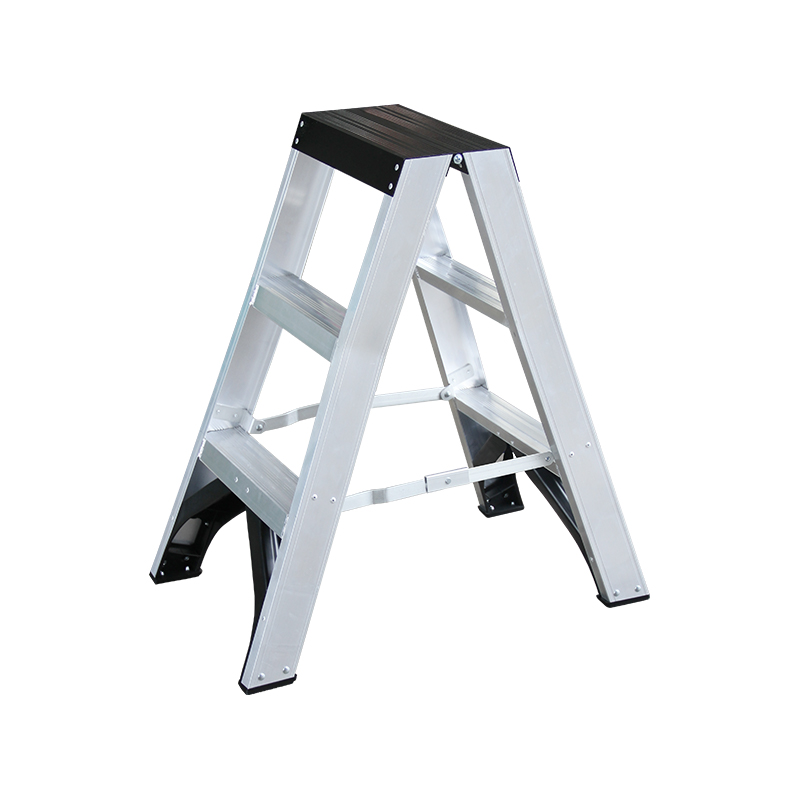
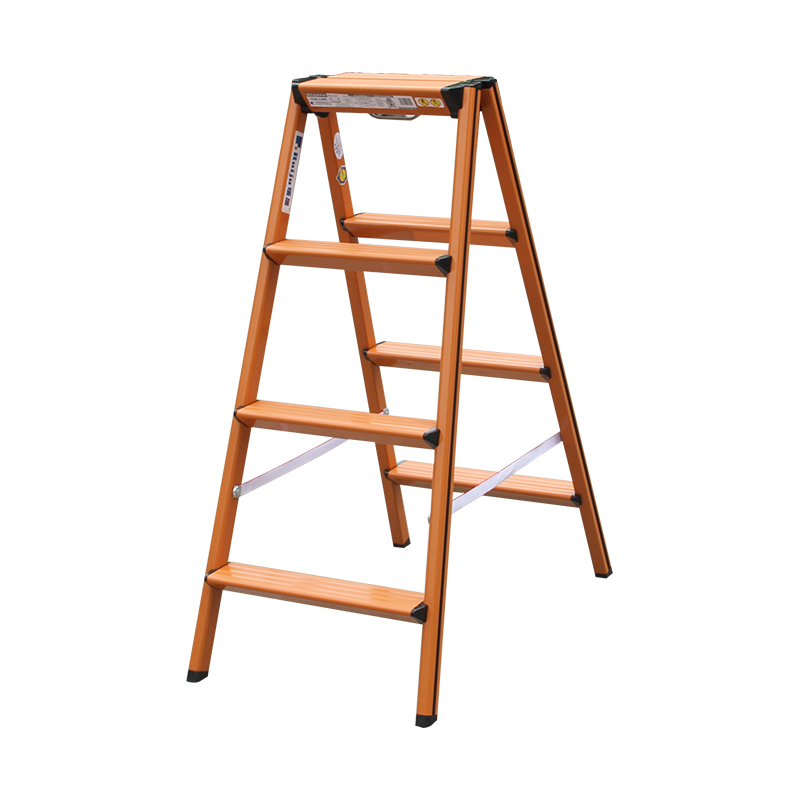
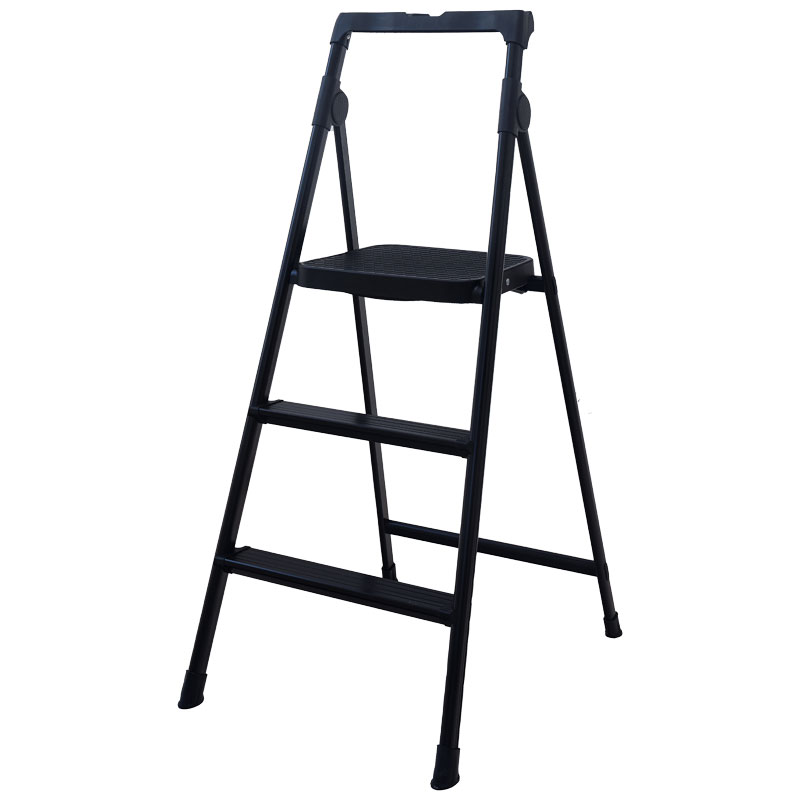
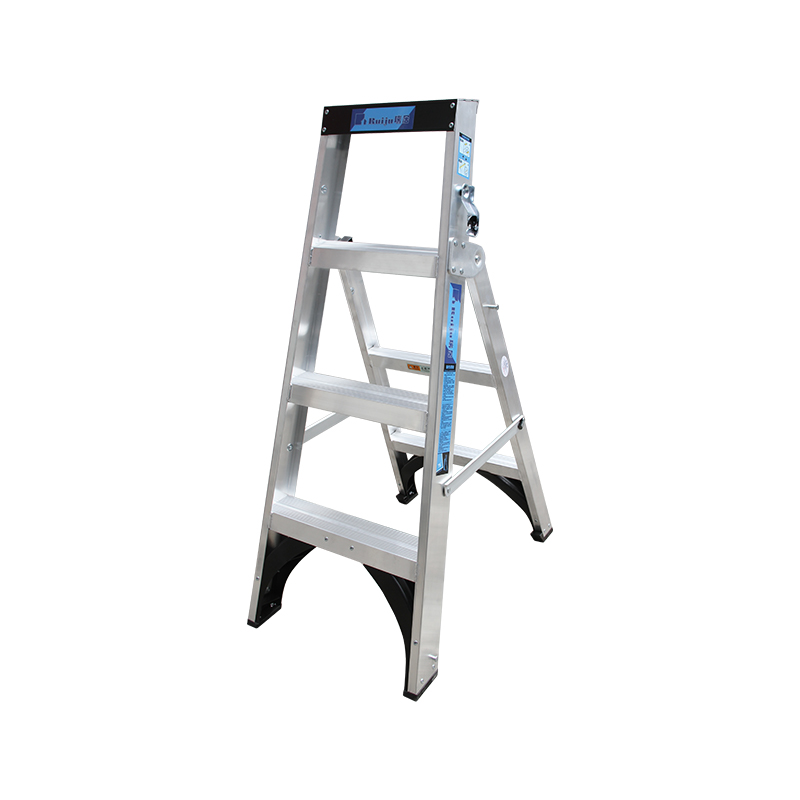
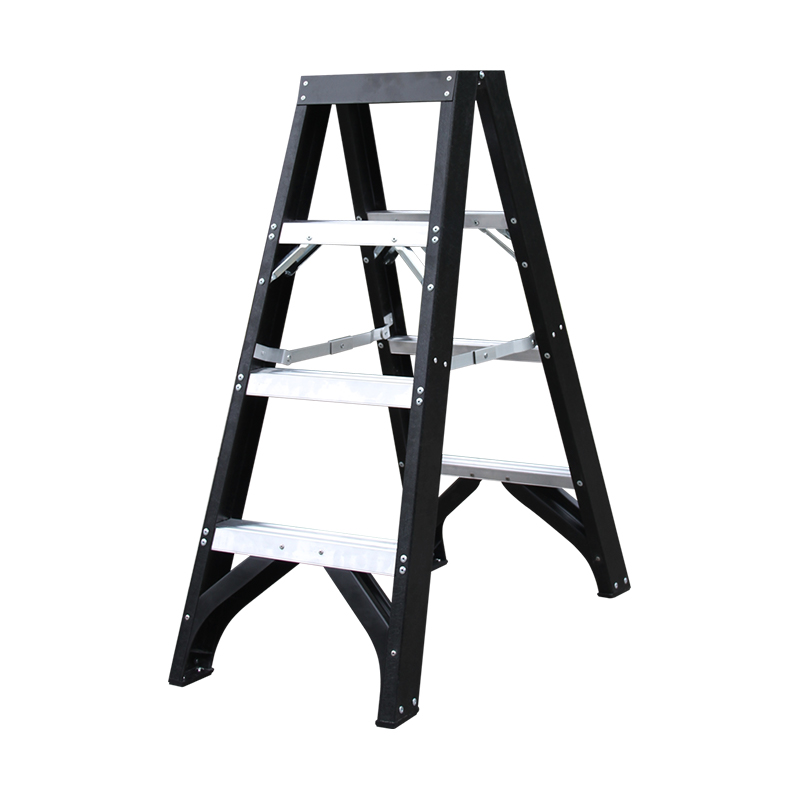
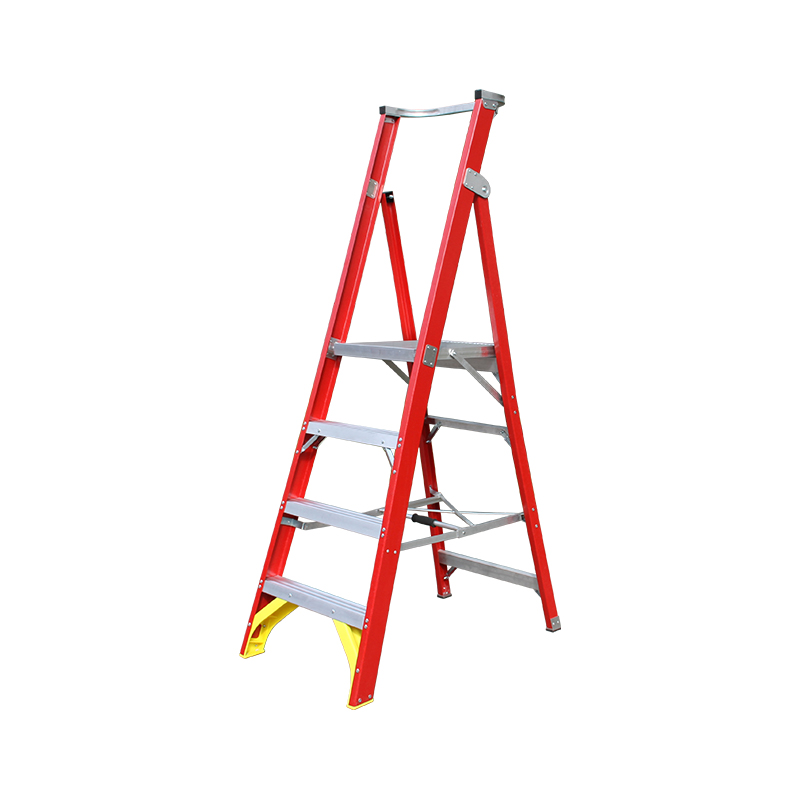
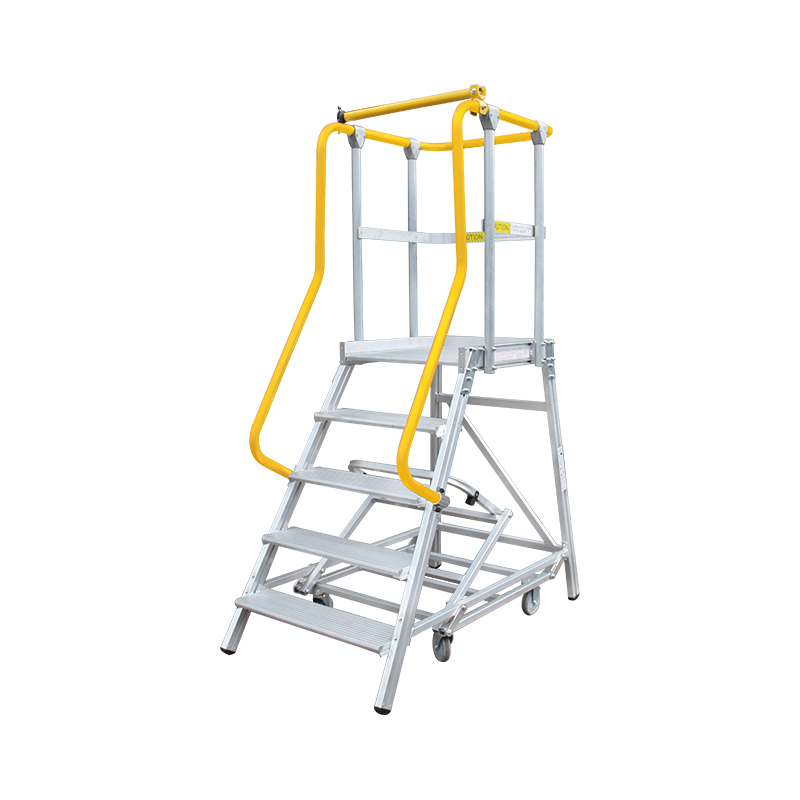
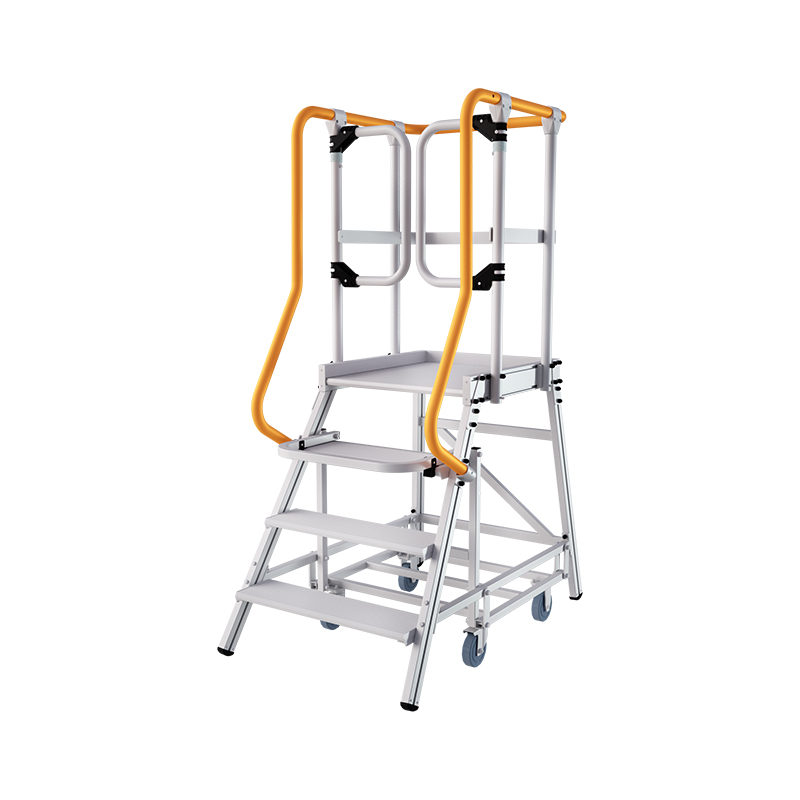
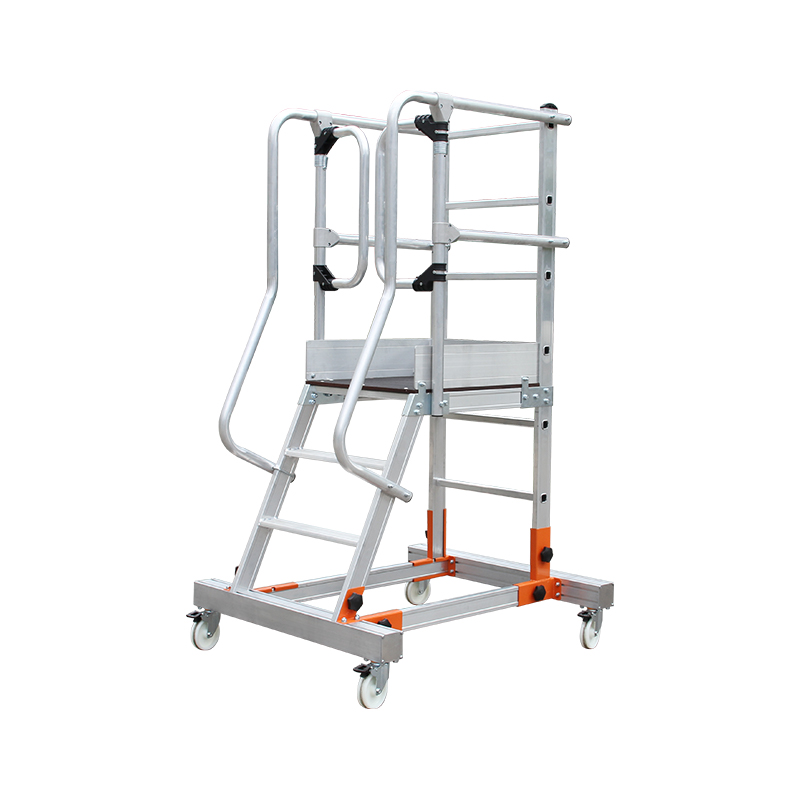
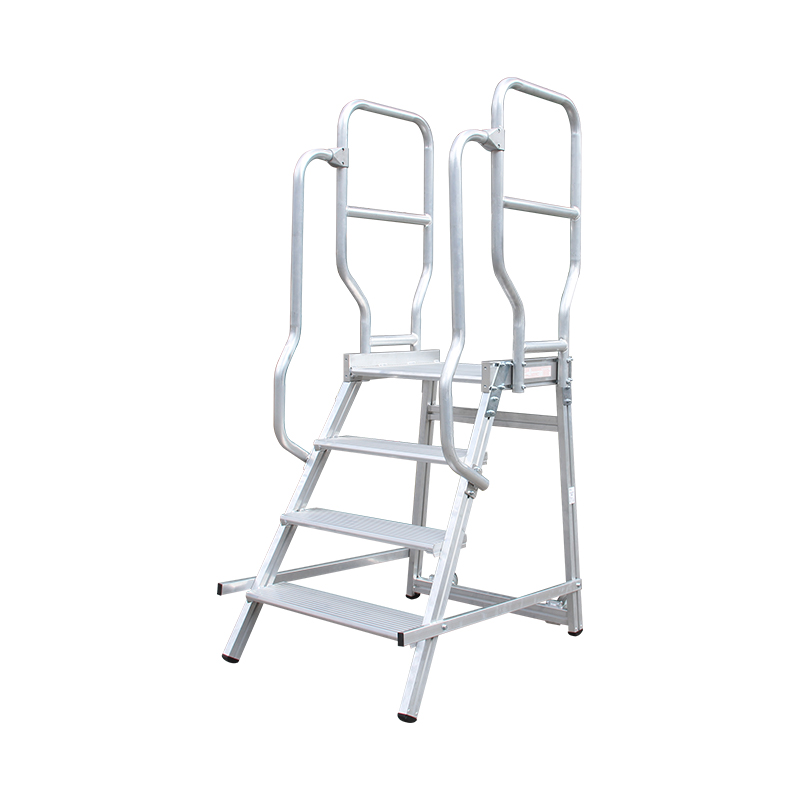
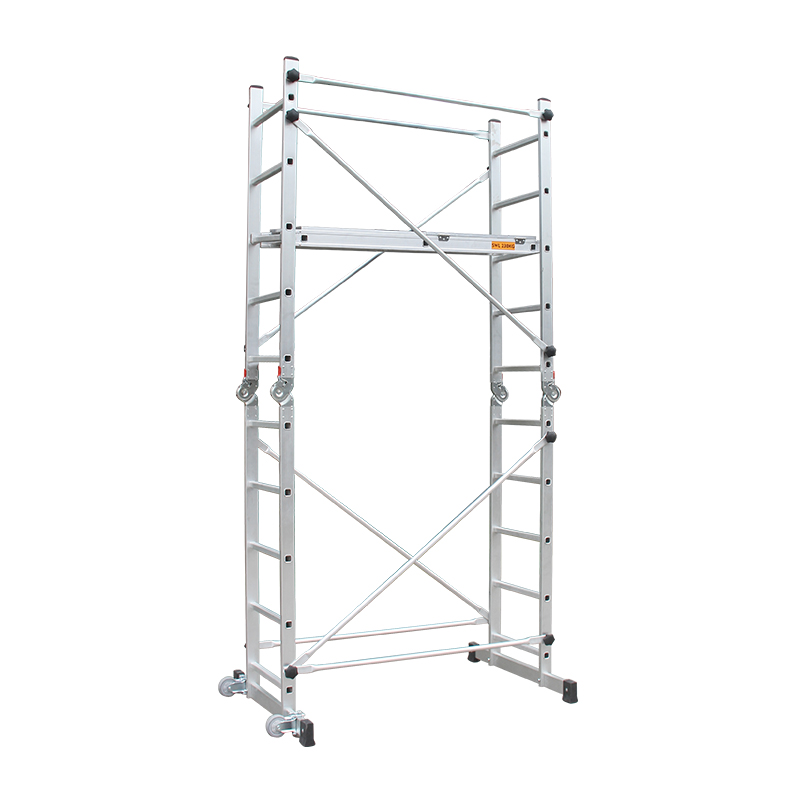
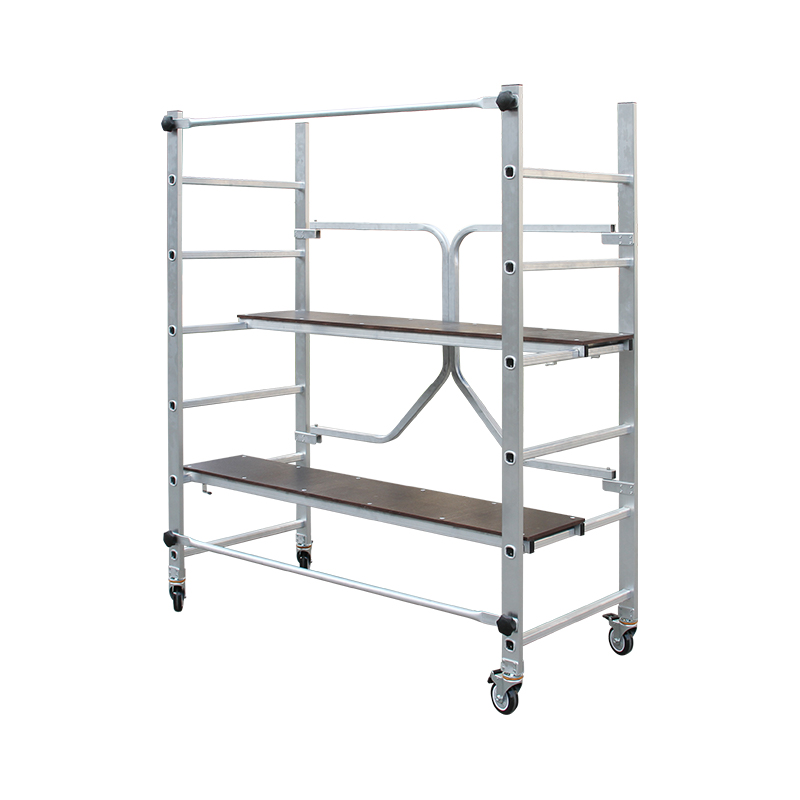
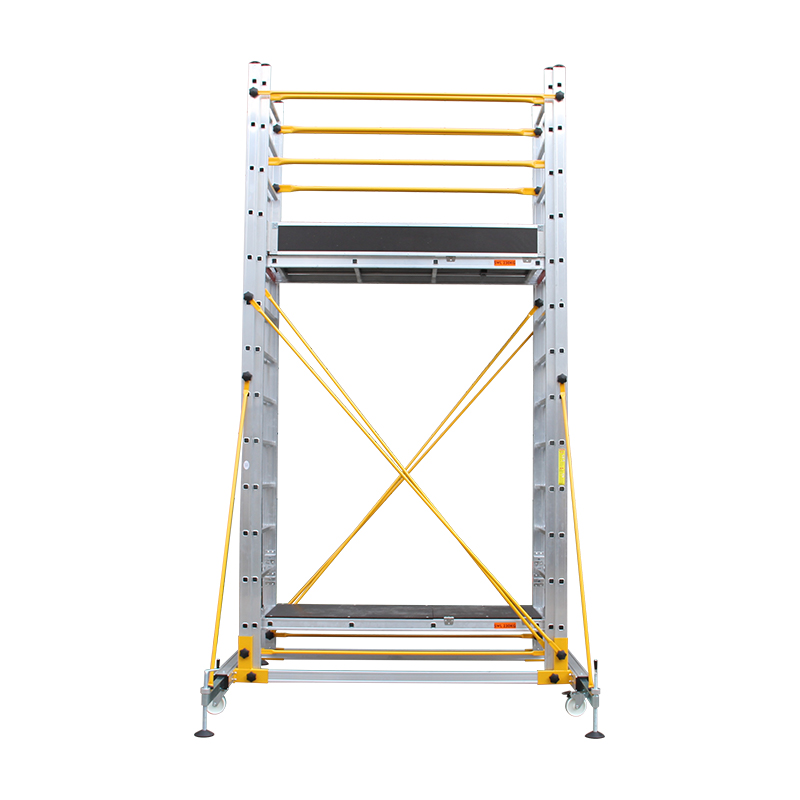
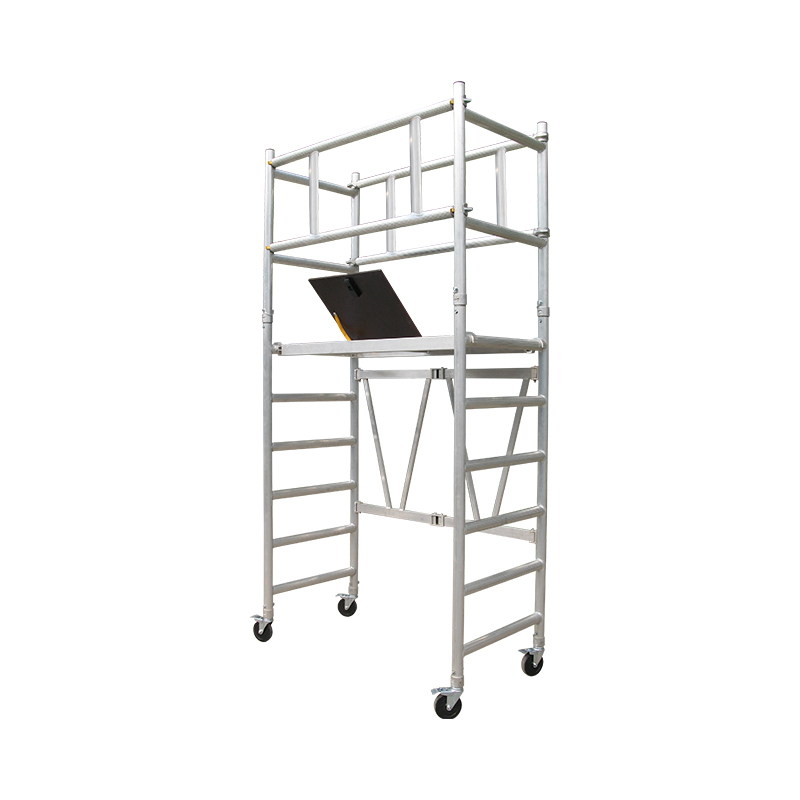
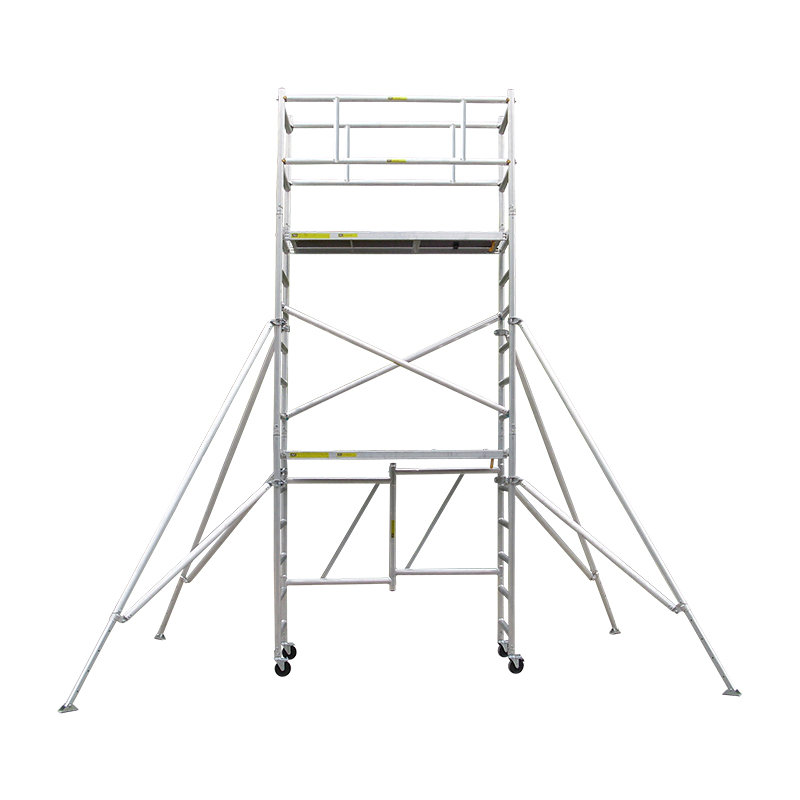
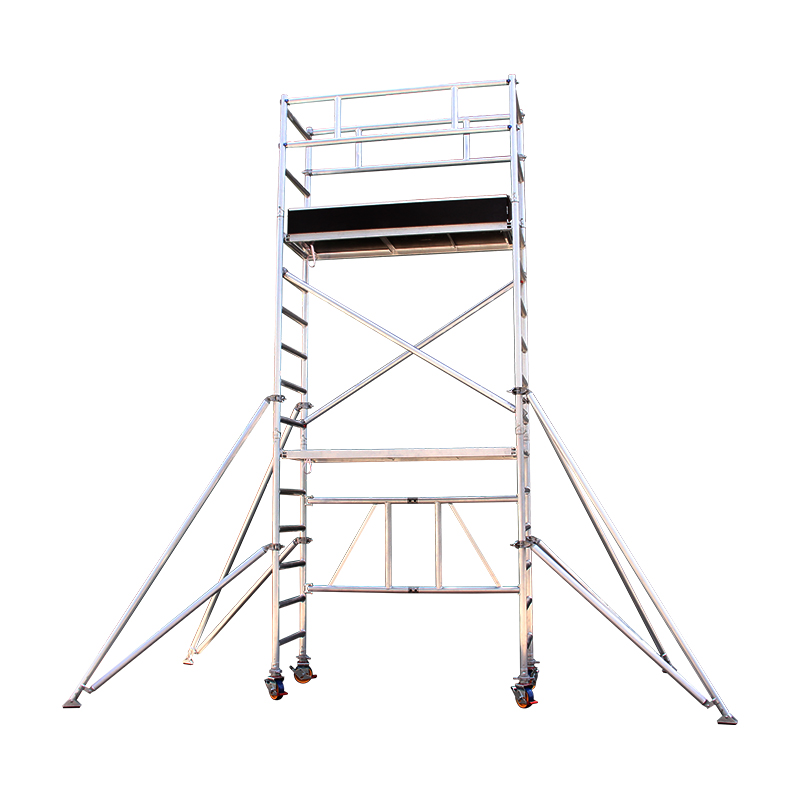
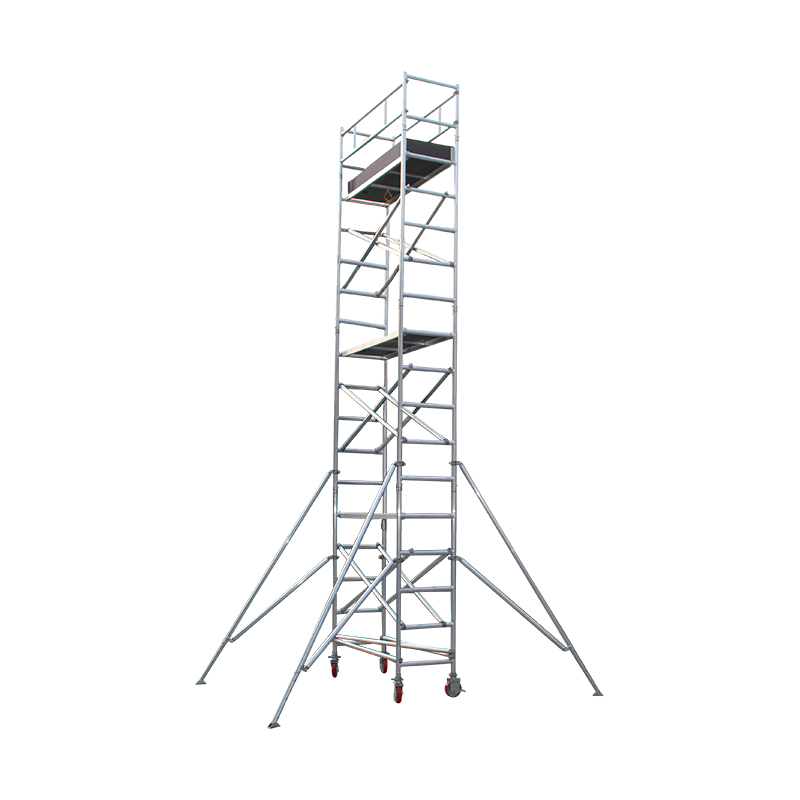
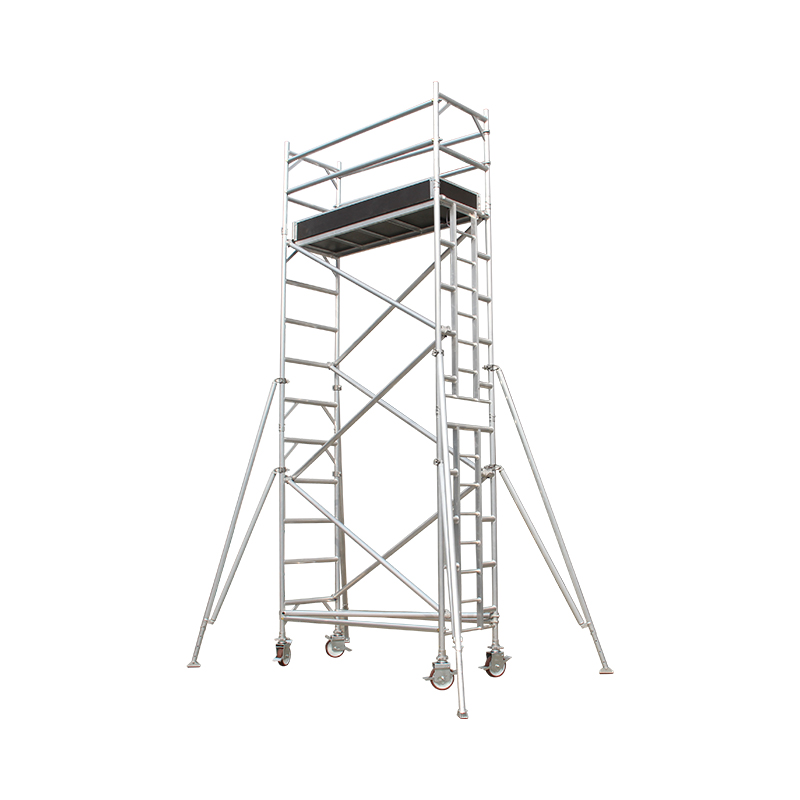
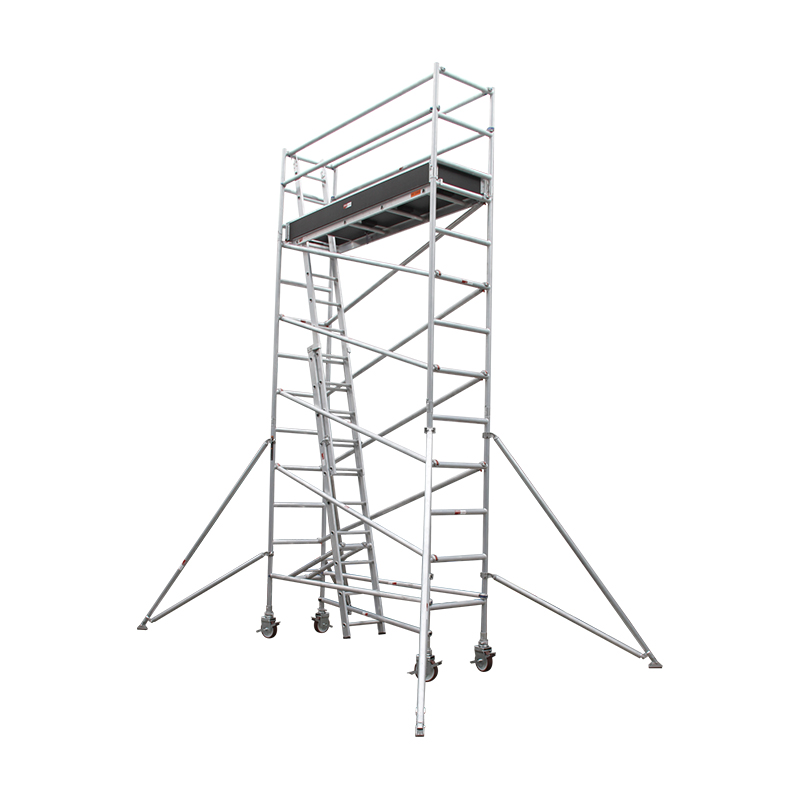
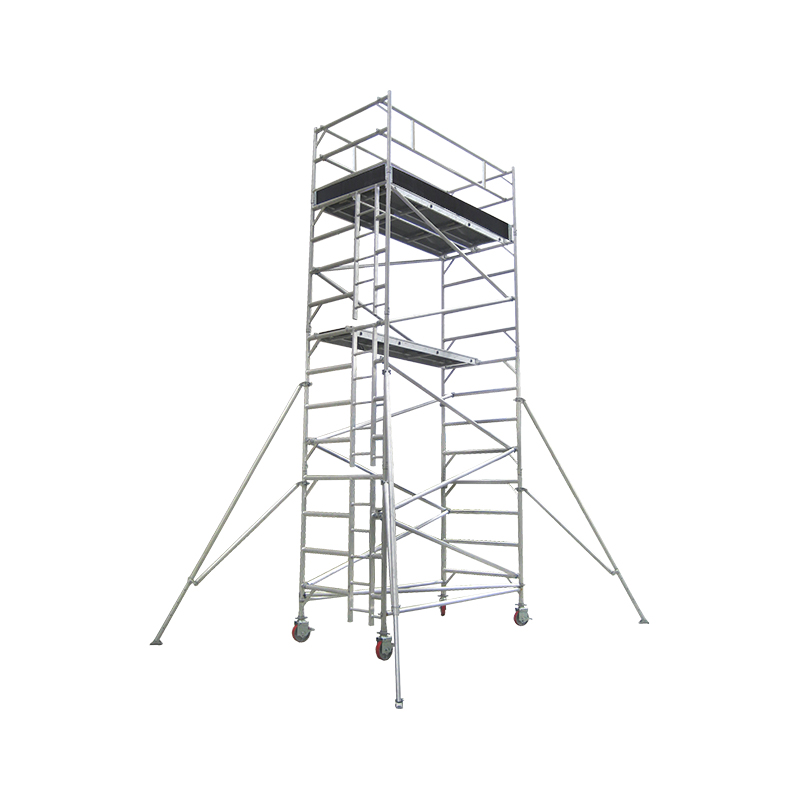
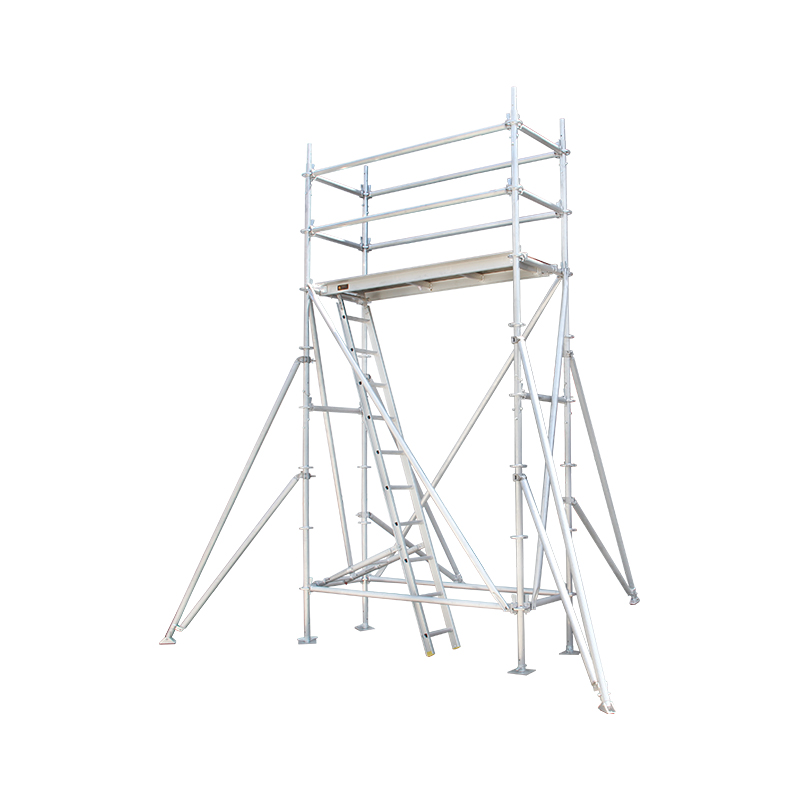
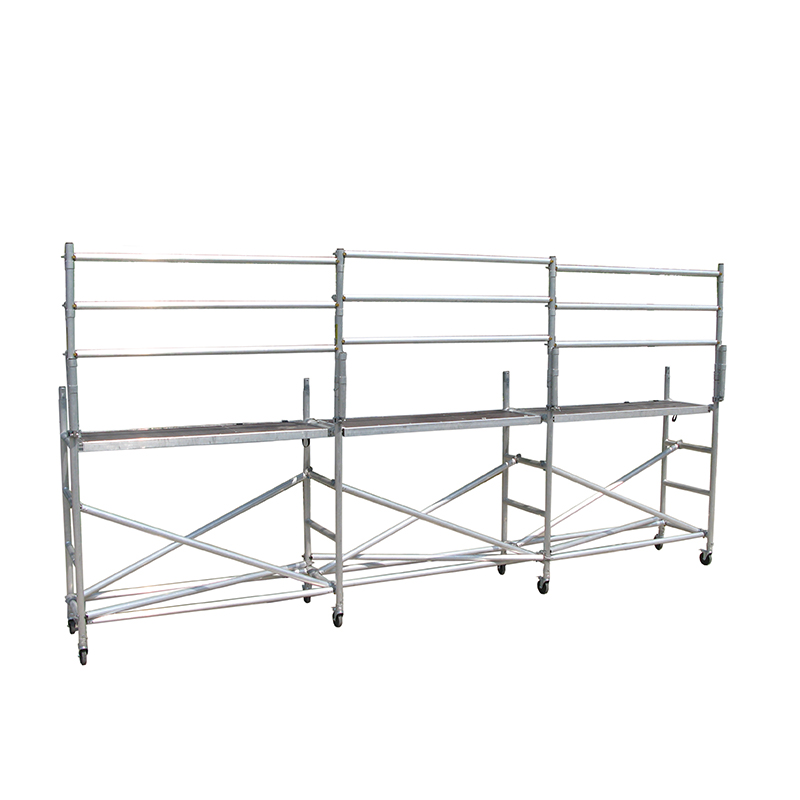
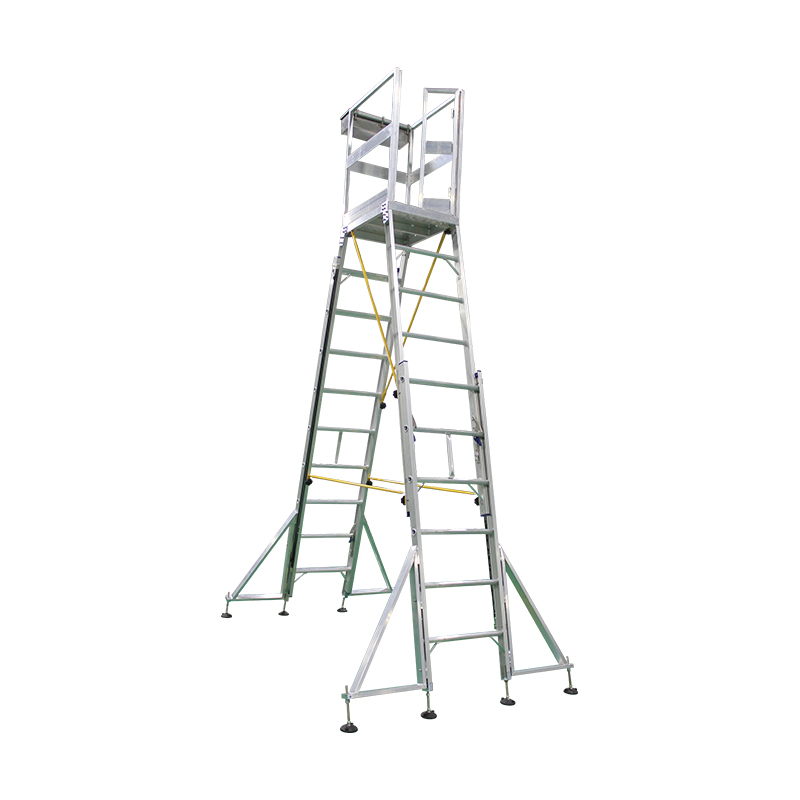
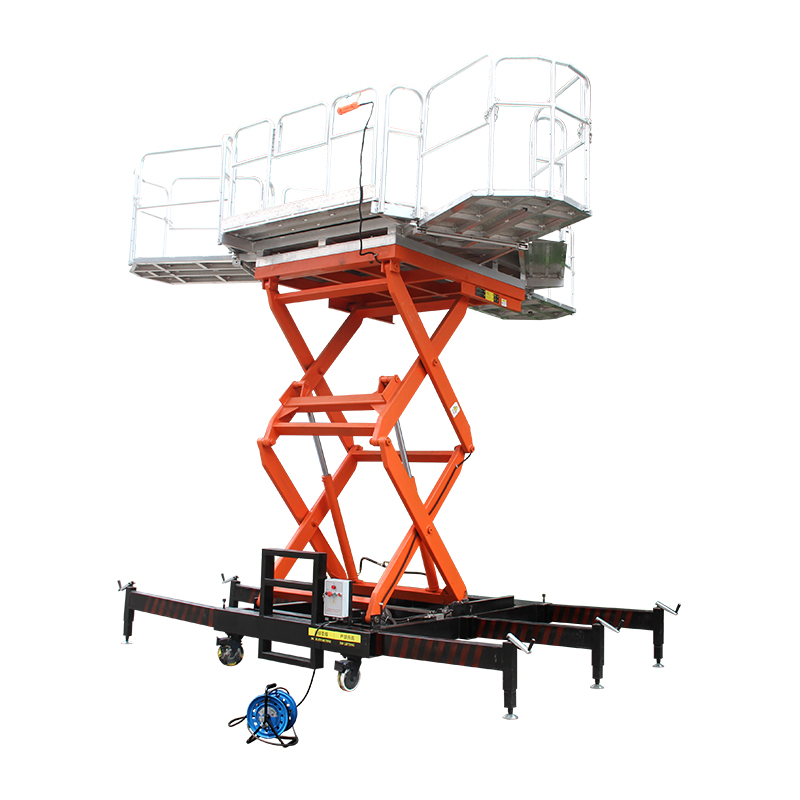
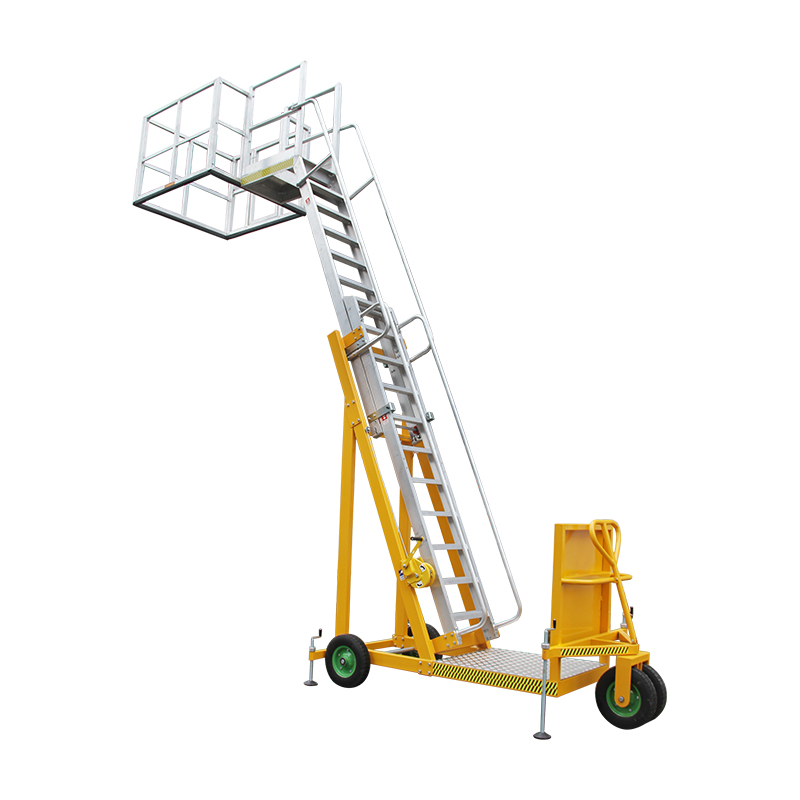
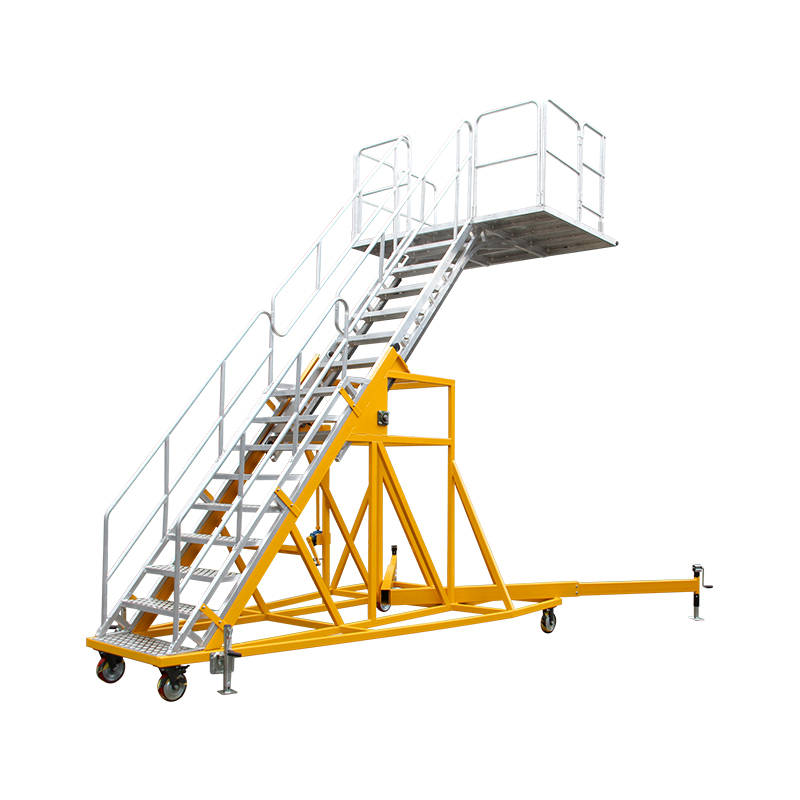
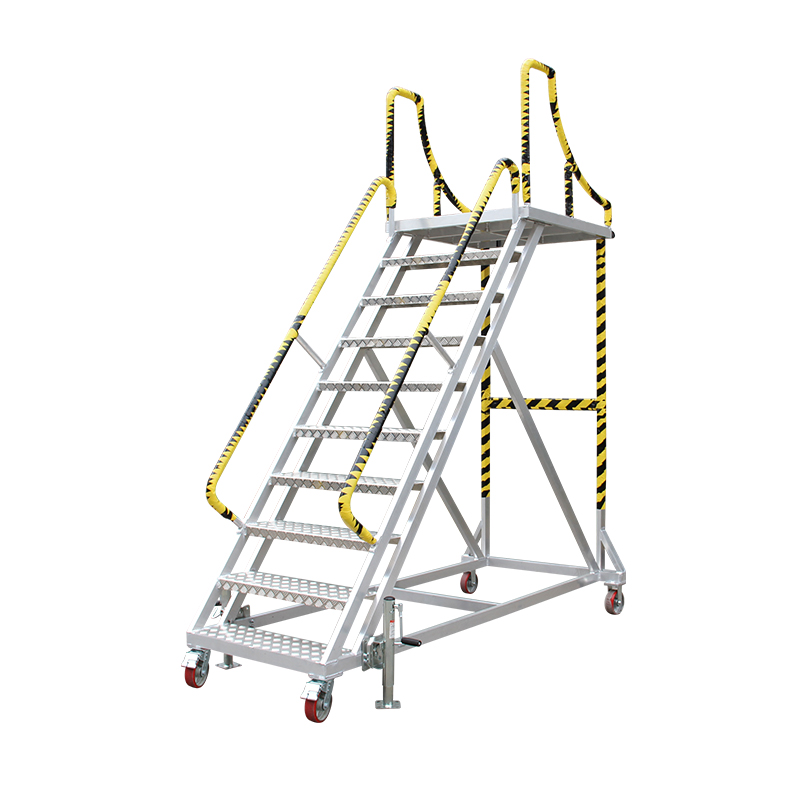
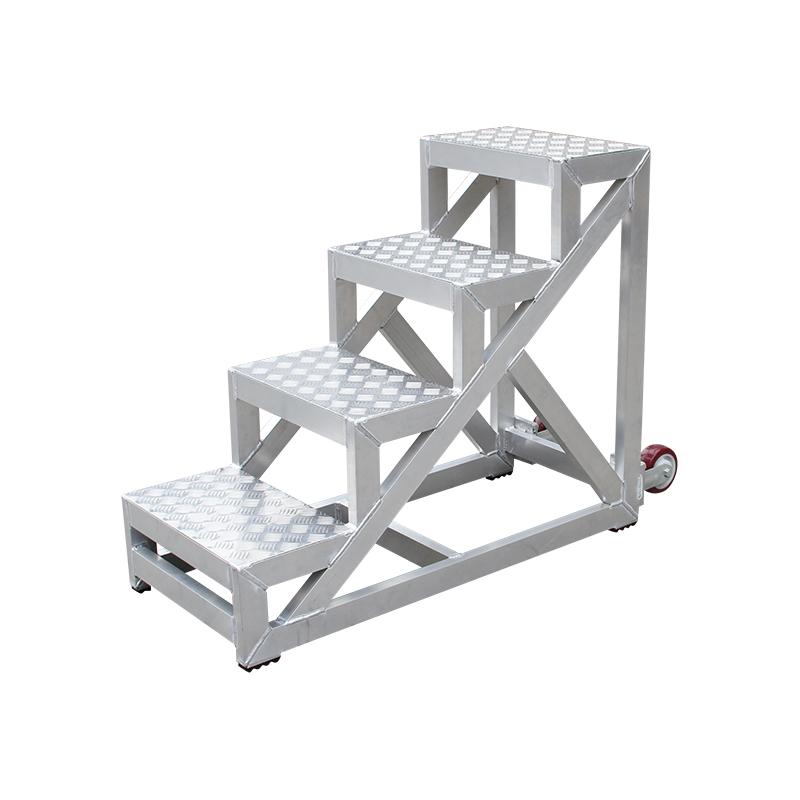
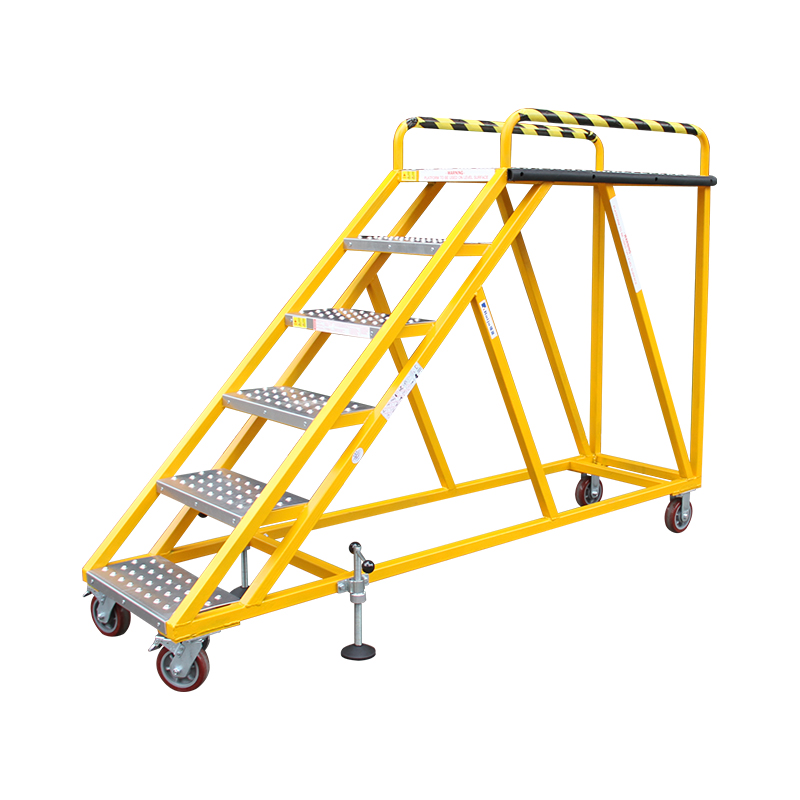
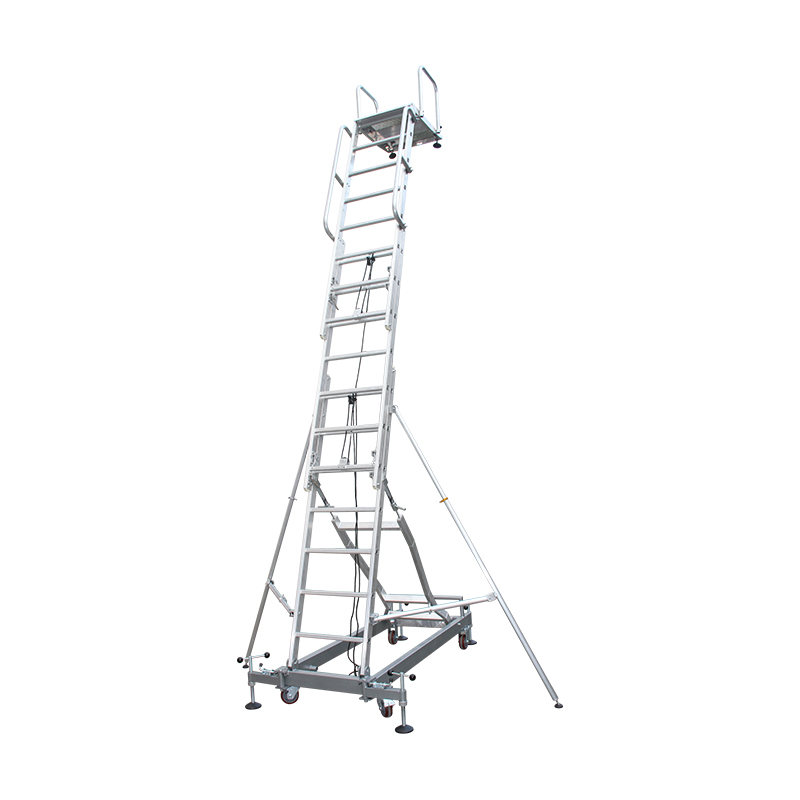
In professional maintenance environments, the platform geometry of an Aluminium Platform Ladder directly influences how efficiently operators can perform tasks at a fixed working height. Platform dimensions, standing height, guardrail arrangement and step spacing should be considered together because changing one element can affect movement around the work area. For facilities where personnel frequently work on equipment, shelving or production lines, the platform should provide enough usable standing space for the intended task without creating unnecessary overall dimensions.
Shanghai Ruiju Metal Products Co., Ltd. has specialized in customized climbing and working-at-height solutions since 2001. Operating from a 12,000 m² self-owned production facility, the company integrates R&D, product design, manufacturing and marketing, with products covering ladders, aluminium scaffolding systems, work platforms and related equipment. Ruiju has more than 30 years of expertise in working-at-height products and technologies and serves both domestic and international markets.
Platform Dimensions Worth Defining
- Platform length and width according to the operator's working posture and task requirements.
- Platform height in relation to the required working reach.
- Guardrail geometry and access opening arrangement where applicable.
- Step spacing and step depth for repeated access.
- Overall folded or stored dimensions when space efficiency is important.
How Platform Height Influences Industrial Workflows
An Aluminium Platform Ladder is often selected according to a required work height rather than simply its overall ladder length. In practice, the relationship between platform height, operator reach and the location of the work surface should be documented before procurement. A platform that is excessively high for a particular task can create unnecessary access requirements, while a platform that is too low may require repeated stretching or repositioning.
For production facilities, maintenance departments and warehouses, establishing several defined working-height categories can simplify equipment allocation. Instead of moving one ladder between unrelated tasks, facilities can assign appropriate equipment to specific work zones. This can reduce unnecessary repositioning and make inspection records easier to manage.
| Design Parameter | Operational Consideration | Specification Focus |
|---|---|---|
| Platform height | Determines access level | Required task height and workplace clearance |
| Platform size | Influences standing and working space | Length, width and allowable load |
| Step dimensions | Affects repeated climbing | Spacing, depth and surface characteristics |
| Base footprint | Determines required floor area | Width, depth and workplace clearance |
| Guardrail system | Defines platform enclosure | Height, access arrangement and structural connection |
Load Distribution Around the Platform Area
The platform of an Aluminium Platform Ladder is not simply a flat surface added to the upper frame. Loads introduced through the operator, tools and work materials need to be transferred through the platform structure and supporting members into the ladder frame and ultimately to the floor. Platform dimensions, support locations and connection methods therefore have an important relationship with the overall structural design.
When specifying equipment for industrial use, the expected working load should be clearly defined together with the configuration in which that load applies. If tools or components are routinely placed on the platform, their weight should be included in the operational loading assessment. This provides manufacturers with more useful engineering information than specifying only the operator's approximate body weight.
Information Useful for Platform Load Specifications
- Maximum intended operator load.
- Typical weight of tools and equipment carried onto the platform.
- Whether materials may remain temporarily on the platform during work.
- Expected frequency of platform loading and unloading.
- Applicable product standards and testing requirements for the destination market.
Material and Surface Selection for Industrial Platform Applications
Aluminium is widely used in working-at-height equipment because its relatively low density can help reduce handling effort while providing useful structural properties. However, material selection for an Aluminium Platform Ladder involves more than choosing an aluminium alloy. Rail profiles, platform structures, steps, fasteners and connection components need to work together as an engineered assembly.
The platform surface also deserves attention in industrial environments. Surface texture, drainage characteristics and resistance to contamination can become relevant where dust, moisture or process residues are present. The appropriate surface design should be selected according to the actual workplace rather than relying on one configuration for every application.
Environmental Factors to Communicate Before Production
- Indoor or outdoor operating conditions.
- Exposure to moisture, dust or industrial contaminants.
- Expected frequency of movement and repositioning.
- Storage environment and transportation conditions.
- Special material, coating or component requirements.
Designing Platform Ladders for Restricted Industrial Spaces
Many industrial workplaces have limited clearance around machinery, production lines and storage systems. In these environments, the footprint of an Aluminium Platform Ladder can be just as important as its working height. A compact design may be easier to position in narrow aisles, while a larger platform may provide more usable work space. The correct balance depends on the physical constraints and tasks within the facility.
For customized projects, it is useful to provide manufacturers with dimensional drawings or measurements of the intended work zone. Door widths, aisle dimensions, overhead obstructions, machine access points and storage locations can all influence the final ladder configuration. Providing this information during the design stage can reduce the need for modifications after production.
Inspection Points for Platform Ladder Fleet Management
In facilities operating multiple units, inspection should cover both the main structure and the platform-specific components. Maintenance personnel can pay particular attention to platform connections, step attachment points, guardrail connections, fasteners, feet and visible deformation. The inspection frequency should reflect the intensity of use and the conditions in which the equipment operates.
A consistent inspection record can also help purchasing teams identify recurring component issues. If several units show similar wear in the same component, the information can be communicated to the manufacturer during future orders or product revisions. This creates a practical feedback loop between equipment use, maintenance and subsequent product engineering.
Recommended Inspection Records
- Product model and identification information.
- Platform, step and guardrail condition.
- Frame alignment and visible deformation.
- Condition of feet, fasteners and connection points.
- Maintenance actions and replacement components.
Ruiju's Integrated Manufacturing Approach to Platform Ladder Development
Shanghai Ruiju Metal Products Co., Ltd. operates an ISO 9001-certified manufacturing system and is BSCI audited. Its standard products comply with China's national standard GB12142, while export products meet applicable Australian, European and American industry standards. Products are rigorously tested and certified by SGS and TÜV, supporting independent quality verification for relevant market requirements.
Under the Ruiju brand, the company operates a 12,000 m² self-owned production facility with an integrated system covering R&D, product design, manufacturing and marketing. With more than 30 years of experience in working-at-height products and technologies and a portfolio of technical patents, Ruiju continues to develop ladders, aluminium scaffolding systems, work platforms and related equipment according to evolving application requirements.
For customers specifying an Aluminium Platform Ladder, useful technical documentation should define platform dimensions, working height, structural load requirements, access arrangement, base footprint, environmental conditions, storage limitations and destination-market standards. Shanghai Ruiju Metal Products Co., Ltd. can use these engineering inputs to coordinate product design and manufacturing requirements, helping create platform ladder configurations suited to specific professional working environments.