en
en 简体中文
简体中文 Español
 Deutsch
 عربى
عربى
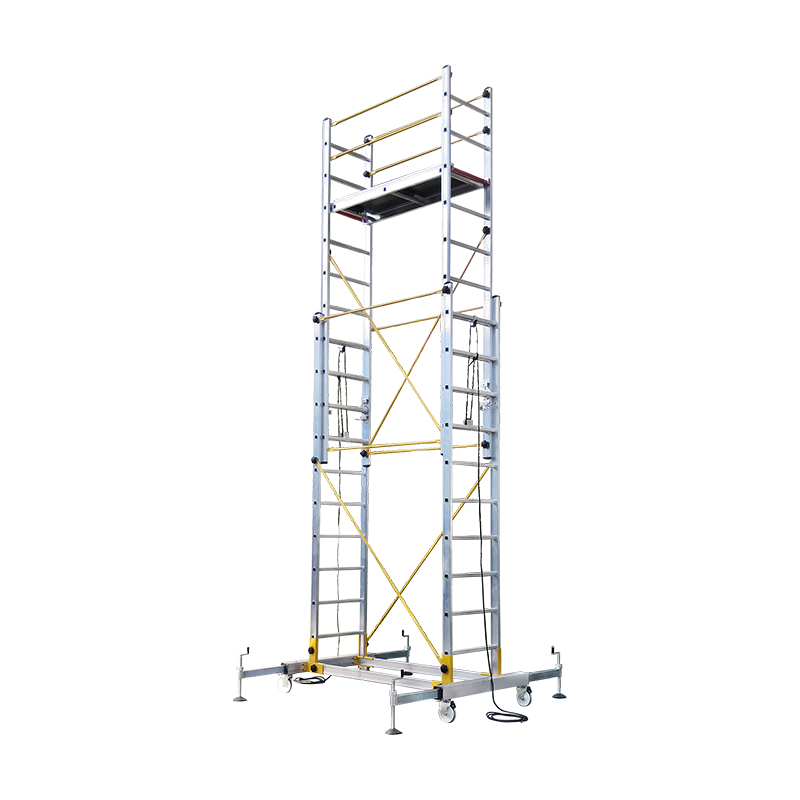
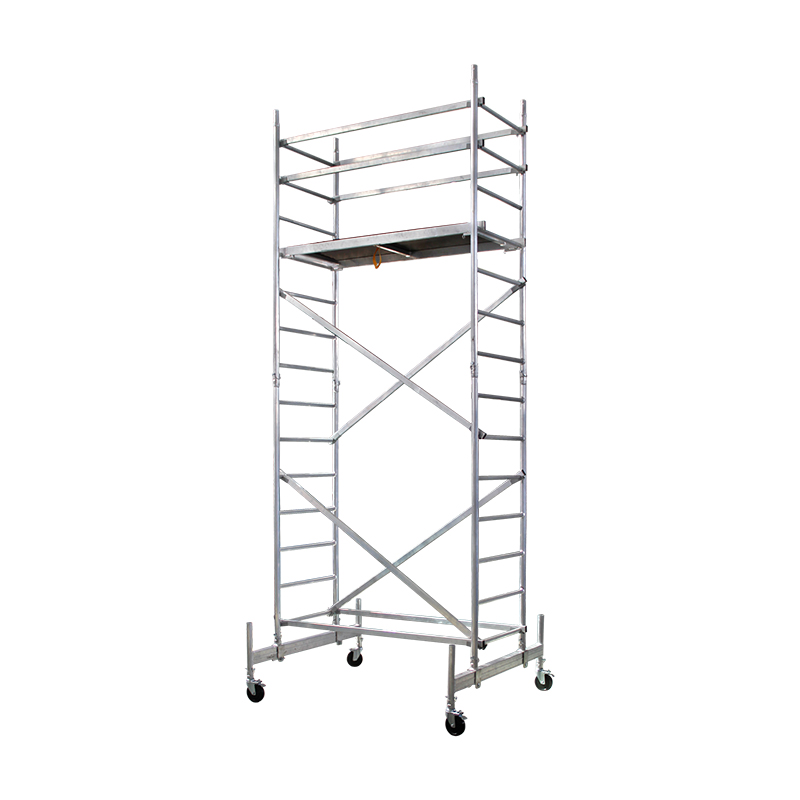
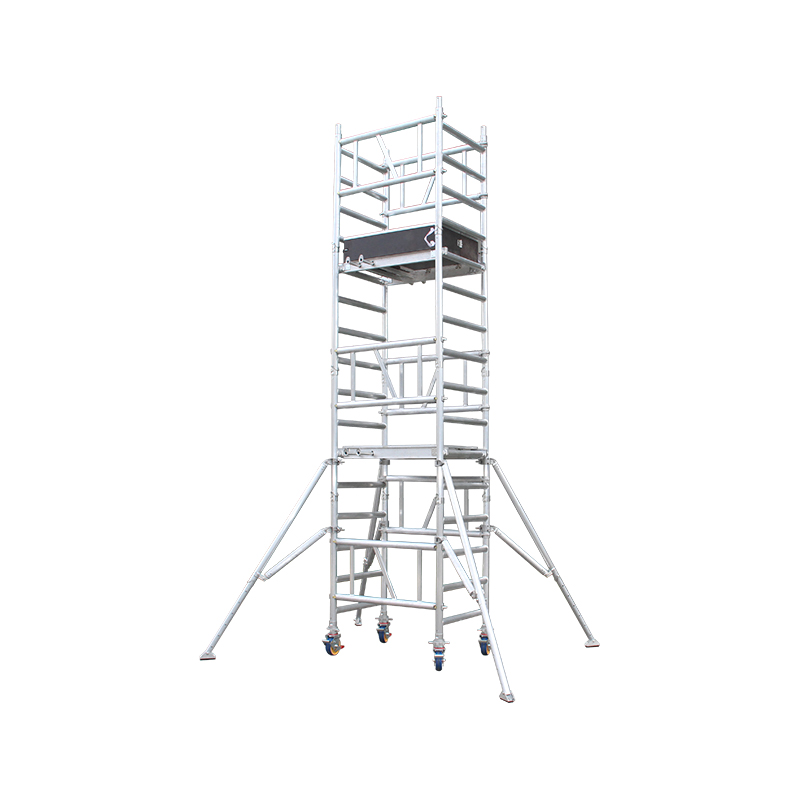
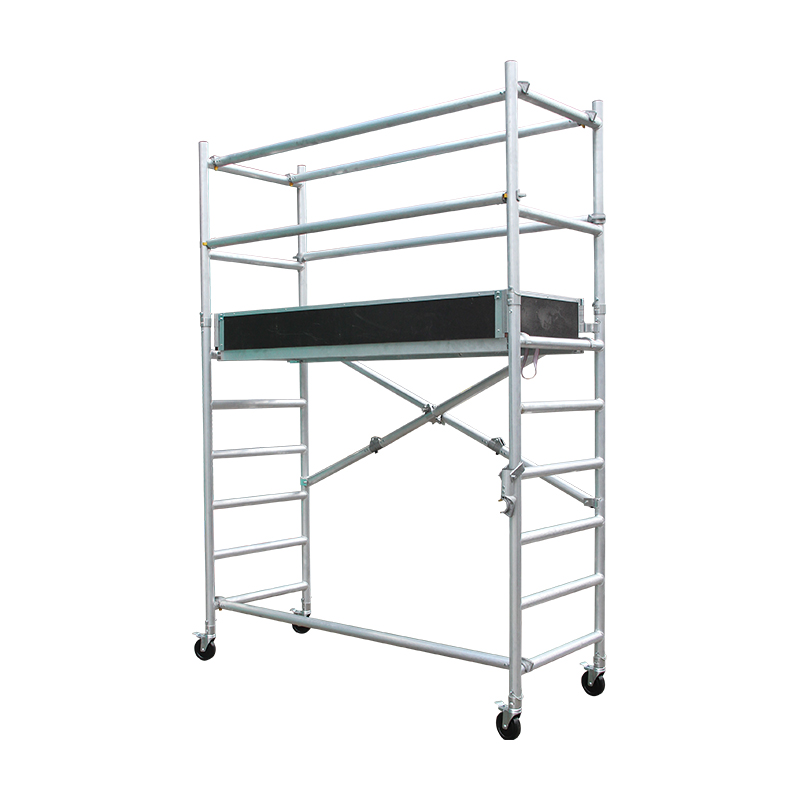
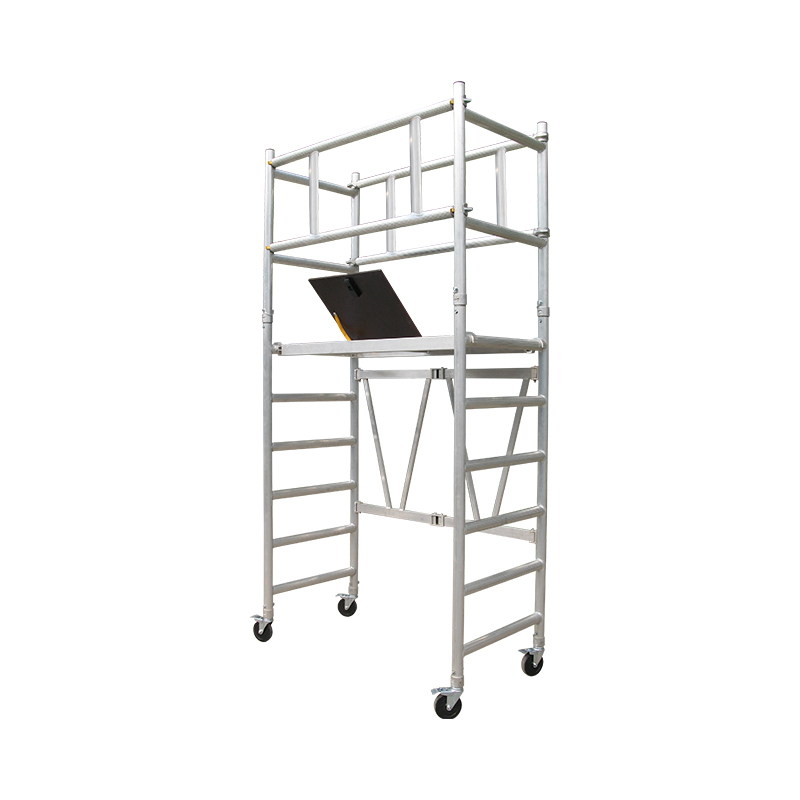
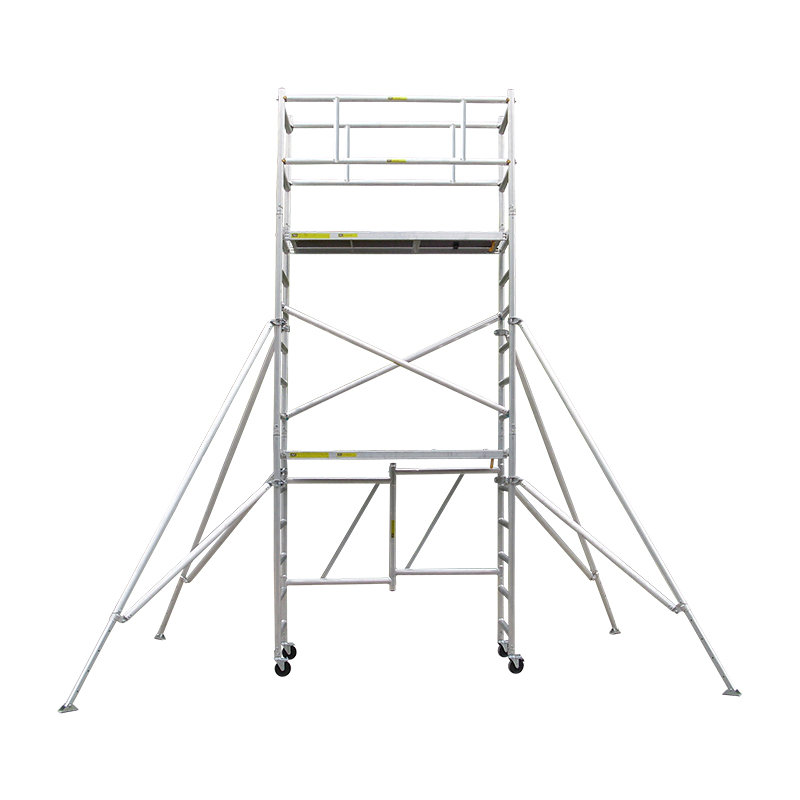
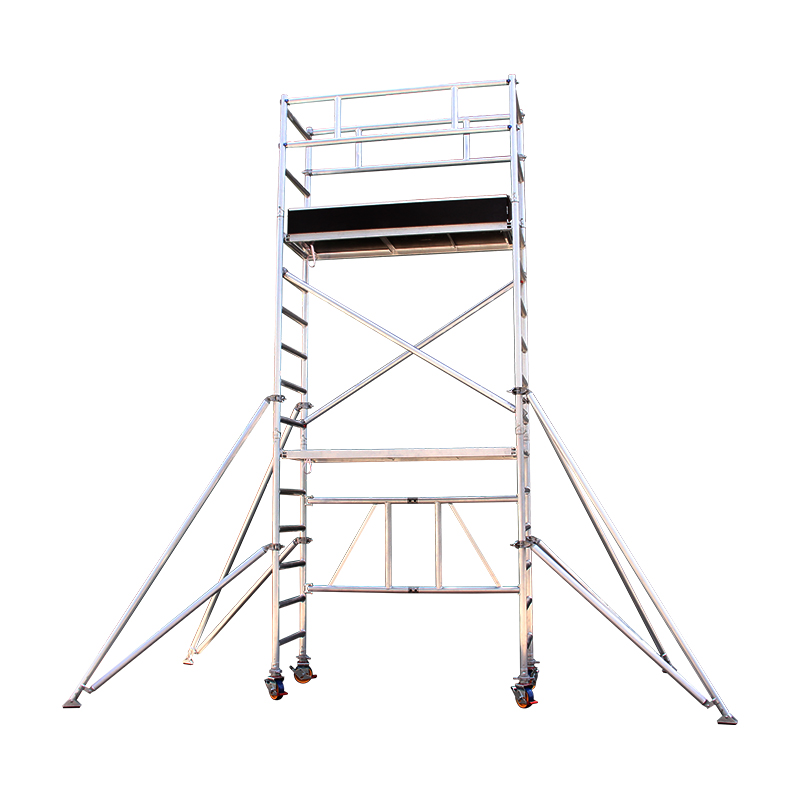
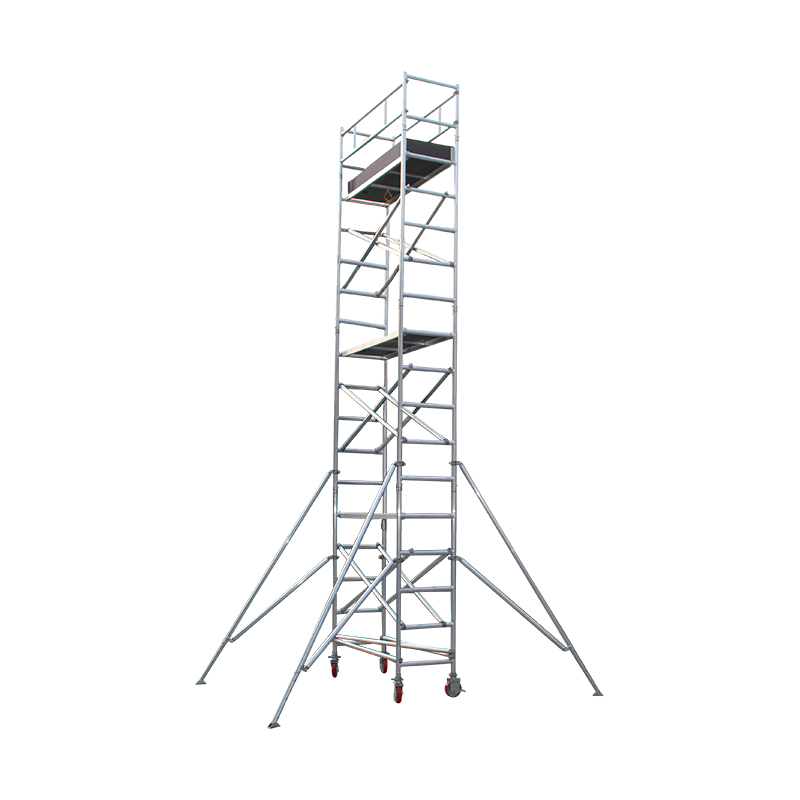
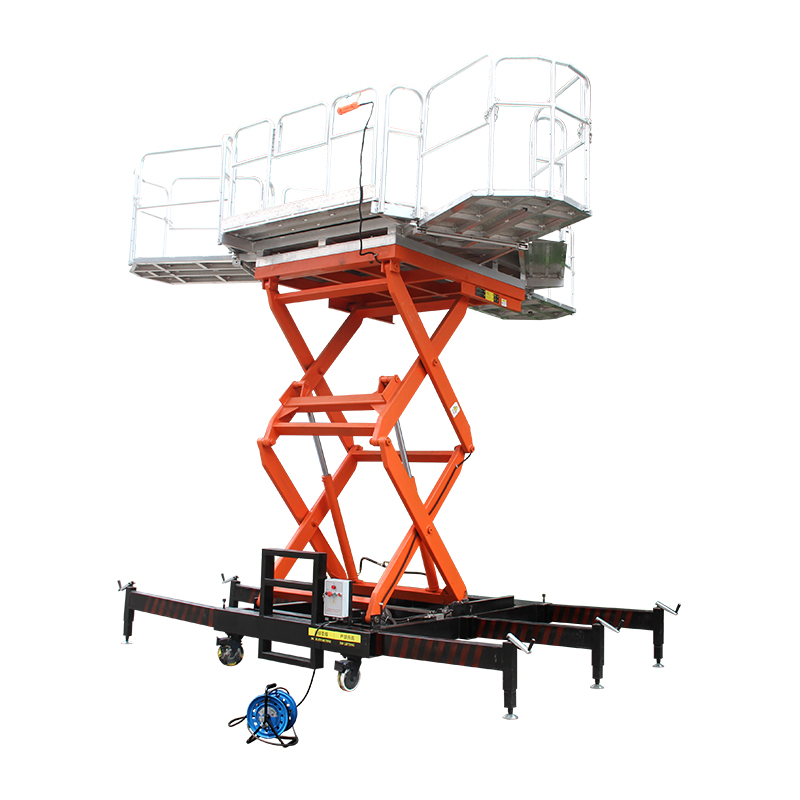
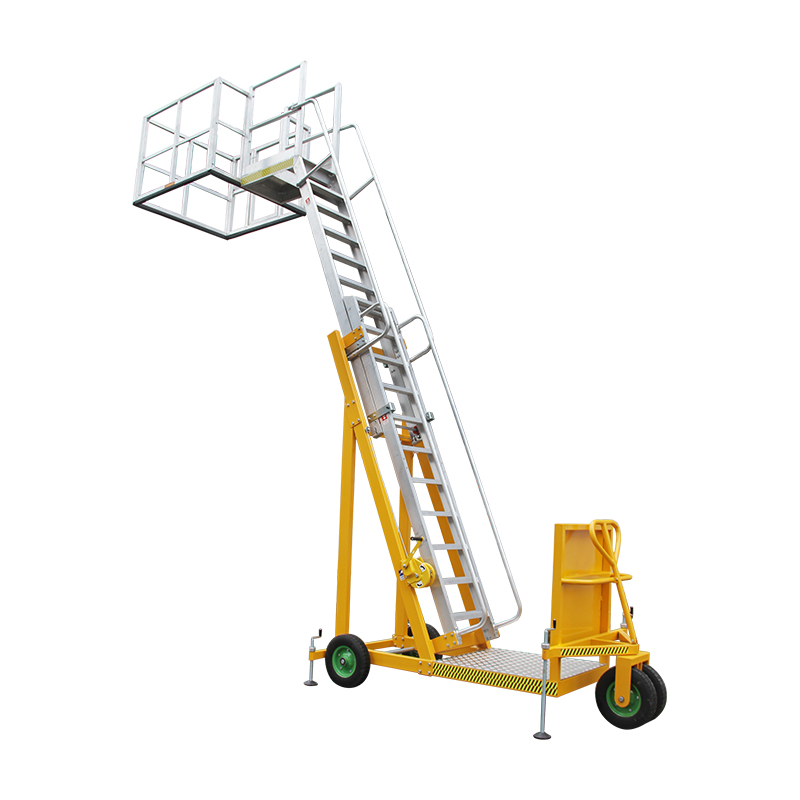
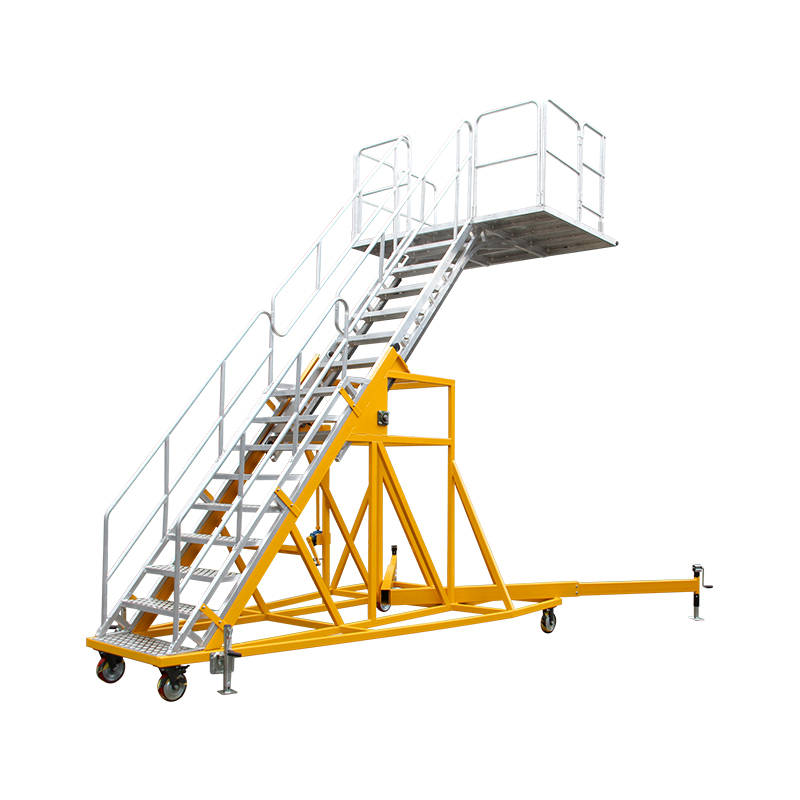
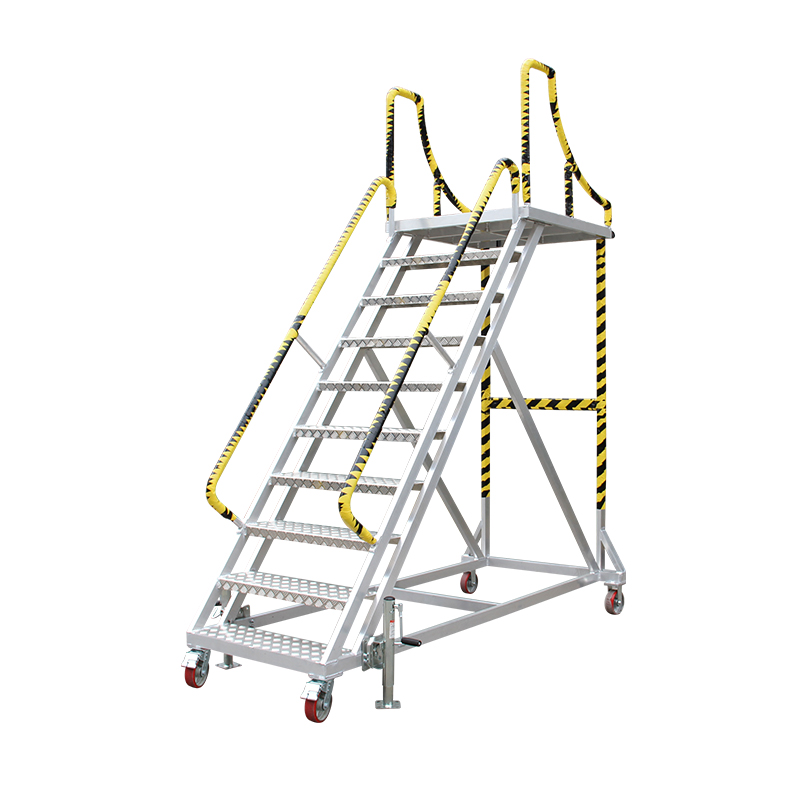
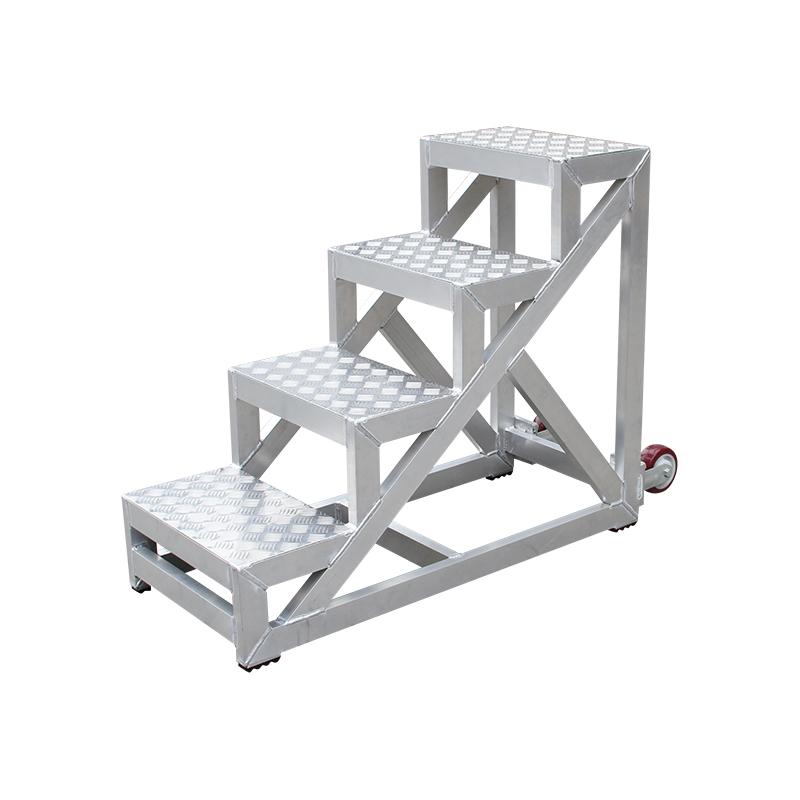
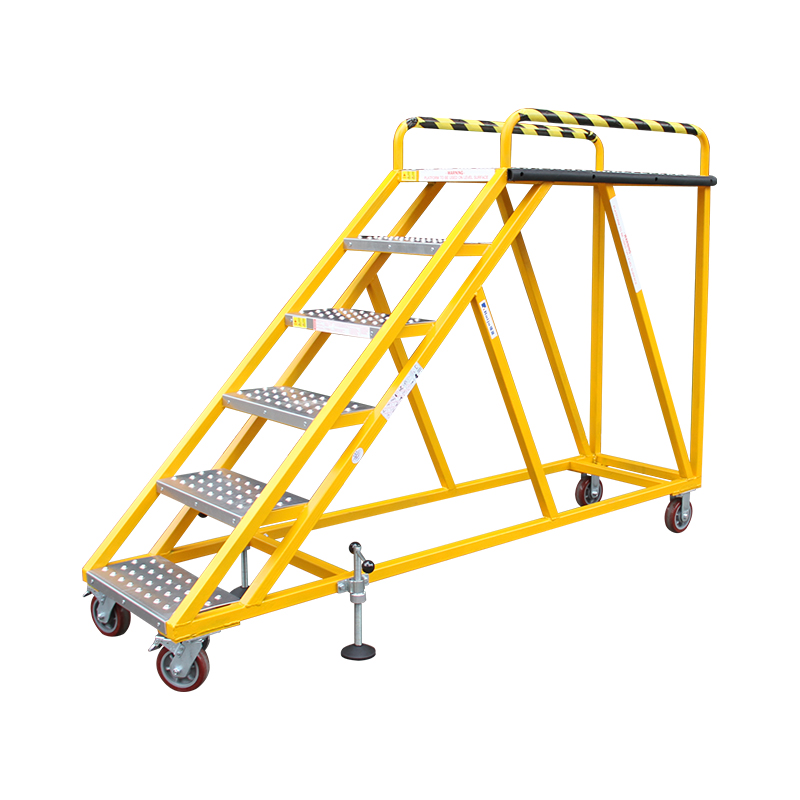
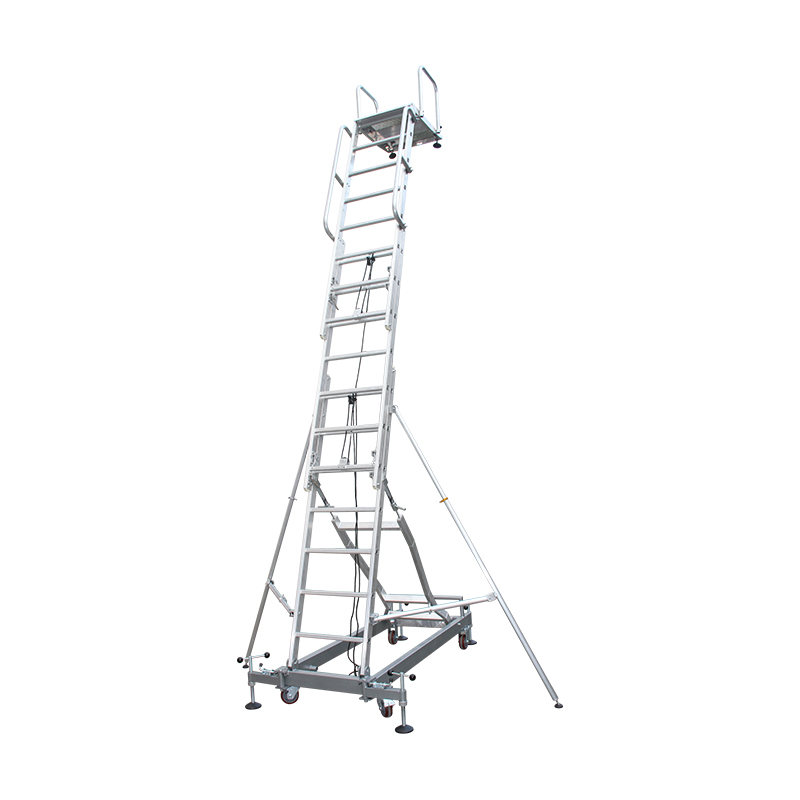
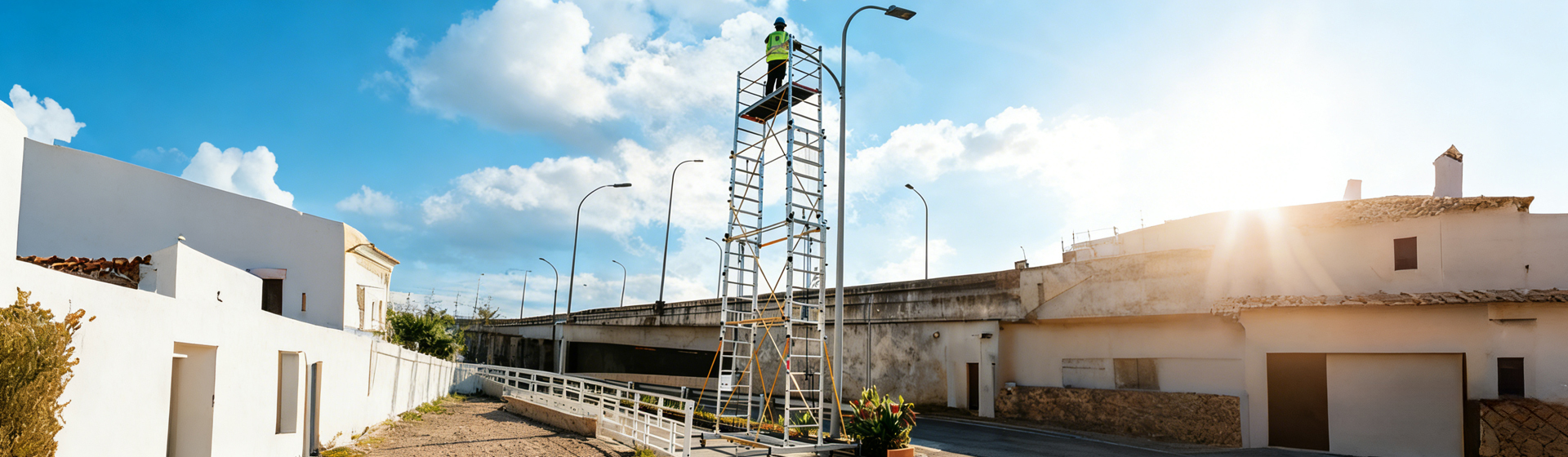











How Aluminium Scaffolding Design Changes with Working Conditions
The performance of Aluminium Scaffolding is closely related to the conditions under which it will be assembled, moved and operated. For industrial maintenance, construction support and facility servicing, factors such as working height, platform dimensions, access routes, ground conditions, wind exposure and expected working loads should be considered together. A tower intended for indoor maintenance may require a different configuration from one used outdoors or around large production equipment. Defining these parameters before production helps ensure that the selected structure corresponds to its actual operating environment.
Shanghai Ruiju Metal Products Co., Ltd., founded in 2001, specializes in customized climbing and working-at-height solutions for domestic and international markets. With a 12,000 m² self-owned production facility, Ruiju has developed an integrated industrial system covering R&D, product design, manufacturing and marketing under the RUIJU brand. The company's product portfolio includes ladders, aluminium scaffolding systems, work platforms and related equipment, supported by more than 30 years of expertise in working-at-height products and technologies.
Site Conditions That Should Be Defined Before Scaffolding Selection
- Ground condition: Identify whether the tower will be positioned on concrete, industrial flooring, uneven surfaces or other designated working areas.
- Available space: Measure aisle widths, doorway dimensions, overhead clearance and surrounding equipment before determining the tower footprint.
- Working height: Define the required platform level and the actual height of the work area that personnel need to reach.
- Usage frequency: Repeated daily use may require different component specifications and maintenance considerations from occasional access work.
- Environmental exposure: Indoor and outdoor applications can have different requirements relating to wind, weather and surface conditions.
Aluminium Scaffold Tower Stability and Configuration
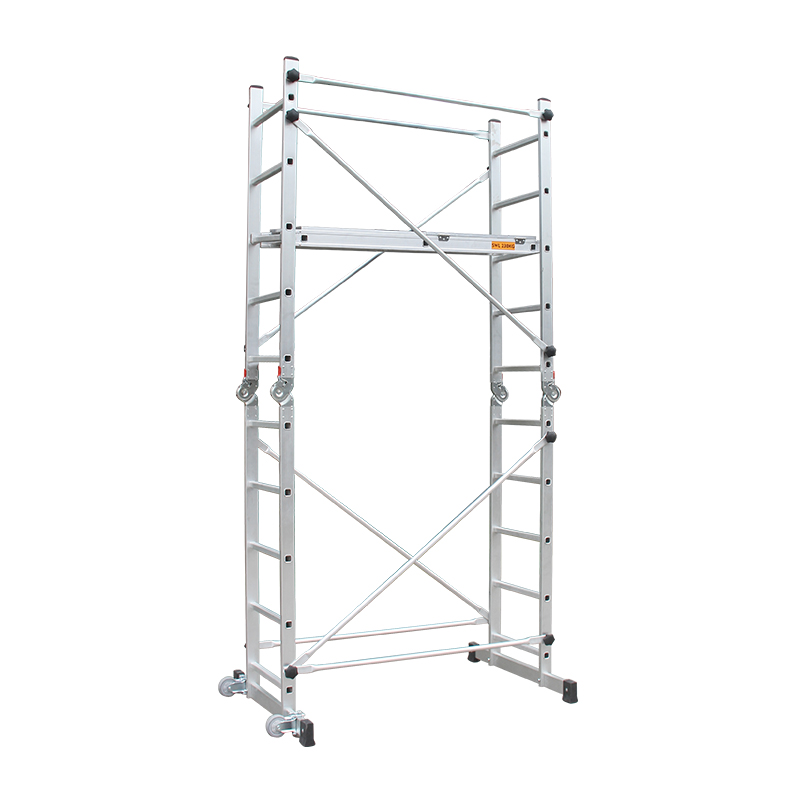
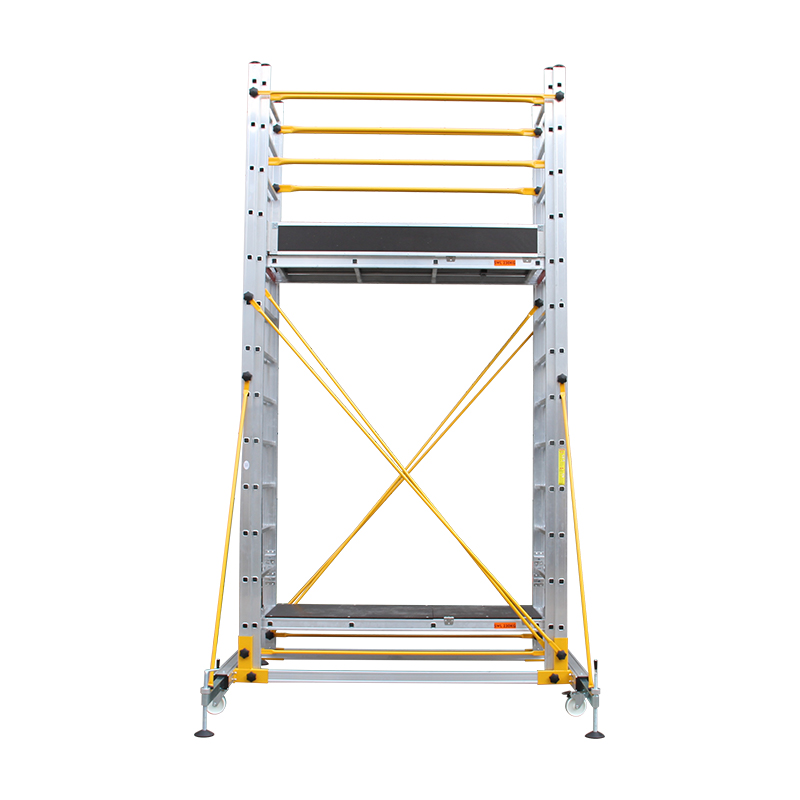
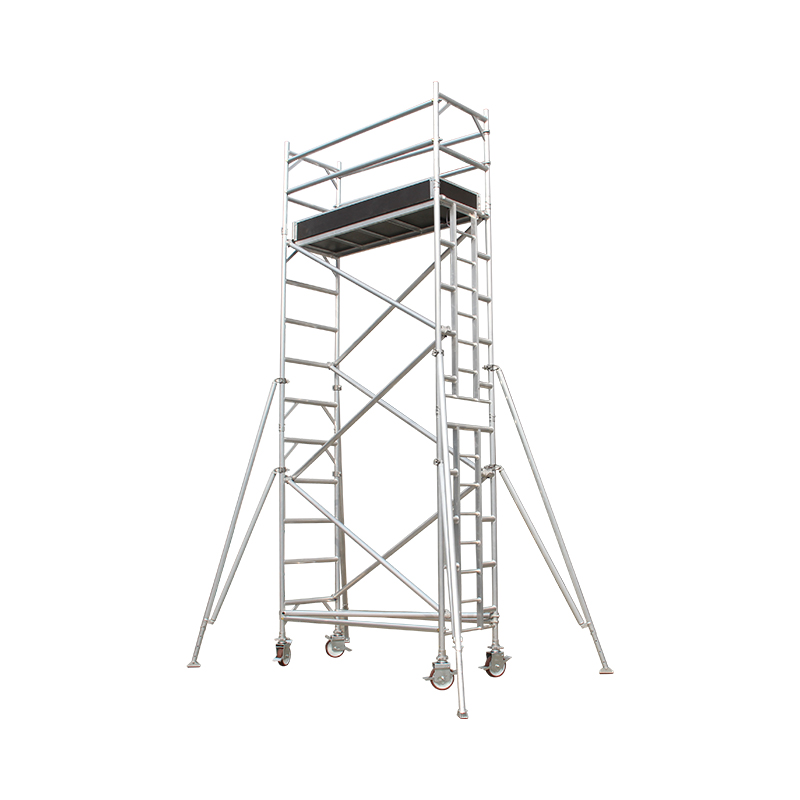
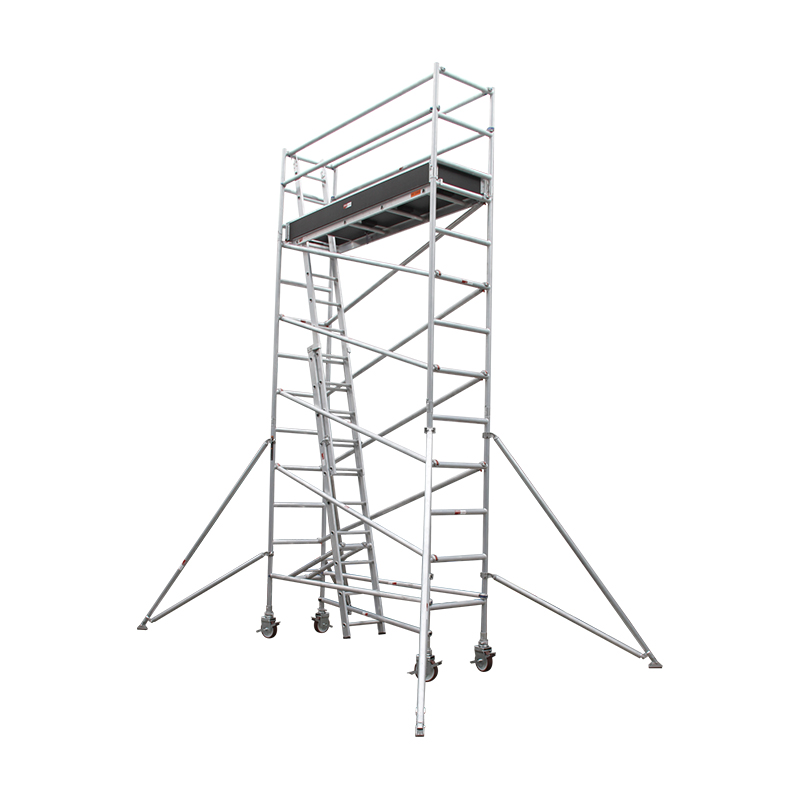
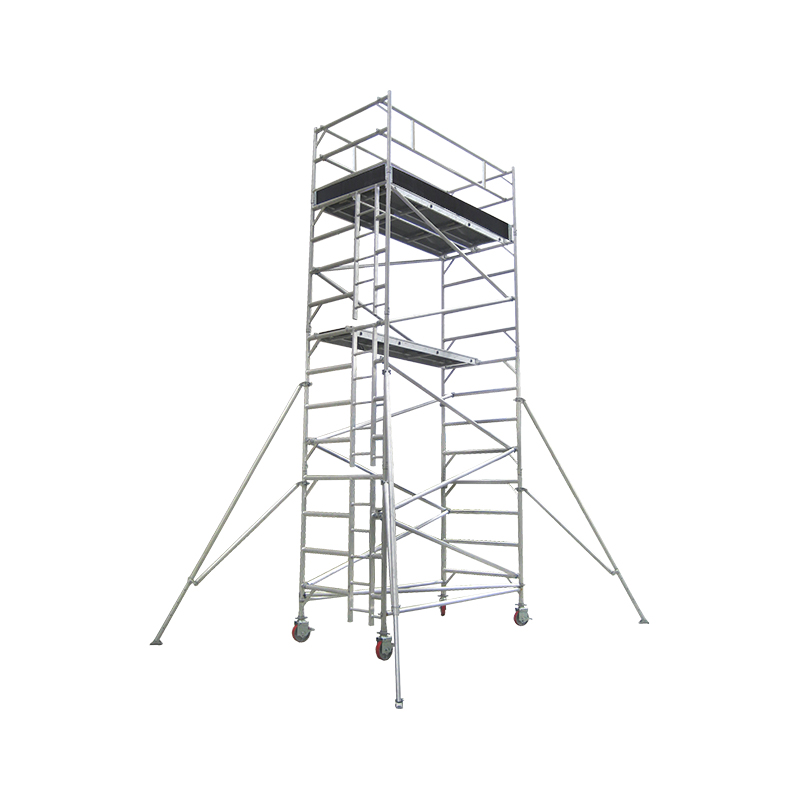
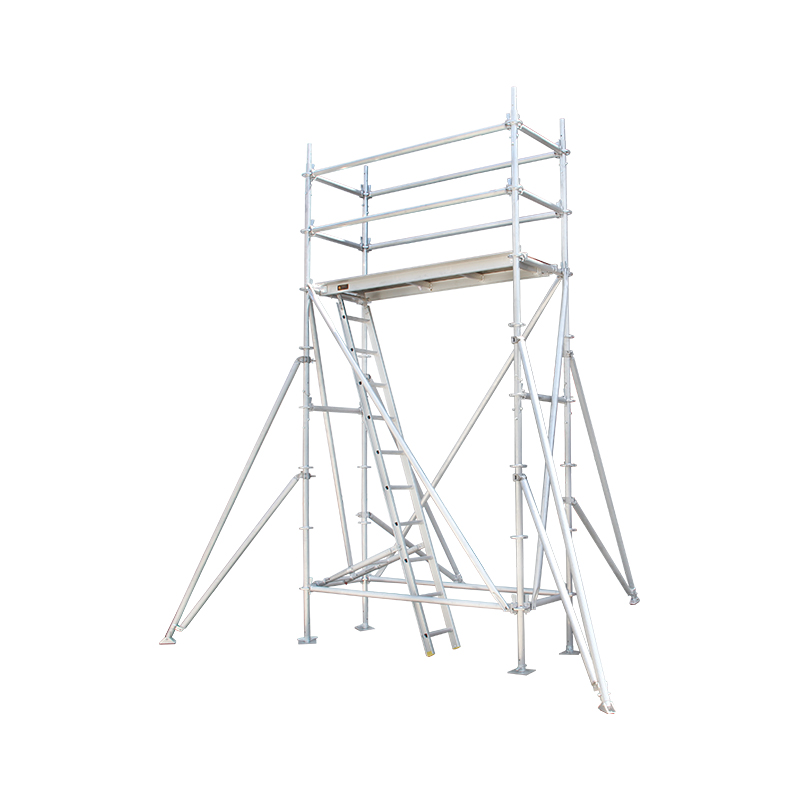
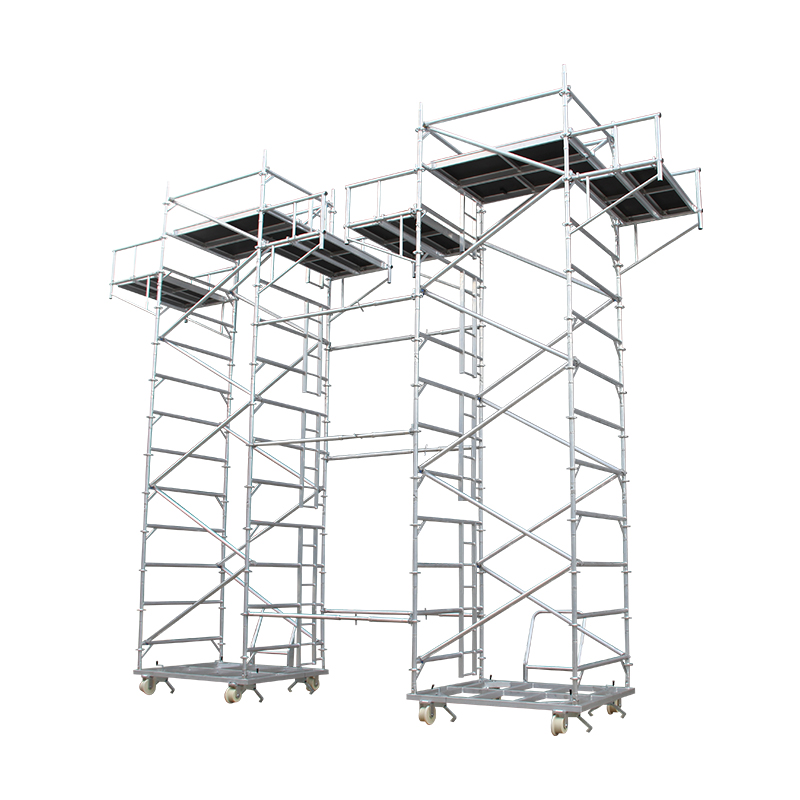
For an Aluminium Scaffold Tower, stability is determined by the interaction of the base dimensions, tower height, frame configuration, bracing system, platform arrangement and supporting surface. Increasing working height without considering the complete structure can change the stability characteristics of the tower. For this reason, tower configuration should be engineered as a complete system rather than by selecting individual components independently.
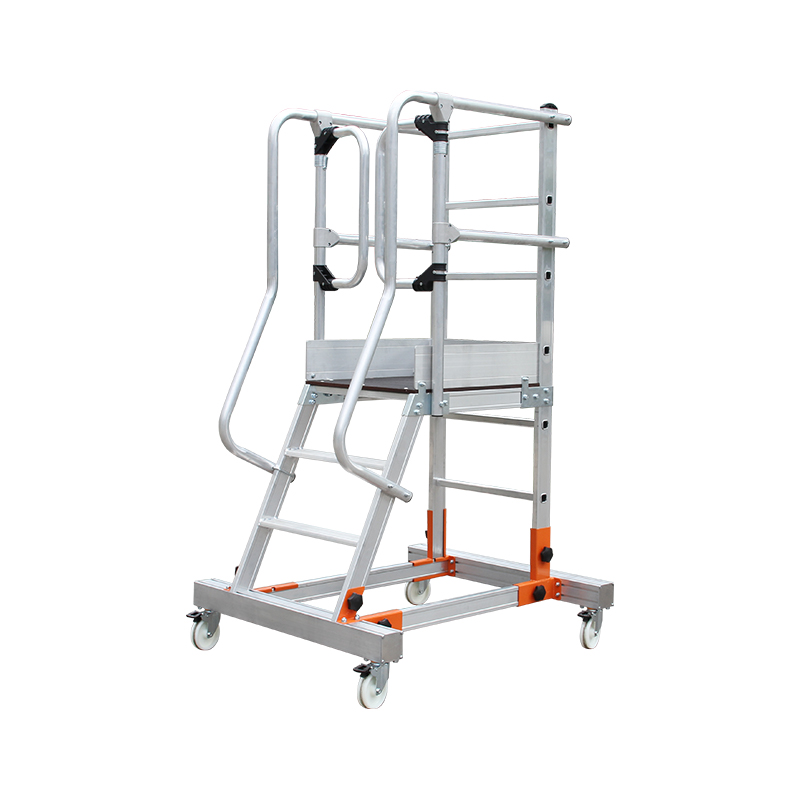
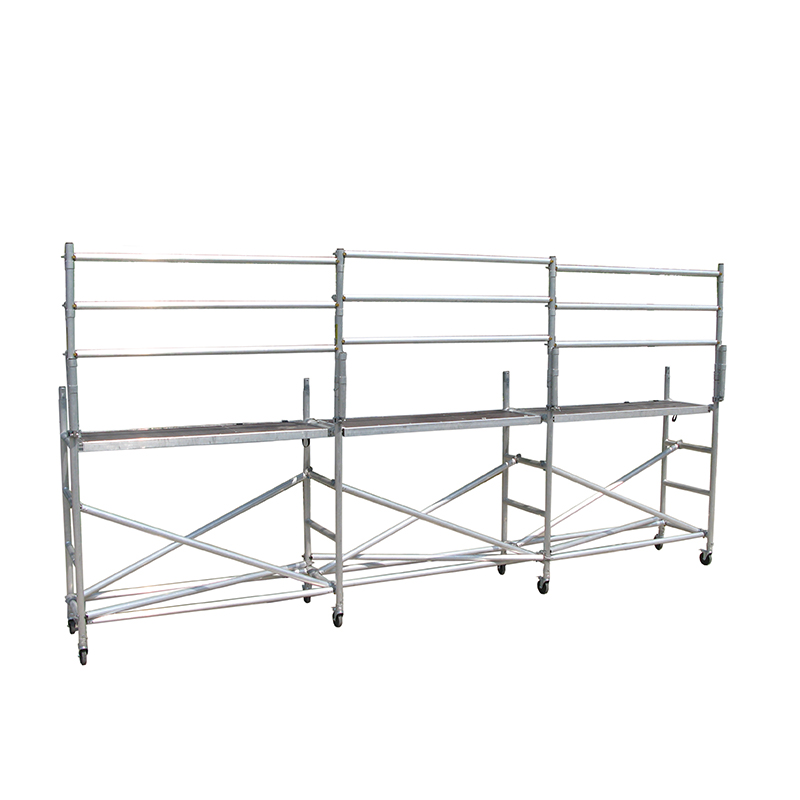
Mobile towers introduce additional considerations because the structure may be repositioned during operation. Caster specifications, wheel locking mechanisms, base geometry and the relationship between tower height and footprint all need to correspond to the intended application. Movement should be treated as a separate operating condition from stationary work, and the tower should be configured and used according to the applicable requirements for the target market.
Configuration Variables with Direct Engineering Impact
| Variable | Potential Design Influence | Information Buyers Should Provide |
|---|---|---|
| Tower Height | Frame arrangement, bracing and stability requirements | Required platform and working height |
| Platform Size | Usable work area and structural loading | Tools, equipment and number of operators |
| Base Footprint | Space requirements and overall stability characteristics | Available floor area and access routes |
| Mobility | Caster and locking-system requirements | Frequency and distance of repositioning |
| Environment | Material, surface and operational considerations | Indoor/outdoor conditions and site characteristics |
Why Aluminium Profile Geometry Matters More Than Weight Alone
One of the practical advantages of aluminium in access equipment is its relatively low weight compared with many conventional structural materials. However, reducing weight should not be treated as the only design objective. The geometry of the aluminium profile can strongly affect stiffness, deformation resistance and the way forces are transferred through the structure. Profile dimensions, wall thickness, connection points and reinforcement arrangements should therefore be evaluated together when developing a professional scaffolding system.
For manufacturers and technical purchasers, this distinction is important when comparing different tower configurations. Two structures with similar overall dimensions may have different engineering characteristics because of differences in profile design and connection methods. A complete technical specification should therefore describe the structural configuration rather than relying only on total product weight.
Structural Details Worth Checking
- Aluminium profile dimensions and wall thickness.
- Frame and brace connection methods.
- Platform support arrangement and deck construction.
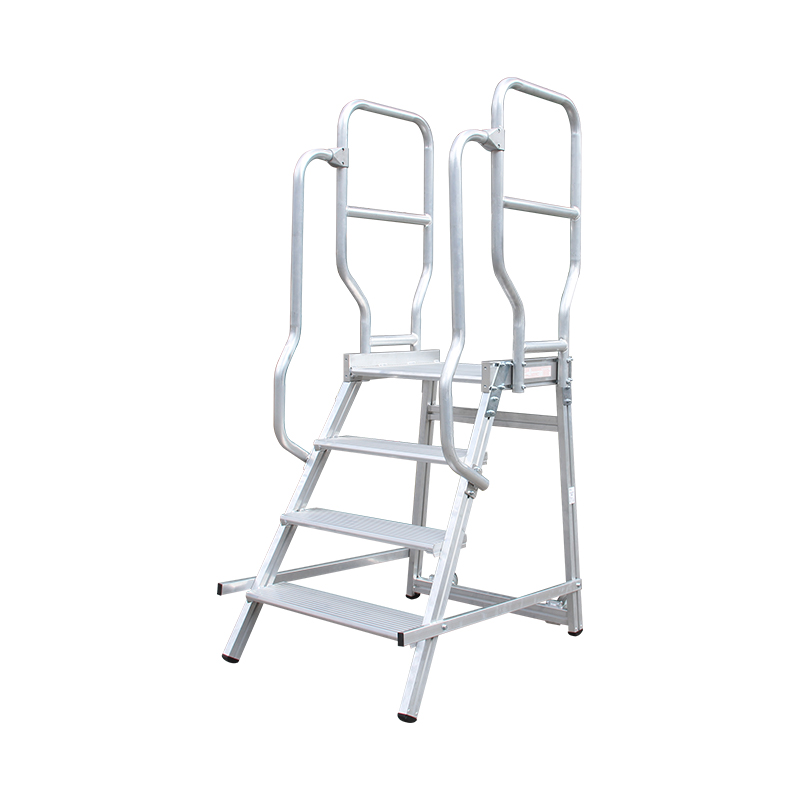
- Guardrail and access-gate integration.
- Caster and adjustable-base configuration where applicable.
Choosing Aluminium Scaffolding for Maintenance and Production Facilities
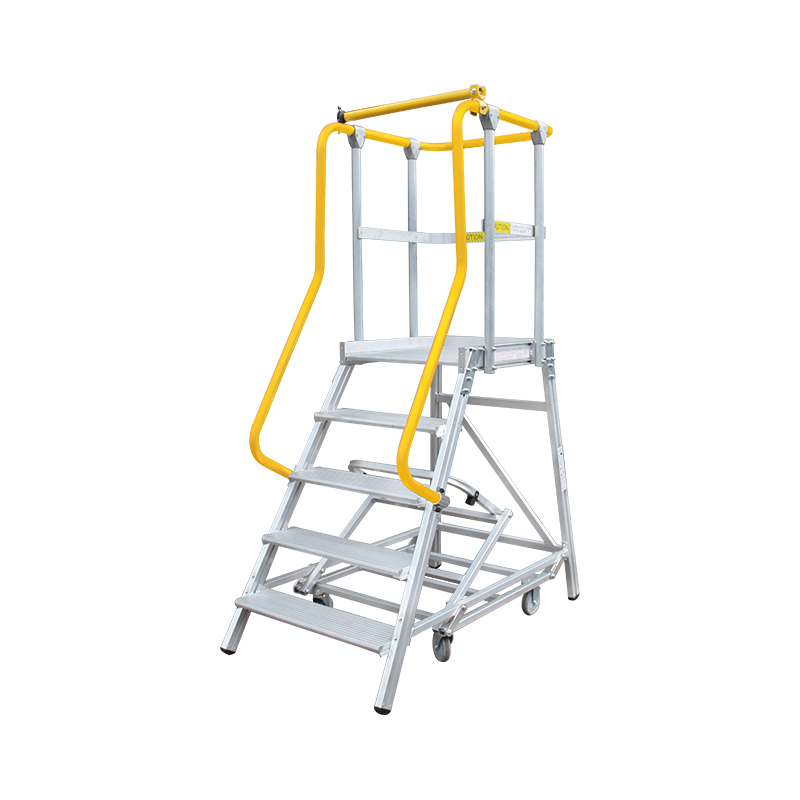
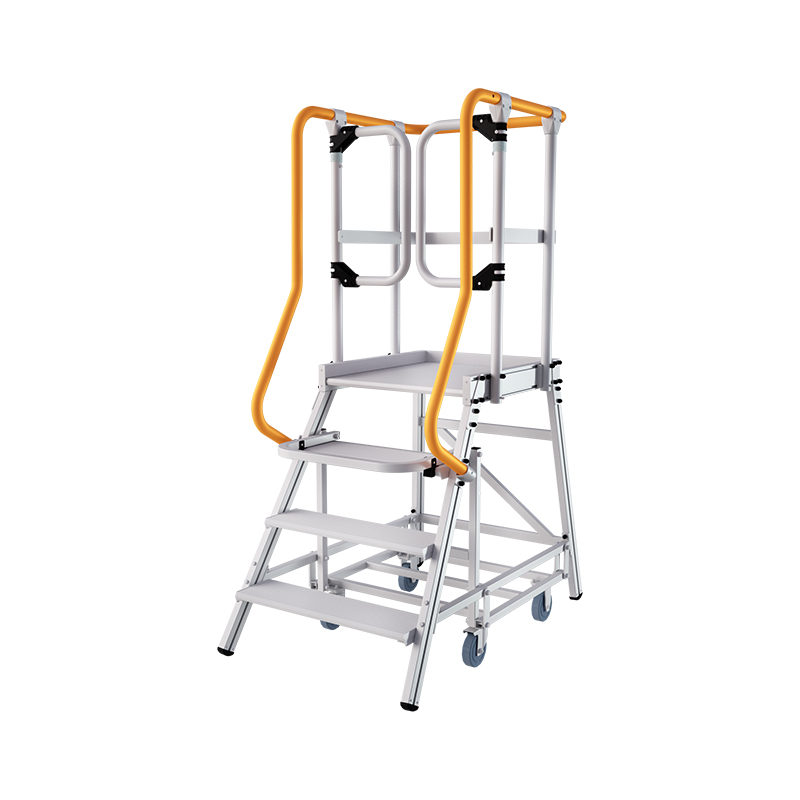
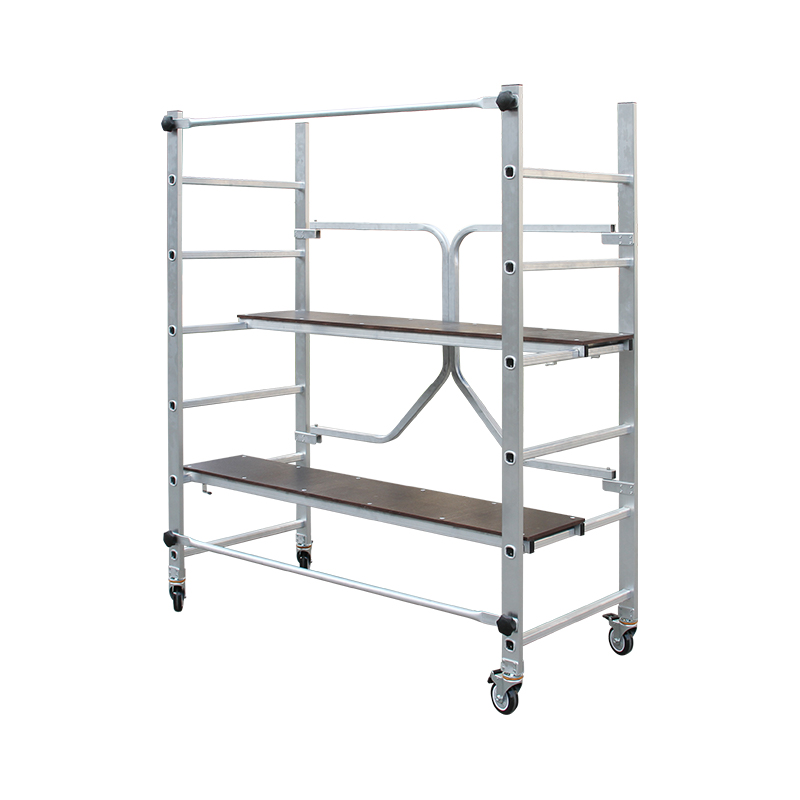
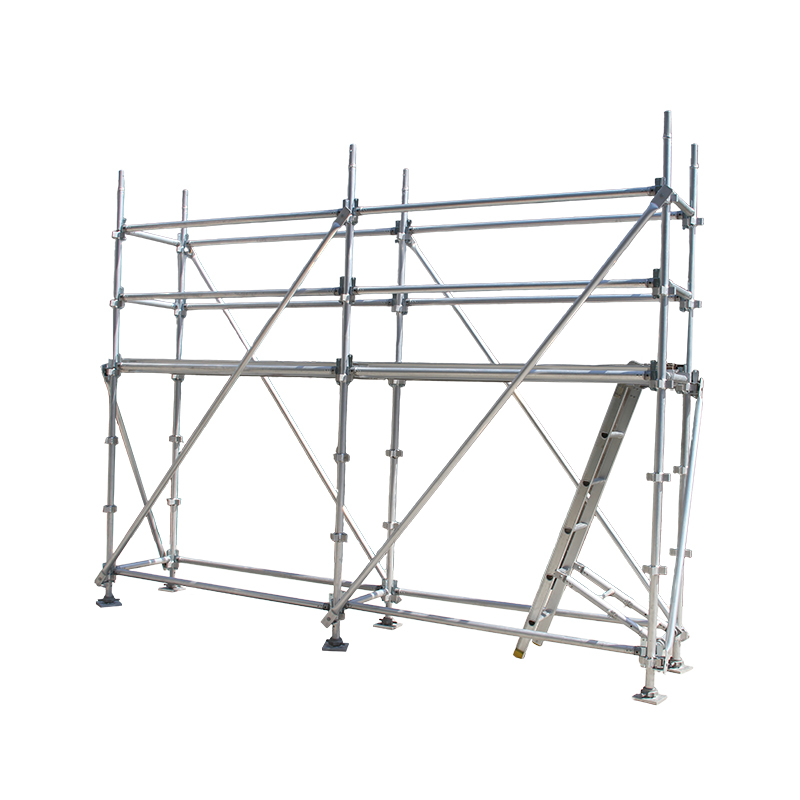
In manufacturing facilities, access equipment is often required around machinery, storage systems, pipelines, production lines and elevated service points. The main challenge is frequently not reaching the required height but positioning the working platform in the correct location without interfering with surrounding equipment. A modular Aluminium Scaffolding system can be configured around these constraints, with platform dimensions, access direction and tower footprint adjusted to the working area.
For maintenance departments, another important consideration is equipment utilization. If one tower is expected to serve several work areas, mobility, assembly time and component adaptability can influence operational efficiency. Where the equipment is dedicated to a particular machine or production process, a more application-specific configuration may provide better dimensional compatibility. These requirements should be communicated during the technical quotation stage rather than after the product specification has been finalized.
Application Information Useful for a Customized Specification
- Location of the equipment or structure requiring access.
- Required platform height and clearance around the working area.
- Required deck dimensions and expected working load.
- Whether the tower needs to pass through doors, aisles or other restricted areas.
- Whether the structure will remain fixed or be repositioned between workstations.
International Standards and Documentation for Export Scaffolding
For export projects, technical requirements should be identified according to the destination market before manufacturing begins. Different markets can have specific requirements concerning scaffolding structure, working loads, dimensions, testing, labeling and documentation. A purchaser should provide the target country and applicable standard when requesting an Aluminium Scaffold Tower, allowing the manufacturer to align engineering, production and inspection procedures with the intended market.
Shanghai Ruiju Metal Products Co., Ltd. operates an ISO 9001-certified manufacturing system and is BSCI audited. Its standard products comply with China's GB12142 national standard, while export products are designed to meet applicable Australian, European and American industry standards. The company's products are rigorously tested and certified by internationally recognized third-party inspection institutions including SGS and TÜV, supporting customers that require documented quality-control and compliance processes for overseas markets.
Documents That Can Support Project Procurement
| Document Type | Key Information |
|---|---|
| Technical Drawing | Tower dimensions, platform height, base size and component arrangement |
| Product Specification | Material, dimensions, working load and configuration |
| Test Documentation | Applicable standard and testing scope |
| Inspection Records | Quality-control and production inspection information |
Modular Components and Long-Term Equipment Management
For organizations operating multiple sites or maintaining a large equipment fleet, component compatibility can be an important consideration. Modular aluminium tower systems can allow selected components to be replaced or reconfigured without replacing the complete structure, depending on the manufacturer's design. This can simplify inventory management and support consistent configurations across different work areas.
Long-term management should also include regular inspection of frames, braces, platforms, connections, wheels and other structural or functional components. Components that show deformation, excessive wear or other damage should be evaluated according to the manufacturer's maintenance instructions and applicable requirements. Establishing an inspection and storage procedure can help maintain equipment condition throughout its service life.
Practical Points for Equipment Fleet Management
- Keep product specifications and applicable compliance documents together with equipment records.
- Inspect structural components and connections according to the manufacturer's recommended procedures.
- Check mobile components and locking mechanisms before relocating or operating a mobile tower.
- Store modular components in suitable conditions to reduce unnecessary damage during transportation and handling.
- Maintain consistent component specifications when expanding an existing equipment fleet.
Ruiju's Integrated Approach to Aluminium Scaffolding Manufacturing
Ruiju combines product development, engineering and manufacturing within its own industrial system, enabling customized working-at-height equipment to be developed around specific customer requirements. Its 12,000 m² production facility supports the manufacturing of ladders, aluminium scaffolding systems, work platforms and related products, while continued investment in R&D and technical innovation helps address changing requirements across international markets.
With more than 30 years of expertise in working-at-height products and technologies, Shanghai Ruiju Metal Products Co., Ltd. has developed a portfolio of technical patents and has been recognized as a National High-tech Enterprise and a National Specialized, Sophisticated, Unique & New "Little Giant" Enterprise. Its combination of integrated manufacturing, quality management and market-oriented product development provides a foundation for customers seeking standard or customized aluminium access equipment for industrial and international applications.