en
en 简体中文
简体中文 Español
 Deutsch
 عربى
عربى
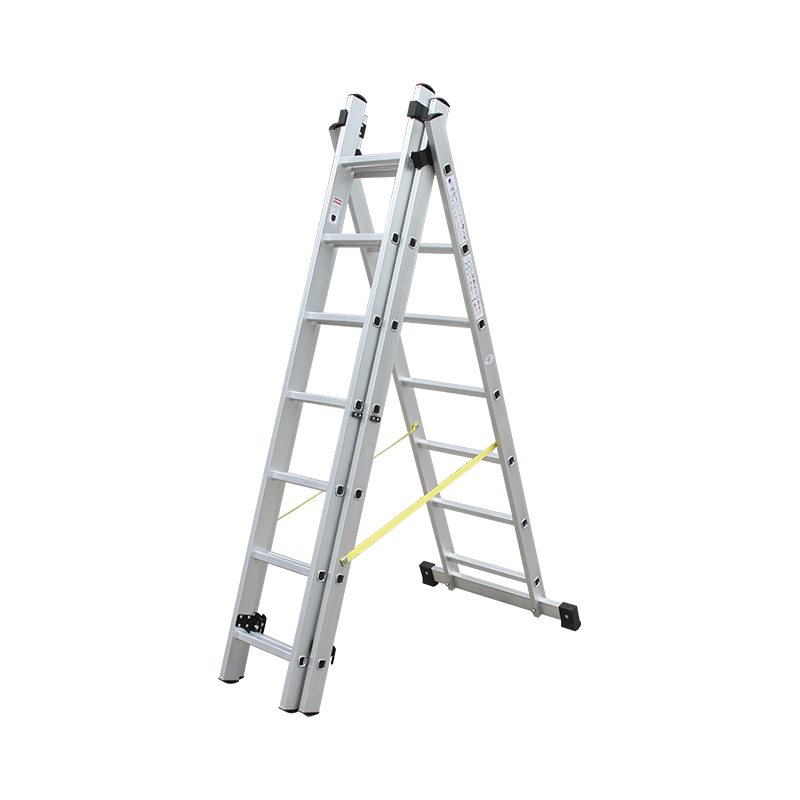
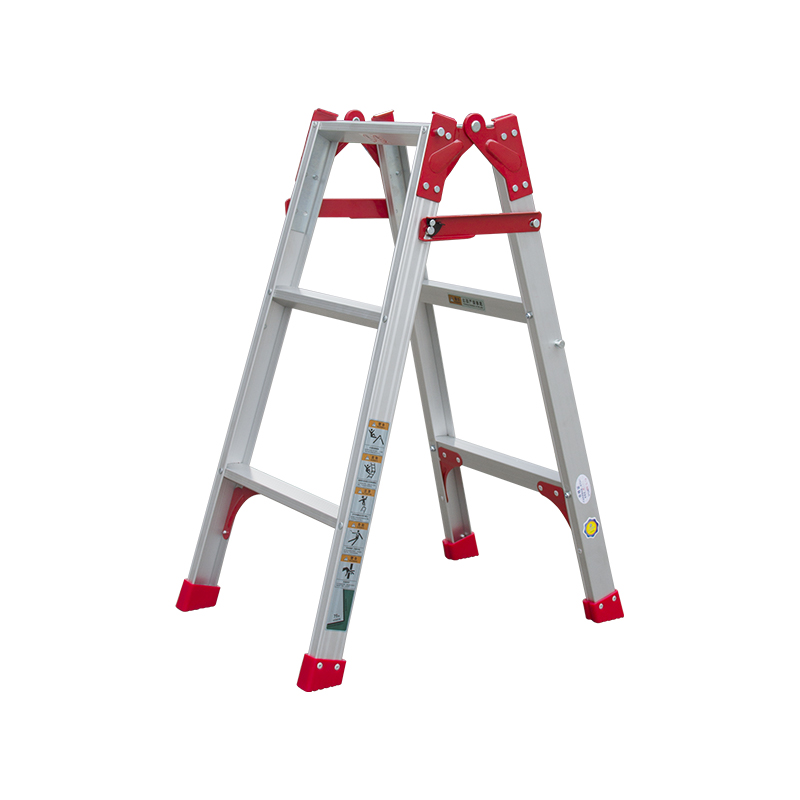
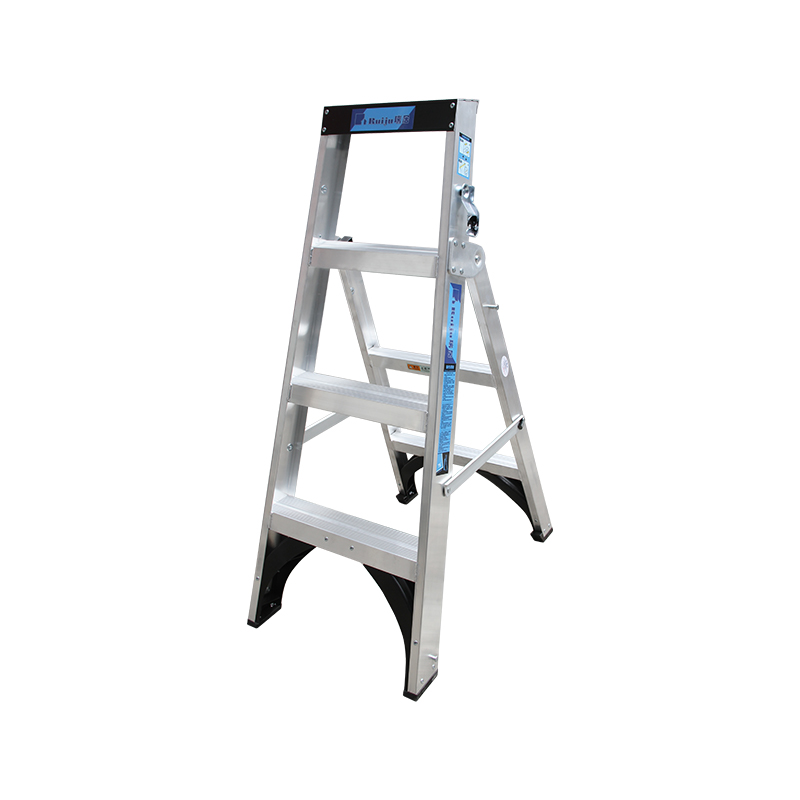
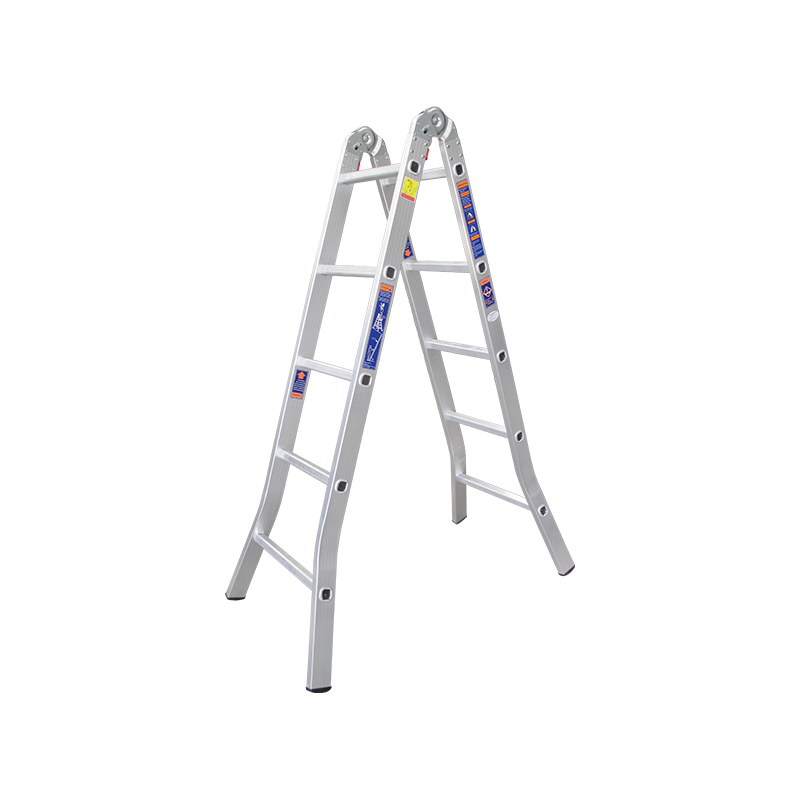
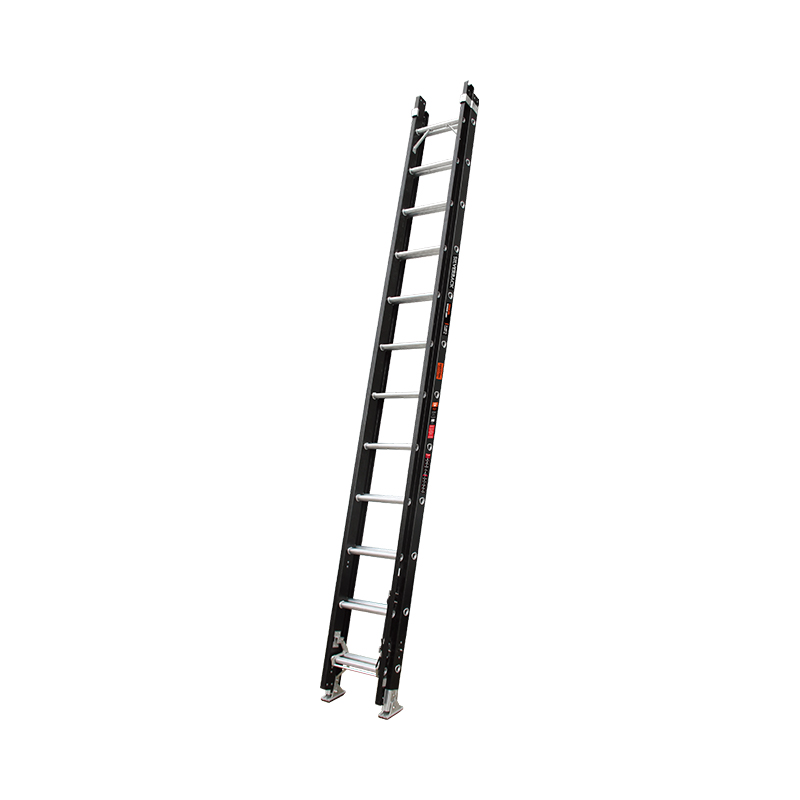
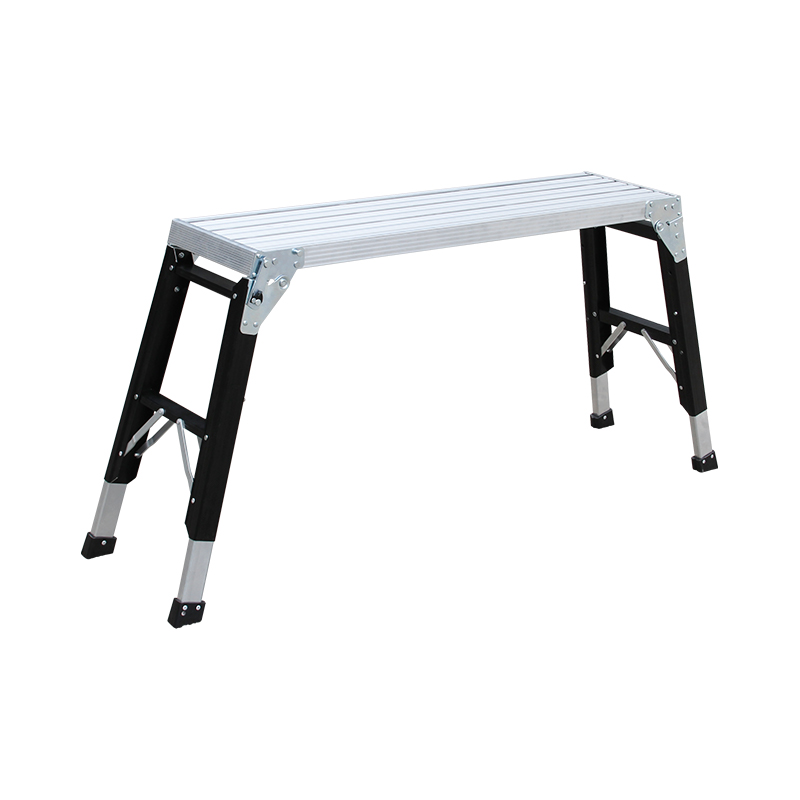
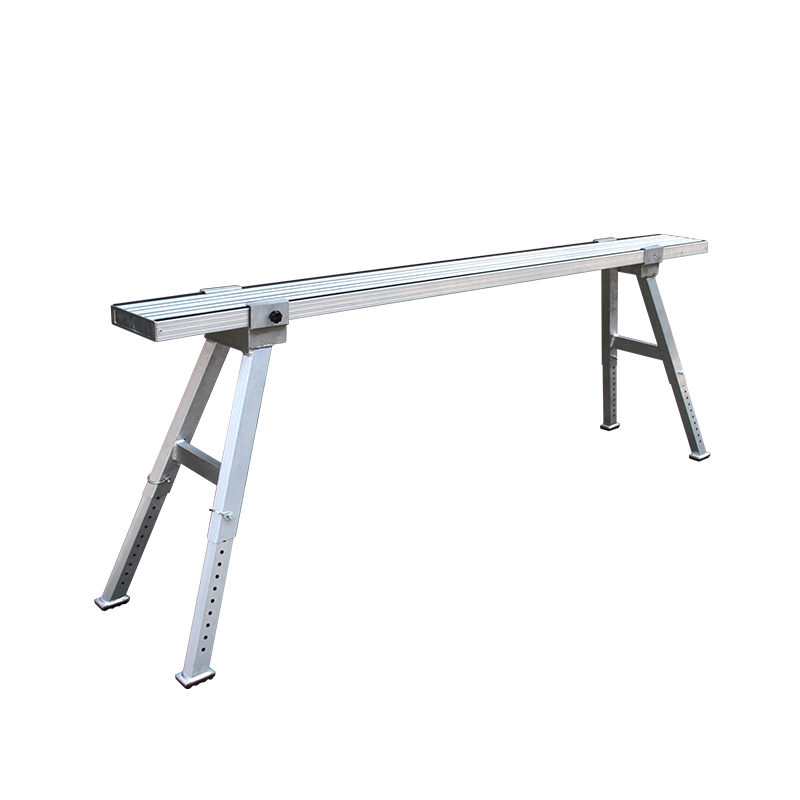
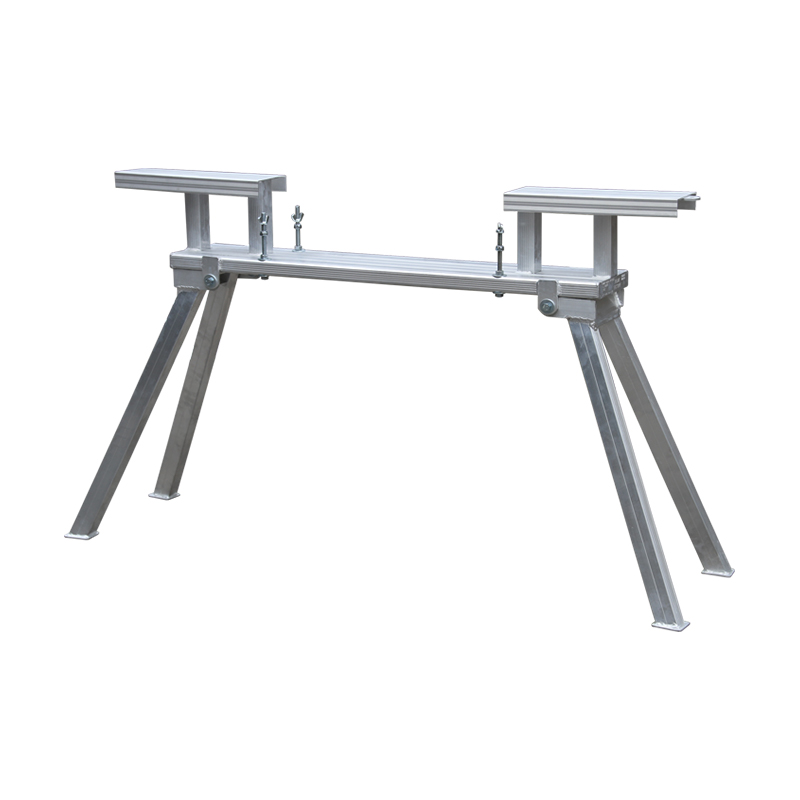
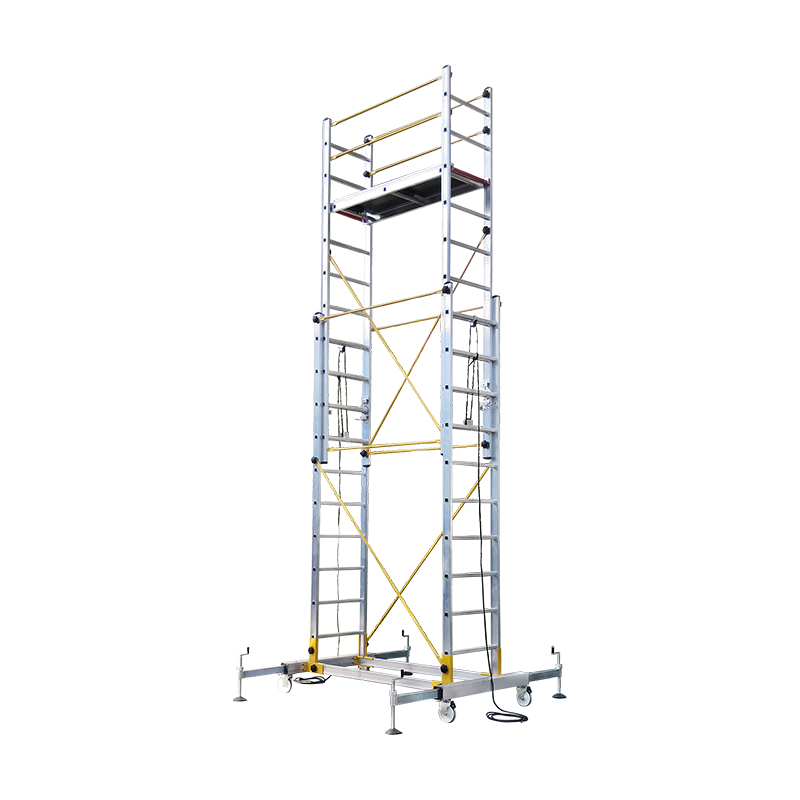
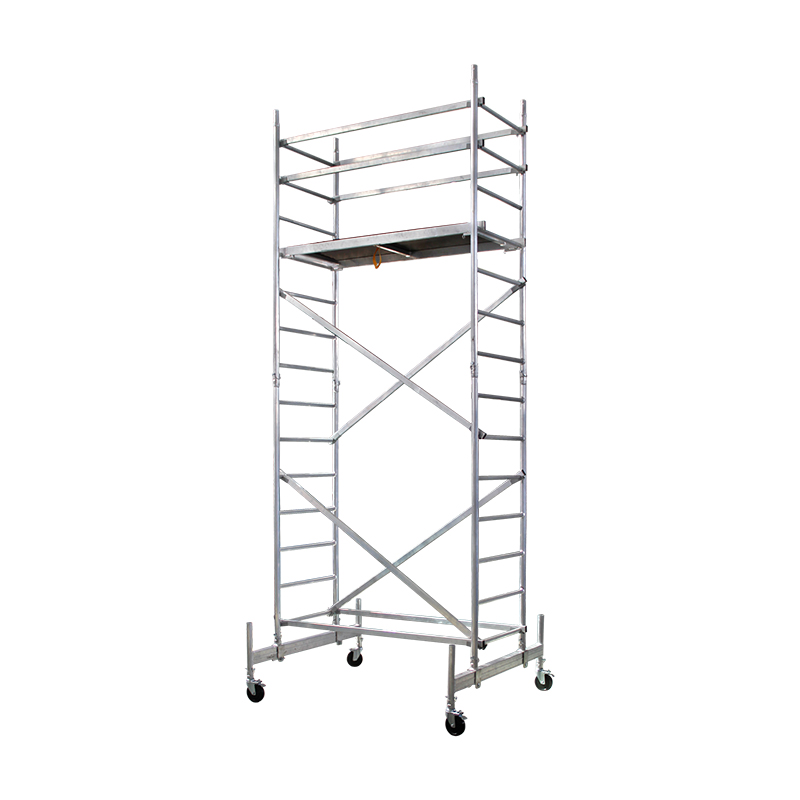
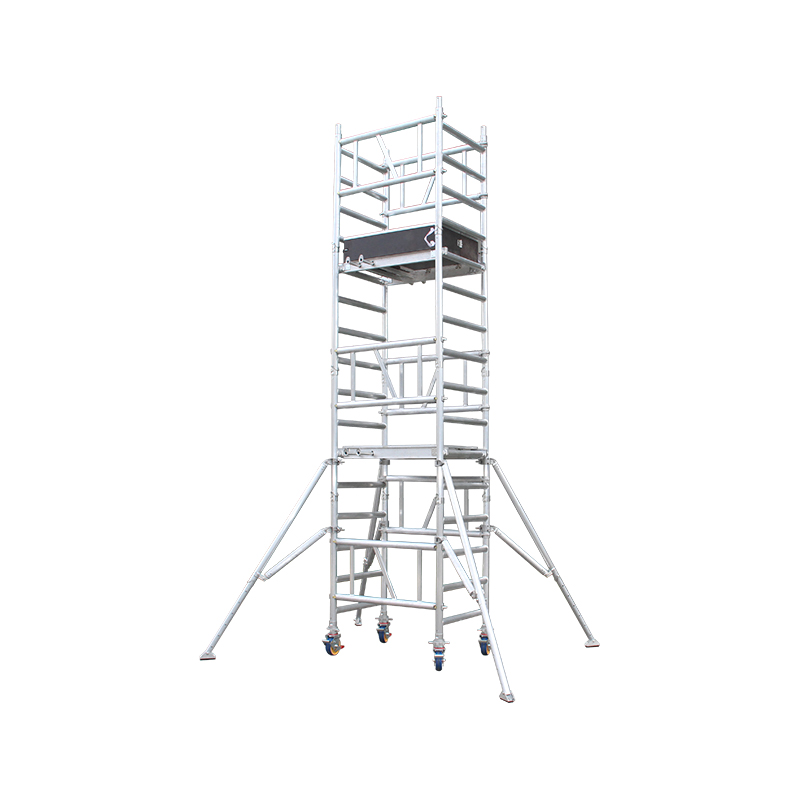
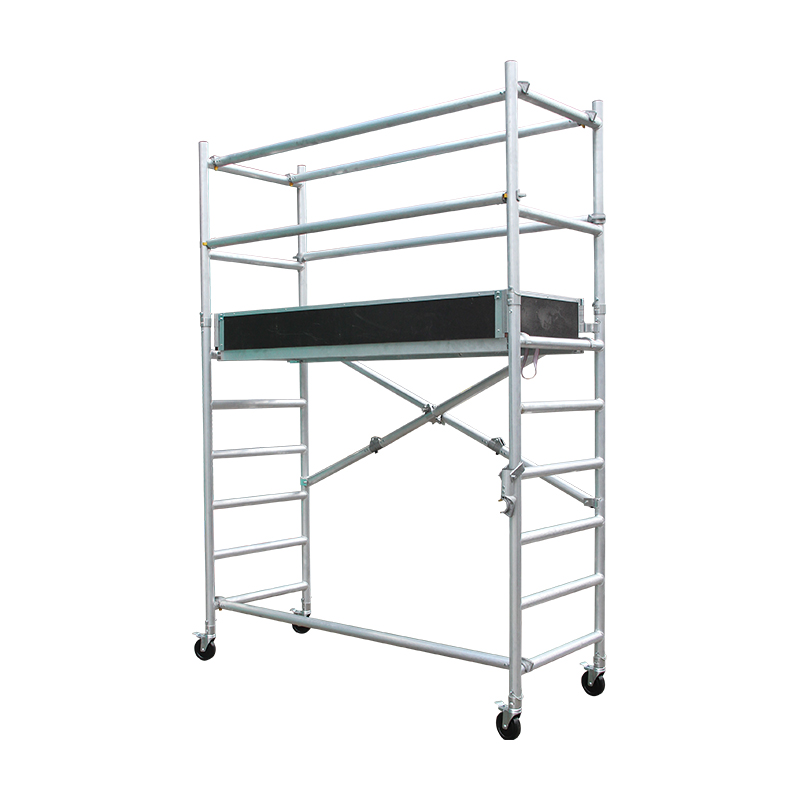
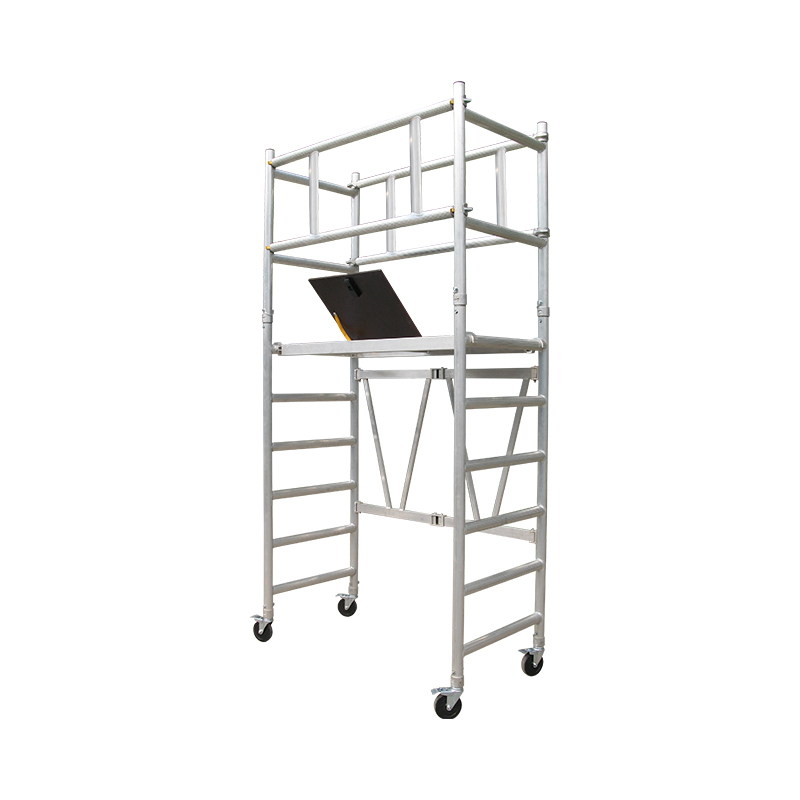
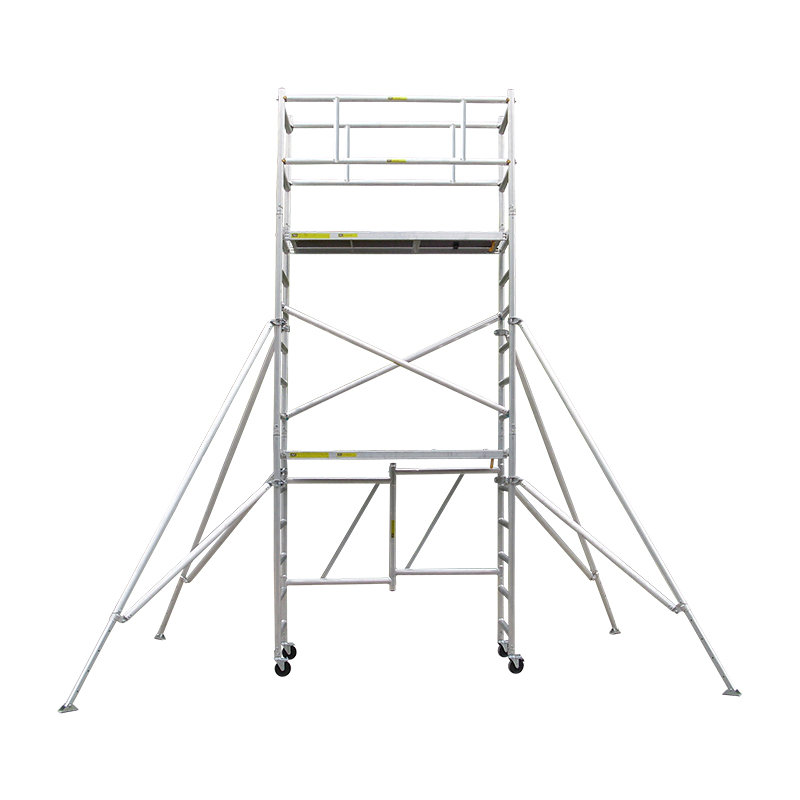
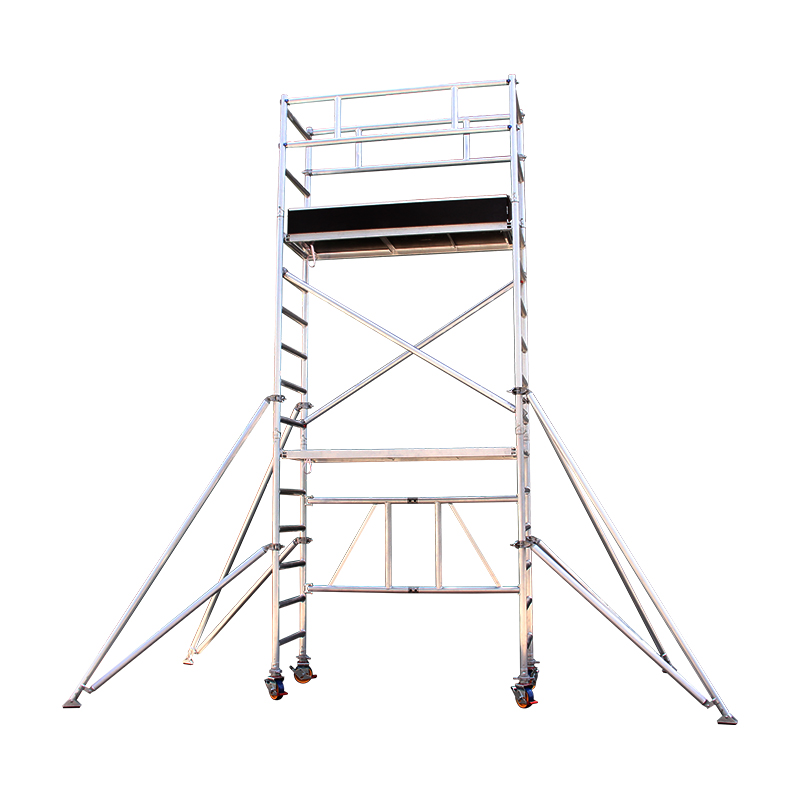
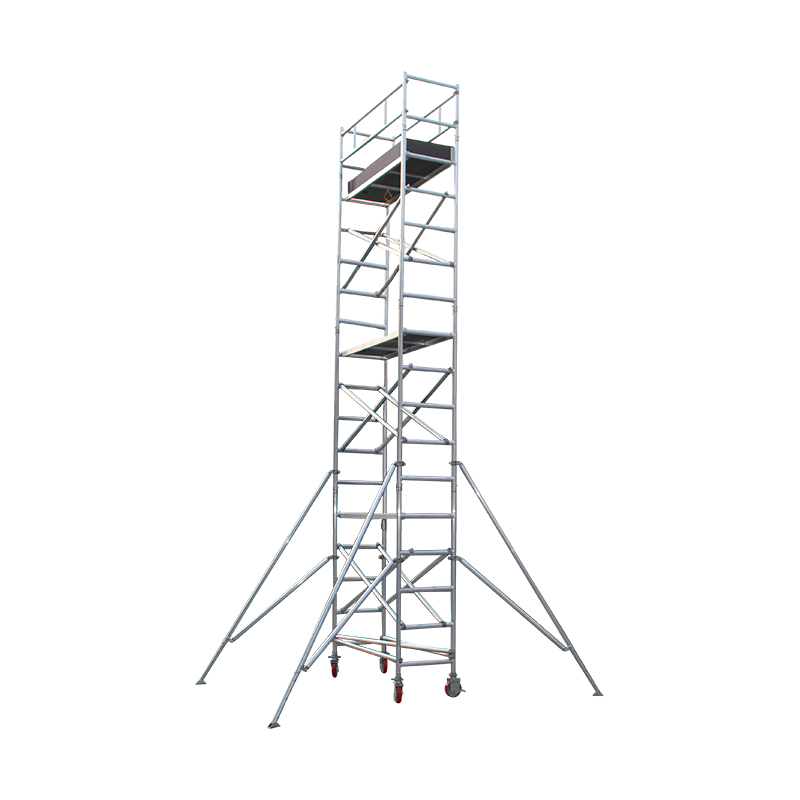












How Scaffolding Accessories Influence System Performance
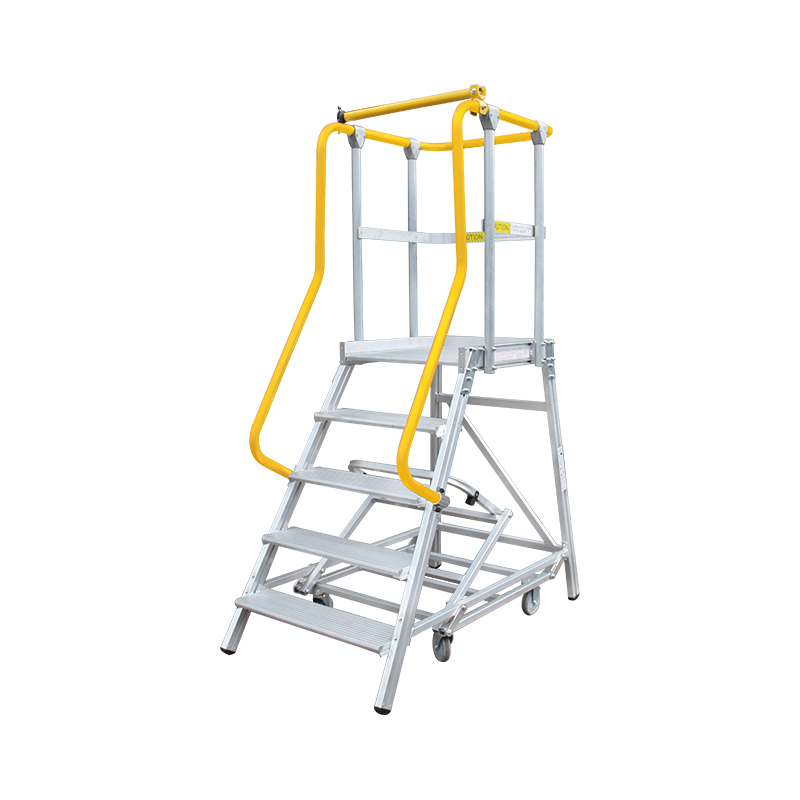
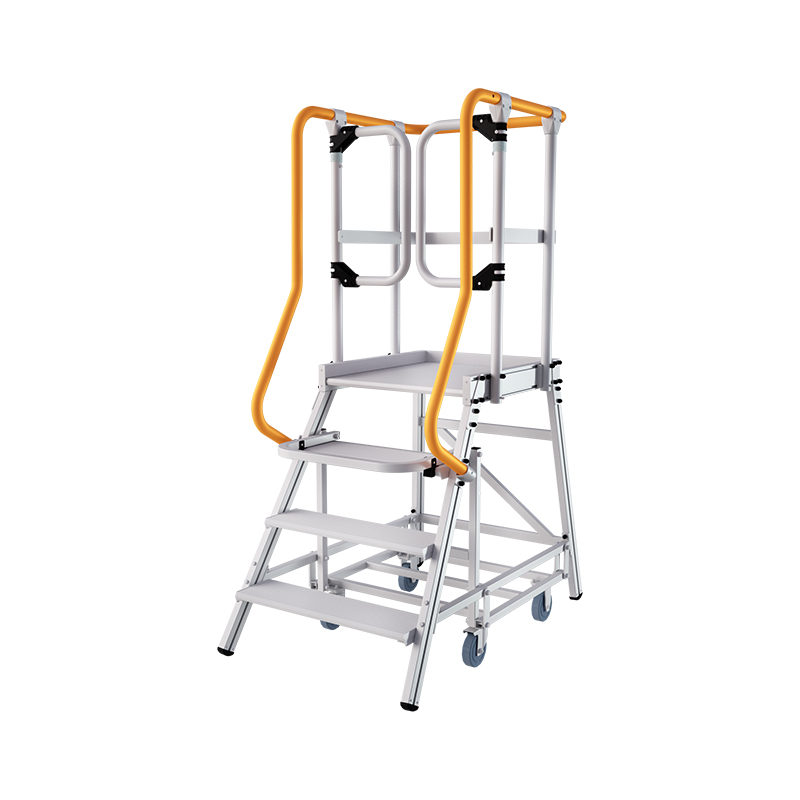
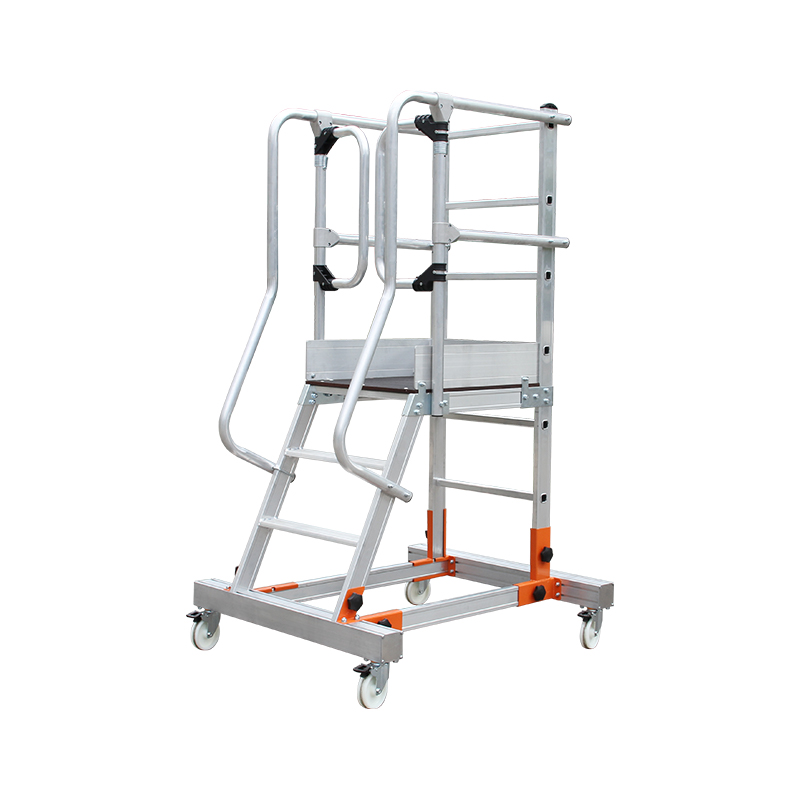
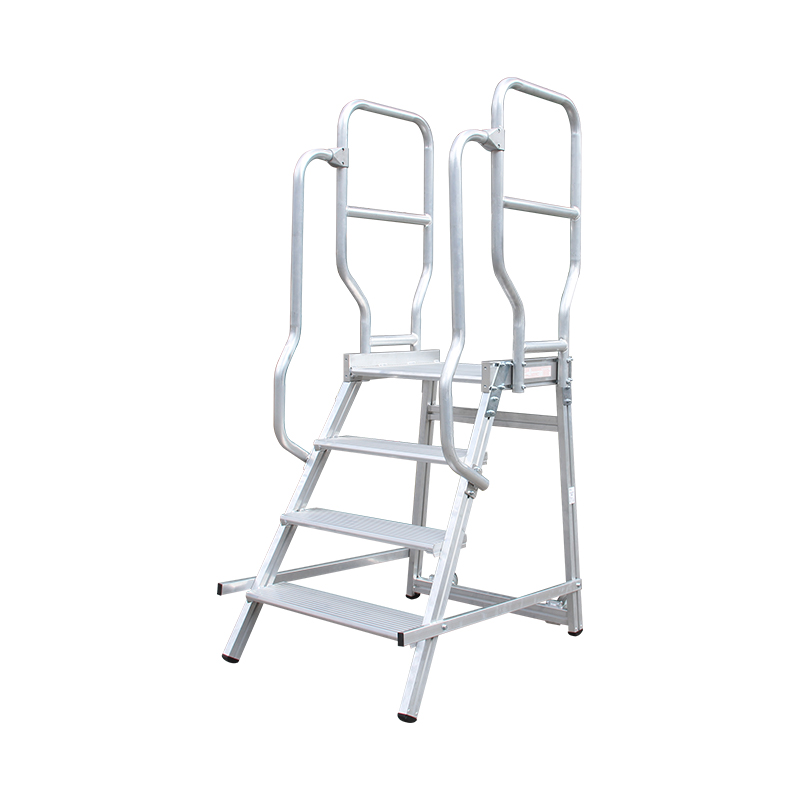
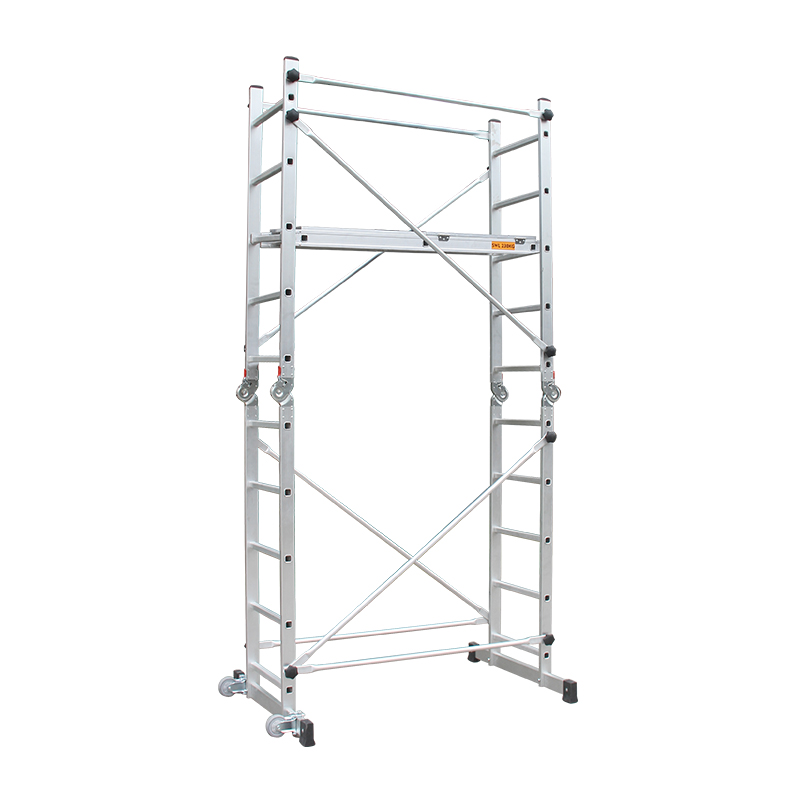
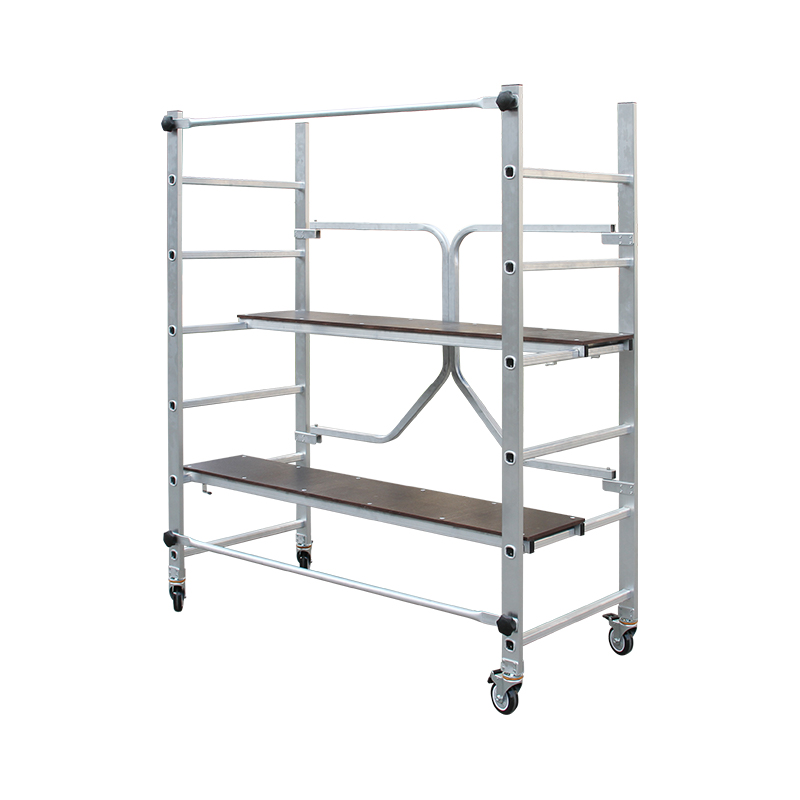
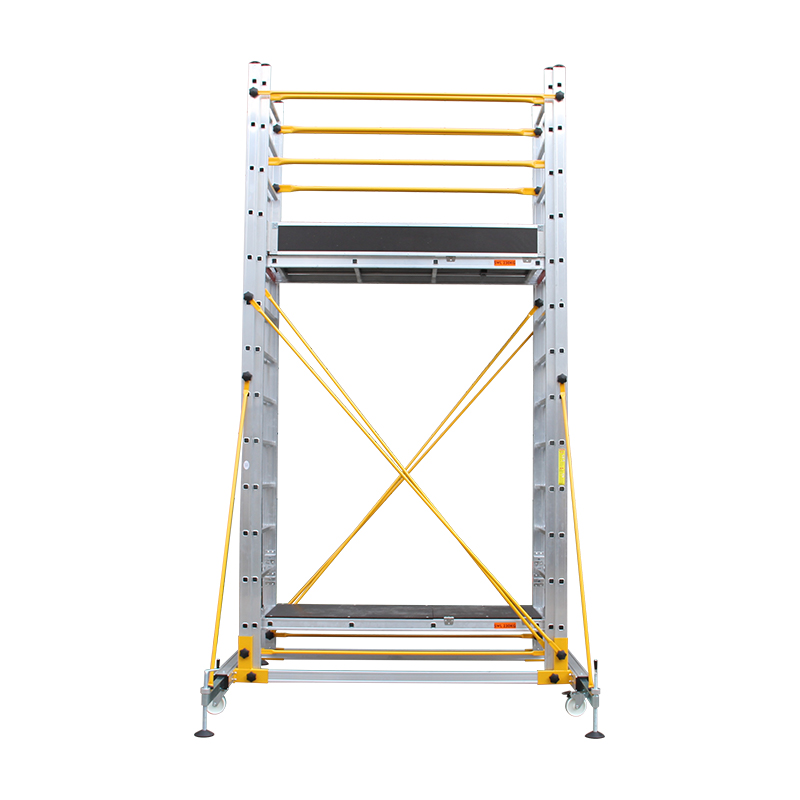
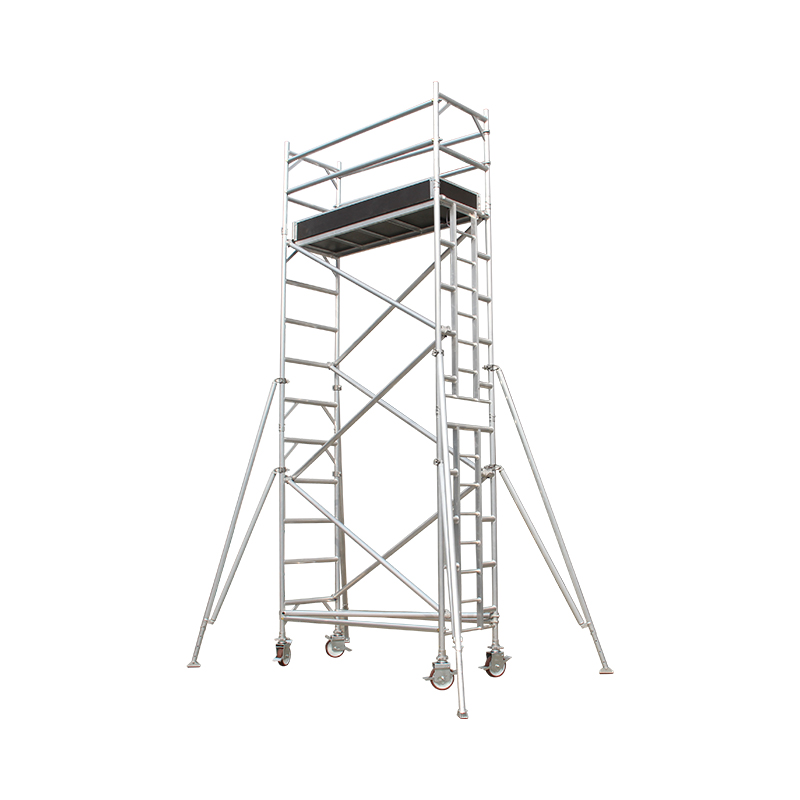
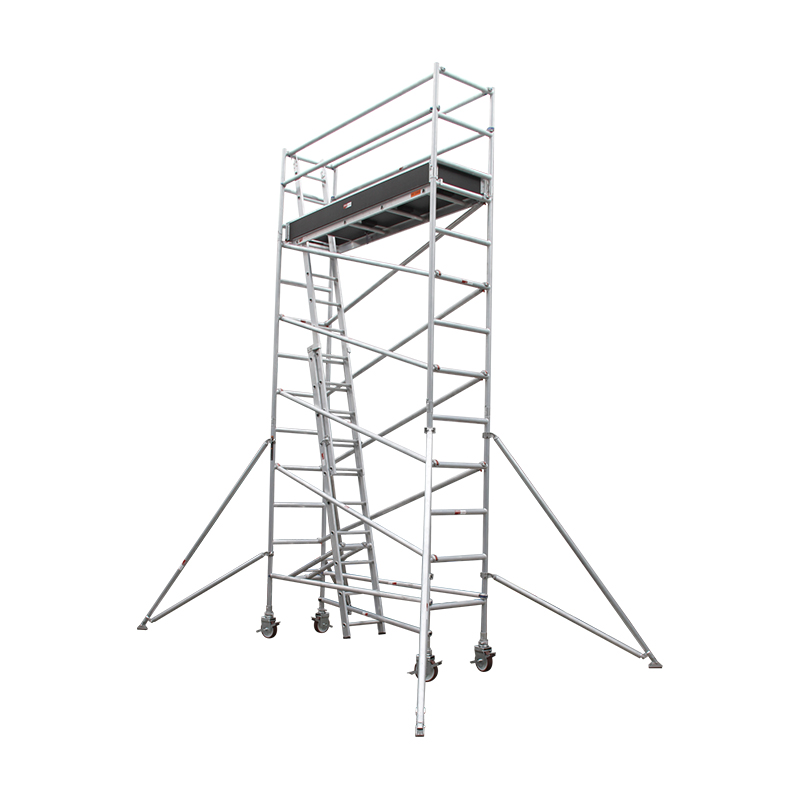
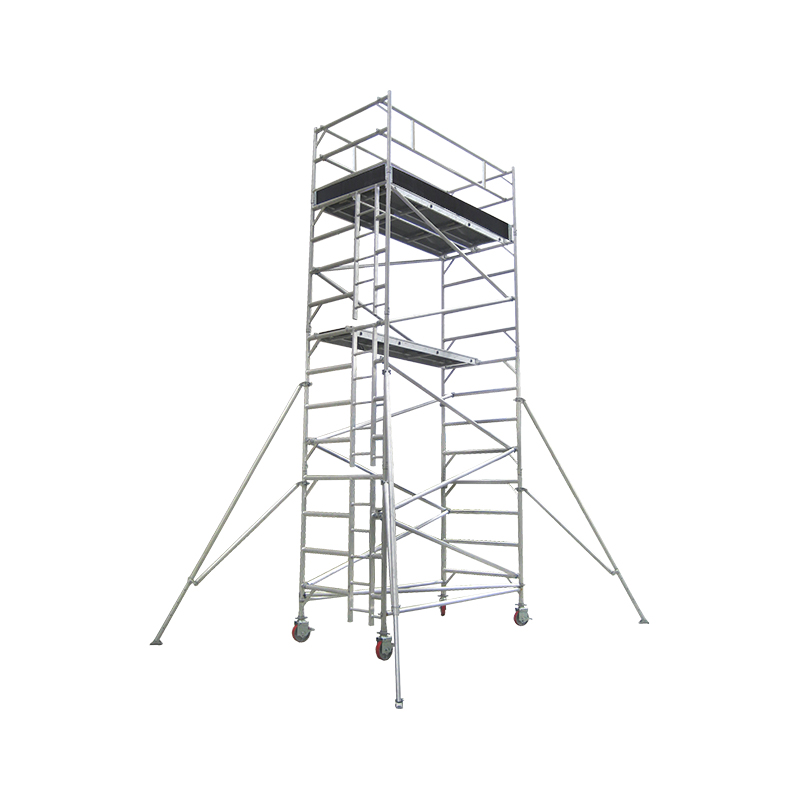
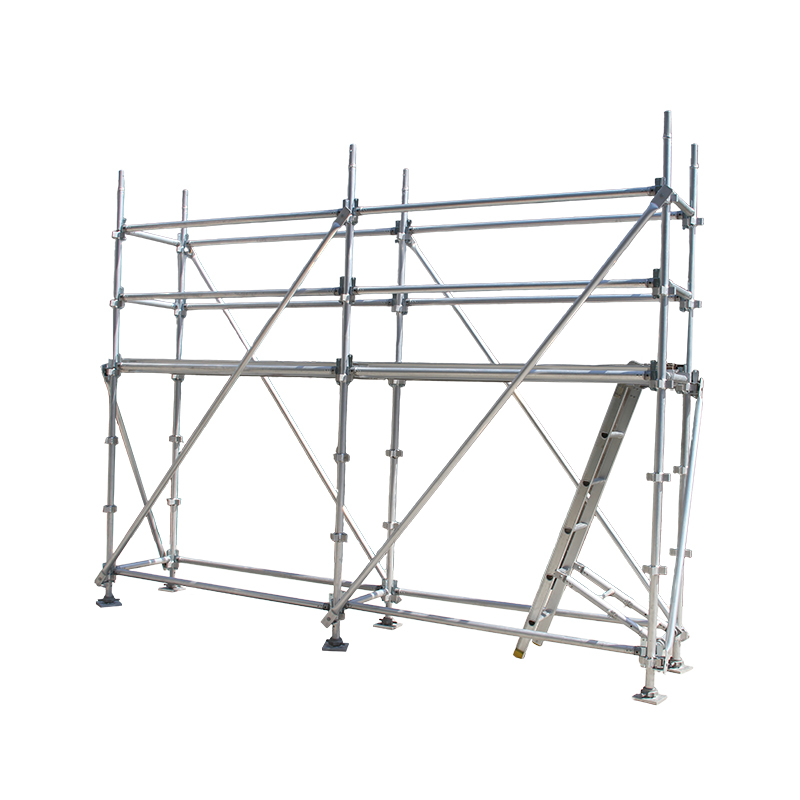
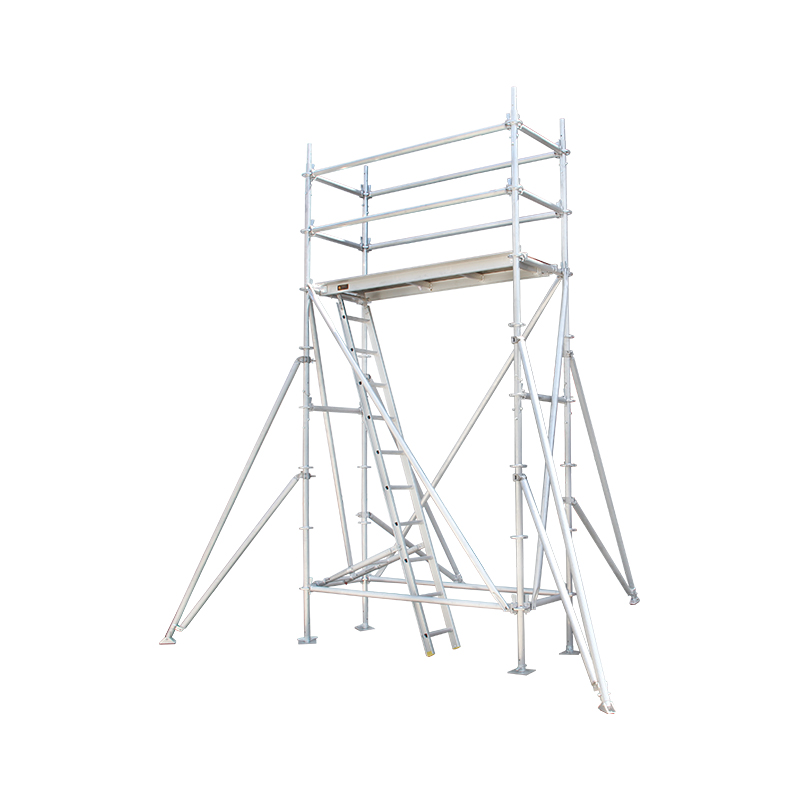
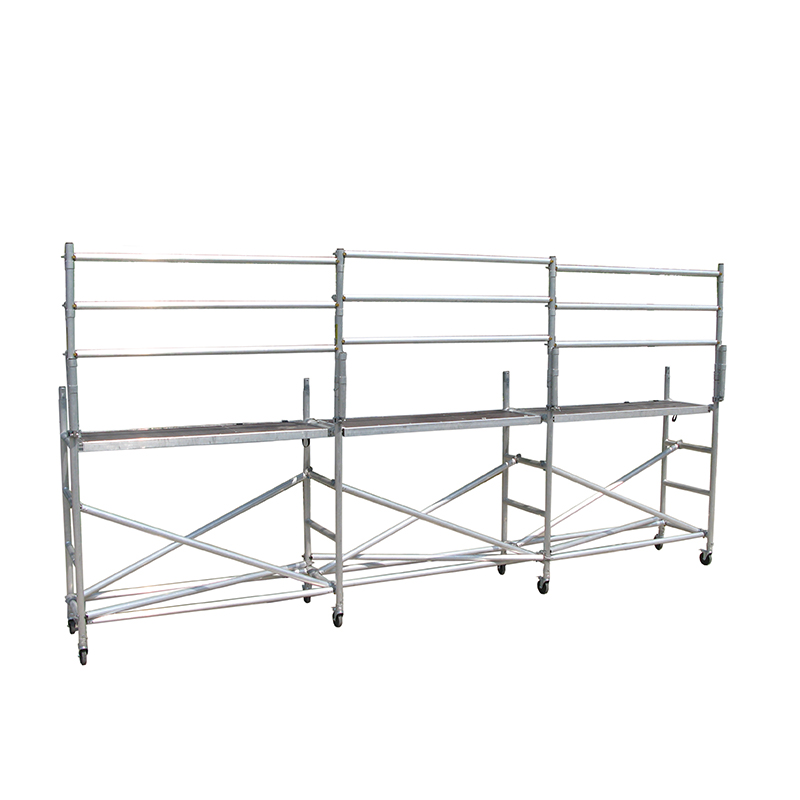
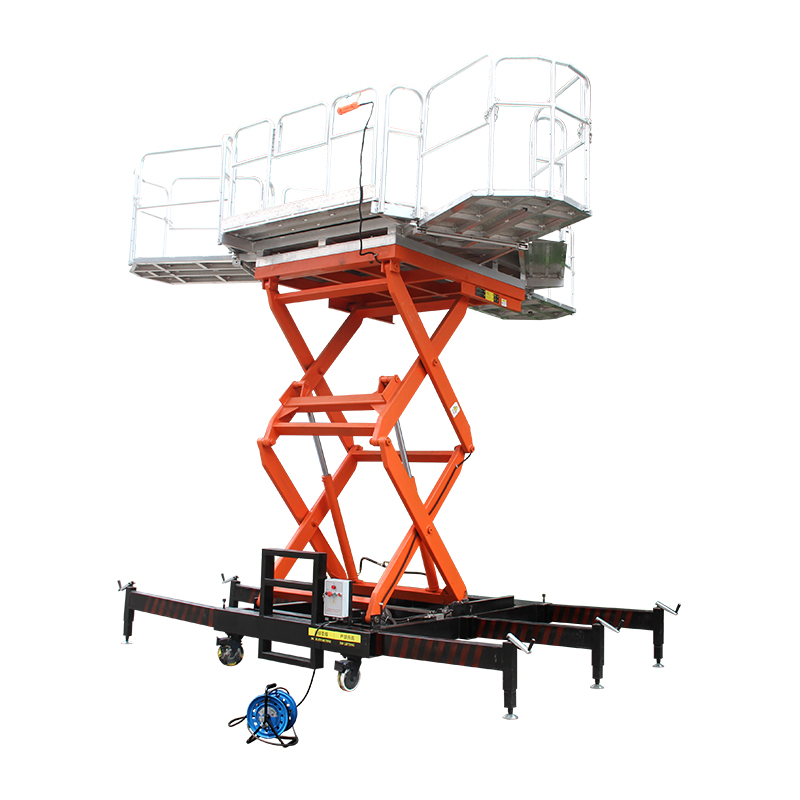
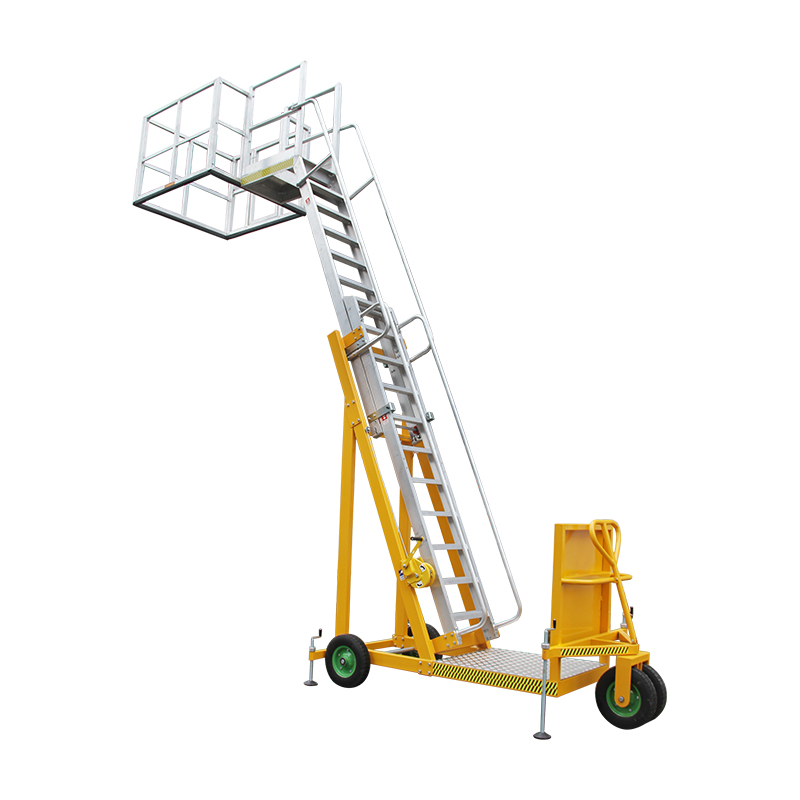
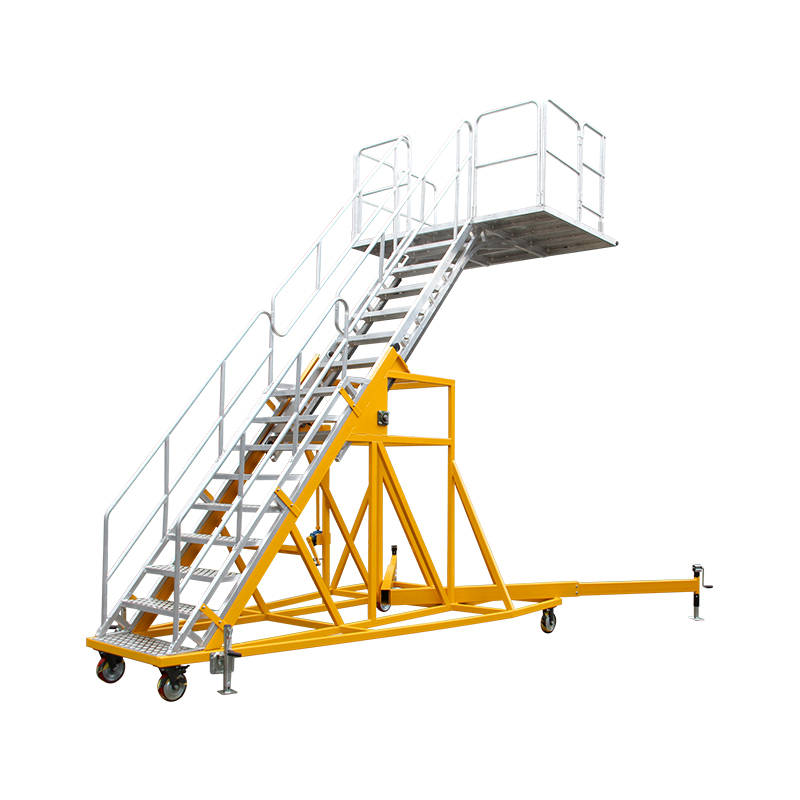
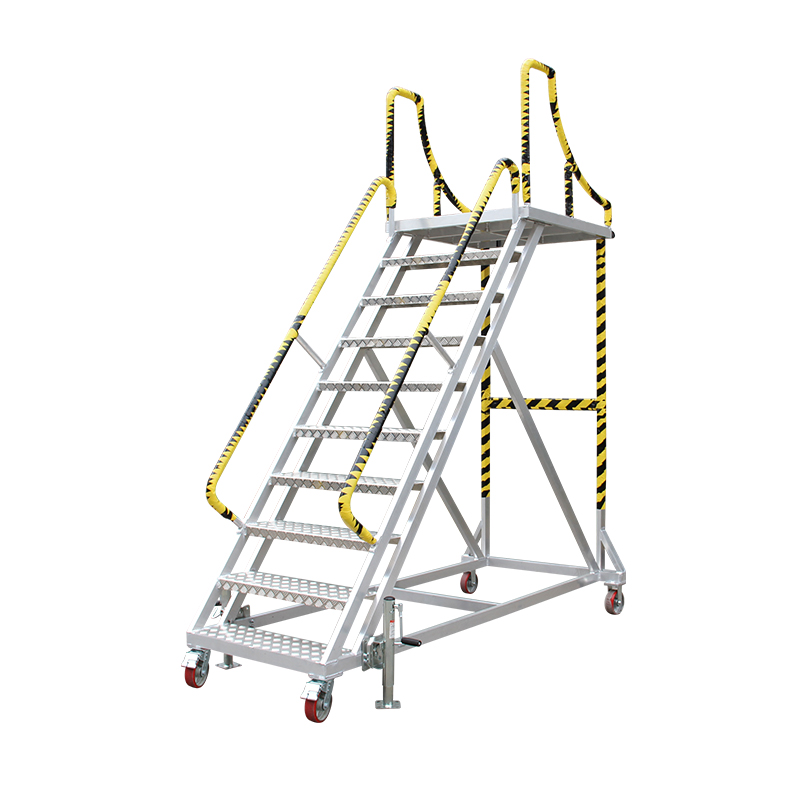
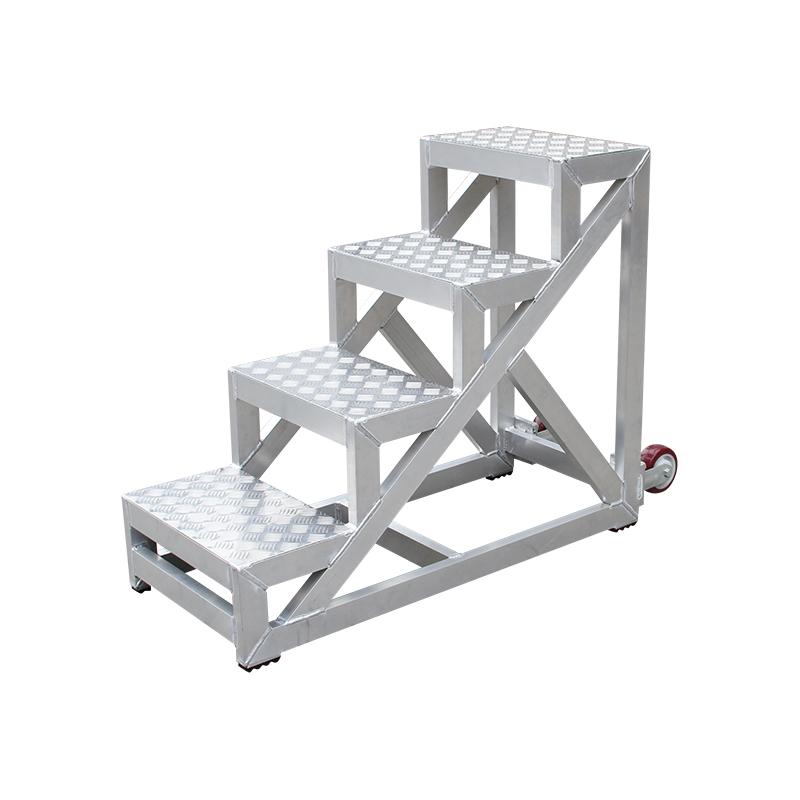
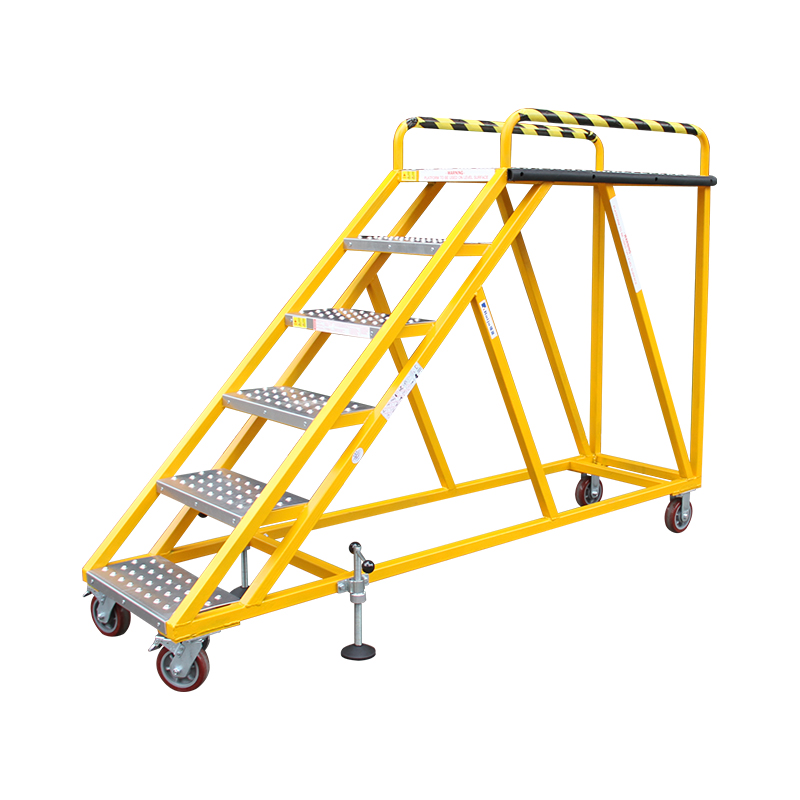
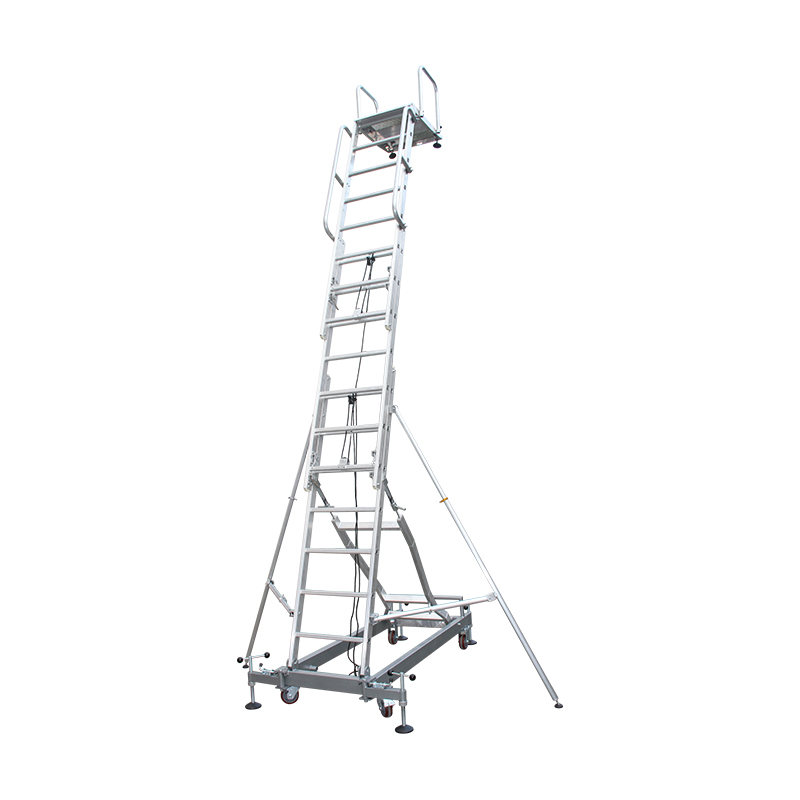
In professional work-at-height projects, Scaffolding Accessories should be treated as functional components of the complete access system rather than as secondary add-ons. Brackets, stabilizers, casters, guardrails, platforms, connectors, leveling components, and access modules can directly affect assembly efficiency, positioning, stability, and day-to-day usability. The correct accessory configuration depends on the scaffold structure, working height, site conditions, load requirements, and intended operating method.
Shanghai Ruiju Metal Products Co., Ltd. has specialized in ladders, aluminium scaffolding systems, work platforms, and related working-at-height solutions since 2001. Operating from a 12,000 m² self-owned production facility, Ruiju integrates R&D, product design, manufacturing, and marketing, supported by more than 30 years of industry experience. This manufacturing background allows accessory requirements to be considered together with the overall scaffold structure rather than as isolated components.
Choosing Accessories According to the Working Environment
Fixed and Mobile Applications Require Different Components
A fixed scaffold and a mobile scaffold may use similar frame members but require different supporting components. Mobile configurations commonly require suitable casters, wheel locks, stabilizing elements, and a frame designed to tolerate repeated repositioning. Fixed applications may place greater emphasis on base support, leveling, anchoring, and connection arrangements. Procurement teams should therefore define whether the scaffold is intended to remain stationary or move between work areas before selecting the accessory package.
Surface Conditions Affect Accessory Selection
Floor conditions can change how a scaffold behaves during use. Smooth industrial floors, concrete surfaces, tiled areas, uneven construction floors, and outdoor surfaces may require different support or mobility arrangements. Leveling components can be useful where minor variations in floor height must be accommodated, while stabilizers can increase the effective support footprint where the working configuration requires additional resistance to movement. Accessory selection should always correspond to the actual installation surface rather than relying solely on nominal scaffold dimensions.
| Accessory Type | Primary Function | Specification Consideration |
|---|---|---|
| Caster assemblies | Controlled movement and positioning | Load capacity, wheel size, locking mechanism |
| Stabilizers | Additional support footprint | Extension range and structural compatibility |
| Leveling components | Adjustment for floor variations | Adjustment range and locking method |
| Guardrails | Perimeter protection around working areas | Height, connection points, system compatibility |
| Access components | Worker entry and movement | Access direction, clearance, platform arrangement |
Connection Design Is Critical for Modular Scaffolding
Connections determine how individual scaffold components work together as a structural assembly. Accessories that connect to frames, platforms, braces, or guardrails need accurate interfaces and appropriate fastening methods. Small dimensional inconsistencies can make assembly difficult, create unnecessary play between components, or prevent an accessory from fitting correctly. For manufacturers and project purchasers, connector dimensions, hole positions, tube or profile specifications, and fastening details should therefore be included in technical documentation.
When accessories are sourced separately from the original scaffold manufacturer, compatibility should be verified before deployment. A component that appears mechanically similar may have different dimensions, tolerances, material characteristics, or connection geometry. Maintaining compatible components within one engineered system can simplify inspection, replacement, and maintenance over the equipment's service life.
Platform Accessories and Practical Workspace Design
Working Space Should Reflect the Actual Task
A scaffold platform is not simply a surface for standing. In industrial applications, workers may need to carry tools, position components, operate equipment, or perform maintenance over an extended period. Platform accessories should therefore support the actual workflow without unnecessarily reducing usable space. Guardrails, toe boards, access openings, tool holders, and platform extensions should be coordinated so that they provide the intended functionality while maintaining appropriate working clearance.
Accessory Placement Can Improve Efficiency
The location of an accessory can be as important as its presence. For example, an access component positioned on the wrong side of a platform may force workers to take a longer route around equipment. Similarly, an unnecessarily large stabilizer arrangement can make it harder to move the scaffold through doors or between production areas. During project planning, accessory placement should be reviewed against transportation paths, work zones, storage locations, and the sequence of assembly and dismantling.
Material Selection for Scaffolding Accessories
Material selection affects accessory weight, durability, corrosion resistance, connection performance, and manufacturing consistency. Aluminium is particularly relevant to lightweight scaffold systems because it can reduce the mass of components that workers must handle during assembly and relocation. However, accessory material should be selected according to its structural role, environmental exposure, connection requirements, and expected service conditions rather than simply choosing the lightest available option.
- Consider the relationship between accessory material and the scaffold frame material.
- Review corrosion exposure when equipment will be used outdoors or in demanding industrial environments.
- Check whether repeated assembly and disassembly may increase wear at connection points.
- Evaluate component weight when equipment must be frequently transported or manually assembled.
- Confirm that accessory materials and finishes are appropriate for the intended operating environment.
Inspection of Scaffolding Accessories During Repeated Use
Accessories often experience more frequent handling than major frame components. Casters are repeatedly loaded and unloaded, adjustable components are moved between positions, and connection hardware may be assembled and dismantled many times. A practical inspection program should therefore pay particular attention to wear points and moving interfaces rather than focusing only on the main frame.
- Inspect connection points for looseness, deformation, excessive wear, or damaged fastening hardware.
- Check caster wheels, mounting brackets, and locking mechanisms where mobile systems are used.
- Examine adjustable components for damaged threads, pins, locks, or other mechanisms.
- Check guardrails, braces, and platform attachments for secure engagement with the main frame.
- Remove damaged components from service until their condition has been properly evaluated.
Specification Management for Large Equipment Projects
For equipment purchasers managing multiple sites or large inventories, standardizing Scaffolding Accessories can simplify spare-parts management and maintenance. Using a defined accessory specification across compatible scaffold models can reduce the number of replacement parts that need to be stocked and make staff training more consistent. However, standardization should only be applied after confirming that the accessory is suitable for each applicable scaffold configuration.
A useful technical specification can include component dimensions, material, surface treatment, connection method, rated capacity where applicable, adjustment range, compatible scaffold models, packaging requirements, inspection criteria, and replacement identification. These details give procurement and maintenance teams a clearer reference than a product name alone.
Ruiju's Approach to Accessory-Compatible System Manufacturing
Shanghai Ruiju Metal Products Co., Ltd. operates a complete industrial system covering product development, design, manufacturing, and marketing. Its 12,000 m² production facility and more than 30 years of experience in working-at-height products support the development of ladders, aluminium scaffolding systems, work platforms, and associated components. The company's manufacturing system is ISO 9001 certified and BSCI audited, while standard products comply with GB12142 and export products are developed to meet applicable Australian, European, and American industry requirements.
For customers specifying Scaffolding Accessories, this integrated approach provides a practical basis for discussing accessory compatibility, customized dimensions, material selection, manufacturing requirements, inspection documentation, and project-specific configurations. Where third-party verification is required, products are rigorously tested and certified by SGS and TÜV according to applicable requirements.
Building a More Practical Accessory Specification
The most effective accessory specification starts with the work process rather than a catalog list. Define the scaffold type, working height, platform arrangement, expected loads, mobility requirements, floor conditions, access direction, storage limitations, and applicable standards first. Then identify the accessories needed to support those conditions. This method helps ensure that each component contributes to the performance of the overall access system and provides manufacturers with concrete information for engineering and production.