en
en 简体中文
简体中文 Español
 Deutsch
 عربى
عربى
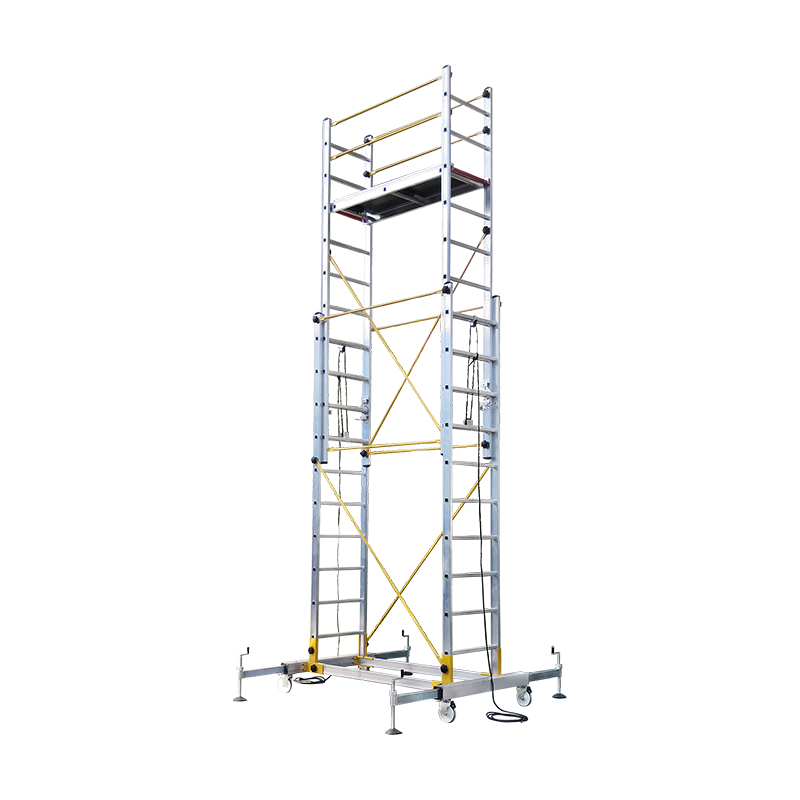
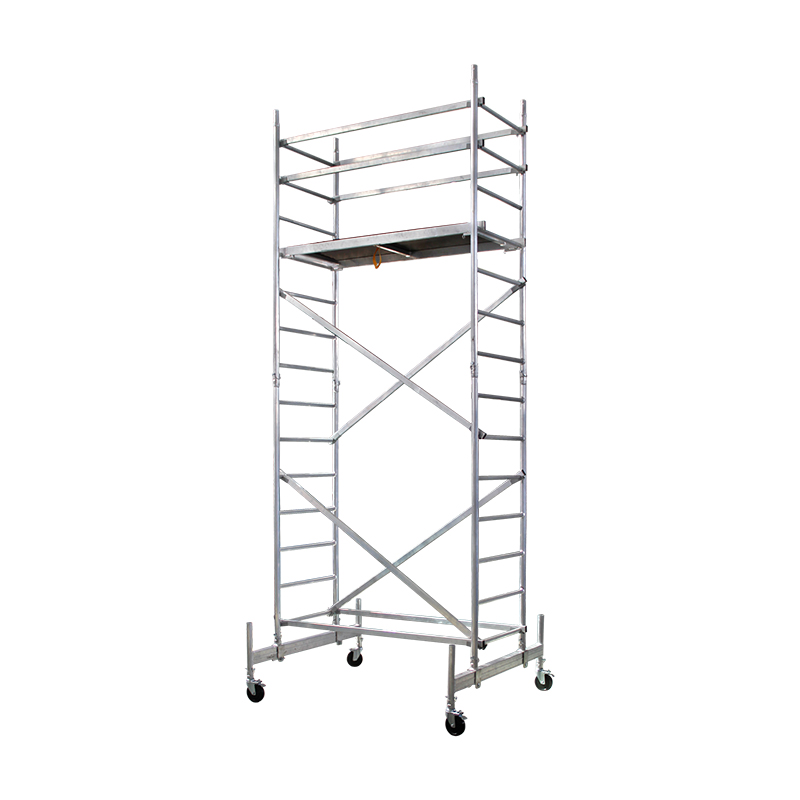
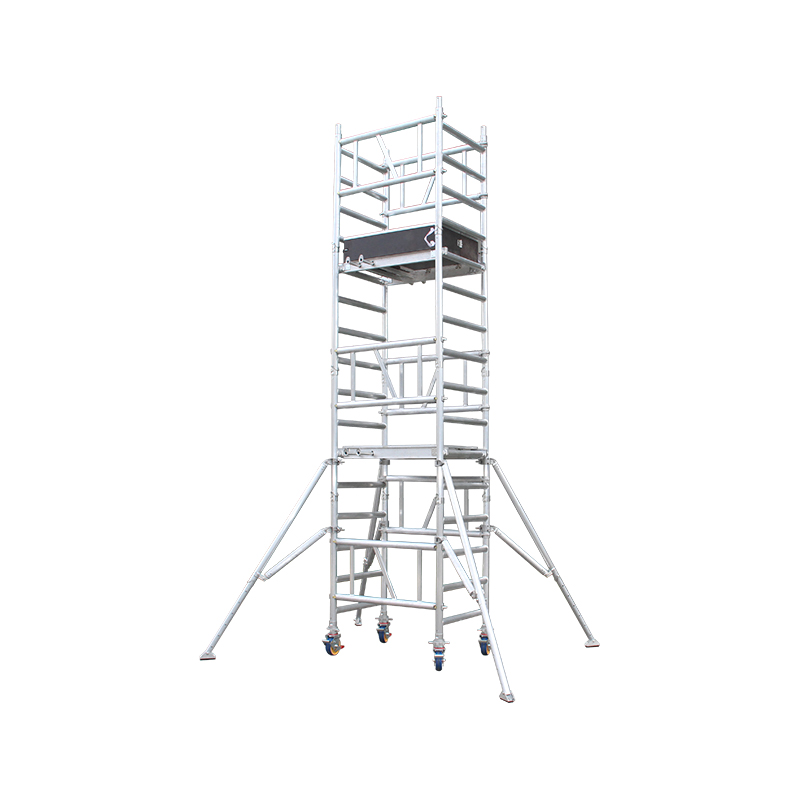
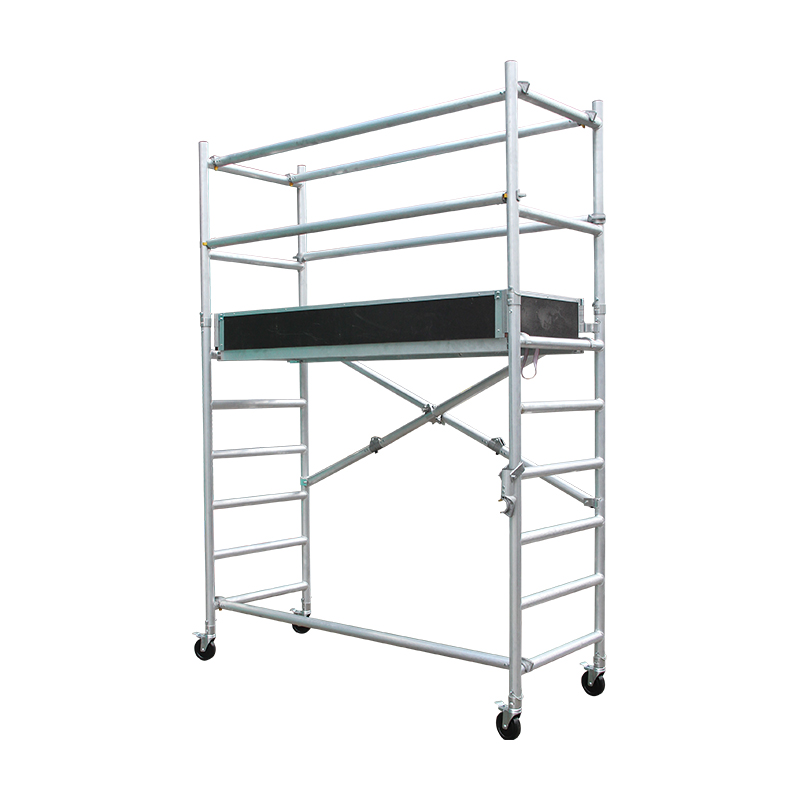










How Railway Maintenance Platforms Support Safer Train Servicing
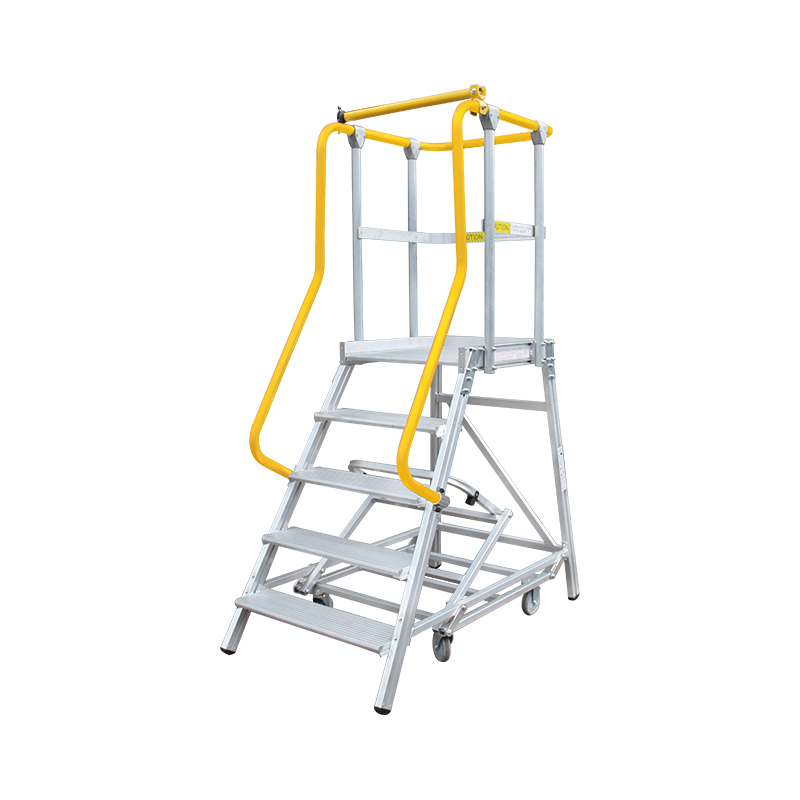
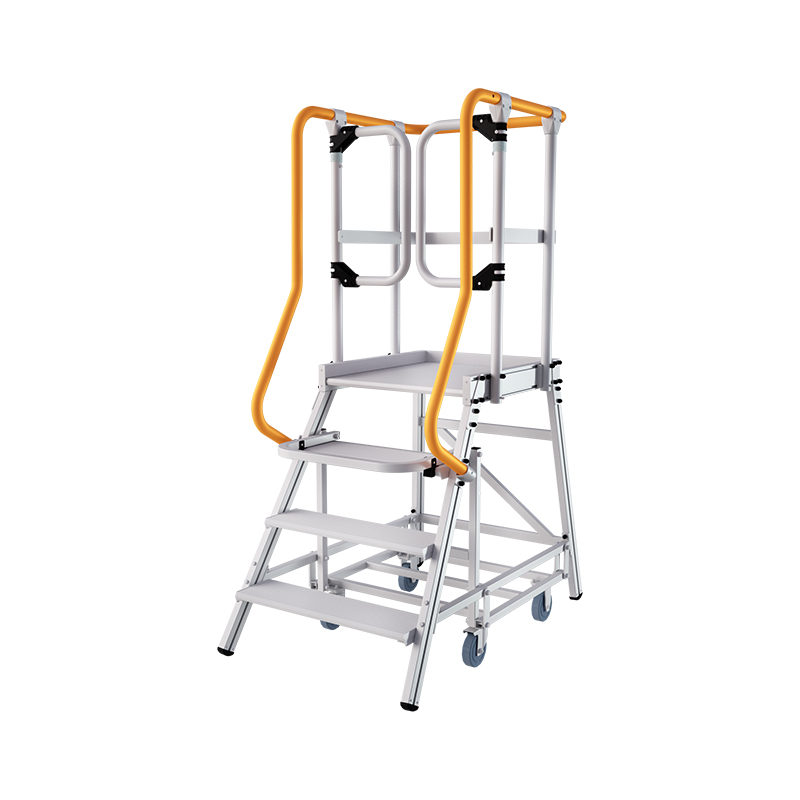
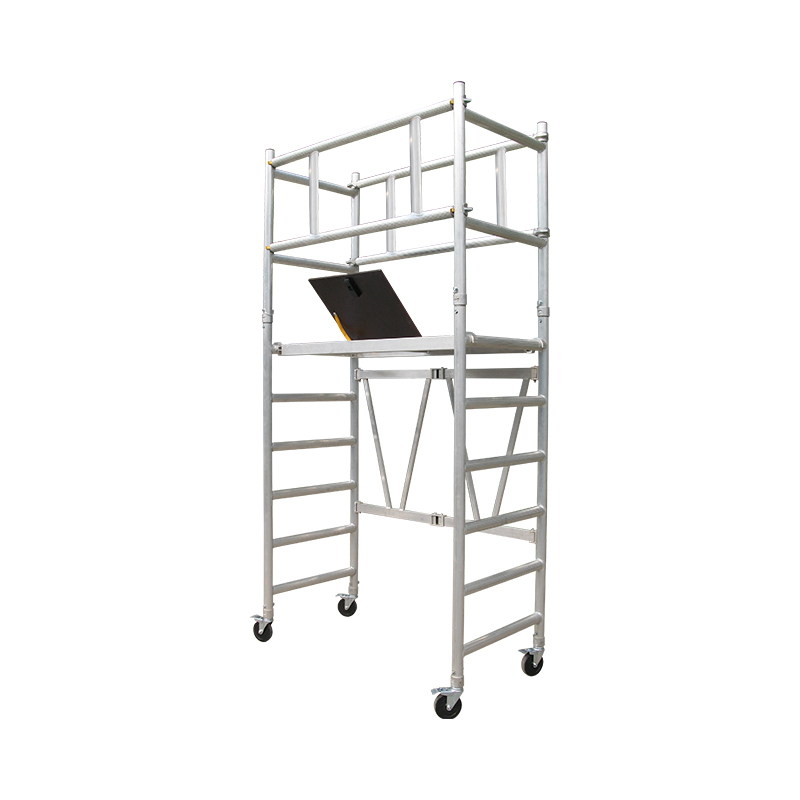
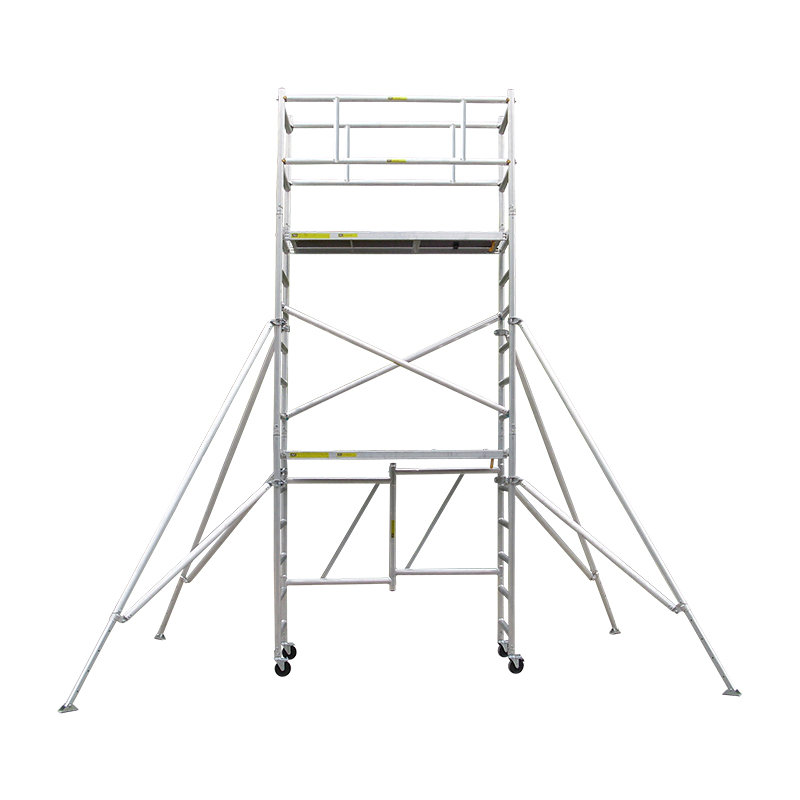
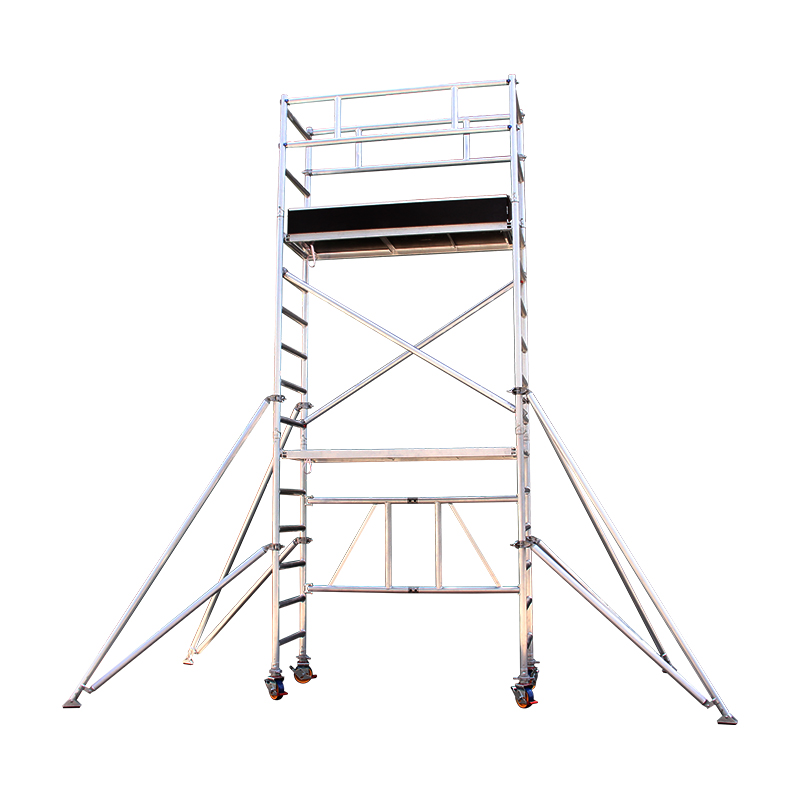
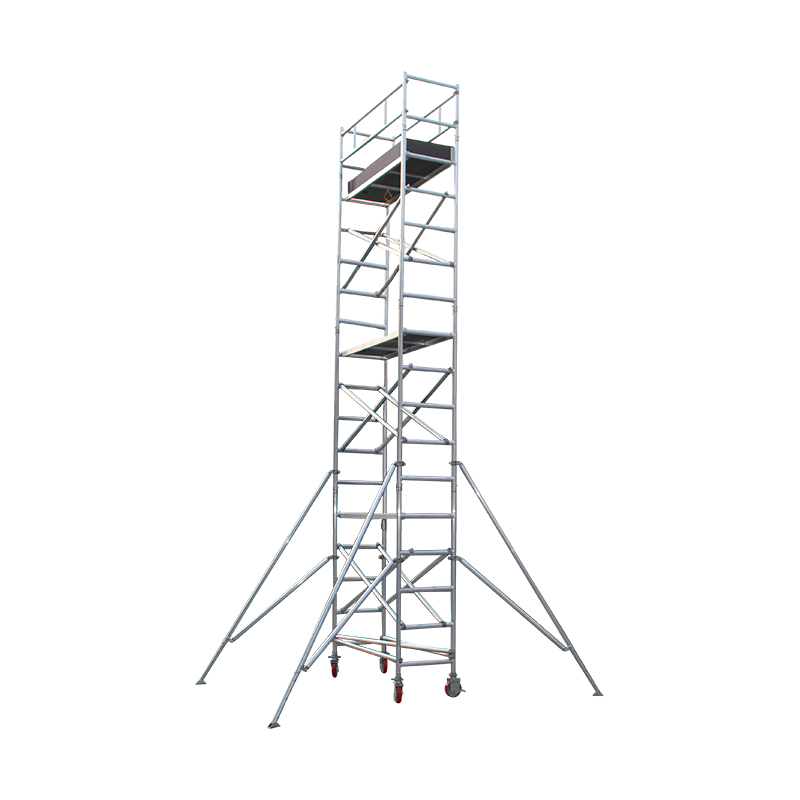
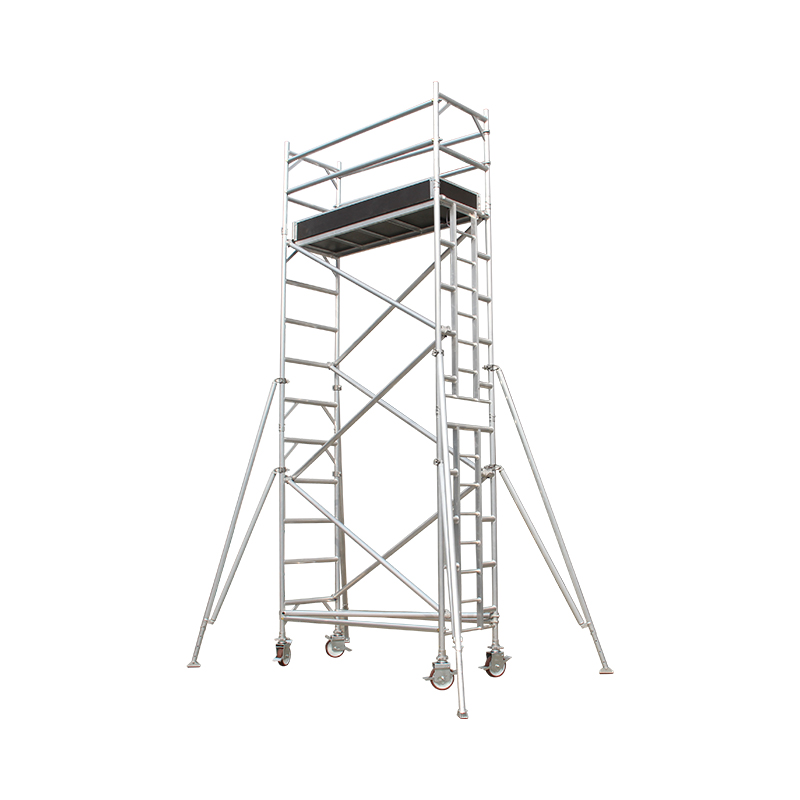
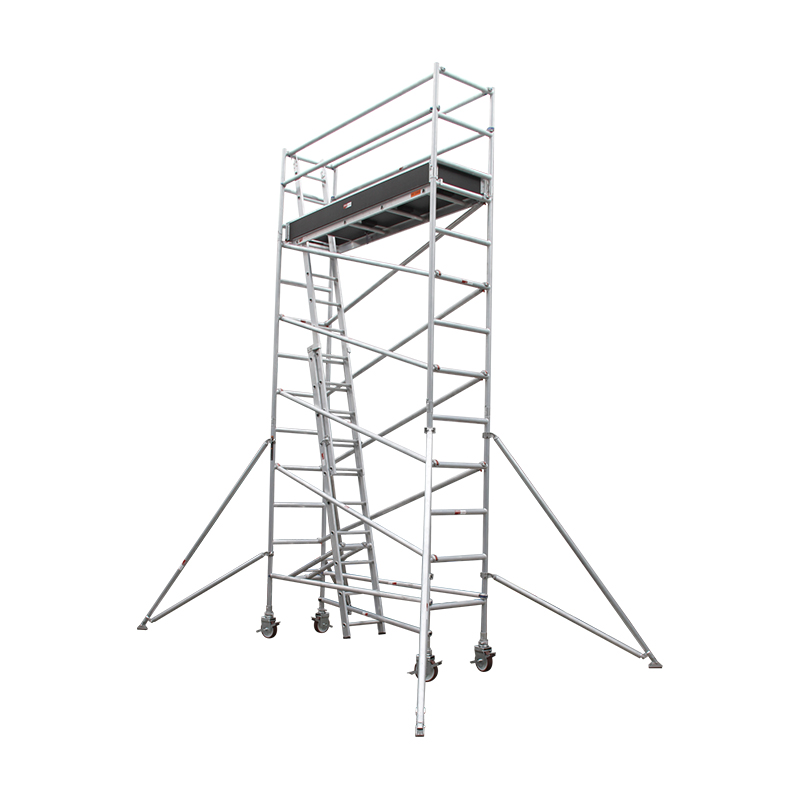
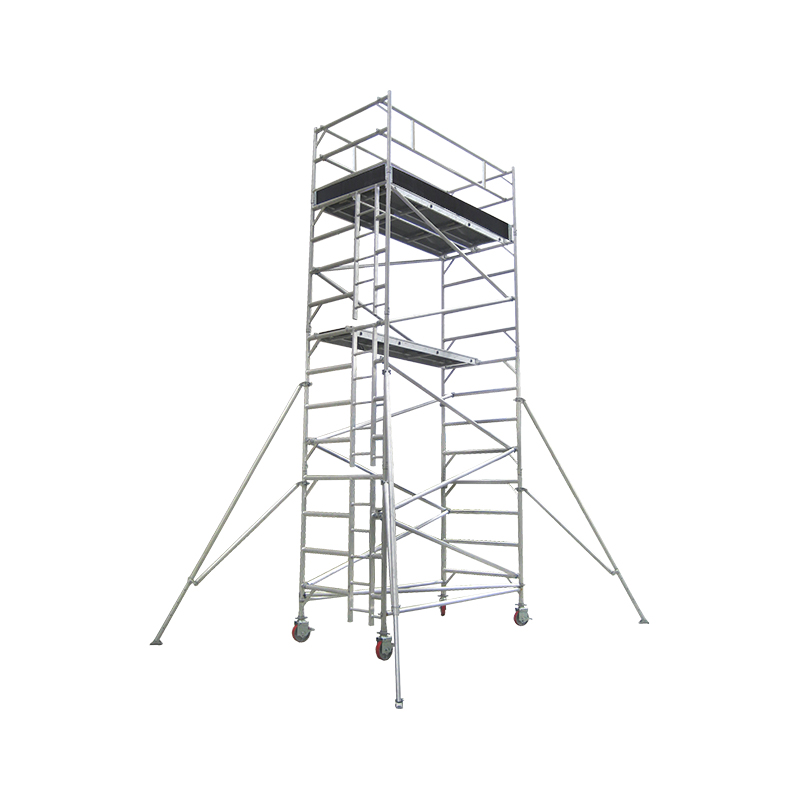
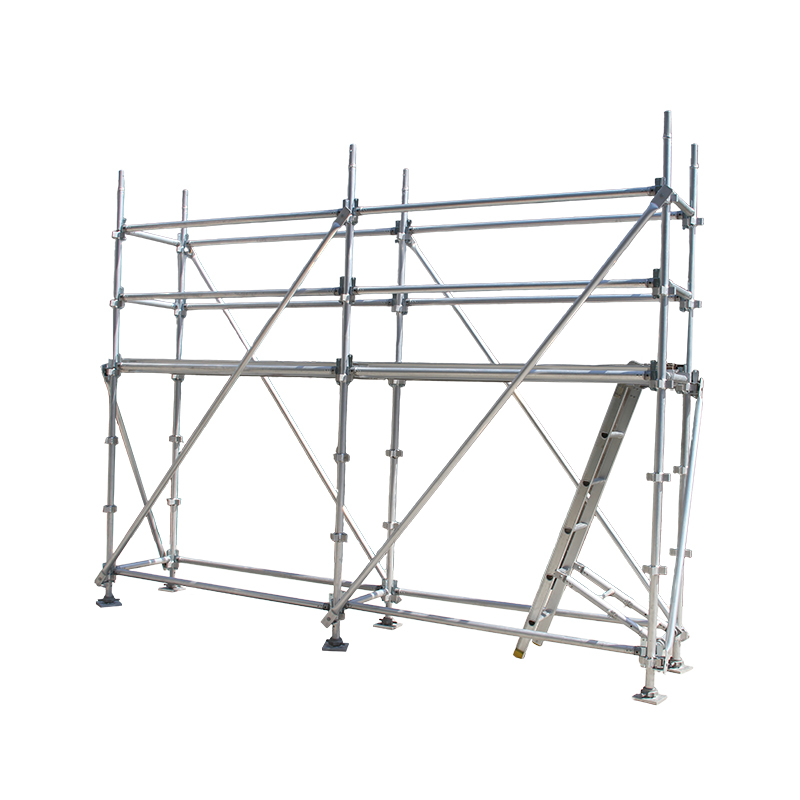
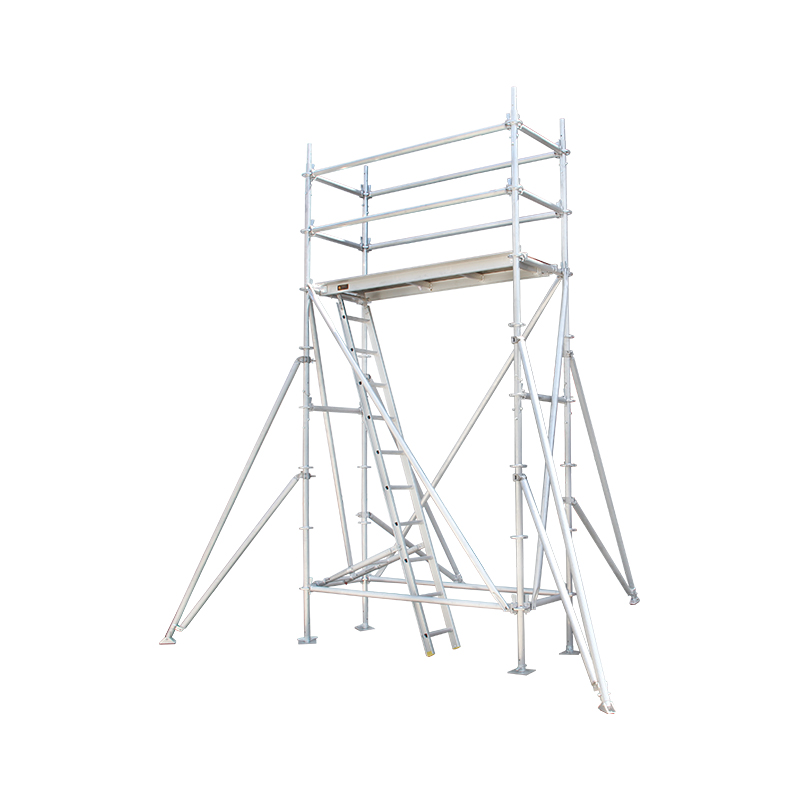
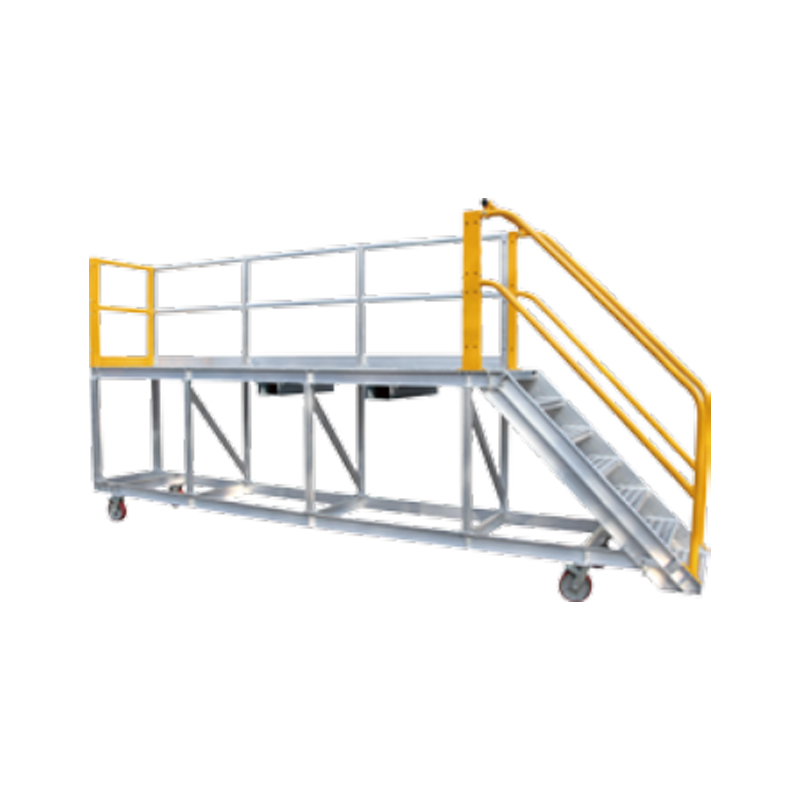
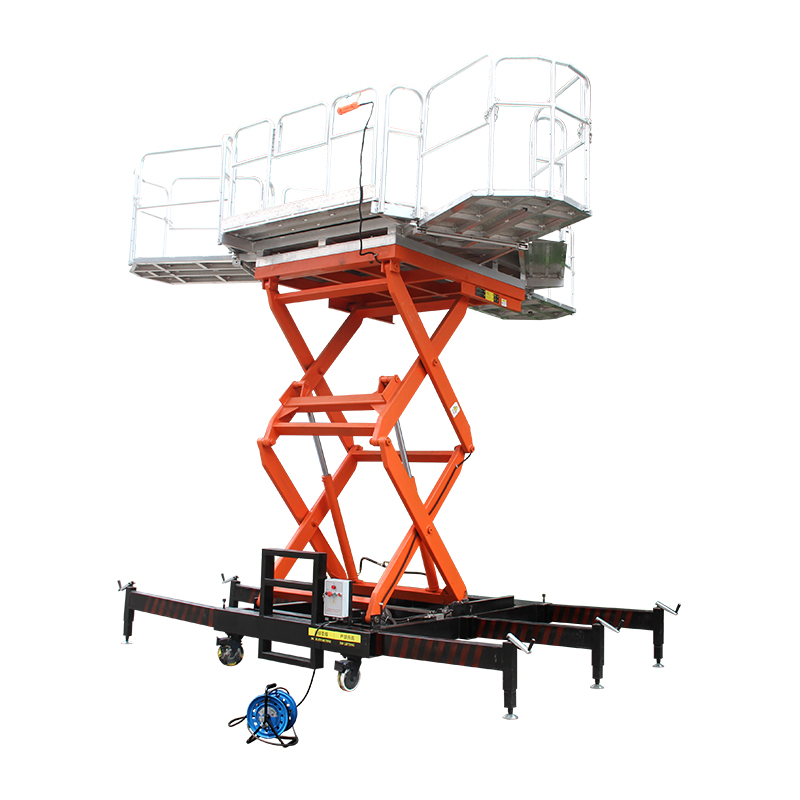
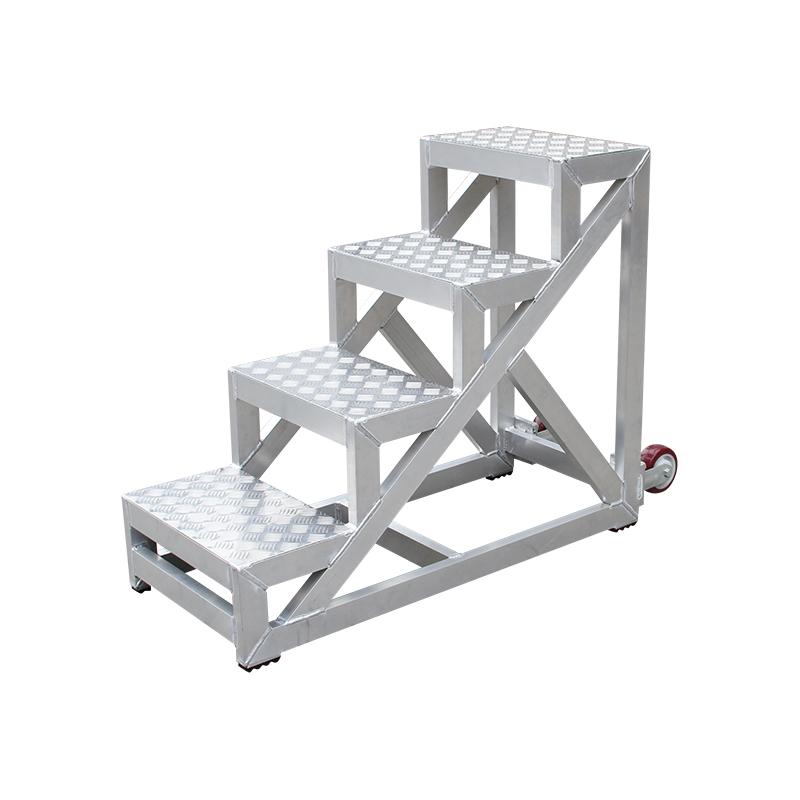
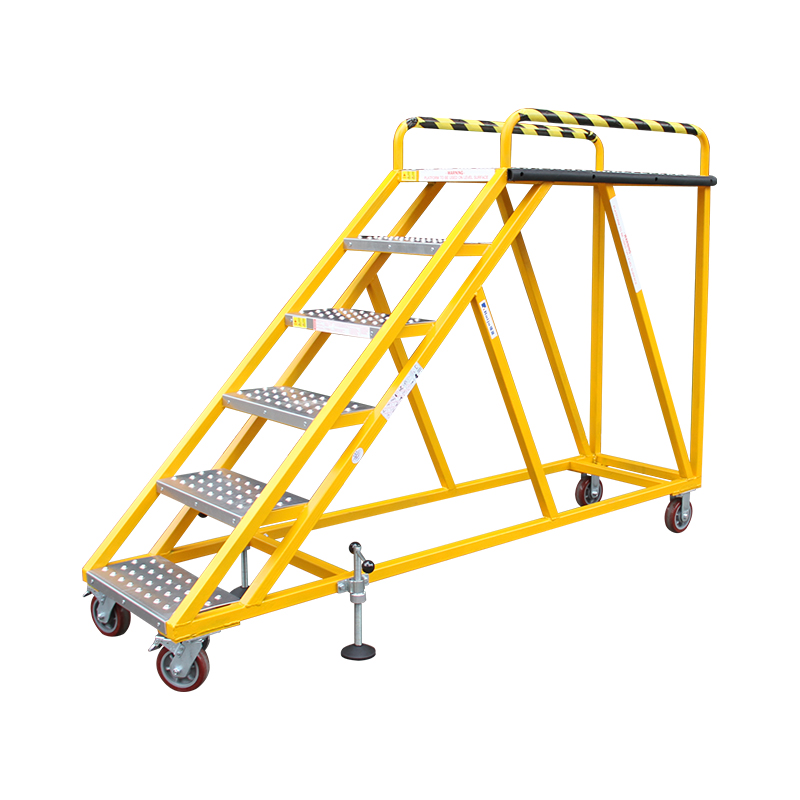
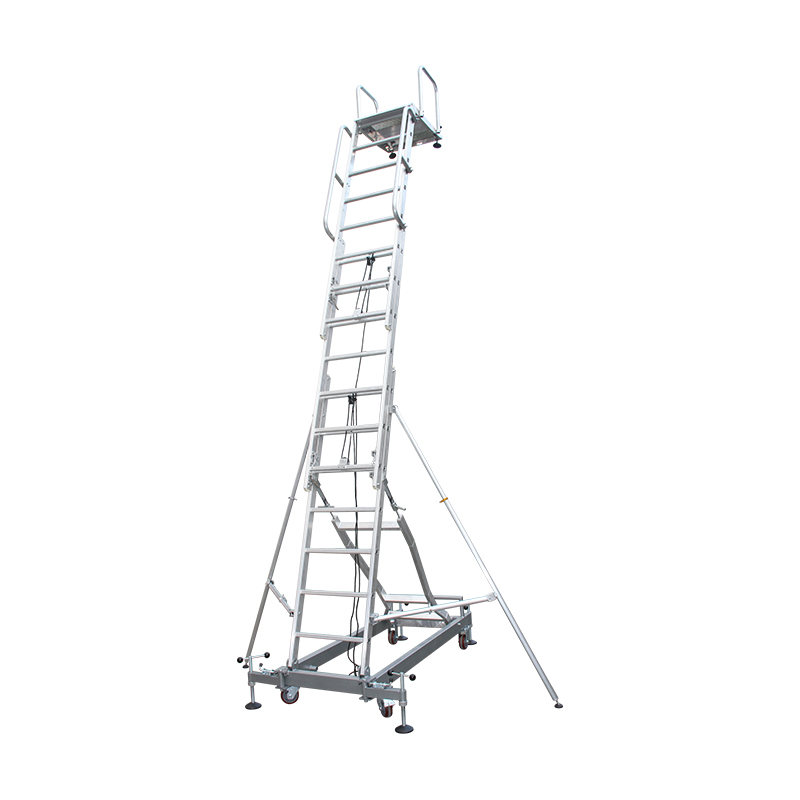
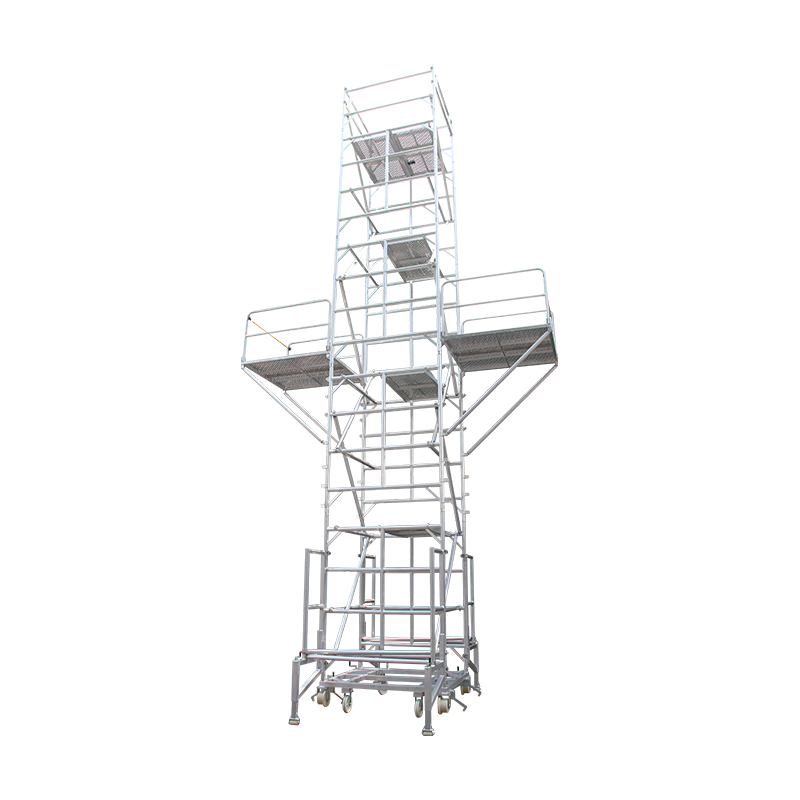
Railway maintenance work often requires technicians to reach roofs, sidewalls, doors, underframe components, electrical equipment, and other areas that are difficult to access from ground level. A properly engineered railway maintenance platform provides a stable working surface at a controlled height, helping maintenance teams position tools and personnel more efficiently. For rail depots and rolling stock workshops, platform dimensions, working height, access direction, clearance, and mobility should be considered together rather than treating the platform as a standalone piece of equipment.
Shanghai Ruiju Metal Products Co., Ltd. has specialized in ladders, aluminium scaffolding systems, work platforms, and customized working-at-height solutions since 2001. With a 12,000 m² self-owned production facility, Ruiju integrates R&D, design, manufacturing, and marketing, supported by more than 30 years of experience in working-at-height products and technologies. Its manufacturing system is ISO 9001 certified and BSCI audited, while products for different markets can be developed according to applicable Chinese and international requirements and subjected to third-party testing by SGS and TÜV.
Design Factors That Matter Around Rolling Stock
Working Height Should Match the Maintenance Zone
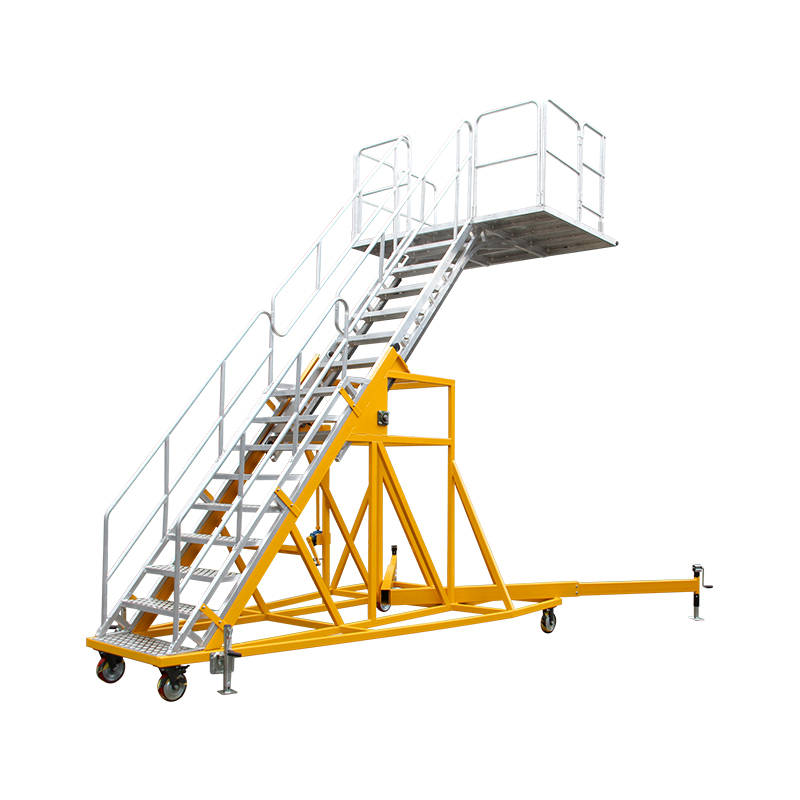
A depot may service several train models with different roof heights and equipment arrangements. Instead of selecting a platform solely according to maximum reach, engineering teams can define the actual maintenance zones first. The resulting platform height, stair or ladder angle, deck length, and guardrail configuration can then be coordinated with the train profile. This approach helps reduce excessive reaching and keeps technicians in a more practical working position during repeated maintenance operations.
Clearance Is a Functional Specification
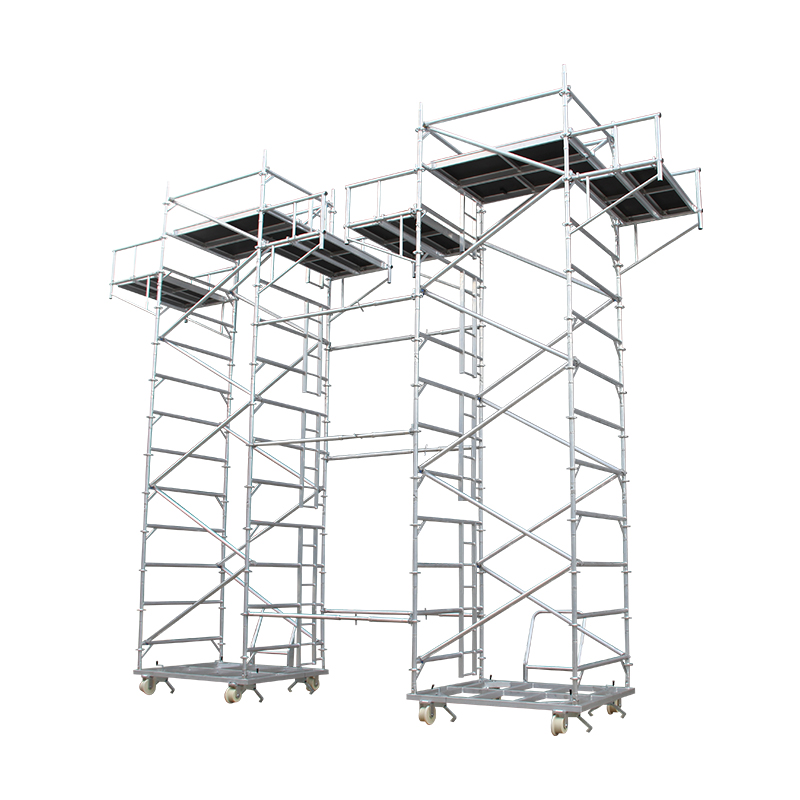
A rail transport platform must coexist with rolling stock, tracks, service equipment, doors, pantographs, roof-mounted systems, and workshop infrastructure. Important dimensional parameters can include platform width, overall footprint, handrail projection, wheel position, access opening, and clearance from the vehicle body. For customized projects, these dimensions should be confirmed from actual depot layouts and rolling stock drawings before fabrication.
- Confirm the train models and maintenance areas that the platform will serve.
- Measure available workshop clearance and access routes before determining the platform footprint.
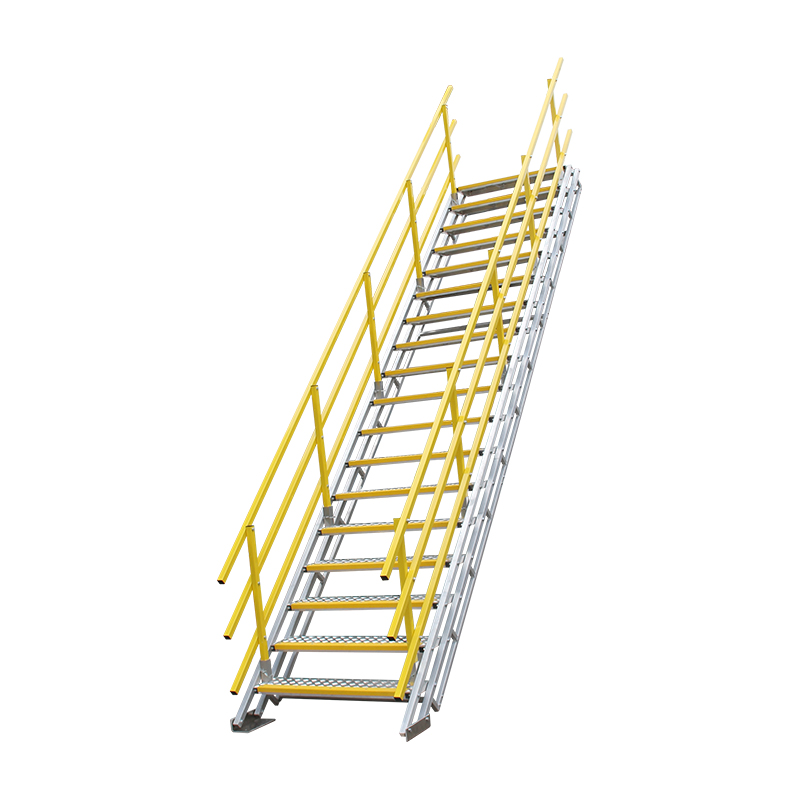
- Define guardrail, toe-board, stair, ladder, and access-gate requirements according to the intended work position.
- Consider storage, movement, cleaning, and inspection requirements as part of the equipment specification.
Choosing Between a Train Access Ladder and a Platform
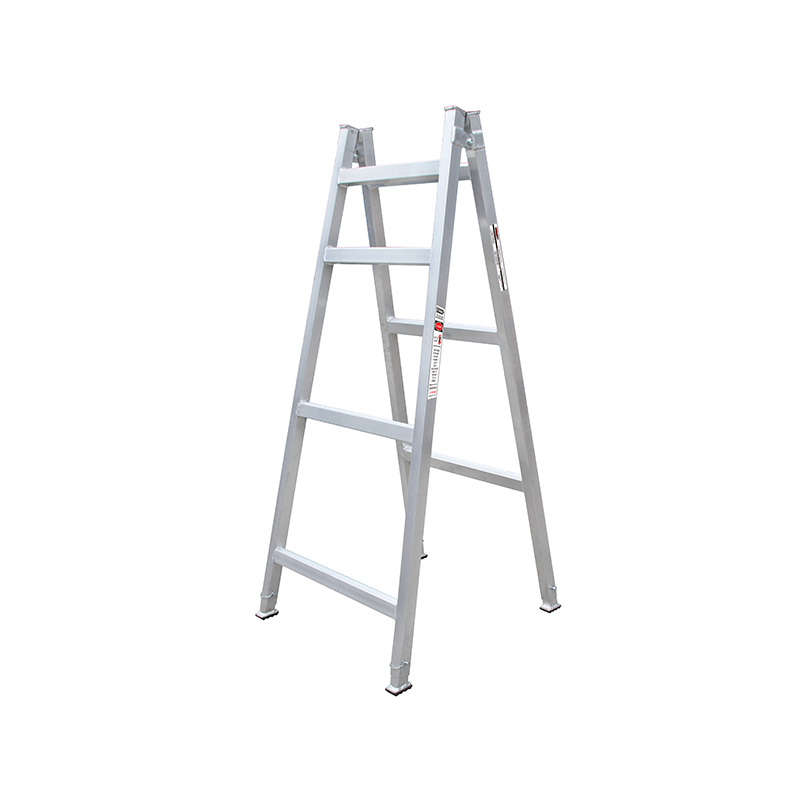
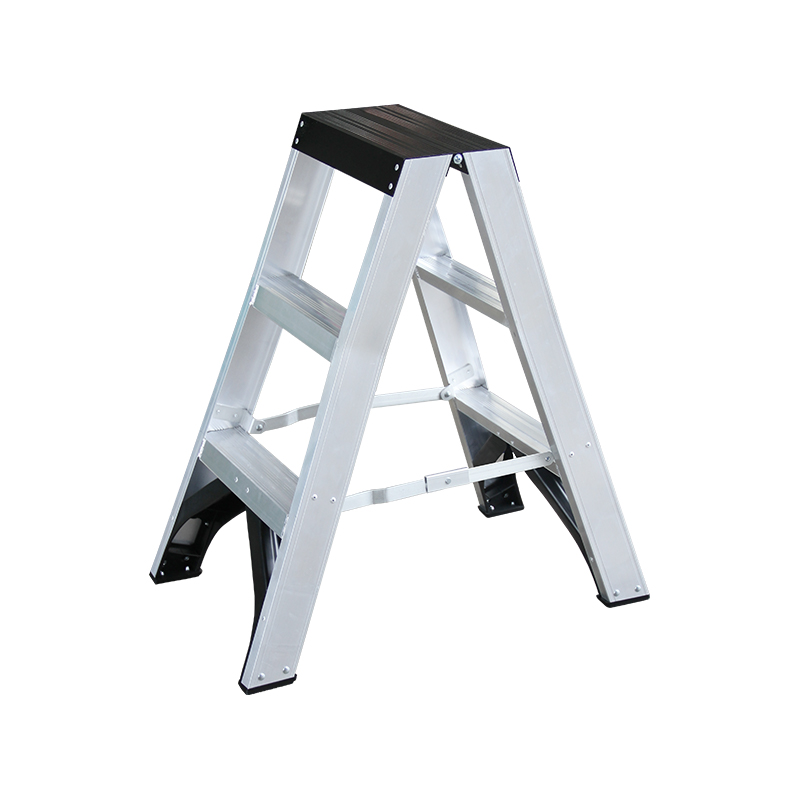
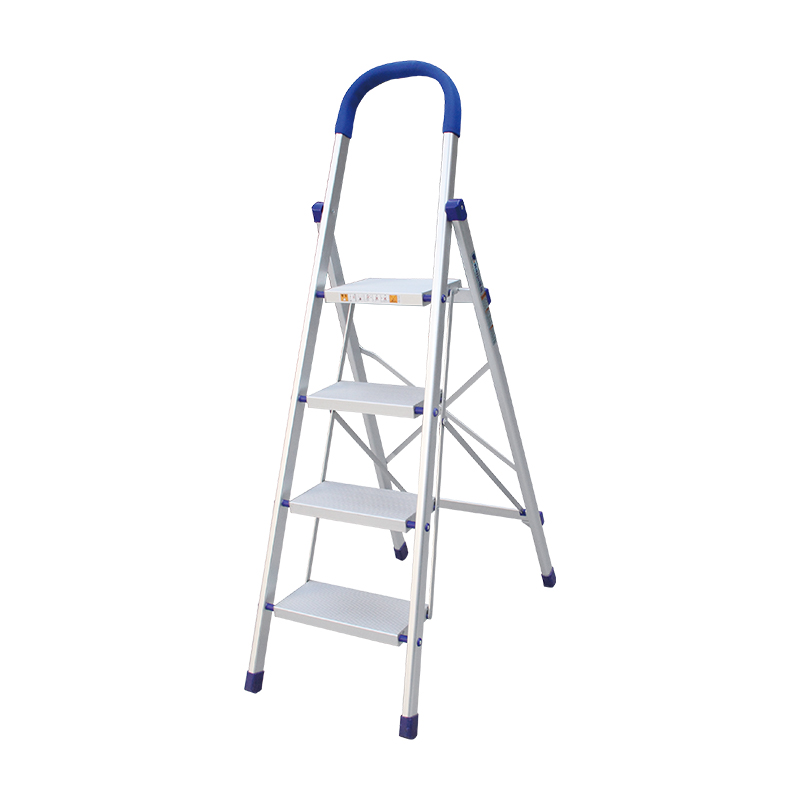
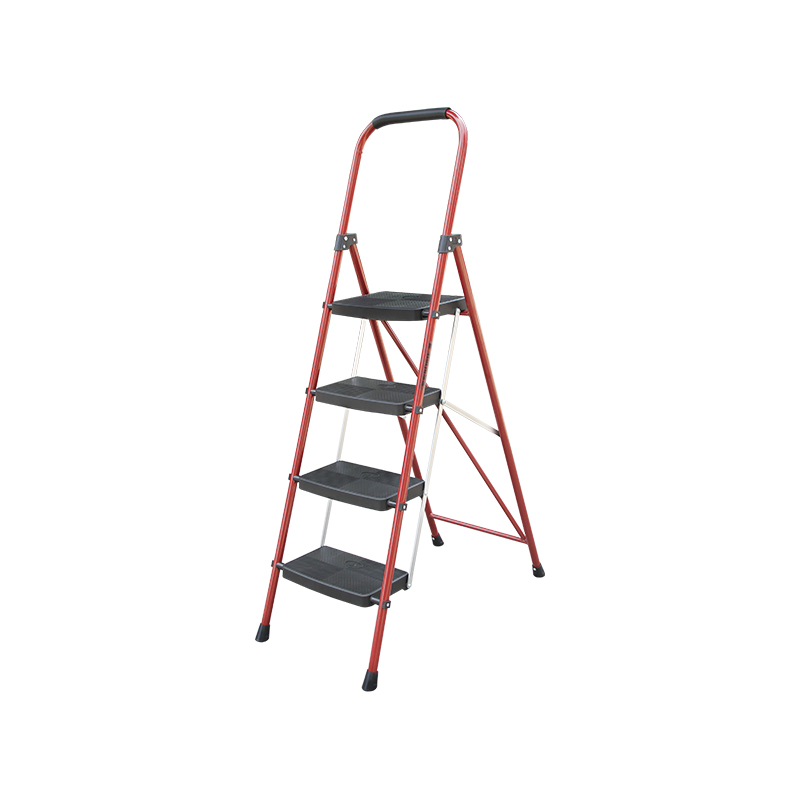
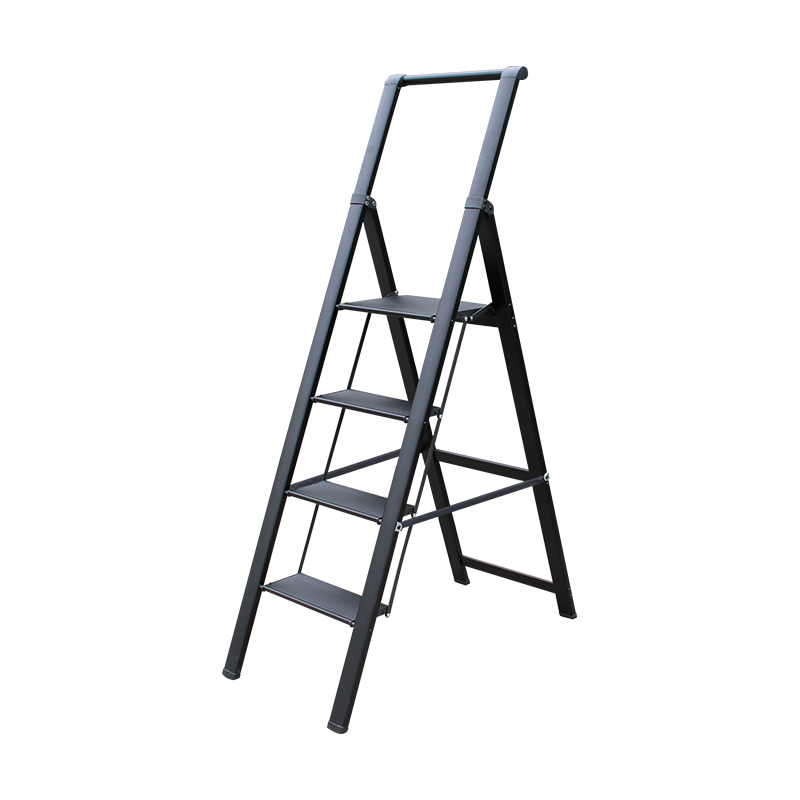
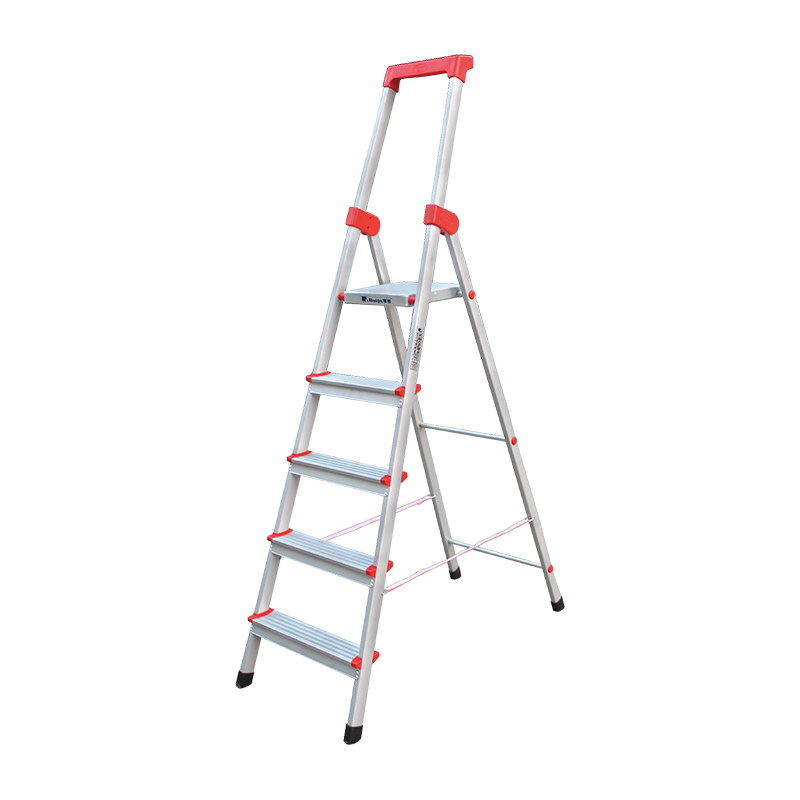
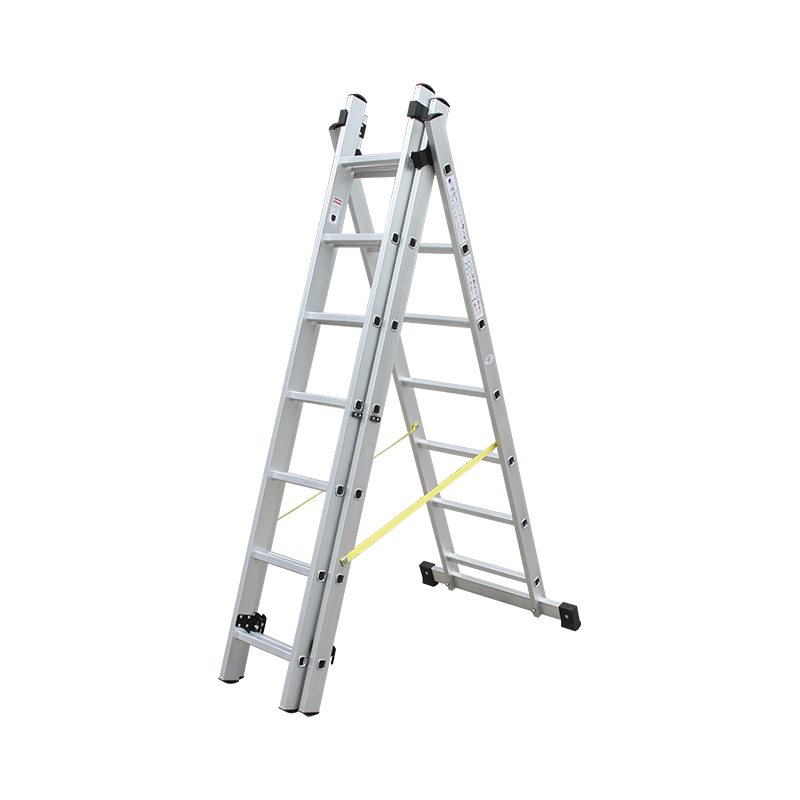
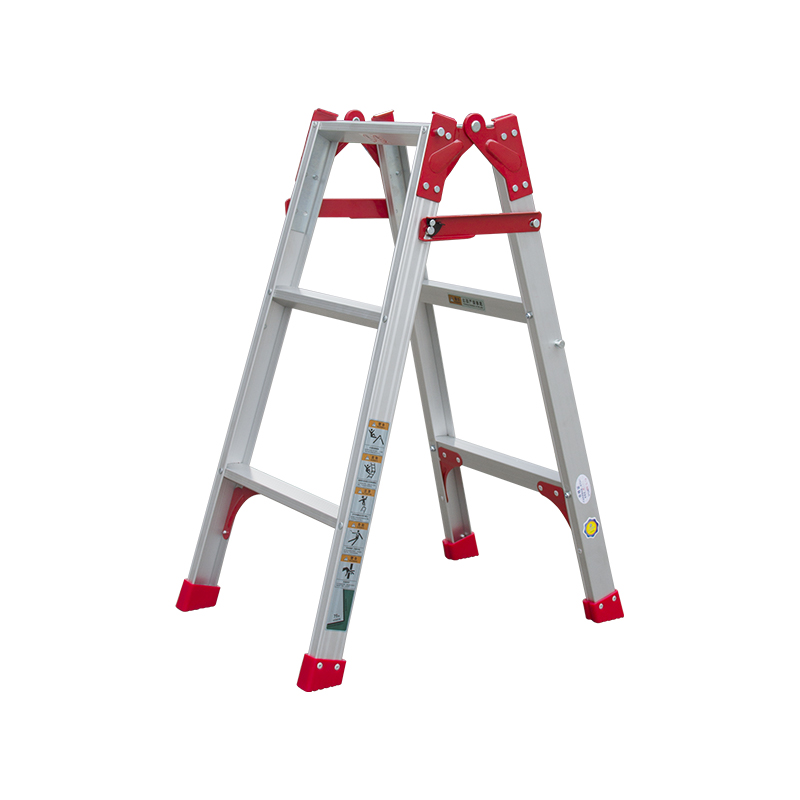
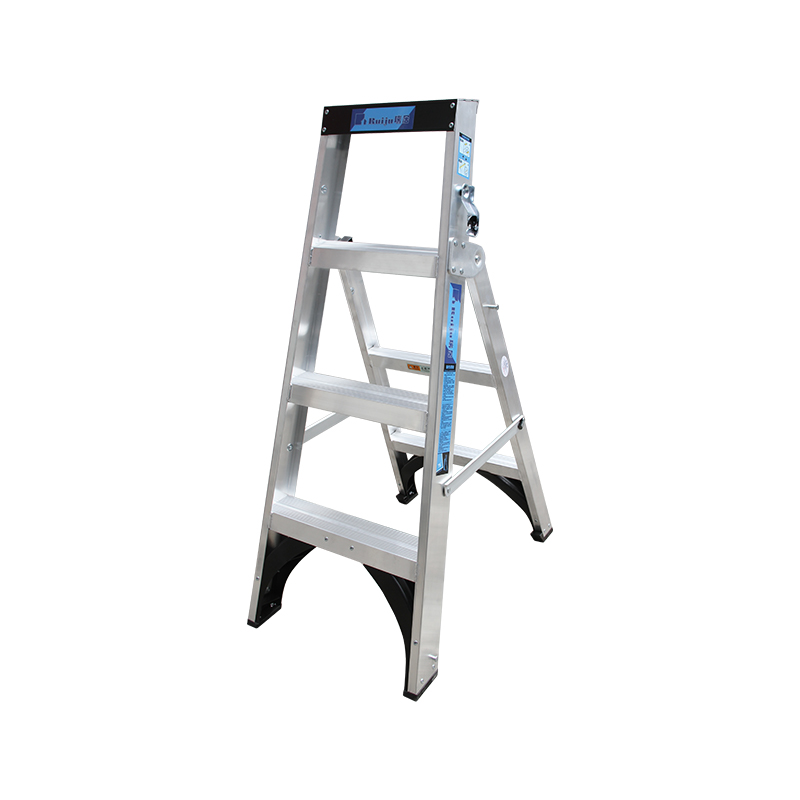
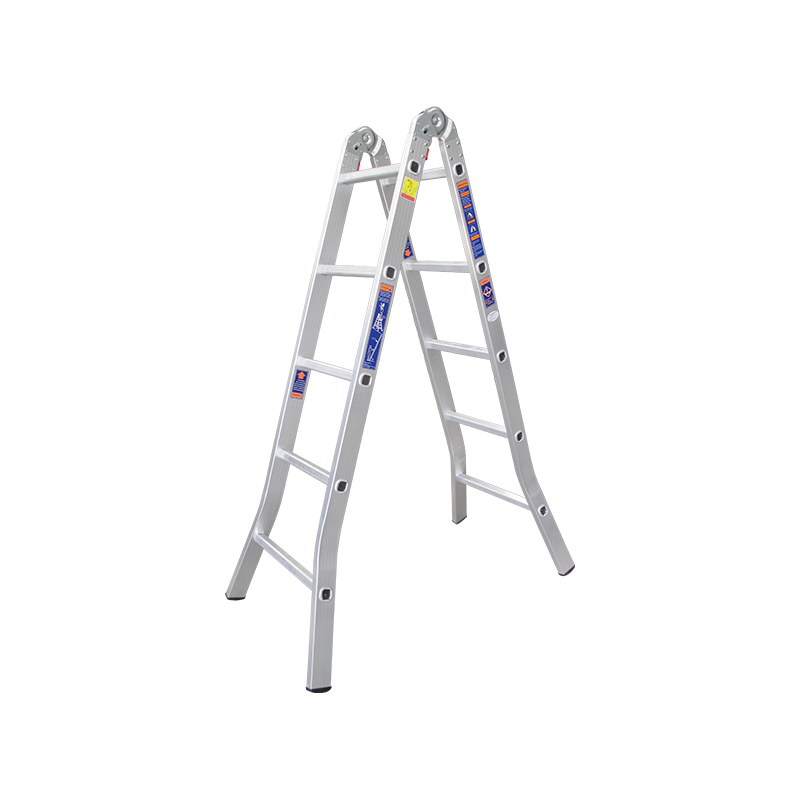
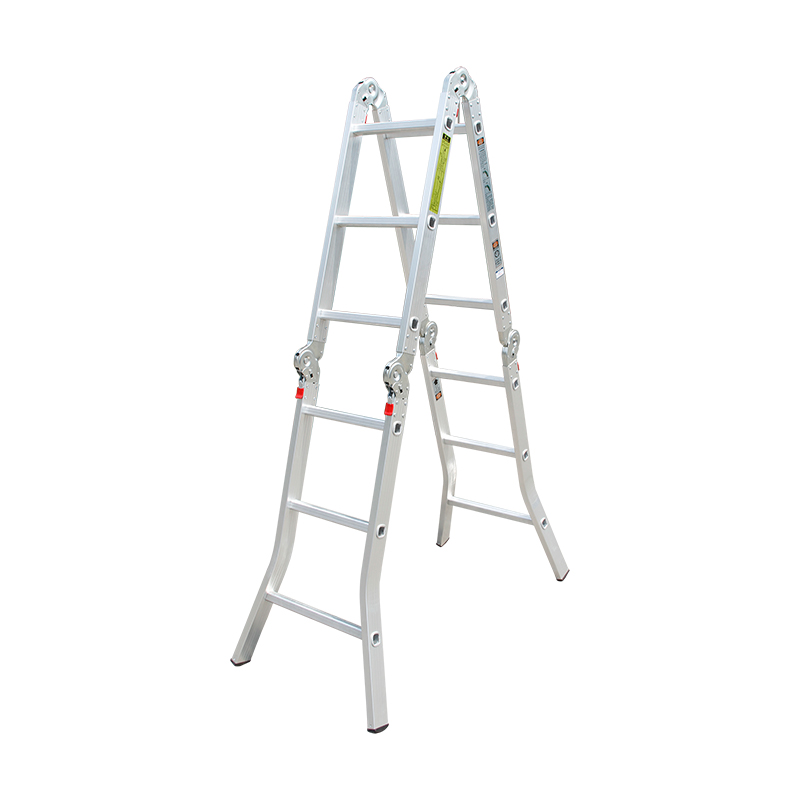
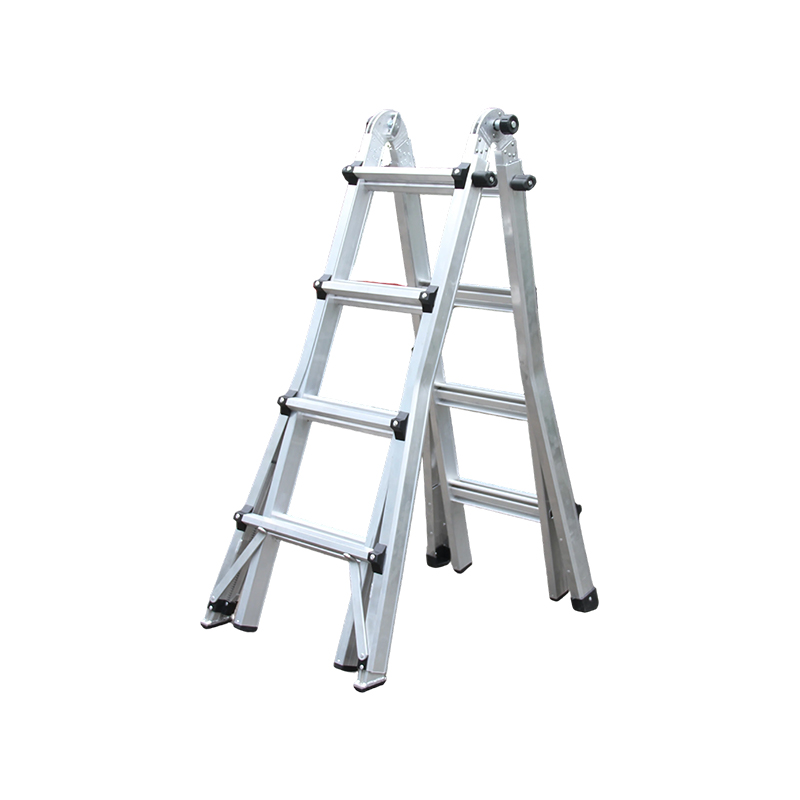
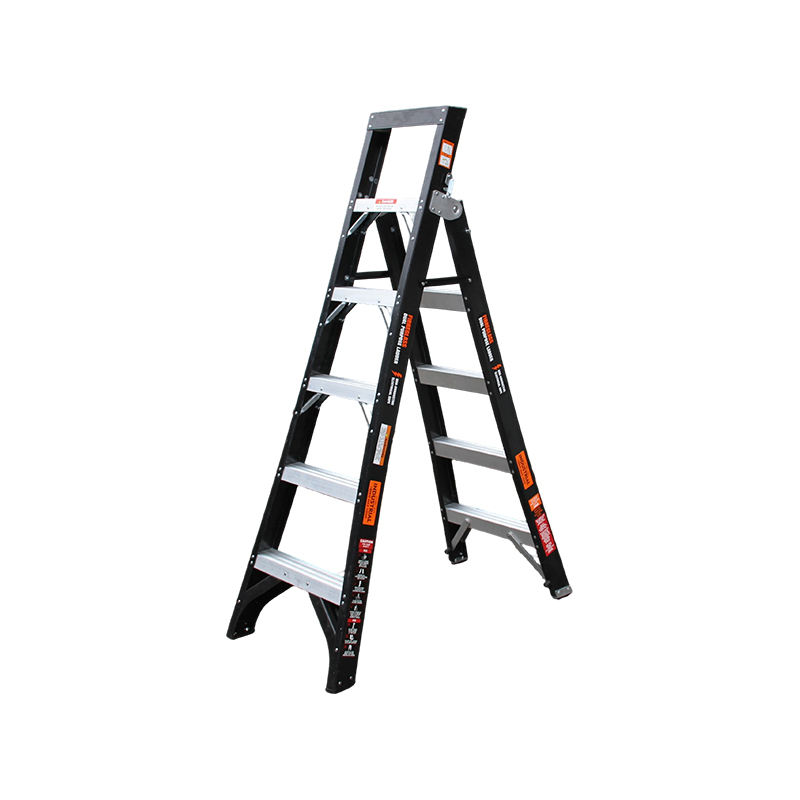
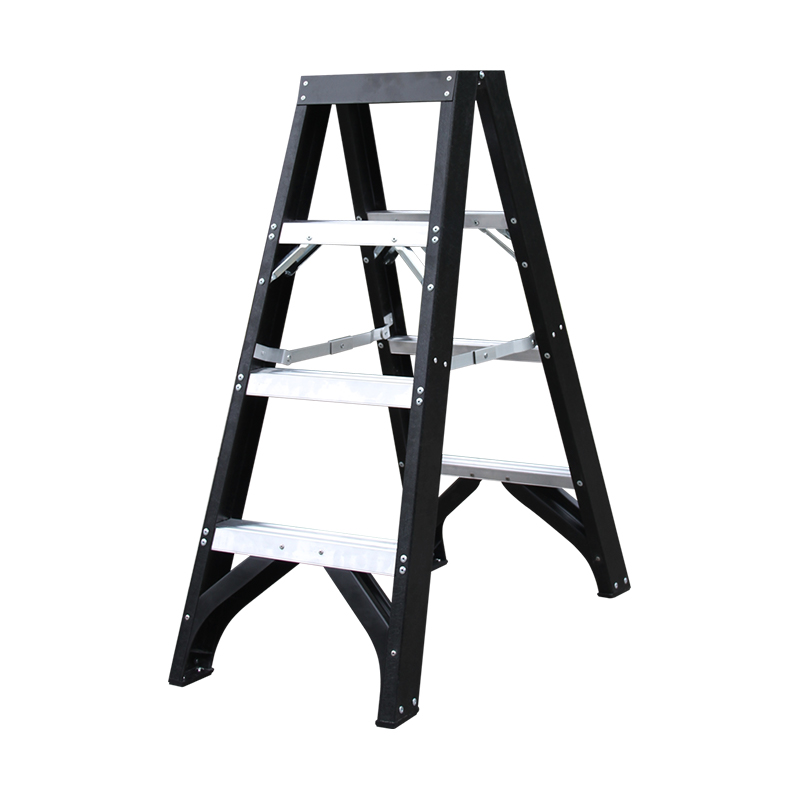
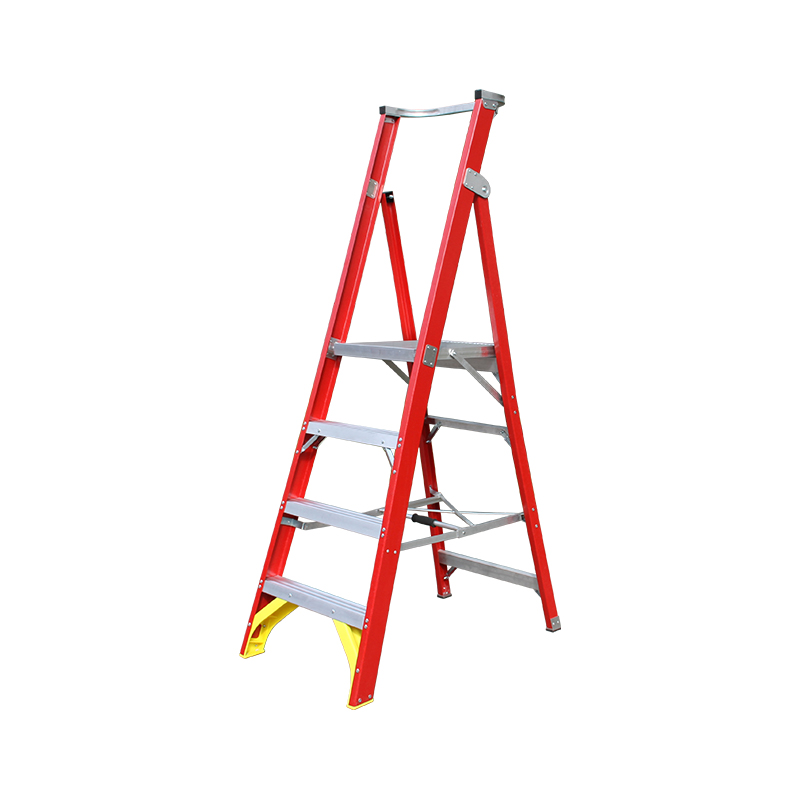
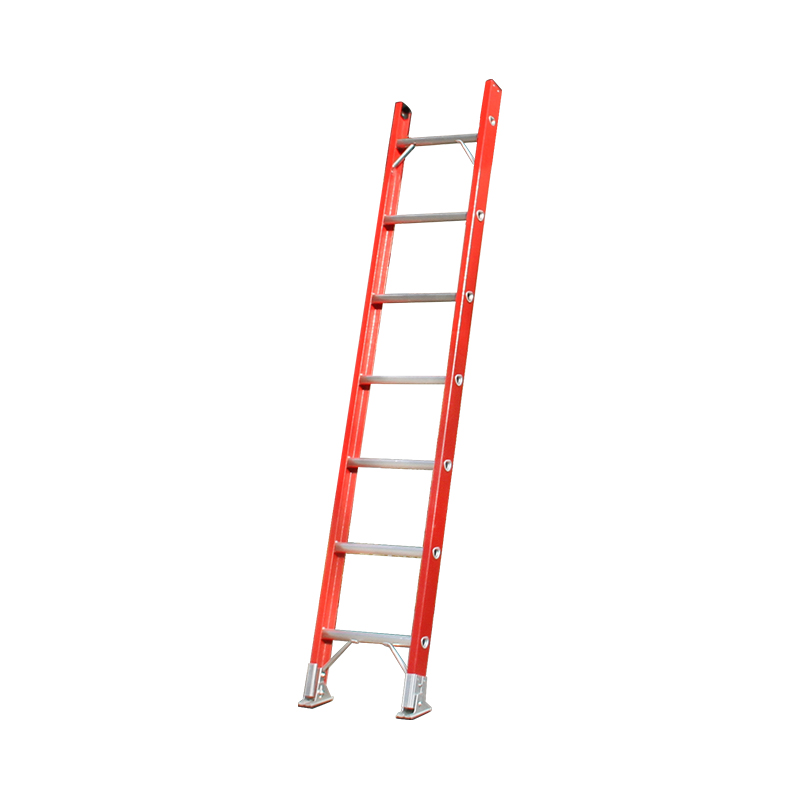
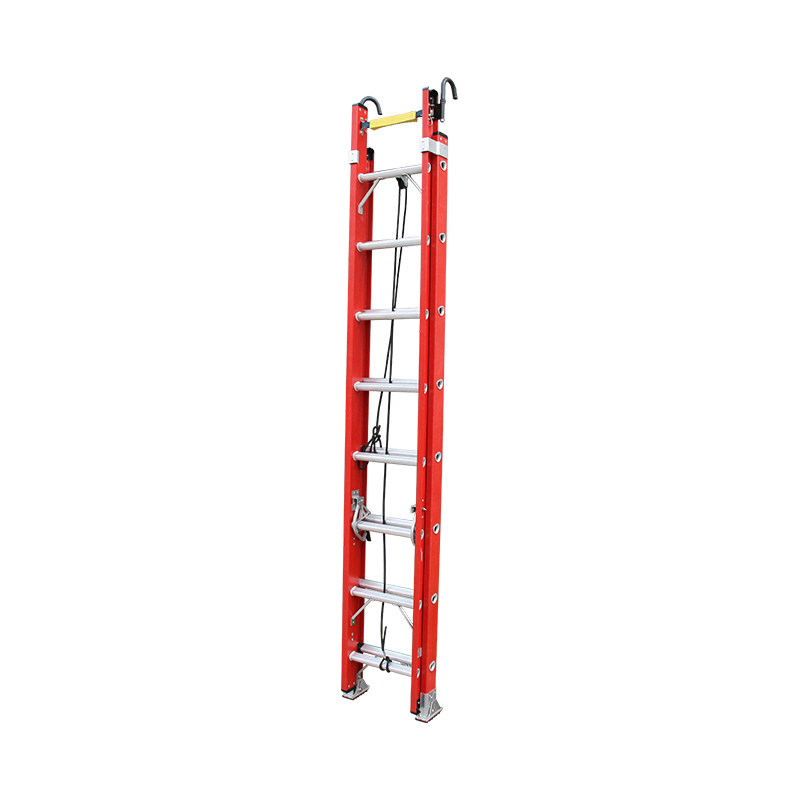
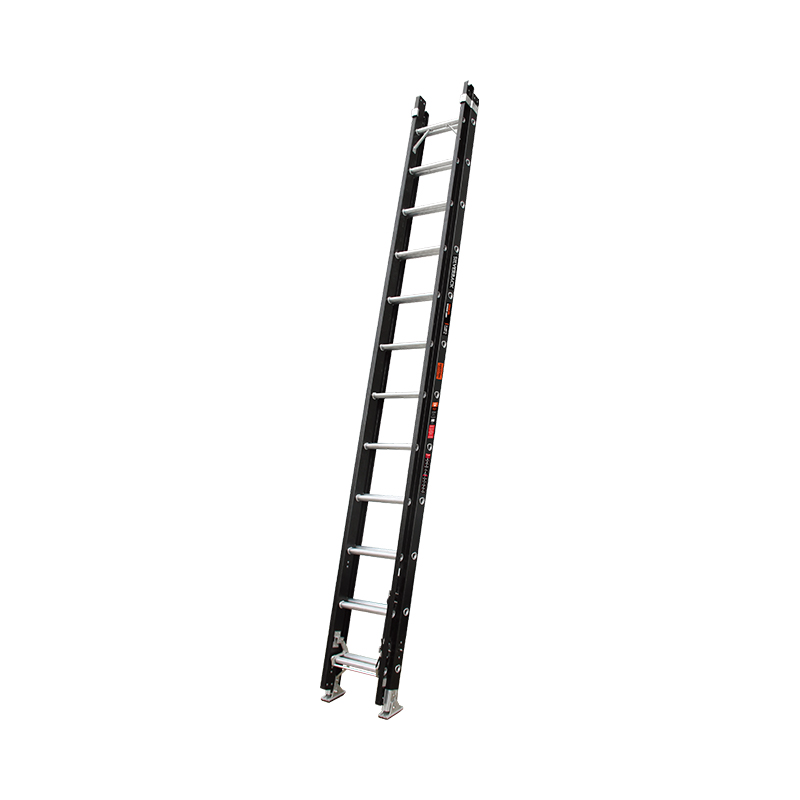
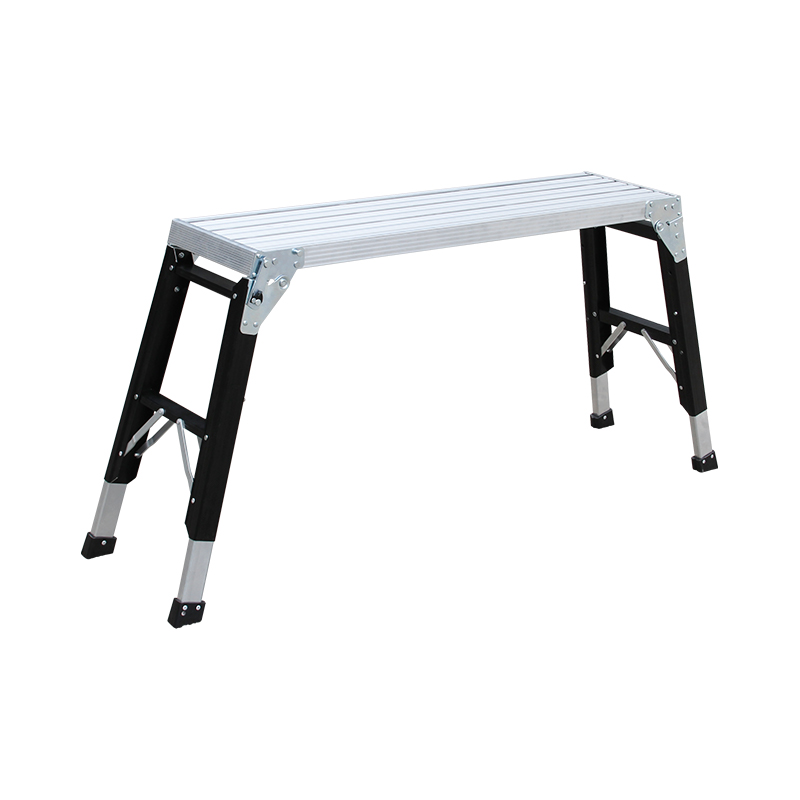
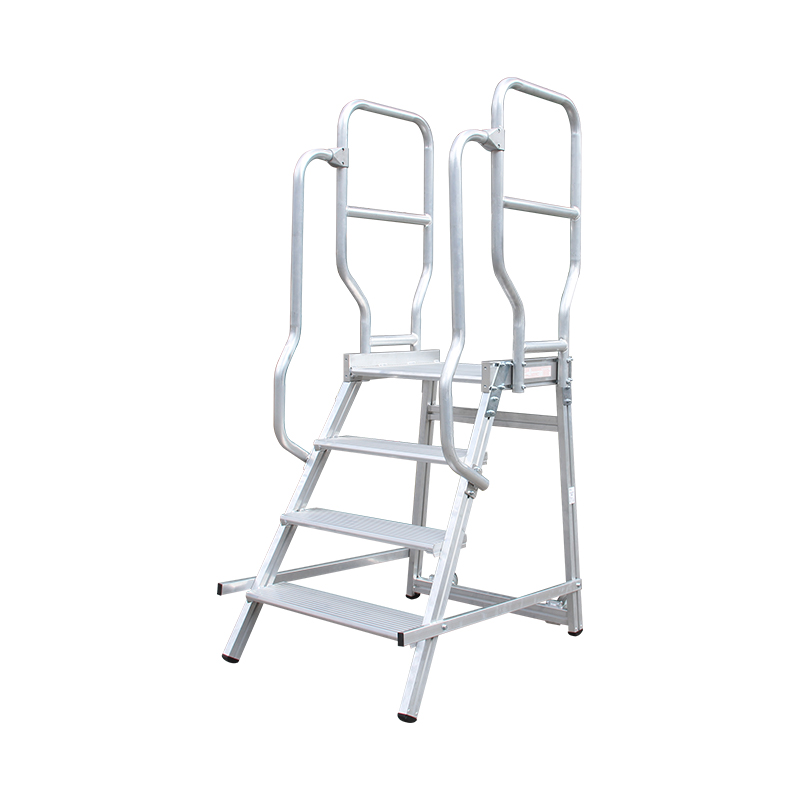
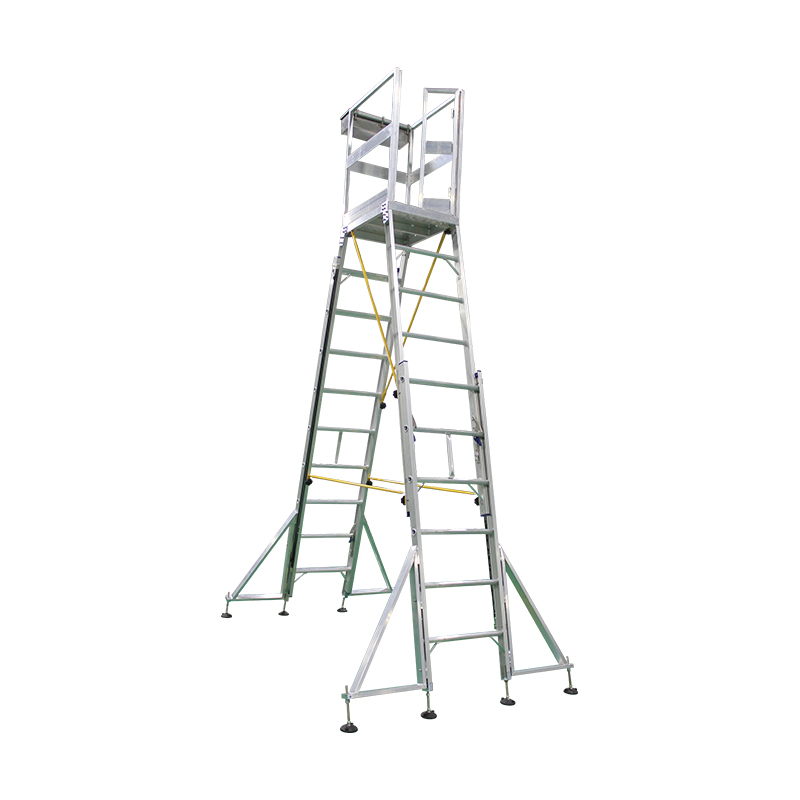
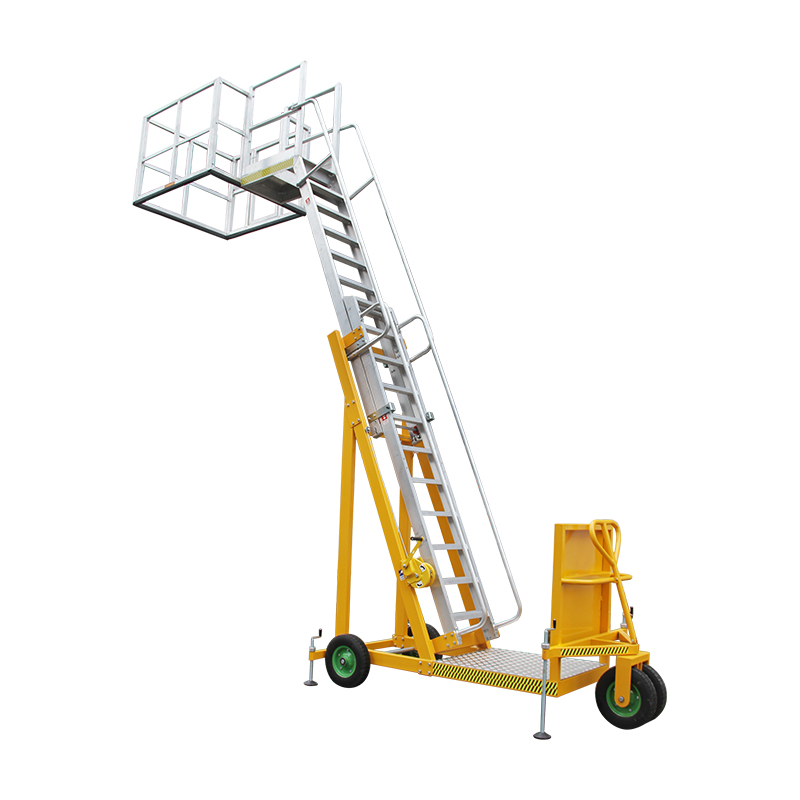
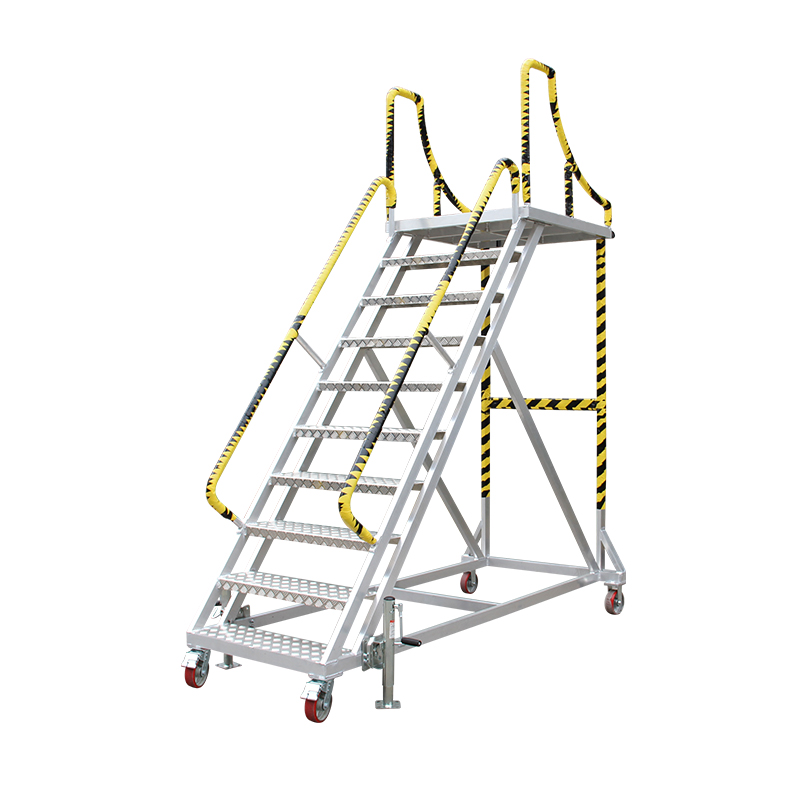
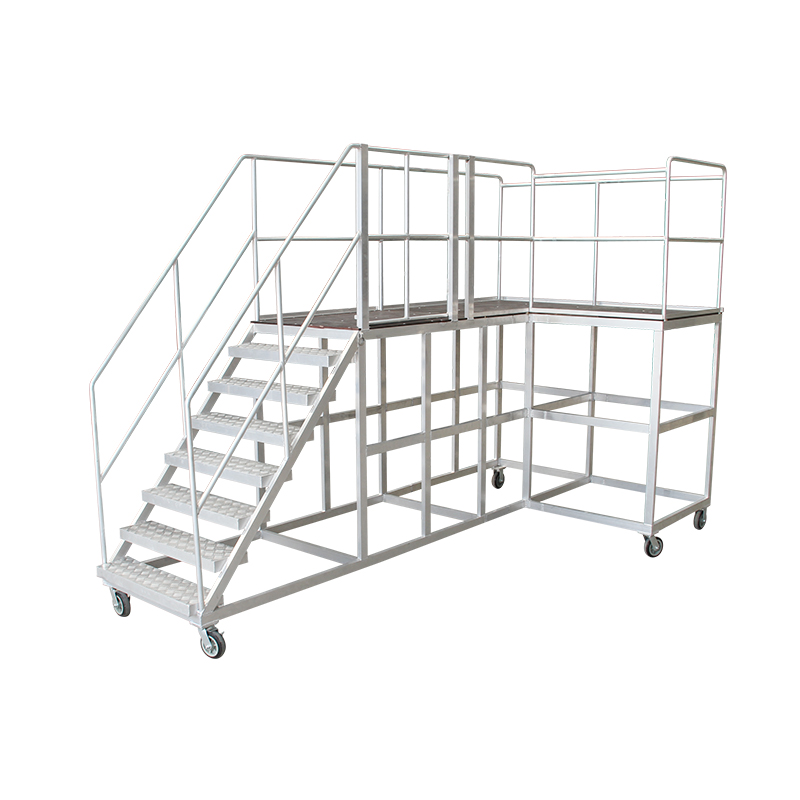
A train access ladder is useful when technicians need direct access to a specific elevated area and the work duration or working footprint is limited. A larger access platform becomes more practical when personnel need to remain at height for longer periods, use several tools, or work across a broader section of the vehicle. The decision should therefore be based on the work process rather than simply on available height.
| Requirement | Access Ladder | Maintenance Platform |
|---|---|---|
| Short-duration access | Suitable | Suitable |
| Extended work at height | Limited by design | More working area |
| Tools and components at height | Limited deck space | Dedicated work deck |
| Frequent repositioning | Depends on configuration | Can incorporate mobility features |
Why Aluminium Is Practical for Train Maintenance Equipment
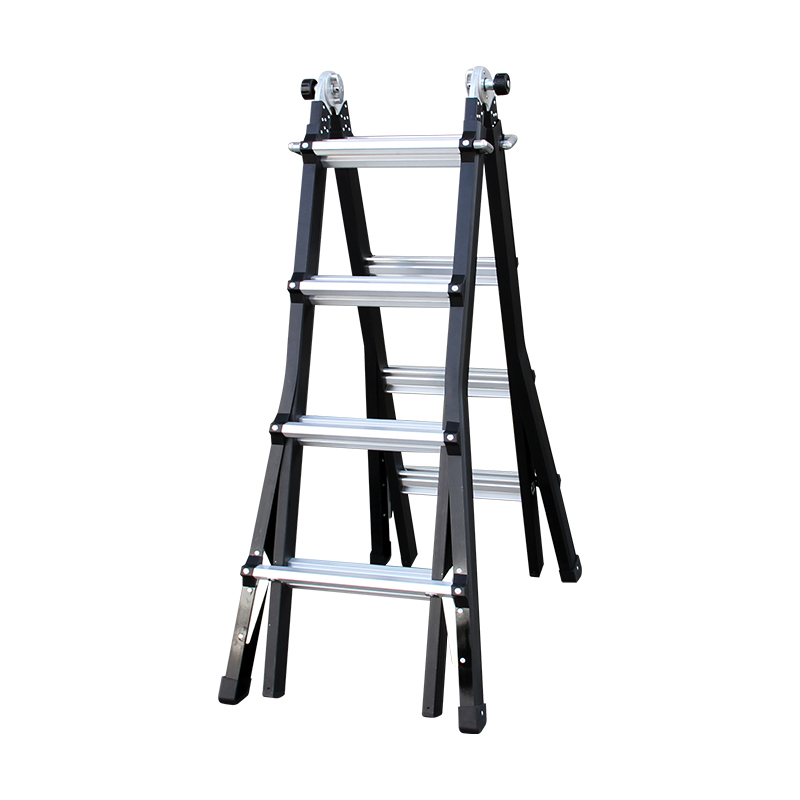
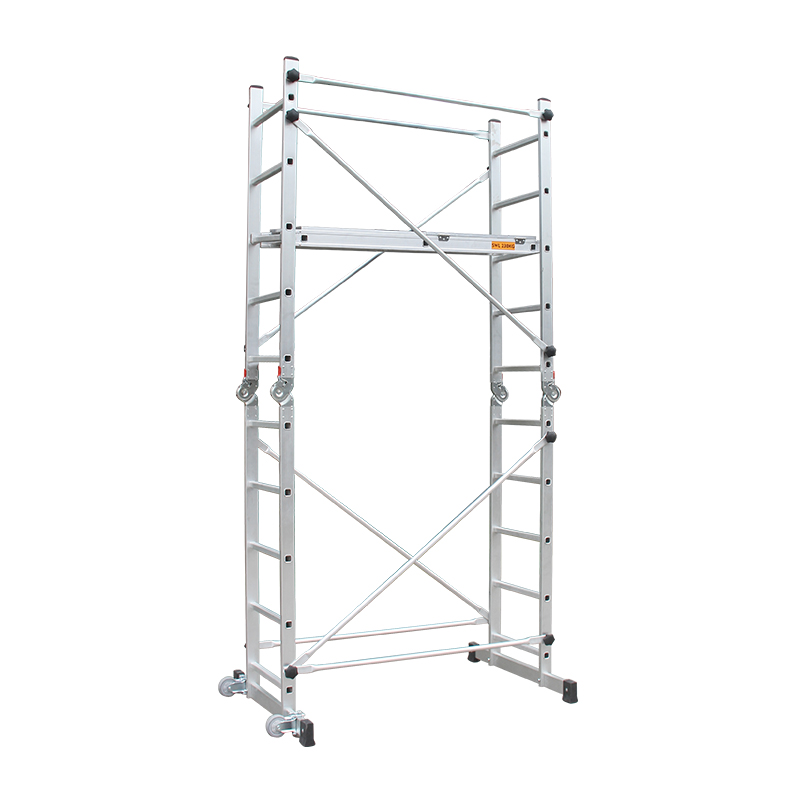
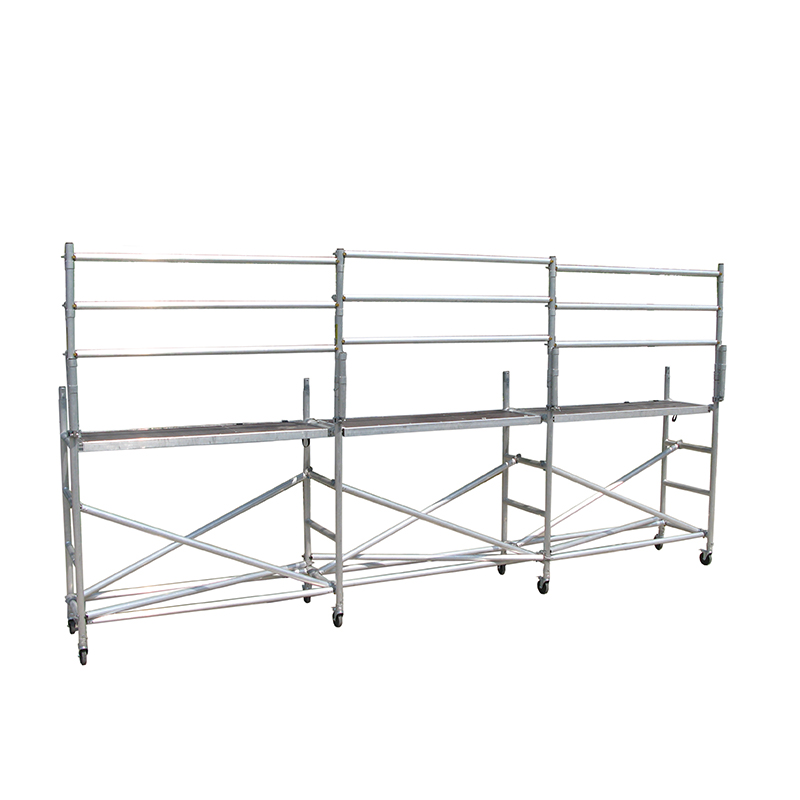
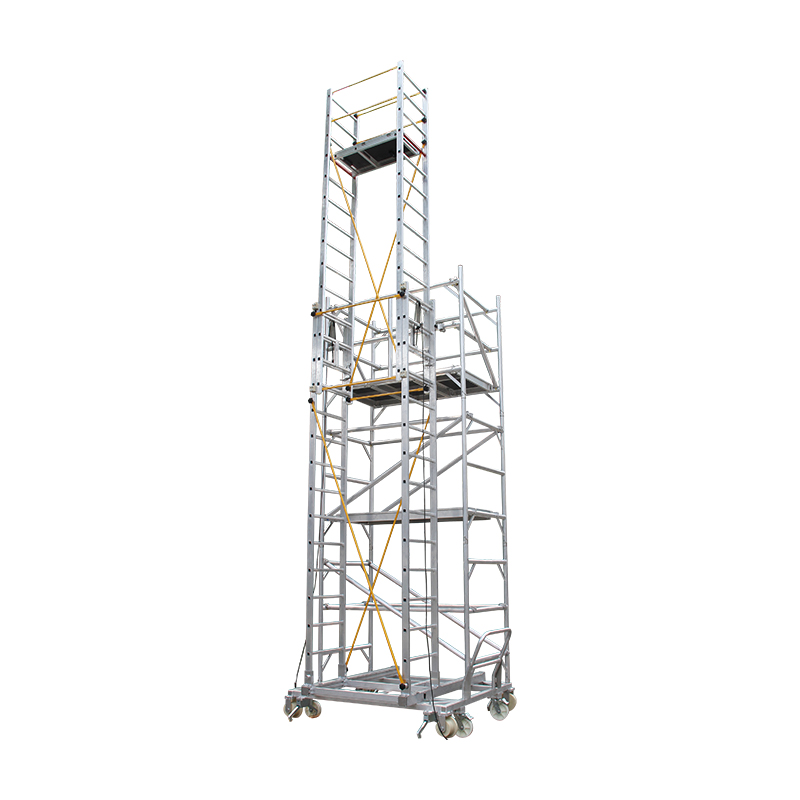
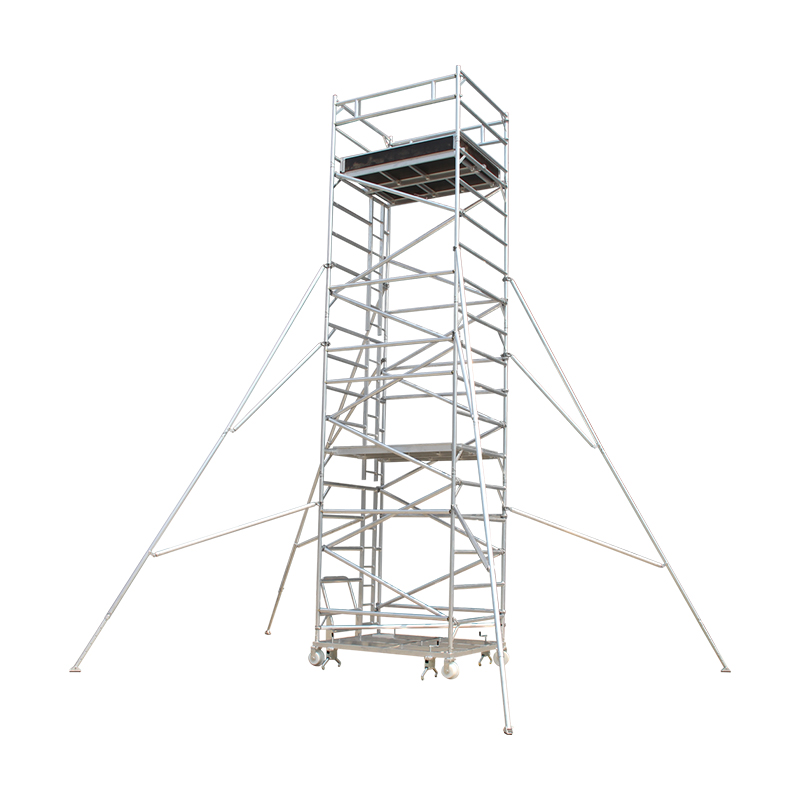
For equipment that must be moved around a maintenance facility, aluminium can provide a useful combination of structural performance, corrosion resistance, and relatively low weight. This is particularly relevant when an aluminium ladder for train maintenance or mobile platform must be repositioned repeatedly between service bays. Material selection should nevertheless be based on the complete structure, including profile dimensions, joints, fasteners, deck construction, wheel assemblies, and intended load conditions.
Surface and Component Selection
Railway workshops can expose access equipment to dust, moisture, cleaning agents, lubricants, and frequent mechanical contact. The surface finish and connection details therefore deserve attention during specification. Deck surfaces should provide appropriate slip resistance for the operating environment, while exposed fasteners and joints should be selected to support long-term serviceability and inspection.
Mobility Should Not Compromise Working Stability
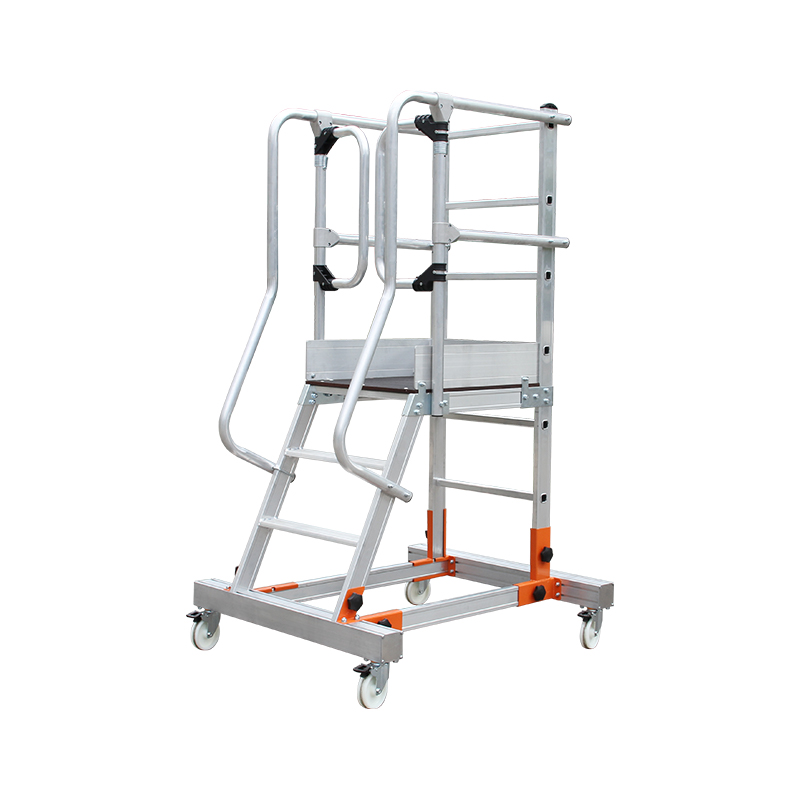
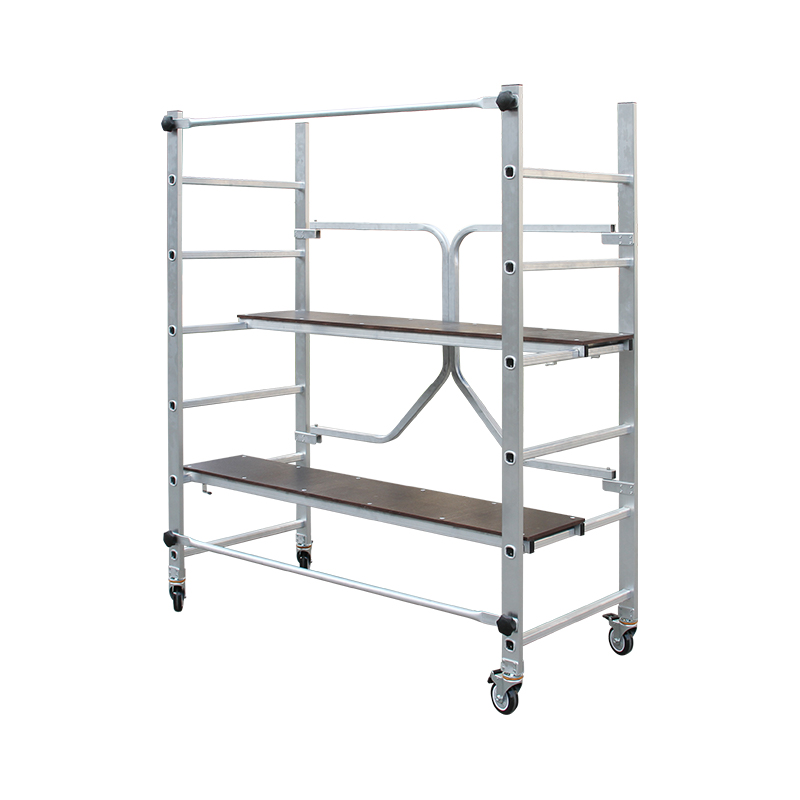
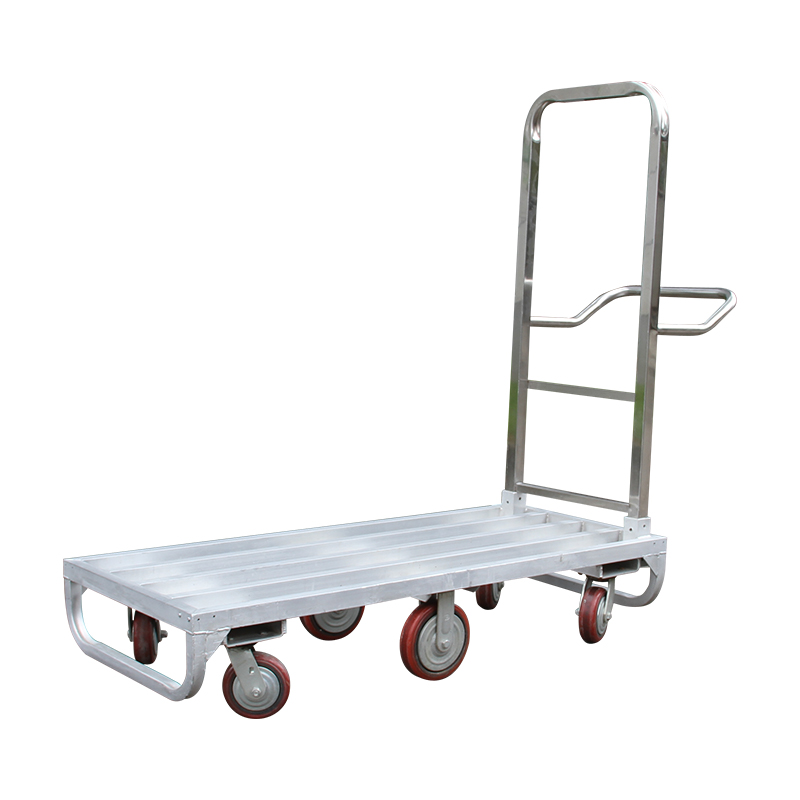
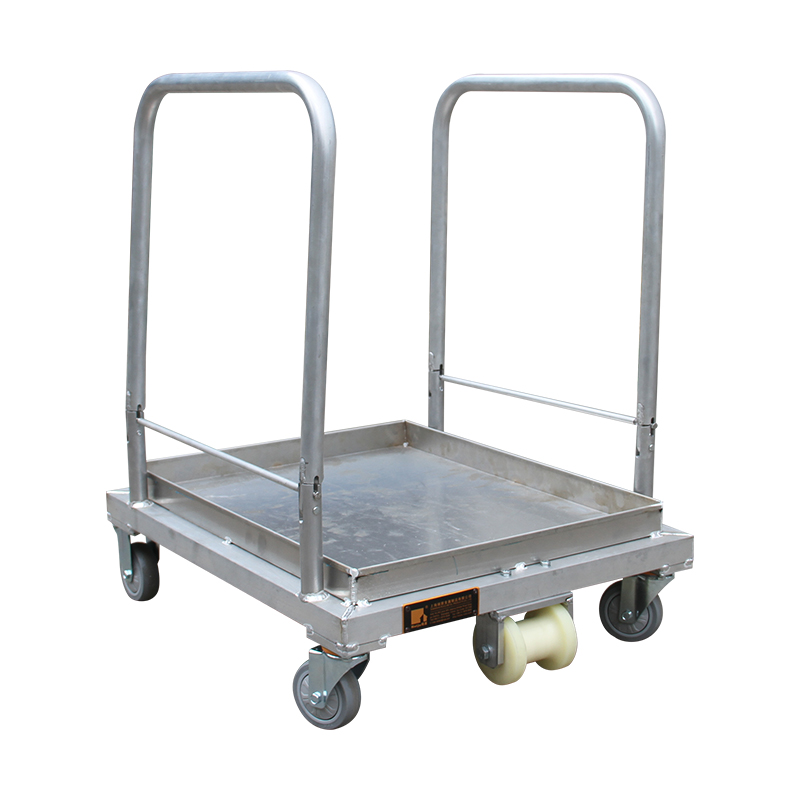
A mobile rolling stock access equipment solution needs two different operating characteristics: it should move efficiently when being positioned, but become stable when technicians begin work. Wheel selection, locking mechanisms, frame geometry, platform height, and load distribution all influence this transition. In a busy depot, the movement system should also be compatible with floor conditions, thresholds, workshop tracks, and the available maneuvering space.
- Use positive wheel-locking mechanisms when the platform is in its working position.
- Position wheels and support points to maintain balanced load distribution across the frame.
- Check that the platform can pass through required workshop routes without interfering with surrounding equipment.
- Include mobility and locking components in routine inspection schedules rather than treating them as secondary accessories.
Customization for Different Railway Maintenance Tasks
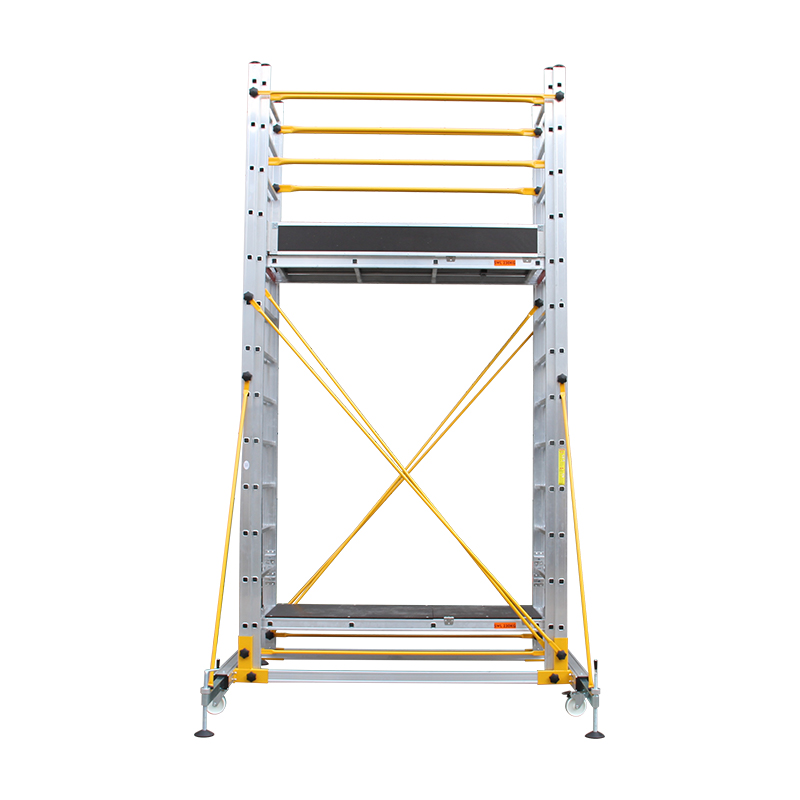
Railway maintenance facilities rarely have identical operating conditions. Some require access to train roofs, while others focus on doors, windows, HVAC assemblies, electrical cabinets, or vehicle interiors. A customized platform can therefore incorporate different deck heights, access orientations, guardrail arrangements, adjustable components, work trays, or specialized clearance zones. For projects with multiple rolling stock models, modular dimensions can also help reduce the need for completely separate equipment designs.
Engineering Data to Prepare Before Custom Fabrication
- Target working height and required access points.
- Train body dimensions and roof or side equipment locations.
- Required platform length, width, and usable deck area.
- Expected personnel, tools, and material loads.
- Workshop floor conditions, movement routes, and storage limitations.
- Applicable local and export-market safety and conformity requirements.
With its integrated manufacturing system and extensive experience in working-at-height equipment, Shanghai Ruiju Metal Products Co., Ltd. can develop railway access solutions around specific operational requirements instead of relying only on fixed standard configurations. Under the Ruiju brand, the combination of product design, manufacturing capabilities, quality management, and customized engineering provides a practical foundation for railway operators, maintenance facilities, equipment integrators, and industrial users seeking purpose-built access equipment.