en
en 简体中文
简体中文 Español
 Deutsch
 عربى
عربى

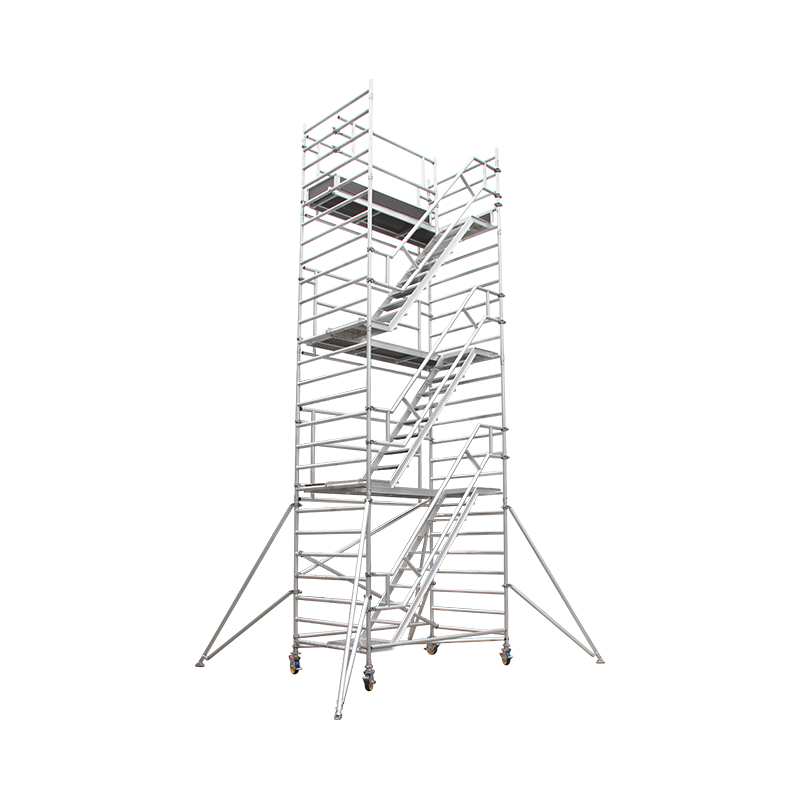











How Mobile Scaffolding Design Influences Workflow Efficiency
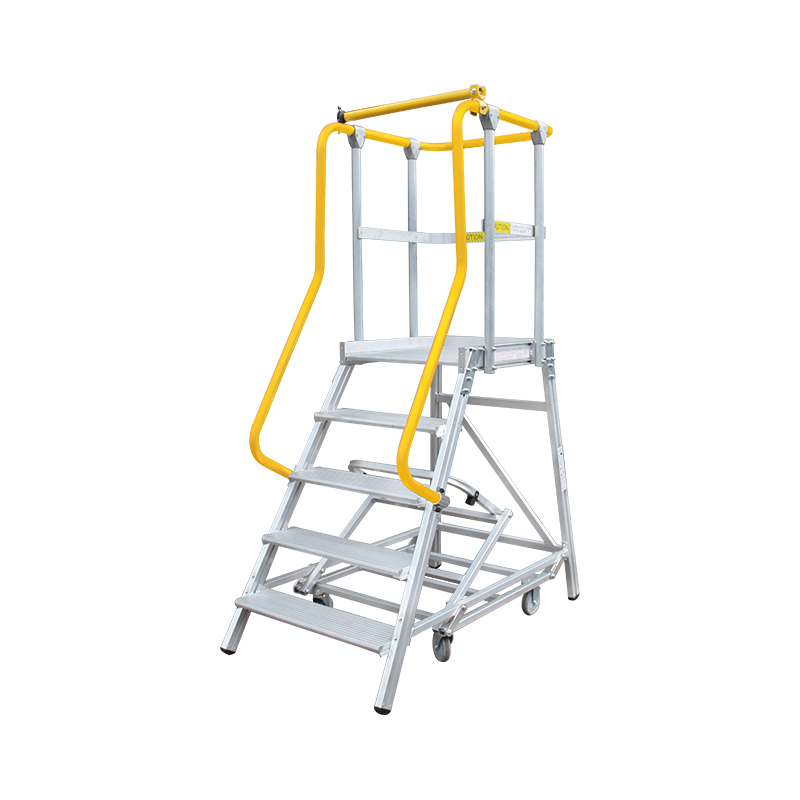
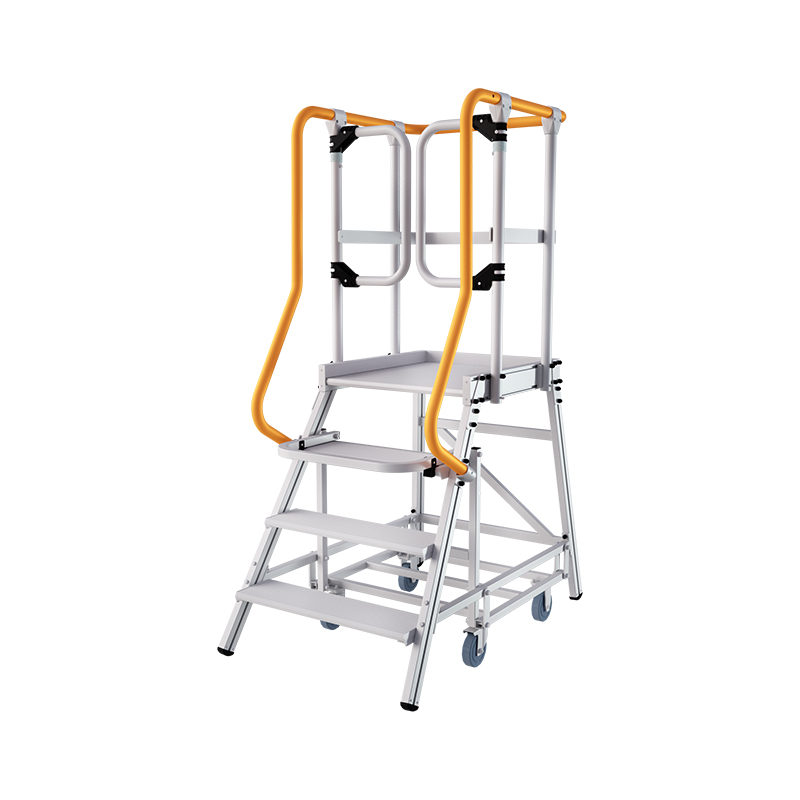
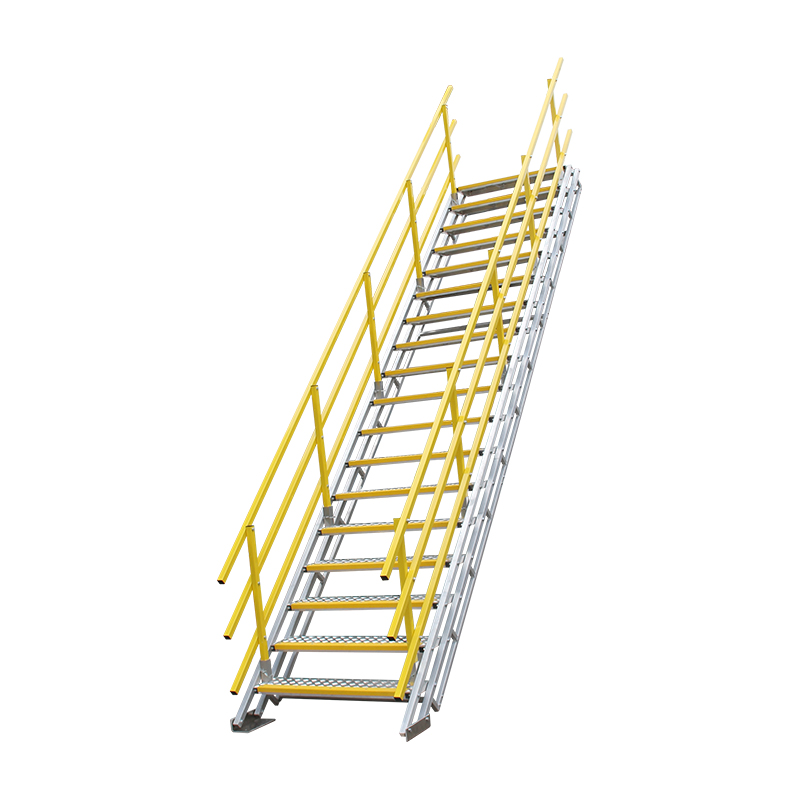
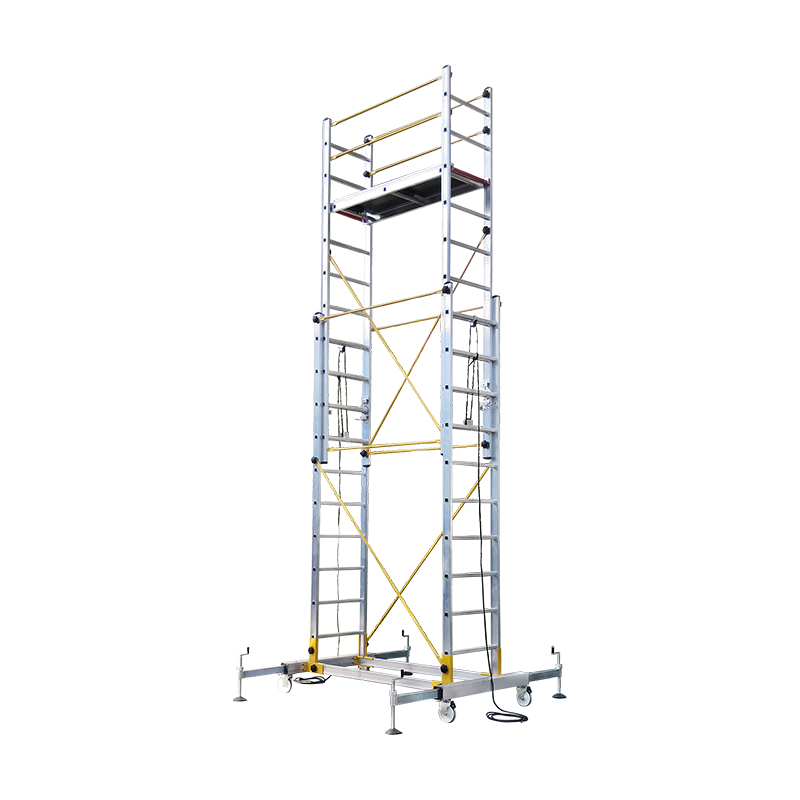
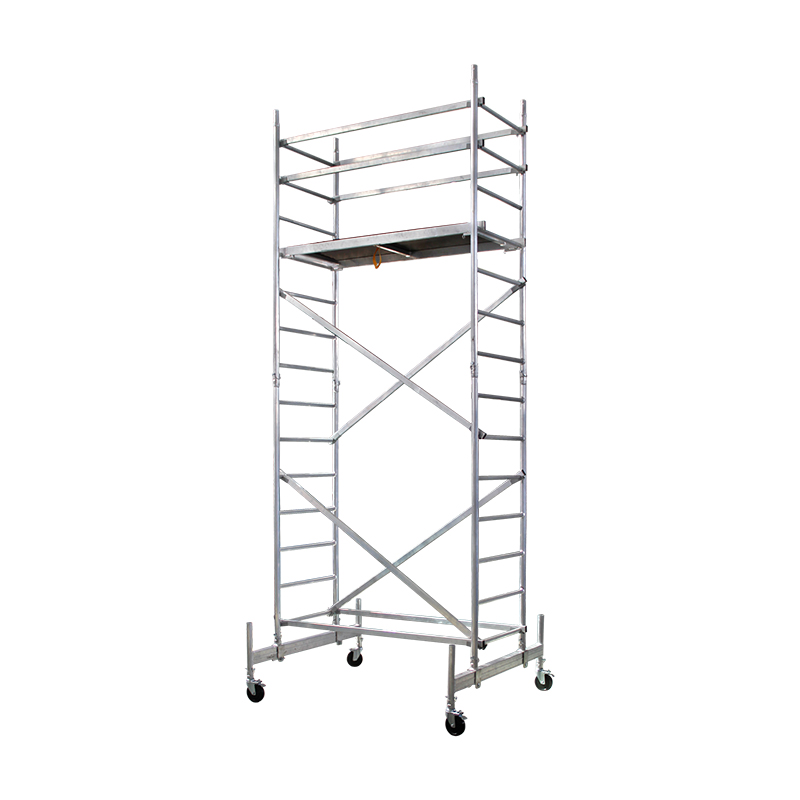
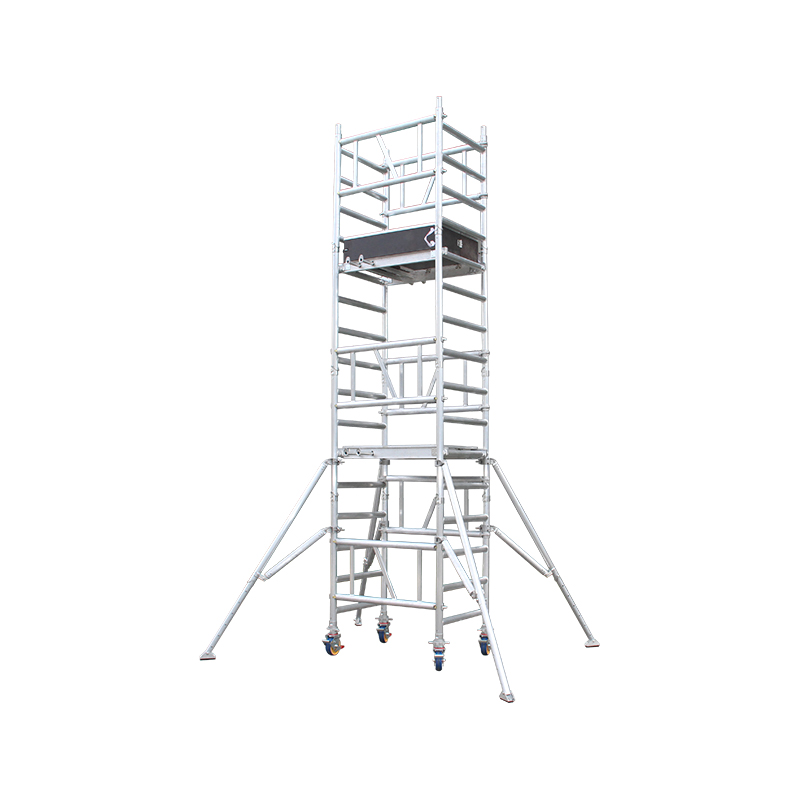
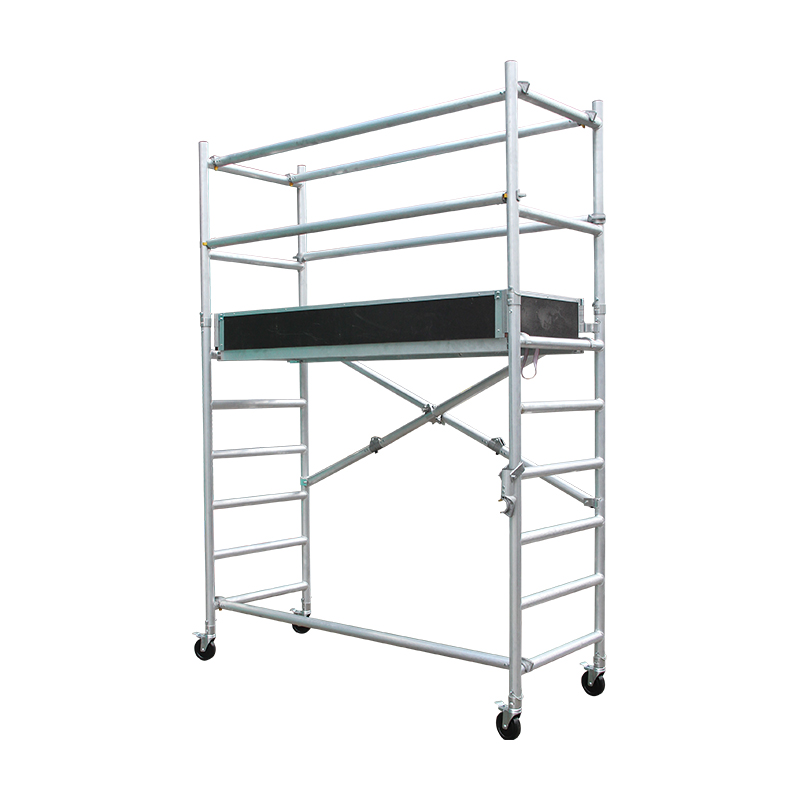
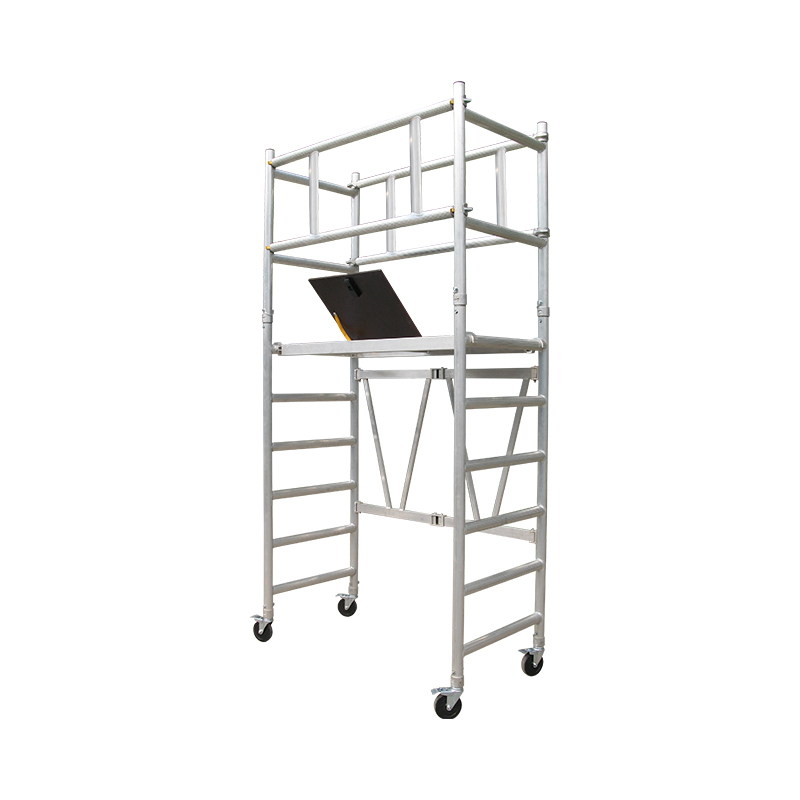
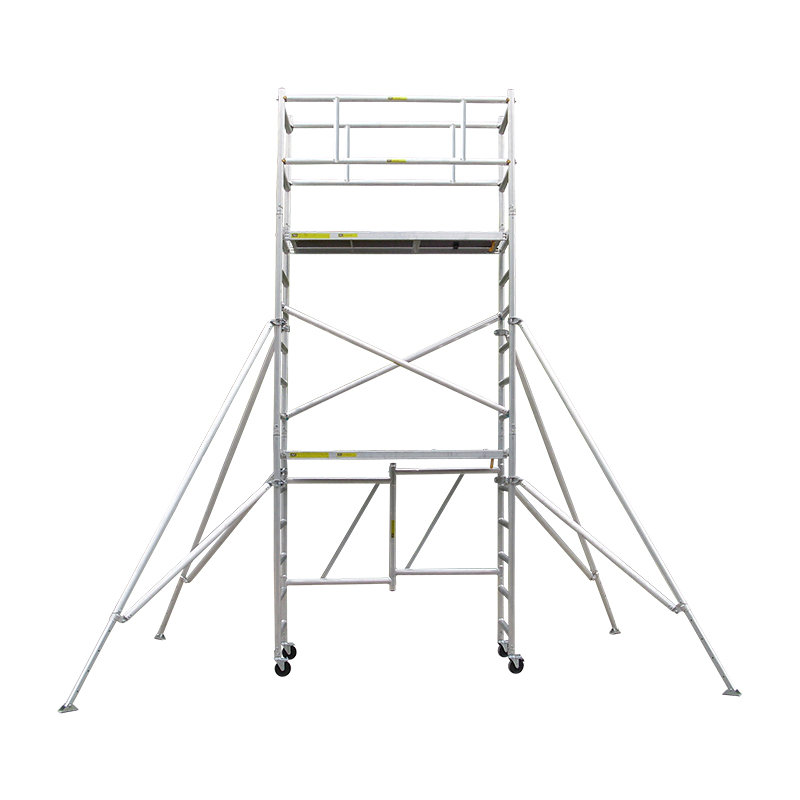
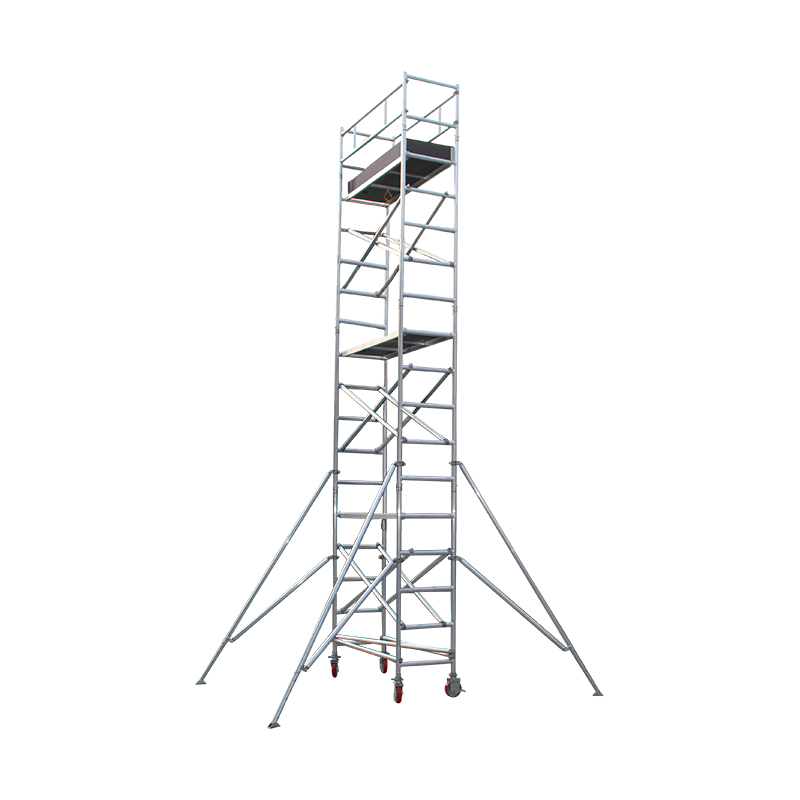
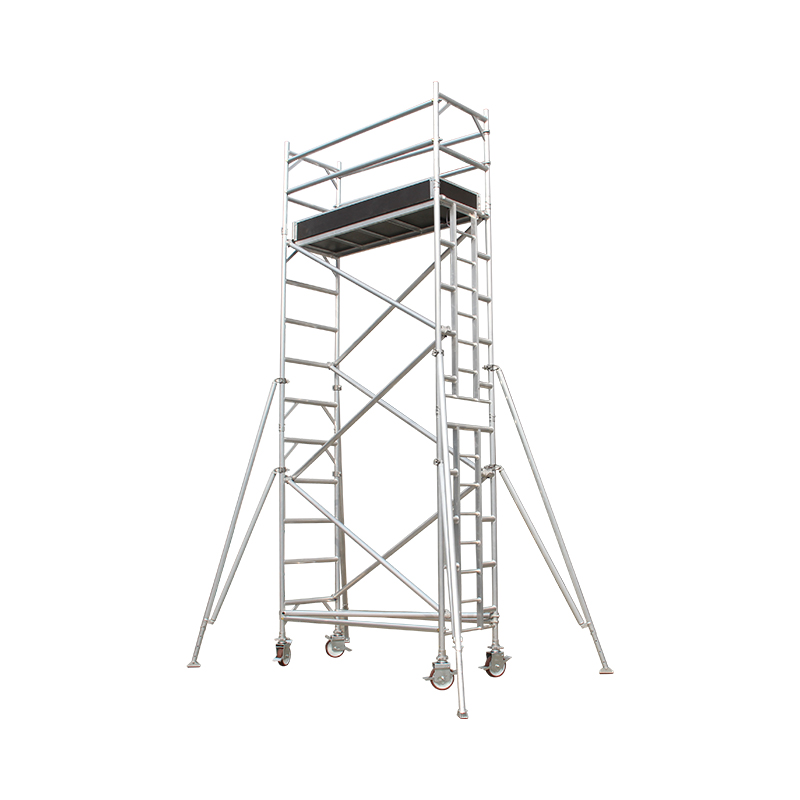
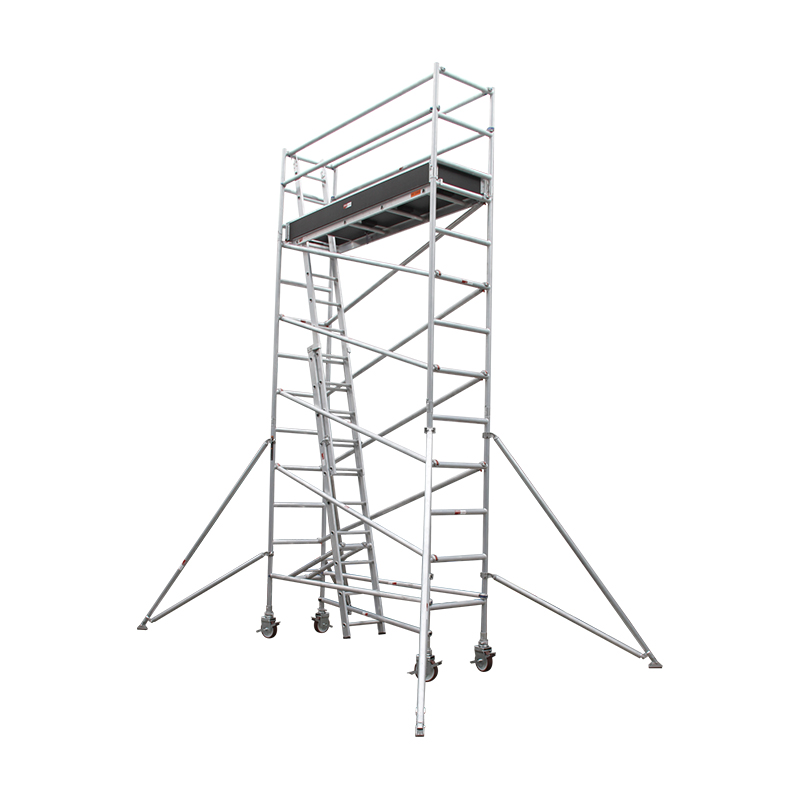
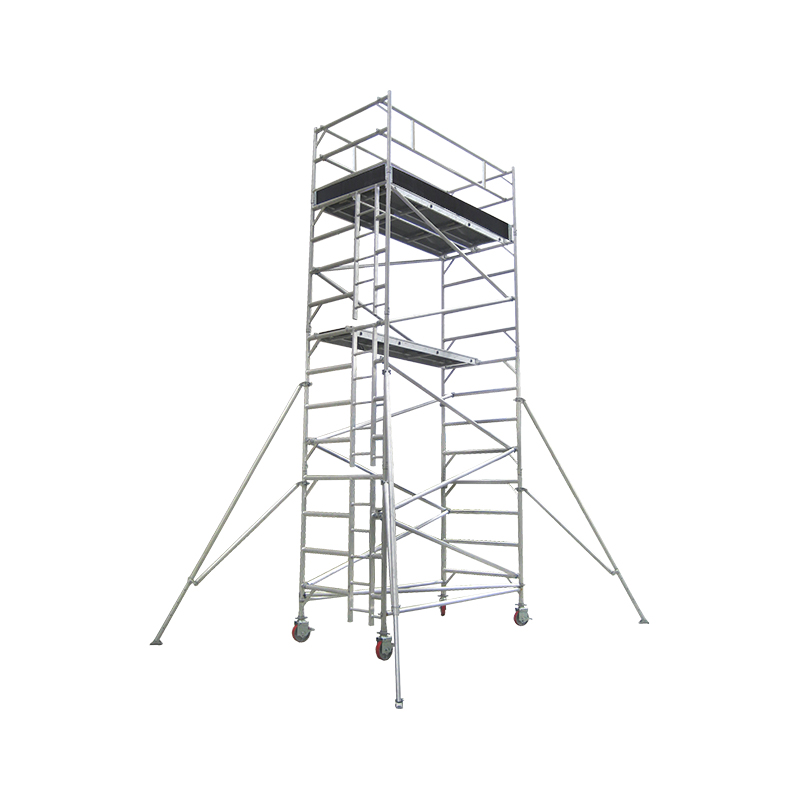
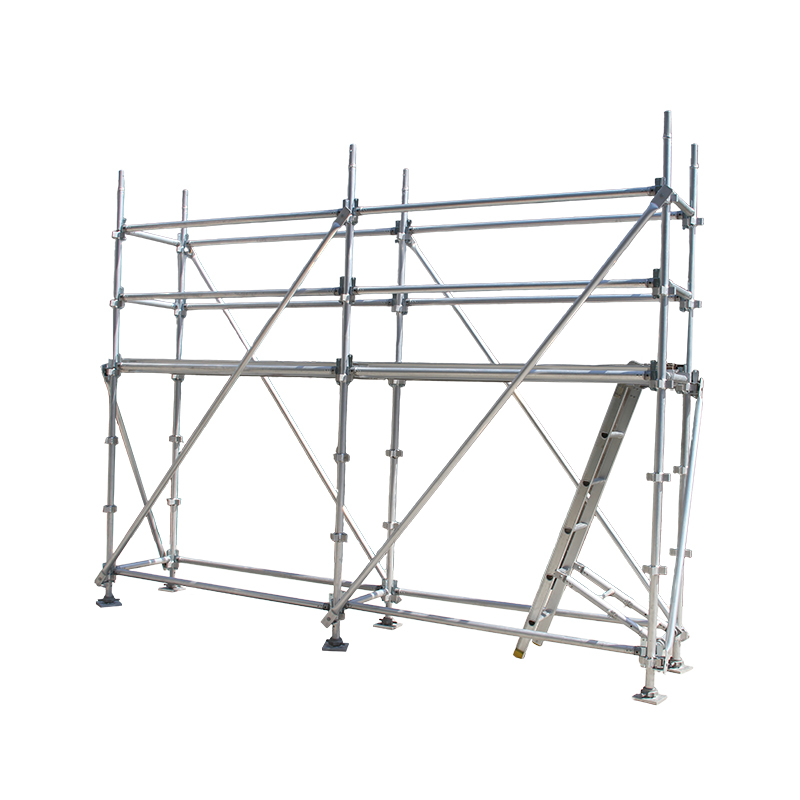
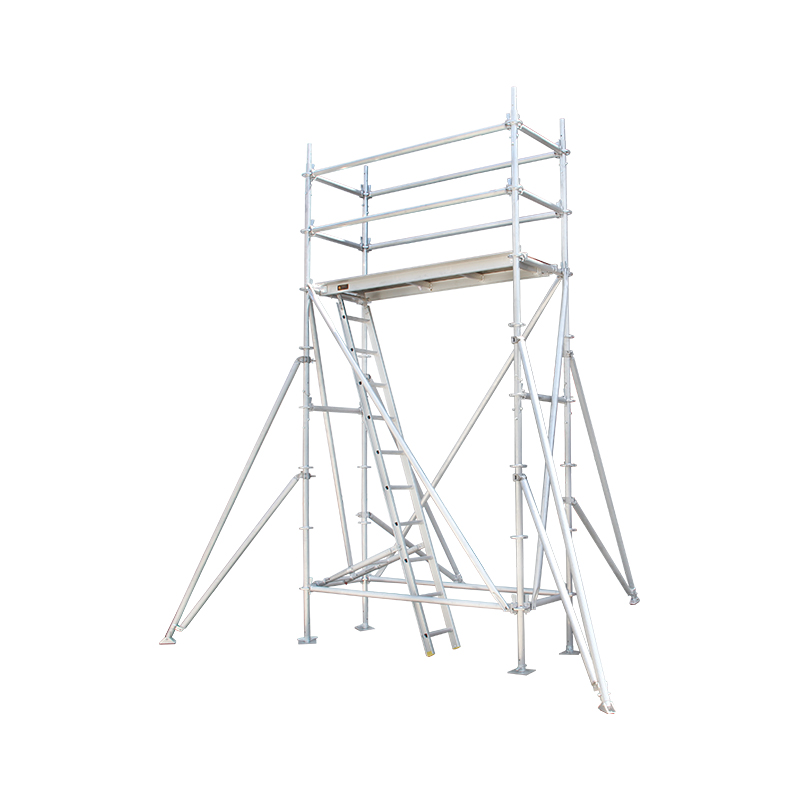
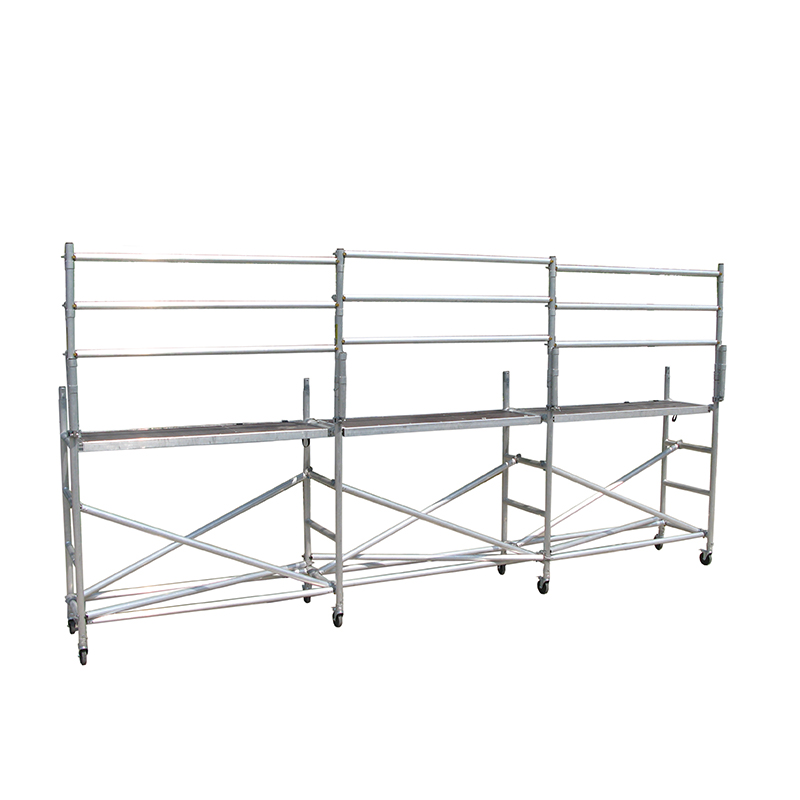
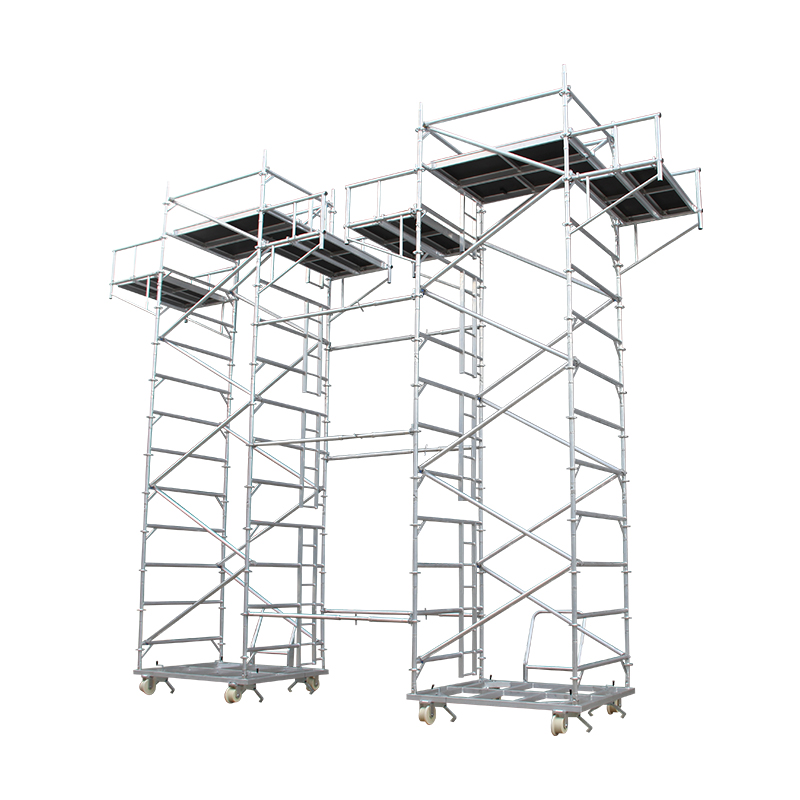
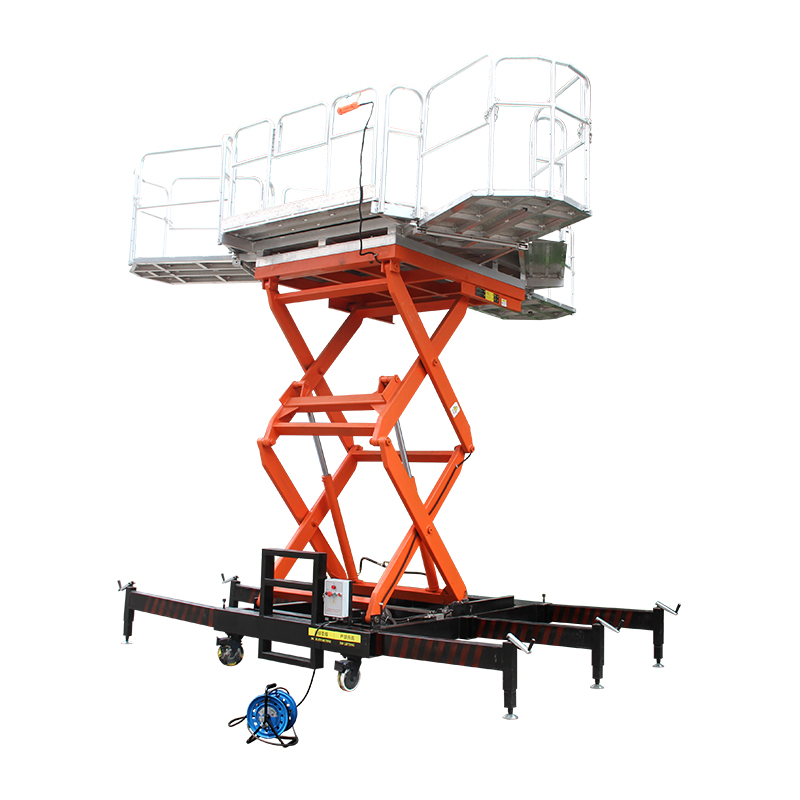
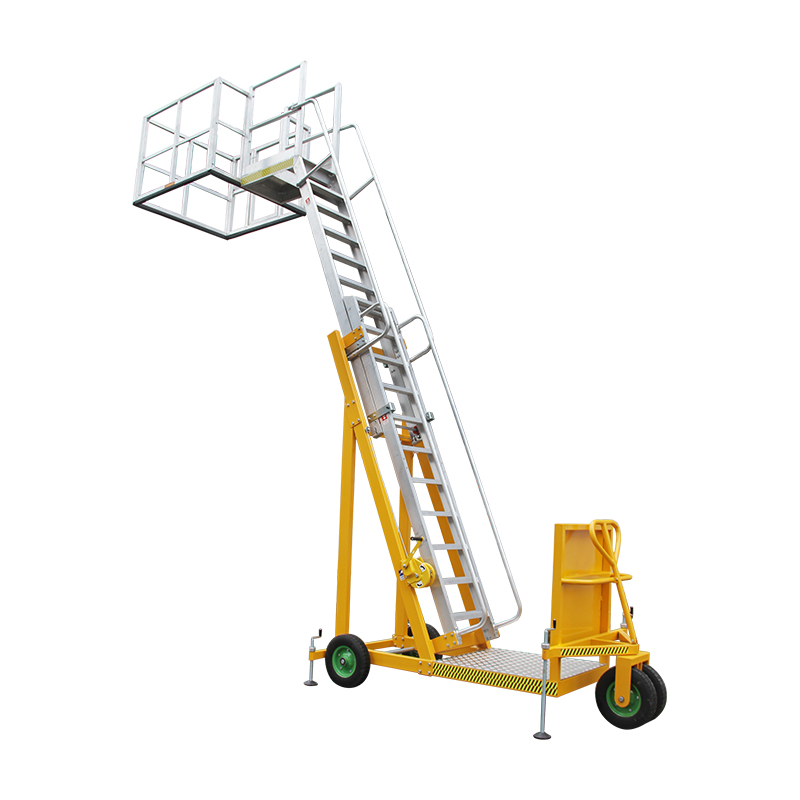
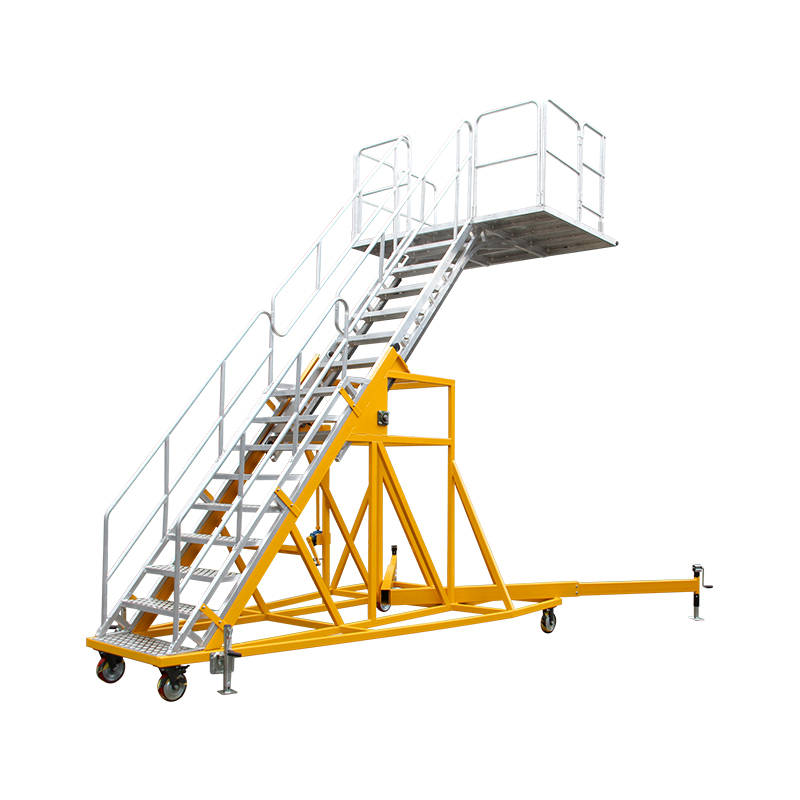
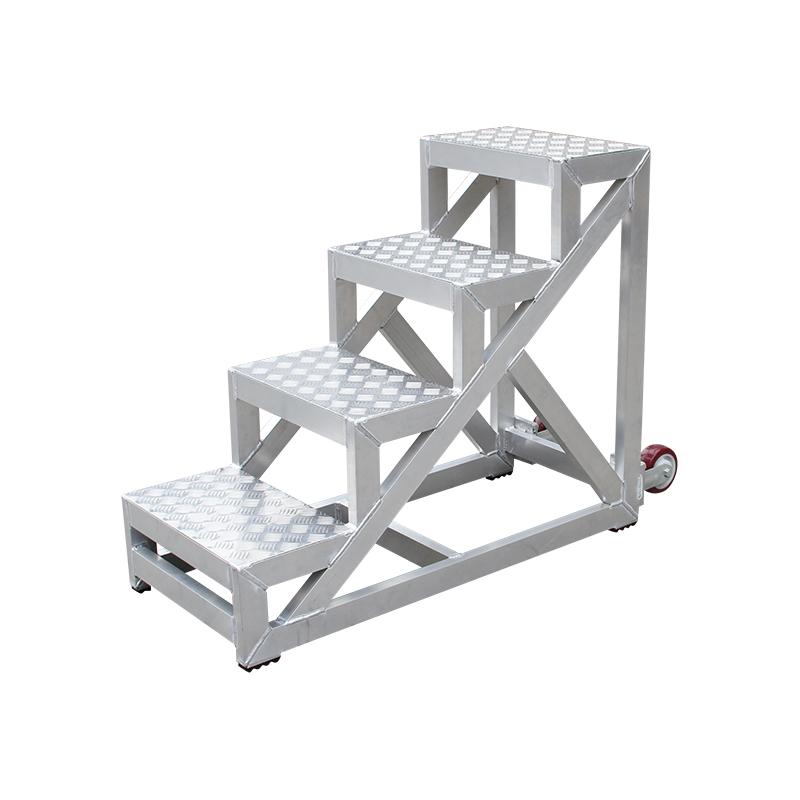
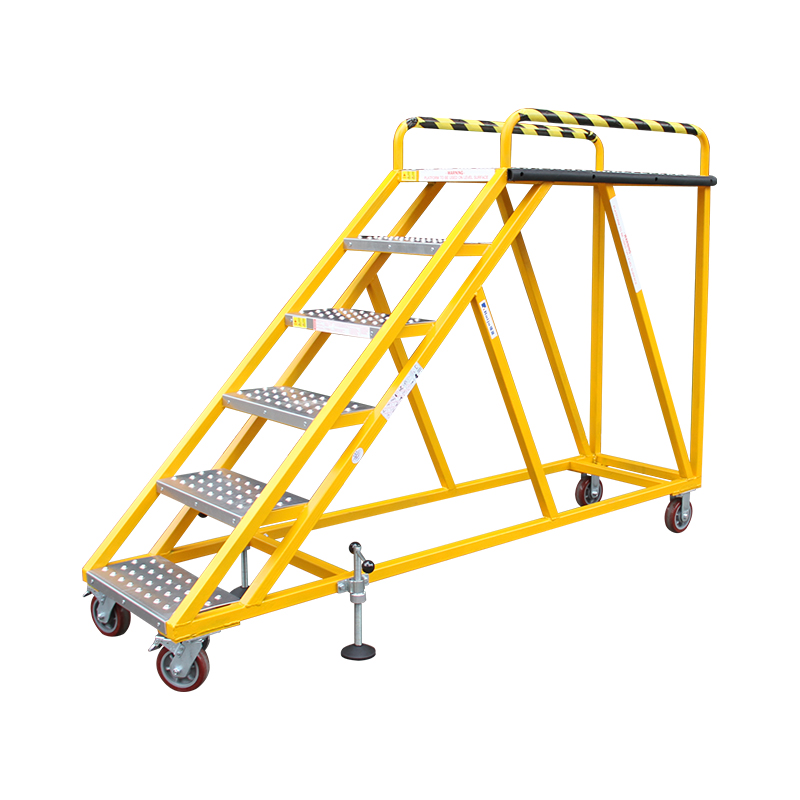
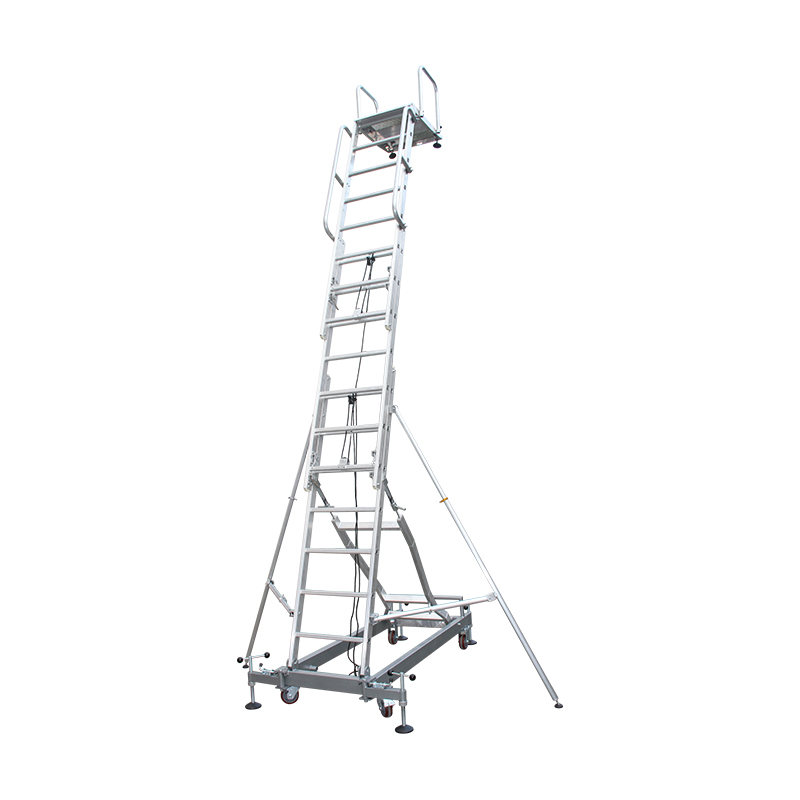
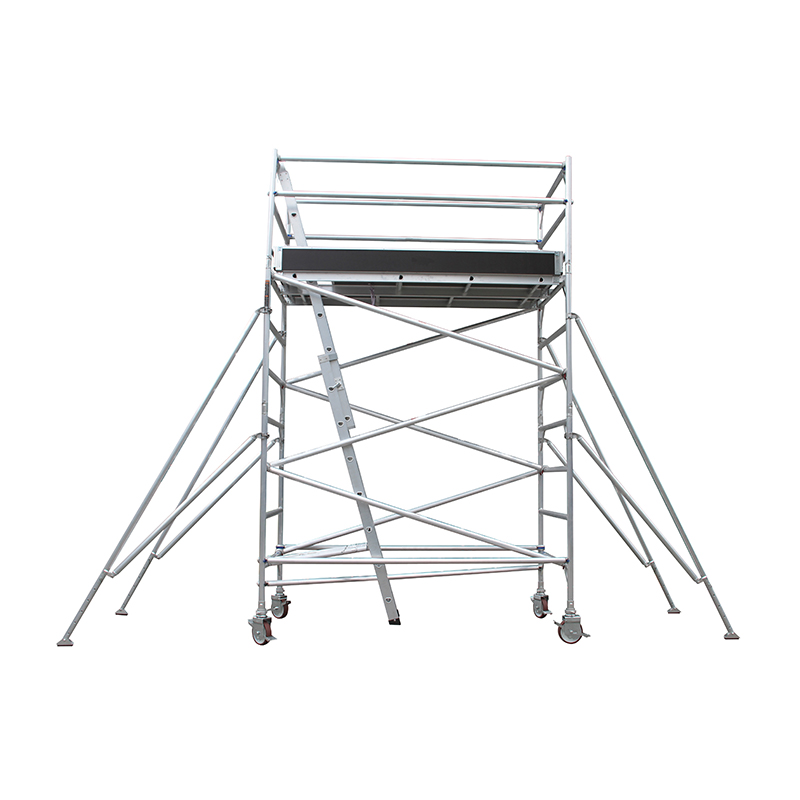
In industrial maintenance and construction environments, Aluminum Mobile Scaffolding should be specified according to the actual workflow rather than height alone. The position of machinery, service points, ceiling structures and working zones determines how often a tower must be moved and how much usable platform area is required. A well-planned configuration can reduce repeated dismantling and repositioning when multiple elevated work locations are involved.
Shanghai Ruiju Metal Products Co., Ltd. has specialized in customized climbing and working-at-height solutions since 2001. With a 12,000 m² self-owned production facility, Ruiju integrates R&D, product design, manufacturing and marketing under the Ruiju brand, covering ladders, aluminium scaffolding systems, work platforms and related equipment. The company has more than 30 years of experience in working-at-height products and technologies and serves both domestic and international markets.
Factors That Should Be Considered Before Specification
- Required working platform height and access height.
- Platform dimensions needed for personnel, tools and equipment.
- Available floor space and travel paths.
- Frequency of repositioning between work areas.
- Floor conditions, thresholds and other potential movement obstacles.
Caster Selection Is a Structural and Operational Issue
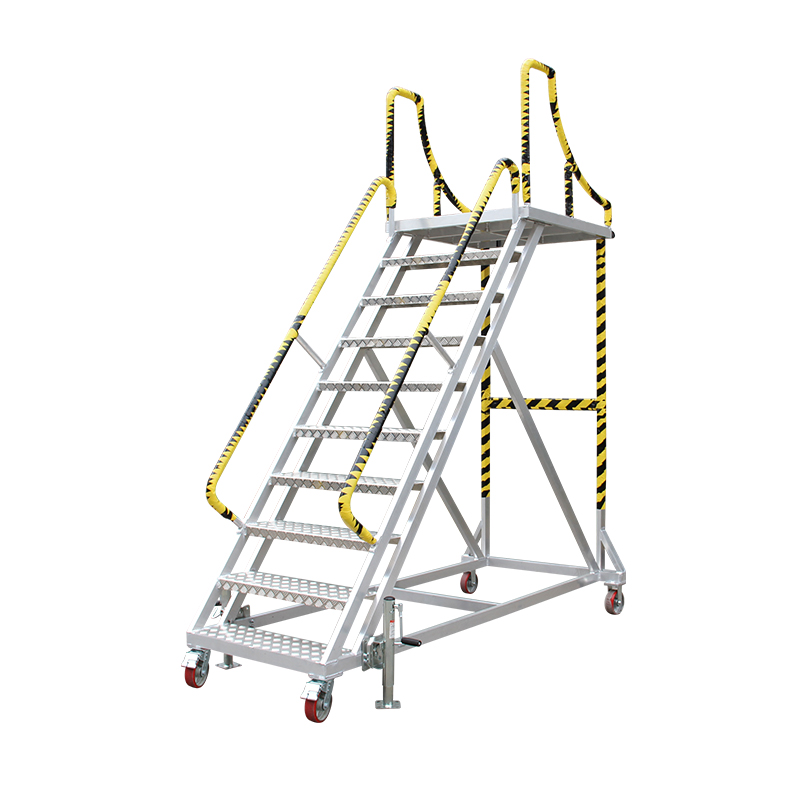
The mobility of a Mobile Scaffold Tower depends heavily on its caster arrangement. Caster diameter, load capacity, wheel material, locking mechanism and mounting structure all influence how the tower behaves during positioning. For industrial facilities with smooth concrete floors, the requirements may differ substantially from those in workshops where joints, thresholds or surface irregularities are present.
Caster locks are particularly important because mobility and stationary operation are separate operating states. During repositioning, the equipment needs to roll predictably; once positioned, the tower must be used according to the manufacturer's specified stabilization and locking procedures. Caster selection should therefore be treated as part of the overall equipment specification rather than as an interchangeable accessory.
| Caster Parameter | Operational Consideration |
|---|---|
| Wheel diameter | Affects movement over floor joints and minor obstacles |
| Load capacity | Should correspond to the complete equipment and operating load requirements |
| Locking system | Supports controlled stationary operation |
| Wheel material | Should match floor type and working environment |
| Mounting interface | Needs to be compatible with the tower frame and connection design |
Platform Dimensions Should Reflect the Actual Task
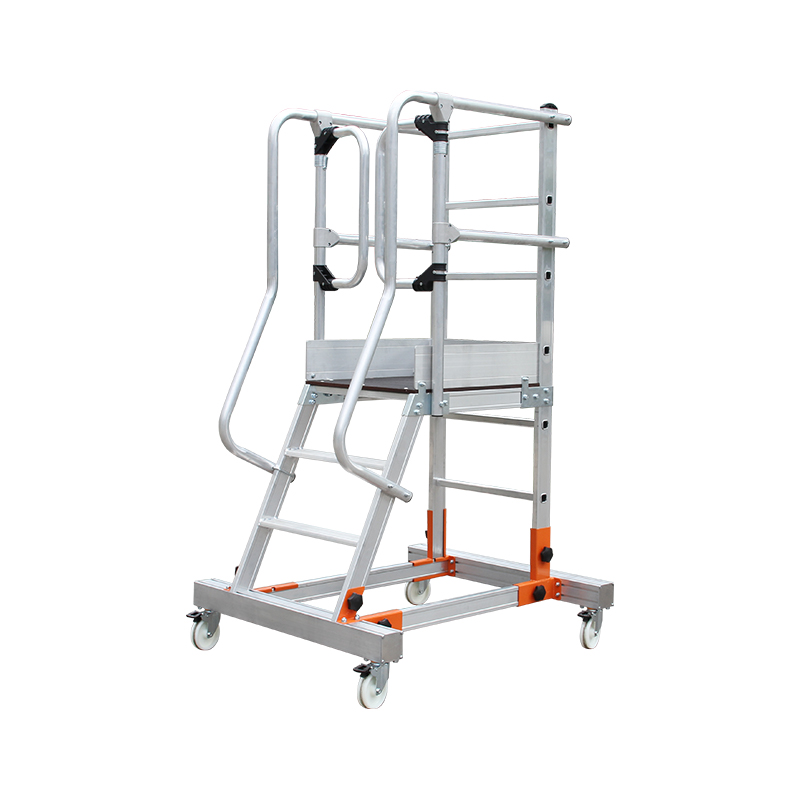
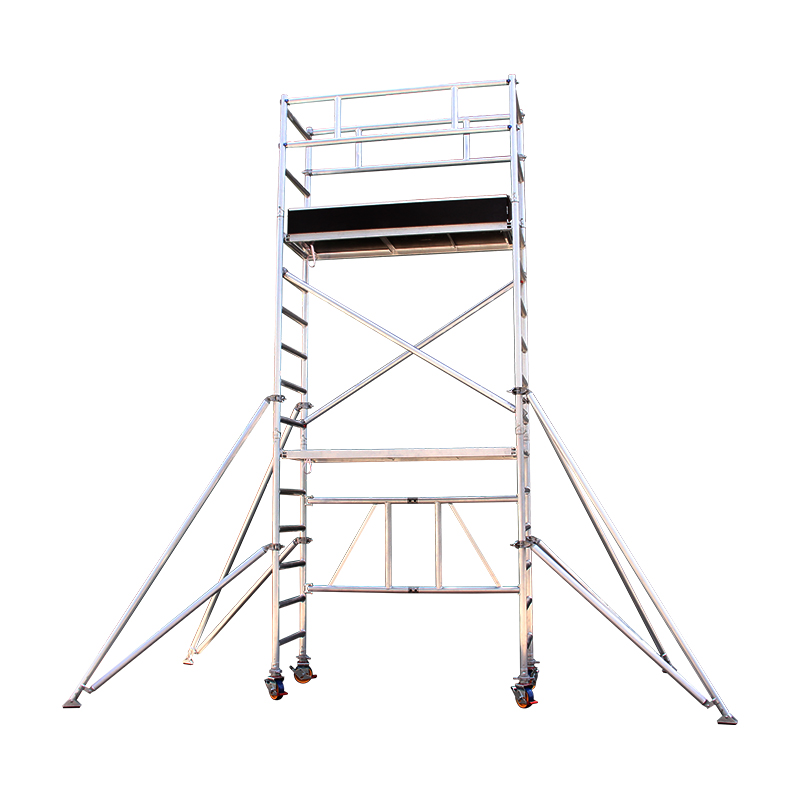
For an Aluminium Mobile Scaffold Tower, platform size directly affects how efficiently maintenance work can be performed. A platform that is too small may force tools or components to be placed outside the immediate working area, while an unnecessarily large platform can increase the equipment footprint and make movement through narrow facilities more difficult.
Project planners should consider the equipment that personnel will actually carry onto the platform. Maintenance involving inspection instruments may require relatively little space, whereas mechanical servicing can involve tools, replacement components and temporary work materials. Platform dimensions, access openings and surrounding guardrail arrangements should therefore be considered together.
Useful Platform Planning Information
- Number of personnel expected to work at the platform.
- Typical tools and instruments used during the task.
- Size and weight of materials temporarily handled at height.
- Required access direction and transition arrangement.
- Clearance from ceilings, machinery and surrounding structures.
Aluminium Profiles and Tower Rigidity
The reduced weight associated with aluminium can be useful for a Mobile Scaffold Tower, but overall performance depends on the complete structural design. Profile geometry, wall thickness, cross-bracing, frame connections and platform support all contribute to rigidity. Evaluating only the nominal material type does not provide enough information to determine how a finished tower will perform under its intended operating conditions.
For repeated industrial use, connection quality is particularly relevant. Components that are frequently assembled, adjusted or transported should be designed with appropriate interfaces and tolerances. Consistent manufacturing processes can help maintain dimensional accuracy between batches and simplify assembly when multiple units are deployed at the same facility.
Configuration Planning for Different Facility Layouts
A mobile tower used in a warehouse may need to travel through wide aisles, while one used for aircraft, machinery or production-line maintenance may need to operate around fixed structures. Consequently, the same nominal platform height can require very different frame dimensions, caster arrangements and access configurations.
Before placing an equipment order, it is useful to map the complete route from storage location to the working area. Door widths, aisle dimensions, floor transitions and turning areas should be recorded. This approach helps prevent a tower from meeting the working-height requirement while being impractical to transport or position at the intended location.
| Facility Condition | Design Information to Collect |
|---|---|
| Narrow aisles | Maximum overall width and turning radius |
| Low doorways | Transport configuration and folded or assembled height |
| Uneven transitions | Caster and frame requirements for the operating environment |
| Dense machinery | Platform clearance and access direction |
| Multiple work zones | Mobility requirements and repositioning frequency |
Inspection Priorities for Mobile Scaffolding
Inspection of Aluminum Mobile Scaffolding should extend beyond checking whether the frame appears intact. Personnel responsible for equipment management can pay particular attention to casters, locking mechanisms, braces, platforms, joints, fasteners, access components and visible deformation. The exact inspection procedure should follow the manufacturer's instructions and applicable local requirements.
For facilities operating several towers, a consistent inspection record can make equipment management more practical. Identification numbers, inspection dates, observed defects and corrective actions can be recorded so that damaged equipment is not unintentionally returned to service. Components showing significant damage, deformation or abnormal wear should be handled according to established maintenance procedures.
Key Areas for Routine Checks
- Caster condition and locking function.
- Frame members, braces and connection points.
- Platform surfaces and supporting structures.
- Guardrail and access components where fitted.
- Fasteners, locking components and adjustable sections.
Compliance Considerations for Export Projects
For professional projects involving an Aluminium Mobile Scaffold Tower, compliance requirements should be established before the product configuration is finalized. Different destination markets can apply different requirements to dimensions, structural performance, guarding, access arrangements, testing and documentation. Treating compliance as a late-stage documentation issue can create avoidable redesign or certification problems.
Shanghai Ruiju Metal Products Co., Ltd. operates an ISO 9001-certified manufacturing system and is BSCI audited. Its standard products comply with China's national standard GB12142, while export products are designed to meet applicable Australian, European and American industry standards. Products are rigorously tested and certified by SGS and TÜV, providing third-party verification for applicable product quality and compliance requirements.
Ruiju's Approach to Mobile Scaffolding Manufacturing
Under the Ruiju brand, Shanghai Ruiju Metal Products Co., Ltd. operates a 12,000 m² self-owned production facility and maintains an integrated industrial system covering R&D, product design, manufacturing and marketing. Its technical background includes more than 30 years of experience in working-at-height products and technologies, supported by a portfolio of technical patents and continued market-oriented product development.
For projects requiring Aluminum Mobile Scaffolding, Mobile Scaffold Tower or Aluminium Mobile Scaffold Tower, useful technical information includes working height, platform dimensions, overall width, floor conditions, movement routes, expected operating loads and destination-market standards. Providing these details allows Ruiju's engineering and manufacturing teams to develop configurations around actual site requirements rather than relying solely on standard dimensions.