 en
en 简体中文
简体中文 Español
 Deutsch
 عربى
عربى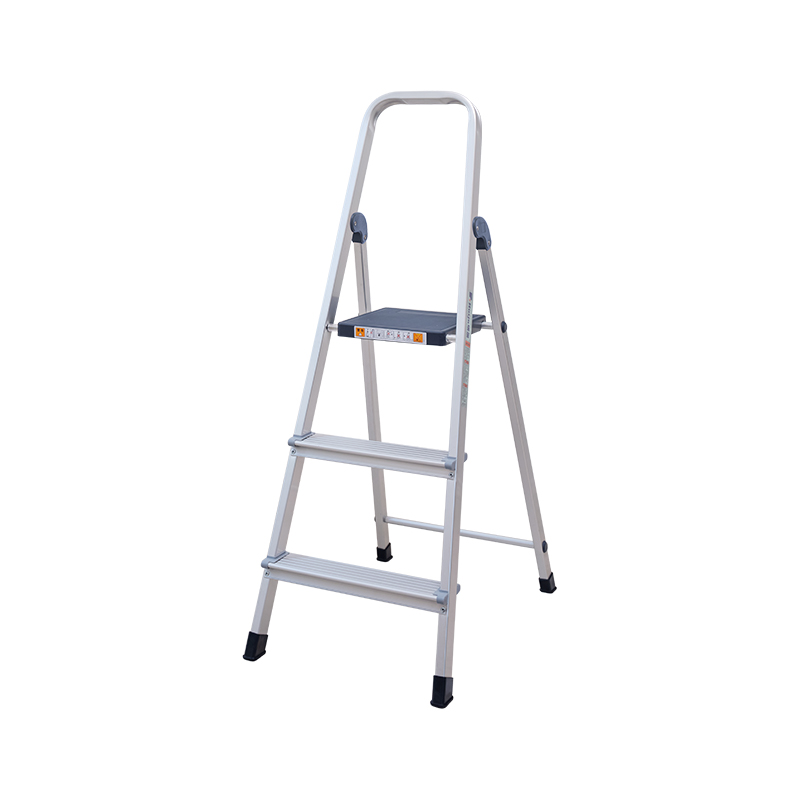

Alum Plank Guide: Types, Load Ratings, and Safety Checks for Aluminum Scaffold Boards
Content
An alum plank is an aluminium scaffold board, and its real job is to give workers a stable, slip-resistant platform. It is not the cheapest component on a scaffolding order, but it usually pays for itself in weight savings, service life, and fewer lost-time injuries. If you are comparing alum planks for the first time, look at three things first: load rating, platform width, and end-hook compatibility. Those three details determine whether the board is safe for the span, comfortable to work on, and able to fit the scaffold frames you already use.
What Is an Alum Plank?
An alum plank is a platform made from extruded aluminium instead of wood or fibreglass. In the access equipment industry it usually means an aluminium scaffold platform with longitudinal stiffening ribs, an anti-slip tread pattern, and pressed or welded end hooks. The end hooks sit over the scaffold ledger or rungs and stop the plank from sliding off the frame.
Most commercial alum planks are made from 6061-T6 aluminium alloy, a strong and weldable material that is also common in aerospace structural parts. That is why some suppliers describe their plank as aircraft-grade aluminum. The alloy resists corrosion well, which matters when planks are left on wet job sites or exposed to rain.
A telescoping alum plank is a useful variation. It has an inner section that slides out to change length, so one board can cover several scaffold bay sizes. The trade-off is a slightly heavier weight than a fixed-length plank of the same rated load, but crews often accept that because it reduces the number of boards carried in a truck.
Alum Plank vs. Wood Scaffold Board: A Practical Comparison
The main reason professional crews switch to alum planks is not the sticker price; it is the cost per working day and the reduced physical strain of carrying boards.
| Factor | Alum Plank | Wood Scaffold Board |
|---|---|---|
| Weight | Roughly 50-60% lighter than a similar timber board | Heavy and awkward to move on site |
| Load capacity | Common models rated for 250-500 lb per span | Can be strong, but knots and cracks are hard to see |
| Weather resistance | Will not rot, warp, or absorb water | Absorbs water and can rot or warp |
| Slip resistance | Extruded tread, serrated grooves, or bonded grit | Smooth when new, very slippery when wet |
| Maintenance | Wipe clean and inspect welds and end hooks | Need sealing, sanding, and regular splitting checks |
| Long-term cost | Higher initial cost, lower replacement frequency | Lower initial cost, higher replacement frequency |
The comparison explains why alum planks are standard on many professional scaffold systems. The lower weight also reduces shoulder and back strain during handling, which is a safety benefit that does not appear on a spec sheet.
Load Ratings and Safety Details to Verify
Load rating is the first number to check. A plank marked with a 500 lb capacity can still be unsafe if the load is concentrated near the middle of a long span. Look for a manufacturer label that states the maximum rated load and the supported span. In Europe, this label usually appears on equipment supplied for mobile access towers that comply with EN 1004; in North America, the scaffold setup must meet OSHA 1926.451. The plank itself should include a clear rating label and be easy to trace back to a production batch.
Five-point check for any alum plank
- Load label: The plank must have a permanent label showing rated load, span, and manufacturer name.
- End hooks: Hooks should sit tightly over the scaffold rung or ledger and have a positive locking stop.
- Surface: Use diamond tread, serrated grooves, or a bonded abrasive strip for reliable footing even in wet conditions.
- Welds and edges: End hooks should be continuously welded, with no sharp edges or cracks in the weld zone.
- Width: A 12-16 in. wide plank gives a more comfortable standing area and reduces the chance of stepping off the edge.
Never buy an alum plank without a load label. Unlabeled boards are a procurement risk because you cannot prove what capacity they were tested to, and that creates liability if a worker is injured.
Alum Planks on Mobile Scaffolds
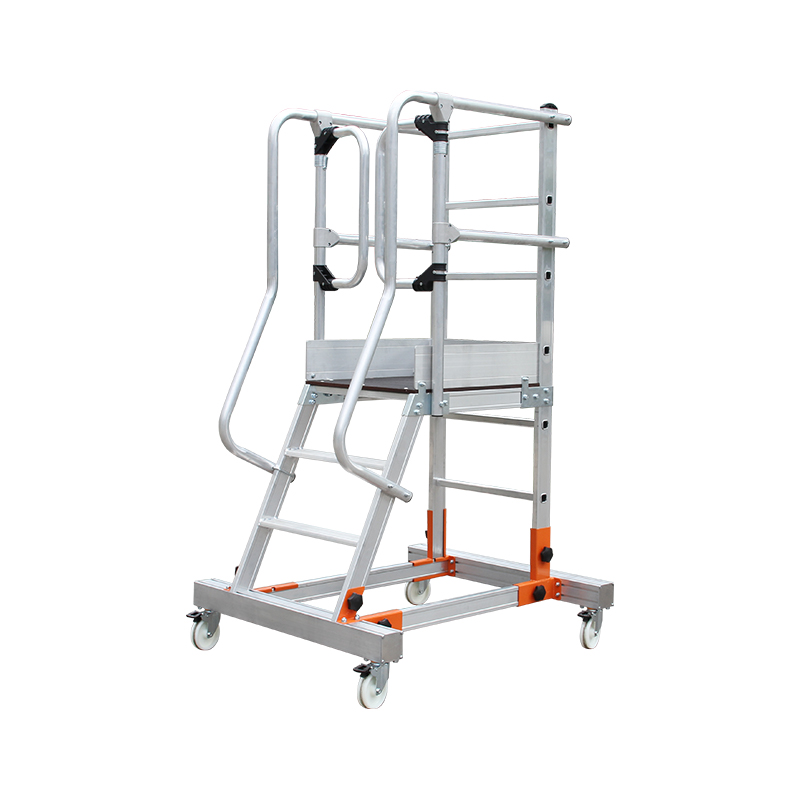
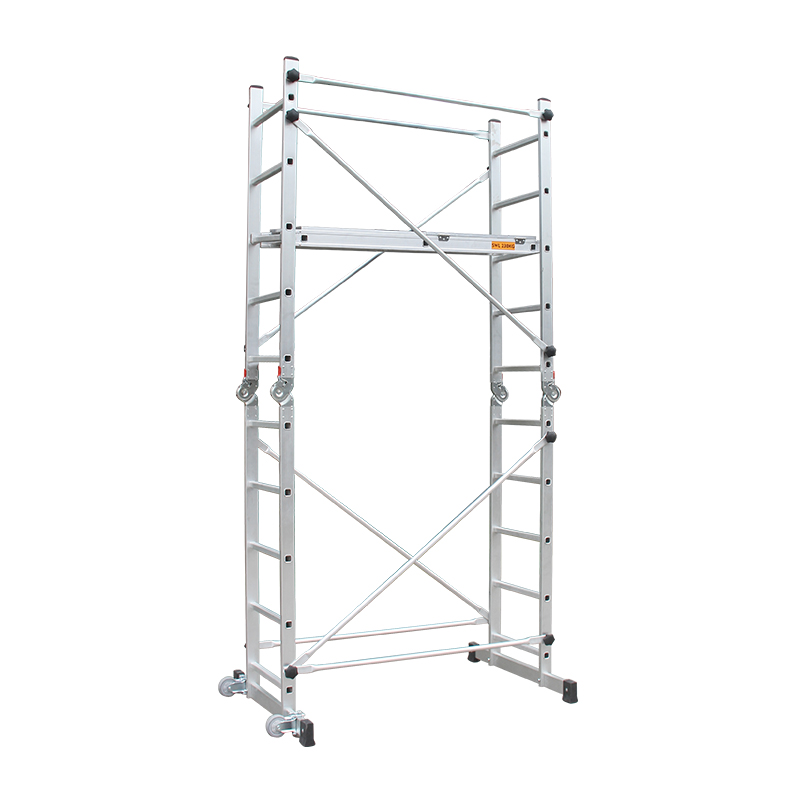
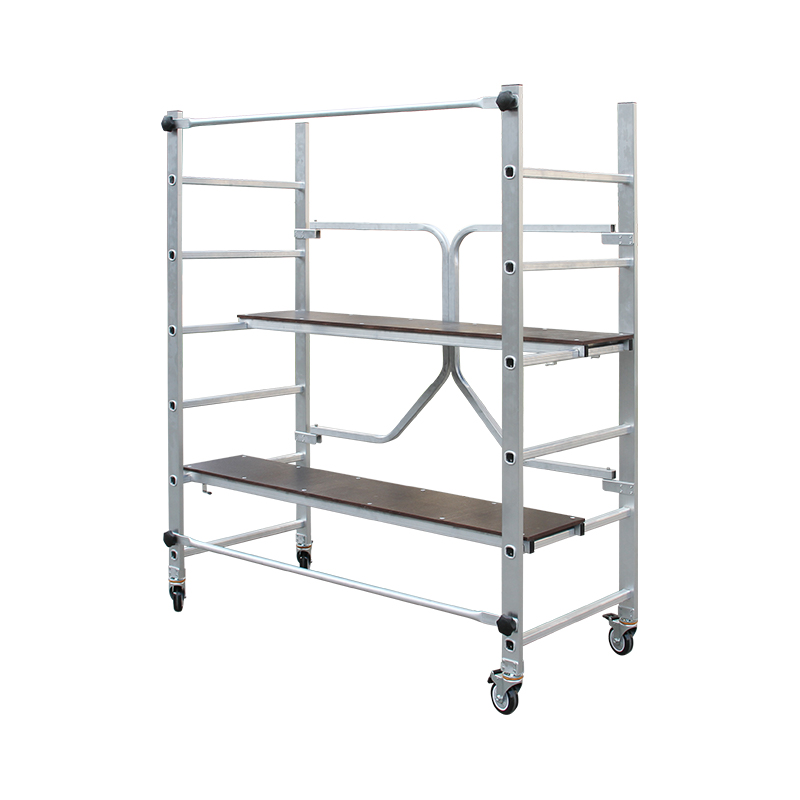
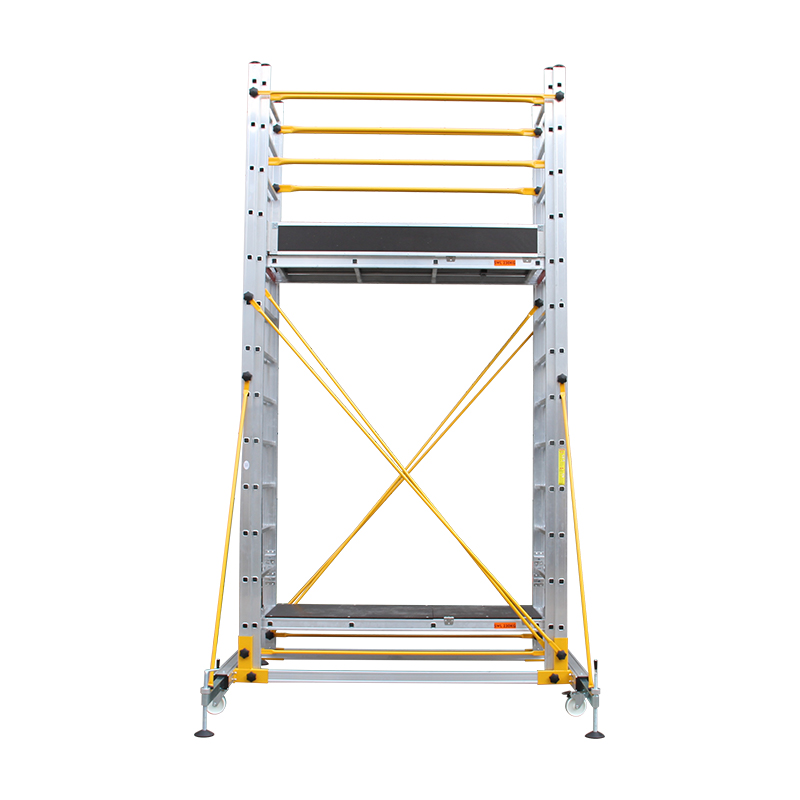
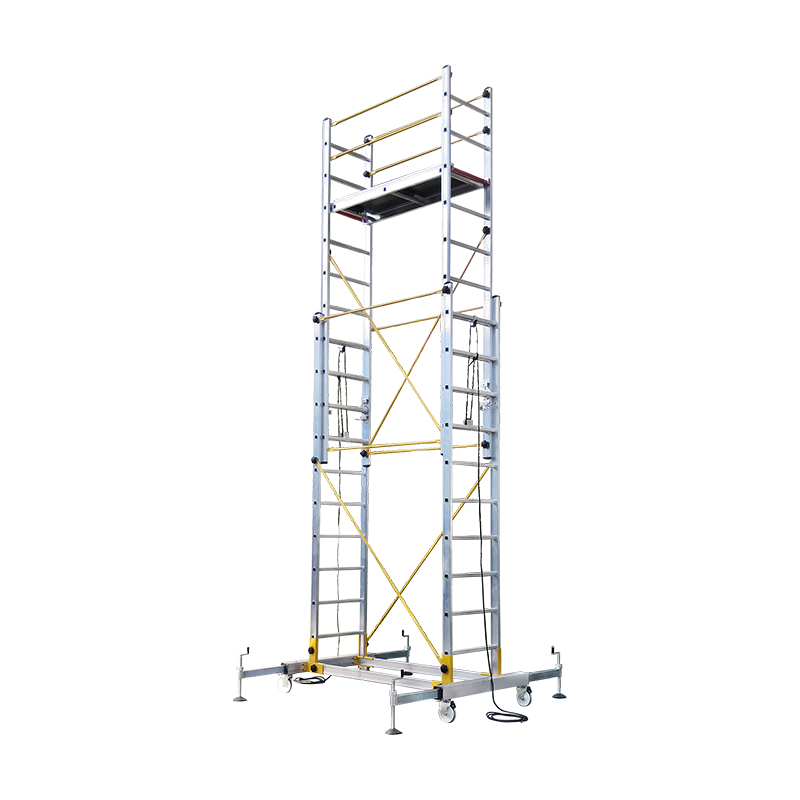
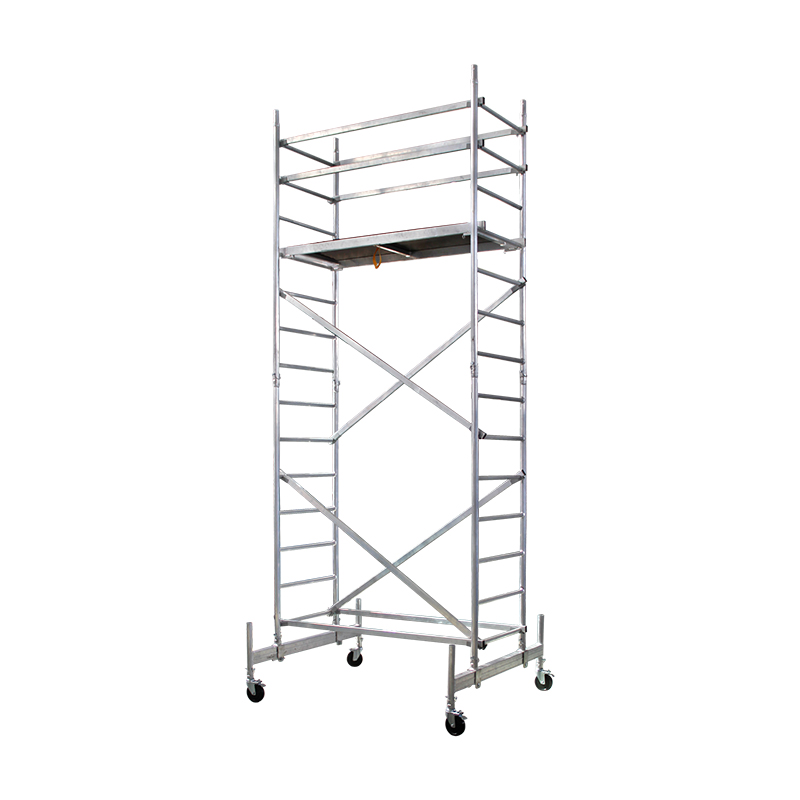
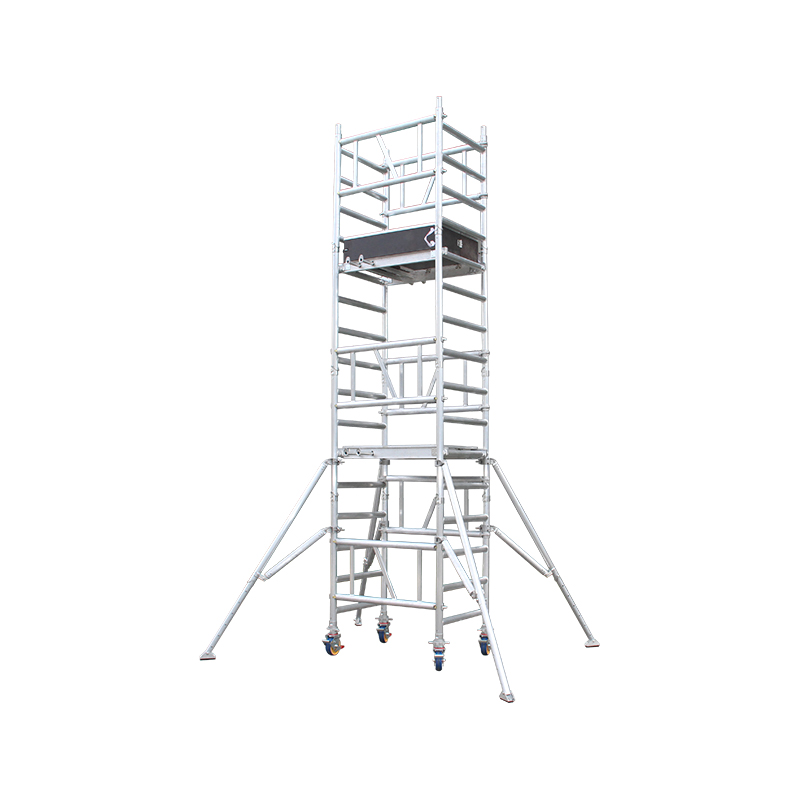
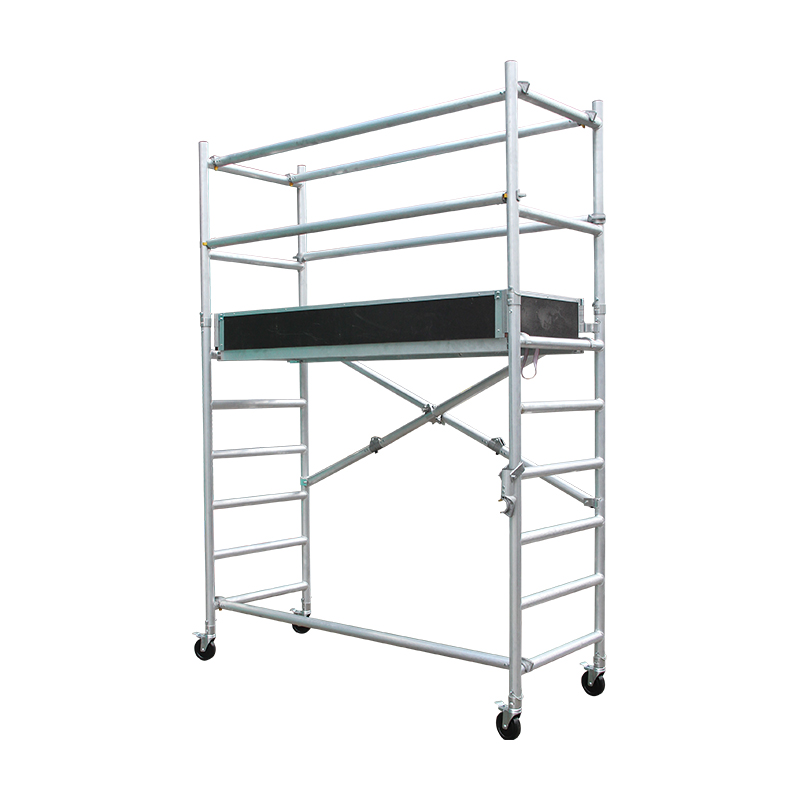
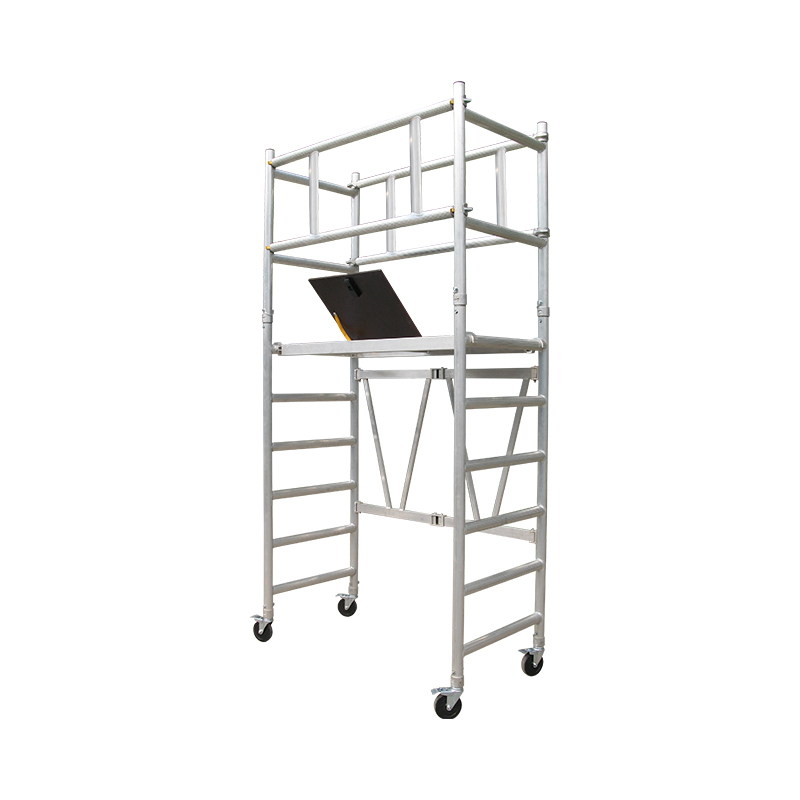
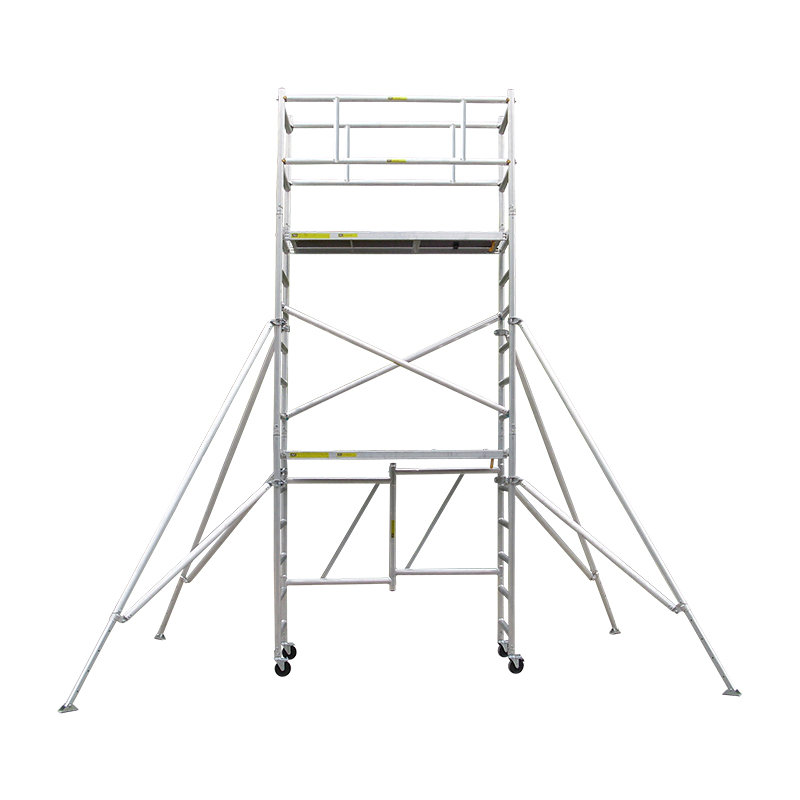
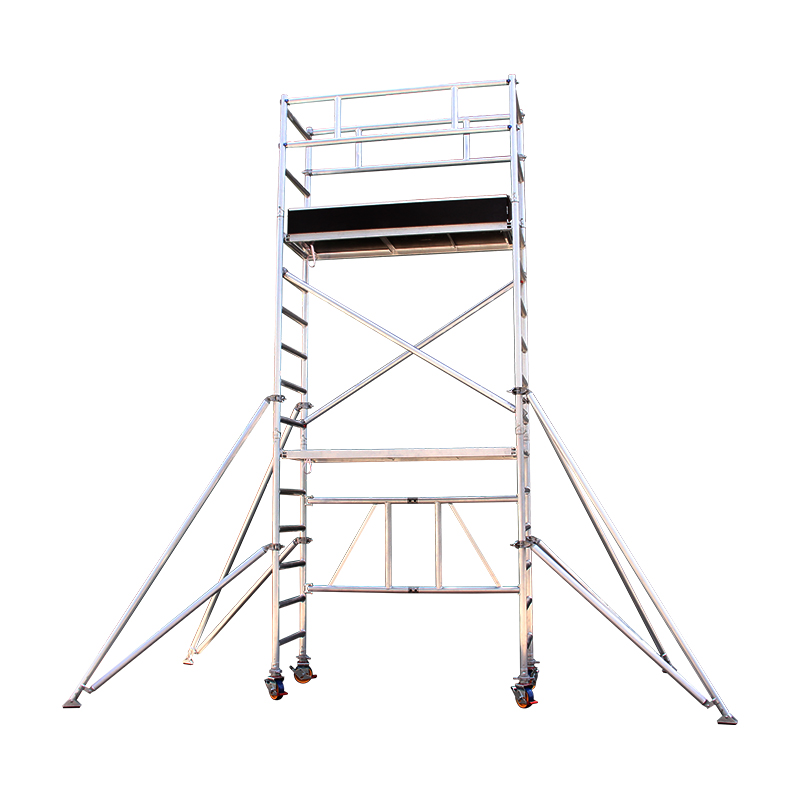
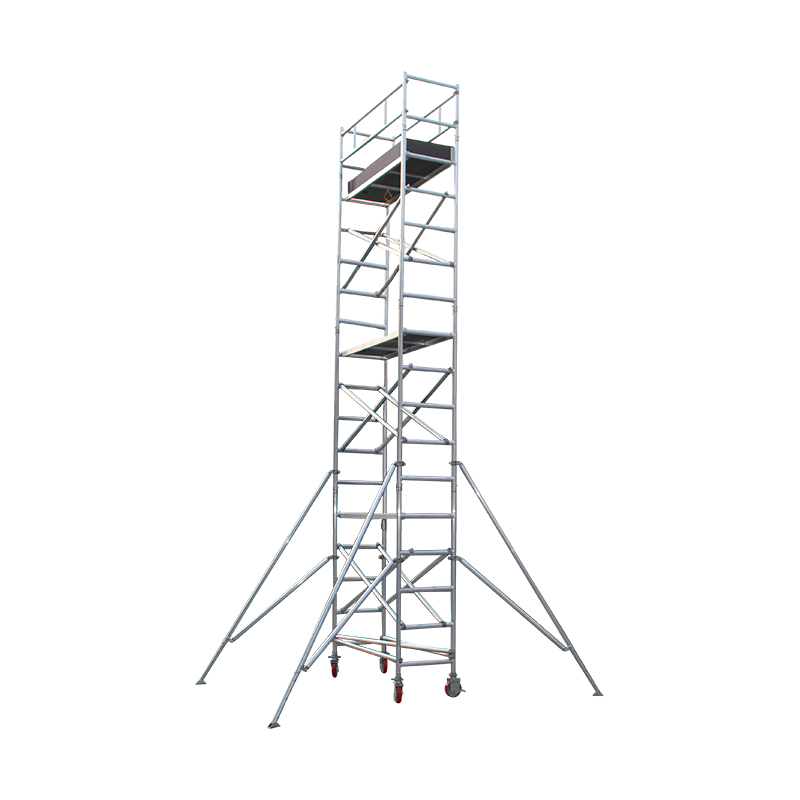
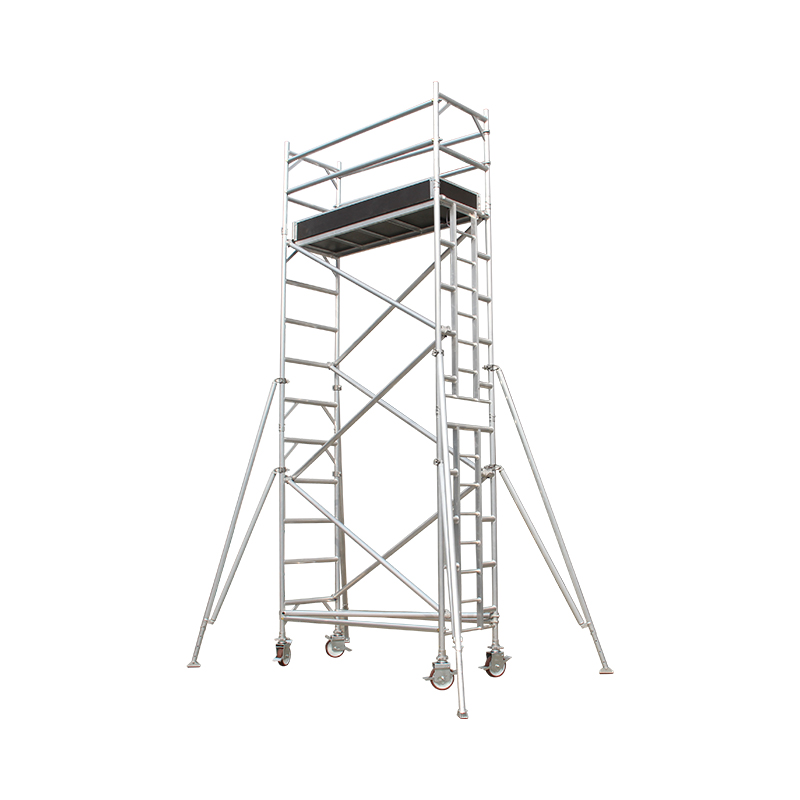
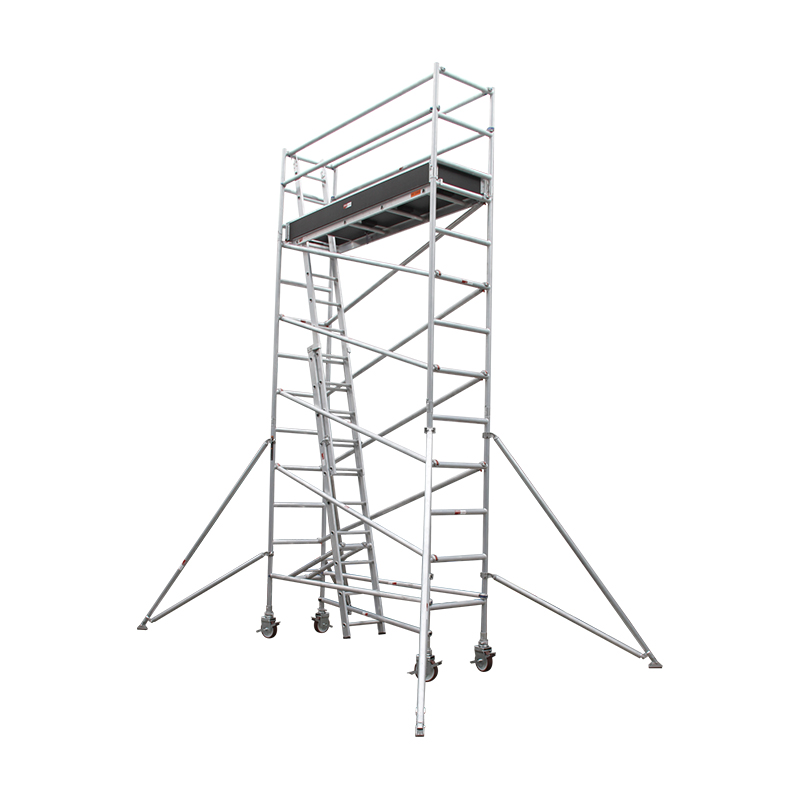
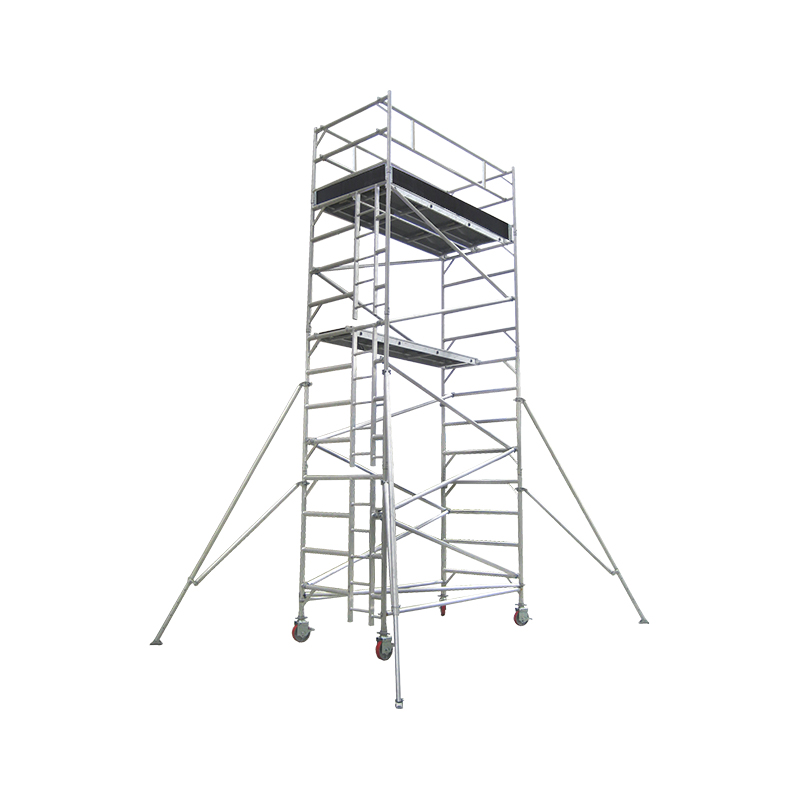
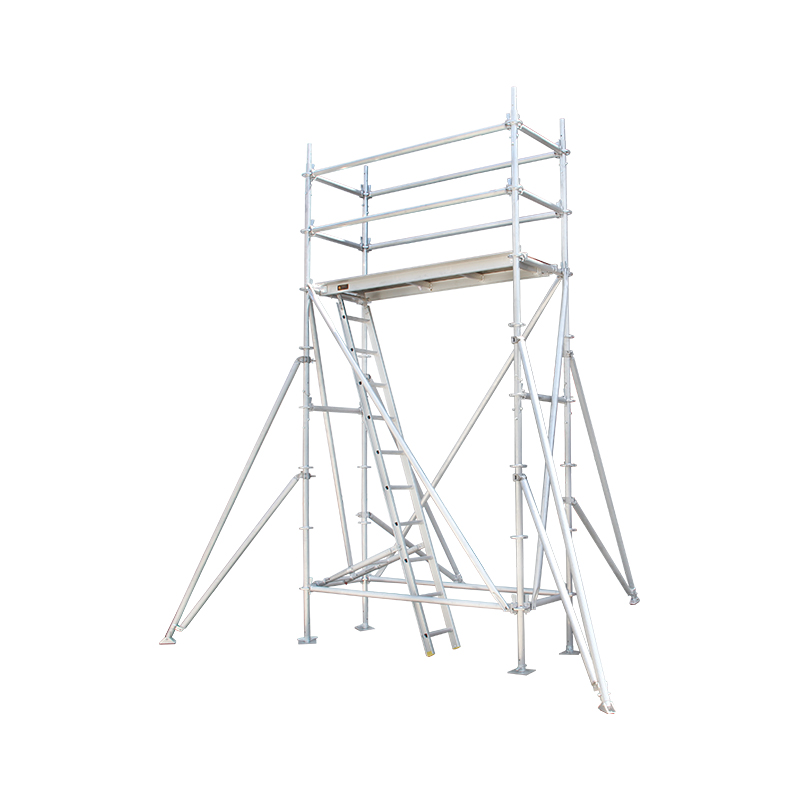
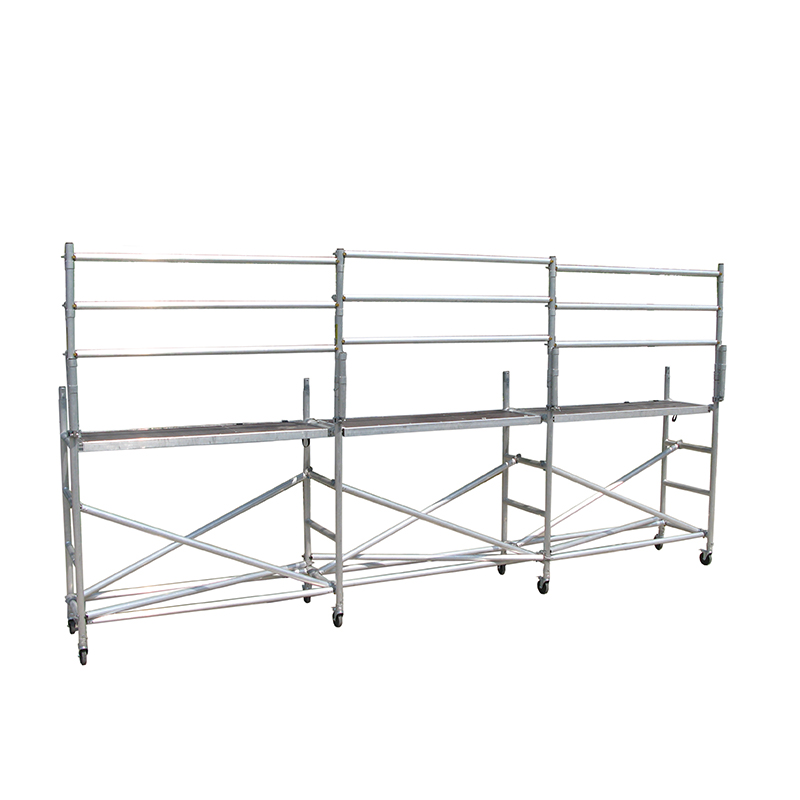
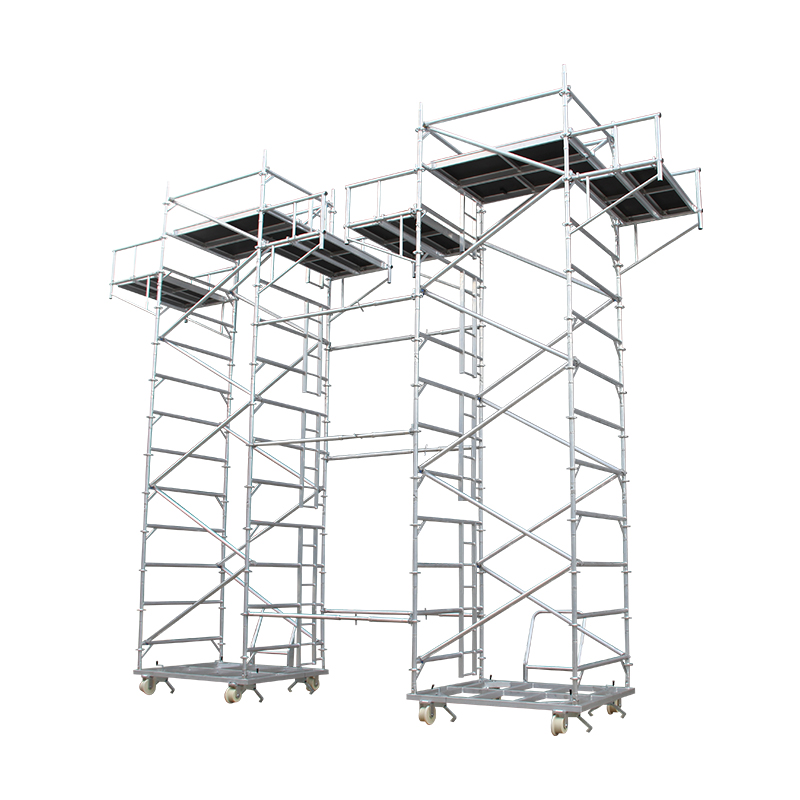
The best place to use an alum plank is on an aluminium mobile scaffold. A single-width tower with a properly locked alum plank is a common setup for exterior maintenance, drywall finishing, electrical work, and warehouse repairs. The whole system is light enough for one or two workers to move, and the platform surface will not flex the way a worn wooden board does.
 Lightweight Aluminum Single Width Mobile ScaffoldCompact narrow-frame scaffold for tight spaces, with adjustable height and easy assembly. Ideal for maintenance, painting, and repairs when paired with an alum plank platform.View Product →
When you are comparing scaffold options, pay attention to the platform height, guardrail positions, and the width of the deck. The alum plank should sit level with the top guardrails and leave no gaps where a tool or foot could slip through. If you need a fuller comparison of tower types, our aluminium mobile scaffolding guide explains the differences between single-width, double-width, and folding models.
Low-Level Work: A Wide Platform Ladder
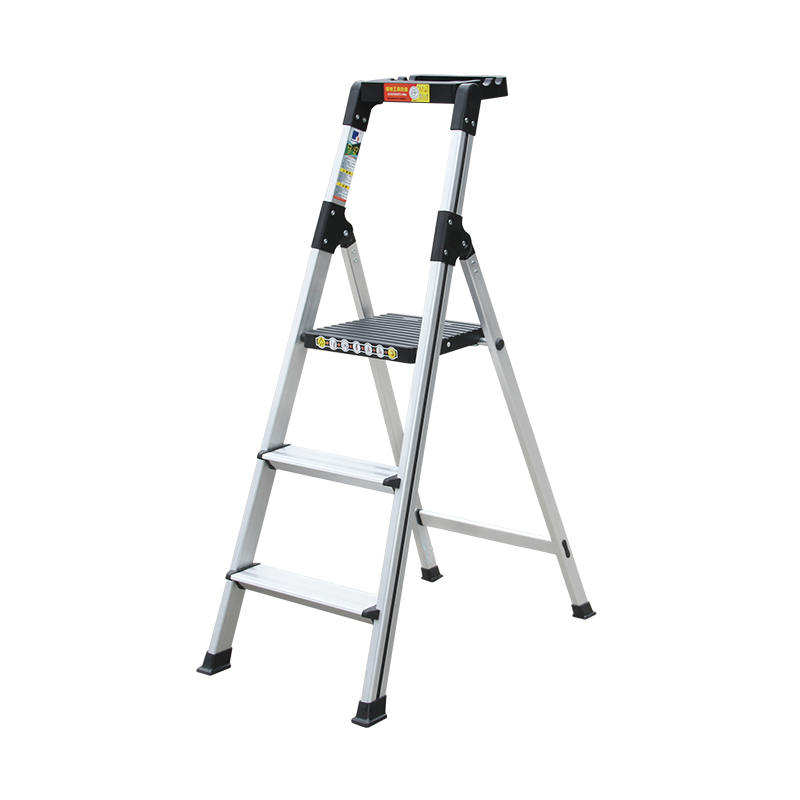
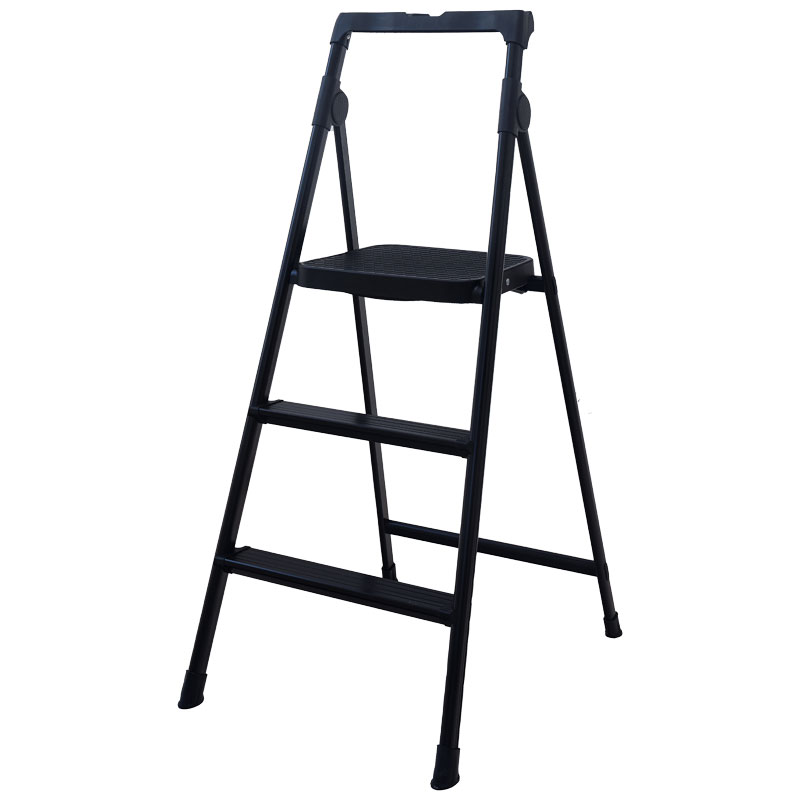
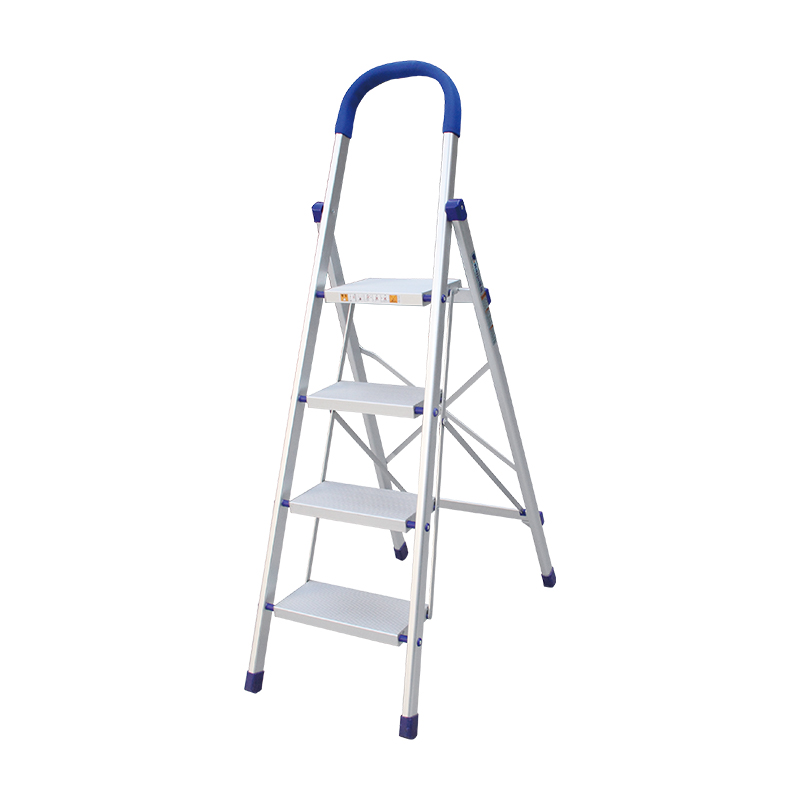
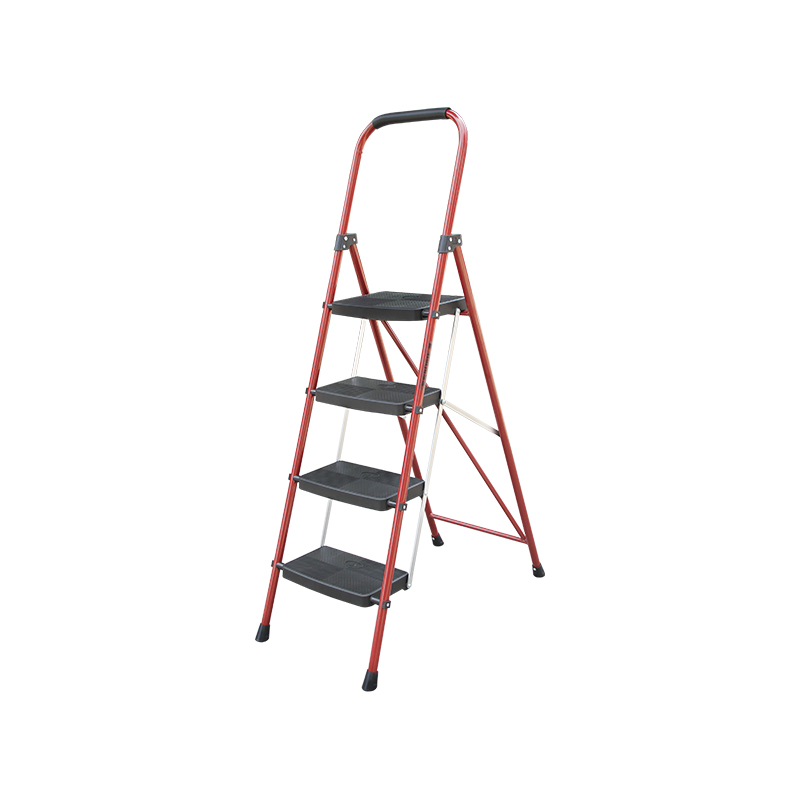
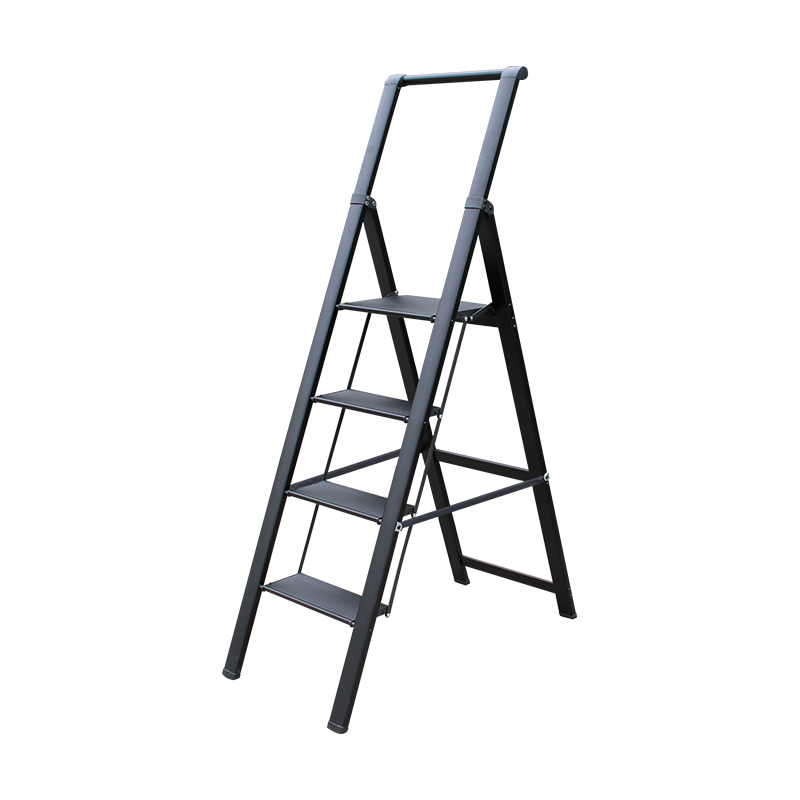
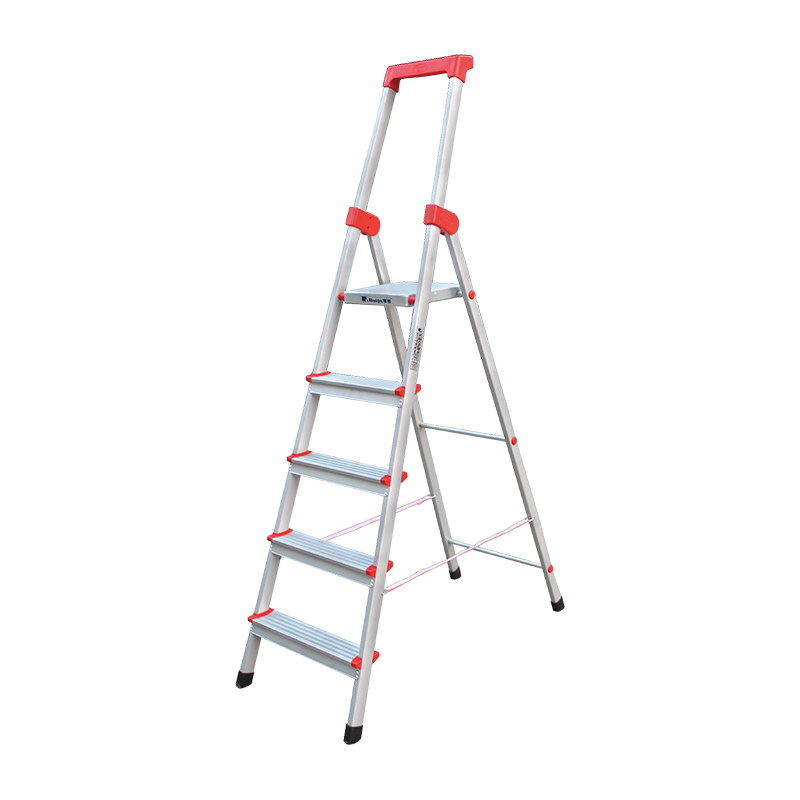
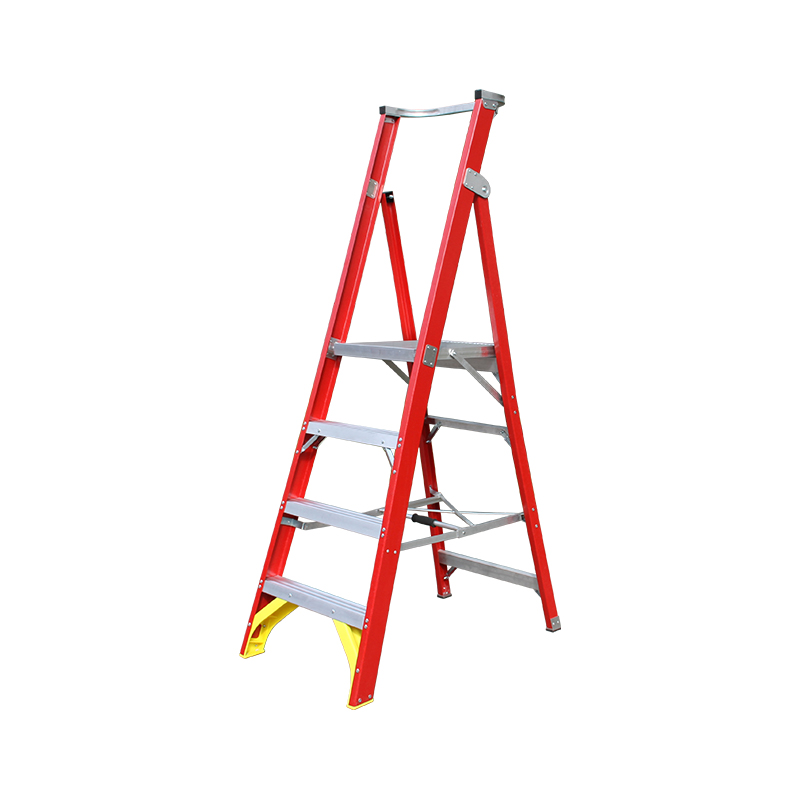
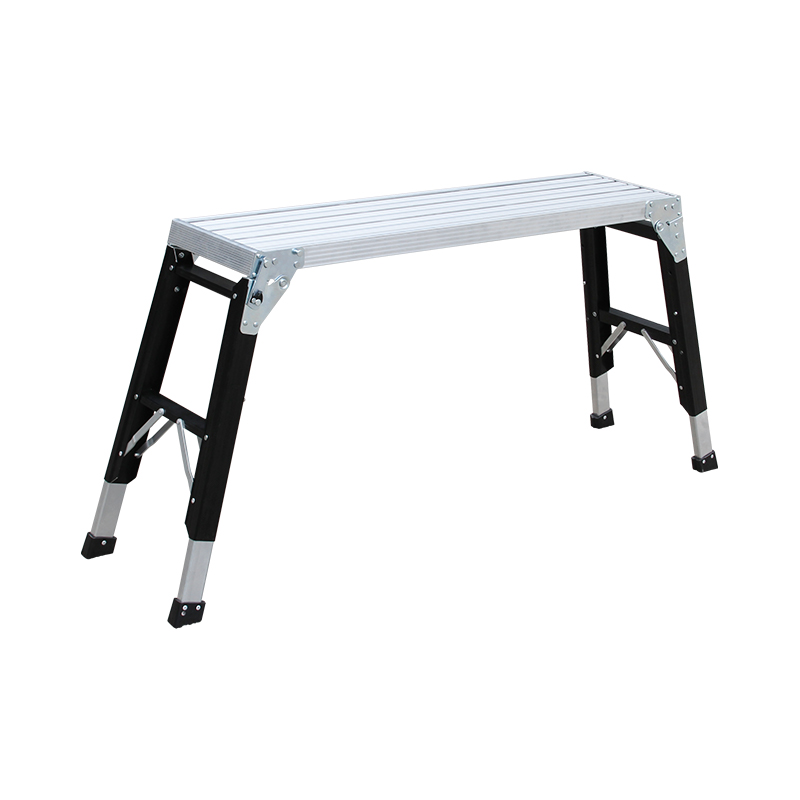
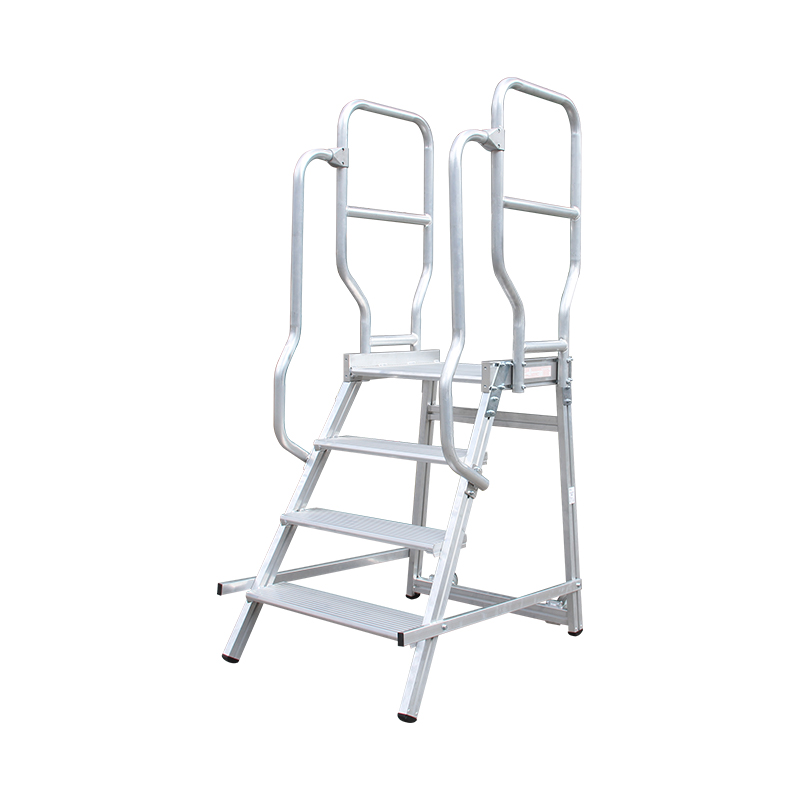
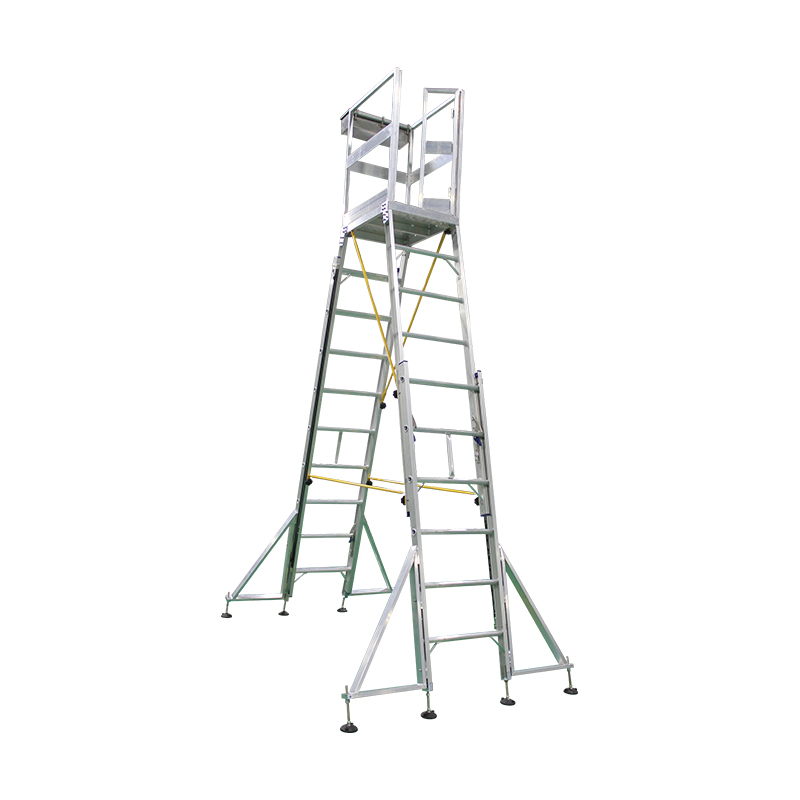
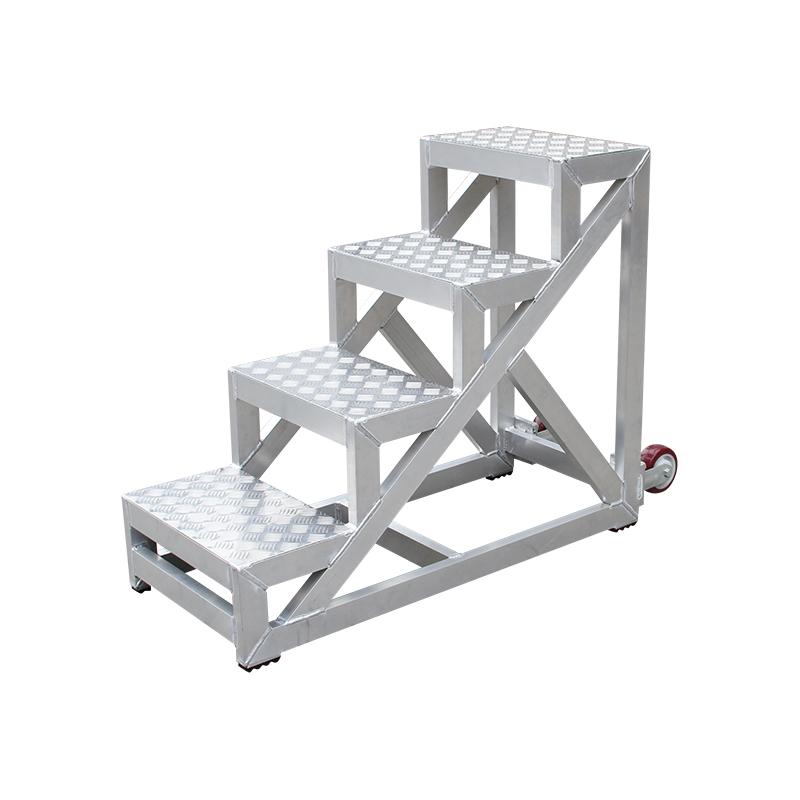
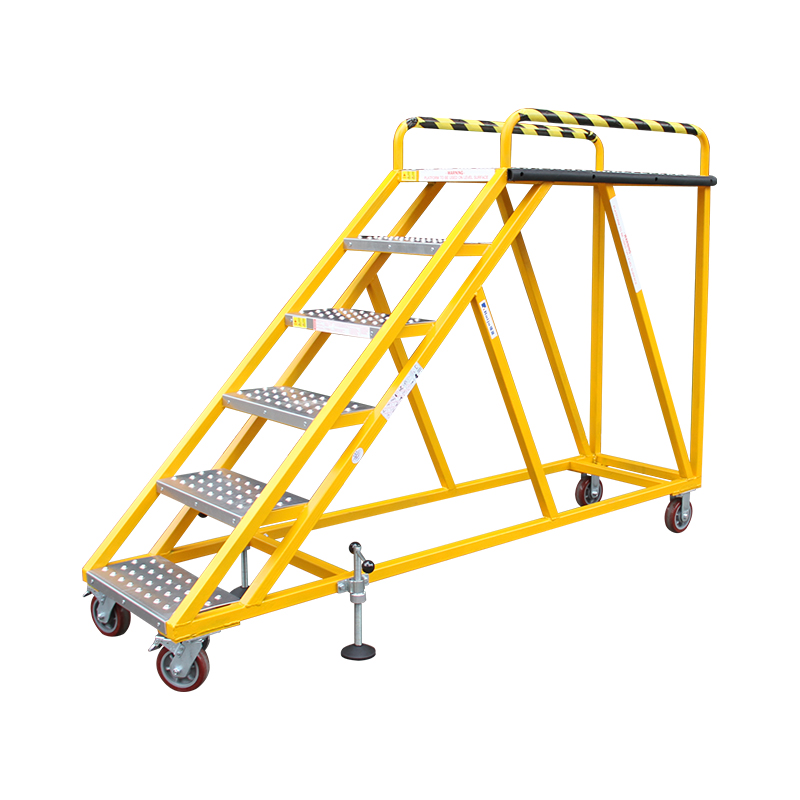
For work below about 1.5 m (5 ft), a full scaffold can be overkill. In those situations, an aluminium platform ladder with a wide standing platform is a practical substitute for the traditional "plank between two step stools" setup. The integrated platform eliminates the need to carry a separate alum plank and keeps both feet on one slip-resistant surface.
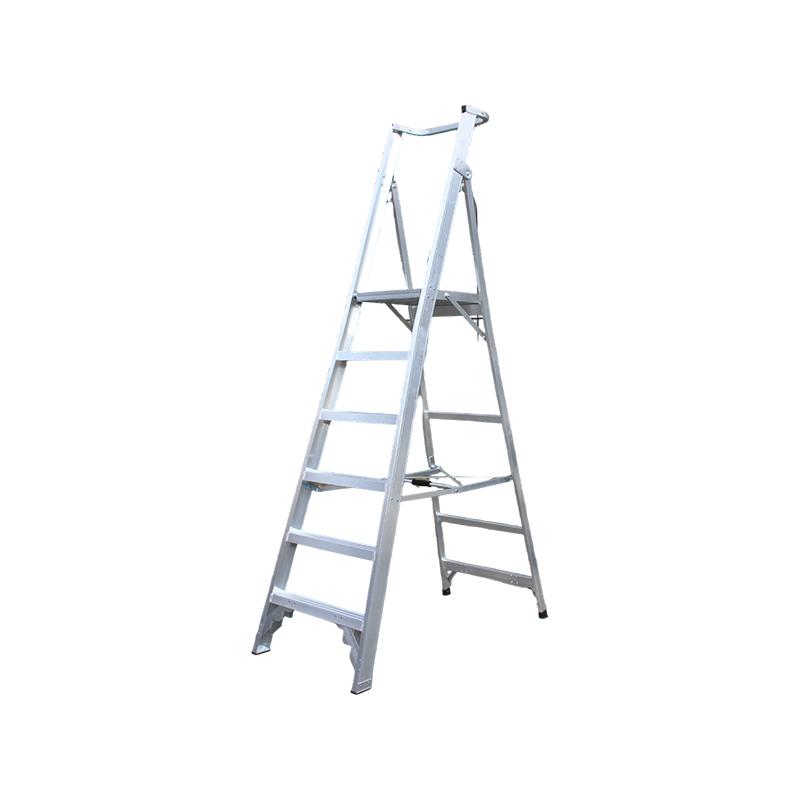 Aluminum Wide Platform Stepladder with High HandrailFeatures a 43x49 cm anti-slip aluminum platform and tall handrail for stable support. A practical low-height alternative to a full scaffold, suitable for warehouse or maintenance work.View Product →
Choose a platform ladder with a rated working load that matches your weight plus tools, and check that the spreader braces lock positively before each use. A good platform ladder should feel rigid when you step onto it, and the platform tread should provide the same level of slip resistance you expect from an alum plank.
Quick Tasks: A One-Step Aluminium Stand
Some jobs take less time than even a platform ladder requires, such as changing a light bulb, adjusting a sign, or cleaning an overhead sensor. A lightweight aluminium step stand is not a plank and is not a scaffold, but it solves the same access problem: it gives one worker a stable, non-slip standing surface at a precise height. If your crew regularly works on planks for tasks shorter than a scaffold can justify, this kind of compact tool is worth having in the van.
 Portable Aluminum Step Stand for Quick TasksLightweight aluminum step stand offering a stable, non-slip surface for short elevated jobs like bulb changes or sign adjustments. Customizable and durable for industrial use.View Product →
User training matters here too. A step stand should only be used on level ground, and the worker should keep their body inside the footprint. The same mindset that makes a worker inspect an alum plank makes the step stand safe to use.
Telescoping Alum Planks and Transport
If you have to carry planks in a small truck or access a job site through narrow corridors, telescoping alum planks are a strong choice. The inner sliding section adjusts the working length, so one telescoping board can replace two or three fixed lengths. Many telescoping plank models are rated to hold two people with a maximum weight of 500 lb when the hooks are properly engaged.
Before extending the plank, make sure the locking pins click into place and the overlapping section is long enough for the span. Manufacturer instructions will specify the minimum overlap, and you should not guess. Telescoping planks add flexibility, but they also add moving parts that need the same level of inspection you give to fixed planks.
The Bottom Line
An alum plank is a simple tool with a serious safety role. It replaces wood boards with a lighter, more consistent, weather-resistant platform. To get the full benefit, verify the load label, inspect the end hooks, choose the right width, and match the plank to a scaffold system where the deck, guardrails, and access method all work together.
The safest alum plank is the one that fits the job and the workers who use it. Buy from a supplier that can show you the product details, test standards, and field experience before you commit to a large order.
- Aluminium Platform Ladder Guide: Safety, Types & Buying Tips View more
- Aluminium Step Ladder: Guide to Safety, Types & Applications View more
- Aluminium Mobile Scaffolding: Guide to Types, Uses & Benefits View more
- The 2025 Annual Meeting and Standards Review Conference of the National Technical Committee on Standardization of Machinery Safety was held in Ningbo. View more
For project inquiries, fill in the form or contact us directly—our team responds promptly.

Copyright @ Shanghai Ruiju Metal Products Co.,Ltd. All rights reserved Aluminum Scaffolding Suppliers Aluminium Ladder Manufacturers
