 en
en 简体中文
简体中文 Español
 Deutsch
 عربى
عربى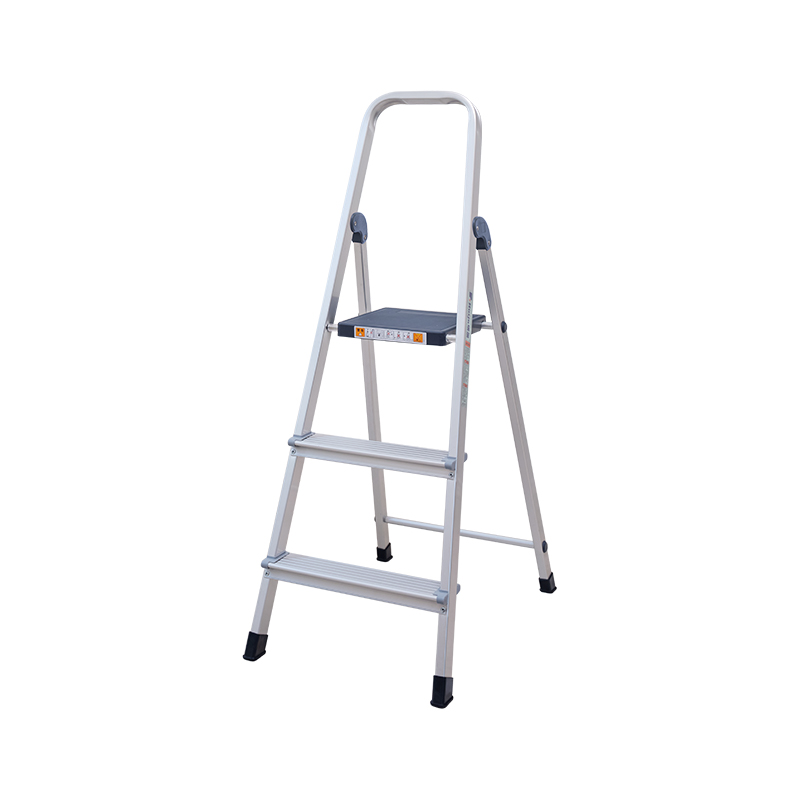
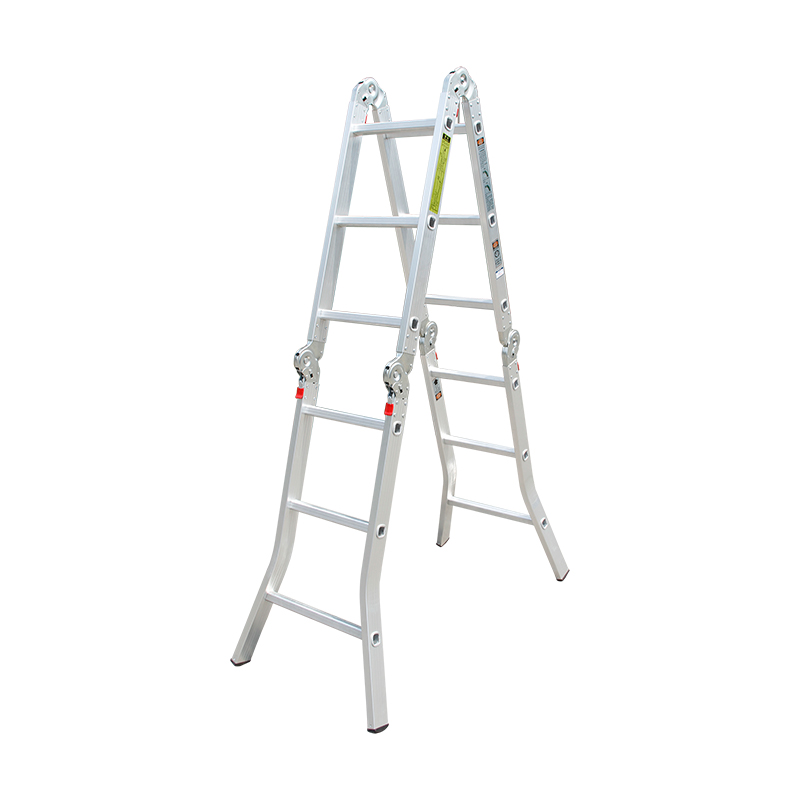
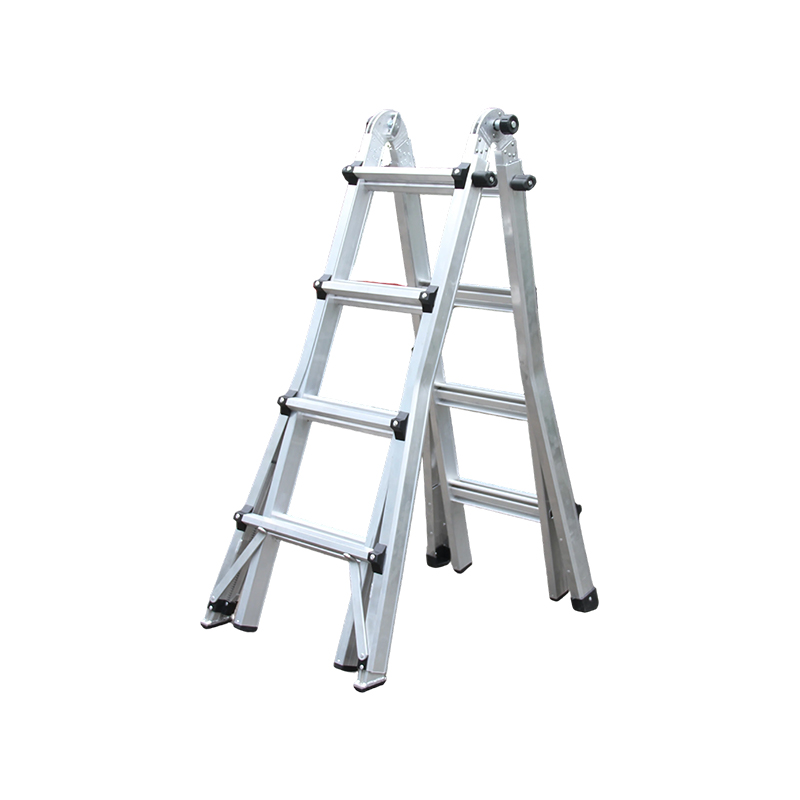
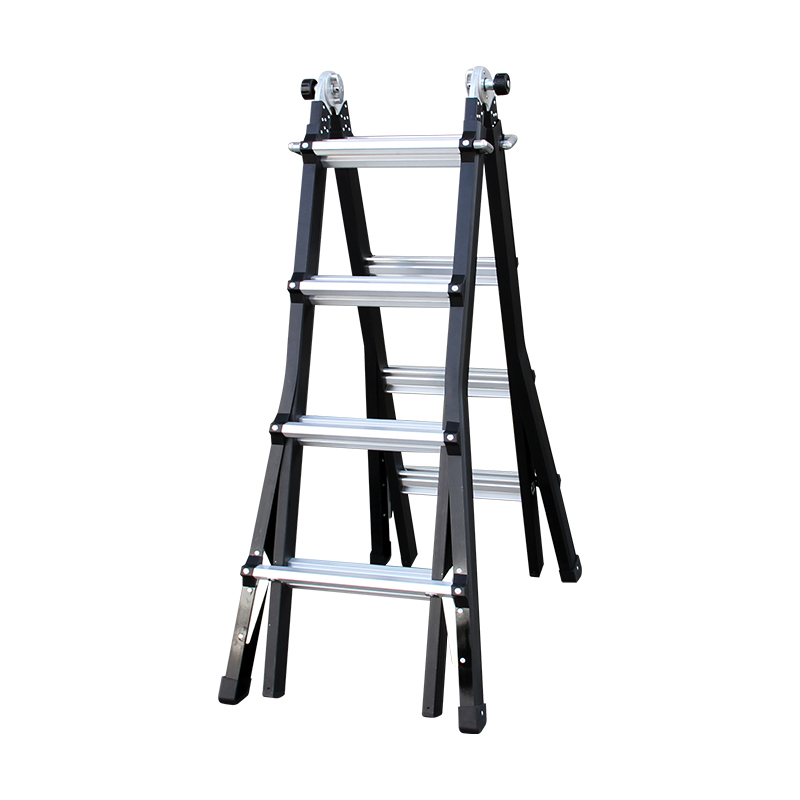
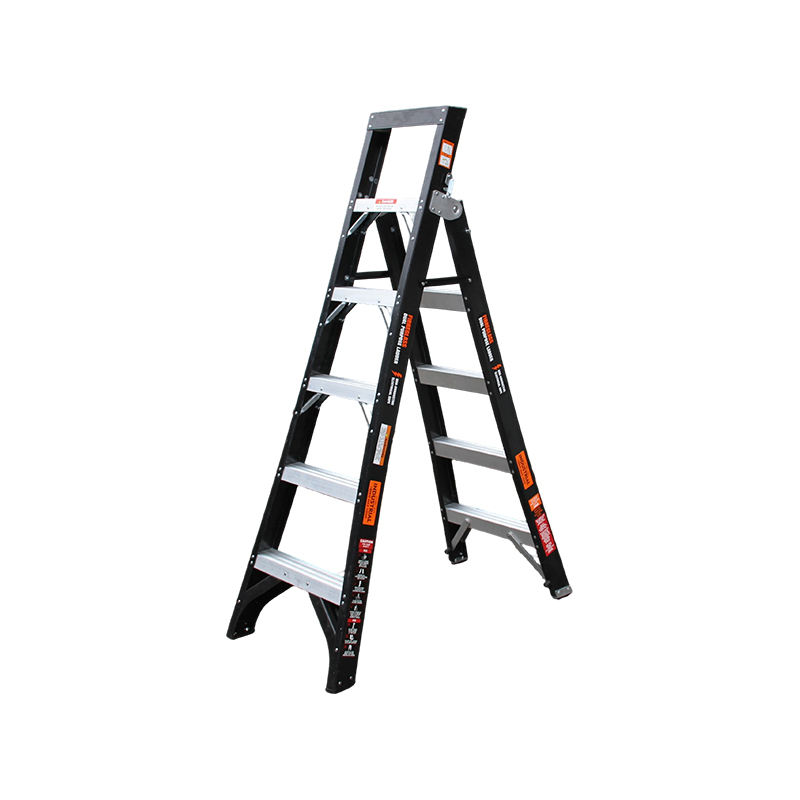

Aluminium Step Ladder: Guide to Safety, Types & Applications
Content
- 1 An Aluminium Step Ladder Provides Lightweight, Stable Access
- 2 Why Aluminium Is Widely Used for Step Ladders
- 3 Common Aluminium Step Ladder Configurations
- 4 How to Choose the Correct Aluminium Step Ladder
- 5 Key Safety Features of a Quality Aluminium Step Ladder
- 6 Using an Aluminium Step Ladder Safely
- 7 Where Aluminium Step Ladders Are Commonly Used
- 8 Aluminium Step Ladder Maintenance and Inspection
- 9 Aluminium Step Ladder vs. Other Ladder Materials
- 10 Custom Aluminium Step Ladders for Specialized Applications
- 11 What Makes a Good Aluminium Step Ladder?
An Aluminium Step Ladder Provides Lightweight, Stable Access
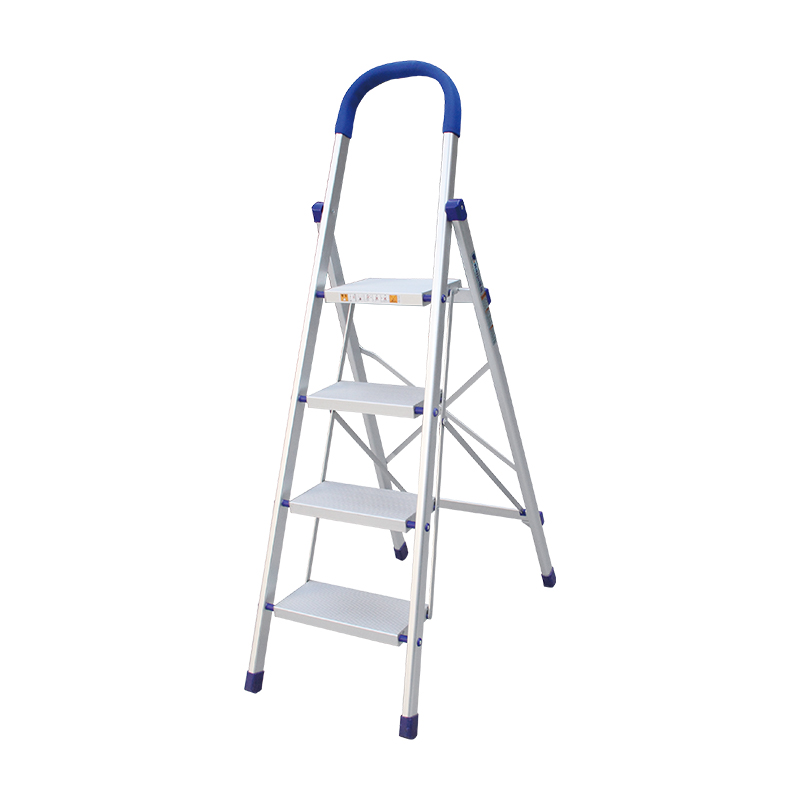
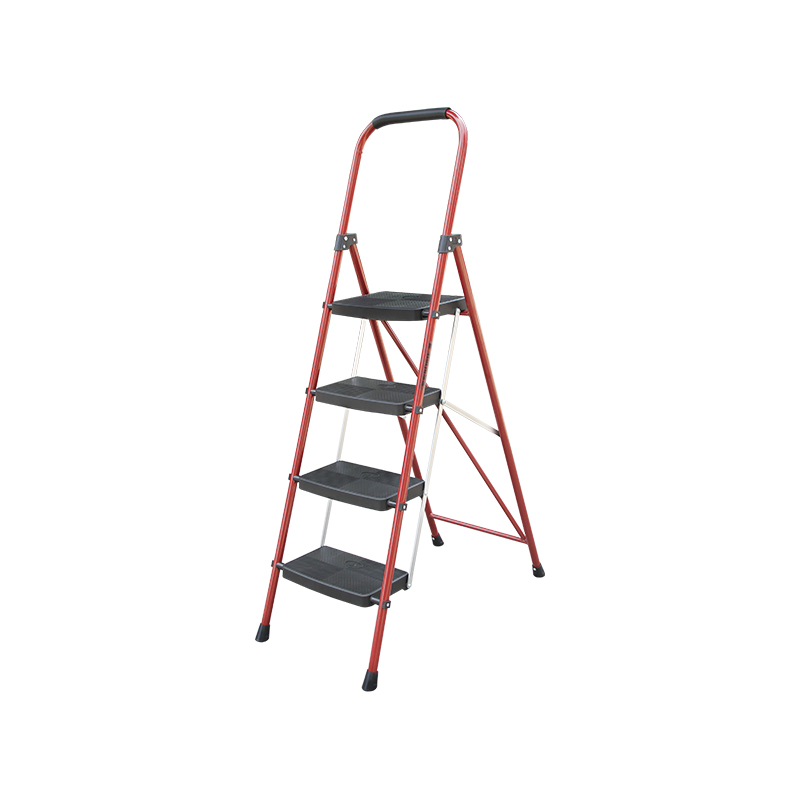
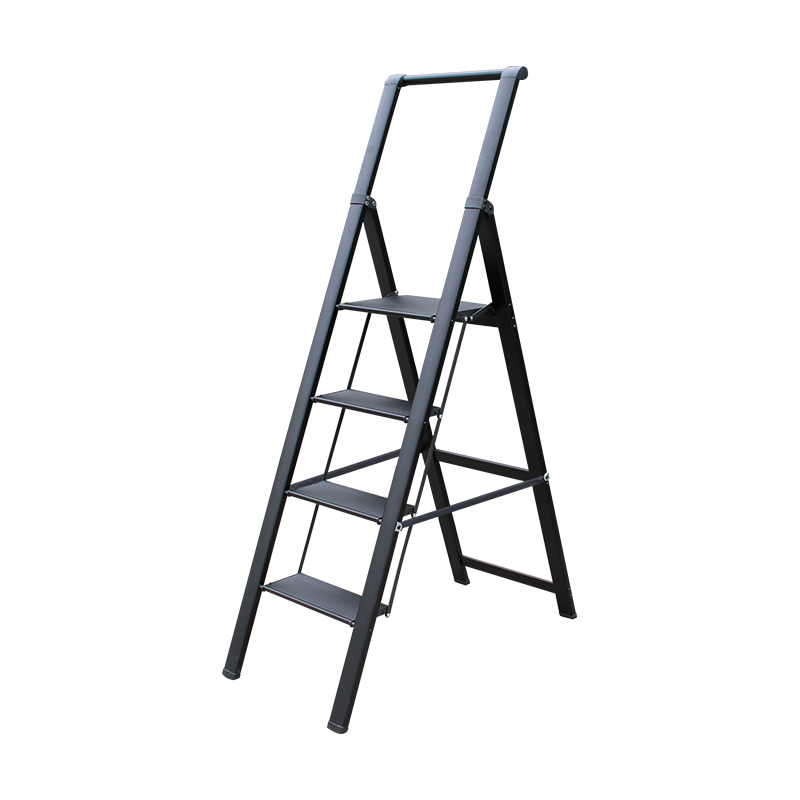
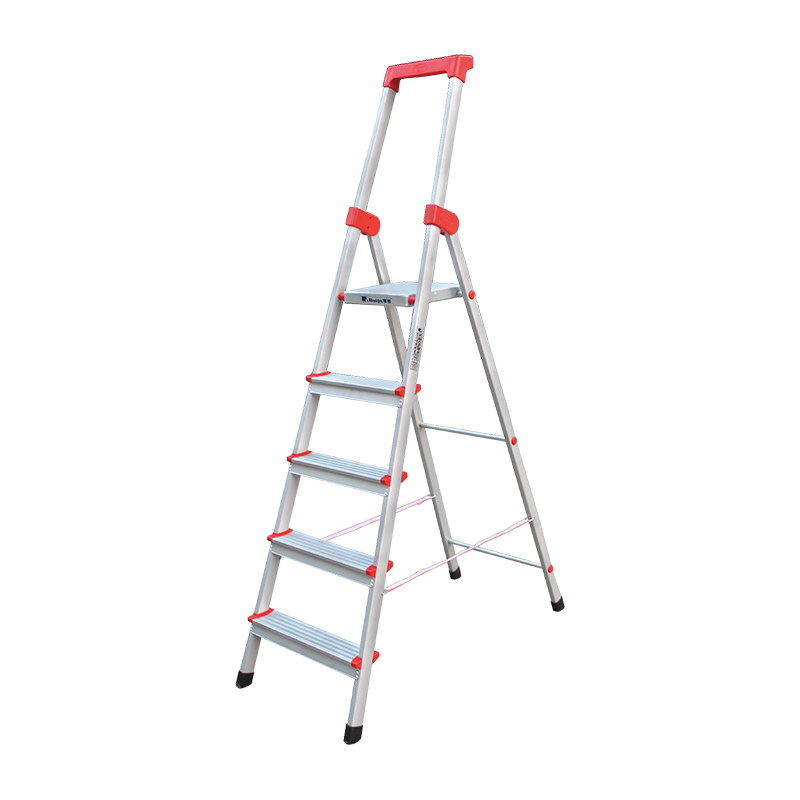
An aluminium step ladder is a practical access solution for tasks that require more working height than a person can safely reach from the floor. Its combination of low weight, corrosion resistance, strength, and easy handling makes it suitable for maintenance, stock picking, installation, cleaning, construction, and general industrial work.
The right model should not be selected by height alone. A safe aluminium step ladder needs an appropriate working height, load capacity, platform or step configuration, base stability, and safety features for the intended environment. For frequent professional use, the best ladder is one that provides sufficient reach without requiring the user to stand on unsafe upper steps or overextend their body.
Aluminium is particularly useful when equipment must be moved repeatedly between work areas. Compared with many heavier ladder materials, aluminium structures are easier to transport while still providing the rigidity required for routine access applications.
Why Aluminium Is Widely Used for Step Ladders
The material directly affects how a step ladder performs during transportation, setup, and repeated use. Aluminium offers several characteristics that make it well suited to portable access equipment.
Low Weight for Easier Handling
One of aluminium's main advantages is its relatively low density. This helps manufacturers produce ladders that are strong enough for practical work while remaining manageable for one-person positioning in many applications. A maintenance worker may need to relocate a ladder several times during a single job, so reducing unnecessary weight can improve handling efficiency.
Corrosion Resistance
Aluminium naturally forms a thin oxide layer that helps protect the underlying metal from corrosion. This makes aluminium step ladders useful in environments where occasional moisture, humidity, or outdoor exposure is expected. However, corrosion resistance does not mean the ladder requires no maintenance. Dirt, chemicals, salt deposits, and damaged components should still be addressed promptly.
Strength-to-Weight Performance
Properly engineered aluminium profiles can provide a useful balance between structural rigidity and portable weight. Reinforced steps, bracing, spreaders, hinges, and frame sections can be designed around the expected load and frequency of use.
Long-Term Practicality
A quality aluminium step ladder can remain useful for years when it is correctly selected, operated, inspected, and stored. The actual service life depends on construction quality, working conditions, frequency of use, loading, and maintenance rather than the aluminium material alone.

Common Aluminium Step Ladder Configurations
Different work environments require different access configurations. Understanding the basic designs makes it easier to match a ladder with the task.
| Configuration | Typical Feature | Suitable Applications |
|---|---|---|
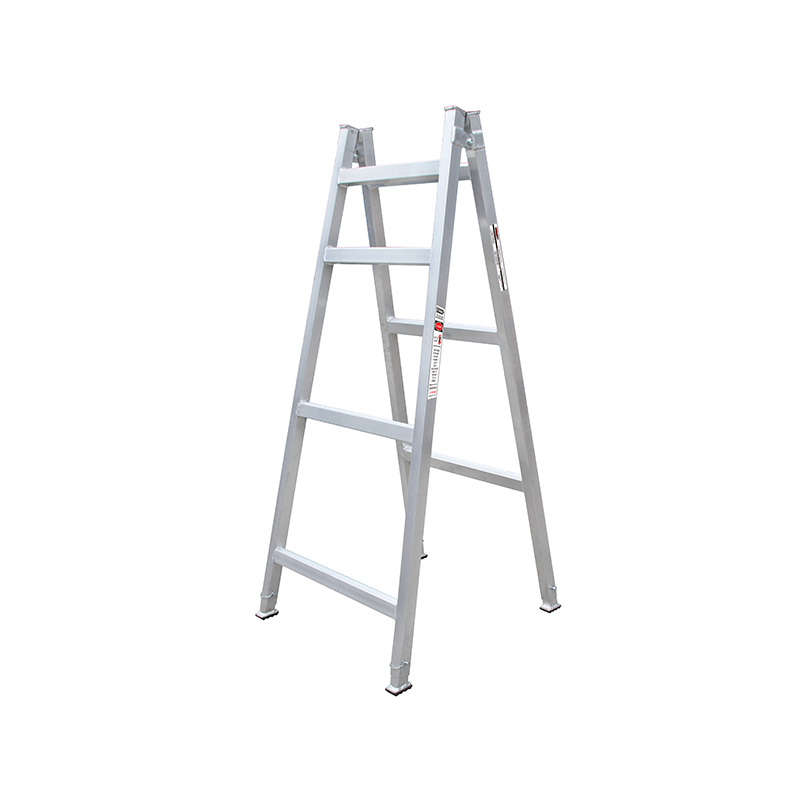
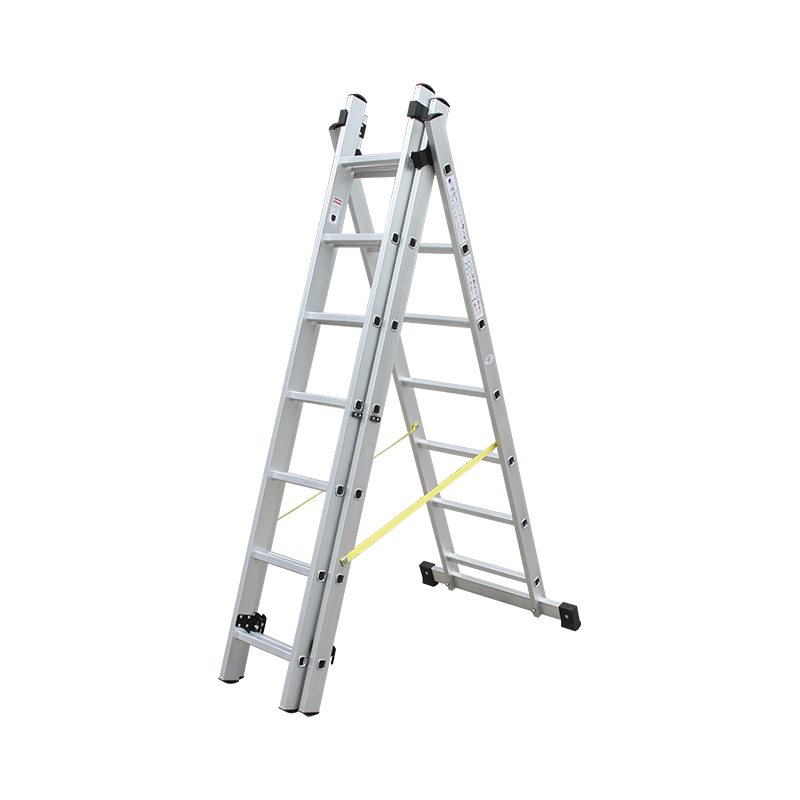
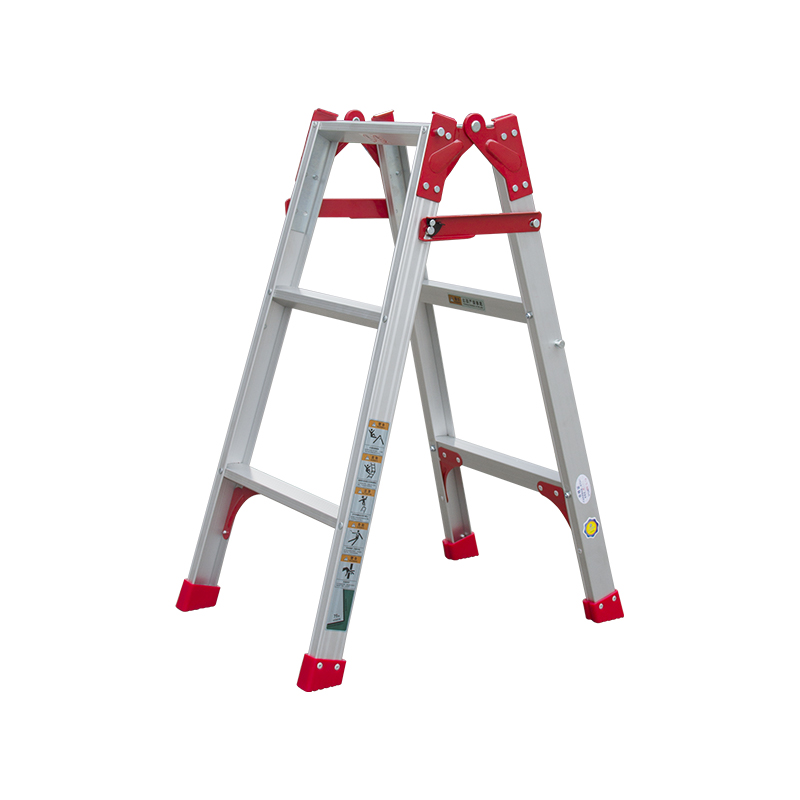
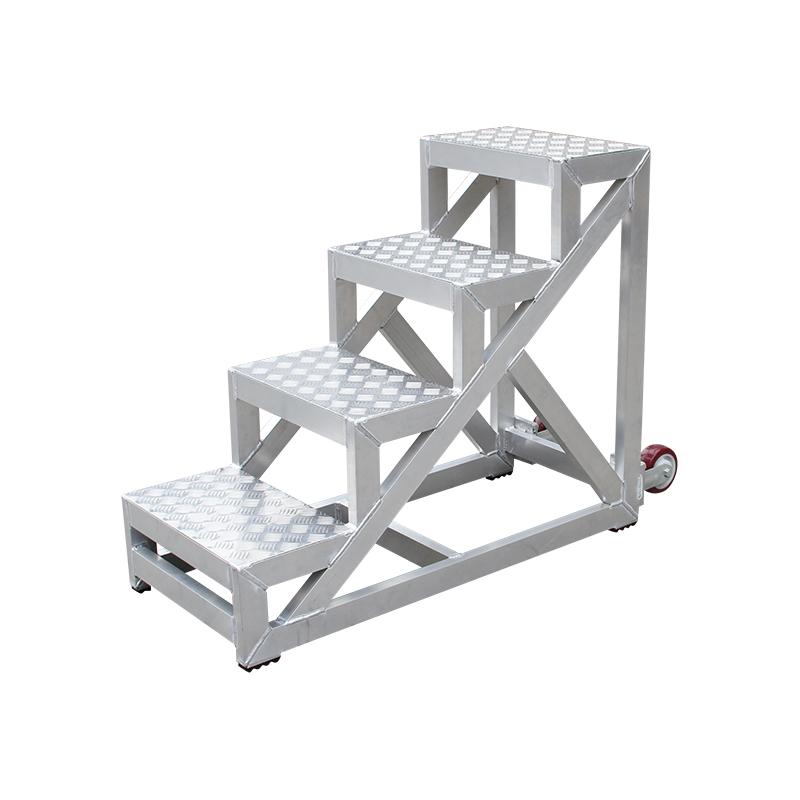
| Single-sided step ladder | Steps on one side with a supporting rear frame | Cleaning, maintenance, retail, offices |
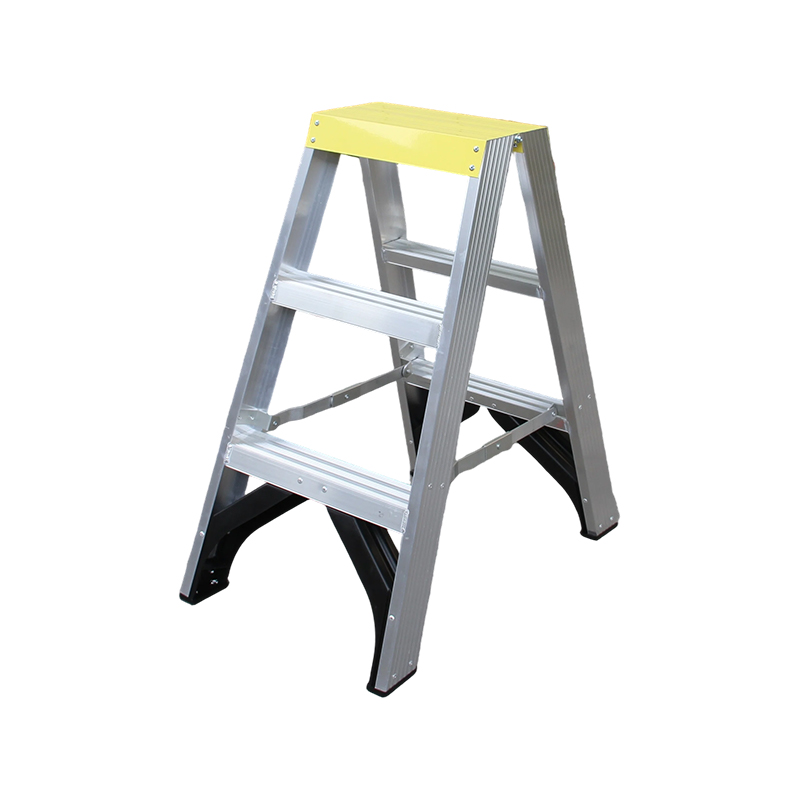
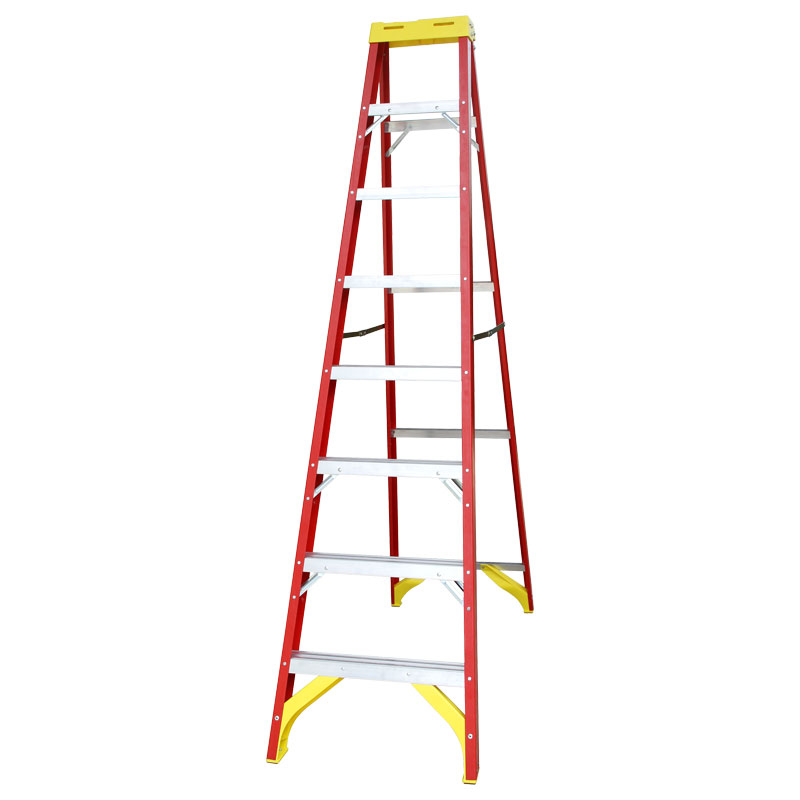
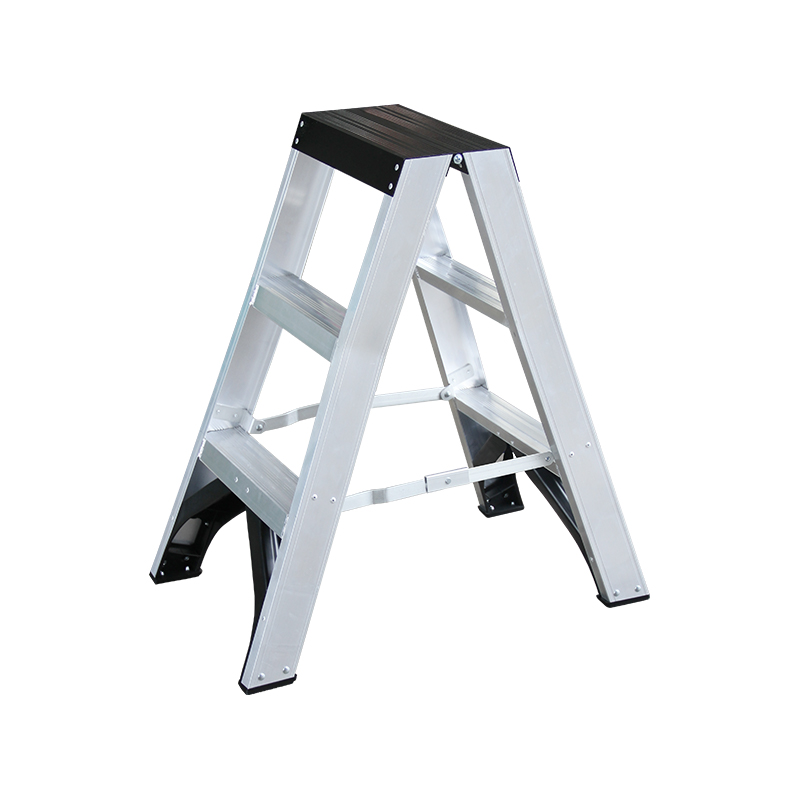
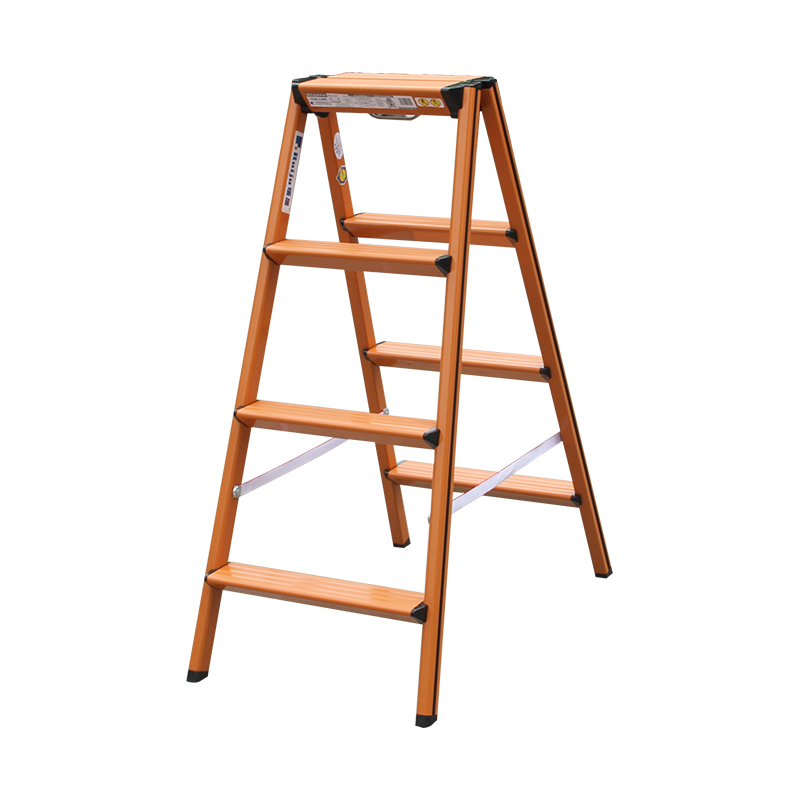
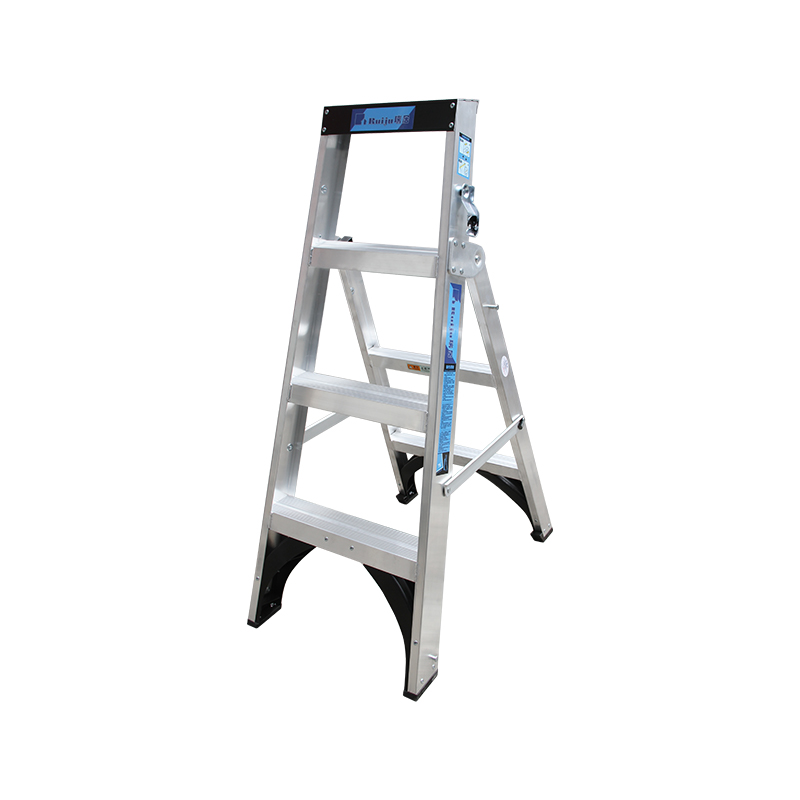
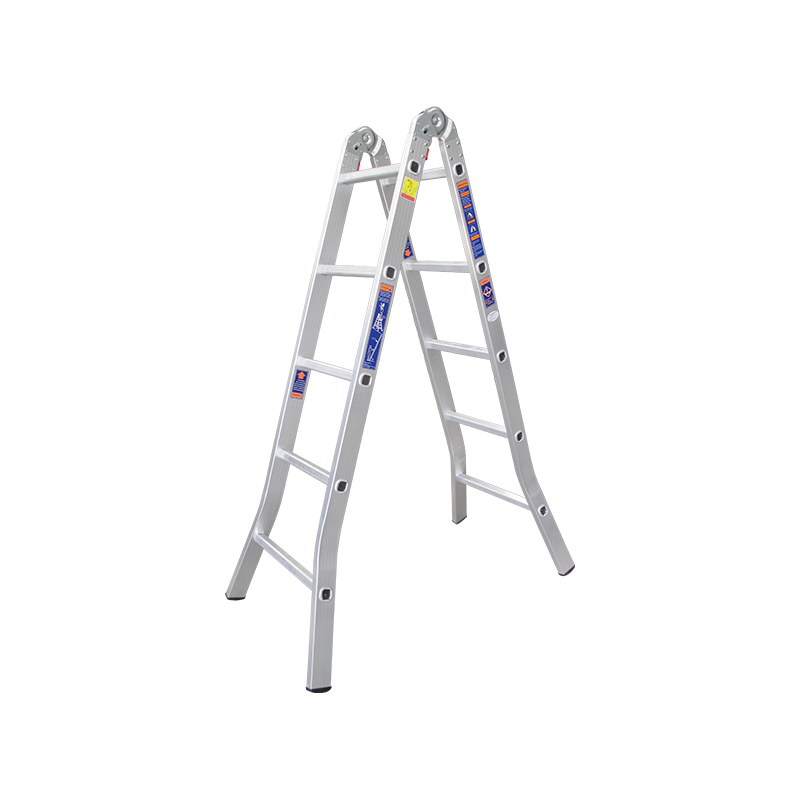
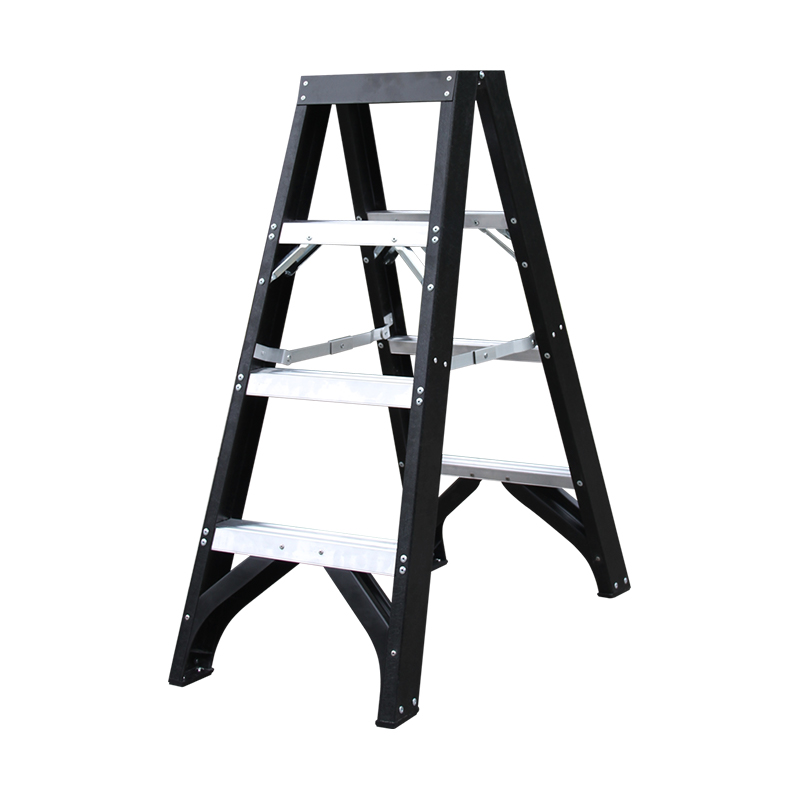
| Double-sided step ladder | Steps accessible from both sides | Warehouses, workshops, construction |
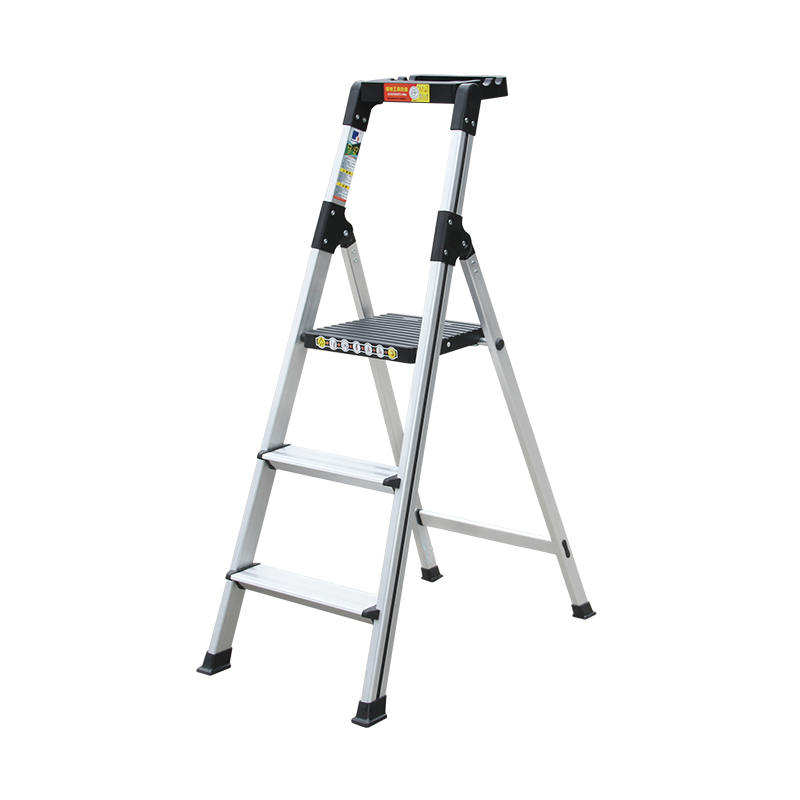
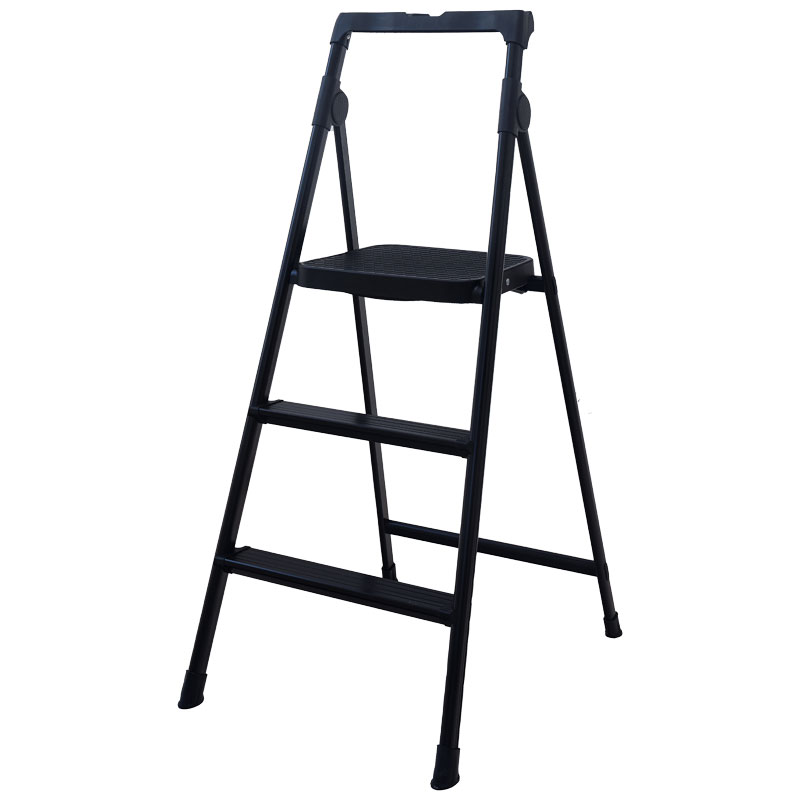
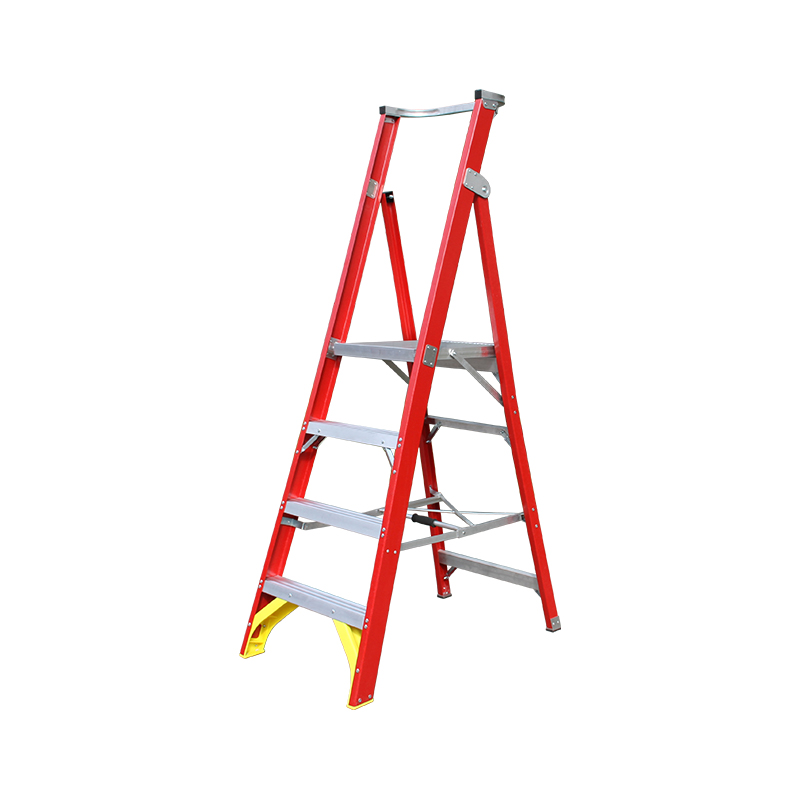
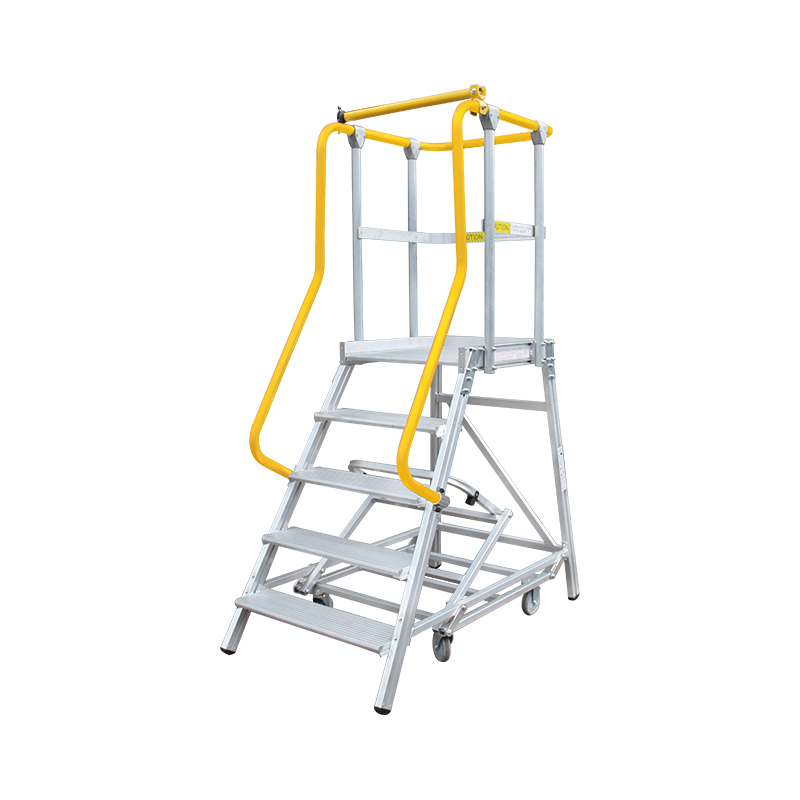
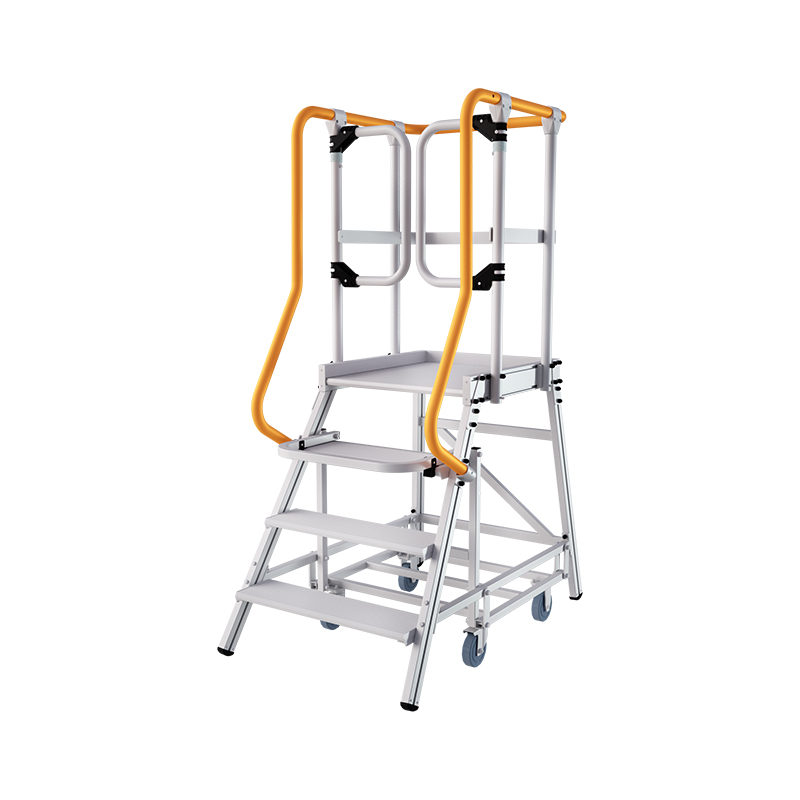
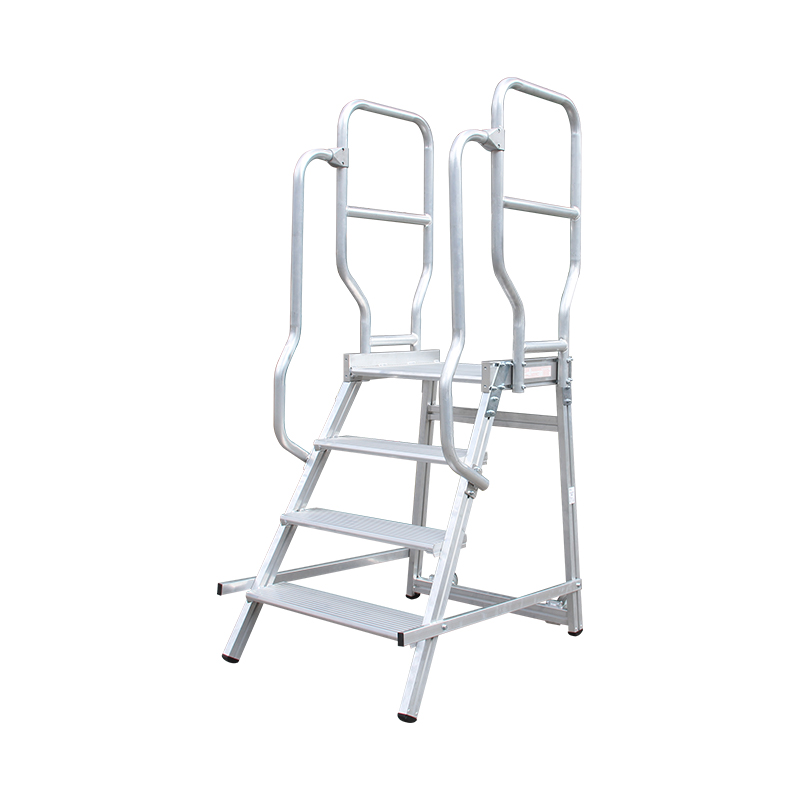
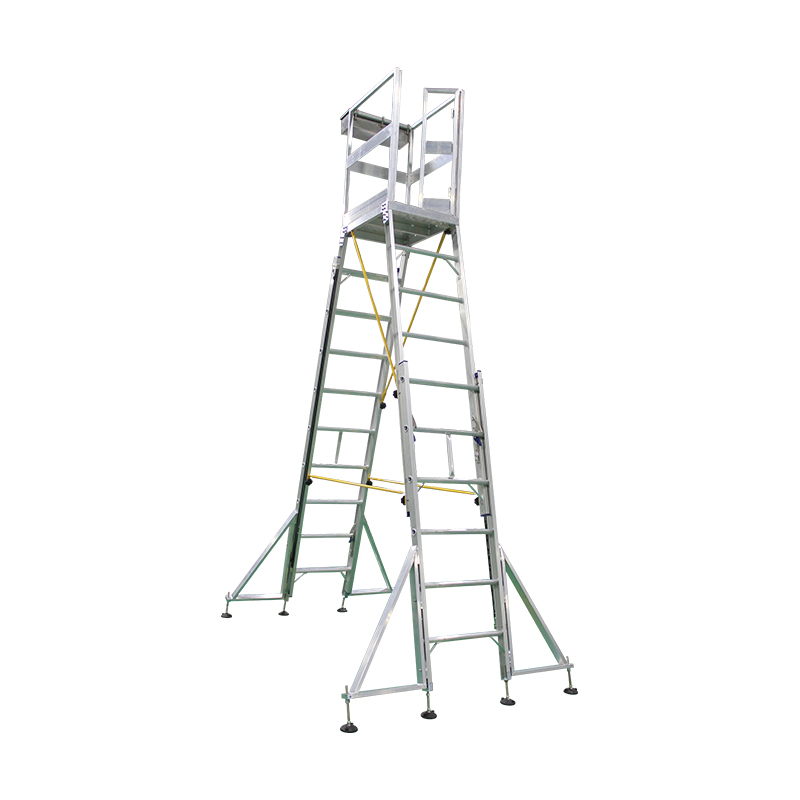
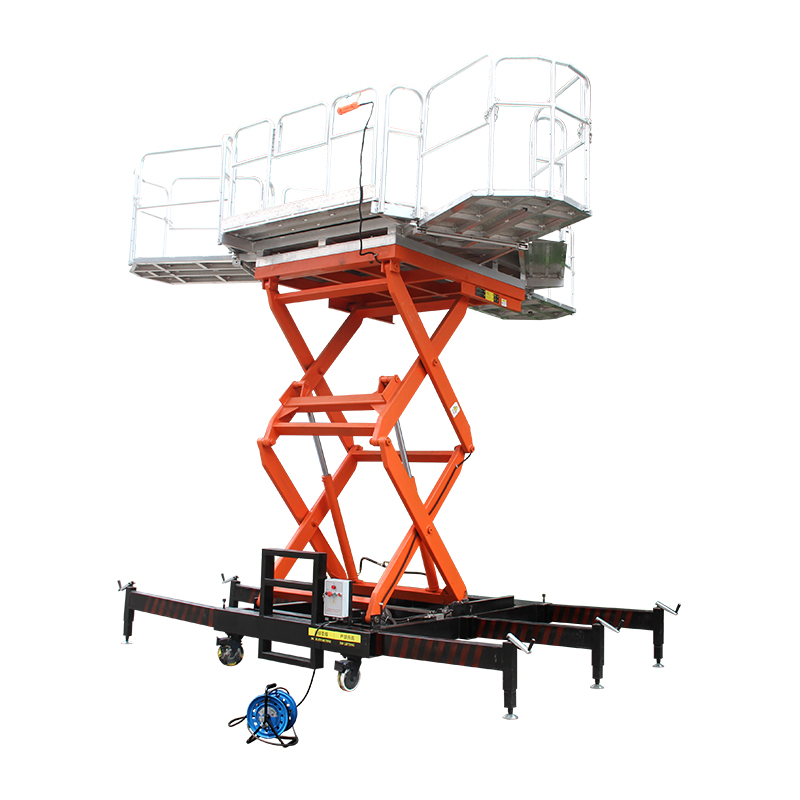
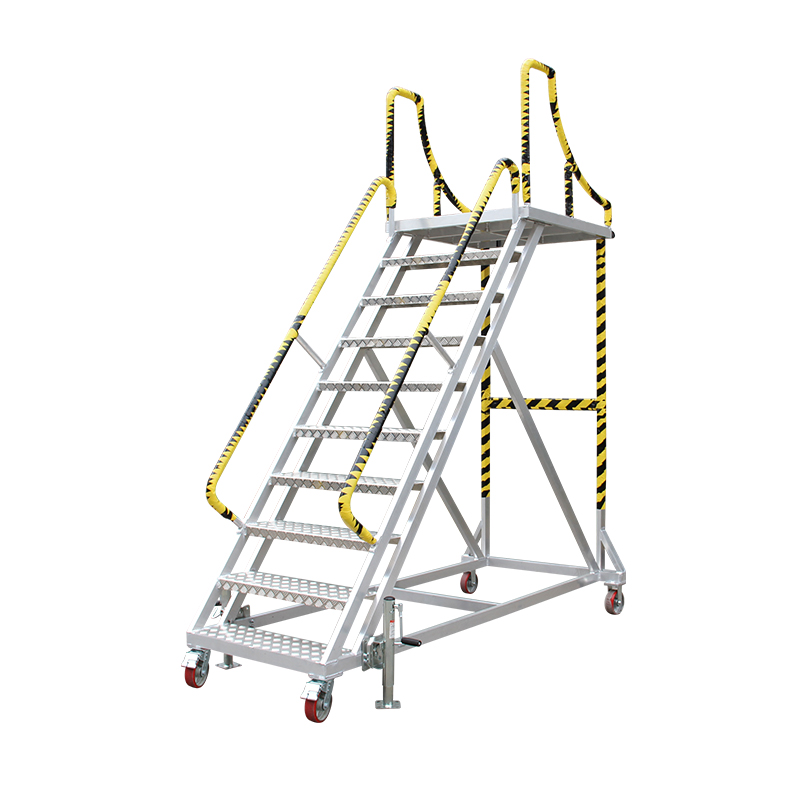
| Platform step ladder | Larger standing platform near the top | Installation, inspection, prolonged tasks |
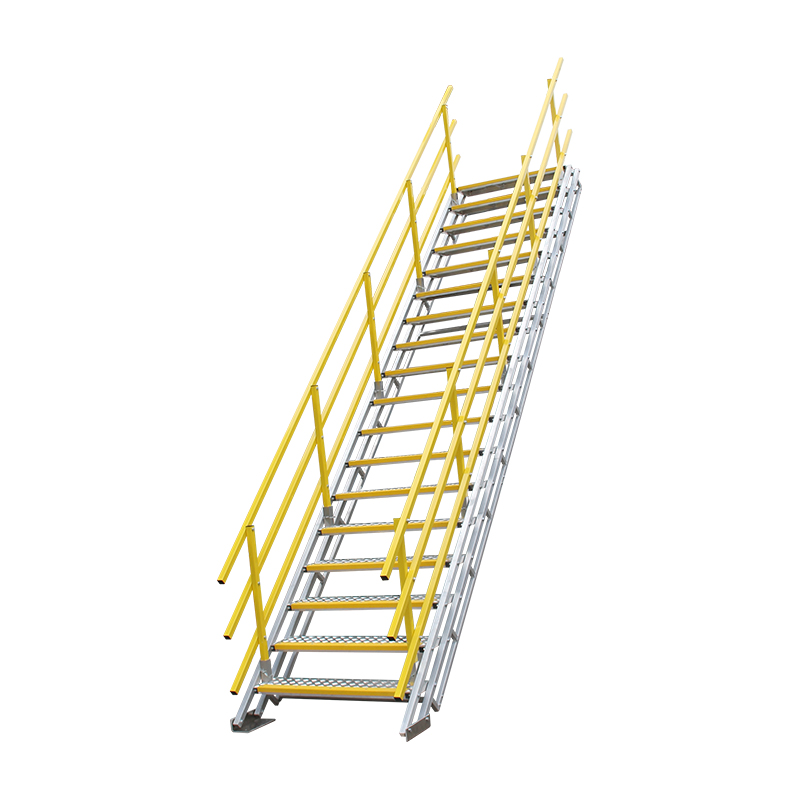
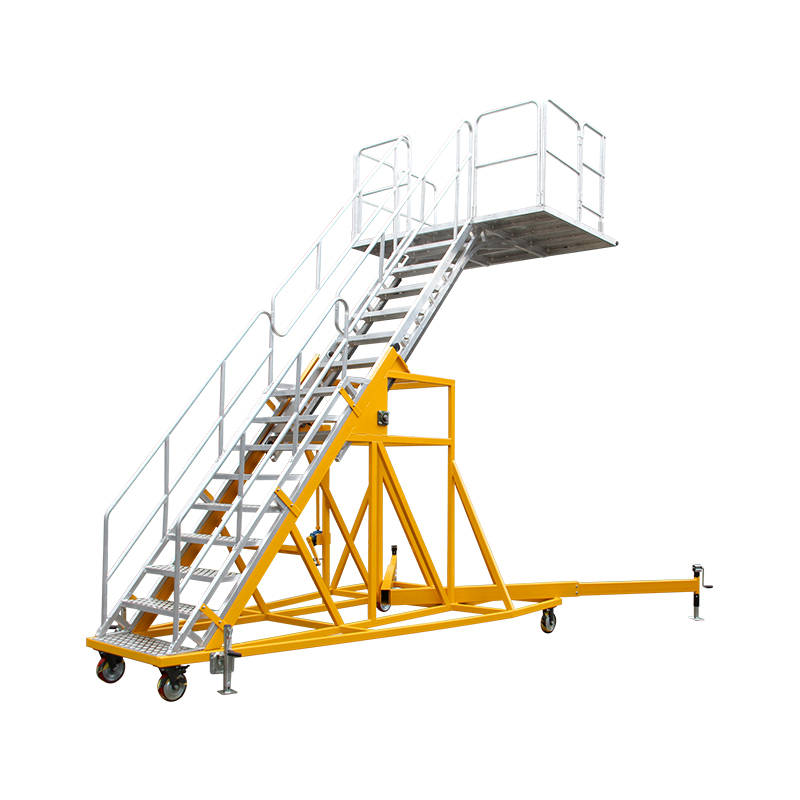
| Industrial step ladder | Reinforced structure and work-oriented features | Factories, workshops, industrial maintenance |
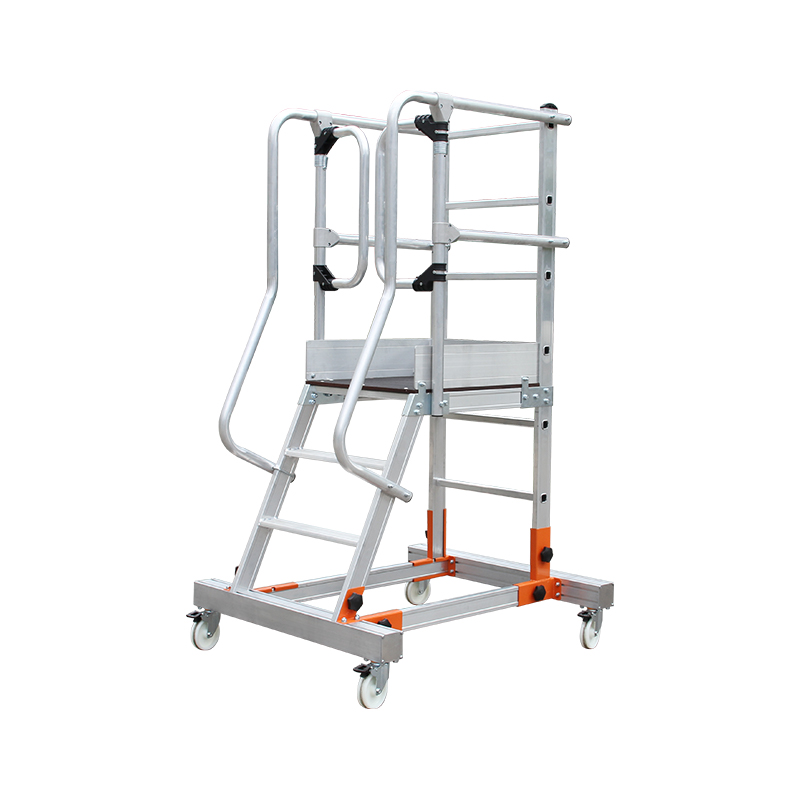
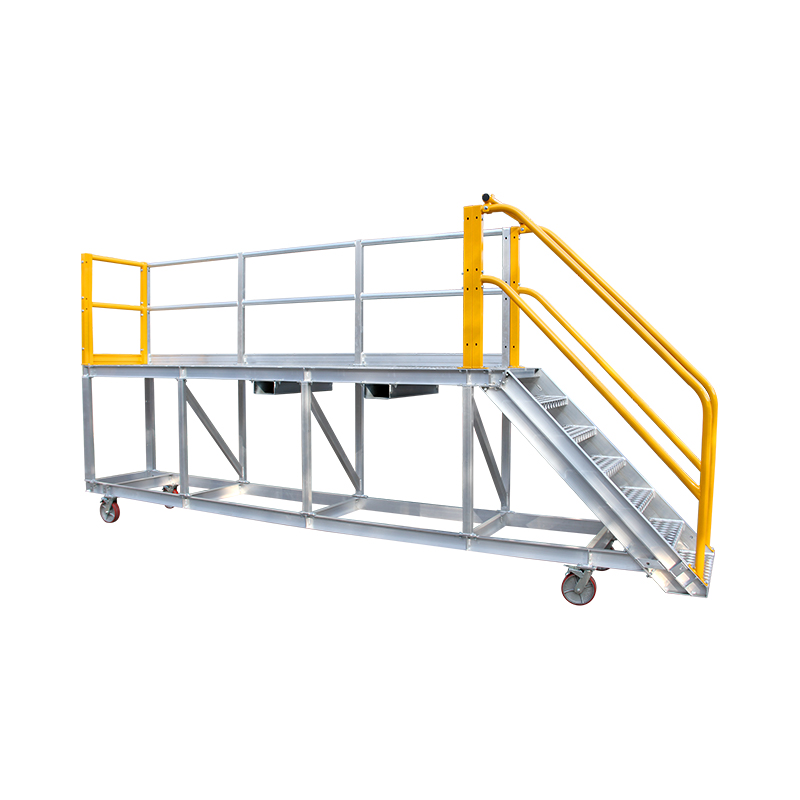
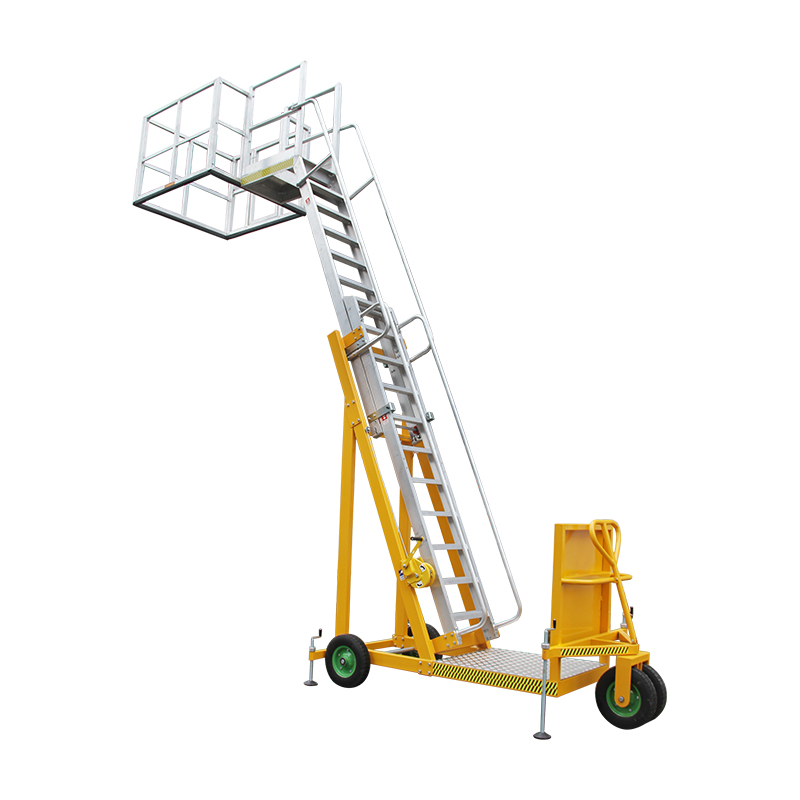
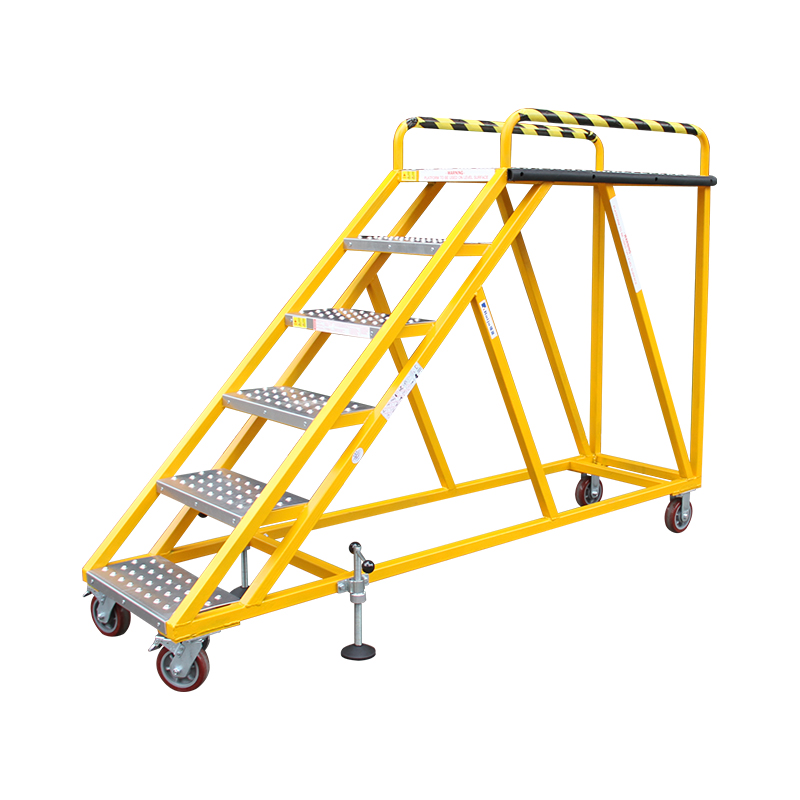
| Mobile step ladder | Designed for frequent movement, sometimes with wheels | Large facilities, warehouses, production areas |
How to Choose the Correct Aluminium Step Ladder
Choosing the correct ladder begins with the actual job rather than the highest available model. A ladder that is unnecessarily tall can be harder to position, while a ladder that is too short may encourage unsafe reaching or standing on prohibited steps.
Determine the Required Working Height
Measure the height of the area that must be reached and consider where the user needs to stand while performing the task. For example, changing a light fixture at 3.2 metres does not necessarily mean a 3.2-metre ladder is required. The appropriate ladder height depends on the platform or safe standing level and the user's reach.
Do not choose a ladder simply because its overall length matches the target height. Check the manufacturer's stated standing height, maximum working height, and restrictions on the highest step.
Check the Rated Load Capacity
The load rating needs to account for the user as well as tools, equipment, and materials being carried. If a worker weighs 80 kg and carries 10 kg of tools and components, the ladder must be rated for at least that combined load, with an appropriate safety margin according to the applicable standard and manufacturer specification.
Consider Step Width and Spacing
Step geometry has a direct effect on comfort and stability. Wider, appropriately spaced steps can make repeated climbing easier, particularly for maintenance workers who use the ladder throughout the day. Deep steps or a standing platform are especially useful when the task requires the operator to remain elevated for an extended period.
Evaluate Storage and Transportation
For facilities with limited storage space, a folding aluminium step ladder may be more practical than a fixed-frame design. Consider the folded dimensions, carrying points, total weight, and frequency of relocation before selecting a model.
Key Safety Features of a Quality Aluminium Step Ladder
Material alone does not determine ladder safety. The frame, steps, locking mechanisms, feet, hinges, and overall geometry must work together as a stable access system.
- Non-slip feet designed to maintain contact with the floor.
- Secure spreaders or locking mechanisms that prevent unintended folding.
- Rigid steps or treads that provide consistent footing.
- Reinforced joints and connections appropriate for the rated load.
- A stable base geometry that reduces rocking during normal use.
- A suitable top platform, handrail, or guard feature where required by the ladder design and applicable regulations.
- Clear product markings showing load capacity, operating instructions, and relevant safety information.
A good step ladder should feel stable before the user begins climbing. If the ladder rocks, shifts, has damaged feet, or cannot lock securely into its operating position, it should be removed from service until the problem has been evaluated and corrected.
Using an Aluminium Step Ladder Safely
Correct operation is just as important as product design. Even a high-quality aluminium step ladder can become unstable if it is positioned incorrectly or used beyond its intended purpose.
- Inspect the ladder before use, paying particular attention to steps, feet, hinges, braces, fasteners, and locking mechanisms.
- Place the ladder on a firm, level, clean, and dry surface whenever possible.
- Fully open the ladder and verify that all locking or spreading mechanisms are properly engaged.
- Face the ladder while climbing and maintain secure contact according to the manufacturer's instructions.
- Keep your body within the ladder's stable working area rather than leaning excessively to either side.
- Never exceed the stated load capacity or use the ladder for purposes it was not designed to support.
- Do not move or reposition an occupied ladder unless the equipment is specifically designed and rated for that operation.
- Follow the applicable workplace regulations and the manufacturer's instructions for the specific ladder model.
Where Aluminium Step Ladders Are Commonly Used
The portable nature of an aluminium step ladder makes it useful across a wide range of working environments. The ideal configuration changes depending on access frequency, working height, available floor space, and the type of task being performed.
Warehouses and Logistics Facilities
Warehouse personnel frequently need temporary access to shelving, storage areas, labels, lighting, and inventory. A stable step ladder can provide short-duration access without requiring larger access equipment for every task.
Factories and Workshops
In manufacturing environments, aluminium step ladders can support equipment inspection, machine maintenance, component replacement, and access to elevated work areas. Industrial models may incorporate reinforced frames, larger steps, platforms, handrails, or other features suited to repeated use.
Retail and Commercial Buildings
Retail workers often need to access merchandise, signage, lighting, and storage areas. A lightweight folding model can be convenient where the ladder must be frequently moved and stored after use.
Construction and Installation
Installation teams may use aluminium step ladders for electrical, mechanical, finishing, inspection, and fitting work. In these applications, selection should account for the working environment, floor condition, required tools, and relevant site safety requirements.
Aluminium Step Ladder Maintenance and Inspection
Routine inspection helps identify problems before they affect safe operation. The inspection frequency should increase when the ladder is used heavily, transported frequently, or exposed to harsh working conditions.
Inspect the Frame
Look for bent rails, cracks, dents, deformation, loose connections, or other structural damage. Aluminium can be lightweight and durable, but a damaged structural member can significantly affect the ladder's stability.
Check Steps and Feet
Steps should remain firmly attached and provide a reliable foothold. Rubber or other non-slip feet should be checked for excessive wear, splitting, detachment, or loss of contact with the floor.
Test Moving Components
Hinges, spreaders, braces, locks, and other moving components should operate as designed. Loose or damaged hardware should not be ignored simply because the ladder appears usable.
Any ladder showing structural damage, failed locking components, severely worn feet, or other safety-critical defects should be taken out of service until it has been properly repaired or replaced.
Aluminium Step Ladder vs. Other Ladder Materials
Aluminium is not automatically the best material for every environment. The correct choice depends on the combination of electrical conditions, weight requirements, durability, working temperature, chemical exposure, and application.
| Material | Main Advantage | Important Consideration |
|---|---|---|
| Aluminium | Lightweight, corrosion resistant, easy to handle | Conducts electricity and may be unsuitable near electrical hazards |
| Fiberglass | Non-conductive under appropriate conditions | Generally heavier than aluminium and still requires proper inspection |
| Steel | High strength and rigid construction | Heavier and may require corrosion protection |
Because aluminium conducts electricity, an aluminium step ladder should not be selected for work where contact with energized electrical equipment is a foreseeable hazard. In such circumstances, an appropriately rated non-conductive ladder may be required.
Custom Aluminium Step Ladders for Specialized Applications
Standard step ladders are suitable for many routine tasks, but industrial facilities may require dimensions and configurations that are not available from general-purpose models. Custom aluminium access equipment can be developed around specific working heights, platforms, machine layouts, floor conditions, and operational requirements.
Dimensions and Working Height
Manufacturers can design ladder dimensions around a particular workstation, production line, storage system, or equipment access point. This can help workers reach the required area without relying on improvised platforms.
Platforms and Guardrails
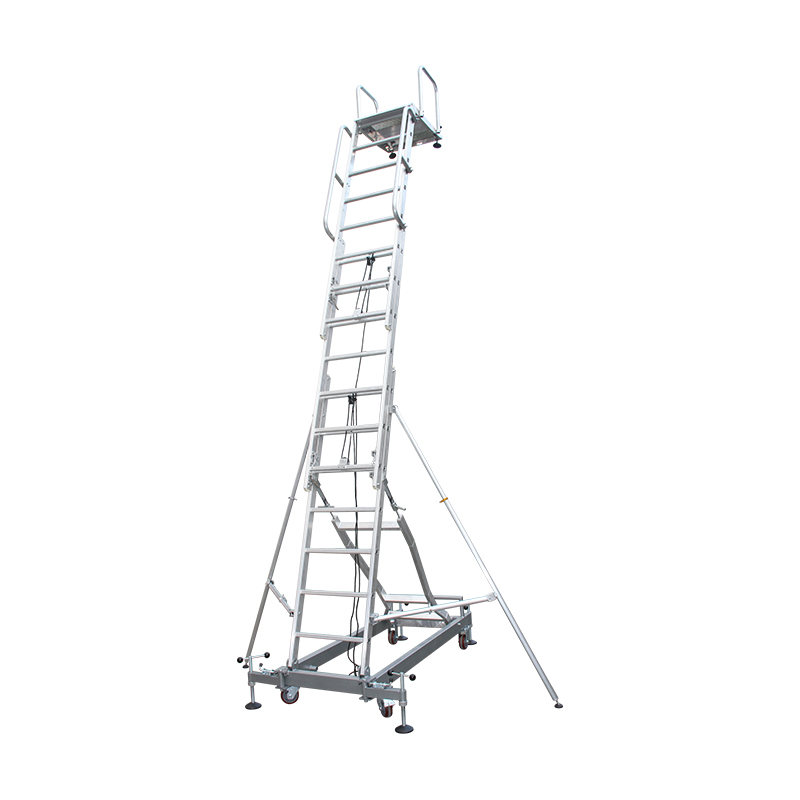
For tasks that require additional standing space or longer working periods, an integrated platform and suitable guardrail arrangement may improve usability. The configuration should be engineered according to the intended application and relevant safety requirements.
Industrial Integration
Custom access equipment may include features such as wheels, locking mechanisms, handrails, adjustable components, specialized mounting points, or access arrangements designed around production equipment. The goal is to make elevated work safer and more efficient without interfering with normal facility operations.
What Makes a Good Aluminium Step Ladder?
A suitable aluminium step ladder should match the actual requirements of the job. The most important factors are not simply appearance or maximum height, but the relationship between structural design, safe working height, load capacity, stability, portability, and working environment.
- Choose the correct height: select a model that allows the required task to be completed without unsafe overreaching.
- Match the load rating: include the user, tools, equipment, and materials carried during the task.
- Prioritize stability: check the base, feet, steps, braces, and locking mechanisms.
- Consider portability: aluminium is particularly advantageous when ladders must be moved frequently.
- Match the environment: consider moisture, chemicals, outdoor exposure, floor conditions, and electrical hazards.
- Follow applicable standards: verify that the selected ladder meets the regulations and safety requirements relevant to its intended market and application.
In short, an aluminium step ladder is an effective choice when lightweight handling, reliable access, and corrosion resistance are important. Selecting the correct configuration and load rating, using the ladder according to its instructions, and carrying out regular inspections are essential to achieving safe and dependable performance.
- Aluminium Platform Ladder Guide: Safety, Types & Buying Tips View more
- Aluminium Mobile Scaffolding: Guide to Types, Uses & Benefits View more
- Aluminium Mobile Scaffolding: Types, Load Ratings, Safety, and Buyer's Guide View more
- Alum Plank Guide: Types, Load Ratings, and Safety Checks for Aluminum Scaffold Boards View more
For project inquiries, fill in the form or contact us directly—our team responds promptly.

Copyright @ Shanghai Ruiju Metal Products Co.,Ltd. All rights reserved Aluminum Scaffolding Suppliers Aluminium Ladder Manufacturers
