 en
en 简体中文
简体中文 Español
 Deutsch
 عربى
عربى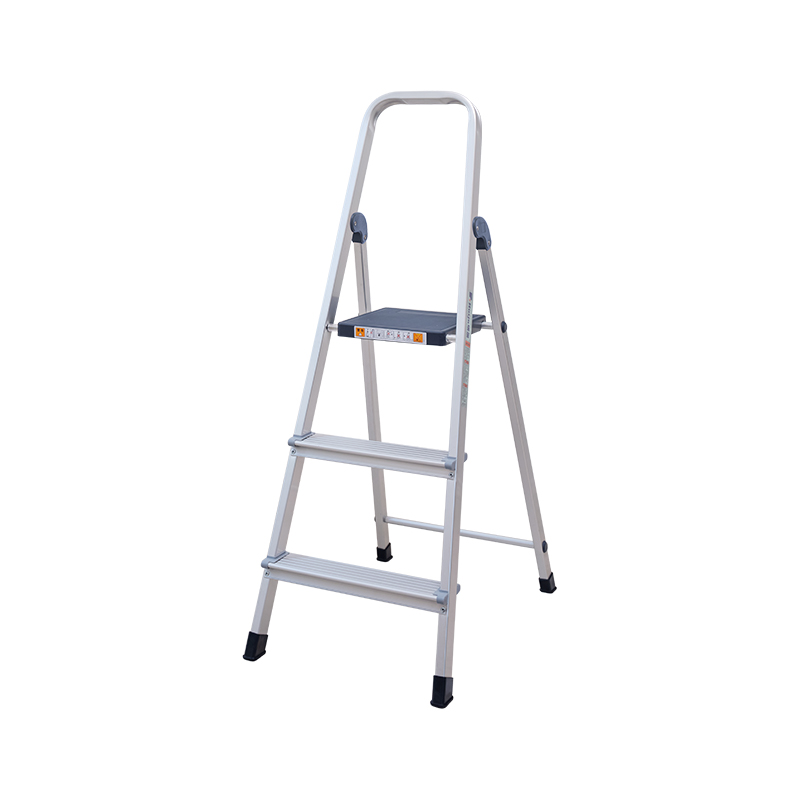
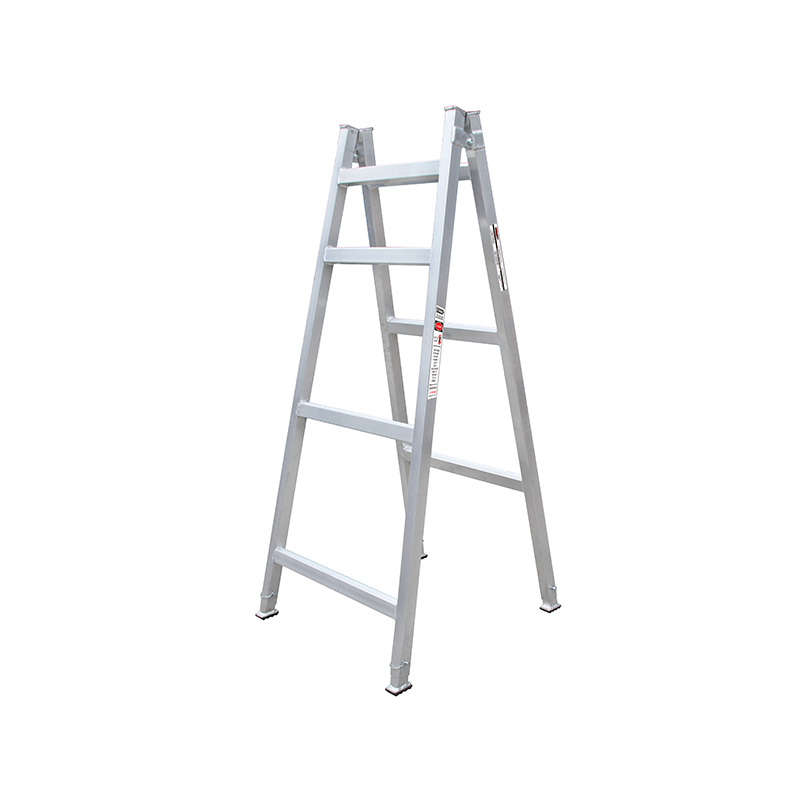
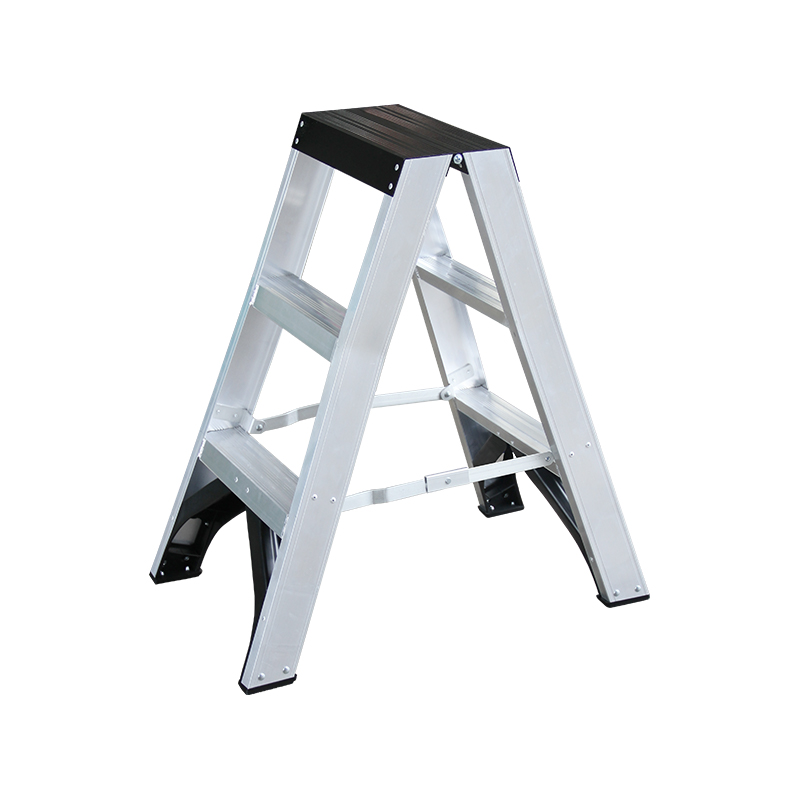
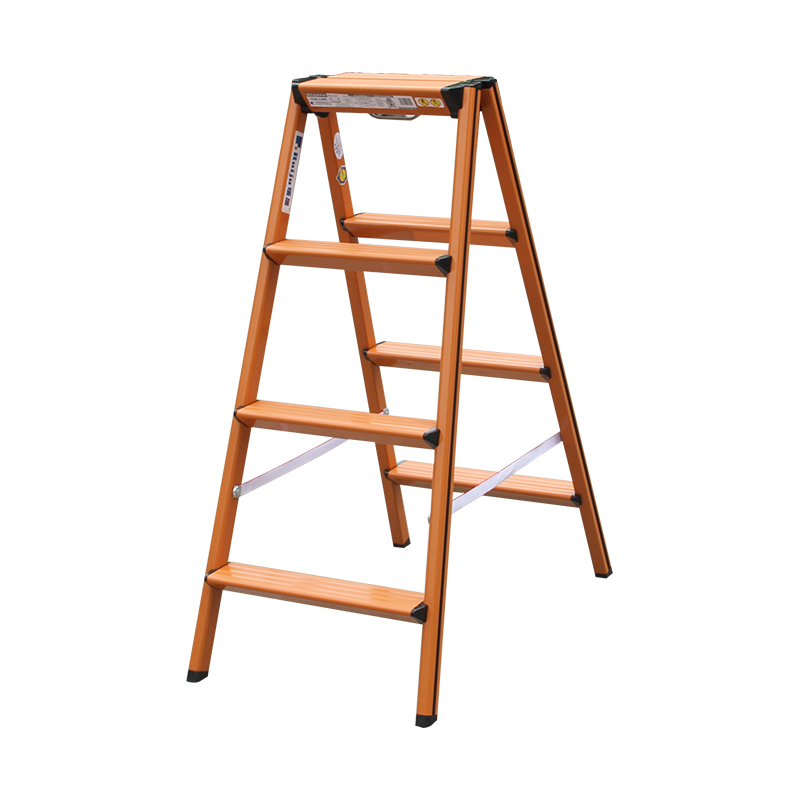
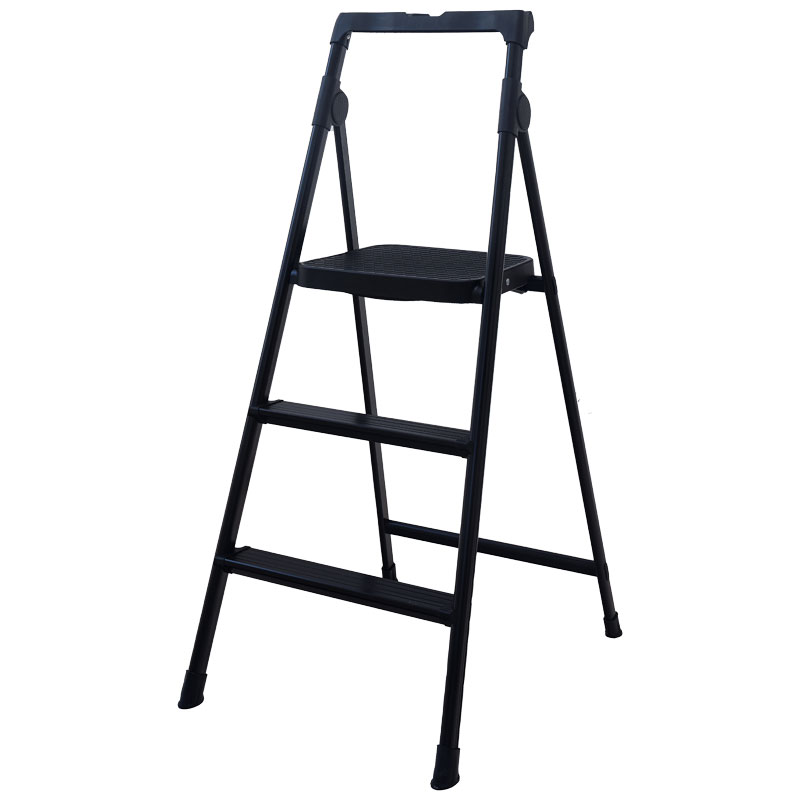
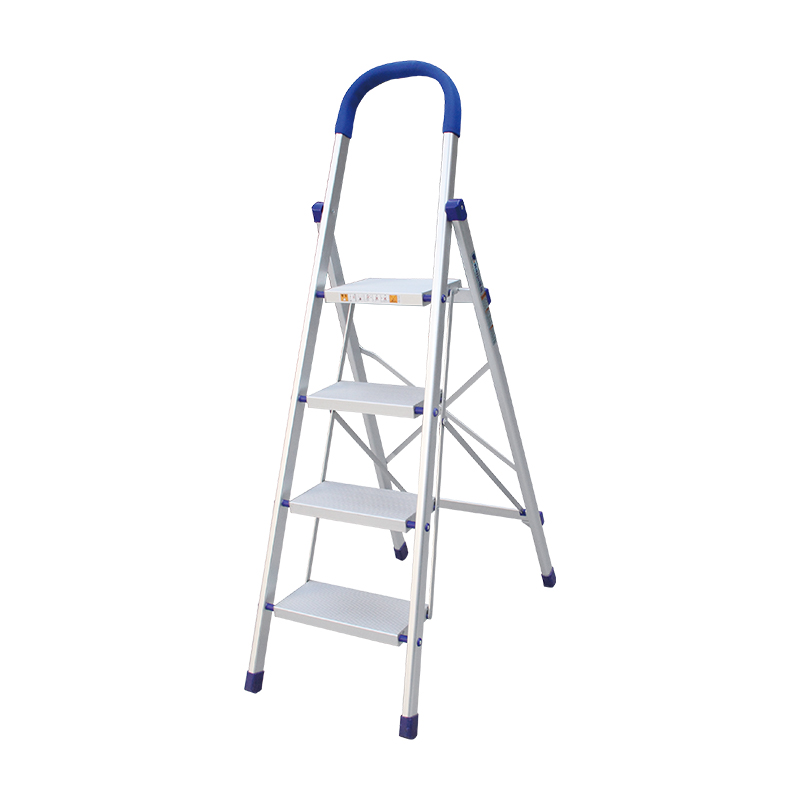
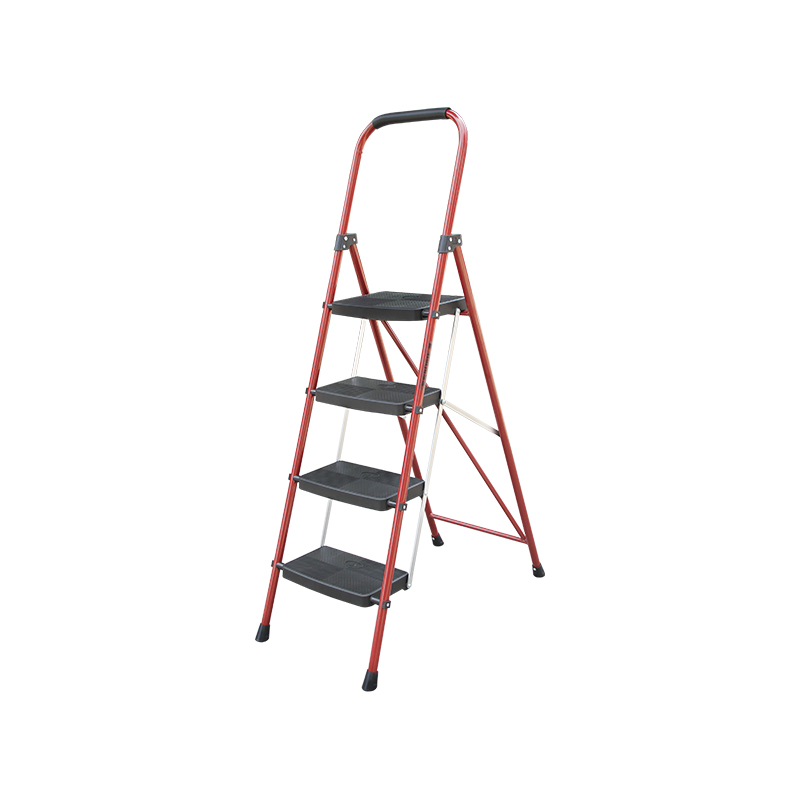
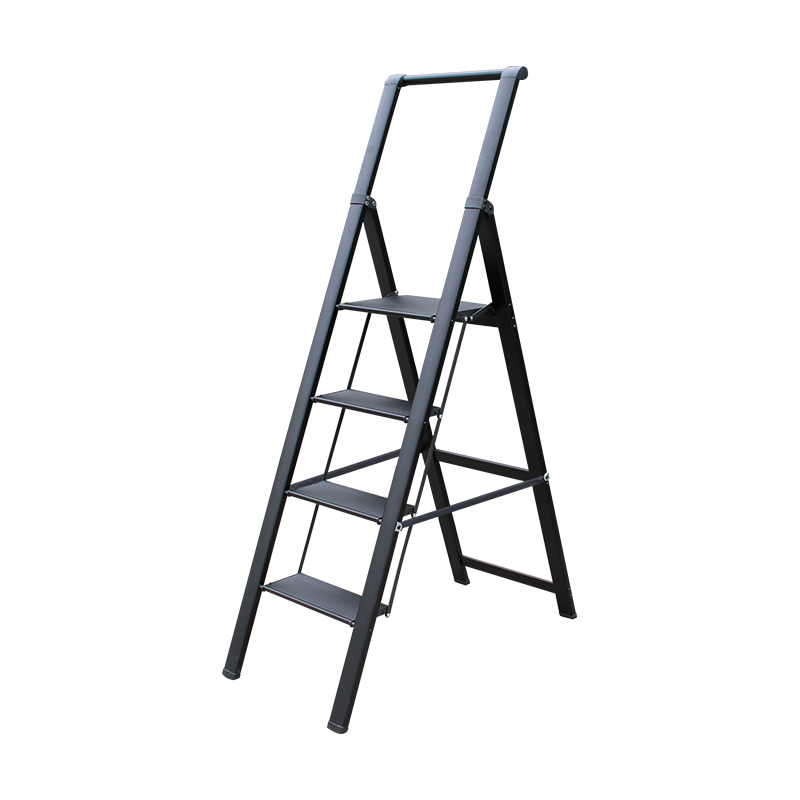
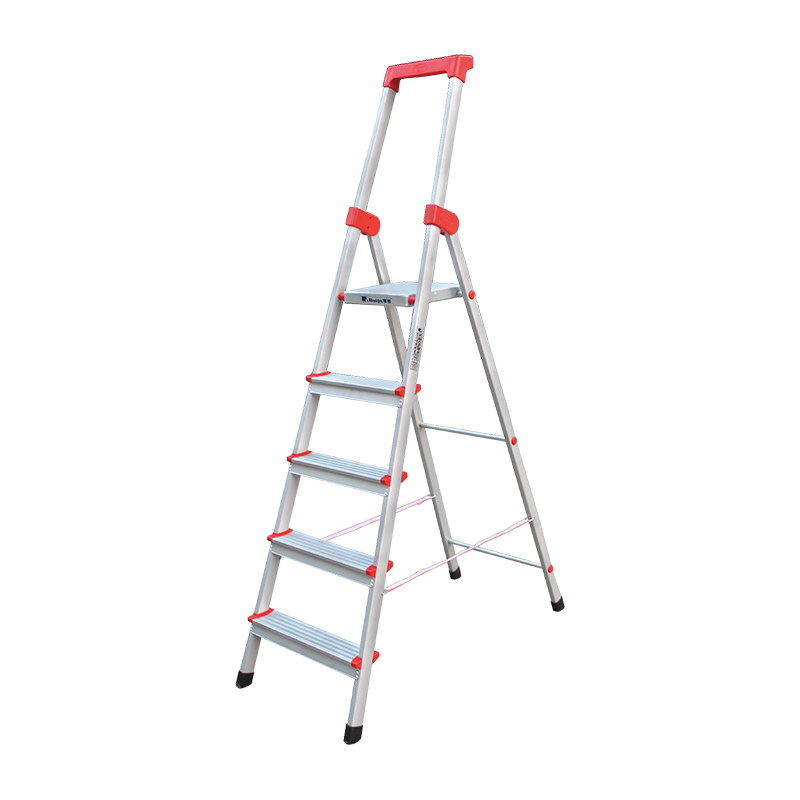
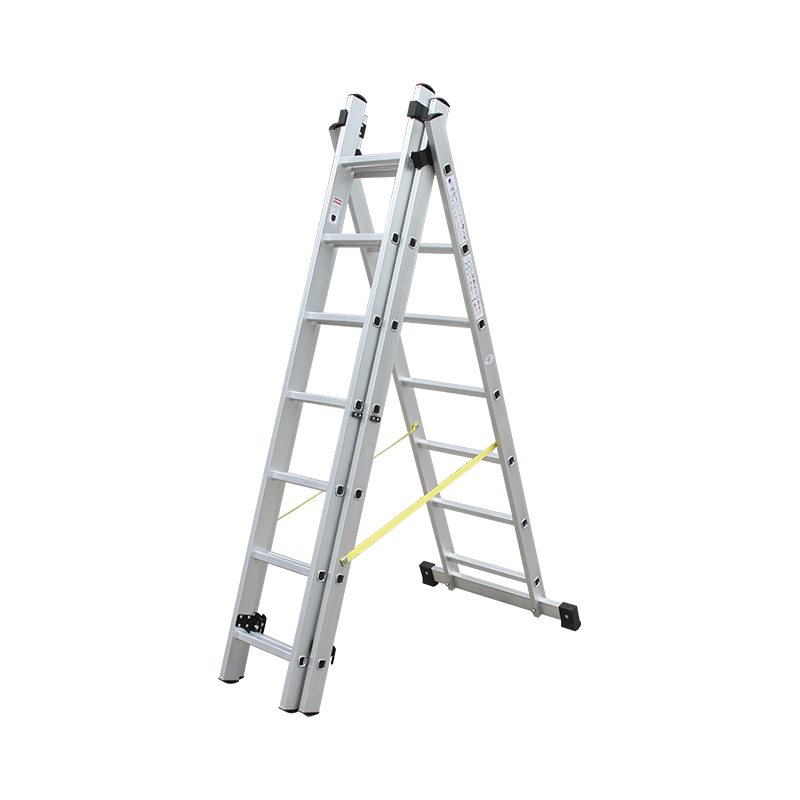
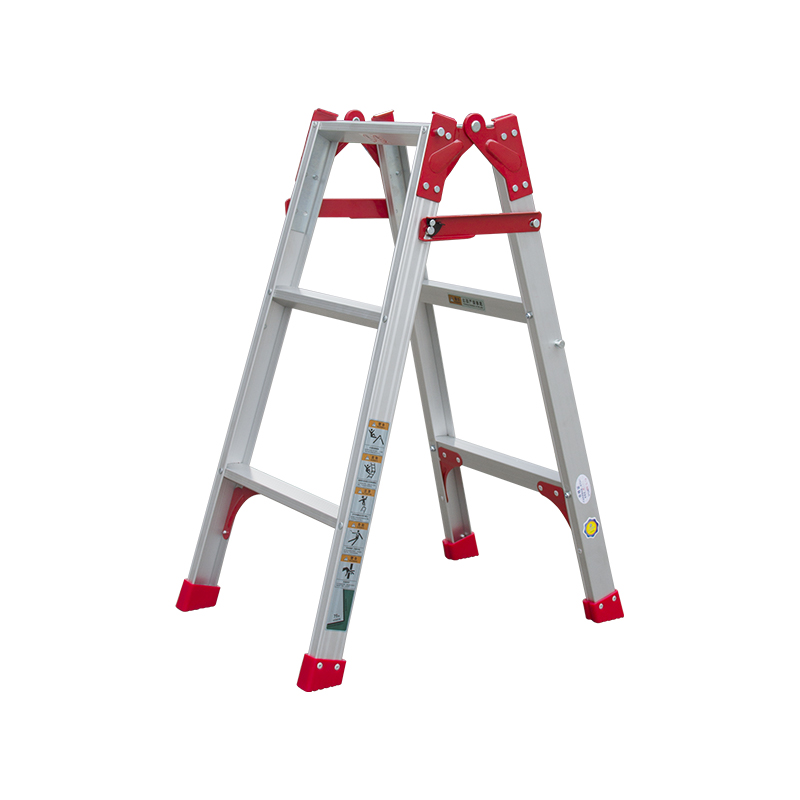
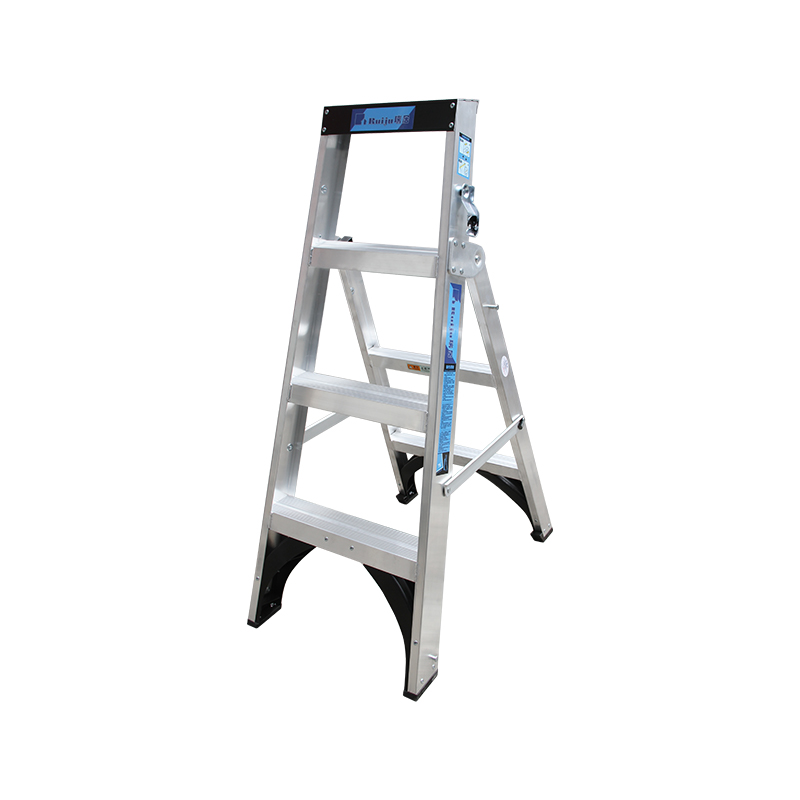
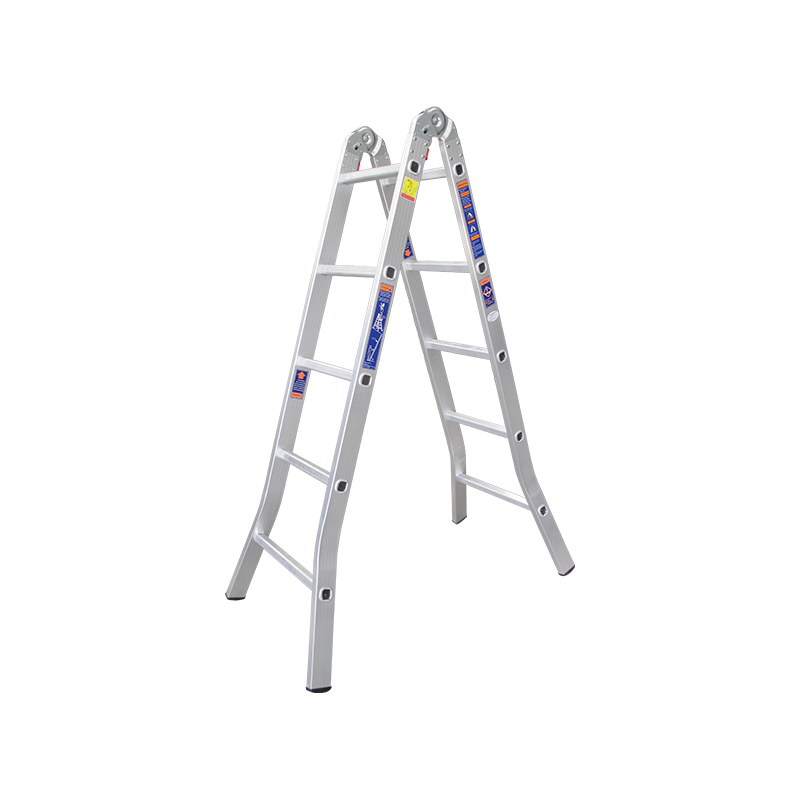
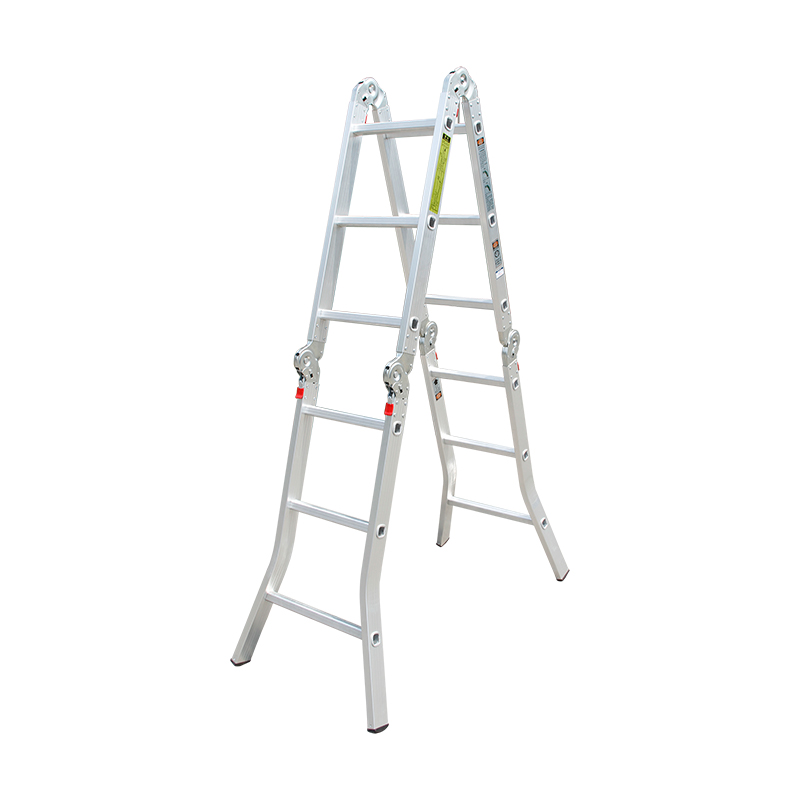
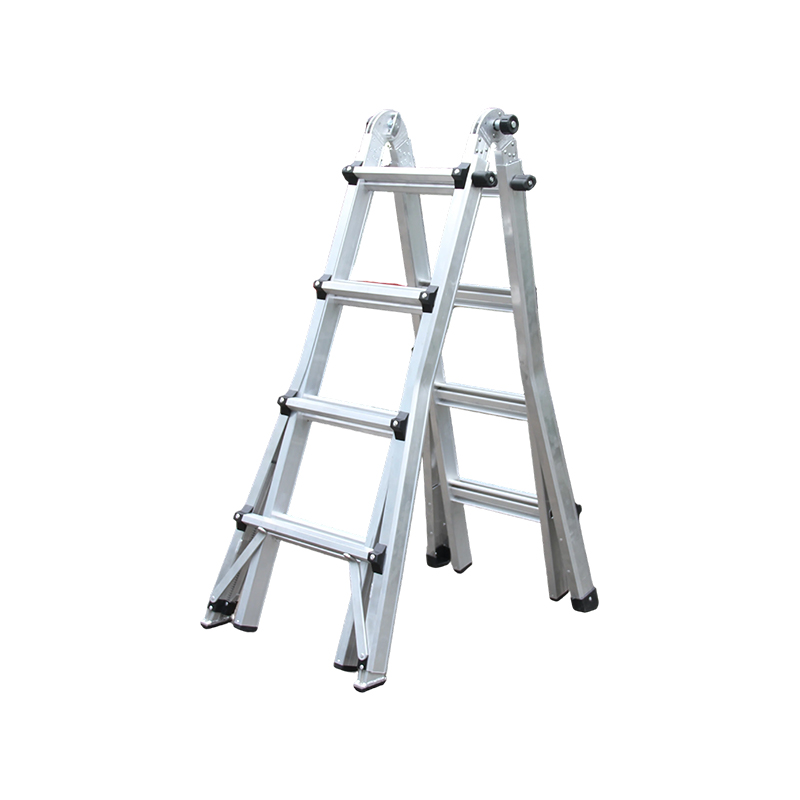
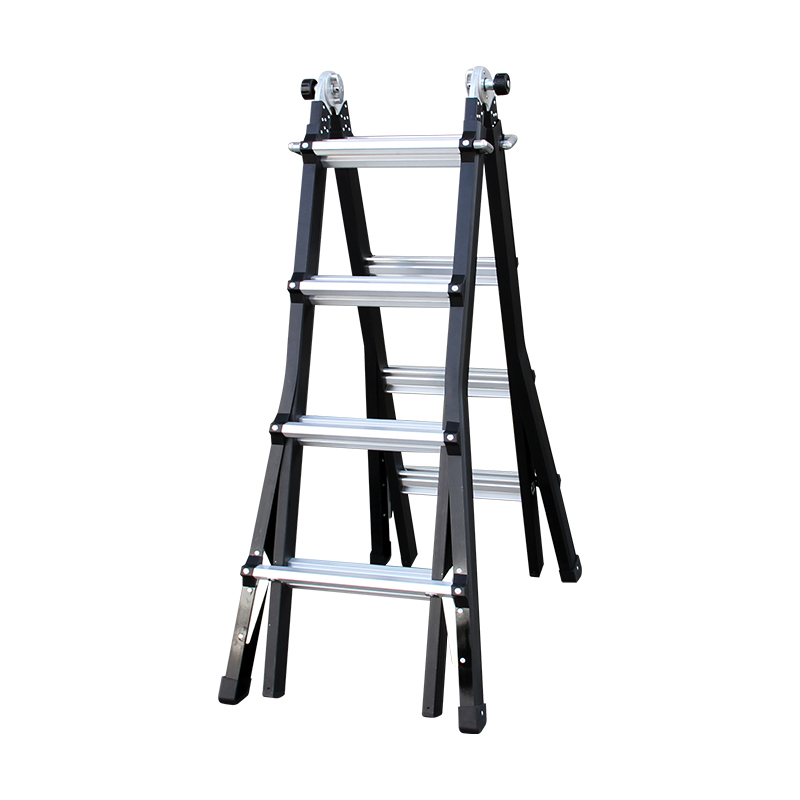
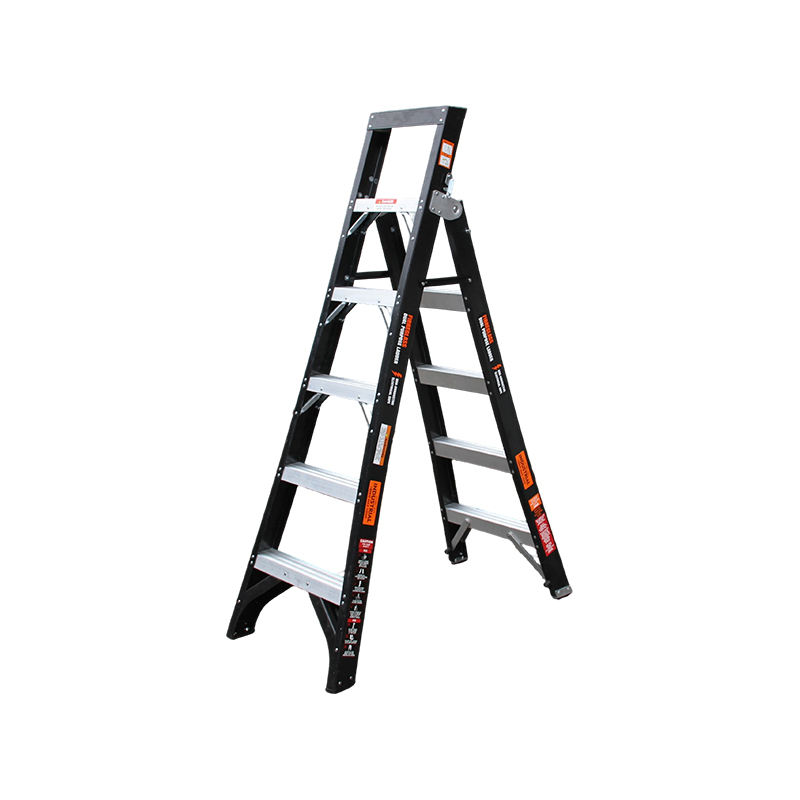
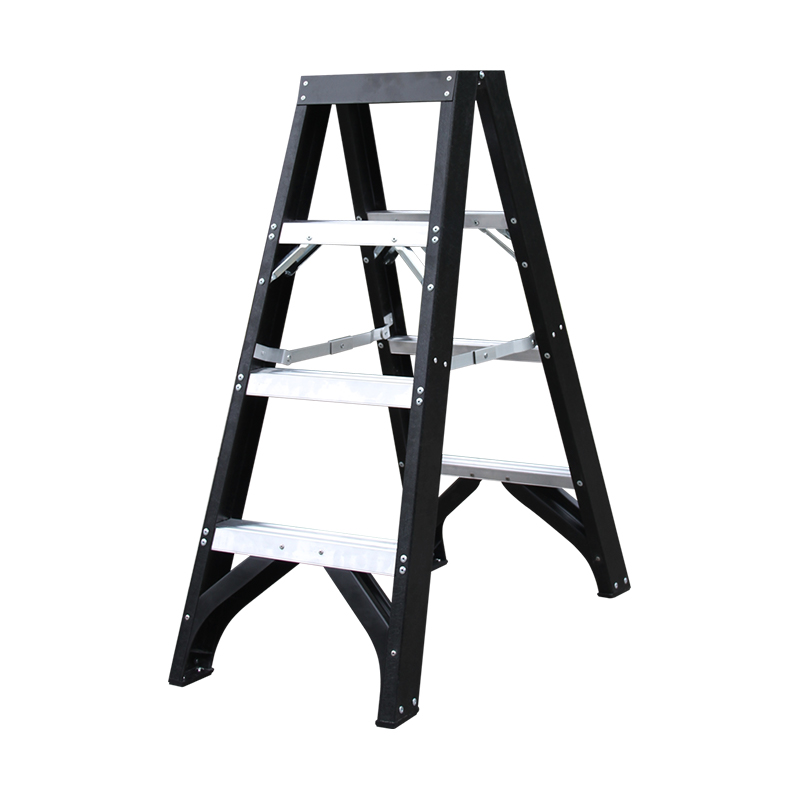
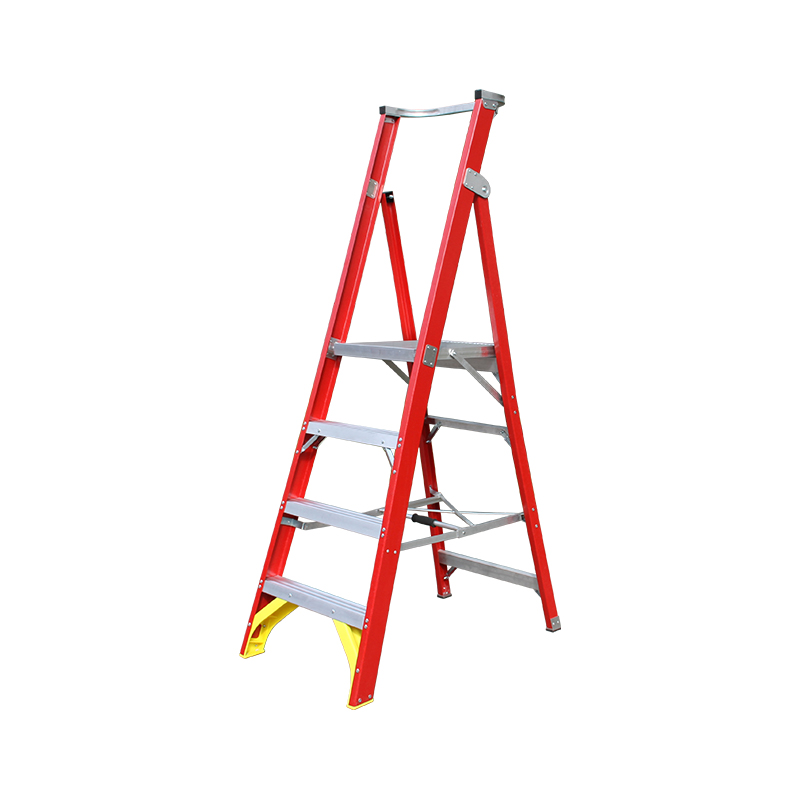
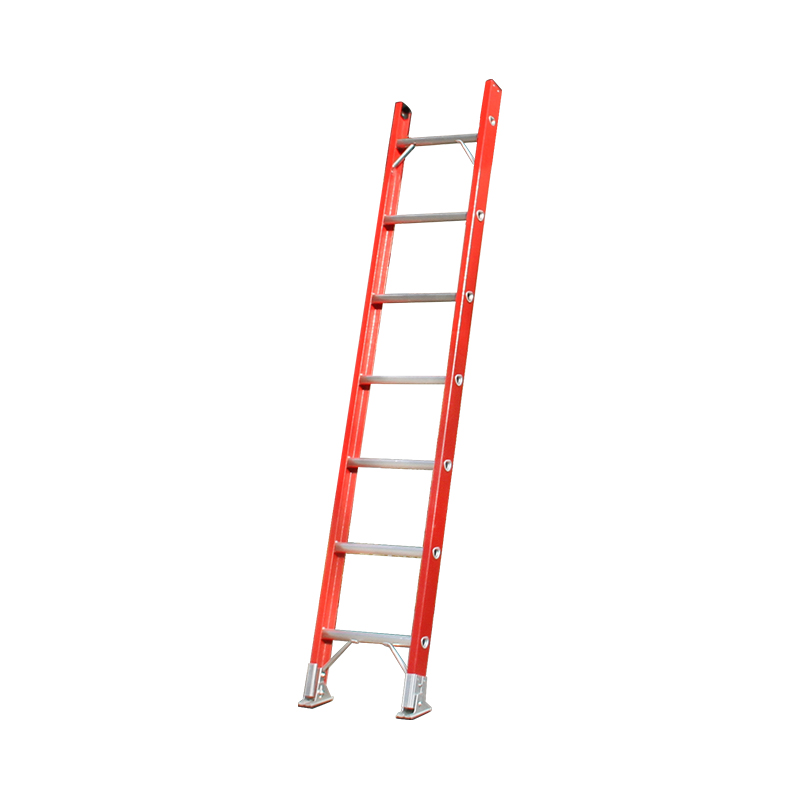
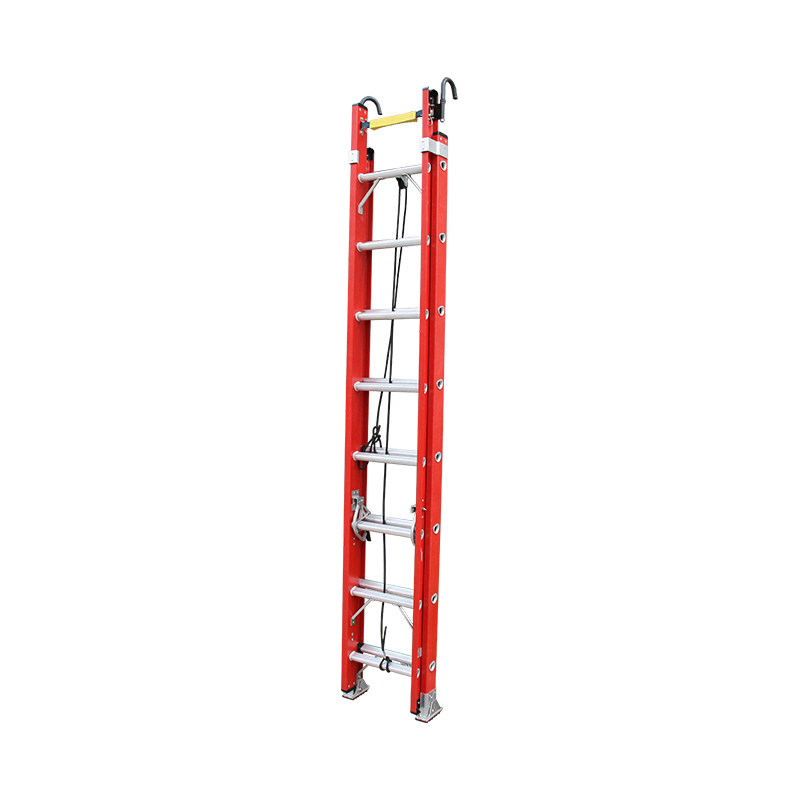
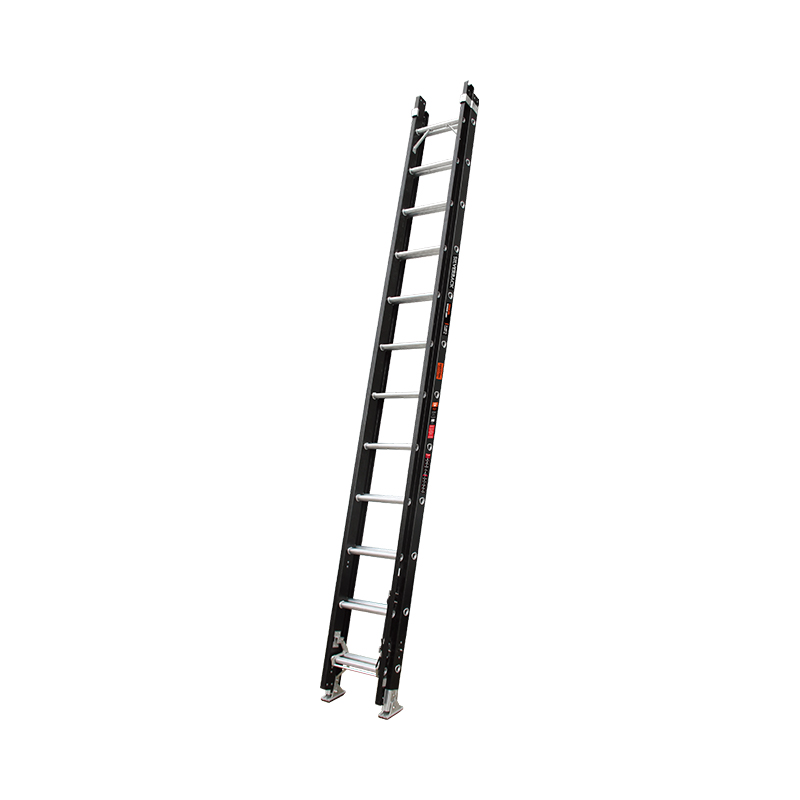
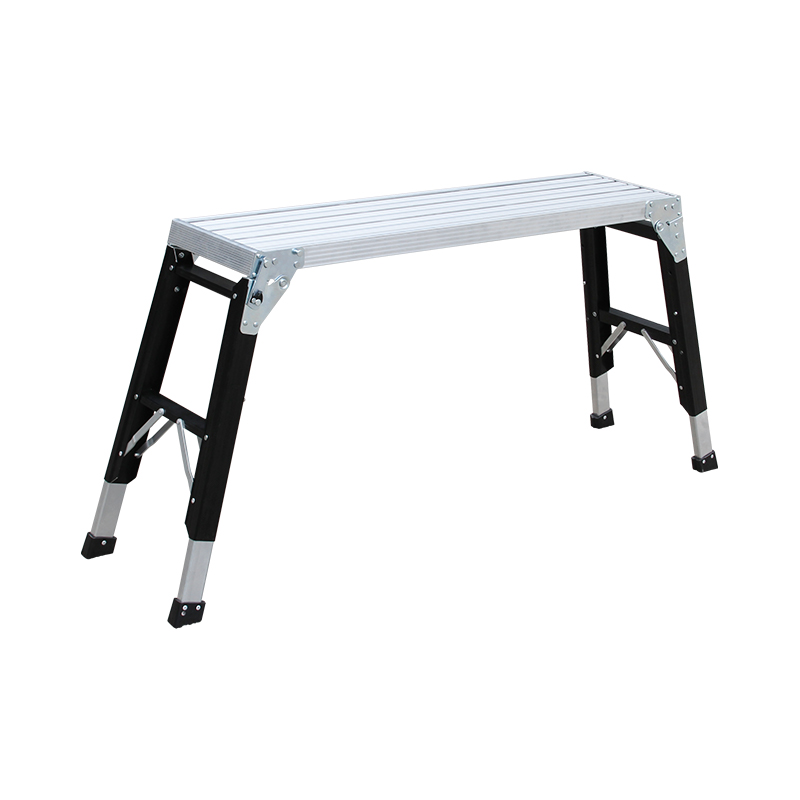
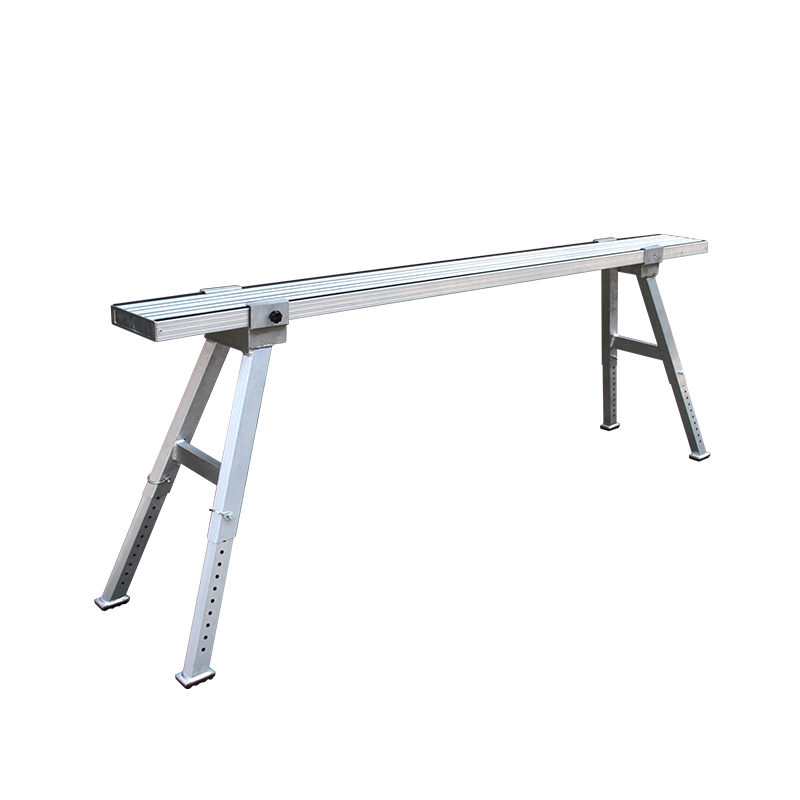
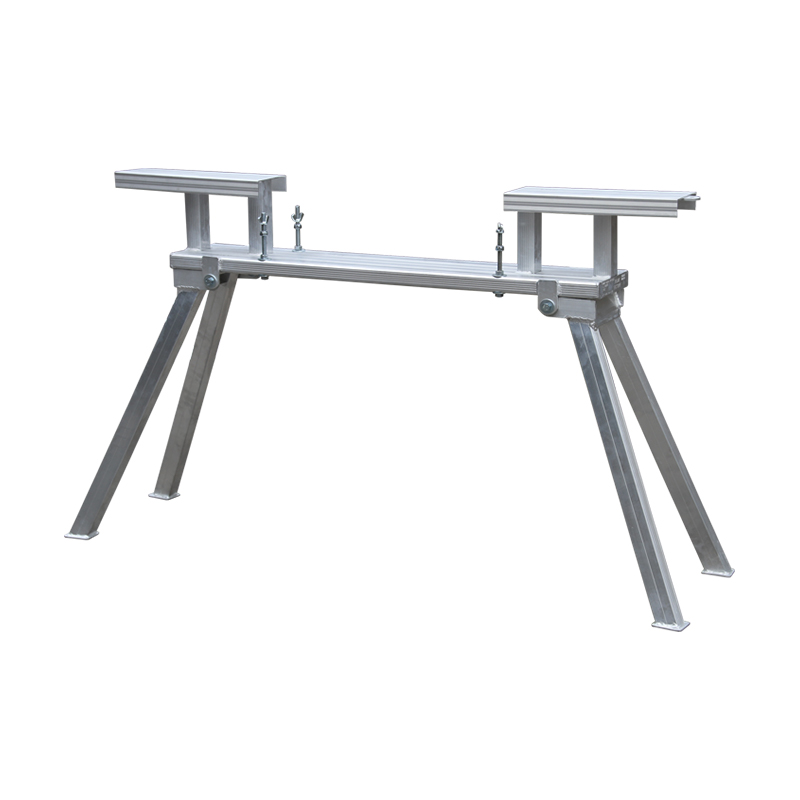
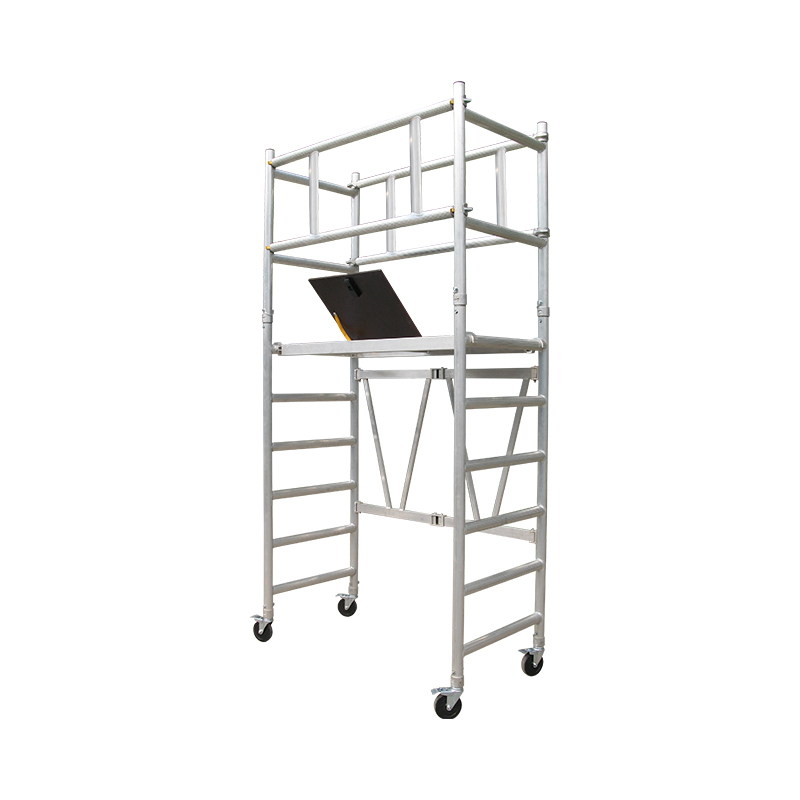
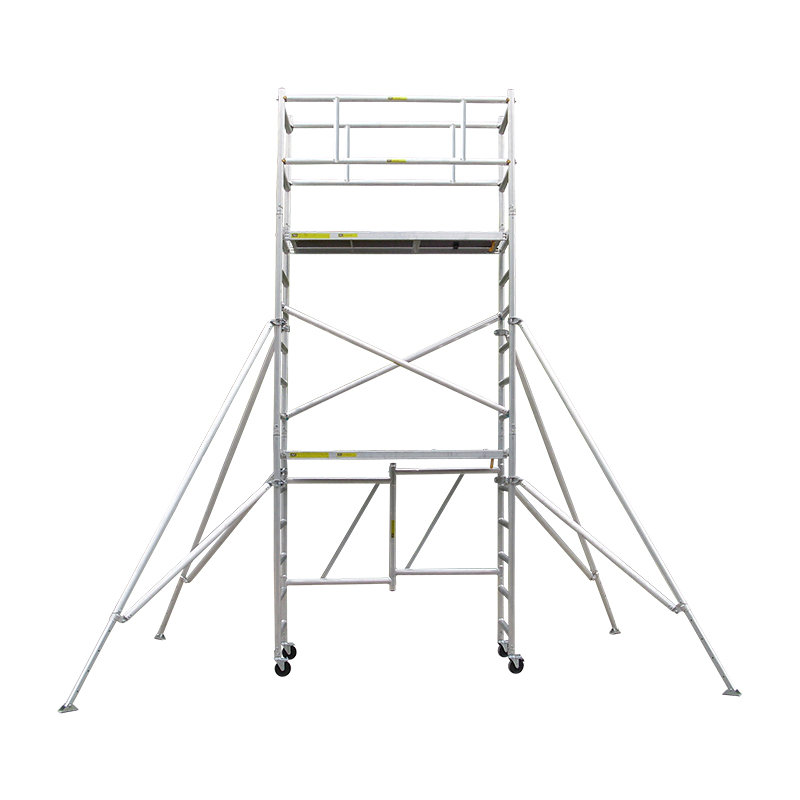
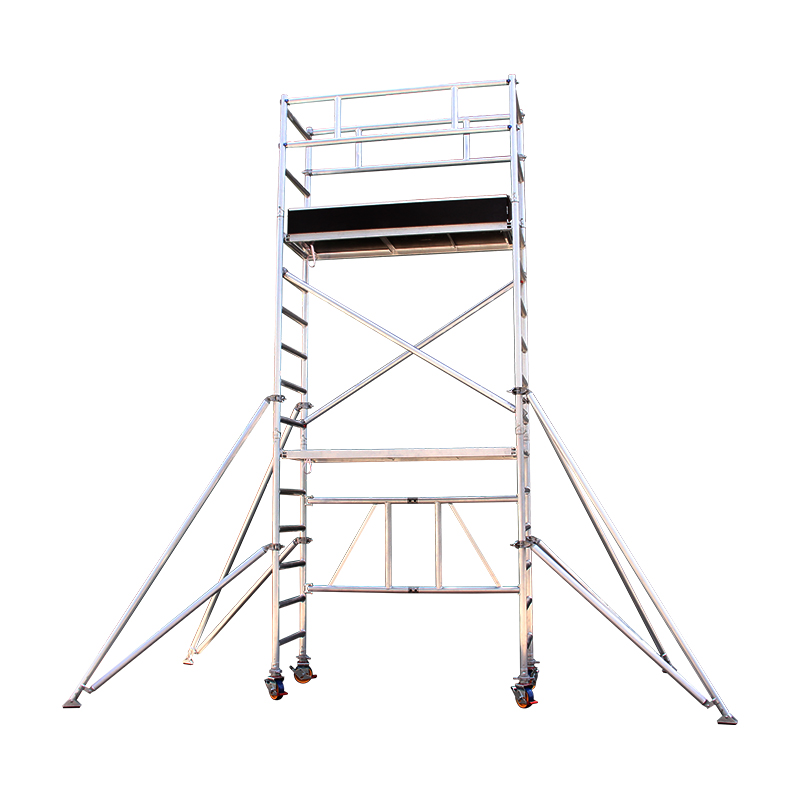
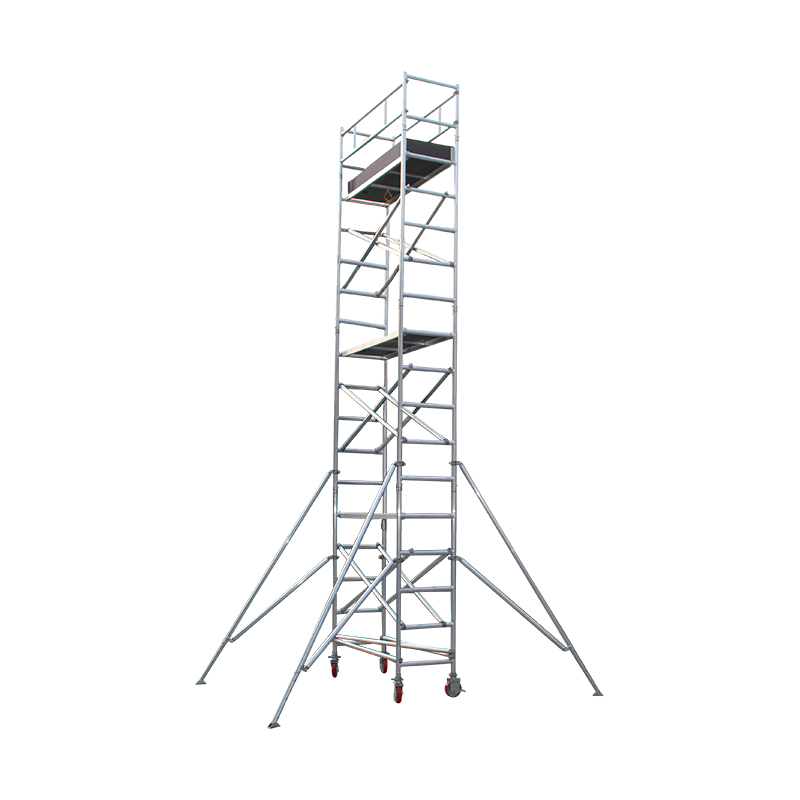
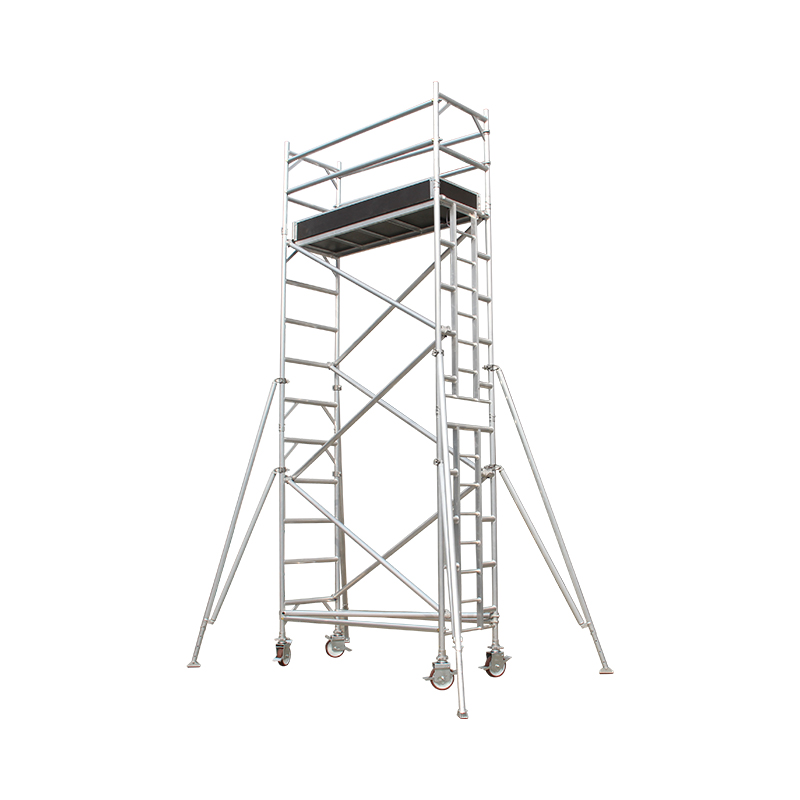
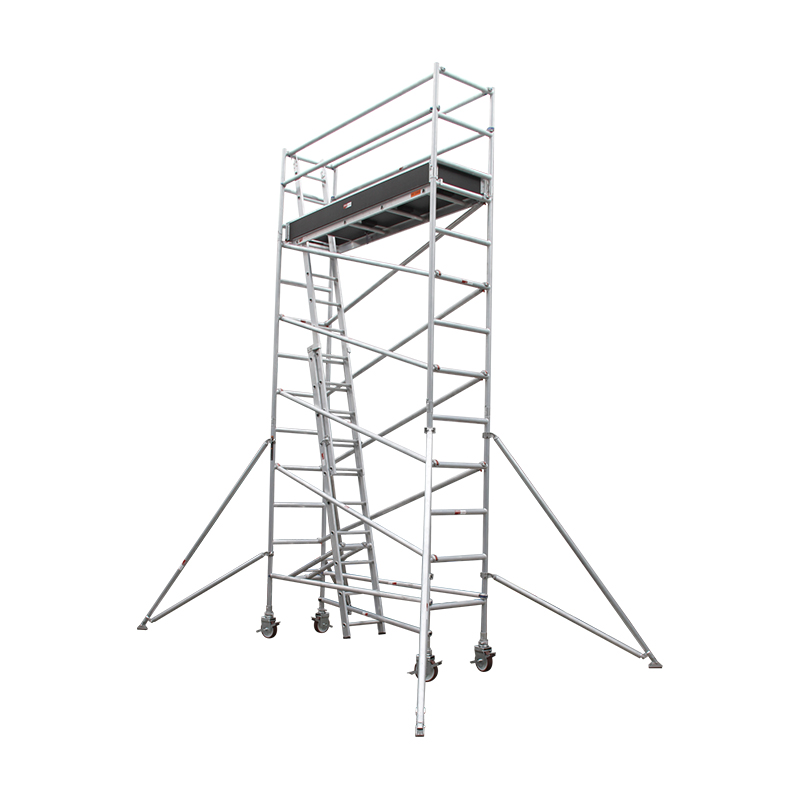
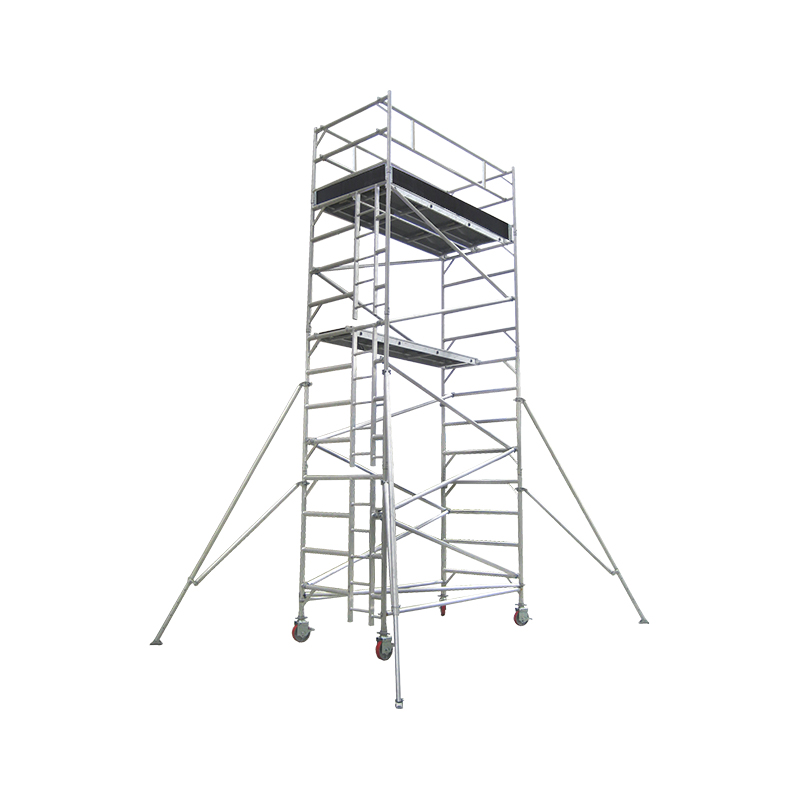
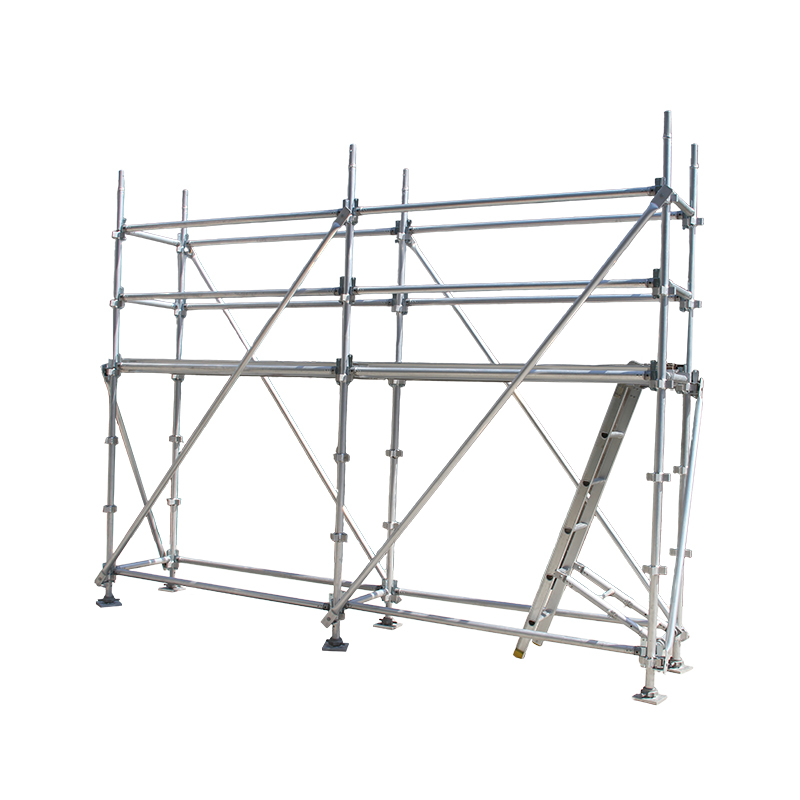
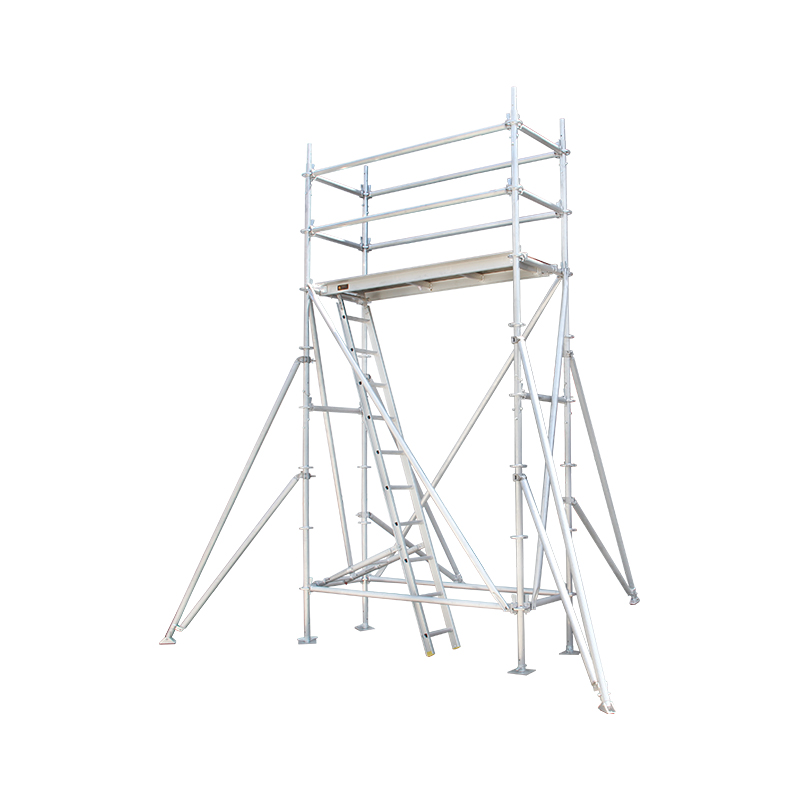
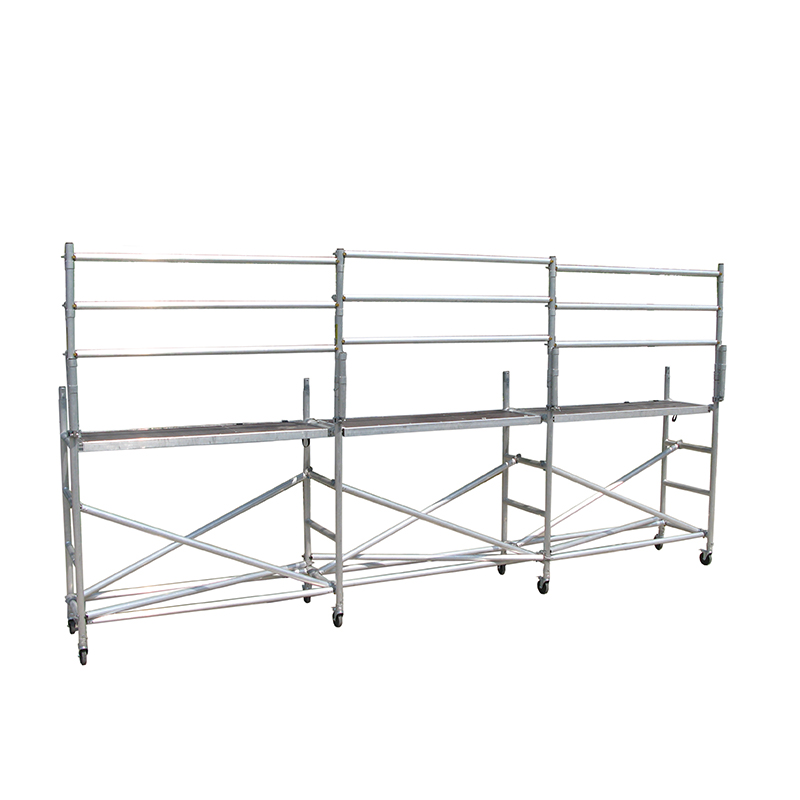
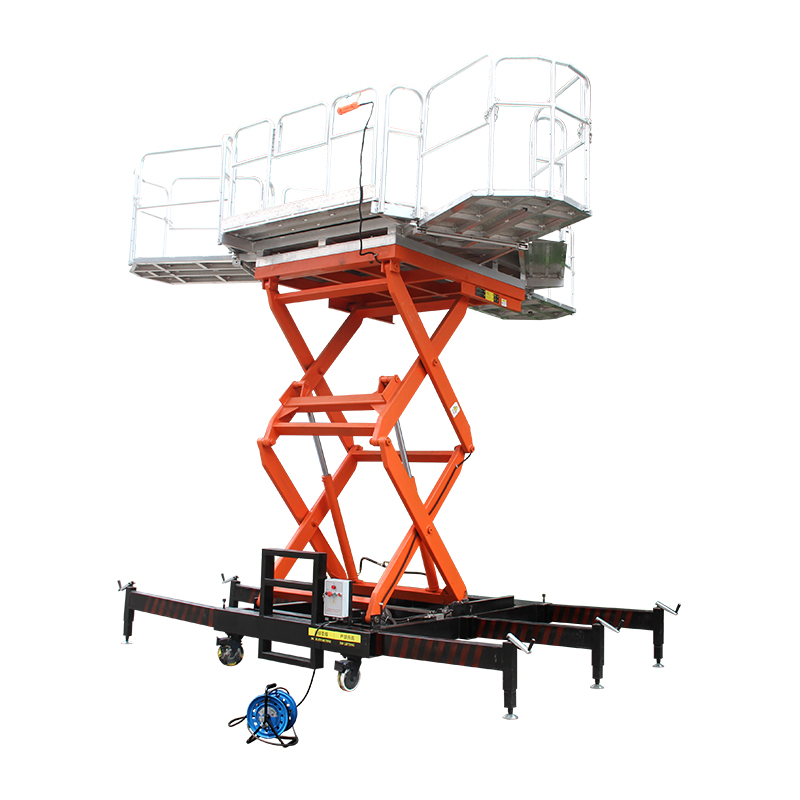
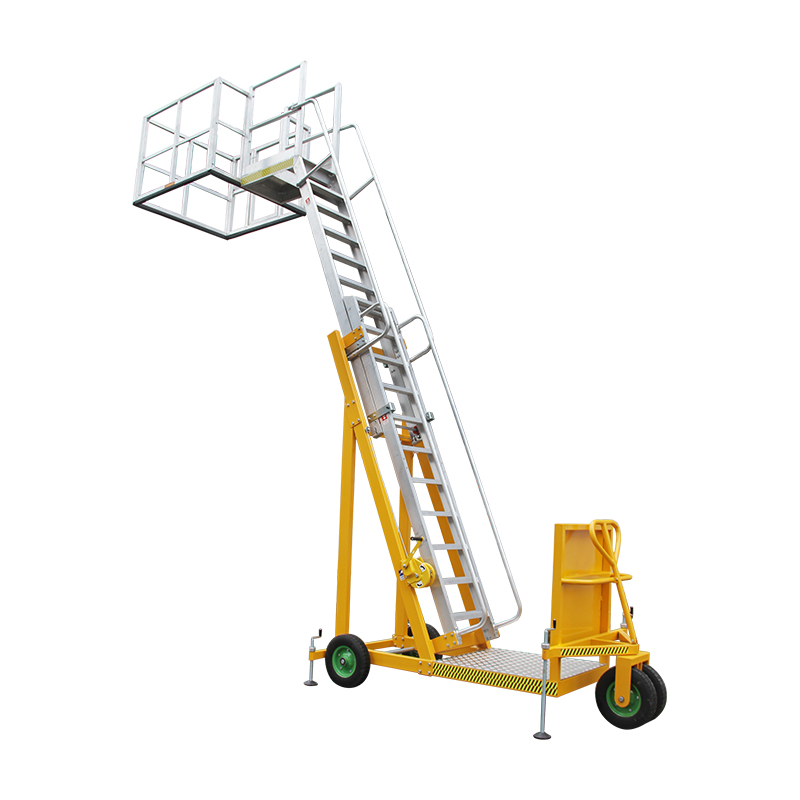
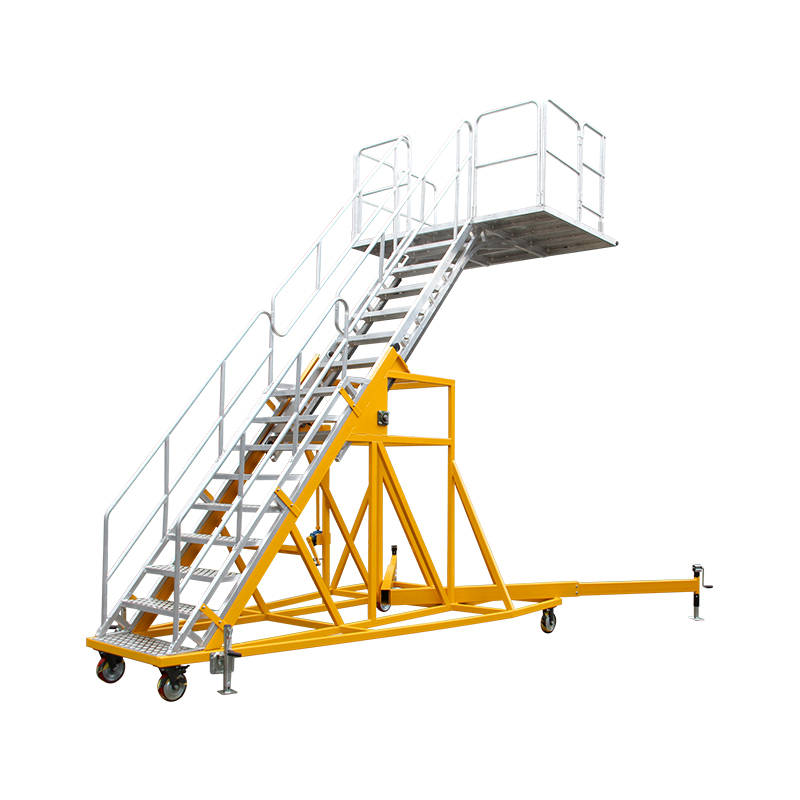
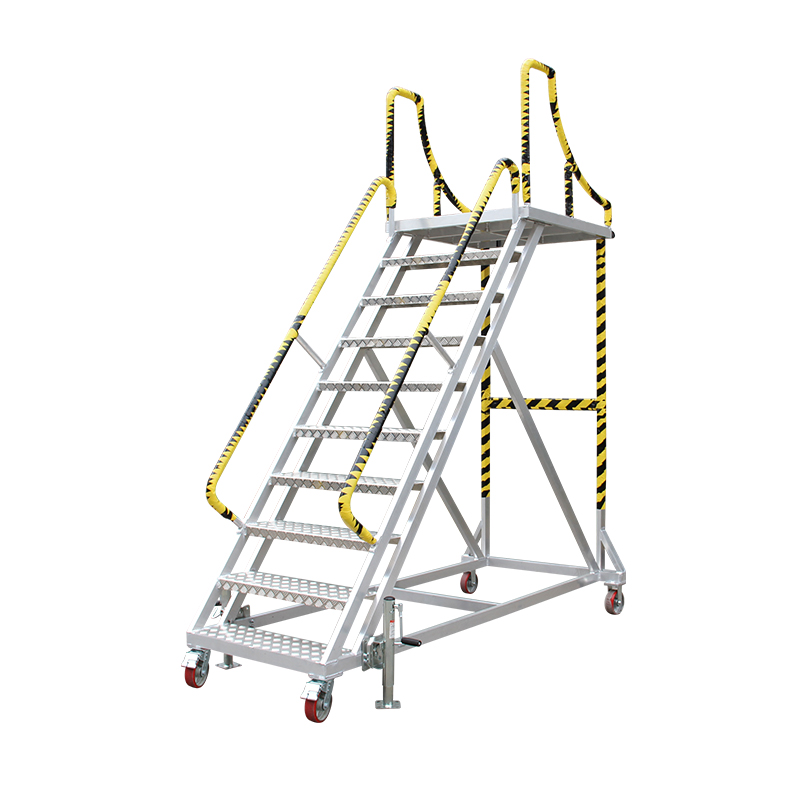

Foldable Work Platform: Compact Design, Reliable Performance
Content
- 1 Compact Access Equipment for Demanding Workspaces
- 2 Designed Around Stability and Ease of Operation
- 3 Why a Folding Design Matters in Industrial Facilities
- 4 Applications Across Different Working Environments
- 5 Key Specifications for Selecting the Right Platform
- 6 Safety Features Should Be Built Into the Design
- 7 Aluminium Is a Practical Material for Foldable Platforms
- 8 Custom Solutions for Specialized Workstations
- 9 Maintenance Helps Preserve Long-Term Performance
- 10 A Practical Choice for Flexible Elevated Work
Compact Access Equipment for Demanding Workspaces
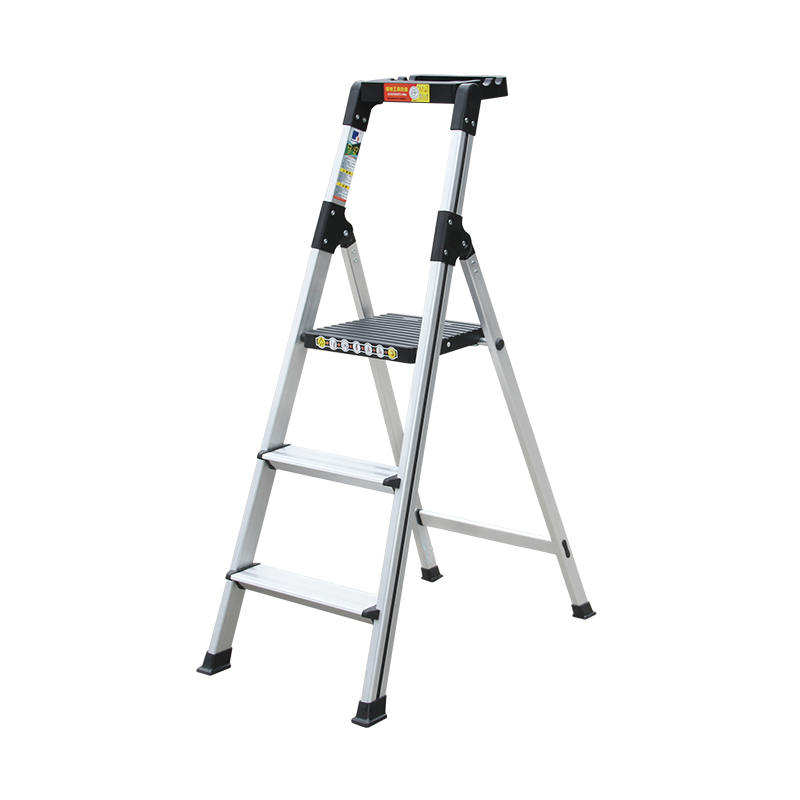
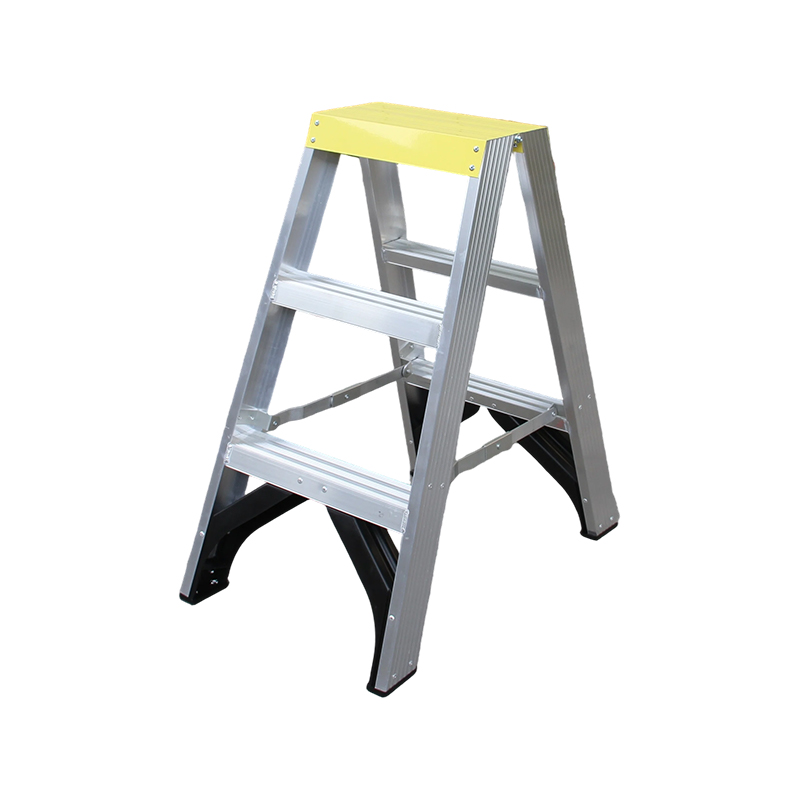
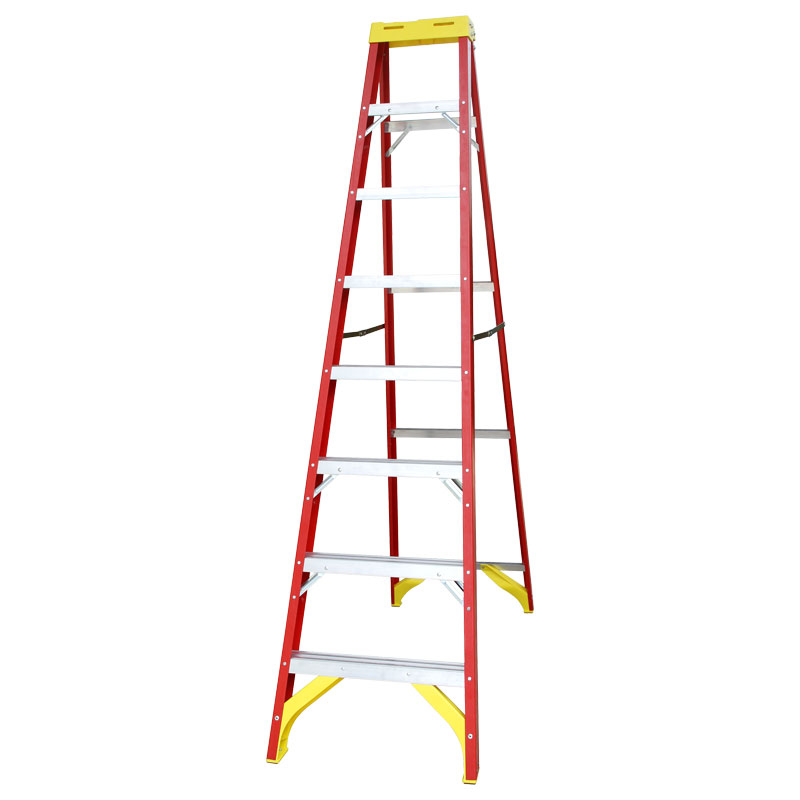
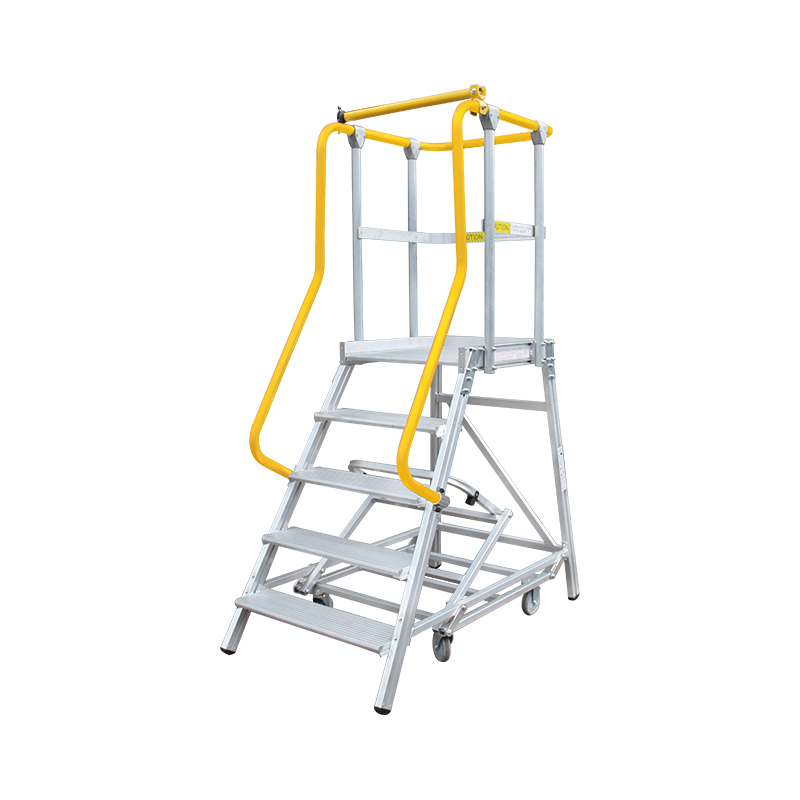
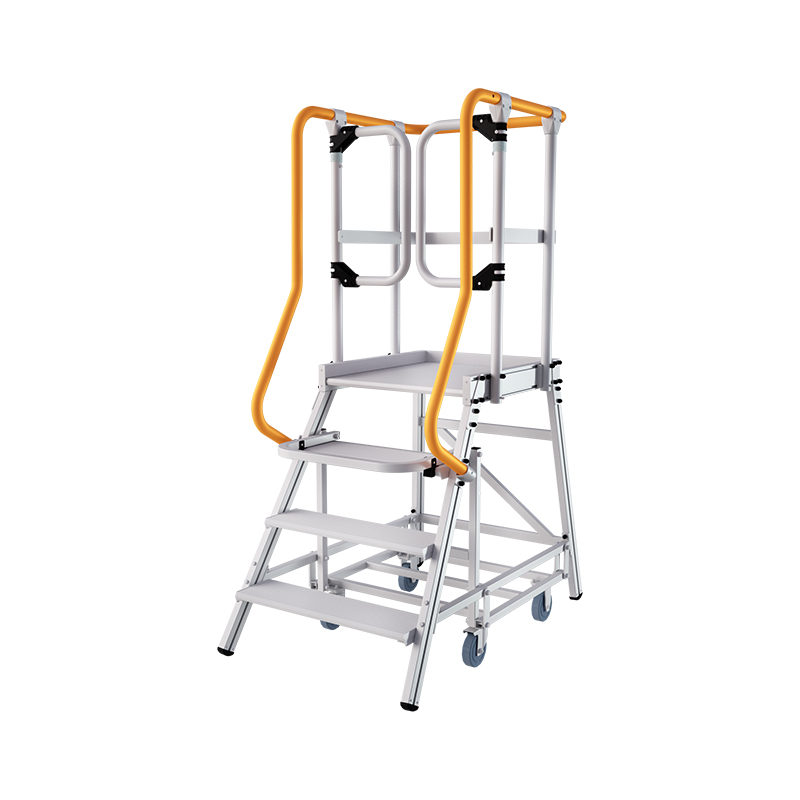
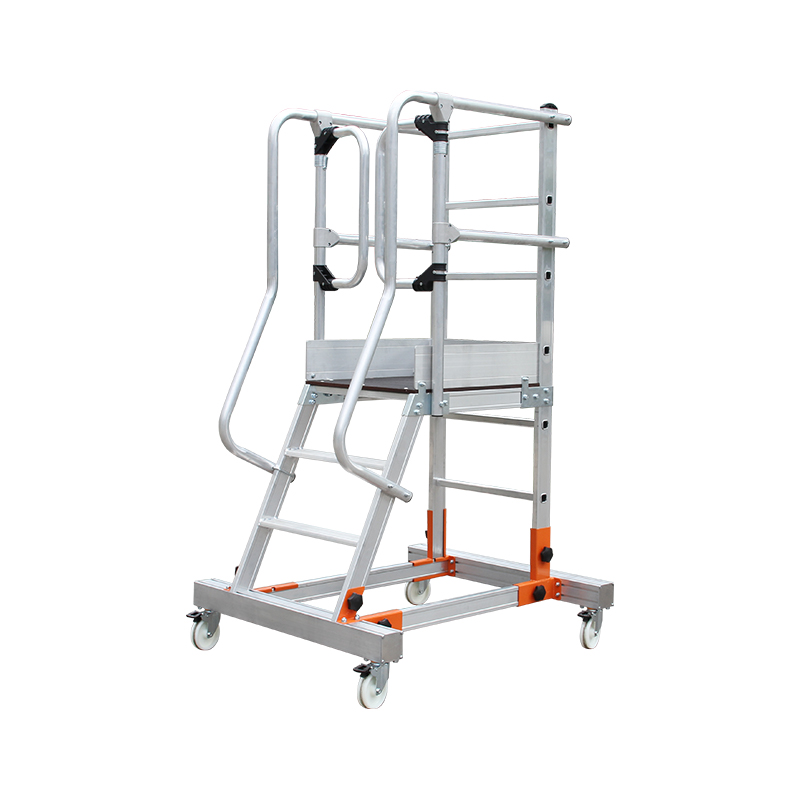
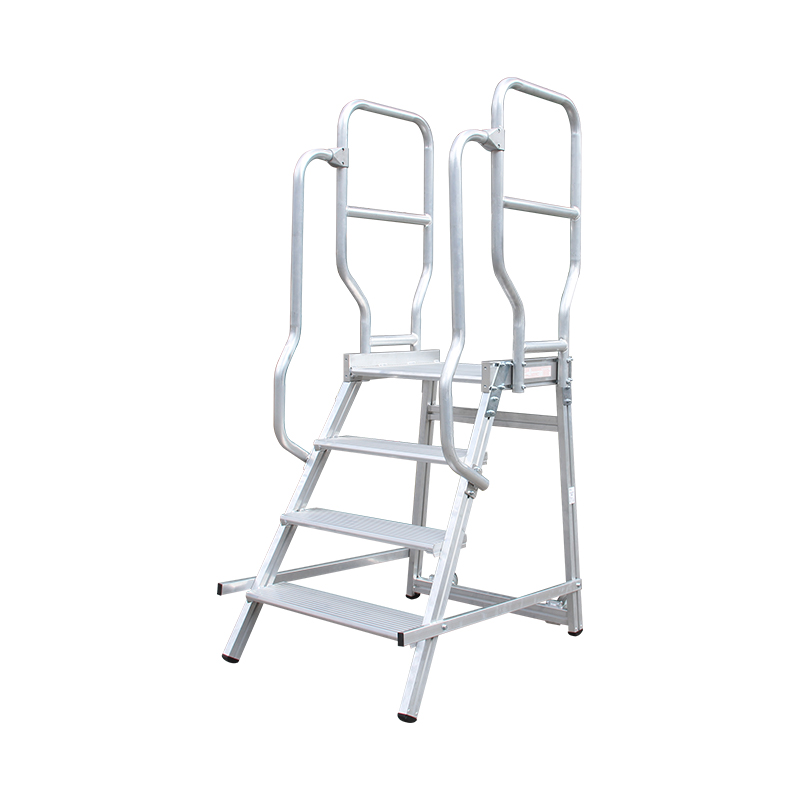
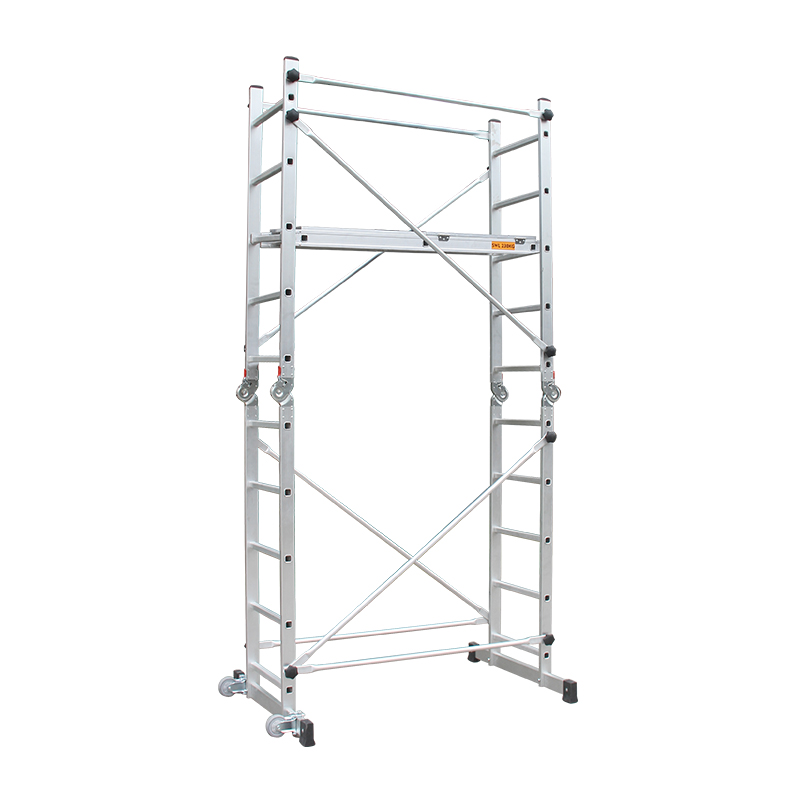
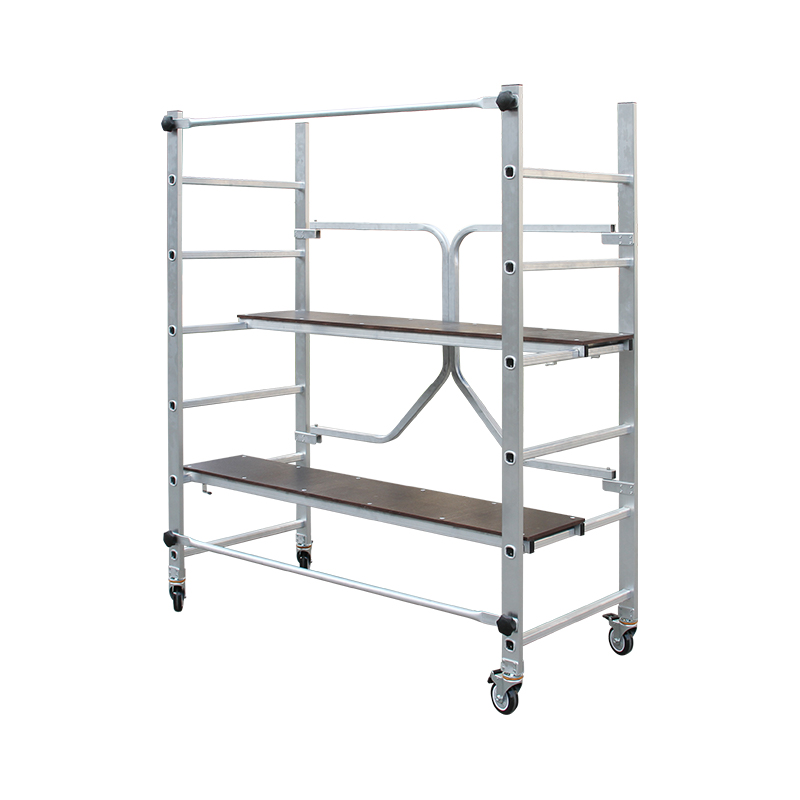
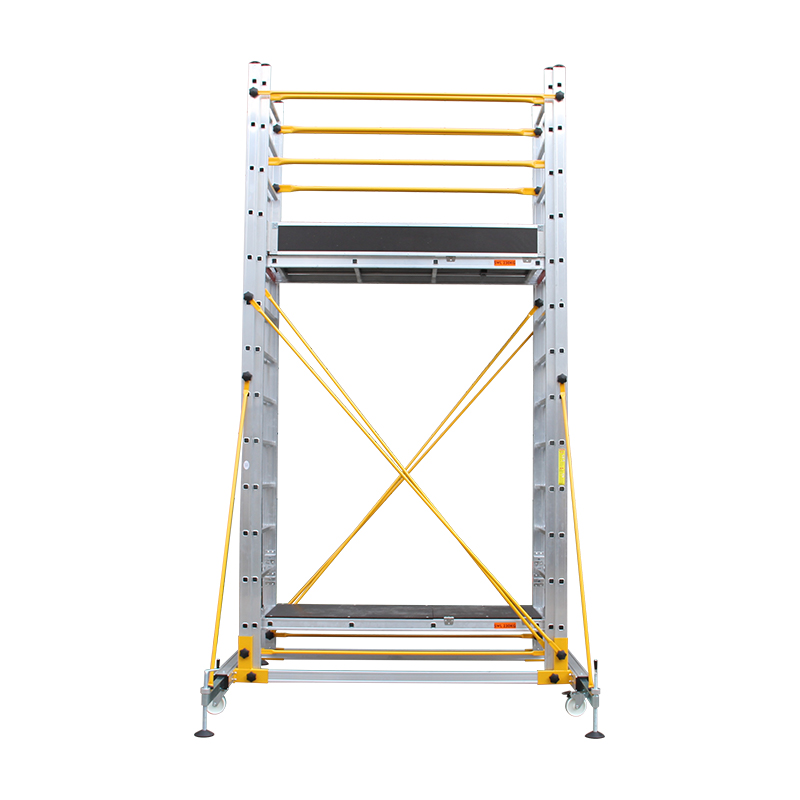
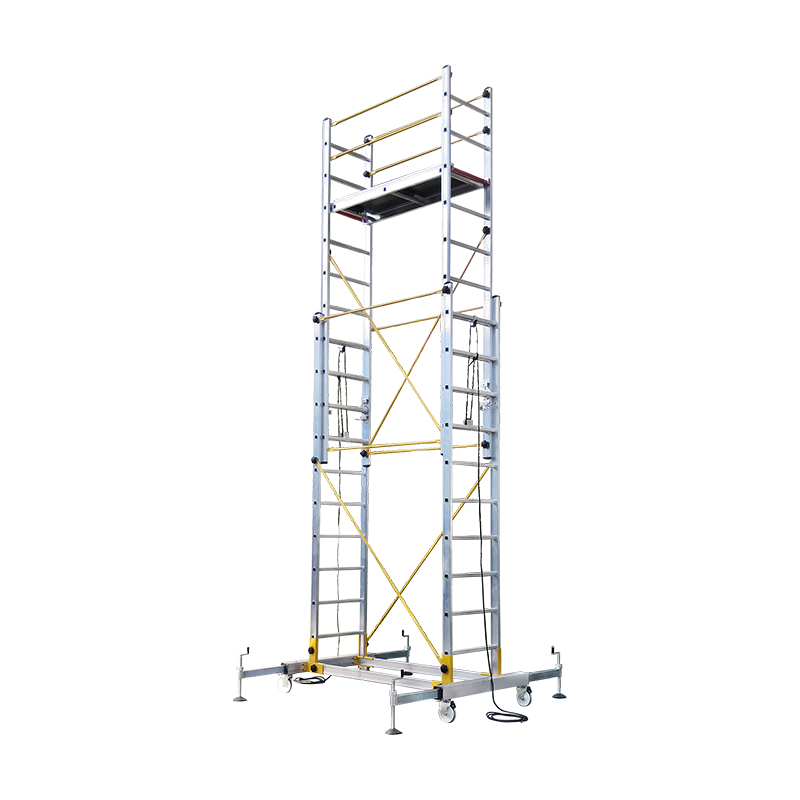
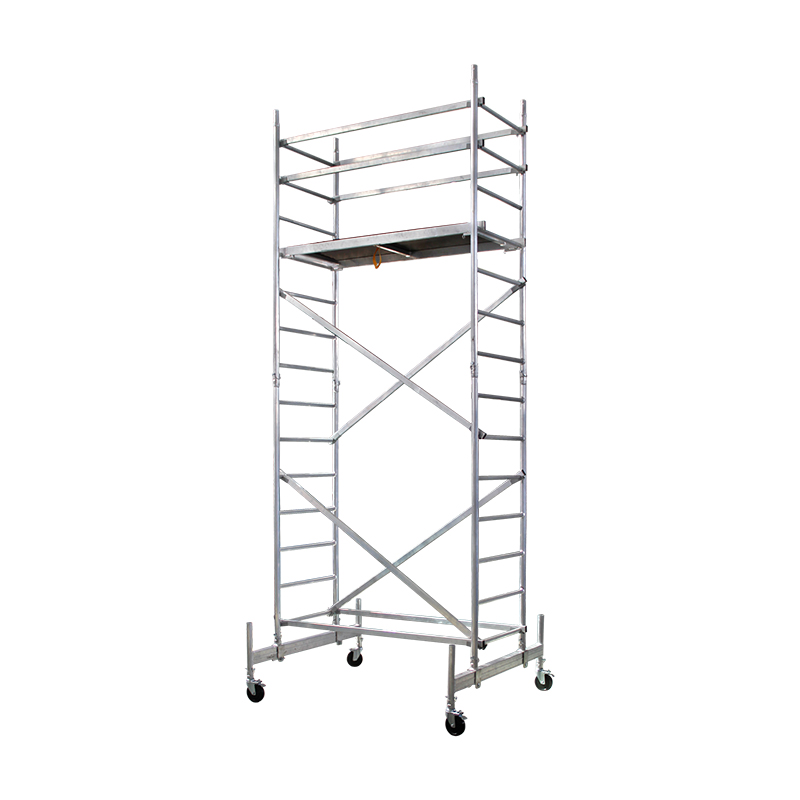
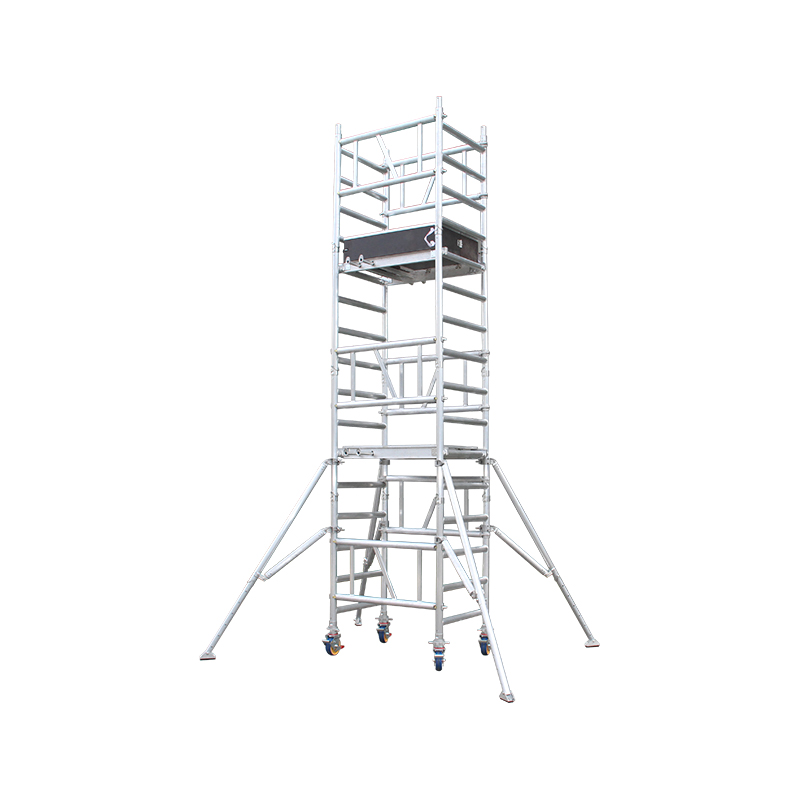
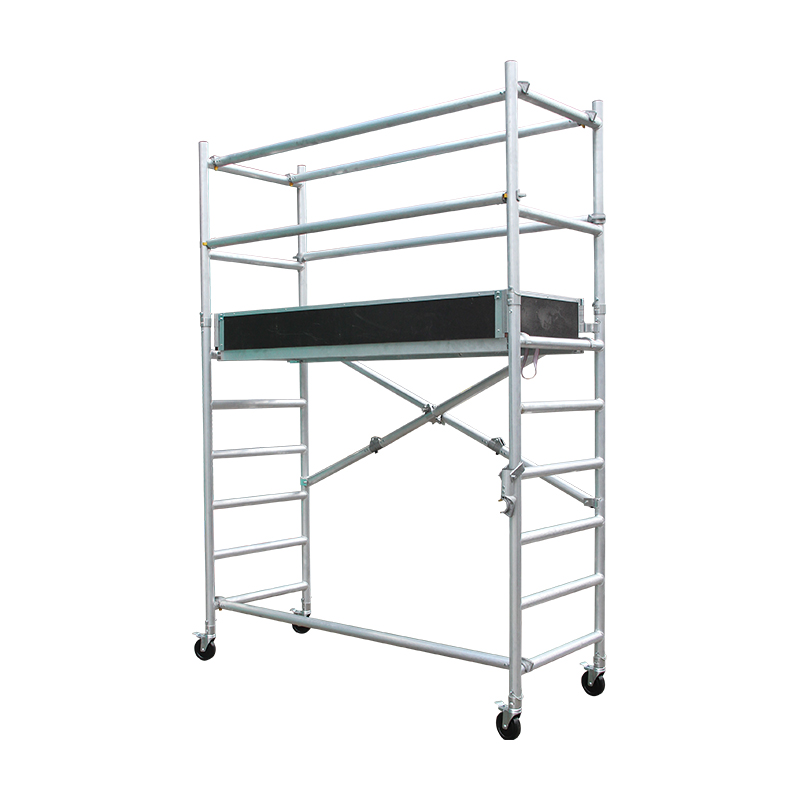
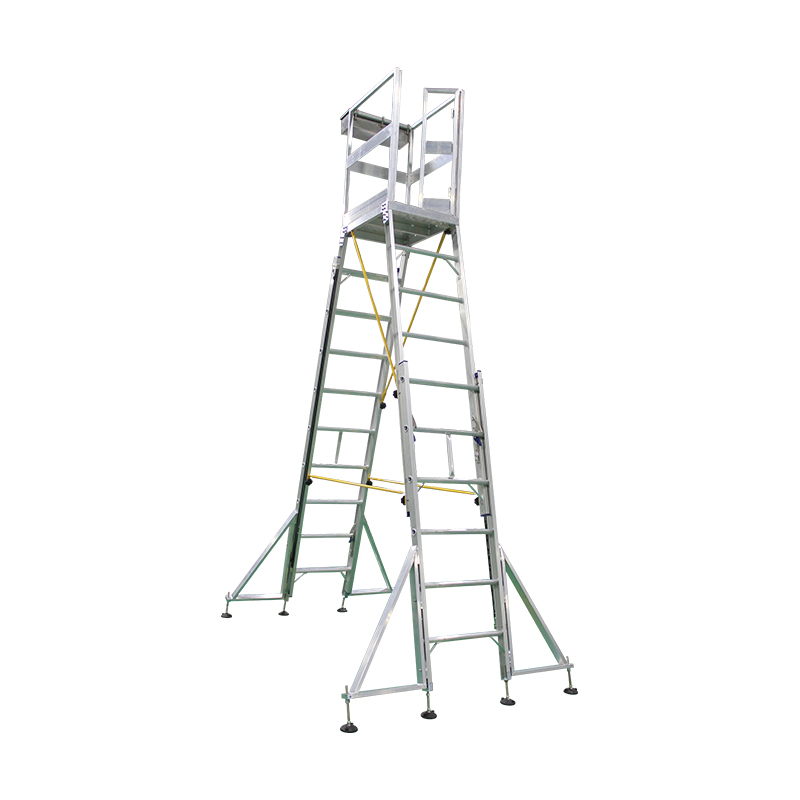
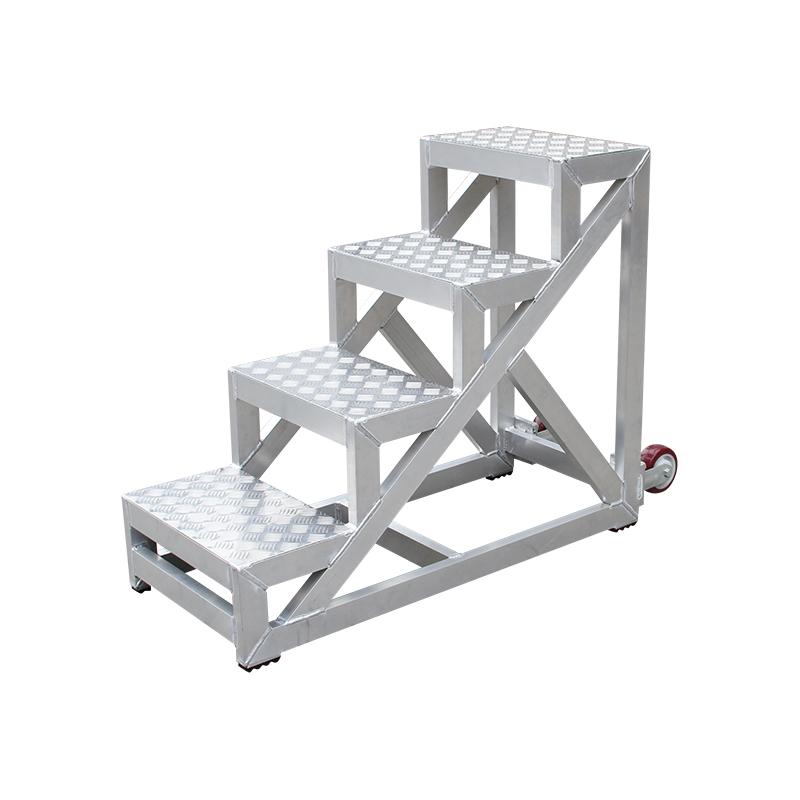
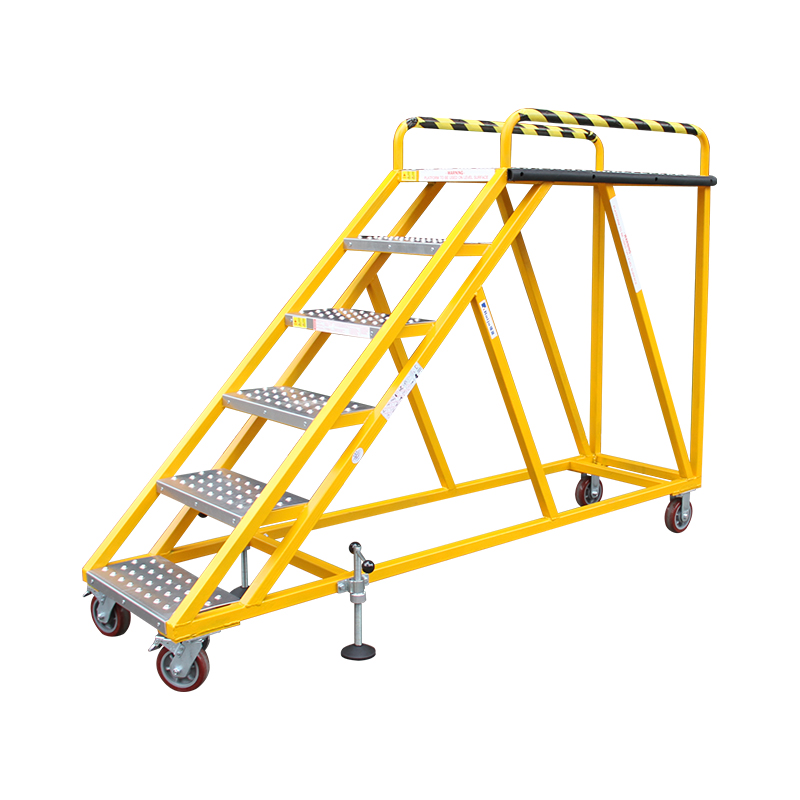
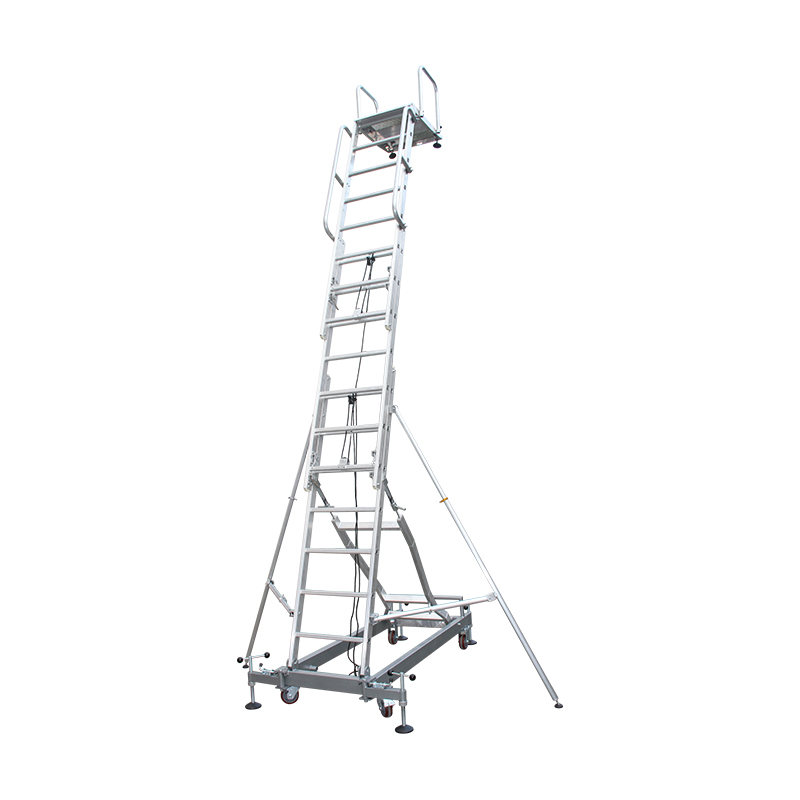
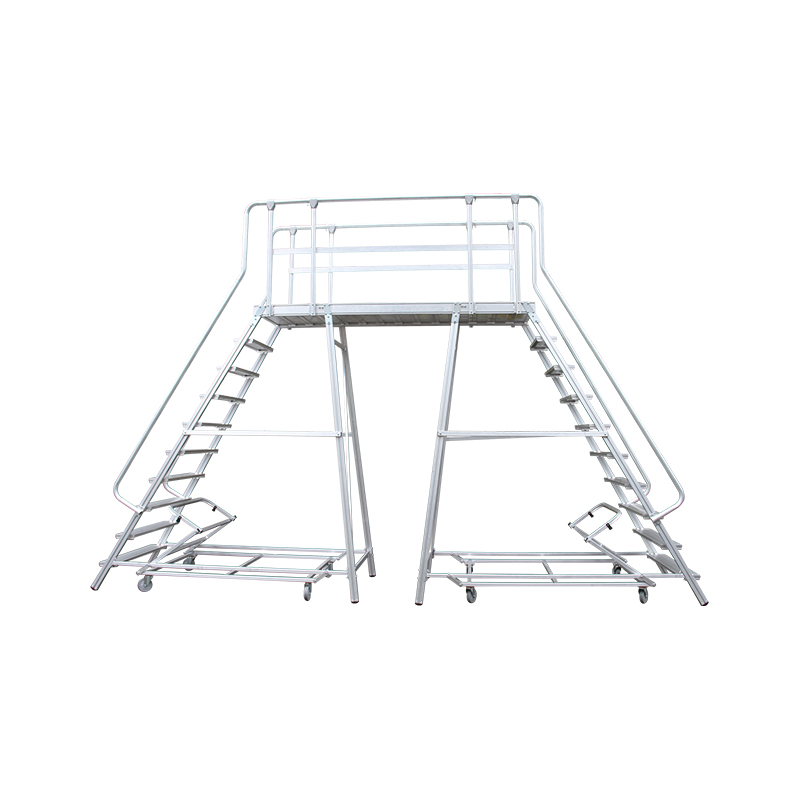
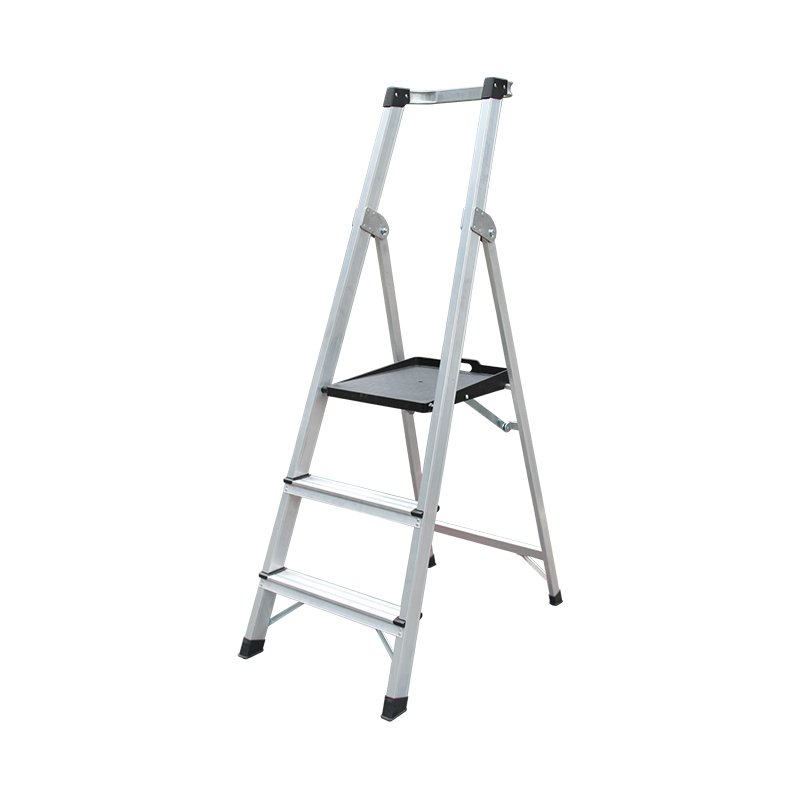
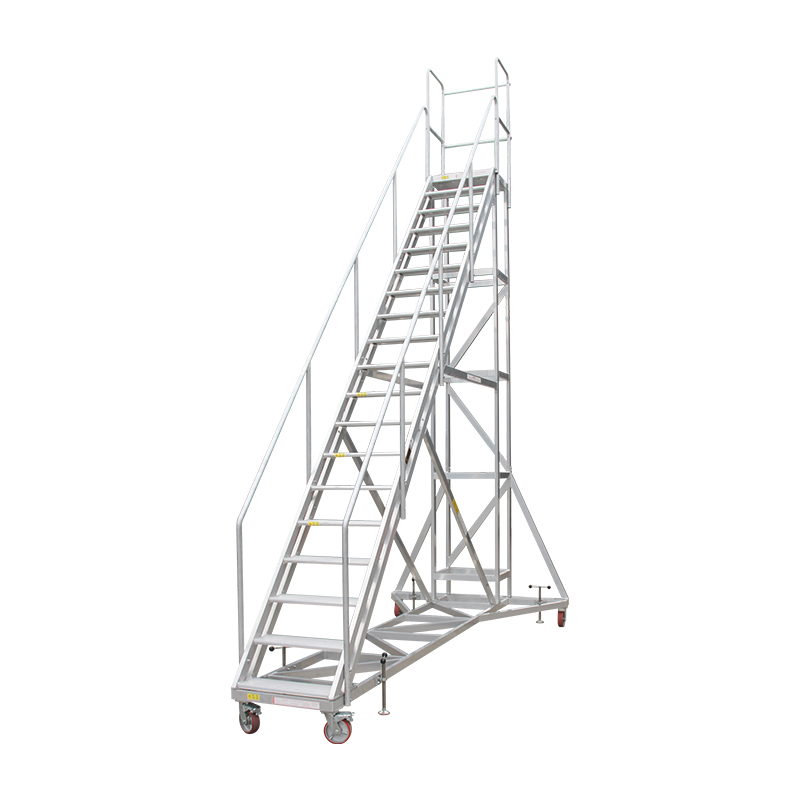
A foldable work platform provides a practical solution for tasks that require workers to operate above floor level without installing a permanent access structure. It combines a stable elevated standing area with a folding frame, making it suitable for factories, warehouses, workshops, maintenance departments, retail facilities, and other professional environments.
The biggest advantage is the combination of working stability and space efficiency. Once the task is completed, the platform can be folded to reduce its storage footprint and make transportation between different work areas easier. This makes it particularly valuable where elevated access is required regularly but available floor space is limited.
Compared with simply using a conventional ladder, a properly designed work platform can provide a more spacious standing surface and better support for tasks that require the operator to remain at an elevated position for several minutes at a time. The correct model, however, must always be selected according to working height, load capacity, platform size, and the conditions of the working environment.
Designed Around Stability and Ease of Operation
The performance of a foldable work platform depends on more than the material used to manufacture it. The frame, platform, steps, hinges, locking components, and base must work together as an integrated access system. Every structural element should contribute to stability while keeping the equipment practical to handle.
Rigid Supporting Frame
The frame carries the operator's weight and transfers the load to the supporting surface. Aluminium is frequently selected for portable platforms because it offers a useful combination of low weight, corrosion resistance, and structural performance. Proper profile dimensions and reinforced connection points help maintain rigidity during normal operation.
Practical Working Surface
The platform itself should provide sufficient room for the intended task. For example, a maintenance worker inspecting a machine may need space to stand comfortably and use hand tools, while a warehouse operator may primarily need a stable position for reaching upper storage locations. The platform size should therefore be determined by the task rather than by height alone.
Reliable Folding Mechanism
A folding mechanism allows the equipment to move between its operating and storage positions. Hinges, braces, spreaders, and locking components are particularly important because they are exposed to repeated movement. A quality design should allow the operator to open the platform smoothly while ensuring that the structure remains securely fixed during use.
Why a Folding Design Matters in Industrial Facilities
Industrial facilities often have to balance access requirements with limited floor space. Permanent platforms may provide excellent access but are not always practical when equipment locations change or when the same area needs to be used for different operations.
A foldable work platform can be deployed when needed and stored afterward. For example, a maintenance department may use a platform several times each day but only for 10 to 20 minutes per task. Keeping a compact folding unit nearby can provide dedicated access without permanently occupying valuable production space.
The folded configuration can also simplify transportation. A facility with multiple production lines may need one access unit to serve several locations. A manageable folded structure makes it easier to move the equipment through aisles, doors, storage areas, and service corridors.
Applications Across Different Working Environments
Foldable work platforms can be adapted to many professional applications. Their usefulness is especially clear where workers frequently need short-duration access to elevated areas.
Factory Maintenance
Production equipment often contains components positioned above normal standing height. A work platform can support inspection, adjustment, cleaning, replacement, and routine servicing. When the job is finished, the platform can be folded and removed from the production area.
Warehouse Operations
Warehouses use elevated access equipment for stock handling, labeling, inventory checks, lighting maintenance, and shelf inspection. A compact platform can be especially useful where operators need frequent access but do not require a permanent staircase.
Equipment Installation
Installation work often requires workers to remain at a specific height while positioning components or connecting equipment. A stable standing platform can provide a more practical work position than repeatedly climbing up and down a narrow access ladder.
Commercial and Retail Facilities
Retail stores, supermarkets, and commercial buildings may need elevated access for signage, lighting, shelving, displays, and facility maintenance. A foldable design allows the equipment to be stored away when customers or staff need the surrounding floor space.

Key Specifications for Selecting the Right Platform
A platform should be selected according to the actual requirements of the job. Several specifications should be reviewed before purchasing or ordering equipment.
| Specification | Recommended Consideration |
|---|---|
| Platform height | Select a height that provides the required access without encouraging excessive reaching. |
| Platform dimensions | Allow enough standing and working space for the intended operation. |
| Load capacity | Include the operator, tools, equipment, and materials carried onto the platform. |
| Folded dimensions | Confirm that the folded unit fits the planned storage location and transport route. |
| Product weight | Consider how frequently the platform must be moved and by whom. |
| Surface design | Choose a suitable tread or platform surface for the working conditions. |
Safety Features Should Be Built Into the Design
A foldable structure must remain stable in its open position. Safety should therefore be considered at the design stage rather than treated as an additional feature.
- Secure locking or spreading mechanisms to prevent unintended folding.
- Non-slip feet suitable for the intended floor surface.
- Stable base geometry that supports the rated working load.
- Non-slip steps or a suitably textured working platform.
- Handrails or guardrails where required by the platform configuration and applicable regulations.
- Clearly stated load ratings and operating instructions.
The platform should always be completely opened and locked before anyone steps onto it. Users should also inspect the frame, platform, feet, hinges, fasteners, and locking components before operation.
Aluminium Is a Practical Material for Foldable Platforms
Aluminium is widely used for portable access equipment because it provides a favorable balance between weight and structural performance. A lighter platform can be easier to relocate between workstations, while its natural resistance to atmospheric corrosion can make it suitable for many indoor and outdoor applications.
However, aluminium is electrically conductive. An aluminium work platform should not be used where contact with energized electrical systems is a foreseeable hazard. For electrical work, a suitably rated non-conductive access product may be required.
The final material choice should therefore consider not only weight and durability but also the specific conditions in which the equipment will be operated.
Custom Solutions for Specialized Workstations
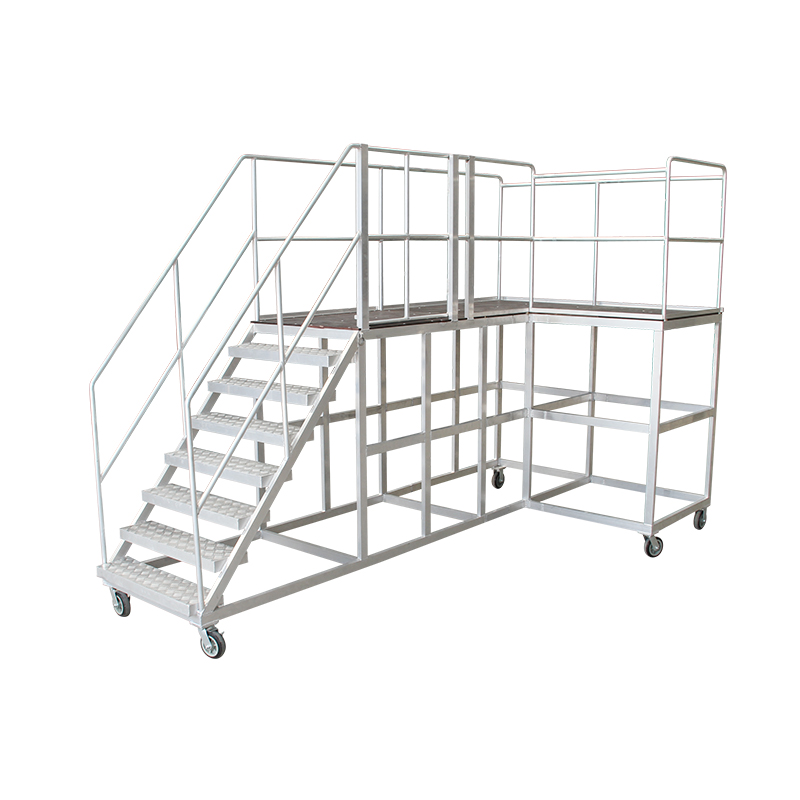
Standard foldable work platforms are suitable for many routine applications, but industrial environments sometimes require customized dimensions. A platform may need to fit around machinery, align with a production line, reach a specific service point, or pass through a restricted access area.
Customization can include platform height, width, step configuration, handrails, guardrails, wheel arrangements, locking systems, folded dimensions, and structural reinforcement. For example, a platform designed for machine maintenance may require a narrow base to fit between production equipment while still providing a sufficiently wide standing area at the service position.
Custom design is most valuable when standard access equipment forces workers to compromise on positioning, clearance, working height, or available workspace. The platform can instead be developed around the actual dimensions and workflow of the facility.
Maintenance Helps Preserve Long-Term Performance
Regular inspection is essential for any equipment used to support people at an elevated position. A foldable work platform should be checked before use and inspected more thoroughly at appropriate intervals based on frequency of use and working conditions.
- Check the frame for bends, cracks, deformation, or other visible damage.
- Inspect hinges and locking mechanisms for abnormal movement or damage.
- Examine steps and platform surfaces for excessive wear or damage.
- Check non-slip feet for wear, splitting, loosening, or loss of contact.
- Keep moving components clean and maintain them according to the manufacturer's instructions.
- Remove damaged equipment from service until it has been properly evaluated and repaired or replaced.
A Practical Choice for Flexible Elevated Work
A foldable work platform is most effective when an organization needs reliable elevated access without dedicating permanent floor space to a fixed structure. Its folding construction makes storage and transportation easier, while the larger standing surface can support tasks that require more working room than a conventional ladder provides.
For industrial buyers, the best solution should be selected from the actual working conditions: required height, platform dimensions, load rating, floor type, frequency of movement, storage limitations, and applicable safety requirements. A properly specified foldable work platform can provide a practical balance of compactness, stability, mobility, and everyday usability.
For project inquiries, fill in the form or contact us directly—our team responds promptly.

Copyright @ Shanghai Ruiju Metal Products Co.,Ltd. All rights reserved Aluminum Scaffolding Suppliers Aluminium Ladder Manufacturers
