 en
en 简体中文
简体中文 Español
 Deutsch
 عربى
عربى
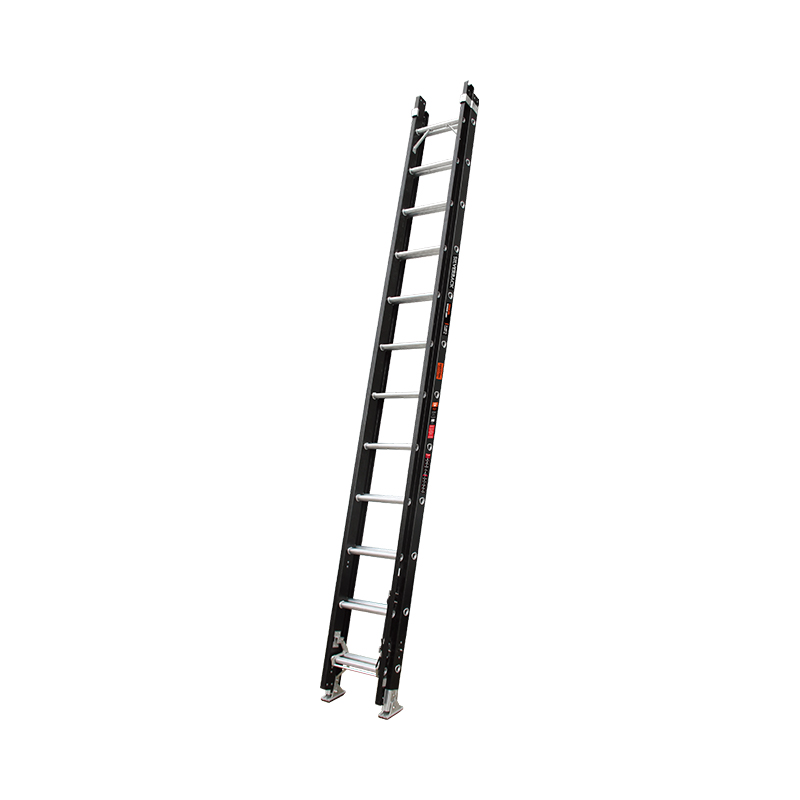
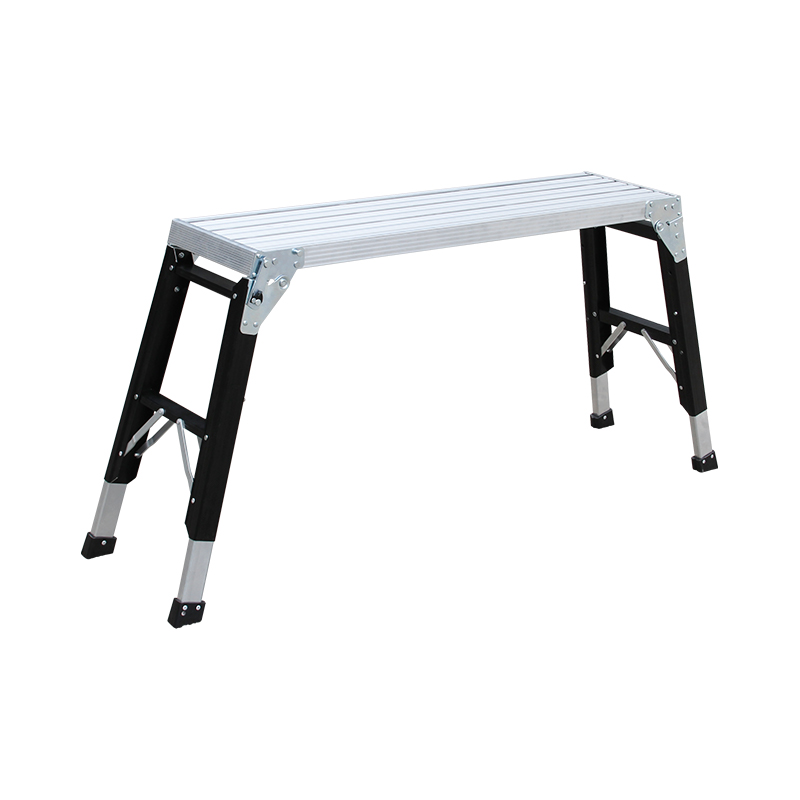
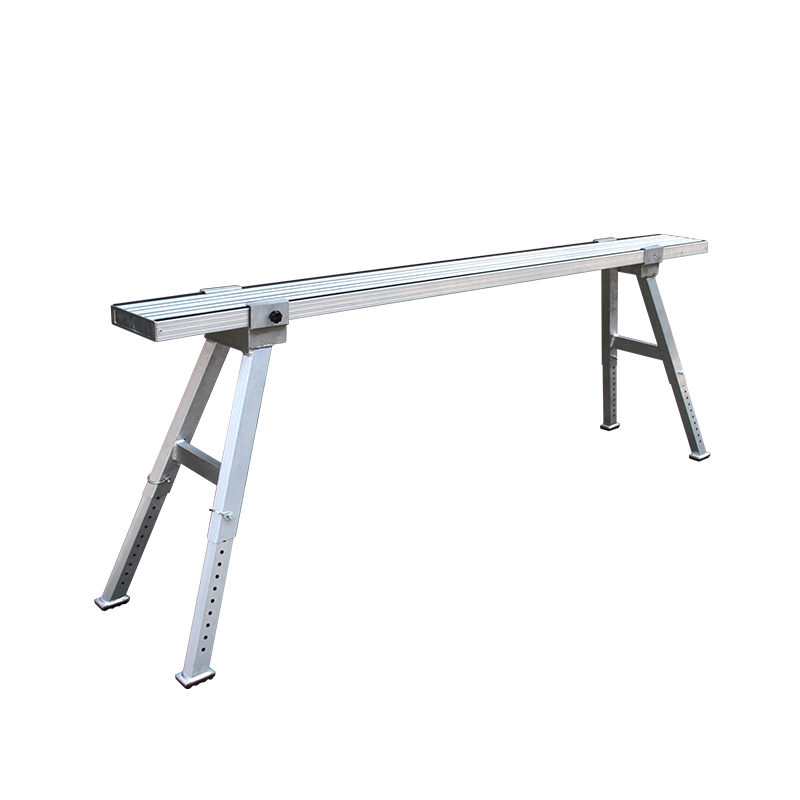
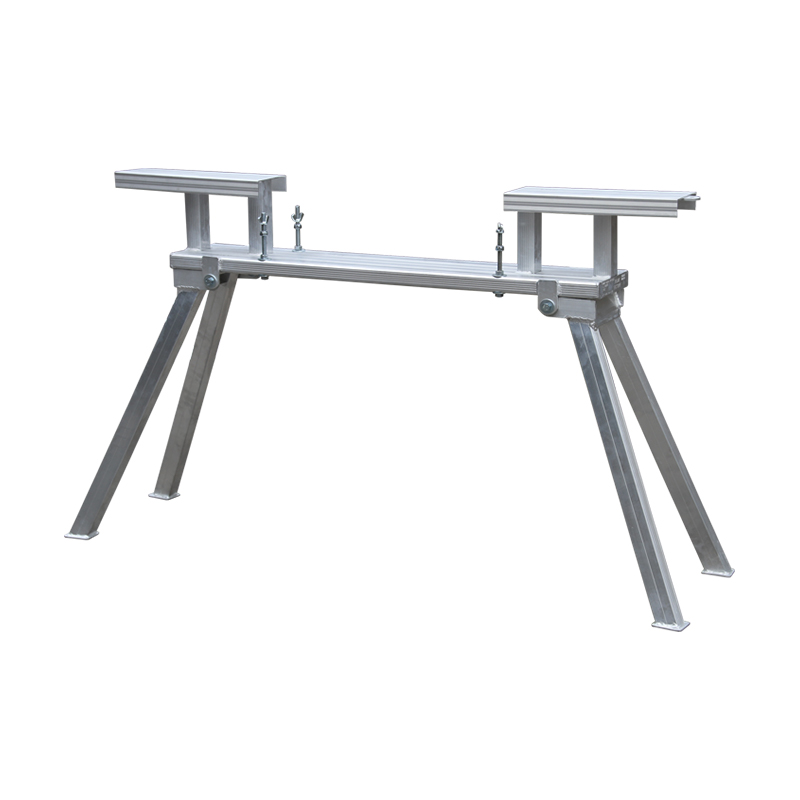


Aluminium Mobile Scaffolding: Guide to Types, Uses & Benefits
Content
- 1 Aluminium Mobile Scaffolding Provides Flexible Elevated Access
- 2 What Is Aluminium Mobile Scaffolding?
- 3 Key Advantages of Aluminium Mobile Scaffolding
- 4 Where Aluminium Mobile Scaffolding Is Used
- 5 Important Specifications When Choosing a Mobile Scaffold Tower
- 6 Mobility Requires Proper Operating Procedures
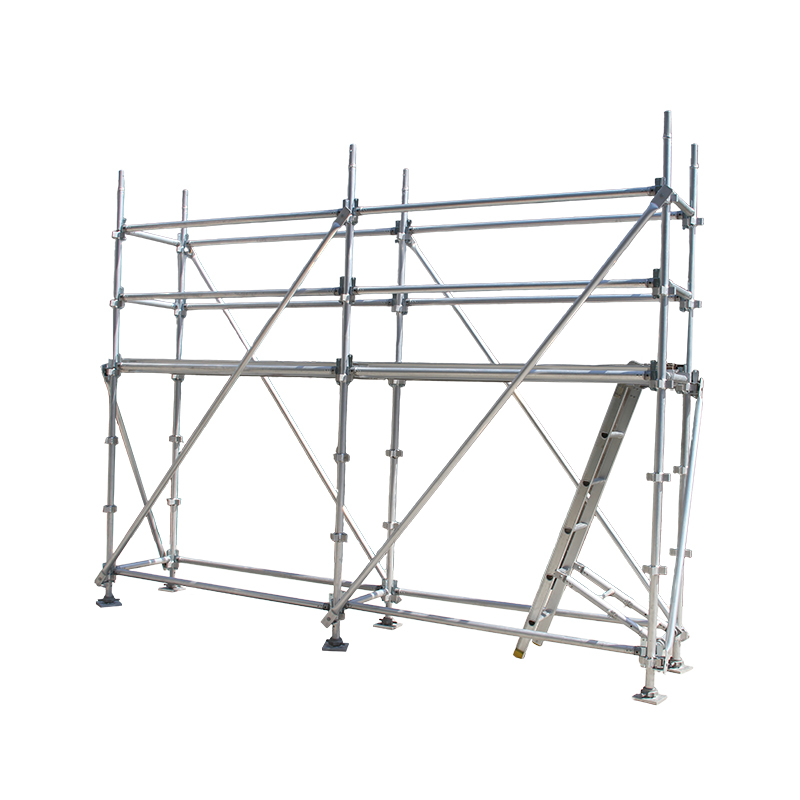
- 7 Aluminium Mobile Scaffolding Compared with Fixed Scaffolding
- 8 When a Customized Aluminium Mobile Scaffold Is Better
- 9 Inspection and Maintenance of Aluminium Mobile Scaffolding
- 10 Choosing the Right Aluminium Mobile Scaffolding System
Aluminium Mobile Scaffolding Provides Flexible Elevated Access
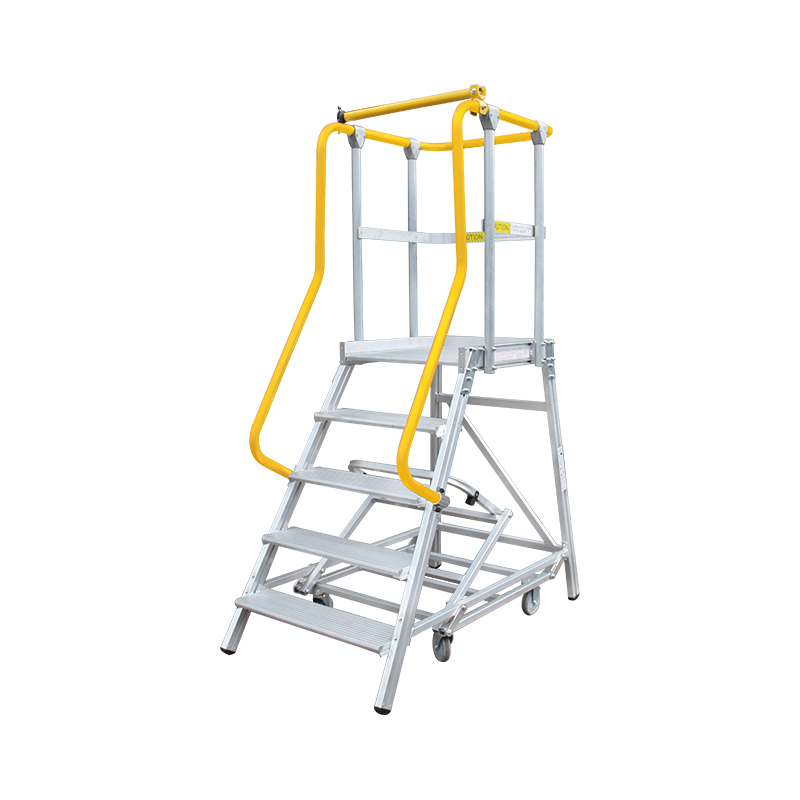
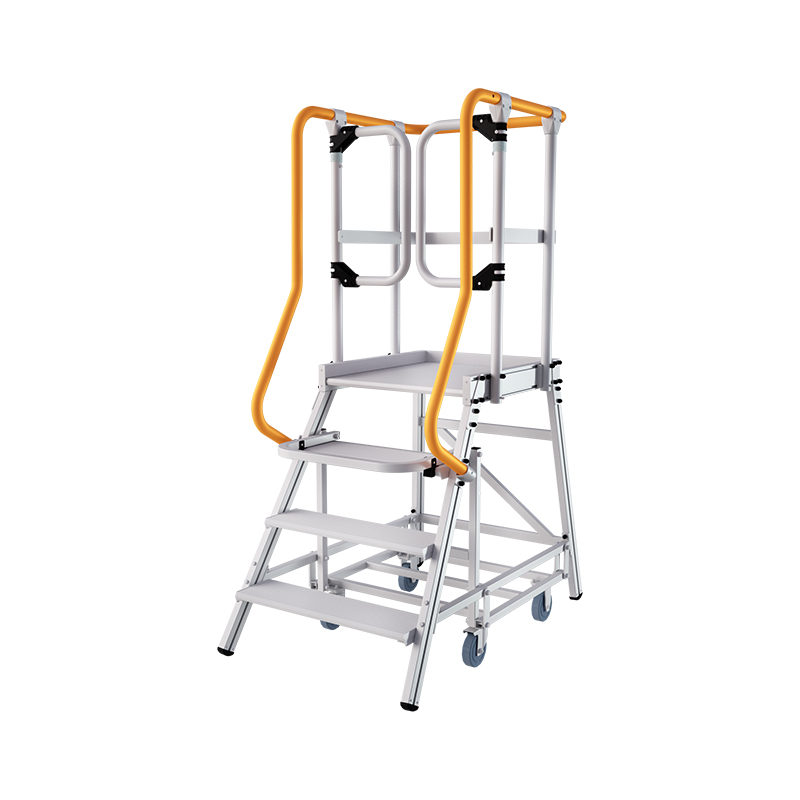
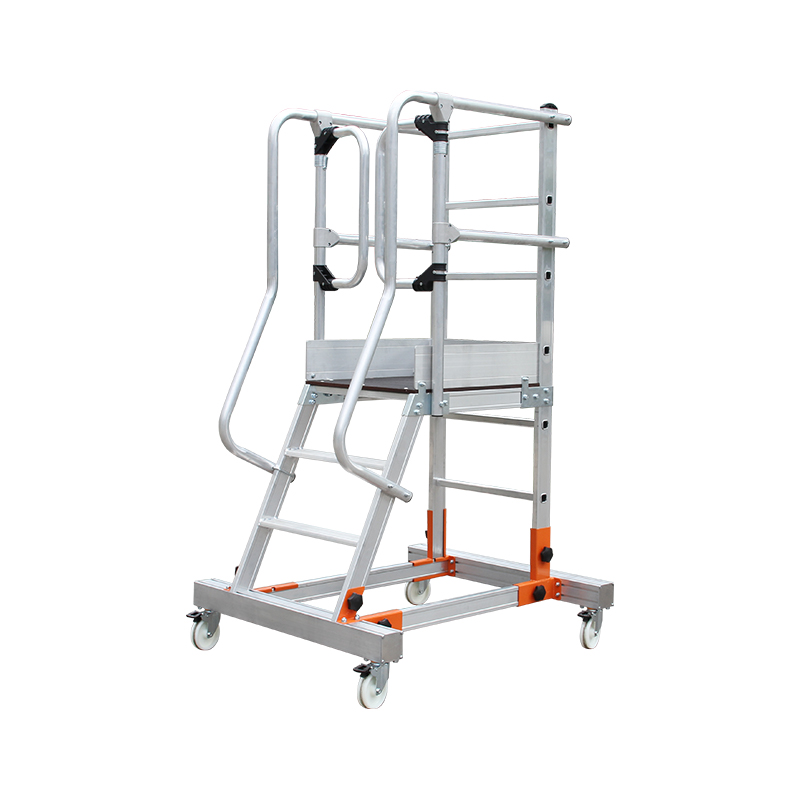
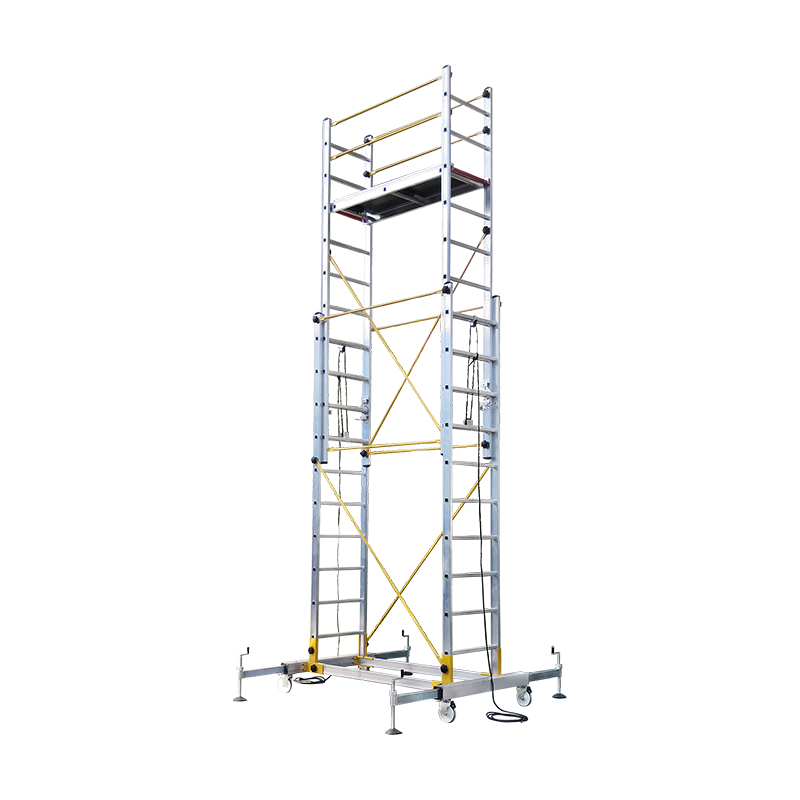
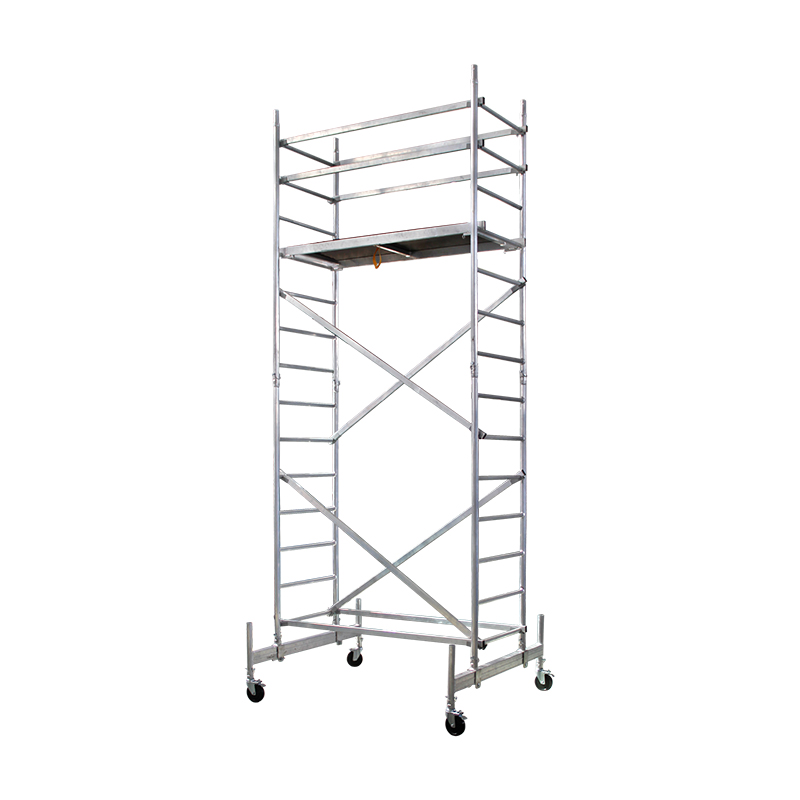
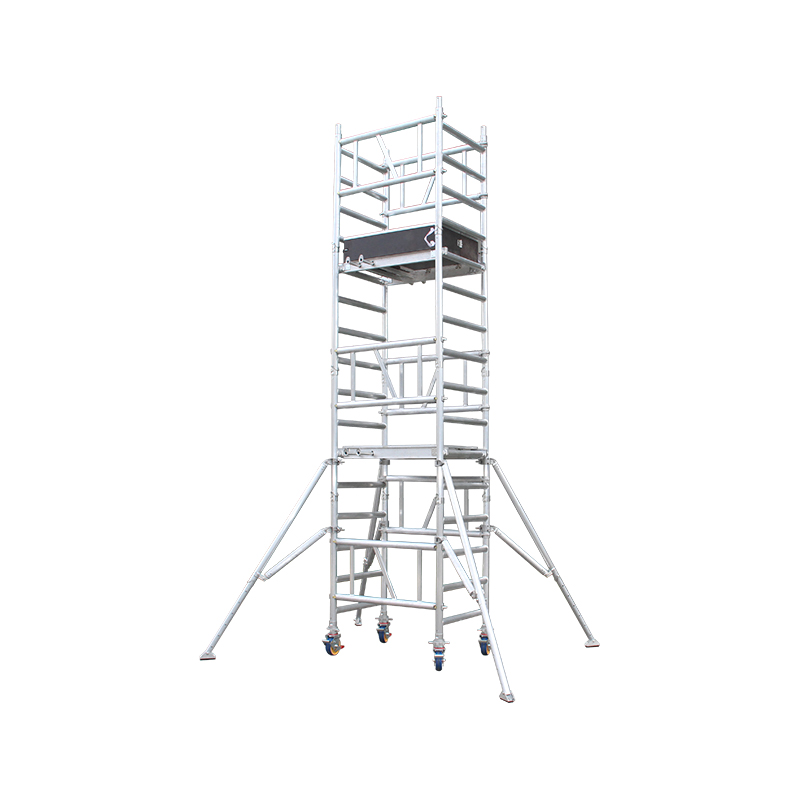
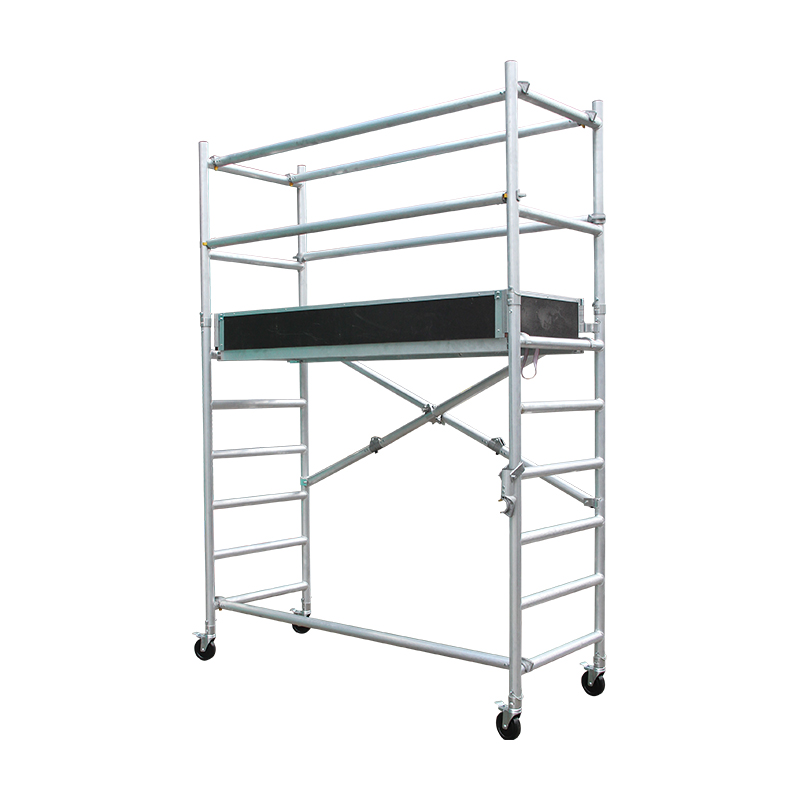
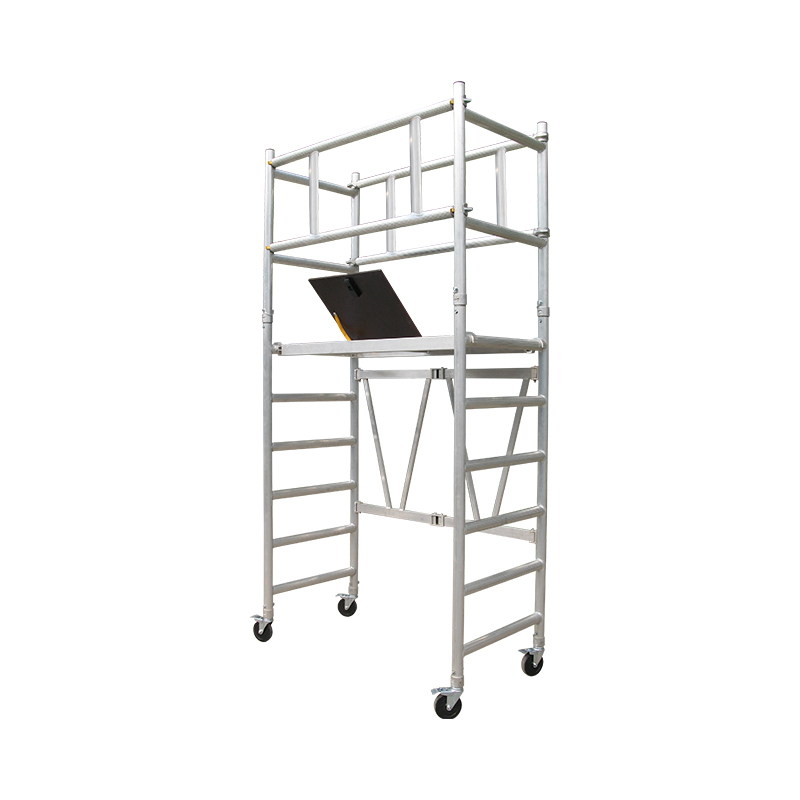
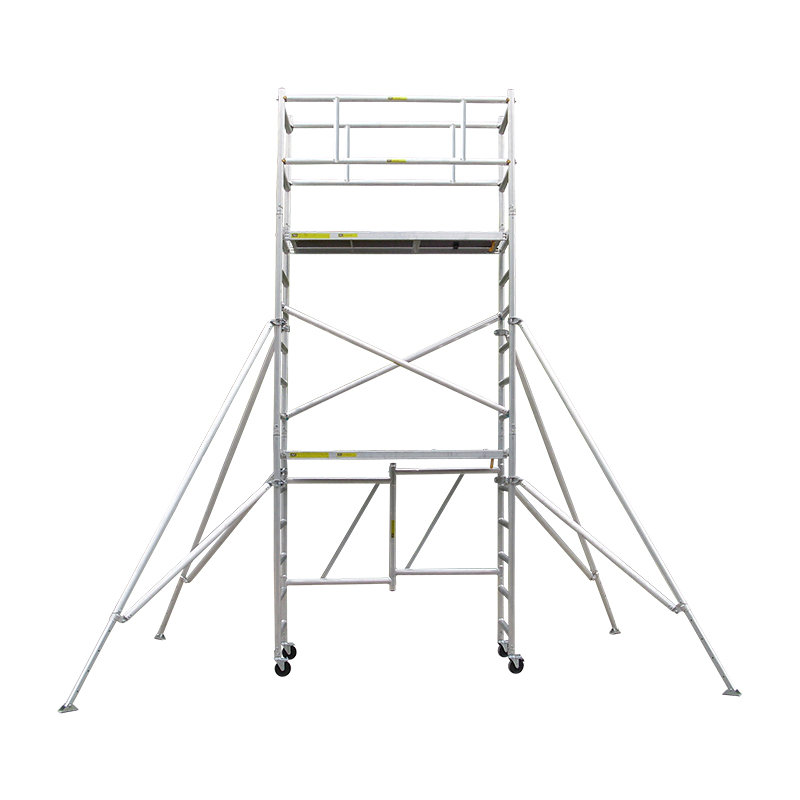
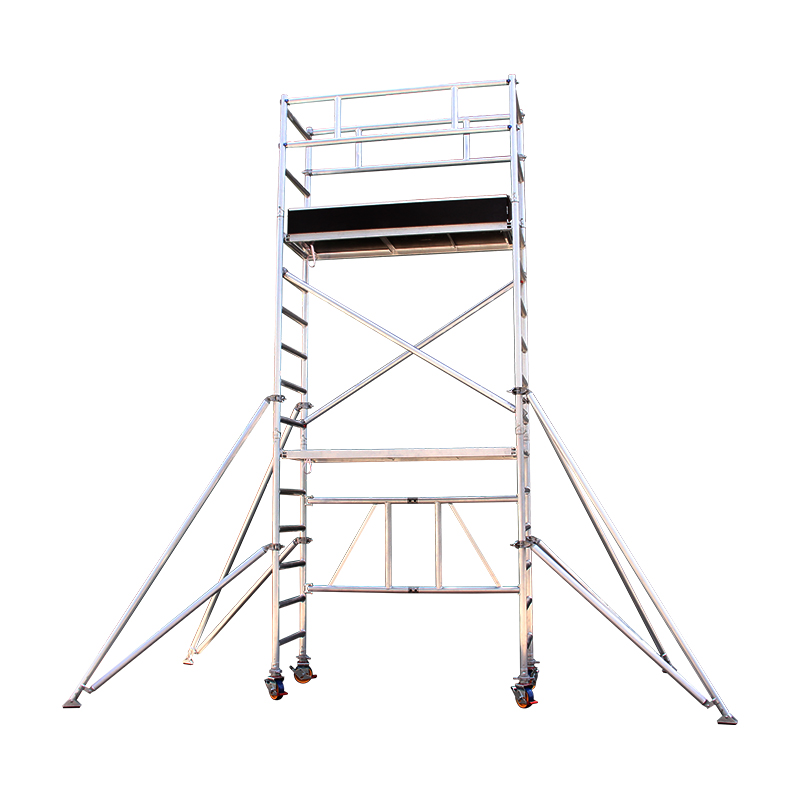
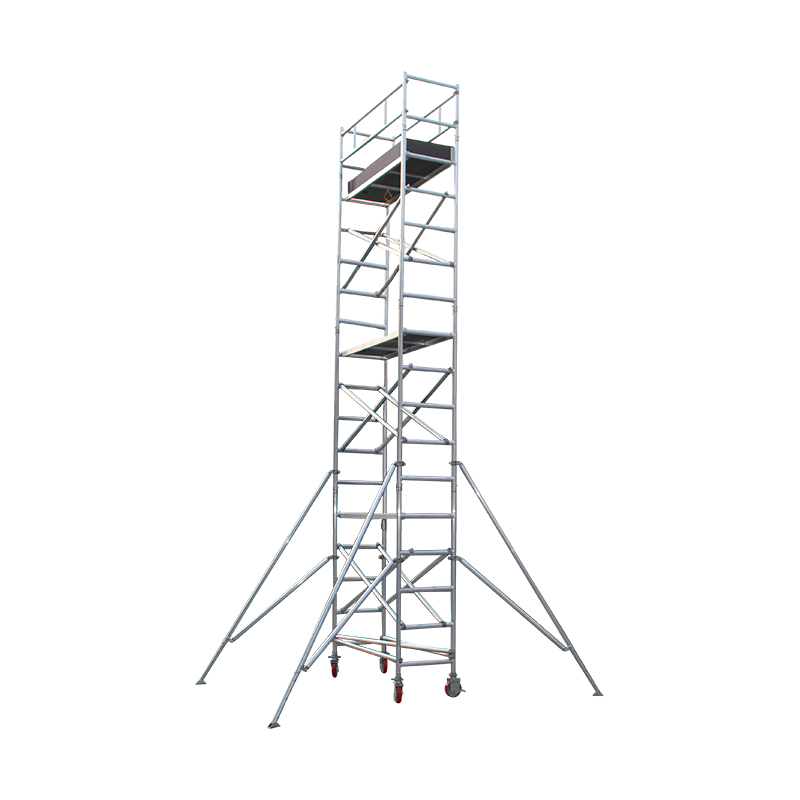
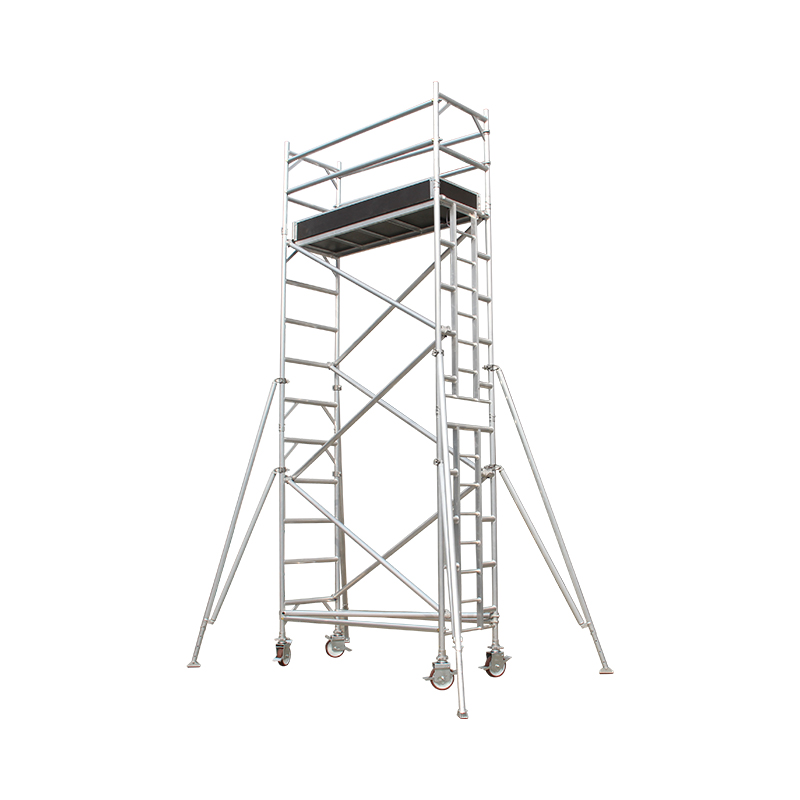
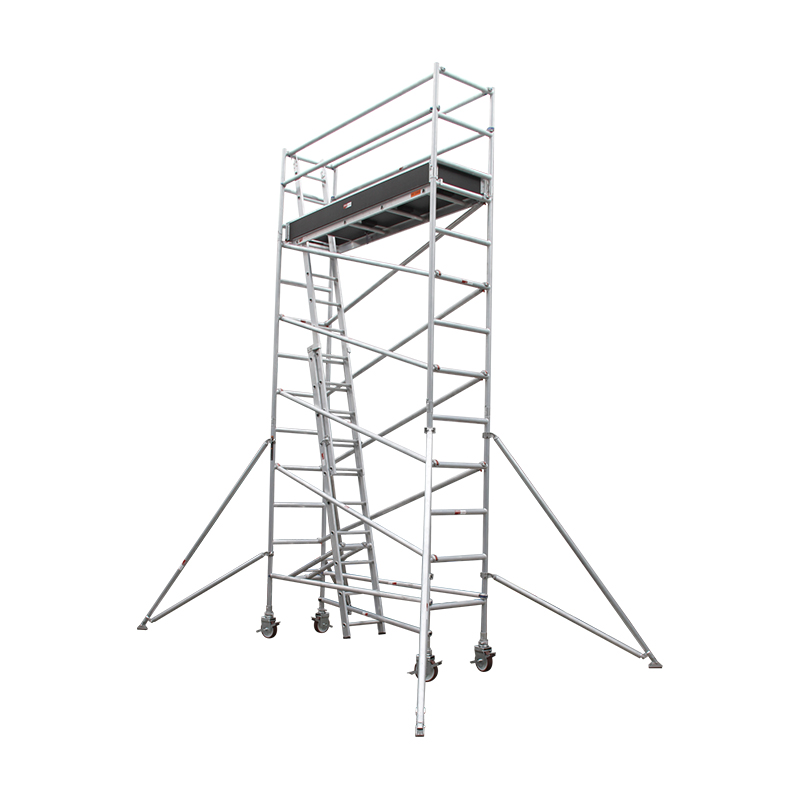
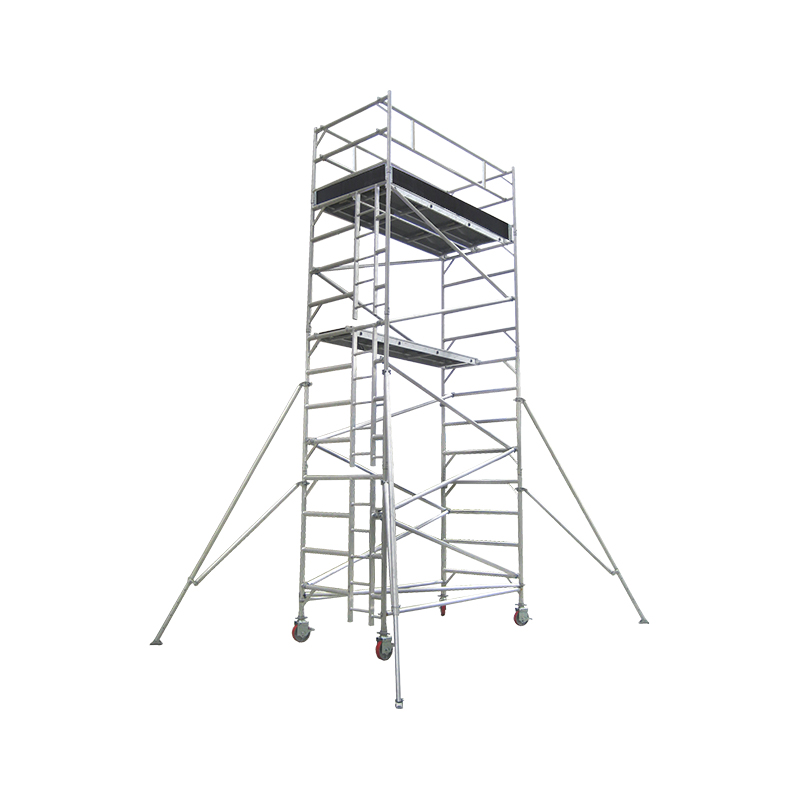
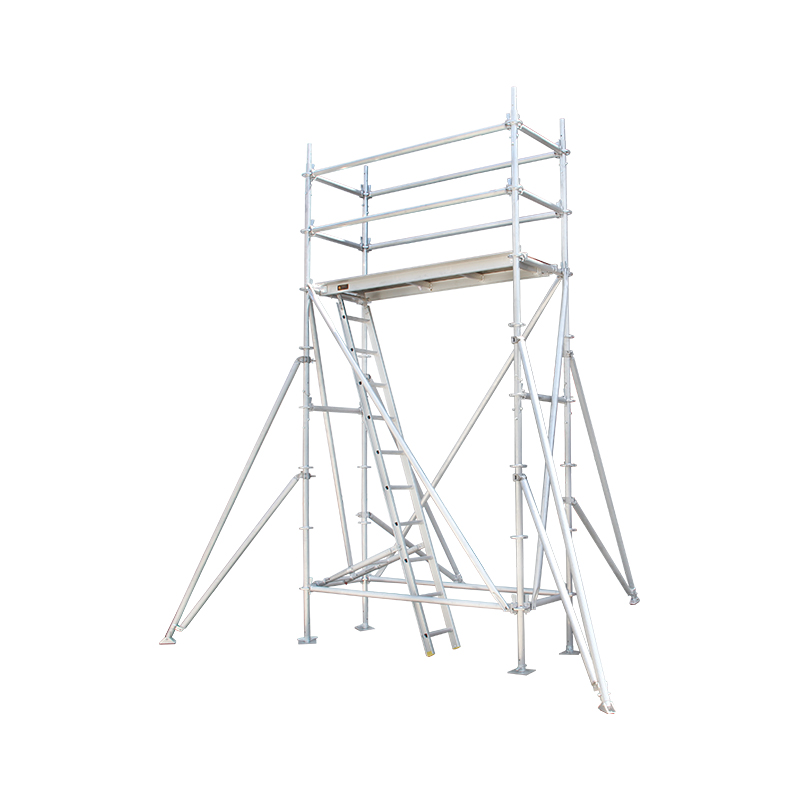
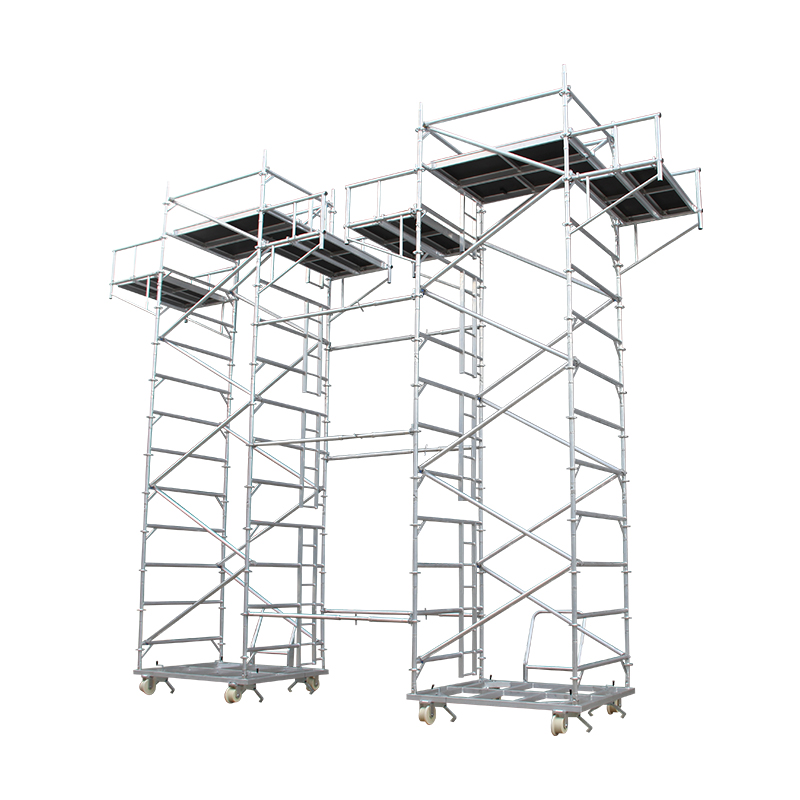
Aluminium mobile scaffolding is an efficient solution for elevated work where workers need a stable platform that can be repositioned between different work areas. Its lightweight aluminium structure, mobile base, working platform, guardrails, and stabilizing components make it suitable for construction, industrial maintenance, equipment installation, warehouses, commercial buildings, and facility management.
Unlike fixed scaffolding, a mobile scaffold tower does not have to remain in one location throughout the entire project. Once the structure is correctly assembled and the working area is prepared, it can be moved to another suitable position when required and secured before work resumes. This flexibility can reduce the need to repeatedly dismantle and rebuild access equipment for nearby work areas.
However, mobility should never come at the expense of stability. A properly selected aluminium mobile scaffolding system must have an appropriate load rating, stable base, reliable locking castors, suitable platform height, and safety components designed for the intended application.
What Is Aluminium Mobile Scaffolding?
Aluminium mobile scaffolding is a freestanding tower system manufactured primarily from aluminium components and equipped with wheels or castors at its base. The tower creates an elevated working platform while allowing the complete structure to be relocated when it is not occupied and when movement is permitted by the applicable instructions and regulations.
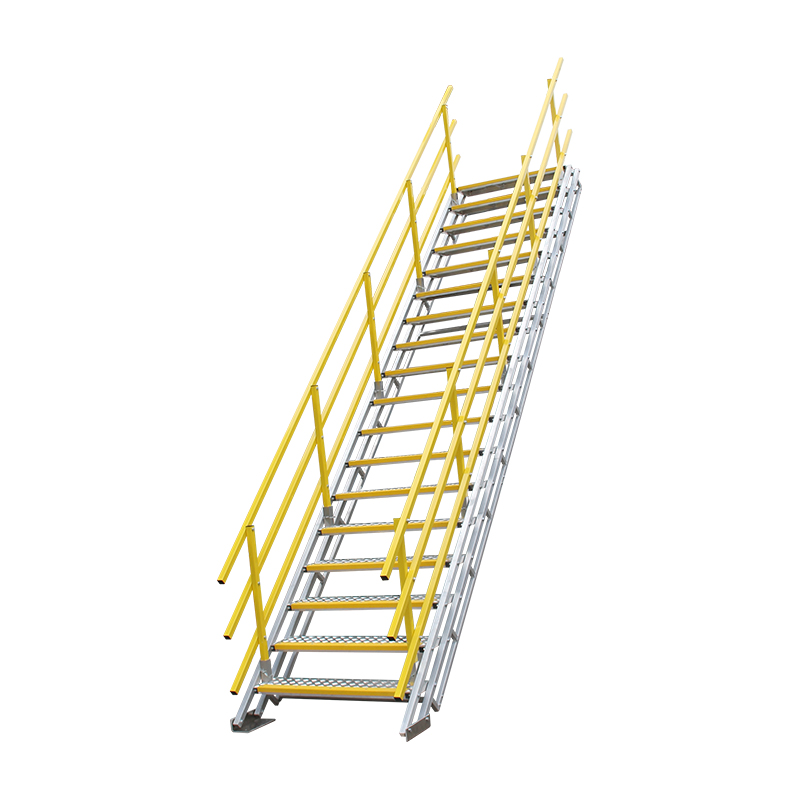
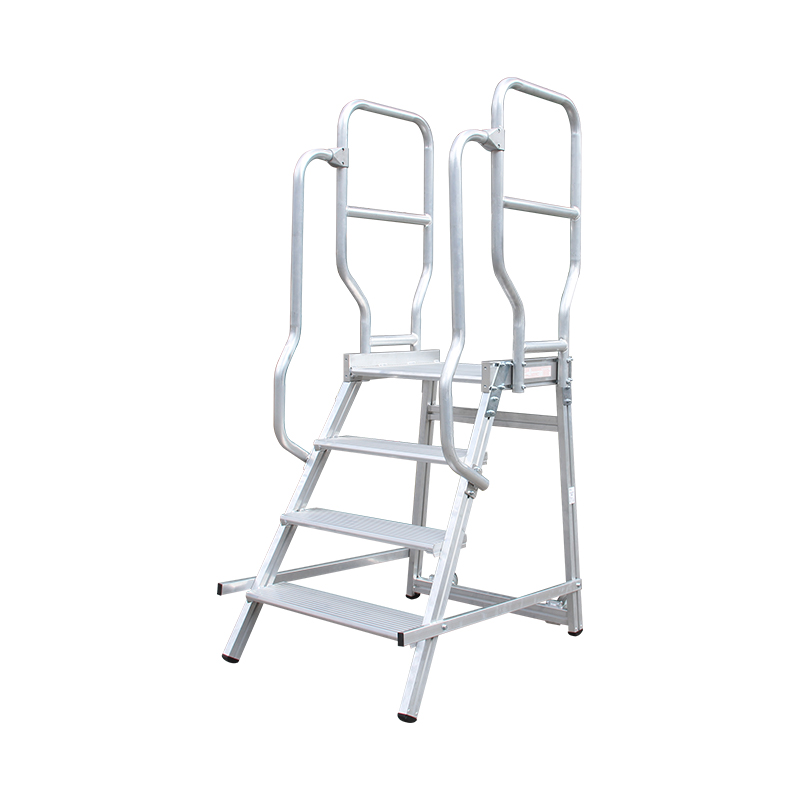
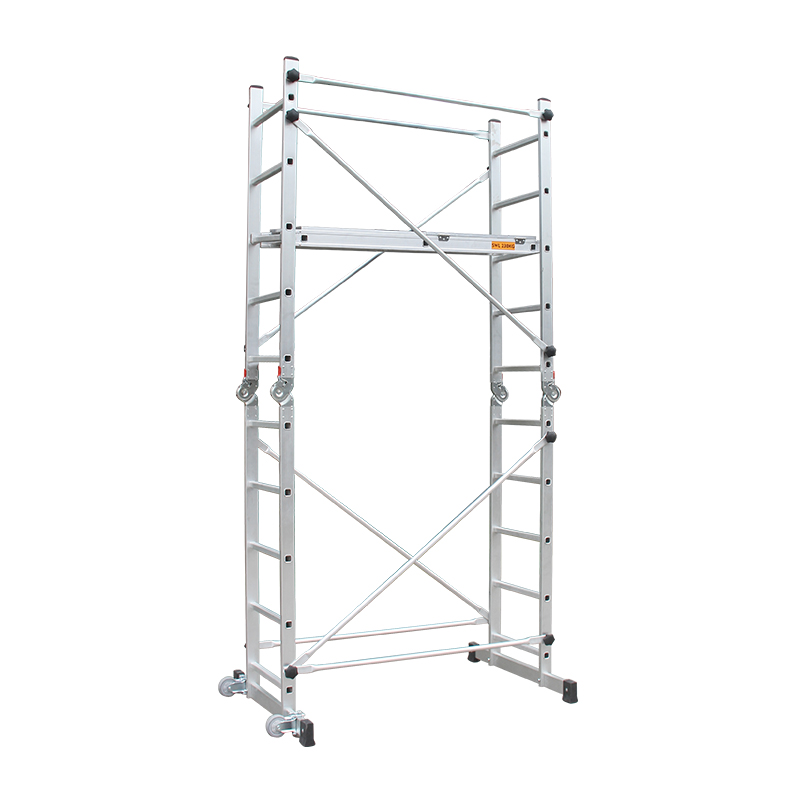
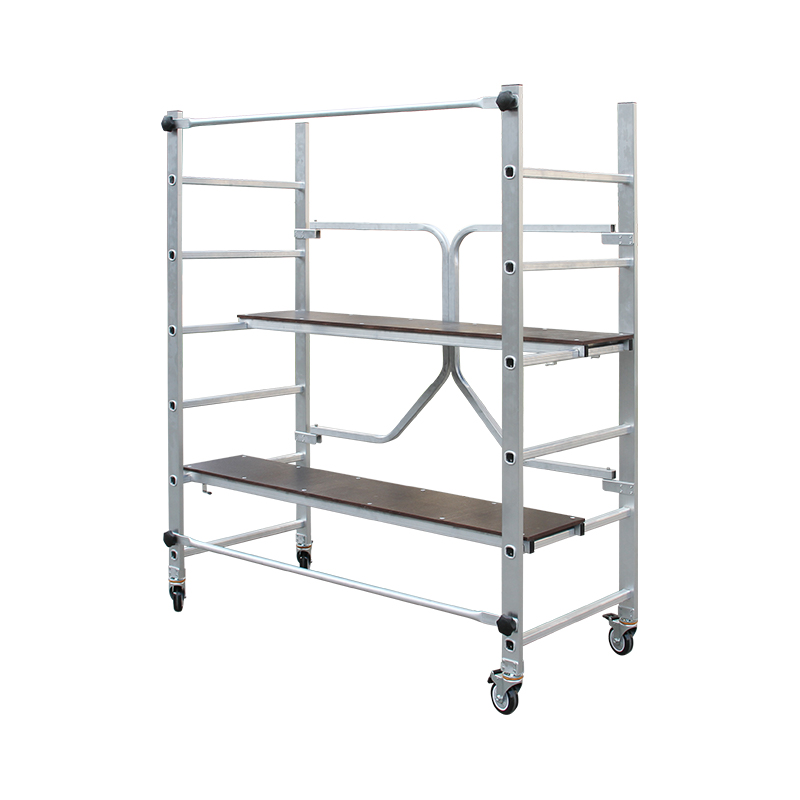
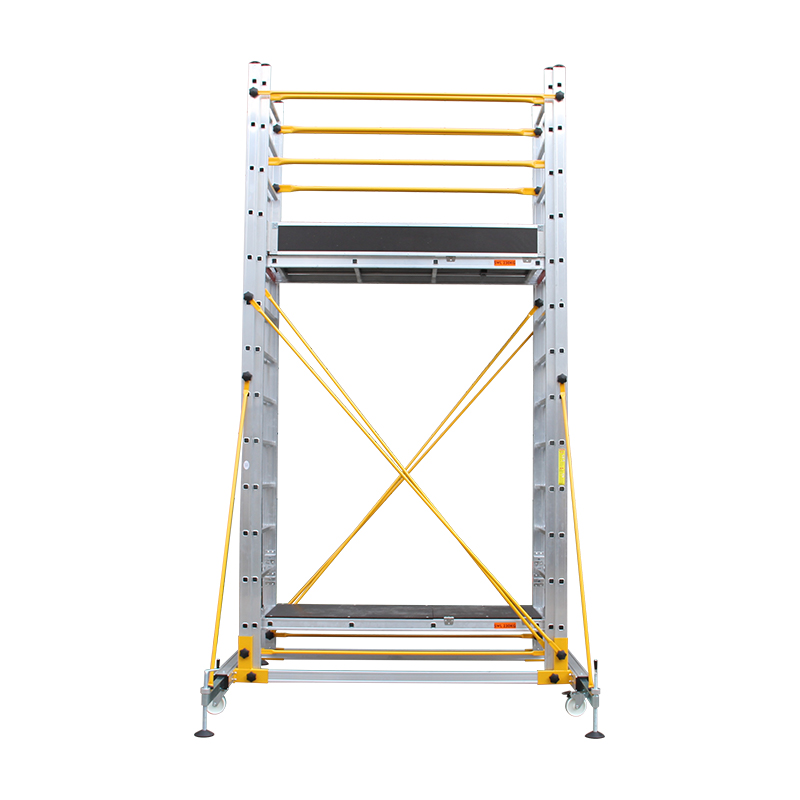
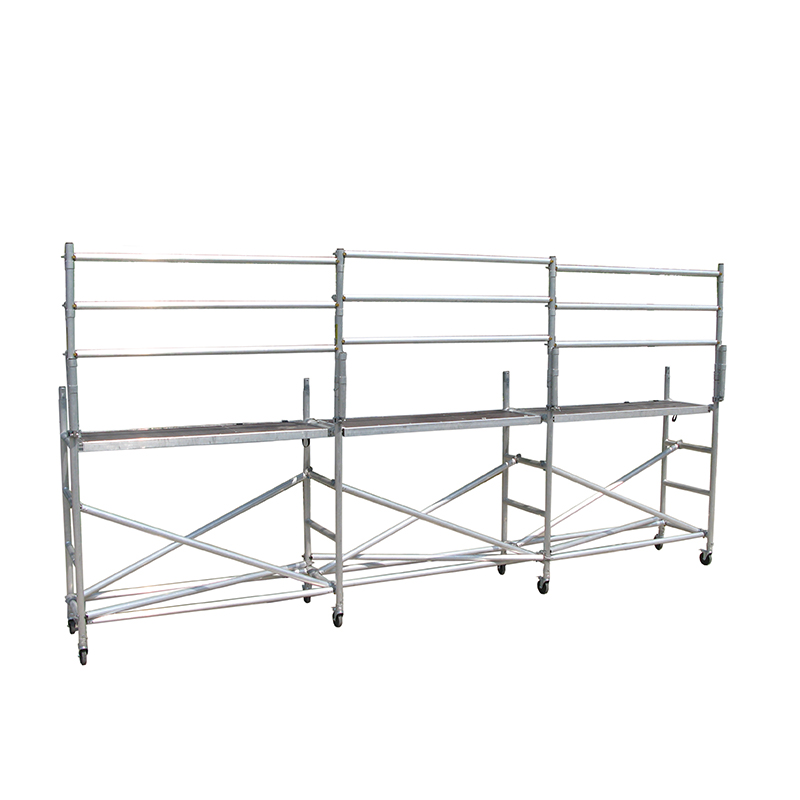
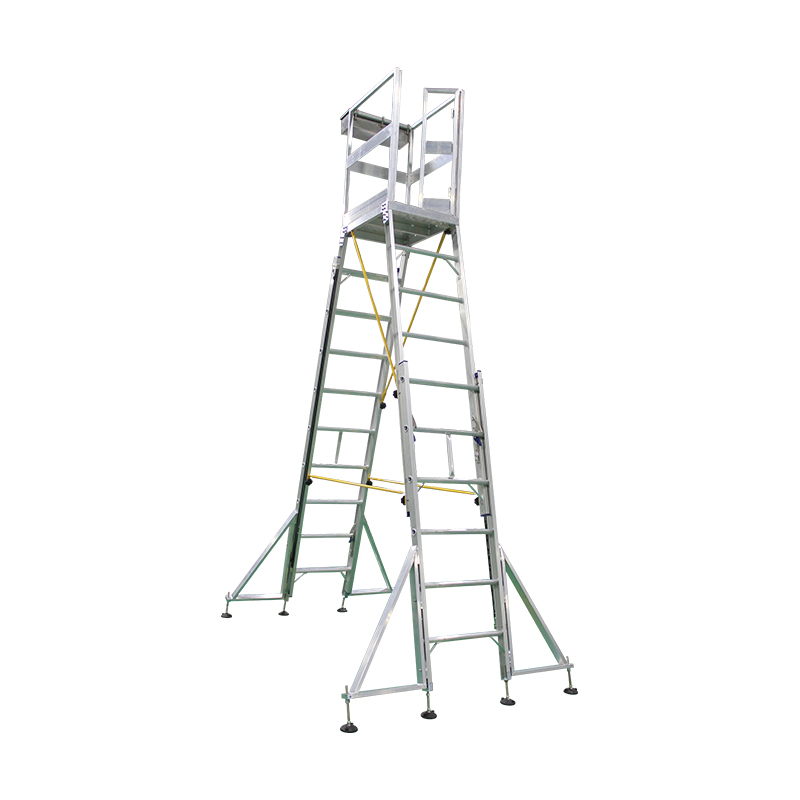
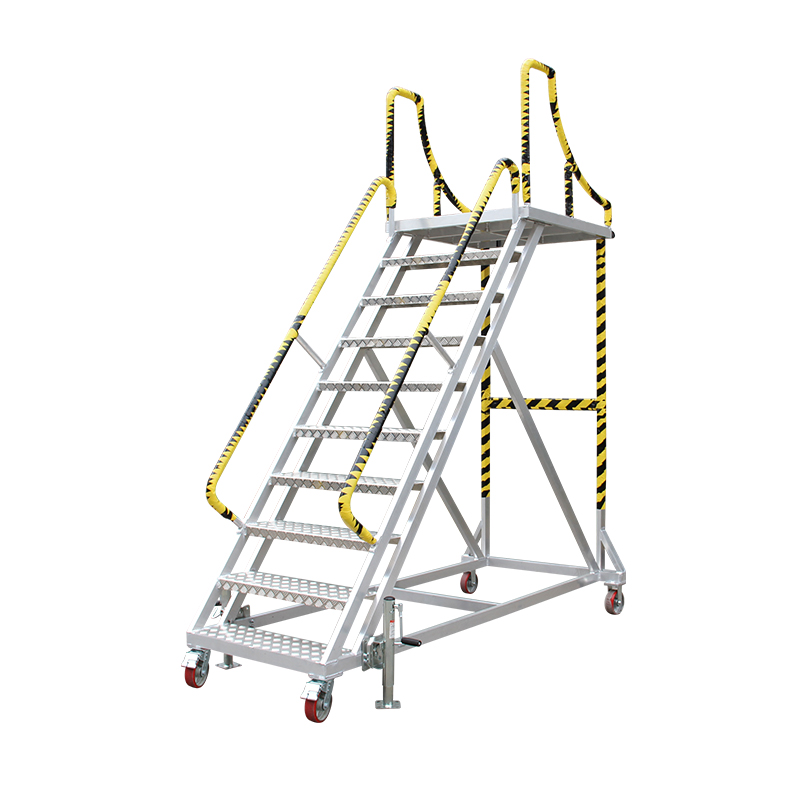
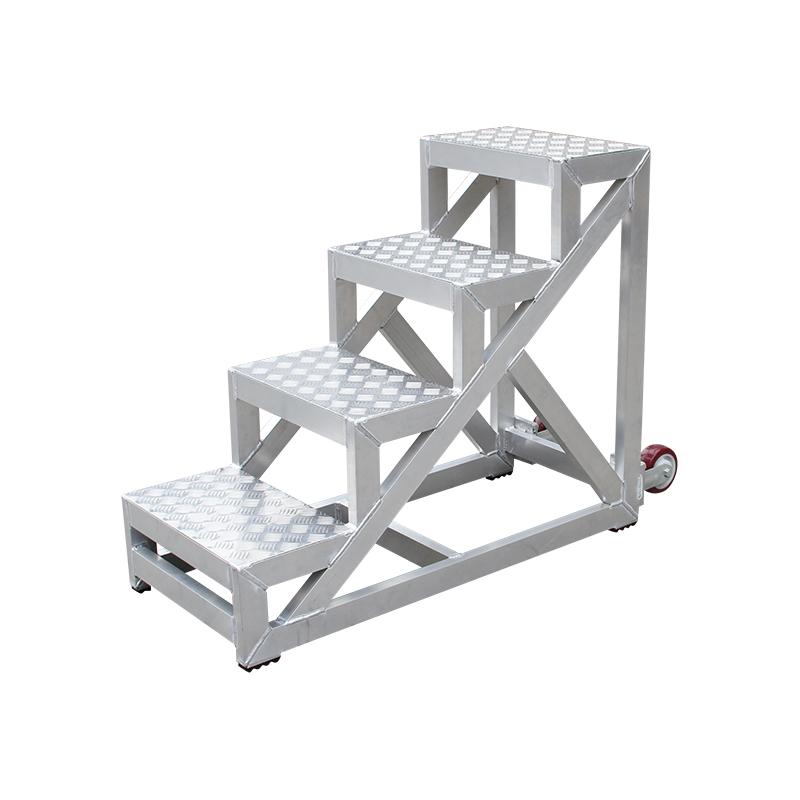
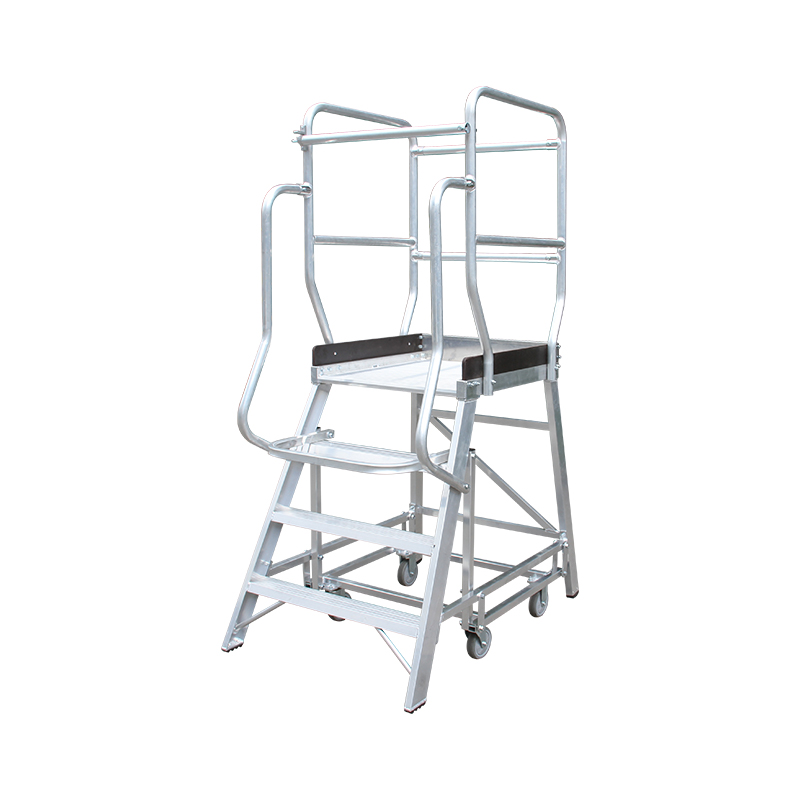
A typical system may include vertical frames, horizontal braces, diagonal braces, working platforms, access ladders or stair components, guardrails, toe boards, stabilizers, outriggers, and locking castors. The exact configuration varies according to the tower height, platform size, load capacity, and intended application.
Aluminium Frames
The aluminium frames form the main vertical structure of the tower. Aluminium offers a useful combination of relatively low weight and structural performance, making individual scaffold components easier to handle during transportation and assembly.
Working Platform
The working platform provides the elevated area where workers perform their tasks. Its dimensions should correspond to the type of work being performed. Maintenance operations may require enough space for tools and equipment, while inspection work may prioritize clear access around machinery or building components.
Guardrails and Toe Boards
Guardrails and toe boards are important components of many mobile scaffold configurations. They help define the working area and provide additional protection against falls or objects leaving the platform, subject to the requirements of the applicable scaffold design and local regulations.

Key Advantages of Aluminium Mobile Scaffolding
The main reason aluminium mobile scaffolding is widely used is its ability to combine elevated working space with mobility. This is particularly useful in projects where workers need to perform similar tasks at multiple locations.
Lightweight and Easier to Handle
Aluminium components are generally lighter than comparable steel components. This can make transportation, assembly, and dismantling more manageable, especially when scaffold sections need to be moved manually around a building or production facility.
Easy Repositioning
A mobile configuration can save time when work is distributed across a large area. For example, a maintenance team working along a 30-metre production line may need to access several points at a similar elevation. A suitable mobile tower can be repositioned between workstations rather than requiring separate fixed access structures at every point.
Efficient Storage
Many aluminium mobile scaffolding systems are designed with modular components that can be dismantled for transportation or storage. This makes them practical for contractors and facilities that need to manage equipment in limited storage areas.
Corrosion Resistance
Aluminium naturally develops a protective oxide layer, giving it good resistance to atmospheric corrosion. This characteristic can be beneficial for equipment used in warehouses, construction environments, maintenance areas, and suitable outdoor applications. Nevertheless, aluminium scaffolding should still be protected from damaging chemicals and inspected regularly.
Where Aluminium Mobile Scaffolding Is Used
The versatility of mobile scaffolding makes it suitable for many elevated access tasks. The appropriate tower configuration depends on the required height, workspace, floor conditions, and nature of the work.
Construction and Building Maintenance
Mobile scaffold towers can provide temporary elevated access for interior finishing, painting, installation, inspection, ceiling work, and building maintenance. Their mobility is particularly useful when work needs to be completed at several points within the same room or building.
Industrial Maintenance
Factories frequently contain machinery, pipes, ventilation systems, storage equipment, and other components positioned above floor level. Aluminium mobile scaffolding can provide access for inspection, cleaning, repairs, replacement, and routine servicing where the equipment is appropriate for the application.
Warehouses and Logistics Centers
Warehouse operators may require elevated access for lighting maintenance, inventory management, signage installation, racking inspection, and facility repairs. A mobile tower can be useful where access points are spread throughout a large facility.
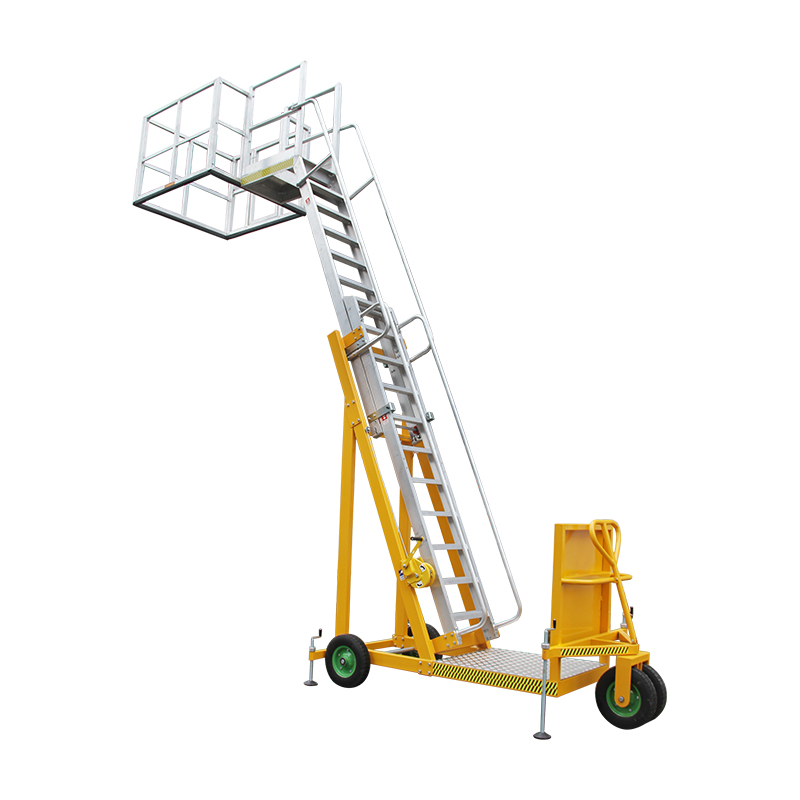
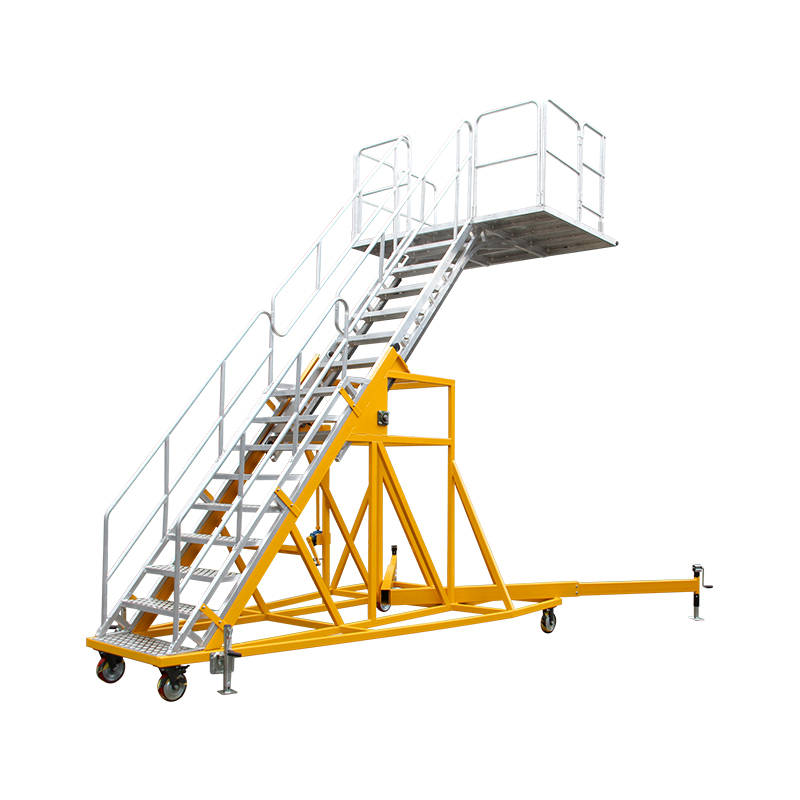
Aircraft, Vehicle, and Equipment Maintenance
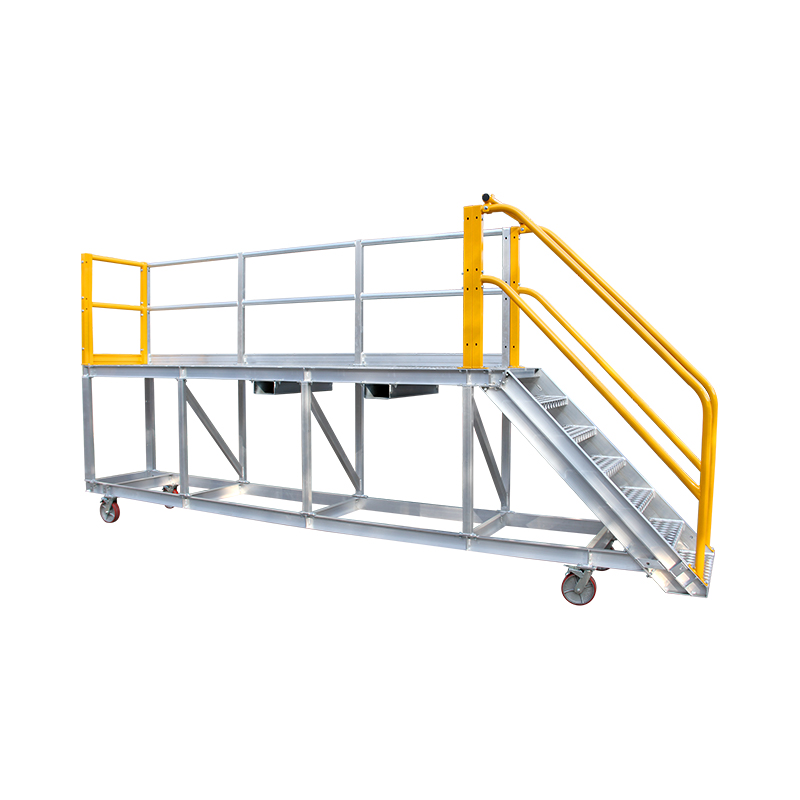
Large vehicles and industrial equipment often require access to elevated surfaces. Specialized mobile scaffolding can be configured around the dimensions of the equipment to provide a more convenient working position for inspection, servicing, and installation work.
Important Specifications When Choosing a Mobile Scaffold Tower
A mobile scaffolding system should be selected according to the actual working conditions rather than simply choosing the highest available tower. Several specifications directly affect usability and safety.
| Specification | Why It Matters |
|---|---|
| Working height | Determines whether the platform provides sufficient access for the task. |
| Platform size | Determines available standing and working space. |
| Load capacity | Must accommodate workers, tools, materials, and equipment within the specified rating. |
| Tower dimensions | Affects stability, access through doors, and available working space. |
| Castor specification | Determines mobility and compatibility with the total tower load. |
| Stabilization system | Helps maintain the required stability for the specific tower configuration. |
Always compare the complete assembled configuration with the manufacturer's rated specifications. A tower's permissible height, load, platform arrangement, and stabilization requirements can depend on the specific configuration rather than on individual components alone.
Mobility Requires Proper Operating Procedures
The wheels are one of the defining features of mobile scaffolding, but they also introduce operating requirements that do not apply in the same way to fixed structures. Moving the tower should only be carried out under the conditions permitted by the equipment design and applicable regulations.
- Inspect the tower before use and check frames, braces, platforms, guardrails, castors, and connections.
- Position the tower on a suitable firm and level surface.
- Make sure all required stabilizers, braces, and locking components are correctly installed.
- Lock the castors or securing mechanisms before climbing and working from the platform.
- Never exceed the specified load capacity.
- Do not move the tower with workers or unsecured materials on the platform unless the specific system is expressly designed and approved for that operation.
- Follow the manufacturer's assembly, use, inspection, and movement instructions.
Mobile scaffolding should be treated as a complete access system rather than simply a platform mounted on wheels. The interaction between tower height, base width, castors, stabilizers, braces, and floor conditions determines how the system performs.
Aluminium Mobile Scaffolding Compared with Fixed Scaffolding
Both mobile and fixed scaffolding have important roles in construction and industrial work. The better choice depends on how often the access point changes and how long the structure needs to remain in one location.
| Factor | Aluminium Mobile Scaffolding | Fixed Scaffolding |
|---|---|---|
| Mobility | Designed for relocation when permitted | Remains in a designated position |
| Storage | Can be dismantled or stored as components | Typically requires a dedicated installed area |
| Typical use | Changing work locations and short-duration tasks | Long-duration or large-area access requirements |
| Setup flexibility | Generally convenient for repositioning | Better suited to dedicated access arrangements |
For example, painting a large interior space at multiple nearby locations may favor a mobile tower, while creating continuous access across an entire building façade may require a different scaffolding solution. The correct system is determined by the work pattern, not simply by the desired platform height.
When a Customized Aluminium Mobile Scaffold Is Better
Standard mobile towers can meet many general access requirements, but industrial facilities often contain unique machinery layouts, restricted passages, uneven equipment spacing, and specialized working positions. In these situations, customized aluminium mobile scaffolding can provide a better fit.
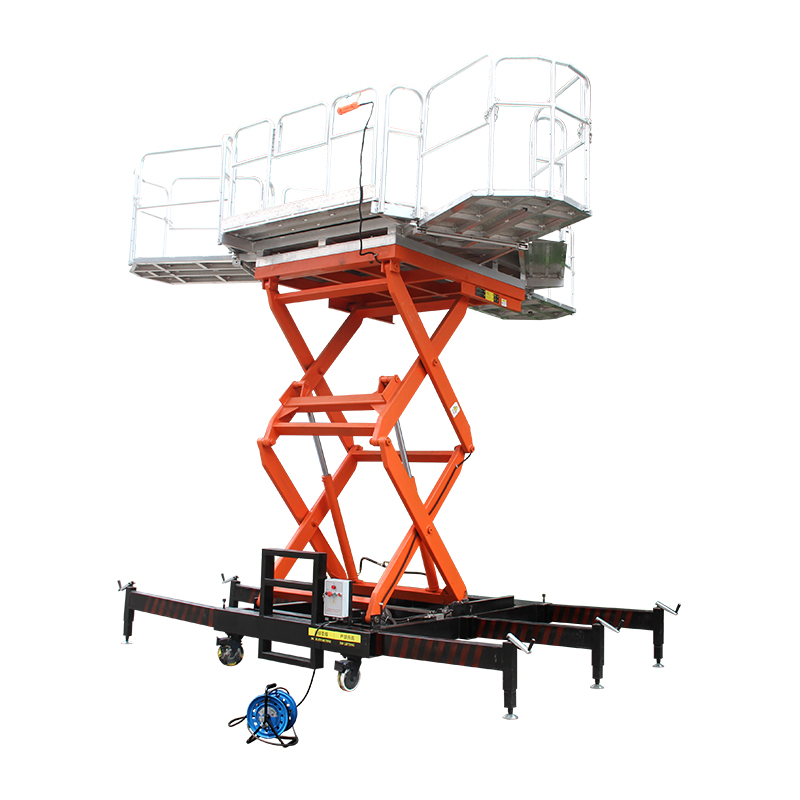
Customization may involve platform dimensions, tower width, access direction, handrails, guardrails, stabilizers, wheel arrangements, working height, or special configurations around machinery. For example, a narrow tower may be required to pass through a particular production aisle while still providing enough platform area for maintenance work.
For large industrial projects, the design process should begin with accurate information about the work location. Providing the required platform height, maximum working load, available floor space, access restrictions, and intended application allows the manufacturer to develop a more appropriate configuration.
Inspection and Maintenance of Aluminium Mobile Scaffolding
Regular inspection helps maintain the performance of mobile scaffolding throughout its service life. Inspection procedures should follow the manufacturer's instructions and the regulations applicable to the location where the equipment is used.
- Check aluminium frames for cracks, bending, deformation, or significant dents.
- Inspect platforms for damage, excessive wear, or loose connections.
- Verify that braces and frame connections remain secure.
- Inspect castors for damage, excessive wear, and proper operation.
- Check locking mechanisms and stabilizers before every use.
- Keep components clean and free from materials that could interfere with connections or moving parts.
- Remove damaged components from service until they have been appropriately assessed.
Aluminium itself is resistant to normal atmospheric corrosion, but the complete scaffold system contains other components such as fasteners, wheels, fittings, and platform surfaces that may require separate inspection and maintenance.
Choosing the Right Aluminium Mobile Scaffolding System
The right aluminium mobile scaffolding system should provide enough height and workspace for the job while remaining compatible with the available floor area and operating conditions. A practical selection process should begin with the task itself.
- Define the required working height: determine the actual elevation needed rather than automatically selecting the tallest tower.
- Calculate the working load: consider personnel, tools, equipment, and materials together.
- Measure the work area: check doorways, aisles, machinery clearance, and floor space.
- Consider mobility: determine how frequently the tower needs to be relocated and what type of floor it will travel across.
- Check safety requirements: verify that the selected configuration complies with applicable standards and workplace regulations.
- Consider customization: for unusual working conditions, discuss platform dimensions and structural requirements with an experienced manufacturer.
Aluminium mobile scaffolding is most valuable when a project requires stable elevated access at multiple locations without sacrificing portability. With the right configuration, it can improve access efficiency while reducing the space and handling requirements associated with more permanent access structures.
- Aluminium Mobile Scaffolding: Types, Load Ratings, Safety, and Buyer's Guide View more
- Aluminium Step Ladder: Guide to Safety, Types & Applications View more
- Caster Scaffolding Guide: How to Specify Mobile Aluminium Towers Safely View more
- Aluminium Platform Ladder Guide: Safety, Types & Buying Tips View more
For project inquiries, fill in the form or contact us directly—our team responds promptly.

Copyright @ Shanghai Ruiju Metal Products Co.,Ltd. All rights reserved Aluminum Scaffolding Suppliers Aluminium Ladder Manufacturers
