 en
en 简体中文
简体中文 Español
 Deutsch
 عربى
عربى
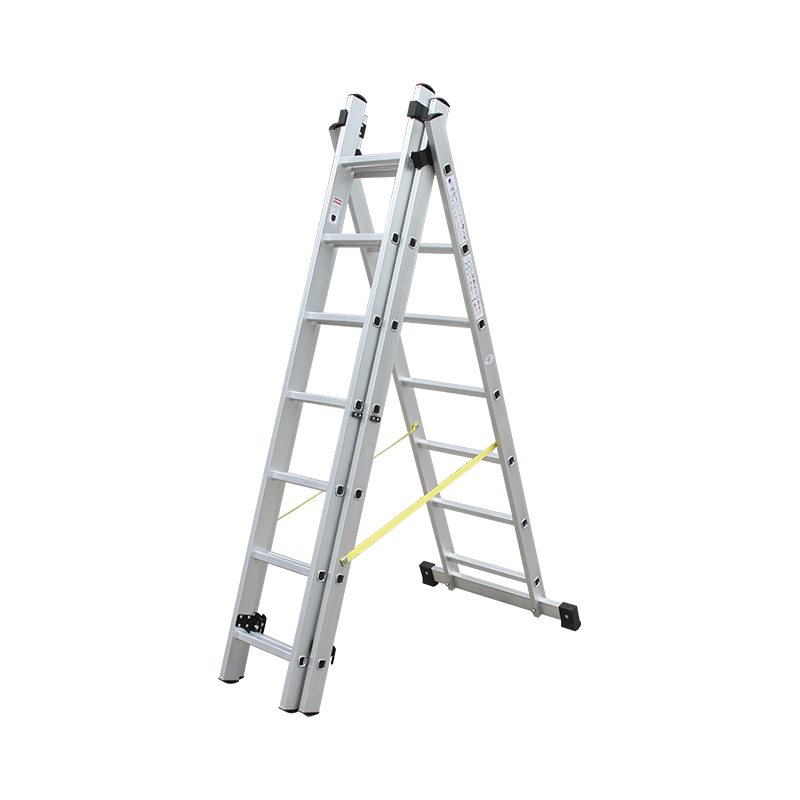
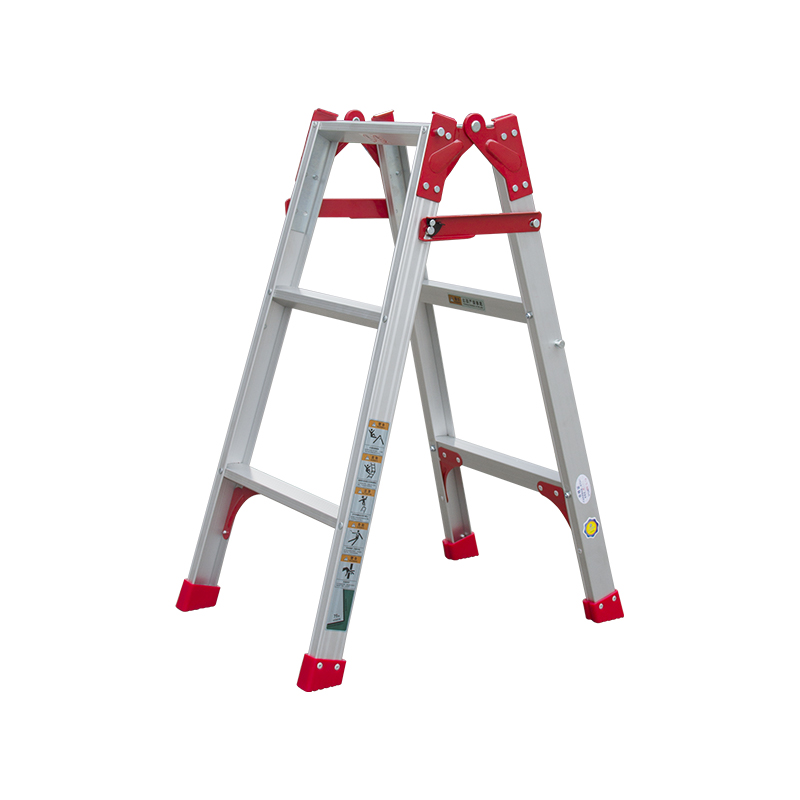
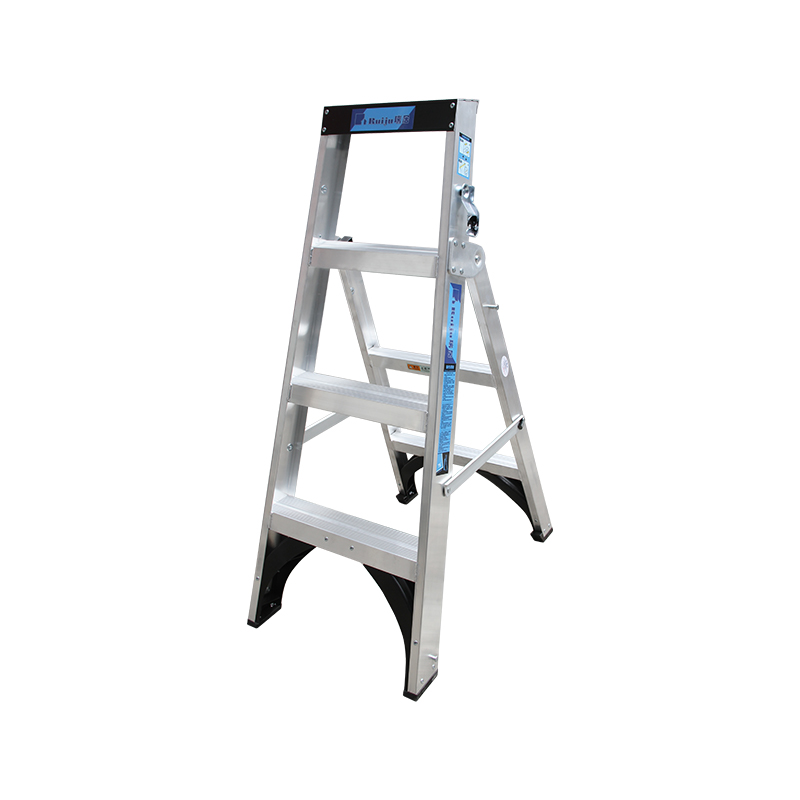
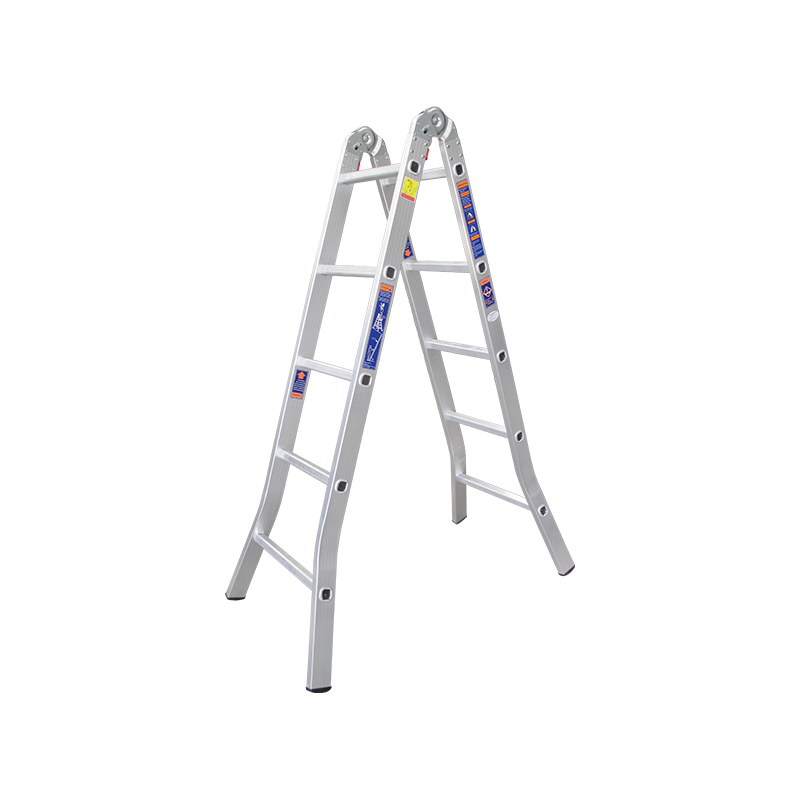
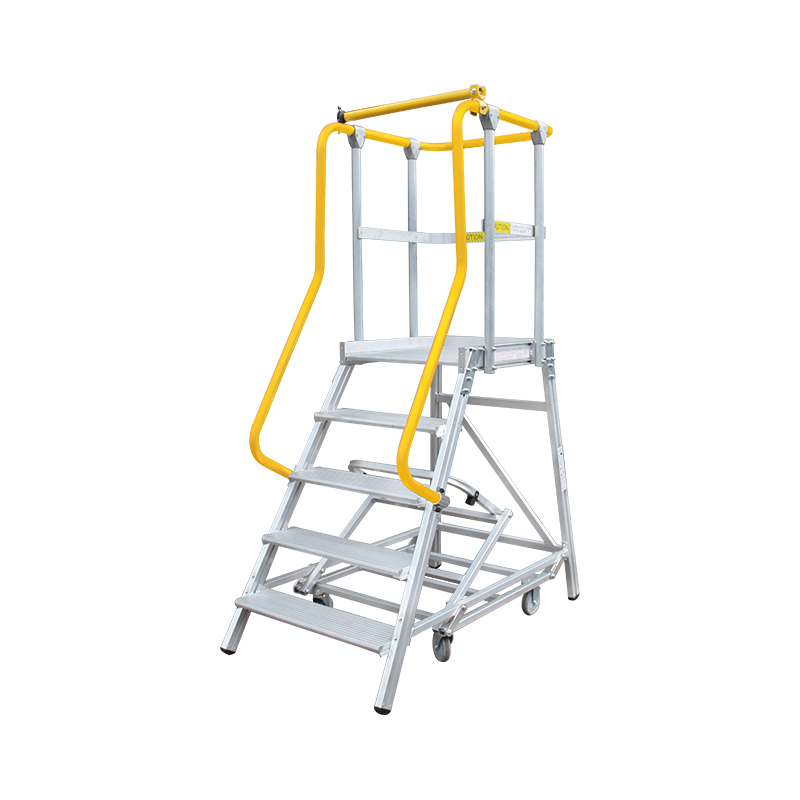
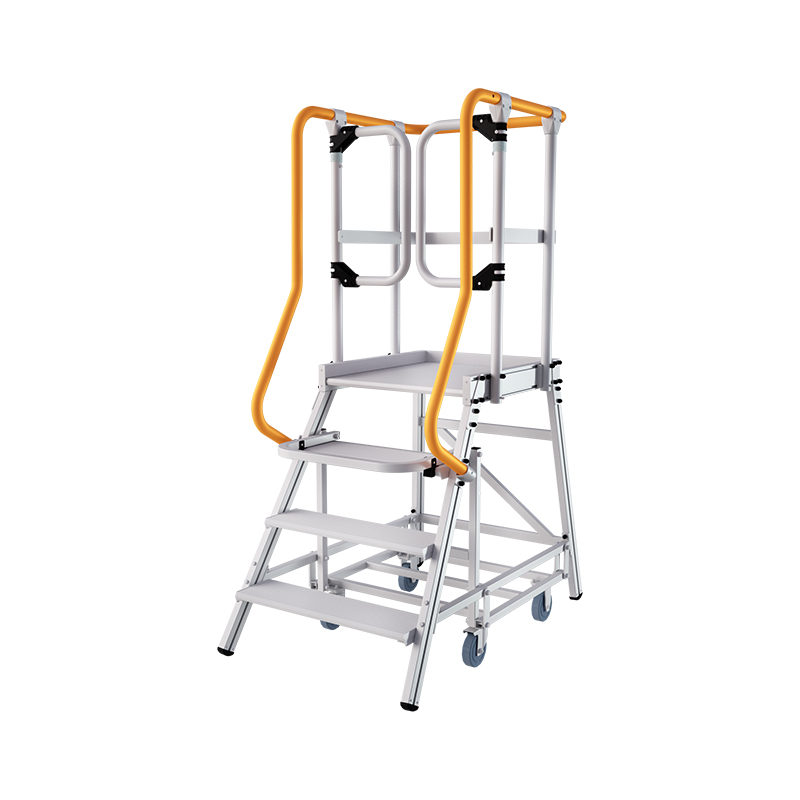
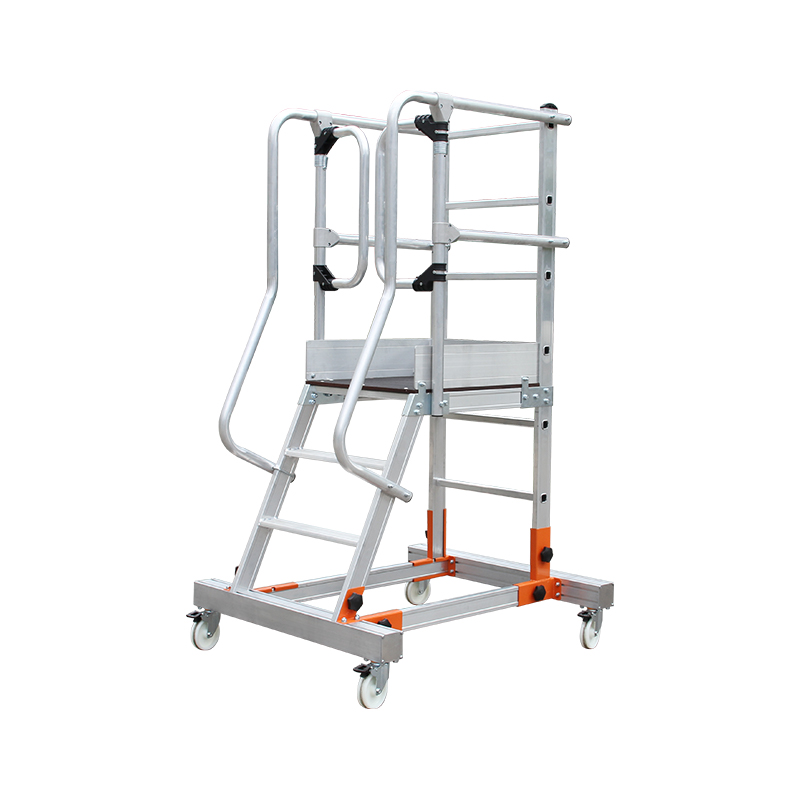
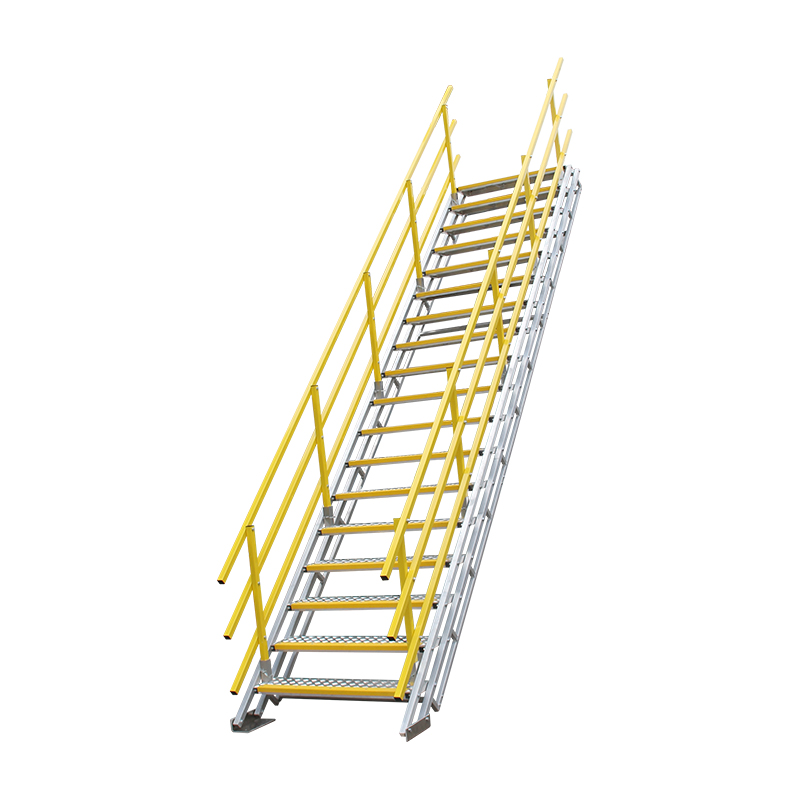
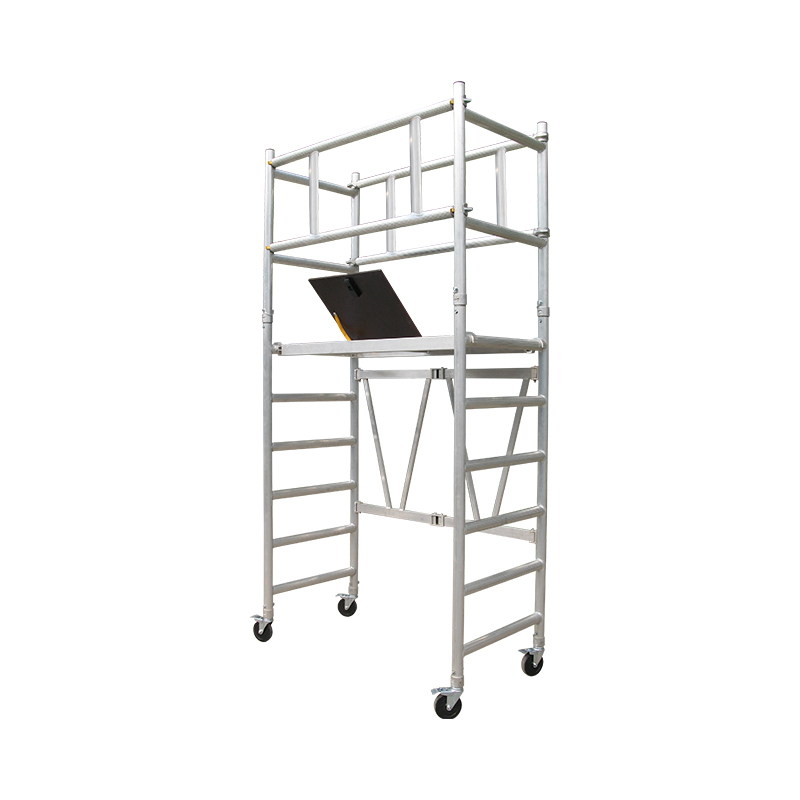
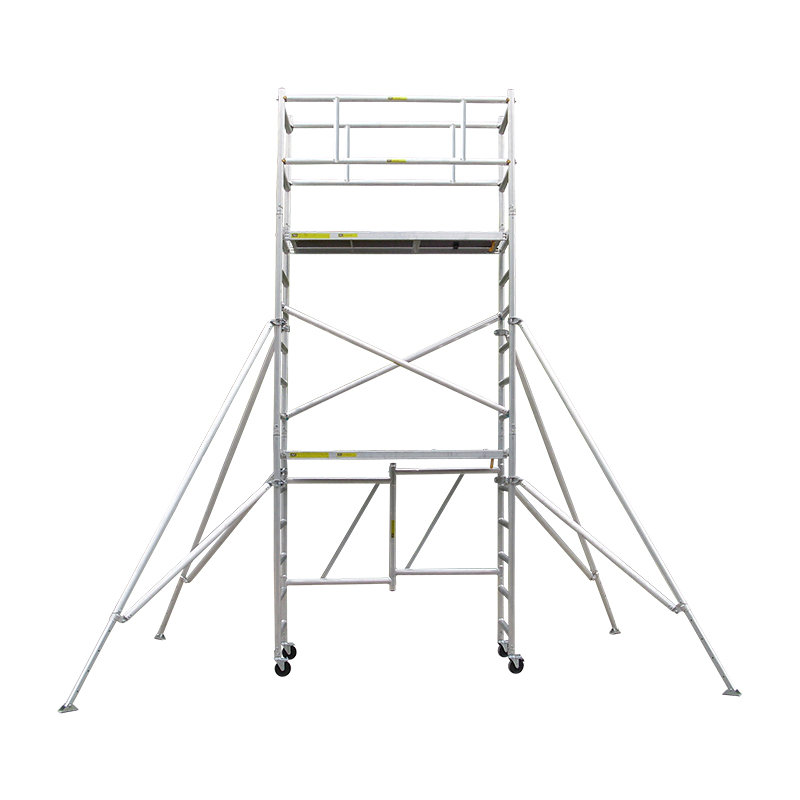
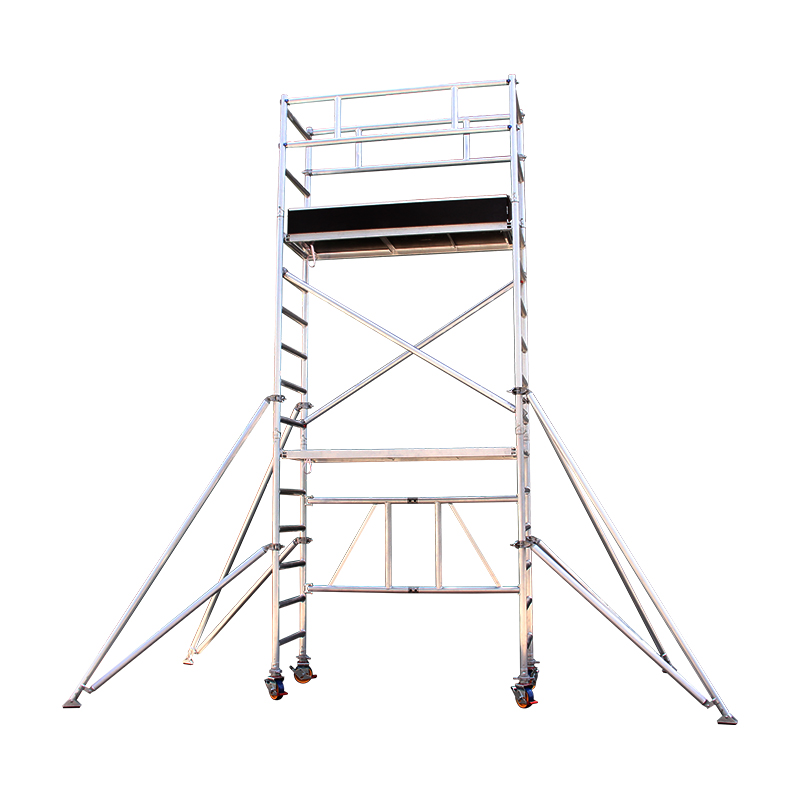
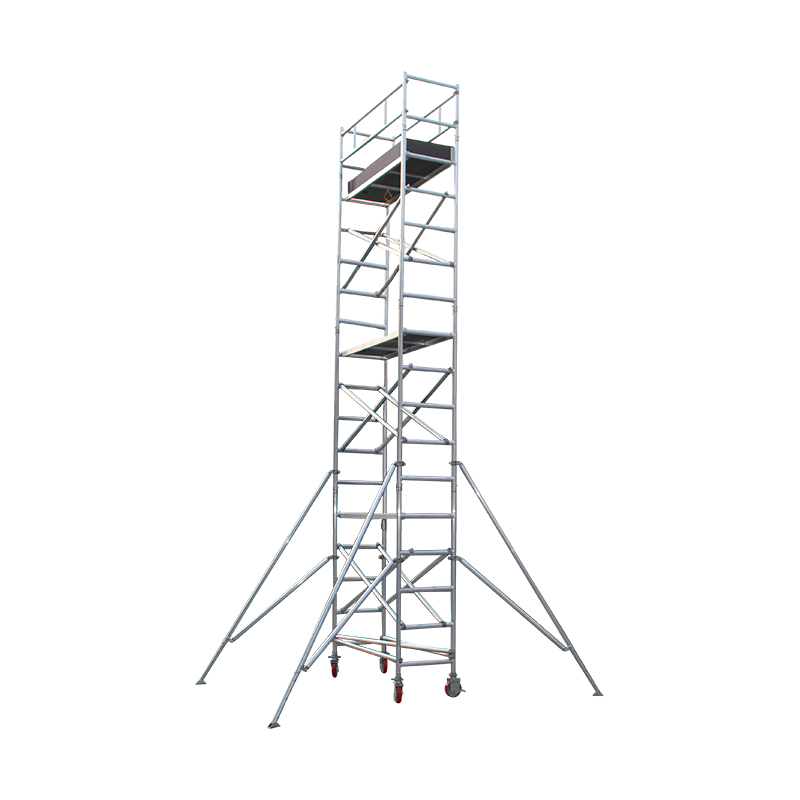

Aluminium Mobile Scaffolding: Types, Load Ratings, Safety, and Buyer's Guide
Content
- 1 Why Aluminium Scaffolding Is the Default Choice for Mobile Access
- 2 Key Specifications to Compare Before Buying
- 3 Main Types of Aluminium Mobile Scaffolding
- 4 Aluminium Scaffolding vs Ladders and Powered Platforms
- 5 Assembly, Stability, and Safety Requirements
- 6 Weight, Transport, and On-Site Logistics
- 7 How to Choose the Right Aluminium Scaffold
- 8 Price Considerations
Choose the access solution before the job starts and the day runs smoothly. A warehouse supervisor reaches racking at five meters twice a day; a facade crew needs a stable platform for an eight-hour shift; an electrical contractor moves between three sites in one week. A ladder forces an awkward reach at that height, and a powered boom is overkill. The practical middle ground is aluminium scaffolding: a mobile tower that assembles in minutes, rolls through doorways, and puts workers on a guarded platform instead of a single rung.
For most maintenance, installation, and finishing work up to 12 meters, aluminium mobile scaffolding offers the best balance of safety, portability, and long-term cost. Towers on the market are typically designed for platform loads of 150 to 200 kg/m², which covers two workers plus hand tools, and each frame section is light enough for manual handling.
Why Aluminium Scaffolding Is the Default Choice for Mobile Access
Aluminium is not the cheapest scaffold material; carbon steel is. Aluminium wins on low weight and corrosion resistance. A complete tower can be carried in sections by two people, moved across a site without a forklift, and left outdoors without the rust that plagues steel frames.
Most mobile towers use aluminium alloys such as 6063-T6 or 6061-T6, which give a high strength-to-weight ratio in extruded frames. The absence of rust also matters in food plants, pharmaceutical warehouses, and electrical rooms where steel scale would be a problem. For painting, HVAC work, facade repairs, and warehouse racking, aluminium towers are standard equipment across construction, logistics, and facility maintenance.
Key Specifications to Compare Before Buying
Compare specification sheets against the parameters that affect the job, not just the largest number on the page.
| Parameter | Typical range | Why it matters |
|---|---|---|
| Aluminium alloy | 6061-T6 or 6063-T6 | Determines strength-to-weight ratio and service life |
| Platform load | 150–200 kg/m² | Covers two workers plus hand tools |
| Working height | Up to 12 m | Above this, tie-ins or another access method are needed |
| Platform width | 0.7–0.8 m single; 1.3–1.5 m double | Controls whether the tower fits through doorways |
| Frame height | 1.5–2.0 m per frame | Sets assembly speed and height increments |
| Component weight | 10–25 kg per piece | Keeps manual handling safe for two workers |
| Standard | EN 1004, OSHA, AS/NZS 1576 | Confirms structural and safety compliance |
A 200 kg/m² rating on a wide platform offers far more usable surface than the same rating on a narrow one. Also confirm which standard the manufacturer has tested against; a supplier that cannot name the standard deserves skepticism.
Main Types of Aluminium Mobile Scaffolding
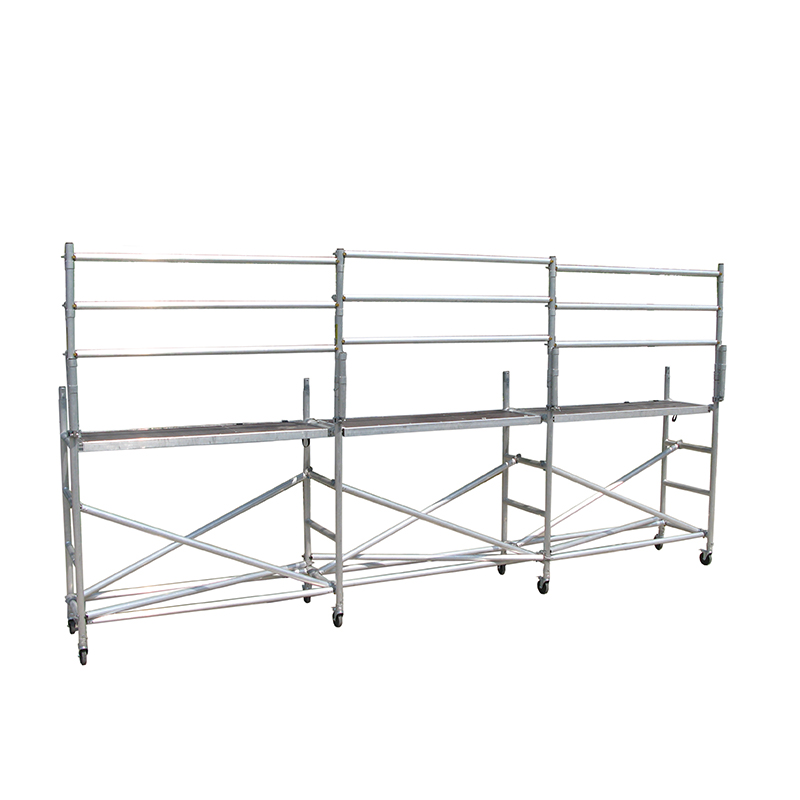
Most mobile towers fall into four categories based on platform width, access system, and assembly method. For a broader comparison, see the full aluminium mobile scaffolding guide.
Single-width towers
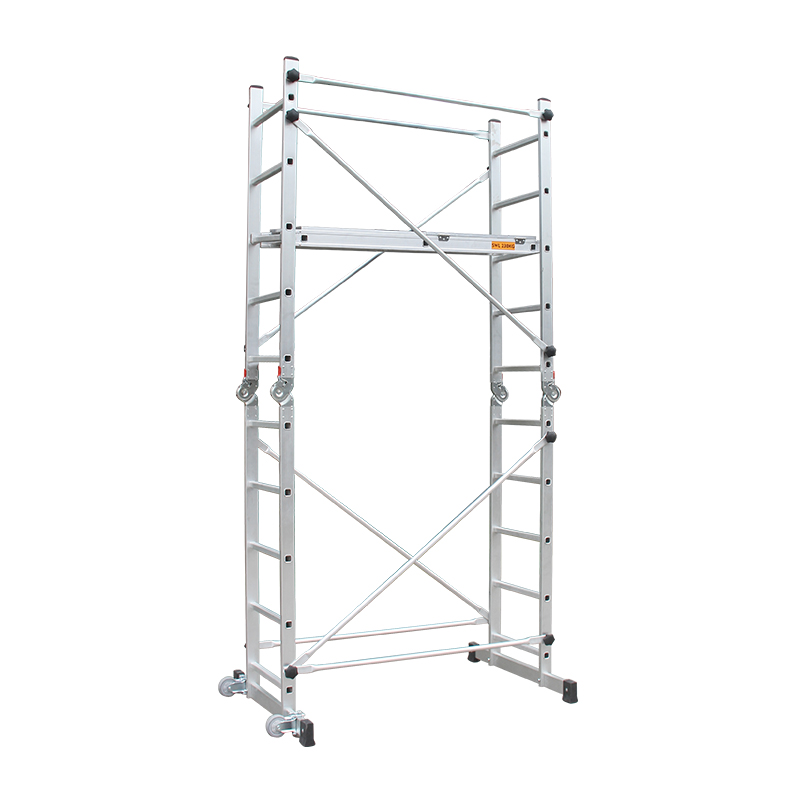
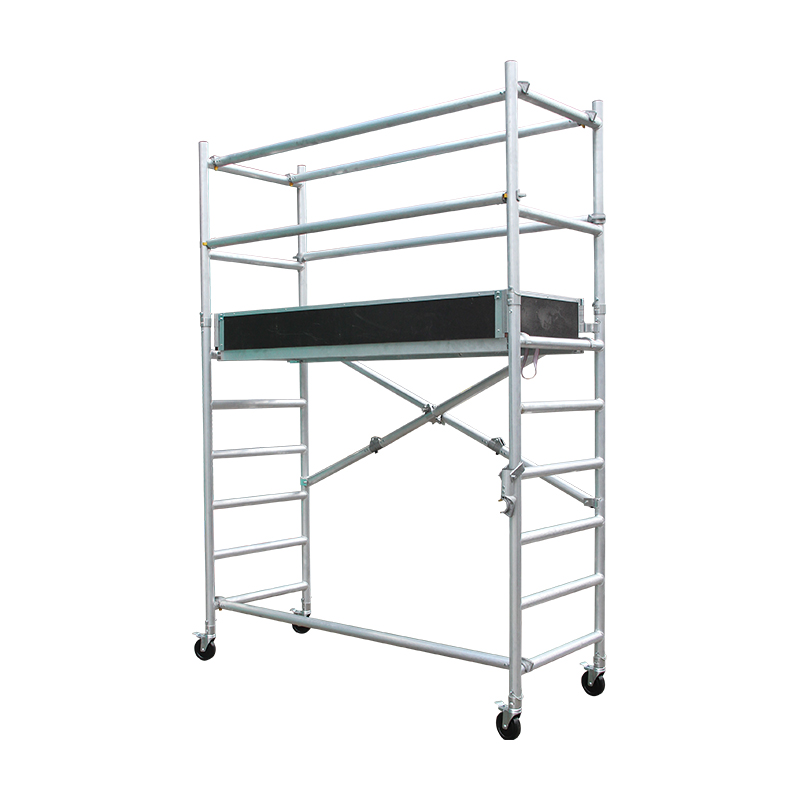
A single-width tower has one frame, usually 0.7 to 0.8 meters wide. It passes through doors and narrow aisles, making it the first choice for indoor maintenance and corridor work. The narrow platform suits tasks with a small work radius.
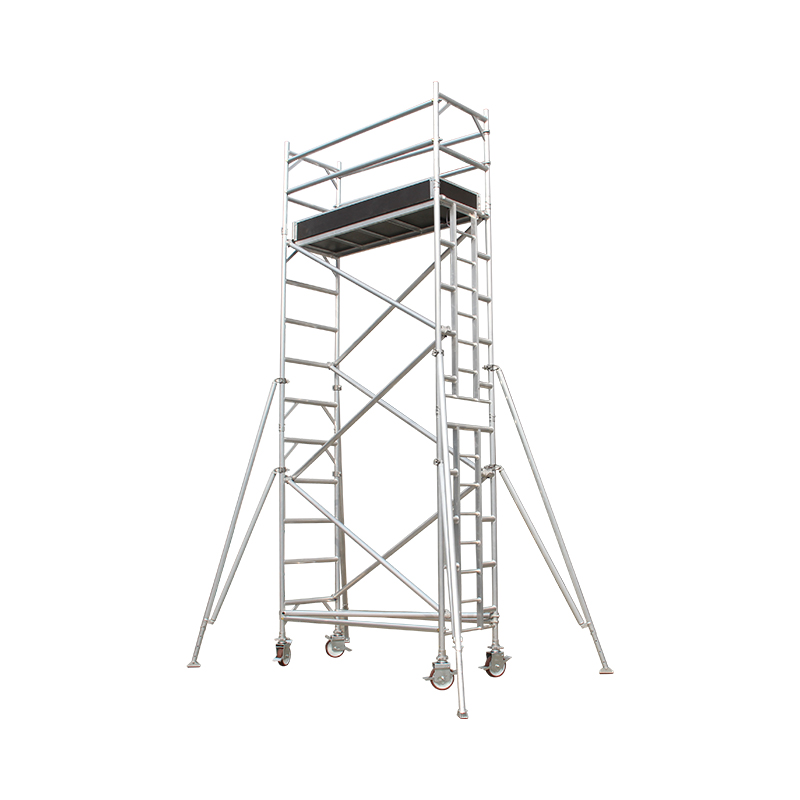
 Lightweight Aluminum Single Width Scaffold for Narrow SpacesThis compact single-width scaffold is built for indoor tasks in tight areas, fitting through doorways and narrow aisles while providing a stable aluminum platform with adjustable height for maintenance and repairs.View Product →
Double-width towers
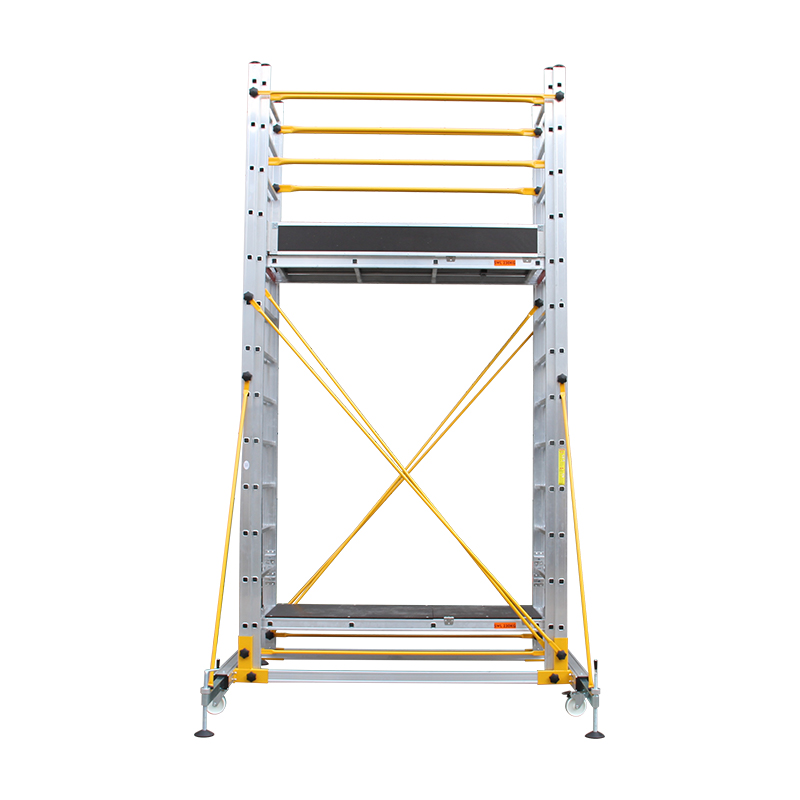
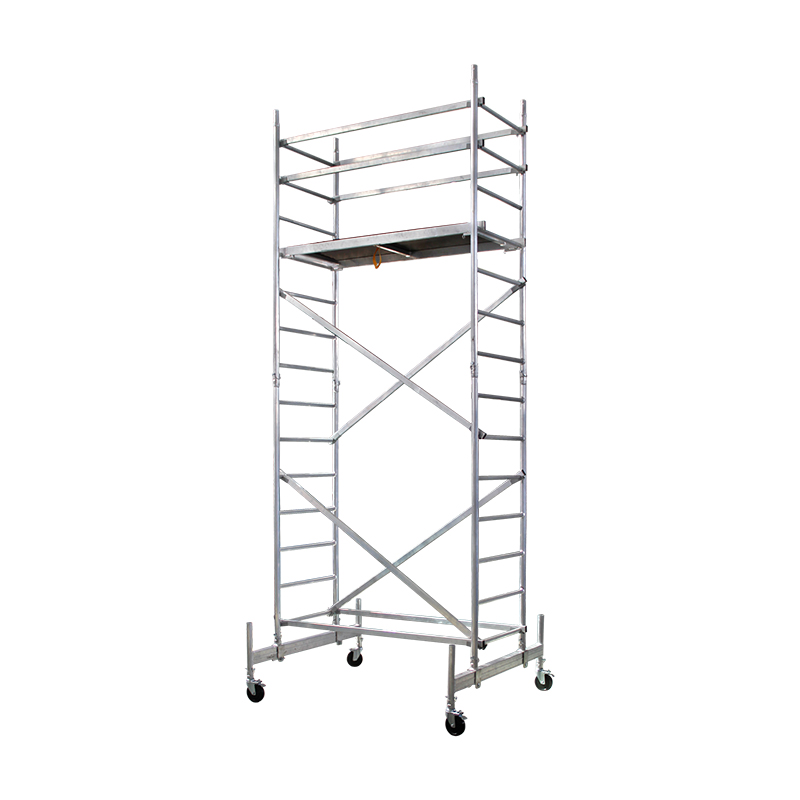
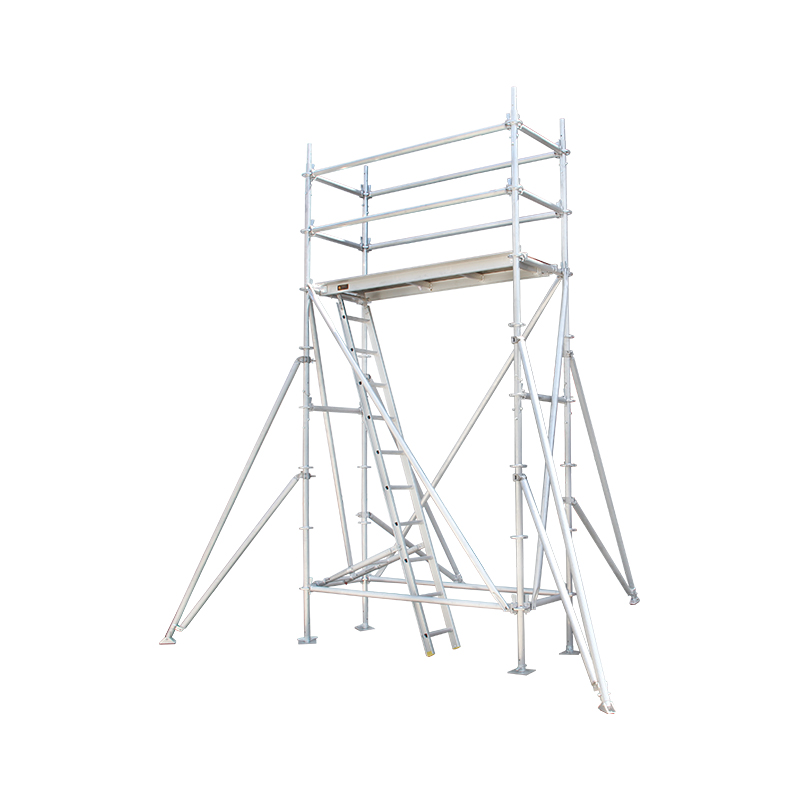
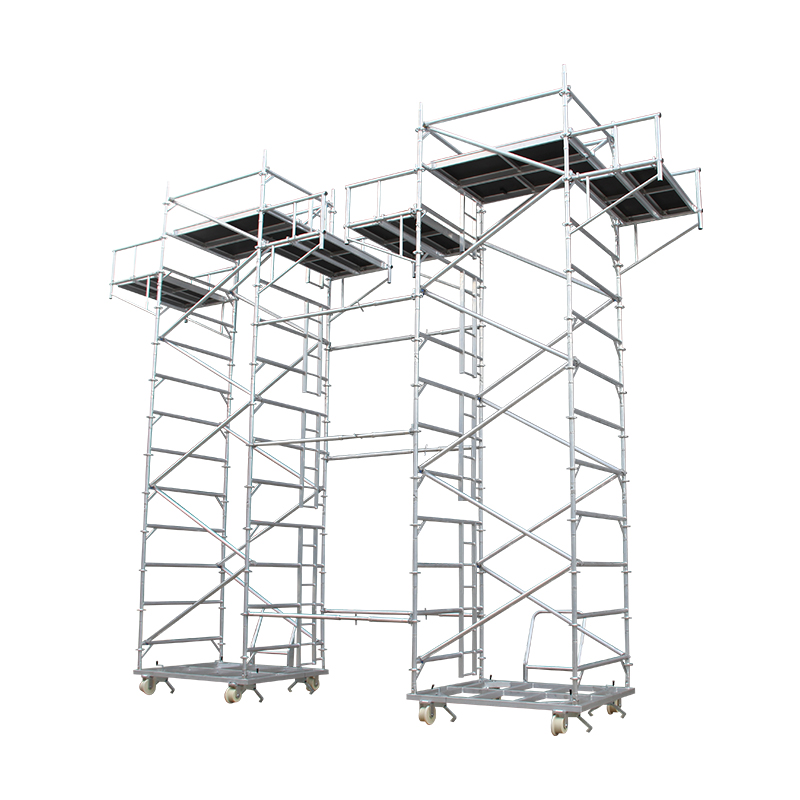
Double-width towers use two frames side by side for a platform of about 1.3 to 1.5 meters. They give more area, more stability outdoors, and a clear path for stair access. Facade repairs, roof edge work, and construction finishing usually end up on a double-width tower.
Ladder, inclined ladder, or stair access
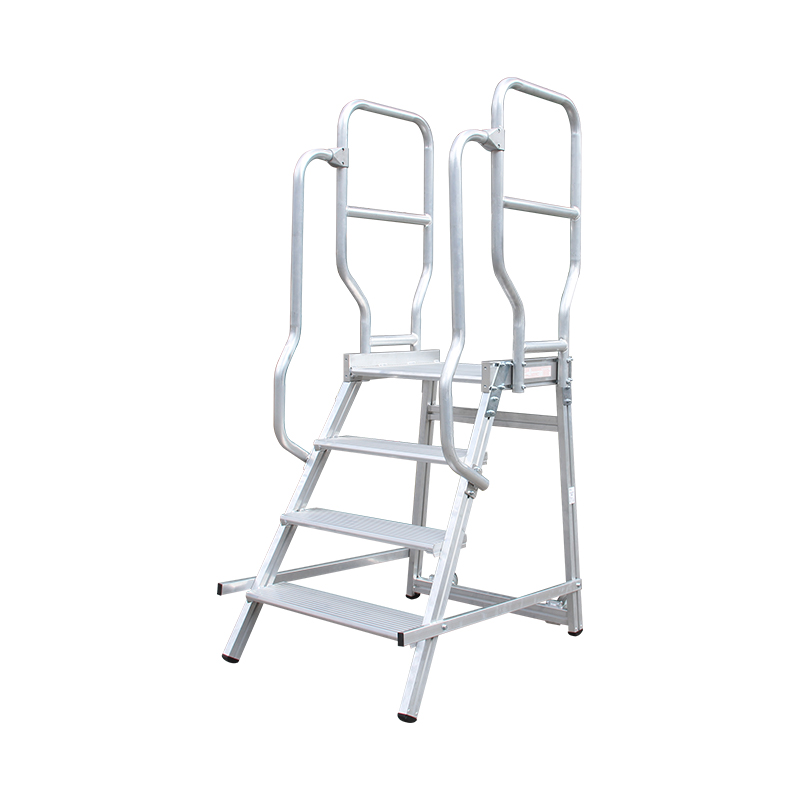
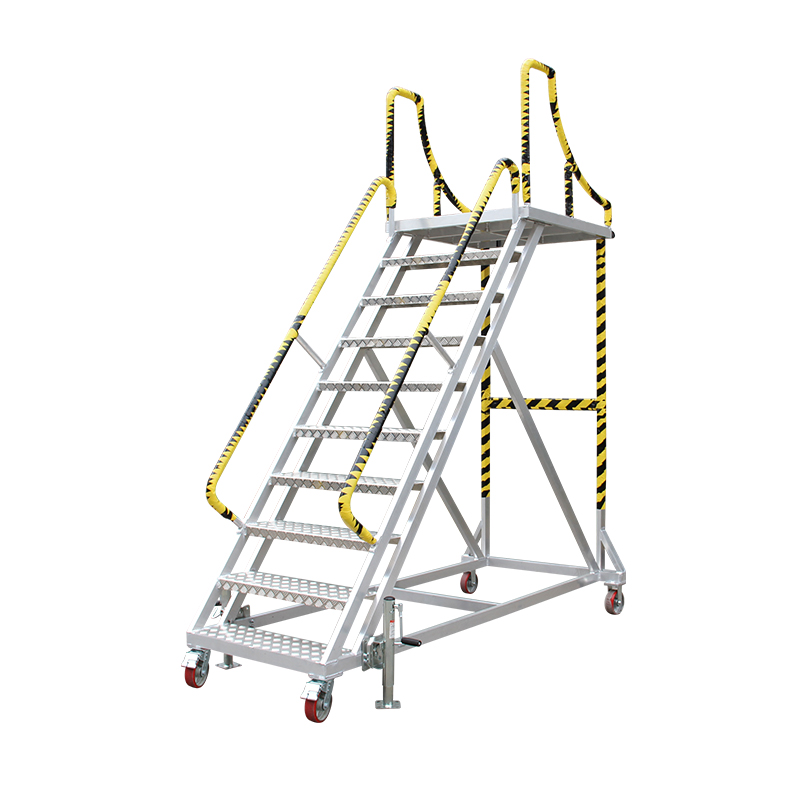
Vertical ladders are light and compact; inclined ladders and stairs take longer to set up but are safer for all-day use and for carrying tools. Stair access is common on double-width models because the extra width leaves room for the stairway.
Folding and H-frame towers
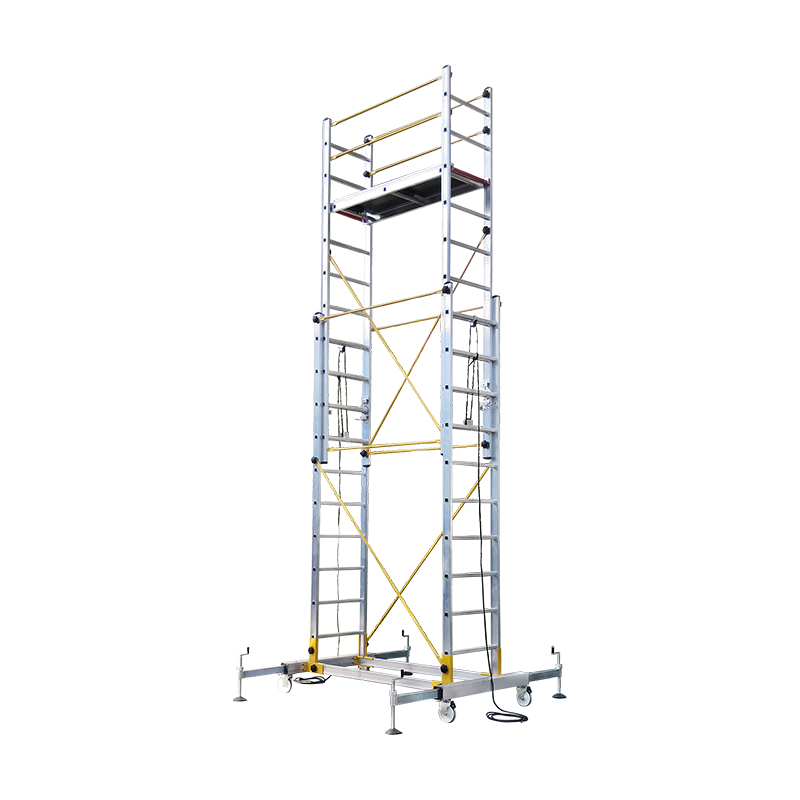
Folding and H-frame towers pivot into position and lock, cutting assembly time to a few minutes per level. Teams that set up and dismantle towers several times a week prefer these systems.
Mini towers
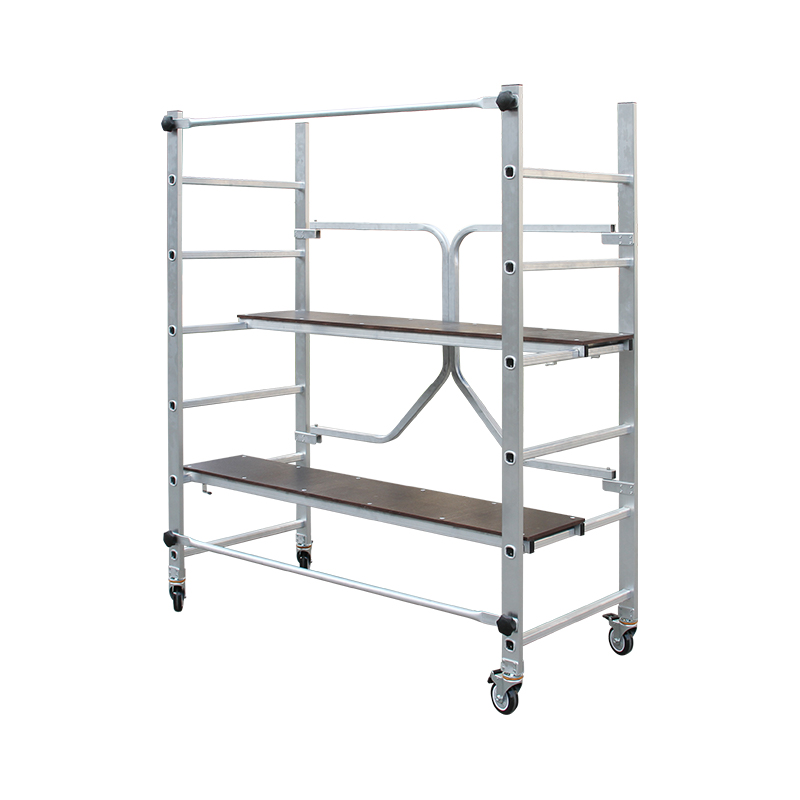
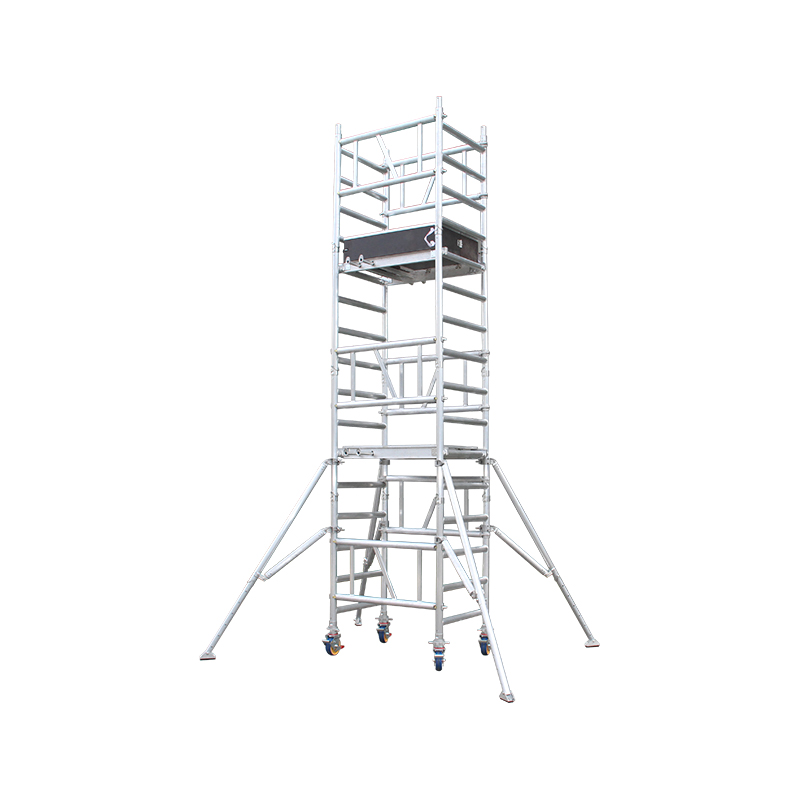
For work at two to four meters, mini towers are shorter, lighter, and often stored under a workbench or in a van rack. On level ground, one person can move many mini towers fully assembled.
Aluminium Scaffolding vs Ladders and Powered Platforms
Buyers compare aluminium towers with step ladders and powered platforms. Each has its place, but the table shows why the tower sits between them.
| Factor | Step ladder | Aluminium mobile scaffolding | Powered platform (MEWP) |
|---|---|---|---|
| Working height | Up to 3–5 m | Up to 12 m | 10–40 m or more |
| Fall protection | None or minimal | Guardrails and toe boards | Guardrails or basket |
| Set-up time | Seconds | 10–30 minutes | Minutes plus daily checks |
| Operator training | Basic | Basic plus assembly instruction | Formal certification |
| Purchase cost | Low | Moderate | High |
| Transport and storage | Compact | Sections that fit in a van | Dedicated vehicle |
A ladder is right for a two-minute bulb change, and a powered platform is right for repetitive work at extreme heights. Aluminium scaffolding wins from about 3 to 12 meters: it offers guarded platforms, requires no operator certificate, and costs a fraction of a powered machine. When the task moves, the tower moves with it.
Assembly, Stability, and Safety Requirements
Tower safety depends more on assembly discipline than on the equipment itself. These non-negotiable points apply to every mobile tower:
- Place the tower on firm, level ground and lock all casters before anyone climbs.
- Fit the outriggers or stabilizers the manufacturer specifies for the height in use; base width sets the safe height limit.
- Install guardrails and toe boards on every platform above the local threshold, usually about 2 meters.
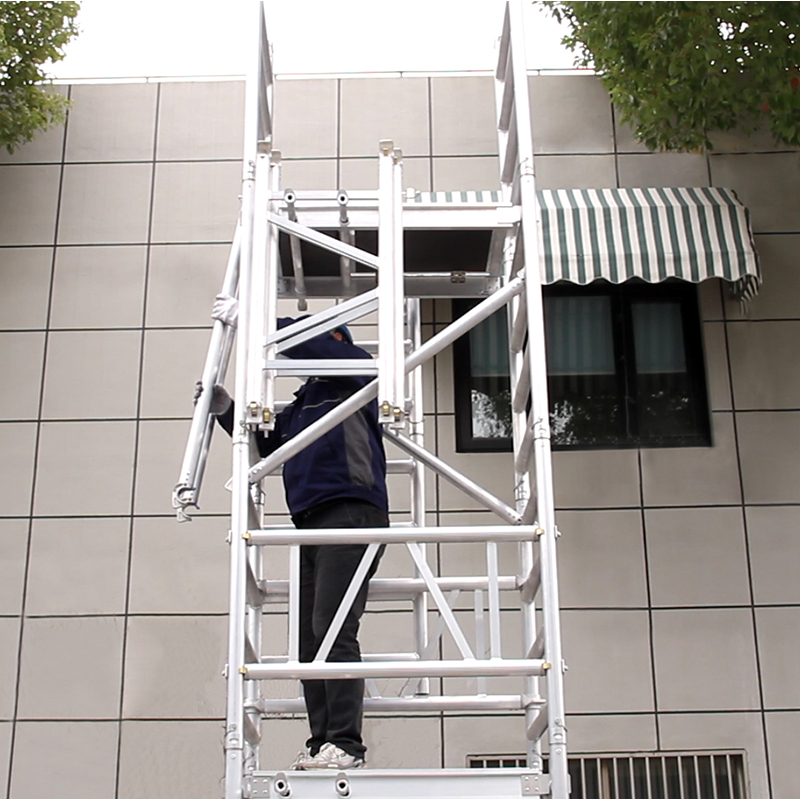
- Climb from the inside using the built-in access. Climbing the outer frame is the most common cause of tip-overs.
- Inspect after assembly, before each shift, and periodically every 6 to 12 months, as regulations require. Inspect again after strong wind or a significant move.
- On soft ground, use base plates so the wheels do not sink. Never move a tower with workers, tools, or materials on the platform.
Regulations decide when a written assembly, use, and dismantling plan is mandatory. For example, Spanish Royal Decree 2177/2004 requires such a plan for towers on public roads, towers near overhead power lines, or towers that exceed the height-to-width ratios in the manufacturer's data. In the European Union, EN 1004 sets the design requirements for mobile access towers, and an EN 1004 certificate is a reliable check when sourcing equipment.
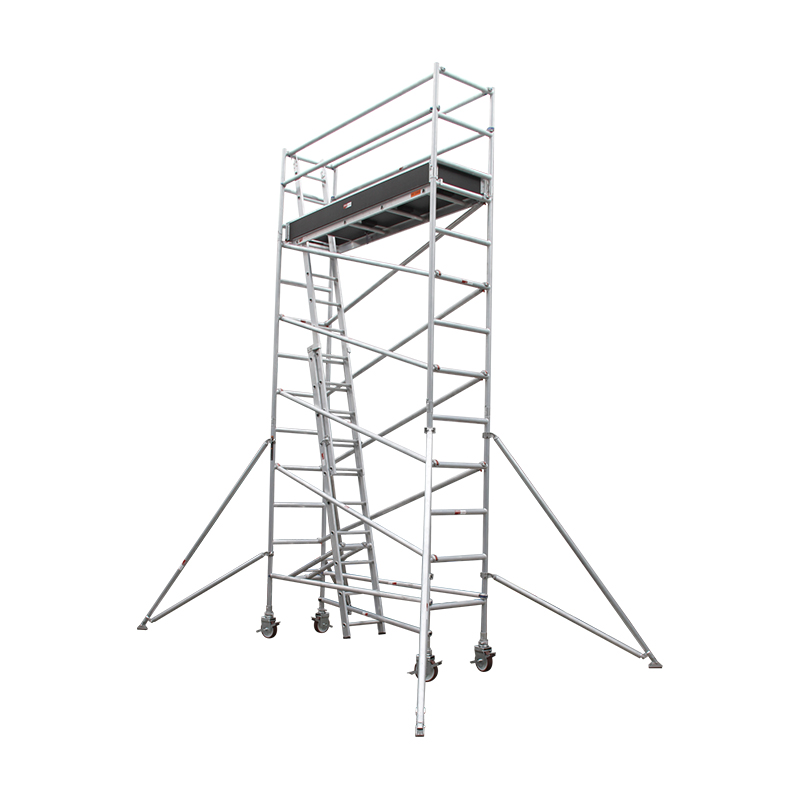
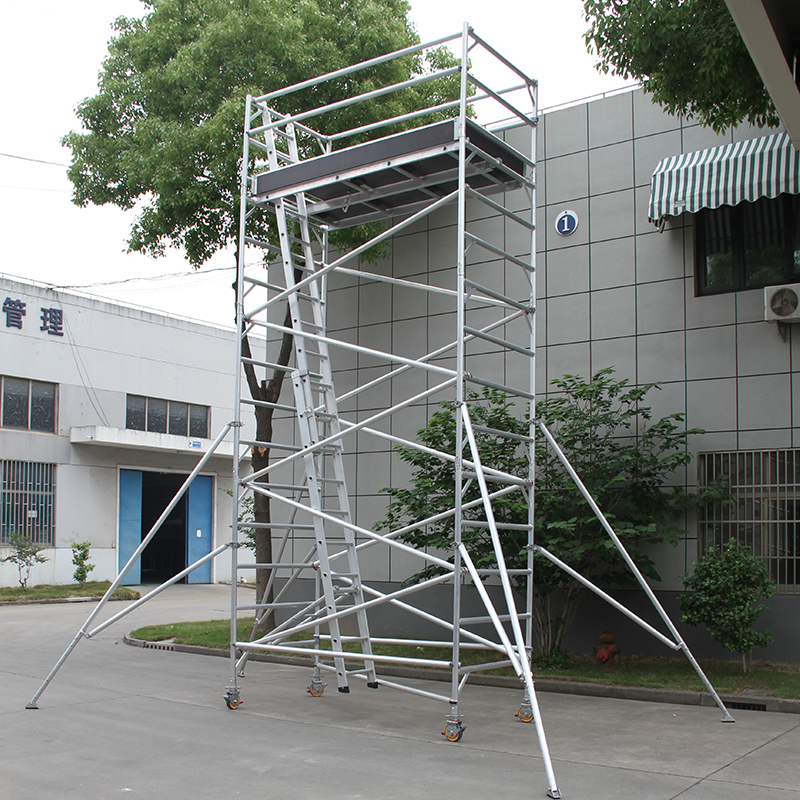 EN 1004 Aluminum Double Width Scaffold with Inclined LadderA sturdy double-width aluminum tower offering more platform area and stability for outdoor work, featuring an inclined ladder for safe access and modular sections that are easy to transport and assemble.View Product →
Weight, Transport, and On-Site Logistics
Aluminium's biggest practical advantage shows in logistics. A double-width tower in 2-meter frames weighs roughly 40 to 60 percent less than an equivalent steel tower. A standard van carries the whole kit, two workers unload it without lifting equipment, and the frames stack in a corner of the storeroom. The compact sections are also easy to move through doorways and up stairwells, which is why aluminium, not steel, is the usual choice for multistory interior work.
Folding models reduce transport volume further. A collapsed folding tower takes about the footprint of a pallet, and a built-in trolley lets one person roll the kit from the van to the work position. For teams that visit several facilities per day, this can mean two jobs completed instead of one.
How to Choose the Right Aluminium Scaffold
Start with the work, not the catalogue. Use these criteria in order:
- Determine the required platform height. Workers usually reach about 2 meters above the platform, so a 6-meter task needs a platform at 4 to 5 meters.
- Check the width constraints. Measure doors, aisles, and elevators; if the tower must pass through standard double doors, a single-width model may be the only option.
- Estimate the load. Count workers plus tools and materials that will sit on the platform together, and compare the total with the rated load.
- Consider the environment. Outdoor or windy sites need a double-width tower with stabilizers and possibly tie-in anchors; clean indoor floors can use a lighter single-width tower.
- Think about frequency. Daily assembly justifies a folding or H-frame model; a tower that stays in place for weeks can be a standard frame type.
Once height, width, load, and frequency are clear, the model choice becomes straightforward.
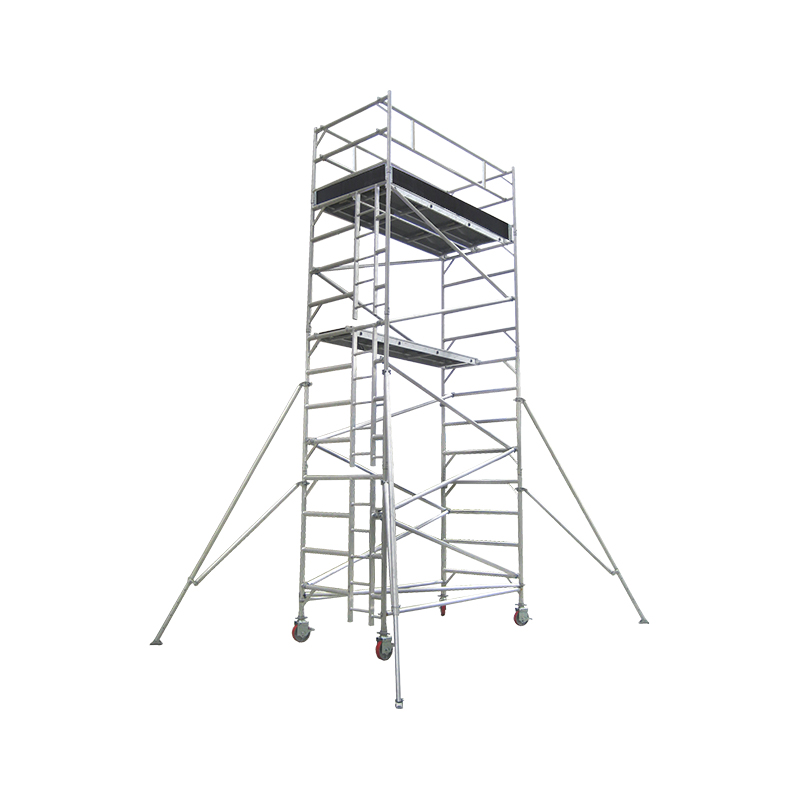
 Compact Aluminium Mini Tower for Confined WorkspacesDesigned for one-person assembly in tight spaces, this mini tower keeps tools within reach with side-mounted accessories and folds into its base frame for easy transport and storage.View Product →
Price Considerations
Pricing follows a predictable pattern: platform width and working height drive the cost, and accessories are quoted separately. A basic single-width tower for a 4-meter working height is the least expensive configuration. A double-width tower for 10 to 12 meters with stair access, outriggers, and caster sets costs several times more.
Rent when the job lasts three days. Buy when the tower is used every week; the cumulative rental cost exceeds the amortized purchase price within a few months. Keep budget for spare wheels, stabilizers, guardrails, and tie-in straps, because those parts keep the tower inside its certified configuration. To compare complete configurations, review our full range of aluminium access equipment.
- Aluminium Mobile Scaffolding: Guide to Types, Uses & Benefits View more
- Alum Plank Guide: Types, Load Ratings, and Safety Checks for Aluminum Scaffold Boards View more
- Aluminium Step Ladder: Guide to Safety, Types & Applications View more
- Aluminium Platform Ladder Guide: Safety, Types & Buying Tips View more
For project inquiries, fill in the form or contact us directly—our team responds promptly.

Copyright @ Shanghai Ruiju Metal Products Co.,Ltd. All rights reserved Aluminum Scaffolding Suppliers Aluminium Ladder Manufacturers
