 en
 简体中文
 Español
 Deutsch
 عربى

Fabricated Frame Scaffold: Components, Practical Setup Checks, and Buying Guide
Content
Most scaffold problems on site do not start with a dramatic collapse. They start with a frame that almost fits, a brace that has to be forced into place, or a base jack wound out because nobody checked the ground. A fabricated frame scaffold is designed to take that guesswork out of erection, but only when the frames, braces, pins, and accessories are treated as one system. The practical rule: choose fabricated frame scaffold on compatibility, setup control, and spare-part availability first, then compare price.
What a fabricated frame scaffold is
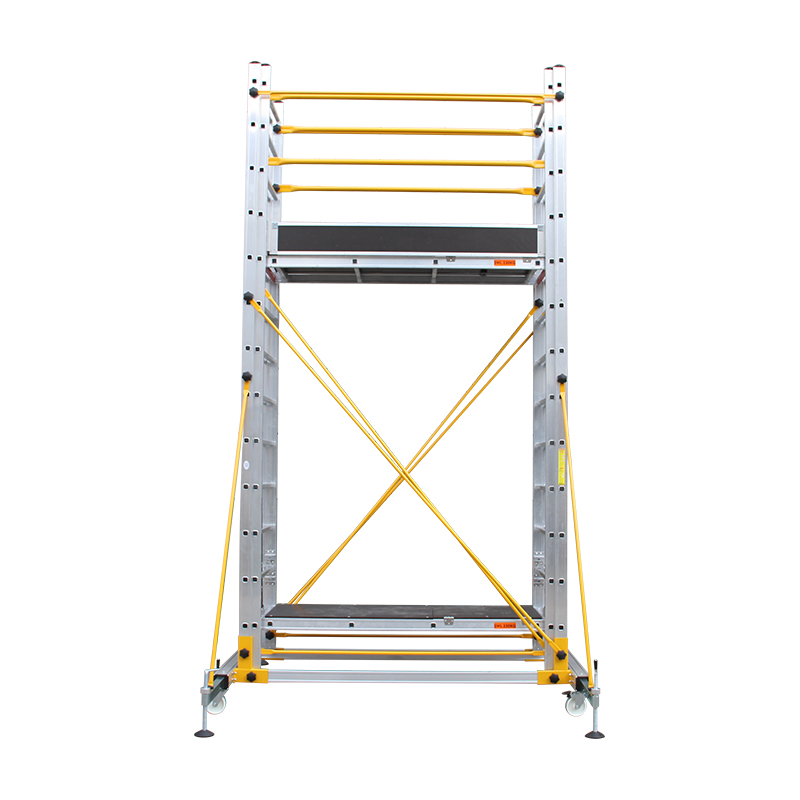
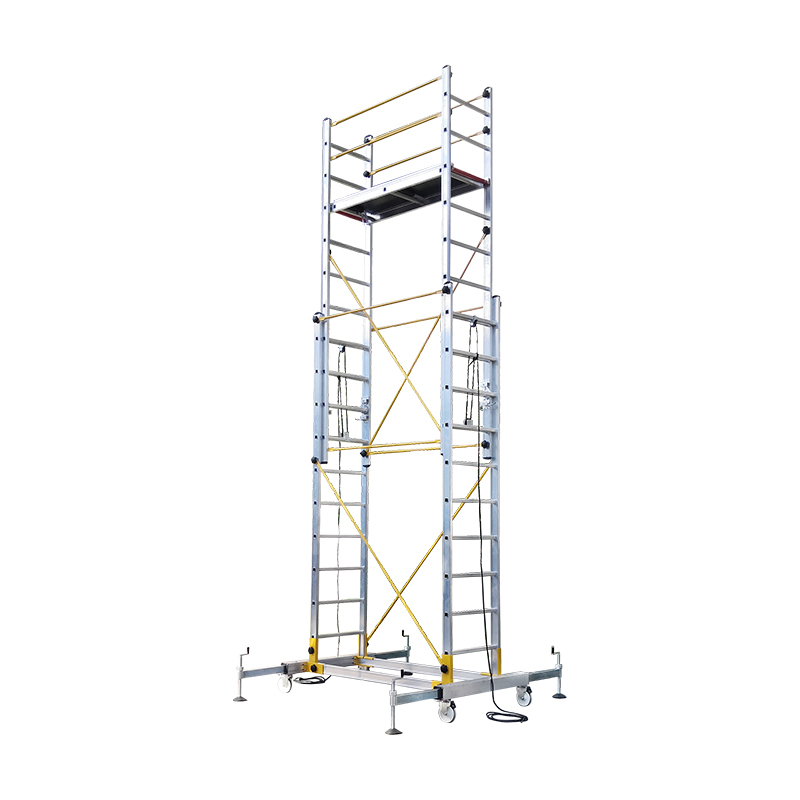
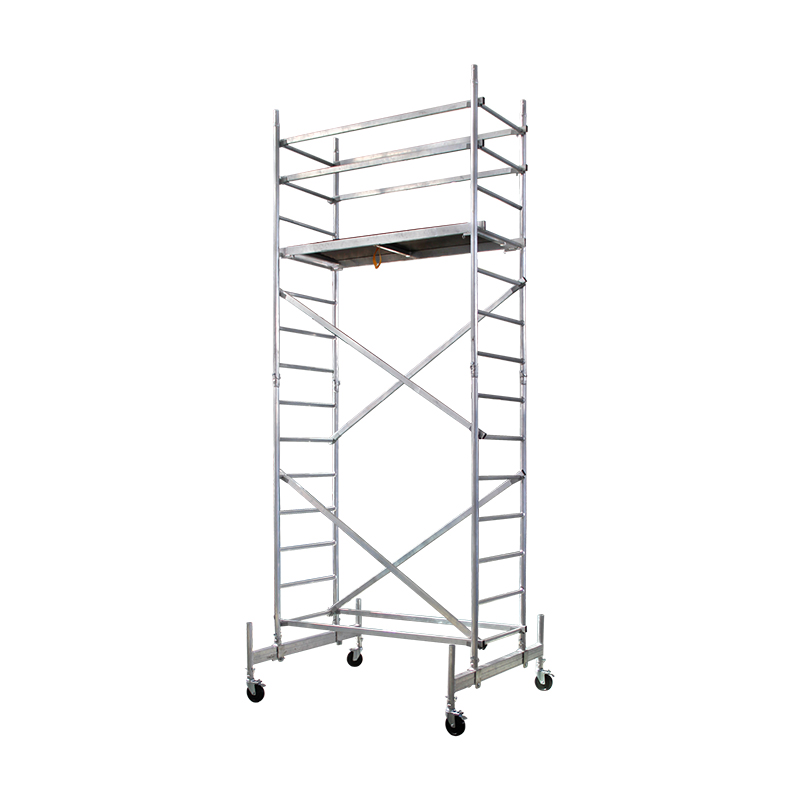
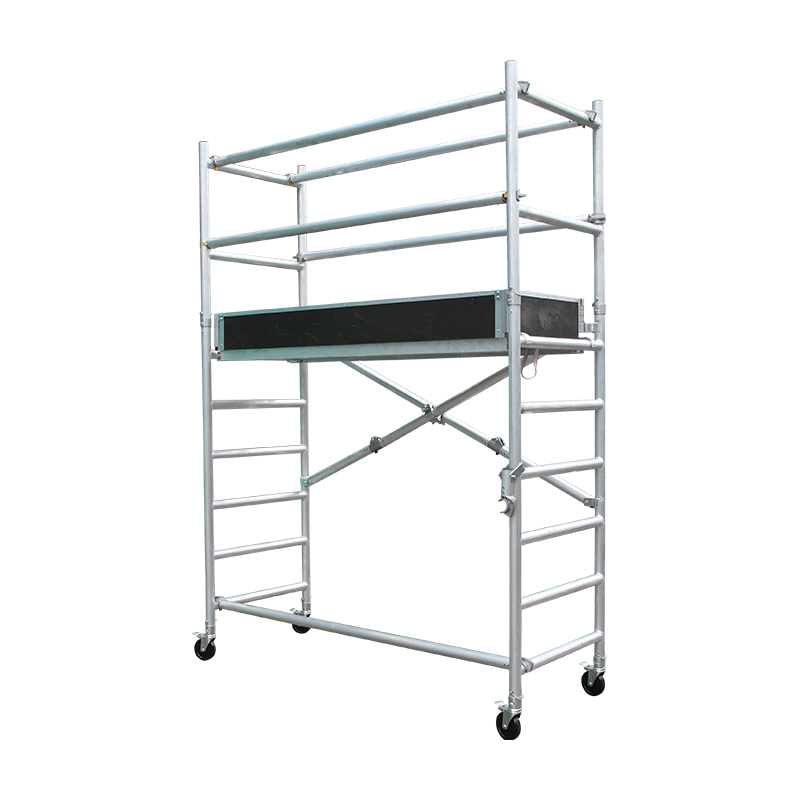
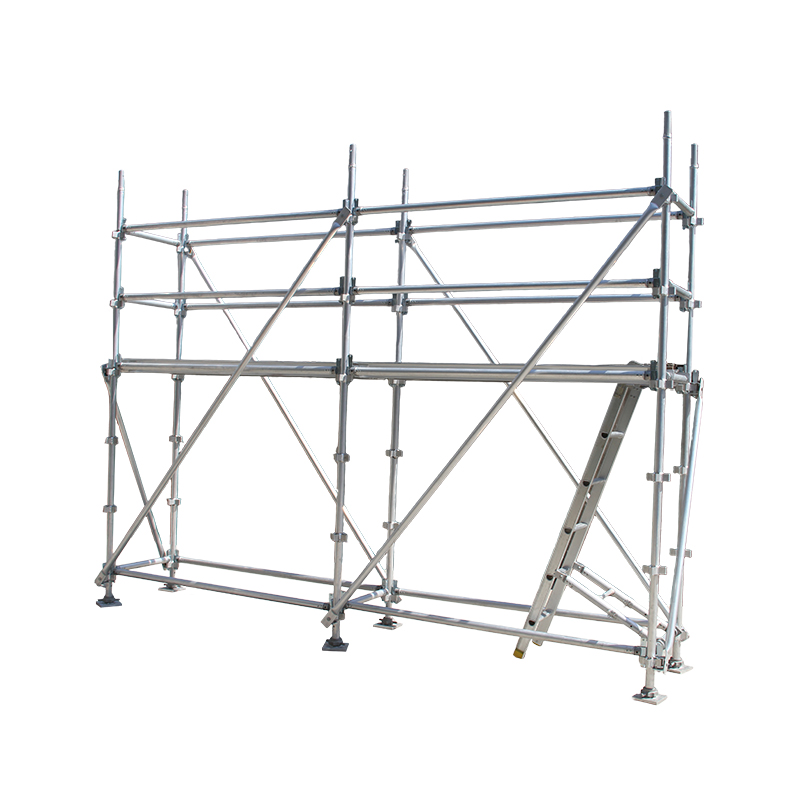
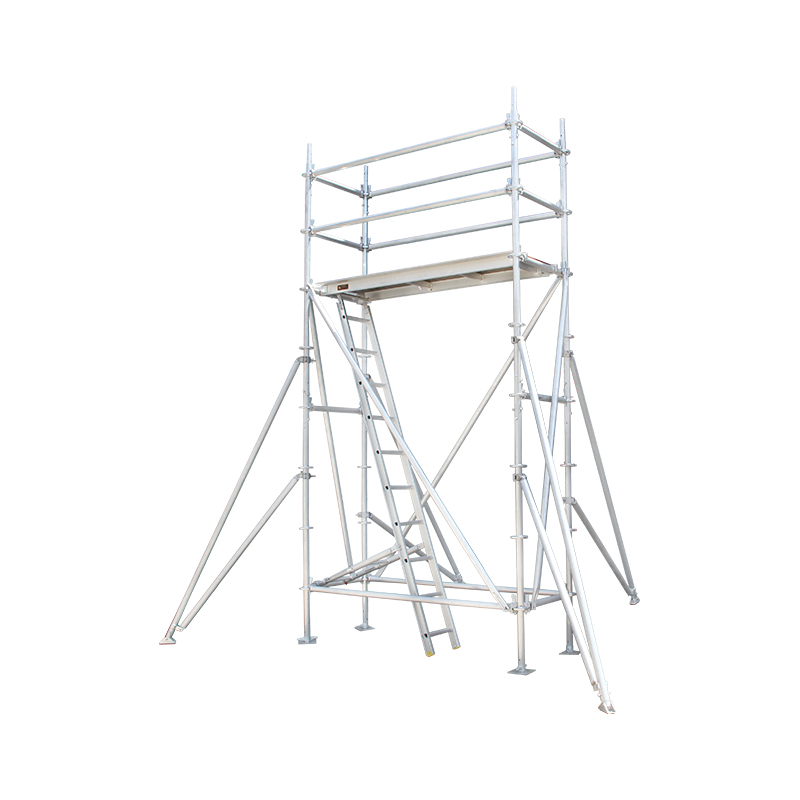
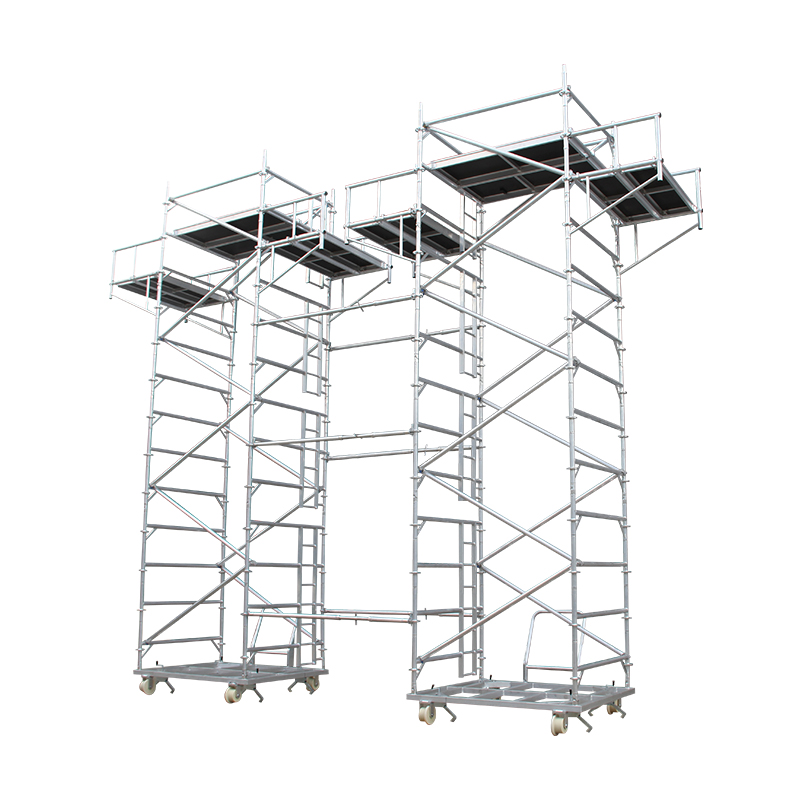
Fabricated frame scaffolding is a prefabricated, welded access system. Two vertical frames are joined by horizontal cross braces, with base jacks, scaffold boards, coupling pins, and guardrails completing the working platform. The important word is fabricated. The frame arrives as a welded unit with fixed tube spacing and pin positions; it is not assembled from loose tube and couplers on site. That gives faster erection and repeatable geometry, but it also means the frame dimensions must match the cross braces, couplers, and accessories. A few millimetres of mismatch at the pins can turn a straightforward erection into a day of forcing, re-drilling, or rejecting parts.
This is why two scaffolds that look similar from a distance can behave very differently. A frame with square corners, clean welds, and consistent pin spacing will sit flat and brace properly. A twisted frame will rock on its base jacks, pull the braces out of alignment, and transfer load unevenly into the ground. The difference is rarely visible in a catalogue photo, so it has to be checked at sample approval and goods-in inspection.
The components that decide whether the system works
A fabricated frame scaffold is only as good as its weakest connection. The table below gives a practical component check for buyers, site supervisors, and maintenance teams.
| Component | What it does | Purchase or inspection check |
|---|---|---|
| Frame | Carries vertical load and forms the access opening | Check tube diameter, weld quality, frame squareness, pin spacing, and finish coverage |
| Cross brace | Locks frame spacing and keeps the assembly square | Confirm brace length matches frame width and that pins engage fully without bending |
| Base jack | Levels the scaffold and spreads load into the ground | Check thread condition, base plate size, and the permitted extension limit |
| Scaffold board | Provides the working platform | Confirm board width, grade, end support, and overlap; reject boards with damage or soft spots |
| Coupling pin | Connects frames vertically | Check pin retention, hole alignment, and wear; loose pins should not be accepted |
| Guardrail | Provides fall protection at platform edges | Verify rail height, mid-rail, toe board, and compatible clamps |
Mixing parts from different frame systems is one of the most common causes of poor fit. A pin that is slightly undersized may drop in, but it will not hold the frame alignment under load. A brace that is too long may appear to fit until the first platform board is installed. Keep frame systems together, and treat unknown or unbranded parts as a separate risk review rather than a cheap substitute.
Steel, aluminium, and finish choices
Steel frames are common in heavy construction because they tolerate rough handling and carry high loads. Aluminium frames are lighter and easier to move around maintenance, event, and industrial access work, but they need more care to avoid denting and local damage. Material choice should follow the duty cycle: a frame that is erected once and left in place has different demands from one that is moved between work areas several times a day.
Surface finish matters as much as the base metal. Hot-dip galvanising gives thick zinc coverage for outdoor and wet sites. Pre-galvanised tube is economical, but cut ends and welds need attention because that is where corrosion often starts. Powder coating looks clean, but a visual inspection can miss cracks underneath. For coastal, rail, or food-plant work, specify the finish for the environment and the cleaning regime, not from a colour chart. If the frame is going into a wash-down area, check that the coating and the base metal are both suitable.
Setup is where most problems are created
Even a well-made frame scaffold can be unsafe if the base, bracing, and ties are treated as secondary. The sequence below is a practical starting point; the manufacturer's instructions and the site's risk assessment always take priority.
- Check the ground before unloading. Look for soft spots, covers, slopes, and drainage paths. Use base plates or spreaders where the ground bearing is uncertain.
- Set out the frames at the correct spacing, then fit cross braces with pins fully engaged. Do not rely on friction or bent pins to hold a brace.
- Check squareness by measuring diagonals before the platform boards go down. A frame that is out of square will not sit flat and will pull the next lift out of line.
- Level with base jacks within their permitted range. Do not use blocks, bricks, or packing to extend adjustment.
- Tie the scaffold to the structure at the specified intervals. A frame scaffold is not stable simply because it feels heavy.
- Install guardrails, mid-rails, toe boards, and safe access before the platform is used. Check that the load on the platform is within the rating for the configuration.
Erection is usually a two-person task: one person on the scaffold and one passing materials from the ground. That sounds basic, but rushed single-person erection is where many small errors become permanent. A second person also provides a useful check on pin engagement and brace alignment.
Applications and access choices
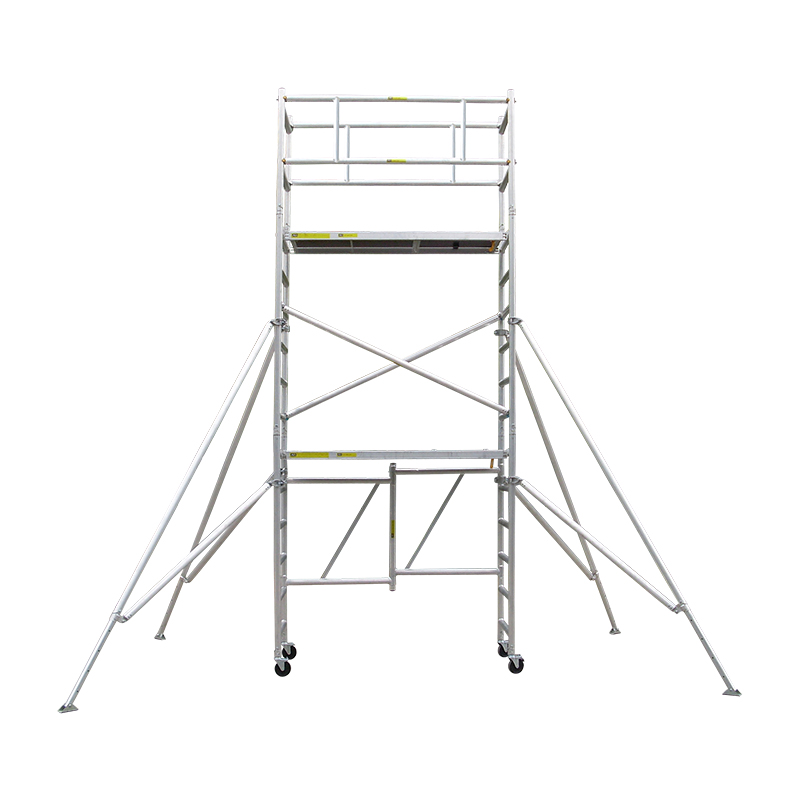
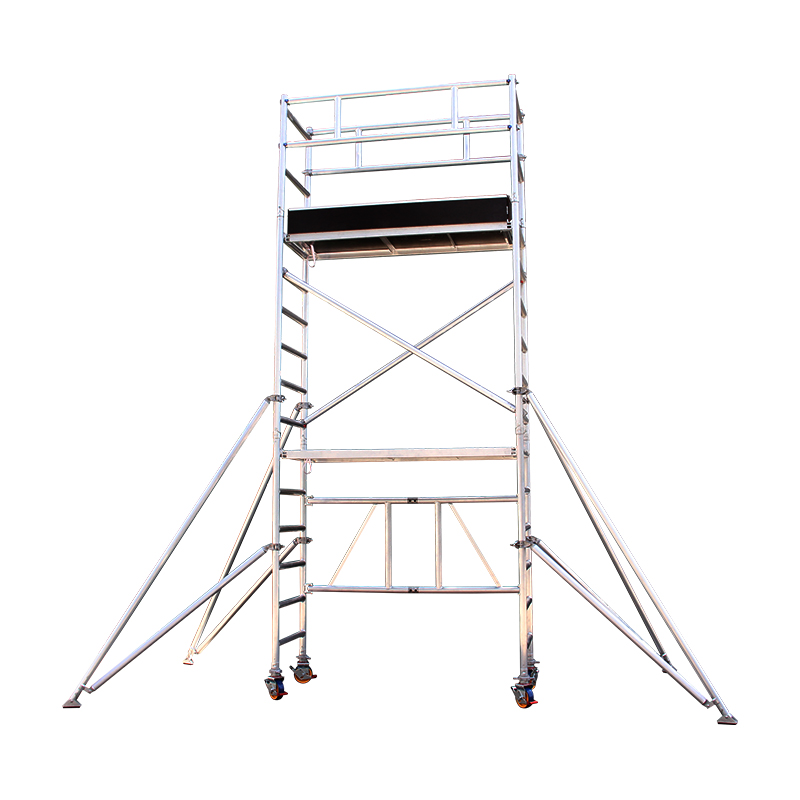
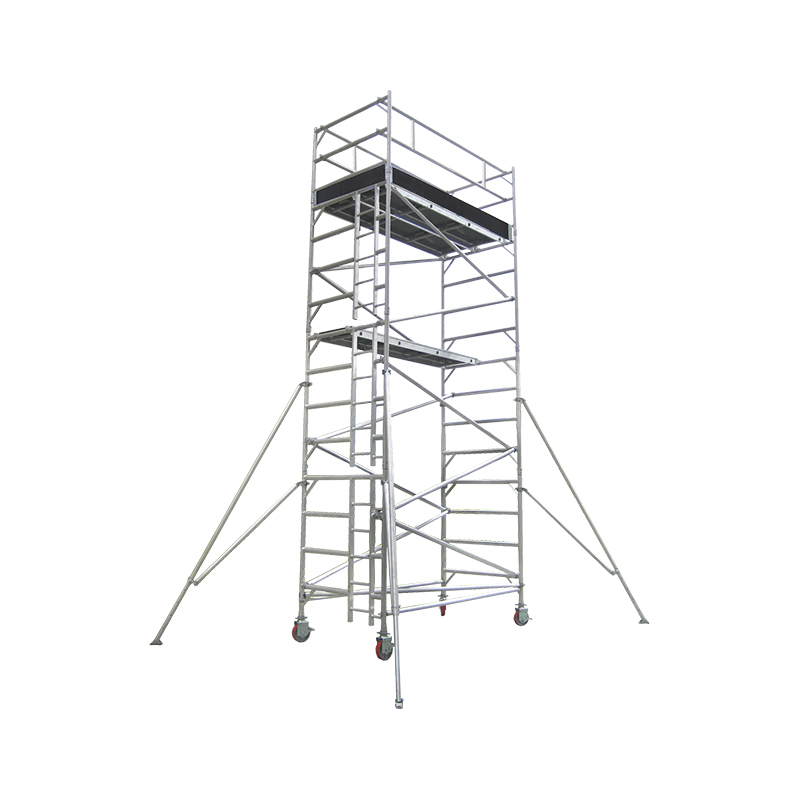
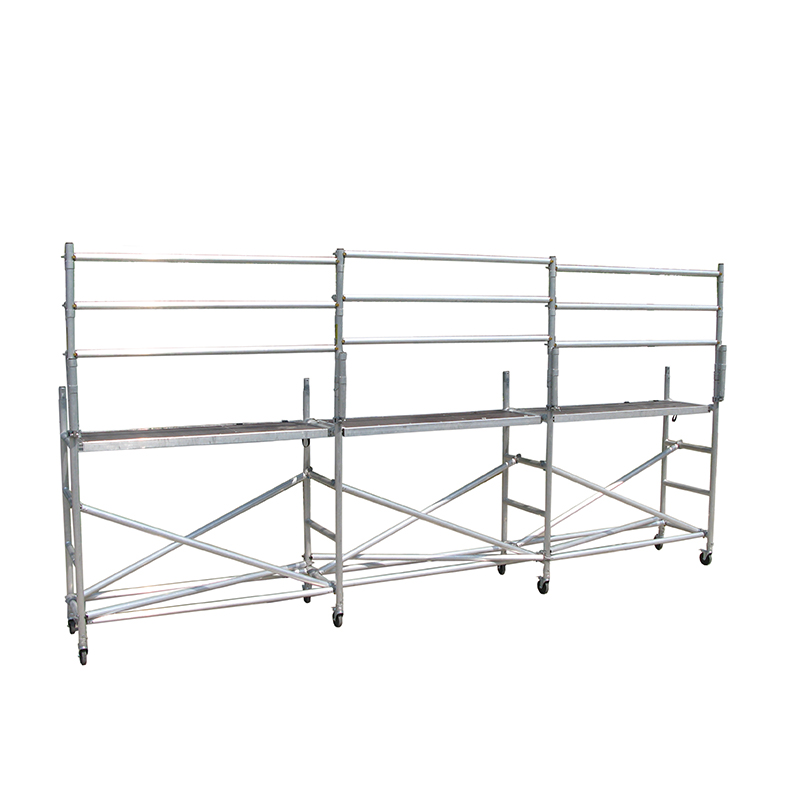
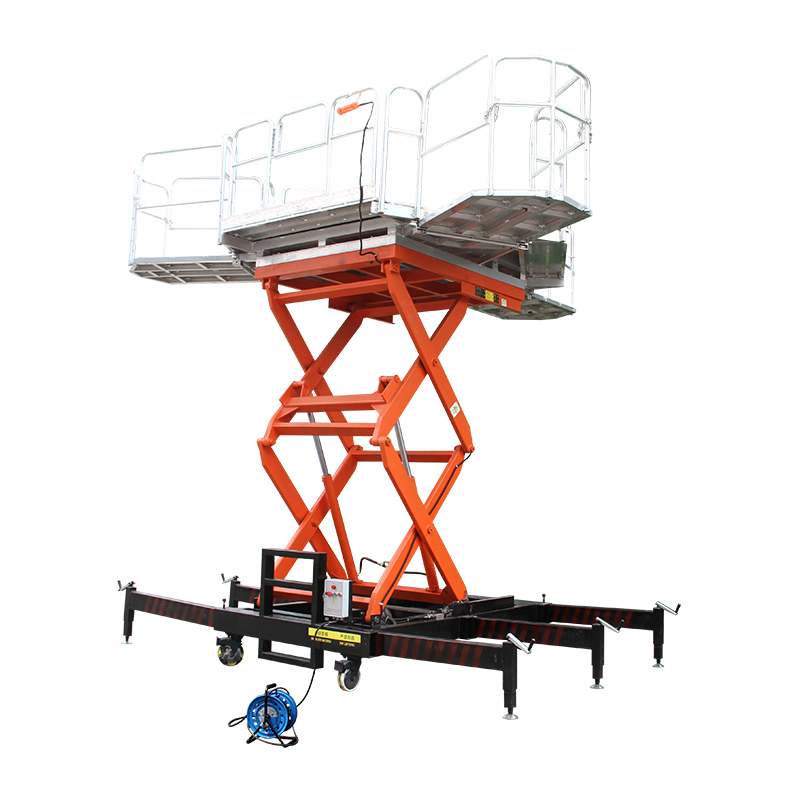
Fabricated frame scaffolds are used in construction, maintenance, event staging, and industrial plants because they are fast to erect and easy to understand. The right access choice depends on how often the scaffold will move and how much room the site has. A fixed frame scaffold suits repetitive work along a facade. A mobile tower suits short-duration work in warehouses, plants, and service areas.
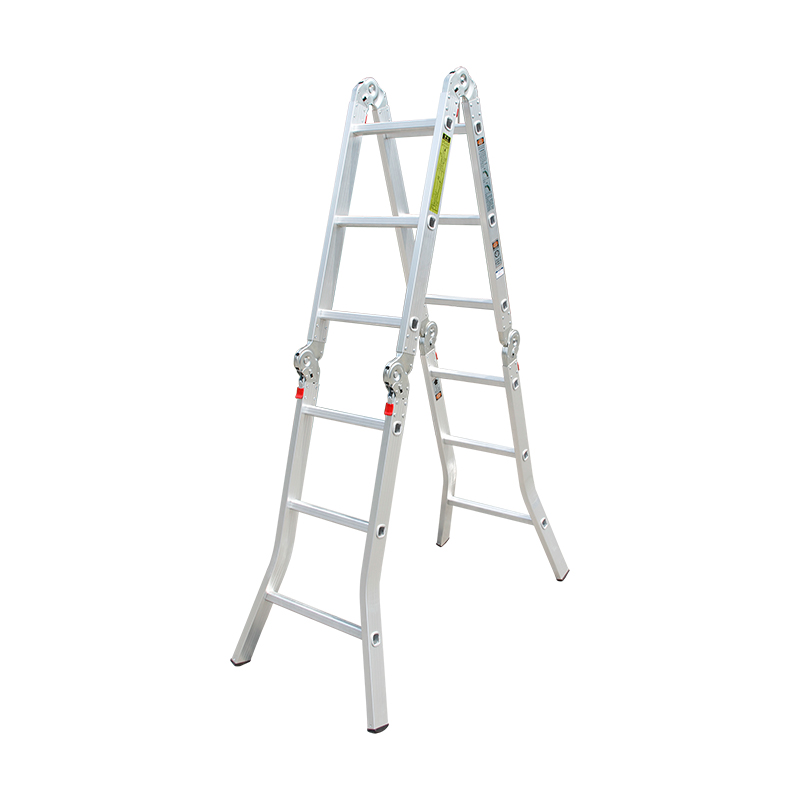
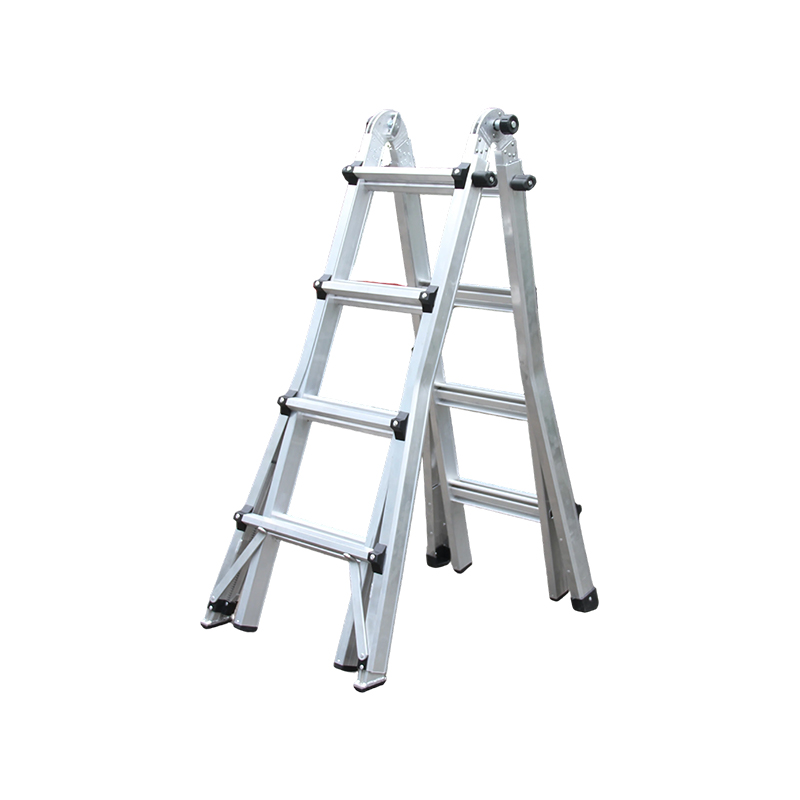
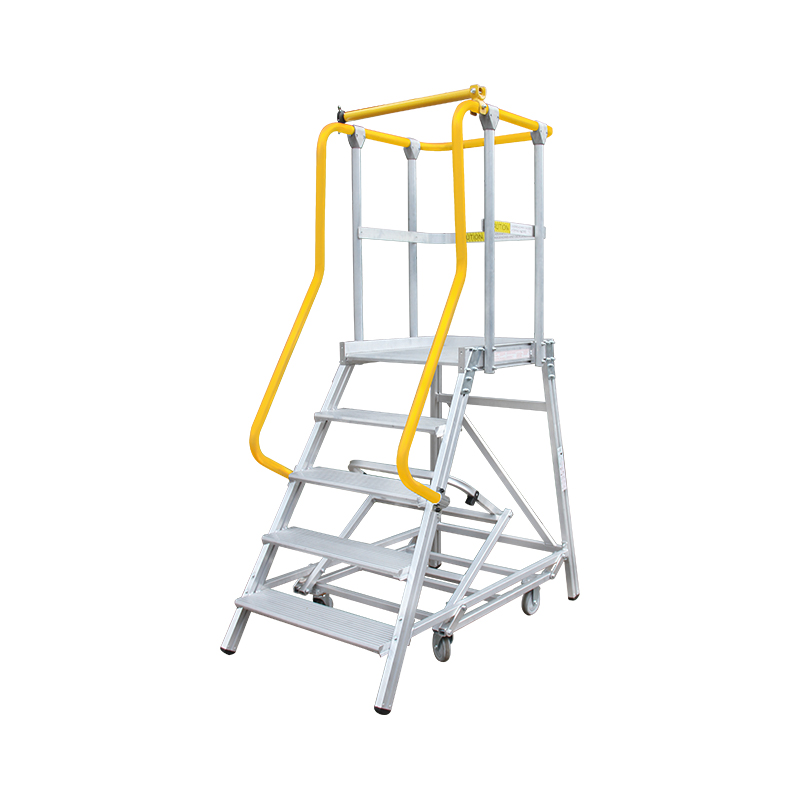
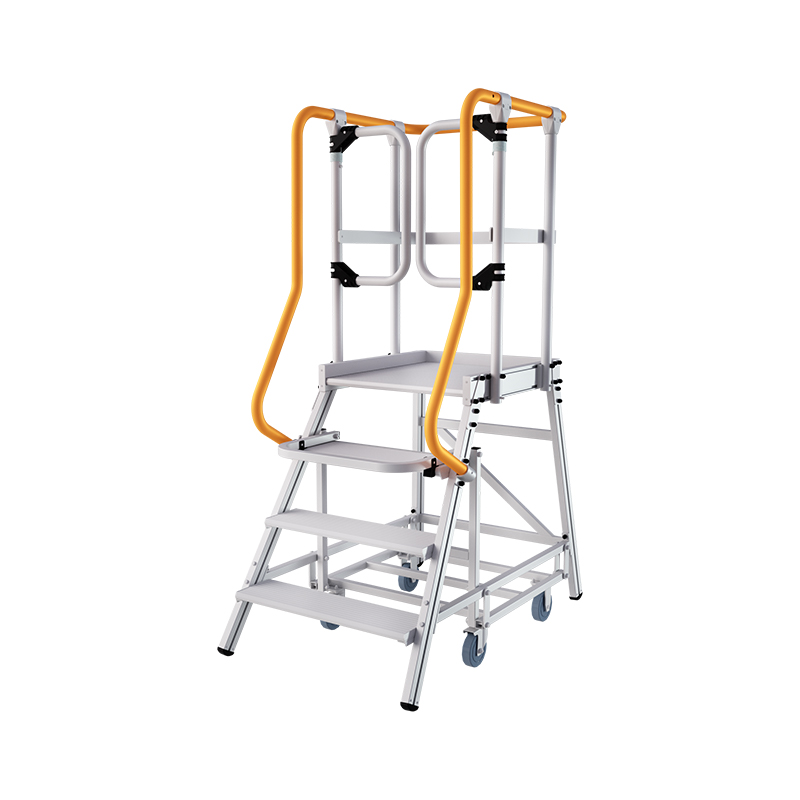
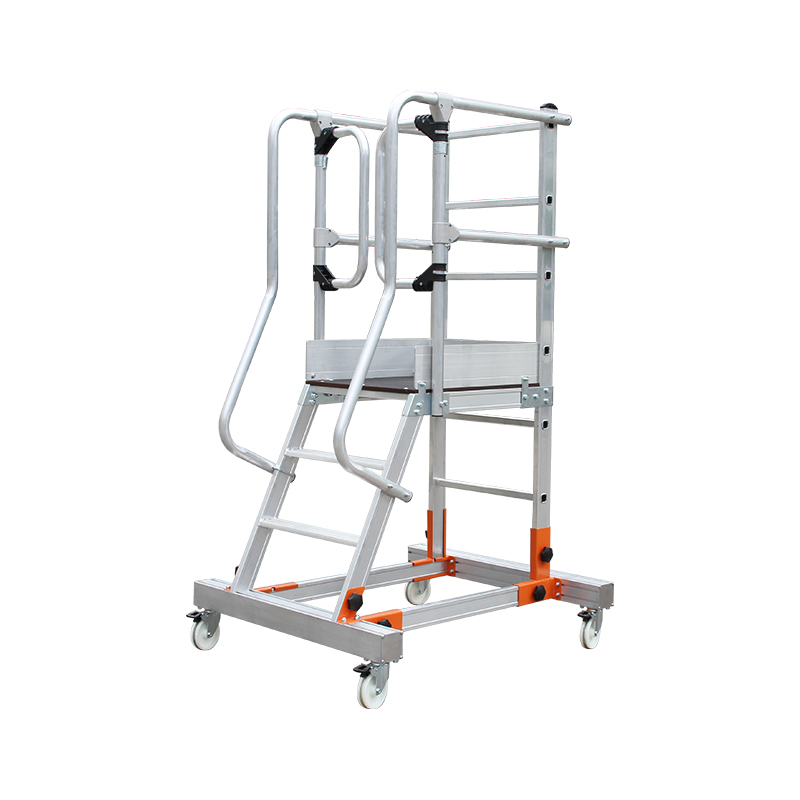
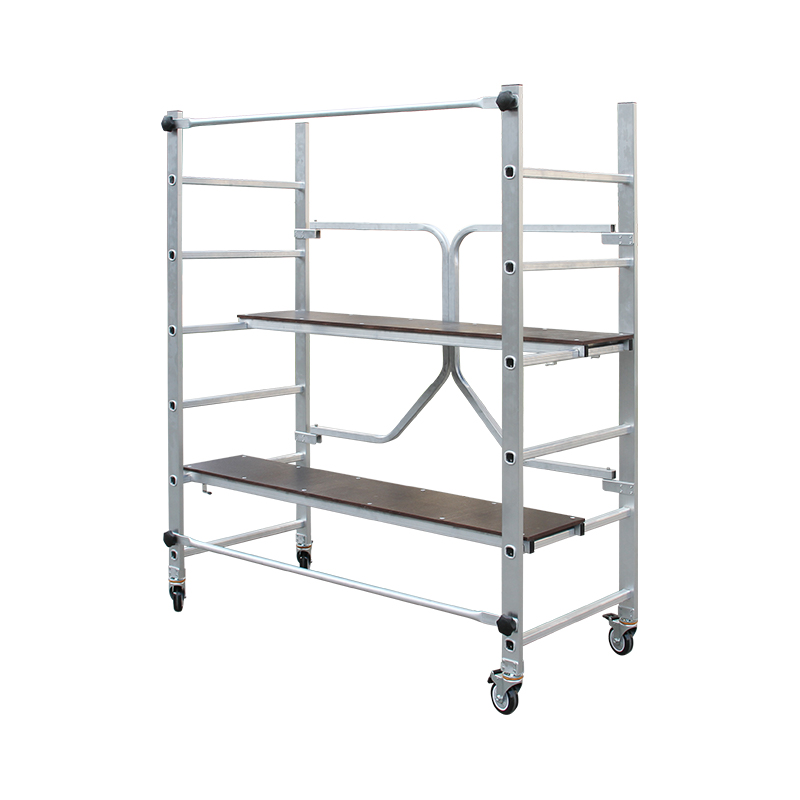
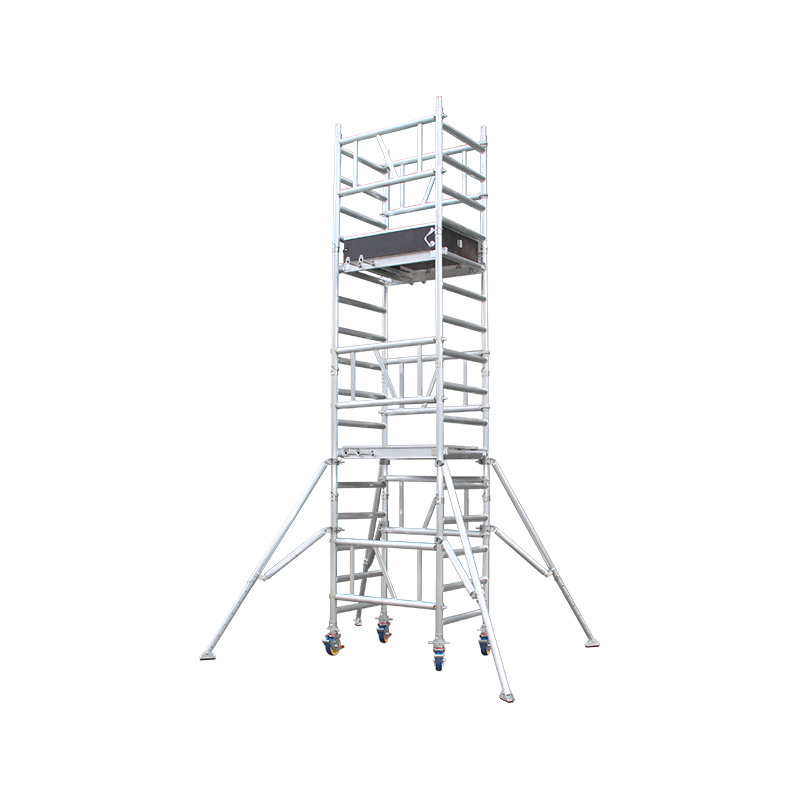
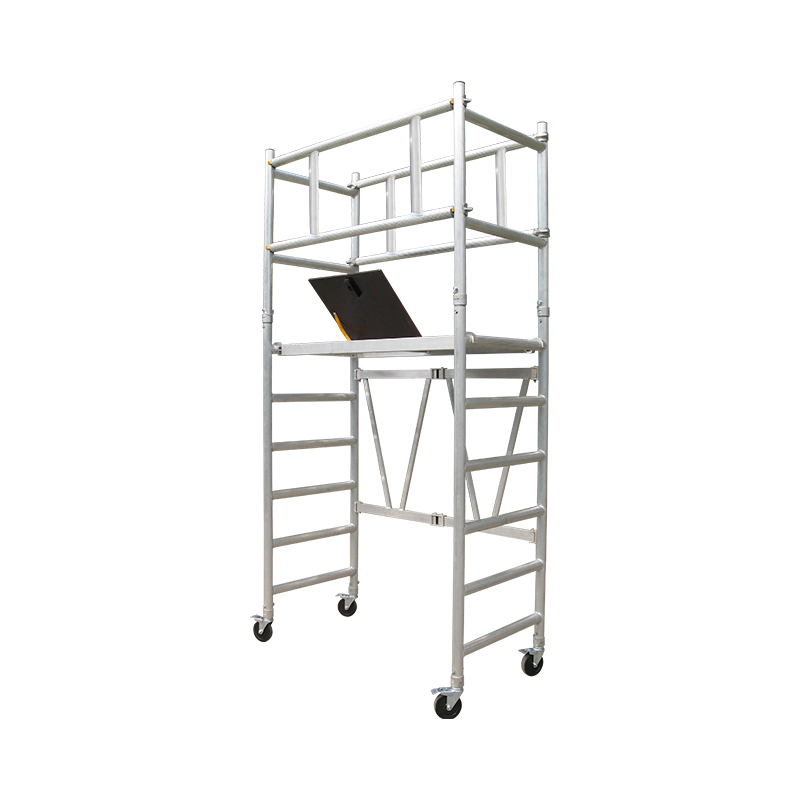
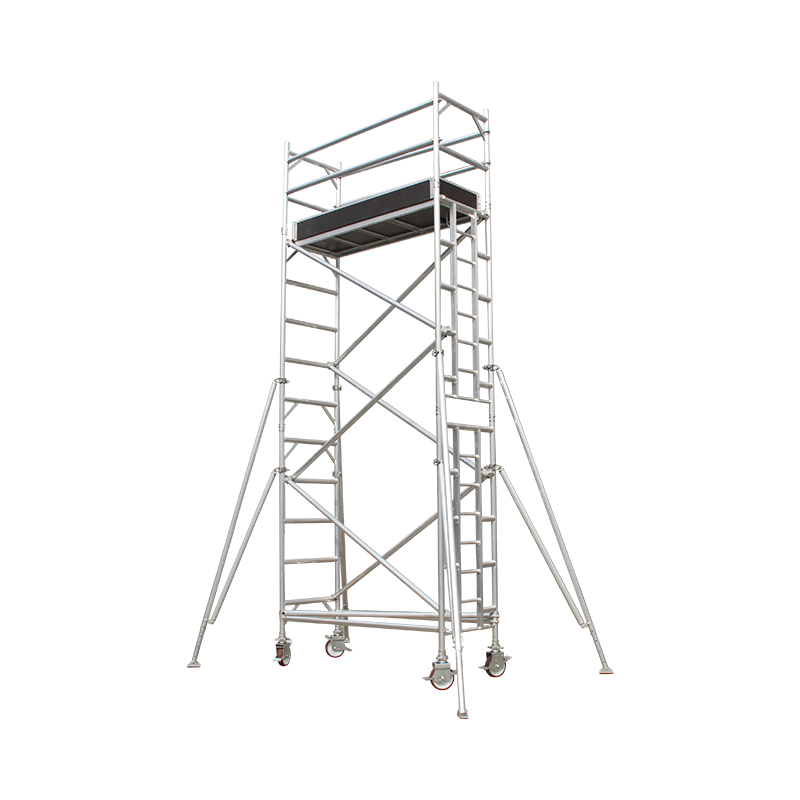
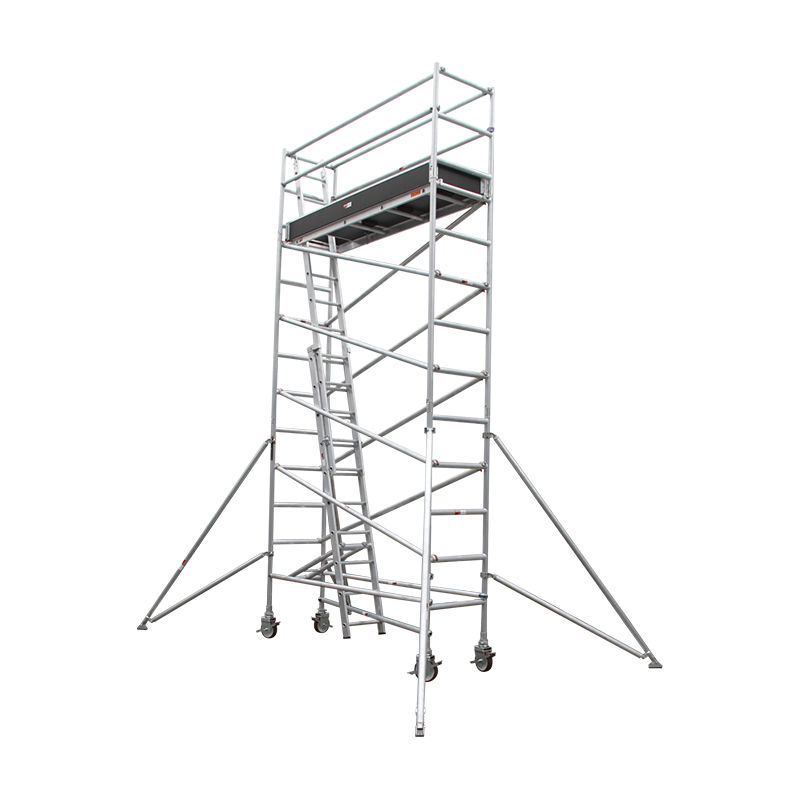
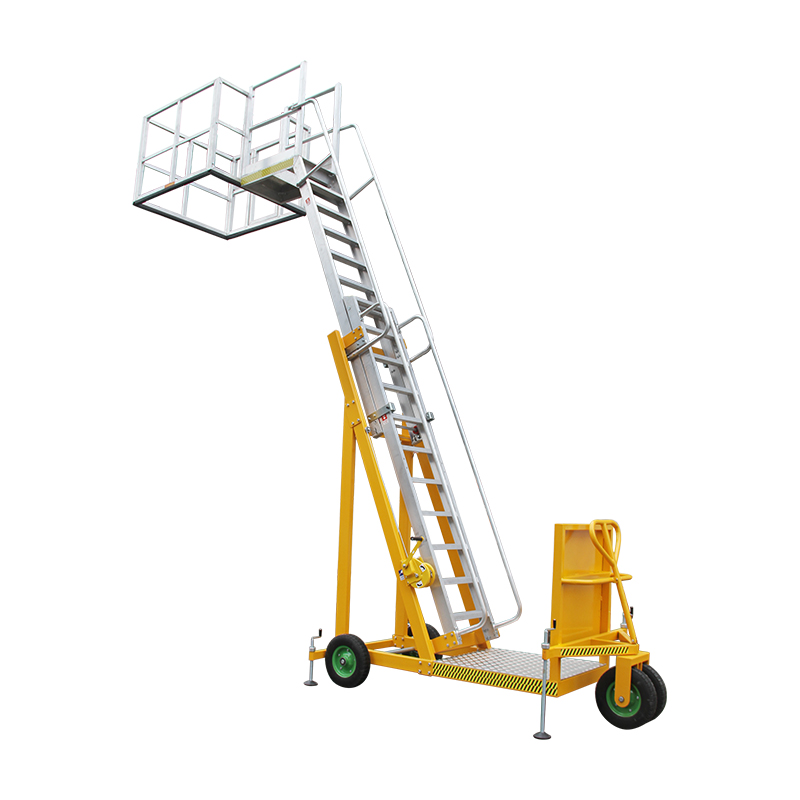
For mobile work, a compact tower with an inclined ladder reduces awkward climbing and makes repositioning more practical. Ruiju's aluminium mini tower is one option for light access tasks where a full frame scaffold would be slow to move.
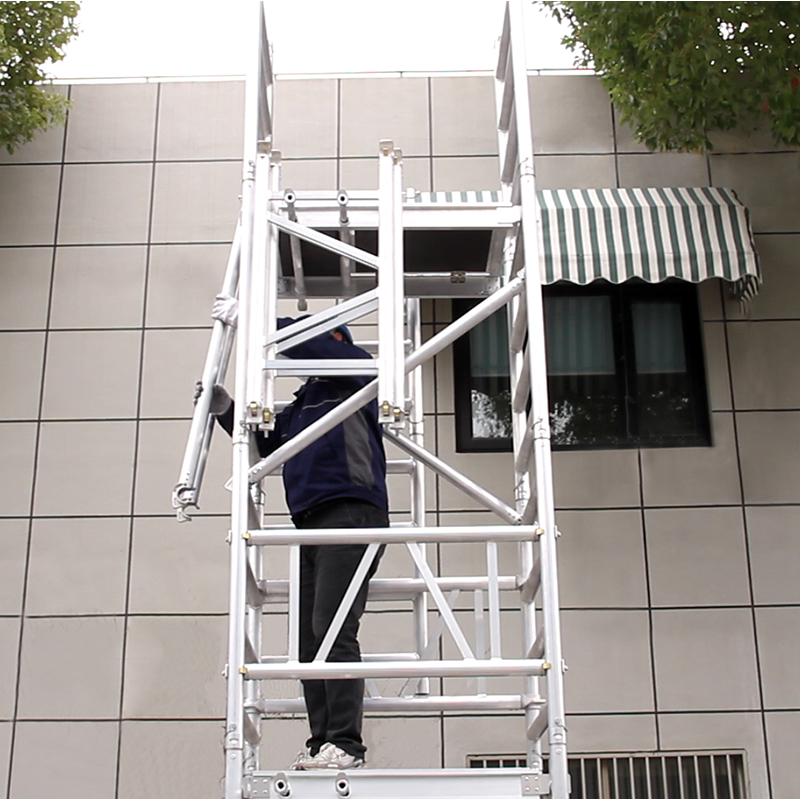 Ruiju Aluminium Mini Tower for Compact AccessA lightweight mobile scaffold for tight indoor or outdoor maintenance, painting, cleaning, and repair; one-person assembly and base-frame storage aid repositioning.View Product →
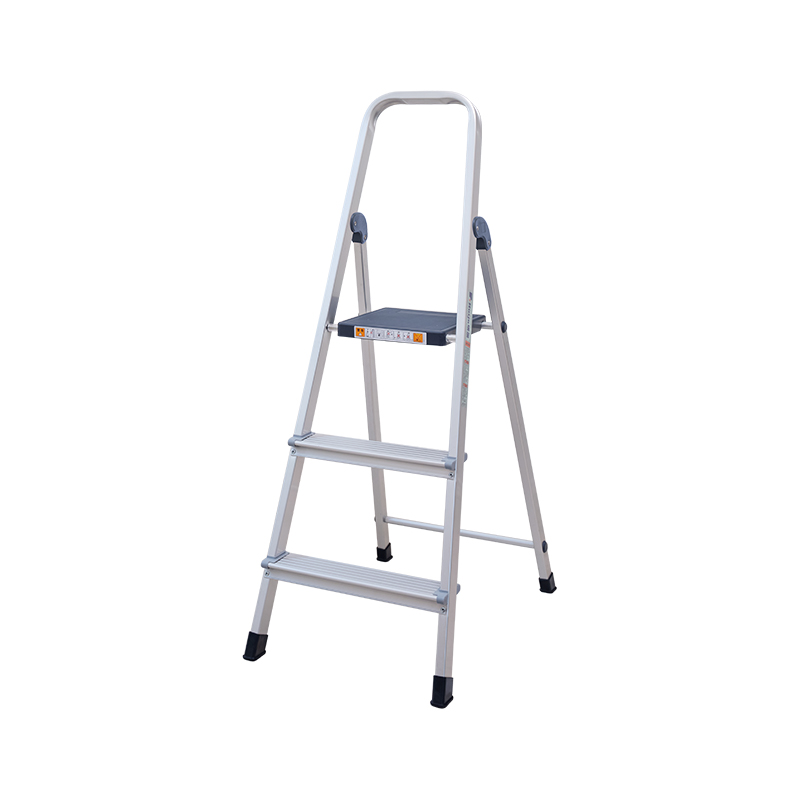
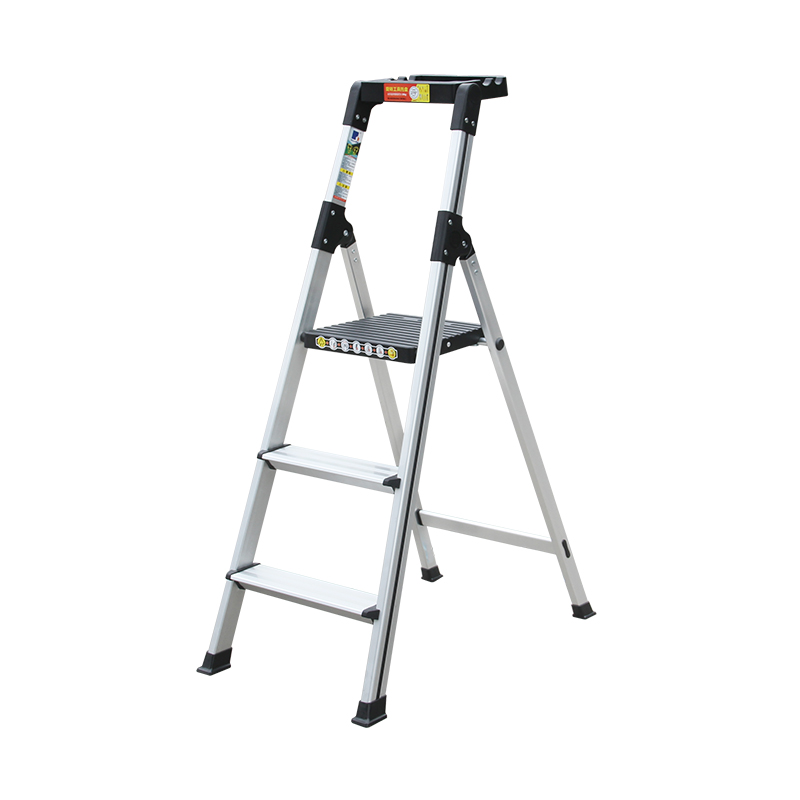
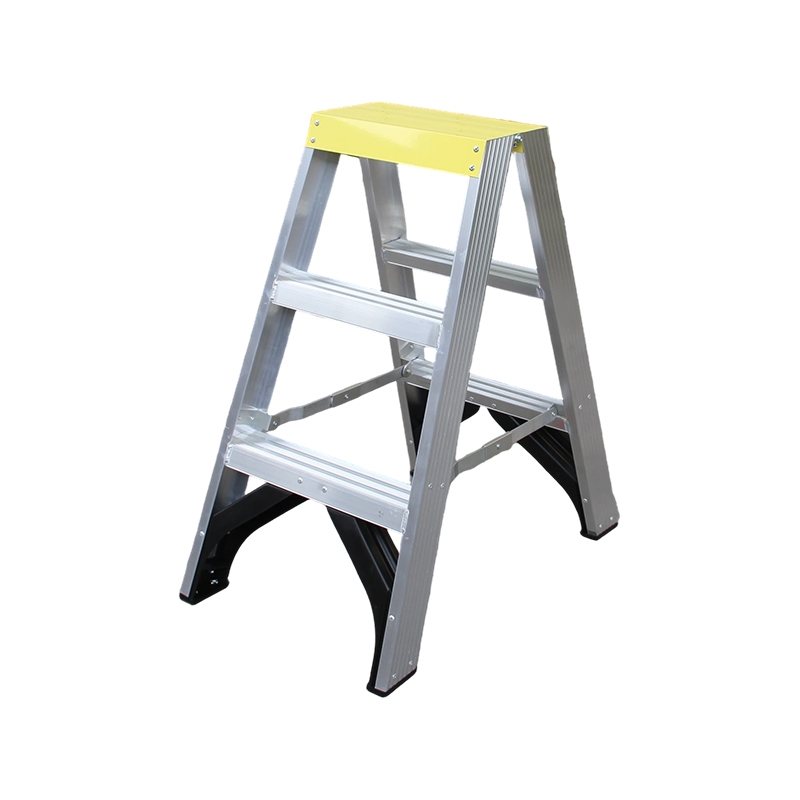
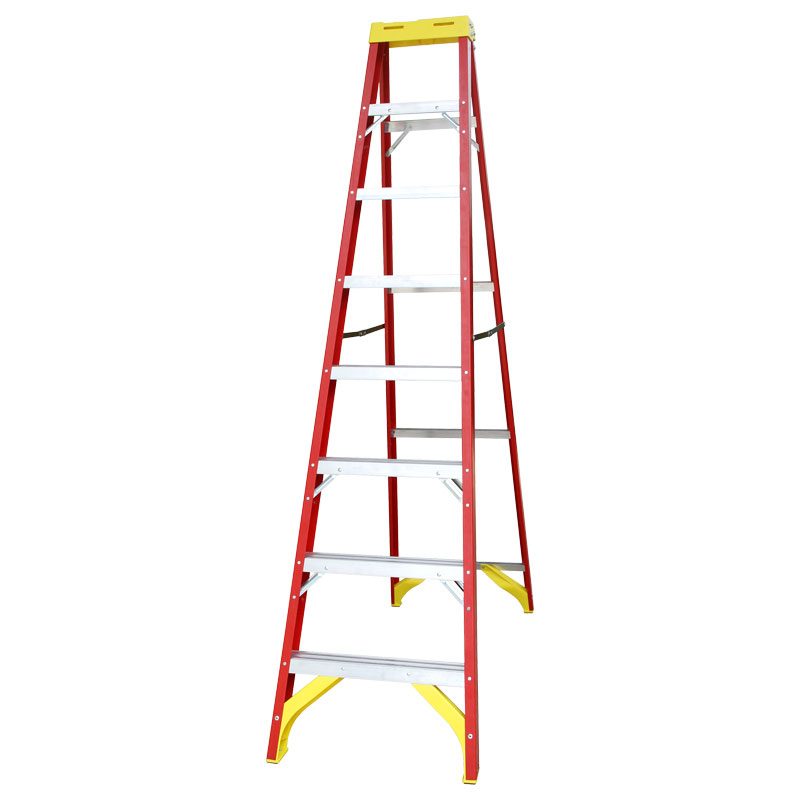
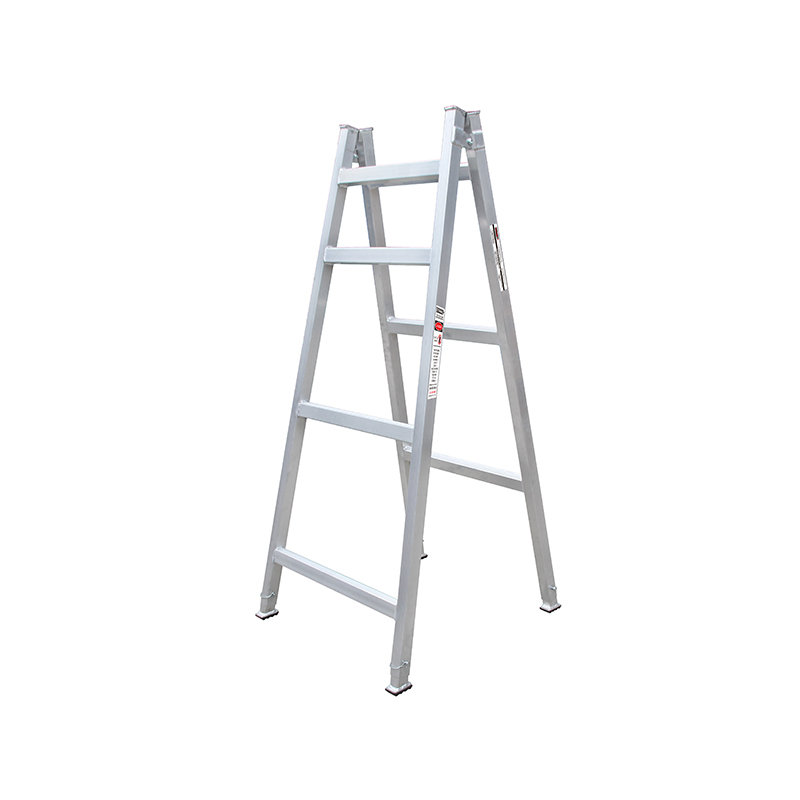
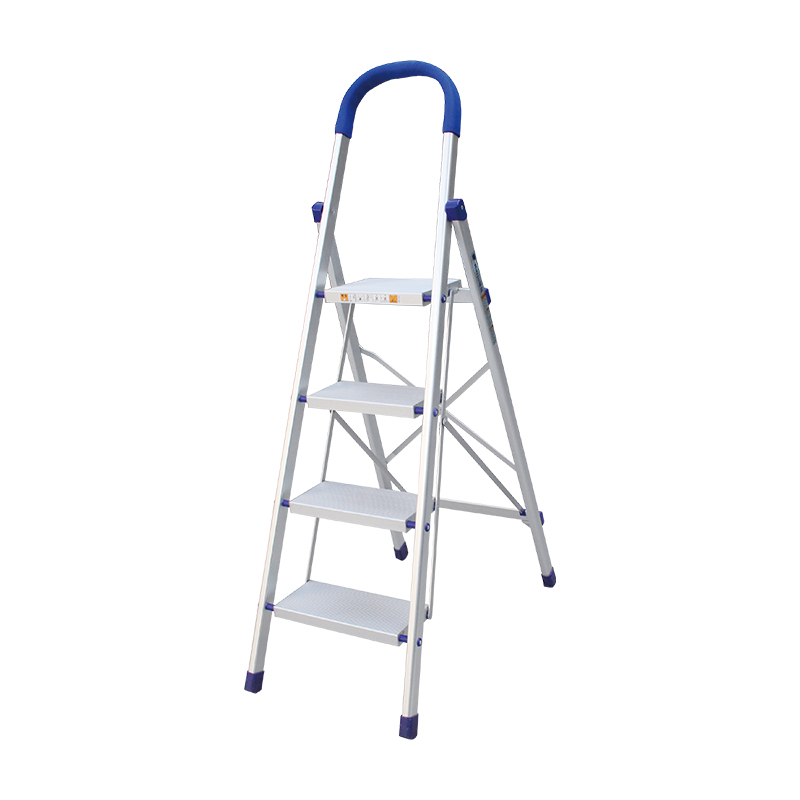
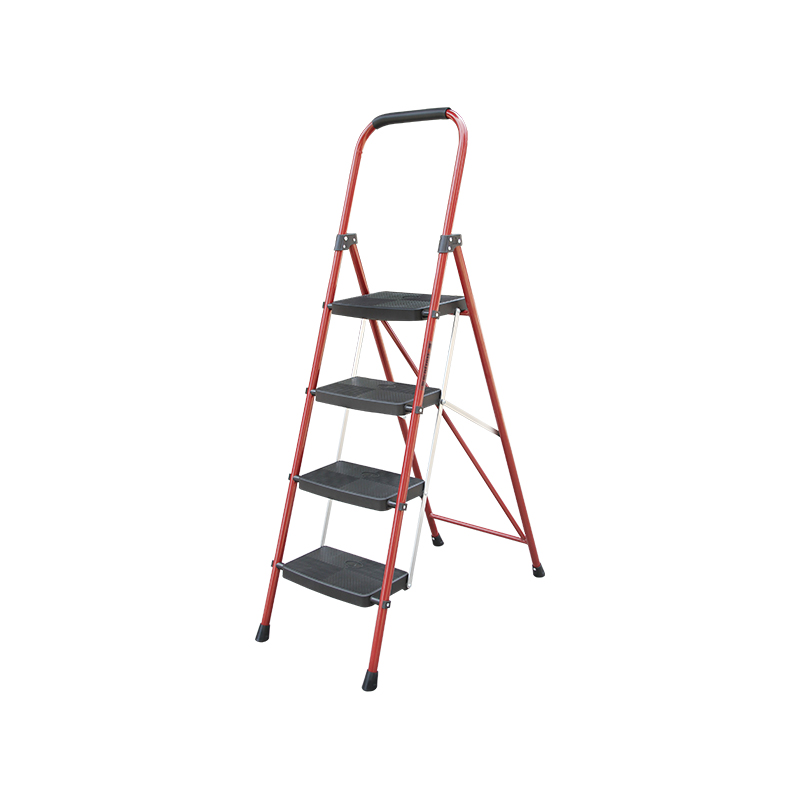
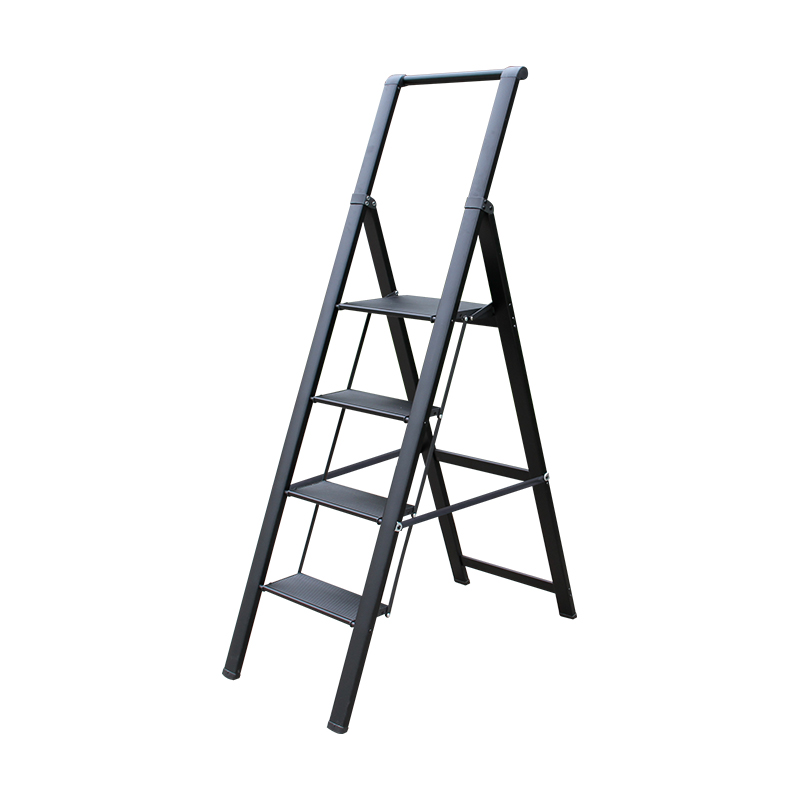
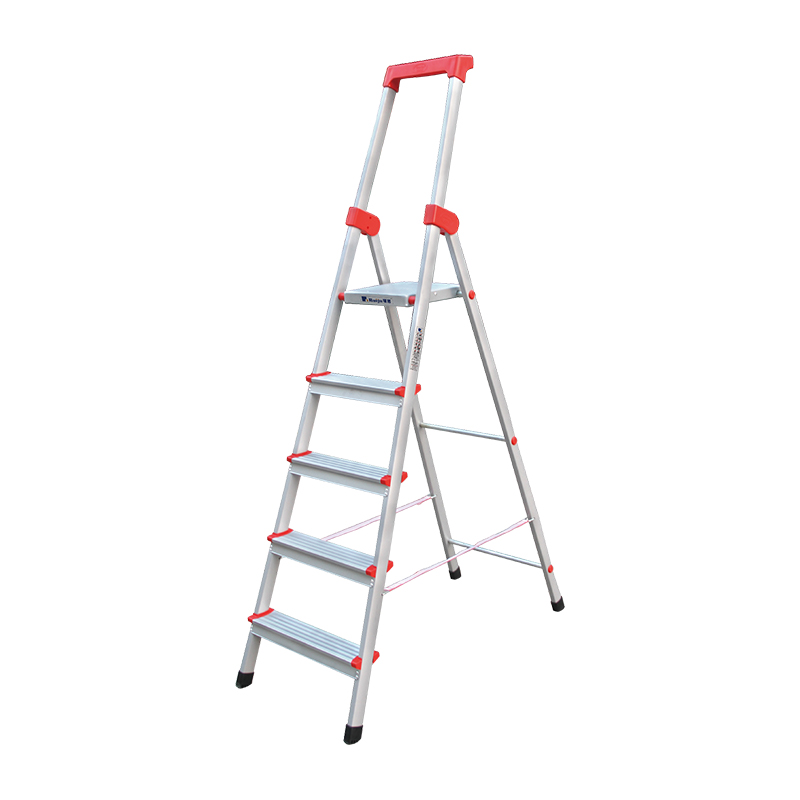
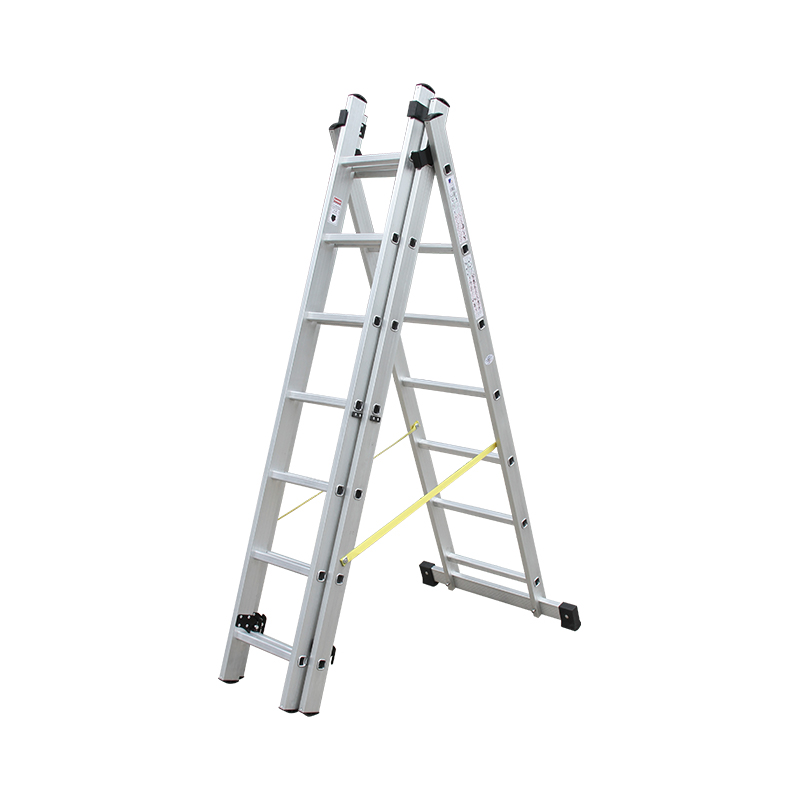
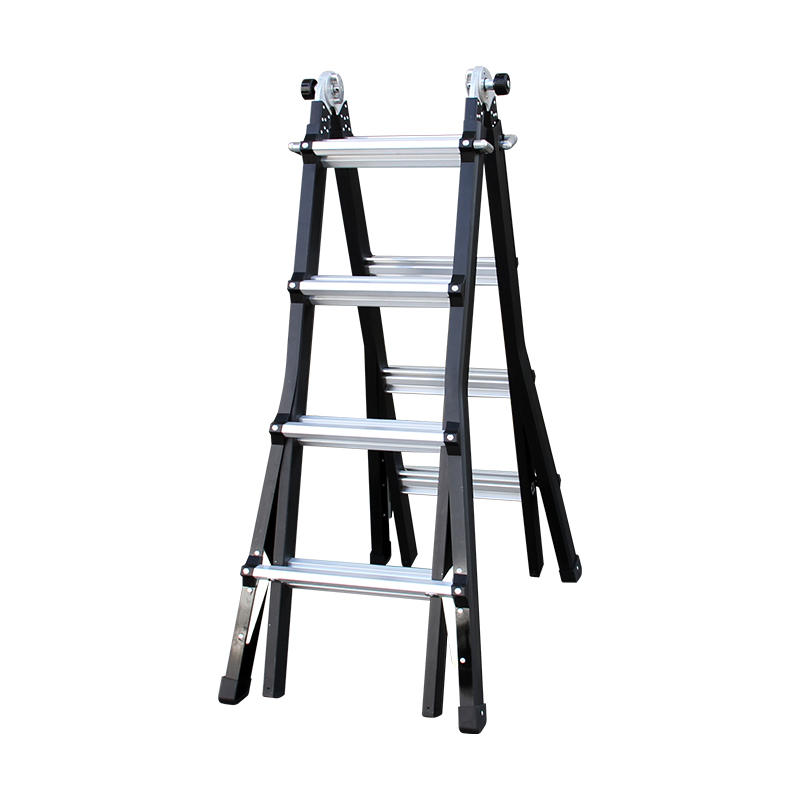
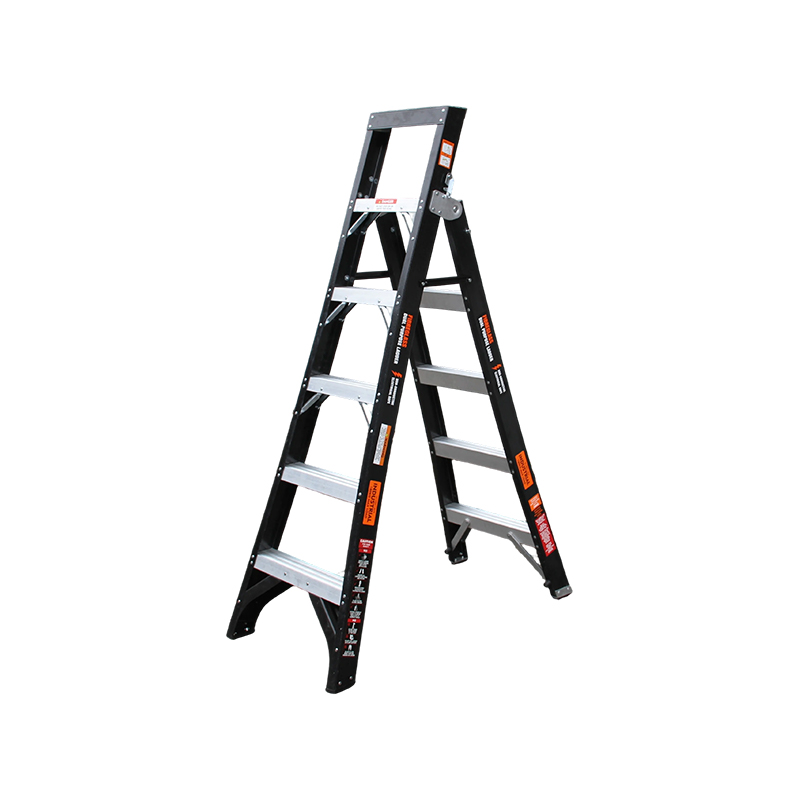
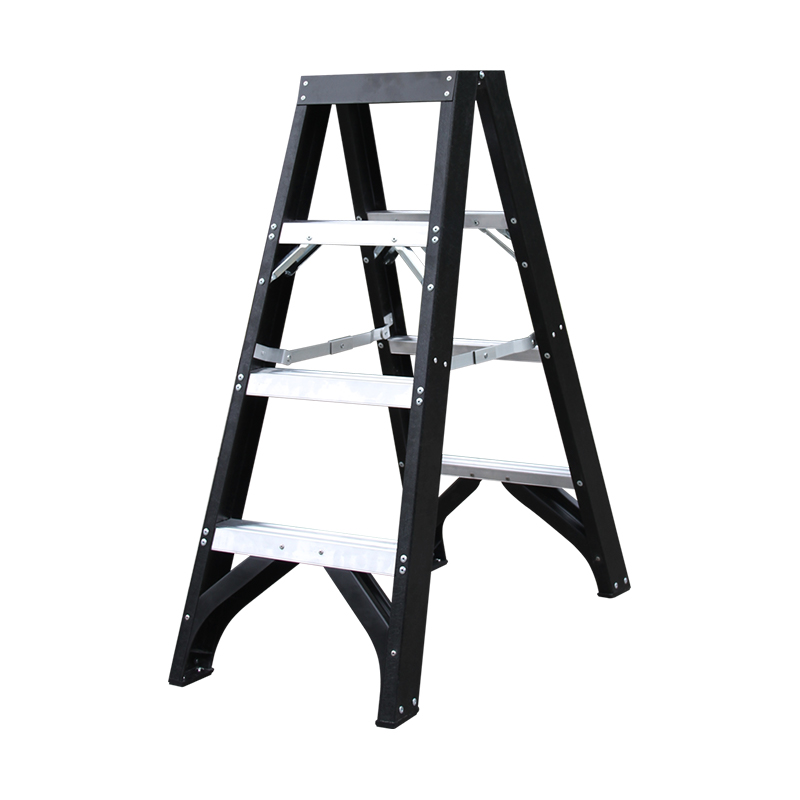
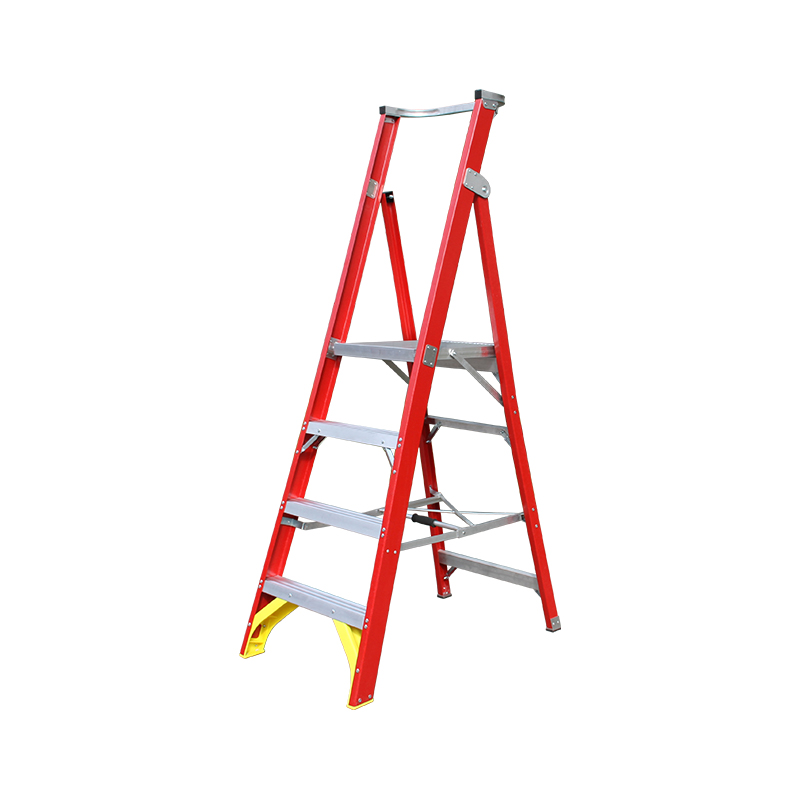
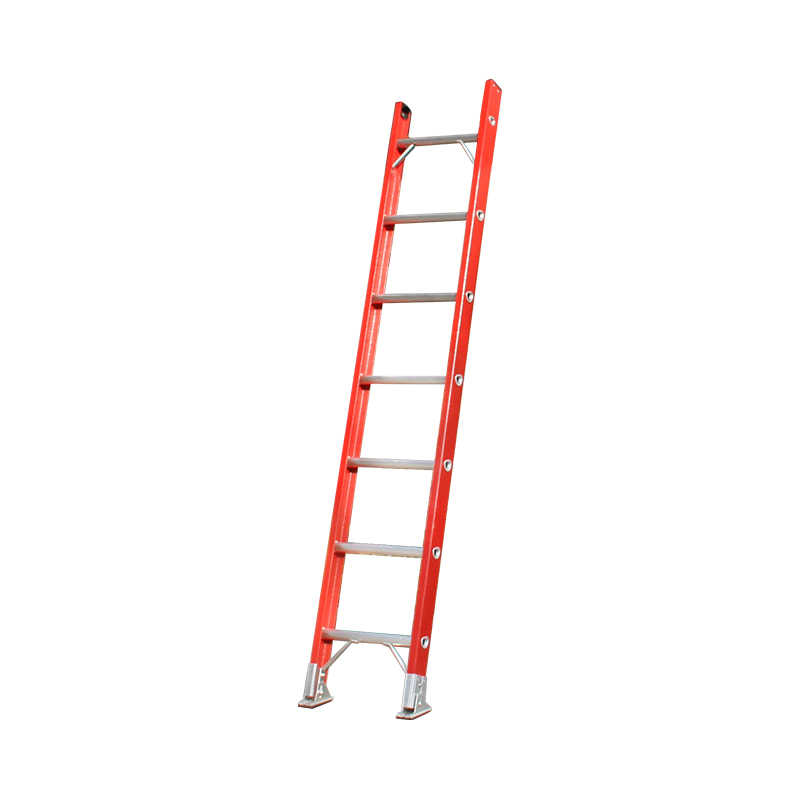
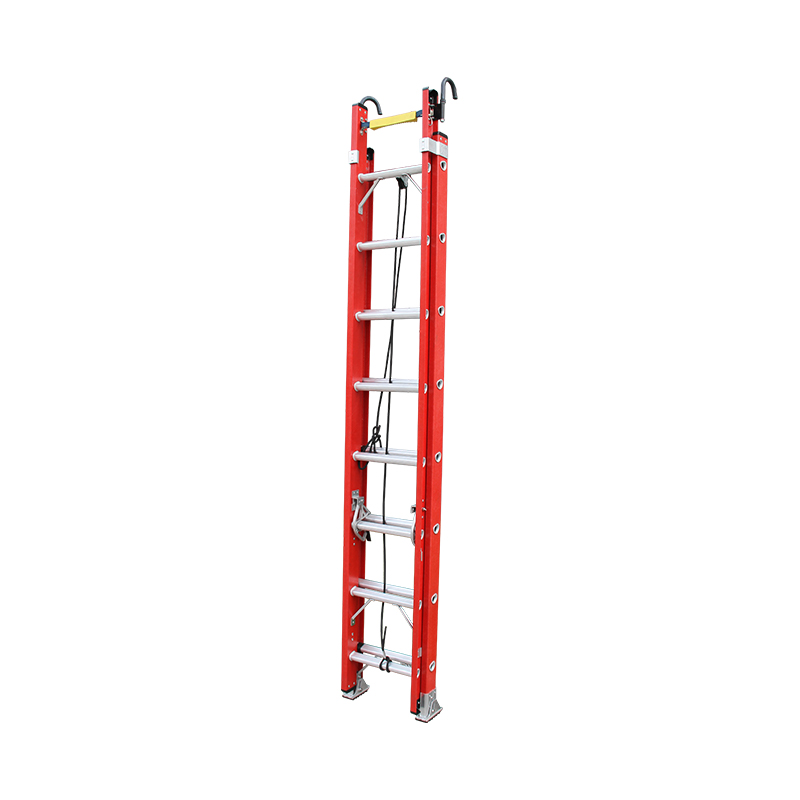
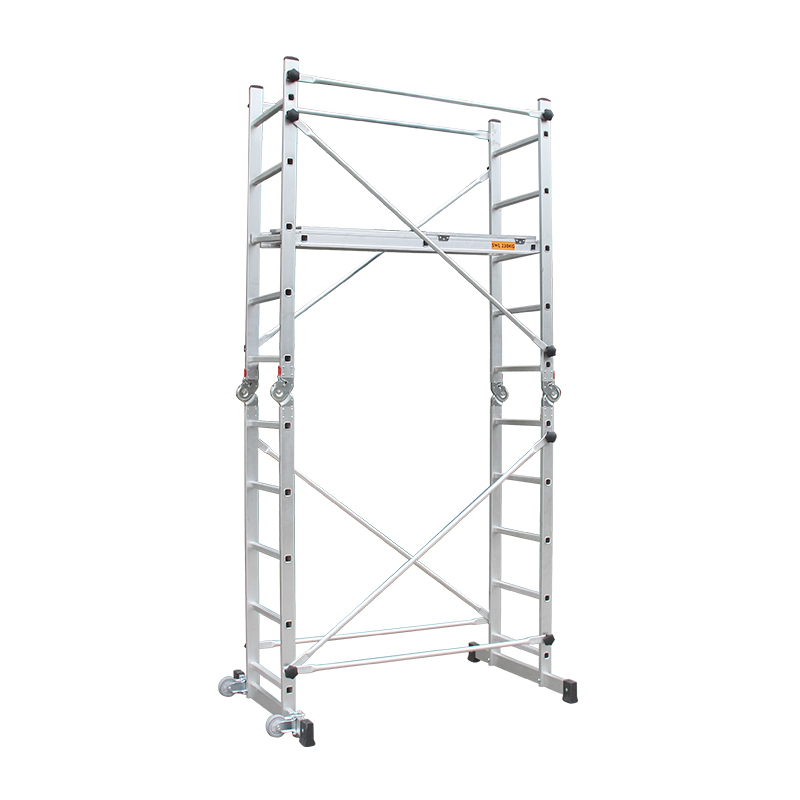
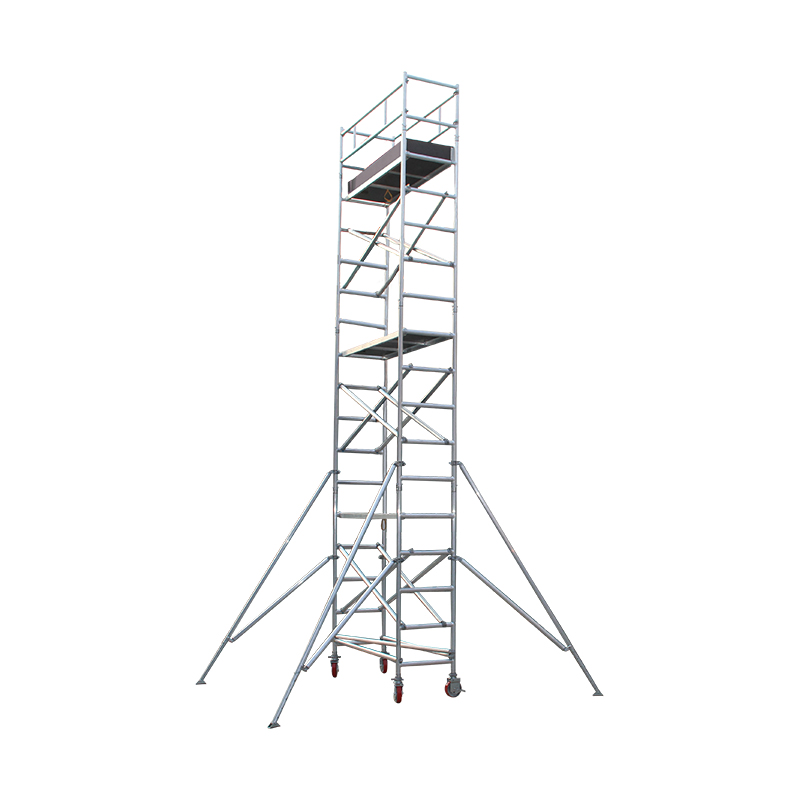
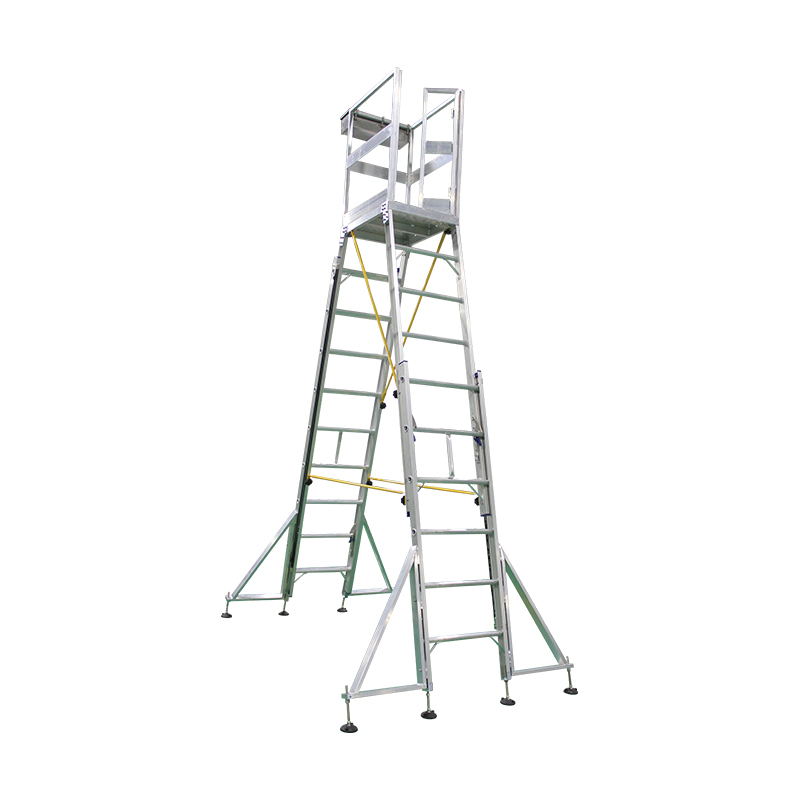
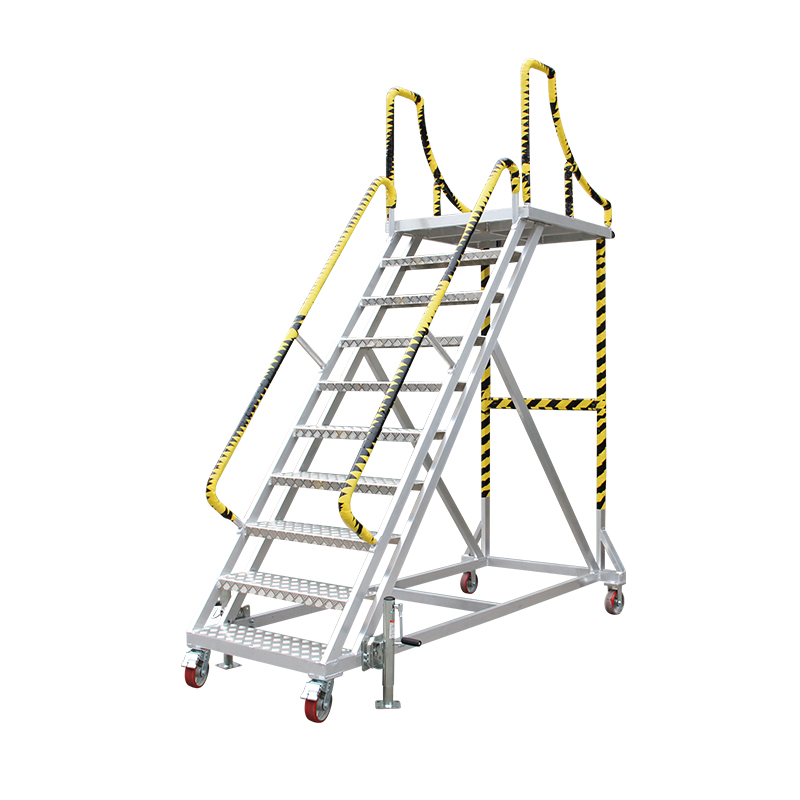
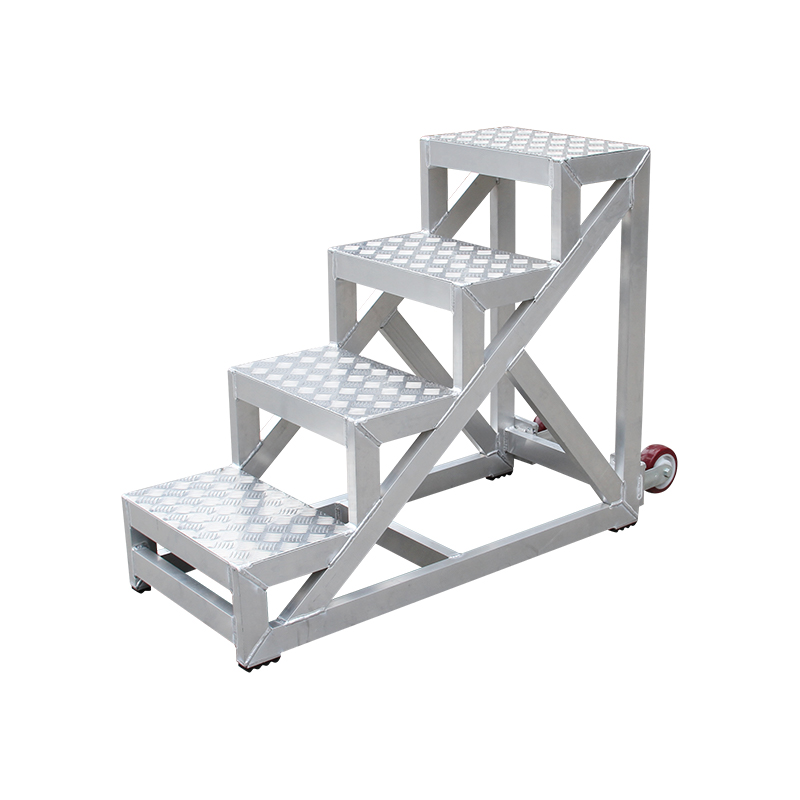
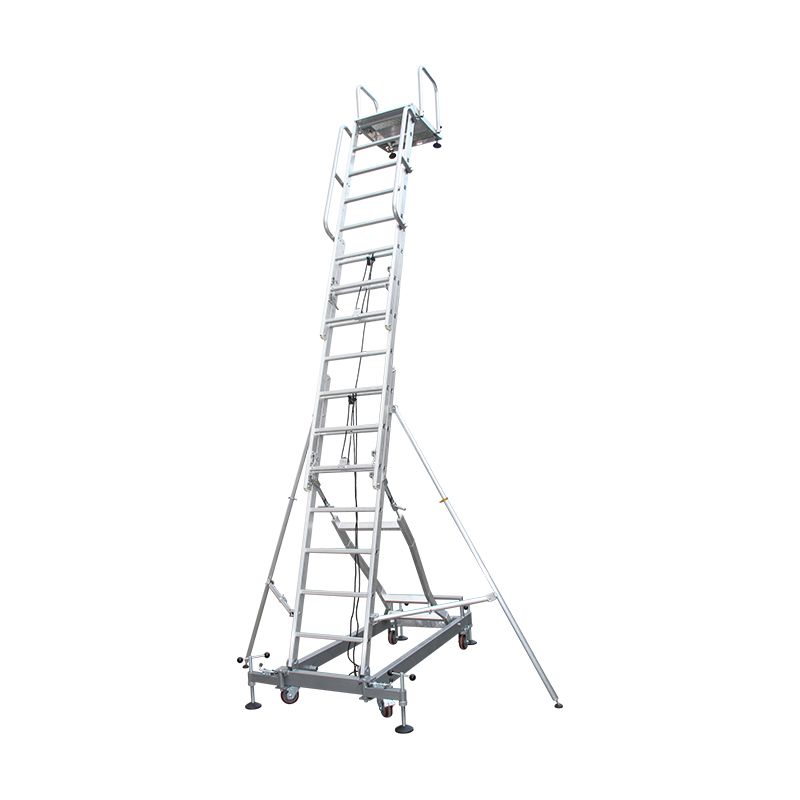
Ladder-based access is another common route. Ladder scaffolding combines a climbing frame with a working platform, which can be useful for maintenance and light construction where a conventional independent scaffold is over-specified.
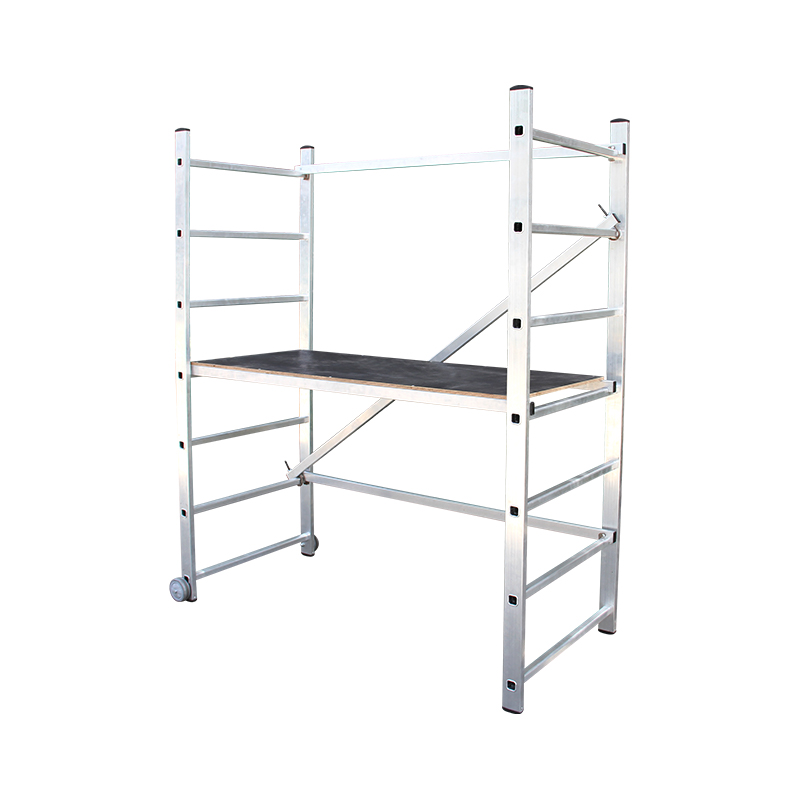 Aluminium Ladder Scaffolding and Extension SystemsBrowse folding, basic, and extension ladder scaffold options, with guidance on access height, floor space, load distribution, and inspection before selecting a system.View Product →
For a broader comparison of tower configurations, the site's guide to aluminium mobile scaffolding types and uses is a useful reference before choosing between single-width, double-width, and folding formats.
Procurement checks that prevent rework
Price per frame is a poor comparison if the frames do not match the braces, boards, and base jacks already on site. Ask for a component list, a load chart for the intended configuration, and a finish specification. Confirm that spare pins, brace ends, base jacks, and guardrail clamps are available as separate items. A scaffold system with no spares becomes scrap after the first lost pin.
- Check frame squareness with diagonal measurements; do not accept a twisted frame on the promise that it will pull straight during erection.
- Confirm that cross braces are the correct length for the frame width and that pins engage without force.
- Review weld quality at tube-to-tube joints and at the pin bosses. Cracks, undercut, and heavy spatter are reasons to reject.
- Match the finish to the environment and confirm that cut ends, welds, and damaged areas have been treated.
- Ask for a consistent batch. Mixing batches can introduce small dimensional differences that create fit problems later.
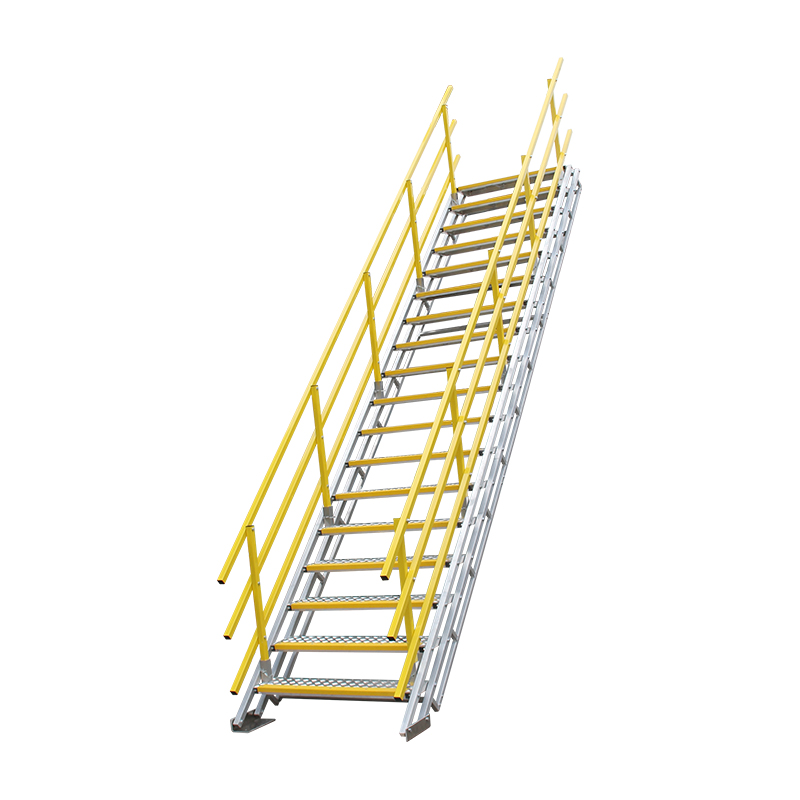
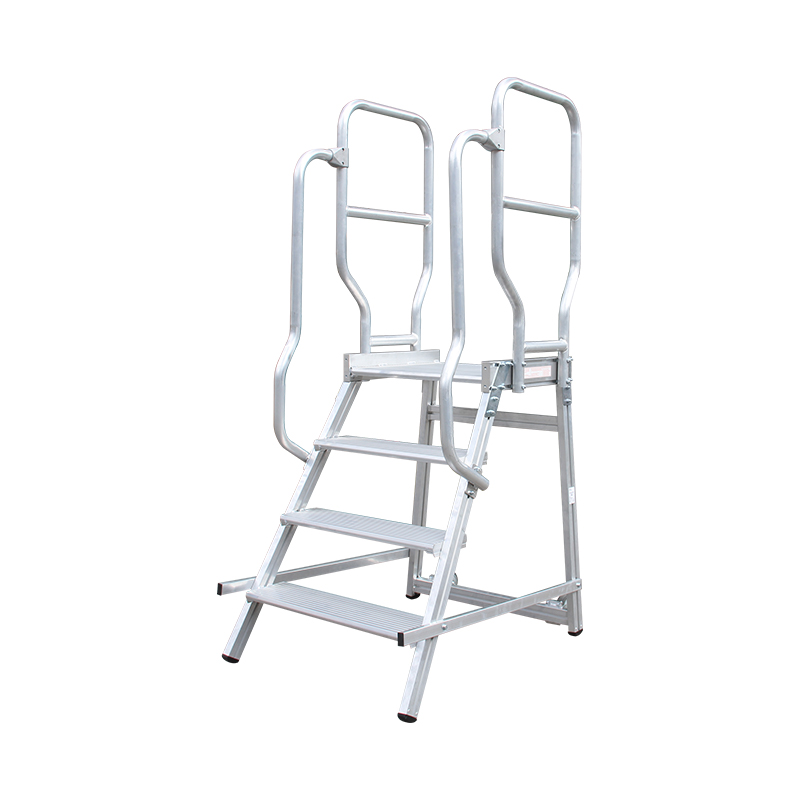
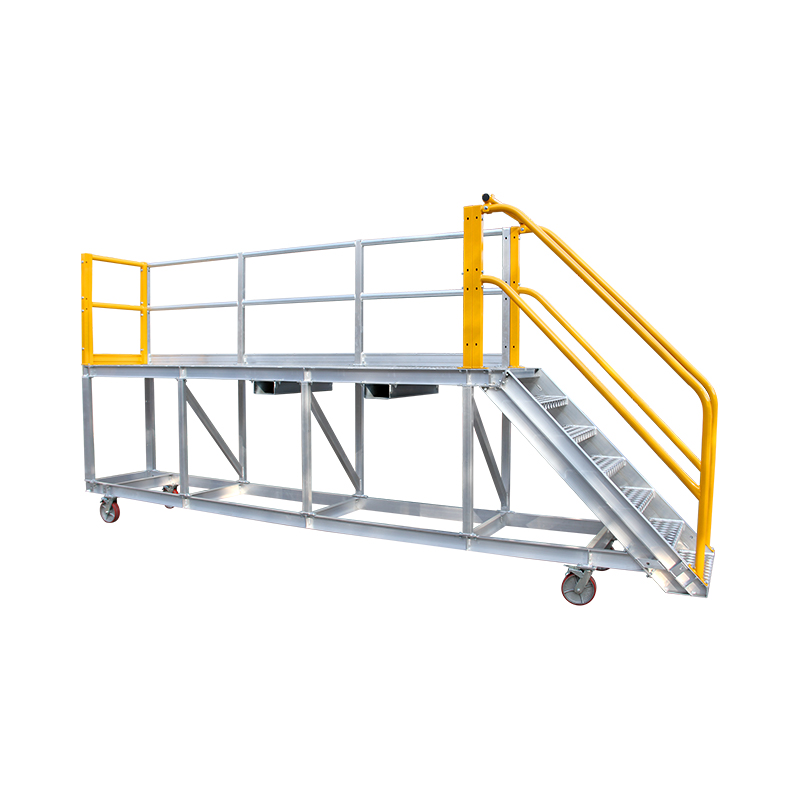
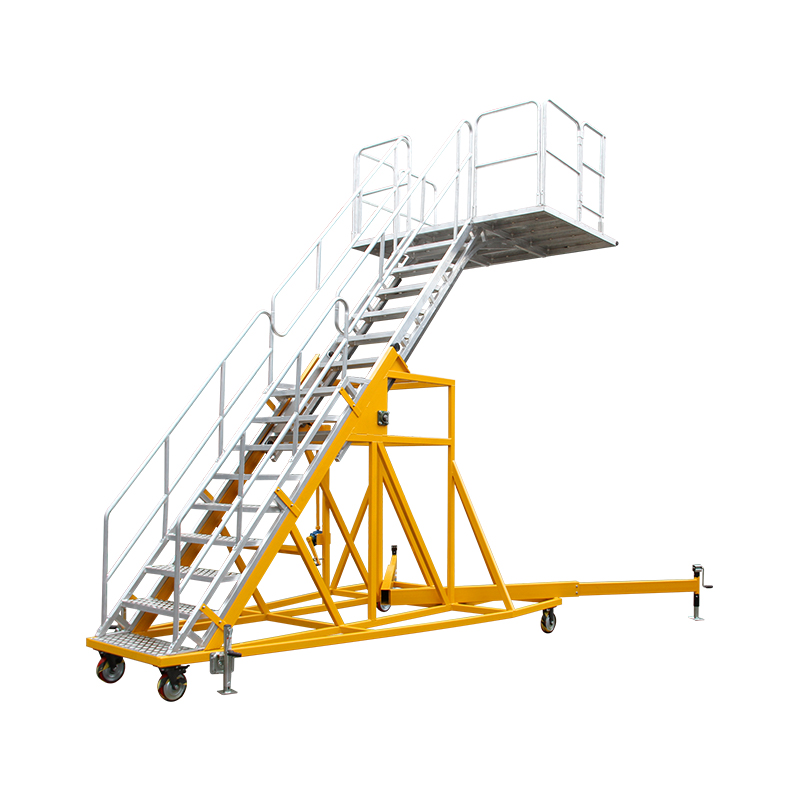
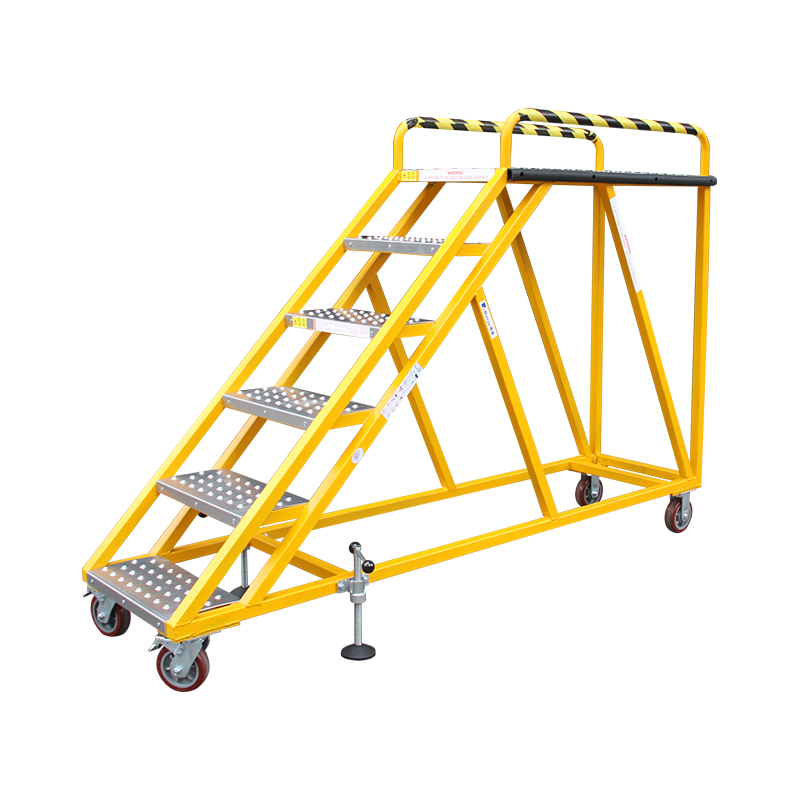
When standard frames do not fit the task, custom fabrication is often more economical than forcing a standard product into an awkward space. Rail, aviation, and plant access work frequently need fixed platforms, cages, stairs, or ladder arrangements that a catalogue frame cannot provide. Ruiju's custom fabrication for industrial ladders and platforms is aimed at those non-standard access points.
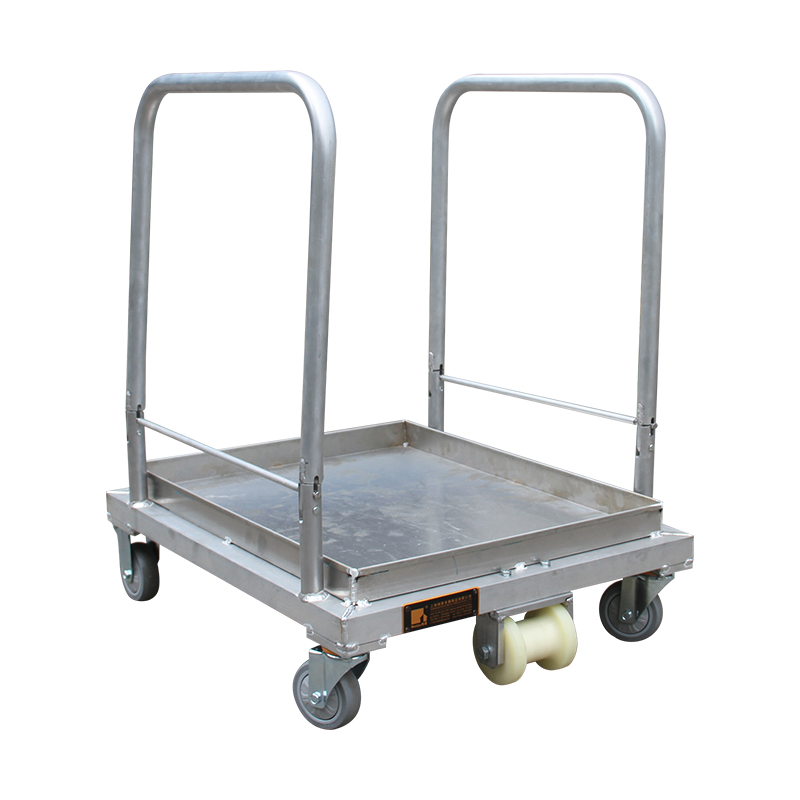 Custom Industrial Ladders and Access PlatformsCustomisable rolling ladders, mobile platforms, pit ladders, cage ladders, ramps, and stairs for non-standard industrial access where catalogue frames do not fit.View Product →
Where the real cost sits
The cheapest fabricated frame scaffold is rarely the lowest-cost scaffold. If the frames need rework, the braces do not fit, or the finish fails after a few months outdoors, the saving disappears in labour, delays, and replacement. On a multi-lift project, a small dimensional inconsistency is repeated at every lift; that is why sample approval and goods-in inspection matter more than a glossy brochure.
A better comparison looks at the full package: frame quality, brace compatibility, base jack range, board support, guardrail options, spare-part availability, and the supplier's ability to handle a custom access point. That package is what keeps erection predictable and inspection straightforward.
Treat a fabricated frame scaffold as a system, not a pile of frames. Check the details that control fit and stability, keep components matched, and plan the base and ties before erection. That approach will not make scaffold work simple, but it will make it far more predictable.
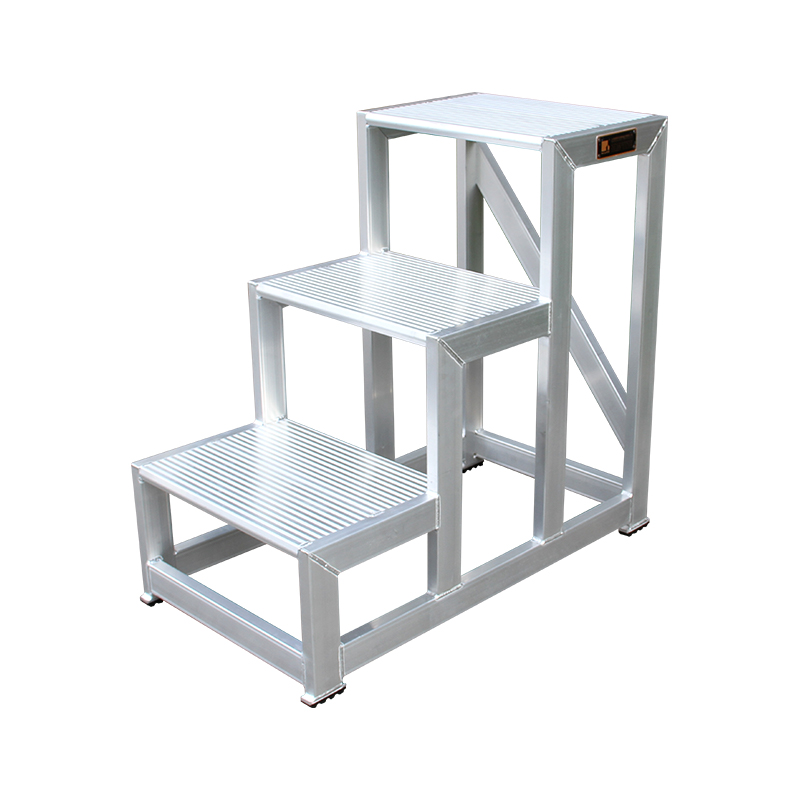
- Alum Plank Guide: Types, Load Ratings, and Safety Checks for Aluminum Scaffold Boards View more
- Aluminium Mobile Scaffolding: Types, Load Ratings, Safety, and Buyer's Guide View more
- Aluminium Mobile Scaffolding: Guide to Types, Uses & Benefits View more
- Aluminium Platform Ladder Guide: Safety, Types & Buying Tips View more
For project inquiries, fill in the form or contact us directly—our team responds promptly.

Copyright @ Shanghai Ruiju Metal Products Co.,Ltd. All rights reserved Aluminum Scaffolding Suppliers Aluminium Ladder Manufacturers
