 en
 简体中文
 Español
 Deutsch
 عربى

different kinds of scaffolding: Applications, Selection Criteria, and Practical Guidance
Content
- 1 The Four Scaffolding Families That Decide Most Projects
- 2 Ladder Scaffolding: The Compact Problem Solver
- 3 Aluminium Mobile Scaffolding: Towers You Move by Hand
- 4 Modular Scaffolding Systems: When the Job Outgrows a Tower
- 5 Railway and Infrastructure Scaffolding: Built Around the Asset
- 6 Work Platforms and Steps: The Category People Forget
- 7 Matching a Scaffold to the Job: A Short Checklist
- 8 Common Selection Mistakes and What They Cost
- 9 Sourcing Scaffolding for Mixed Sites
A maintenance team orders "a scaffold" for a weekend job and receives a 3 m tower on castors. The real task is a ceiling duct at 6 m, reached through an 800 mm doorway, on a floor with a slight fall. The tower will not pass the door, will not sit level, and half a day disappears before any work starts. Problems like this rarely come from a bad product. They come from picking the wrong family of equipment at the very first step.
The short answer: the different kinds of scaffolding fall into four practical families, and each one answers a different question. Ladder scaffolding answers "how do I reach a small, awkward spot quickly?". Mobile towers answer "how do I work at height and keep moving?". Modular systems answer "how do I cover a large area or a tall facade?". Task-specific frames answer "how do I work safely around a train, an aircraft or a tanker?". Get the family right and the specification details become easy. Get it wrong and no amount of accessory buying will fix it.
The Four Scaffolding Families That Decide Most Projects
Manufacturers use dozens of names, but almost every catalogue item sits in one of these groups. The differences that matter on site are how the load travels to the ground, how a person climbs, and how the unit moves between positions.
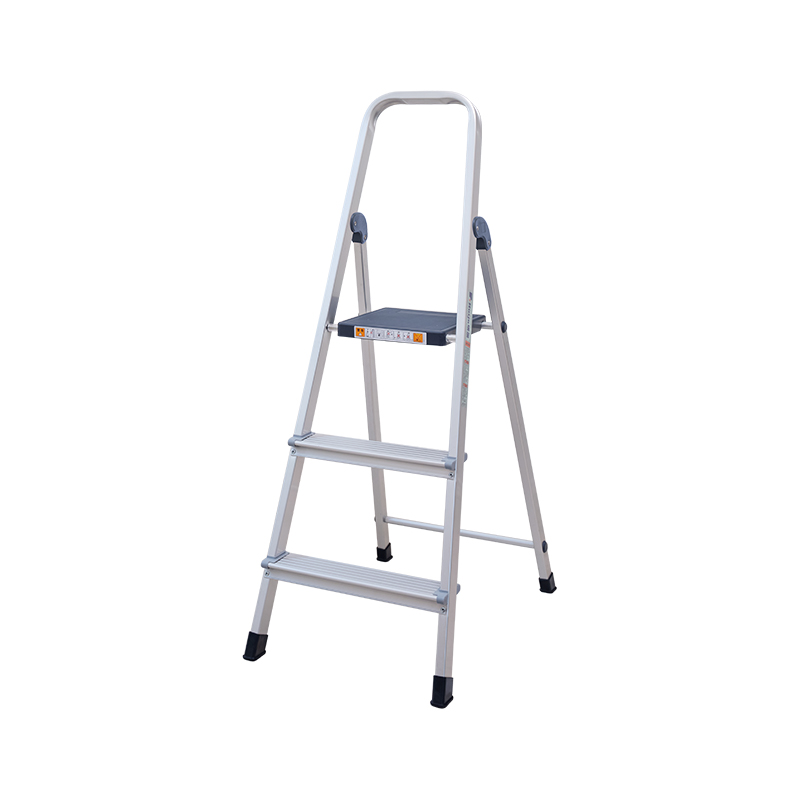
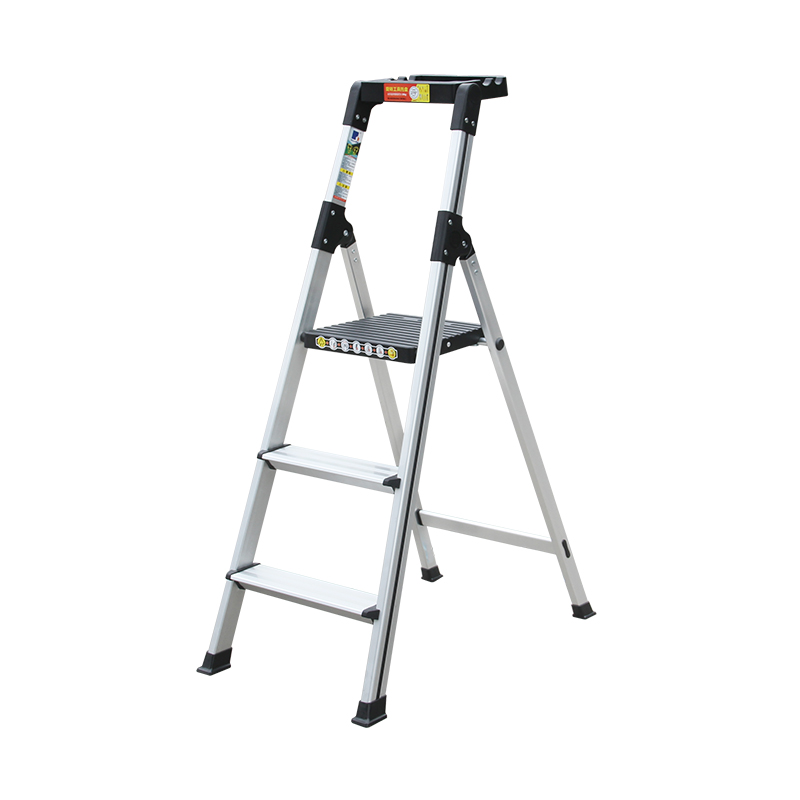
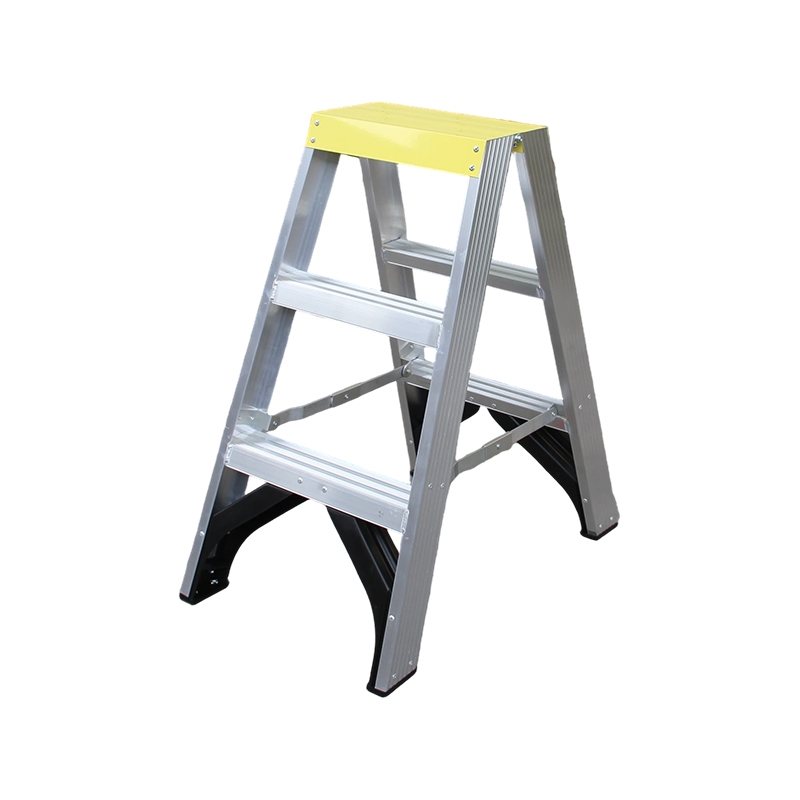
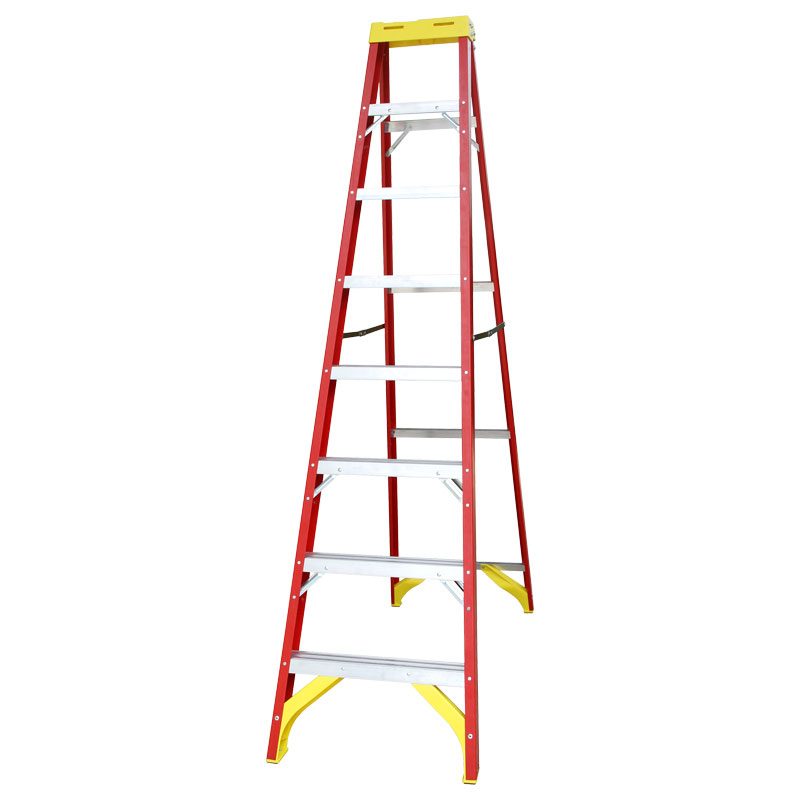
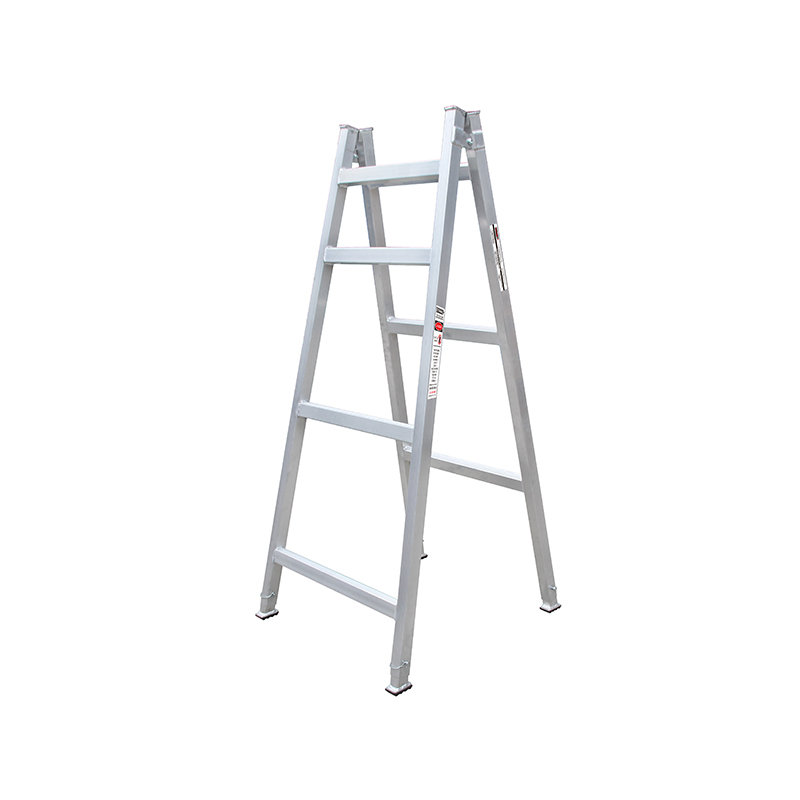
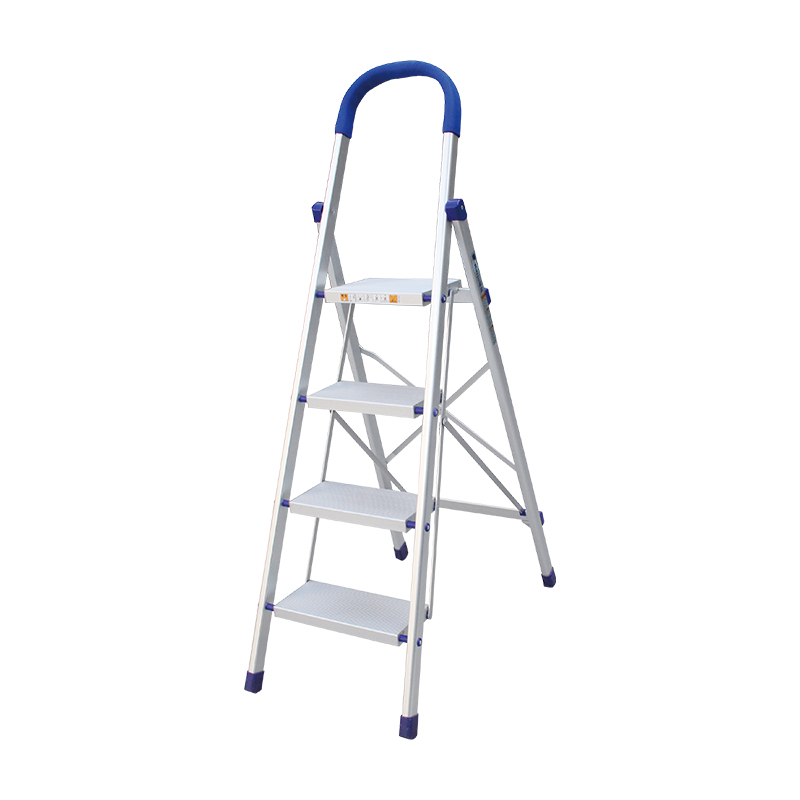
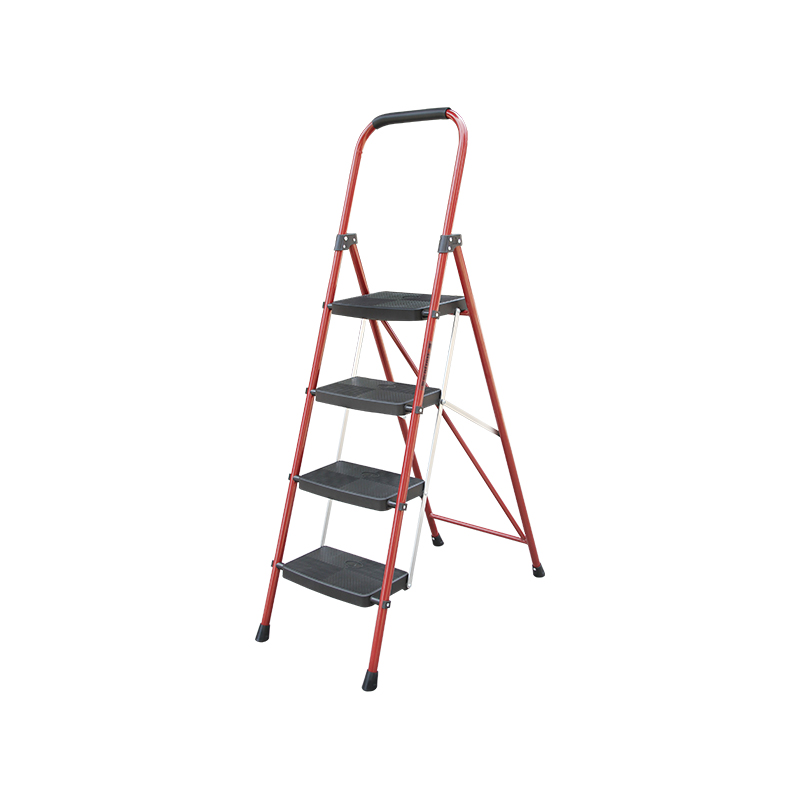
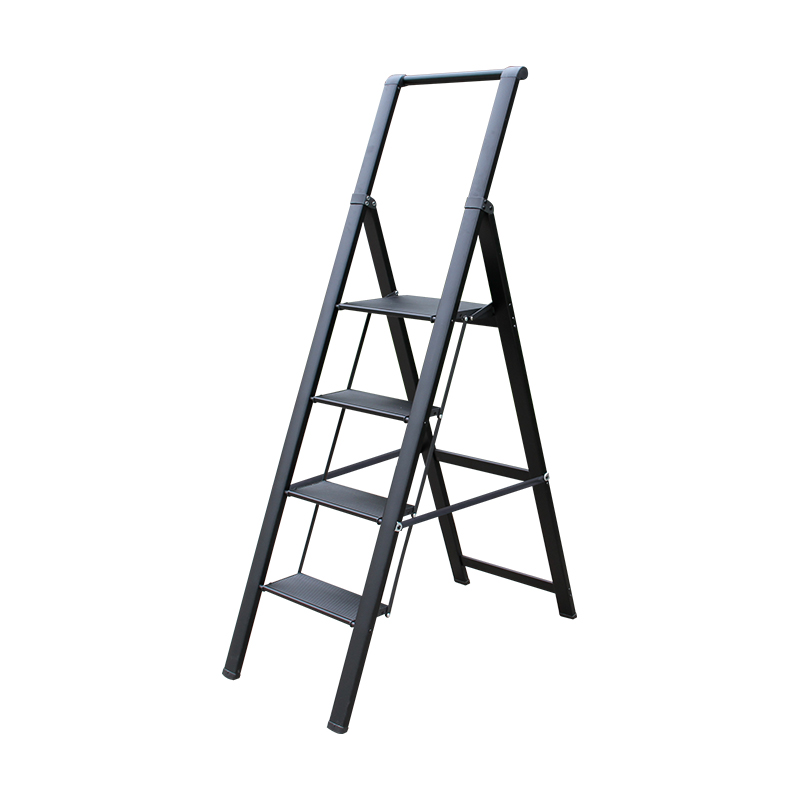
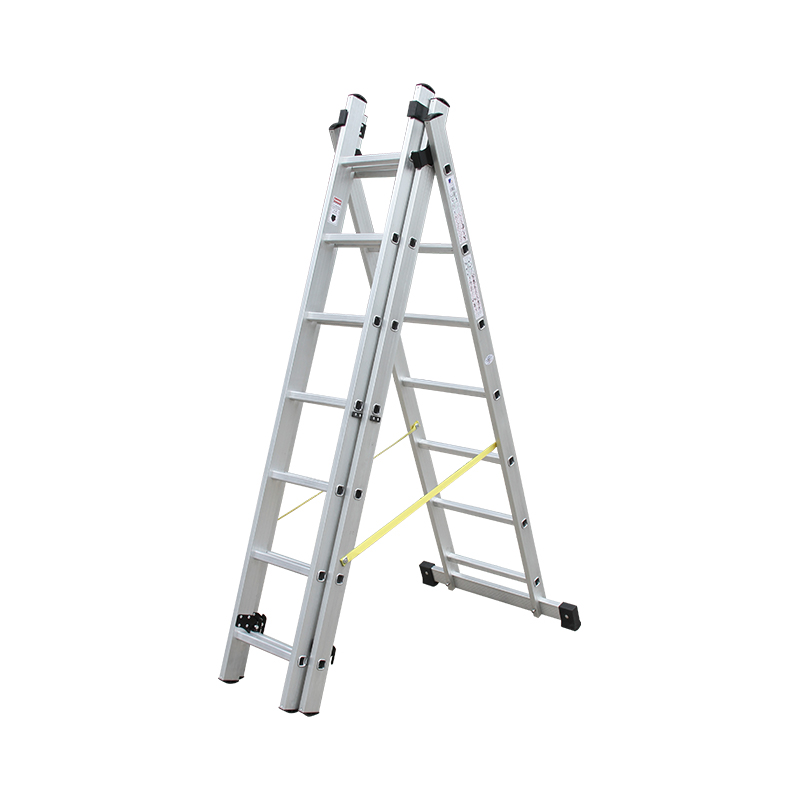
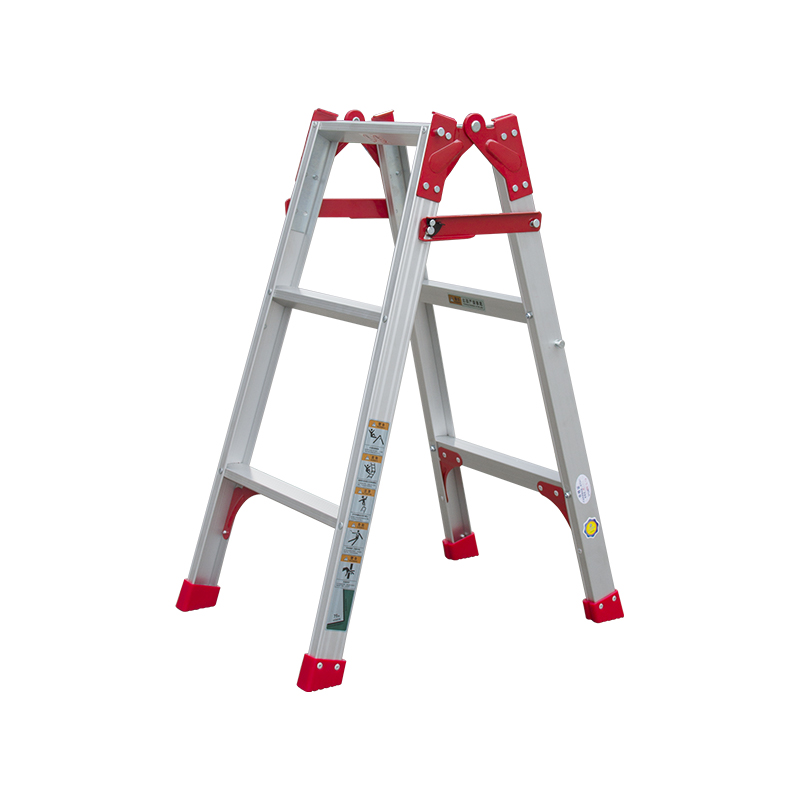
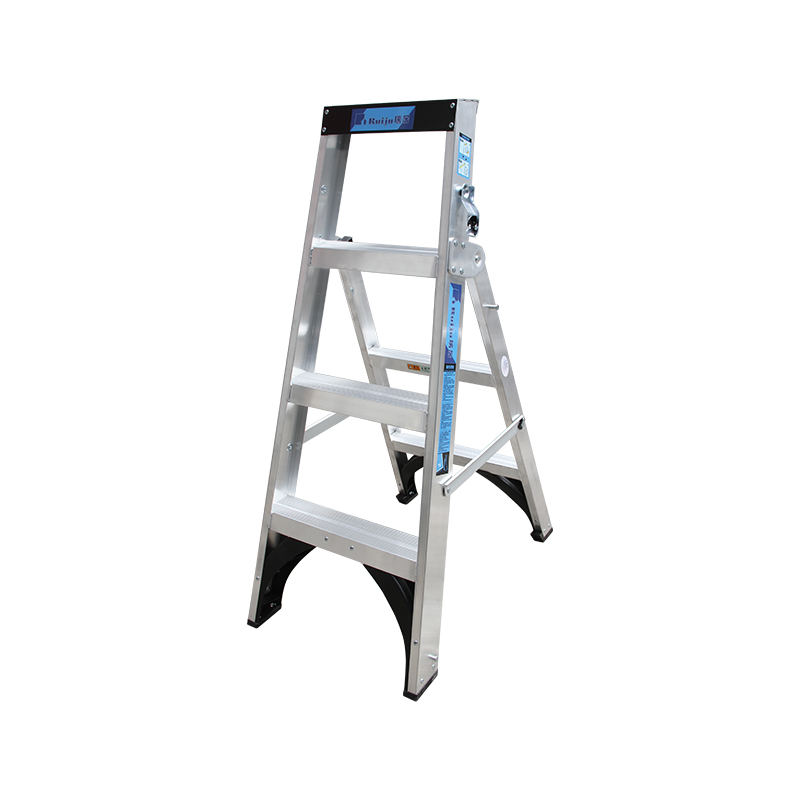
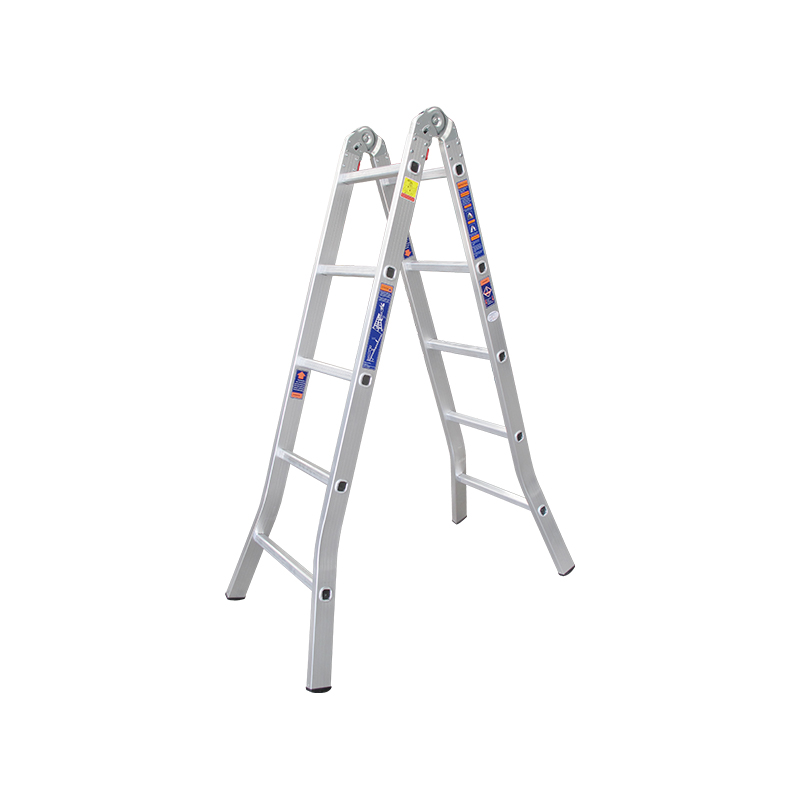
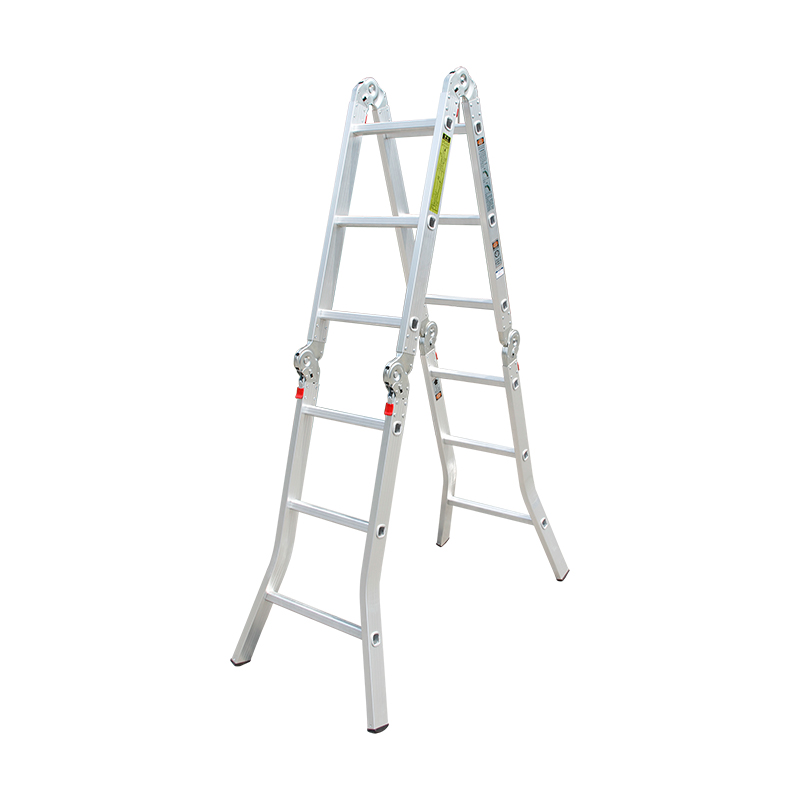
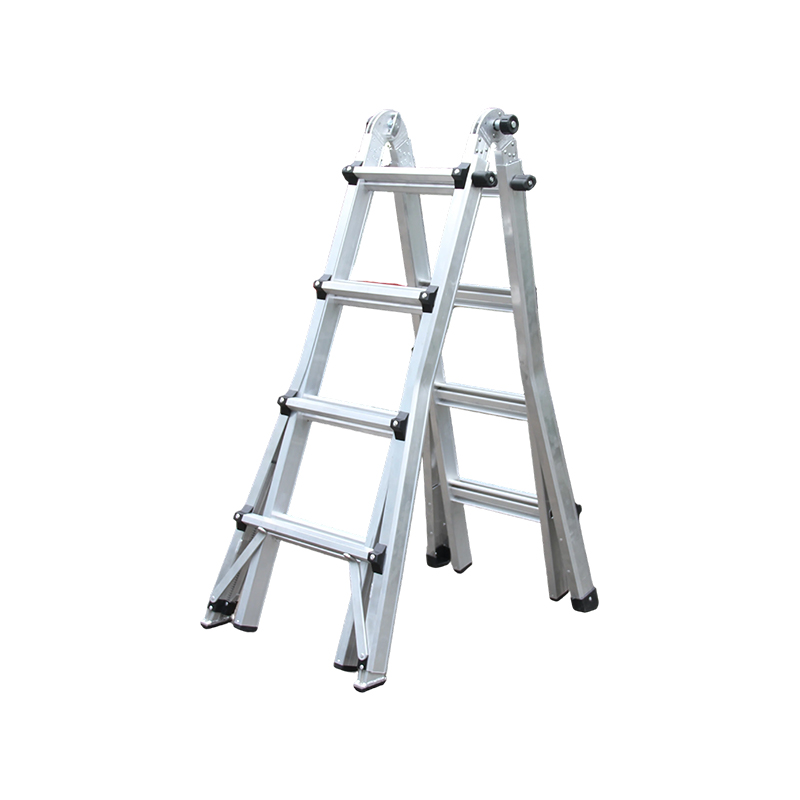
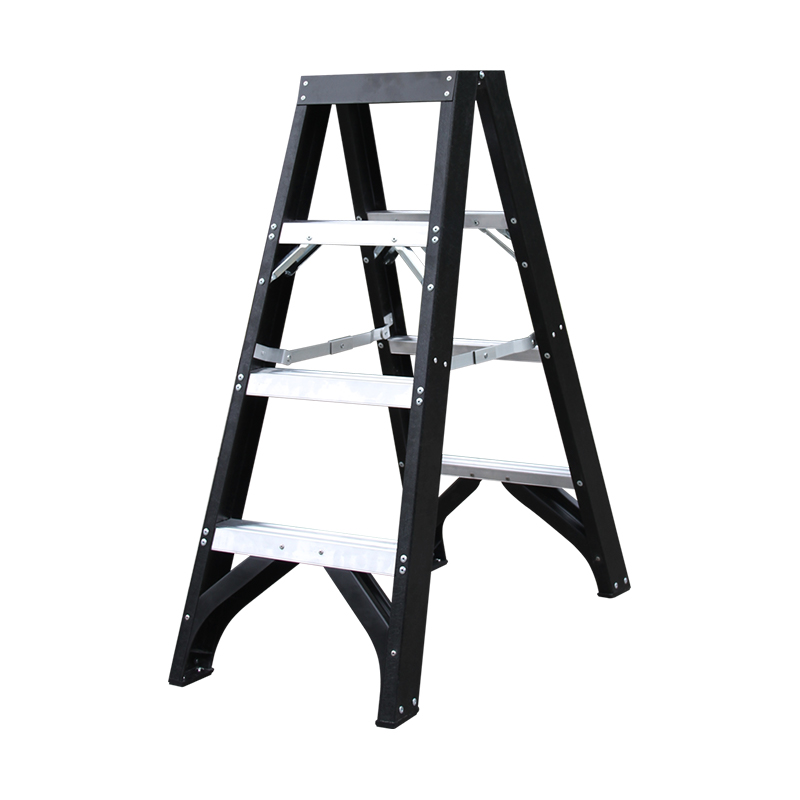
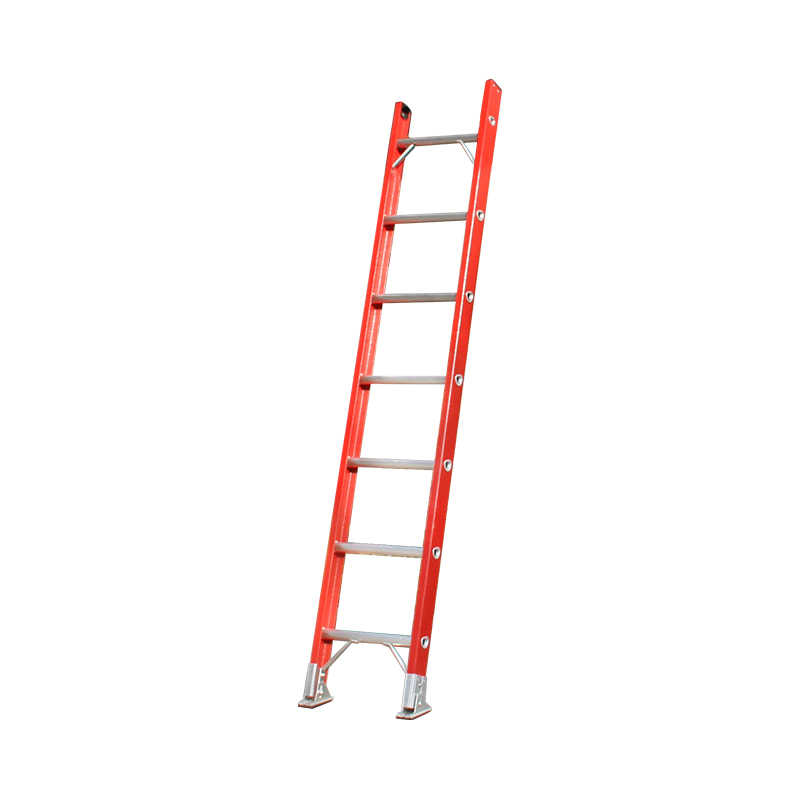
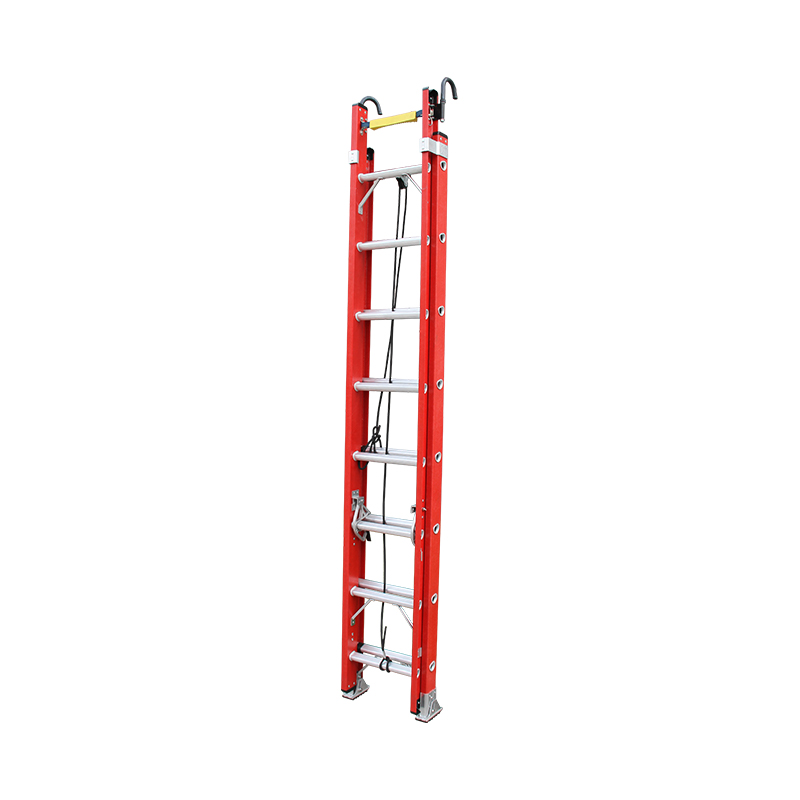
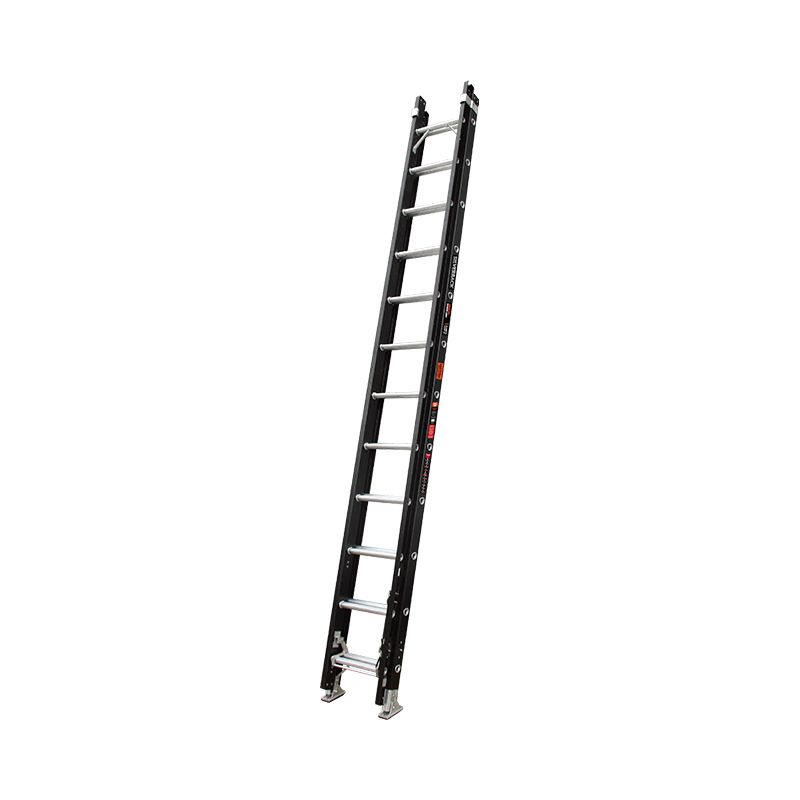
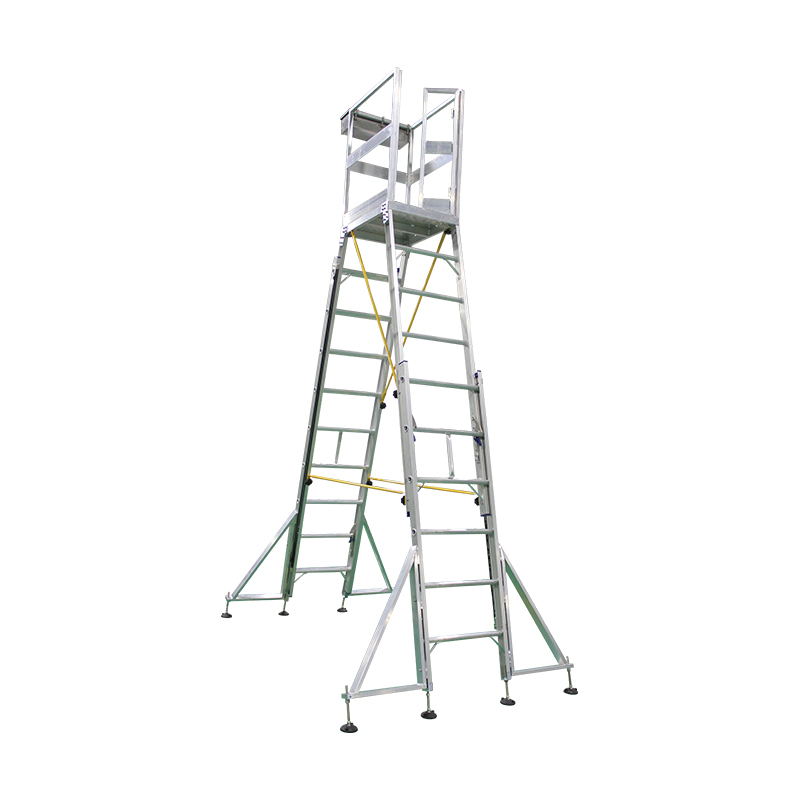
- Ladder scaffolding — folding A-frames, basic frames and extension frames that combine a ladder and a working platform in one unit.
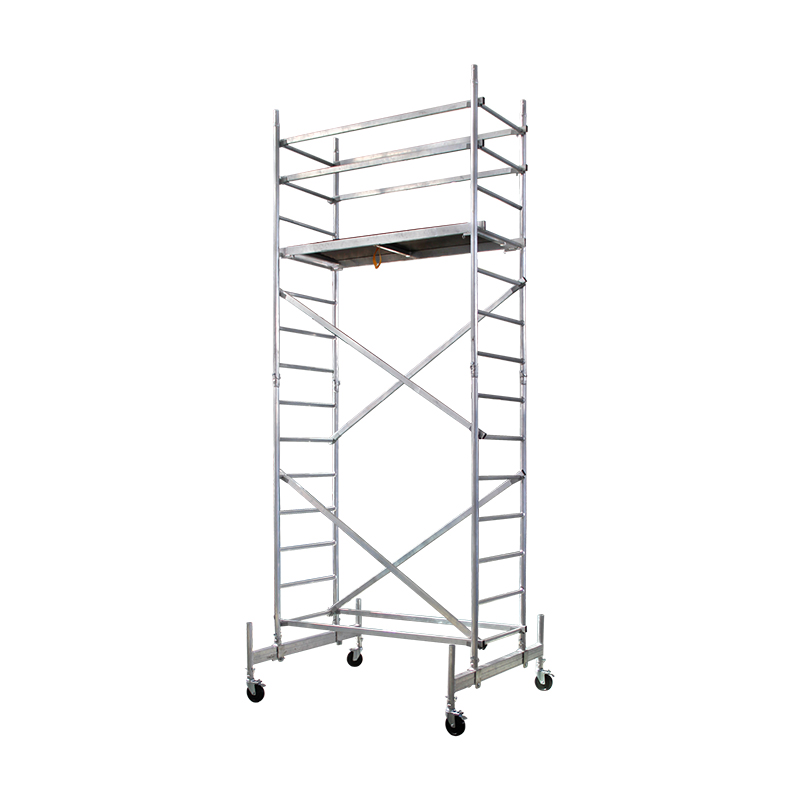
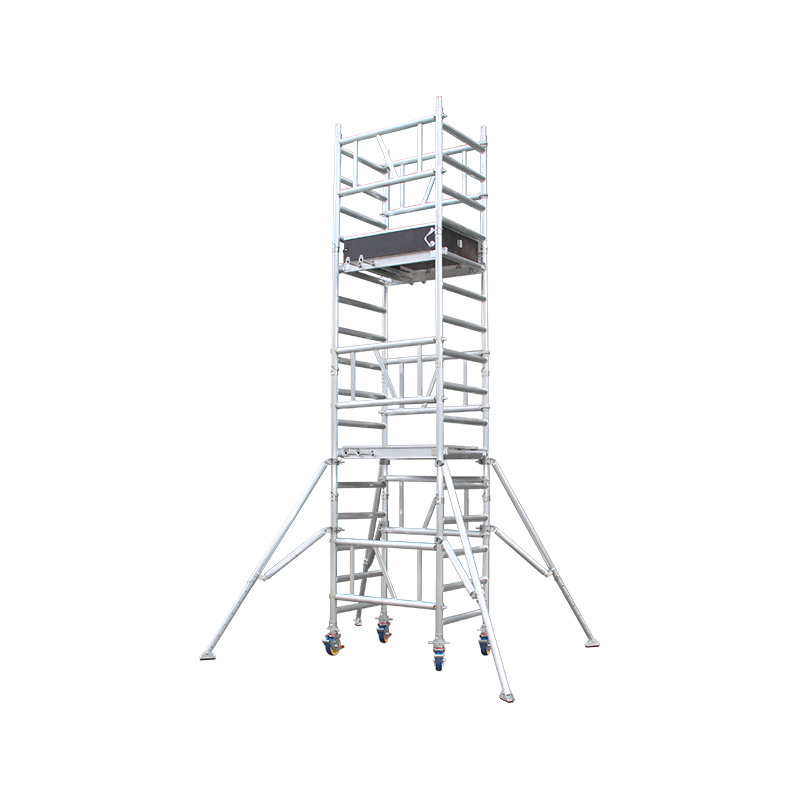
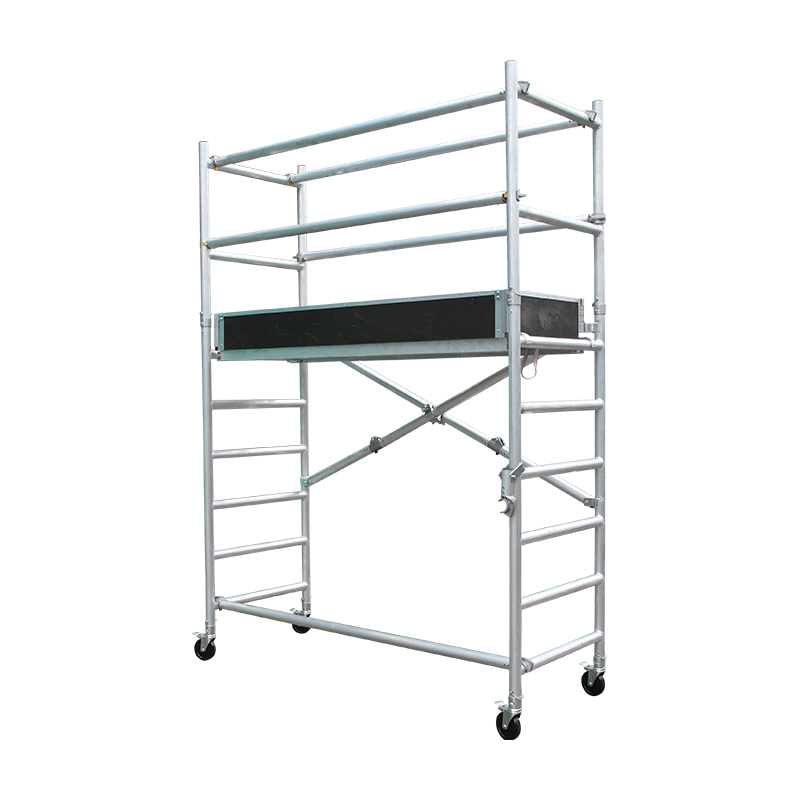
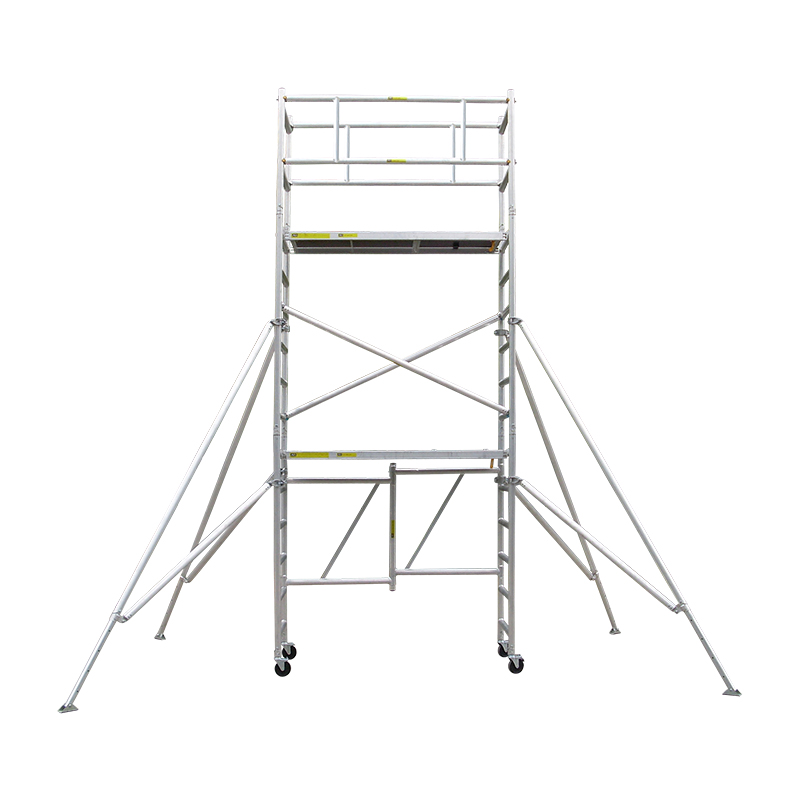
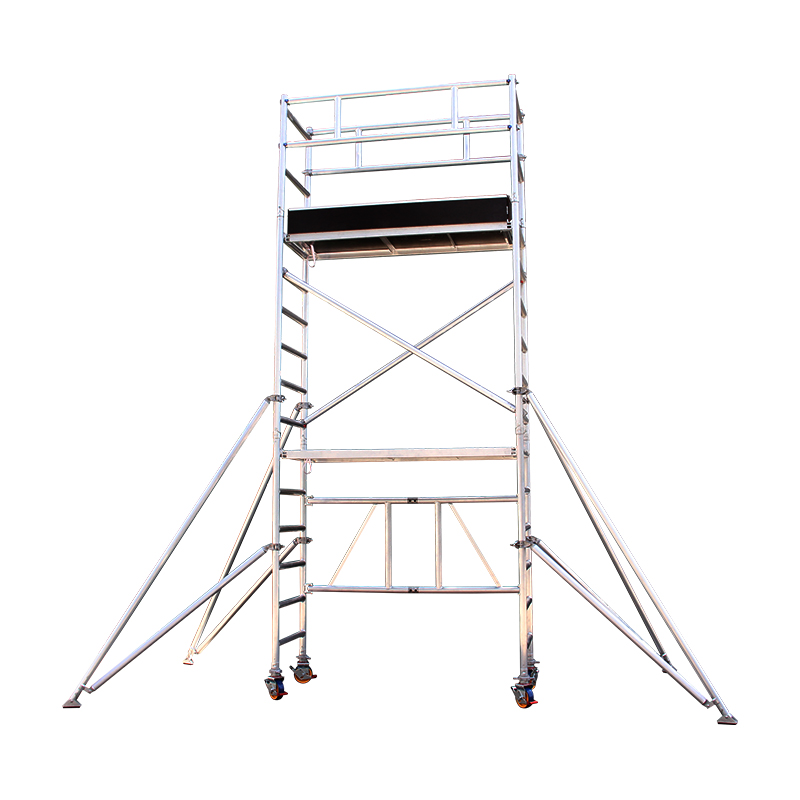
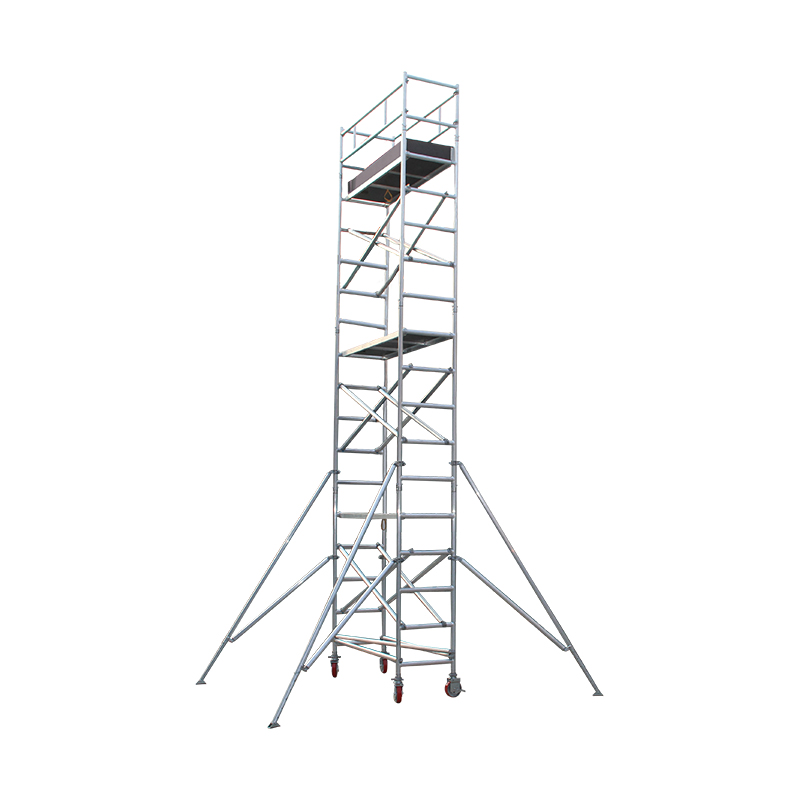
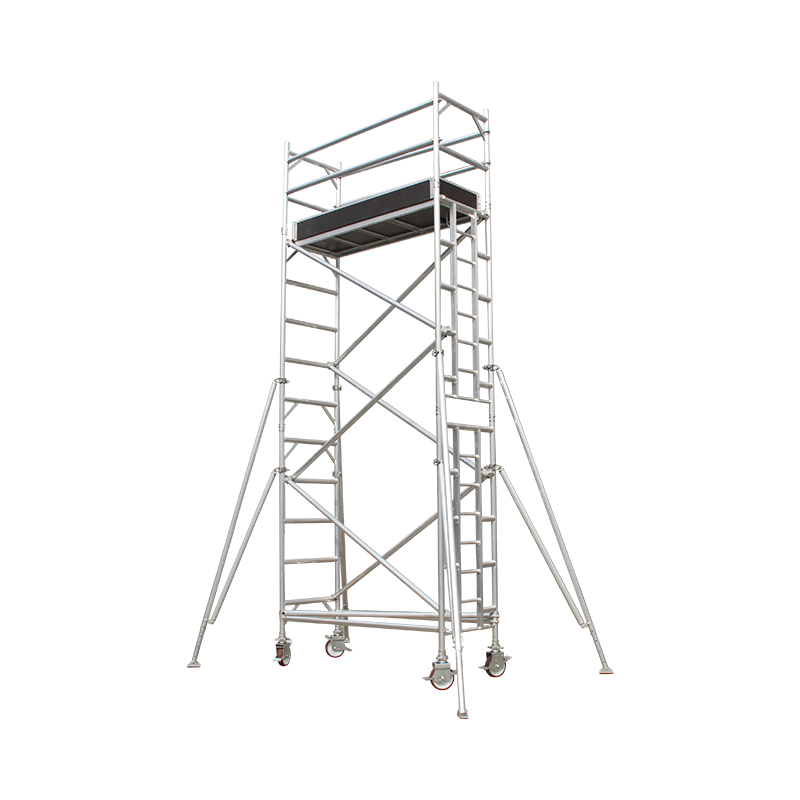
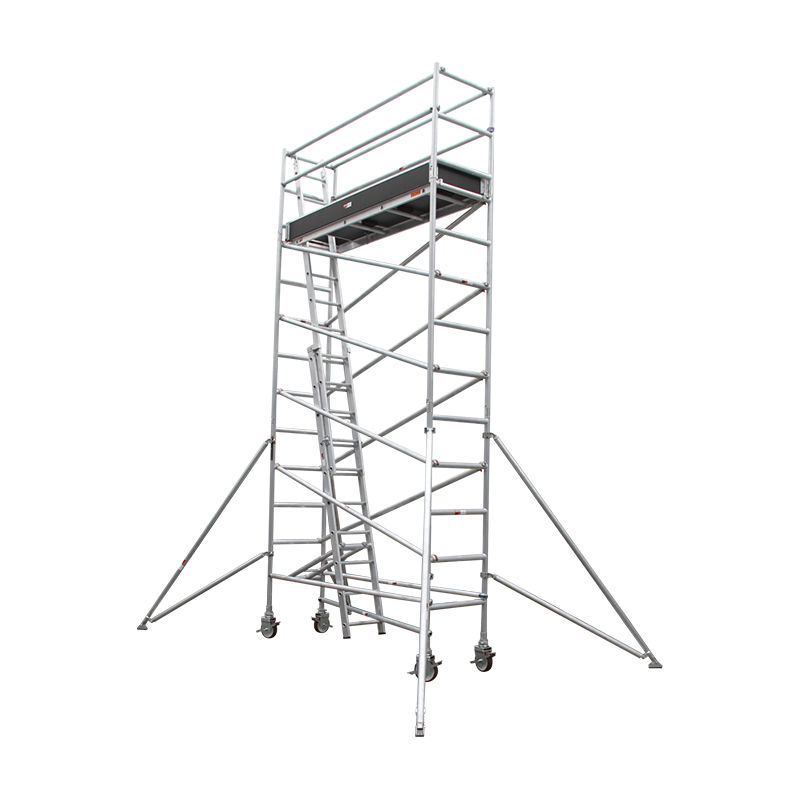
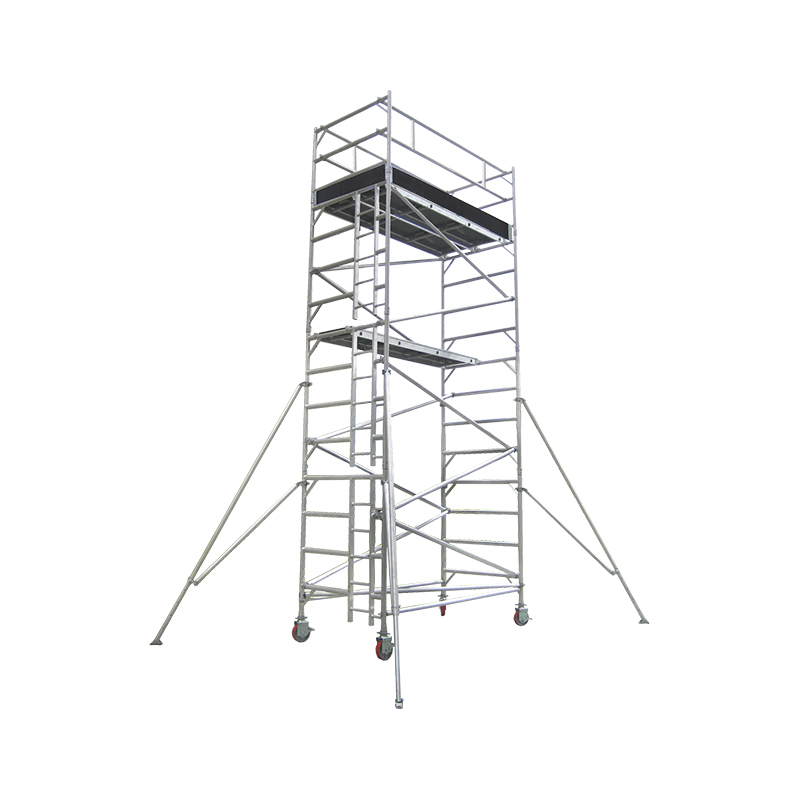
- Aluminium mobile scaffolding — towers on castors, built in single or double width, with inclined ladders, staircases or vertical ladders.
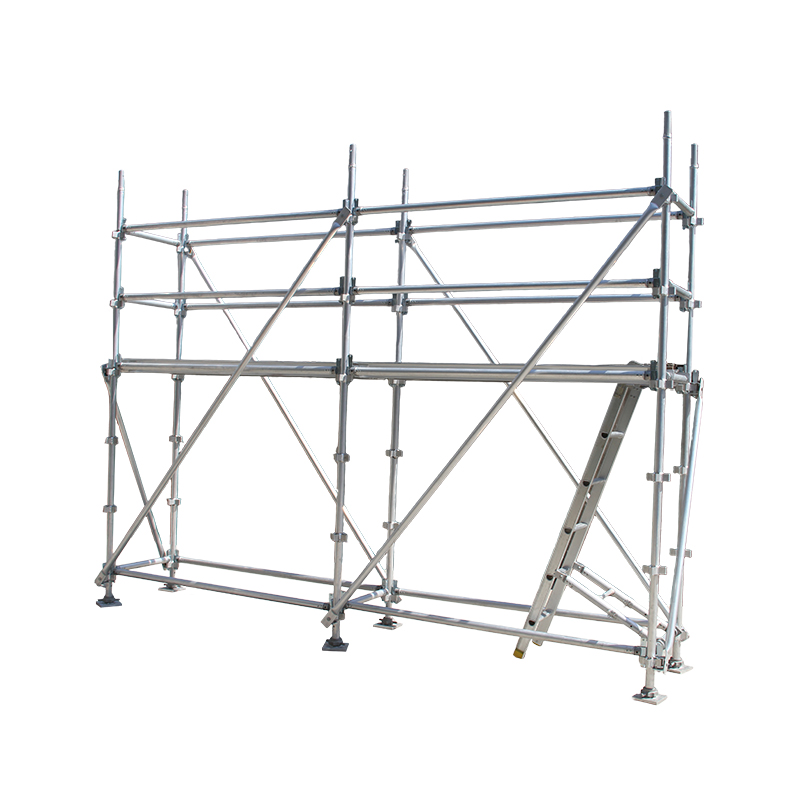
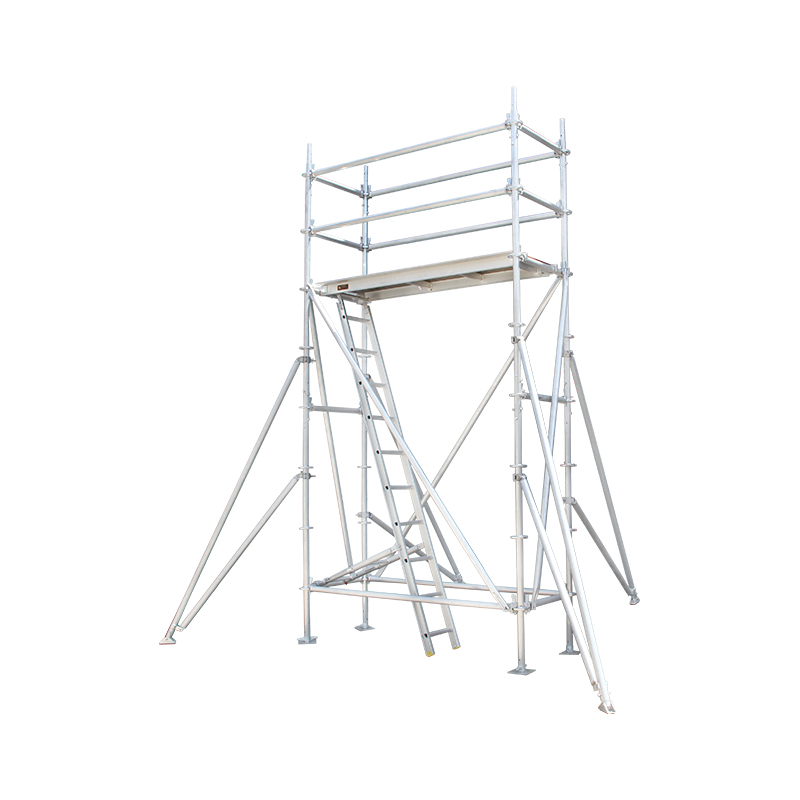
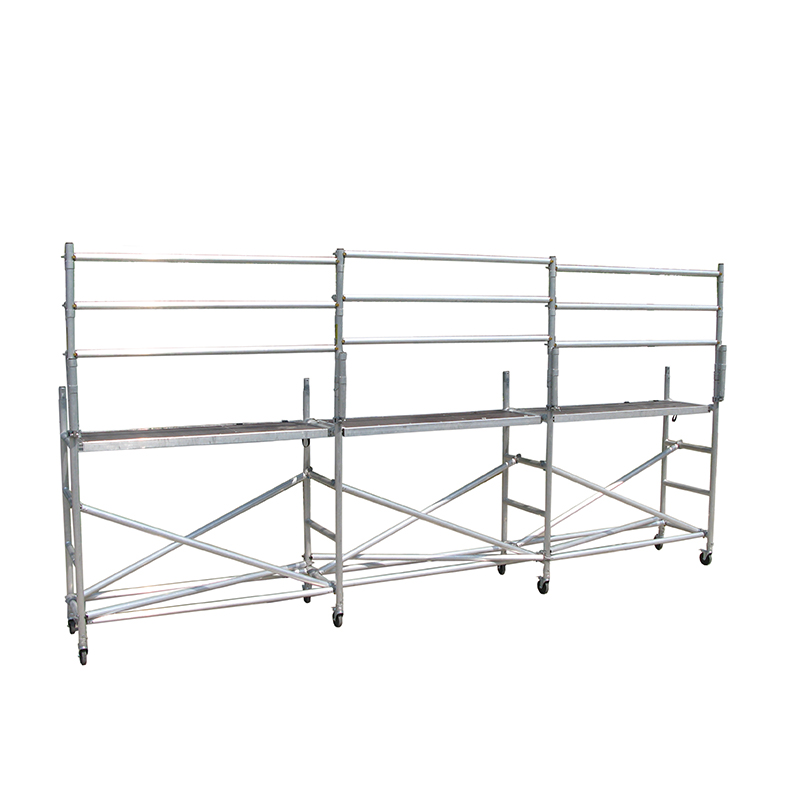
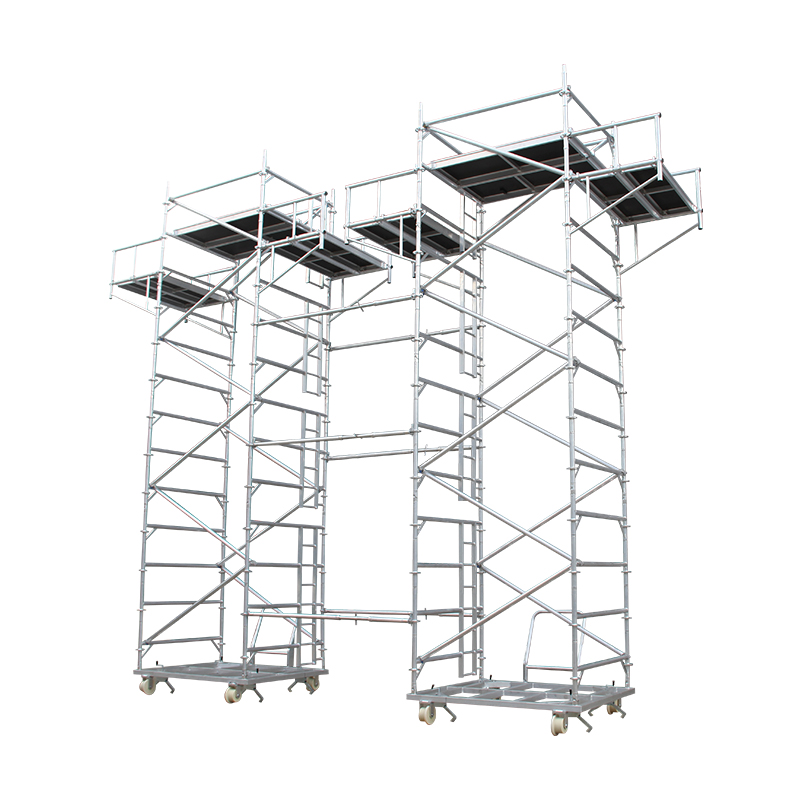
- Modular scaffolding systems — combined, Kwikstage and Ringlock frames assembled from interchangeable tubes, ledgers and decks.
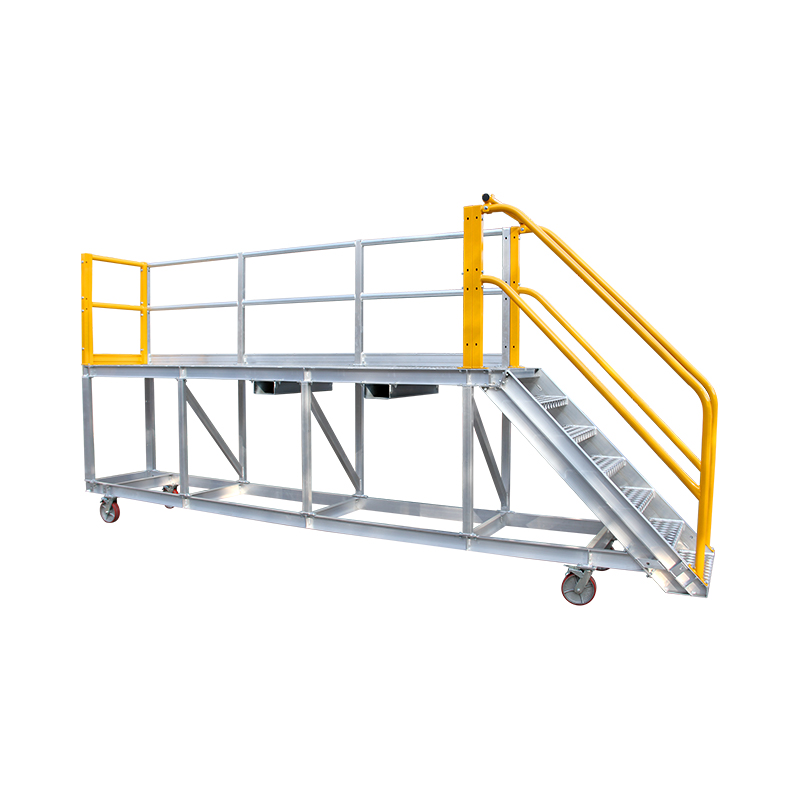
- Task-specific and custom frames — railway, aviation and plant structures designed around a fixed asset rather than a building.
| Family | Typical platform height | Footprint | Setup time | Typical use |
|---|---|---|---|---|
| Ladder scaffolding | 1–4 m | 0.6–1.2 m² | 1–5 minutes | Repairs, painting, low ceilings, one-person tasks |
| Mobile tower, single width | 1–8 m | 0.8–1.5 m² | 10–25 minutes | Narrow aisles, corridors, indoor maintenance |
| Mobile tower, double width | 1–12 m | 1.5–2.5 m² | 15–30 minutes | Two-person work, tools and materials on deck |
| Modular system | 2–30 m and beyond | Project dependent | Hours to days | Facades, plant rooms, long runs, heavy duty |
| Task-specific / custom | Fixed to the asset | Built around the asset | Varies | Rail, aviation, tanker and platform access |
Ladder Scaffolding: The Compact Problem Solver
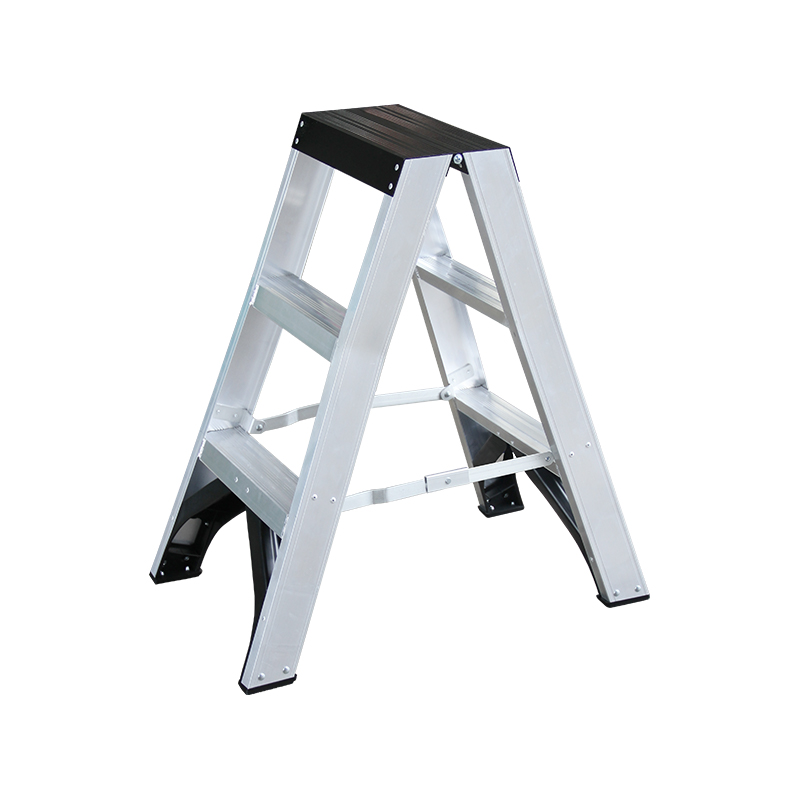
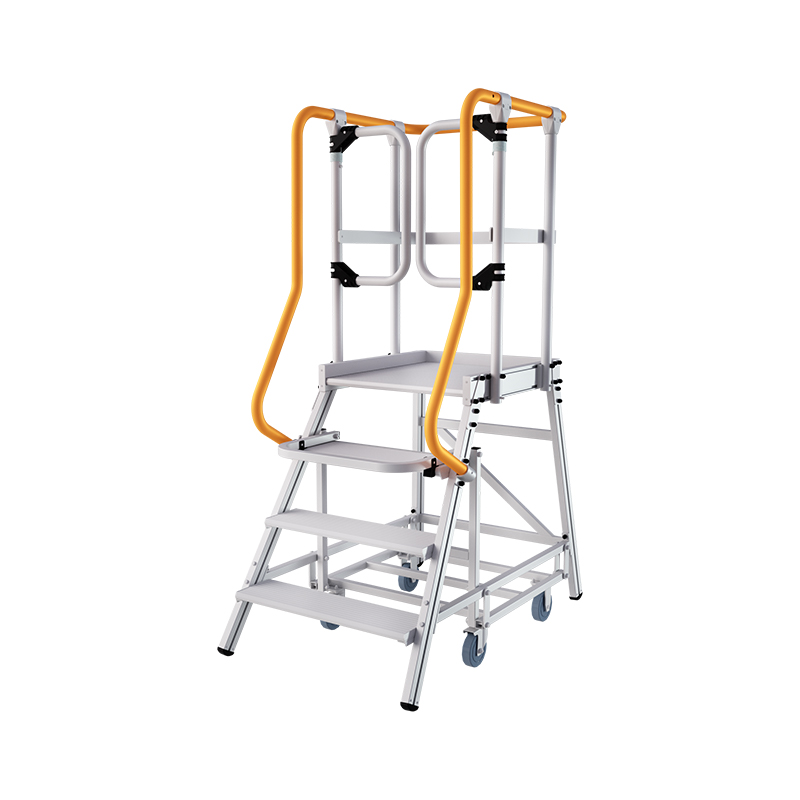
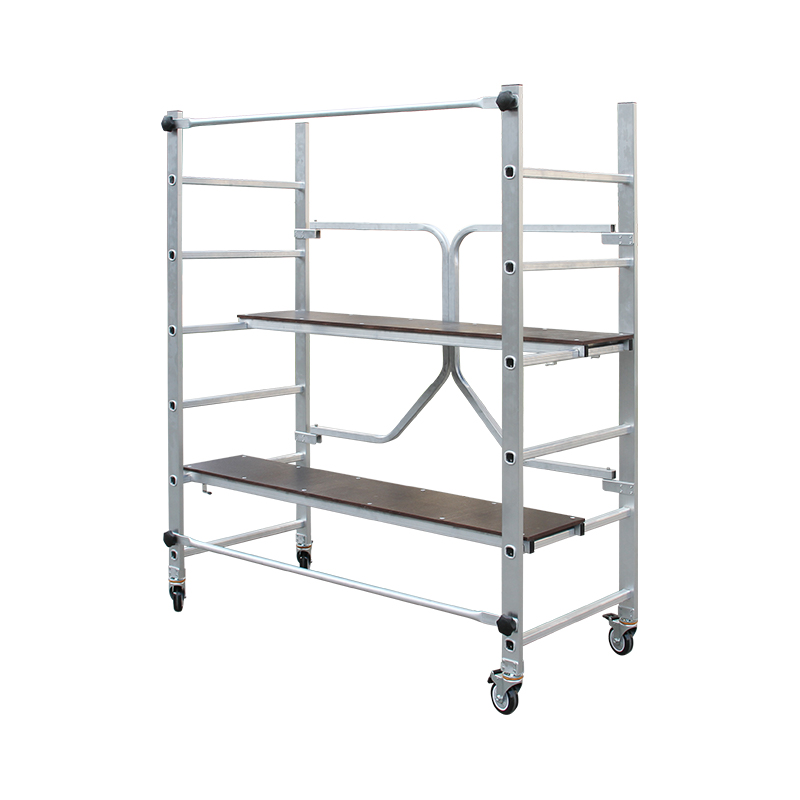
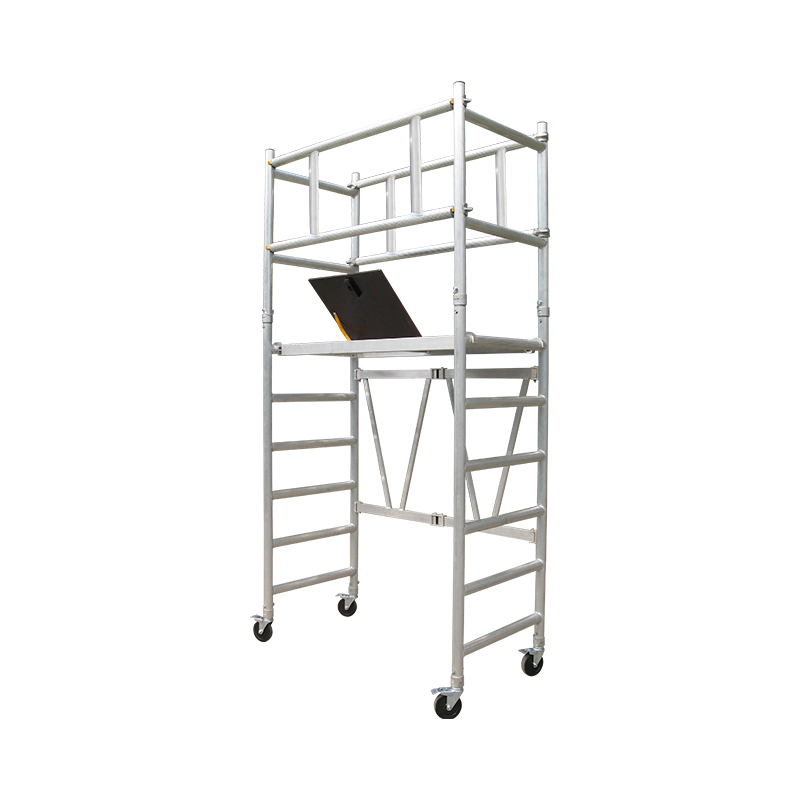
Ladder scaffolding is the most misunderstood category, because it looks like a ladder and behaves like a platform. A folding ladder scaffold opens into an A-frame with a working deck at the top and a ladder built into one side. It passes through a standard doorway when folded, sets up in under a minute, and gives a stable standing area at roughly 1 to 2 m — enough for ceiling grid work, painting, light fittings and short repair jobs.
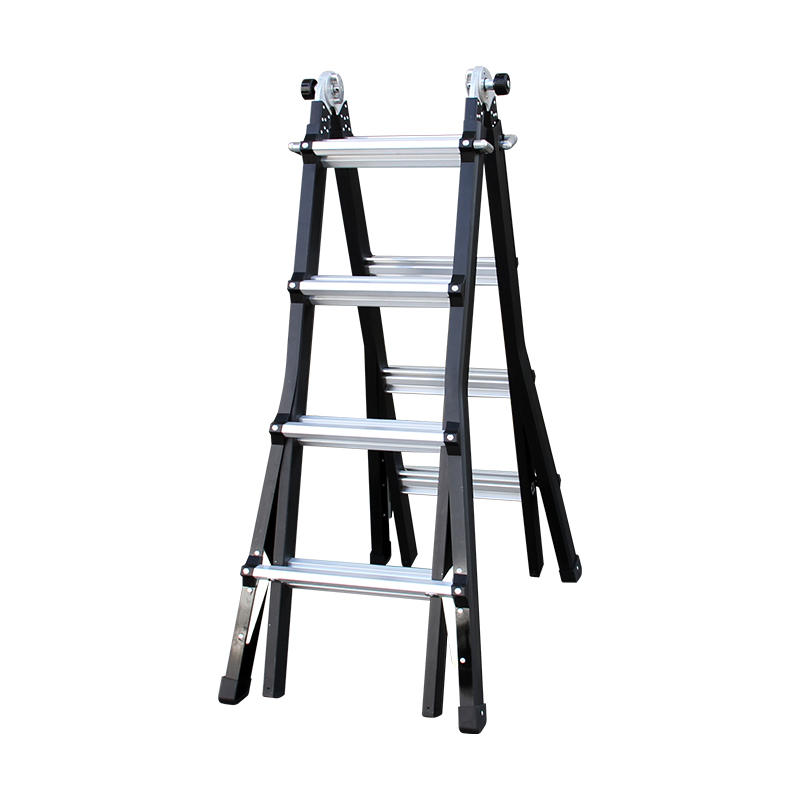
Basic and extension ladder scaffolds extend the same idea upward. The extension version adds a telescopic section, so one unit covers several heights without a second purchase. The trade-off is honest: a narrow deck, limited material capacity, and no room for a second person. If the job needs two people, a toolbox and a bucket of compound on the deck, this is the wrong family.
Practical buying notes: check the deck width before anything else, confirm the locking mechanism is a positive pin or clip rather than friction, and look at the feet. Flat rubber pads suit finished floors; spiked feet suit soil and gravel. Mixed sites usually need both.
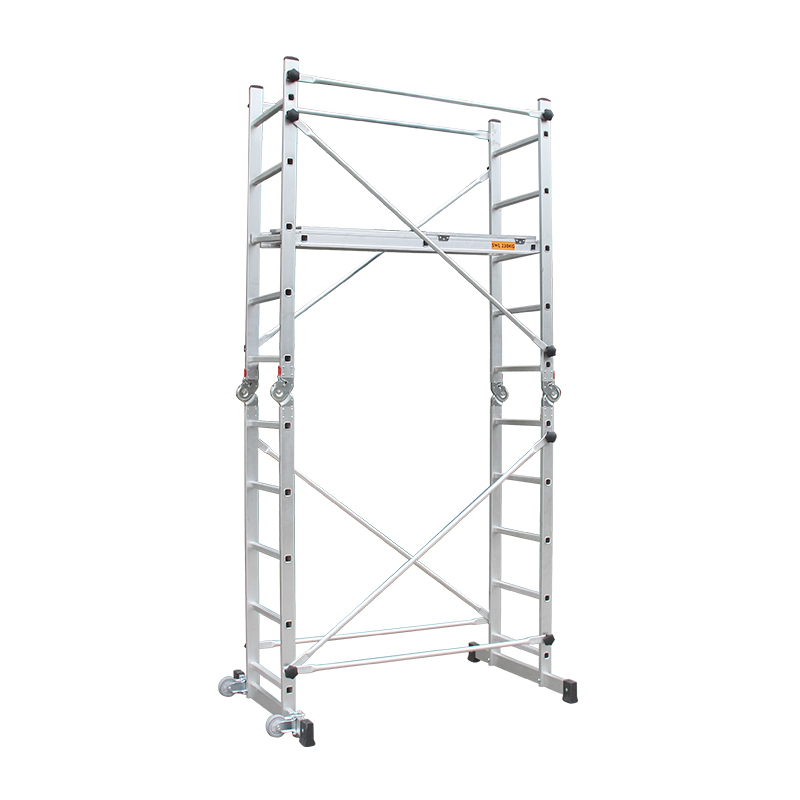 Aluminum Folding Ladder Scaffold for Versatile Maintenance AccessA 2-in-1 ladder and scaffold with 230 kg platform rating and two height models, suited to narrow industrial maintenance tasks.View Product →
Aluminium Mobile Scaffolding: Towers You Move by Hand
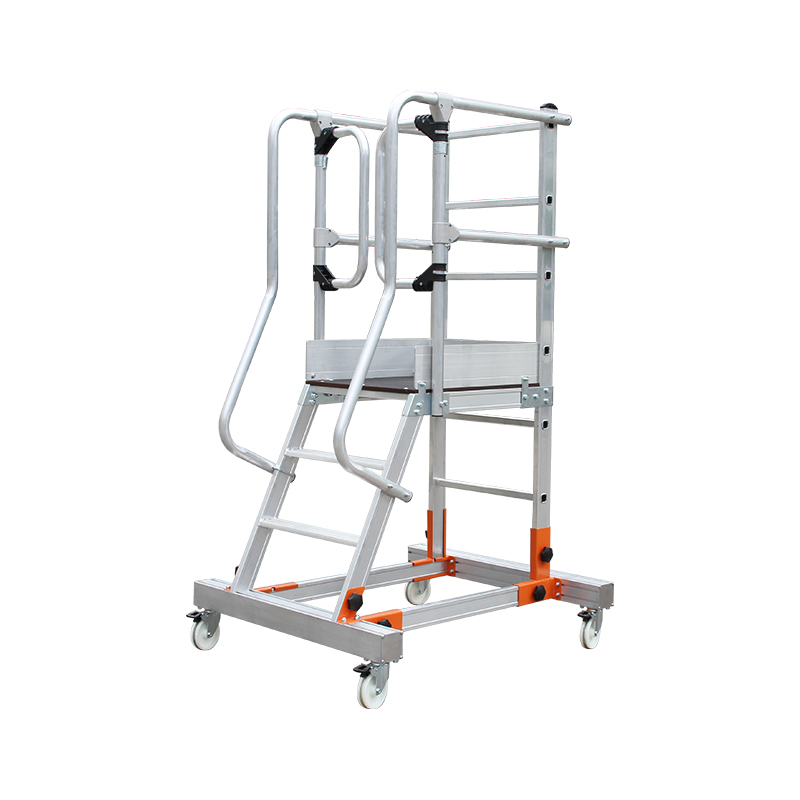
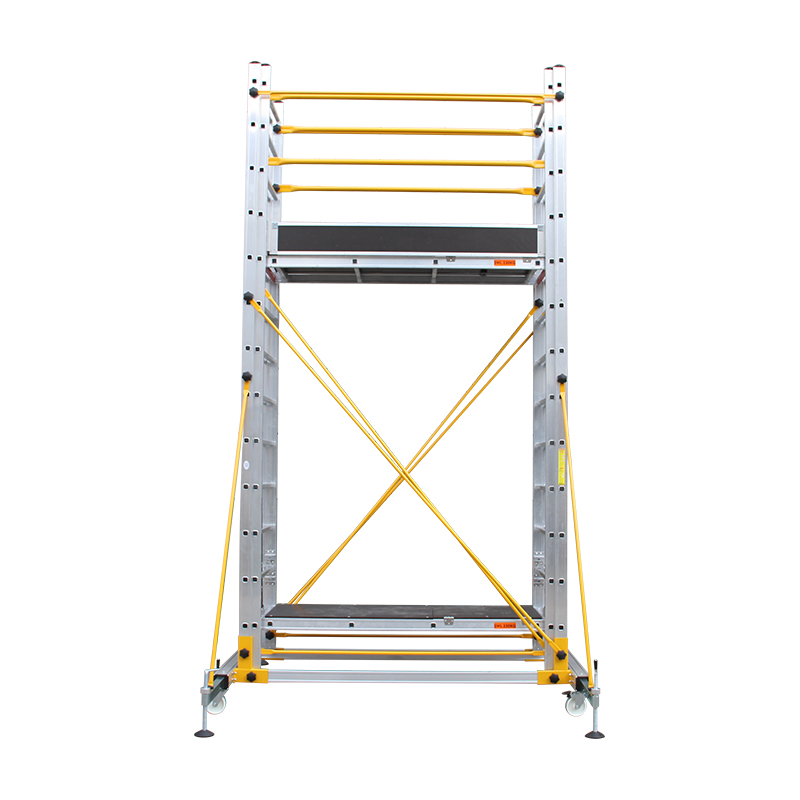
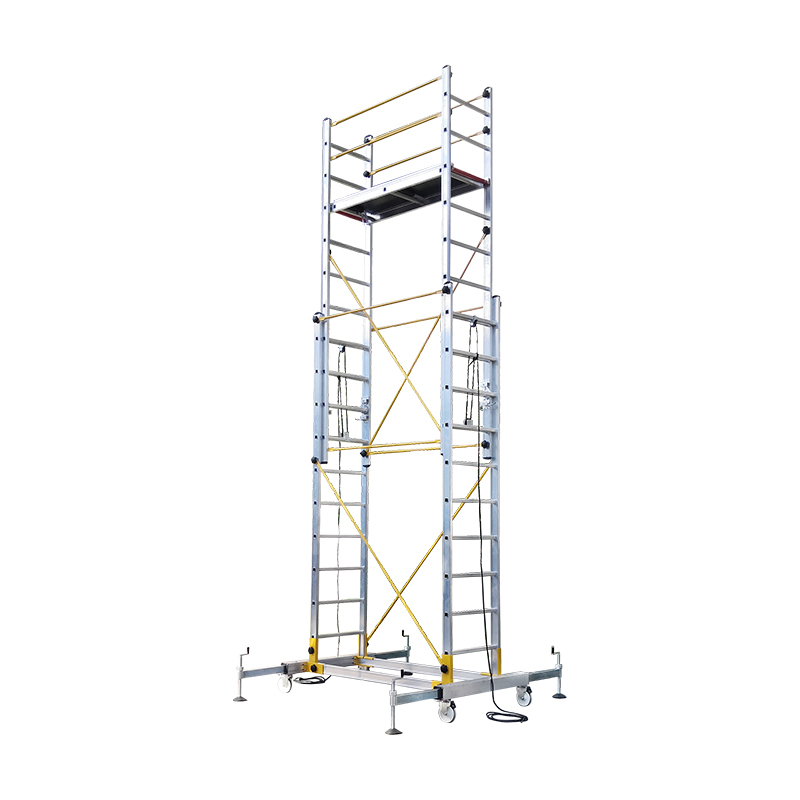
Mobile towers are the workhorse of industrial maintenance. The frame is aluminium, the base sits on four castors, and the whole structure rolls between positions without being dismantled. The selection question is not "which tower" but "which configuration", and three choices drive most of the cost and usability.
Single width or double width
A single-width tower is around 0.75 m across the deck. It fits corridors, service risers and narrow plant rooms, but leaves little room to kneel down or place tools. Double width adds roughly 0.6 m, which is the difference between a one-person reach job and a genuine two-person work area. If the task involves lifting panels, running conduit or handling fittings, double width pays for itself on the first job.
How you climb
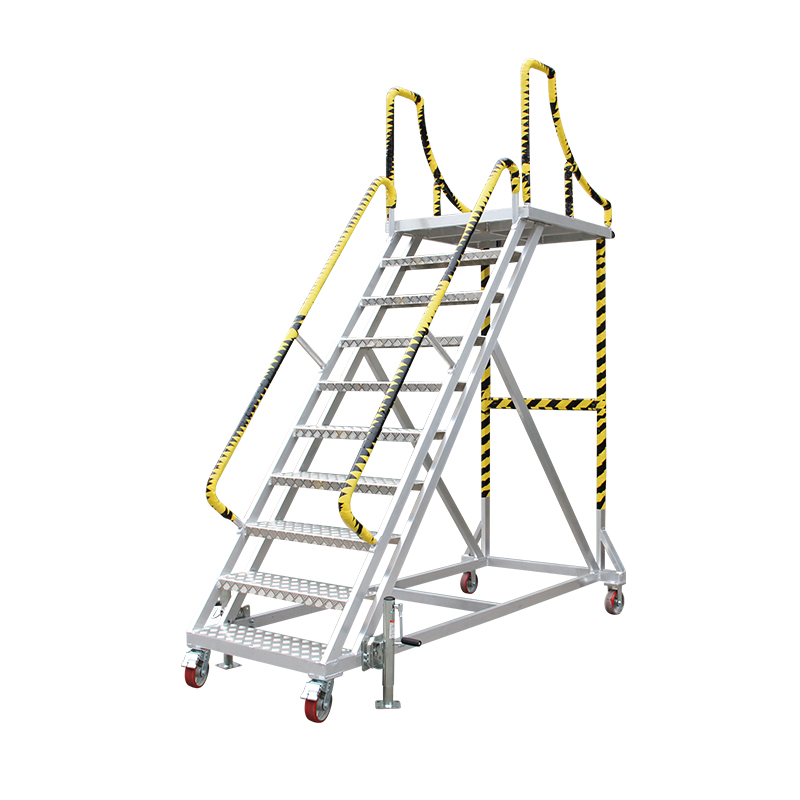
Inclined ladders are the lightest and cheapest option, and they are fine for short duration work. A vertical ladder inside the frame saves floor space in tight areas. An integrated staircase costs more and weighs more, but it lets people carry tools up hands-free and reduces fatigue across a long shift — a real factor when a crew is climbing twenty times a day.
Folding and compact options
Folded H-type, HF-type and V-type towers fold into a flat pack that fits through a standard door and into a van. Mini towers and mini snap units cover low-level work where a full tower is overkill. Economical ranges trade a little rigidity for price and suit occasional use rather than daily industrial duty. For a deeper comparison of configurations and their applications, our guide to aluminium mobile scaffolding types and uses covers the trade-offs in more detail.
Two checks catch most surprises. First, castor diameter: small castors stop dead on cable ramps, expansion joints and door thresholds. Second, levelling: adjustable legs are essential on any surface with fall, and stabilisers are non-negotiable once the platform goes above roughly twice the base width.
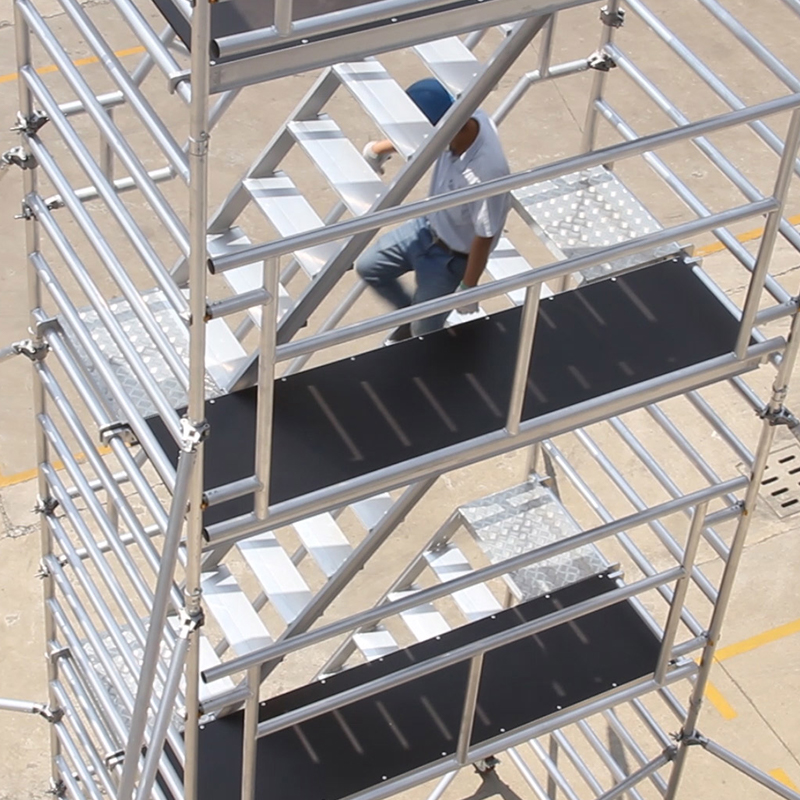 Double Width Mobile Scaffold with Built-In StaircaseEN 1004 aluminium mobile scaffold with an integrated staircase and 14.2 m maximum working height for carrying tools and materials between levels.View Product →
Modular Scaffolding Systems: When the Job Outgrows a Tower
Once the work area is longer than a few metres, higher than about 12 m, or needs to carry materials rather than people, towers stop being economic. Modular systems use interchangeable standards, ledgers and decks, so the same components build a 2 m access frame or a 20 m facade run. Combined scaffolding is the flexible general-purpose choice; Kwikstage uses wedge-fixed ledgers for fast erection; Ringlock uses rosette nodes that accept eight connections at any angle, which is why it dominates complex geometry and loading bays.
The cost picture inverts here. Modular systems need more capital and more labour hours to assemble, but they scale, they carry serious loads, and they can be dismantled and reused on the next phase. The real question is whether your organisation has the erection competence and inspection routine to match the system.
Railway and Infrastructure Scaffolding: Built Around the Asset
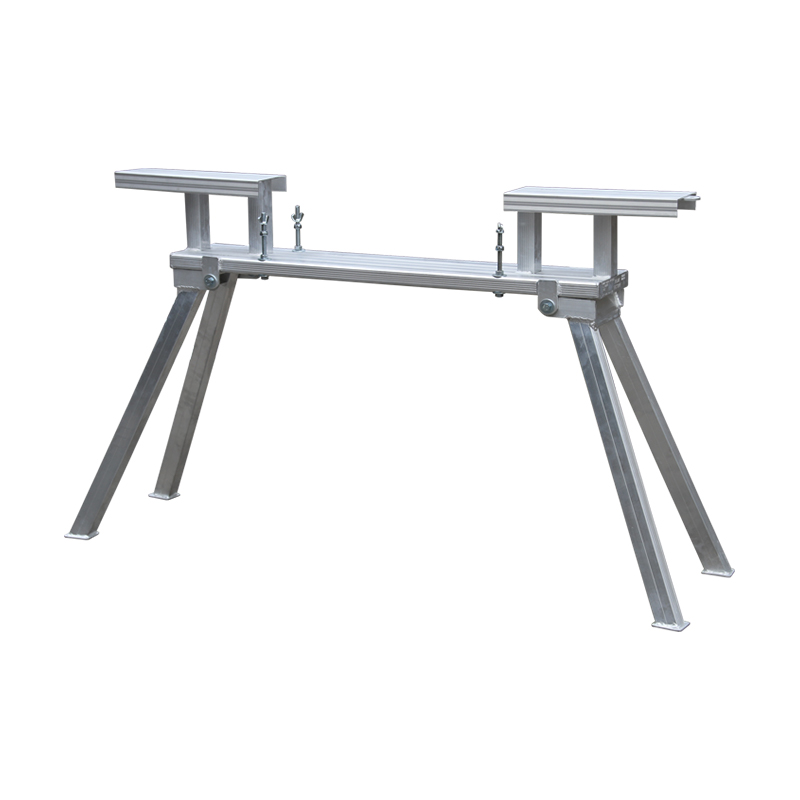
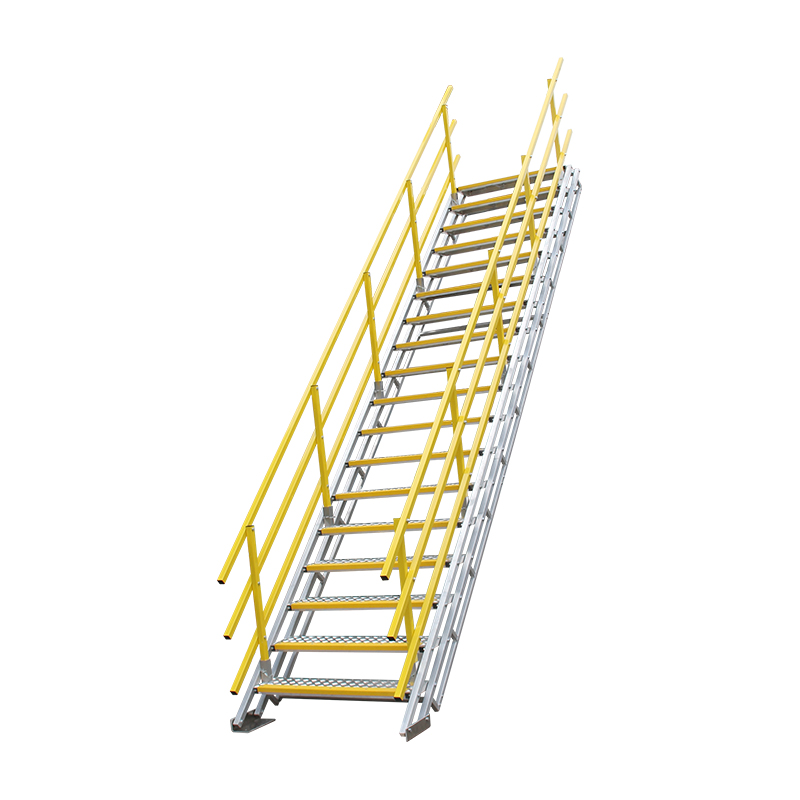
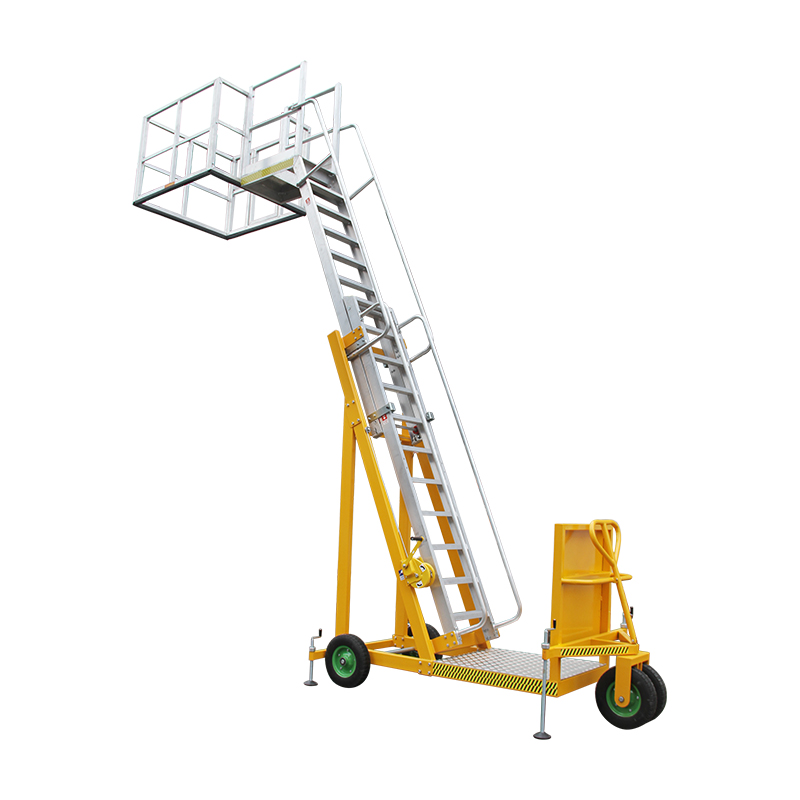
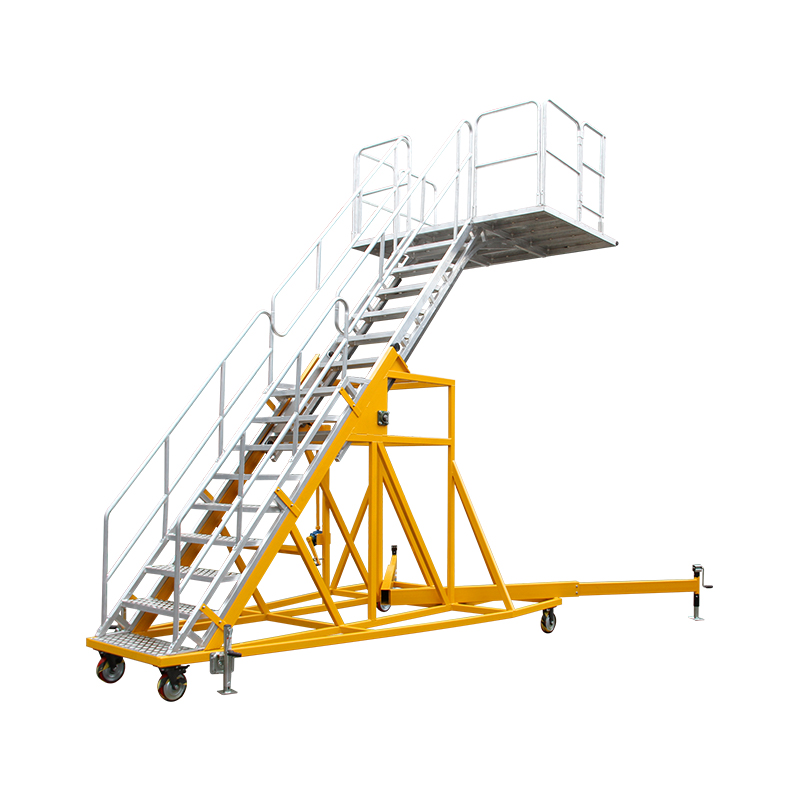
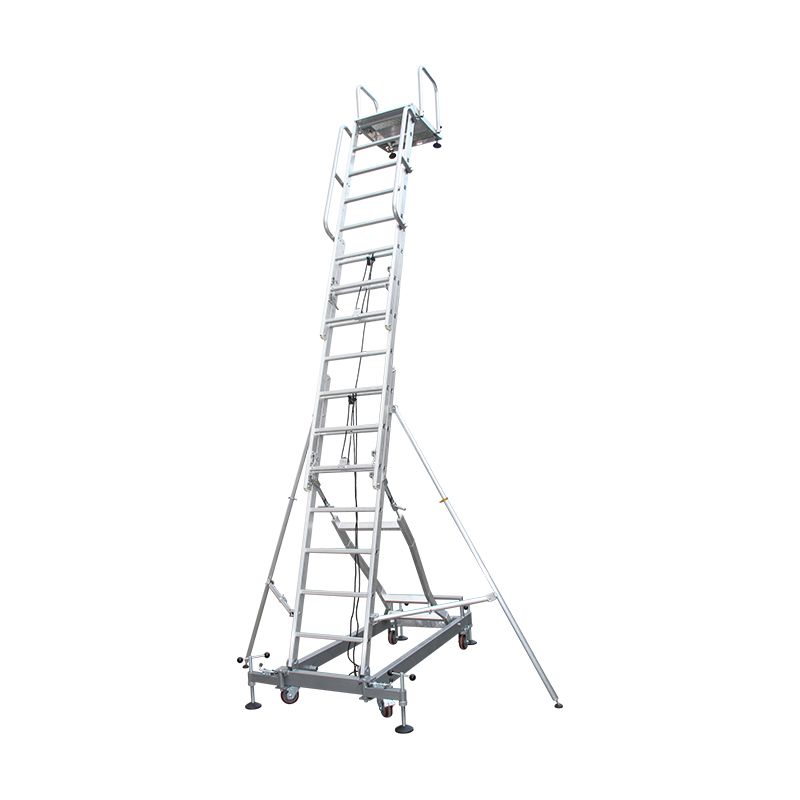
Infrastructure work breaks the normal rules. You cannot always build from the ground, you cannot always close the line, and the structure has to fit a shape that was never designed for scaffolding. Catenary repair scaffolding is built to reach overhead line equipment; railway sound barrier repair scaffolding works along the barrier line rather than around it; railway repair scaffolding and train working platforms provide stable access to vehicle bodies and bogies.
In these applications the specification starts with the asset — coupler height, platform clearance, track possession windows — and the frame is designed backwards from there. That is a different procurement process from buying a catalogue tower, and it usually means custom fabrication with drawings, load calculations and a site trial before full delivery.
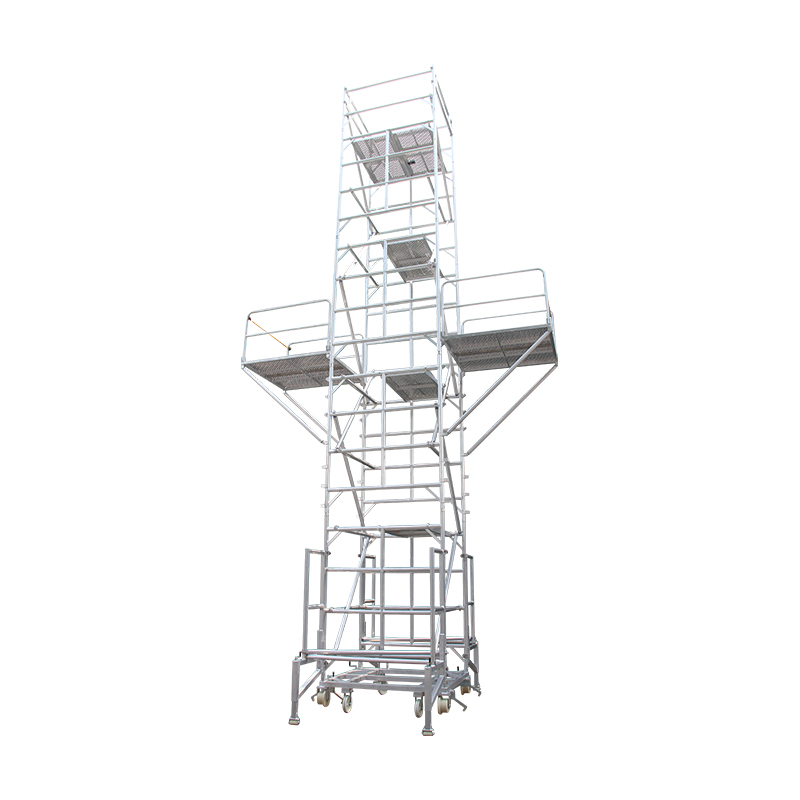 Custom Railway Repair Scaffolding for Transit MaintenanceCustom aluminum access platform engineered for rail and train maintenance, with foldable and telescopic designs and models up to 8 m platform height.View Product →
Work Platforms and Steps: The Category People Forget
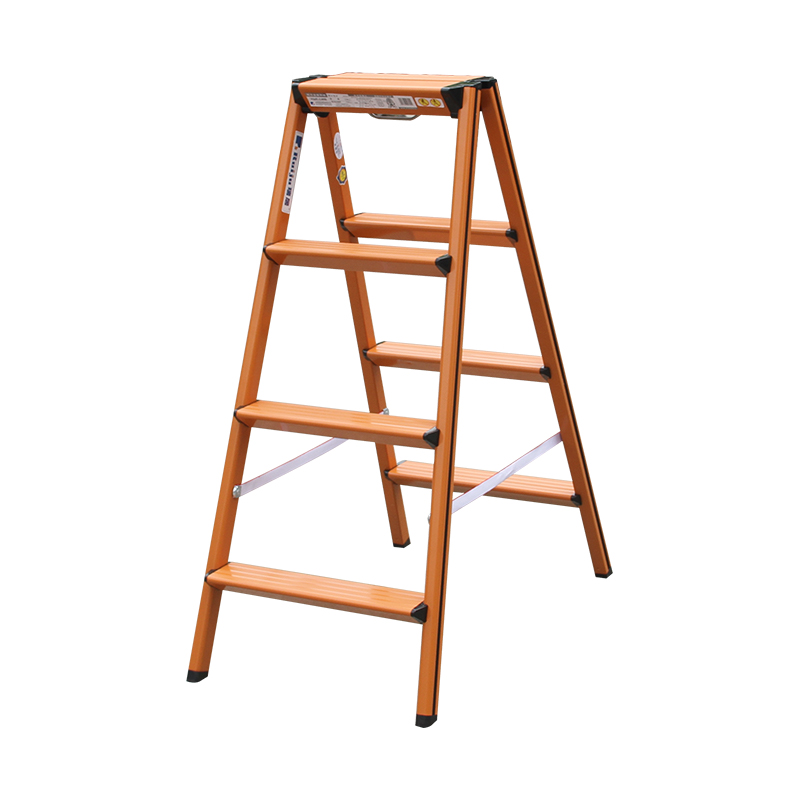
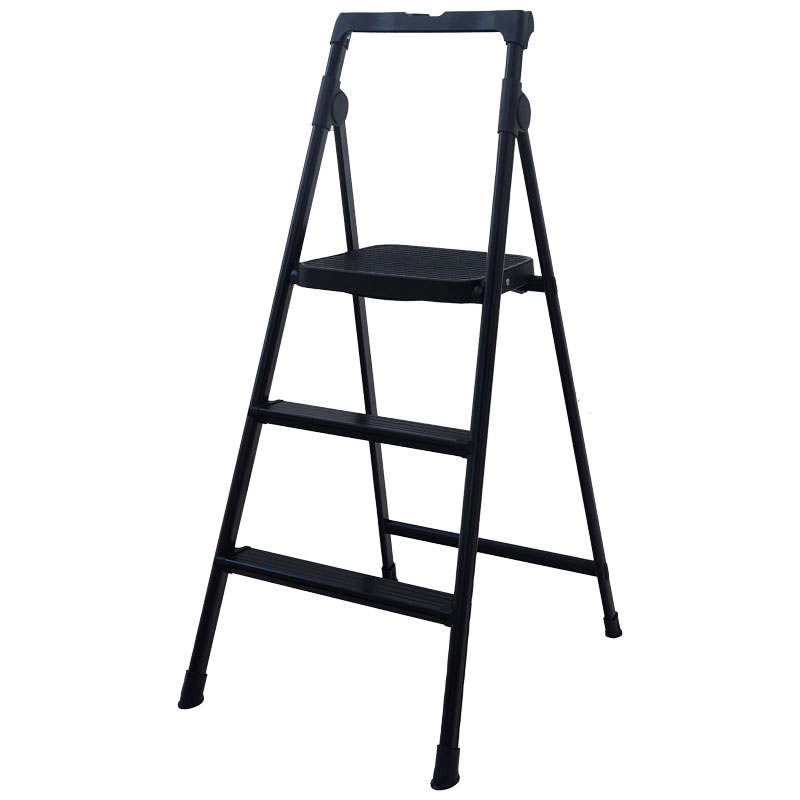
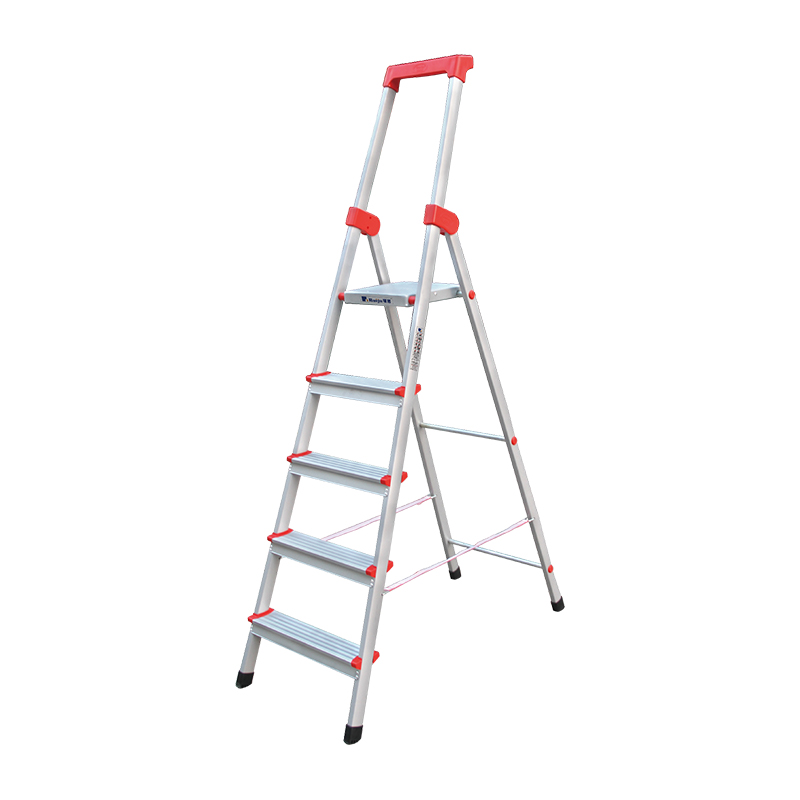
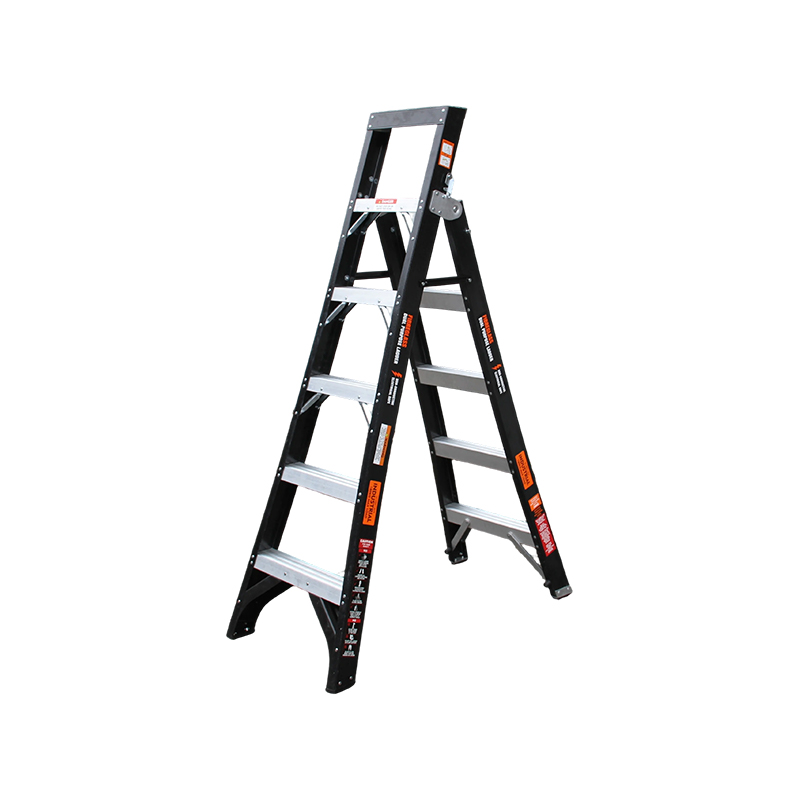
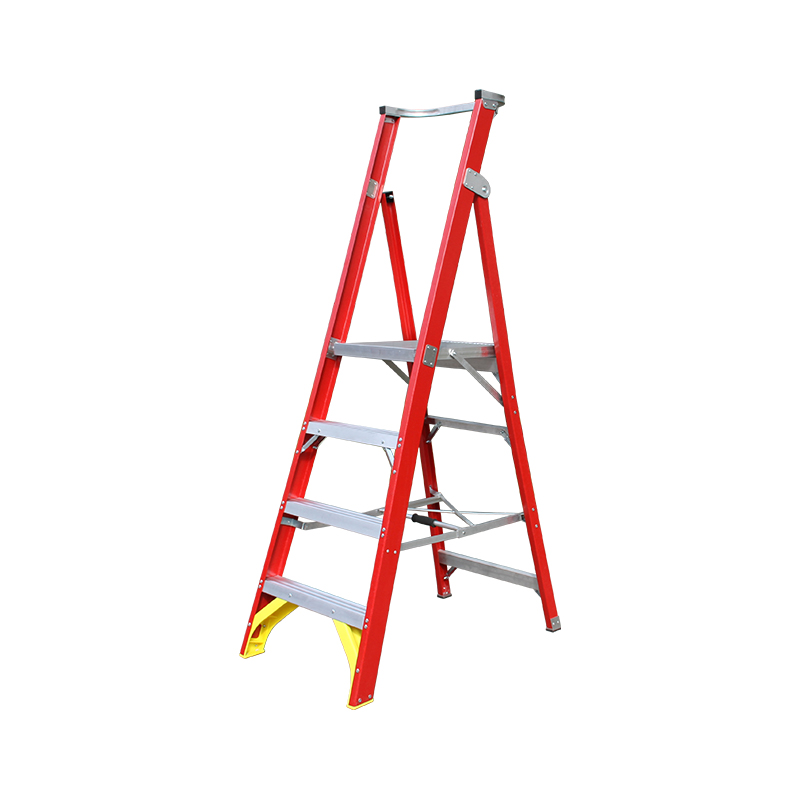
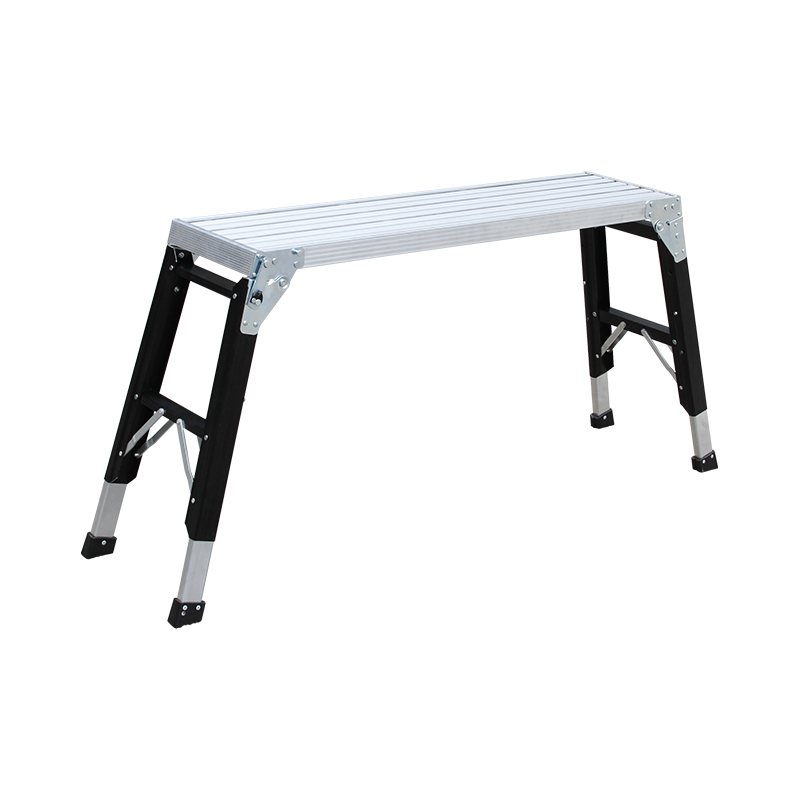
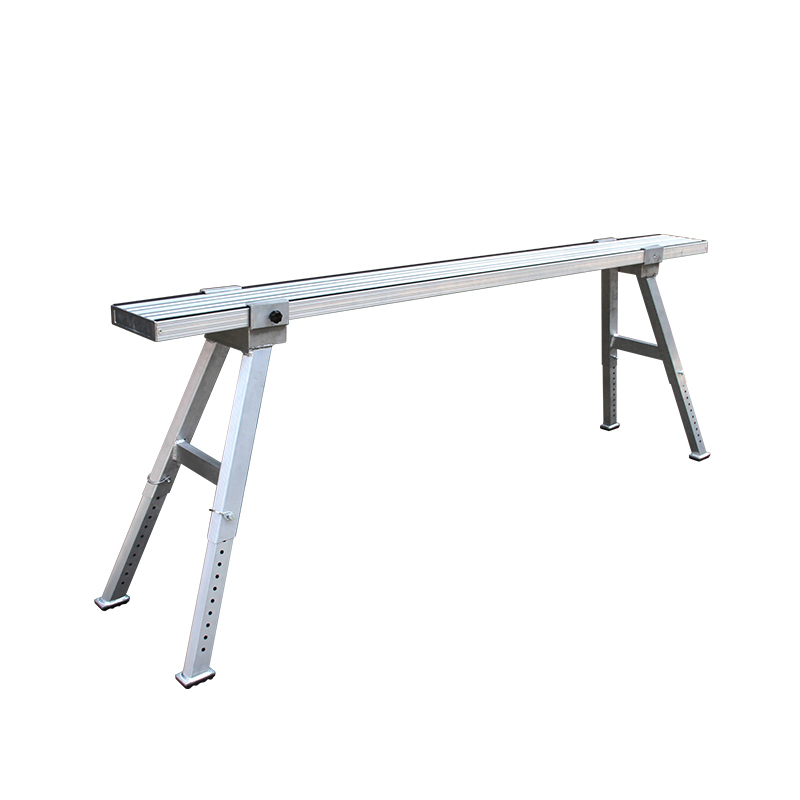
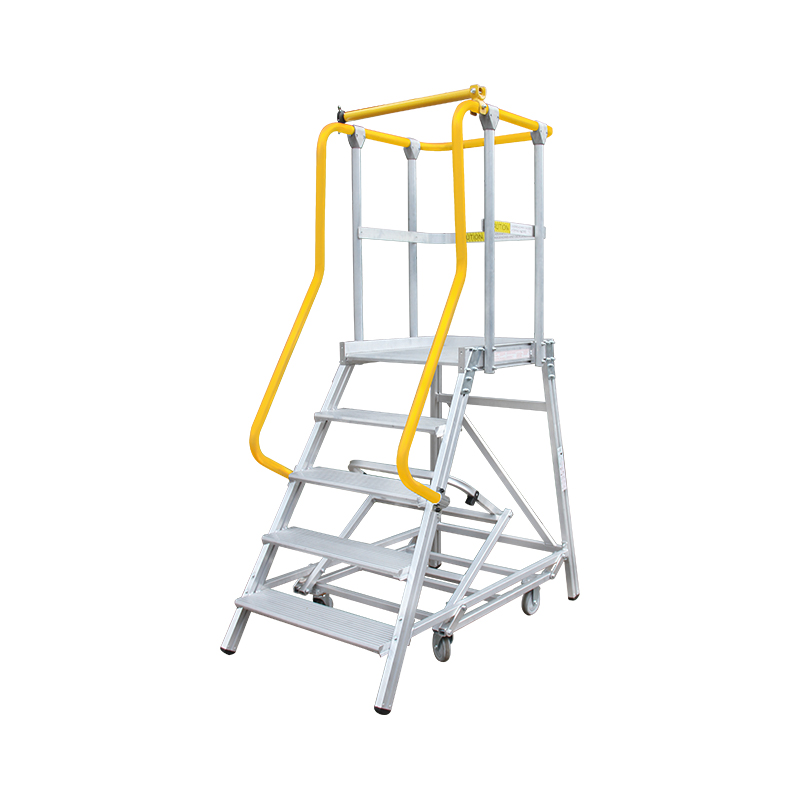
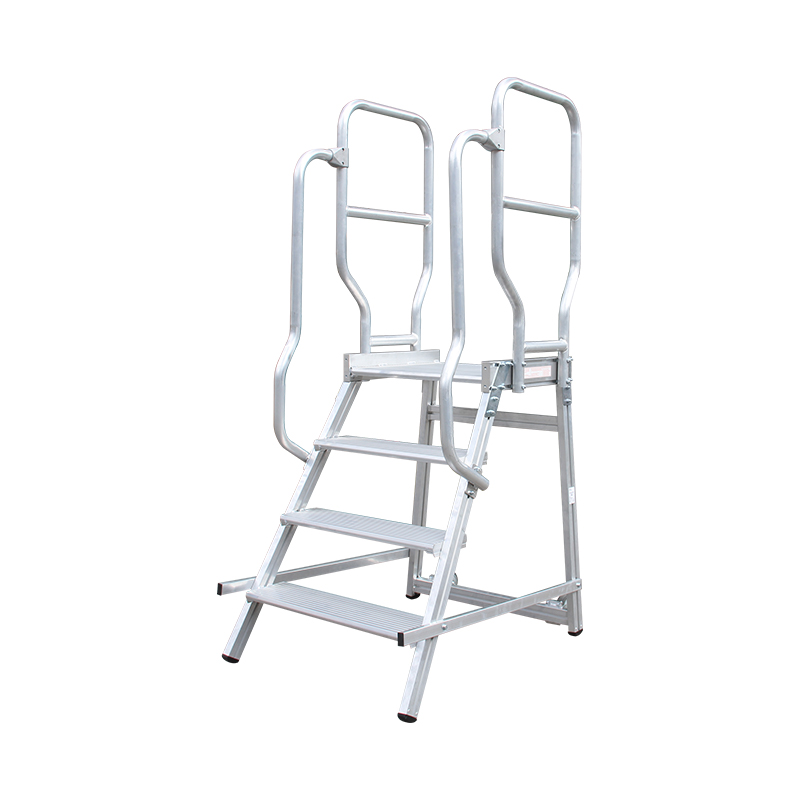
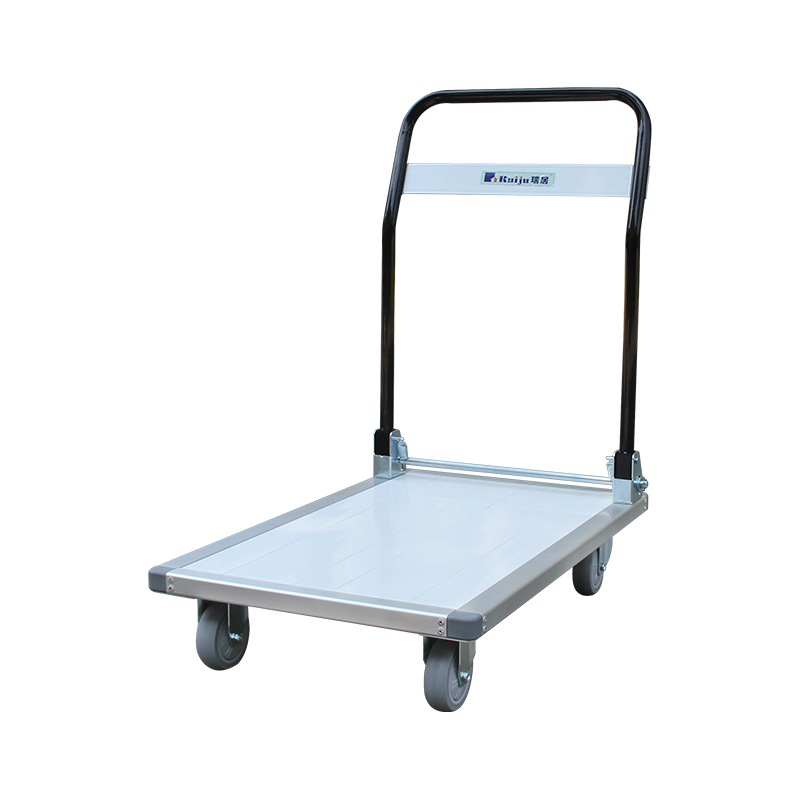
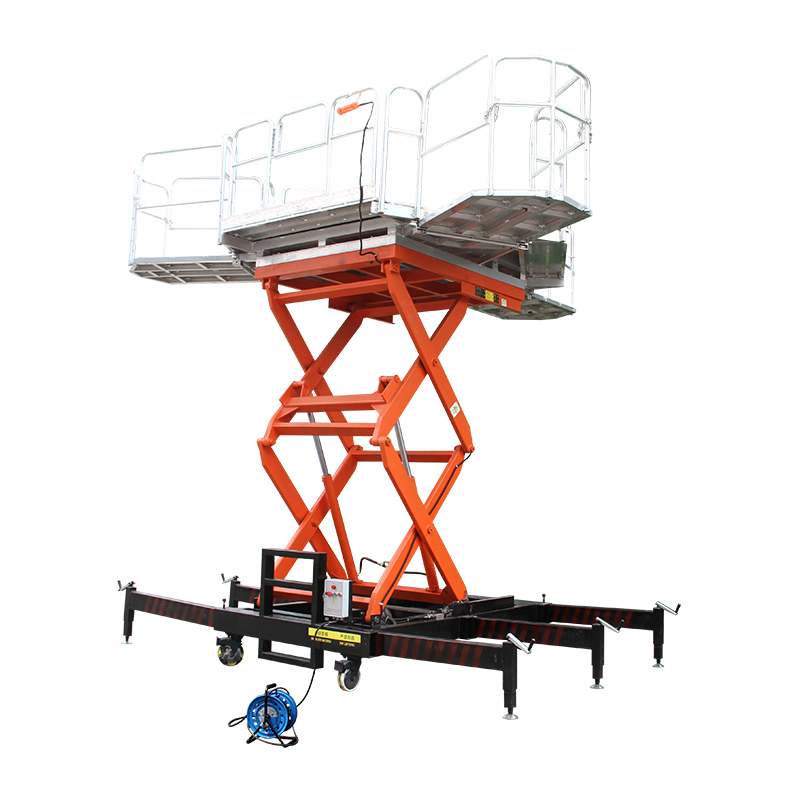
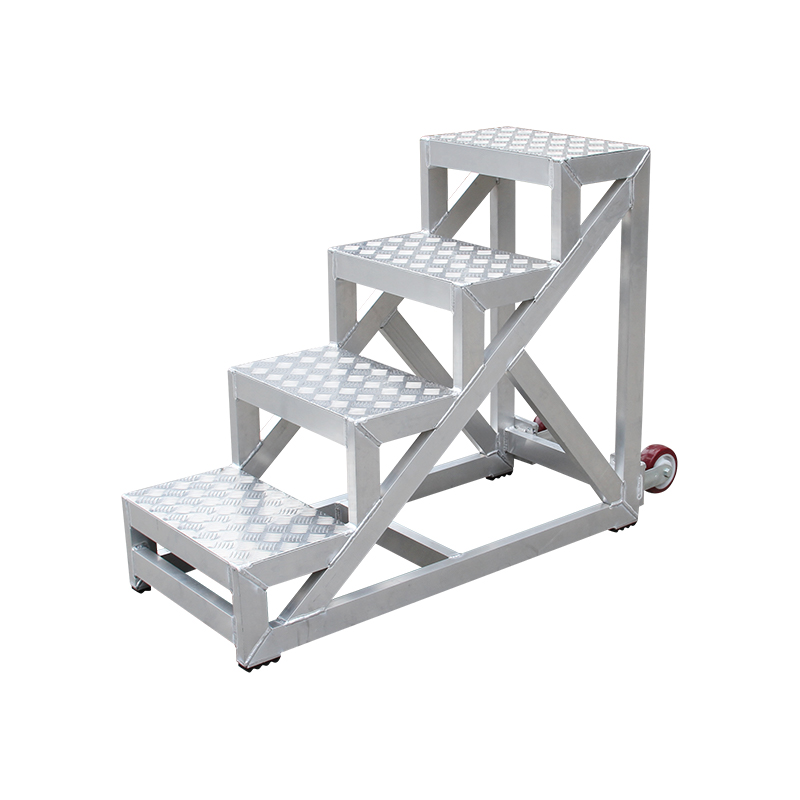
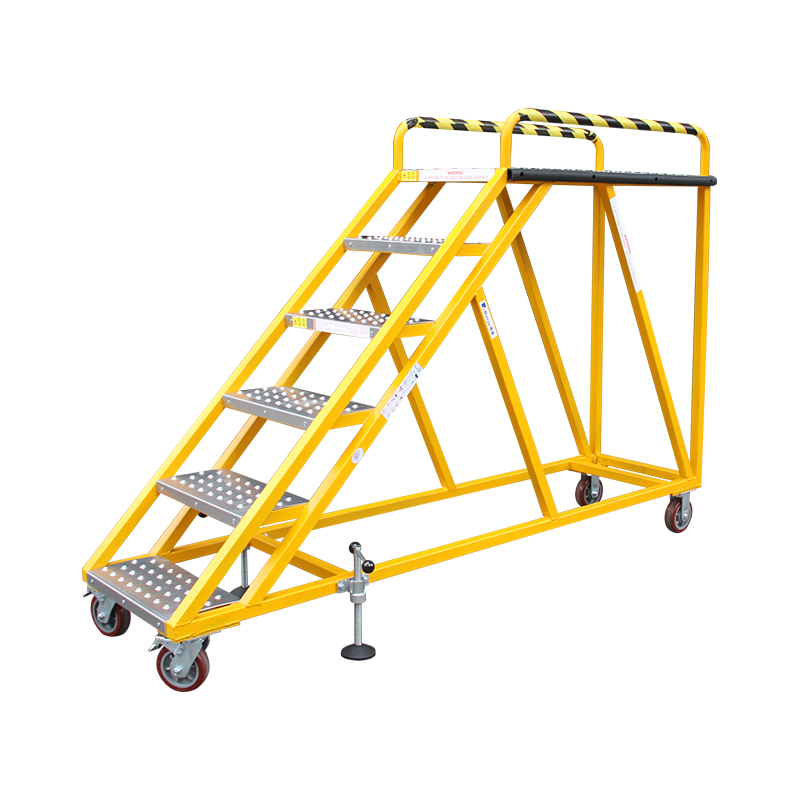
Not every elevated task needs a scaffold. A mobile ladder platform gives a guarded standing position with wheels, which suits order picking, shelf access and short maintenance calls. An aluminium step stand or adjustable platform stepladder handles 1–2 m work with a wider, more comfortable deck than a domestic step ladder. Foldable work platforms, paint platforms and adjustable leg stools cover the range where a tower is too much and a ladder is too little. Buying one of these instead of a tower often saves both money and setup time.
Matching a Scaffold to the Job: A Short Checklist
Before comparing prices, run through these six points in order. Most wrong purchases fail on one of the first three.
- Working height, not platform height. Add roughly 1.7–2 m of reach to the platform height to get the height a person can actually work at.
- Access route. Measure the narrowest doorway, the lift opening and any stair turn between the store and the work face.
- Floor condition. Slopes, soft surfaces, suspended floors and cable covers all change the base requirement.
- People and payload. One worker with hand tools is a different duty class from two workers with materials.
- Duration and repetition. A one-hour job justifies a folding frame; eight hours a day justifies a staircase and a wider deck.
- Transport and storage. Folded dimensions and unit weight decide whether a two-person crew can handle it without a forklift.
Common Selection Mistakes and What They Cost
- Buying on platform height alone. The result is a tower that is 1 m too short at the top of the job and a stack of extension purchases.
- Ignoring the doorway. A tower that cannot reach the work face is a storage problem, not an access solution.
- Under-specifying the deck. Single-width towers used for two-person work create congestion and unsafe load distribution.
- Skipping stabilisers. The cheapest accessory on the order is the one most often left behind, and the one most often cited in incident reviews.
- Treating custom work as a catalogue item. Rail and aviation access needs drawings and lead time, not a next-day order.
Sourcing Scaffolding for Mixed Sites
Most industrial buyers end up needing more than one family: a folding ladder scaffold for quick response calls, a double-width tower for planned maintenance, and a modular or custom frame for the annual shutdown. Buying all three from one manufacturer simplifies spares, training and inspection records, and it makes accessory compatibility a non-issue.
Material choice matters too. Aluminium keeps weight down, which matters when a crew is moving a tower ten times a day. For live electrical work, non-conductive fiberglass ladders are the correct choice where aluminium would create a hazard. For anything that does not exist in a catalogue — a platform around a tanker, a stair set inside a plant, a frame along a station wall — a custom fabrication route with drawings and load data is usually faster than trying to adapt a standard product.
Ask three questions of any supplier: can they show the folded dimensions and unit weights, can they supply the stabiliser and levelling options as part of the same order, and can they produce drawings for a non-standard frame. Clear answers to those three tell you more than a specification sheet.
The different kinds of scaffolding are not variations on one product. They are four answers to four different access problems, and the cost of choosing badly shows up as lost hours, improvised workarounds and safety compromises. Start with the work face, the route to it and the people who will use it; the family, the width and the climbing method will then pick themselves.
- The 2025 Annual Meeting and Standards Review Conference of the National Technical Committee on Standardization of Machinery Safety was held in Ningbo. View more
- The 2025 Annual Meeting of the President's Office of the High-Altitude Safety Equipment Branch of the China Machinery Industry Safety and Health Association was held in Shanghai. View more
- Aluminum Truss Structure: Types, Engineering, Safety, and Buying Guidance View more
- Shanghai Ruiju participated in JD.com's Industrial Ladder Industry Brand Private Sharing Session. View more
For project inquiries, fill in the form or contact us directly—our team responds promptly.

Copyright @ Shanghai Ruiju Metal Products Co.,Ltd. All rights reserved Aluminum Scaffolding Suppliers Aluminium Ladder Manufacturers
