en
en 简体中文
简体中文 Español
 Deutsch
 عربى
عربى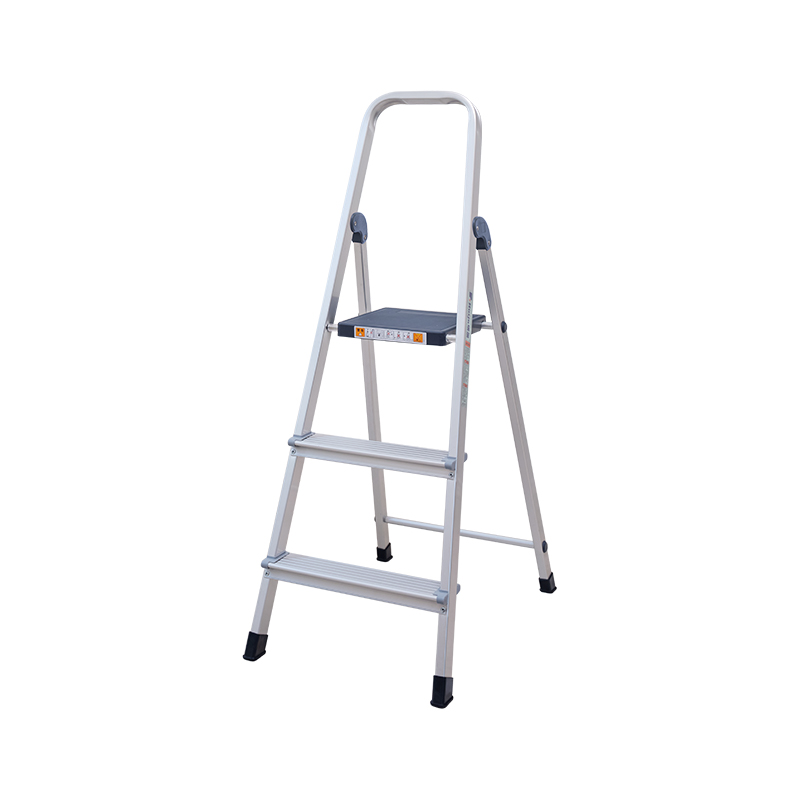
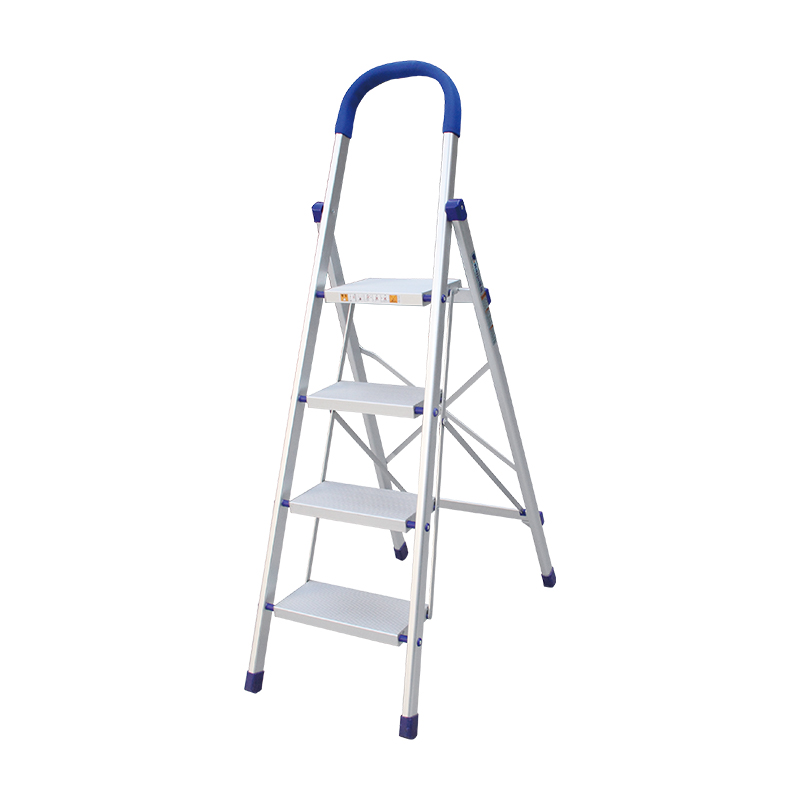
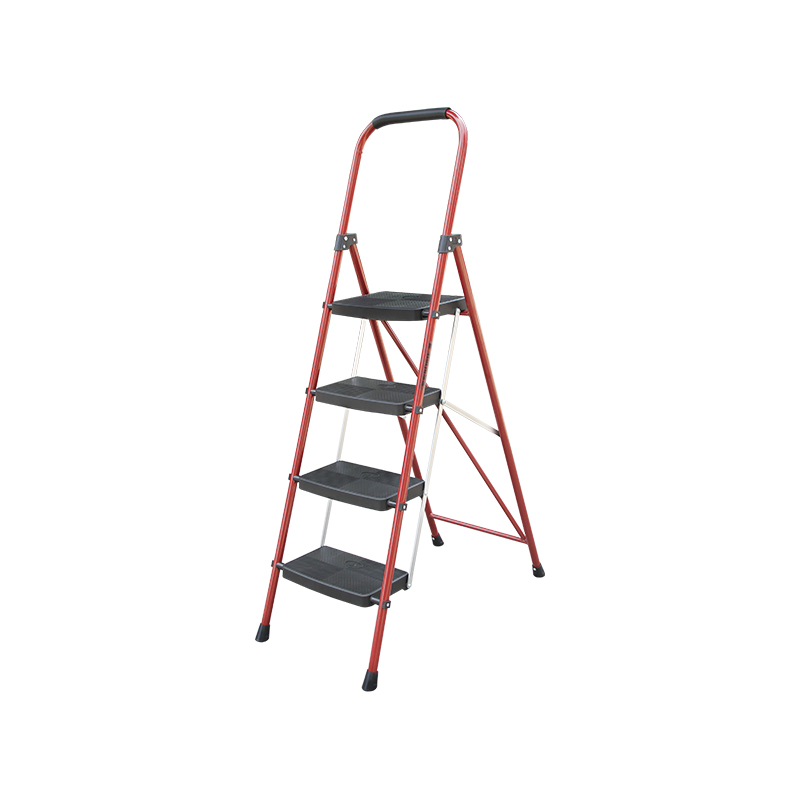
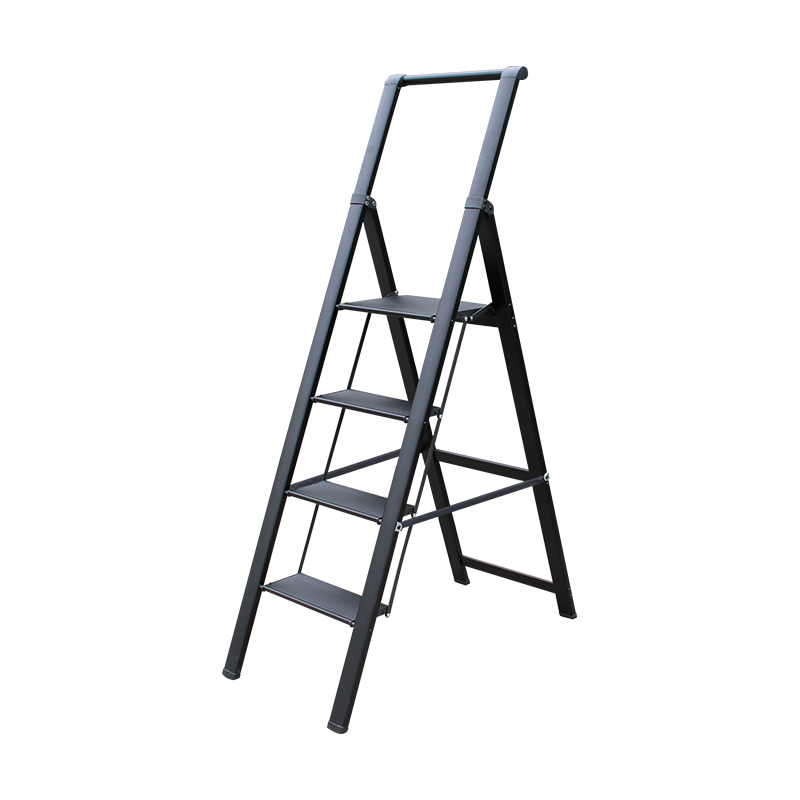
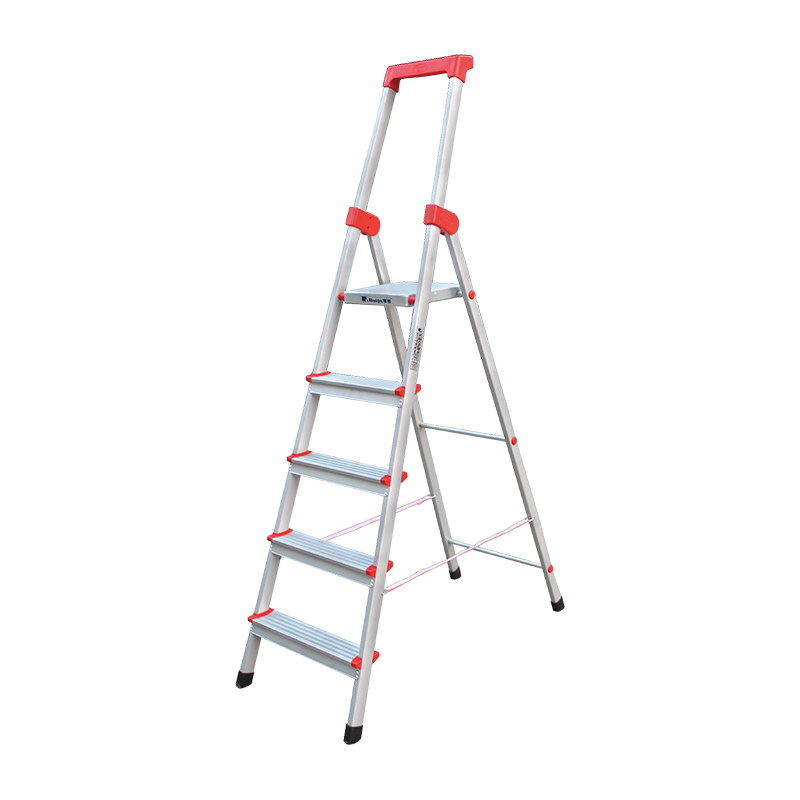
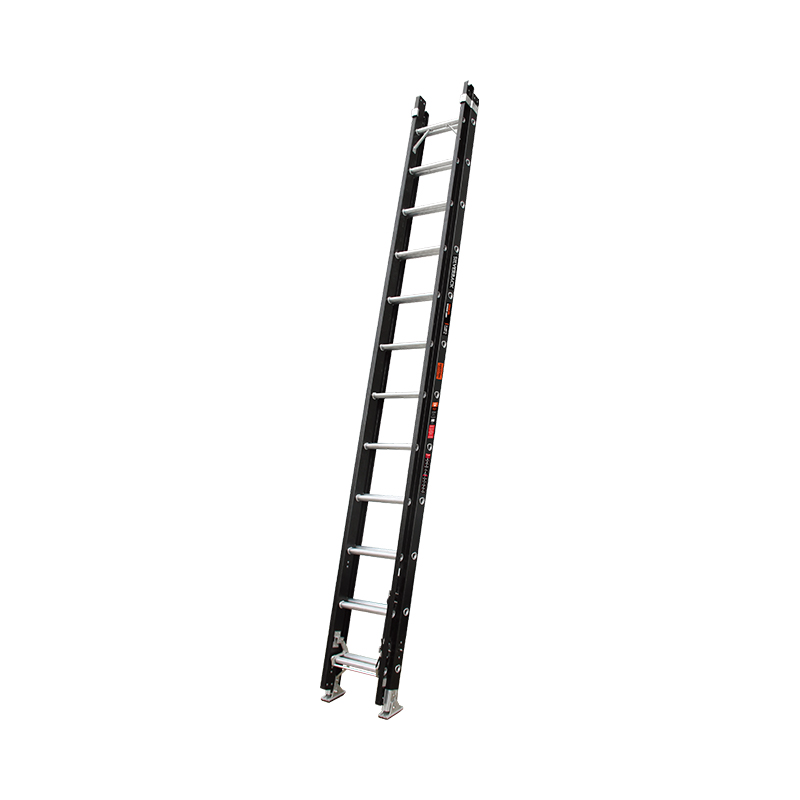
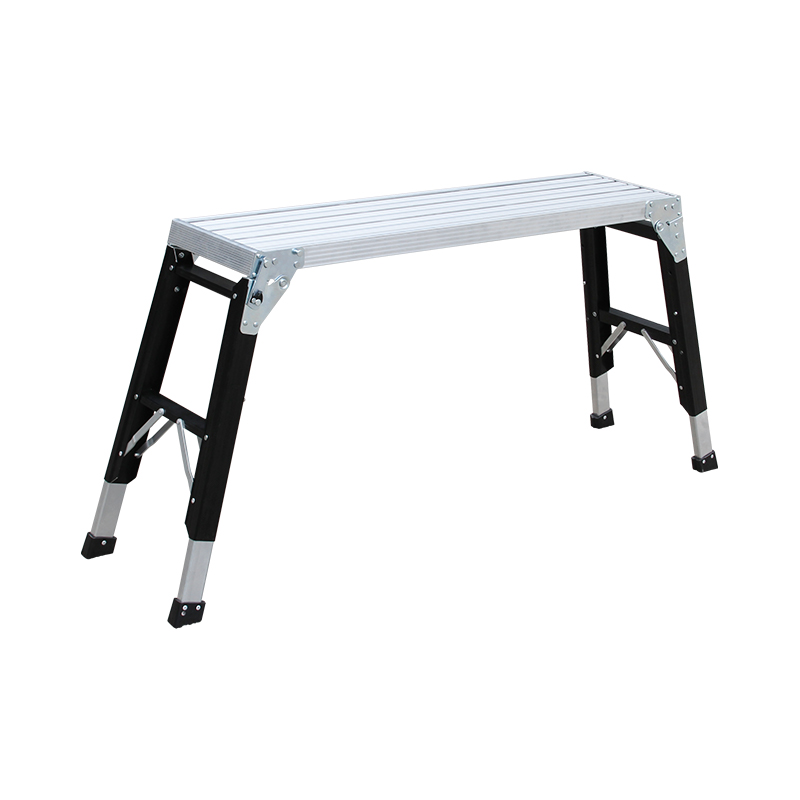
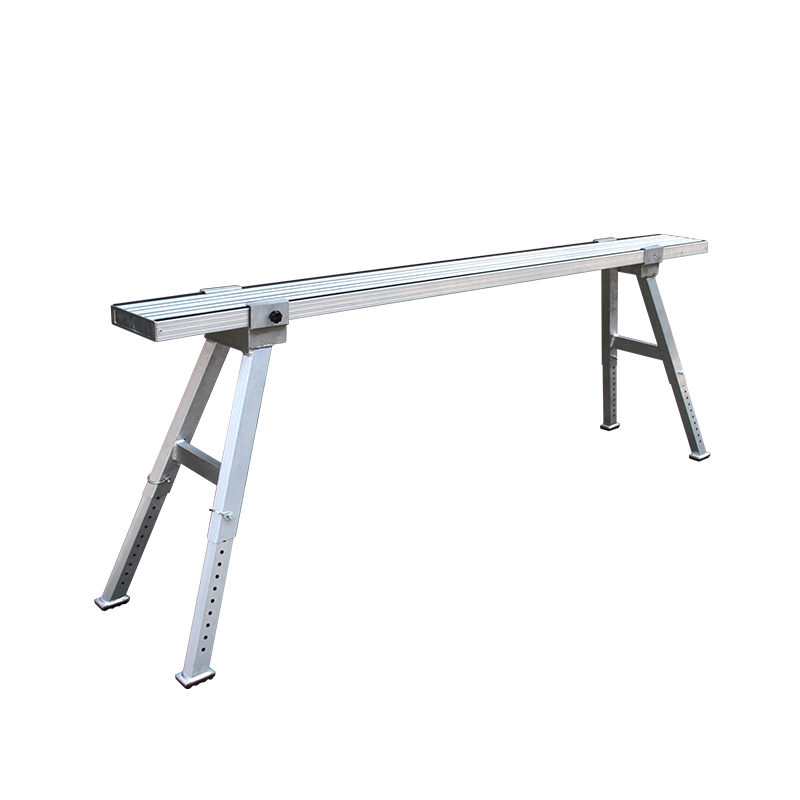
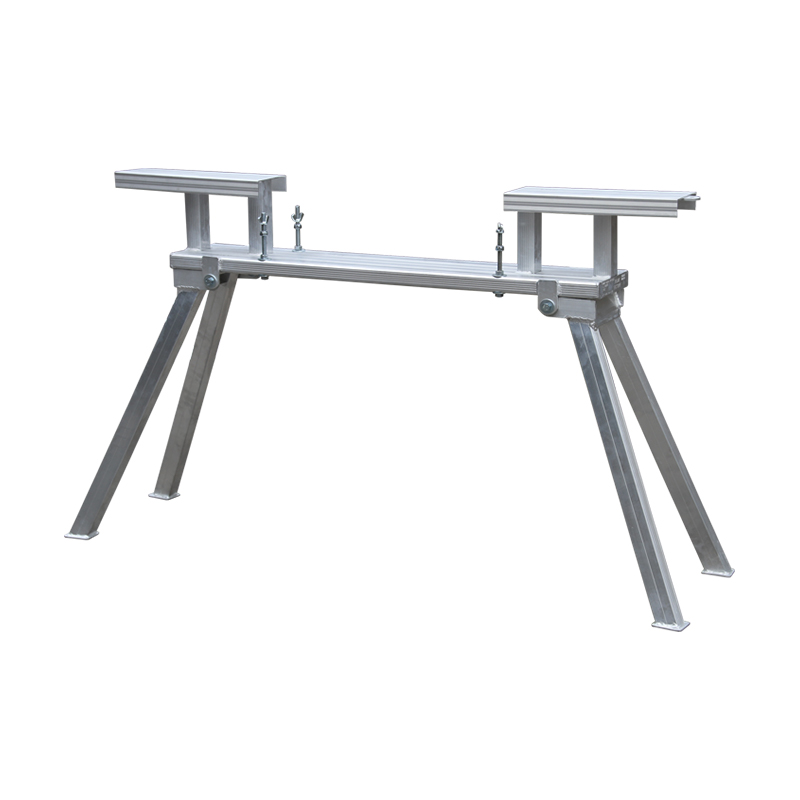











How Platform Dimensions Influence Industrial Work Efficiency
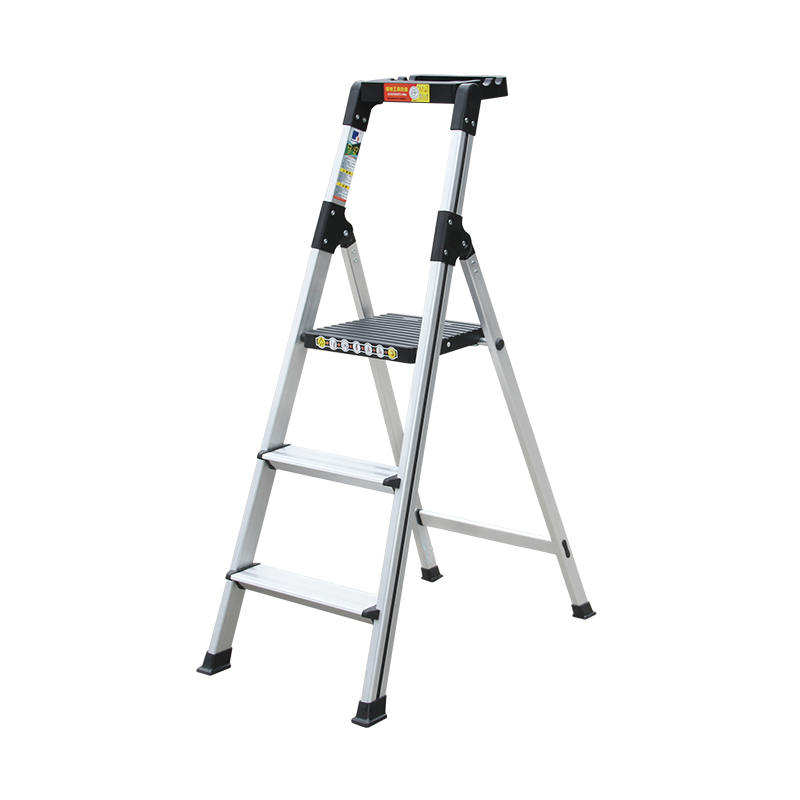
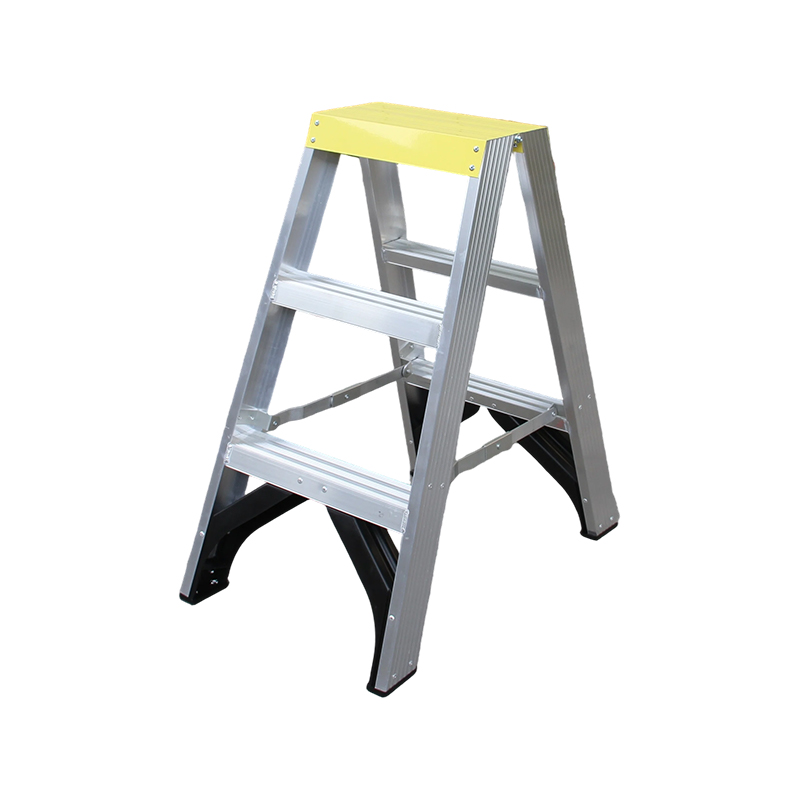
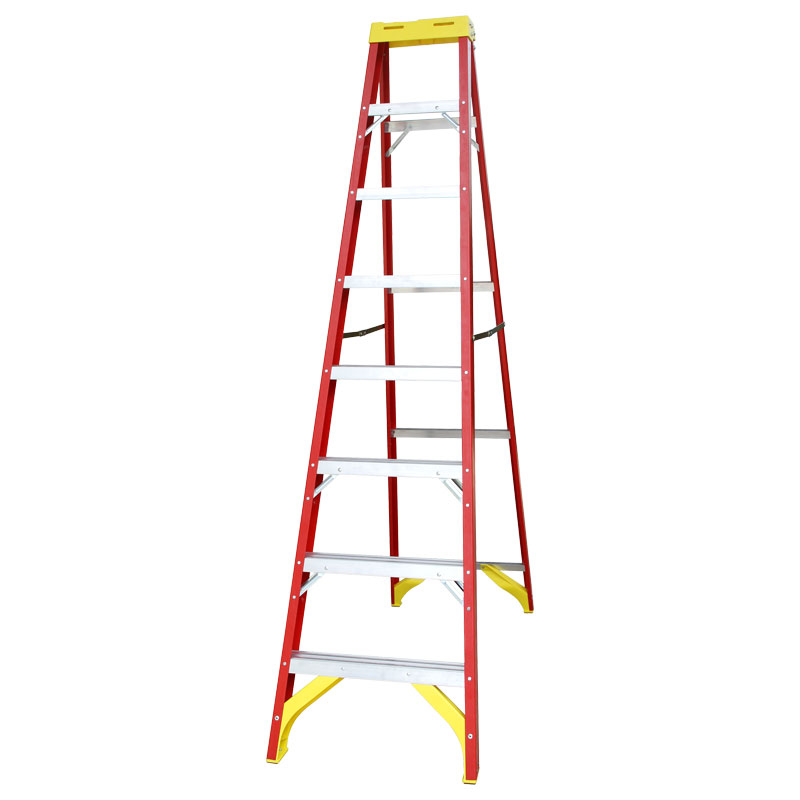
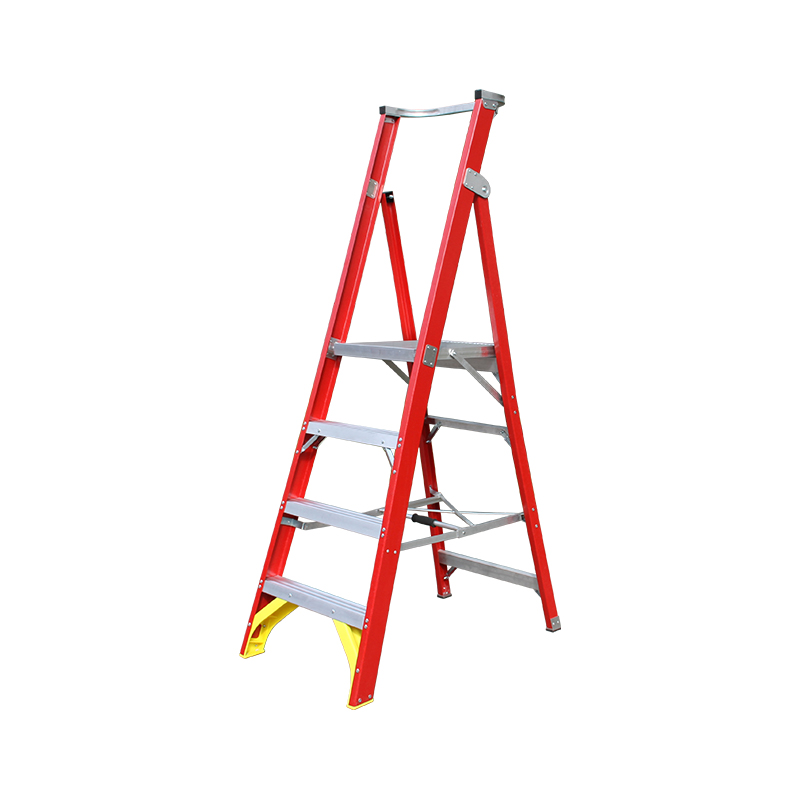
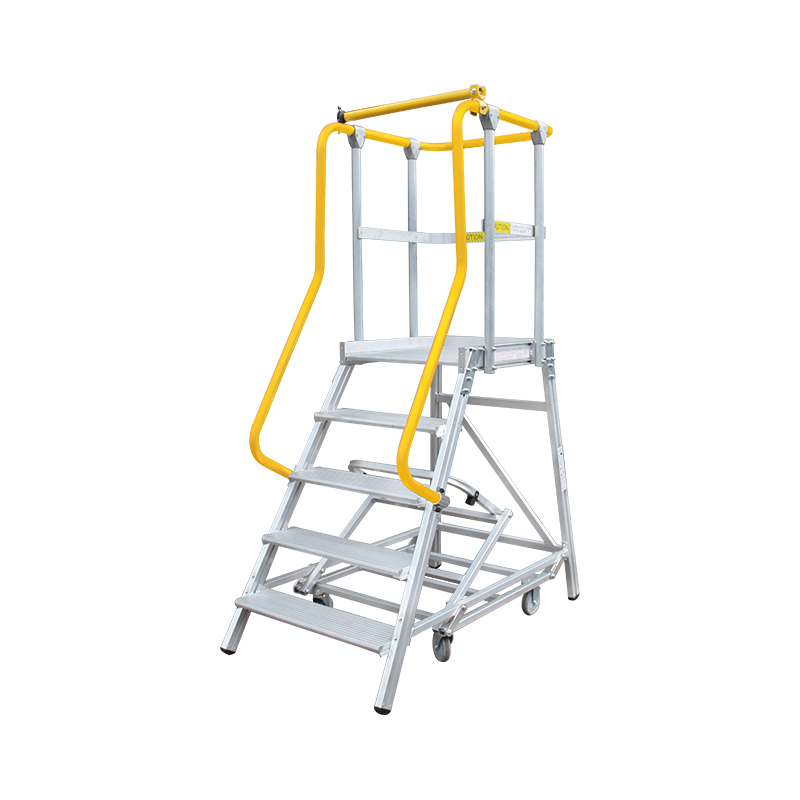
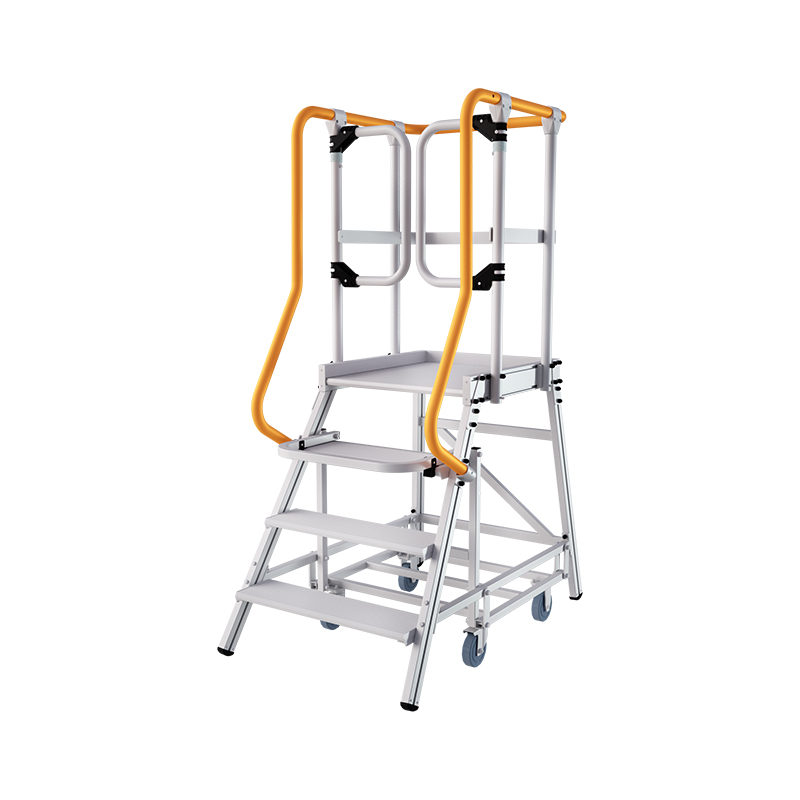
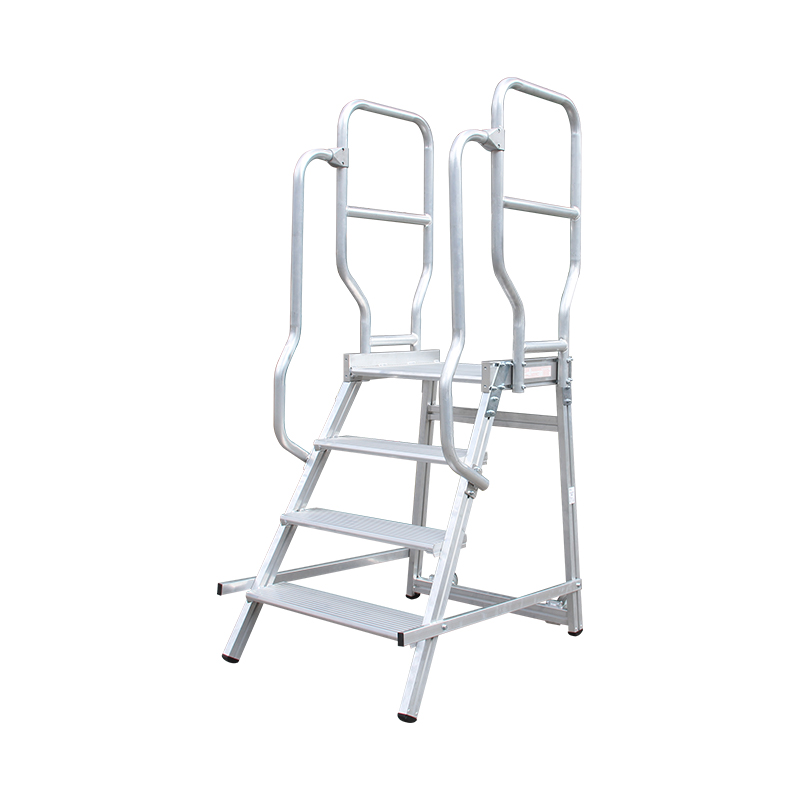
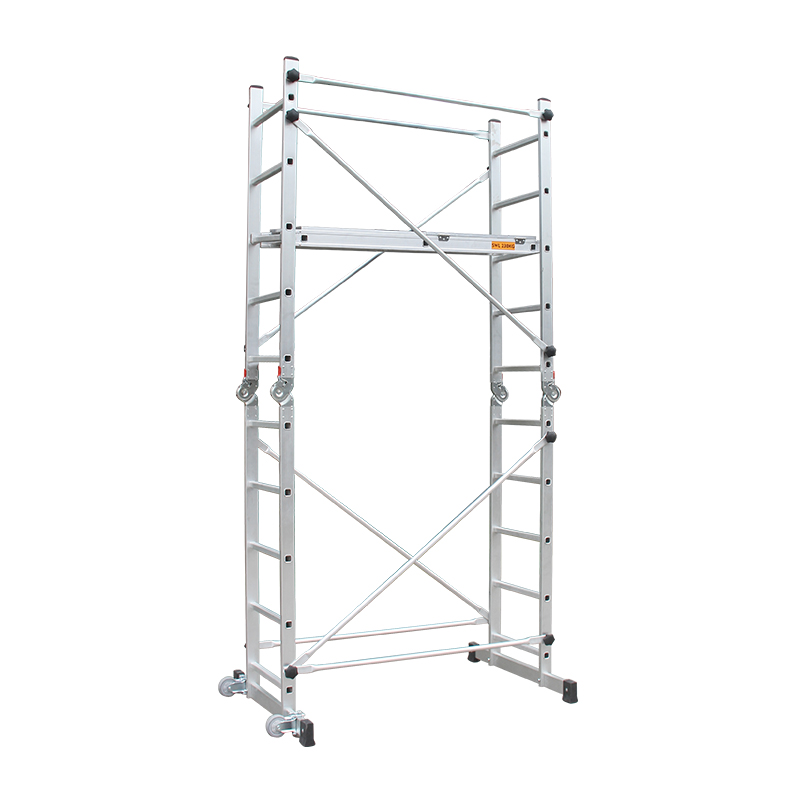
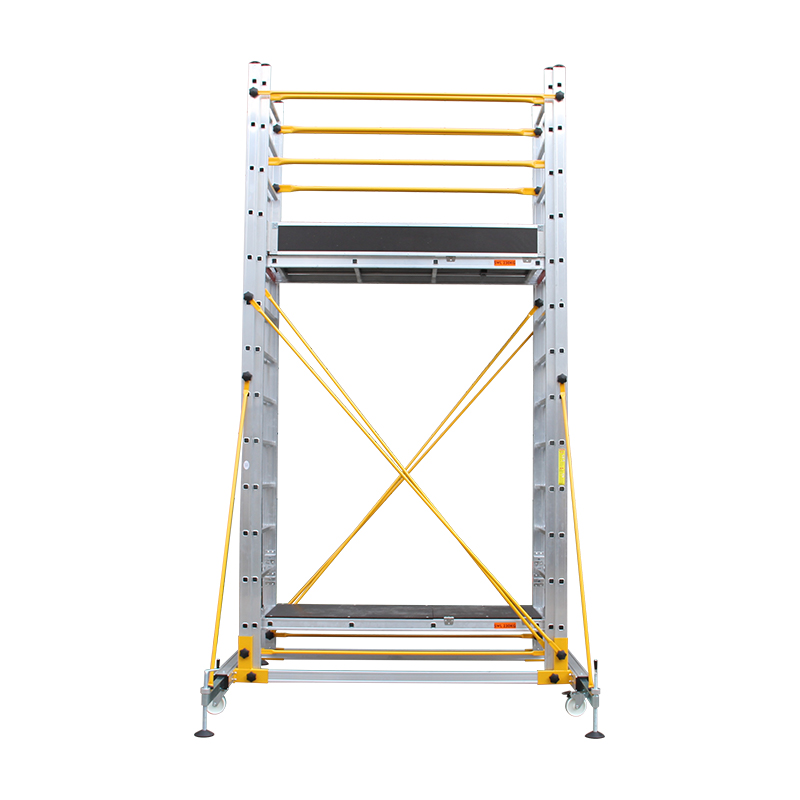
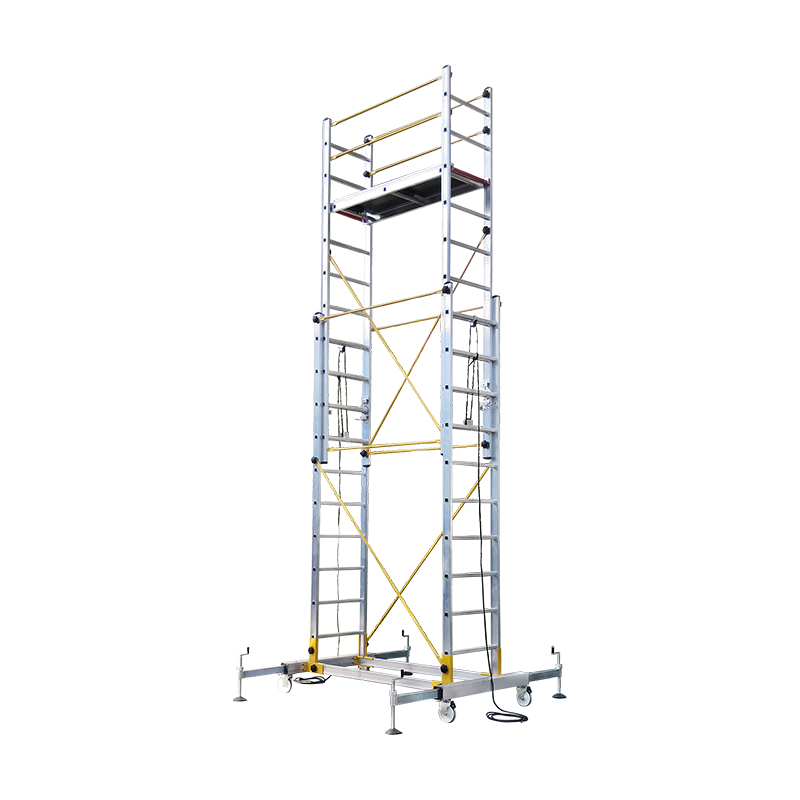
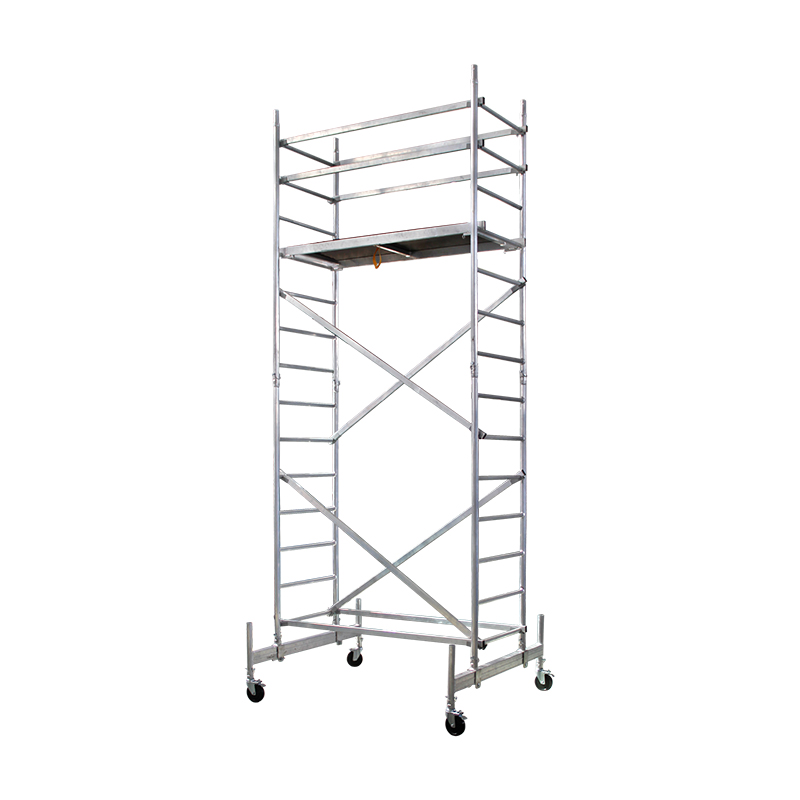
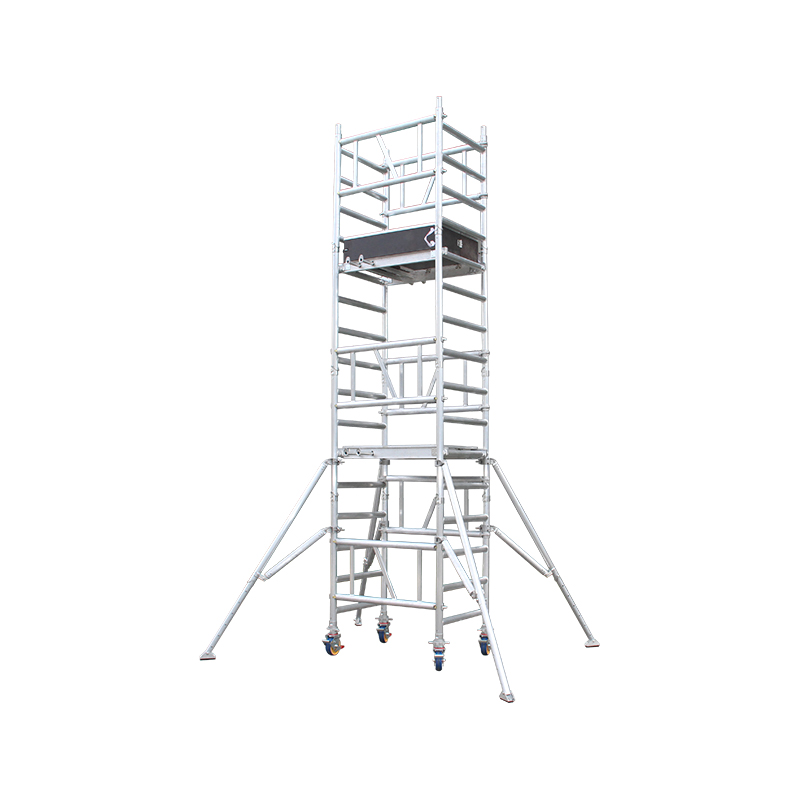
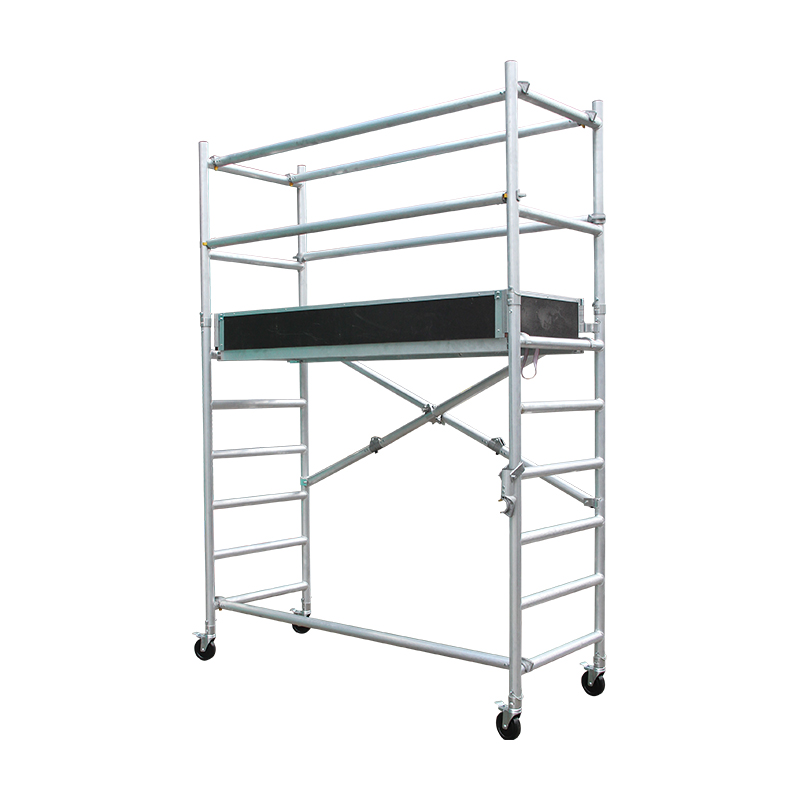
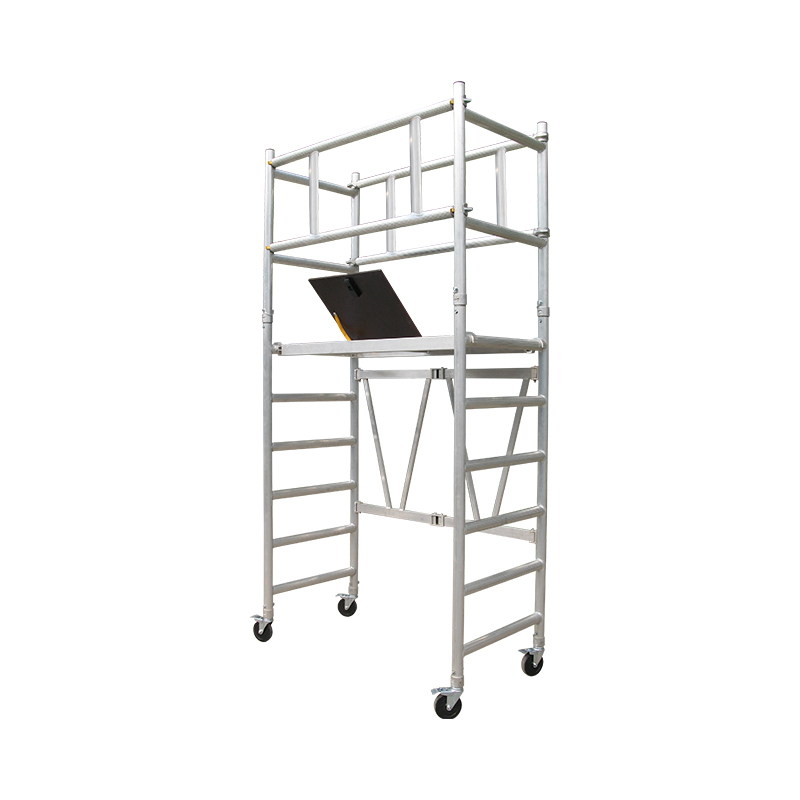
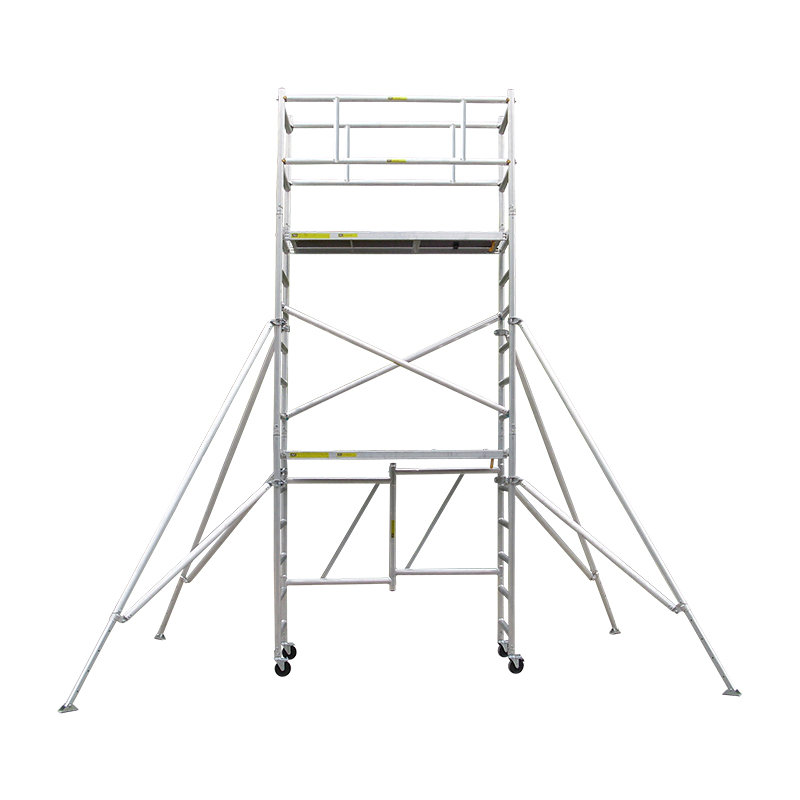
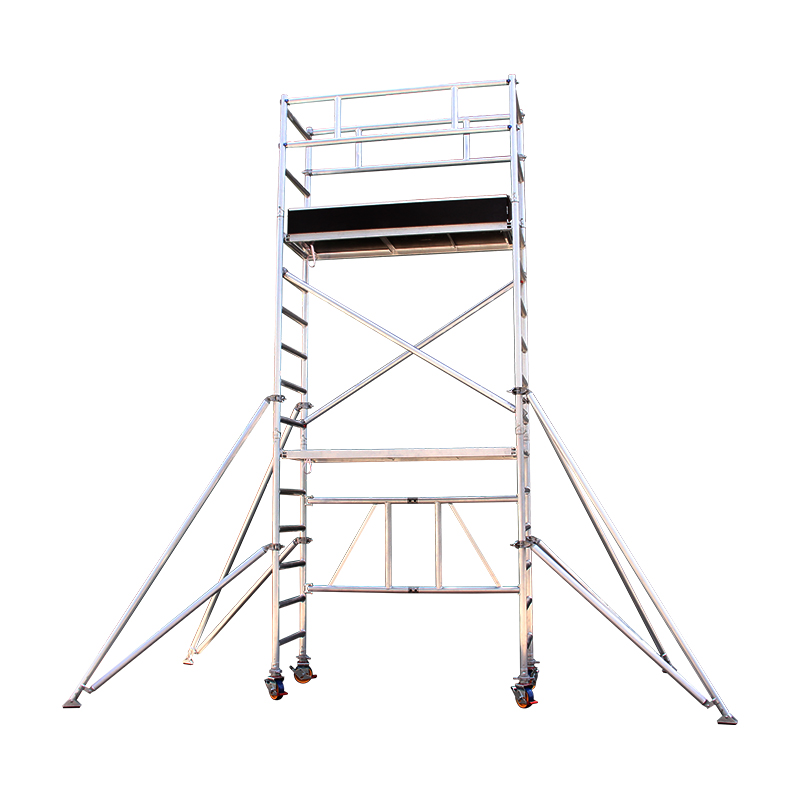
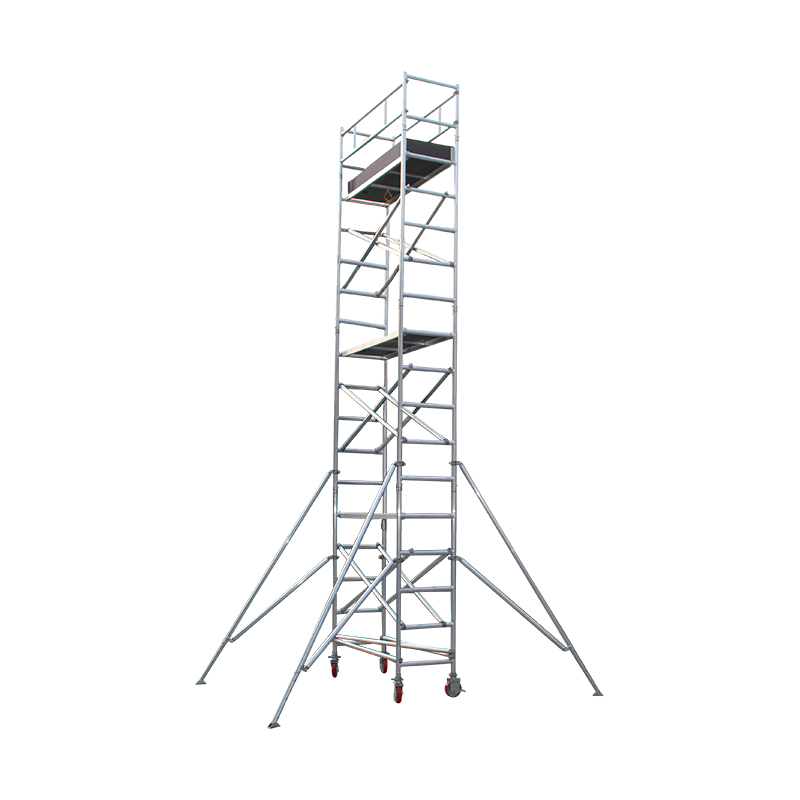
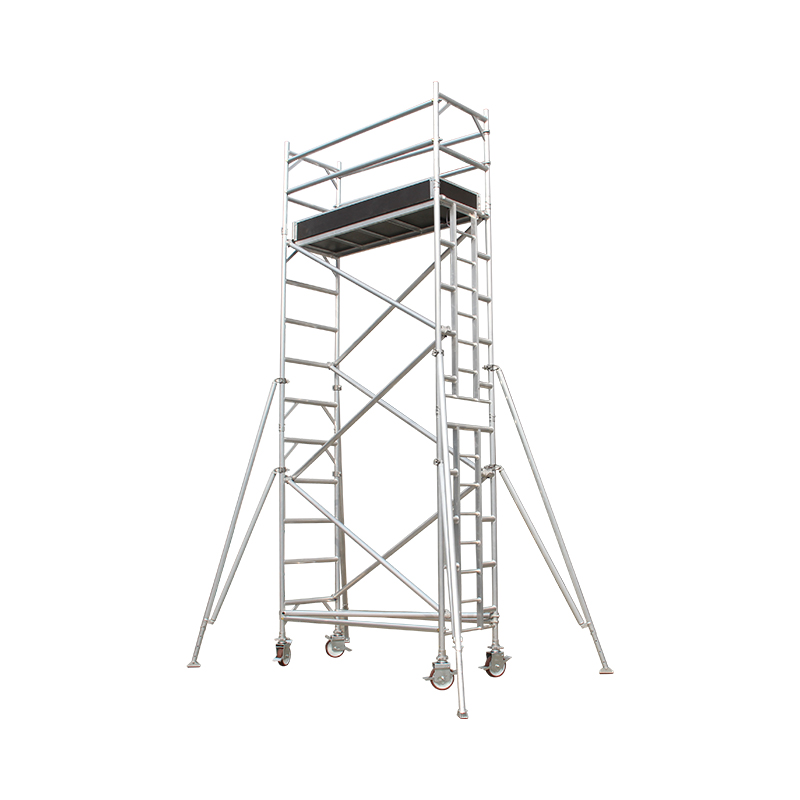
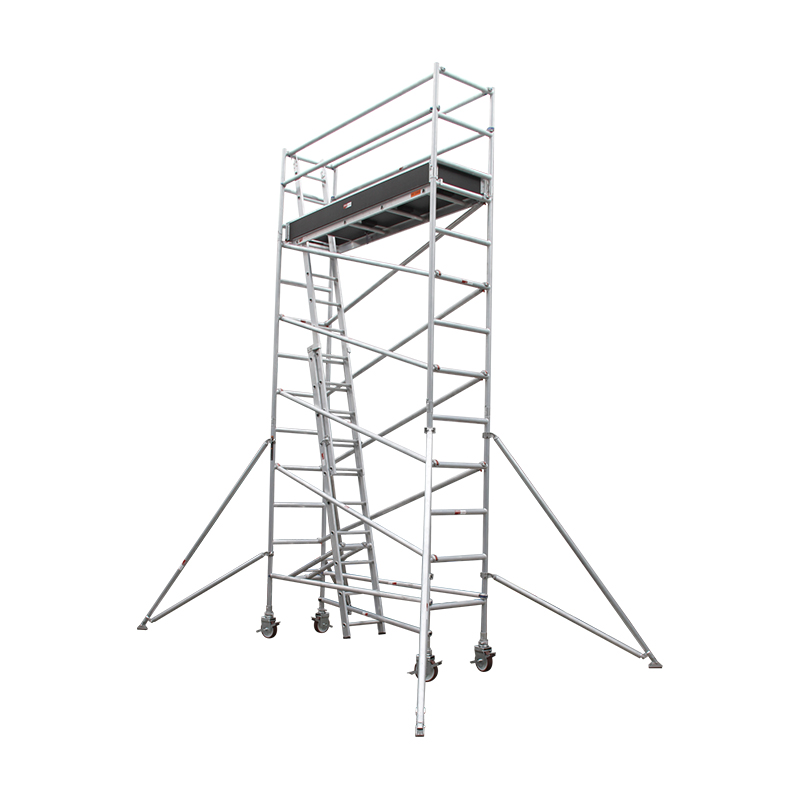
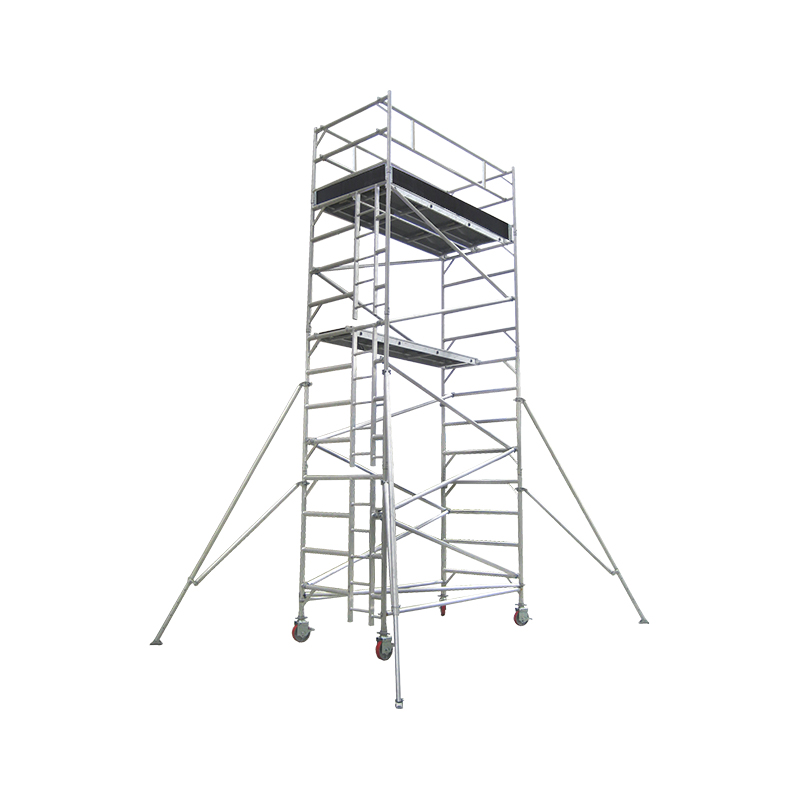
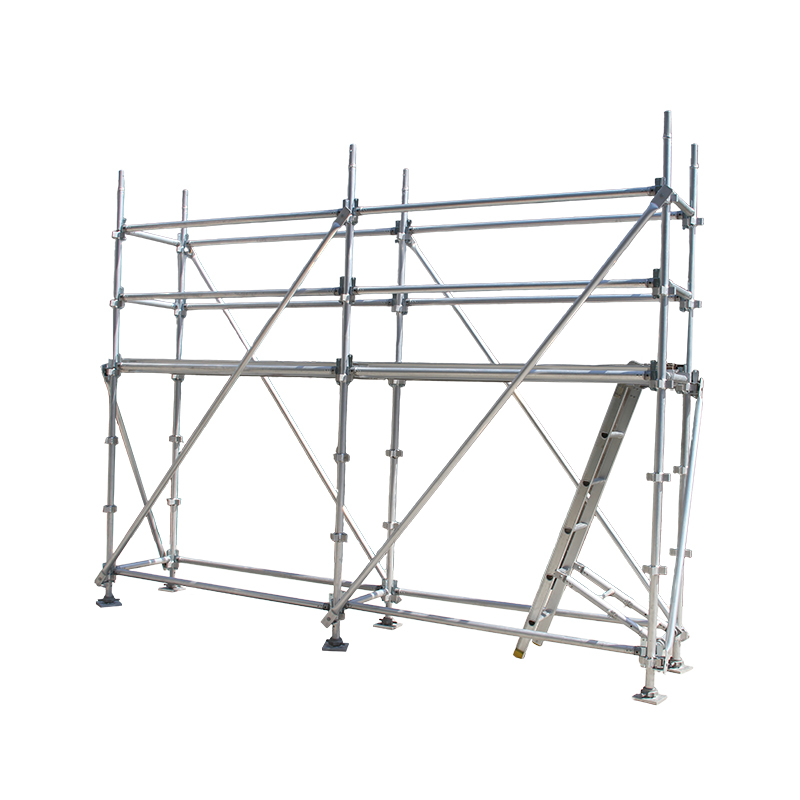
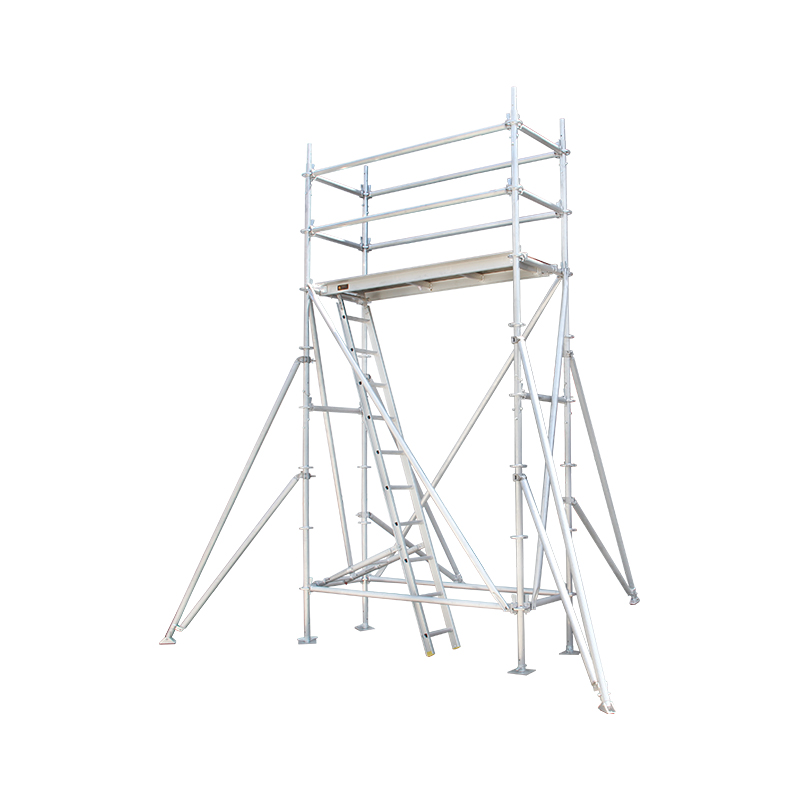
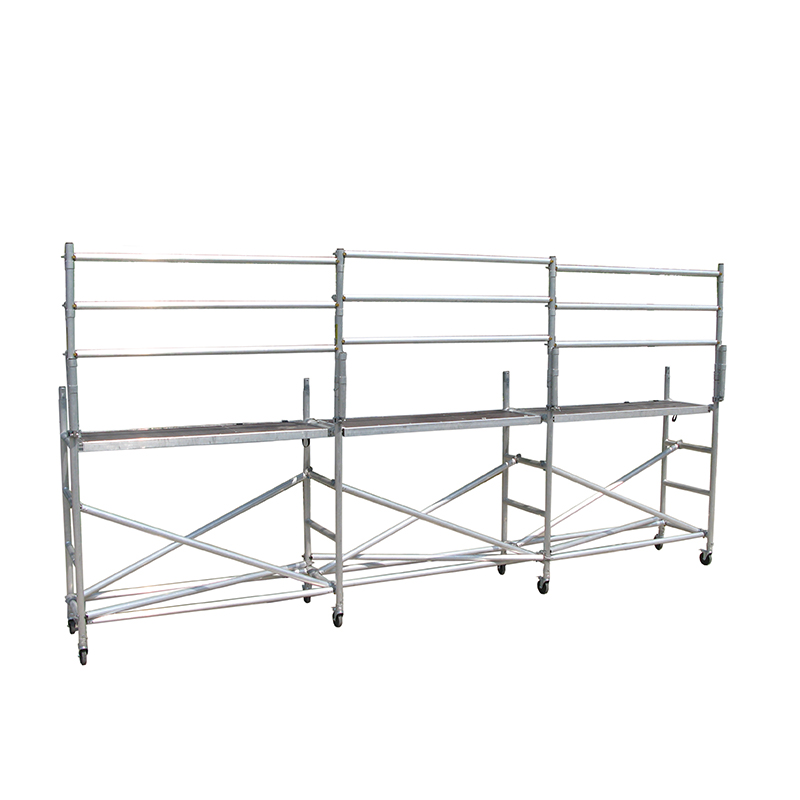
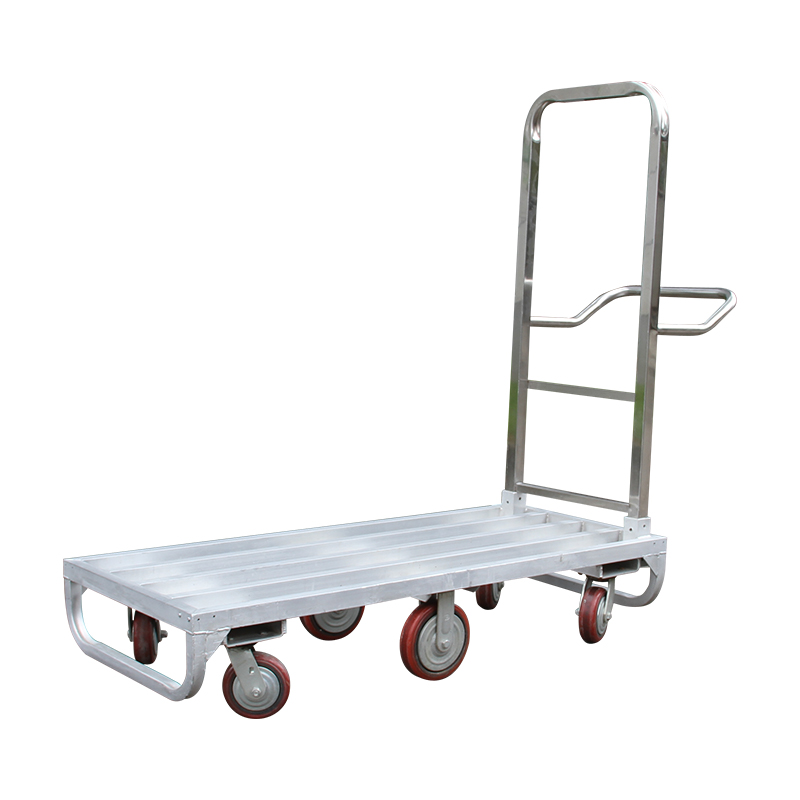
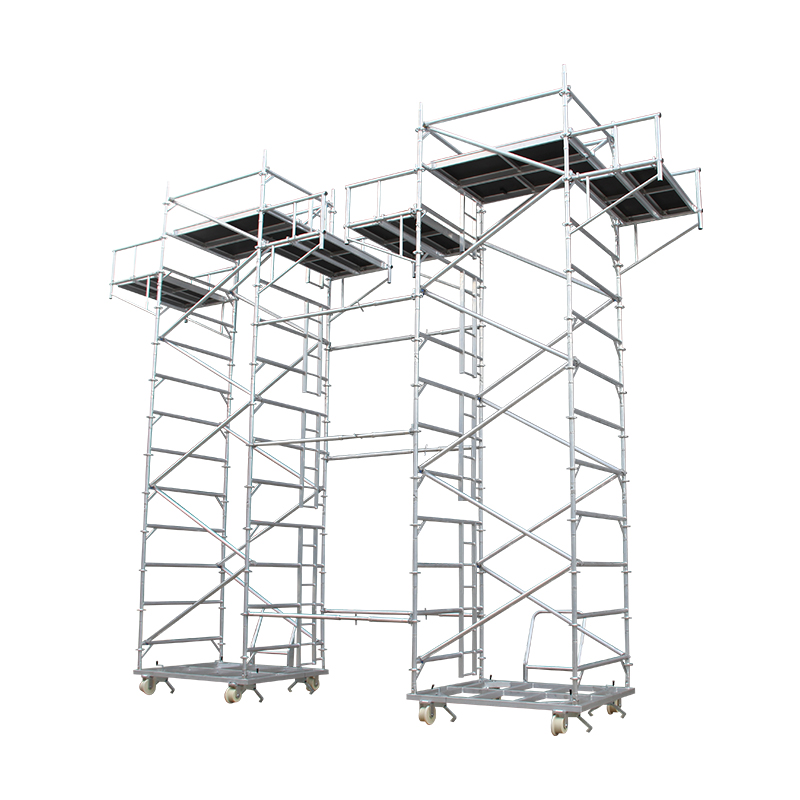
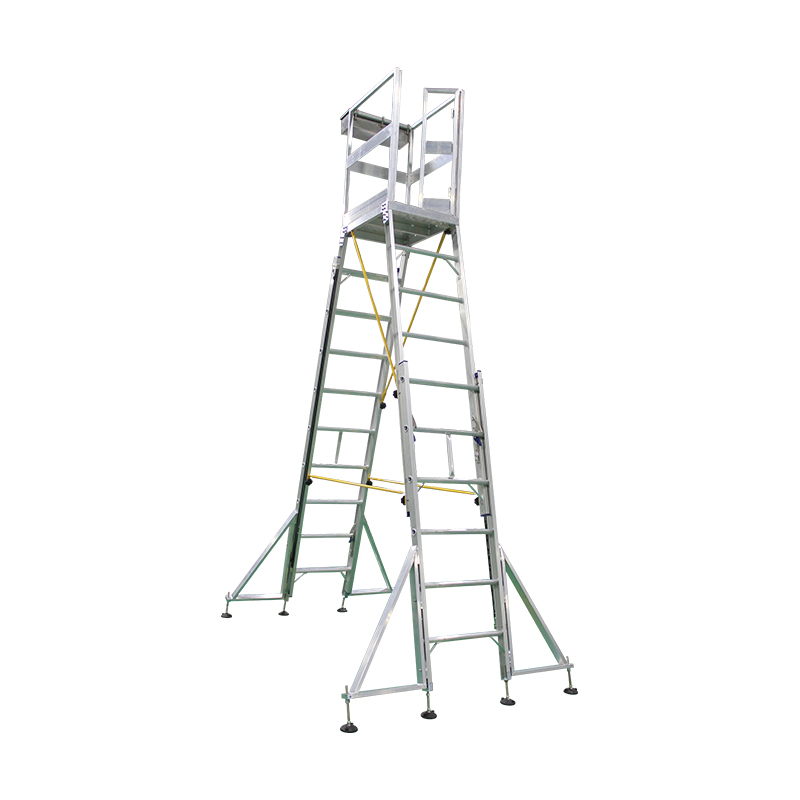
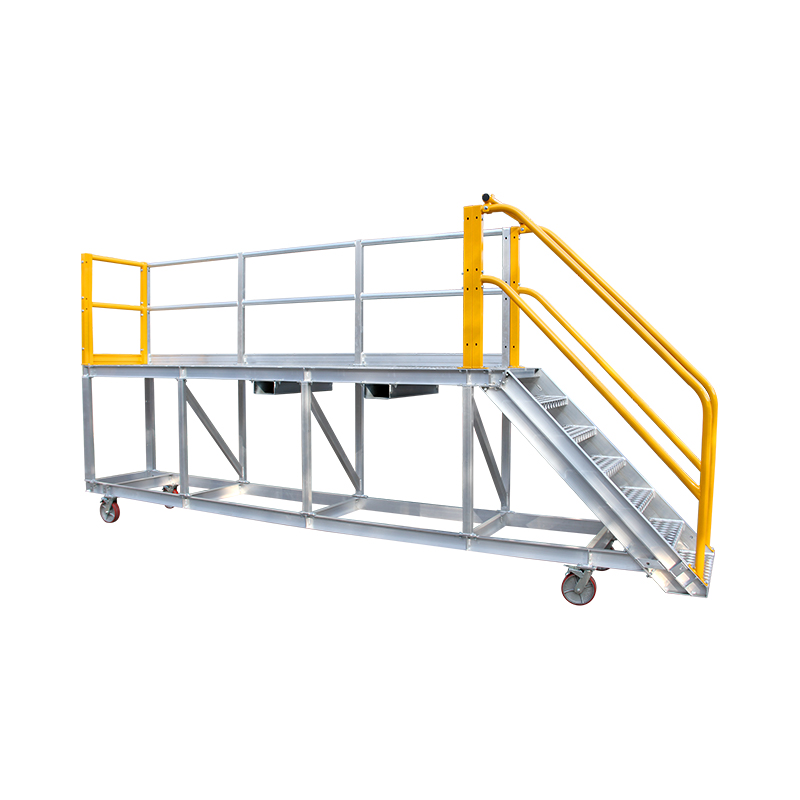
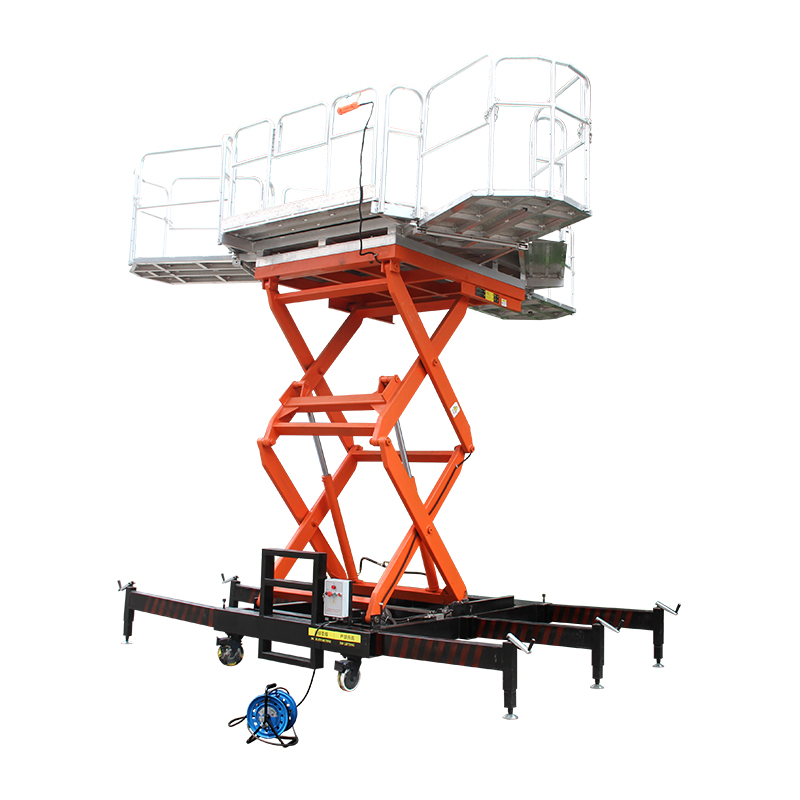
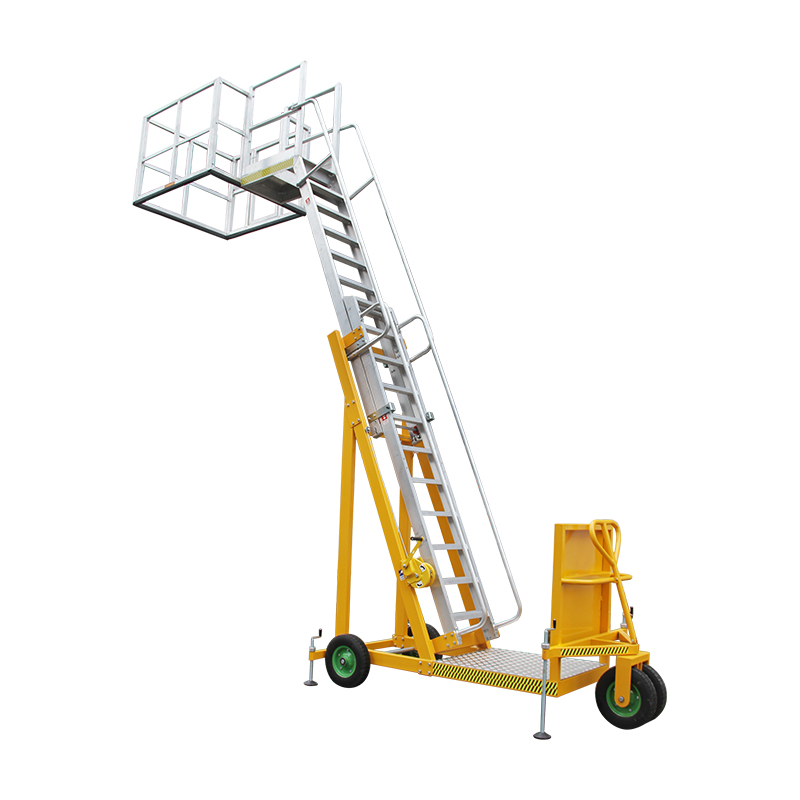
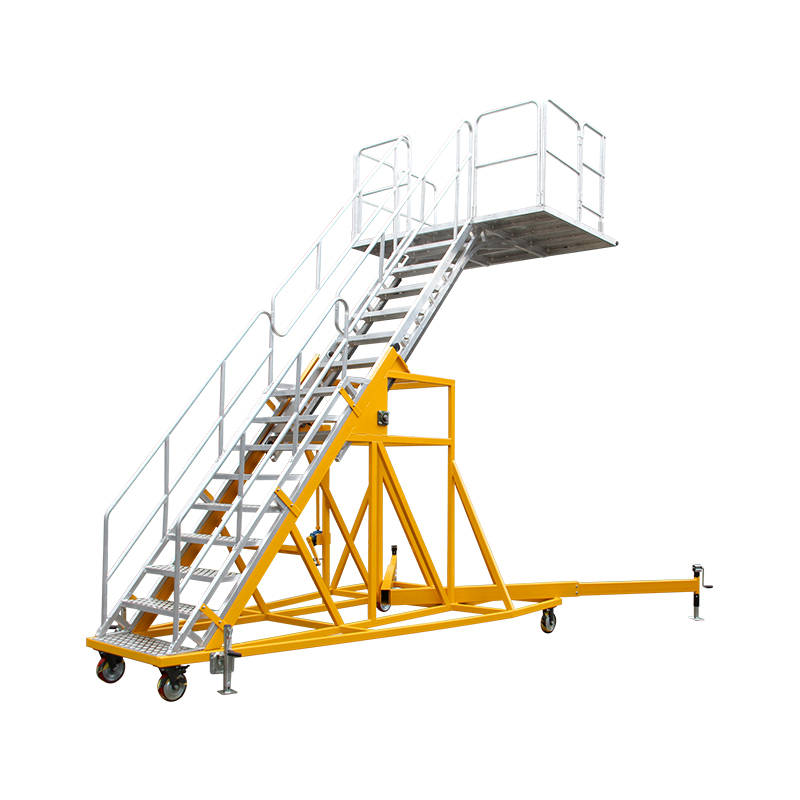
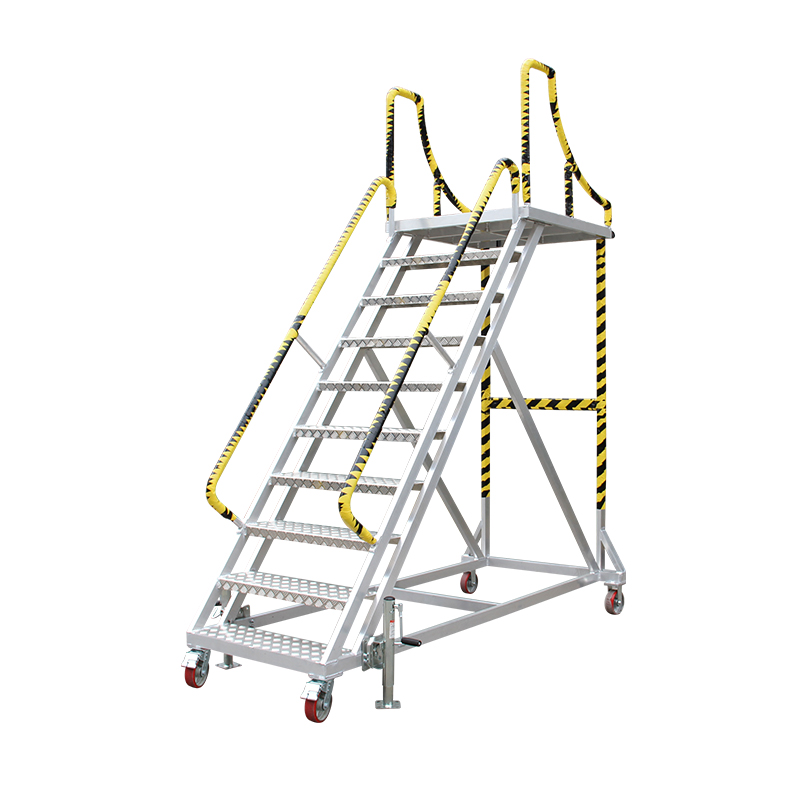
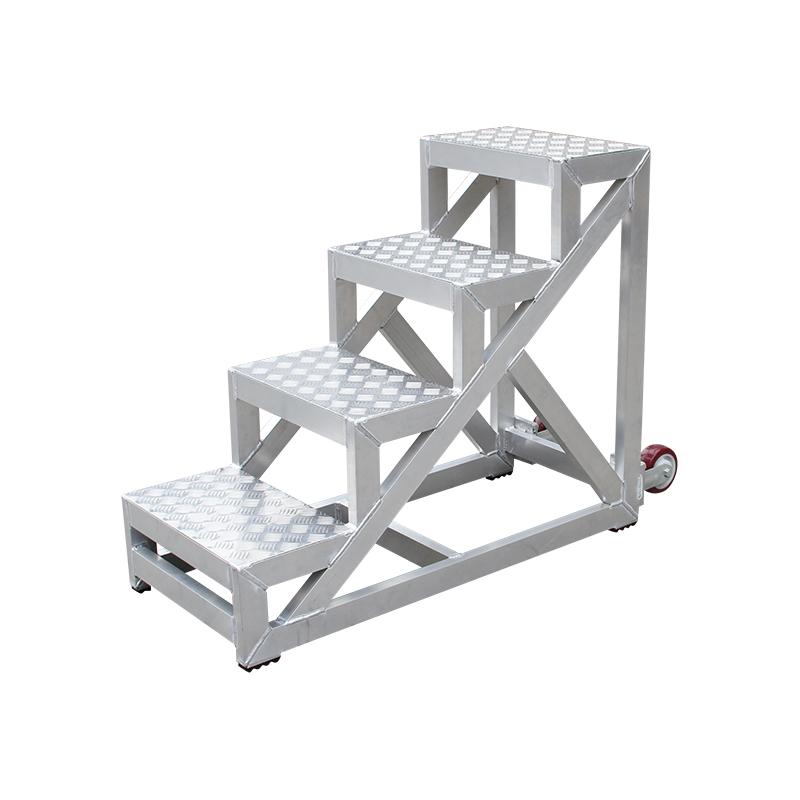
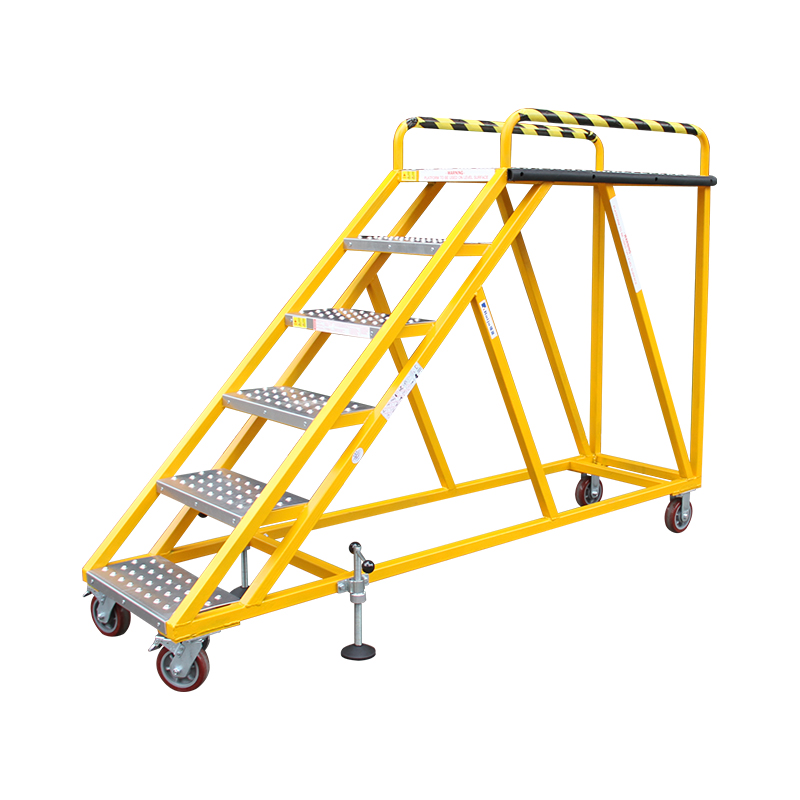
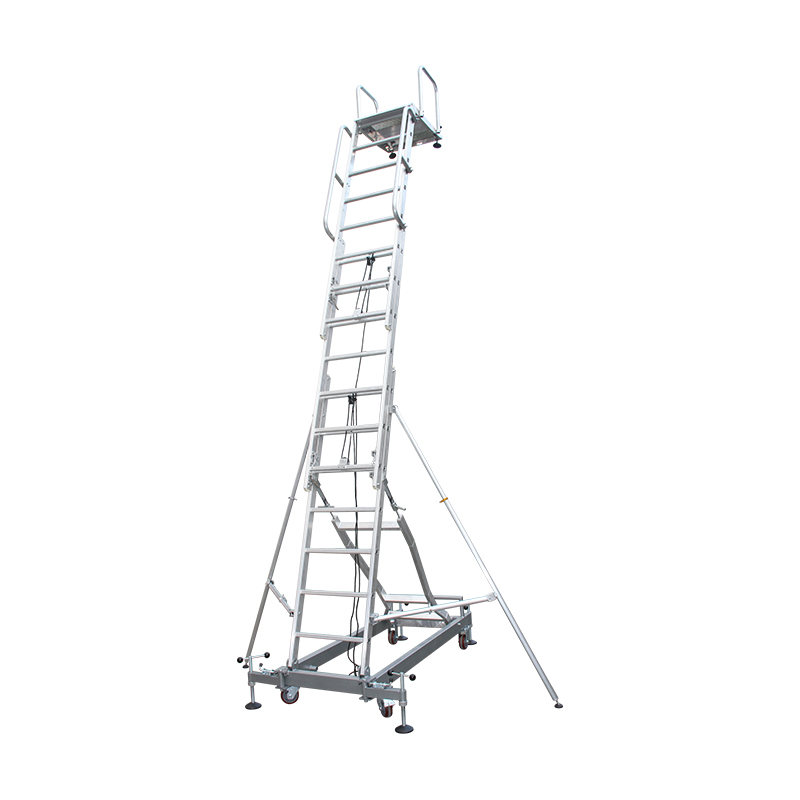
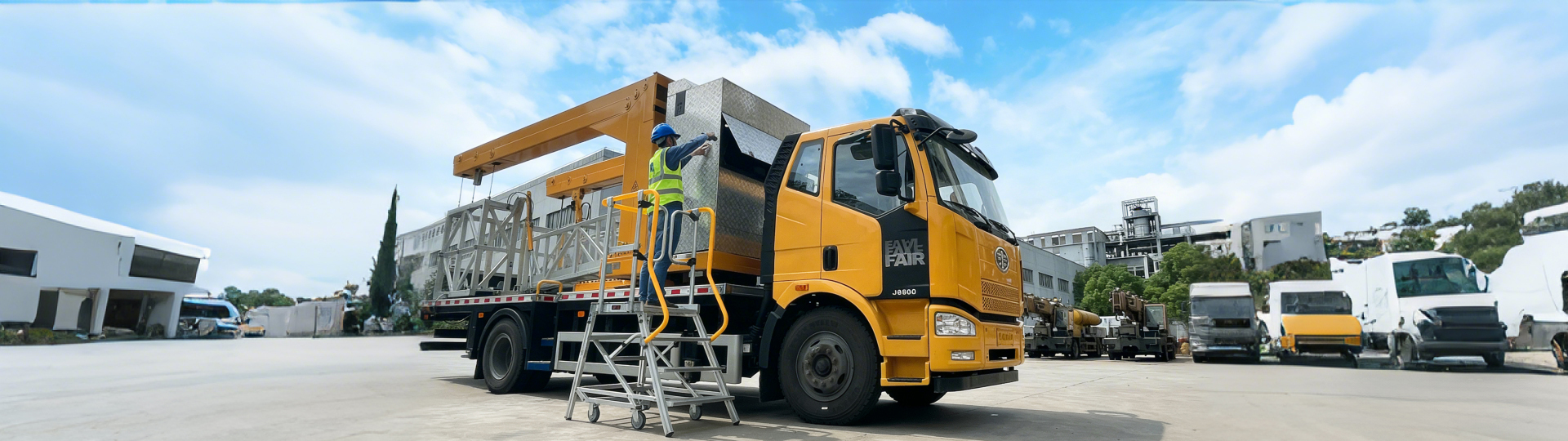
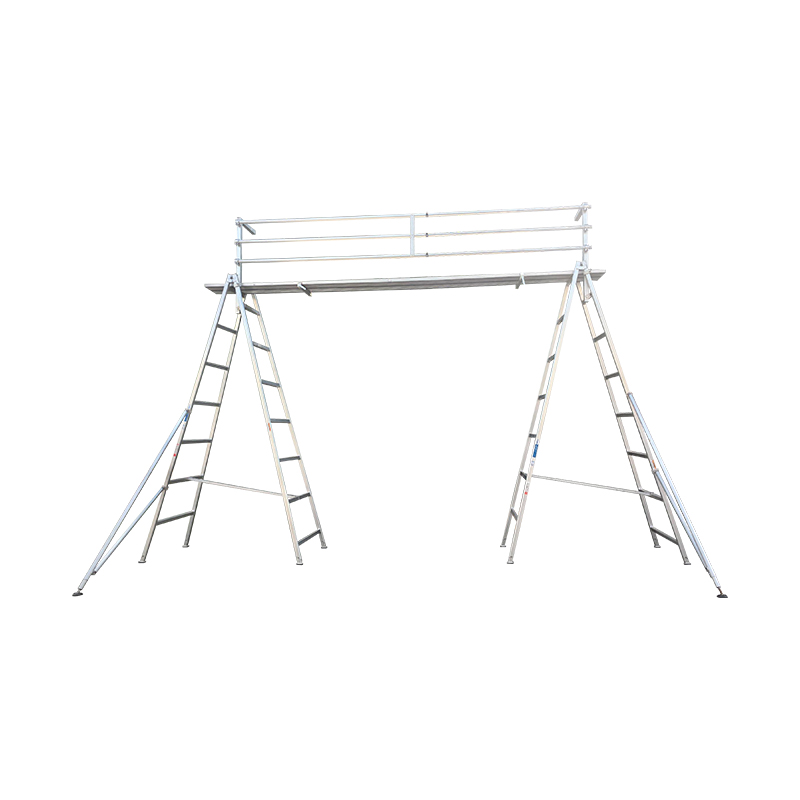
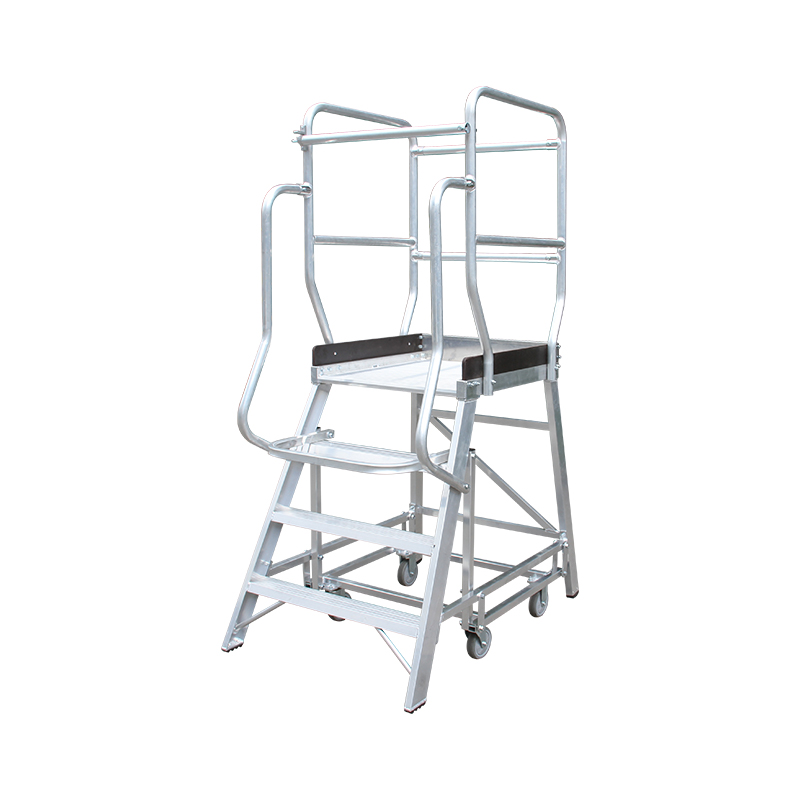
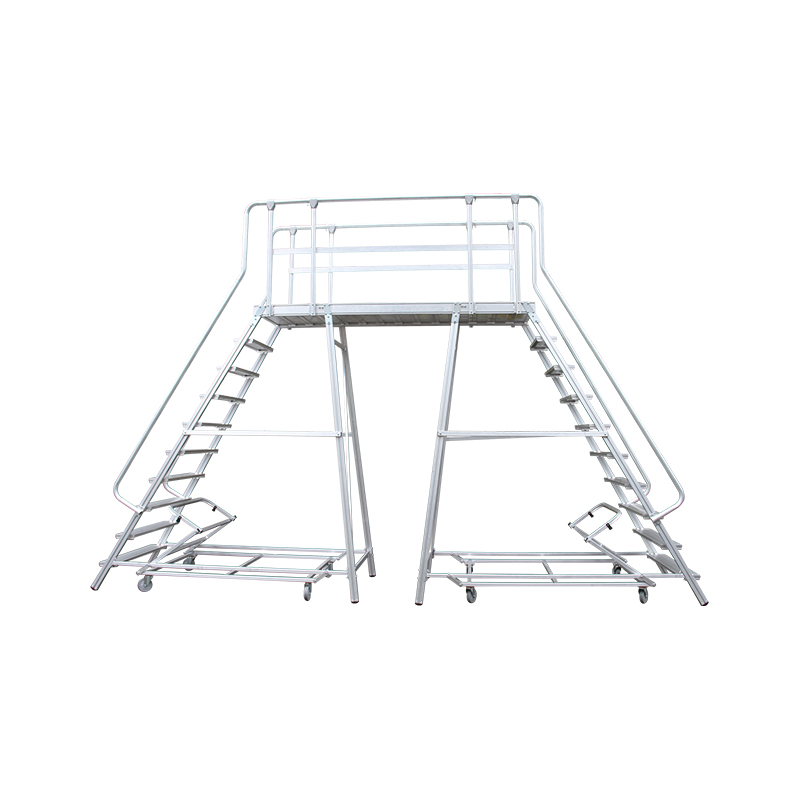
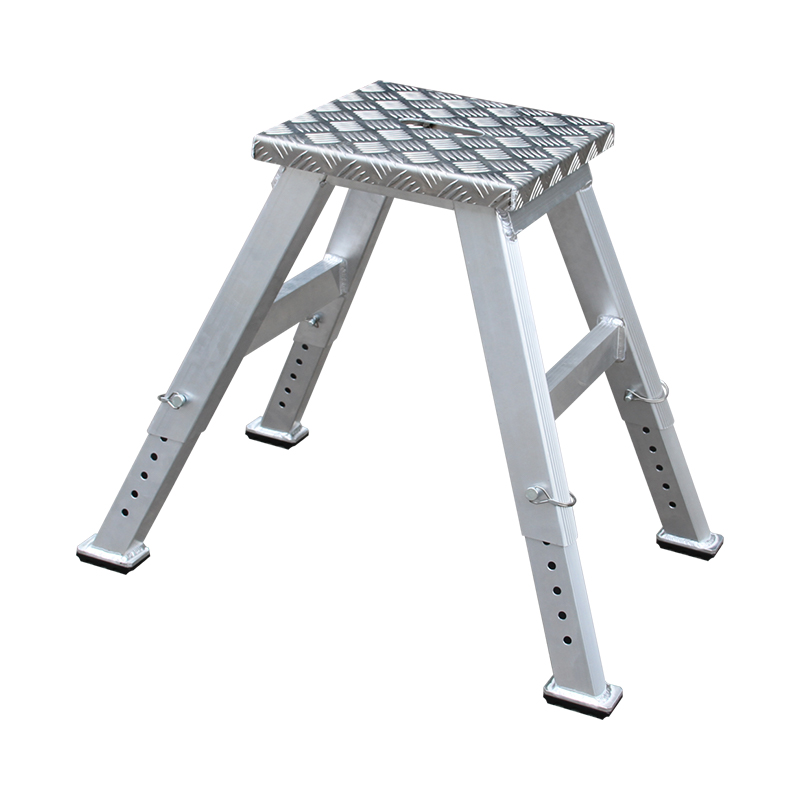
For industrial access applications, the dimensions of a working platform should be determined by the actual task rather than by the platform height alone. The usable deck area, platform height, access width, guardrail arrangement and overall footprint can directly influence how operators position themselves and handle tools during elevated work. An Aluminium Work Platform designed for equipment maintenance, warehouse operations or production-line servicing may therefore require a different configuration from one intended for short-duration inspection tasks.
Shanghai Ruiju Metal Products Co., Ltd., founded in 2001, specializes in customized climbing and working-at-height solutions for domestic and international markets. With a 12,000 m² self-owned production facility, Ruiju has established an integrated system covering R&D, product design, manufacturing and marketing under its proprietary RUIJU brand. The company has more than 30 years of experience in working-at-height products and technologies, covering ladders, aluminium scaffolding systems, work platforms and related equipment.
Platform Dimensions That Deserve Technical Attention
- Deck size: Sufficient working space allows operators to position tools and equipment without unnecessarily extending their body outside the working area.
- Working height: The required height should correspond to the actual maintenance point rather than simply the total product height.
- Access width: Wider access can be useful when operators need to carry tools or workwear through the access route.
- Footprint: The base dimensions need to fit aisles, machinery layouts, warehouse shelving and other site restrictions.
Aluminium Platforms and Load Distribution
The rated capacity of an aluminium platform should not be considered independently from the deck structure and supporting frame. During actual operation, loads may be concentrated around particular areas rather than evenly distributed across the entire deck. For example, an operator standing near one side while handling a tool or component can create a different load pattern from a uniformly distributed static load. Platform engineering therefore needs to consider deck construction, support spacing, frame geometry, joints and reinforcement locations.
For procurement teams specifying Aluminium Platforms, it is useful to define both the intended working load and the nature of that load. Equipment manufacturers should understand whether the platform will be used by one operator, multiple personnel, or personnel carrying tools and portable equipment. These details can help determine the appropriate structural configuration and testing requirements.
Typical Load-Related Information for Technical Specifications
| Specification Item | What to Define | Why It Matters |
|---|---|---|
| Rated Working Load | Operator, tools, equipment and materials | Establishes the required structural capacity |
| Load Distribution | Concentrated or distributed loading conditions | Influences deck and frame engineering |
| Usage Frequency | Occasional inspection or repeated daily operation | Supports appropriate component and joint selection |
| Operating Environment | Indoor, outdoor, humid or industrial conditions | Affects material and surface-treatment considerations |
Why Mobility Configuration Matters in Aluminium Work Platforms
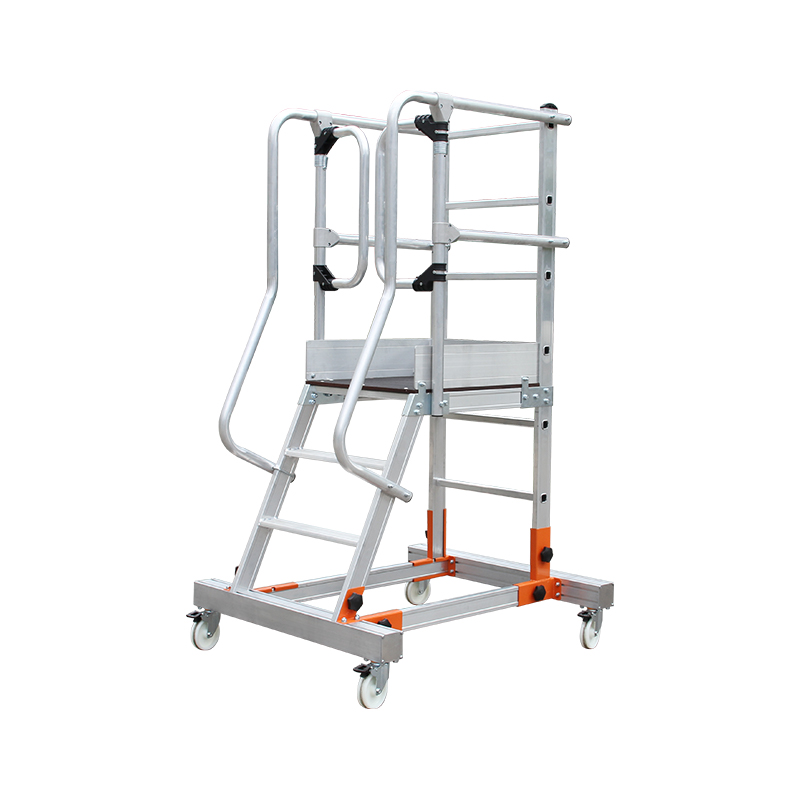
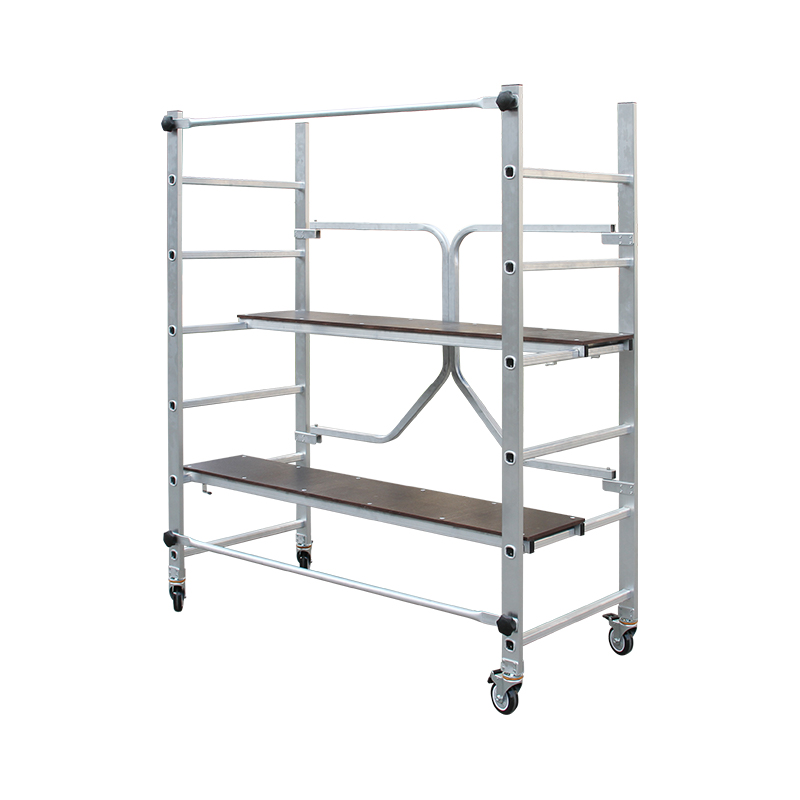
Mobility can significantly affect how an elevated work platform is integrated into a facility. In large warehouses and manufacturing plants, a mobile platform may need to move between several workstations during a shift. In contrast, a platform used beside fixed machinery may be positioned infrequently and require a configuration optimized for stable placement. Wheel diameter, caster arrangement, locking mechanisms, base width and floor conditions should therefore be considered together rather than selected independently.
For mobile Aluminium Work Platform designs, buyers should also consider transportation and storage. A platform that is frequently moved through narrow aisles may benefit from a compact footprint, while equipment intended for larger maintenance zones may require a larger deck. Foldable or modular configurations can also be considered where storage space is limited, provided the selected structure remains appropriate for its intended application and applicable requirements.
Questions to Define Before Selecting a Mobile Configuration
- What type of floor surface will the platform travel across?
- How frequently will the platform be repositioned?
- Are there narrow aisles, doorways or machinery obstacles along the operating route?
- Is a locking caster system required for the intended operating configuration?
- Where will the platform be stored when it is not in use?
Guardrails, Access Design and Operator Movement
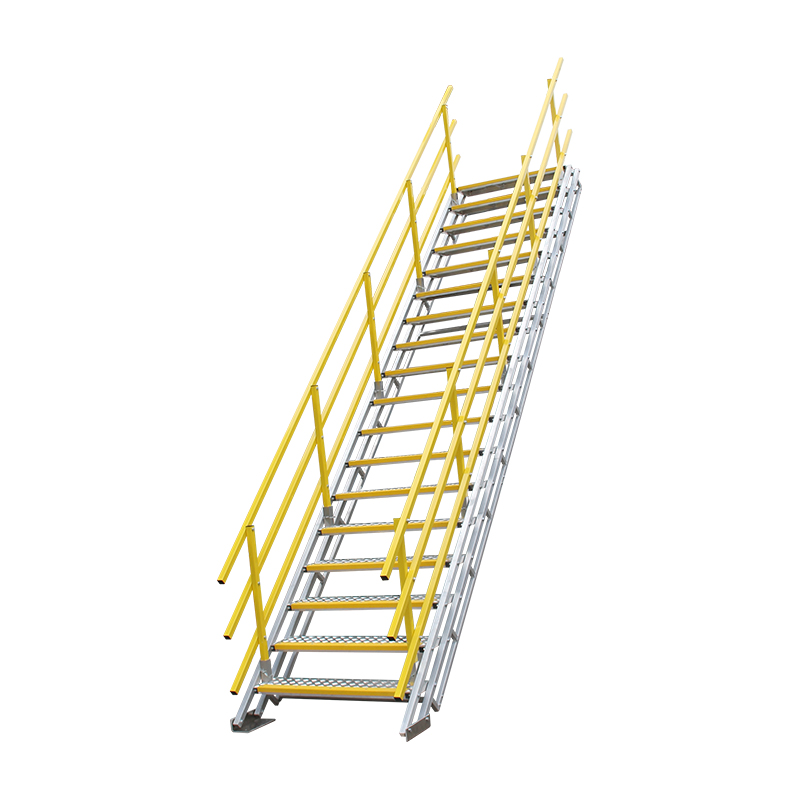
The usefulness of a working platform depends not only on its deck but also on how operators enter, exit and move within the elevated work area. Guardrail height and configuration, access gates, ladders, steps and handrails need to work together without unnecessarily restricting the operator's movement. For maintenance projects around machinery, the position of the access point may be especially important because surrounding equipment can limit the direction from which an operator can approach the platform.
Customized configurations are valuable when standard access arrangements do not match the site layout. A manufacturer with in-house engineering and production capabilities can coordinate platform dimensions with access components and supporting structures. This is particularly relevant for industrial customers purchasing equipment for fixed production lines, specialized machinery or facilities with unusual spatial constraints.
Common Configuration Variables
- Single-sided or double-sided access.
- Different platform lengths and widths for task-specific working areas.
- Fixed or mobile base configurations.
- Customized guardrail and access-gate arrangements.
- Special geometry for positioning around production equipment or machinery.
Manufacturing Quality and International Compliance for Aluminium Platforms
For overseas procurement, platform design needs to be connected with the standards and testing requirements of the target market. The applicable requirements may influence structural design, dimensions, load testing, labeling and technical documentation. Buyers should identify the destination market and required standard before production so that engineering and inspection procedures can be aligned with the intended application.
Shanghai Ruiju Metal Products Co., Ltd. operates an ISO 9001-certified manufacturing system and is BSCI audited. Its standard products comply with China's GB12142 national standard, while export products meet applicable Australian, European and American industry standards. Products are rigorously tested and certified by internationally recognized third-party inspection institutions including SGS and TÜV. This manufacturing and quality-control framework supports customers that require documented production processes and compliance verification for international markets.
What to Include in an Aluminium Platform RFQ
- Required platform height and usable deck dimensions.
- Rated working load and expected load distribution.
- Access direction and preferred ladder or step configuration.
- Mobile or fixed installation requirements.
- Available floor area, aisle width and surrounding equipment dimensions.
- Destination country, applicable standards, inspection requirements and certification needs.
- Annual purchasing volume, packaging specifications and OEM or customized branding requirements.
From Prototype Verification to Repeat Production
For customized Aluminium Platforms, prototype verification provides an opportunity to confirm dimensions and operating details before larger-scale production. The evaluation can focus on deck space, access convenience, platform positioning, mobility, surrounding clearance and compatibility with the working environment. Once the final specification has been approved, controlled production procedures become important for maintaining consistency across repeat orders.
Ruiju combines technical development with an integrated production system and maintains a portfolio of technical patents related to working-at-height products and technologies. Its market-oriented R&D approach supports the development of customized access equipment for different industrial requirements. For equipment distributors, facility operators, engineering companies and manufacturers, clearly defined technical specifications can make the transition from concept to production more efficient while helping ensure that the finished platform corresponds to the intended operating environment.