en
en 简体中文
简体中文 Español
 Deutsch
 عربى
عربى












How Ladder Accessories Affect Equipment Service Life
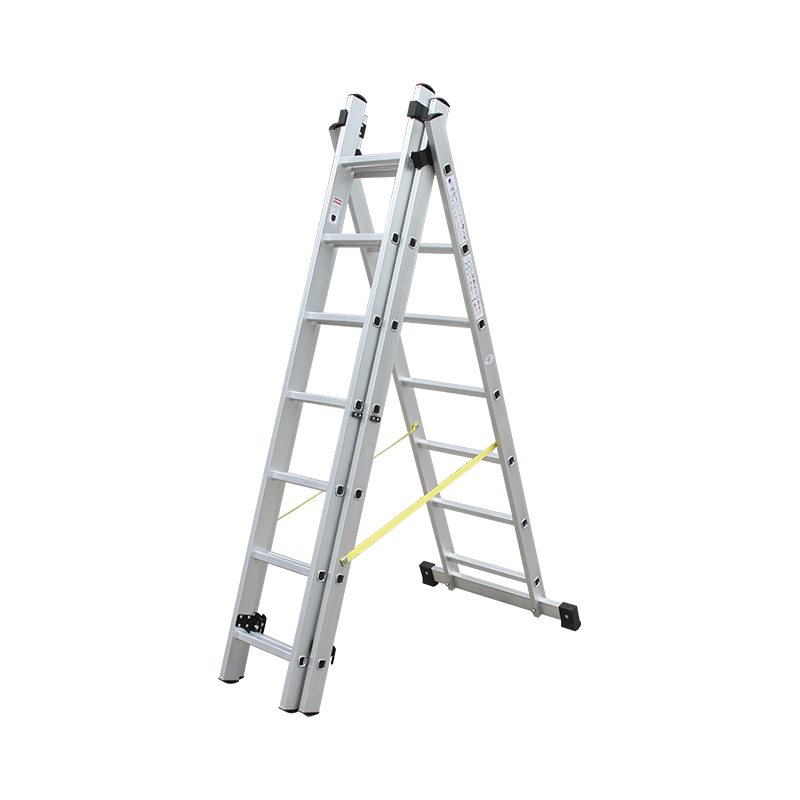
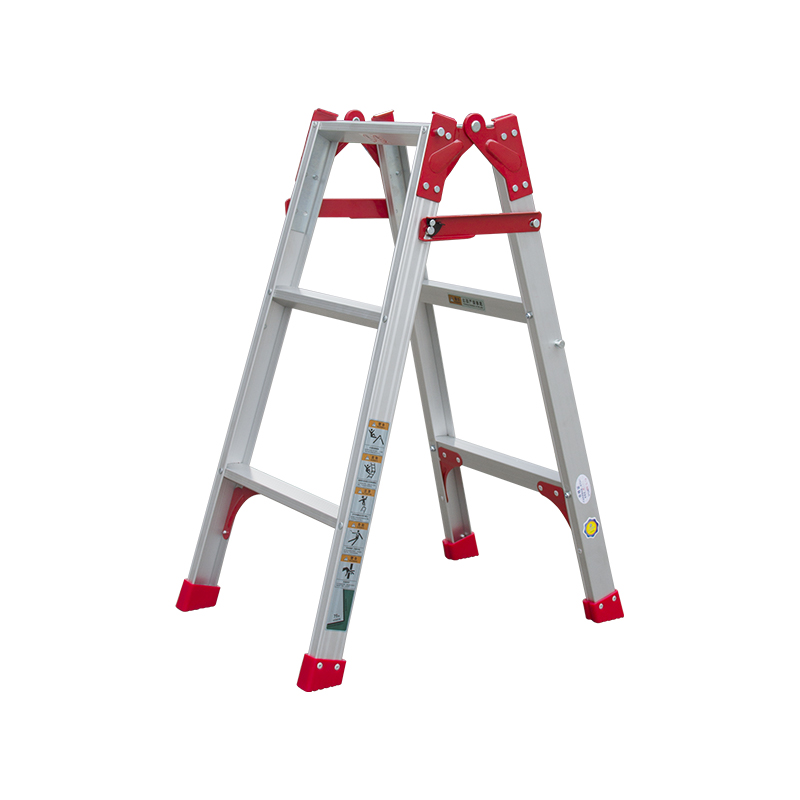
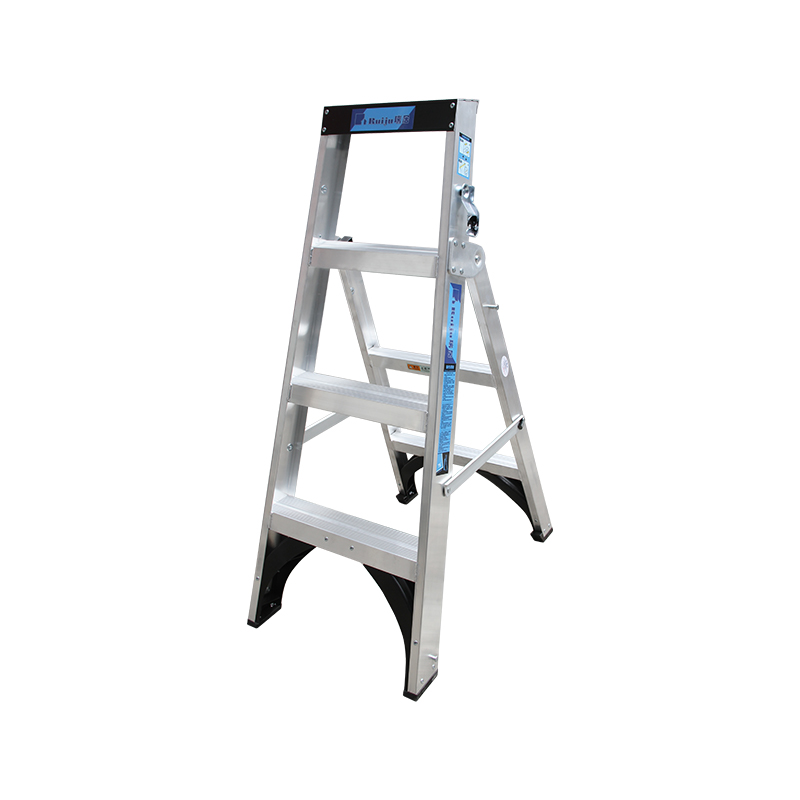
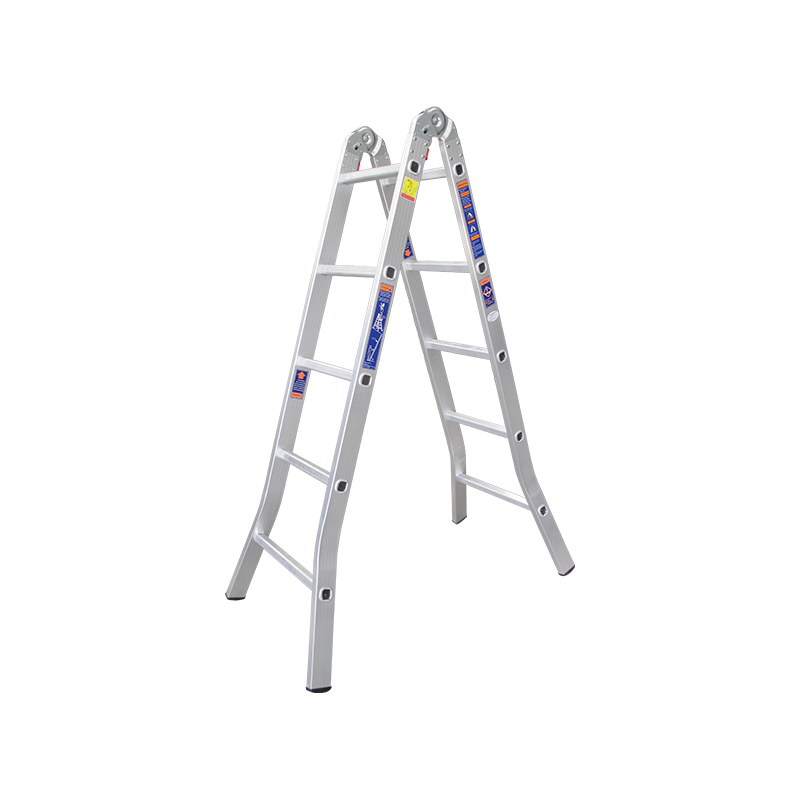
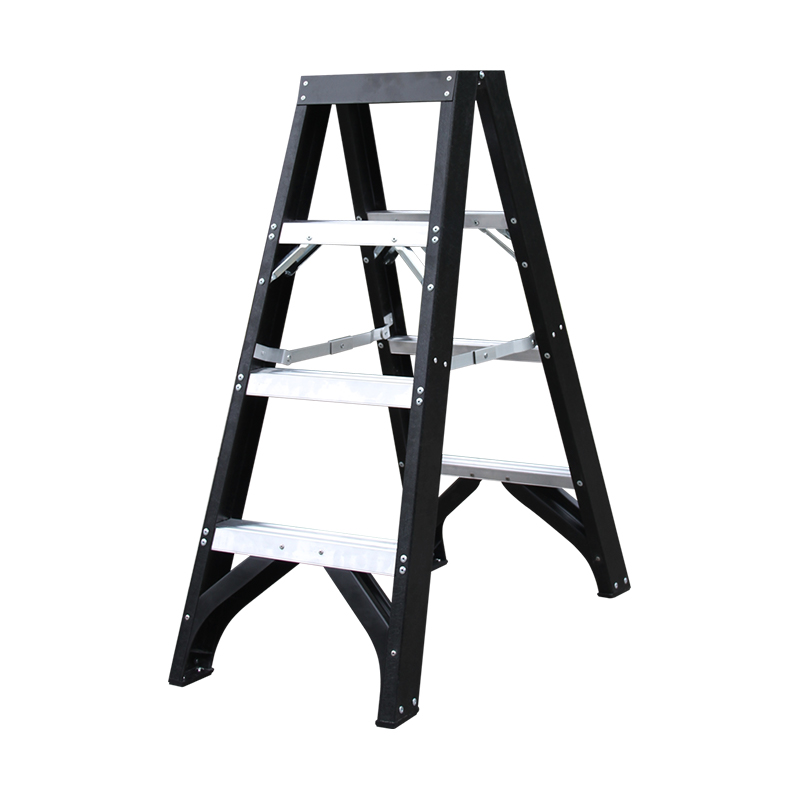
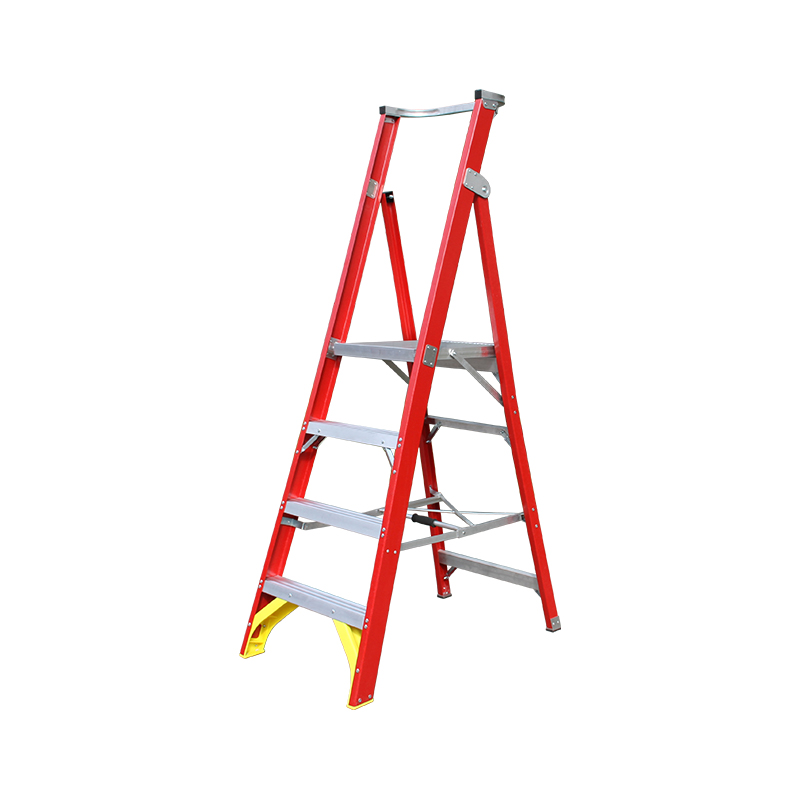
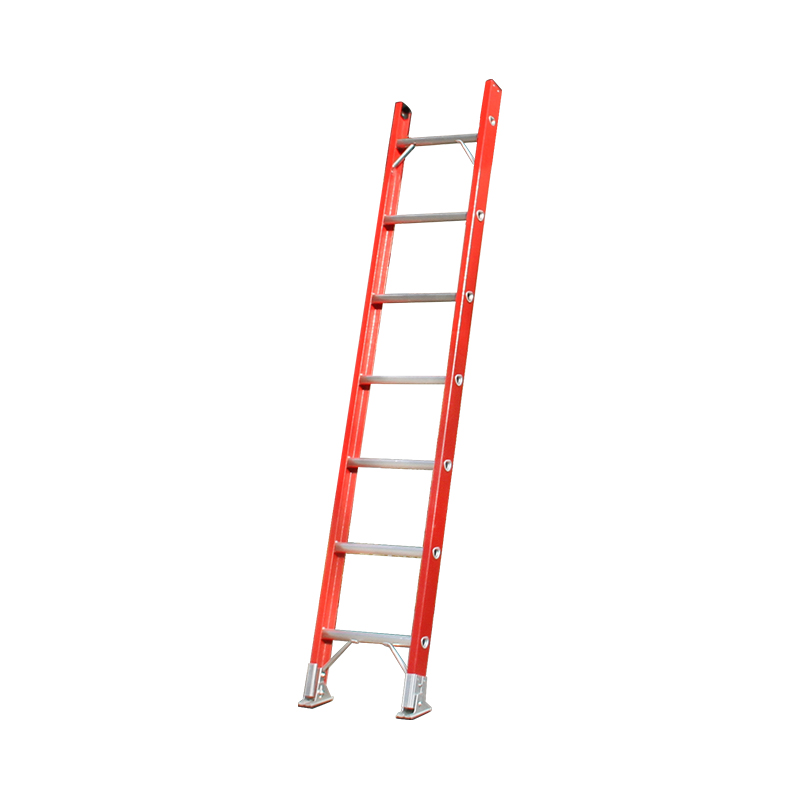
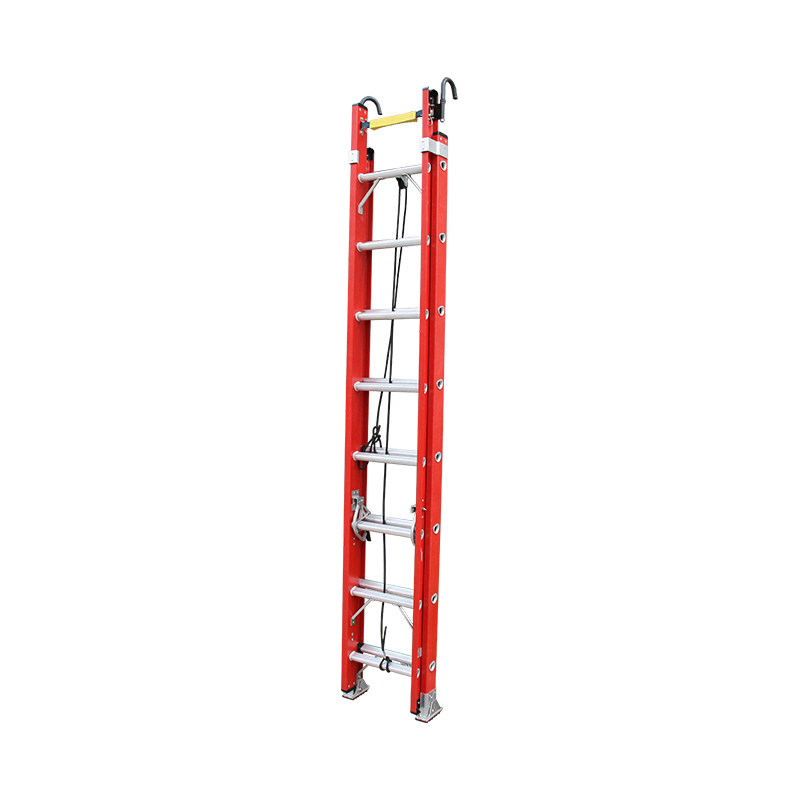
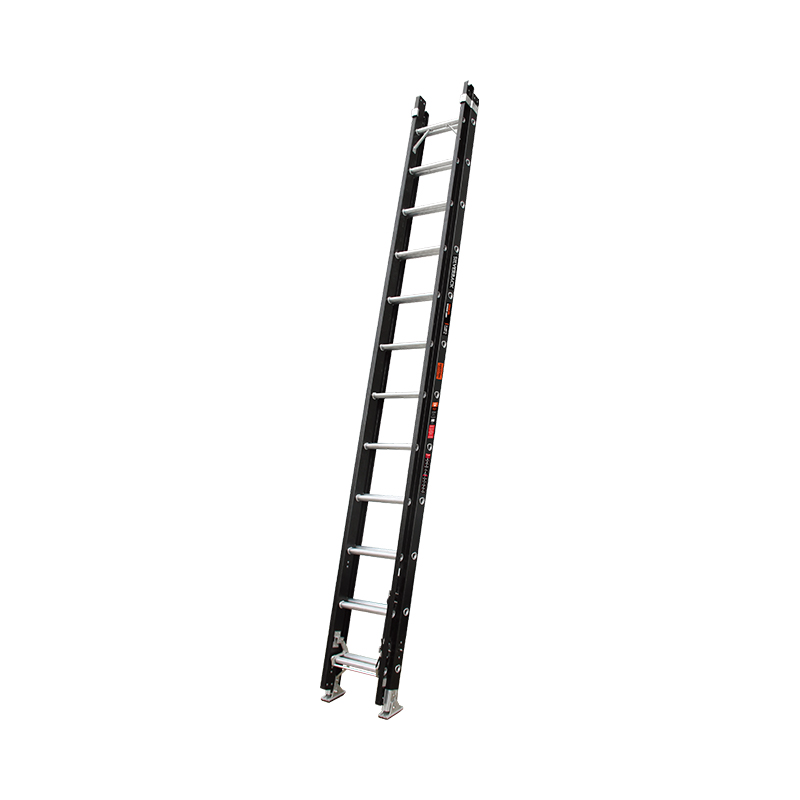
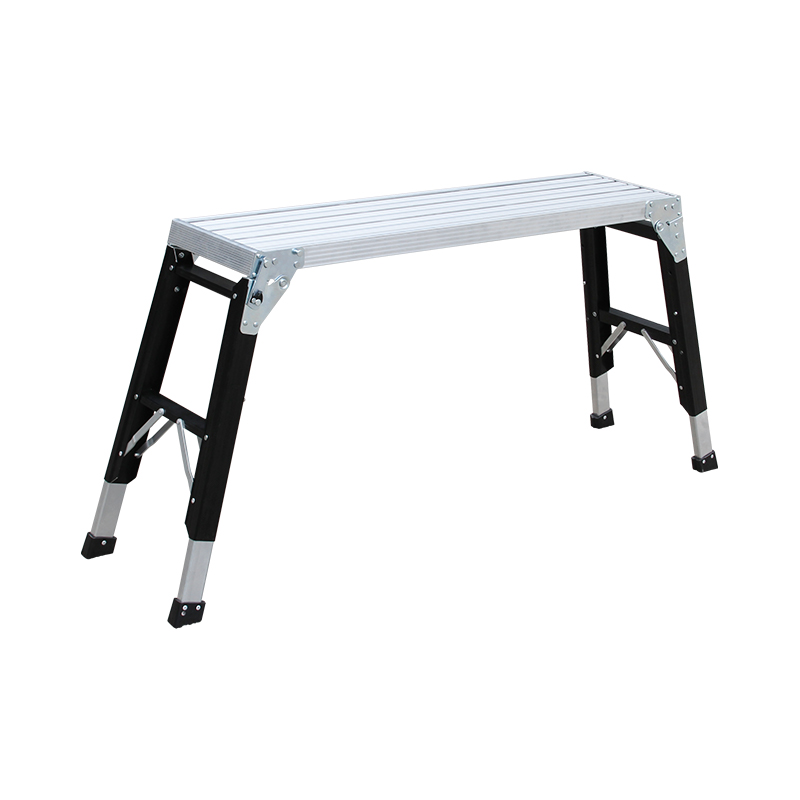
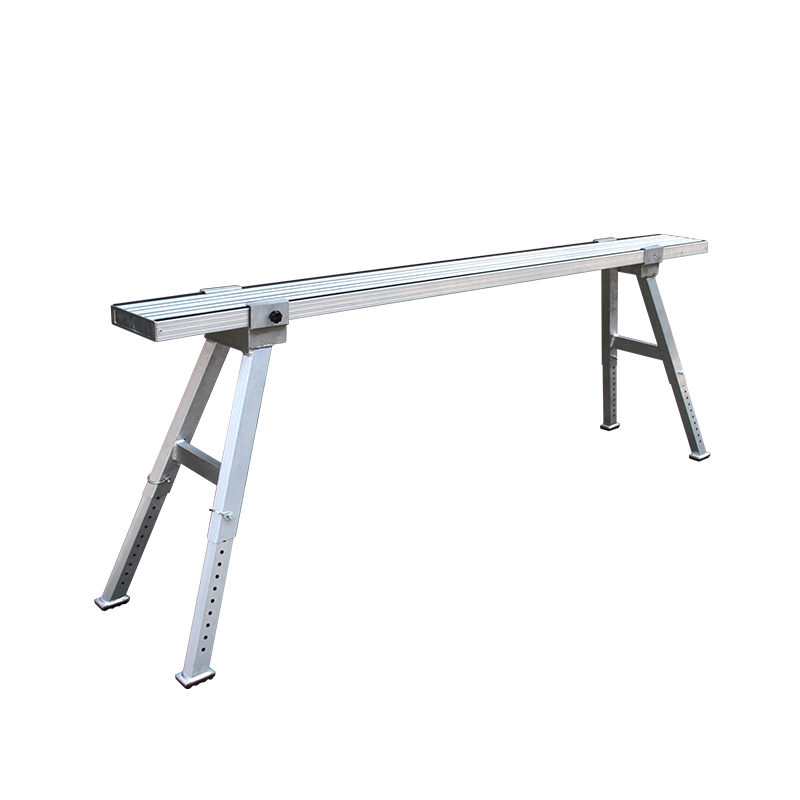
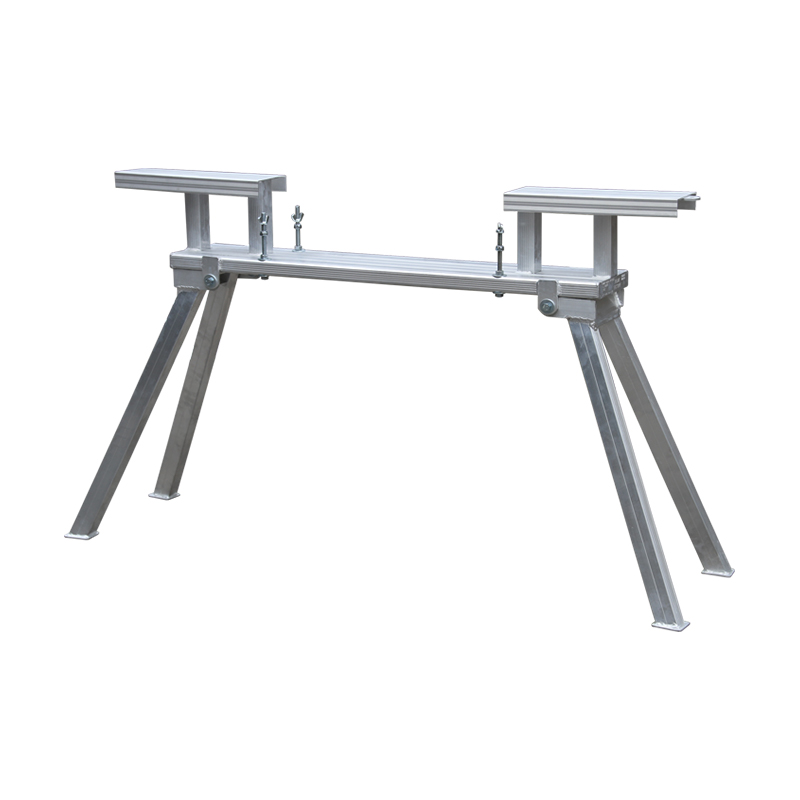
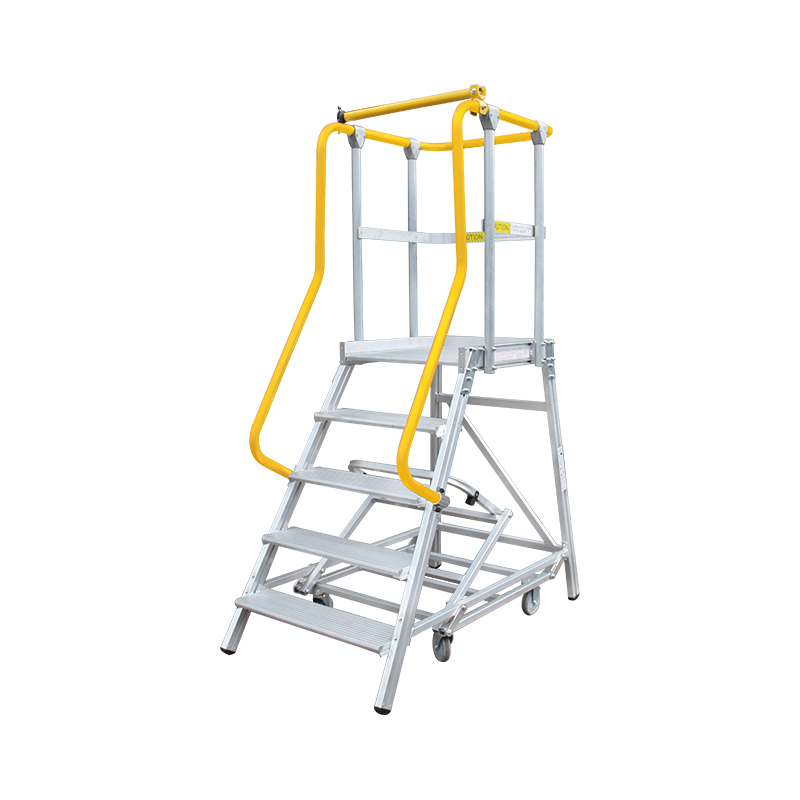
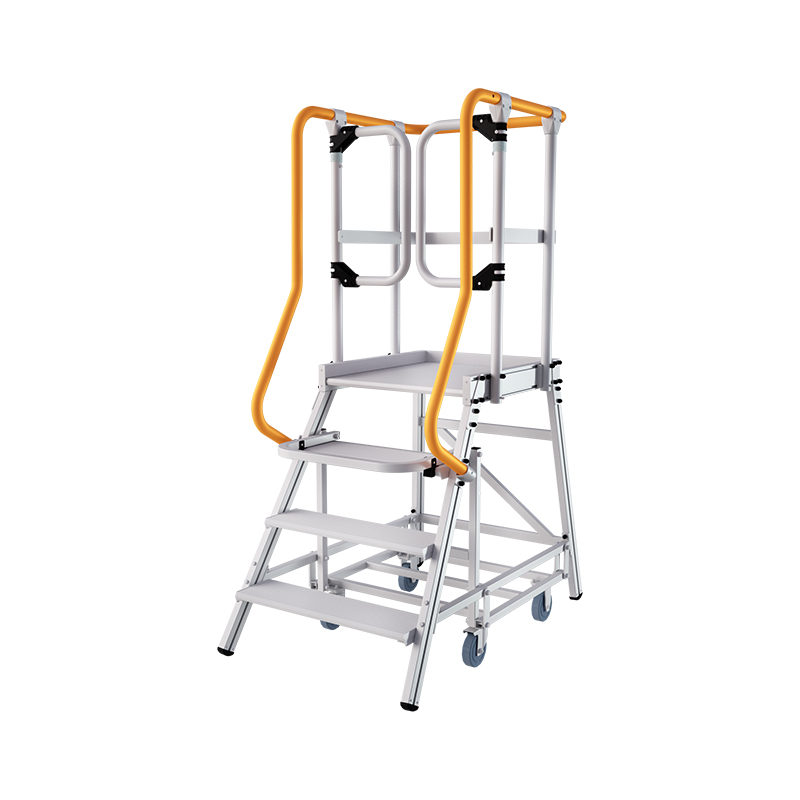
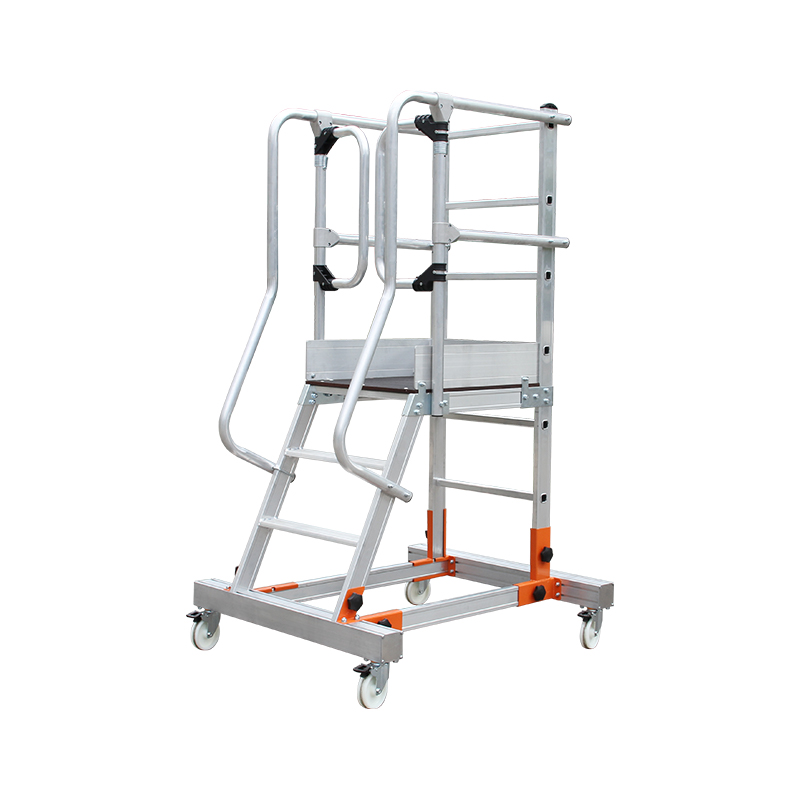
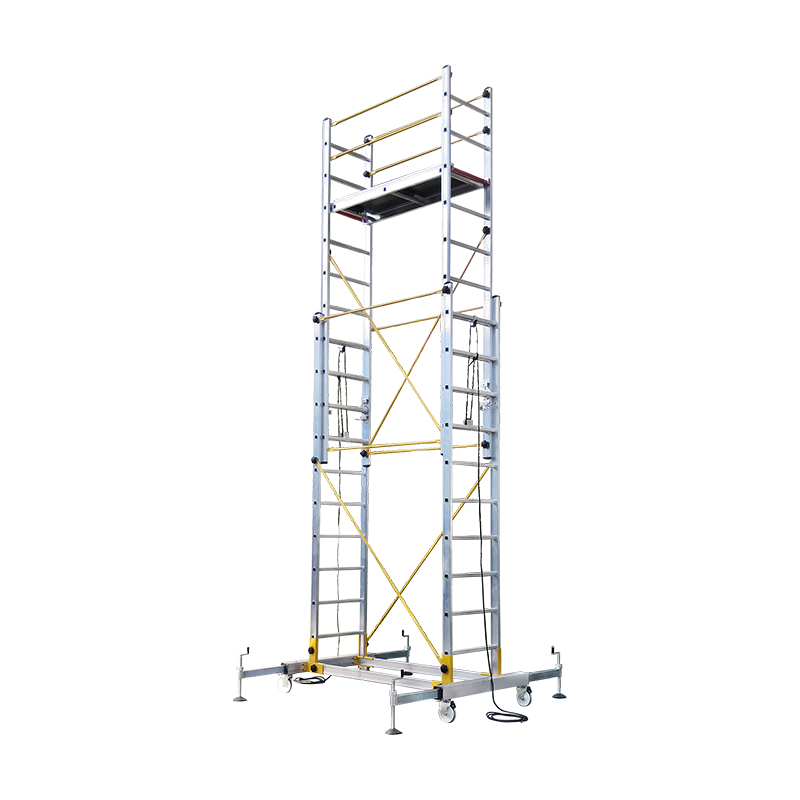
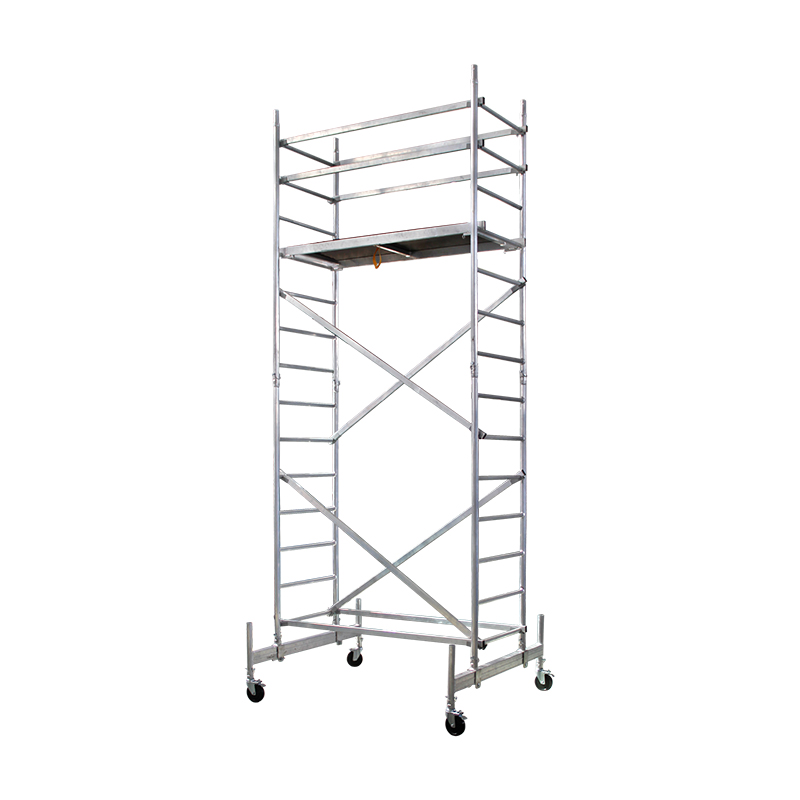
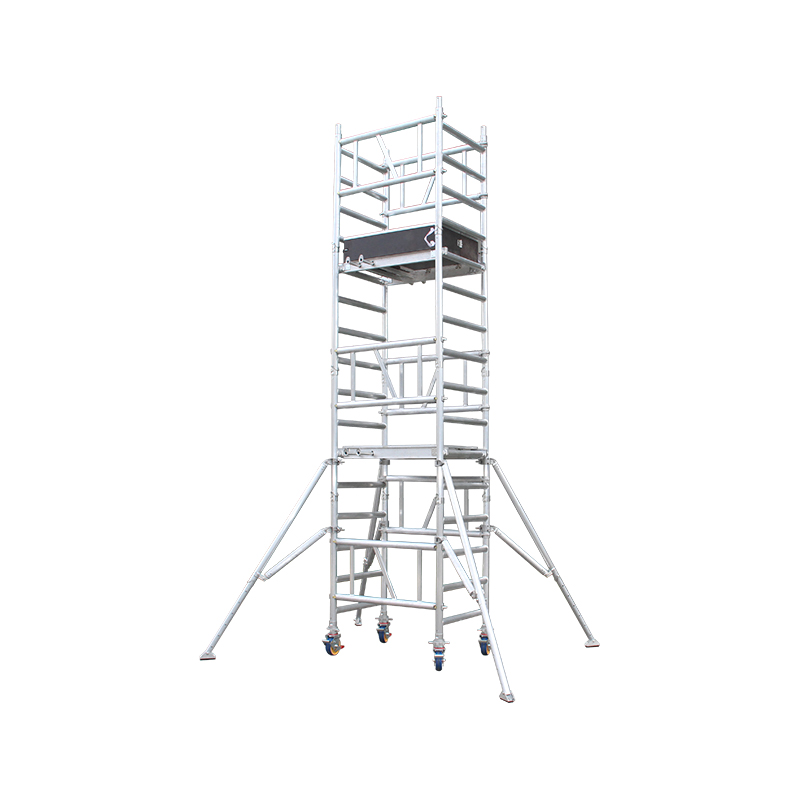
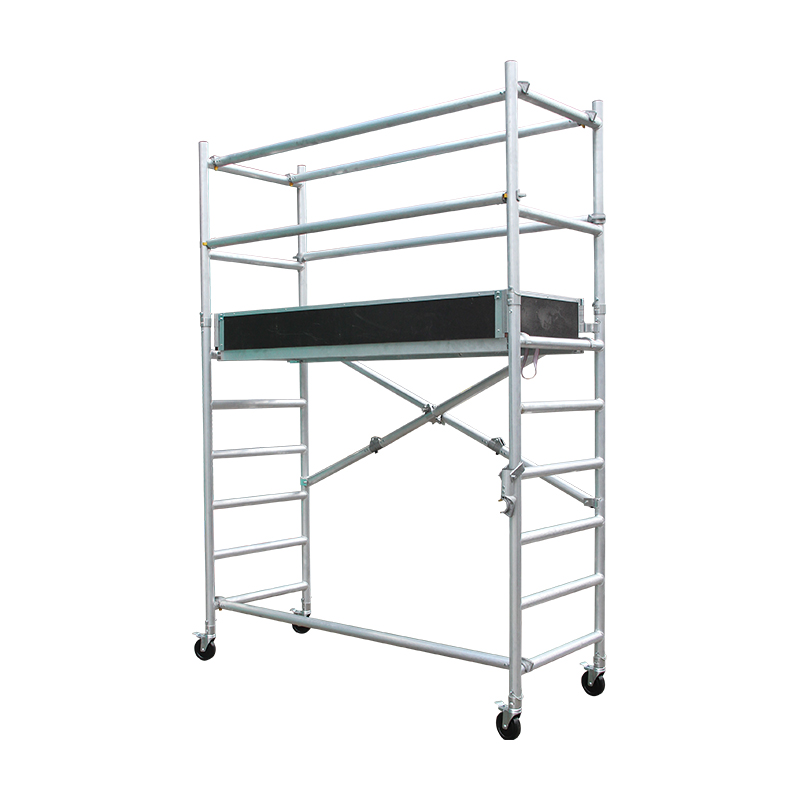
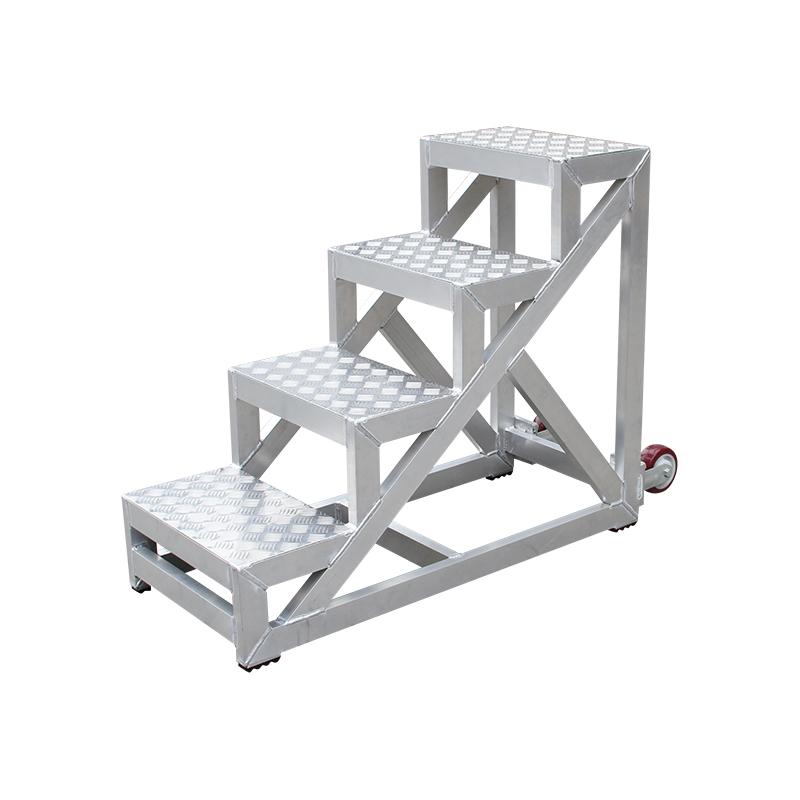
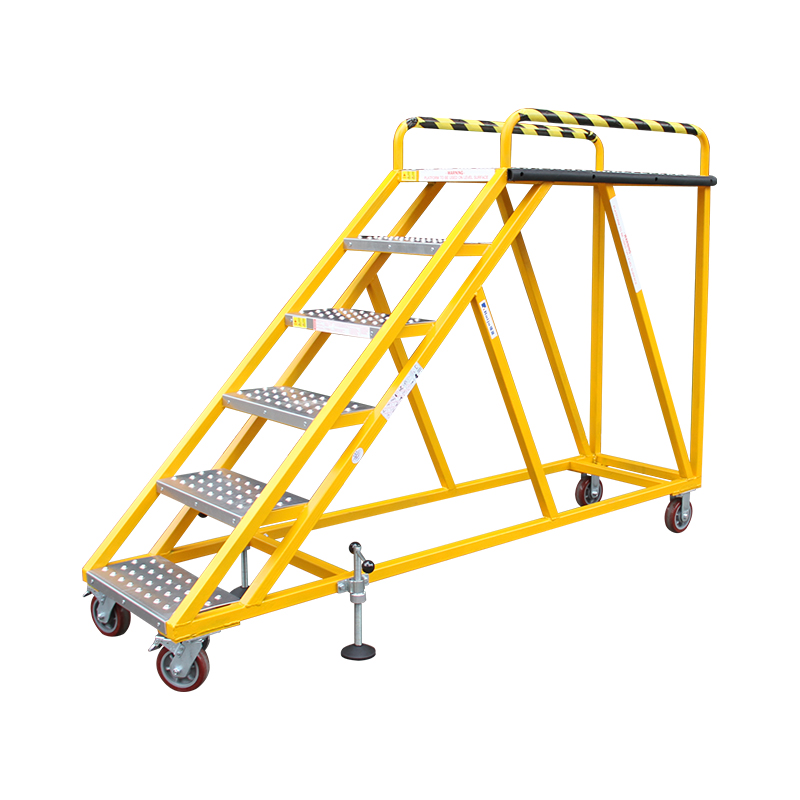
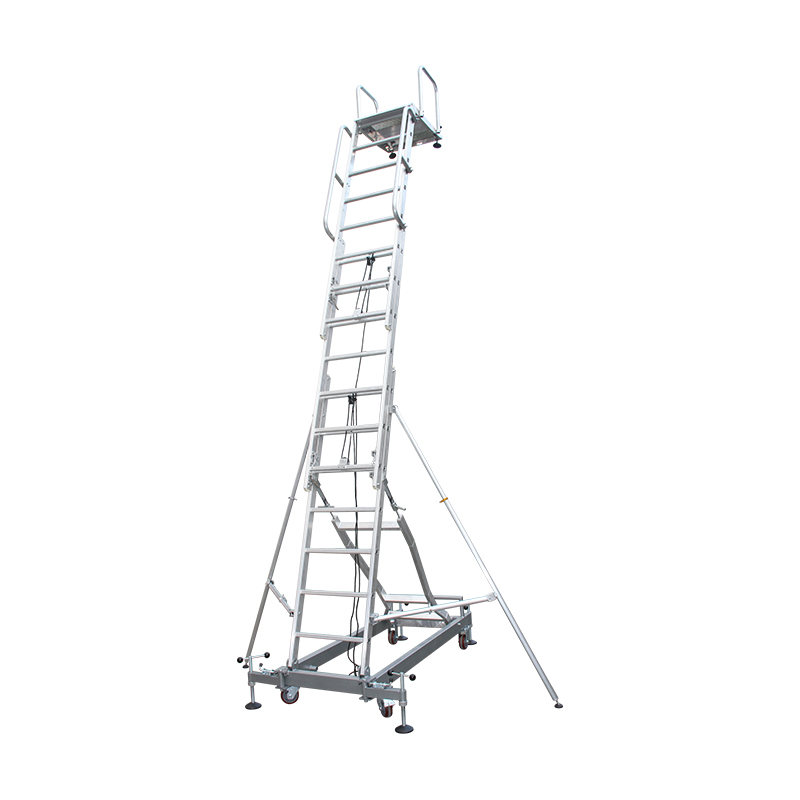
In commercial and industrial applications, Ladder Accessories should be treated as functional components of the complete ladder system rather than optional add-ons. Feet, wheels, hinges, braces, hooks, platforms and other components can experience repeated mechanical loads during positioning, climbing and storage. A small accessory may therefore have a significant effect on equipment stability, usability and maintenance requirements. When selecting replacement or customized components, compatibility with the original ladder structure should be confirmed instead of evaluating an accessory only by its external dimensions.
Shanghai Ruiju Metal Products Co., Ltd. has specialized in customized climbing and working-at-height solutions since 2001. With a 12,000 m² self-owned production facility, the company has established an integrated industrial system covering R&D, product design, manufacturing and marketing. Ruiju has more than 30 years of expertise in working-at-height products and technologies and develops ladders, aluminium scaffolding systems, work platforms and related equipment for domestic and international markets.
Components That Commonly Require Attention
- Foot pads and end caps can gradually wear through repeated contact with the floor.
- Wheels and casters may require inspection when ladders are frequently repositioned.
- Hinges and locking components can experience repeated movement and mechanical loading.
- Braces and support components should remain securely connected to the main frame.
- Tool trays, hooks and platforms should be selected according to their intended load and attachment method.
Matching Accessories to Different Ladder Structures
Not every accessory is suitable for every ladder configuration. An accessory changes the way forces are transferred through the equipment, so its mounting method and interface dimensions need to correspond with the ladder frame. For example, adding a storage tray changes the local loading condition, while a replacement foot can affect floor contact and the overall support geometry. Industrial purchasers should therefore provide the ladder model, profile dimensions and attachment details when sourcing replacement or customized Ladder Accessories.
For manufacturers managing multiple ladder models, standardizing accessory interfaces can simplify spare-parts inventory. Components with consistent mounting dimensions can potentially be used across compatible product families, reducing unnecessary variations in stock. However, interchangeability should only be established after confirming structural compatibility and the applicable product requirements.
| Accessory Type | Primary Function | Key Specification |
|---|---|---|
| Foot pad | Floor contact and wear protection | Dimensions, material and frame compatibility |
| Caster or wheel | Equipment repositioning | Wheel size, load capacity and mounting interface |
| Tool tray | Temporary tool and component storage | Tray dimensions and allowable load |
| Hinge or lock | Folding or positioning control | Interface dimensions and locking mechanism |
| Hook or bracket | Material or equipment positioning | Attachment strength and application-specific geometry |
Why Accessory Interfaces Matter in Custom Ladder Manufacturing
For customized ladder projects, the accessory interface should be considered during the original engineering process. Mounting holes, brackets, profile channels and connection plates can be incorporated into the design before fabrication, producing a cleaner and more consistent finished assembly. Retrofitting an accessory after production may require drilling, modification or other changes that can affect the original structure and should not be performed without appropriate technical evaluation.
This approach is particularly useful for equipment intended for repeated deployment across warehouses, manufacturing facilities and maintenance operations. A defined accessory interface allows the same basic ladder platform to be configured for different operational requirements while keeping the primary frame design consistent.
Information to Include in an Accessory Specification
- Original ladder model or detailed frame dimensions.
- Accessory mounting position and available installation space.
- Expected load applied to the accessory during normal operation.
- Material and surface-treatment requirements.
- Required quantity, packaging method and replacement frequency.
Material Compatibility Between Aluminium Frames and Accessories
When Ladder Accessories are installed on aluminium ladder structures, material compatibility deserves attention. Accessories may be manufactured from aluminium, steel, stainless steel, engineering plastics or rubber depending on their function. When dissimilar metals are brought into contact in humid or corrosive environments, appropriate material selection and surface protection can help reduce the risk of undesirable corrosion at connection points.
The same principle applies to fasteners and brackets. An accessory that performs well in a dry indoor warehouse may require a different specification for outdoor or high-humidity applications. Industrial purchasing specifications should therefore identify the intended environment instead of using one accessory configuration for every installation condition.
Accessory Maintenance Can Improve Fleet Management Efficiency
For facilities operating large numbers of ladders, replacing a worn accessory can sometimes be more practical than replacing an otherwise serviceable ladder, provided the component and replacement procedure are approved for that product. Establishing a spare-parts list for commonly used feet, wheels, hinges and other components can shorten maintenance response times and help keep equipment available for scheduled operations.
Maintenance teams can also use accessory condition as an indicator of usage intensity. For example, frequent foot-pad or wheel replacement may indicate that particular ladders are being moved considerably more often than others. Recording these patterns can help facility managers understand equipment utilization and plan future purchases around actual operating conditions.
Useful Fleet-Maintenance Records
- Ladder model and equipment identification.
- Accessory type and replacement part specification.
- Date and reason for replacement.
- Operating location and approximate frequency of use.
- Inspection findings after installation of replacement components.
Manufacturing and Quality Considerations for Ladder Accessories
Shanghai Ruiju Metal Products Co., Ltd. maintains an ISO 9001-certified manufacturing system and is BSCI audited. Its standard products comply with China's national standard GB12142, while export products meet applicable Australian, European and American industry standards. Relevant products are rigorously tested and certified by SGS and TÜV, supporting quality verification for different destination-market requirements.
Shanghai Ruiju Metal Products Co., Ltd. operates under the Ruiju brand and has developed a portfolio of technical patents through continued product innovation. Its 12,000 m² self-owned production facility supports integrated R&D, product design, manufacturing and marketing. With more than 30 years of expertise in working-at-height products and technologies, Ruiju can coordinate structural design, accessory integration and manufacturing requirements when developing customized ladder solutions.
For purchasers specifying Ladder Accessories, the most useful approach is to define the accessory as part of the complete equipment system. Frame compatibility, attachment method, working load, material, environmental conditions, inspection requirements and destination-market standards should all be considered together. This creates a clearer technical specification and supports more consistent equipment management throughout the product lifecycle.