en
en 简体中文
简体中文 Español
 Deutsch
 عربى
عربى
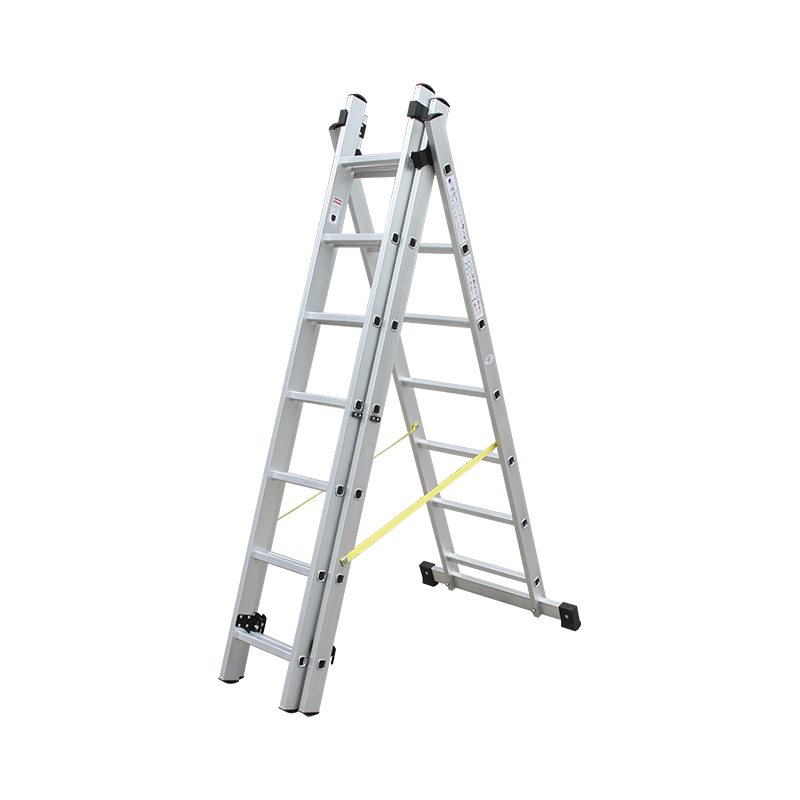
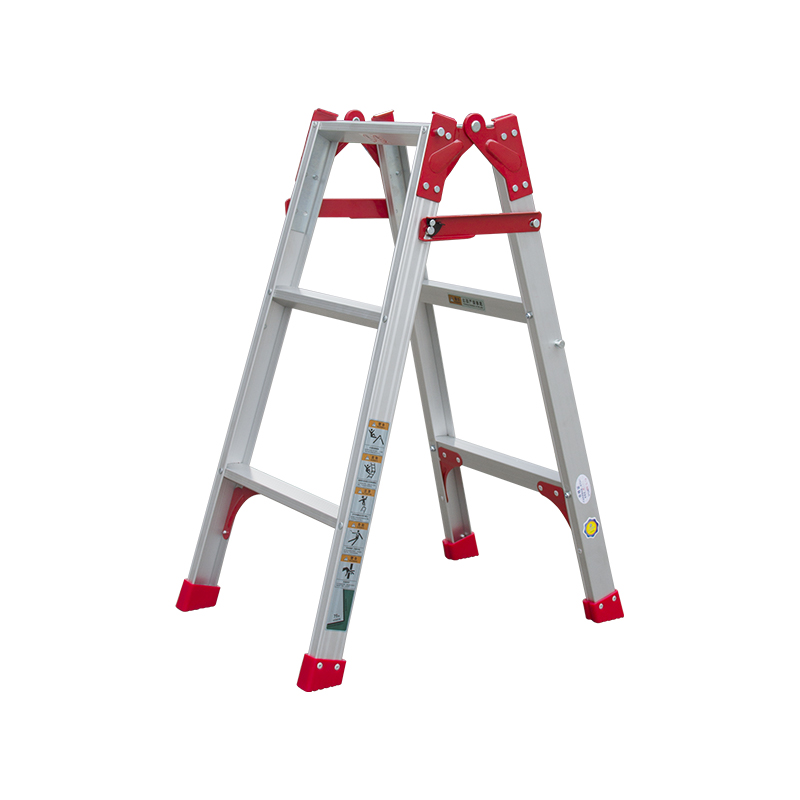
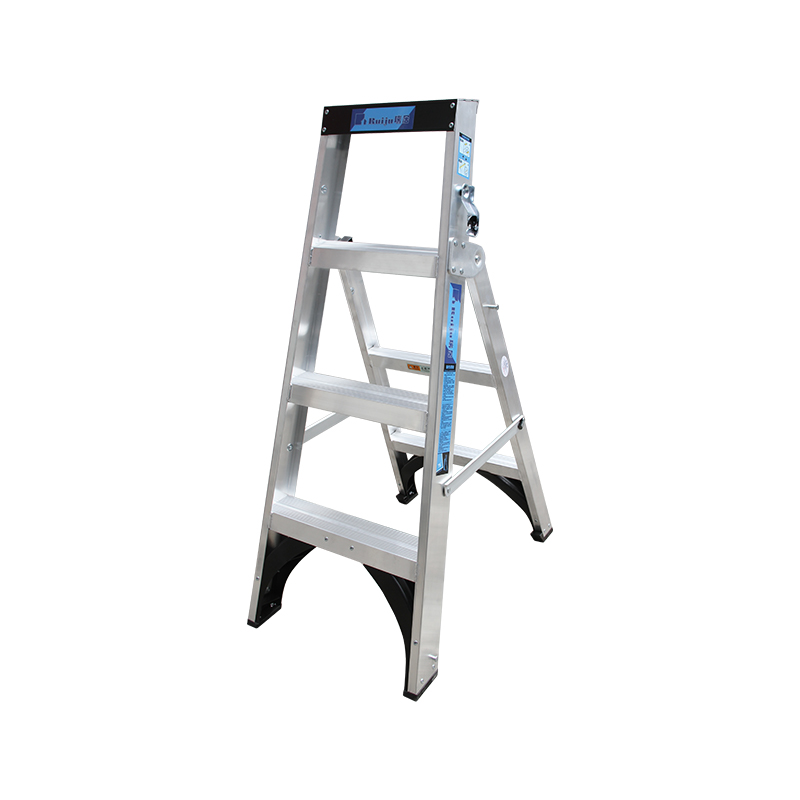
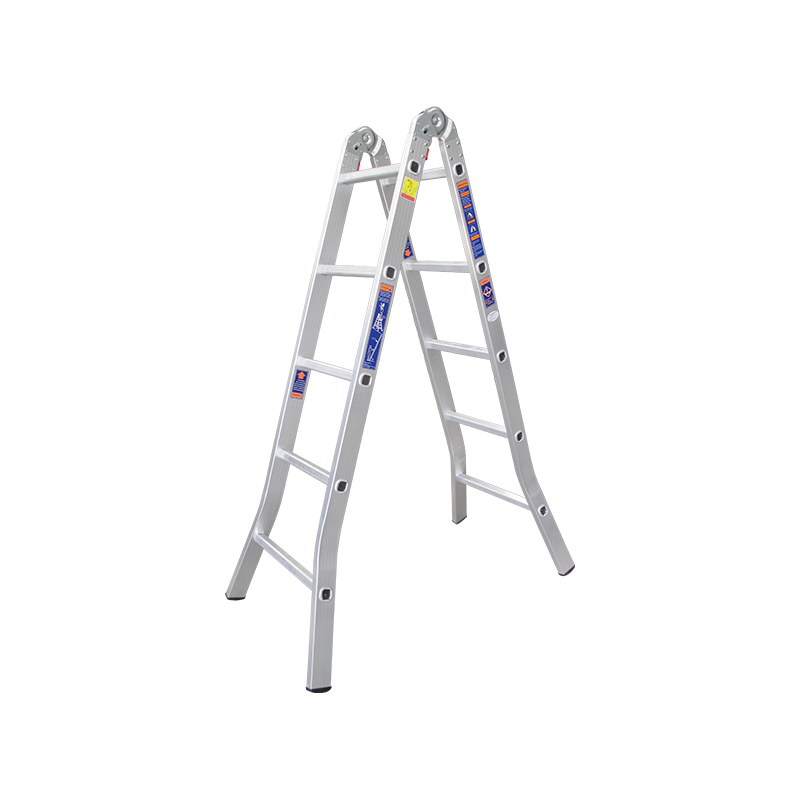
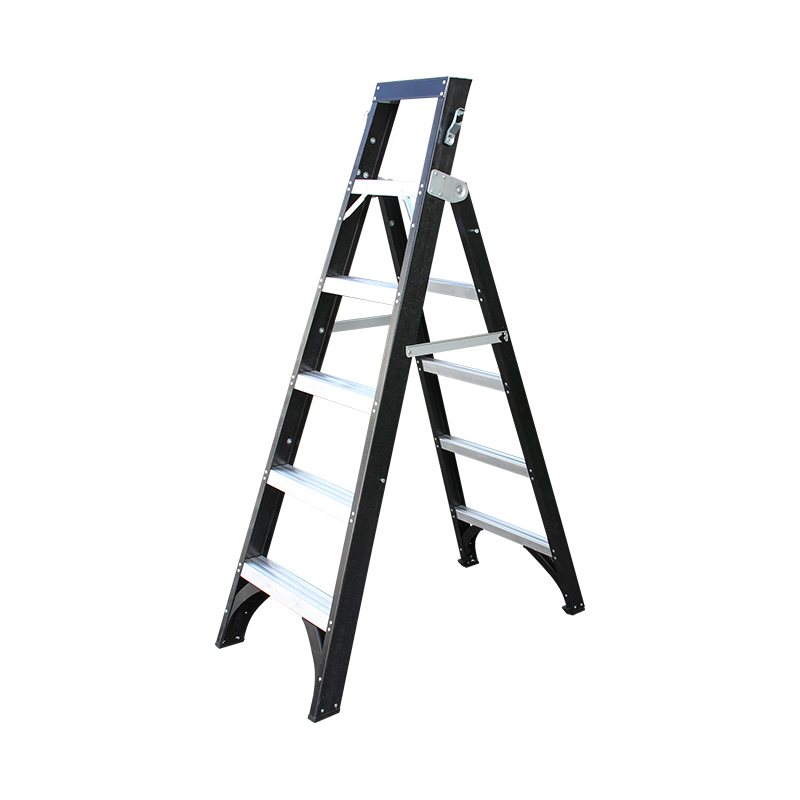
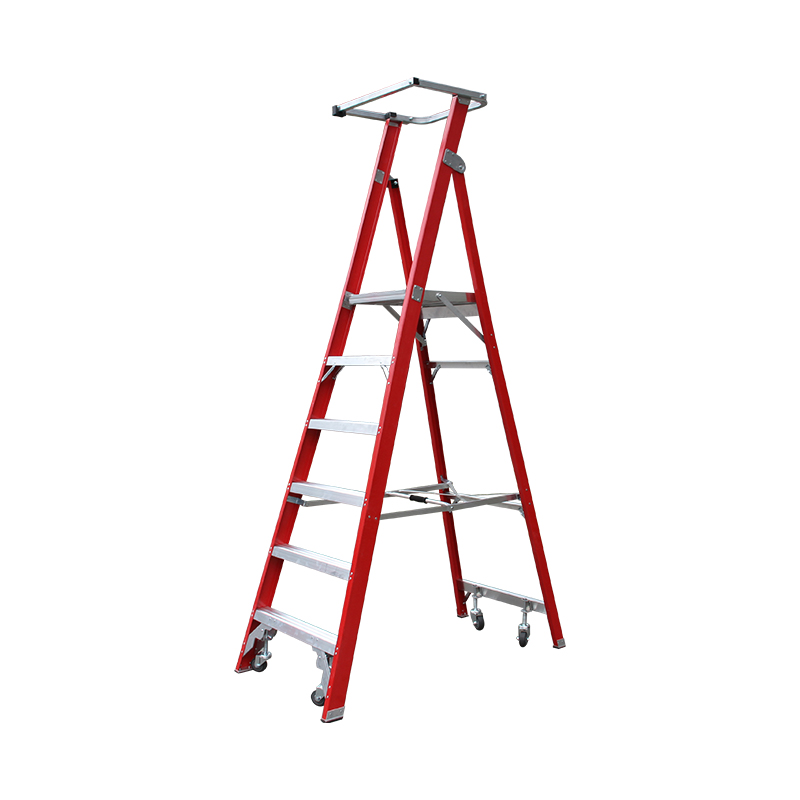











How Fiberglass Reinforcement Affects Ladder Performance
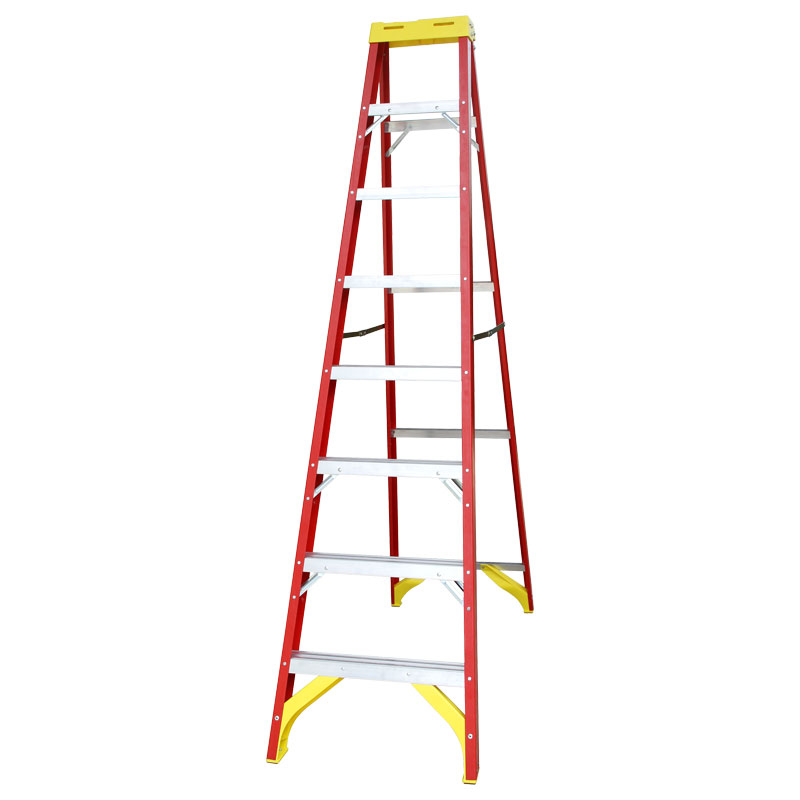
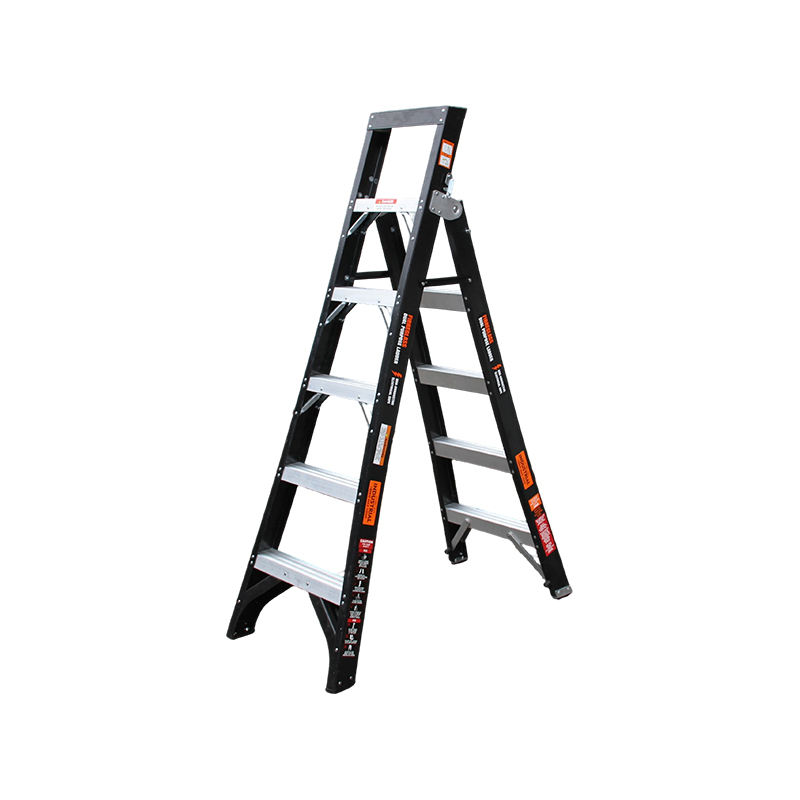
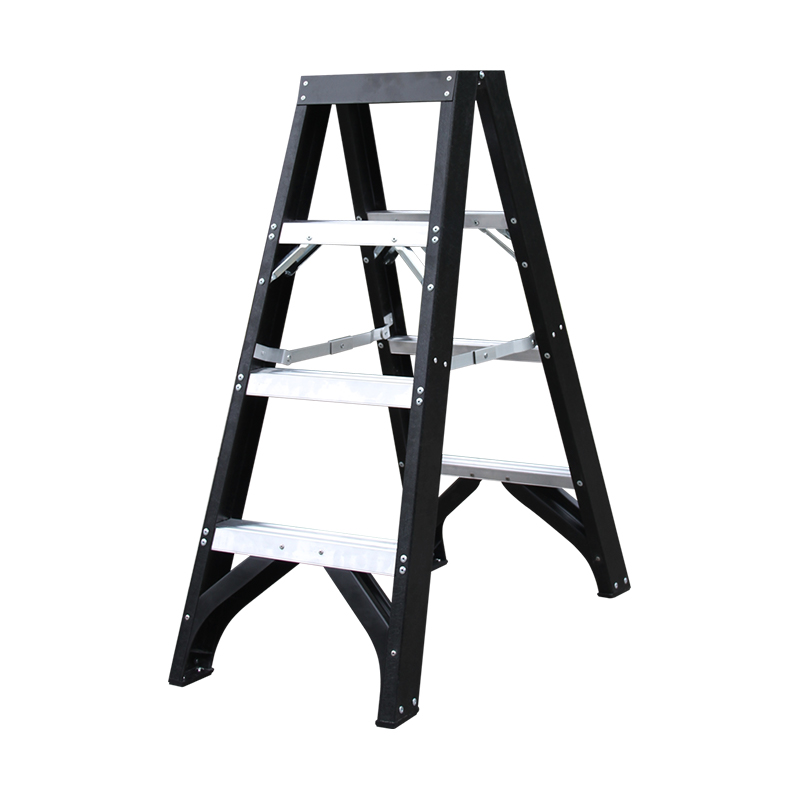
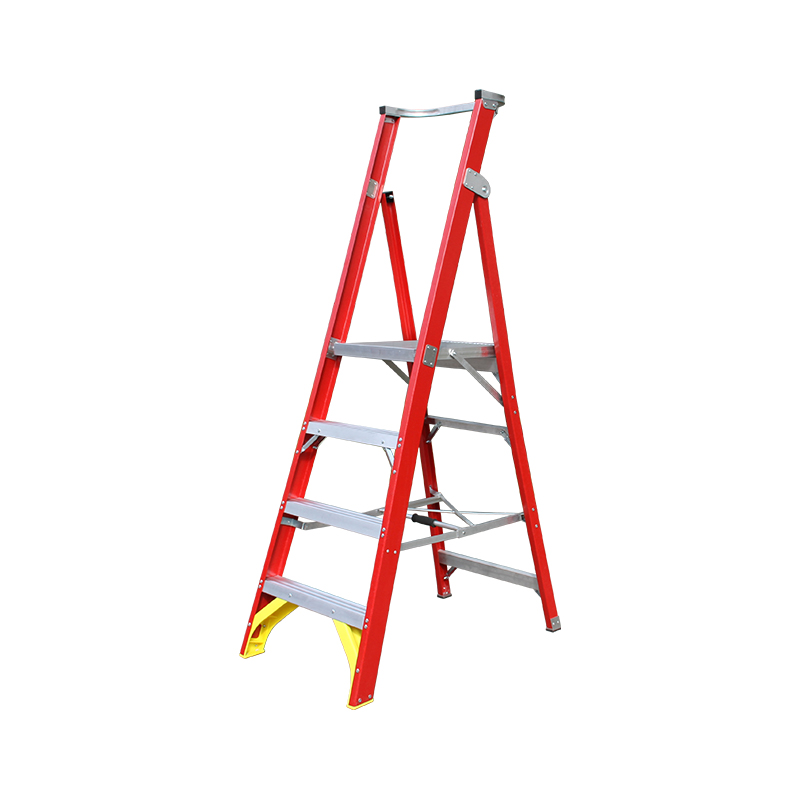
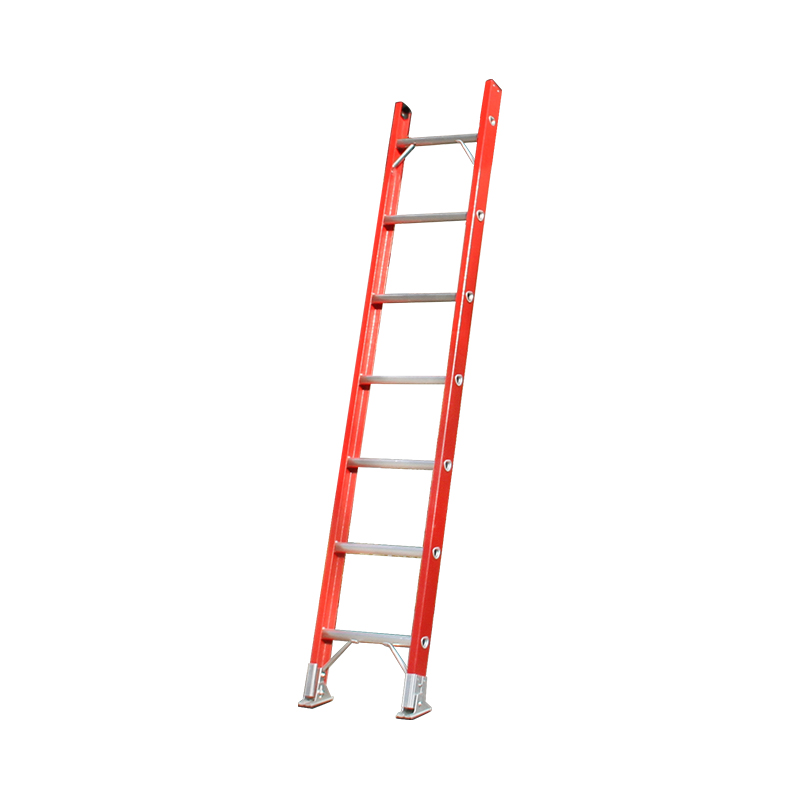
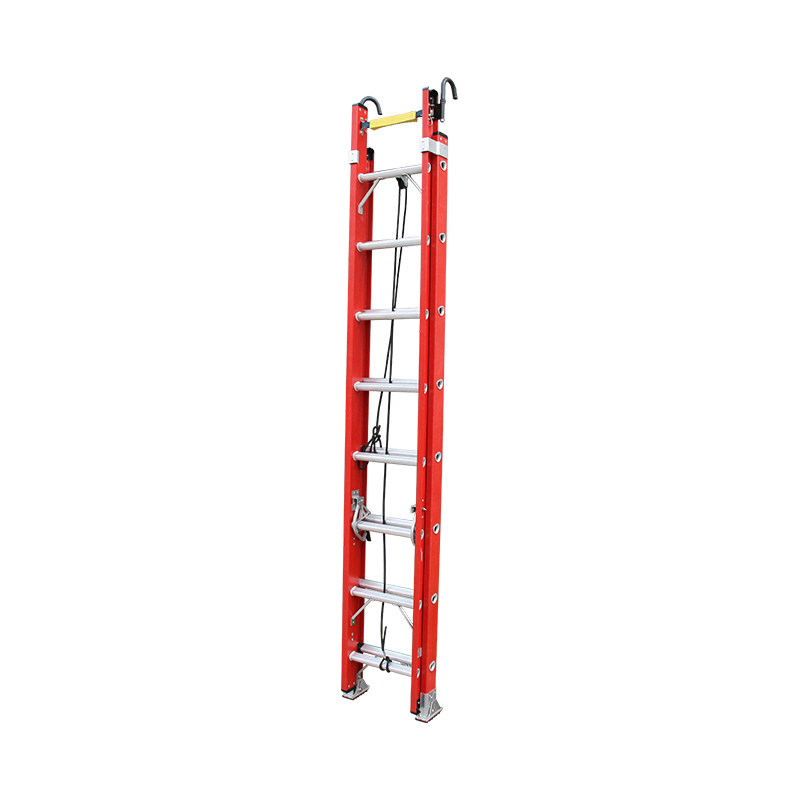
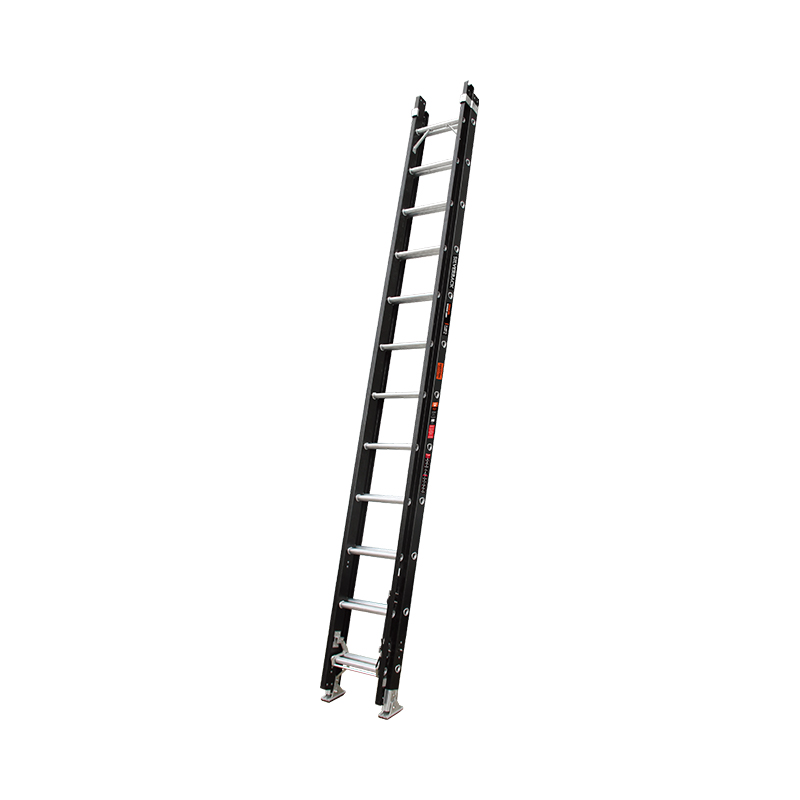
For Fiberglass Ladders, the reinforcement structure is a key engineering factor because fiberglass is a composite material rather than a simple metal substitute. The performance of a ladder depends on the relationship between the reinforcing fibers and the resin matrix, as well as the shape and thickness of the finished rails. Fiber orientation can influence stiffness along the primary load direction, while the resin system binds the reinforcement and contributes to the overall structural integrity. For industrial procurement, material specifications should therefore cover the construction of the fiberglass members rather than relying only on the general term "fiberglass."
Shanghai Ruiju Metal Products Co., Ltd. has specialized in customized climbing and working-at-height solutions since 2001. With a 12,000 m² self-owned production facility, the company operates an integrated system covering R&D, product design, manufacturing and marketing. Ruiju has more than 30 years of expertise in working-at-height products and technologies and develops ladders, aluminium scaffolding systems, work platforms and related equipment for domestic and international markets.
Key Material Parameters to Clarify
- Fiberglass reinforcement type and structural configuration.
- Resin system and its suitability for the intended environmental conditions.
- Rail profile dimensions and wall construction.
- Step attachment method and connection design.
- Surface finish, color consistency and resistance to expected environmental exposure.
Why Electrical Working Environments Require Different Ladder Specifications
One important reason Fiberglass Ladders are specified for certain industrial environments is their electrical insulation characteristics. However, the presence of fiberglass does not mean that every ladder has identical electrical performance. Electrical resistance can be affected by moisture, contamination, surface condition, damage, aging and the specific composite construction. Procurement teams should therefore evaluate the manufacturer's stated electrical specifications and applicable testing rather than assuming that a fiberglass ladder is automatically suitable for every electrical application.
Workplace conditions should also be considered together with electrical requirements. A ladder used around electrical equipment may encounter dust, water, oils or other contaminants that can affect surface conditions. The equipment specification should identify the intended environment and operating limitations, while users should follow the applicable workplace procedures and inspection requirements for the specific application.
| Application Factor | Why It Matters | Specification Focus |
|---|---|---|
| Electrical environment | Insulation requirements may affect material and testing choices | Applicable electrical test requirements |
| Moisture exposure | Surface and material conditions can change with environmental exposure | Environmental limitations and maintenance |
| Industrial contamination | Oil, dust and chemicals can affect surfaces and components | Cleaning and compatibility requirements |
| Frequent handling | Repeated movement can expose joints and accessories to wear | Component durability and inspection intervals |
Temperature and Environmental Exposure Should Be Included in Product Planning
Composite materials can respond differently to temperature and environmental exposure than conventional metal structures. For Fiberglass Ladders intended for outdoor facilities, utility maintenance, industrial plants or other demanding environments, the specification should consider the expected temperature range, ultraviolet exposure, humidity and contact with chemicals. These factors may influence the selection of resin systems, protective finishes and accessory materials.
A long-term equipment program should distinguish between normal environmental exposure and conditions that exceed the manufacturer's specified operating range. Storing ladders in unsuitable conditions can also affect service life. Covered, dry storage away from unnecessary heat, chemicals and mechanical impact can help preserve the condition of composite rails and associated components.
Environmental Information Useful for Specification
- Indoor or outdoor operating location.
- Expected temperature range and seasonal exposure.
- Exposure to sunlight, moisture, salt or industrial contaminants.
- Potential contact with oils, solvents or process chemicals.
- Transportation and storage conditions between periods of use.
Inspection of Composite Rails Requires Attention to Different Damage Patterns
Inspection methods for Fiberglass Ladders should account for the characteristics of composite construction. Visible cracks, delamination, severe surface damage, unusual deformation or damaged connections can indicate that the equipment requires further evaluation. Unlike simple surface wear, some composite damage may not be obvious without closer inspection, making regular examination of high-stress areas particularly important.
The areas around steps, hinges, braces, fasteners and other attachment points deserve particular attention because local forces can be concentrated around these interfaces. Equipment that has experienced a significant impact, excessive loading or other abnormal event should be evaluated before being returned to service. Inspection criteria should be documented consistently when a company operates multiple ladders across different facilities.
Recommended Inspection Focus
- Examine fiberglass rails for cracks, splits, delamination or abnormal surface damage.
- Check steps for looseness, deformation and damage around attachment points.
- Inspect hinges, braces, fasteners and other mechanical components.
- Check feet and other floor-contact components for wear or displacement.
- Remove visibly damaged equipment from service until an appropriate evaluation has been completed.
Manufacturing Control Is Important for Consistent Fiberglass Ladder Performance
For industrial users purchasing multiple Fiberglass Ladders, consistency between production batches is an important consideration. Rail dimensions, step positioning, connection geometry and component specifications should remain within defined production tolerances. Consistent manufacturing makes it easier for facility teams to standardize inspection procedures, replacement parts and operator familiarity across multiple units.
Shanghai Ruiju Metal Products Co., Ltd. maintains an ISO 9001-certified manufacturing system and is BSCI audited. Its standard products comply with China's national standard GB12142, while export products meet applicable Australian, European and American industry standards. Relevant products are rigorously tested and certified by SGS and TÜV, supporting quality verification for different market requirements.
Operating under the Ruiju brand, Shanghai Ruiju Metal Products Co., Ltd. combines R&D, product design, manufacturing and marketing within its 12,000 m² self-owned facility. The company has more than 30 years of expertise in working-at-height products and technologies and maintains a portfolio of technical patents. Its continued market-oriented innovation supports the development of customized climbing and working-at-height solutions for customers with different technical and application requirements.
Information to Prepare for Industrial Procurement
- Required ladder type, working height and number of steps.
- Expected working load and frequency of use.
- Whether electrical insulation performance is part of the application requirement.
- Operating temperature, humidity and exposure to chemicals or outdoor conditions.
- Destination market and applicable product standards or testing requirements.
- Packaging, storage, inspection and repeat-order requirements for long-term equipment deployment.