en
en 简体中文
简体中文 Español
 Deutsch
 عربى
عربى
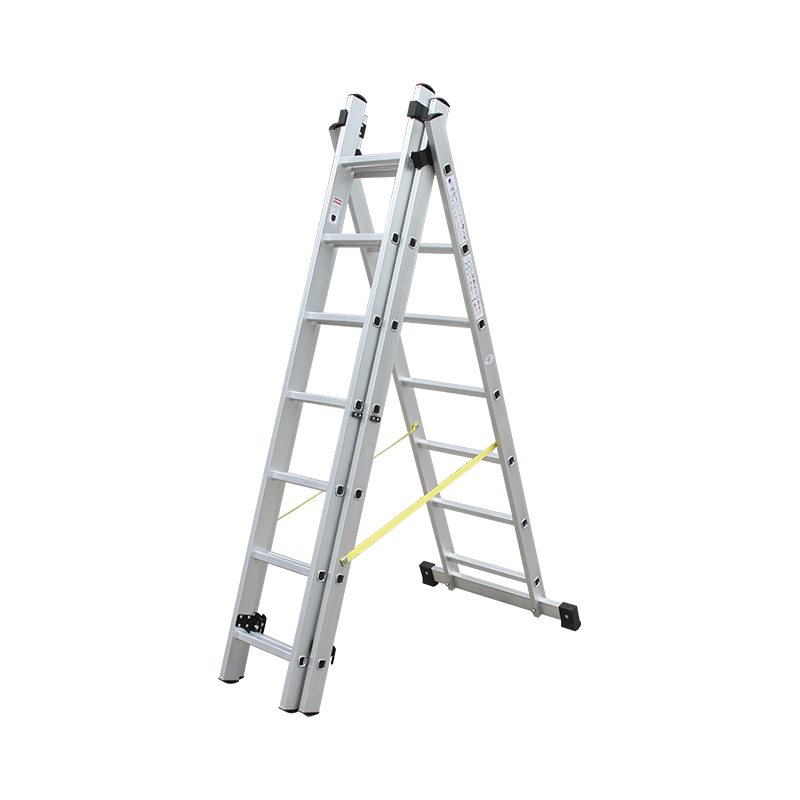
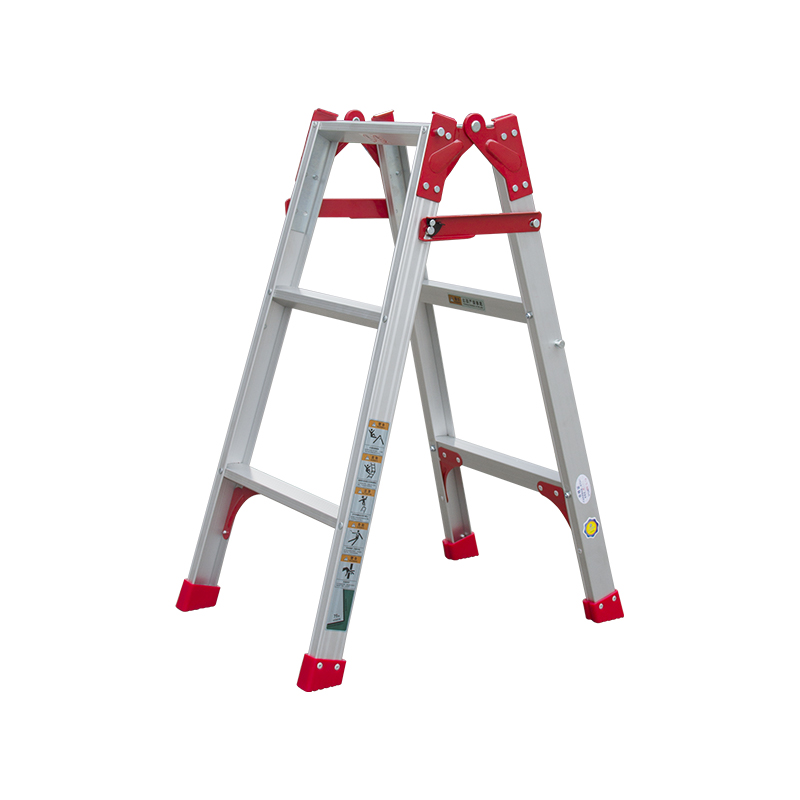
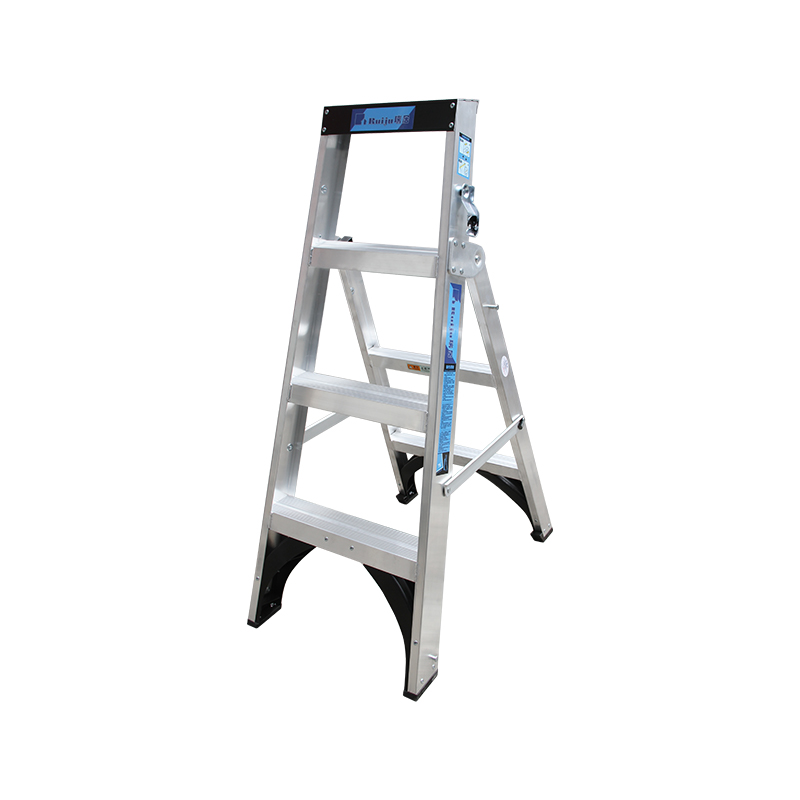
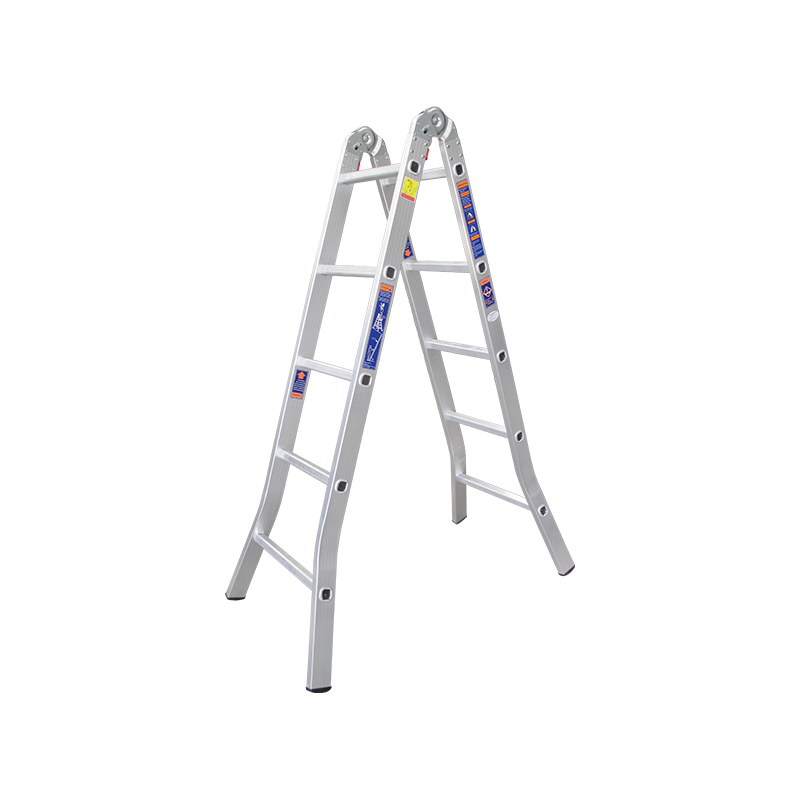
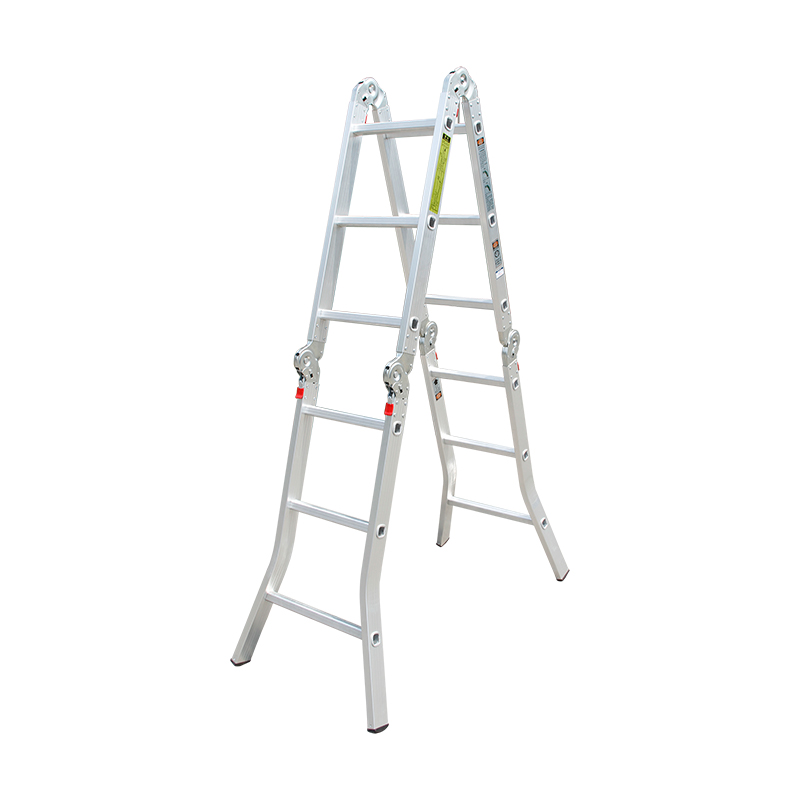
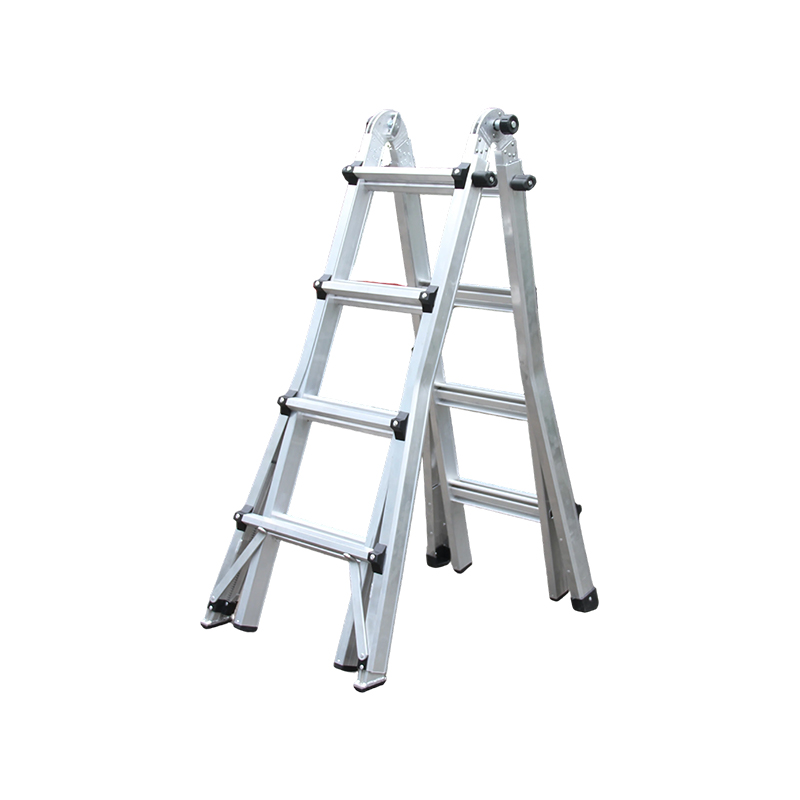
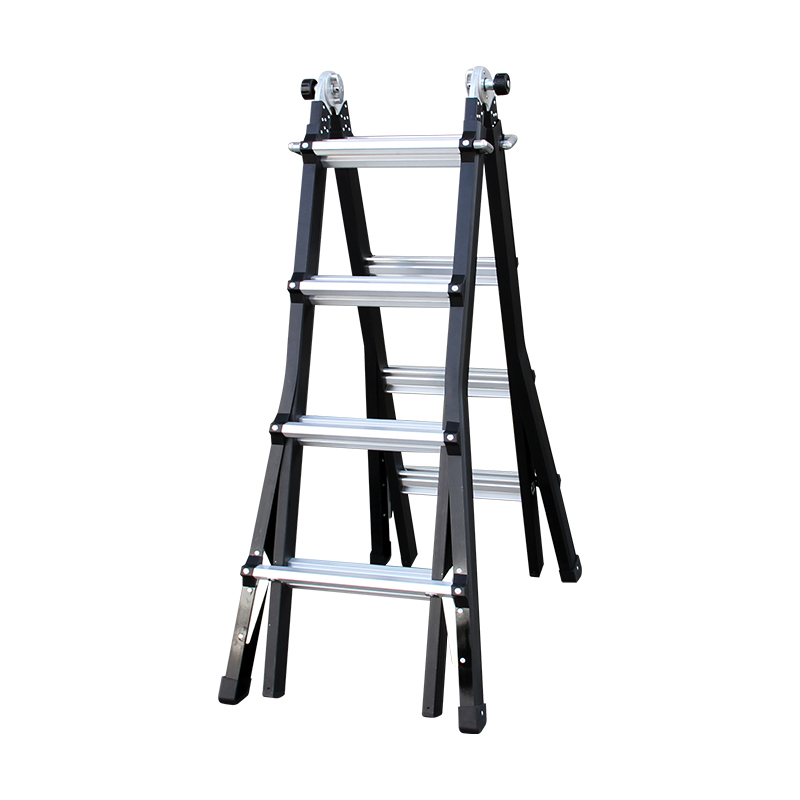
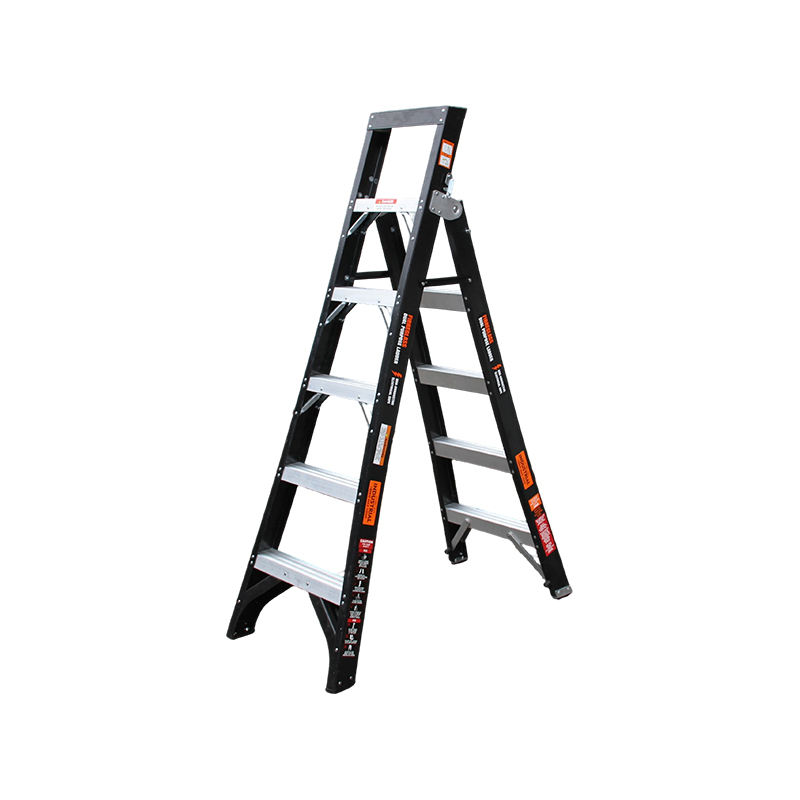
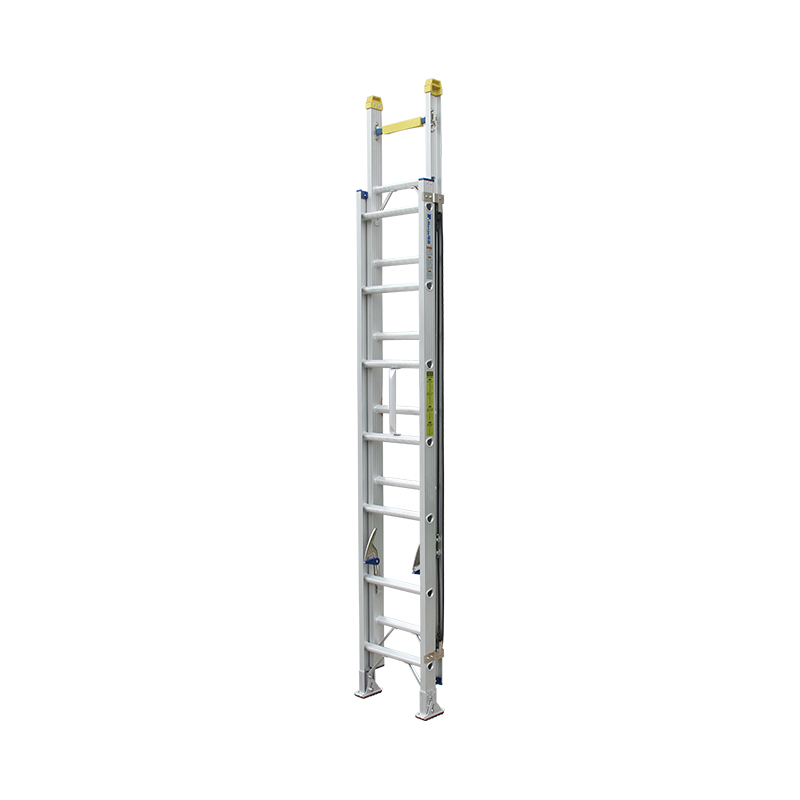
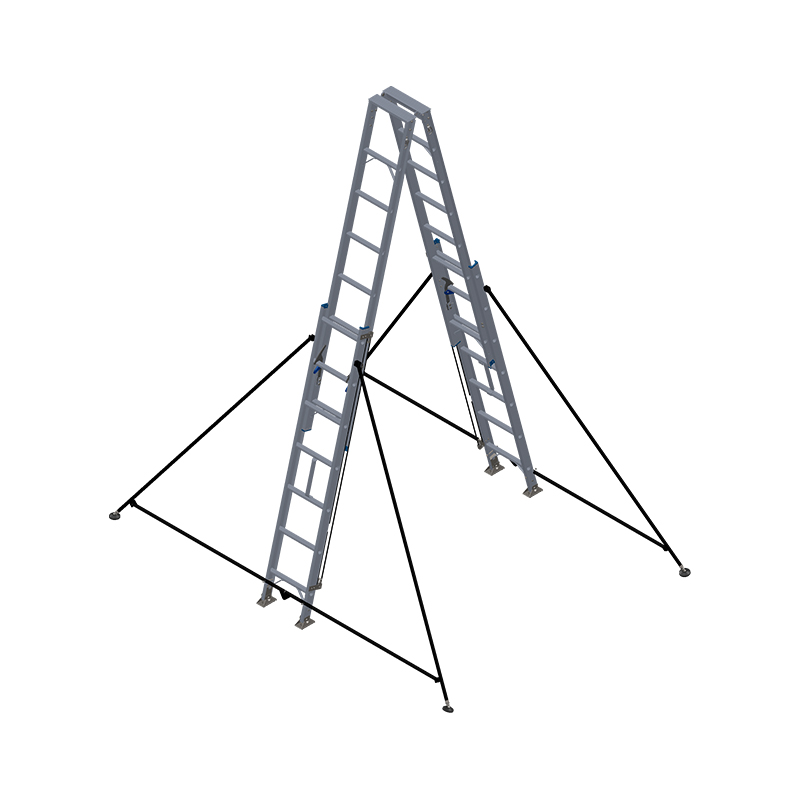
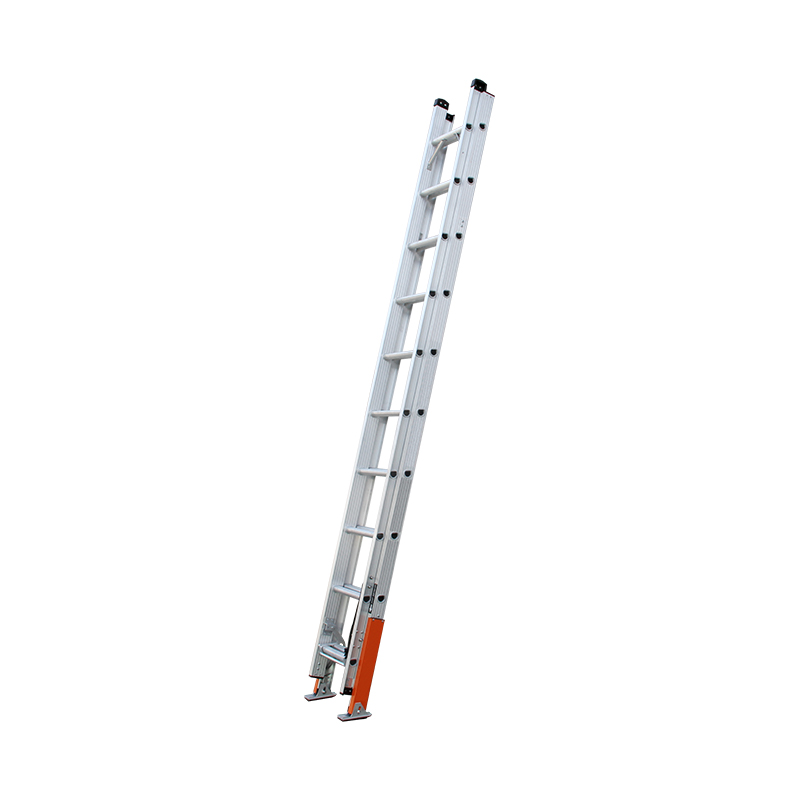











How Extension Mechanisms Affect Long-Length Ladder Performance
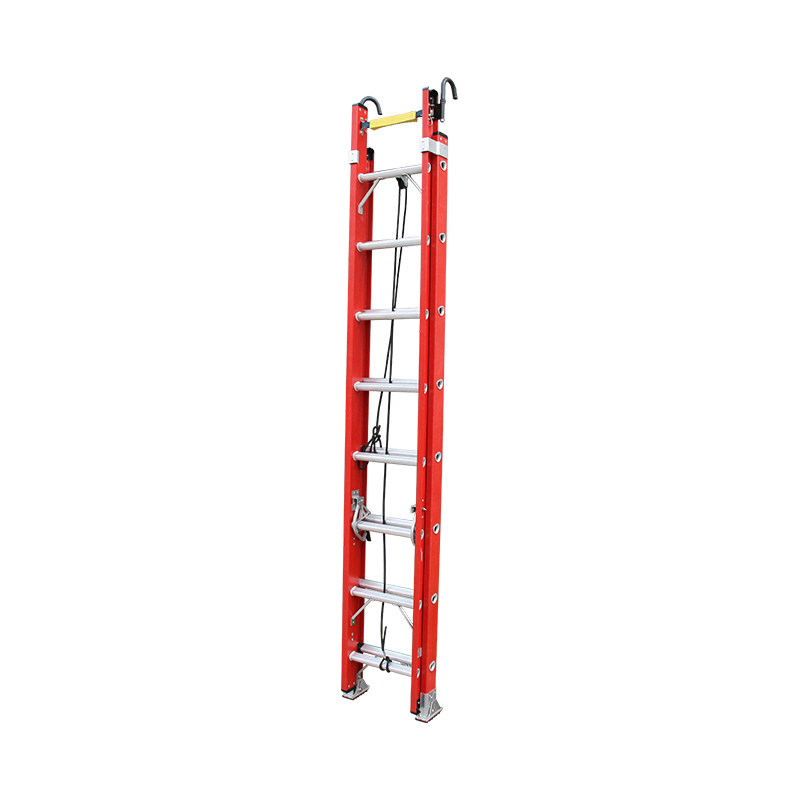
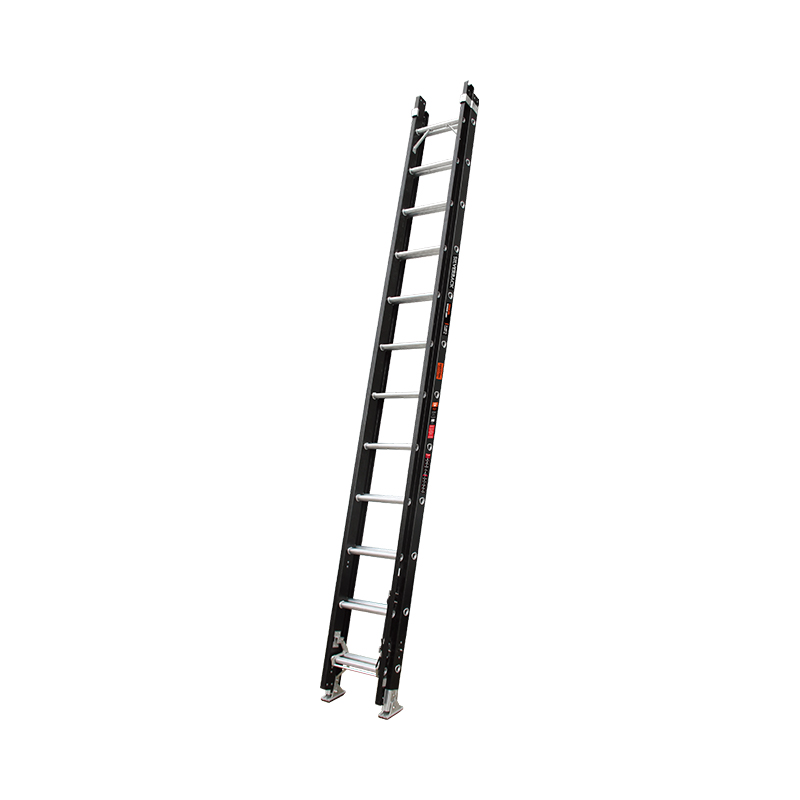
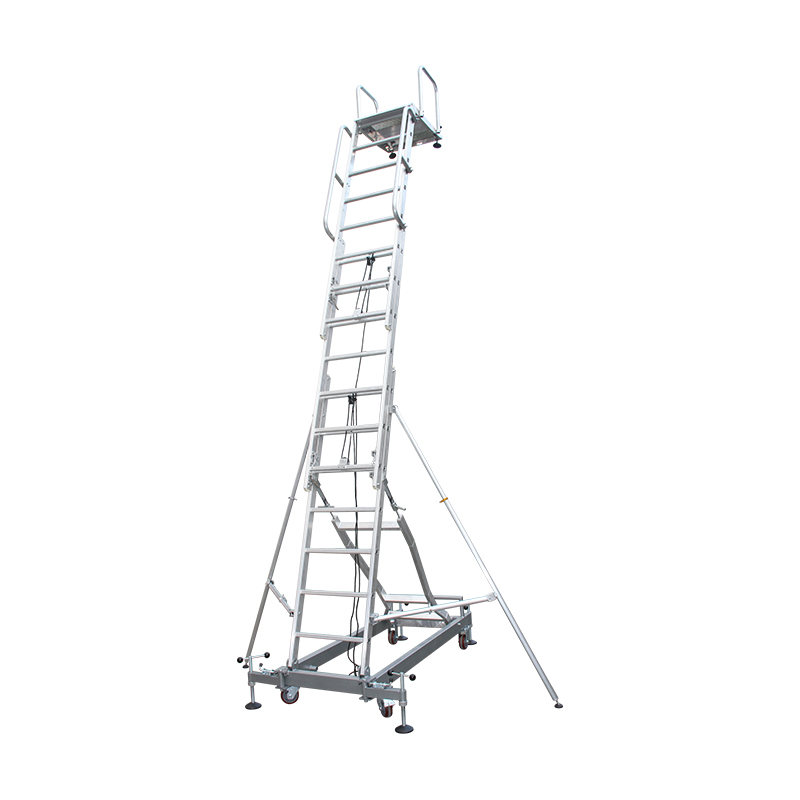
For Aluminum Extension Ladders, the extension mechanism is one of the most important engineering areas because increasing the ladder length also changes the load path, overlap between sections and overall structural behaviour. The extended length should therefore not be considered independently from rail profile, rung spacing, section overlap and locking components. In professional applications, the design should provide a controlled relationship between these elements so that the ladder remains consistent across its intended operating positions.
Shanghai Ruiju Metal Products Co., Ltd. has specialized in customized climbing and working-at-height solutions since 2001. With a 12,000 m² self-owned production facility, the company has established an integrated industrial system covering R&D, product design, manufacturing and marketing. Ruiju has more than 30 years of expertise in working-at-height products and technologies, producing ladders, aluminium scaffolding systems, work platforms and related equipment for domestic and international markets.
Critical Extension Components
- Extension locks must engage correctly and maintain the selected ladder position.
- Section overlap must remain within the manufacturer's specified operating range.
- Guide components should maintain controlled movement between sliding sections.
- Rails should maintain dimensional alignment throughout the extension range.
- Rungs and attachment points should remain securely integrated with the moving sections.
Why Section Overlap Matters in Aluminum Extension Ladders
The overlap between ladder sections contributes to the structural relationship between the upper and lower parts of Aluminum Extension Ladders. When the ladder is adjusted, the effective support relationship changes with the amount of overlap. Too little engagement can alter the intended load-transfer condition, while unnecessary overlap reduces the available working length. For this reason, extension markings and mechanical stops can be useful design features for helping operators identify the permitted adjustment range.
From a manufacturing perspective, section alignment and dimensional consistency are equally important. The sliding sections need to maintain suitable clearance for adjustment without introducing excessive movement. Profile tolerances, surface condition and guide design all contribute to the operating feel of the extension mechanism and can influence long-term durability.
| Design Area | Main Function | Key Manufacturing Concern |
|---|---|---|
| Rail profile | Provides the primary structural path | Profile dimensions and straightness |
| Extension lock | Secures the selected position | Engagement accuracy and durability |
| Guide system | Controls movement between sections | Clearance and alignment |
| Rung attachment | Provides climbing contact points | Consistent spacing and secure connection |
| Base components | Transfers forces to the floor | Wear resistance and attachment security |
Aluminium Profile Design Should Match the Intended Ladder Length
As ladder length increases, structural stiffness becomes increasingly relevant. For Aluminum Extension Ladders, engineers need to consider the relationship between profile geometry, wall thickness, section length and expected loading. A lightweight profile can be beneficial for handling, but reducing material without considering the complete load path may negatively affect stiffness and operational characteristics. Profile selection should therefore be based on the intended configuration and working conditions rather than weight reduction alone.
The design process can also consider how the ladder will be transported and stored. Long products may require additional handling space, while multiple-section construction can provide a more compact storage dimension when retracted. For industrial facilities with restricted access routes or limited storage areas, the closed length can be an important purchasing parameter alongside the maximum extended length.
Technical Parameters Worth Defining
- Retracted length and maximum permitted working configuration.
- Number of extension sections and required overlap conditions.
- Rail profile dimensions and aluminium material specification.
- Rung spacing, rung construction and attachment method.
- Maximum intended working load and applicable testing requirements.
Inspection Priorities for Extension Ladder Mechanisms
Routine inspection of Aluminum Extension Ladders should place particular attention on components that move or lock during adjustment. Extension locks should engage fully, rails should remain straight and guide interfaces should not show abnormal damage. Rungs, fasteners, feet and other structural components should also be inspected because a sound extension mechanism cannot compensate for damage elsewhere in the ladder.
For facilities managing several ladders, inspection criteria should be standardized. A checklist can identify the equipment model, section condition, lock condition, base components and any visible deformation. If a ladder has experienced an impact, excessive loading or other abnormal event, it should be evaluated according to the applicable maintenance procedure before being returned to service.
Inspection Items for Maintenance Teams
- Check extension locks for complete engagement and visible damage.
- Inspect rails for bends, cracks, severe scratches or deformation.
- Verify that extension sections move smoothly without abnormal looseness.
- Check rungs and their connections for movement, deformation or damage.
- Inspect feet and other floor-contact components for wear and secure attachment.
Transport and Storage Planning for Long Extension Ladders
For industrial operations, the logistics of Aluminum Extension Ladders can influence overall equipment efficiency. A ladder may have a substantial maximum length while remaining comparatively compact when retracted, but its closed dimensions still need to fit through doors, vehicle compartments, storage racks and internal transportation routes. Procurement teams should record both extended and retracted dimensions when comparing equipment specifications.
Storage conditions can also affect the service life of aluminium structures and mechanical components. Ladders should be stored in a location that minimizes unnecessary impact, contamination and exposure to conditions outside the manufacturer's recommendations. Where multiple units are stored together, suitable support points can help prevent uncontrolled bending or damage during long-term storage.
Ruiju Manufacturing Experience and Quality Management
Shanghai Ruiju Metal Products Co., Ltd. maintains an ISO 9001-certified manufacturing system and is BSCI audited. Its standard products comply with China's national standard GB12142, while export products meet applicable Australian, European and American industry standards. Relevant products are rigorously tested and certified by SGS and TÜV, supporting independent verification for different destination-market requirements.
Operating under the Ruiju brand, the company combines R&D, product design, manufacturing and marketing within its 12,000 m² self-owned production facility. Shanghai Ruiju Metal Products Co., Ltd. has more than 30 years of expertise in working-at-height products and technologies and maintains a portfolio of technical patents. This integrated manufacturing background supports the development of ladders and related equipment where profile design, mechanical components, production consistency and market-specific requirements need to be coordinated.
For customers specifying Aluminum Extension Ladders, useful technical information should include the required extended and retracted dimensions, working load, number of sections, extension mechanism, operating environment, applicable standards and inspection requirements. Defining these parameters at the engineering stage helps manufacturers establish a clearer product configuration and supports consistent production for ongoing equipment requirements.