en
en 简体中文
简体中文 Español
 Deutsch
 عربى
عربى












How Aluminium Alloy Selection Affects Industrial Ladder Performance
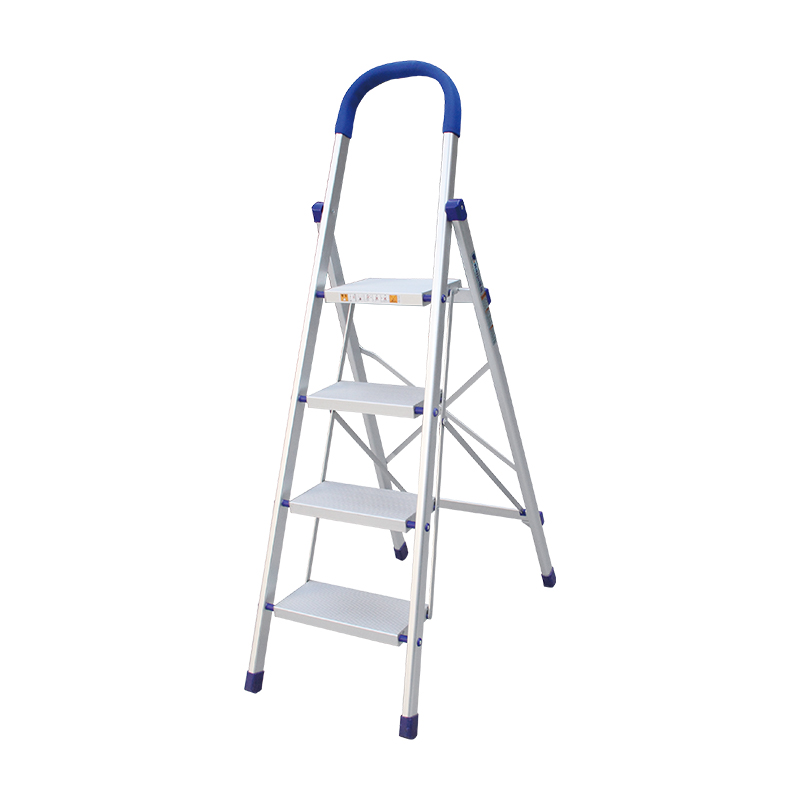
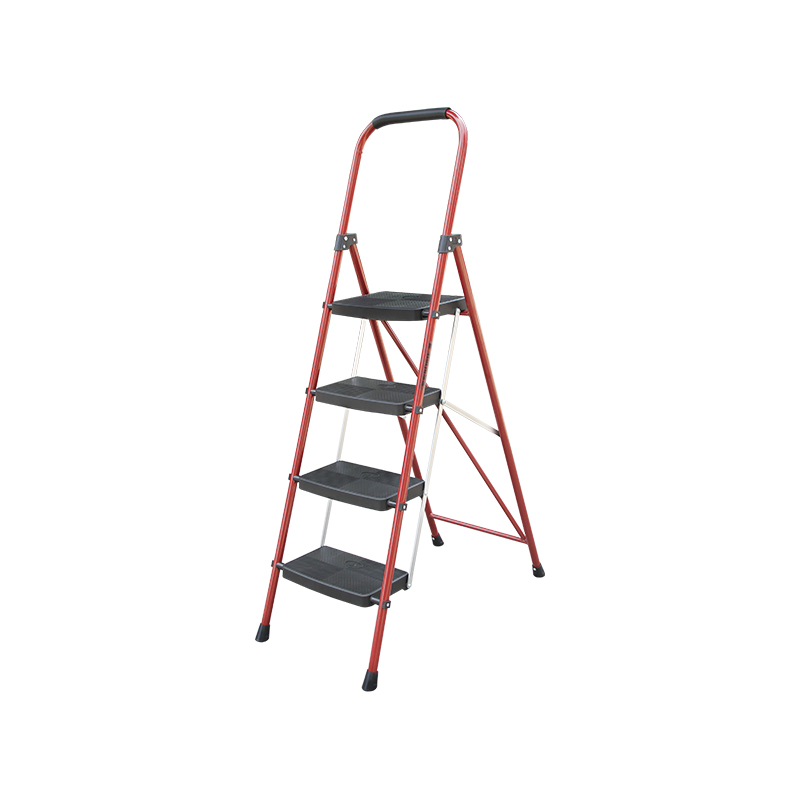
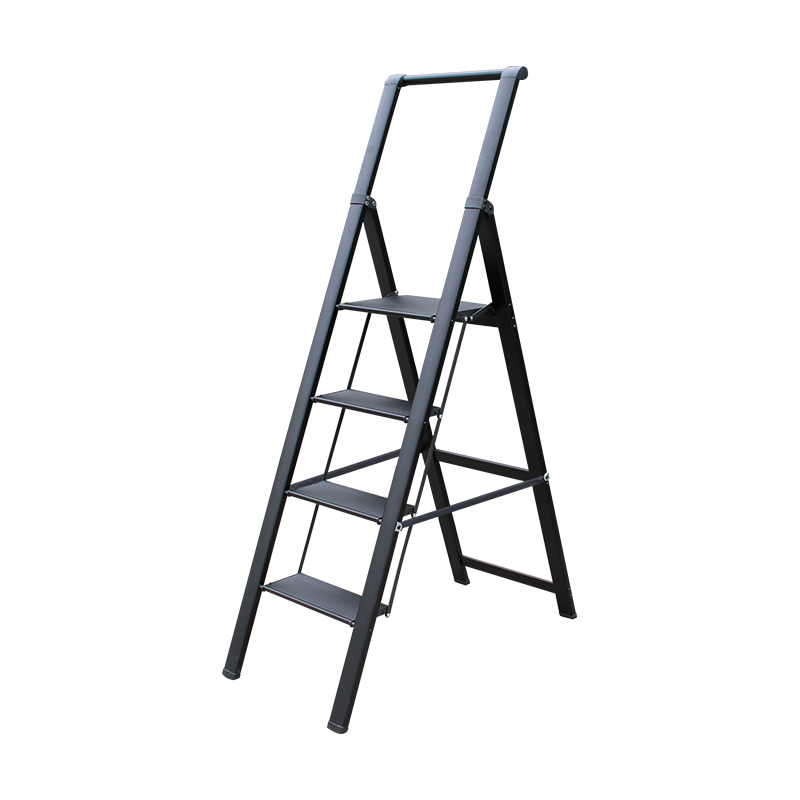
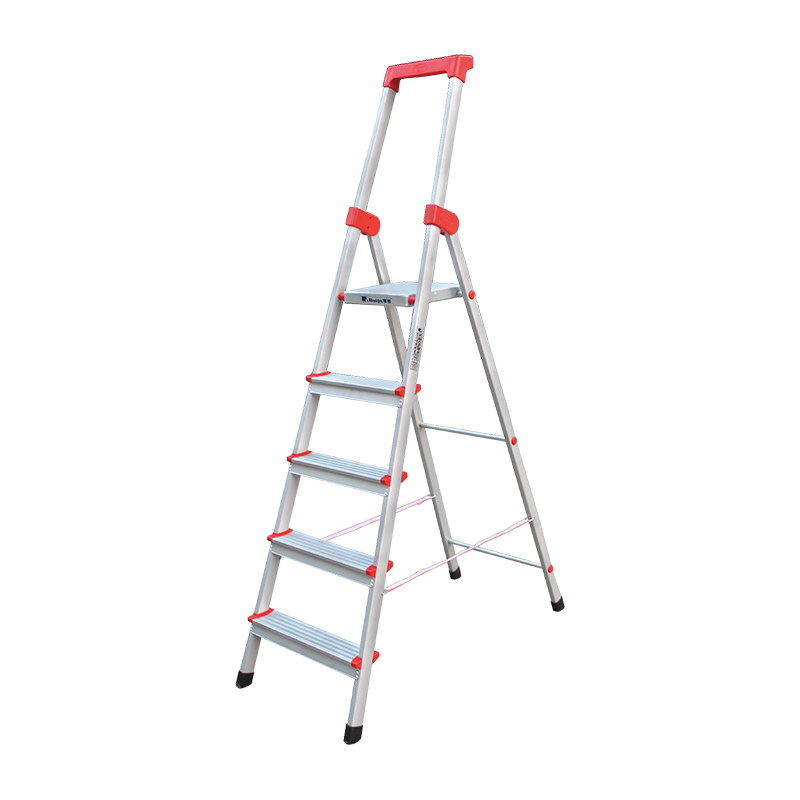
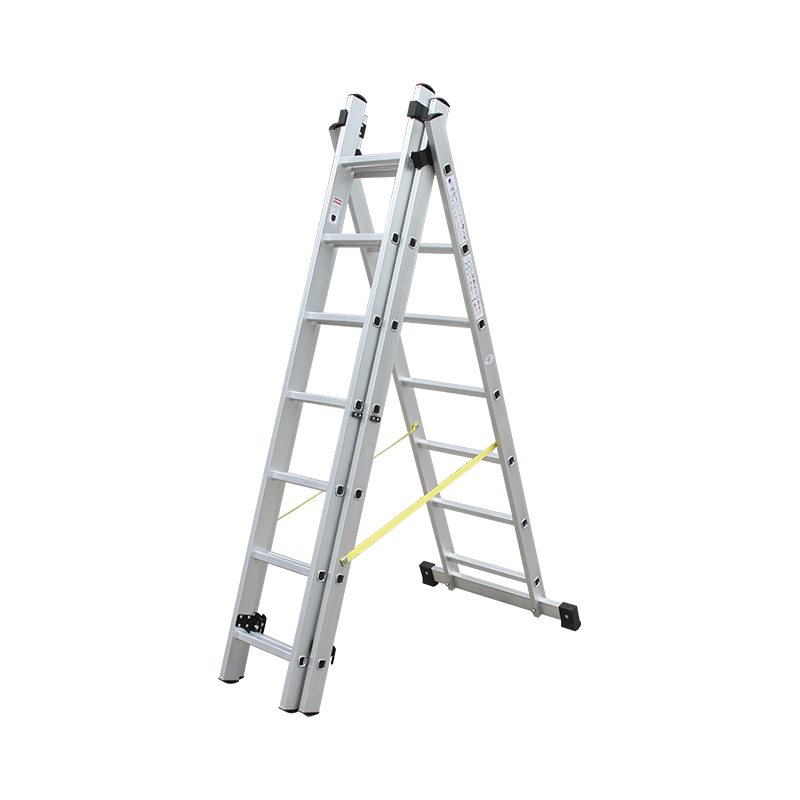
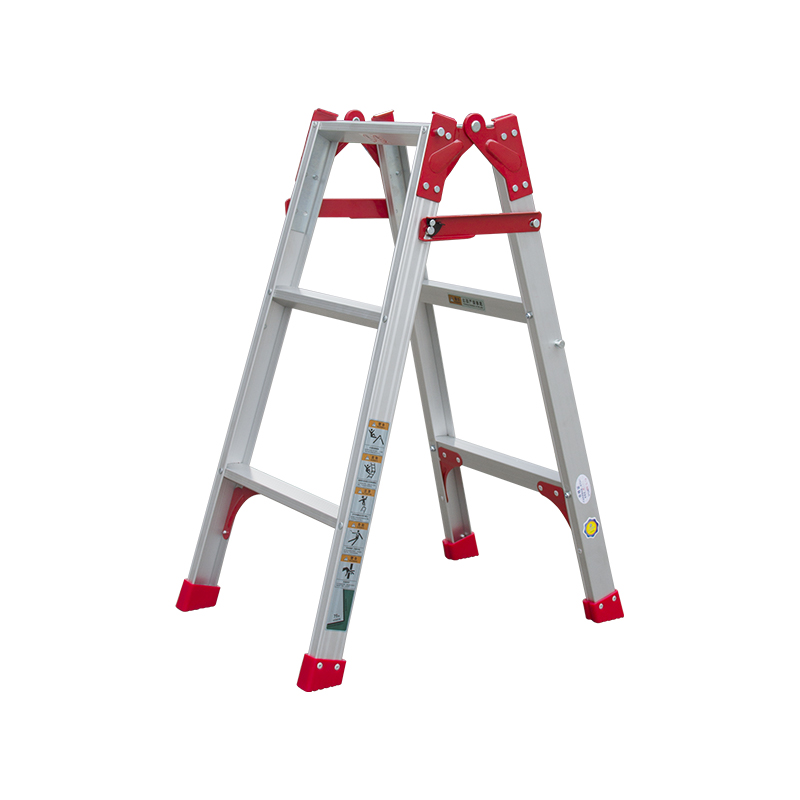
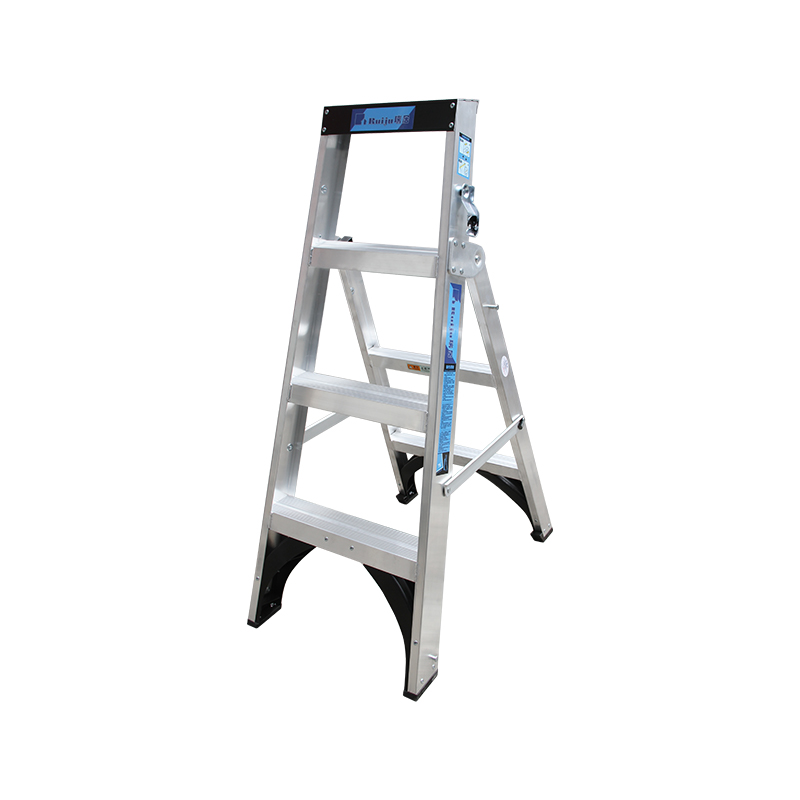
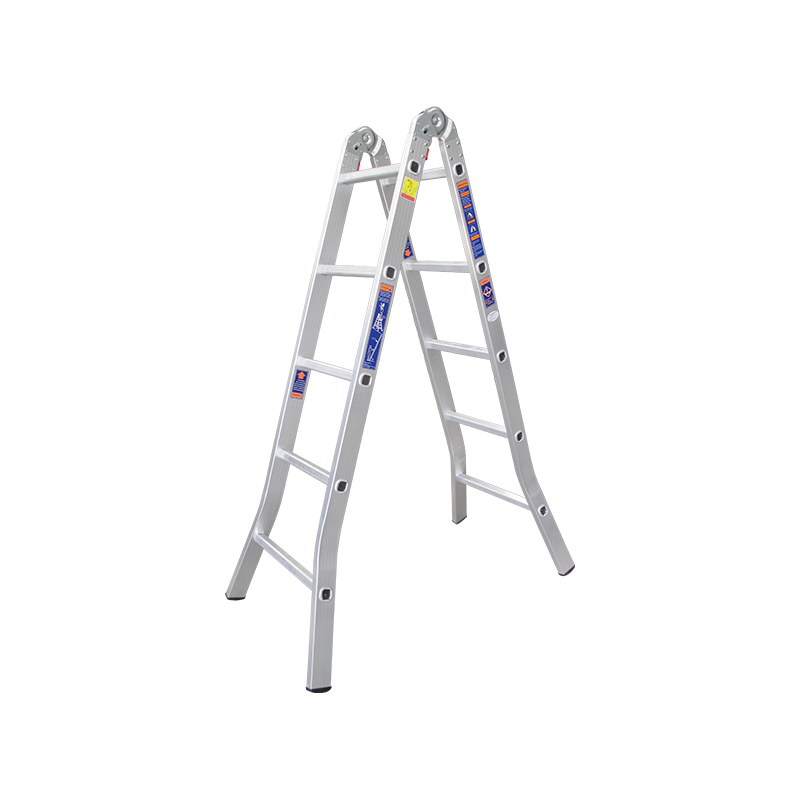
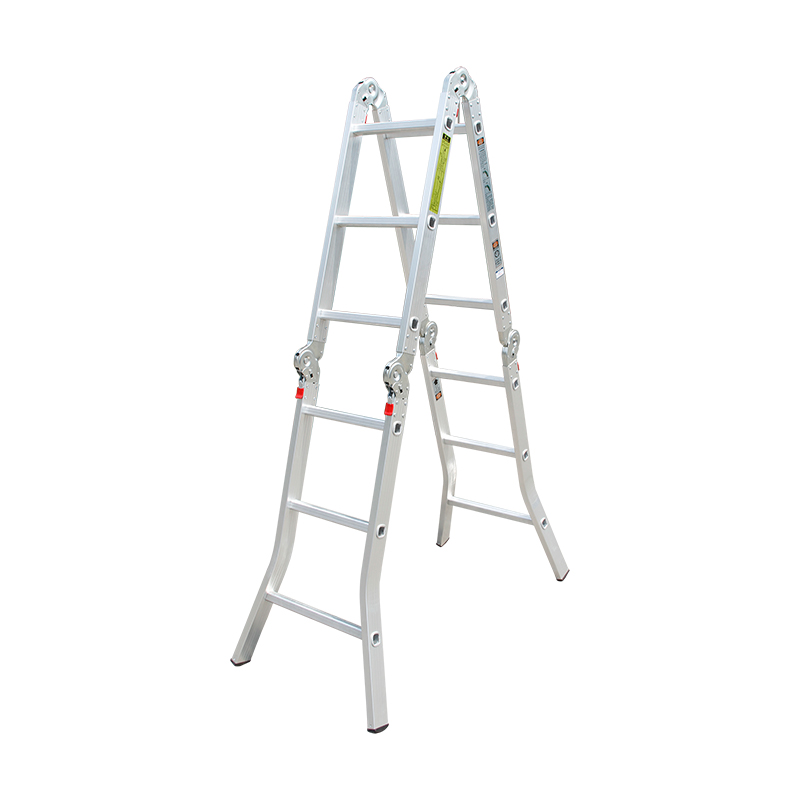
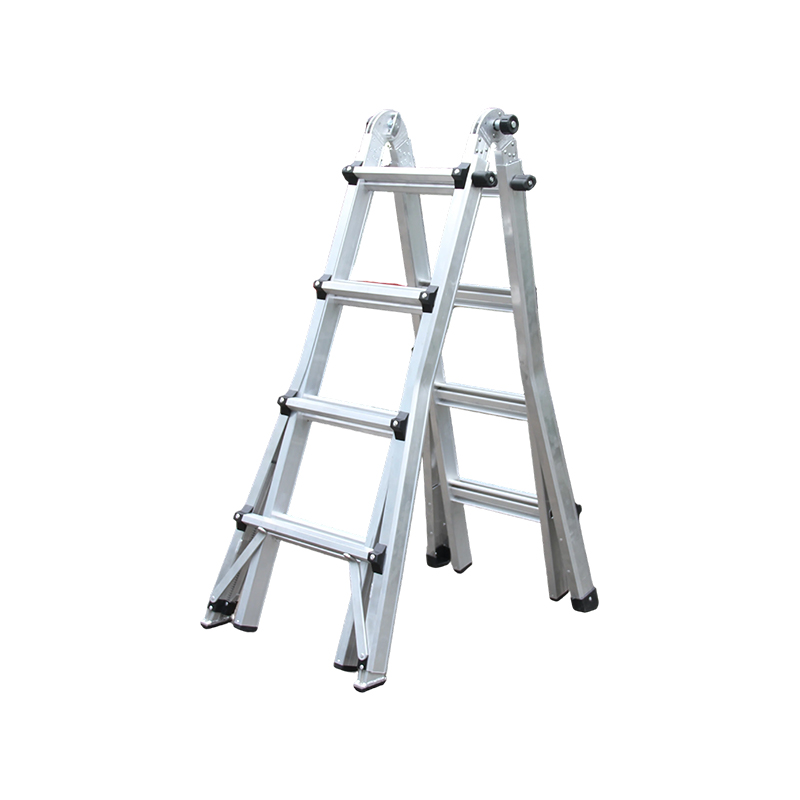
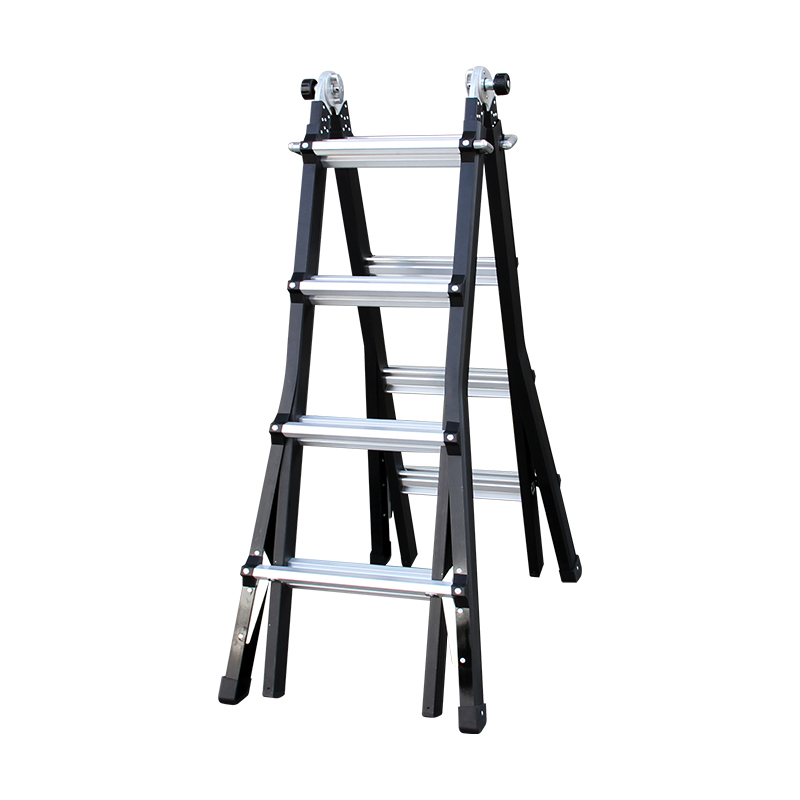
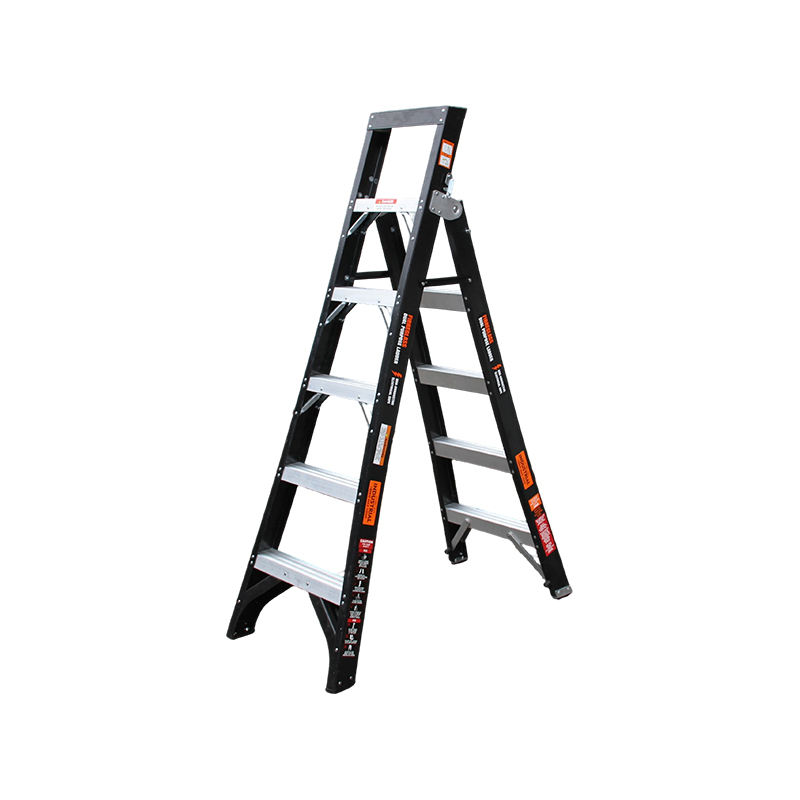
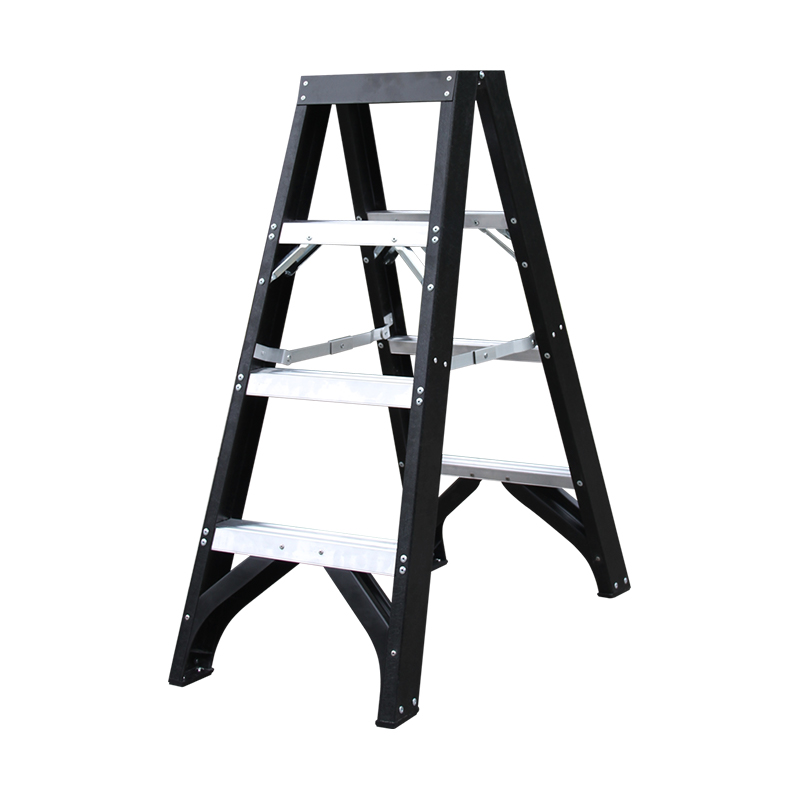
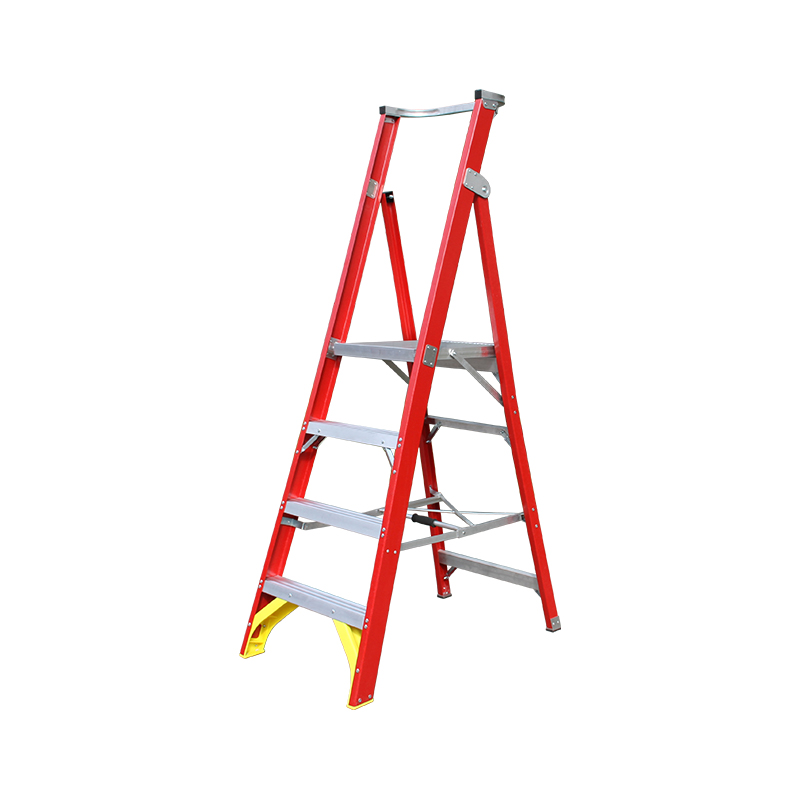
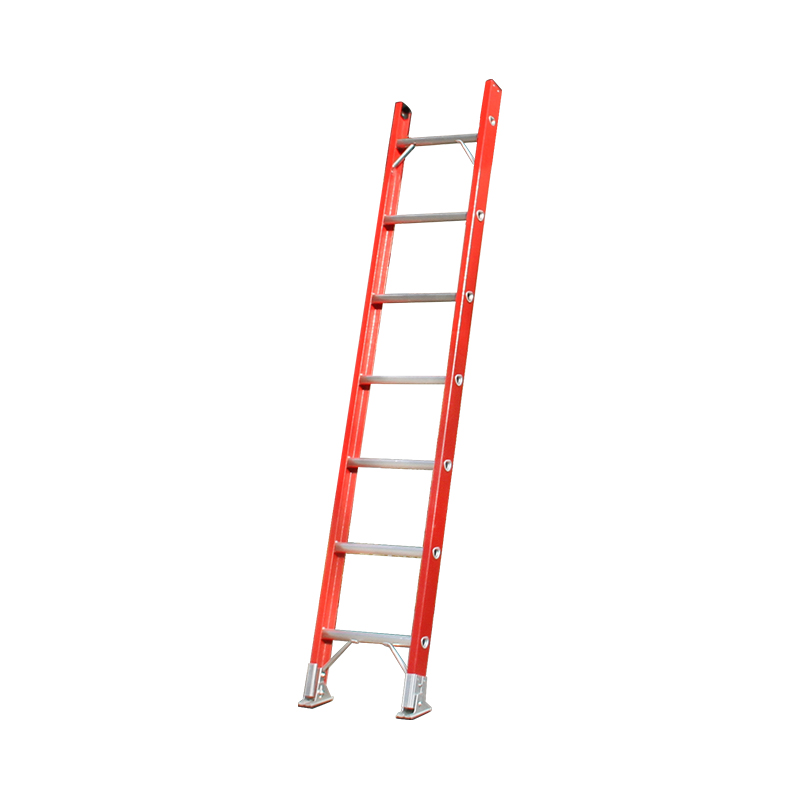
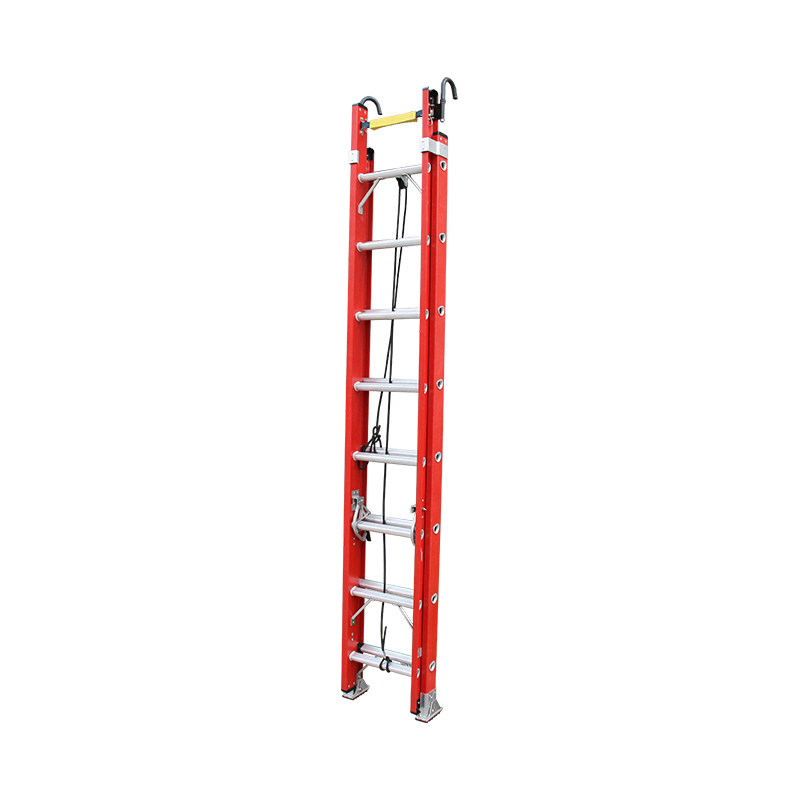
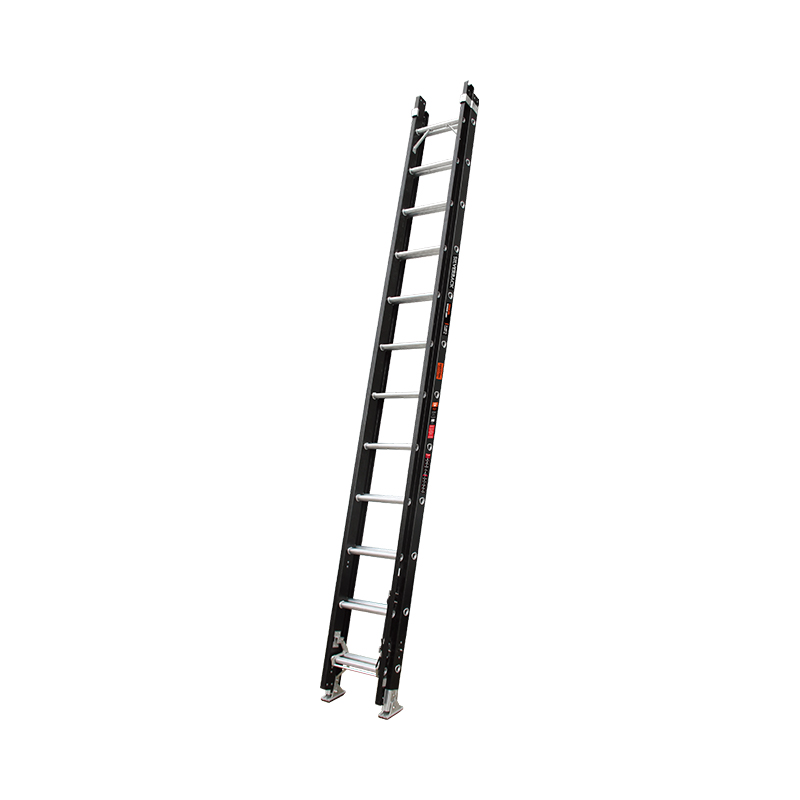
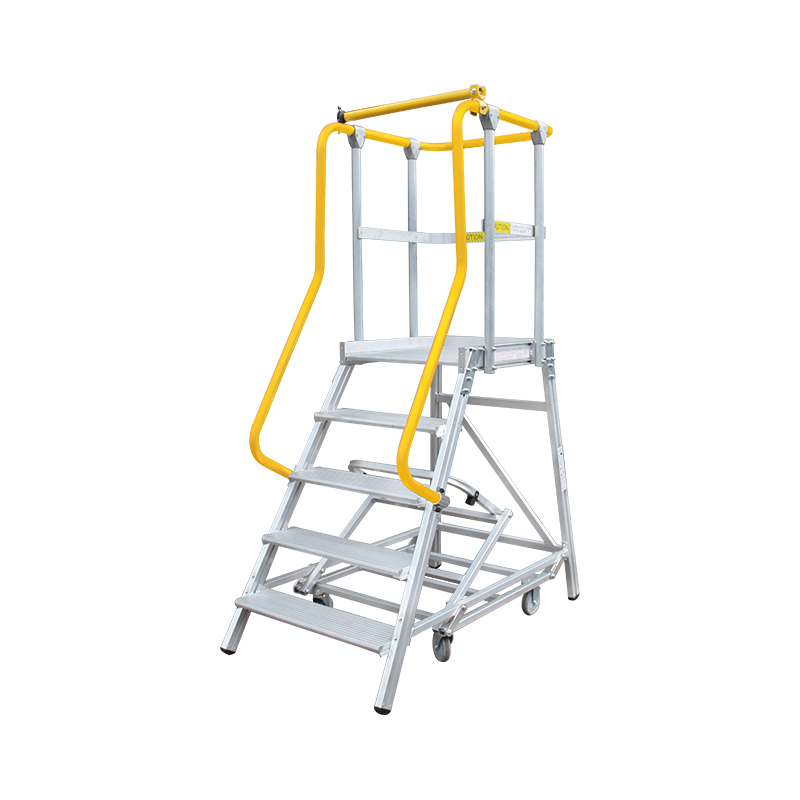
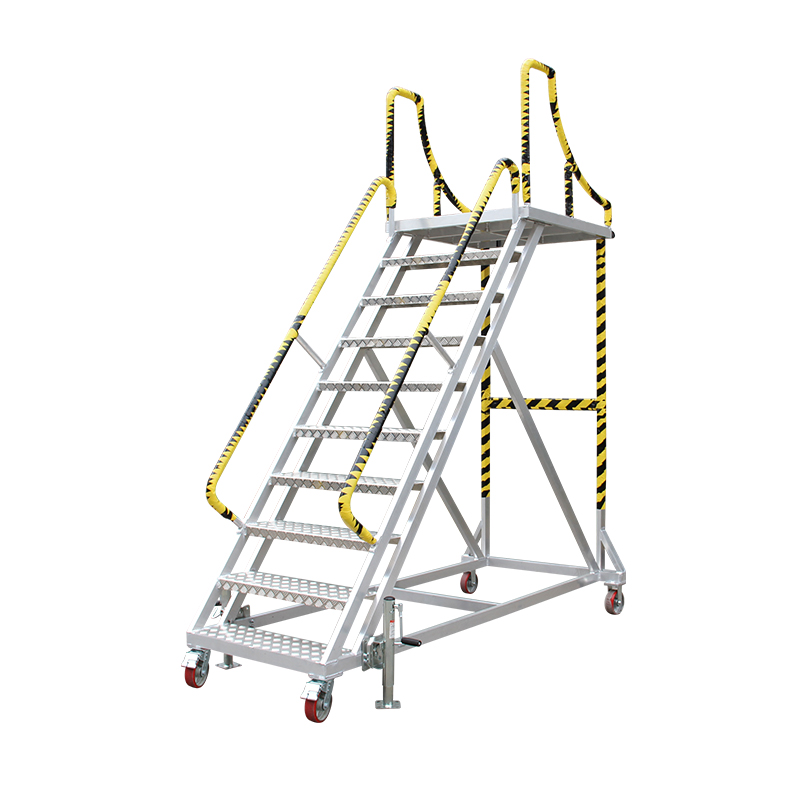
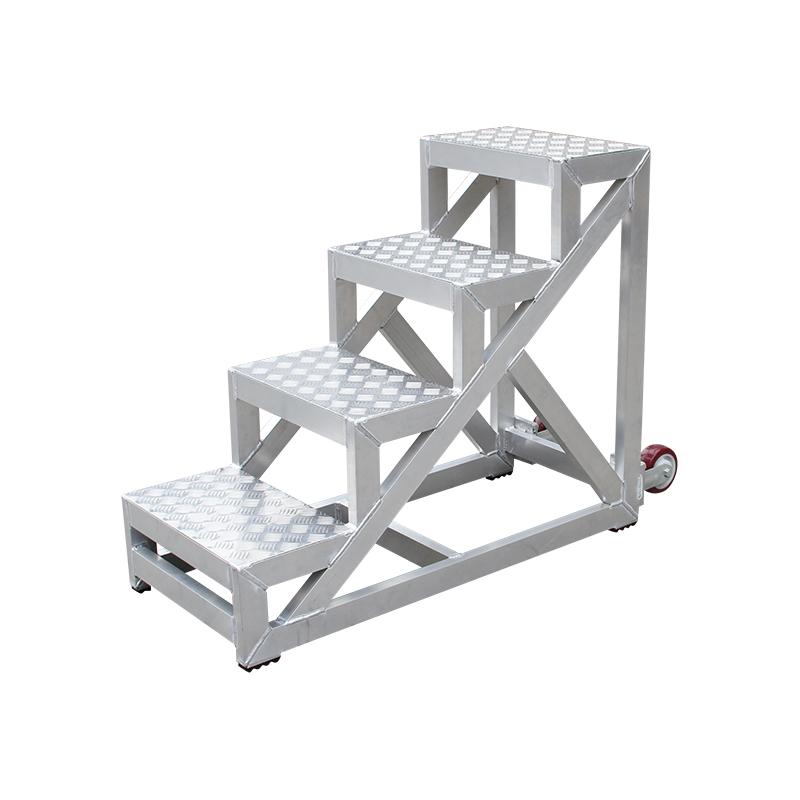
For professional access equipment, the choice of aluminium alloy is closely connected with structural performance, product weight, corrosion resistance and long-term usability. In industrial procurement, it is useful to evaluate the complete ladder structure rather than focusing only on the nominal material. Profile geometry, wall thickness, rung connection, reinforcement points and load distribution all contribute to the final performance of Aluminum Ladders. A lightweight structure can be advantageous for frequent repositioning, while applications involving intensive use may require additional reinforcement in specific load-bearing areas.
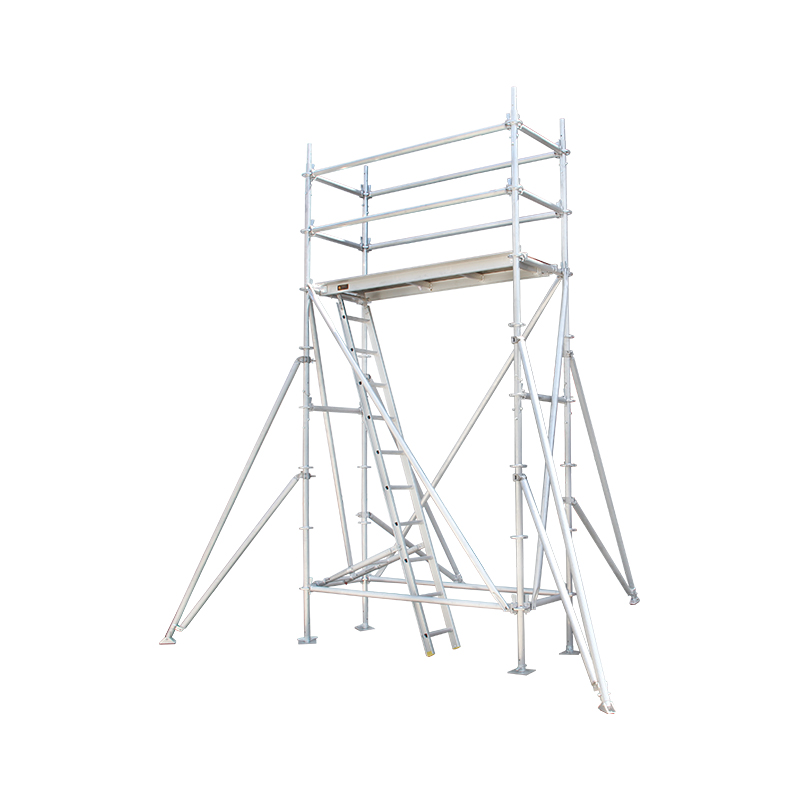
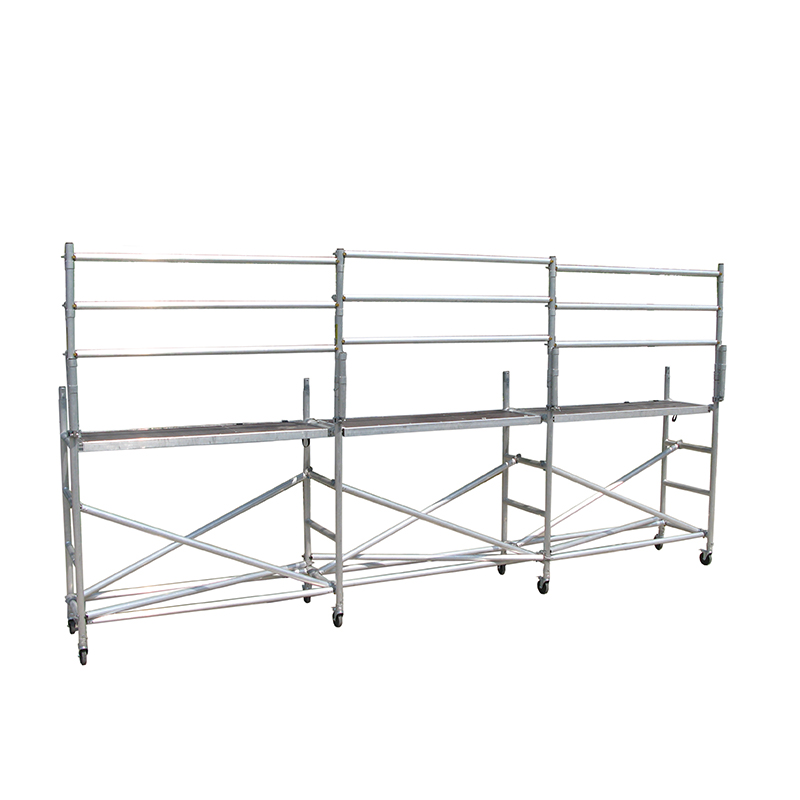
Shanghai Ruiju Metal Products Co., Ltd., founded in 2001, has developed extensive manufacturing experience in ladders, aluminium scaffolding systems, work platforms and related working-at-height equipment. Operating from a 12,000 m² self-owned production facility, the company has established an integrated system covering R&D, product design, manufacturing and marketing under the RUIJU brand. With more than 30 years of experience in working-at-height products and technologies, its manufacturing capabilities support the development of application-specific ladder configurations for different industrial environments.
Where Material Engineering Makes a Practical Difference
- Profile dimensions influence stiffness and the ability of the ladder frame to resist deformation during normal operation.
- Rung-to-stile connections require consistent manufacturing quality because repeated climbing creates localized mechanical loads.
- Reinforcement should be concentrated where operational loads are highest rather than simply increasing material throughout the entire structure.
- Surface treatment and appropriate material selection can be particularly relevant for outdoor, humid or industrial environments.
What Buyers Should Examine in an EN Standard Ladder Specification
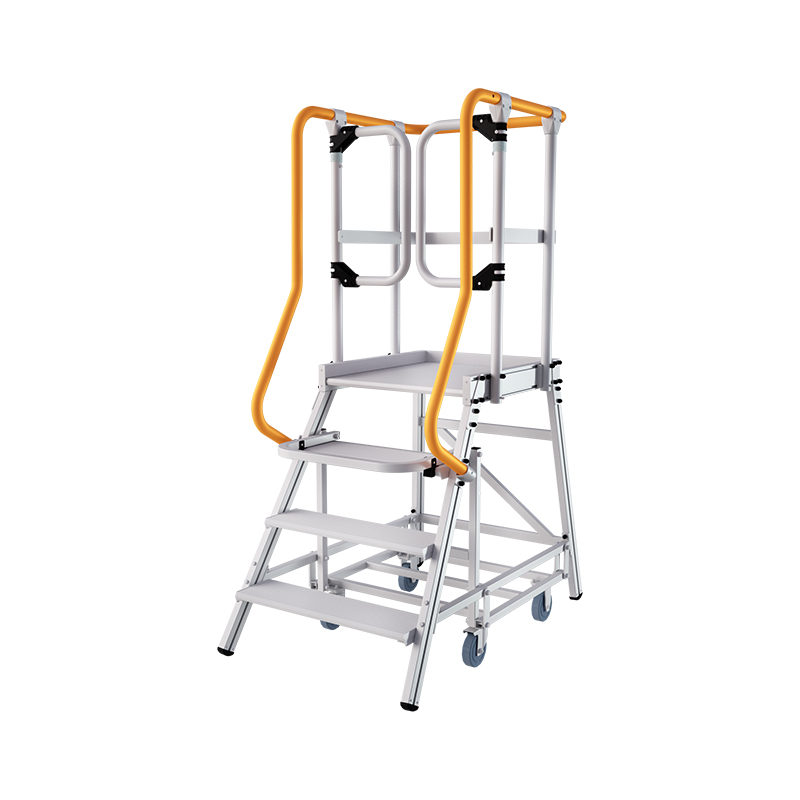
When purchasing an EN Standard Ladder for the European market, procurement teams should look beyond a simple statement that a product is "EN compliant." The applicable standard, product category, intended use, dimensions, load requirements and testing documentation should be clearly identified. A technical specification should also correspond to the actual configuration being supplied, because changes to platform dimensions, rung spacing, stabilizers, wheels or working height may affect the final product configuration and its associated testing requirements.
For distributors and industrial equipment suppliers, documentation consistency is particularly important. Product drawings, specifications, inspection records, labeling and certificates should correspond with the physical product. Establishing this information before bulk procurement can reduce specification discrepancies and simplify product approval procedures in the destination market.
Useful Documents for Technical Procurement
| Document | Information to Verify | Procurement Value |
|---|---|---|
| Technical Drawing | Overall dimensions, platform height, ladder angle and component arrangement | Confirms compatibility with the intended installation or working area |
| Product Specification | Material, load rating, weight and configuration | Supports quotation and technical approval |
| Test Documentation | Applicable standard and test scope | Provides evidence for market and customer requirements |
| Inspection Records | Production and quality-control information | Improves batch traceability and supplier management |
Why AS Standard Ladders Require Attention to Application Conditions
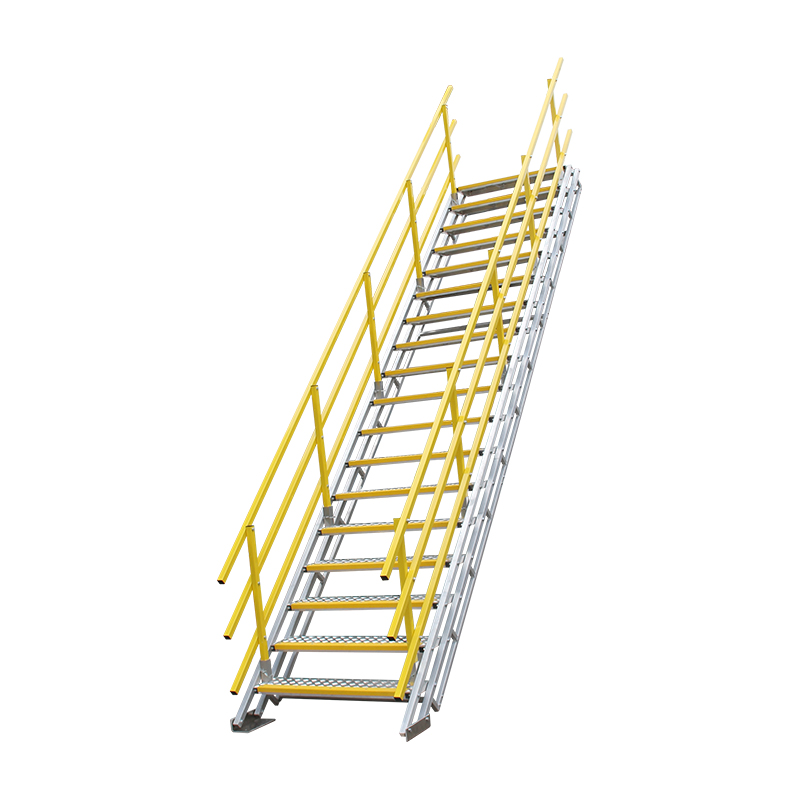
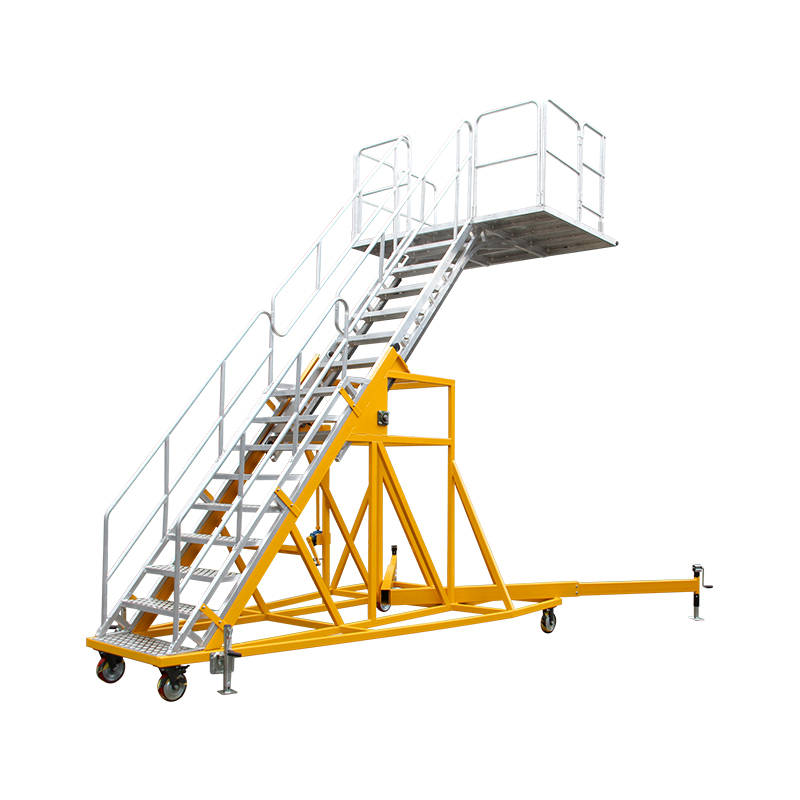
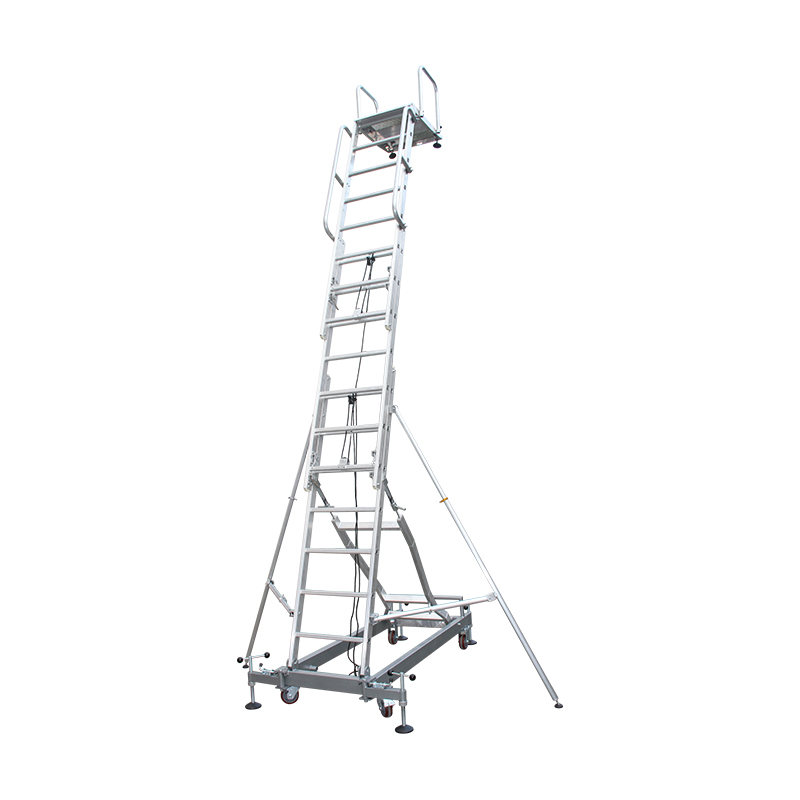
AS Standard Ladders are commonly specified for projects serving the Australian market, where the applicable Australian requirements need to be considered during product engineering and verification. For manufacturers supplying export markets, compliance should be treated as part of the design and production process rather than as a document added after manufacturing. Ladder dimensions, structural components, access arrangements and testing should be coordinated with the requirements applicable to the intended product category.
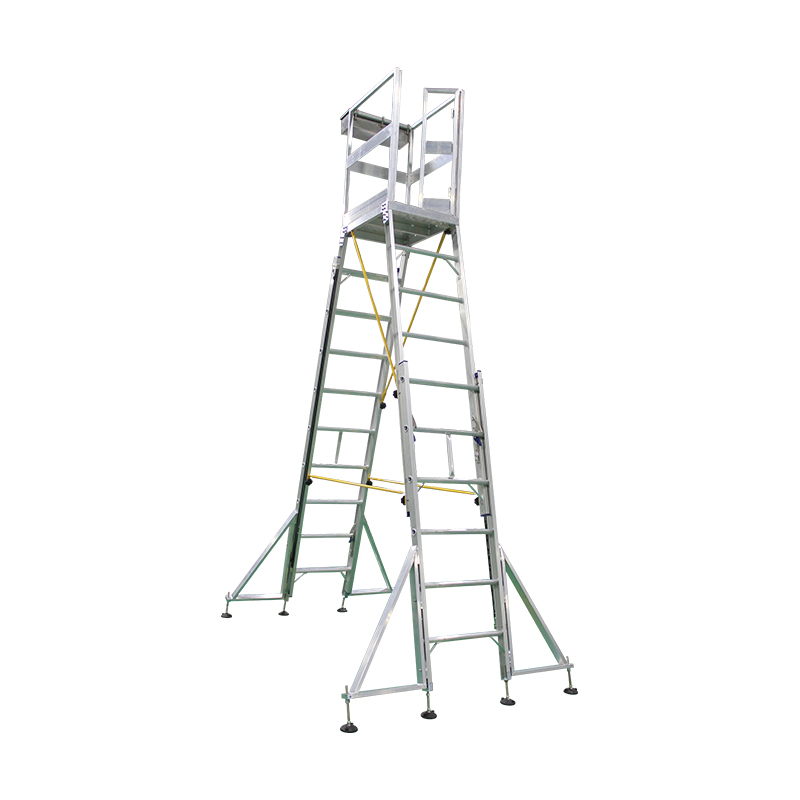
The operating environment also matters. A ladder intended for warehouse inventory access may have different dimensional and mobility requirements from one designed for machinery maintenance. Buyers should therefore communicate the working height, frequency of movement, floor conditions, expected load, access direction and storage requirements before finalizing the product specification. This information allows the manufacturer to determine which structural and functional details need to be incorporated into the design.
Application Factors Worth Defining in Advance
- Working height: Define the actual access point and required platform or standing height instead of estimating from the total ladder length alone.
- Operating load: Include the operator, hand tools and equipment that may be carried during maintenance activities.
- Movement: Determine whether the ladder will remain stationary or be frequently repositioned between work areas.
- Workspace: Check aisle width, overhead clearance, machine layout and floor conditions before selecting the configuration.
- Market requirements: Specify the destination country and applicable standard at the quotation stage.
Quality Control Considerations for Large-Volume Ladder Orders
For recurring procurement, maintaining consistent dimensions and assembly quality across batches is as important as the initial product design. Variations in profile dimensions, rung positioning, fastening, welding or component installation can create differences between individual units. A controlled manufacturing process should therefore include incoming material checks, production-stage inspections, dimensional verification and final product inspection.
Shanghai Ruiju Metal Products Co., Ltd. operates an ISO 9001-certified manufacturing system and has undergone BSCI auditing. Its standard products comply with China's GB12142 national standard, while export products are developed to meet applicable Australian, European and American industry standards. The company's products are also rigorously tested and certified by internationally recognized third-party inspection institutions such as SGS and TÜV, providing additional technical support for customers requiring documented quality and compliance procedures.
Batch Consistency Checks for Professional Access Equipment
| Control Area | Typical Check |
|---|---|
| Raw Materials | Material specifications, profile dimensions and surface condition |
| Component Assembly | Rung installation, joints, fasteners and reinforcement positions |
| Dimensional Control | Overall height, width, spacing and platform dimensions |
| Final Inspection | Appearance, functionality, labeling and applicable testing requirements |
Design Adaptability for OEM and Project-Specific Requirements
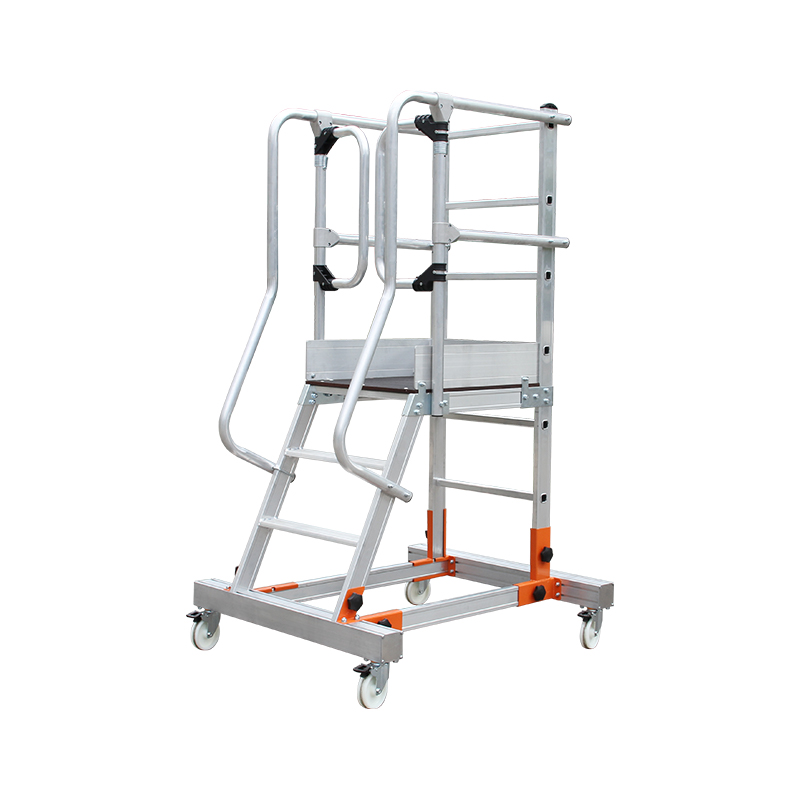
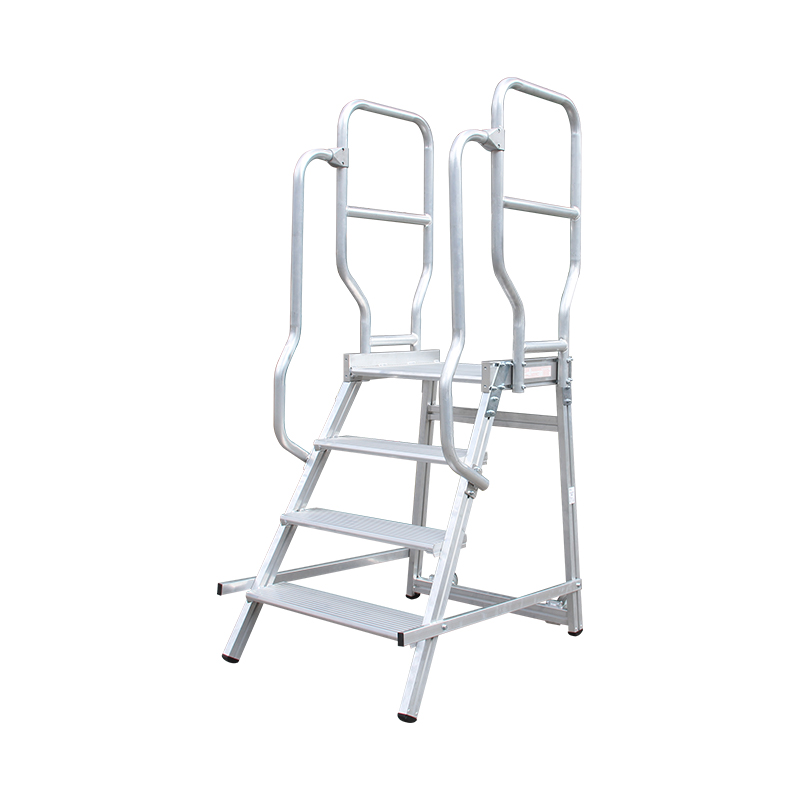
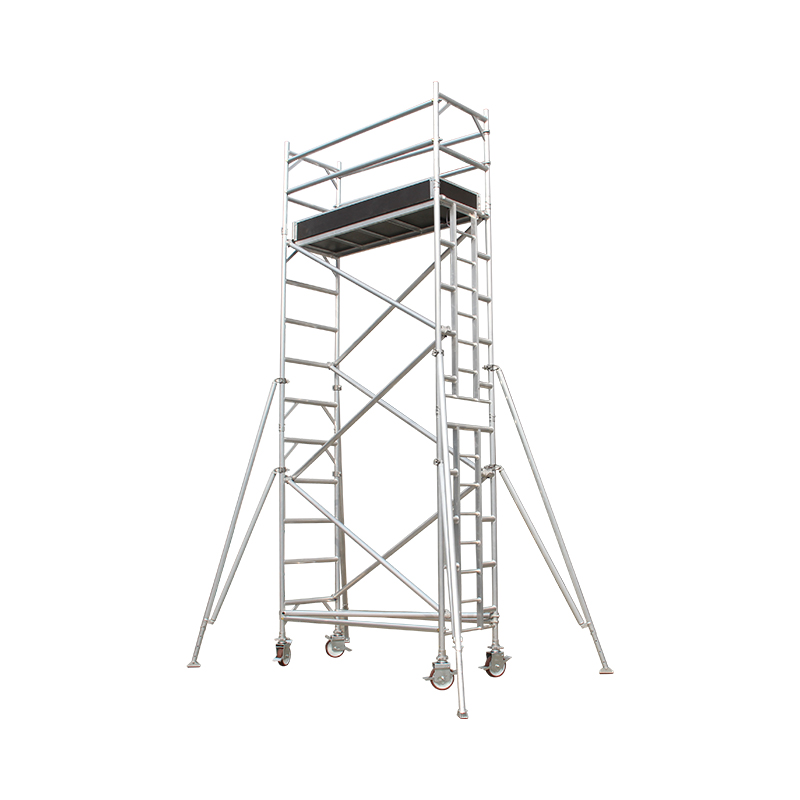
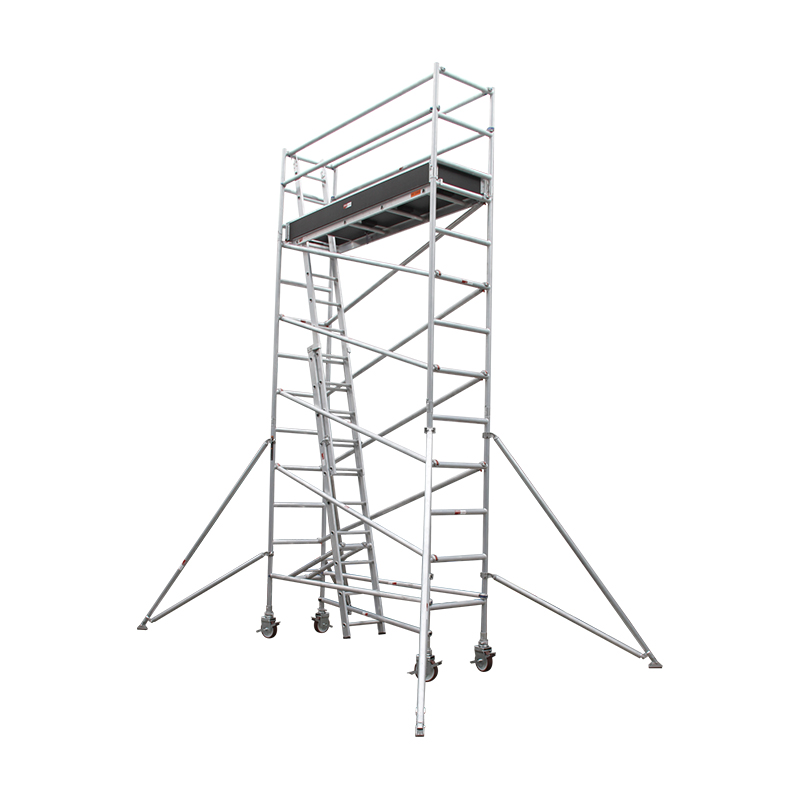
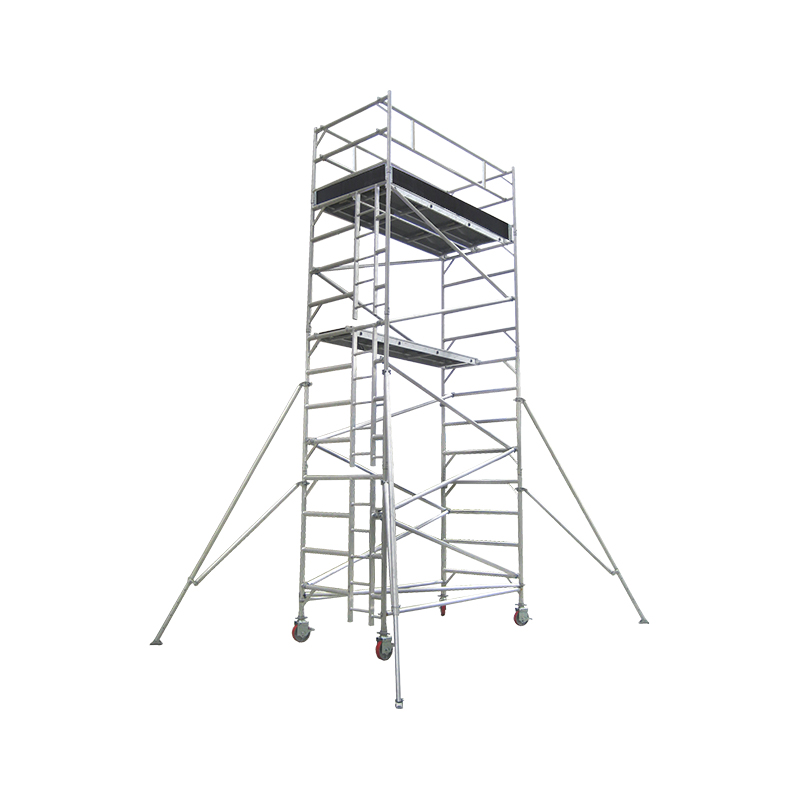
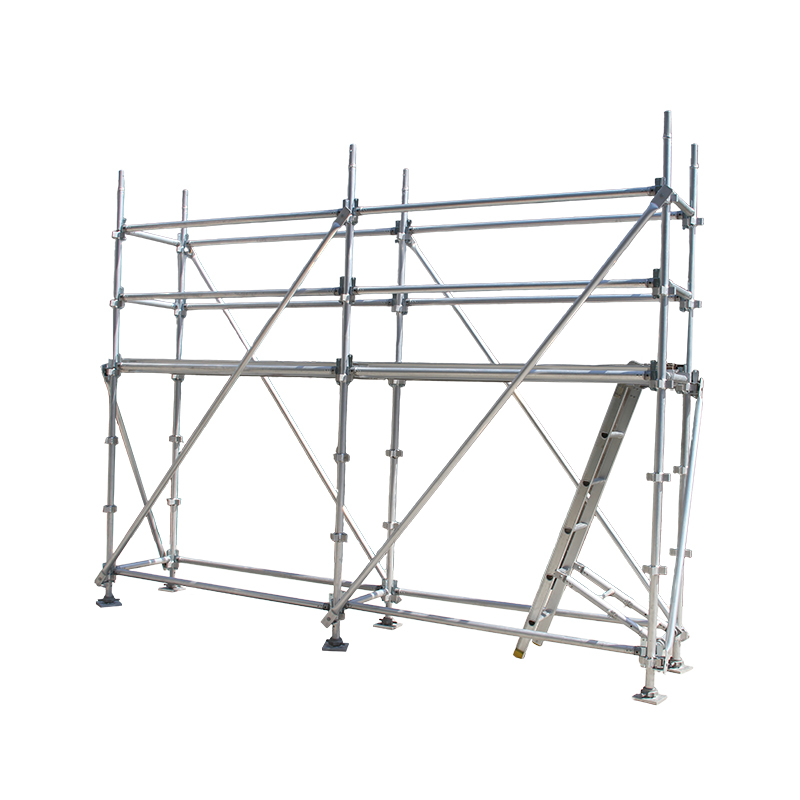
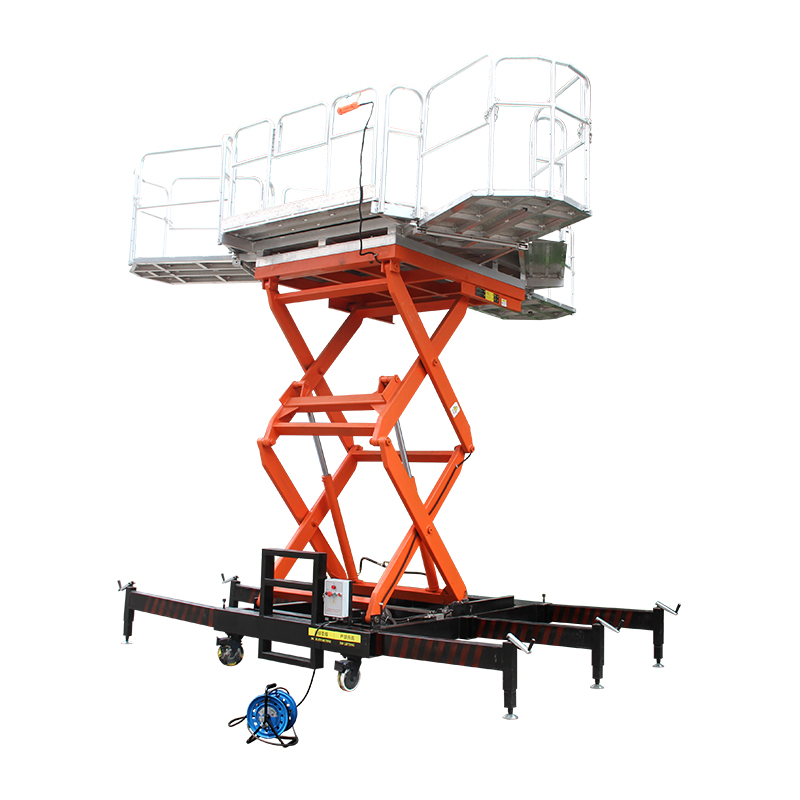
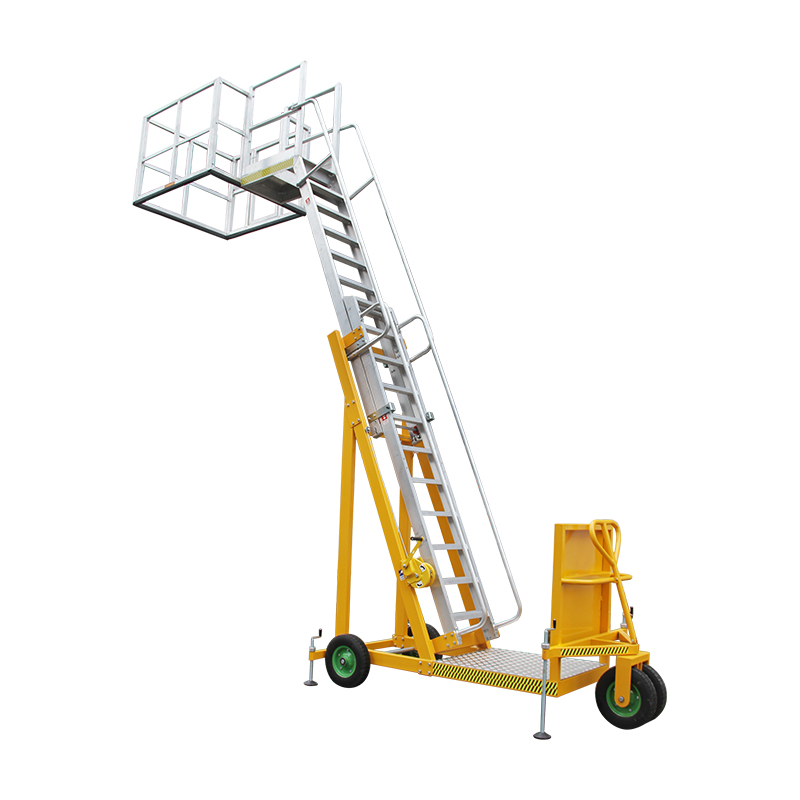
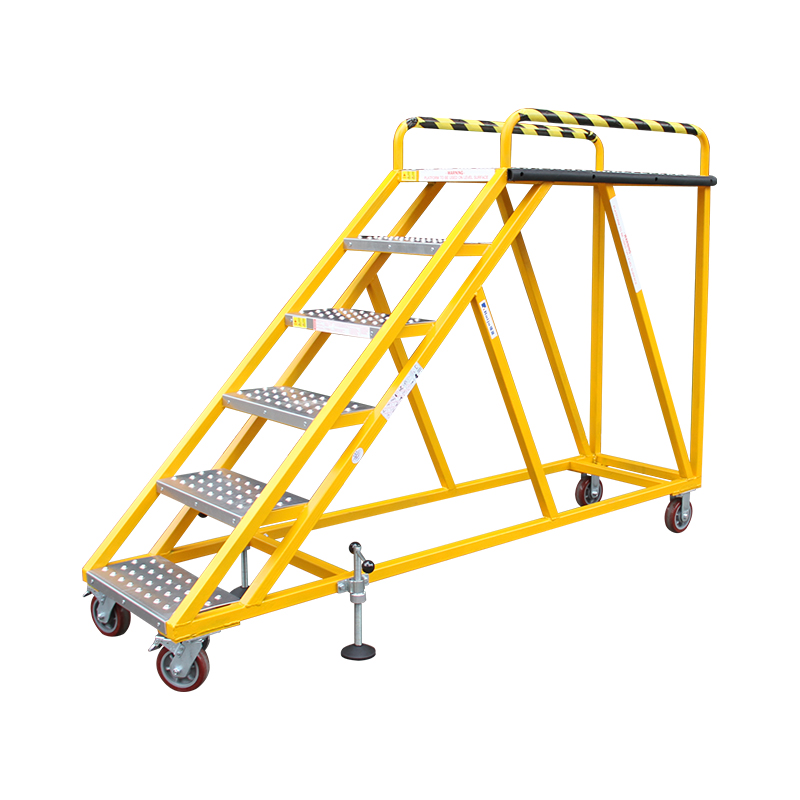
Professional ladder procurement often involves requirements that are not covered by a standard catalog configuration. Equipment manufacturers, facility operators, engineering contractors and distributors may require specific dimensions, access directions, platform layouts, wheel configurations, guardrail arrangements or branding. In such cases, a manufacturer's engineering capability becomes an important part of the supply process because the requested changes need to remain compatible with structural and compliance requirements.
RUIJU combines product development with in-house manufacturing and maintains a portfolio of technical patents developed through continued market-oriented innovation. Its production base and integrated industrial system provide a foundation for developing customized ladders and working-at-height equipment according to defined project specifications. For overseas customers, this approach can also help coordinate product design, manufacturing requirements, inspection procedures and export-market expectations within one development process.
Information to Prepare Before Requesting a Customized Ladder
- Destination market and required compliance standard.
- Required working height, platform height and overall footprint.
- Expected working load and operating frequency.
- Whether the equipment is fixed, portable, mobile or intended for repeated relocation.
- Special access requirements around machinery, production lines or storage systems.
- Required drawings, labels, packaging, inspection documents and branding specifications.