en
en 简体中文
简体中文 Español
 Deutsch
 عربى
عربى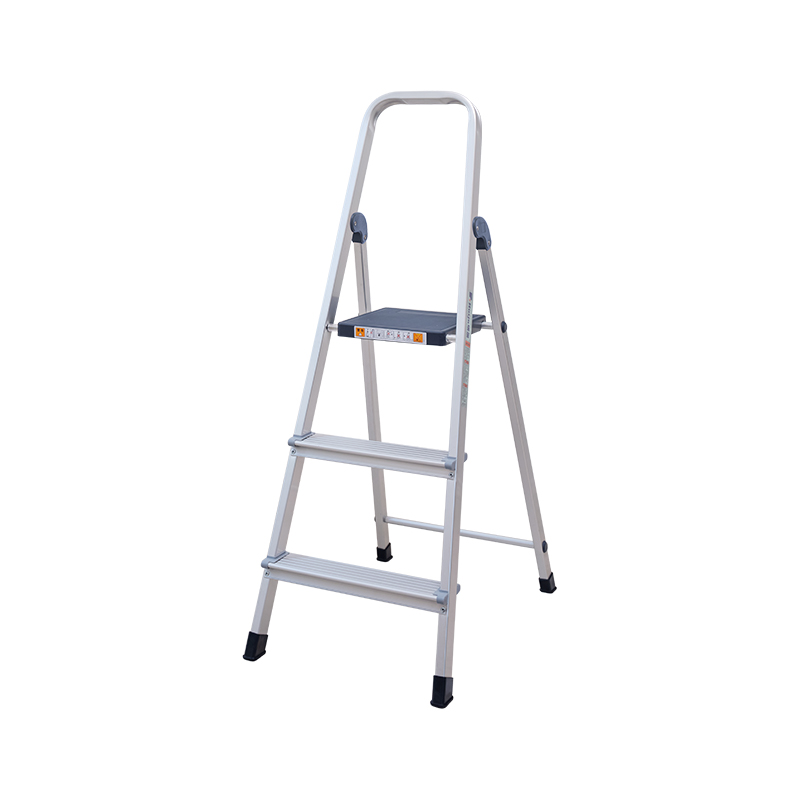
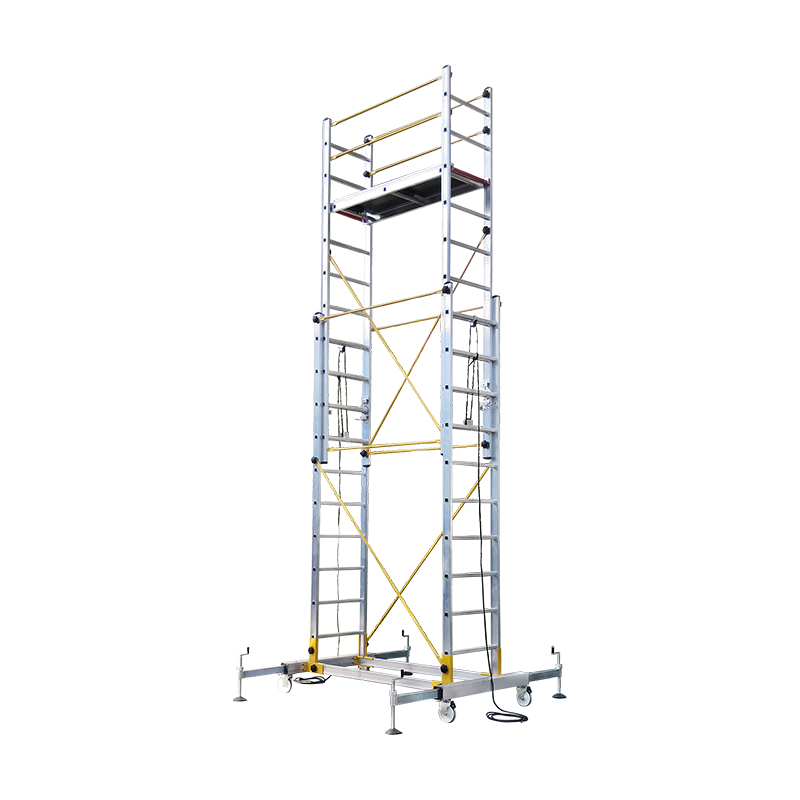
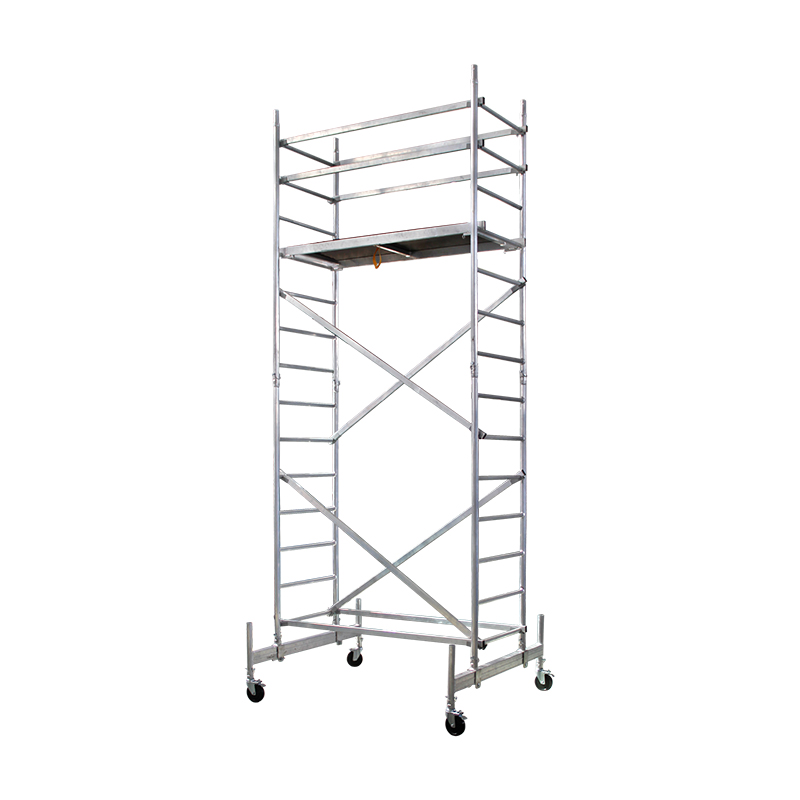
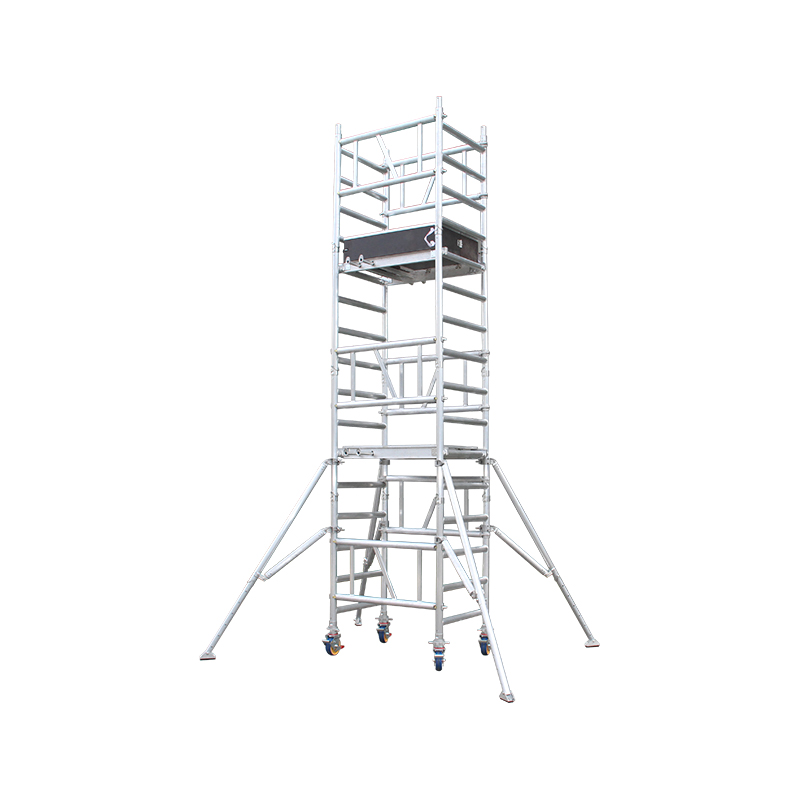
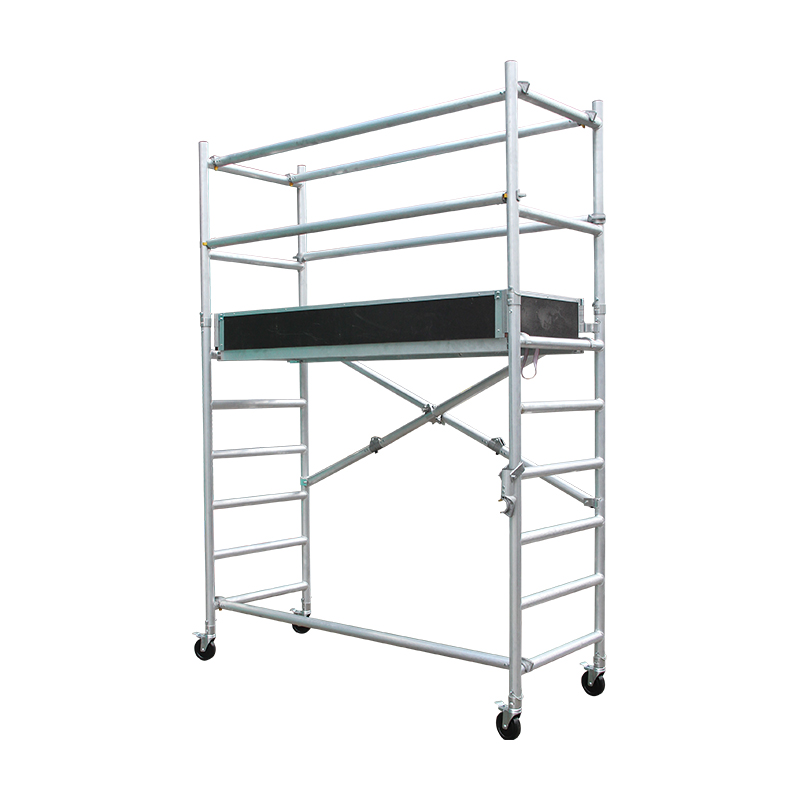











How Step Geometry Influences Aluminium Ladder Ergonomics
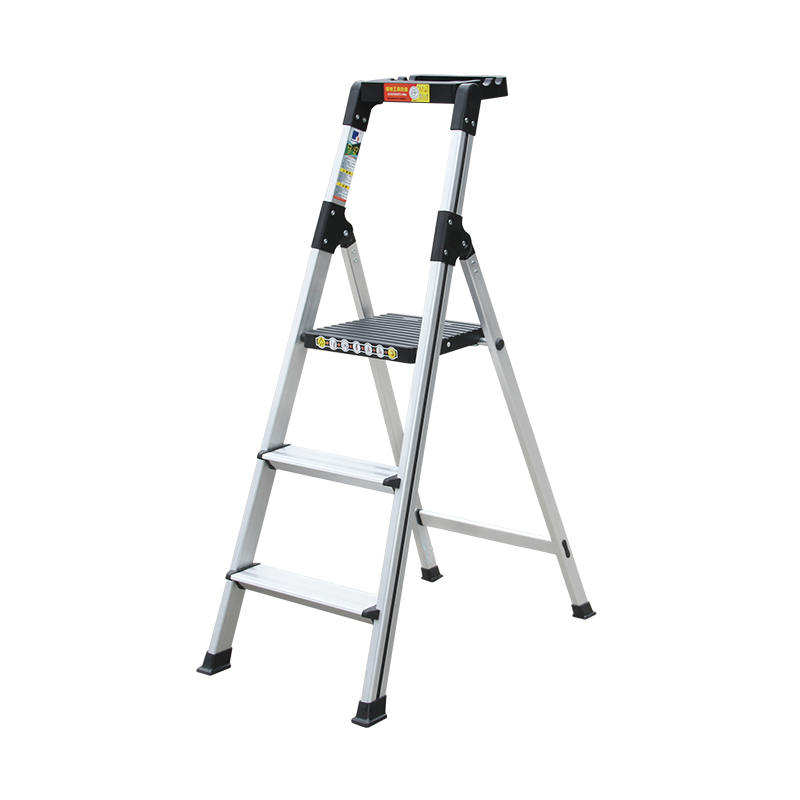
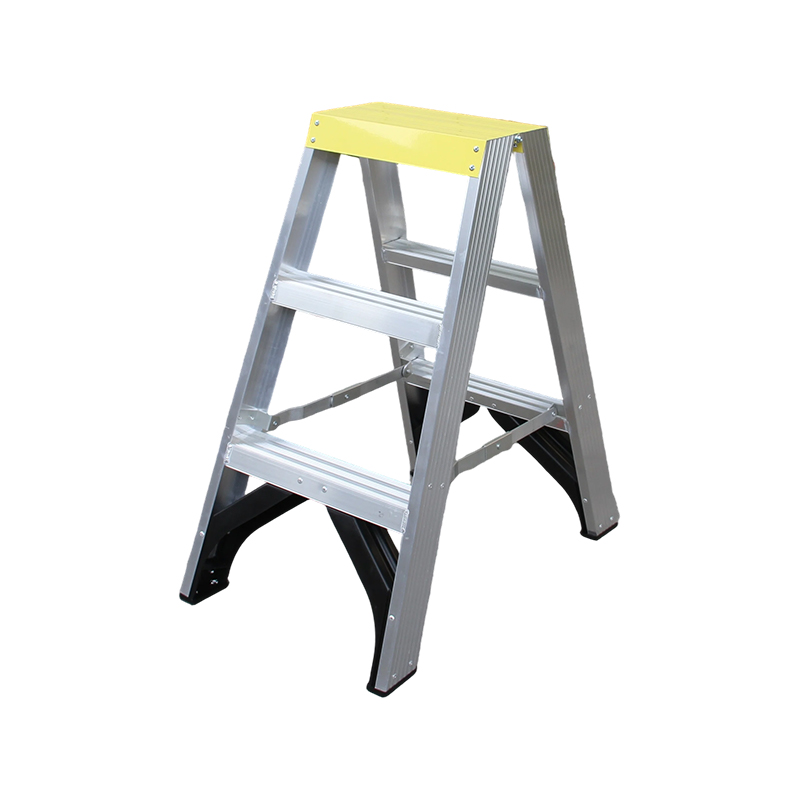
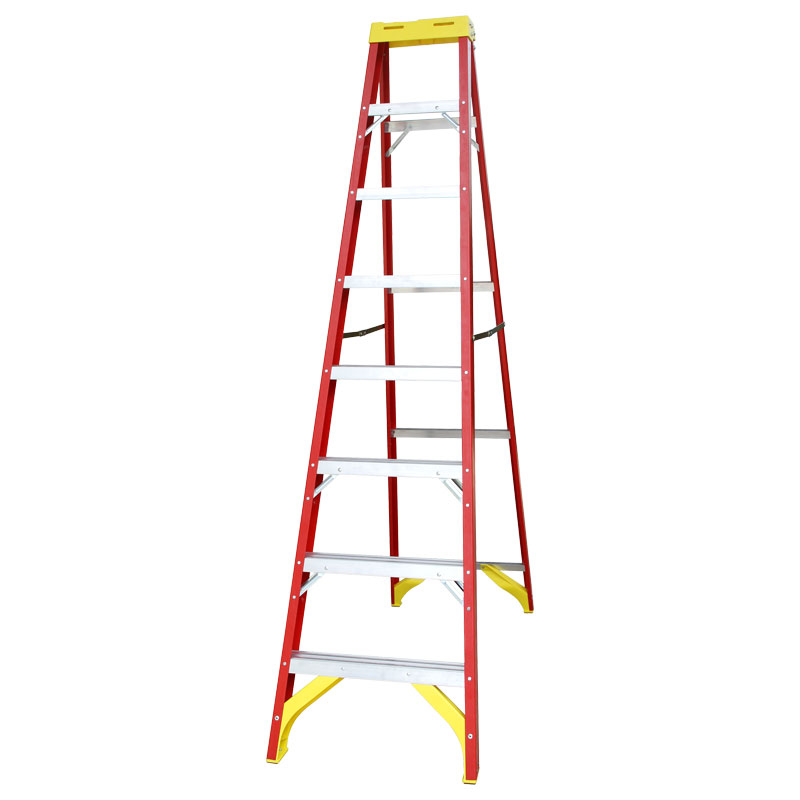
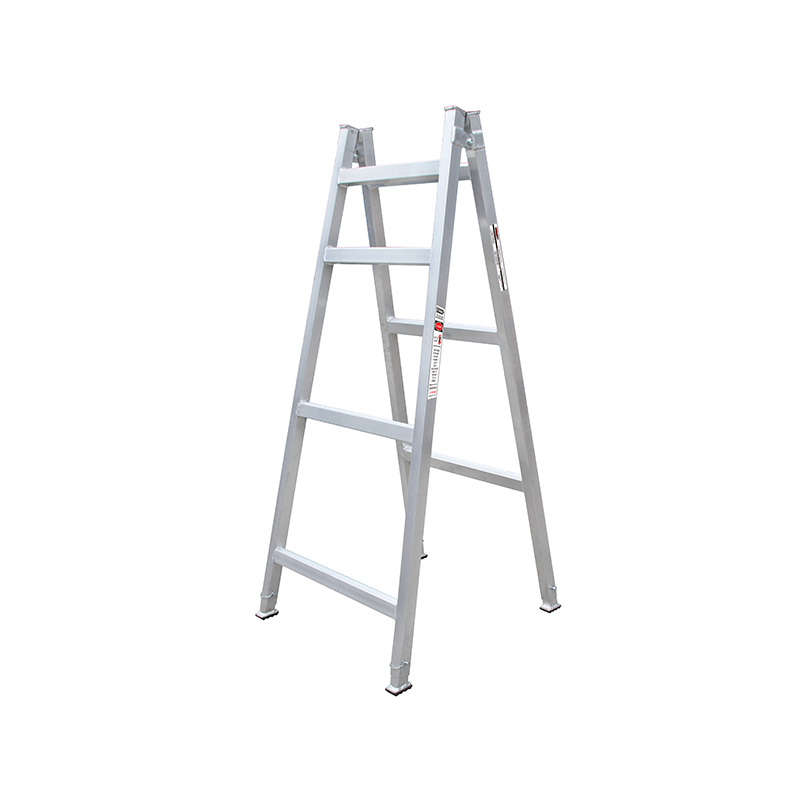
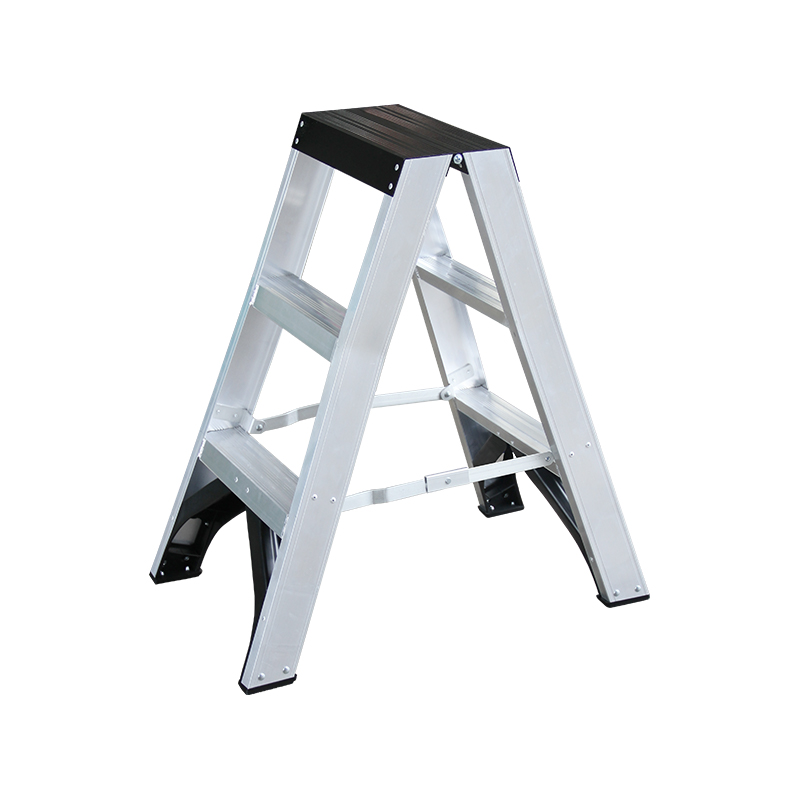
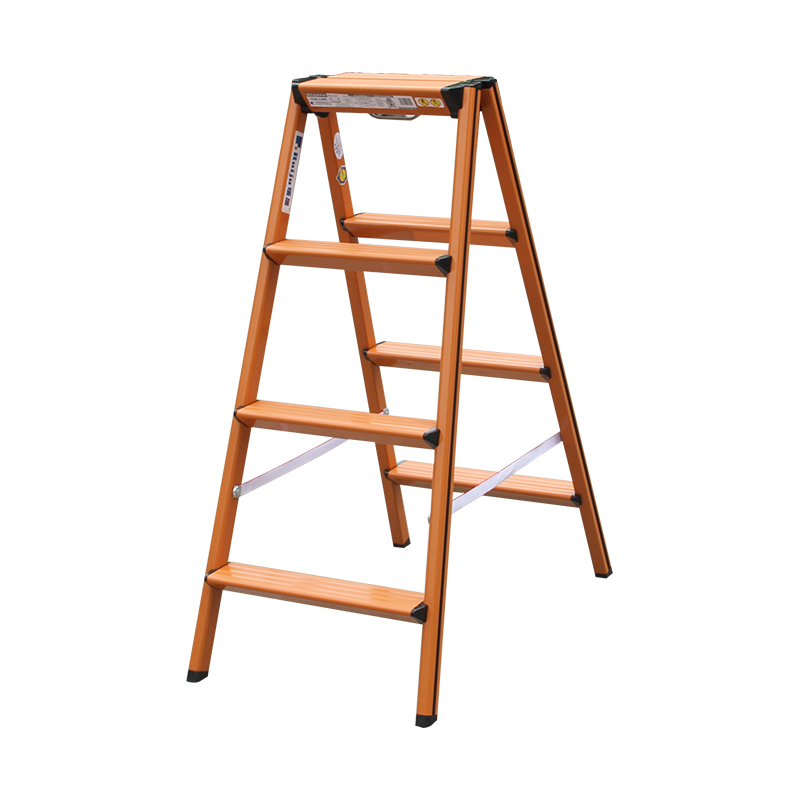
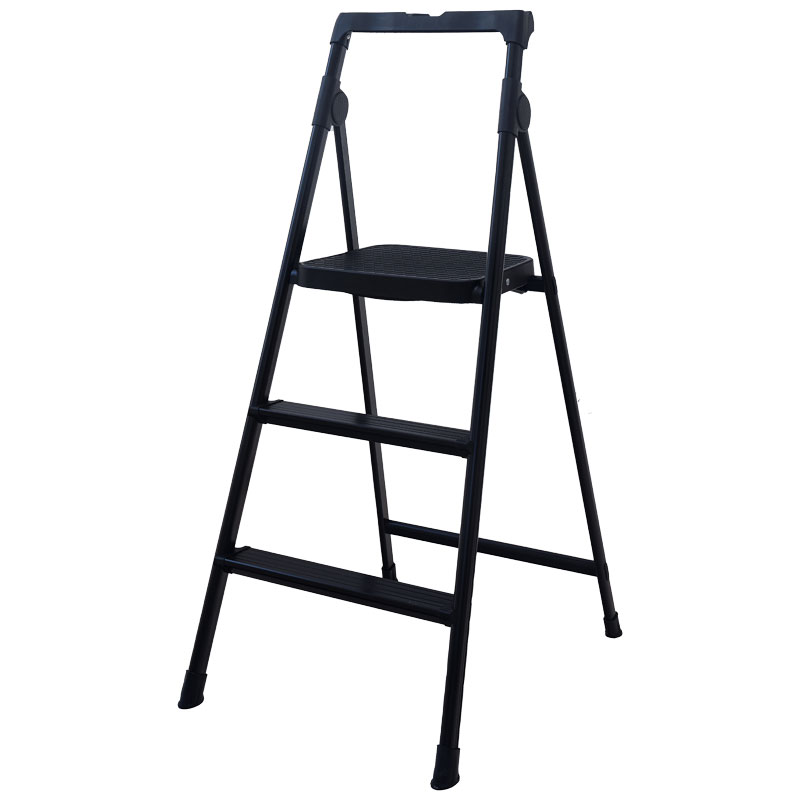
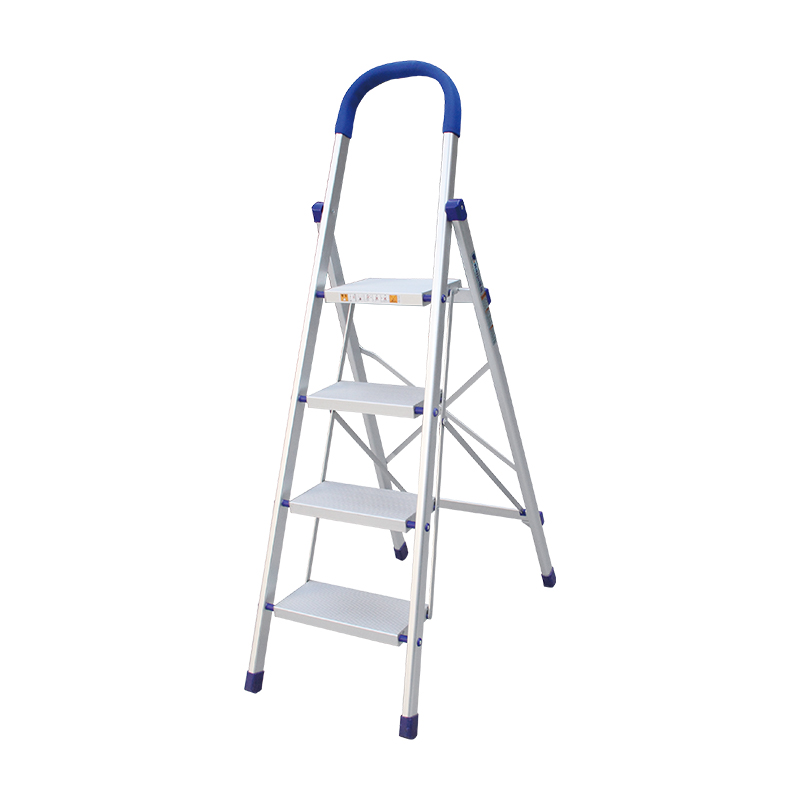
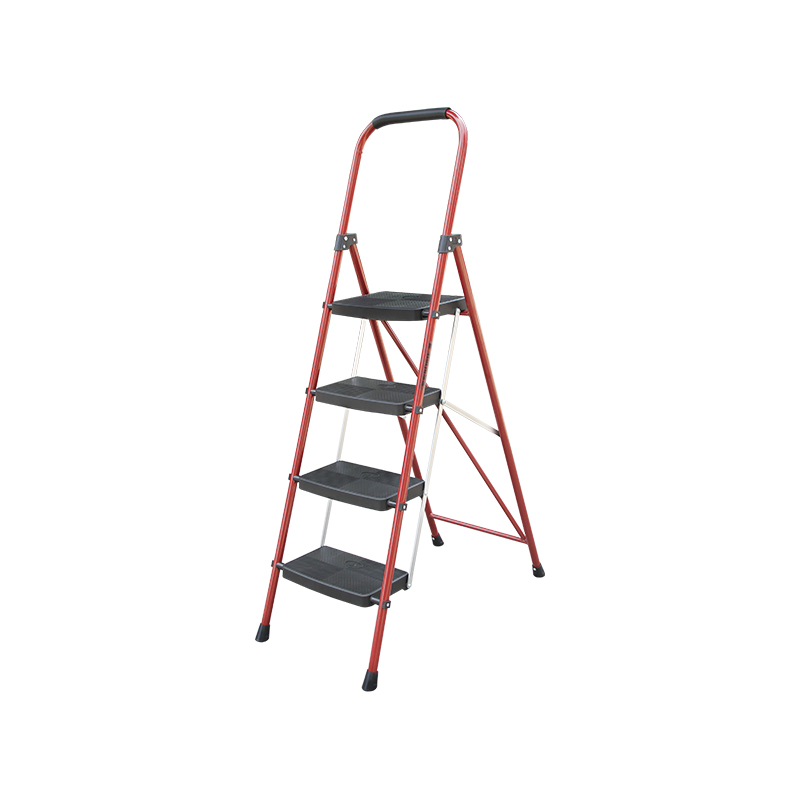
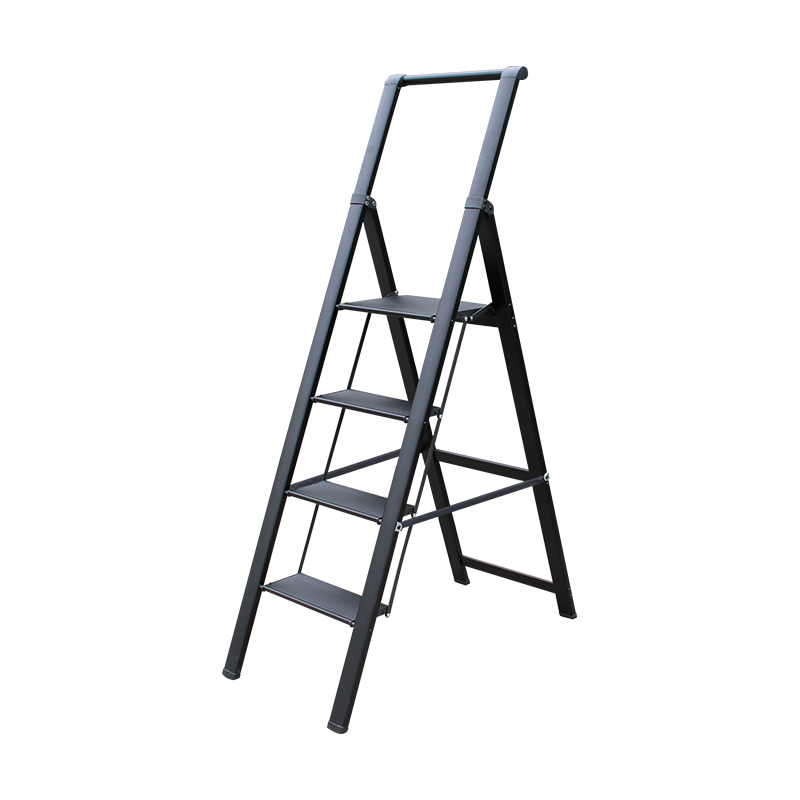
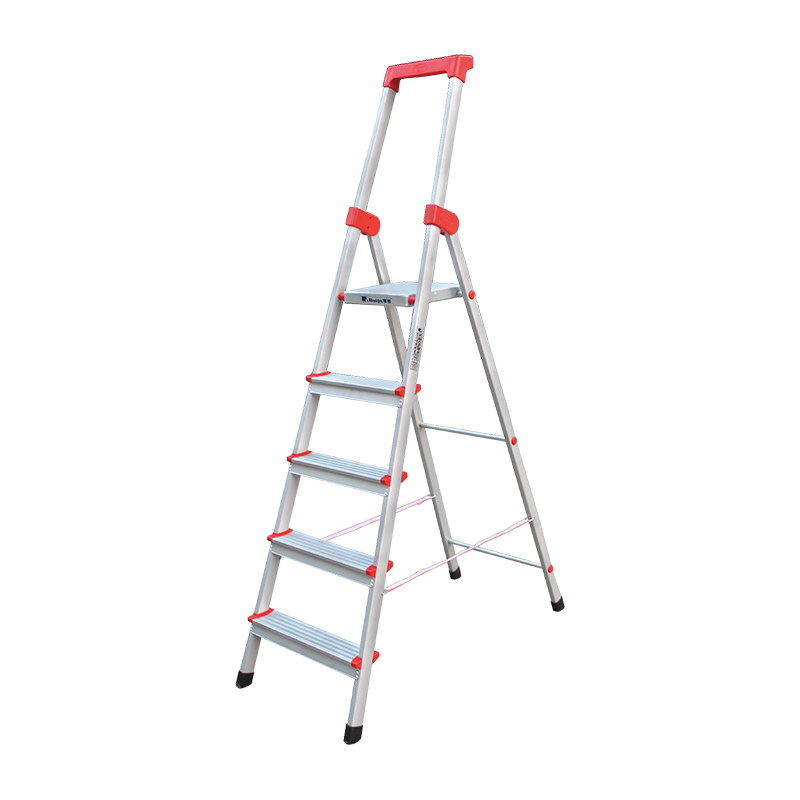
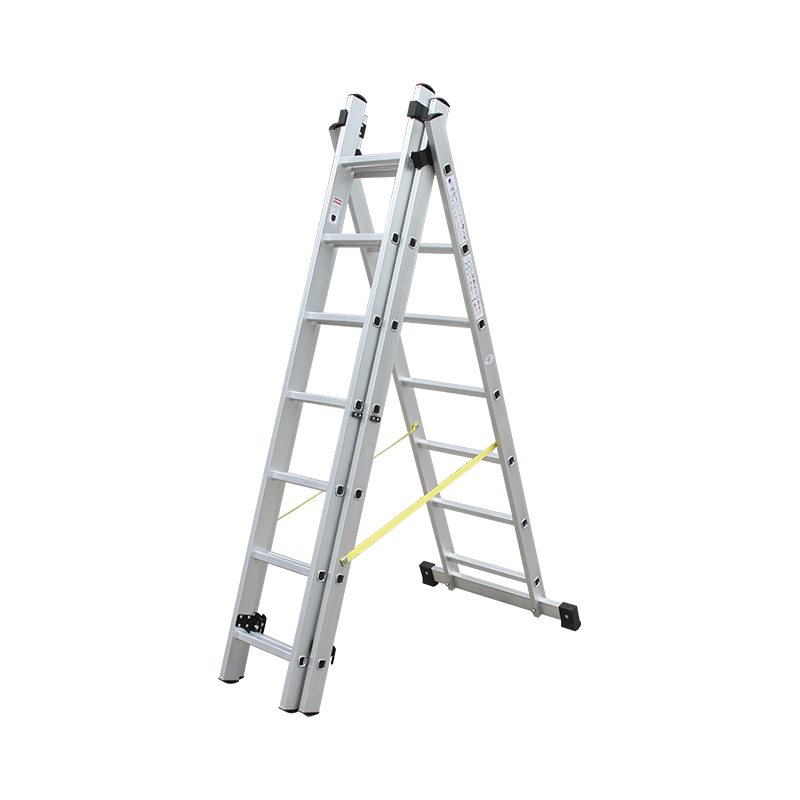
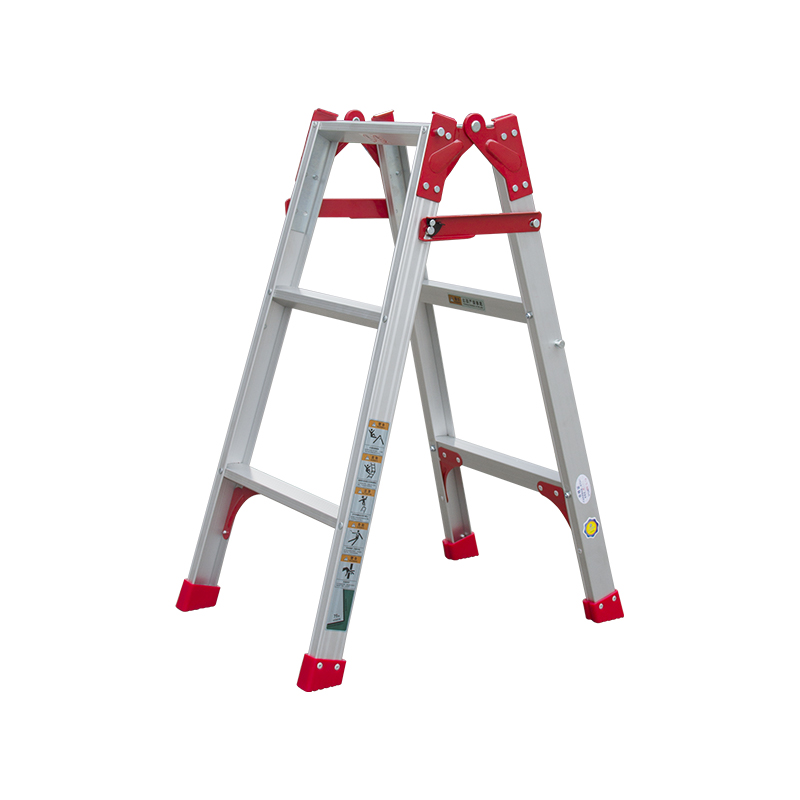
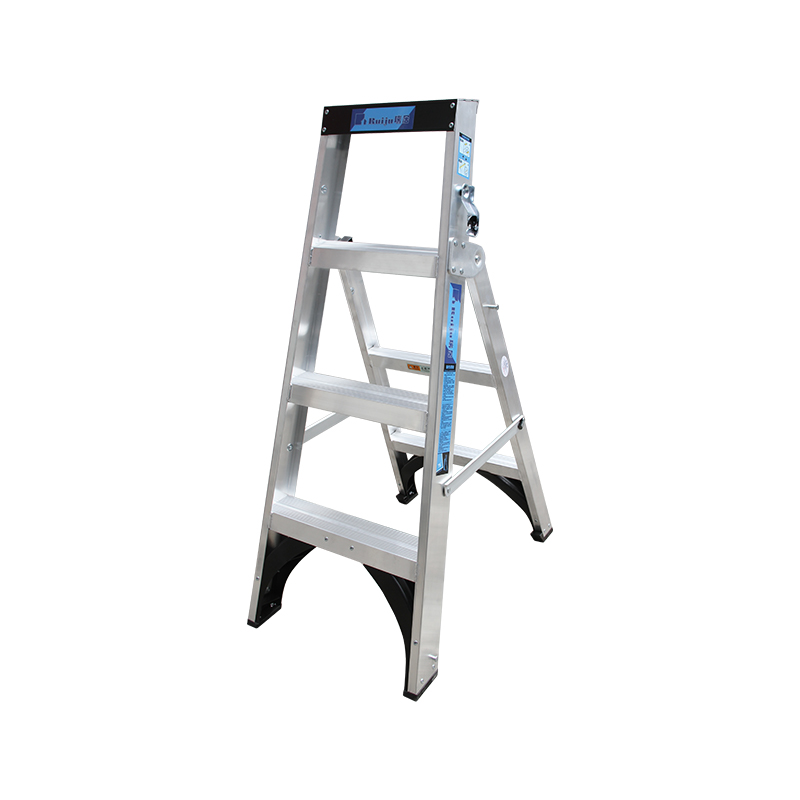
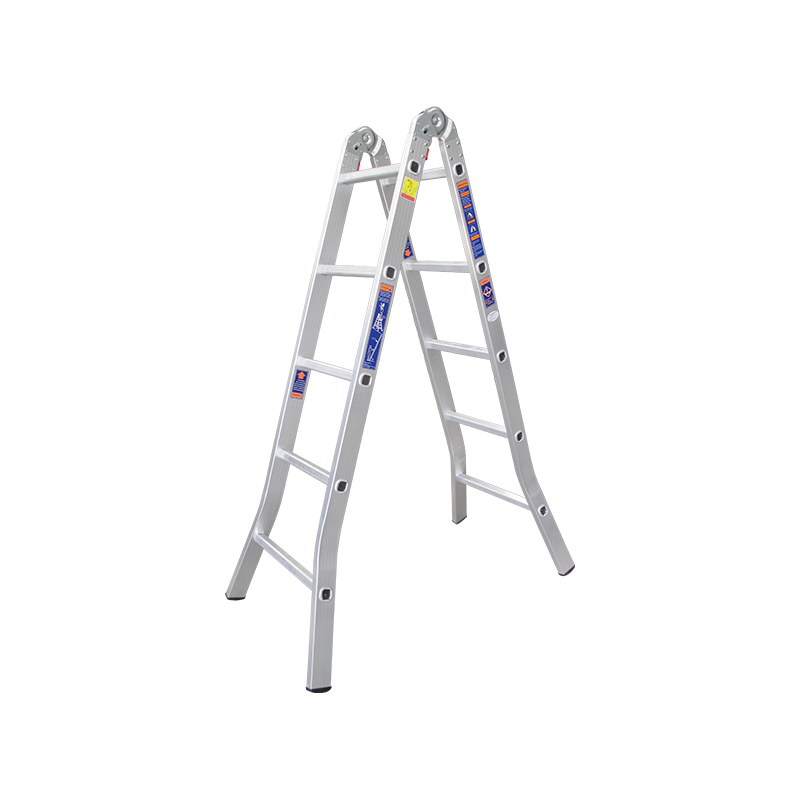
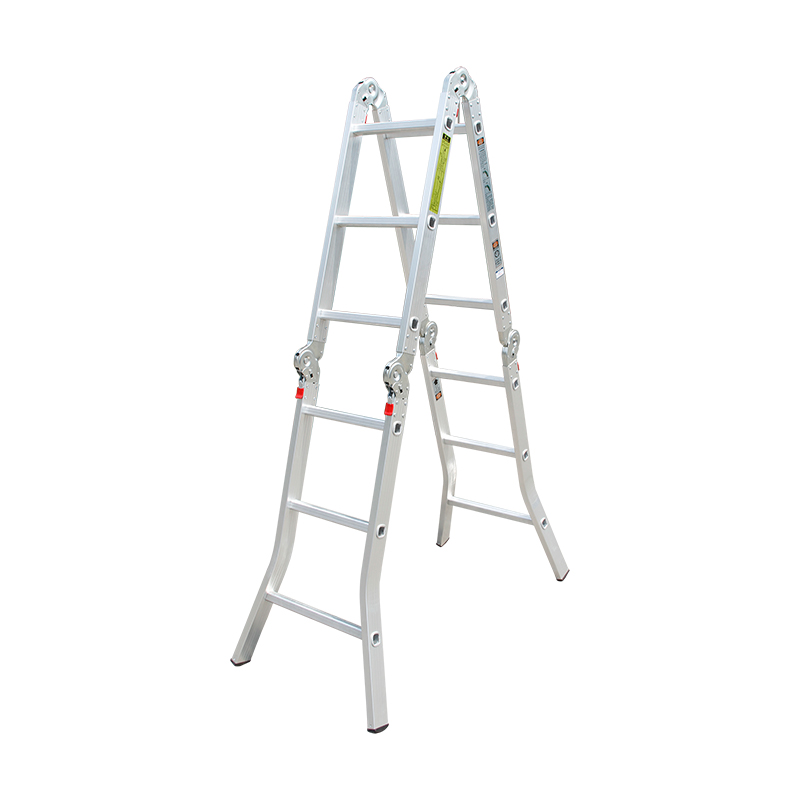
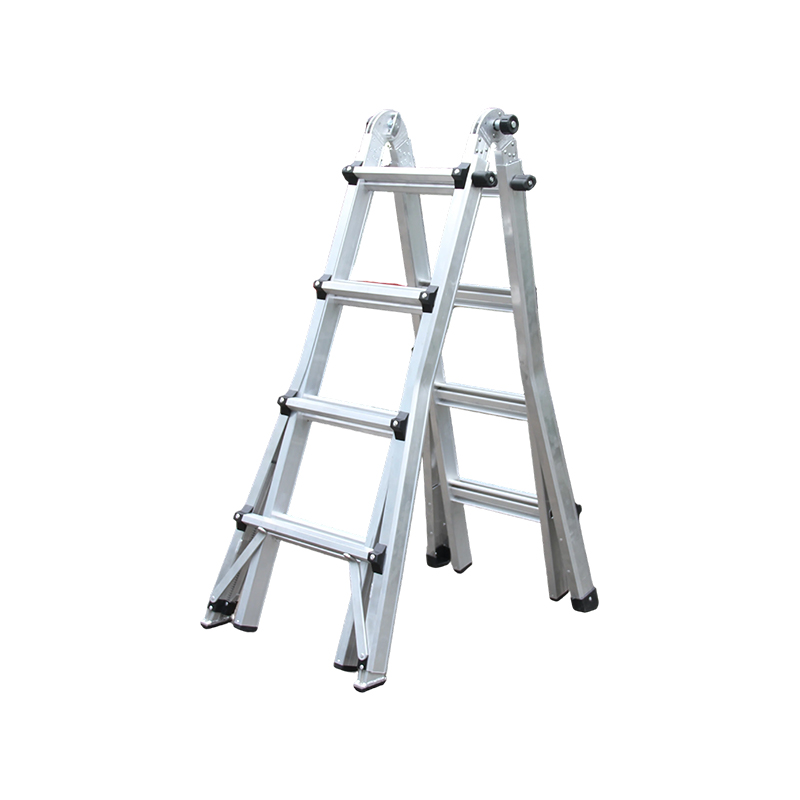
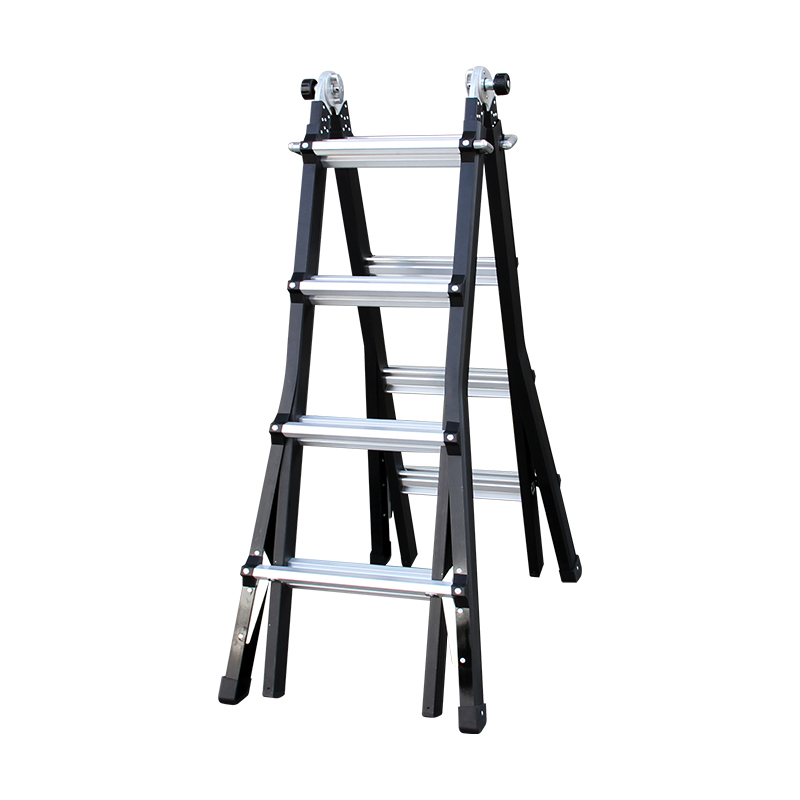
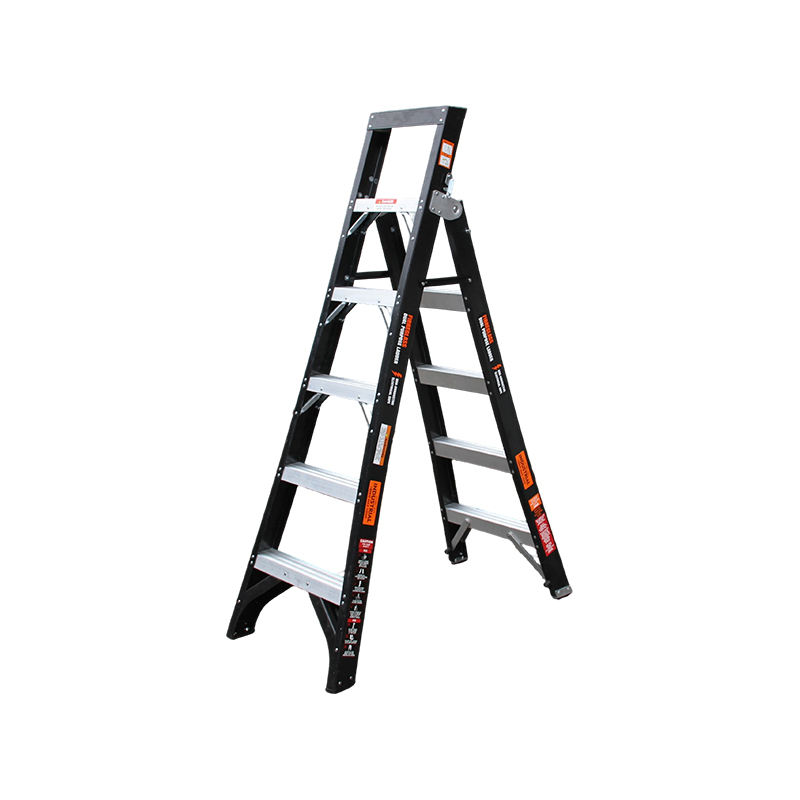
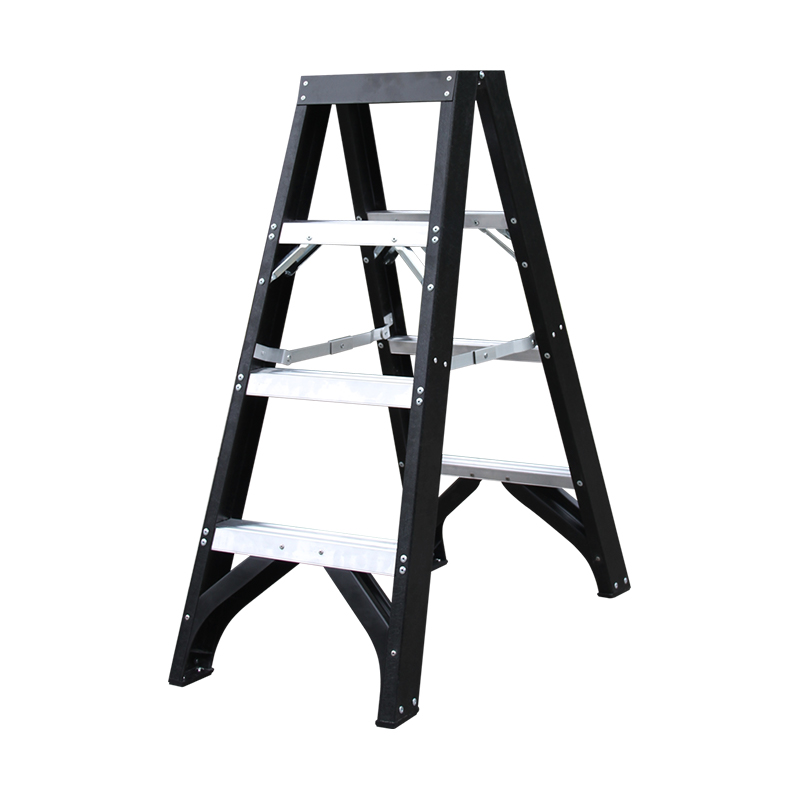
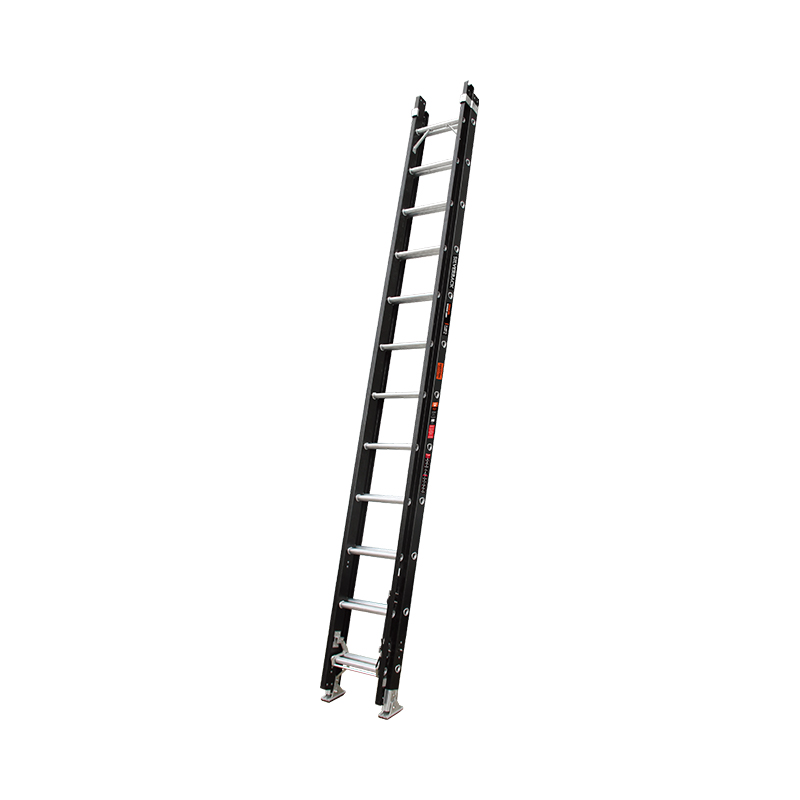
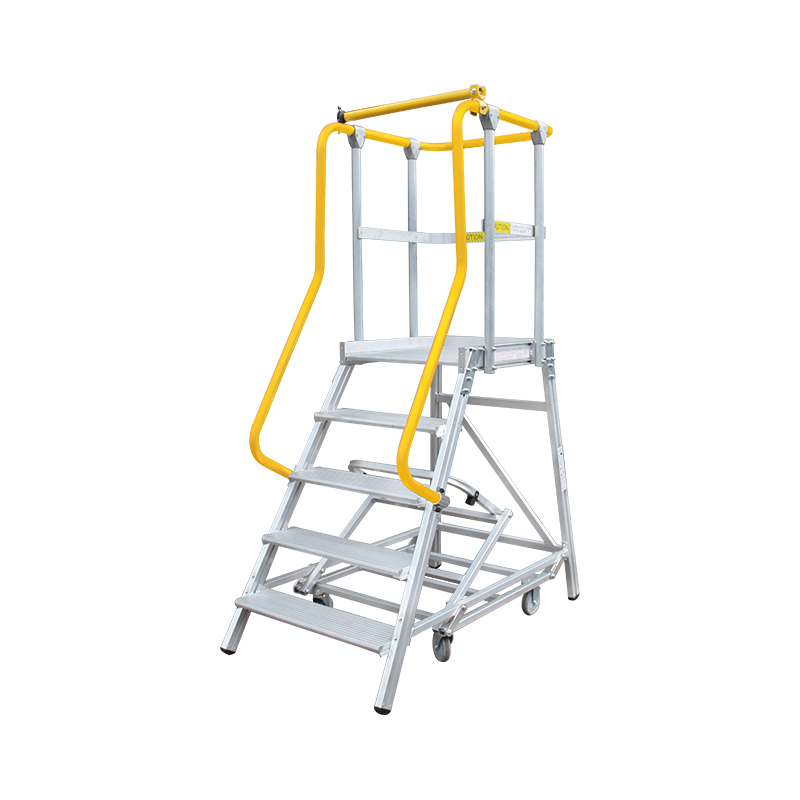
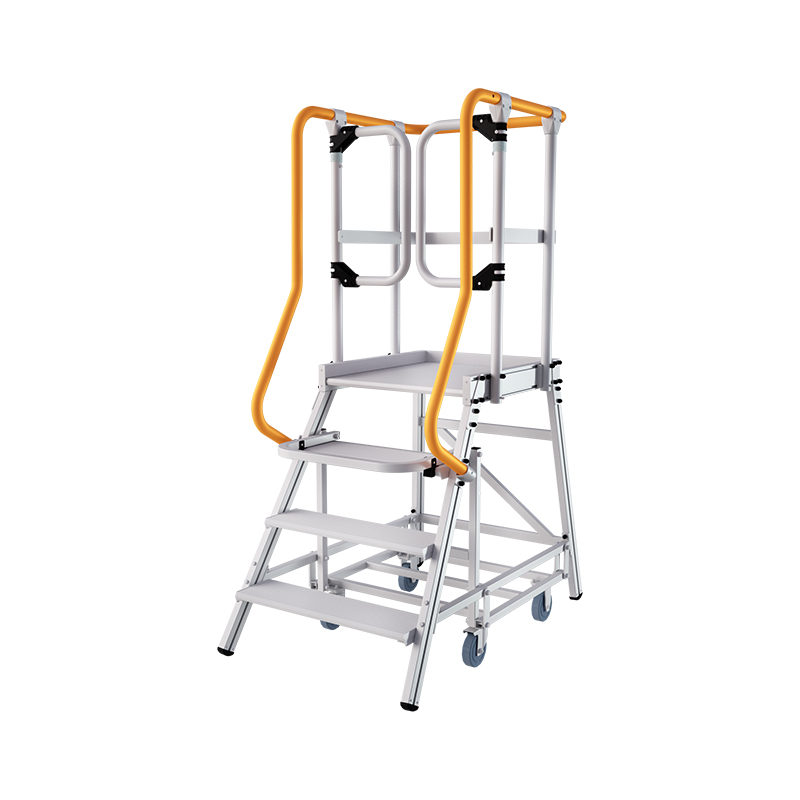
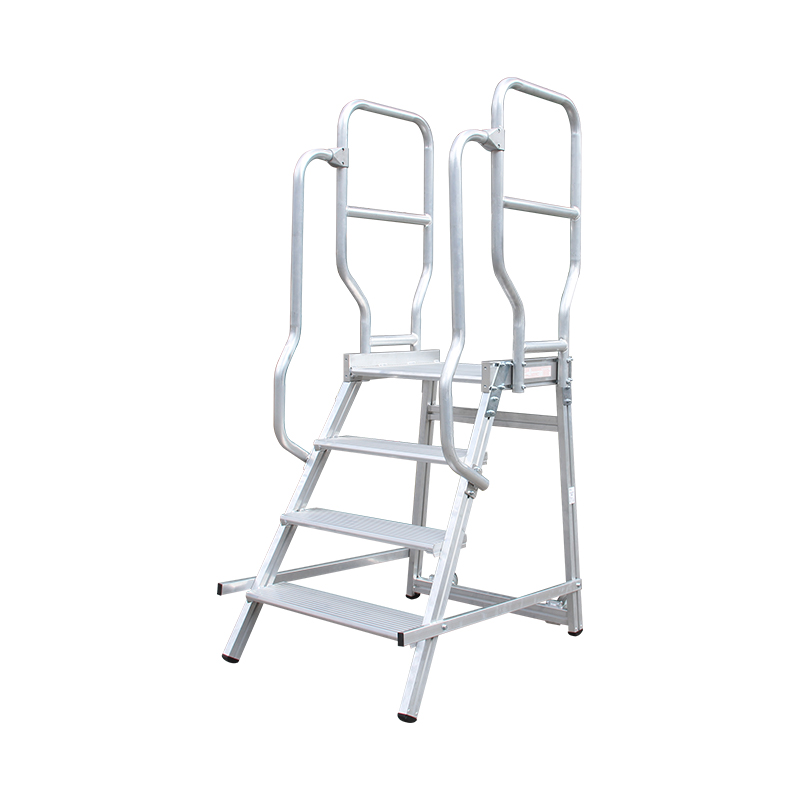
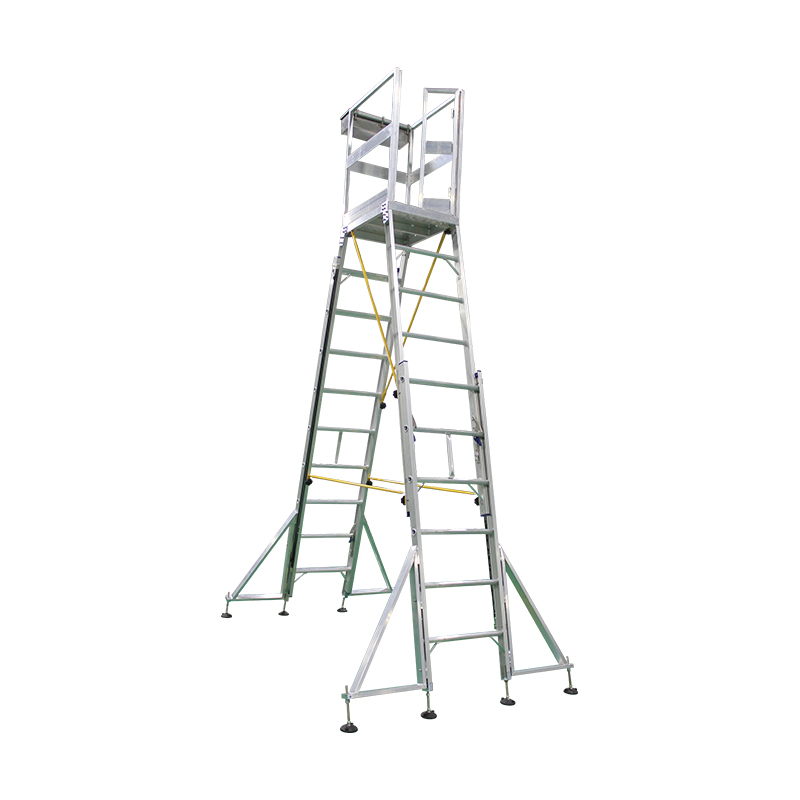
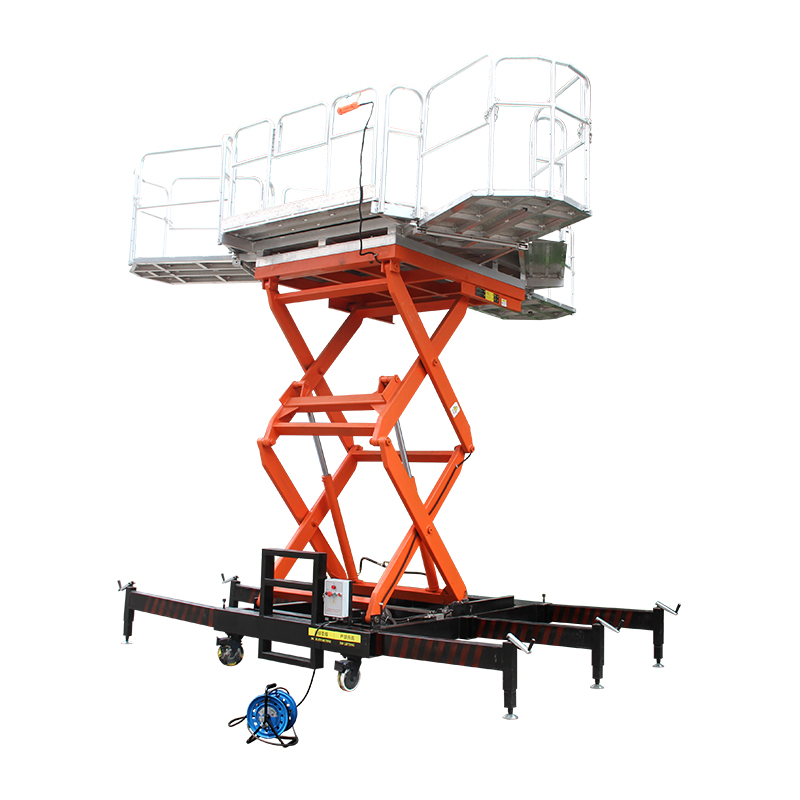
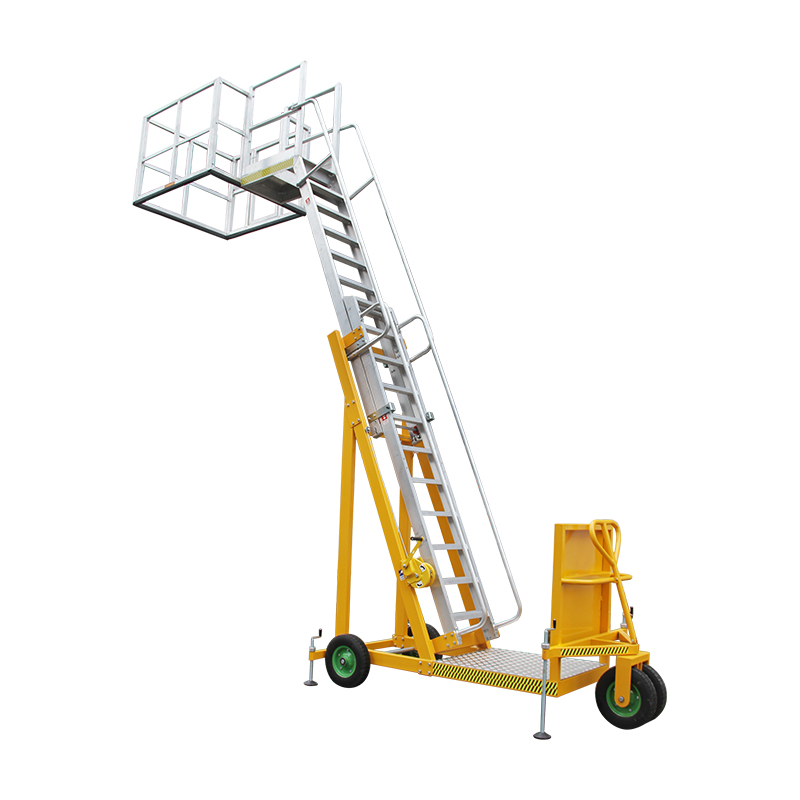
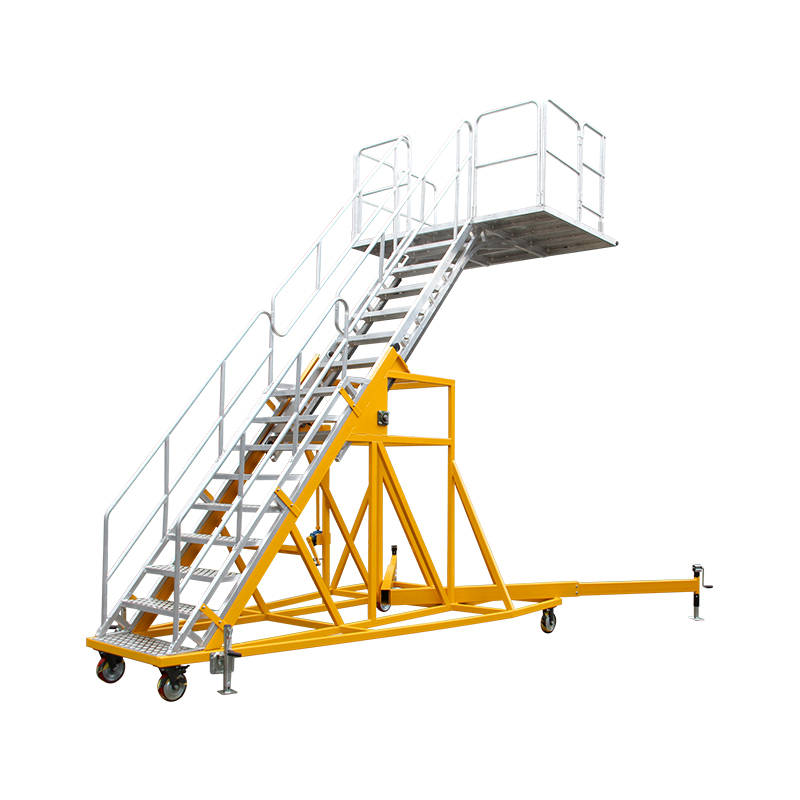
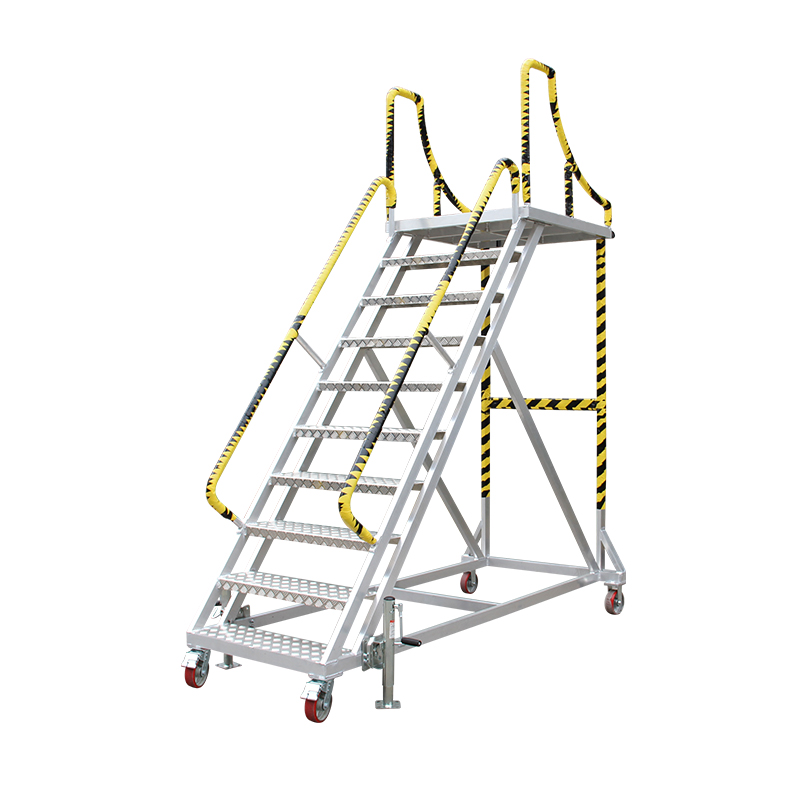
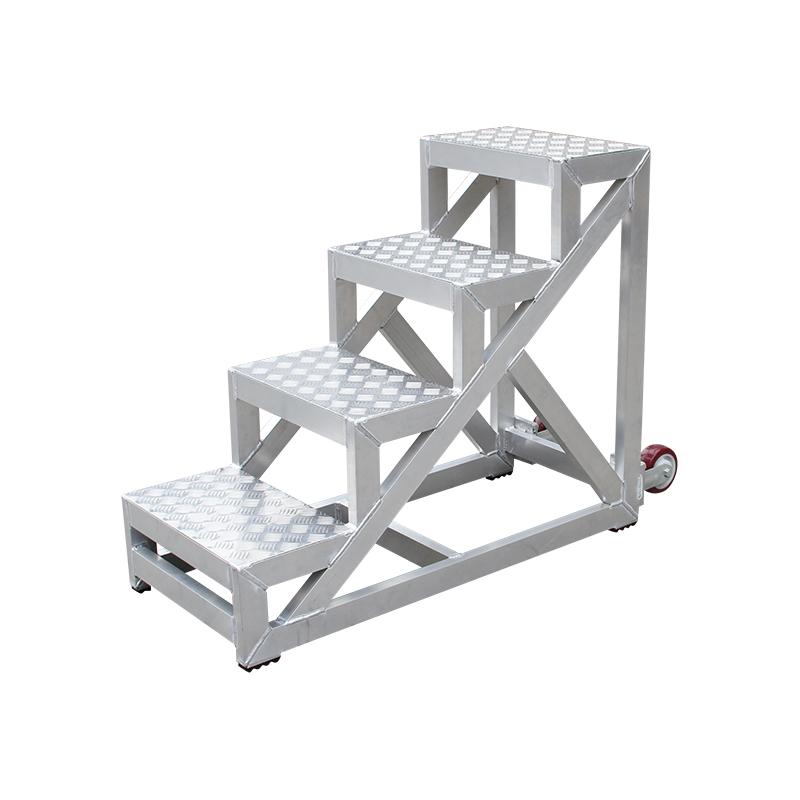
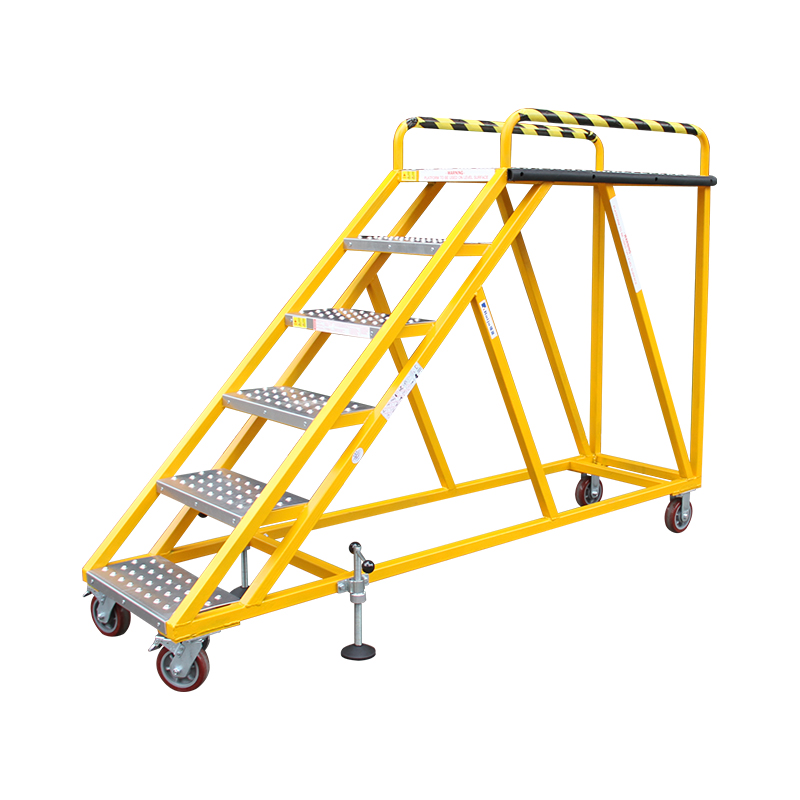
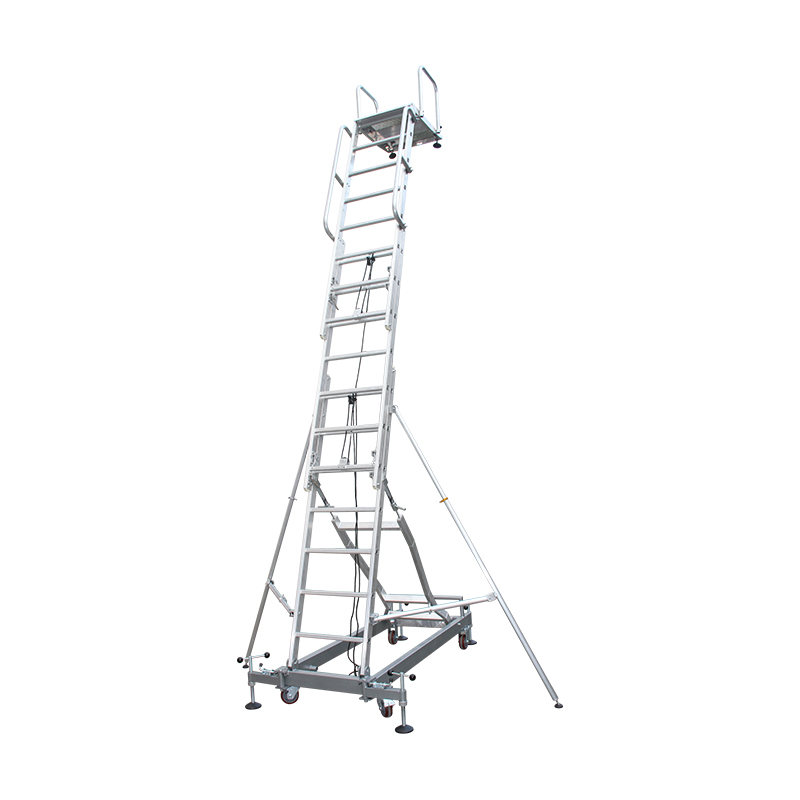
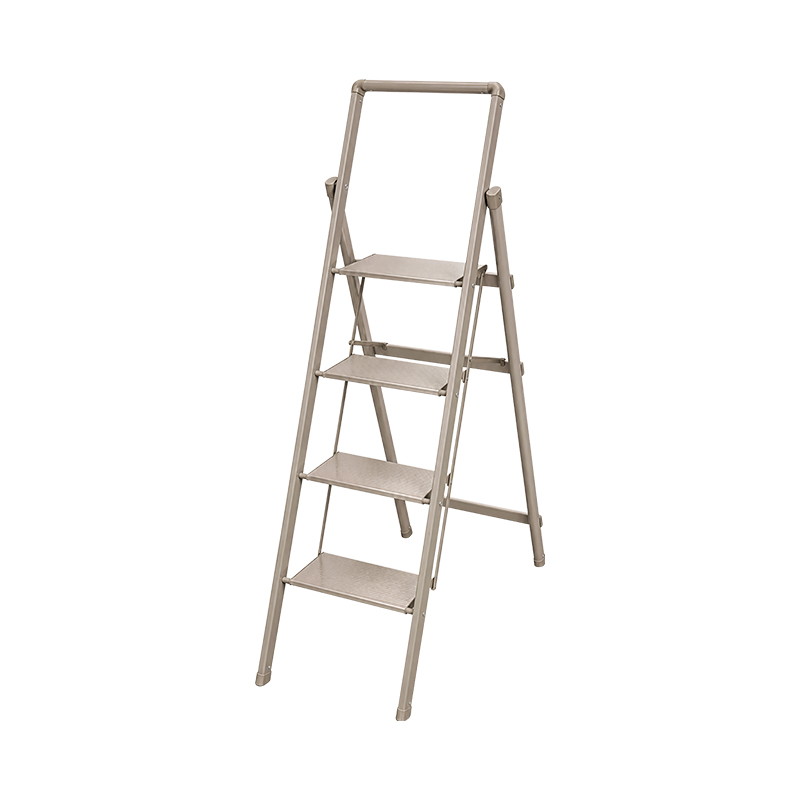
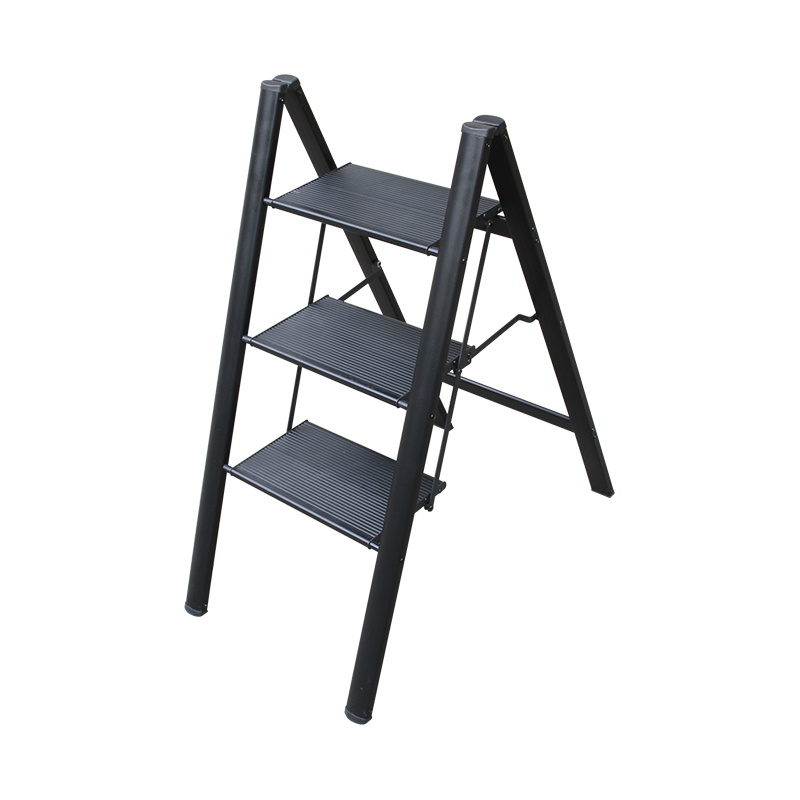
For commercial and industrial users, the working characteristics of Aluminium Step Ladders depend on considerably more than overall height. Step depth, step spacing, tread angle and the relationship between the climbing side and support structure can affect how an operator positions their feet during repeated tasks. A well-engineered step arrangement allows the user to maintain a more natural climbing rhythm and reduces the need to overreach when accessing shelves, equipment or elevated working areas.
Shanghai Ruiju Metal Products Co., Ltd. has specialized in customized climbing and working-at-height solutions since 2001. The company operates a 12,000 m² self-owned production facility and has developed an integrated industrial system covering R&D, product design, manufacturing and marketing. With more than 30 years of expertise in working-at-height products and technologies, Ruiju continues to develop ladders, aluminium scaffolding systems, work platforms and related equipment for domestic and international markets.
Step Dimensions That Deserve Technical Attention
- Step spacing should provide a consistent climbing rhythm rather than forcing irregular foot placement.
- Tread depth should provide sufficient usable foot area for the intended operating environment.
- The tread surface should provide appropriate traction for the expected footwear and workplace conditions.
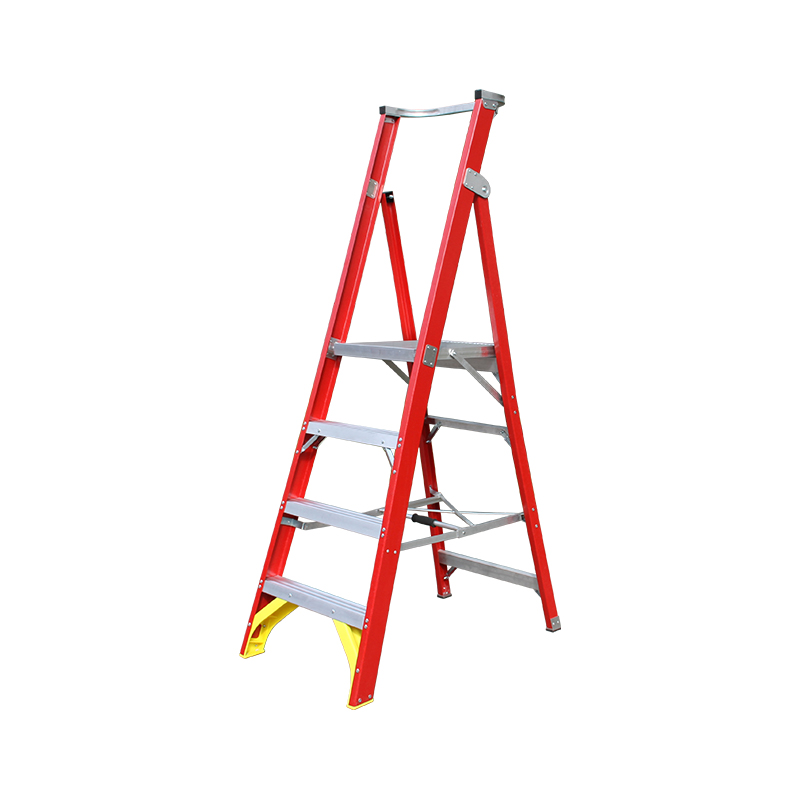
- The upper platform and hand-support arrangement should be considered together to support controlled access.
Why Aluminium Alloy Selection Matters in Commercial Step Ladders
The choice of aluminium alloy affects the balance between structural performance, weight, fabrication characteristics and durability. For an Aluminum Step Ladder intended for frequent movement around warehouses, workshops, retail facilities or maintenance areas, reducing unnecessary dead weight can make repositioning more manageable. At the same time, the structural members must provide adequate stiffness under expected working loads. Engineers therefore need to consider profile geometry and load paths alongside the basic material specification.
Aluminium profiles also provide flexibility for manufacturing different ladder configurations. Profile dimensions, cross-sectional geometry and connection methods can be adapted to specific product requirements. For manufacturers purchasing ladders in volume, consistency between profile batches, fabrication dimensions and assembly processes is particularly important because small variations can influence the fit and feel of finished equipment.
| Design Factor | What It Influences | Production Focus |
|---|---|---|
| Aluminium profile | Stiffness, weight and structural load transfer | Profile consistency and dimensional accuracy |
| Step construction | Foot support and climbing comfort | Secure attachment and consistent spacing |
| Base structure | Overall stability and floor contact | Accurate frame alignment |
| Platform area | Standing position and task accessibility | Deck installation and surface treatment |
Load Path Design Is More Important Than Maximum Load Alone
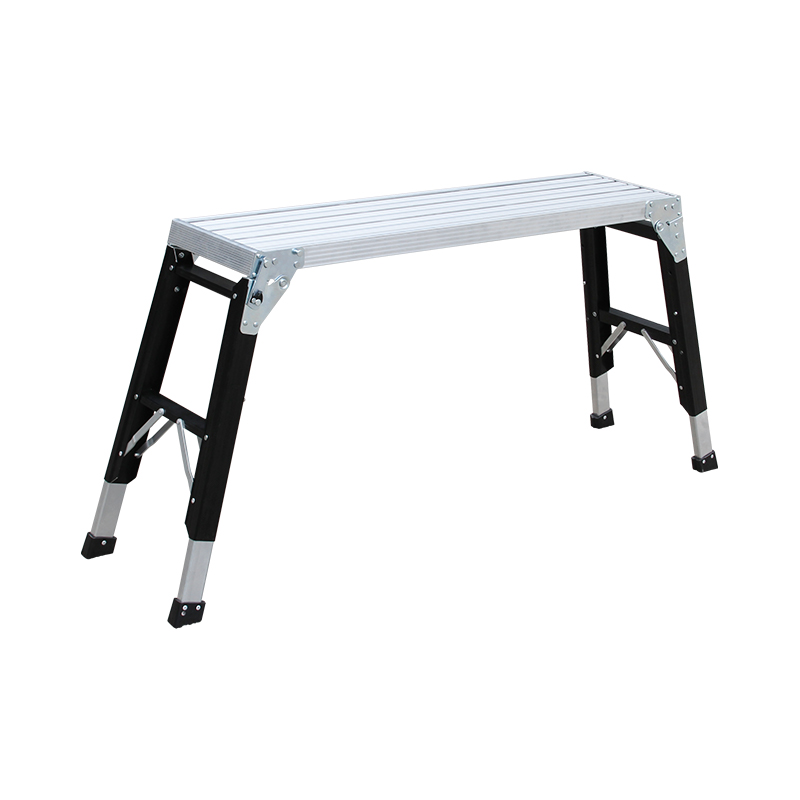
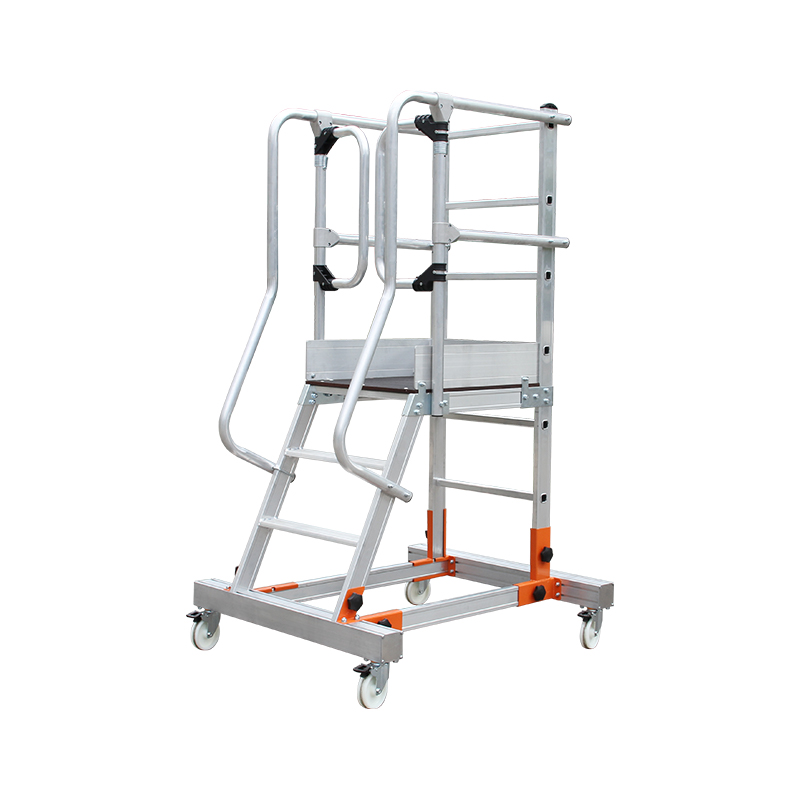
When evaluating Aluminium Step Ladders for workplace use, procurement specifications should distinguish between rated working load and the way that load is transferred through the structure. An operator standing centrally on a platform produces a different loading pattern from a person working close to an edge while carrying tools or materials. Structural members, steps, hinges, spreaders and feet must work as an interconnected system rather than as isolated components.
For this reason, technical evaluation should consider the intended use scenario, including the number of operators, typical tools carried, frequency of repositioning and expected working height. Where ladders are incorporated into a larger industrial workflow, the surrounding clearance and access conditions should also be reviewed. These details help manufacturers establish an appropriate configuration instead of relying solely on a generic ladder size.
Useful Parameters for a Product Specification
- Maximum intended working load and applicable load-testing requirements.
- Overall closed and opened dimensions where folding construction is used.
- Platform height, step count and step spacing.
- Base width, support configuration and floor-contact components.
- Material specifications, surface finish and component replacement requirements.
Storage and Fleet Management Considerations for Multiple Ladders
Facilities operating multiple Aluminum Step Ladder units should consider storage footprint and inspection efficiency as part of equipment planning. Folding or compact configurations can reduce the space required when ladders are not in use, while standardized product dimensions make it easier to establish designated storage locations. Clear identification of ladder models, rated loads and inspection status can also help maintenance teams manage equipment across warehouses, workshops and production areas.
Repeated movement can gradually expose components to wear even when the main aluminium frame remains in good condition. Wheels, feet, hinges, fasteners, platforms and other frequently handled parts should therefore be included in routine inspection procedures. Establishing replacement criteria before equipment is deployed helps avoid inconsistent decisions between different operating sites.
Quality Systems for Export-Oriented Aluminium Ladder Manufacturing
Shanghai Ruiju Metal Products Co., Ltd. maintains an ISO 9001-certified manufacturing system and is BSCI audited. Its standard products comply with China's national standard GB12142, while export products meet applicable Australian, European and American industry standards. Products are rigorously tested and certified by SGS and TÜV, providing independent third-party verification for relevant product requirements.
Ruiju operates under its proprietary Ruiju brand and maintains a portfolio of technical patents developed through continued product and process innovation. Its manufacturing capabilities cover ladders, aluminium scaffolding systems, work platforms and related working-at-height equipment. For customers specifying Aluminium Step Ladders for different markets or operational environments, this combination of engineering development, controlled manufacturing and standards-oriented testing provides a structured foundation for product customization and repeat production.
Information to Confirm When Sourcing Industrial Step Ladders
- Target working height and required number of steps.
- Expected working load and frequency of use.
- Indoor or outdoor operating environment and expected exposure conditions.
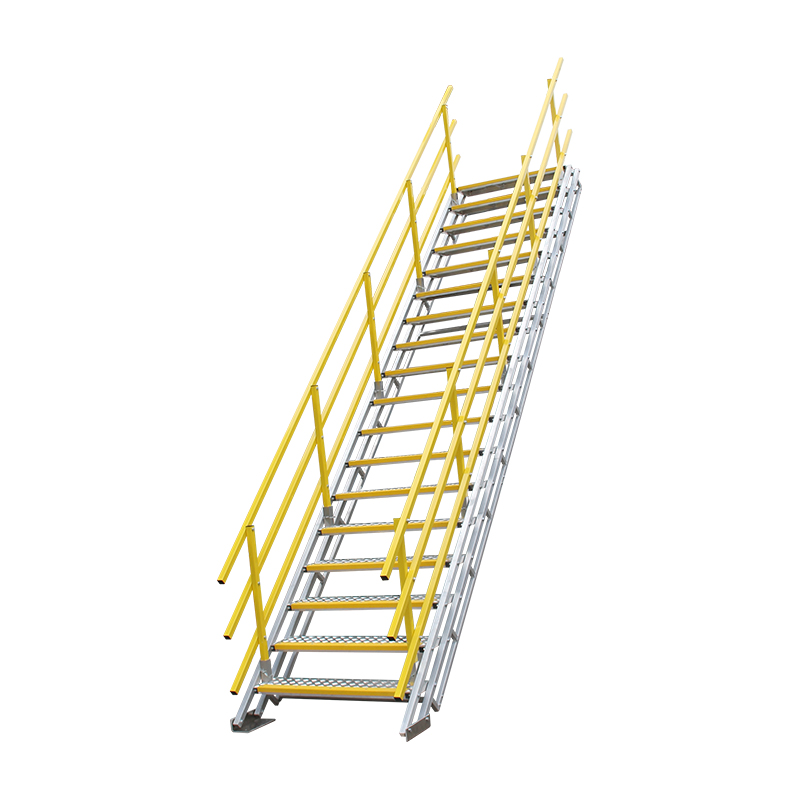
- Required platform dimensions, tread configuration and access arrangement.
- Applicable destination-market standards, testing and certification requirements.
- Packaging, storage and repeat-order requirements for ongoing equipment deployment.