en
en 简体中文
简体中文 Español
 Deutsch
 عربى
عربى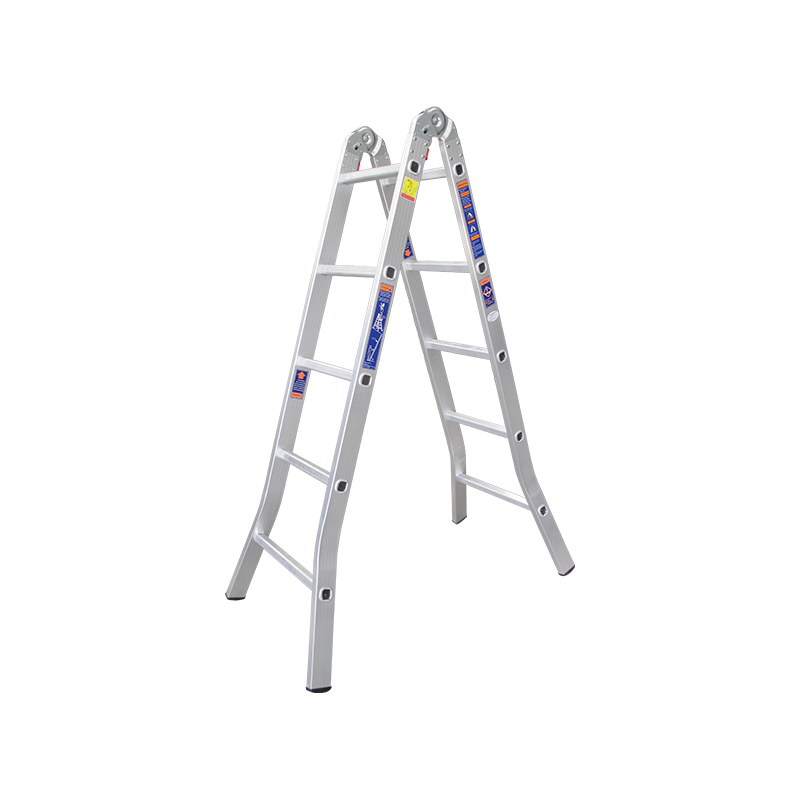


How Industrial Ladder Geometry Affects Working Efficiency
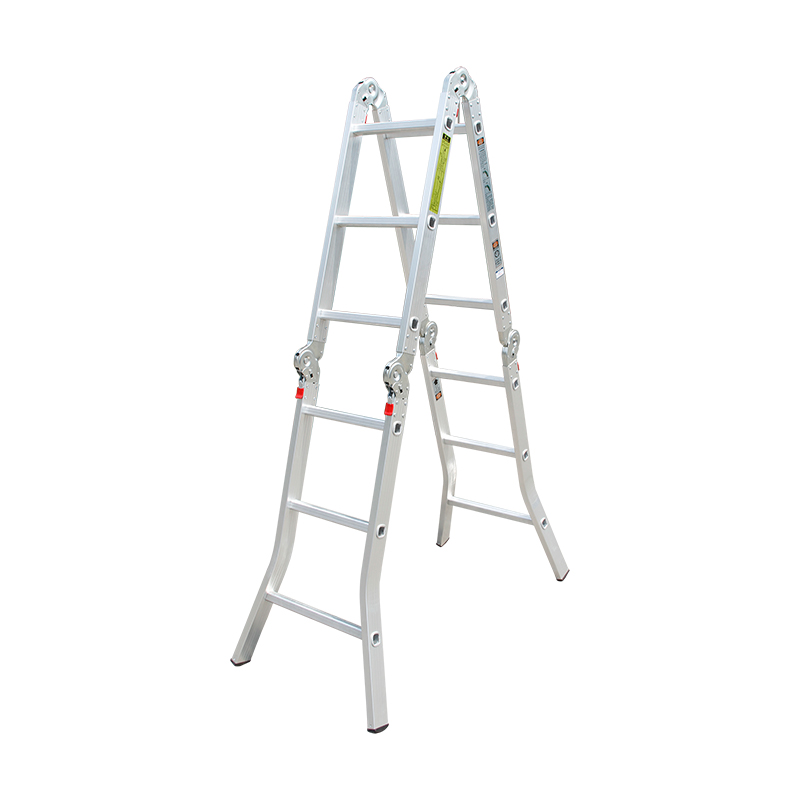
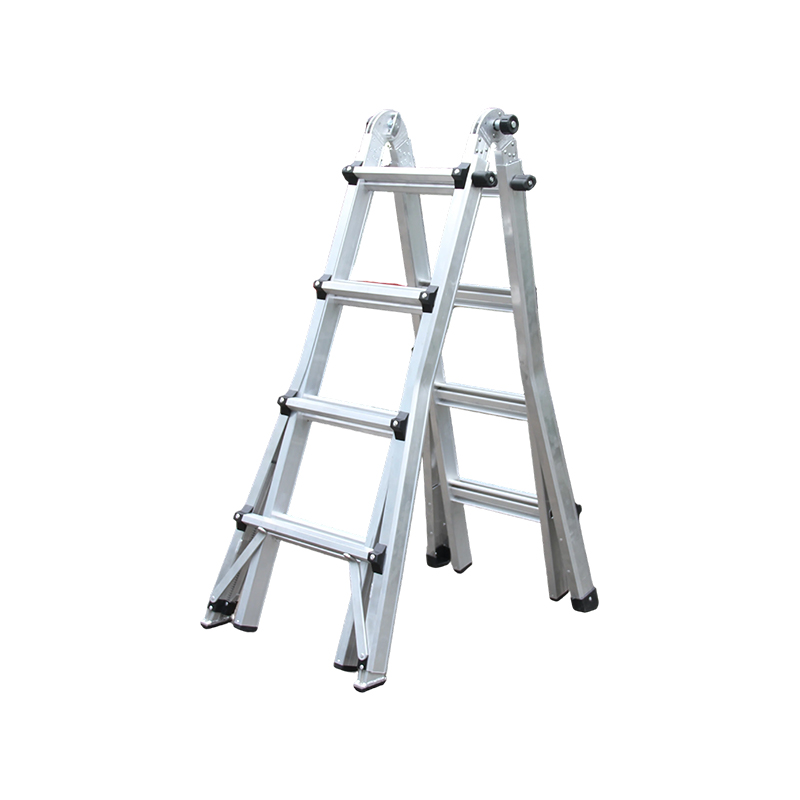
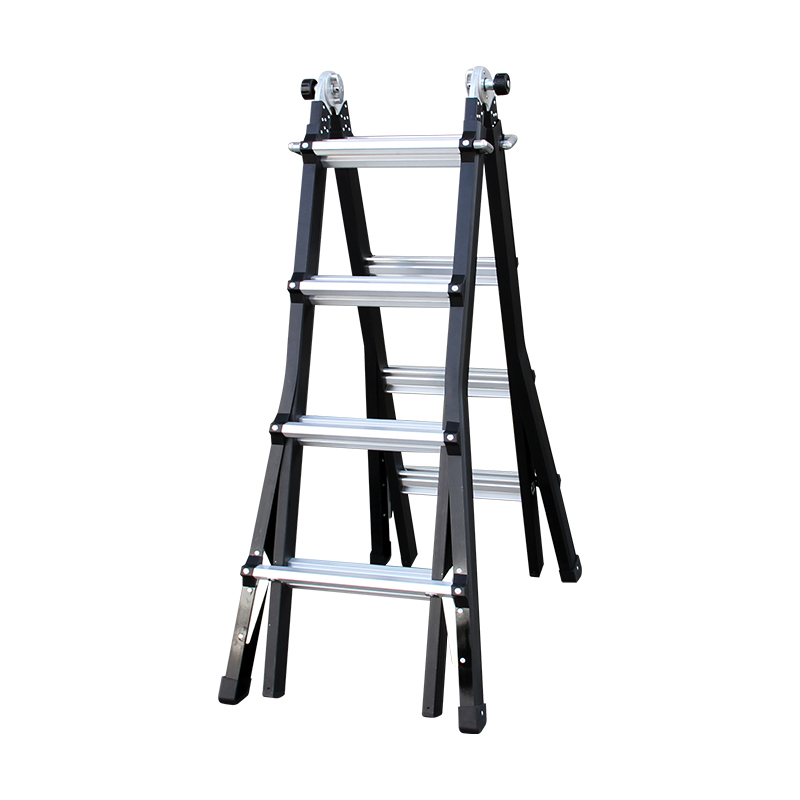
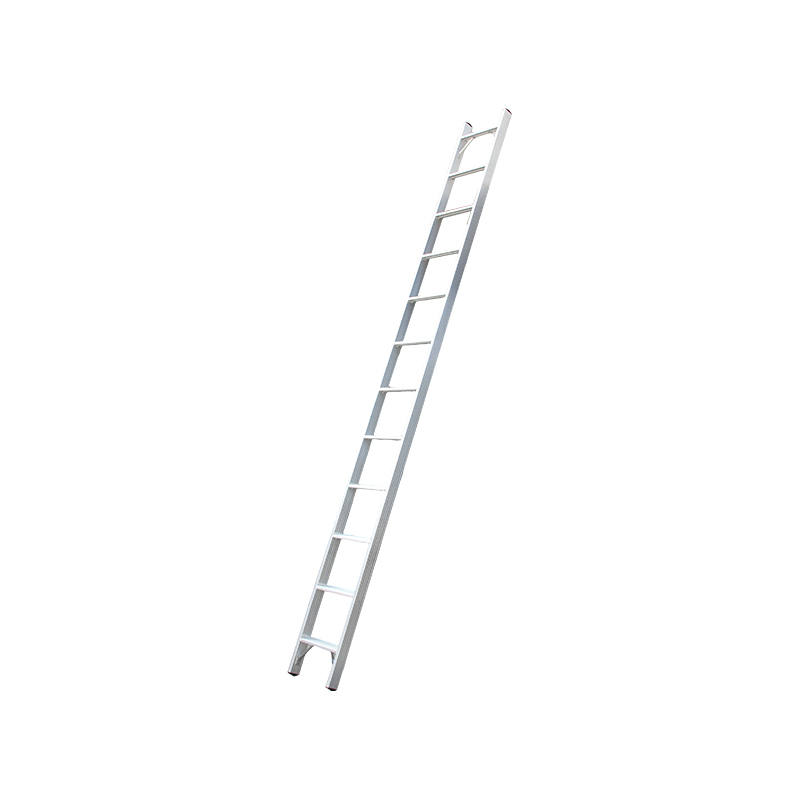
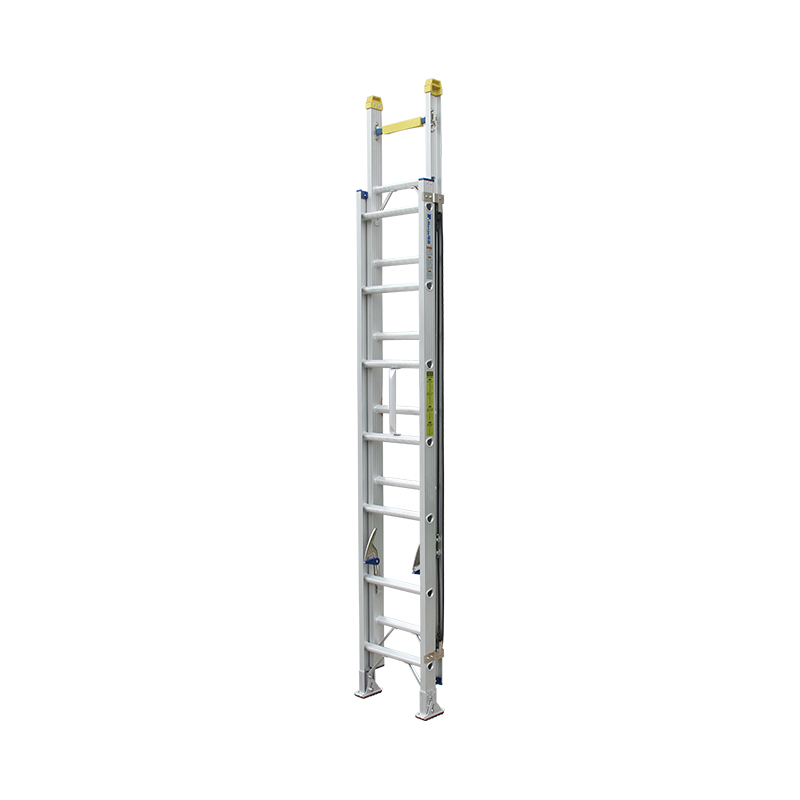
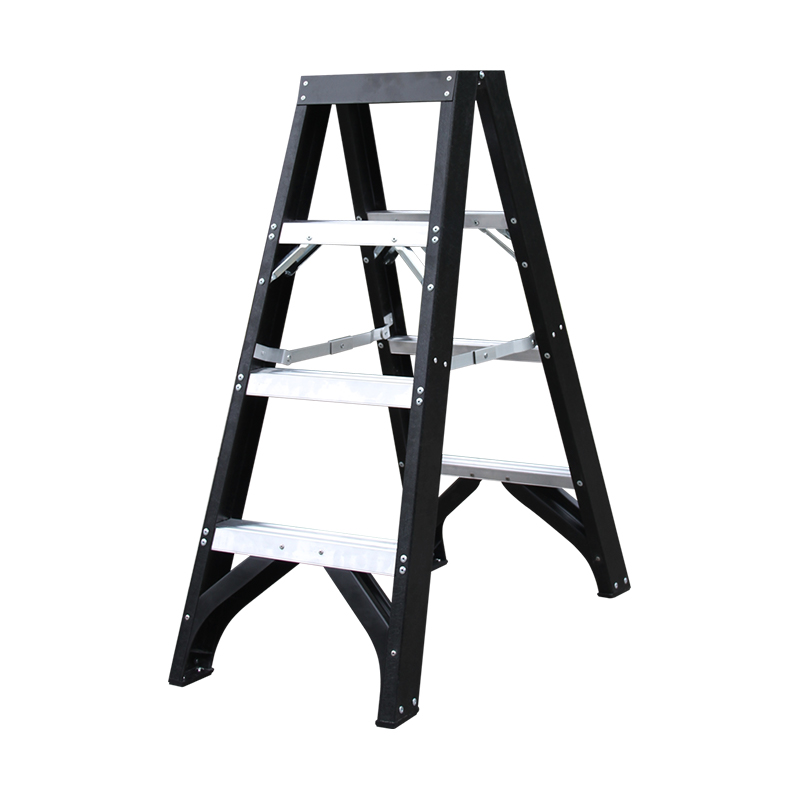
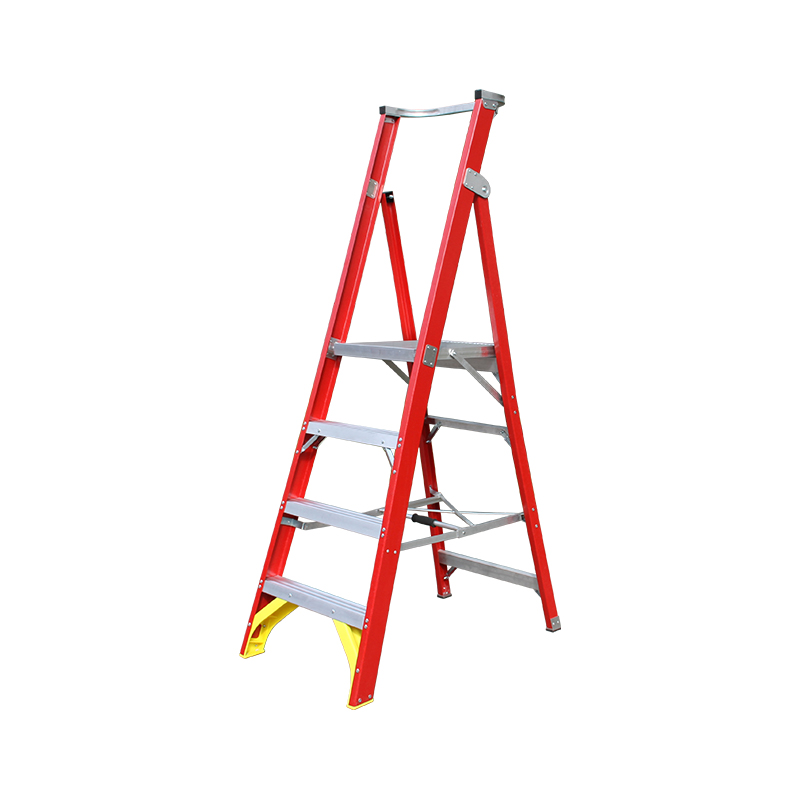
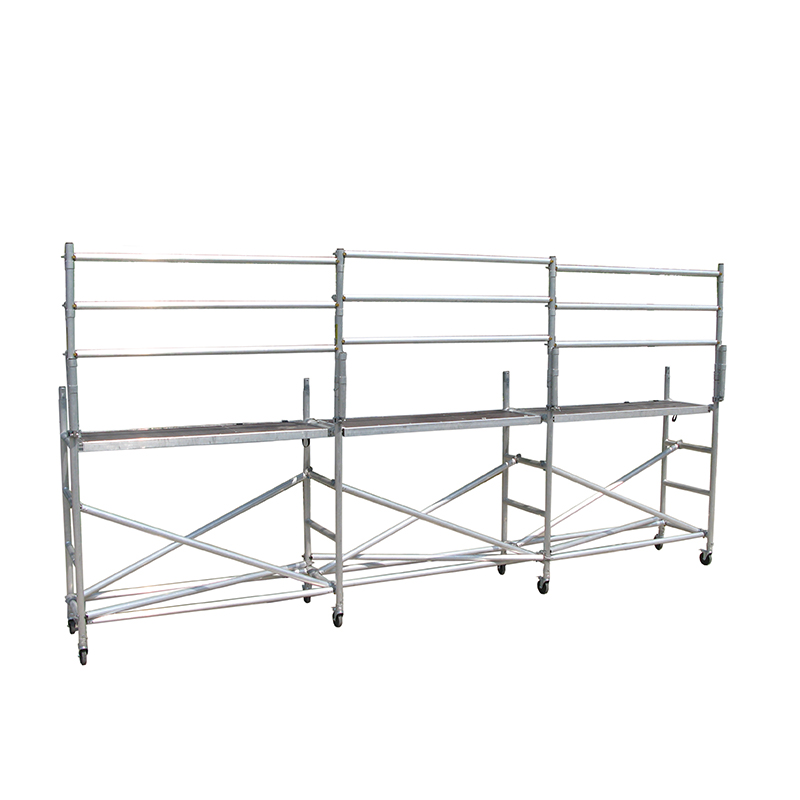
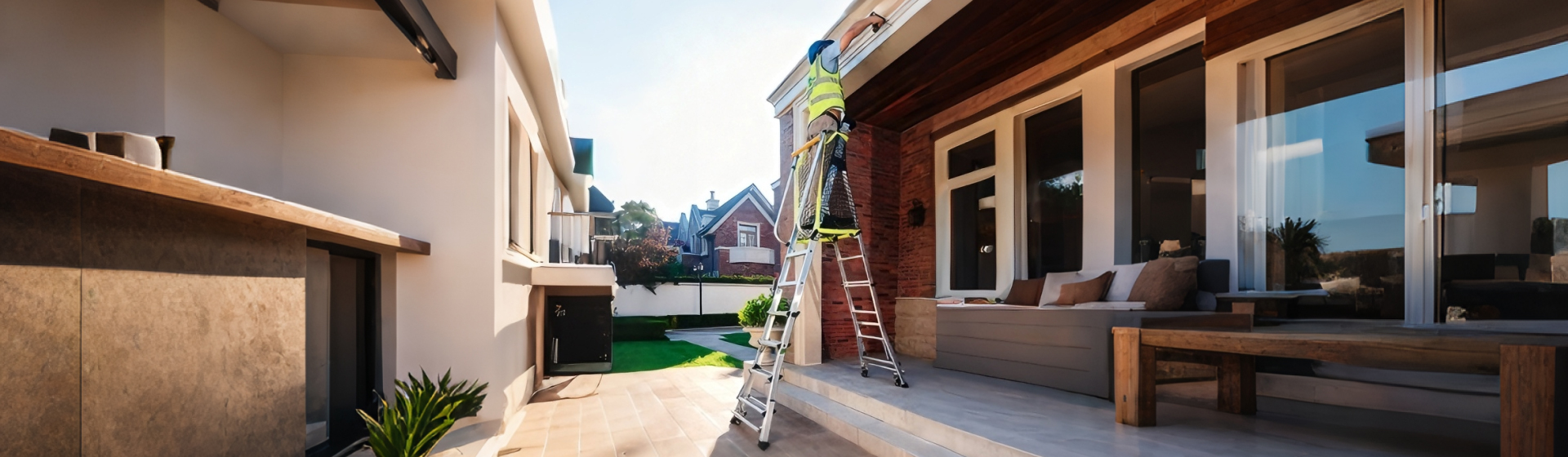
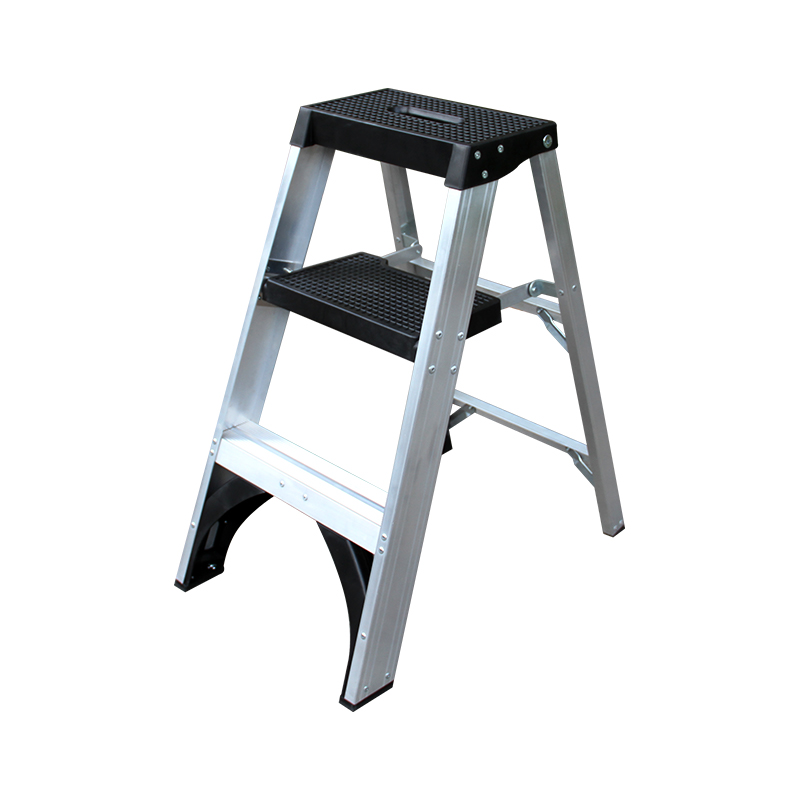
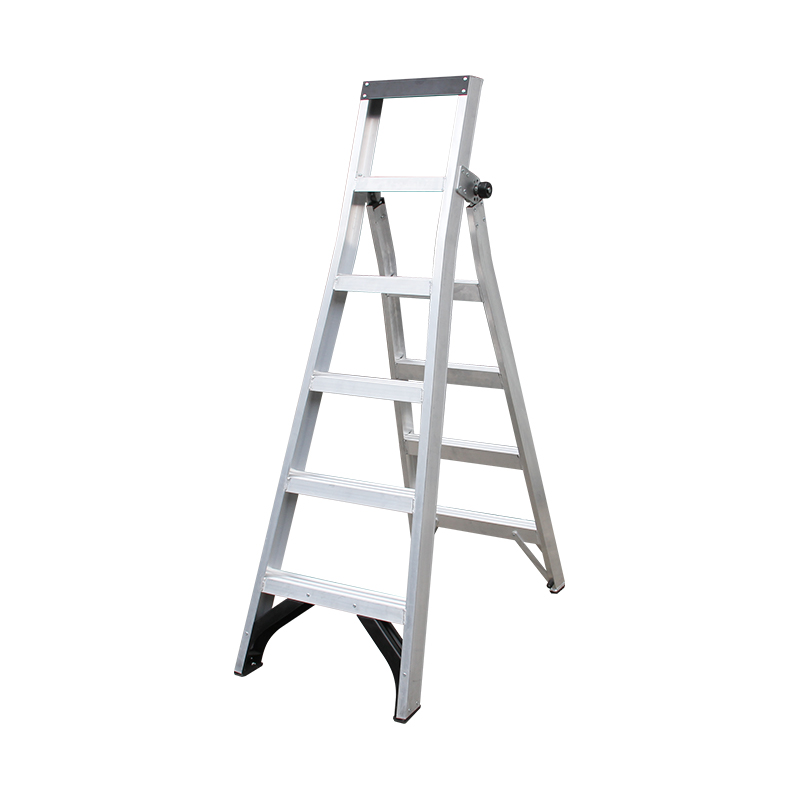
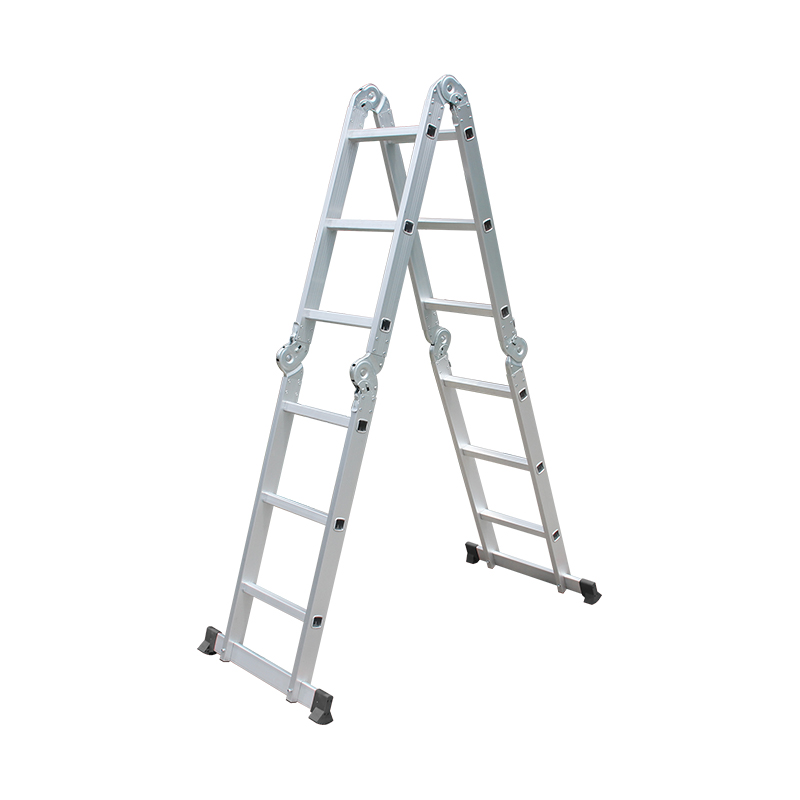
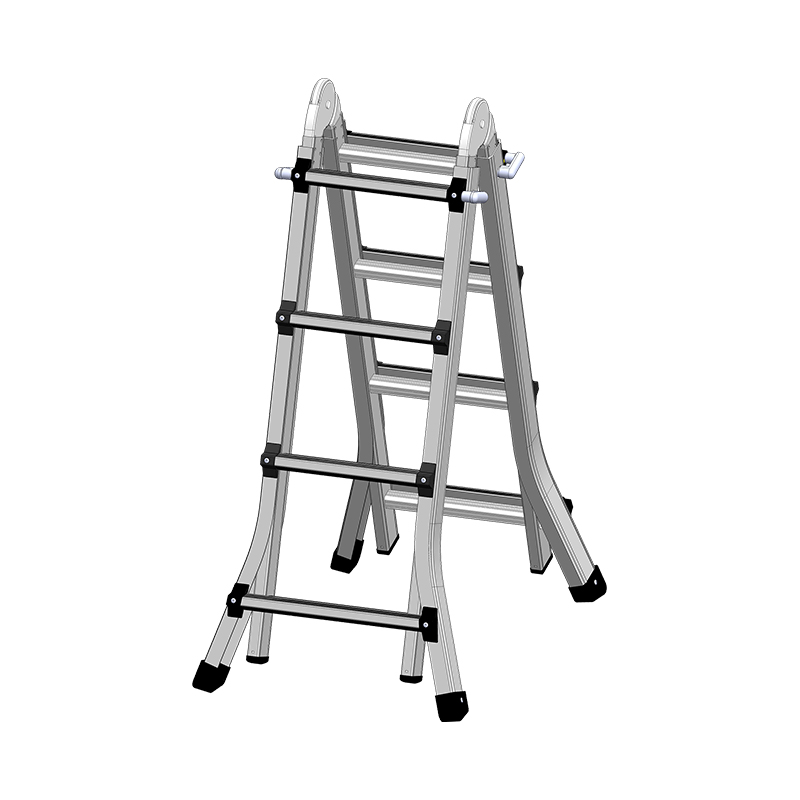
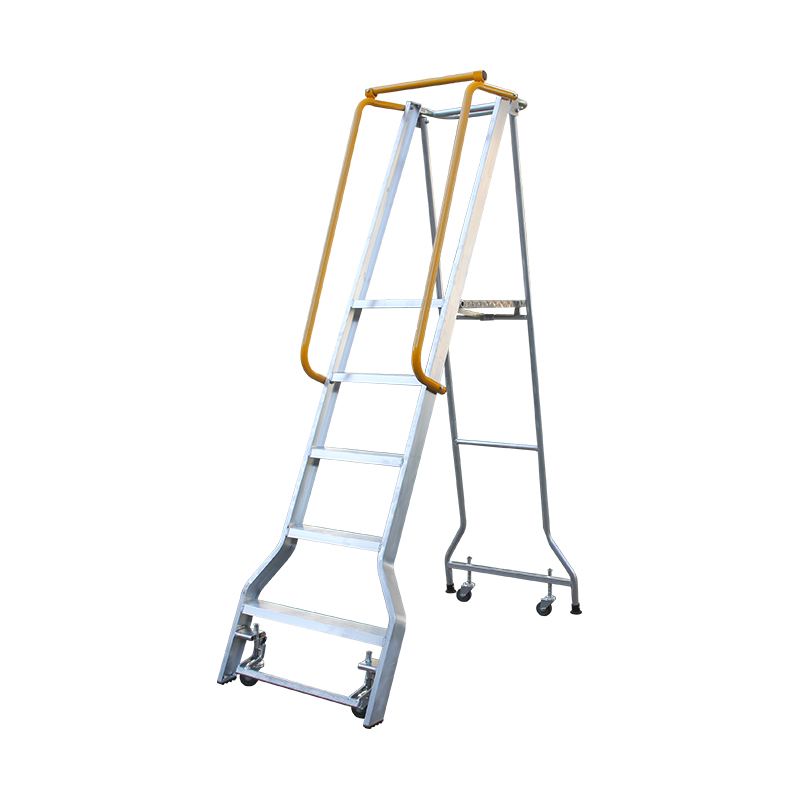
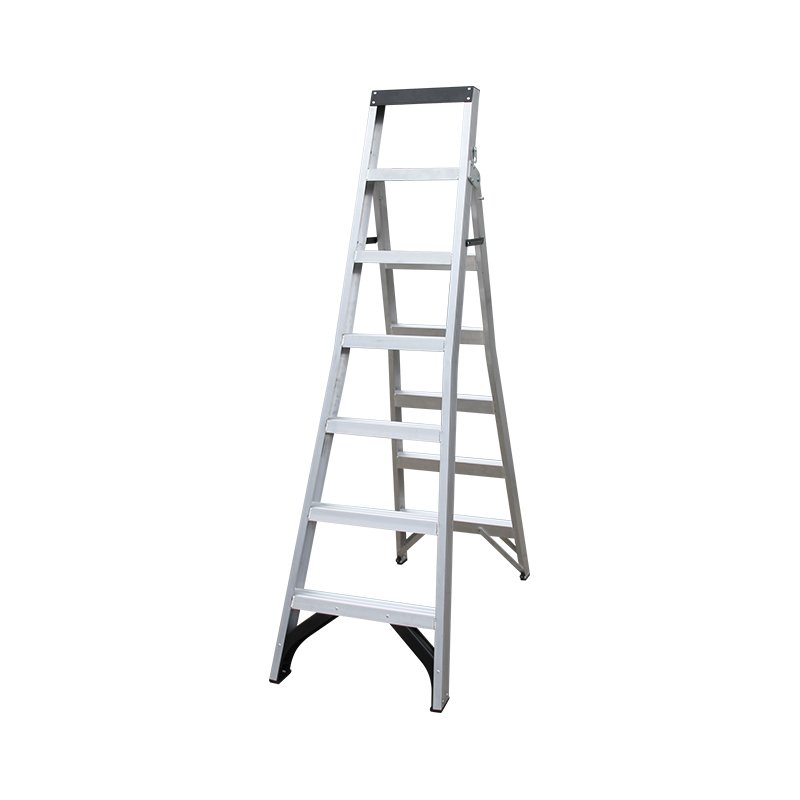
The geometry of Industrial Ladders should be evaluated according to the actual working environment rather than ladder height alone. Rail angle, step spacing, base width, platform dimensions and the position of supporting components all influence how an operator climbs, stands and reaches during routine tasks. In production facilities, warehouses and maintenance areas, a ladder that is repeatedly repositioned throughout a shift should also be considered from the perspective of handling effort and storage efficiency.
Shanghai Ruiju Metal Products Co., Ltd. has specialized in customized climbing and working-at-height solutions since 2001. The company operates a 12,000 m² self-owned production facility with an integrated system covering R&D, product design, manufacturing and marketing. With more than 30 years of expertise in working-at-height products and technologies, Ruiju develops ladders, aluminium scaffolding systems, work platforms and related equipment for both domestic and international markets.
Dimensions That Affect Workplace Use
- Step spacing should remain consistent so operators can maintain predictable foot placement.
- The climbing angle should correspond to the intended access and working configuration.
- Base dimensions should provide an appropriate support footprint for the selected working height.
- Platform dimensions should provide sufficient usable standing space for the intended task.
Material Selection for Repeated Industrial Ladder Use
For Industrial Ladders used repeatedly in factories, workshops and logistics facilities, material selection involves more than reducing structural weight. Aluminium is widely used where a combination of manageable weight, corrosion resistance and structural performance is required. However, the finished performance also depends on profile geometry, wall thickness, joints, welds, steps and load-transfer paths. A properly designed aluminium structure can provide practical handling characteristics without relying on unnecessarily heavy components.
The operating environment should also influence material and surface-treatment decisions. Indoor production areas may have different requirements from outdoor maintenance locations or facilities exposed to moisture and airborne contaminants. Where ladders are used around chemicals, machinery or specialized production processes, the compatibility of materials and surface finishes should be considered during specification.
| Material Consideration | Relevant Performance | Industrial Specification Focus |
|---|---|---|
| Aluminium profile | Weight and structural stiffness | Alloy, profile geometry and dimensions |
| Step material | Foot support and durability | Surface structure and attachment method |
| Connection components | Frame integrity | Fastener selection and assembly consistency |
| Foot components | Floor contact and equipment stability | Material, wear resistance and secure attachment |
Load Distribution and Structural Design Are Closely Connected
When specifying Industrial Ladders, the rated working load should be considered together with how the load is applied. A centrally positioned operator, an operator reaching sideways and an operator carrying tools can create different force distributions through the rails, steps, platform and supporting structure. This is particularly relevant for fixed-height platforms and specialized maintenance ladders where the user may remain in one working position for an extended period.
Engineering drawings should therefore communicate not only overall dimensions but also critical structural information. Profile sizes, step attachment points, platform supports, hinge locations and load-bearing connections should be clearly defined. For customized production, this information helps maintain consistency between prototypes and subsequent production batches.
Technical Information Worth Defining
- Maximum intended working load and applicable test conditions.
- Working height, overall height and platform height where applicable.
- Step quantity, spacing, depth and surface configuration.
- Base width and required clearance around the ladder.
- Expected operating frequency and typical working conditions.
Inspection Planning for Industrial Ladder Fleets
Facilities operating several Industrial Ladders can benefit from a standardized inspection process. Frequent handling, transportation and repeated loading may gradually affect components even when there is no obvious damage to the main frame. Inspection procedures should therefore cover structural members as well as steps, fasteners, hinges, feet, wheels and other components specific to the ladder configuration.
A practical fleet-management system can record equipment identification, inspection dates, observed defects and maintenance actions. Standardized records make it easier for facility managers to identify recurring component issues and establish appropriate replacement intervals. Damaged equipment should be removed from service until its condition has been properly evaluated.
Useful Inspection Points
- Check rails and structural profiles for deformation, cracks or unusual bending.
- Inspect steps and platforms for looseness, damage or excessive wear.
- Verify that hinges, braces and fasteners remain properly secured.
- Inspect feet and wheels for wear and secure attachment where fitted.
- Confirm that labels, load information and safety markings remain legible.
Why Manufacturing Consistency Matters for Repeated Orders
For companies deploying Industrial Ladders across multiple facilities or production areas, consistency between units can simplify training, inspection, spare-parts management and replacement planning. Consistent profile dimensions, step positions, hardware specifications and assembly methods help ensure that different batches maintain the intended configuration. This makes manufacturing process control an important part of product quality rather than simply a final inspection activity.
Shanghai Ruiju Metal Products Co., Ltd. maintains an ISO 9001-certified manufacturing system and is BSCI audited. Its standard products comply with China's national standard GB12142, while export products meet applicable Australian, European and American industry standards. Products are rigorously tested and certified by SGS and TÜV. Operating under the Ruiju brand, the company also maintains a portfolio of technical patents and continues to invest in market-oriented product development.
With its 12,000 m² self-owned production facility and integrated capabilities in R&D, design, manufacturing and marketing, Shanghai Ruiju Metal Products Co., Ltd. can coordinate product engineering and production requirements for different working-at-height applications. For purchasers evaluating Industrial Ladders, factors such as intended load, operating environment, dimensions, applicable standards, inspection requirements and long-term maintenance should be defined together to create a more suitable technical specification.