en
en 简体中文
简体中文 Español
 Deutsch
 عربى
عربى


Engineering Tolerances in Custom Aluminium Platform Fabrication
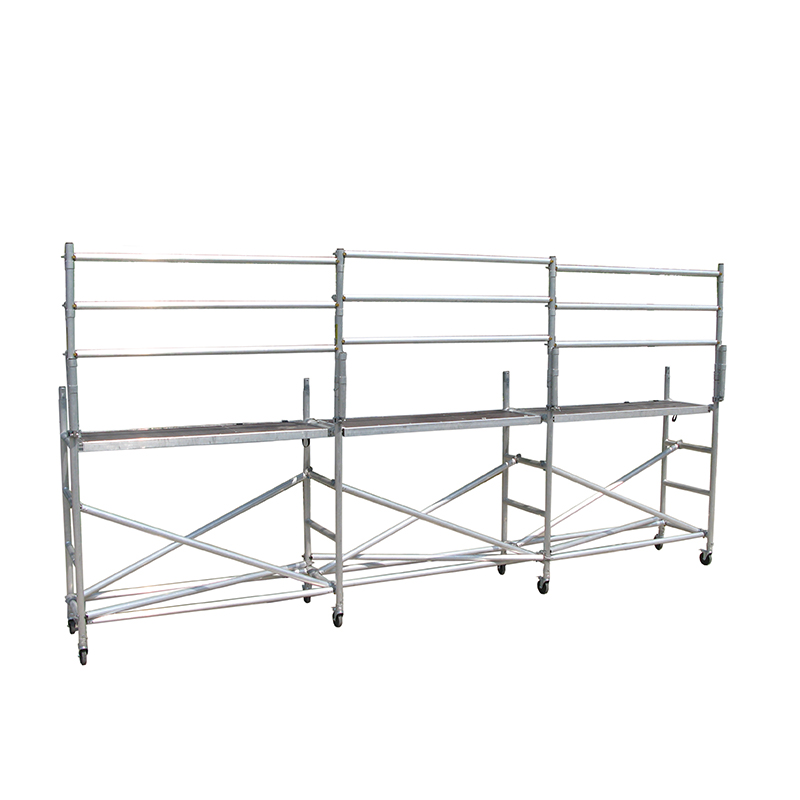
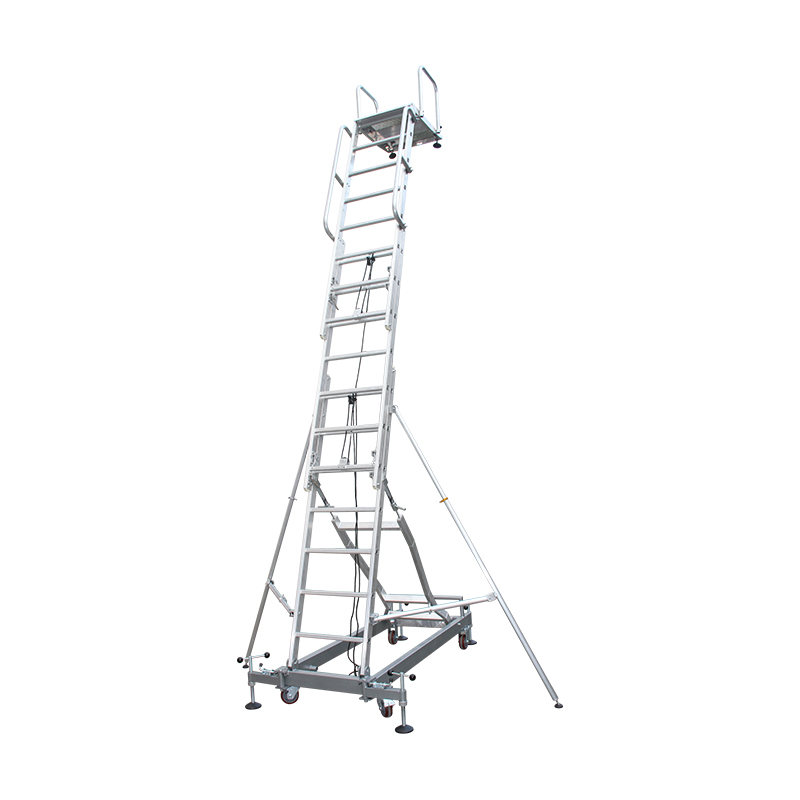
In custom fabrication aluminium platform projects, dimensional tolerance should be defined before production rather than treated as a final inspection issue. Platform length, width, working height, frame alignment, mounting-hole positions and connection interfaces can all affect installation accuracy. For industrial equipment, even a small dimensional deviation may become significant when the platform must connect with machinery, access structures, guardrails or existing building components. A practical specification should therefore identify critical dimensions separately from non-critical appearance dimensions, allowing manufacturers to control the areas that directly influence installation and operation.
Shanghai Ruiju Metal Products Co., Ltd. has specialized in customized climbing and working-at-height solutions since 2001, with extensive experience in ladders, aluminium scaffolding systems, work platforms and related equipment. The company operates a 12,000 m² self-owned production facility and has established an integrated industrial system covering R&D, product design, manufacturing and marketing. With more than 30 years of expertise in working-at-height products and technologies, Ruiju continues to develop customized solutions for domestic and international customers.
Dimensions Worth Defining on a Technical Drawing
- Overall platform dimensions, including length, width and working height.
- Structural member dimensions and locations of supporting profiles.
- Mounting-hole diameter, pitch and positional tolerance.
- Interface dimensions for machinery, stairs, access systems or existing structures.
- Guardrail, toe-board and access-opening locations where applicable.
How Extrusion Profiles Influence OEM Custom Platform Design
An OEM custom platform often requires more than simply changing the dimensions of a standard product. Aluminium extrusion profiles can be selected or configured according to span, loading conditions, connection methods and available installation space. Profile geometry affects stiffness and weight, while the arrangement of cross members determines how loads are transferred through the platform frame. For repeat-production projects, establishing a standardized profile system can also simplify procurement, assembly and replacement of components.
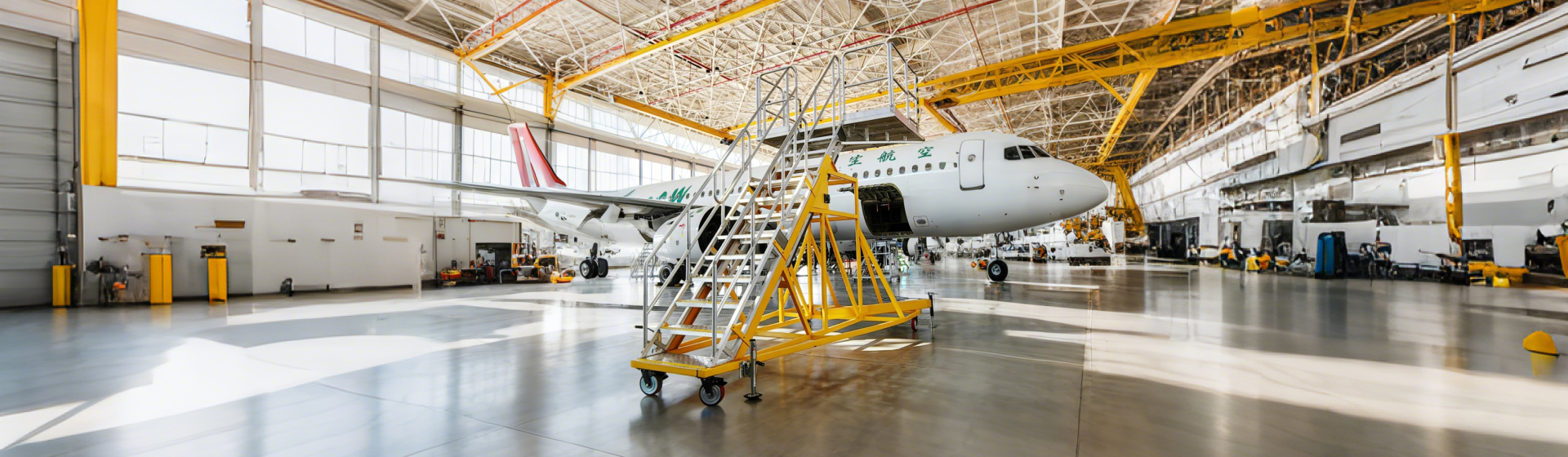
For equipment manufacturers integrating an access platform into a larger machine or production system, early coordination between the platform structure and the host equipment is particularly useful. Interface drawings should identify attachment points, clearance zones, access directions and any components that may interfere with assembly. This reduces the need for site modifications and helps maintain consistency between different production batches.
| Design Element | Key Engineering Question | Production Consideration |
|---|---|---|
| Extrusion profile | Is the section suitable for the required span and load? | Profile dimensions and connection compatibility |
| Cross members | How will working loads be distributed? | Consistent spacing and accurate assembly |
| Mounting interface | How does the platform connect to the host structure? | Hole position and dimensional control |
| Access components | Can operators enter and leave safely? | Clearance and component positioning |
Surface Treatment and Material Selection for Long-Term Use
Material selection for a custom aluminium platform should consider the operating environment rather than weight reduction alone. Indoor factory applications may have different requirements from outdoor installations exposed to moisture, temperature changes and airborne contaminants. The choice of aluminium alloy, surface finish, platform decking and fastener materials can influence durability and maintenance requirements. Where the platform is installed near chemicals, process equipment or coastal environments, compatibility between the selected materials and the surrounding conditions should be reviewed during the design stage.
Details to Confirm Before Mass Production
- Aluminium alloy and profile specifications.
- Required surface treatment and acceptable appearance standards.
- Decking material, surface texture and drainage requirements where relevant.
- Fastener material and compatibility with the aluminium structure.
- Packaging requirements for transportation and on-site assembly.
Prototype Validation Before Repeated Production
For an OEM custom platform, prototype validation can reveal practical problems that may not be obvious from drawings alone. A first article can be checked against the actual installation environment to verify dimensions, connection points, operator access, clearance and assembly sequence. This is especially useful when the platform is being integrated with machinery or an existing production line. Once the prototype is confirmed, the approved drawing and bill of materials can become the reference for subsequent production batches.
A structured validation process can include dimensional inspection, assembly checks, load-related verification and functional testing appropriate to the intended application. Documentation of the approved configuration is also valuable for repeat orders because it reduces ambiguity between engineering, purchasing and manufacturing teams. For customized equipment, controlling revisions is particularly important: even a minor change to a mounting hole, profile or guardrail position can affect installation compatibility.
Manufacturing Capability as Part of Custom Platform Development
Shanghai Ruiju Metal Products Co., Ltd. combines product development, engineering design and manufacturing within its own 12,000 m² production facility. The company operates under the Ruiju brand and has accumulated a portfolio of technical patents through continued product development. Its manufacturing system is ISO 9001 certified and BSCI audited, providing a structured basis for production and quality management. Standard products comply with China's GB12142 requirements, while export products are developed to meet applicable Australian, European and American industry standards and are rigorously tested and certified by SGS and TÜV.
For customers requiring custom fabrication aluminium platform solutions, this integrated approach allows design details, manufacturing requirements and quality considerations to be coordinated from the early engineering stage. Whether the requirement involves a modified platform size, special access arrangement, machine interface or repeated OEM production, defining technical requirements clearly at the beginning helps create a more controlled path from concept and prototype to finished equipment.
Information Useful for a Custom Manufacturing Inquiry
- Overall dimensions and required working height.
- Expected working load and load-distribution conditions.
- Installation drawings, photographs or existing equipment interface dimensions.
- Required access direction, guardrail arrangement and platform surface.
- Target market, applicable standards and inspection requirements.
- Expected order volume, packaging method and requirements for repeat production.